Tag: how to choose

  • How to Choose Between Monocrystalline and Polycrystalline Panels

    How to Choose Between Monocrystalline and Polycrystalline Panels

    Understanding the Basics of Solar Panel Technology

    Monocrystalline Panels

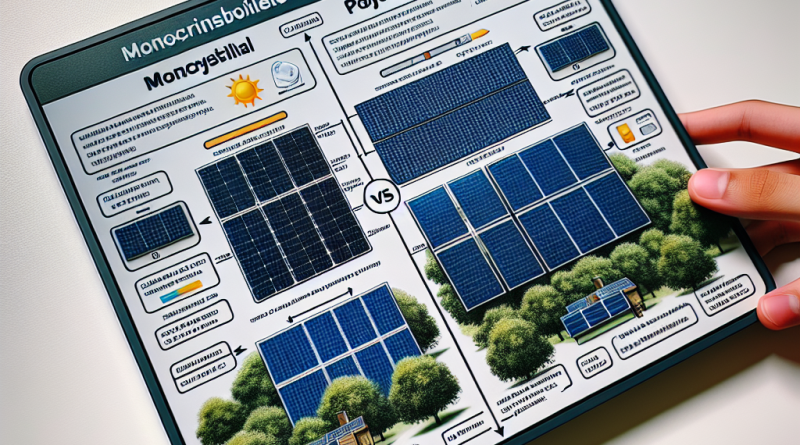
    So, what are monocrystalline panels? Well, they’re made from a single crystal structure, usually silicon. I remember when I first came across them; they looked sleek and elegant, often appearing darker than their counterparts. It’s this unique structure that allows the panels to achieve higher efficiency rates. In simpler terms, they convert more sunlight into electricity than polycrystalline panels do.

    One of the major selling points for me was their longevity. Manufacturers often offer warranties that guarantee performance for 25 years or more. This meant peace of mind for my investment. Not to forget, they tend to take up less space because they produce more energy per square foot compared to the alternatives.

    However, there’s a flip side. Monocrystalline panels do come with a heftier price tag. From personal experience, the upfront investment can be a bit daunting. Yet, considering their efficiency and warranty, many find themselves saying, “Hey, this is worth it!” It’s all about balancing budget with the long-term benefits, right?

    Polycrystalline Panels

    Now, let’s talk about polycrystalline panels! These guys are made from multiple silicon crystals melted together. When I first laid eyes on them, I noted that they appeared bluer and had that speckled look—almost artistic in a way. They don’t perform quite as efficiently as monocrystalline but still get the job done for plenty of homeowners.

    What I love about polycrystalline panels is their affordability. I mean, if you’re working on a tight budget but still want to dive into solar power, this could be your ticket. They’re usually less expensive to produce, and that cost saving often gets passed down to us consumers, which is pretty cool.

    However, keep in mind that they might not be the best fit if you have limited roof space. The energy density simply doesn’t measure up to monocrystalline panels, which means you might need more of them to generate the same amount of power. I faced this dilemma once and had to weigh up my options before committing.

    Efficiency Ratings

    Comparative Efficiency

    When diving into solar panels, efficiency ratings are a hot topic. Monocrystalline panels usually shine here with efficiencies hovering between 15-22%. I was impressed by how well they worked in low-light situations too, making them versatile for various climates. Their ability to convert more sunlight into usable energy is something I always appreciated during those cloudy days.

    On the other hand, polycrystalline panels typically see lower efficiency, usually around 13-16%. This came as a bummer to me initially, but I realized they can still perform well in full sun. So, if you’ve got a sun-drenched rooftop, they may suit your needs just fine, despite the lower efficiency.

    It’s essential to factor in the efficiency when deciding how many panels you’ll need. Remember that a more efficient panel can reduce the total space you need to allocate, which is super helpful for those of us working with limited roofing area.

    Cost Considerations

    Upfront Costs

    Let’s talk dollars and sense—pun intended! Monocrystalline panels generally cost more upfront. When I was shopping around, the price tag often caught my eye. However, the higher efficiency can lead to lower overall energy bills in the long run, which eased my hesitation about investing more initially.

    The beauty of polycrystalline panels is in their affordability. They’re often about 20% cheaper than monocrystalline. This made them an easy choice for folks on a budget or those looking to power large areas without breaking the bank. I learned firsthand how shopping around and comparing quotes can save big bucks.

    Don’t forget to consider installation costs as well! Sometimes the installation expenses can nudge the overall costs in one direction or the other, depending on what panels you’re choosing. I remember factoring everything in before making my decision, which helped eliminate any nasty surprises down the road.

    Space Requirements

    Installing Solar Panels on Limited Roof Space

    If you’re like many homeowners, roof space is often a concern. When I first started my solar journey, I measured every inch, considering how many panels I could fit up there. Here’s the kicker—monocrystalline panels, being more efficient, can generate more power in less space. This was a game-changer for me!

    Polycrystalline panels, while still effective, require more real estate due to their lower efficiency. If you have a sprawling rooftop, you might not even have to think twice. But if space is at a premium, remember, the more efficient panels might save you from cramming panels onto the edges of your roof.

    So, if you’re in a neighborhood where everyone seems to be doing a solar install, this can be an important factor to consider! I realized that choosing the right panel could make a world of difference in maximizing my renewable energy potential.

    Environmental Impact

    Production and Sustainability

    You know I love a good conversation about Mother Earth! When I looked into the production of both monocrystalline and polycrystalline panels, it was pretty enlightening. Monocrystalline panels generally have a lower environmental impact over their lifespan since they often produce more energy, reducing the amount of raw materials needed.

    On the flip side, polycrystalline panels have a higher energy payback time, meaning they take a little longer to greenify your home. However, I found they are less energy-intensive to produce, which can be a significant point for eco-conscious buyers. It kind of boils down to picking your battles in the investment.

    Ultimately, whichever you choose, know that both options work towards reducing carbon footprints. I remember feeling great knowing that by going solar, regardless of which panel type, I’m doing my part for the planet. It’s always a win-win when you think about it!

    Frequently Asked Questions

    1. What is the main difference between monocrystalline and polycrystalline panels?

    The primary difference lies in their manufacturing process: monocrystalline panels are made from a single crystal structure while polycrystalline panels are composed of multiple silicon crystals. This affects their efficiency and aesthetics.

    2. Which type of panel is more efficient?

    Monocrystalline panels generally offer higher efficiency, converting 15-22% of sunlight into electricity, while polycrystalline panels typically range from 13-16% efficiency.

    3. Are polycrystalline panels a good option for small roofs?

    If you’re limited on space, monocrystalline panels might be better since they generate more power per square foot. Polycrystalline panels require more space to achieve similar energy production.

    4. How do cost considerations play into the decision?

    Monocrystalline panels are usually more expensive initially, but their higher efficiency may lead to cost savings on energy bills over time. Polycrystalline panels are often more budget-friendly upfront but may not deliver the same long-term savings.

    5. What about the environmental impact of these panels?

    Both types of panels help reduce your carbon footprint. Monocrystalline panels may have a lower environmental impact over their lifespan due to higher energy generation, while polycrystalline panels are less energy-intensive to produce.

  • How to Choose the Right Solar Energy Company in Your Area

    Choosing a solar energy company can feel like searching for a needle in a haystack. With so many options out there, how do you find the right one for your specific needs? I went through this process recently and have picked up some valuable lessons along the way. I’ll break down my experience into five key areas that I wish I had known from the start. Let’s dive in!

    Researching Local Solar Energy Companies

    Understanding Your Local Market

    The first step in this journey is getting to know what’s available in your area. Local markets can differ a lot when it comes to solar options. Some companies might have exclusive contracts with local providers, while others may offer competitive pricing and incentives that you can take advantage of.

    I learned that checking relevancy is key. Use community forums and local social media groups to gauge what people are saying about different companies. Recommendations from neighbors can lead you to hidden gems that might not pop up in a typical Google search.

    Finally, look for solar companies that have a physical presence in your area. This is a significant indication that they are rooted in the community and likely to offer solid support and service after installation.

    Evaluating Reviews and Reputation

    Where to Find Reviews

    Once I compiled a list of potential companies, the next step was to sift through their reviews. Websites like Yelp and SolarReviews are invaluable resources for this process. Don’t just skim through the ratings; actually read some reviews to get a sense of both the positive and negative feedback.

    I often found that patterns began to emerge while reading multiple reviews. For example, if several customers mentioned long wait times or poor customer service, that was a huge red flag for me. But if most feedback applauded a company for its prompt installation and customer support, I took notice.

    Consider what the reviews are emphasizing—whether it’s product quality, installation experience, or maintenance support. This will give you a clearer picture of what to expect.

    Assessing Solar Panel Options and Technology

    The Importance of Quality Products

    Not all solar panels are created equal, and frankly, some are downright bad. When selecting a company, I made sure to inquire about the types of panels they offer and their efficiency ratings. High-quality panels may cost a bit more upfront, but they typically save money in the long run through greater efficiency and durability.

    Ask about warranties as well. A solid warranty can give you peace of mind. Look for companies that provide extended warranties not only on the panels themselves but also on the installation process. Quality assurance is paramount.

    Lastly, ask follow-up questions about the panels’ performance in your specific climate. Companies that genuinely care about customer satisfaction will have tailored solutions based on geographical considerations.

    Inquiring About Financing Options

    Understanding Your Financial Options

    Financing can be a tricky hurdle, and it was one I had to navigate too. There are multiple ways to finance solar installation—such as cash purchases, loans, and leasing options. Each comes with its own set of terms that can significantly affect your long-term savings.

    I realized that some companies provide solar power purchase agreements (PPAs) that let you pay for the energy your system produces, which can be a budget-friendly approach. Also, don’t shy away from asking about available tax credits or local incentives. A reputable company should be able to point you in the right direction for savings!

    Consider getting pre-approved for a solar loan before speaking with companies. This can give you a better idea of your budget and makes negotiation easier in the end.

    Confirming Licensing and Insurance

    The Importance of Proper Licensing

    Last but definitely not least, you want to make sure that any contractor you work with is properly licensed and insured. This helps protect you from any liability in case something goes wrong during installation or if the system needs maintenance down the road.

    Most states require solar installers to have specific licenses, so check with your state’s licensing board to verify that the companies you’re considering meet these requirements. A company that is transparent about its licensing is usually one you can trust.

    Don’t forget to ask about insurance coverage as well. A good solar contractor should carry liability insurance and worker’s compensation insurance for their employees. This is essential for your protection and peace of mind.

    FAQs

    1. How long does it take to install solar panels?

    Typically, solar panel installations take one to three days, depending on the size of your system and the complexity of the installation. However, waiting for permits and inspections can add extra time.

    2. Are there any tax incentives for installing solar panels?

    Yes! Many states and the federal government offer tax credits and incentives for solar installations, which can significantly reduce the amount you pay out of pocket. It’s best to check with a tax professional for specific details.

    3. How much does it typically cost to install solar panels?

    Costs can vary widely based on the size of the system, quality of equipment, and your location. On average, you might expect to pay between $15,000 and $25,000 before any incentives.

    4. What happens if I sell my house after installing solar panels?

    If you sell your home, solar panels can actually add value! Depending on your arrangement, the new homeowner may assume the financing or leasing agreements.

    5. How do I maintain my solar panels?

    Solar panels require minimal maintenance, but it’s a good idea to clean them occasionally and have them inspected by a professional yearly to ensure they’re operating efficiently.

    I hope my experience helps you on your journey to finding the right solar energy company in your area. Solar energy is an incredible investment, and with some research and diligence, you can choose a company that fits your needs perfectly!

  • How to Choose the Best Solar Power System for Your Home

    How to Choose the Best Solar Power System for Your Home

    Understanding Your Energy Needs

    Assessing Your Current Energy Consumption

    First off, figuring out how much energy you use is crucial. Take a peek at your energy bills for the past year. It’s super helpful to look for patterns—like how your use spikes in the summer or winter. Jot it down. Understanding these peaks and troughs can help you figure out your average energy consumption, which is key for sizing your solar power system.

    Don’t forget to consider the main appliances in your home and how much energy they consume. You can usually find the wattage on the appliance itself or in the user manuals. Tools like energy monitors can give you a real-time look at what’s munching away at your power supply.

    Once you have this information, you can start to visualize what you’ll need in terms of solar output. Think about how much of your energy consumption you’d like to cover with solar; maybe you’re cool with going 50% green, or maybe you’re all-in for 100%. Whatever the case, make a plan!

    Evaluating Your Roof and Location

    Checking Roof Orientation and Sunlight Exposure

    Your roof plays a huge role here! Ideally, you want it to face south—this is where you get the most sun. If your roof is more east or west-facing, don’t sweat it, though. You can still make it work with a good system. It might just take a few extra panels or a slightly different arrangement.

    Next is sunlight exposure. Do any big trees or buildings cast shadows on your roof? It’s like having a pesky umbrella blocking your sunshine. If your roof gets shaded during peak sun hours, you might need to think about trimming some foliage or investing in a different placement for your panels.

    Lastly, the angle of your roof can affect solar efficiency. For those of us lucky enough to have a sloped roof, you’re in good shape! But if your roof is flat, you might need some mounts to angle the panels just right. The goal is to maximize exposure to those beautiful sun rays.

    Choosing the Right Solar Panel Technology

    Exploring Different Types of Solar Panels

    Okay, now we hit one of the most exciting parts—picking out the panels! There are generally three types to consider: monocrystalline, polycrystalline, and thin-film solar panels. Each has its perks and quirks. Monocrystalline panels are the most efficient, giving you more bang for your buck in terms of space. If you’ve got limited roof space, these are your best pals!

    Polycrystalline panels are usually a bit cheaper and slightly less efficient. If you’re on a budget and have plenty of roof space, they might be a solid option. Then we’ve got thin-film panels; they’re lightweight and flexible but often take up more space for the same energy output. Knowing your roof limits will help steer your choice.

    When you’re out shopping, definitely ask about the warranties! A good solar panel should generally come with at least 25 years of warranty, so you know it’s built to last. You want a solar investment that holds up over time because once you’ve gone green, sparking joy and energy savings is the goal!

    Assessing Installation Costs and Financing Options

    Understanding Solar Incentives and Rebates

    Let’s chat dollars and cents! We all know solar isn’t just a set-it-and-forget-it kind of deal. It’s important to understand the total installation cost upfront. Your local and federal government might offer some incentives or rebates, so be sure to do your homework. The federal solar tax credit, for example, allows you to deduct a chunk from your federal taxes.

    Also, look into state and local programs. Some areas offer cash rebates or even performance-based incentives. This can significantly lower that initial price tag, making it a lot more manageable. If you do your research, you might discover savings you didn’t know about!

    Financing is another option. Many companies offer flexible plans, including solar loans or leases. This way, you can pay as you go rather than dropping a huge sum all at once. Just make sure you understand all the terms, and find a plan that aligns with your budget and energy goals.

    Finding a Reputable Solar Installer

    Researching Potential Solar Companies

    Now, for the fun part—meeting your potential partners in solar! When looking for a reputable installer, don’t hesitate to ask for recommendations from friends or family. You trust their judgment, and word-of-mouth can often lead to discovering fantastic local companies you wouldn’t find on a large scale.

    Read online reviews and check out ratings on sites like the Better Business Bureau. Look for companies that have been around for a while—experience counts! Don’t forget to check their previous installations. A reputable installer will be proud to show off their past work and will even have customer testimonials to back it up.

    Lastly, ensure they’re properly licensed and insured. This isn’t just a box to tick; you definitely want protection in case something goes wrong during the install. A trustworthy solar company will be upfront about their credentials and ready to answer any questions you might have.

    FAQs

    1. How much can I save on my energy bills with solar power?

    Your savings can vary, but many homeowners report reductions of 50% or more on their energy bills after switching to solar. It really depends on your energy consumption and the size of your solar system.

    2. Is my roof suitable for solar panels?

    Most roofs can accommodate solar panels, but factors like orientation, angle, and shading will play a crucial role in how effective your system will be. A good installer can assess this during your consultation.

    3. How long does it take to install solar panels?

    Typically, the installation process takes about one to three days, depending on the size of your system and any complexities involved. But the entire project, from consultation to activation, can take a few weeks to a few months.

    4. What happens on cloudy days?

    Don’t worry! Solar panels still generate energy on cloudy days, although the output will be lower than on sunny days. If you live in a region with lots of overcast days, it’s smart to consider a system that can supplement your needs.

    5. Do I need to maintain my solar panels?

    Not a ton! Generally, solar panels require minimal maintenance. Just a periodic cleaning and inspection will keep them running smoothly, so you can enjoy those sunny benefits with ease!

  • How to Choose the Perfect Solar Generator

    How to Choose the Perfect Solar Generator

    Understanding Your Power Needs

    Assessing Your Energy Consumption

    Before diving into the world of solar generators, I had to figure out how much energy I actually used in my daily life. It’s not just about grabbing any generator; it’s about knowing how much juice you need. I started by listing all my devices, from my laptop to my coffee maker, and noting their wattage. This gave me a clearer picture of what I required.

    Once I had a list, I researched how long I’d need to run each device in a day. This math can feel a bit overwhelming at first, but it’s super vital. I even made a spread sheet (yes, I’m that person in the group) to calculate total watt-hours needed. A little effort here saves a ton of headache later.

    Finally, I factored in a little extra for those unexpected power needs. Trust me, you don’t want to find yourself short when you’re out camping or dealing with a power outage. So, always round up to ensure you have enough power just in case!

    Evaluating Solar Generator Types

    Differentiating Between Inverter Types

    Now that I’ve got a grip on my power needs, it was time to explore the types of inverters available. There are two main types: pure sine wave and modified sine wave inverters. Pure sine wave inverters are more versatile, capable of powering sensitive electronics flawlessly, while modified sine wave inverters tend to be cheaper and work for less sensitive appliances.

    I personally lean towards pure sine wave, especially since I have a few devices that require that smooth wave to function properly. It’s like choosing the right kind of coffee – you could settle for something subpar, but why when you can have the quality experience?

    Choosing the right inverter is like finding the right rhythm in a song; it should fit perfectly with your needs, ensuring everything works smoothly without stress or hiccups.

    Considering Portability

    Weighing Size and Weight

    When I first started looking, I realized I needed to think about where I’d be using this solar generator. If you’re like me and love the outdoors, portability matters. Some generators are bulky, while others are lightweight and perfect for travel. I discovered that there’s a big difference in ease-of-use between lugging around a heavy one and packing a lighter version that I can easily toss in my car.

    Another point to consider is the setup. I didn’t want a generator that took forever to get up and running. Easy portability interlinks with this – the simpler it is to handle, the quicker I could get to powering my devices without fuss. After all, no one likes complications when they’re trying to relax at the beach!

    So, I often recommend to my friends that they don’t just look for the most powerful option. Look for something manageable that you can haul around without losing your cool. It makes all the difference during those spontaneous road trips!

    Researching Battery Capacity

    Understanding Lithium vs. Lead-Acid

    In my journey to find the perfect solar generator, I stumbled upon a significant decision: battery type. Lithium batteries have become all the rage these days, and for good reason. They’re lightweight, charge faster, and tend to last longer than traditional lead-acid batteries.

    However, I found lead-acid batteries can be cheaper upfront and are more widely available. But in the long run, they may not provide the same efficiency or cycle life. For me, after weighing the longevity versus the initial cost, lithium was the clear winner. It might feel like a splurge, but it truly pays off!

    Keep in mind the charging cycles as you choose. Lithium batteries typically allow for more cycles than lead-acid, which means more value over time. The last thing you want is to be replacing your batteries every year, right?

    Reviewing Additional Features

    Examining Durability and Maintenance

    The solar generator world offers a ton of features that can sweeten the deal, and I think it’s super important to consider. For instance, I learned the hard way that durability matters if I plan to take this thing on outdoor adventures. Some models are rugged and built to withstand the bumps and bruises of the great outdoors, while others seemed more fragile to me.

    Maintenance is another biggie. Some generators come with maintenance-free batteries while others need a more hands-on approach. Figuring out how much upkeep I was willing to handle helped narrow my options significantly.

    Lastly, I looked into additional features like USB ports, multiple output options, and even smart technology that allows you to monitor usage and battery levels. These extras can really add to your experience, so don’t overlook them. It all comes down to finding the right balance between features and what would make my life easier!

    Conclusion

    Choosing the perfect solar generator is all about understanding your unique needs and how each feature aligns with them. From power consumption to evaluating types and features, placing every detail into consideration paves the way for making a well-informed decision. I hope that sharing my experiences helps you in finding the ideal solar generator to keep you powered up, no matter where your adventures may lead you!

    FAQ

    1. What size solar generator do I need for my home?

    The size of the solar generator you need will depend on your energy consumption. Make sure to add up the wattage of the appliances you want to power to determine your needs.

    2. Are lithium batteries really better than lead-acid?

    Yes, lithium batteries generally outperform lead-acid in terms of weight, charging speed, and lifespan, making them a great option long-term despite the higher initial cost.

    3. How often do I need to maintain my solar generator?

    Maintenance largely depends on the type of battery and features your generator has. Some models are maintenance-free while others may require periodic battery checking or cleaning.

    4. Can I use a solar generator for camping?

    Absolutely! Many solar generators are portable and perfect for camping trips, letting you power devices easily while enjoying the great outdoors.

    5. What extra features should I look for in a solar generator?

    Additional features like multiple output options, USB charging ports, and smart technology for monitoring usage can enhance your experience and make your generator more user-friendly.

  • How to Choose a Solar Generator for Your Energy Needs

    How to Choose a Solar Generator for Your Energy Needs

    1. Determine Your Power Requirements

    Understanding Your Devices

    Before diving into the sea of solar generators, let’s first take a moment to assess what you’re actually going to power. It’s like planning a road trip: you need to know your destination, right? Whether it’s your phone, a mini fridge, or a whole RV, jot down the wattage of each device. You’ll find this info on the device’s label. If you can’t find it, a quick Googling can do wonders.

    Some devices are energy hogs. For instance, a blender can gin up to 700 watts, while a phone charger only needs around 5-20 watts. So, when you calculate your total power needs, consider all your tech. Remember, you might need to power these devices simultaneously, especially if you plan on using them in a crunch.

    Don’t forget to factor in some extra wattage for unforeseen circumstances! Having a buffer ensures that you won’t be left in the dark or without power. Just like leaving space in your bag for souvenirs! Trust me; it’ll save you some headaches later on.

    Daily Usage & Battery Capacity

    Next up, let’s talk about how long you plan to use these devices. This comes down to knowing the daily usage hours and matching it to battery capacity. The capacity is generally listed in amp-hours (Ah) and tells you how much energy it can store. For instance, if you have a generator with a capacity of 100 Ah, and a device that draws 10 amps, you can run that device for about 10 hours. Simple math, right?

    Maybe you’re gearing up for a weekend camping trip or a bigger preparation for emergencies. Either way, understanding how long your devices will run is crucial to avoid that dreaded ‘power-out’ moment. It’s like knowing how much gas you need for your trip, only to find out you forgot to fill up!

    So, take time to map it all out. I’ll admit this part can be brain-draining, but once you’ve got your numbers crunched, it feels oh-so-satisfying to see it all laid out. You’re setting the stage for a smooth sail ahead!

    Future Needs

    Think ahead! Sure, you may only need to power a few gadgets right now, but what about later? It’s like planting a seed—today, it’s just a little sprout, but tomorrow it could be towering over everything else. Are you planning on adding more devices, or maybe even stepping up to a larger energy setup in the future? Always consider your potential needs.

    Investing in a solar generator with room for expansion can save you time and money. It might be a tad more expensive upfront, but hey, who doesn’t love a little foresight? Getting something that won’t be obsolete in two years is key.

    Whether you’re eyeing more camping gadgets or prepping for emergencies, future-proofing your solar choice gives you room to breathe and adapt. It’s all about making sure you’re covered for whatever life throws your way!

    2. Assess Portability and Weight

    Ease of Transport

    Now, this is something I can personally relate to. If you’re like me and you love getting out and about, then portability should be high on your list. A solar generator that weighs a ton isn’t going to make your outdoor adventures very fun. Think about how you’ll be moving it from your car to your campsite or the backyard barbeque.

    Generally speaking, lightweight models are preferable, especially for camping trips or power outages at home. My advice? Look for models with built-in handles or wheels. Trust me, your back will thank you later! It’s not just a good workout; I’ve experienced too many trips where I’ve wished for an easier carry.

    Also, consider how much space it will take up in your vehicle. If you’re an over-packer like me, you probably don’t want to have to rearrange everything just to fit your generator. Compact designs often help in these scenarios, making it easier to stash without taking up the whole cargo space.

    Durability Factors

    When taking your solar generator on adventures, you’ll encounter various weather conditions—rain, shine, or even a windy day. That’s why looking for a durable model is paramount. A good solar generator should withstand the occasional bumps and bruises of life, especially if you plan on hiking or camping.

    Check for features like rugged casing and weather resistance. I once went with a generator that didn’t fare well in a downpour, and let’s just say, it wasn’t a pleasant experience. Look for user reviews and testimonials to see how other folks have fared under different conditions.

    Durability also ties into how long you expect your generator to last. Investing in high-quality materials might cost a bit more upfront, but it can save you money in the long run. Plus, you won’t have to deal with the hassle of replacements—ain’t nobody got time for that!

    Size Considerations

    Size matters when it comes to fitting your solar generator into your lifestyle. Depending on your power needs, you might need a larger unit or a smaller, portable one. It’s all about balance! Think about your living situation—are you using it in a van, a tiny home, or a sprawling backyard?

    Then there’s also the factor of what kind of lifestyle you live. If you’re typically on the move, a smaller size is key. But if you’re more stationary and can handle a bigger unit, then go for it! I’ve learned that striking the right balance makes all the difference in usability.

    Lastly, I’d recommend checking dimensions before you buy. It’s easy to overlook, but measuring your intended space can save you tons of frustration in the end. No more “surprise, it doesn’t fit!” moments, right?

    3. Evaluate Battery Type and Lifespan

    Lithium vs. Lead-Acid

    Let’s get down to the nitty-gritty of battery types because this is where things can get a bit technical. Lithium-ion batteries have taken the market by storm—and for good reason! They’re lightweight, charge quickly, and last a long time, which are all top points for someone who hates waiting around.

    On the flip side, you’ll find lead-acid batteries hanging around. While they’re typically more affordable, they also weigh a ton and have shorter lifespans. Seriously, considering the weight difference, I would choose lithium batteries just for the sheer ease of handling. Plus, the longer lifespan makes them a better long-term investment.

    If you have no idea which one to pick, just remember this: if you want something lightweight with a longer shelf life, go for lithium. If you’re looking at budget options and don’t mind the extra weight, lead-acid could work temporarily. It’s all about what vibe you’re going for!

    Charging Cycle & Lifespan

    A battery’s charging cycle can dictate its usability, so pay close attention. Lithium batteries can typically support around 2000-5000 charge cycles, while lead-acid usually range between 500-1000. That’s a huge difference! It’s like getting a new car vs. a used one—one is more reliable than the other.

    Knowing the lifespan of the battery can help you plan better. If you’re needing a consistent power source—especially for emergencies—it might be worth investing a little more on a quality battery. In my experience, having a reliable source gives greater peace of mind in a pinch.

    It’s also helpful to look into warranties. Good manufacturers will stand behind their products with fair warranties, which is an excellent indication of reliability. So keep an eye out for those! It’s a smart move that protects your investment.

    Self-Discharge Rate

    The self-discharge rate refers to how much battery capacity is lost over time when not in use. Imagine having your solar generator all set up, only to find that it’s drained down despite not using it. Bummer, am I right? Lithium batteries generally have a lower self-discharge rate than lead-acid, meaning you won’t lose juice while it’s sitting in storage.

    This factor can make a significant difference, especially if you’re not a regular user. As I’ve learned from experience, the last thing you want is to pull it out during a blackout only to find it’s low on power. It’s like a cruel joke that nobody finds funny!

    Ultimately, pay attention to the self-discharge rate when shopping around. It’s an easy-to-overlook detail, but it sure can impact your overall experience. I’ve learned to keep this in mind to ensure my generator is always ready to rock when I need it.

    4. Cost Considerations

    Understanding Your Budget

    Getting a quality solar generator doesn’t mean you have to sell a kidney. But let’s be real, knowing your budget beforehand is super important. It helps narrow down your choices and saves you a headache while browsing. There are fantastic options at various price points, so don’t feel pressured to splurge.

    Start by setting a limit. I usually frame it around what I’m willing to spend without feeling guilty later. That way, I can have a clearer view of what’s feasible for me! Look into entry-level models to get a feel for what you want, and then you can upgraded based on what features you find appealing.

    Be sure to keep the balance between what you need and what you want. Sometimes, I chase every flashy feature, but then I realize I don’t even need them! Keeping a checklist can really help with this—it helps you stay grounded.

    Additional Costs

    When budgeting, ensure you account for the extras. Shipping, accessories, and even solar panels if the generator doesn’t come with them can pile up. No one likes surprise costs—trust me, I’ve learned that the hard way! It’s like going grocery shopping and realizing you didn’t budget for snacks.

    Consider the long-term costs too. How efficient is the generator? Will it save you cash on energy bills in the long term? Think of it as an investment that pays you back over time. It’s worth weighing everything before you open your wallet.

    Don’t forget about ongoing maintenance costs. Some units may require more upkeep than others, and I’ve learned that factoring in maintenance can prevent future headaches. It allows for smoother sailing down the line!

    Exploring Brands and Options

    Brand reputation can give you insights into quality and reliability. I like to pause and do a little research to see what users are saying. Popular brands usually have a solid backing, but that doesn’t always guarantee you’ll find what fits your needs best. Reading reviews can be super informative, showing real people’s experiences.

    However, it’s not just about the big names. Smaller companies might offer fantastic products that just haven’t gained traction yet. Be flexible and open-minded; explore a variety of options that could offer hidden gems at lower price points.

    In the end, it’s all about feeling confident in your purchase. These days, there are plenty of resources to help make decisions easier. So dive into the details, and you’ll be amazed at what you uncover!

    5. Read User Reviews and Comparisons

    Gaining Practical Insights

    Reading user reviews is a game changer. Experience shared by real users can give you practical insights you won’t find anywhere else. Those reviews often cover things like usability, durability, and any downfalls they encountered. I usually take time to go through them to gauge a product’s actual performance in day-to-day life.

    Keep an eye out for patterns in the feedback. For example, if multiple users mention the same issue, that’s a red flag you can’t ignore. It’s like having a built-in advisory panel right at your fingertips, helping me dodge pitfalls others may have fallen into.

    Don’t just take the five-star ratings at face value, either. Sometimes negative reviews contain valuable bits of information that can help steer you in a better direction. It’s all about learning from others—after all, we’re in this together!

    Comparing Different Models

    Side-by-side comparisons can save you a ton of time and energy. There are handy charts and guides available that lay out pros and cons for each product category. When I was shopping for my first generator, doing these comparisons helped me get my head around the options without getting overwhelmed.

    This method opens your eyes to what’s available and helps inform your decisions based on direct comparisons. Look for features like charging capabilities, inverter size, and user ratings all in the same place. It accelerates your understanding and helps you spot what’s truly a must-have versus just a “nice to have.”

    It’s kind of like comparing the prices of coffee makers—once you see all your options, you can make a better choice. You’ll end up with something tailored to your energy needs and your preferences, which is always a win!

    Consulting Forums and Community Feedback

    One of my favorite things to do while researching is to cruise through forums and social media groups. These communities often have passionate members sharing advice, tips, and reviews that may not pop up on more official channels. It’s like having access to a think tank focused on solar generators!

    Communities can be rich with answers, so don’t shy away from asking questions. A simple “What’s your experience with X model?” can yield fantastic insights and recommendations you may have missed otherwise. Plus, you get that sense of camaraderie among folks who are looking to harness solar power too.

    Diving into discussions can provide added perspectives and help clarify any lingering questions or doubts. I’ve found that personal interactions add layers of understanding that you just don’t get from marketing material.

    FAQ Section

    1. How do I know how much power I need from a solar generator?

    Start by listing all the devices you plan to power, then check their wattage requirements. Sum it all up and consider how long you plan on using them to find a generator that fits your needs.

    2. Why is battery type important when choosing a solar generator?

    Battery type affects things like weight, lifespan, and charging cycles. Lithium-ion batteries typically offer better performance and longevity compared to lead-acid batteries, making them a popular choice.

    3. What should I consider when looking for a portable solar generator?

    Portability is key! Look for lightweight models with handles or wheels. Also, think about how much space it will take in your vehicle and the level of durability it has for outdoor use.

    4. Are user reviews reliable when selecting a solar generator?

    Absolutely! User reviews provide practical insights and real-world experiences. Look for patterns in feedback to guide your decision, and consider both positive and negative reviews for a balanced view.

    5. How do I calculate the costs involved with a solar generator?

    When pricing, consider the initial cost, shipping, any additional accessories, and potential maintenance. It’s also wise to think about long-term savings on energy bills when choosing your model.