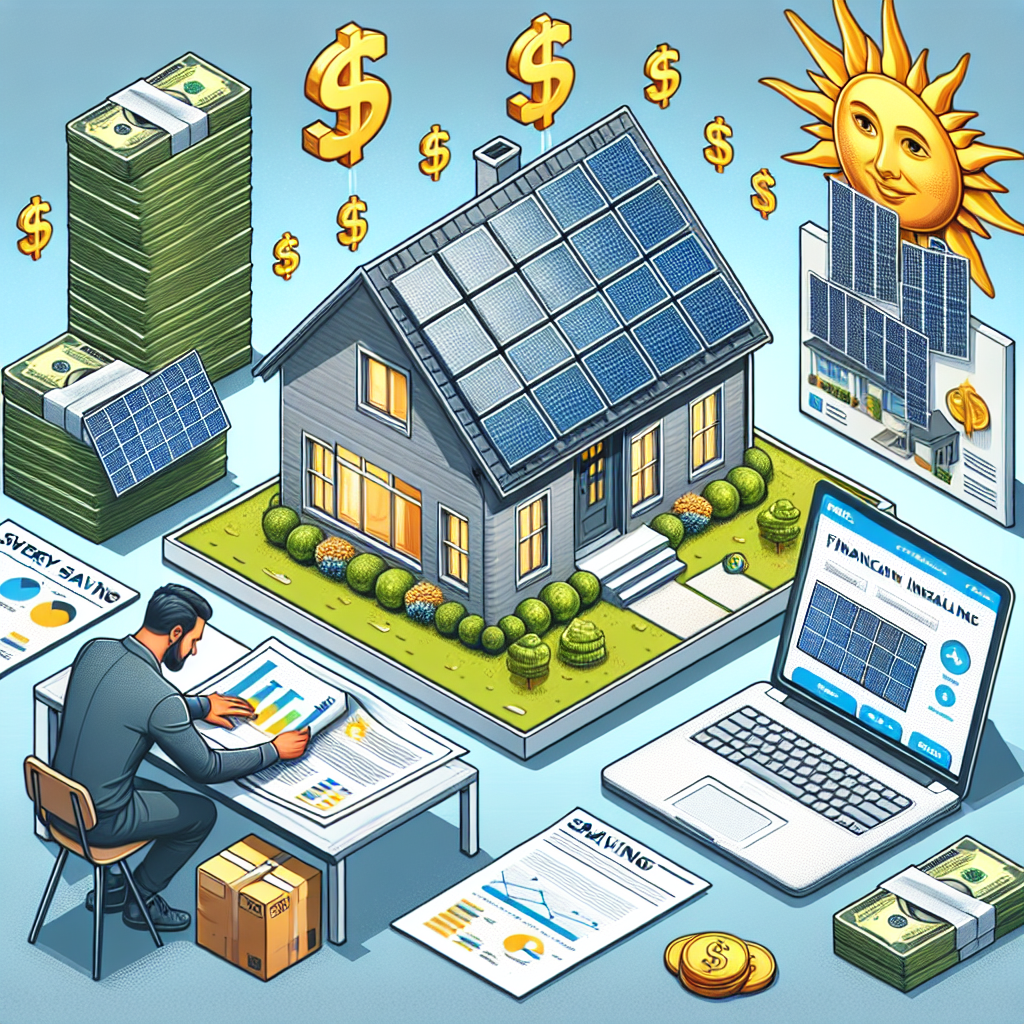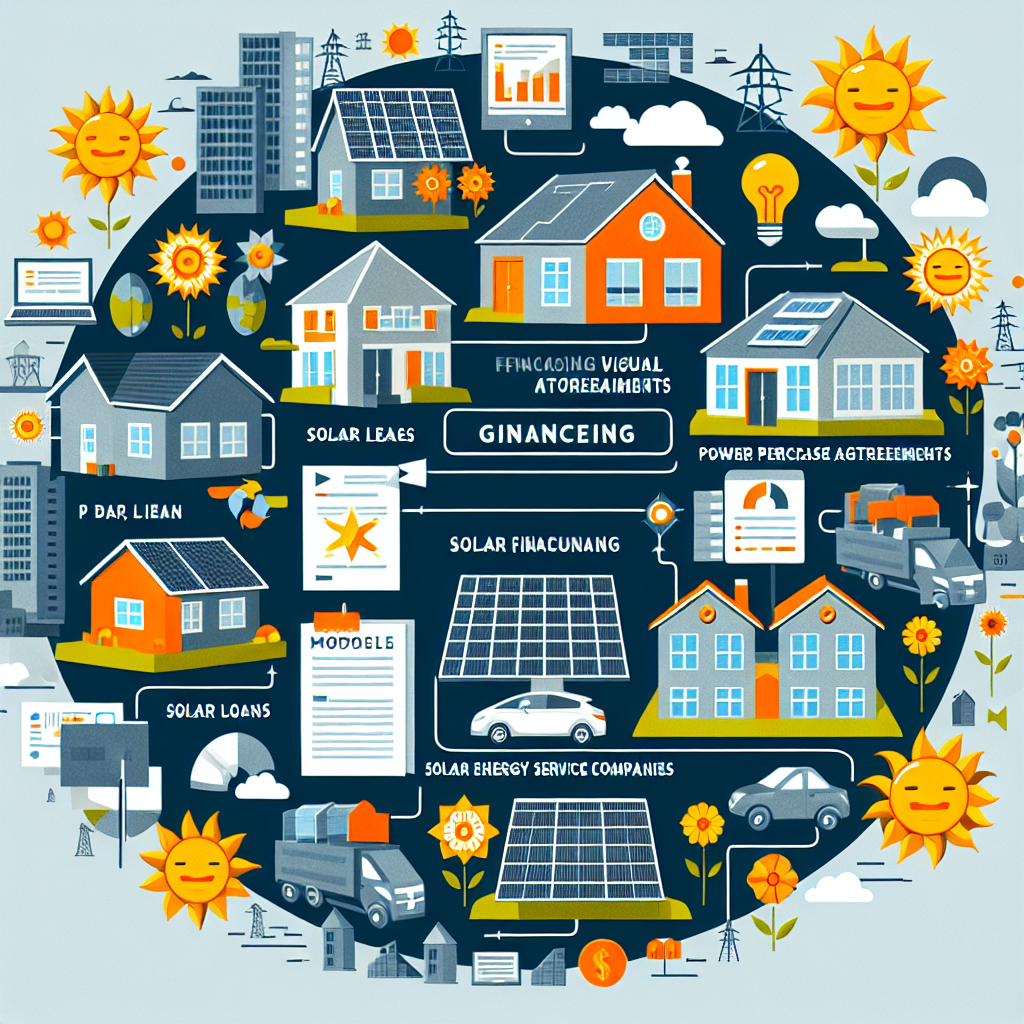
Understanding Your Financing Options
Private Financing
When I first started exploring solar power, I was overwhelmed by the financing options. One of the primary methods that popped up was private financing. It’s a straightforward way to fund your solar installation without relying on third-party agreements. You basically take out a loan from a lender who specializes in renewable energy. This can come with diverse payment terms and interest rates, allowing you to pick what fits your budget.
Your credit score can come into play here, so make sure you know where you stand. If you have a decent credit score, you could snag a better interest rate. I remember my first loan; my lender even offered a short-term loan option that allowed me to pay it off quickly and save on interest.
Additionally, the benefit of this approach is you own your solar system outright. That means the energy savings are yours, and there are no hidden fees or surprises down the line. Once the loan is paid, those savings become pure profit!
Solar Leases
Another popular option is solar leasing, which I found to be quite appealing. In this arrangement, you lease your solar panel system from a provider. You pay a set monthly fee, but the company owns and maintains the system, so you don’t have to worry about the installation process or repairs.
What’s cool about solar leases is that you can often get into solar without a hefty upfront cost, which was a game changer for me. A lot of companies offer zero-down options, so you’re literally paying for the energy produced, not the system itself. It can feel a little freeing, especially if money is tight but you still want adorable solar panels on your roof.
Remember, though, that with a lease, you don’t get to take advantage of certain federal tax credits or rebates, since you don’t technically own the system. That said, if you’re looking for ease and lower initial investment, a lease could be just the ticket.
Power Purchase Agreements (PPAs)
Now, let’s chat about a Power Purchase Agreement (PPA). This was a bit of a hidden gem I discovered during my research. With a PPA, you agree to buy the electricity generated by a solar panel system installed on your property at a fixed price for a set number of years. It’s a little similar to a lease but with one major difference: you pay for the electricity, not the system.
What I loved about PPAs is you can often lock in lower electricity rates compared to your local utility company. If your area has high electricity prices, this can be a major win. Plus, usually, the installation and maintenance costs are covered by the solar company.
One thing to keep an eye on, though, is the length of the agreement. If you decide to sell your house in the middle of a PPA, it might complicate things. You’ll typically have to pass the agreement along to the new homeowner, which can be a sticking point.
Government Incentives and Tax Credits
Federal Tax Credit
If there’s one silver lining to going solar, it’s the federal tax incentive that can significantly reduce installation costs. When I first learned about the Investment Tax Credit (ITC), I was blown away! You can deduct a substantial percentage of your solar system’s costs from your federal taxes. It’s like getting free money—almost! Just remember that you do have to owe taxes to benefit from it, though.
This credit can shift from year to year, so keep an eye on legislative changes. I made it a point to plan my install so that I could maximize this benefit, and it paid off hugely come tax season. The edge this gives to your overall financial strategy is tough to overstate.
Just be sure to double-check if you qualify. There are some rules and eligibility criteria you need to meet, and of course, the paperwork can be a drag. But trust me, it’s worth sorting out!
State and Local Incentives
In addition to the federal perks, many states offer their own incentives that can make solar financing even sweeter. Depending on where you live, you might find everything from rebates to property tax exemptions, and I personally found my state’s incentives to be incredibly helpful.
For instance, some states give cash rebates up-front that help lower initial costs when installing solar panels. Others provide performance-based incentives that pay you for the power generated by your panels. These can add up significantly, and it’s like finding a little pot of gold at the end of the rainbow.
Don’t forget local programs through utilities too! Sometimes, an electric company may offer unique programs or financing options that can save you even more money. I have spent a lot of time reaching out and checking eligibility on various local programs, and it paid off big time!
Grid Access and Net Metering
Another thing worth discussing is net metering, which has been a total lifesaver for many solar adopters. Essentially, it allows you to send excess energy back to the grid and get credited for it. This was one aspect I didn’t fully grasp initially, but once I got into it, my savings soared!
When your solar panels generate more energy than your home needs, that surplus energy goes back to your utility company, and they give you credits on your bill. It’s such a great way to balance out your solar generation and consumption. During summer months, my system often produced a lot more than I used, allowing me to roll those credits over into the colder months when I needed energy the most.
Just note that net metering rules vary from state to state, so it’s essential to get familiar with the regulations specific to your area. After doing the research, I felt much more confident about harnessing the power of net metering to optimize my energy use and savings.
Choosing the Right Financing Option for You
Assessing Your Financial Situation
Before diving into any particular financing option, it’s crucial to assess your overall financial situation. I remember sitting down with a calculator, listing out my debts, expenses, and income, and weighing all the numbers. It really helped to have a clear picture of my budget.
Consider how much you can pay monthly without stretching yourself too thin. If you have a good credit score, private loans might unlock lower interest rates. But if cash flow is tight, a lease or PPA can be a safer bet.
Also, take into account any additional costs aside from the panels—maintenance, potential repairs, and insurance can add up as well. You want to be prepared so you can enjoy the benefits of solar without stressing about unexpected costs cropping up.
Evaluating Your Long-Term Goals
Next up, think about your long-term goals with solar energy. Do you want to own your system outright, or are you more focused on the convenience of having someone else handle the heavy lifting? Personally, I found that owning the system gave me more satisfaction and savings in the long run.
If you plan to stay in your home for a while, a loan or purchasing system can make sense, especially since you’ll reap the rewards of energy savings down the line. But if you think relocation is in your near future, leasing could be smarter, allowing you to move without the added hassle of dealing with the system transfer.
Being clear about your goals helps tremendously when making this decision. I gained some serious peace of mind just from writing my goals down and outlining what I wanted from my solar journey.
Comparing Offers
Lastly, never forget the importance of comparing offers from different solar finance providers. I’ll be honest; I learned this the hard way after jumping into a deal too quickly. It’s crucial to shop around. Rates and terms can vary significantly between lenders and providers.
Take your time—get quotes, read reviews, and ask questions. Some providers can be quite pushy, but don’t let that rush you into a decision. Having that kind of stress-free comparison made all the difference for me. I found a great deal just by taking an afternoon to dig deeper!
Once you find a financing option that works, make sure you understand the contract fully before signing. It’s like a commitment, and you want to be comfortable going in. Comparing options gave me a sense of control and security in my investment.
FAQs
1. What are the main options for financing solar power?
The main options include private financing (loans), solar leases, power purchase agreements (PPAs), and various government incentives or tax credits.
2. Are federal tax credits available for solar installations?
Yes! The federal Investment Tax Credit (ITC) allows you to deduct a significant percentage of your solar installation costs from your federal taxes.
3. What is net metering, and how does it work?
Net metering allows you to send excess energy produced by your solar panels back to the grid, giving you credits on your utility bill. It helps you balance energy usage over time.
4. How should I assess my financial situation before going solar?
Start by reviewing your income, expenses, and debts. Consider how much you can afford to pay monthly, and keep in mind any additional costs associated with solar.
5. Why is it important to compare different financing offers?
Comparing offers helps you find the best rates and terms, ensuring you make an informed decision about which financing option suits your financial goals and needs best.