Tag: how to install

  • How to Install Solar Panels Yourself: A Step-by-Step Guide

    How to Install Solar Panels Yourself: A Step-by-Step Guide

    Step 1: Assessing Your Energy Needs

    Understanding Energy Consumption

    Before diving into the installation, it’s crucial to understand how much energy you actually use. I remember when I first started, I was totally lost about the numbers!

    Grab your utility bills from the past year; that’s where all the info is! Look for your monthly kilowatt-hour (kWh) usage. This will give you a baseline of how much energy your system needs to generate.

    Once you have a solid grasp of your usage, think about future needs. Are you planning to add more gadgets or appliances? This is key to making sure your solar system can handle it!

    Choosing the Right System Size

    Now that you know your consumption, it’s time to size your solar panel system. It might sound a bit technical, but don’t worry; I’ll break it down!

    A good rule of thumb is that 1 kilowatt of solar panels generates about 1,200 kWh annually. So just do a quick division of your yearly consumption by that number to figure out how much power you’ll need.

    Once you have this number, you can plan how many panels you’ll need to install while leaving room for efficiency losses and possible expansion down the road!

    Research Local Incentives and Regulations

    Let’s not forget to check what incentives are available to you. I was surprised at how many rebates and tax credits I qualified for!

    Check with your local government or energy provider about any programs that can help cover costs, or even make your installation process smoother with less paperwork.

    Also, be aware of zoning laws or Homeowners Association rules if you live in a neighborhood with those restrictions. Trust me, you don’t want to be setting up your panels only to find out it’s against the rules!

    Step 2: Gathering Your Materials

    Create a Shopping List

    Okay, time to hit the store (or the internet)! You’ll need a comprehensive shopping list. I made a checklist and it helped me stay organized.

    Start with the solar panels themselves—do some research on brands and types. Then add mounting brackets, inverters, wiring, batteries (if you’re going off-grid), and safety gear like gloves and goggles.

    And always budget a little for unexpected expenses. Trust me; they tend to pop up more than we think during DIY projects!

    Where to Buy Supplies

    Now, where to buy this stuff? Local hardware stores often have a good selection, but don’t overlook online retailers! I found some amazing deals that way!

    Be sure to shop around for competitive prices—check reviews on anything you’re not familiar with, so you don’t end up with junk. Quality is essential, especially when we’re talking about something as critical as solar energy!

    Don’t hesitate to ask for help at your local store; many employees have valuable insights on the best products to choose!

    Preparing Your Workspace

    Before you get started with installation, make sure your workspace is prepped. I cannot stress this enough; a clear area makes all the difference!

    Clean the rooftop, ensure you have all your tools at hand, and double-check that your ladder is sturdy. I once had a mishap with an unstable ladder—you don’t want to repeat that!

    Ensuring a safe and organized workspace will not only ease the installation process but also keep you injury-free. Nobody wants a trip to the emergency room mid-project!

    Step 3: Installing the Solar Panels

    Mounting the Brackets

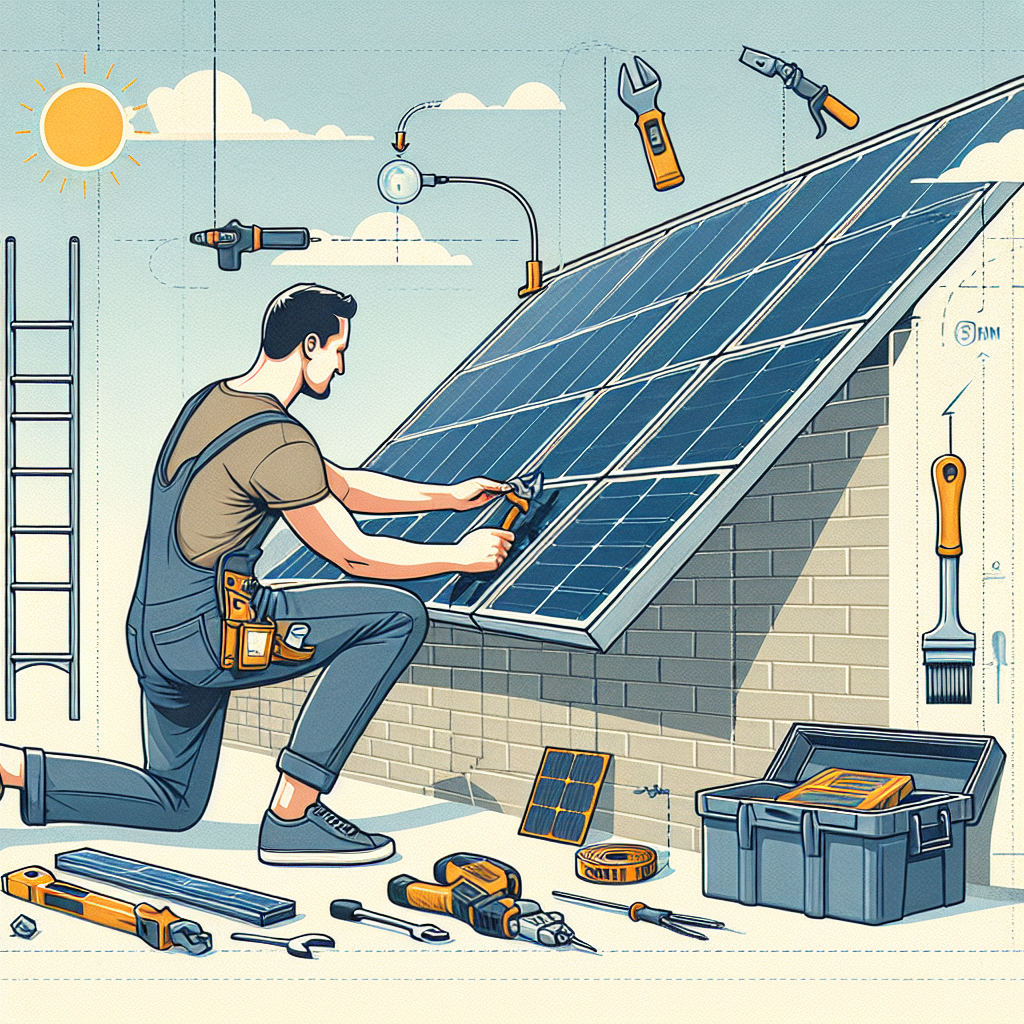
    This is the meat of the project! Start by mounting the brackets on your roof. Be sure you follow the manufacturer’s instructions because they know what’s best for their products.

    I found it helpful to mark where I’d drill with a marker, so everything was precise. Measure twice, drill once, am I right?

    Check for any structural issues on your roof; you want to make sure it can handle the weight and won’t give out under the stress of wind or snow!

    Attaching the Panels

    Once the brackets are mounted, it’s time to attach the panels. This part feels super rewarding—seeing the panels affixed to your roof makes it feel real!

    Be careful with the wiring here. Each panel usually comes with a connector, but it’s easy to get them mixed up if you’re not paying attention.

    Don’t rush this step; double-check all connections before moving on. This is crucial for your system’s efficiency and longevity!

    Connecting the Inverter

    The inverter is like the brain of your solar system; it converts the energy from the panels into usable power for your home. I’ll admit; I was a bit intimidated by the wires!

    Read the inverter’s manual thoroughly—it’ll guide you through the wiring. When I did mine, I felt like I was solving a complex puzzle!

    Once things are connected, it’s always a good idea to test everything before you call it a day. A little precaution can save you big headaches down the line!

    Step 4: Finalizing the Installation

    Testing the System

    Alright, you’re almost there! Time to fire things up and see if your hard work paid off. I vividly remember the excitement mixed with anxiety!

    Flip the switch and monitor your system for a bit. Look for any error codes or malfunctions. The inverter usually has a display that’ll show you whether everything is functioning correctly.

    If all goes well, feel free to do a little victory dance—you’ve earned it after all that effort!

    Monitoring Your System

    Consider installing a monitoring system. Many modern inverters come with apps that can track performance, which is really useful! I downloaded one to keep tabs on my energy production.

    This way, if you encounter any issues down the line, you’ll have real-time data at your fingertips to troubleshoot.

    Plus, watching those numbers go up is oddly satisfying and motivating to save even more energy!

    Documenting Your Installation

    Don’t forget to document the entire process! I took loads of photos and notes, and they’ve come in handy when looking back or if I ever need to make adjustments.

    This documentation can also be useful for insurance purposes, especially if you’re making a claim related to your solar installation. Trust me; it’s better to have it than not!

    Share your experience in forums or social media; you might just inspire someone else to join the solar movement!

    Step 5: Enjoying the Benefits

    Reduced Energy Bills

    One of the biggest perks of installing your own solar panels is watching your energy bills drop! After installation, I was amazed at how much lower my monthly bill became.

    Just think about the savings: the more you generate, the less you pay your utility. Some months, my bill was practically nonexistent!

    This extra cash can be used for anything from home improvement projects to treating yourself, and who doesn’t love that?

    Environmental Benefits

    Installing solar panels isn’t just a financial decision; it’s an ethical one too! Every time I see those panels soaking up sunlight, I know I’m making a difference.

    By shifting to renewable energy, you’re reducing your carbon footprint, helping fight climate change, and promoting sustainable energy practices.

    Telling my friends and family about the environmental impact gave me such a sense of pride. It’s comforting to know I’m contributing towards a greener planet!

    Future Upgrades

    Last but not least, think about the future! Solar technology is constantly evolving, and what I installed today could be just the start.

    You can think about adding more panels down the line or integrating battery storage solutions. I’m already considering what upgrades might work for me in the future!

    Plus, as you cultivate more knowledge, you may find yourself tackling even more energy-efficient improvements around the house. That sounds like a win-win to me!

    Frequently Asked Questions

    1. How much does it cost to install solar panels myself?

    The cost can vary based on your system’s size, but generally, when you do it yourself, you may only pay for the panels and materials, often ranging from $3,000 to $10,000, depending on your energy needs.

    2. Do I need special permits to install solar panels?

    Yes, many areas require permits for solar installation. Always check with your local building department so you’re compliant with regulations.

    3. Can I connect my solar panels to the grid?

    Absolutely! You can either set up an off-grid system or connect to the grid, allowing you to sell excess energy back to your utility provider, which can offset costs even more!

    4. What if I encounter issues during installation?

    If you run into problems, don’t panic! Consult the manuals for your equipment, or look for online forums and communities. There’s a wealth of knowledge out there!

    5. How long do solar panels last?

    Most solar panels come with warranties of 25 years but can last much longer with proper care. They often keep functioning efficiently for 30 years or even more!

  • 15 kW Solar Power Energy Project with Inverex Solar Inverter and Hyundai Solar panels from Nov-2018

    15 kW Solar Power Energy Project with Inverex Solar Inverter and Hyundai Solar panels from Nov-2018

    Alhamdulillah.

    15 kw Solar Power System Installation finished, and contributed to our installed Bank,.

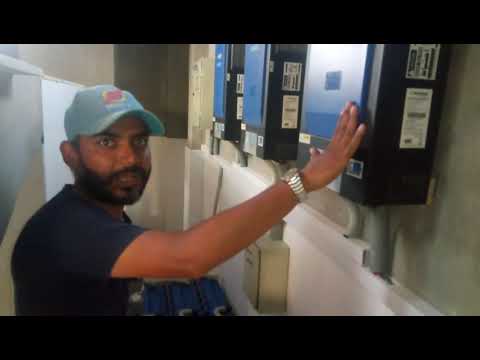
    Overall Tour of 15 Kilowatts Solar Energy Project Site.

    45 Nos of Hyundai Solar Panels of 320 Watts.
    3 Nos of Inverex 5.2 Kilowatts Axpert King Solar Inverters with Parallel Kits.
    12 Nos of Phoenix Tubler 185Ah Batteries Contain 3 Battery Banks.

    15kw Solar Power System in Pakistan.

    Petroleum, gas, coal, eco-friendly energy sources, and nuclear products, to be specific. As of in 2015, that list stays in coming down order from many to least popular.

    Considerably, Pakistanis are taking their green efforts one action even more: utilizing solar power, instead of nonrenewable fuel sources, to run their homes. According to the Solar Energy Industries Association, the very first quarter of 2018 saw the setup of adequate solar energy systems to power your houses of 10.7 million Pakistan. Making the switch to solar energy isnt like purchasing a brand-new set of kicks: its an option your potential clients will chew on for a very long time. Lets say somebody searches “purchase solar panels” and clicks your paid search advertisement and eventually bounces. Worry not, enthusiasts of trees and birds and frogs and bees: production and consumption of eco-friendly energy– solar, wind, hydroelectric– reached record highs in 2019.

    Humble Ahmed.
    Hiba Trading (SMC-PVT) Ltd.
    0345-3540734.

    ” Cut Your Utility Bills Today” and “Reduce Your Carbon Footprint” are merely 2 examples of prospective headings that supply prospects the choices theyre trying to find.
    Everybody sets about saving the world in their own technique. Leonardo DiCaprio shrieks about greenhouse gas emissions from the window of his private jet, which exceeds the yearly emissions of a big vehicle by the time his ivory tower diatribe is midway over.

    Solar setup company.
    Solar equipment supplier/distributor.
    Solar maker.
    Solar lead generation firm (such as Energy Sage).
    Solar software application (Sass company).
    Solar consulting (usually B2B).

    Significantly, Pakistanis are taking their green efforts one step even more: utilizing solar power, instead of fossil fuels, to run their houses. According to the Solar Energy Industries Association, the first quarter of 2018 saw the setup of appropriate solar energy units to power the homes of 10.7 million Pakistan. The SEIA anticipates the solar capability of the Pakistan. to double over the next 5 years. Environmentally friendly energy represents simply 11% of overall Pakistan. energy use, the market is growing at breakneck speed.

    Making the switch to solar energy isnt like purchasing a new set of kicks: its a decision your prospects will chew on for a long time. Lets state someone searches “purchase solar panels” and clicks your paid search advertisement and eventually bounces.

    While energy demands increase yearly, the growing variety of options establishes a trouble more marketers across the sectors. How can you convince consumers that your option is the extremely best?

    Thanks & & Regards.

    Its unlikely that youll find numerous millennials in the market for home photovoltaic panels; very few of them are homeowner, and even less remain in a position to make this transition.
    Potentially stress the function smaller sized electrical power expenses can play in saving for retirement. Think about where your capacity clients live.

    Worry not, fans of trees and birds and frogs and bees: production and consumption of renewable resource– solar, wind, hydroelectric– reached record highs in 2019. It may appear counter instinctive, sustainable sources and fossil fuels are both increasing. Thats because Americans like to take in a great deal of things, and a lot winds up being more every year. The cast of RENT weeps gently.

    Petroleum, coal, and gas are referred to as fossil fuels, and they have actually long controlled the American energy sector– in terms of usage along with production. Coal production has in fact followed a comparable trend, reaching a low-point in 2016 and kicking back up the list below year.

    What outsiders do not acknowledge is that “solar company” can explain several business:.

    Significantly, Pakistanis are taking their green efforts one step even more: using solar energy, instead of fossil fuels, to run their houses. According to the Solar Energy Industries Association, the first quarter of 2018 saw the setup of appropriate solar energy systems to power the homes of 10.7 million Pakistan. Fear not, fans of birds and trees and frogs and bees: production and consumption of renewable energy– solar, wind, hydroelectric– reached record highs in 2019. According to the Solar Energy Industries Association, the first quarter of 2018 saw the setup of enough solar energy systems to power the homes of 10.7 million Pakistan. Fear not, enthusiasts of birds and trees and frogs and bees: production and usage of renewable energy– solar, wind, hydroelectric– reached record highs in 2019.

    Solar energy & & Wind Turbine Solution.
    Solar Power Project Commissioning & & Installation.