1. Assessing Your Home’s Solar Potential
Understanding Site Characteristics
When I first thought about harnessing solar power for my home, I quickly discovered the importance of site characteristics. It’s essential to look at the layout of your property. Is your home shaded by trees or other structures? If so, that could limit the sunlight that hits your solar panels. I had to spend some time analyzing the sun’s trajectory throughout the seasons to find the sweet spot where I’d get the most bang for my buck.
Next, consider the pitch of your roof. If it’s too steep or too flat, it could affect how well your solar panels perform. I had to do a little research to determine the optimal angles when it comes to solar panel installation. For instance, a south-facing roof usually captures the most sun if you’re in the northern hemisphere.
Lastly, think about local weather patterns. With my area being somewhat cloudy during the winter, I realized that I’d need a system that could still efficiently produce power during those less sunny months. Knowing your local climate will guide your decisions moving forward.
How to Evaluate Solar Access
So, here’s the deal – once you’ve got a good idea of your site’s characteristics, you must evaluate the solar access. I used tools like solar pathfinders and online mapping software to visualize how sun moves across my property throughout the year. Trust me; it makes a big difference in planning your entire solar setup.
This part can feel a bit overwhelming, especially if you’re not a numbers person. But fear not; gathering data from a few sunny days can even give you a sneak peek at your home’s potential energy production. I started keeping a sun diary to see how each panel’s placement would fare.
Now, if you’re feeling a bit fancy, there are companies that offer drone assessments for solar access. That’s a bit of an investment, but it can provide results that are spot on. Just consider what works best for your budget and comfort level!
Consulting with Solar Experts
After doing all the preliminary homework, I realized that consulting with solar experts was essential. They break down the technical side and help remove the guesswork. I reached out to a couple of local solar companies and set up consultations.
During these meetings, I found that asking the right questions really mattered! It’s essential to inquire about their experiences, previous installations, and what warranties they offer. You’ll want to make sure that they can customize a system that meets your unique needs.
Don’t hesitate to ask for references! I found it super helpful to hear from previous customers about their experiences – it definitely shaped my decision-making process.
2. Choosing the Right Solar System
Understanding Different Types of Solar Panels
Now, let’s dive into the good stuff – choosing the right solar system! I was initially overwhelmed by the vast options available, but after doing some research, I got the hang of the different types of solar panels. There are mainly two: monocrystalline and polycrystalline panels, each with its pros and cons.
Monocrystalline panels tend to be more efficient and take up less space, which is great if you’re tight on room. I ended up choosing these because I wanted to maximize my energy output without overhauling my whole roof.
On the flip side, polycrystalline panels are typically more budget-friendly but tend to require a little more space. If you’re working with a larger area, these could be great, too. I found myself weighing long-term energy efficiency against my upfront costs, which was a valuable experience!
Inverters and Battery Storage
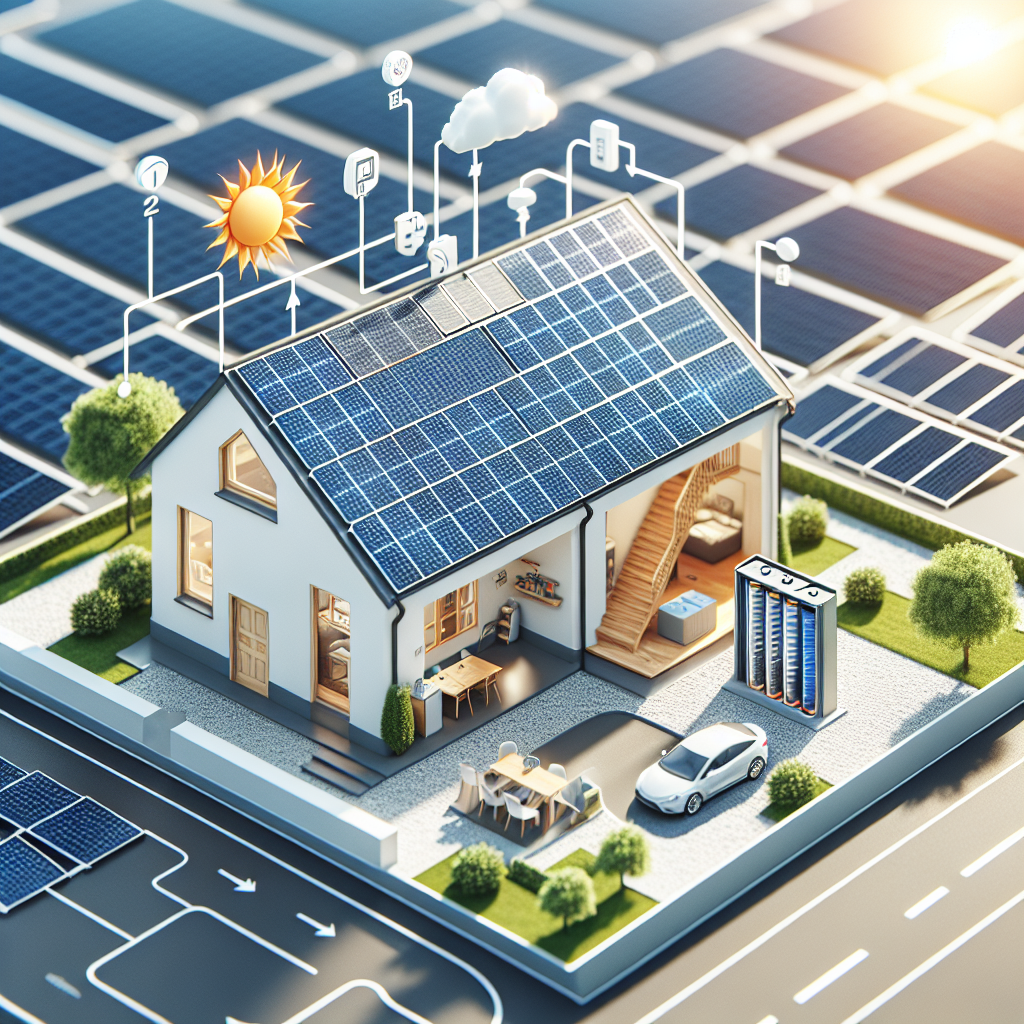
Once I nailed down the type of panels I wanted, the next step was understanding inverters and battery storage options. Think of inverters as the brain of your solar system – they convert the energy harvested from your panels into usable power for your home.
There are string inverters, microinverters, and power optimizers – each one has its unique benefits. I decided on microinverters because they perform better in shaded conditions (which I had to consider given my neighborhood).
Battery storage is also crucial, especially if you’re looking into taking full advantage of solar energy. Initially, I thought I could get away without them, until I learned about fluctuating energy needs and how batteries can store extra energy for those cloudy days or during power outages. Definitely worth considering for long-term savings!
Cost vs. Benefits Analysis
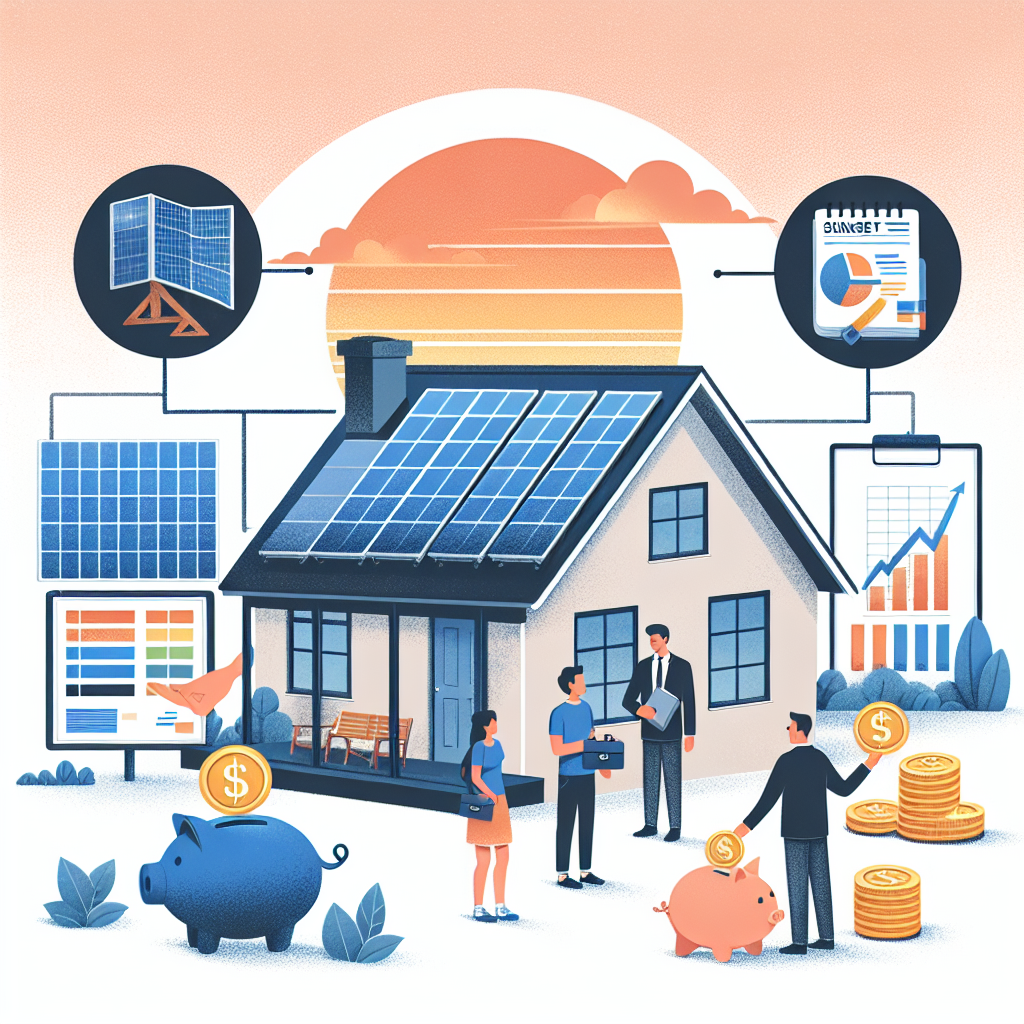
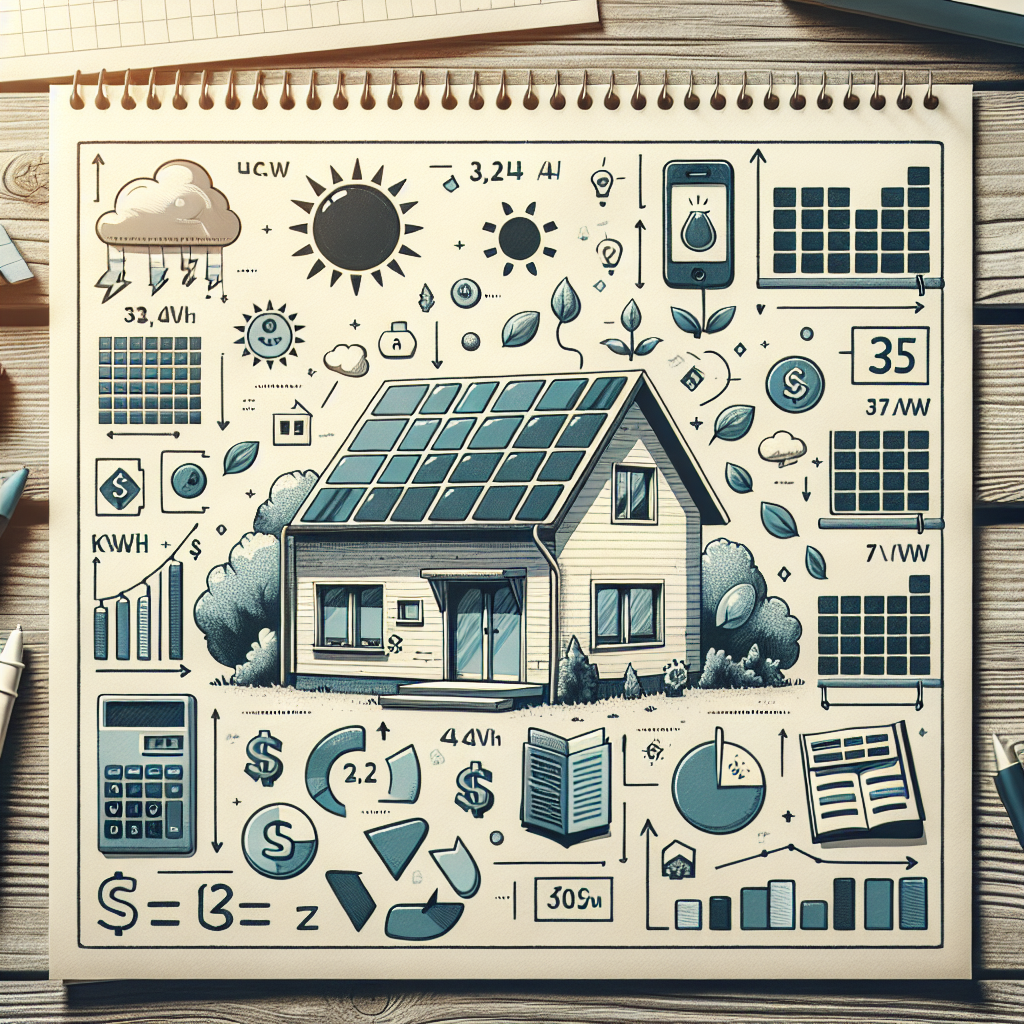
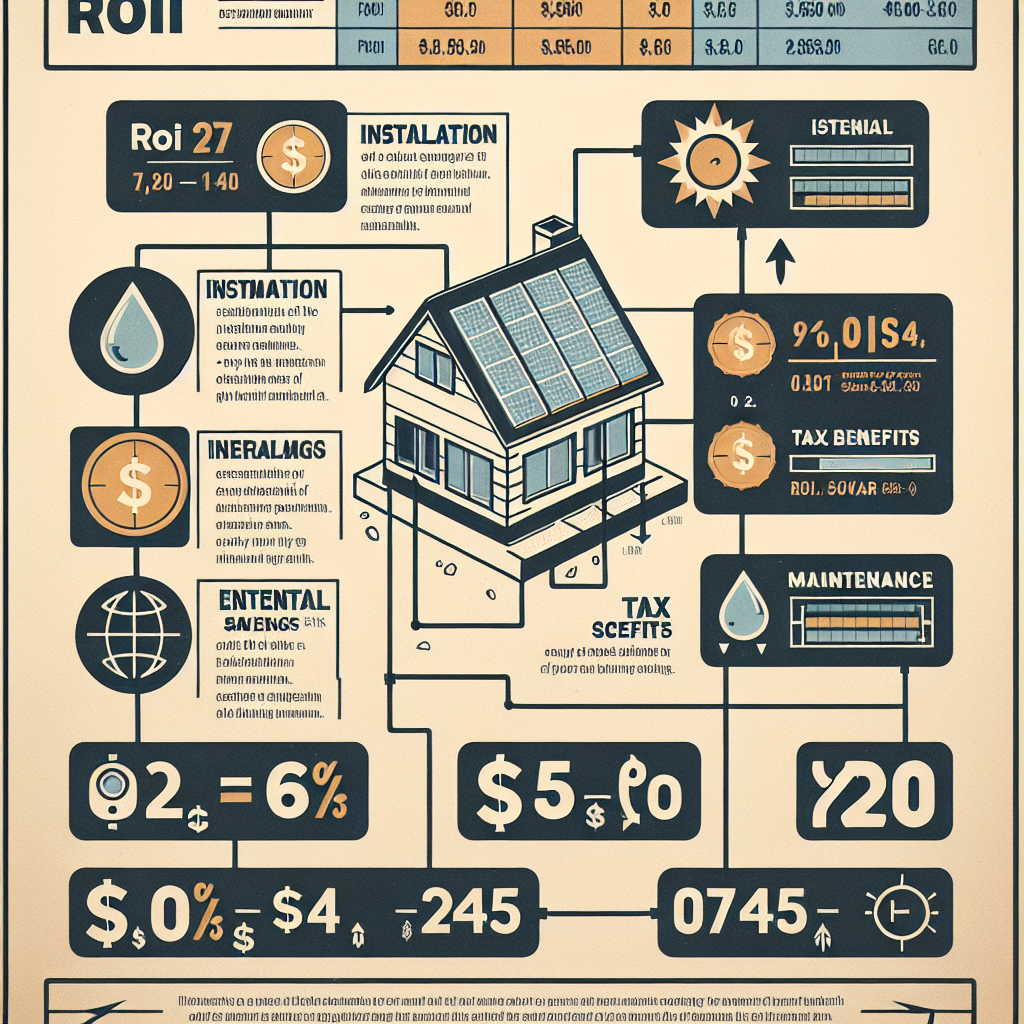
While building a sustainable home with solar power is exciting, it’s also essential to do a cost-benefit analysis. I sat down with a calculator and started crunching numbers on installation costs, available rebates, and the expected savings on my energy bills over time.
It’s easy to get carried away with the potential environmental impact of solar energy, but I had to make sure it made financial sense for me, too. I found out about federal tax credits that significantly influenced my decision, so it’s super important to research what’s available in your area.
In the end, weighing the upfront investment against the long-term savings showcased that solar energy is not just good for the planet but also my pocketbook! I felt more confident jumping into this venture knowing I had a solid financial plan in place.
3. Installing Your Solar Panels
Preparing Your Roof
Getting to the installation phase was both exciting and nerve-wracking! One of the first steps was preparing my roof. I was surprised at how critical this step is; if your roof isn’t up to snuff, all your hard work could go down the drain.
I had to make sure my roof was structurally sound, which might mean getting a professional inspection. I ended up reinforcing some areas to ensure my panels could withstand weather elements. Better safe than sorry!
Don’t forget to clear debris and clean your roof beforehand. A clean workspace makes for better installation. I was amazed at how refreshing it felt to get everything prepped properly before diving in.
Hiring Professional Installers vs. DIY
At this point, I had to decide whether to hire professionals or tackle the installation myself. While I love DIY projects, I realized that this isn’t your average weekend project. I wanted to ensure that everything was done right, so I decided to hire professionals.
Working with trained experts alleviated my stress level immensely. Plus, they completed the work in a fraction of the time it would’ve taken me alone. I enjoyed finally seeing my vision come to life without worrying about making any costly mistakes.
However, if you’re handy and up for the challenge, go for it! Just ensure you’ve done ample research, and have someone who can help along the way. You’ll feel like a solar rockstar once you’re done!
Final Inspections and Connections
Installation isn’t the end of the road; the final inspections and connections are key steps to ensuring everything runs smoothly. I organized for both local officials and the solar company to come back for a ‘final walkthrough’.
This step was super important because it verified everything was in compliance with local codes and regulations. I got a little anxious but also felt confident thanks to the preparation from the installing team.
Once everything got the green light, it was time to connect my solar system to the grid. This is when it felt like the real party began, as I officially joined the solar community! I couldn’t wait to start seeing my new energy system in action.
4. Understanding Maintenance and Safety
Regular Maintenance Practices
Alright, let’s talk maintenance – this part is crucial if you want your solar system to thrive! I quickly learned that routine maintenance helps prevent minor issues from becoming major ones.
I made a schedule for cleaning my panels a few times a year. You wouldn’t believe how much dust and debris can stack up, especially if you live in a windy area! After a good cleaning, I noticed a significant increase in energy production.
Also, keep an eye on the inverter; it gives you real-time updates on your system’s performance. I found it reassuring to monitor the data, as it helped me identify potential issues before they spiraled out of control.
Safety Precautions to Consider
With great power comes great responsibility, right? Safety around solar systems can’t be overstated. I made sure to educate myself about electrical safety and what to do in case of a malfunction.
If you’re doing any work on the roof or around your solar panels, ensure you wear proper gear and consider safety equipment. One time, I almost slipped while cleaning – thank goodness for sturdy ladders and a partner to help!
Most importantly, don’t forget about the dangers of high voltage. If you’re unsure at any point, please consult professionals rather than risking your health. It’s always better to be safe than to scramble when things go wrong.
What to Do in Case of Damage
Sometimes, despite our best efforts, shingles or solar panels can get damaged – whether from hail, strong winds, or other unexpected occurrences. When I faced minor damage to a few panels, I made sure to have my installer provide a clear plan for repair.
I learned to document everything, including photographs of the damage and any relevant communication with my installer or insurance company. Knowing this process inside and out has helped navigate any bumps in the road smoothly.
I also did a deep dive into my homeowner’s insurance policy to make sure it covered any solar panel damage. It’s crazy how many people overlook this step but can save you major headaches down the line!
5. Enjoying the Benefits of Solar Power
Lower Energy Bills
Let me tell you – seeing those lower energy bills is one of the highlights of transitioning to solar power! After a few months of use, I got my first bill post-solar installation, and I was ecstatic to discover my savings. Seriously, it felt like Christmas!
The way solar energy works allows you to significantly offset your energy consumption. It felt amazing to think about how much money I saved while being eco-friendly. I even started sharing my solar savings with friends and family; it feels good to inspire others!
Plus, I noticed that as energy rates increased in my area, my savings continued to grow. It made my investment in solar power feel even smarter over time.
Environmental Impact
Going solar isn’t just about saving money; it’s also about the positive impact on the environment. I made a conscious choice to reduce my carbon footprint, and every day, I feel good knowing that I’m contributing to a cleaner, healthier planet.
I dove into the numbers, and they blew my mind. My home solar system potentially reduces my carbon dioxide emissions by tons each year, and that’s a massive win in my book!
It’s empowering to be part of a larger movement towards sustainability; I often connect with my local solar community to share experiences and best practices. Together, we can make a big difference!
Energy Independence
Finally, the sense of energy independence that I felt once I went solar is unparalleled! No longer did I feel at the mercy of utility companies and fluctuating energy prices. This shift made my life feel more stable.
With my solar setup, I have the option to go off-grid if I want, and that availability adds a layer of comfort amidst unpredictable energy crises. It’s like I have my mini-power plant, and that’s just cool!
I’ve even considered expanding my solar setup to include more advanced technology like battery storage. Being energy-independent creates a sense of security that is incredibly gratifying!
Frequently Asked Questions
1. How can I assess if my home is suitable for solar power?
The best way to assess your home’s suitability for solar power is by examining the roof’s orientation and angle, analyzing shading from trees or buildings, and considering local weather patterns. Consulting with solar energy experts can also provide valuable insights.
2. What are the different types of solar panels?
Solar panels primarily come in two types: monocrystalline and polycrystalline. Monocrystalline panels are generally more efficient and space-saving, while polycrystalline panels are more budget-friendly. Your choice depends on your specific needs and preferences.
3. Is DIY installation a good option for solar panels?
While DIY installation can be feasible if you’re handy, solar installations often come with complex electrical and structural requirements. Hiring professionals is usually the safer and more efficient option to ensure that everything is set up correctly.
4. What maintenance do solar panels require?
Solar panels require minimal maintenance, but it’s essential to clean them several times a year from dust and debris. Regularly checking the performance of your inverter and monitoring for dirt buildup will help maintain optimal efficiency.
5. What are the long-term benefits of installing solar panels?
Long-term benefits of solar panels include significant savings on energy bills, a reduced carbon footprint, and increased energy independence. You’ll also enjoy the potential appreciation of your property value due to green energy solutions.