Tag: how

  • How to Transition to Solar Energy Without Breaking the Bank

    How to Transition to Solar Energy Without Breaking the Bank

    1. Assess Your Energy Needs

    Understanding Your Current Energy Usage

    First things first, you gotta know what you’re working with. Before diving into solar energy, I took a good look at my energy bills and consumption patterns. Grab a few of your previous statements. This will help you see how much power your household uses on a monthly basis.

    Remember to factor in seasonal changes too; some months are definitely worse than others. Consider whether there are appliances or devices you might be using more than you realize. It’s like shining a flashlight on your consumption habits.

    Once you see the big picture, you can proceed to understand how much solar power you’ll need to cover your usage. This will be the backbone of your solar transition strategy.

    Calculating Potential Savings

    Next, I crunched some numbers. By calculating potential savings from solar, I estimated how much I could save on my electricity bills over the years. There are plenty of online calculators that make this easier for you, too!

    Consider how incentives and rebates might impact the costs. Many states and local governments are eager to promote solar energy and tend to offer tax credits or rebates. This further sweetens the deal — a win-win!

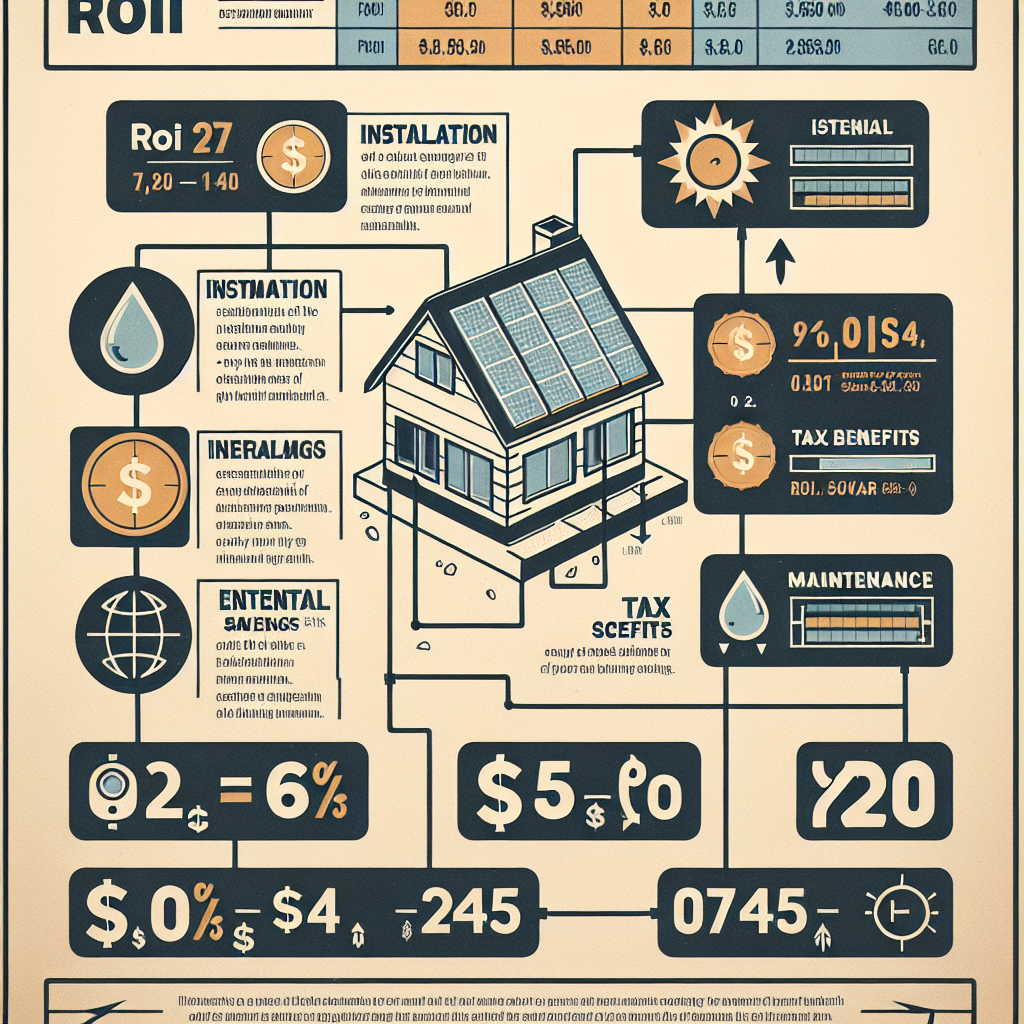
    All this will give you a clearer idea of how much money you can save by making the switch and how long it might take to see returns on your investment. It’s essential info as you lay your groundwork!

    Setting Your Budget

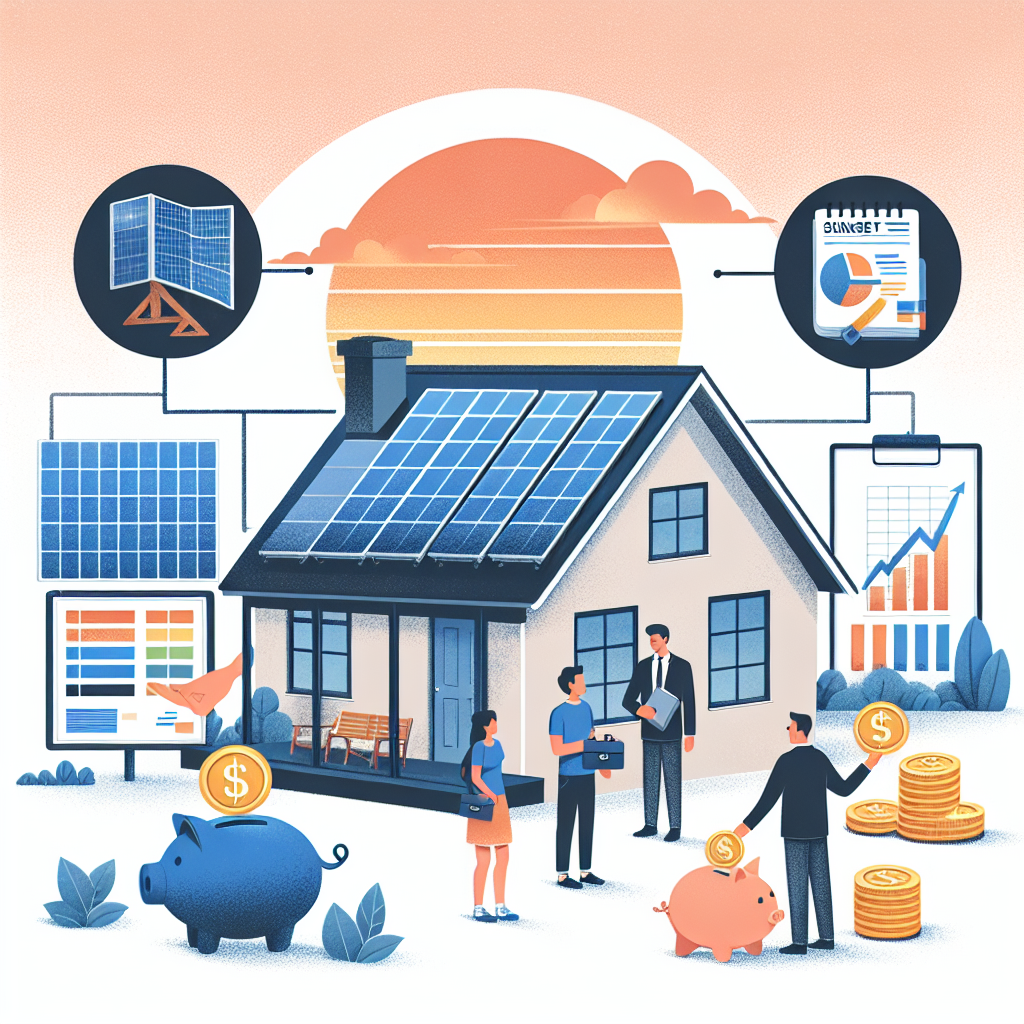
    When I felt confident about my energy needs and potential savings, it was time to set a budget. I had to decide how much I was willing to spend upfront versus what I wanted to finance. There’s a big difference between paying cash or taking out a loan, folks!

    Your budget will guide your decisions moving forward. While it may be tempting to grab the fanciest equipment on the market, remember you can often accomplish your goals with mid-range systems at a lower cost.

    Be realistic and don’t forget about ongoing maintenance costs. Having a solar energy setup is a long-term commitment and budgeting accordingly will save you headaches down the road.

    2. Explore Financing Options

    Loans vs. Cash Purchases

    Once I had a good grip on my finances, I looked into financing options. Cash is king, but not everyone can drop a hefty lump sum right off the bat. Consider solar loans — they can help you pay for the system over time.

    If you’re not going the loan route, some vendors offer payment plans that allow you to pay gradually while enjoying the benefits of solar energy from day one. It’s basically like having your cake and eating it too!

    At the end of the day, choose the option that aligns with your financial goals and capabilities. It might even help to run scenarios of different financing arrangements to see which is a better fit for your lifestyle.

    Leasing Solar Panels

    If the idea of ownership sounds daunting, leasing solar panels is another cool option. With leasing, you pay a monthly fee to use the solar panels instead of buying them outright. This can lead to lower upfront costs and quicker installation.

    One thing to keep in mind is that leasing may limit your benefits in the long term. You won’t get the tax credits that come with ownership, and you’re essentially paying rent for the panels. Weigh your options carefully!

    I found this arrangement worked best for folks who want immediate results without breaking the bank. Just make sure to read the fine print and understand the terms before signing anything.

    Government Incentives

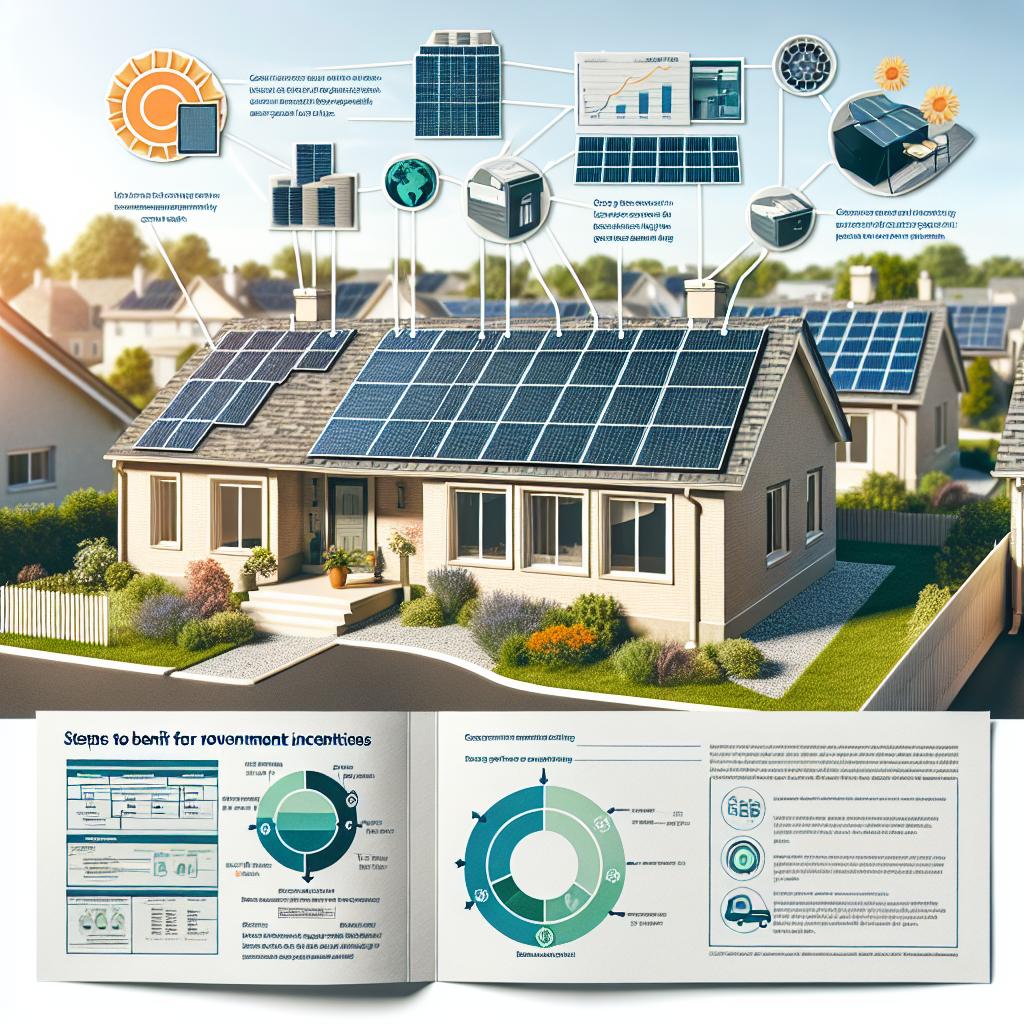
    Never underestimate the power of good ol’ incentives! Many states offer substantial tax credits for going solar, and federal tax credits can bring costs down significantly. I was able to save quite a bit thanks to these perks!

    Keep an eye out for local programs as well. Community-funded solar projects might provide additional financial assistance or perks to help ease the transition you’re making towards renewable energy.

    Doing research on these opportunities not only saves you money but also gives you a sense of community. It’s incredible to see how many people are in this together, pushing for greener energy solutions.

    3. Choose the Right Equipment

    Finding Quality Panels

    As I explored my options, quality solar panels became a priority for me. Just like any other product, there’s a range of quality and effectiveness. Brands may boast different efficiencies or warranties, and I quickly learned that these factors could impact overall savings down the road.

    While cheaper panels might save you money upfront, they often come with less durability and longevity. I found investing a bit more in quality gear can lead to better returns in the long haul.

    Be sure to check reviews and ask for recommendations. Fellow solar users can often provide great insights into their experiences with particular panels and brands.

    Inverters and Battery Storage

    Inverters are another crucial component of your solar system. They convert the energy captured by your panels into usable power for your home. I learned that investing in a good inverter could notably improve the efficiency of my entire setup.

    Battery storage can also be a game-changer, allowing you to store excess energy generated for later use, especially during peak hours. This was a feature that made a big difference for me, particularly during times of high demand.

    Take your time researching which types of inverters or battery options fit your goals best – each option brings various benefits to the table!

    Installation Considerations

    Choosing the right installation company was a major decision in my solar journey. Certifications and experience matter — you want professionals who know what they’re doing to ensure your system runs smoothly for years.

    I recommend getting multiple quotes and talking to past clients if possible. Don’t just look for the lowest price; look for value, reliability, and customer service too.

    Also, consider the timing of installation. Some companies have busier seasons than others. If you can schedule during the off-season, you might get a better deal and more attention to your setup.

    4. Monitor and Maintain Your System

    Regular Check-Ups

    After going solar, I quickly learned the importance of monitoring my system. Keeping an eye on how things are running ensures you’re getting the energy output you expect. Most solar setups come with monitoring apps — take advantage of those!

    Make regular check-ups part of your routine. This might involve clearing off debris or snow in the winter or checking connections and tightening cables. It keeps your system in peak condition and protects your investment.

    Some companies even offer maintenance plans, and while it’s an added expense, it could save you hassle later on. A well-maintained system performs better and lasts longer, so consider it a worthy investment!

    Understanding Performance Reports

    Analyzing performance reports can also be enlightening. These reports give you a snapshot of your energy production over time. I found this data invaluable when recalibrating my energy use or when evaluating if I needed further upgrades.

    Understanding these metrics can also be motivational. Seeing your progress in numbers can boost your commitment towards sustainability and energy efficiency.

    If something seems off, don’t hesitate to reach out to your installer or a professional for help. Early detection of issues can save you lots of trouble down the road.

    Anticipating Repairs

    Some repairs may arise, even with a well-installed system. Knowing what to expect is key. Most solar components have warranties, so keep those documents handy. If something breaks, you want to know if it’s covered!

    Having a plan for unexpected repairs can ease the financial burden. Setting aside a small fund specifically for maintenance or repairs might just save your wallet in the long run.

    Accepting that repairs may happen is part of the journey. Just as with any home improvement, being proactive helps in keeping everything running smoothly!

    5. Educate Yourself and Your Community

    Learning More about Solar Energy

    Staying educated on solar trends and products is a surefire way to get the most out of your investment. I dove into articles, webinars, and local workshops to keep learning more. The solar landscape is always changing!

    Connect with local solar associations or groups that can provide valuable insights. The more you know, the better decisions you can make regarding your household’s energy management.

    Staying informed not only empowers you but can help others too. Sharing knowledge is powerful and can inspire those around you to consider making the switch as well.

    Joining Community Initiatives

    Engaging in local initiatives can elevate your solar experience. Many communities have programs promoting collective solar purchasing. By teaming up with neighbors for group buys, you can often snag discounts and streamlining the process.

    Community initiatives can also provide platforms for discussions on legislation and local laws governing solar energy. Being part of this discourse can strengthen solar incentives and contribute to a wider movement.

    Being proactive in your community boosts awareness, and it’s just plain fun to be part of a collective goal for renewable energy. Let’s all go green together!

    Sharing Your Experience

    Finally, don’t shy away from sharing your journey! Your experiences can inspire others who are contemplating the switch to solar energy. Share your successes and mistakes — every nugget of information can be a big help to others!

    Blogging, social media, or even casual chats in your neighborhood can spark conversations about solar energy. Sharing your journey may even motivate someone else to take that leap of faith.

    Remember, solar energy isn’t just a personal benefit; it’s a step towards a sustainable future for everyone!

    Frequently Asked Questions

    1. How much can I really save by switching to solar energy?

    Your savings will depend on various factors, including your current electricity usage, available incentives, and the size of your solar system. Many users report savings of 50-100% on their utility bills.

    2. Is it better to buy or lease solar panels?

    It depends on your financial situation. Buying panels is typically more cost-effective in the long run since you will own the system and benefit from tax incentives. Leasing may offer lower initial costs but doesn’t provide the same long-term benefits.

    3. Are there maintenance costs associated with solar panels?

    Yes, maintenance is a part of owning solar panels. Regular upkeep like cleaning and system checks may incur some costs, but many systems have low maintenance needs and warranties cover most issues.

    4. What should I look for in a solar installer?

    When choosing an installer, look for certifications, experience, and positive customer reviews. It’s also beneficial to get multiple quotes to compare services and pricing before making a commitment.

    5. How long does it take to install solar panels?

    Installation typically takes 1-3 days, depending on the size of your system and any site-specific challenges. However, the entire process can take a few weeks from consultation to final connection to the grid.
  • How to Choose Between Monocrystalline and Polycrystalline Panels

    How to Choose Between Monocrystalline and Polycrystalline Panels

    Understanding the Basics of Solar Panel Technology

    Monocrystalline Panels

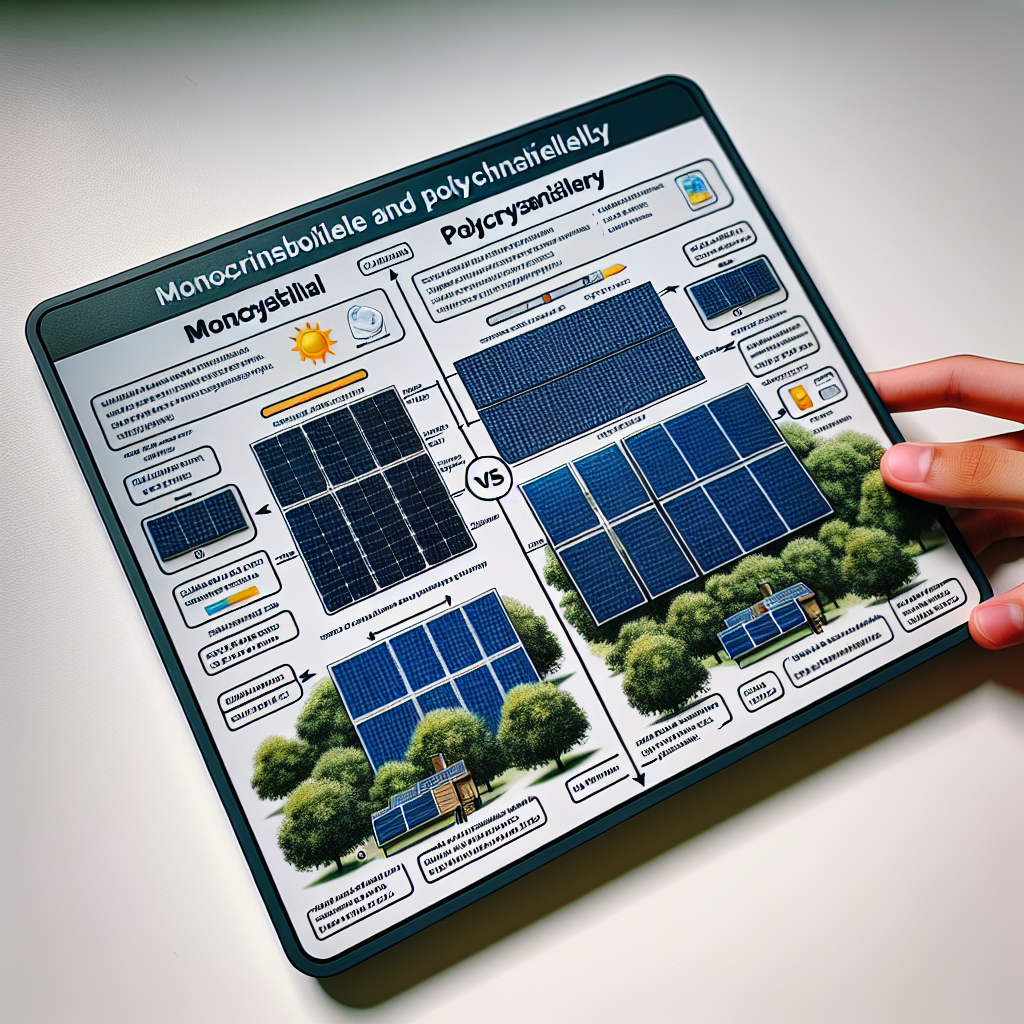
    So, what are monocrystalline panels? Well, they’re made from a single crystal structure, usually silicon. I remember when I first came across them; they looked sleek and elegant, often appearing darker than their counterparts. It’s this unique structure that allows the panels to achieve higher efficiency rates. In simpler terms, they convert more sunlight into electricity than polycrystalline panels do.

    One of the major selling points for me was their longevity. Manufacturers often offer warranties that guarantee performance for 25 years or more. This meant peace of mind for my investment. Not to forget, they tend to take up less space because they produce more energy per square foot compared to the alternatives.

    However, there’s a flip side. Monocrystalline panels do come with a heftier price tag. From personal experience, the upfront investment can be a bit daunting. Yet, considering their efficiency and warranty, many find themselves saying, “Hey, this is worth it!” It’s all about balancing budget with the long-term benefits, right?

    Polycrystalline Panels

    Now, let’s talk about polycrystalline panels! These guys are made from multiple silicon crystals melted together. When I first laid eyes on them, I noted that they appeared bluer and had that speckled look—almost artistic in a way. They don’t perform quite as efficiently as monocrystalline but still get the job done for plenty of homeowners.

    What I love about polycrystalline panels is their affordability. I mean, if you’re working on a tight budget but still want to dive into solar power, this could be your ticket. They’re usually less expensive to produce, and that cost saving often gets passed down to us consumers, which is pretty cool.

    However, keep in mind that they might not be the best fit if you have limited roof space. The energy density simply doesn’t measure up to monocrystalline panels, which means you might need more of them to generate the same amount of power. I faced this dilemma once and had to weigh up my options before committing.

    Efficiency Ratings

    Comparative Efficiency

    When diving into solar panels, efficiency ratings are a hot topic. Monocrystalline panels usually shine here with efficiencies hovering between 15-22%. I was impressed by how well they worked in low-light situations too, making them versatile for various climates. Their ability to convert more sunlight into usable energy is something I always appreciated during those cloudy days.

    On the other hand, polycrystalline panels typically see lower efficiency, usually around 13-16%. This came as a bummer to me initially, but I realized they can still perform well in full sun. So, if you’ve got a sun-drenched rooftop, they may suit your needs just fine, despite the lower efficiency.

    It’s essential to factor in the efficiency when deciding how many panels you’ll need. Remember that a more efficient panel can reduce the total space you need to allocate, which is super helpful for those of us working with limited roofing area.

    Cost Considerations

    Upfront Costs

    Let’s talk dollars and sense—pun intended! Monocrystalline panels generally cost more upfront. When I was shopping around, the price tag often caught my eye. However, the higher efficiency can lead to lower overall energy bills in the long run, which eased my hesitation about investing more initially.

    The beauty of polycrystalline panels is in their affordability. They’re often about 20% cheaper than monocrystalline. This made them an easy choice for folks on a budget or those looking to power large areas without breaking the bank. I learned firsthand how shopping around and comparing quotes can save big bucks.

    Don’t forget to consider installation costs as well! Sometimes the installation expenses can nudge the overall costs in one direction or the other, depending on what panels you’re choosing. I remember factoring everything in before making my decision, which helped eliminate any nasty surprises down the road.

    Space Requirements

    Installing Solar Panels on Limited Roof Space

    If you’re like many homeowners, roof space is often a concern. When I first started my solar journey, I measured every inch, considering how many panels I could fit up there. Here’s the kicker—monocrystalline panels, being more efficient, can generate more power in less space. This was a game-changer for me!

    Polycrystalline panels, while still effective, require more real estate due to their lower efficiency. If you have a sprawling rooftop, you might not even have to think twice. But if space is at a premium, remember, the more efficient panels might save you from cramming panels onto the edges of your roof.

    So, if you’re in a neighborhood where everyone seems to be doing a solar install, this can be an important factor to consider! I realized that choosing the right panel could make a world of difference in maximizing my renewable energy potential.

    Environmental Impact

    Production and Sustainability

    You know I love a good conversation about Mother Earth! When I looked into the production of both monocrystalline and polycrystalline panels, it was pretty enlightening. Monocrystalline panels generally have a lower environmental impact over their lifespan since they often produce more energy, reducing the amount of raw materials needed.

    On the flip side, polycrystalline panels have a higher energy payback time, meaning they take a little longer to greenify your home. However, I found they are less energy-intensive to produce, which can be a significant point for eco-conscious buyers. It kind of boils down to picking your battles in the investment.

    Ultimately, whichever you choose, know that both options work towards reducing carbon footprints. I remember feeling great knowing that by going solar, regardless of which panel type, I’m doing my part for the planet. It’s always a win-win when you think about it!

    Frequently Asked Questions

    1. What is the main difference between monocrystalline and polycrystalline panels?

    The primary difference lies in their manufacturing process: monocrystalline panels are made from a single crystal structure while polycrystalline panels are composed of multiple silicon crystals. This affects their efficiency and aesthetics.

    2. Which type of panel is more efficient?

    Monocrystalline panels generally offer higher efficiency, converting 15-22% of sunlight into electricity, while polycrystalline panels typically range from 13-16% efficiency.

    3. Are polycrystalline panels a good option for small roofs?

    If you’re limited on space, monocrystalline panels might be better since they generate more power per square foot. Polycrystalline panels require more space to achieve similar energy production.

    4. How do cost considerations play into the decision?

    Monocrystalline panels are usually more expensive initially, but their higher efficiency may lead to cost savings on energy bills over time. Polycrystalline panels are often more budget-friendly upfront but may not deliver the same long-term savings.

    5. What about the environmental impact of these panels?

    Both types of panels help reduce your carbon footprint. Monocrystalline panels may have a lower environmental impact over their lifespan due to higher energy generation, while polycrystalline panels are less energy-intensive to produce.

  • The Science Behind Solar Generators: How They Work

    The Science Behind Solar Generators: How They Work

    1. Understanding Solar Energy

    What Is Solar Energy?

    Alright, so first off, let’s talk about what solar energy really is. In simple terms, solar energy comes from the sun, and it’s basically the light and heat that we can harness to generate power. The sun produces an enormous amount of energy—enough to power the world many times over! So, it’s like having a giant battery in the sky that we can tap into.

    Imagine every hour, the sun beams down enough energy to satisfy the global energy needs for a full year! That’s pretty mind-blowing if you think about it. This energy can power everything from your coffee maker to entire cities if captured effectively. Collecting solar energy is super important as we look for cleaner ways to power our lives.

    Not only is it abundant, but it’s also renewable, meaning we won’t run out of it anytime soon. Unlike fossil fuels, which are finite and contribute to pollution, solar energy is a fantastic alternative that contributes to a more sustainable future.

    How Do Solar Panels Work?

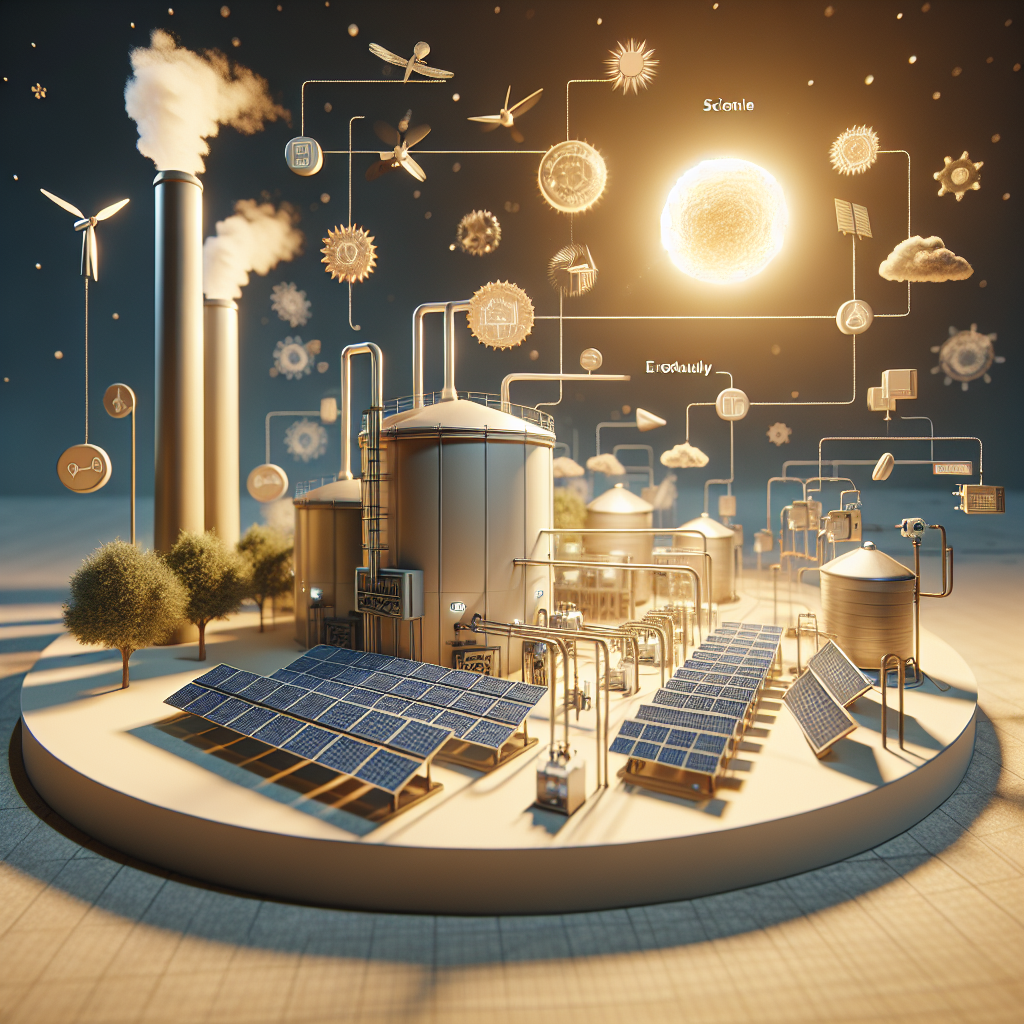
    Now, let’s dig into the mechanics of solar panels, which are the heart of every solar generator. These panels contain photovoltaic (PV) cells, which are made from materials called semiconductors, usually silicon. When sunlight hits these cells, it excites electrons, causing them to move and generate electricity. It’s like turning sunlight directly into a flow of electricity, which is incredible!

    The more sunlight that hits a panel, the more electricity it generates. It’s pretty amazing how something as simple as sunlight can be converted into usable energy. And guess what? This process is even happening when it’s cloudy, just at a lower efficiency. So, you’re still getting some juice from the sky, which is a win in my book.

    It’s also worth mentioning that solar panels can last quite a while, often up to 25 years or more with minimal maintenance. So it’s an investment, no doubt about it, but one that often pays off in the long run—not just financially, but environmentally too!

    The Role of Inverters

    Okay, so you have these super cool solar panels generating electricity, but that electricity is in the form of direct current (DC). Most of our household appliances use alternating current (AC), so this is where inverters come into play. They’re like the translators of the energy world! Without them, your swanky solar setup wouldn’t be able to juice up your coffee maker.

    Inverters take that DC electricity and convert it into AC electricity, making it usable for standard home applications. Some systems even feature smart inverters that can take this a step further by optimizing the energy production based on real-time conditions and usage.

    It’s neat to think about how these little devices enable us to use what we generate from our solar panels seamlessly. Managing energy conversion efficiently means more power for us and less wasted energy. So, a great inverter is totally key to harnessing solar energy effectively!

    2. Energy Storage Solutions

    The Importance of Batteries

    So, let’s talk storage. One major challenge with solar energy is that it’s not always sunny out, right? Enter energy storage solutions—specifically, batteries! These bad boys store up the excess energy generated during those sunny days so that we can use it when the sun isn’t shining.

    Imagine having a stash of energy at your disposal whenever you need it—no more worrying about runs of cloudy days! The most common type of batteries used in solar systems are lithium-ion batteries, which are compact and efficient. They’re like the go-to option for home solar setups.

    Batteries have made solar energy much more reliable. Having that backup storage means we can enjoy a consistent power supply regardless of weather patterns—it really gives you peace of mind knowing you can still power the important stuff at home!

    Types of Solar Batteries

    When it comes to solar batteries, there are a couple of main types: lead-acid and lithium-ion. Lead-acid batteries have been around forever and are typically less expensive, but they don’t have the same lifespan or energy density as lithium-ion options. For long-term investments, lithium-ion batteries often come out on top.

    They’re more efficient, lighter, and take up less space, all of which are major pluses in my book. Plus, they charge faster and deliver more usable energy! However, they do come with a higher price tag, but hey, good things often cost more, right?

    Another cool option is the emerging field of flow batteries. They are being designed to potentially offer even greater scalability and a longer lifespan, which could be super friendly for the environment—so keep an eye out for those!

    Grid-Tied vs. Off-Grid Systems

    When considering solar energy systems, it’s crucial to understand the difference between grid-tied and off-grid systems. A grid-tied system is connected to the electrical grid, allowing you to use energy from both the solar panels and the grid. This kind of setup can often save you a lot on your energy bills because any excess energy produced can be sent back to the grid, sometimes even earning you credits!

    On the flipside, off-grid systems are entirely independent of the grid and typically require a battery storage solution to ensure consistent power supply. This can be a bit pricier upfront due to the batteries and additional equipment needed. However, they offer a kind of freedom that’s hard to beat—perfect for those of us who want to live sustainably and off the beaten path!

    Choosing between these two options really comes down to your lifestyle, budget, and energy needs. I personally love the idea of having the grid as a safety net while I still get to harness the sun’s power!

    3. Benefits of Solar Generators

    Environmental Impact

    Now, let’s chat about the awesome environmental benefits of solar generators. Using solar energy drastically reduces our dependence on fossil fuels, cutting down on greenhouse gas emissions. Less pollution means cleaner air, which equates to better health for everyone!

    This shift toward solar not only helps combat climate change but also conserves precious natural resources. A solar generator allows you to harness the sun’s energy without contributing to its depletion—truly an eco-friendly solution.

    Moreover, solar power is sustainable. As long as we’ve got the sun shining (which is pretty much a given), we’re good to go! Taking steps toward using solar energy is not only beneficial for us today but also for generations to come.

    Cost Savings

    One of the main reasons why I made the switch to solar was the potential for cost savings. Yeah, there’s an upfront cost to install a solar system, but let me tell you—it’s worth it in the long run. The energy savings can be significant! No more sky-high electric bills—just good old sunshine powering your life.

    Plus, many places offer tax incentives or rebates for installing solar energy systems, which can help reduce that initial investment. Over time, many solar system owners find that their savings on energy bills far exceed the costs, putting money back in their pockets!

    And don’t forget about energy independence. When you generate your own electricity, you’re less affected by fluctuating energy prices. Investing in solar feels like getting off the rollercoaster and onto solid ground!

    Grid Reliability

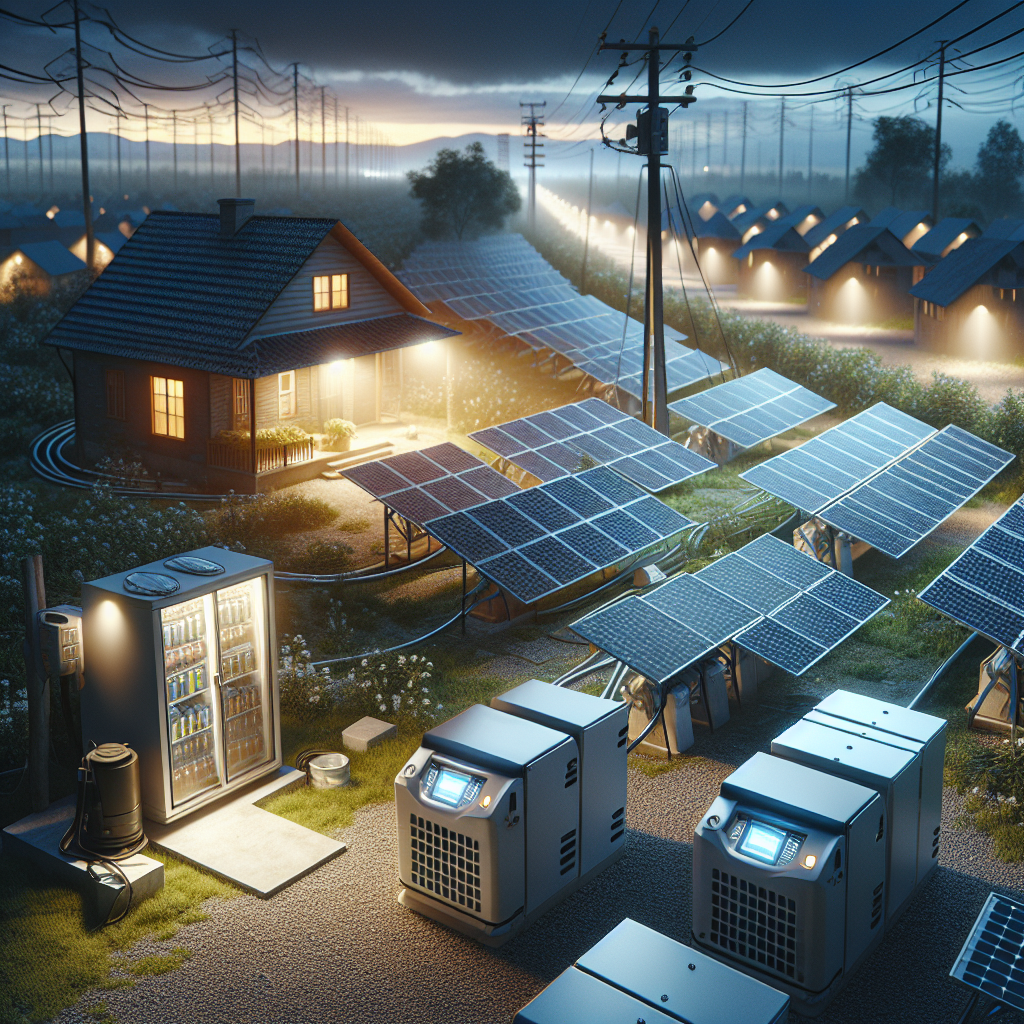
    Having a solar generator can enhance your power reliability, which is a blessing, especially during outages or emergency situations. With a solar system, you have a backup power source ready to go. If there’s a storm or a blackout, you still have access to energy.

    This kind of grid reliability is comforting and ensures that you can keep your essentials running, like refrigerators and medical equipment. It’s great for peace of mind!

    Plus, as utilities upgrade their grids, having a solar generator can put you ahead of the game. Think of it as a safety net that makes you more resilient against those pesky power outages!

    4. Installation and Maintenance

    Getting Started with Installation

    So, if you’re thinking about jumping on the solar train, installation is the first big step. It’s typically recommended to hire professionals, especially if you’re new to the solar game. They know the ins and outs of solar system installations and can ensure everything is set up correctly for maximum efficiency and safety.

    The installation process generally involves evaluating your home’s energy needs, positioning the panels to get the most sunlight, and setting up the inverter and battery system. It’s a bit like a puzzle, but when it’s all in place, you’ll be amazed at how it comes together!

    Most reputable solar installers will also handle permits and inspections, making the whole process way smoother for you. Just sit back and let the experts do their thing. You’ll be rocking solar power in no time!

    Maintenance Tips

    Once your solar system is up and running, it’s essential to keep it well-maintained. Thankfully, solar panels don’t require a ton of upkeep. Regularly checking for debris, such as leaves or bird droppings, and giving them a rinse with water can be sufficient.

    It’s also a good idea to occasionally inspect the inverter and battery systems to make sure they’re running optimally. Many inverters have built-in monitoring systems, allowing you to check their performance from your smartphone. How cool is that?

    Scheduling an annual professional check-up can help catch any potential issues before they become major problems. With a little care, your solar generator can provide reliable energy for years to come!

    Common Installation Mistakes

    With any construction project, mistakes can happen, so it’s worth knowing what to look out for. A common one is poor panel positioning. Panels need to be angled just right to capture the most sunlight, so their placement is critical. Don’t settle for less when it comes to orientation!

    Improper wiring is another no-no. If the wiring isn’t done correctly, it can lead to inefficiencies or even dangerous situations. That’s another reason I recommend getting a certified installer on board.

    Lastly, failing to account for local regulations and permits can lead to delays or added costs. So be sure to navigate the red tape carefully! Avoiding these pitfalls will ensure your solar journey starts off on the right foot!

    5. Conclusion: Embracing Solar Technology

    Why I Chose Solar

    After learning about how solar generators work, I genuinely became a fan! The combination of environmental benefits, cost savings, and reliable energy really sold me on the technology. I loved the idea of reducing my carbon footprint while still enjoying reliable access to power. Plus, there’s something satisfying about producing your own energy!

    Switching to solar has given me a sense of independence that feels empowering. I know that I’m doing my part for the planet, and it’s felt great watching my electric bill dwindle down. Who doesn’t love saving money, especially while being eco-friendly?

    It’s an exciting time to embrace solar technology. With continuous advancements and falling costs, more people can benefit from solar energy than ever before. So go ahead, take that plunge, and join the solar movement!

    FAQ

    1. How does a solar generator work?

    A solar generator works by harnessing sunlight through solar panels, converting it into electricity via inverters, and storing that electricity in batteries for later use. This ensures you have access to power even when the sun isn’t shining.

    2. What are the benefits of using solar energy?

    The benefits of using solar energy include reducing your electricity bills, lowering your carbon footprint, providing energy independence, and being a sustainable power source that contributes to a healthier planet.

    3. Do solar panels work in cloudy weather?

    Yes! Solar panels can still generate electricity on cloudy days, although at a lower efficiency. They capture direct and indirect sunlight, so you’re still getting some energy, which is better than none!

    4. How long do solar panels last?

    Most solar panels come with a warranty of around 25 years and can last even longer with proper maintenance. They’re a solid long-term investment for clean energy!

    5. Can I install a solar system myself?

    While DIY solar installation is possible, it’s generally recommended to hire professionals to ensure efficiency, safety, and compliance with local regulations. It’s worth the investment for peace of mind!

  • How to Get Government Incentives for Solar Energy Installation

    How to Get Government Incentives for Solar Energy Installation

    Understanding Solar Energy Incentives

    What Are Government Incentives?

    Government incentives for solar energy installations are basically financial benefits offered by federal, state, and sometimes local governments to encourage you to go solar. These can come in the form of tax credits, rebates, grants, and even low-interest loans. The goal is to make solar energy more accessible for homeowners and businesses, which ultimately helps the environment by reducing reliance on fossil fuels.

    From my perspective, these incentives can really lighten the financial load when installing solar panels. I remember when I installed my panels, having those rebates made a notable difference in the initial investment. It’s like getting a pat on the back for saving the planet while also benefiting your wallet!

    Keep in mind, though, that incentives can vary based on where you live. Each state has different rules and offerings, so it’s important to do some local research for the specific benefits available in your area.

    Researching Available Programs

    Finding Local and Federal Programs

    When I was first looking to go solar, the sheer number of programs out there seemed overwhelming. I started with the Database of State Incentives for Renewables & Efficiency (DSIRE), which is a fantastic resource. It lists every incentive available by state and even offers information about local programs.

    Additionally, checking in with your local utility companies can often lead you to hidden gems of information. They frequently offer their own rebates as part of their renewable energy goals. I remember discovering a rebate that cut my installation costs significantly just by asking my utility provider!

    If you’re still feeling lost, there are organizations and solar advocates who can help you navigate the complexities. Don’t hesitate to reach out; people love sharing their successes and tips!

    Evaluating Solar Energy Systems

    Choosing the Right System for You

    Once I understood the incentives, it was time to pick the right solar energy system. It’s important to remember that not all systems are created equal. Depending on your energy needs, your roof’s orientation, and even your aesthetic preferences, your solar panel choice can vary considerably.

    I found solar calculators online that helped me assess my energy needs based on usage. By doing some math and comparing it to different systems, I got a clearer picture of what would work best for me. Coupled with the financial incentives, this helped narrow my options significantly.

    Plus, reading reviews and seeing actual installations in my area gave me confidence in my choice. I even visited a few friends who had panels installed, which provided invaluable insight.

    Applying for Incentives

    Filling Out the Necessary Forms

    Once I selected the system I wanted, it was time to tackle the application processes for incentives. I won’t lie; it can feel a bit tedious. But ensuring that I filled everything out correctly made a massive difference in how quickly I started receiving benefits.

    Many times, my solar installation company helped me with the paperwork. They were seasoned pros when it came to these applications and provided me numerous forms to ensure I did it right. I just made sure to double-check and sign where needed, which saved me a lot of hassle in the long run!

    Remember, missing paperwork or incorrect information can delay your incentives. So, it pays to be thorough and to keep copies of everything you submit!

    Monitoring Your Incentive Benefits

    Keeping Track of Incentives and Rebates

    After installation and getting my incentives, I found it extremely helpful to actively monitor them. I installed an app on my phone that kept tabs on both my energy production and the financial benefits I was receiving. It’s nice to see how much energy I’ve saved and know that I’ve truly made a difference.

    I also made it a habit to review my tax credits during tax season. This way, I could maximize my benefits and ensure I wasn’t missing any deductions. I even consulted with a tax professional who was savvy about energy incentives; it was worth every penny to ensure I was on track!

    Staying engaged with your solar energy system not only keeps you informed about your savings but can also appeal to future upgrades or maintenance needs down the line. You never know how new incentives might pop up either!

    FAQs

    1. What types of government incentives are available for solar energy installation?

    Incentives can range from federal tax credits, state rebates, and grants, to performance-based incentives. Each location may have different offerings, so check local resources for specifics.

    2. How can I find out about programs in my area?

    The Database of State Incentives for Renewables & Efficiency (DSIRE) is a great place to start. Additionally, contact your local utility companies as they often have their own programs aimed at encouraging solar energy.

    3. Do I need to handle the paperwork myself?

    Not necessarily! Many solar installers will help guide you through the paperwork needed to apply for incentives. Just make sure to keep copies of everything you submit.

    4. Can I still get incentives if I live in an apartment?

    In some cases, yes! You might be able to invest in community solar programs or work with your landlord for individual installations. It’s worth investigating the options available in your area.

    5. Are there any incentives for maintenance or upgrades to existing solar systems?

    Yes, some states offer incentives for maintenance or upgrades, but these vary by location. Always check local resources and programs to see what’s available as technology and offerings continue to evolve.

  • How Flexible Solar Panels Are Transforming Outdoor Adventures

    How Flexible Solar Panels Are Transforming Outdoor Adventures

    1. Enhancing Energy Independence on the Go

    Understanding Energy Independence

    As an outdoor enthusiast, I’ve always valued the ability to escape the humdrum of everyday life and soak in nature. But I soon realized that enjoying the great outdoors often came with a caveat: the challenge of staying connected and powered up. Enter flexible solar panels—these game-changers have turned my adventures into energy-independent outings!

    Flexible solar panels offer the freedom to generate power anywhere, anytime. Whether I’m setting up a cozy camp or charting a new hiking route, I know I can charge my devices and keep my gear running without being tethered to a power grid. This independence from electrical infrastructure has transformed my outdoor experience immensely.

    Picture this: I’m camped along a picturesque trail, podcasting the sounds of nature while my lightweight solar panel charges my phone. I genuinely feel like I’m in control of my energy needs, which opens up a world of possibilities in exploring! It’s pretty damn liberating!

    Portable Power Solutions

    The beauty of flexible solar panels lies in their portability. I remember my first experience with a traditional solar panel—I struggled with how bulky and heavy it was! Fast forward to today, and I’m thrilled with how lightweight and adaptable these flexible versions are. They can be easily rolled up or attached to my backpack.

    I often use them on road trips, too. Just a quick setup on the roof or my vehicle, and I’m generating clean energy while cruising along scenic routes. This convenience takes the guesswork out of planning for energy needs on the road—I’ve truly got everything I need at my fingertips!

    Plus, setting them up is a breeze! Most of the time, I just throw the panel on the ground or attach it to my gear. In no time, my devices are charged, whether it’s a power bank or my camera, keeping me ready to capture those epic moments!

    Staying Connected with Nature

    One of the unexpected joys has been maintaining a solid connection with loved ones while I’m out enjoying the great outdoors. I’m all about disconnecting, but knowing I have that backup power lets me share my adventures on the go! It bridges the gap between the wilderness and home.

    I use apps that help me navigate trails, check the weather, and even share some killer pics on social media—my friends love it! That little power boost from my solar panels keeps my smartphone charged without worrying about finding a charging station. So, I enjoy my solo time while staying connected to my community.

    Flexible solar panels have a way of making outdoor adventures feel a little more complete. The thrill of summiting a peak is intensified when I can share live updates. The integration of technology and nature is a concept I’m all in for, and flexible solar panels make it a reality!

    2. Practical and Lightweight for Hiking and Camping

    The Importance of Lightweight Gear

    When it comes to hiking and camping, every ounce matters. I’ve spent endless hours debating gear and often found myself choosing between comfort and practicality. That’s why when I discovered flexible solar panels, I was amazed by their light weight!

    I can carry them in my backpack without feeling the strain. Seriously, I can pack my flexible panel alongside my trail snacks, and if you know me, those snacks are essential! The peace of mind knowing my panel doesn’t add significant weight to my pack is absolutely priceless.

    Not only do I feel good about my gear’s weight, but I also feel confident I can harness the sun’s energy while trekking through some incredible landscapes. That’s a win-win if you ask me!

    Easy Integration with Existing Gear

    Another cool thing about flexible solar panels is how easy they are to incorporate with other kits I already have. I love gear that plays well together! I just clip my solar panel onto my backpack or lay it out next to my tarp. It’s a simple yet effective way to get energy while setting up camp.

    With most flexible panels, everything clicks right into place. I’ve got cords and connectors that seamlessly attach to power banks and lights. Honestly, the innovation has made outdoor gear almost like a puzzle, where solar panels fit perfectly!

    Knowing that I can blend new tech like flexible solar panels with my trusted old-school camping gear has made for some epic adventures. It’s really about working smarter, not harder when out in the wild.

    Diverse Applications for Outdoor Enthusiasts

    During my journeys, I’ve found that flexible solar panels aren’t just for charging phones or GPS devices; they have a plethora of uses that caught me by surprise! For instance, using them to power small lights around my campsite transforms the vibes at night. Trust me, it can be a game-changer for some evening fun with friends.

    I’ve used them for powering tents, fans, and even small cooking devices! The level of comfort these panels add is just outstanding. So, next time I’m cooking up a storm in the great outdoors, I’m no longer relying solely on a campfire! Instead, I let the sun do its thing!

    These solar panels have turned a basic camping trip into a luxurious outdoor experience. It’s all about making the most out of every moment spent outside and embracing the versatility these solar panels provide!

    3. Sustainable and Eco-Friendly Adventures

    Eco-Conscious Choices in Outdoor Gear

    Talking about sustainability is a huge passion of mine! With climate change looming, every decision matters. Choosing flexible solar panels aligns with my commitment to being an eco-conscious adventurer. It’s amazing how simple actions, like generating my own power, can contribute to a greater cause.

    By utilizing solar energy, I know I’m leaving a smaller carbon footprint and helping to protect our beautiful planet. This knowledge adds an extra layer of fulfillment to my journeys as I hike through pristine landscapes, knowing I’m playing a role in their preservation.

    Making eco-friendly choices has also become a sense of community. I’ve hosted workshops to educate fellow adventurers about the benefits of sustainable gear. Our shared enthusiasm for preserving nature is one of the coolest things about being part of this outdoor community!

    Utilizing Renewable Energy for Comfort

    With flexible solar panels, I’m not just tapping into solar energy; I’m actively using renewable resources to enhance my comfort while traveling. Campfires are great, but there’s something so satisfying about foolproof energy from the sun!

    Finding a comfortable space and being able to bring solar-powered conveniences along speaks to my love for modernizing traditional outdoor adventures. I can keep my food fresh with solar-powered coolers or illuminate my site with LED lights—all fueled by the sunshine!

    Whether I’m out for a weekend trip or an extended stay in nature, I can enjoy home comforts without compromising my values. That’s what I love most about flexible solar panels—they bring balance to my love for exploration and my responsibility to the earth!

    Fostering a Community of Eco-Conscious Adventurers

    By introducing flexible solar panels into my adventures, I’ve discovered not just gear, but an entire community of eco-conscious adventurers passionate about making better choices. Sharing experiences and stories of sustainability has been an incredible learning curve! We all come together to advocate for responsible travel practices.

    I frequently meet like-minded individuals who are also adopting flexible solar technology, leading to amazing conversations around minimizing impact and maximizing enjoyment outdoors. There’s an unshakeable camaraderie rooted in our love for nature and the sustainability movement.

    Together, we are creating a ripple effect! There’s strength in numbers, and as more of us embrace these eco-friendly practices, the collective efforts become even more impactful! Each adventure becomes an opportunity to inspire others to do the same!

    4. Versatile Use for Multiple Activities

    Merging Fun and Functionality

    One of the best aspects of flexible solar panels is their versatility. Whether I’m kayaking on a quiet lake, mountain biking through rugged trails, or lounging at a beach, there’s a way to integrate a solar panel into the experience. It’s like having a Swiss army knife! For instance, on kayaking trips, I float my panel on the boat while soaking up sun and charging my waterproof speaker at the same time—it’s ridiculously fun!

    Having such flexibility allows me to plan trips without worrying about how I’ll power my devices. Each new adventure gives me opportunities to test out new ways to utilize my panels, and I love that innovation keeps the outdoor experiences fresh. I often encourage my buddies to think outside the box when using the tech, which leads to some hilarious and memorable moments!

    Moreover, having power while engaging in diverse activities creates a balance between experiencing nature and maintaining my gadgetry. It’s a perfect combo that keeps my mind and heart engaged!

    Adapting to Changing Environments

    One thing I’ve learned from years of adventuring is that weather can be unpredictable. Flexible solar panels can adapt to various environments. During one trip, I wrapped my panel around a tree to gather energy efficiently in the shade of the forest canopy. It was a trial, but low and behold, it worked!

    The adaptability of these panels means I won’t ever feel limited. Rain, sun, or shade, they can be utilized in unexpected ways to ensure I’m always generating energy. It’s that kind of versatility that keeps me motivated to explore even when conditions aren’t perfect.

    Each different environment poses unique challenges, but having that flexibility makes it less daunting. It’s this kind of resourcefulness that truly elevates my outdoor adventures, making them all the more exciting!

    Inspiring Others to Explore

    One of the coolest things I’ve noticed since adopting flexible solar panels into my outdoor toolkit is the way it inspires others. Friends see how seamless it is to power up our activities and often ask about it when we’re out together. It sparks curiosity and opens conversations about combining technology with nature instead of resisting it.

    My excitement is contagious! I’ve led outdoor workshops showing how these panels can enhance experiences and allow for creativity in nature. The joy of teaching others—seeing that spark in their eyes when they realize how simple it is—really lights me up!

    It feels great to know that I’m not just enjoying my adventures alone, but actually encouraging others to take the plunge and invest in flexible solar technology! It’s all about elevating the experience for everyone while advocating for an outdoor movement!

    5. Resilience for Outdoor Enthusiasts

    Durability for Tough Conditions

    Having taken flexible solar panels on a myriad of adventures, I can personally vouch for their resilience. These panels are specifically designed for the rigors of outdoor conditions. I once sent my panel tumbling down a rock-and-dirt trail during a mountain biking accident, and after a quick inspection, it was intact!

    The materials used in crafting these panels are durable and can withstand bumps, scrapes, and the general wear and tear of an active lifestyle. I trust that my gear won’t fail me in the wild, which is huge, especially for someone who spends a lot of time out there!

    Plus, knowing that I can count on these panels in tough conditions adds a level of confidence. I push boundaries and explore new terrains, all while knowing my solar technology has got my back!

    Long-Term Investment for Adventurers

    Investing in flexible solar panels might seem steep upfront, but for a regular outdoorsy person like me, it quickly pays off. I’ve realized how much money I’ve saved on batteries and gas-powered gear over time. Having that solar option makes every outing cost-effective and sustainable!

    When I started camping more and diving deeper into outdoor adventures, flexible solar panels became a fundamental part of my investment in gear that lasts. They’ve completely changed how I approach planning trips, allowing me to envision beyond the basics.

    This long-term mindset translates to creating more fulfilling experiences! By embracing durable solar technology, I’ve created a network of adventures and memories that keep giving back year after year.

    Empowering Future Adventurers

    One of the most rewarding aspects of using flexible solar panels is the empowerment that comes from embracing new technology. I’ve seen first-hand how my adventures inspire my friends and new adventurers at local meetups. It’s about encouraging folks to step out of their comfort zone and embrace the change that solar technology brings.

    By embracing resilient gear, I’m not just venturing out for myself, but also planting seeds of curiosity in others. There’s something beautiful about the friendships formed over shared outdoor experiences and new, innovative technologies!

    With every story I share about my adventures powered by solar, I empower more adventurers to think about their energy needs on trips. It’s about nurturing a generation of outdoor lovers who care for our planet while unleashing their adventurous spirits!

    FAQs

    1. What are flexible solar panels?

    Flexible solar panels are lightweight and adaptable solar technologies designed for outdoor use. They can easily be rolled or bent, making them portable and perfect for various outdoor adventures.

    2. How can I use flexible solar panels on my trips?

    You can use flexible solar panels to charge devices like smartphones and cameras, power lights, or even run small appliances. Their versatility means you can integrate them into many outdoor activities!

    3. Are flexible solar panels durable?

    Absolutely! Flexible solar panels are built tough to withstand outdoor conditions, which is perfect for avid adventurers. They can endure bumps and scrapes, so you don’t have to worry about them failing in the wild.

    4. Can I integrate flexible solar panels with my existing gear?

    Yes! Many flexible solar panels are designed to easily connect with other outdoor gear such as power banks, lights, and other devices, enhancing your outdoor experience without complications.

    5. How do flexible solar panels contribute to sustainability?

    Using flexible solar panels helps reduce dependence on fossil fuels by harnessing renewable energy from the sun. This contributes to a smaller carbon footprint and promotes eco-conscious practices among adventurers.

  • How Solar Panels Are Impacting Real Estate Values Nationwide

    How Solar Panels Are Impacting Real Estate Values Nationwide

    Enhancing Property Appeal

    Increasing Buyer Interest

    In my experience, homes with solar panels tend to attract more buyers. It’s like a magnet for those looking to reduce energy costs while being eco-friendly. When I walk into a property listing that boasts solar installation, you can almost feel the vibe shift—people light up at the thought of sustainable living.

    Moreover, it seems that buyers are not just interested but actively seeking solar energy solutions. This isn’t just about the hip factor; it’s about long-term savings. Knowing they can potentially save on their electric bills makes those properties very enticing.

    So, in a market where competition is fierce, having solar panels can give your property that much-needed edge, helping it stand out among countless listings. And honestly, who wouldn’t want a house that looks towards the future?

    Home Aesthetic Boost

    Let’s not forget about aesthetics. A well-installed solar panel system can actually enhance a home’s appearance. When I see them angled just right on a rooftop, it can add a modern touch that’s quite appealing. It says, “Hey, I’m not just a house; I’m a forward-thinking investment!”

    In some neighborhoods, solar panels can even convey a sense of community consciousness. It’s like being part of a green club where everyone’s committed to making the world a better place. When a home reflects these values, it resonates well with buyers, often increasing marketability.

    There’s also the aspect of branding a property as a sustainable home. Properties that brand themselves in this light attract a specific type of buyer who values eco-friendliness and sustainability, typically willing to pay a little more for the right features.

    Impact on Resale Value

    From my observations, homes with solar panels have a higher resale value than those without. Several studies have shown this trend across various markets. When it comes time to sell, I often highlight the long-term savings and environmental benefits, which actively influences buyers’ decisions.

    Also, the appeal of energy independence cannot be underestimated. The idea of reducing reliance on traditional energy sources often resonates with many buyers. This type of independence can translate into significant savings down the road, making these homes much more attractive.

    So, if you’re considering investing in solar panels, keep in mind that this could significantly boost your home’s value when you decide to sell. This investment not only helps the planet but also pads your pocket when it’s time to cash out!

    Financial Incentives and Savings

    Government Incentives

    There’s no denying it; the government offers some juicy incentives for solar energy adoption. I’ve seen how these tax credits can significantly reduce installation costs. When homeowners discover they can receive financial support for adopting solar technology, it eases the decision-making process.

    Moreover, if you live in an area that offers rebates or performance-based incentives, you can actually end up saving even more, transforming your upfront investment into a worthwhile long-term project. It’s like going on a shopping spree where you get a huge discount!

    Having access to these financial incentives makes a compelling argument to potential buyers during the sale process. You can confidently portray the system as a wise financial decision rather than just a trendy add-on.

    Long-term Energy Cost Savings

    One aspect I always emphasize to clients is the long-term savings associated with solar energy. Imagine a scenario where your energy bills significantly decrease, or even disappear entirely on sunny days! That’s music to any homeowner’s ears.

    Developing a budget that accounts for the average yearly savings from solar can really shift perspectives. Buyers love to visualize their future savings, and it becomes an easy sell. “Hey, with this solar system, you can save X amount annually!” It’s a no-brainer!

    Ultimately, the more homeowners understand the potential financial benefits, the more comfortable they become investing in solar energy solutions. And let’s be real—who wouldn’t want to lessen their financial load while helping the environment?

    Impact on Property Insurance and Loans

    Installing solar panels can also have an indirect impact on property insurance and loans. I’ve seen that homes equipped with solar installations can sometimes receive lower insurance premiums because they’re viewed as a lower risk due to their sustainable energy reliance.

    Additionally, when applying for financing, having solar panels can enhance a household’s appeal to lenders. They often see these homes as valuable investments with potential for steady, responsible returns. Your home might get valued higher, leading to better financing options!

    It’s incredibly valuable to approach the financial side of things with precise calculations and just a sprinkle of enthusiasm. Sharing all these benefits during a home tour can really impress potential buyers and elevate the chances of a sale!

    Market Trends and Buyer Preferences

    Shifting Buyer Mindsets

    There’s been a definite shift in buyer preferences lately. Buyers today are leaning more towards sustainable living. From my observations, many are specifically looking for properties that come equipped with energy-efficient solutions like solar panels. The eco-friendly movement is strong, and buyers want to be part of it.

    Homebuyers have begun recognizing that sustainable homes can lead to significant long-term savings, thus enhancing demand. It’s like a ripple effect! As more homeowners transition to solar energy, others are influenced, and the trend continues to build momentum.

    I remember a time when environmental features were just a bonus; now, it’s practically a staple in modern listings. And knowing this can inform selling strategies, making solar installations seem necessary rather than optional.

    Regional Variations

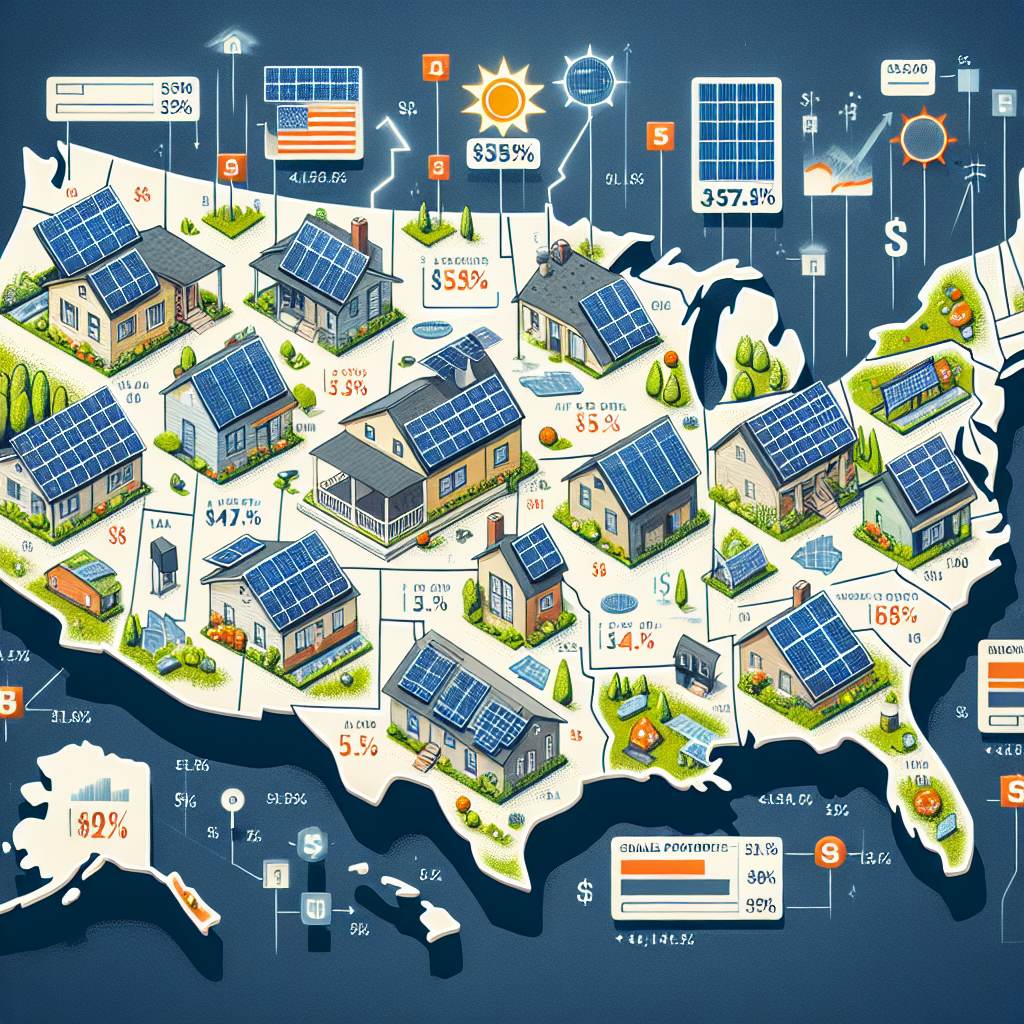
    Another factor to consider is regional differences in how solar is perceived. Some areas just vibe better with solar energy, making homes in these regions highly sought after. On the flip side, properties in less progressive regions might see less value added by solar installations.

    Regions that embrace renewable energy often have policies in place to support such investments. In essence, not all solar investments will yield the same results everywhere. It’s crucial to do your research about your local market to understand how solar is valued.

    Understanding these regional variances is super essential for buyers and sellers alike. If you’re selling in a region that praises sustainability, you definitely want to highlight those solar panels!

    Market Competition

    With the competitive nature of the real estate market today, having solar panels could set you apart. You’ll better capture attention and potentially attract a larger pool of interested buyers. It’s all about differentiating your property!

    In many markets, features like solar installations have become deal-breakers for buyers. I’ve had clients specifically tell me they won’t even consider homes that lack this green feature. It’s great to see sustainability influencing purchasing choices so directly.

    This competition capitalizes on the broader trend and elevates solar as a “must-have.” Thus, properties with solar panels are often more competitive, leading to quicker sales and sometimes even bidding wars!

    The Future of Solar Values

    Emerging Technologies

    As technology evolves, so do prices and efficiencies associated with solar energy systems. In the next few years, we’ll likely see even more innovative solutions that can make solar energy cheaper and more efficient. This will further drive interest in solar properties.

    As I keep an eye on the industry, it’s exciting to think about how these advancements can lead to even greener solutions for homeowners. This, in turn, will likely boost real estate values in conjunction with ongoing innovation.

    Being able to offer potential buyers the latest solar technology will be a major plus when selling. It adds a layer of modernity that’s highly attractive!

    Increased Utility Rates

    With increasing utility rates, the appeal of solar panels becomes even stronger. Homeowners look to shield themselves against rising costs, and owning a solar energy system ticks that box nicely. As I see utility prices continually creep upward, I’m reminded how essential solar energy can be.

    This trend likely means properties equipped with solar will retain or even increase their value. As long as buyers are looking for ways to beat the rising utility fees, solar becomes not just an option but an essential investment.

    It’s all about thinking ahead. When considering buying or selling a property, keeping an eye on these utility trends can provide a clearer picture of how solar impacts your investment’s value.

    Changing Regulations

    Lastly, regulations around solar energy are evolving and favoring adoption. Many states are enacting policies that promote solar energy, whether through incentives or green building codes. I always advise clients to be aware of local laws and incentives that could affect their investment.

    The more regulations support the use of renewable energy, the stronger the demand for solar-equipped homes will likely be. As I’ve noticed, the real estate market could become increasingly favorable for properties featuring sustainable solutions.

    Keeping abreast of these regulatory changes will be crucial in understanding the future value of solar-equipped homes. I feel that as these policies grow more favorable, solar will only continue enhancing property values.

    FAQ

    1. How do solar panels affect property resale value?

    Solar panels can significantly increase a property’s resale value, making it more appealing to buyers who are interested in energy efficiency and sustainability. Studies suggest that homes with solar installations often sell for more in the market.

    2. Are there any financial incentives for installing solar panels?

    Yes! Many states offer tax credits, rebates, and other incentives that can significantly lower the cost of installing solar panels. These incentives make solar energy an attractive investment for homeowners.

    3. How do buyers perceive homes with solar panels?

    Many buyers today are actively seeking homes with solar panels, viewing them as modern, energy-efficient, and environmentally friendly. The appeal often extends to long-term savings on energy bills.

    4. Are all regions equally favorable for solar investments?

    No, there are regional differences in how solar investments are perceived. Some areas have strong support for solar energy, while others may not see the same demand. It’s crucial to research local trends when considering solar installations.

    5. What is the future of solar energy in real estate?

    As technology advances and regulations become more favorable, the future of solar energy in real estate looks bright. Increasing utility rates and shifting buyer preferences towards sustainability will enhance the value of solar-equipped homes moving forward.

  • How to Create an Energy-Efficient Home with Solar Power

    1. Understanding Solar Power Basics

    What is Solar Power?

    Alright, let’s kick things off by understanding what solar power really is. In simple terms, it’s energy generated from sunlight. It’s amazing how this free resource can be so powerful! Solar panels, which are basically large photovoltaic cells, convert sunlight into electricity. This energy can then be used to power your home, run appliances, or even charge your electric car. How cool is that?

    The beauty of solar power is that it’s renewable, meaning it won’t run out anytime soon—definitely a big plus in today’s fast-paced world. And honestly, who doesn’t want to harness the sun’s rays to keep their home running? Plus, the technology has advanced so much that it’s now more efficient and accessible than ever!

    On top of that, using solar power means you’re reducing your carbon footprint. You’re not just saving money on your bills, but you’re also doing something great for our planet. Win-win, am I right?

    How Does Solar Power Work?

    So, you might be wondering, “How does all this magic happen?” Here’s the scoop: solar panels are made up of photovoltaic cells that absorb sunlight. When these cells absorb sunlight, they create an electric current that can be captured and used. It’s almost like turning sunshine into electricity—who knew the sun could do all that?

    A solar inverter then converts this direct current (DC) into alternating current (AC), which is the kind of electricity that powers our homes. Pretty neat, huh? The energy is then sent to your electrical panel and distributed throughout your house to power everything from your refrigerator to your lights.

    If you generate more energy than you use, you can even send that excess energy back to the grid—hello feedback loop! This not only allows you to earn energy credits but also contributes to renewable energy resources in your area.

    Advantages of Solar Power

    Let’s talk benefits! First off, solar power can significantly lower your electricity bills. Depending on the size of your solar installation, you could save thousands over time. Imagine a world where your electric bill is virtually non-existent. Sounds like a dream, right?

    Beyond the savings, there are also government incentives available, like tax credits and rebates, aimed at encouraging homeowners to make the switch. This financial support can help offset the initial costs of installation.

    And don’t forget about the environment! Switching to solar means reducing greenhouse gas emissions and reliance on fossil fuels. It’s a step in the right direction for sustainability, and who knows, you might inspire your neighbors to go green too!

    2. Assessing Your Energy Needs

    Calculating Your Energy Consumption

    Before diving into solar, it’s super important to get a grasp on your current energy needs. This means taking a step back and looking at your monthly electricity bills. Check out how much energy you consume each month to get a baseline. This helps you determine what size solar system you may need.

    Make a list of all the major appliances in your home: your fridge, HVAC system, washing machine, and so forth. You’d be surprised how much energy these bad boys consume! The goal is to add up your total energy usage and see what part of that can potentially be covered by solar power.

    By understanding your consumption patterns, you’ll have a clearer idea of the type of solar system that suits you best—after all, there’s no point in overpaying for a system that generates more electricity than you’ll ever use!

    Evaluating Your Property’s Solar Potential

    Next up, evaluating whether your home is a good fit for solar power. The orientation of your roof, for example, plays a huge role here. South-facing roofs generally get the most sunlight, which is ideal for solar panels. If your roof isn’t facing the right way, don’t fret! There are other options like solar ground mounts that can work well too.

    You’ll also need to consider any shading from nearby trees or buildings, which could impact how much sunlight your panels receive. Sometimes a simple trim can make a huge difference! It’s all about getting that sweet sunlight on your panels.

    Lastly, consider how much space you have for installation. You want to make sure there’s enough room for the number of panels you’ll need to effectively meet your energy goals. Doing a little research ahead of time can save you time and money down the line.

    Choosing the Right System Size

    Alright, you’ve assessed your energy needs and property potential, now it’s decision time! When choosing a system size, take into account your energy consumption and potential future needs. If you plan on buying an electric vehicle or adding more appliances in the future, you might want to upsize your system right off the bat.

    Generally, a good rule of thumb is that one solar panel can produce about 300 watts per hour. Multiply that by the number of peak sunlight hours in your area, and you’ll have a better idea of how much energy you can generate. Working with a professional can also help you create a customized system size plan.

    And don’t forget to think about efficiency! Buying high-efficiency panels may increase your upfront costs, but they can generate more power in less space, making them worth the investment in the long run.

    3. Choosing the Right Solar Panel

    Types of Solar Panels

    When diving into the world of solar panels, you’ll discover there are generally three types: monocrystalline, polycrystalline, and thin-film. Monocrystalline panels are the most efficient but can be pricier. Polycrystalline panels are a more budget-friendly option that still gets the job done, while thin-film panels can be great for unique installations, but they don’t quite pack the same punch as the other two.

    It’s like choosing between a luxury sports car, a reliable sedan, and a practical hatchback. It all comes down to your needs and budget.

    Do your research and figure out what’s right for you. Sometimes you can even combine different types of panels to optimize your energy generation!

    Comparing Efficiency Ratings

    Efficiency ratings are super important when it comes to solar panels. In basic terms, this rating tells you how much sunlight is converted into usable electricity. The higher the efficiency, the more power you get from each panel, which can be a lifesaver when space is limited.

    As a general benchmark, look for panels that offer 15% efficiency or higher. While it might be tempting to opt for the cheaper option, remember that investing in higher-efficiency panels can lead to better output in the long run.

    Take your time comparing different panels’ specs and consider consulting a solar professional who can point you in the right direction. Trust me, you won’t want to skip this step!

    Evaluating Warranty and Lifespan

    When selecting your solar panels, it’s also essential to consider the warranty and lifespan of the products. Most quality solar panels come with a manufacturer’s warranty of about 25 years, which is a good indication of durability.

    It’s crucial to understand what’s covered under the warranty. Is it just the panels, or does it include labor too? Make sure you’re fully informed so there are no surprises later.

    A long lifespan typically means you’re making a solid investment. Pair this with high efficiency, and you’ve got yourself a winning combination!

    4. Installation Process

    Finding a Qualified Installer

    Now that you’ve done the research, it’s time to find a qualified installer! Not all solar installation companies are created equal, so look for ones with good reviews, practical experience, and solid warranties.

    Ask family and friends for recommendations, or check out online platforms where users share their experiences. It’s worth doing your homework to ensure you’ll be working with reputable folks!

    Once you’ve narrowed it down, get several quotes to compare not just pricing but also customer service and installation timelines. If a company seems too cheap, they might cut corners, which is the last thing you want.

    The Installation Process

    Once you’ve found the right installer, you’ll get an overview of the installation process. Generally, it begins with an inspection of your roof and property to ensure everything is good to go. Your installer will then discuss the best placement for panels and the equipment involved.

    Once the planning wraps up, the actual installation can typically be done in just one to three days, depending on your system size and roof complexity. It often involves mounting the panels and connecting them to your home’s electrical system.

    Post-installation, your installer will conduct tests to ensure everything is functioning correctly. They should also provide guidance on how to monitor the system’s performance moving forward.

    Permits and Regulations

    Before your installation kicks off, your installer will likely handle necessary permits and adhere to local regulations. In many areas, there are specific guidelines for solar panel installation, and your installer should be knowledgeable about these.

    It might seem like a hassle, but these regulations are there for your safety and the environment. Plus, having the right permits can save you from fines or costly repositioning later down the line.

    So, double check that your installer is on top of this—it’ll save everyone time and headaches in the long run!

    5. Monitoring and Maintenance

    Keeping an Eye on Energy Production

    Congratulations on your new solar system! Now, the fun part is keeping track of how much energy it produces. Most systems come with monitoring tools that you can access via an app or website, giving you real-time data on your solar production.

    Monitoring allows you to spot any potential issues early on. Are you getting less energy than usual? Maybe it’s time for a check-up! Just like with any major home investment, keeping an eye on performance will ensure you’re getting the best bang for your buck.

    Plus, seeing your solar contributions makes you feel good! It’s nice to track how you’re saving on energy bills and helping the planet at the same time.

    Regular Maintenance Tips

    Solar panels are generally pretty low-maintenance, but a few habits can help keep them in peak condition. For instance, it’s a good idea to keep your panels clean. Dust, leaves, and bird droppings can reduce efficiency, so consider a gentle wash when they start looking grimy.

    It’s also important to regularly check the connections and wiring. If you see any issues, contact your installer right away; catching problems early is a great way to avoid costly repairs later on.

    Overall, you’ll want to schedule professional inspections every few years to ensure everything is all good. This proactive approach can keep your system running efficiently for years to come.

    Understanding Inverter Lifespan

    Lastly, don’t forget about your solar inverter. While the panels may last well over 25 years, inverters typically have a lifespan of about 5 to 10 years. Knowing this, you should budget for future replacements when needed.

    Most modern inverters come with warranties, so make sure to check what’s included. When the time comes for a replacement, upgrading to a better inverter can also boost your system’s efficiency.

    Keeping an eye on the inverter’s performance is just as important as checking on the panels. A well-maintained inverter will keep your solar system running smoothly and help you get the most from your investment!

    Frequently Asked Questions

    1. How much can I save on my electricity bills with solar power?

    On average, homeowners can save 50 – 80% on their electricity bills with a well-designed solar system. Actual savings will vary based on your location, energy usage, and the size of your system.

    2. Do I need to have a sunny roof for solar panels?

    No, while sunny roofs are ideal, solar panels can also generate energy on cloudy days. Shaded areas can be supplemented with micro-inverters or optimizers to maximize production.

    3. What happens during a power outage?

    Typically, your solar system will shut down during a power outage for safety reasons. However, you can add a battery storage system to store energy for use during outages.

    4. Are there tax incentives for going solar?

    Yes, many regions offer tax credits, rebates, and incentives to homeowners who install solar systems. Make sure to check your local laws for specific opportunities.

    5. How long does it take to install solar panels?

    On average, the installation process takes about 1 to 3 days, depending on the complexity of your system and the size of your roof. Your installer can provide a more specific timeline based on your unique situation.

  • How to Choose the Right Solar Energy Company in Your Area

    Choosing a solar energy company can feel like searching for a needle in a haystack. With so many options out there, how do you find the right one for your specific needs? I went through this process recently and have picked up some valuable lessons along the way. I’ll break down my experience into five key areas that I wish I had known from the start. Let’s dive in!

    Researching Local Solar Energy Companies

    Understanding Your Local Market

    The first step in this journey is getting to know what’s available in your area. Local markets can differ a lot when it comes to solar options. Some companies might have exclusive contracts with local providers, while others may offer competitive pricing and incentives that you can take advantage of.

    I learned that checking relevancy is key. Use community forums and local social media groups to gauge what people are saying about different companies. Recommendations from neighbors can lead you to hidden gems that might not pop up in a typical Google search.

    Finally, look for solar companies that have a physical presence in your area. This is a significant indication that they are rooted in the community and likely to offer solid support and service after installation.

    Evaluating Reviews and Reputation

    Where to Find Reviews

    Once I compiled a list of potential companies, the next step was to sift through their reviews. Websites like Yelp and SolarReviews are invaluable resources for this process. Don’t just skim through the ratings; actually read some reviews to get a sense of both the positive and negative feedback.

    I often found that patterns began to emerge while reading multiple reviews. For example, if several customers mentioned long wait times or poor customer service, that was a huge red flag for me. But if most feedback applauded a company for its prompt installation and customer support, I took notice.

    Consider what the reviews are emphasizing—whether it’s product quality, installation experience, or maintenance support. This will give you a clearer picture of what to expect.

    Assessing Solar Panel Options and Technology

    The Importance of Quality Products

    Not all solar panels are created equal, and frankly, some are downright bad. When selecting a company, I made sure to inquire about the types of panels they offer and their efficiency ratings. High-quality panels may cost a bit more upfront, but they typically save money in the long run through greater efficiency and durability.

    Ask about warranties as well. A solid warranty can give you peace of mind. Look for companies that provide extended warranties not only on the panels themselves but also on the installation process. Quality assurance is paramount.

    Lastly, ask follow-up questions about the panels’ performance in your specific climate. Companies that genuinely care about customer satisfaction will have tailored solutions based on geographical considerations.

    Inquiring About Financing Options

    Understanding Your Financial Options

    Financing can be a tricky hurdle, and it was one I had to navigate too. There are multiple ways to finance solar installation—such as cash purchases, loans, and leasing options. Each comes with its own set of terms that can significantly affect your long-term savings.

    I realized that some companies provide solar power purchase agreements (PPAs) that let you pay for the energy your system produces, which can be a budget-friendly approach. Also, don’t shy away from asking about available tax credits or local incentives. A reputable company should be able to point you in the right direction for savings!

    Consider getting pre-approved for a solar loan before speaking with companies. This can give you a better idea of your budget and makes negotiation easier in the end.

    Confirming Licensing and Insurance

    The Importance of Proper Licensing

    Last but definitely not least, you want to make sure that any contractor you work with is properly licensed and insured. This helps protect you from any liability in case something goes wrong during installation or if the system needs maintenance down the road.

    Most states require solar installers to have specific licenses, so check with your state’s licensing board to verify that the companies you’re considering meet these requirements. A company that is transparent about its licensing is usually one you can trust.

    Don’t forget to ask about insurance coverage as well. A good solar contractor should carry liability insurance and worker’s compensation insurance for their employees. This is essential for your protection and peace of mind.

    FAQs

    1. How long does it take to install solar panels?

    Typically, solar panel installations take one to three days, depending on the size of your system and the complexity of the installation. However, waiting for permits and inspections can add extra time.

    2. Are there any tax incentives for installing solar panels?

    Yes! Many states and the federal government offer tax credits and incentives for solar installations, which can significantly reduce the amount you pay out of pocket. It’s best to check with a tax professional for specific details.

    3. How much does it typically cost to install solar panels?

    Costs can vary widely based on the size of the system, quality of equipment, and your location. On average, you might expect to pay between $15,000 and $25,000 before any incentives.

    4. What happens if I sell my house after installing solar panels?

    If you sell your home, solar panels can actually add value! Depending on your arrangement, the new homeowner may assume the financing or leasing agreements.

    5. How do I maintain my solar panels?

    Solar panels require minimal maintenance, but it’s a good idea to clean them occasionally and have them inspected by a professional yearly to ensure they’re operating efficiently.

    I hope my experience helps you on your journey to finding the right solar energy company in your area. Solar energy is an incredible investment, and with some research and diligence, you can choose a company that fits your needs perfectly!

  • How to Evaluate the ROI of Your Solar Panel Investment

    How to Evaluate the ROI of Your Solar Panel Investment

    Hey there! So, you’ve got some solar panels on your roof or maybe you’re thinking about diving into the solar world. Either way, I’m here to help you figure out the return on investment (ROI) for that sun-powered beauty. I’ve been down this road myself, and I’ve learned quite a bit along the way, which is why I’m excited to share my insights with you!

    Understand Your Initial Investment

    What Costs Are Involved?

    Alright, before we even think about profits, let’s talk about how much this bad boy is going to cost you. When I first started, I didn’t realize the amount of money I had to fork out just for installation and equipment. You’ve got the cost of the panels, inverters, and, of course, that installation fee which can add up in a hurry. Keep track of all of these because they’re the foundation of your ROI calculation!

    Don’t forget about any permits or inspections you might need! They may seem small but can take a significant bite out of your budget. Each step adds up, and trust me, it is crucial to know what you’re committing to financially before you jump in.

    Lastly, consider any financing options. I had a loan for my panels, and the interest rates impacted my overall costs. Make sure to add up any potential financing costs to see the full picture. Don’t want any surprises down the line, right?

    Incentives and Rebates

    Now let’s put a positive spin on that investment! Many states offer fantastic incentives that can actually reduce the cost of your installation. I remember the day I found out about the tax credits and local rebates—it felt like finding a treasure map! Always search for state and federal incentives. You might be surprised at how much you can save.

    Each rebate and incentive can significantly lower your initial costs. Tools like the DSIRE database make this research much easier. Check this out as it’s a goldmine for uncovering programs specific to your area.

    Just keep in mind that these incentives are often time-sensitive. Jump on them while they’re hot! The sooner you figure this out, the better, because it could impact your total investment and, you guessed it, your ROI.

    Calculating Total Costs

    So now that we’ve gathered all those pesky costs, let’s wrap them all up in a neat little package. I found it helpful to create a simple spreadsheet to track everything. Take your initial investment from above, subtract any incentives you’ve learned about, and voilà! You have your adjusted total investment.

    But don’t stop there! Include potential maintenance costs. I learned the hard way that keeping those panels clean and maintained is key to performance, and it doesn’t always come free. It may not seem like a big deal, but these costs can stack up over the years.

    All this will give you your clear starting point for calculating ROI. By knowing exactly what you’ve laid down in dollars, you can better appreciate how much you’ll gain in the long run!

    Assess Energy Savings

    Estimating Your Energy Production

    Okay, so now we’ve got the costs down. Next, it’s time to talk about how much energy your panels will actually produce. I began by examining my electricity usage to get a feel for what to expect. This is usually expressed in kilowatt-hours.

    Most installers provide you with an estimate of how much energy your system will produce. You can also consult online calculators or local solar providers for assistance. For me, understanding this was a game-changer—it painted a clear picture of my future savings. Knowledge is power, folks!

    For some real-world experience: after installation, keep monitoring your energy production—it can change with seasons and weather patterns. Make adjustments based on what you observe; this helps refine your savings estimates even more.

    Calculating Monetary Savings

    Once you’ve got a handle on how much energy your panels will produce, now we can translate that into actual money saved. Just take those kilowatt-hours and multiply them by your local electricity rate. Bam! You have your annual savings!

    Don’t forget to include any fluctuations in electricity rates! I mean, they can creep up every year, and as they rise, your savings will feel even bigger. Being informed about this developing trend can make a huge difference in planning for the future.

    Also, calculate how long your panels will last. Most solar panels come with warranties of 20-25 years. Keep this length in mind when you’re determining the long-term savings. You might be amazed at the total savings this will yield over the life of your investment!

    Account for Net Metering

    If your state offers net metering, paaaarty! This means you can sell back excess power your system generates. Seriously, this was one of the biggest surprises for me. If I wasn’t using all that energy, I could actually put it back into the grid and receive credits on my utility bill.

    Make sure to find out whether your solar provider supports this. It can significantly boost your overall energy savings. Examine your utility company’s policies, which can vary widely by region. It may feel like doing copious amounts of homework but trust me; it pays off.

    When you account for net metering, you’ll have a more complete picture of your energy savings. It’s a step I overlooked at first, but once I got it down, it made a world of difference!

    Evaluate Increased Property Value

    Solar’s Impact on Home Resale

    Let’s chat about property value. One of the best parts about having solar panels is the boost in your property’s value. When I was looking at homes, you bet I got excited when I saw solar on the roof! Studies show that homes with solar sell faster and at a higher price than those without.

    Research shows that buyers are more willing than ever to pay a premium for homes with added energy efficiency. I even talked to a real estate friend who mentioned a percentage increase in homes with solar. That kind of news absolutely thrilled me.

    Always keep your local market in mind. The value added can vary, and it’s essential to work with an experienced realtor who understands solar’s impact in your area. Trust me, it’s definitely worth it to know what to expect!

    Long-term Financial Benefit

    Over time, those solar panels aren’t just slashing your bills; they’re contributing to your wealth as well. Even if you’re not planning to sell anytime soon, think about how they affect your net worth. I considered my solar system as part of my investment portfolio once I realized how much value it’s going to add over the years.

    When I looked at the overall picture—savings, increased home value, and long-term benefits—I was blown away by the impact. You’ll find this understanding of value tremendously helps in recognizing the overall ROI of your solar panels.

    Make sure to periodically reassess this value and how it fits into your future plans. This helps you maintain full awareness of the economic benefits from your solar investment.

    Market Trends

    Finally, keep an eye on how solar trends affect property values. I always stay updated on local and national solar policies, which helps me keep a pulse on property values. With the moves toward sustainable energy, I suspect this trend will continue to rise.

    There are even blossoming local solar co-ops where you can engage with like-minded folks! By keeping inside that loop, I often hear about developments that can raise my home’s value even more.

    Take the time to research and stay informed. This knowledge not only helps you understand your current investment but also impacts any future investments in solar.

    Perform the ROI Calculation

    Bringing It All Together

    Now we’ve got all these glamorous numbers, but let’s get down to the nitty-gritty of calculating your actual ROI. Here’s a simple formula you can use: ROI = (Net Profit / Total Cost) x 100%. Easy peasy, right? This’ll give you the percentage of your return.

    Your net profit is the total savings and any added property value compared to the total cost we put together earlier. For me, seeing that percentage was the icing on the cake—it made all my efforts worth it!

    If you’re not quite hitting the numbers you expected, remember: ROI can fluctuate over time based on energy costs and system performance. Regularly revisit and reassess your numbers to make sure you’re always informed about your ROI.

    Monitoring Your System

    Remember, your solar panels aren’t a “set it and forget it” type of investment. I learned to consistently monitor my energy output and overall savings. This helps you stay engaged and can be a fun project if you’re into that kind of thing!

    Many apps and platforms can help you monitor your system performance. I’ve used a few, and the data is usually pretty fascinating. Paying attention to how they’re performing gives you deeper insight into your investment.

    Also, don’t shy away from reaching out to your solar company if you notice discrepancies. They should provide maintenance and tips to ensure your panels are functioning at full capacity.

    Setting Future Goals

    Lastly, always look ahead. Consider what you want for your energy future, including whether you’ll expand your system or incorporate battery storage down the road. Those choices heavily influence future ROI calculations.

    Setting benchmarks based on your current ROI can help you identify milestones for performance and savings, guiding any future investments. Charting growth allows you to spot trends easily and helps you adjust for the best possible outcomes.

    Remember, investing in solar isn’t just about today; it’s about making informed choices for your future. Keep dreaming big and let those sunshine dollars roll in!

    Frequently Asked Questions

    1. What is the average ROI for solar panels?

    The ROI for solar panels can vary, but many homeowners see a return of 10-20% over the lifespan of the system, depending on energy savings, local incentives, and property value increases!

    2. How long do solar panels typically last?

    Most solar panels come with warranties of 20-25 years, but with proper maintenance, they can last even longer than that, often producing power for 30+ years!

    3. Are there financing options available for solar installation?

    Absolutely! Many solar companies offer financing options such as loans, leases, or power purchase agreements. It’s worth exploring to find a plan that suits your budget.

    4. What incentives are available for solar panel installation?

    Incentives can include federal tax credits, state rebates, and even local utility programs that encourage renewable energy. Check resources like the DSIRE database to find specific programs in your area.

    5. How often should I evaluate my solar investment?

    It’s a good idea to evaluate your solar investment annually or whenever significant changes occur, such as updated energy rates or home modifications. Keeping tabs helps maximize your ROI!

  • How Solar Generators Provide Backup Power During Outages

    How Solar Generators Provide Backup Power During Outages

    The Fundamentals of Solar Power Technology

    Understanding Solar Panels

    In my journey into renewable energy, I found solar panels to be the heart of any solar generator system. They capture sunlight and convert it into electricity using photovoltaic cells. What’s fascinating is how panels differ in efficiency and wattage—some powerful enough to handle multiple devices while others might just trickle charge a small phone. You really want to take some time to research what suits your needs best!

    What I often tell folks is to consider the placement of these panels. They need direct sunlight for maximum performance. Installing them on a roof or an open field makes a huge difference. The more sunlight they soak up, the better they function! And here’s a pro tip: Regular cleaning can significantly improve efficiency. Dust and debris can block those rays from reaching the cells.

    Lastly, don’t forget about the type of solar panels to choose from—monocrystalline, polycrystalline, or thin-film! Each type has its pros and cons, so do your homework or chat with an expert. Picking the right one is crucial for ensuring you get the most out of your investment.

    Battery Storage Systems

    The Role of Batteries in Solar Generators

    Battery storage is like your safety net when the sun goes down or if the grid goes down. Personally, I’ve found lithium-ion batteries to be the most efficient for my solar generator setup. They store energy harvested during sunlit hours for later use. Nothing’s worse than having all that solar energy during the day but then, when you need it most—poof! No power.

    One thing that really surprised me is how battery quality impacts performance. Cheaper batteries might save you some bucks upfront, but they can quickly drain or become ineffective, especially after a few cycles. Investing in a high-quality battery system pays off in the long run.

    You also need to consider the capacity of your battery storage. I learned the hard way that if you don’t size your battery for your needs, you could end up with a lot of wasted energy. A good rule of thumb is to determine how much power you typically use and then ensure your battery can handle that load comfortably.

    Inverter Functionality

    Why You Need an Inverter

    So, let’s talk inverters—the unsung heroes that convert DC power from your solar panels and batteries into AC power, which is what most of our household devices use. I remember the first time I incorrectly installed an inverter—it was a total disaster! Getting the right inverter that matches your system’s capacity is key to preventing headaches down the road.

    When selecting an inverter, consider whether you want a pure sine wave or modified sine wave inverter. Pure sine wave inverters mimic the power you get from the grid and are best for sensitive electronics. I’ve personally had experiences where my modified sine wave inverter caused issues with specific devices, like chargers or some kitchen appliances. So, it’s always better to err on the safe side.

    Additionally, it’s worth looking into inverter efficiency ratings. I’ve come across some amazing options that have high efficiencies, which means less energy wasted during conversion. Trust me, it’s a game-changer when you find an inverter that can do the job without breaking the bank.

    Connecting Your Solar Generator

    Setting Up Your Systems

    Setting everything up for my first solar generator was quite the adventure! It felt like assembling a puzzle. The first step is to make sure your solar panels are correctly connected to the battery and inverter. There are lots of guides and videos out there, but taking a hands-on approach made me truly understand how it all fits together.

    One lesson I learned quickly is not to rush the installation process. It’s tempting to get everything up and running ASAP, but poor connections can lead to inefficiencies or even hazards. I always double-check my connections, label wires, and keep everything organized. It helps avoid chaos when trouble-shooting later.

    And saying goodbye to grid dependency is liberating! At first, I was a little apprehensive about relying solely on my solar generator, but after a few successful trial runs, I was hooked. Regular maintenance and monitoring of your solar generator system can keep things running smoothly, which is essential for long-term reliability.

    Benefits During Power Outages

    How Solar Generators Keep You Powered

    Having a solar generator during a power outage is like owning a life jacket in stormy seas. I made that realization during a recent outage—thanks to my solar setup, I was able to keep my fridge running and charge my devices. That peace of mind is unmatched! It’s a comforting feeling knowing you’ve got backup power ready when you need it.

    Beyond basic appliances, I discovered that solar generators can also power tools and outdoor equipment, which is great for DIY projects or on-the-go setups. Whether camping or working in the backyard, there’s versatility that’s hard to beat. Just make sure your generator’s wattage can handle the load of what you plan to power.

    Not only do solar generators save the day in emergencies, but they’re also great for the environment. Using renewable energy reduces dependence on fossil fuels, which feels pretty darn good! Plus, once you’ve gotten over that initial investment, your ongoing costs are minimal, making it a smart long-term choice.

    Frequently Asked Questions

    1. How long can a solar generator power my appliances during an outage?

    The duration really depends on the power capacity of your batteries and how many appliances you’re trying to run simultaneously. Generally, a well-equipped system can provide several hours to a couple of days of power.

    2. Can I use my solar generator indoors?

    Yes, you can use your solar generator indoors, but be cautious with gas-powered generators due to carbon monoxide emissions. However, electric solar generators are safe to use indoors!

    3. Is it worth investing in a solar generator for emergencies?

    Absolutely! It provides peace of mind knowing you’ll have power when the grid goes down, and it’s a sustainable choice that reduces your carbon footprint.

    4. How much maintenance does a solar generator require?

    Maintenance is minimal—just keep your solar panels clean, monitor battery health, and regularly check connections to ensure everything’s functioning properly.

    5. What type of appliances can I power with a solar generator?

    You can power a variety of appliances, including lights, refrigerators, medical equipment, and even tools, as long as your generator has enough wattage to handle the load!