Tag: how

  • How Off-Grid Solar Systems Are Changing Rural Communities

    How Off-Grid Solar Systems Are Changing Rural Communities

    Empowering Local Economies

    Creating New Job Opportunities

    When I first dove into the world of off-grid solar systems, I was amazed by the potential for job creation in rural areas. Not only do these systems require installation, but they also need maintenance and support, which creates a range of jobs. From technicians to salespeople, there’s room for all kinds of expertise in the solar realm.

    Plus, local workers are often more invested in their communities compared to outsiders. They understand the unique challenges and opportunities of their neighborhoods and can create innovative solutions that resonate with the local populace.

    In my experience, a thriving job market boosts community pride and economic stability. The money stays local, and as people become employed, they have more power to invest back into their own community. It’s a win-win!

    Boosting Entrepreneurship

    It’s pretty exciting how off-grid solar can unleash a wave of entrepreneurship. Imagine local farmers who rely on intermittent power sources suddenly having a reliable energy supply. They can expand their operations or even start value-added businesses like processing or selling their products directly.

    This not only brings in more income for them but also gives rise to local markets and shops. I’ve seen villages transform into bustling hubs filled with vibrant small businesses—all thanks to the reliable energy from solar systems.

    Moreover, I’ve noticed that when entrepreneurs have access to energy, they’re able to think bigger. They can innovate, develop new products, and even export goods to wider markets, which further strengthens the local economy.

    Reducing Energy Costs

    Another significant advantage I’ve seen with off-grid solar systems is the reduction in energy costs for rural households. Traditional power sources can be outrageously expensive, especially when you factor in transportation and infrastructure costs. With solar, families can produce their own energy, often at a lower cost.

    This savings can be transformative—imagine redirecting the money you would have spent on electricity to education or healthcare. I’ve chatted with families who have been able to afford books and school supplies for their kids simply because they’ve cut down on their energy expenditures.

    Long-term, these savings can lead to financial independence for many households. It’s all about giving them more control over their finances, which is essential in building a sustainable future.

    Enhancing Access to Essential Services

    Improvements in Healthcare

    One of the most heartwarming changes I’ve witnessed is in the field of healthcare. With solar power, clinics that once struggled with power outages can keep their lights on and run essential medical equipment. This can be a game-changer in emergencies.

    I’ve heard stories of how childbirth has become safer in areas with solar-powered clinics, as medical staff can have reliable lighting and can store medicines that require refrigeration. It’s amazing how something as simple as consistent electricity can truly save lives.

    Moreover, telemedicine has gained traction in rural areas thanks to better energy access. Health professionals can connect with specialists located far away, providing villagers the medical attention they need without the exhausting travel.

    Educational Opportunities

    Then there’s the impact on education. Schools can now harness solar energy to power computers and internet access. This opens up a world of possibilities for students who otherwise might not have access to modern educational materials.

    I’ve seen classrooms turn into vibrant learning environments where kids are not only reading about the world but actually connecting with it online. It’s this bridge across distances that can inspire the next generation of leaders and innovators.

    Education is the cornerstone of development, and reliable solar power makes it more accessible. Schools can offer extended hours, host adult education classes, and even provide tech training!

    Connecting Communities

    Off-grid solar systems aren’t just about power—they’re about connection. With better energy solutions, rural areas can now implement better communication services. I’m talking about everything from reliable phone services to internet connectivity.

    This connectivity allows communities to share resources, collaborate on projects, and promote local businesses more effectively. I’ve seen how local online forums or social media groups can propel a community’s growth just by keeping everyone informed and engaged.

    Moreover, the sense of belonging strengthens when people can communicate effortlessly. I’ve seen farmers share tips, educational resources, and good old-fashioned support via these new connections, creating a unified community spirit.

    Fostering Sustainability and Environmental Responsibility

    Reducing Dependence on Fossil Fuels

    Switching to solar energy directly translates to reduced dependence on fossil fuels, which is something I am particularly passionate about. I’ve talked to folks out in the fields who get the real importance of this shift. The cleaner our energy sources, the healthier our planet!

    There’s something satisfying about knowing that local communities are taking charge of their energy future while simultaneously preserving the environment. I’ve seen firsthand how this creates a ripple effect in sustainable practices within the community.

    People become more aware as they engage with solar technologies, leading to a broader understanding of environmental stewardship. It’s empowering to be part of this shift towards a cleaner future.

    Promoting Ecological Awareness

    On top of reducing carbon footprints, off-grid solar installations have sparked a consciousness about resource management. Rural communities are starting to engage in better practices such as water conservation and sustainable farming. It’s all interconnected, really!

    I’ve had conversations with many farmers who are keen on adopting permaculture techniques alongside solar installations. They’re understanding that harnessing energy wisely can also mean better stewardship of water and soil.

    This mindset can lead to a renaissance of eco-awareness in rural areas, creating communities that are not just off-grid but also greener and smarter.

    Encouraging Renewable Energy Innovations

    As more rural communities embrace solar power, there’s also a flourishing of creativity and innovation. People are thinking outside the box to create systems that suit their specific needs. I find it amazing how necessity breeds innovation!

    I’ve seen small-scale solar projects involving clever DIY solutions that maximize efficiency, and it’s proof that even the smallest community can make a big difference when it comes to energy independence.

    With more people involved in renewable energy discussions, there’s bound to be exciting developments that could inspire larger projects or collaborations. It’s truly a collective journey into a sustainable future!

    Strengthening Community Resilience

    Coping with External Shocks

    Off-grid solar systems contribute greatly to community resilience. When I think about how vulnerable some rural areas have been to energy crises or disasters, it’s heartening to see them bounce back more swiftly thanks to the decentralized power provided by solar.

    These systems can be a lifeline during natural disasters, when the grid may fail or be destroyed. Communities with solar setups can continue to access essential services like refrigeration for medicine or emergency communication. It’s empowering and provides peace of mind.

    Over time, I’ve realized that resilience isn’t just bouncing back; it’s also about adapting and growing stronger. And solar power plays a pivotal role in that equation!

    Building Social Cohesion

    It’s no surprise to me that solar energy installations can help foster a sense of community. In many places, I’ve seen neighbors coming together to discuss how to best utilize their shared solar resources. This collaboration strengthens bonds, enhances trust, and creates a more connected community.

    When people invest their time and resources in a common cause, they not only learn from one another but also develop a shared vision for the future. It becomes about so much more than just energy—it’s about relationships and camaraderie.

    I love the feeling when a community rallies together—it’s contagious! This newfound unity often leads to other initiatives, such as local clean-up days or community gardens, which can beautify the environment even further.

    Encouraging Youth Engagement

    Finally, let’s talk about the inspiring effect solar energy has on the youth. I’ve seen firsthand how introducing sustainable practices can spark interest in renewable energy fields among young people. Many are keen to learn more about solar technology and environmental science, inspiring the next generation of innovators.

    Programs offering training on solar installation and renewable energy come from grassroots initiatives directly led by passionate community members. This hands-on experience gives students a taste of what it means to work in a growing and crucial sector.

    When the youth feel engaged, they often become advocates for their communities, sharing knowledge and information with their peers. This creates a cycle of learning that can help propel entire communities forward toward a sustainable future.

    FAQ

    1. What are off-grid solar systems?

    Off-grid solar systems are setups that generate electricity independently from the traditional power grid. They are usually composed of solar panels, batteries for energy storage, and inverters to convert stored energy into usable electricity.

    2. How do off-grid solar systems empower local economies?

    Off-grid solar systems create jobs in installation, maintenance, and support services while allowing local entrepreneurs to thrive by decreasing energy costs and enabling them to invest in their businesses.

    3. In what ways do off-grid solar systems improve healthcare?

    By providing reliable power, these systems allow clinics to maintain essential equipment, store medicine properly, and even enable telemedicine, making healthcare more accessible in rural areas.

    4. How do off-grid solar systems promote sustainability?

    They reduce dependence on fossil fuels, encourage ecological awareness, and inspire local innovation, creating a cleaner environment and making communities more self-sufficient.

    5. What is the community impact of solar energy on youth engagement?

    Solar energy initiatives often spark interest among youth in renewable energy careers, leading to hands-on training and advocacy, which fosters a new generation of environmentally-conscious leaders.

  • How to Understand Solar Panel Wattage and Efficiency

    How to Understand Solar Panel Wattage and Efficiency

    The Basics of Solar Panel Wattage

    What Does Wattage Mean?

    When I first dove into the world of solar panels, the term “wattage” was a bit perplexing. In essence, wattage measures the power output of a solar panel during peak sunlight conditions. A higher wattage means that the panel can produce more energy. This was key for me to grasp because it directly impacts how much energy I could potentially harness.

    Think of it like a water hose: a wider hose (or a hose with greater wattage) can deliver more water (or energy) at one time. Understanding this concept really shifted my perspective on how to assess different solar products.

    You also need to keep in mind that wattage is often associated with the size of the panel. Bigger panels typically offer more wattage, but they also come with their own set of considerations in terms of installation space and costs.

    Why Wattage Matters

    Wattage isn’t just a number; it directly influences how efficient your solar system is in converting sunlight into usable energy. The higher the wattage, the more energy you’ll be able to gather, which is especially important if you’re looking to power a larger home or multiple appliances. I found that comparing the wattage across various brands really helped me hone in on the best options for my needs.

    Knowing my wattage needs also allowed me to effectively calculate how many panels I would need for my home. For example, if I wanted to generate around 5 kilowatts, having panels with a wattage of 300 meant I would need approximately 17 panels. It’s simple math, but understanding it made the decision-making process so much smoother.

    Pondering on wattage can actually steer you toward better financing options as well. Some solar financing plans are based on how much energy your system can produce, so being wattage-savvy helps in negotiating those terms.

    How to Choose the Right Wattage

    This one’s pivotal! To select the right wattage for your needs, first assess your energy consumption. I started by keeping track of my electricity bills over a few months and identifying my average monthly energy use in kilowatt-hours (kWh). This would ultimately guide me in selecting panels that align with my consumption.

    Next, consider the space you have available for installation. If you’re tight on roof space, investing in higher wattage panels might be the best move to make every inch count. I had to determine how many panels I could fit in my designated area without sacrificing aesthetic appeal.

    Lastly, don’t forget about local solar incentives and rebates! Some places encourage solar adoption by offering financial incentives based on the wattage you install. I made sure to do my homework on what was available in my area to maximize savings while finding the right wattage for my lifestyle.

    Understanding Solar Panel Efficiency

    Defining Efficiency in Solar Panels

    Now let’s chat about efficiency. Solar panel efficiency measures how well a panel converts sunlight into usable electricity. If you’ve got an efficient panel, it means you can generate more electricity from the same amount of sunlight compared to less efficient models. For example, my first set of panels had an efficiency rating of around 15%, and I quickly learned that every little bit counts!

    Generally, panels have efficiency ratings ranging from around 15% to upwards of 20% or more. The more efficient the panel is, the less space you need to achieve your energy goals. I remember feeling high-fived by my roof when I realized I could fit fewer high-efficiency panels and still meet my energy needs.

    Efficiency ties back to wattage—it’s not just about having higher wattage but also ensuring it’s from an efficient panel. This right balance is what I aimed for when I was shopping around, and it made a world of difference in my energy output.

    Why Efficiency is Key

    So, why should you care about efficiency? I can tell you from personal experience that more efficient panels save you space and money in the long run. If your roof only has so much room, you’ll want to maximize energy output with the panels you install.

    Plus, choosing high-efficiency panels can have a positive impact on your home’s value. Real estate agents have shared that homes equipped with efficient solar technology are more attractive to buyers, and I’m here for that resale value.

    Lastly, during the installation process, my efficiency considerations helped me communicate better with my installer. We discussed how a little investment in high-efficiency panels would save me a lot more on energy costs in the future, and boy, were they right!

    Calculating Efficiency for Your Needs

    Understanding how to calculate efficiency can be your little secret weapon. It’s straightforward: divide the maximum power output (in watts) by the total area the panel occupies (in square meters). You’ll find that having this knowledge gives you a clearer picture of which panels will work best on your home.

    I also kept a close eye on the energy production estimates given by manufacturers. Many provide detailed breakdowns of expected performance over time, influenced by efficiency levels. That helped me set realistic expectations from the get-go!

    Finally, remember to consider warranties. Most reputable panels come with performance warranties that guarantee a certain level of efficiency for years to come, giving you extra peace of mind about your investment.

    The Relationship Between Wattage and Efficiency

    How They Work Together

    Wattage and efficiency are like peanut butter and jelly; they just go hand in hand. You can have a high-wattage panel, but if its efficiency is low, you might not be harnessing as much energy as you think. It’s been crucial for me to understand this relationship because it plays a significant role in overall performance.

    When I researched different brands and models, I focused on those that balanced both wattage and efficiency. For instance, selecting a high-efficiency panel with slightly lower wattage could potentially yield better energy production in limited sunlight conditions, like during overcast days.

    In short, comparing wattage and efficiency can help you make wiser decisions about your solar investment. Each plays a vital role in ensuring you get the most out of your solar system, which has been a game-changer for my household bills.

    Making Informed Choices

    Every person’s situation is unique, so it’s essential to weigh your options wisely. For me, it meant creating a comparison spreadsheet of different panels based on wattage, efficiency, and price. This made it easier to visualize and choose the right fit for my needs while ensuring I was maximizing energy output.

    I also chatted with solar professionals who could provide insights not just from a technical standpoint but from their experience with customers. This well-rounded approach allowed me to make informed choices without feeling lost in the sea of information.

    Lastly, don’t forget to check third-party testing and certifications for panels. Remembering to include this aspect in my decision process proved invaluable, ensuring I invested in reliable products that delivered on their promises.

    The Future of Solar Technology

    As solar technology continues to evolve, Wattage and efficiency are becoming more intertwined. Emerging technologies, like bifacial panels that use both sides for energy capture, promise to change the landscape for solar energy production. Keeping an eye on such developments means you can stay ahead of the game.

    I often find my fellow solar enthusiasts discussing the future of solar energy during meetups, and it only fuels our passion even more. We share stories, insights, and sometimes even friendly debates about the newest solar tech hitting the market, always focused on maximizing output with innovative approaches.

    For anyone serious about their solar journey, staying informed on trends and technological advances can lead to even better investments as newer panels become available, all while being mindful of both wattage and efficiency. It’s an exciting time to be part of the solar community!

    FAQs about Wattage and Efficiency in Solar Panels

    1. What is the difference between wattage and efficiency?

    Wattage refers to the amount of power a solar panel produces at peak output, while efficiency is the measure of how effectively a panel converts sunlight into energy. Both factors play a crucial role in determining a solar panel’s overall performance.

    2. How do I calculate the wattage I need for my home?

    To calculate the wattage you need, first find your monthly energy usage in kilowatt-hours (kWh). Then, divide this number by the average sunlight hours you receive in a day to calculate the required wattage for your solar setup.

    3. Is higher efficiency better?

    Generally, yes! Higher efficiency means more energy output from the same amount of sunlight, which can be beneficial if you have limited roof space. Higher efficiency panels can also lead to savings on energy costs over time.

    4. Can I mix different wattage panels in a solar system?

    While it’s technically possible, it’s not the best practice. Mixing different wattage panels can lead to a decline in overall system performance, as the lower wattage panels will limit the output. It’s best to stick with similar wattage panels for optimal performance.

    5. How often do I need to check the performance of my solar panels?

    It’s a good idea to check the performance of your solar panels regularly, ideally once or twice a month. This ensures everything is functioning correctly and helps identify any potential issues before they escalate.

  • How to Combine Solar Generators with Portable Energy Solutions

    How to Combine Solar Generators with Portable Energy Solutions

    Understanding Solar Generators and Their Benefits

    What is a Solar Generator?

    When I first came across solar generators, I was intrigued. In simple terms, a solar generator captures sunlight and converts it into electricity. It’s usually composed of solar panels, a battery, and an inverter. It’s portable and can be used anywhere there is sunshine, making it a fantastic option for off-grid adventures or emergencies.

    The beauty of solar generators lies in their capacity to provide clean energy. Unlike traditional generators that rely on fuel, solar generators harness renewable energy. This not only helps in reducing carbon footprints but also means you can enjoy power without the noise and pollution that comes with gas-powered generators.

    What struck me the most was the versatility these generators offer. Whether you’re camping in the woods or outfitting your RV for a road trip, solar generators allow you to charge your devices and power small appliances anytime, anywhere.

    Benefits of Combining Solar Generators with Portable Solutions

    Combining solar generators with portable energy solutions opens up a whole new world of convenience. It’s like having a backup plan that doesn’t rely on traditional power sources. For instance, using solar generators allows you to tap into the sun’s energy, which is free and abundant. No more worrying about your fuel supply running dry!

    On a practical note, this combo ensures that I have power during outages or while exploring remote areas. Last summer, I camped in the national park for a week and, let me tell you, having that portable energy meant I could power my fridge, charge my camera, and even run a small fan. It made the whole experience a comfortable one.

    Plus, nowadays, the solar technology has really advanced. It’s not just about charging small gadgets anymore; you can power larger devices and appliances, extending your outdoor adventures while keeping your comforts intact. I love knowing I can enjoy nature without sacrificing the conveniences of modern life!

    Environmental Impact of Solar Power

    As someone who’s passionate about sustainability, merging solar power with portable energy solutions was a no-brainer for me. The environmental benefits are immense! With rising concerns about climate change, solar generators provide an eco-friendly way to reduce our reliance on fossil fuels.

    Using solar energy means fewer emissions. I really appreciate how I can generate power sustainably without contributing to pollution. It’s a win-win; I enjoy my technology without harming the planet.

    Every time I charge my devices using solar power, I feel good knowing I’m part of the solution. It’s all about protecting our environment for future generations, and this technology is helping me do that while enjoying my lifestyle. If you’re also eco-conscious, this is a great way to get involved!

    Choosing the Right Portable Energy Solutions

    Types of Portable Energy Solutions

    When figuring out what portable energy solution to combine with my solar generator, I looked at a few types. There are various options – from small power banks to larger portable battery packs. Each has its place depending on your needs.

    I personally leant towards the larger portable battery packs because they not only charge my phone but can also run my laptop or small appliances like a fan. Most of these solutions use lithium-ion batteries, which are efficient and compact.

    Another cool option is solar-powered chargers, especially for smaller gadgets like smartphones. I love how lightweight they are; perfect for hiking trips. Just a matter of one less thing to worry about when you’re on the move!

    What to Consider When Choosing

    When I was looking for the right portable energy solution, I realized it’s crucial to consider a few factors. Capacity is key – how much power do you need? Read the specifications on battery capacity to see how much energy can be stored and potentially used.

    Another thing is the charging options available. I found that having multiple ways to charge my battery pack (like wall outlets, car ports, and solar panels) is super convenient. Flexibility is crucial when you’re outdoors.

    Lastly, I thought about portability itself. Since I’ll be carrying it around, it needs to be lightweight and easy to lug around. That ferrying my gear is essential for a stress-free trip, so choose one that won’t weigh you down!

    Compatibility with Solar Generators

    Now here’s the kicker! Ensuring compatibility between your portable energy solution and your solar generator is vital. I remember when I first set everything up and realized I had to double-check the output and input regulations.

    Look for solutions that specifically mention compatibility with solar generators, as some may only work with grid charging. It’s about ensuring you’re maximizing the use of the sun’s energy.

    Also, I recommend investing in products that have built-in protections against overcharging or high voltage. This way, you can relax, knowing that both your solar generator and portable battery pack are in good hands.

    Integrating the Systems Together

    Setting Up Your Solar Generator

    Setting up my solar generator was a breeze! You just unpack it, position the solar panels towards the sun, and connect everything accordingly. It’s fascinating how quickly it starts collecting energy! I was amazed at how easy it was to do.

    Before I got started, I looked at where I was placing it. A clear, unobstructed area is vital to getting the most sunlight. I even set mine up on my balcony once and watched it absorb rays all day, filling up my battery bank without any fuss.

    Once you’ve got it positioned right, connecting your portable battery pack is just a matter of plugging them together. It’s a simple and effective process that anyone can do!

    Monitoring Energy Production

    One thing I really love about solar generators is their ability to track energy production. Most systems come with handy apps and interfaces that tell you how much energy you’re generating and how much is being used. I constantly check mine to see if I’m maximizing my setup.

    Paying attention to this is important, especially if you have multiple devices running. I’ve learned to adjust my usage during the day to conserve energy when the sun isn’t as bright. Just little shifts can go a long way in harnessing maximum power!

    Plus, it gives me peace of mind knowing I’m being energy-efficient and not draining resources unnecessarily. Keeping track helps me feel connected to my system and empowered to use it effectively.

    Making Adjustments When Necessary

    Sometimes, things don’t go as planned, and I’ve had to make adjustments. Just the other day, I felt my battery pack wasn’t charging as efficiently as it should due to some clouds rolling in. I had to reposition my panels and reduce my device usage for a while.

    It’s all part of learning how to optimize my setup. Each trip teaches me more about what works and what doesn’t. That’s what makes it all fun, right? Each experience helps!”

    Be flexible and willing to adapt. Eventually, I found my groove, and now I can efficiently meld both solar generators and portable energy solutions into my daily life!

    Maintenance Tips for Your Solar Generator and Portable Solutions

    Keeping Your Equipment Clean

    Regular maintenance can significantly extend the life of your solar generator and batteries. Over time, dust and dirt can build up on the solar panels and affect their efficiency. I’ve developed a habit of cleaning mine frequently, especially after returning from trips.

    Using a soft, damp cloth is usually enough to wipe down the panels and remove any debris without damaging anything. I always recommend checking for any cracks or wear as well. If you notice anything off, sooner is better than later!

    Keeping it clean doesn’t just enhance performance; it also gives me peace of mind knowing I’m caring for my investment. A little cleaning here and there really goes a long way.

    Battery Care and Management

    Proper battery management is essential! I learned this the hard way when I neglected to charge my portable power bank for months. When I finally needed it, it simply wouldn’t work anymore. So, I’ve committed to maintaining a regular charging schedule, even when not in use.

    It’s advised to keep the battery between 20% to 80% charged to maintain its health. Also, avoid exposing it to extreme heat or cold, as this can significantly shorten its lifespan. I store mine in a cool, dry place, just to be safe.

    Taking good care of the batteries ensures I can rely on them when I need them the most. Plus, it saves money in the long run, and who doesn’t appreciate that?

    Final Thoughts on Utilizing Energy Solutions

    When taking all of this into account, combining solar generators with portable energy solutions has completely reshaped my approach to power. It empowers me to enjoy life outdoors without the hassle of traditional energy sources. I feel self-sufficient and connected to nature while being responsible.

    Whether it’s for fun weekends, emergency situations, or just reducing my carbon footprint, I firmly believe this combo is invaluable. Every trip I do now has this sturdy energy reserve backing it up, ensuring I can charge my devices without complications.

    So, if you’re leaning towards a more sustainable, versatile, and convenient way to manage your energy needs, combining solar generators with portable energy solutions is definitely the way to go! Dive in and explore all the possibilities just like I did!

    FAQs

    1. What are the primary components of a solar generator?

    A solar generator typically includes solar panels, a battery, and an inverter. The solar panels collect sunlight, which is converted into electricity and stored in the battery. The inverter then converts that stored energy into usable power for your devices.

    2. How do I choose the right portable energy solution?

    When choosing a portable energy solution, consider its capacity, compatibility with your devices, and its port options for charging. It’s essential to find something lightweight and easy to transport as well.

    3. How often should I clean my solar panels?

    It’s a good idea to clean your solar panels regularly, especially after outings that may leave them dusty or dirty, at least every few months in general use. Keeping them clean helps maintain efficiency.

    4. Can I charge my battery while using it to power devices?

    Generally, yes! Most modern portable battery solutions allow for pass-through charging, meaning you can charge them while powering your devices simultaneously. Just be sure to check the specifications of your specific model.

    5. Is it eco-friendly to use solar generators and portable power solutions?

    Absolutely! By using solar energy, you significantly reduce reliance on fossil fuels and decrease harmful emissions. It’s a clean, renewable energy source that benefits the planet.

  • How to Compare Solar Panel Warranties Before Buying

    How to Compare Solar Panel Warranties Before Buying

    Hey there! If you’re diving into the world of solar panels, you’re probably already aware of the myriad benefits they can provide for your home and the environment. One vital aspect that can easily slip under the radar is the warranty that comes with your solar panels. In my experience, understanding these warranties is just as important—if not more so—than the panels themselves! So let’s break down how to effectively compare solar panel warranties.

    1. Understanding Warranty Types

    Product Warranty

    First off, let’s chat about the product warranty. This warranty covers the solar panels themselves, protecting you against defects in material or workmanship. Typically, these warranties last between 10 to 25 years, depending on the manufacturer. When I was shopping for my solar panels, I made sure to check the product warranty length because fewer headaches down the road is always a plus!

    It’s important to read the fine print, though. Not all manufacturers are equal. Some might offer a long warranty but have exclusions that could end up biting you if something goes wrong. Check what specific defects are covered and how the claims process works!

    Another thing you might want to consider is how the warranty of a product compares to the longevity of the panel itself. Sometimes, you might find panels that are rated to last over 30 years! If the warranty is only 10 years, that might raise some flags.

    Performance Warranty

    Now, let’s dive into performance warranties. These warranties ensure that your solar panels will continue producing a certain amount of energy over time. Usually, performance warranties last around 25 years and guarantee that your panels will maintain a minimum output percentage throughout that period. I found this assurance incredibly helpful when I was making my decision.

    Understanding the specifics of what is guaranteed is crucial. For instance, look for things like degradation rates. Most panels degrade at a rate of about 0.5%-1% per year, so a warranty may state that after 25 years, your panels will still produce at least 80% of their original output. Knowing these details can save you money in the long run.

    Lastly, if a performance warranty seems too generous, it might be worth digging deeper. Ask yourself, why can they afford to offer such an impressive guarantee? The answer may not always be in your favor, so weigh your options carefully.

    Labor Warranty

    Don’t forget to toss in the labor warranty too! This aspect covers the cost of installation. If you’re like me and thought about tackling the installation yourself, you may want to reconsider. It’s often worth having professionals do it so this warranty kicks in and protects your investment.

    Labor warranties can vary widely in length and coverage. When I was shopping around, some installers offered labor coverage for only a year, while others went up to 10 years. A longer labor warranty can be a lifesaver should issues arise after installation.

    Also, keep in mind what the labor warranty covers. If it’s just for repairs and not issues stemming from improper installation, you could find yourself in a sticky situation. It’s always good to clarify everything before signing any contracts!

    2. Evaluating Manufacturer Reputation

    Researching Manufacturers

    As you might’ve guessed, the reputation of the manufacturer plays a massive role in the warranties they offer. I can’t stress enough how important it is to do thorough research. Look for manufacturers that have been around for a while and have a solid track record. Those newer companies might be tempting with great warranties, but history often tells a different story!

    Check out reviews from other consumers, as well as expert opinions. I found several review websites that provided insight into customer experiences. This gave me a clearer picture of how companies handled warranty claims in real-life situations.

    You could also dig into their financial stability. Companies that are financially sound are more likely to be around when your warranty issue arises, whereas a shaky startup might fold before you can even file a claim. Always do your homework!

    Customer Service

    Another aspect of reputation to consider is customer service. It might seem trivial, but good customer service can be a lifesaver when you’re trying to get answers about your warranty. I had a few manufacturers I reached out to with simple questions, and surprisingly, the way they handled my queries made a huge impression!

    Make sure to read reviews specifically discussing customer service. Are they responsive? Do they put the customer first? Knowing how a company treats its customers can provide insight into how they’ll handle warranty claims down the road.

    Don’t be afraid to reach out to them, either! A quick call can often give you a feel for how they operate. It’s always better to know upfront rather than being stuck in a bind later on!

    Durability and Reliability of Products

    The durability and reliability of the solar panels themselves are equally crucial. As I was comparing different products, I came across various tests and ratings that evaluated performance under different conditions. Look for panels that have passed rigorous testing to ensure they can withstand extreme weather conditions, like hail or high winds.

    Also, consider third-party certifications, which can often provide additional peace of mind. Panels that meet these standards have proven their reliability and performance metrics—definitely a good sign!

    Finally, it might be worth checking the long-term performance of different models through real-world monitoring. Some websites track the production of solar panels over time and could give you insight into how well various brands perform over the years.

    3. Comparing Coverage Details

    Key Exclusions and Limitations

    As we break down coverage details, keep an eye out for any key exclusions in the warranty. Trust me, it’s in the fine print where manufacturers can really spring surprises. When I finally read through several warranty documents, it blew my mind how many exclusions each had! Be sure to look for things like acts of God, improper maintenance, and unauthorized repairs!

    Another consideration is the geographical limitations. Some warranties might not cover specific regions. So, ensure that you’re within the coverage area for your warranty if you live in extreme climates.

    Get specific about the claims process as well. Knowing how long you have to file a claim, what documentation is required, and who’s responsible during this process can often save you from stress later on.

    Transferability of Warranties

    One aspect I overlooked until later was the transferability of the warranty. If you ever decide to sell your home, you’ll want to know if the warranty is transferable to the new owner. Some manufacturers don’t allow this, which could decrease your home’s value.

    I recommend asking about the process involved in transferring the warranty. Some companies might just require a simple form, while others may need you to jump through hoops. Knowing this can save you time when selling your property down the line.

    Having a transferable warranty can also be appealing to potential buyers. It gives them further peace of mind and can ultimately make your home more marketable!

    How Claims Are Handled

    Understanding how a company handles warranty claims is super important in determining if a warranty is worth your while. I took time to really assess what the claims process looked like for the warranties I was considering. Some had streamlined processes while others were bogged down with red tape.

    Look for companies that provide clear contact information and have a dedicated team for warranty claims. Knowing there’s an expert ready to assist you in your time of need makes all the difference.

    Reading through online reviews can also provide insights into what others have experienced when it comes to claims. It got me thinking: if there are many complaints about a company and their warranty claims process, I’d definitely steer clear.

    4. Analyzing Warranty Lengths

    Standard Warranty Timeframes

    When it comes to solar panel warranties, the lengths can really vary. As I started to dig into this, I realized that most products are sold with the same basic structures: the product warranty generally lasts 10 to 25 years, while performance warrants often stretch out to 25 years.

    While a longer warranty can often feel reassuring, be cautious! Sometimes, a longer warranty might mean that the company is not fully confident in their product. In my experience, a balance of reasonable warranty lengths and solid product performance history is what you should be after.

    Also, remember to look for any prorated terms. Often, warranties start off covering 100% of product failure but may offer limited coverage later on. Make sure you know what you’re signing up for!

    Importance of Long-Term Security

    One lesson I learned is that long-term security is key. Warranties are essentially promises from manufacturers that their products will stand the test of time. So, when a warranty covers a long period, it’s an indicator of confidence. For my panels, knowing I’m covered for an extended period without worry makes investing in solar worth it.

    A strong warranty can also indicate quality. When a company believes in their product enough to back it up with solid coverage, it’s usually a sign that they’ve put in the research and development to create something reliable.

    Consider also how your system’s performance ties into property value! Warranties that offer long-term coverage can be an attractive feature for potential homeowners in the future, and they’ll appreciate knowing they’re secure with lasting equipment.

    Navigating Common Pitfalls

    As exciting as it is to score a lengthy warranty, it’s essential to navigate common pitfalls. Some warranties are laden with limitations that might not become evident until you face an issue. I remember narrowly avoiding a sticky situation through my cautious evaluation! The last thing you want is to assume everything’s covered only to find out it’s not when you need it.

    Pay special attention to clauses around maintenance and upkeep. Certain warranties have strict guidelines, and if you happen to miss a mark, you could void your entire warranty. The key here is to know what your responsibilities are!

    In the end, take your time with warranty lengths. Understand what they truly represent, and don’t get lured in by surface-level allure. You’ll thank yourself later!

    5. Making a Confident Decision

    Summarizing Your Options

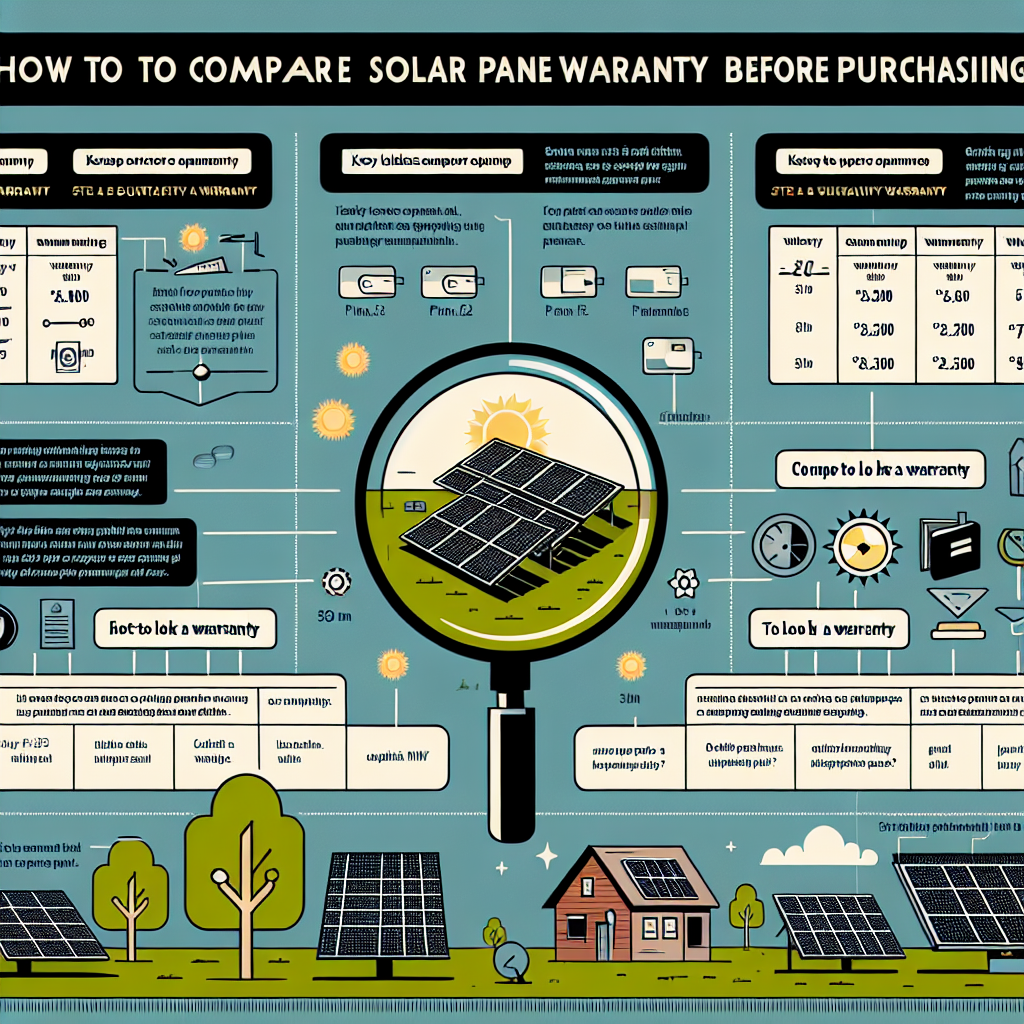
    At this point, you probably have a pretty good idea of the warranties you’re preparing to sift through. I found it extremely helpful to create a comparison table that summarized my options side-by-side! You can jot down the key details for product, performance, labor warranties, as well as any exclusions—that way, you can see everything at a glance.

    Using visual tools can simplify your decision-making process immensely. I often find that seeing things laid out visually can clarify aspects that might otherwise feel overwhelming. Don’t forget to include manufacturer names and years of industry reputation too!

    Once you get this summary together, it forces you to think critically about what features matter most to you and your situation. Everyone’s needs differ—make sure yours are priorities in your comparisons!

    Trust Your Instincts

    After you’ve done all the necessary homework, trust your instincts! I’ve learned over time that listening to that little voice can occasionally lead to the best outcomes. Sure, data and metrics are key, but if something doesn’t feel right, it’s okay to keep digging or look elsewhere!

    Always consider how well the options align with your goals and values. I’ve had experiences where savings weren’t the only consideration. I wanted to support reputable companies that share my values on sustainability. Make sure to factor in your own values!

    In the end, remember that this decision will affect you for years to come; trust yourself and base your choice on what feels right in your gut!

    Don’t Rush the Process

    Last but not least, take your time! I know firsthand that in a world where everything feels like it needs to be done ASAP, it can feel tempting to rush the selection process. But trust me, it’s better to slow down and get it right than to regret a hasty decision later.

    Spend as much time as needed to gather all information, compare, contrast, and even sleep on it for a night if you need to. By doing so, you’ll ensure that you’re making a sound decision—one that you can stand by for years to come.

    If you’re patient, the right choice will come. Take your time, research, and rest easy knowing you’ve made an informed decision regarding your solar panel warranty!

    Frequently Asked Questions

    1. What should I look for in a solar panel warranty?

    When assessing a solar panel warranty, focus on the product warranty, performance warranty, and labor warranty. Look at their lengths, coverage details, exclusions, and the manufacturer’s reputation to ensure you have robust protection.

    2. How can I check the reputation of a solar panel manufacturer?

    You can research via online reviews, ratings, and customer testimonials. Look for manufacturers with a proven track record over the years. Sometimes, reaching out to previous customers can give you additional insight!

    3. What does a performance warranty guarantee?

    A performance warranty ensures that your solar panels will produce a certain amount of energy over time, often spanning 25 years. It specifies the minimum output percentage your panels must maintain throughout this period, which can be a big deal for future energy savings.

    4. Is a longer warranty always better?

    Not necessarily! While longer warranties can offer reassurance, they can sometimes come with more exclusions. It’s crucial to assess the details and ensure that longer terms are reflective of a quality product and not just a marketing gimmick.

    5. Can I transfer my solar panel warranty to a new owner?

    That depends on the warranty terms. Some manufacturers offer transferable warranties, while others do not. If you plan to sell your home in the future, it’s a good idea to understand the transferability before committing to a solar panel purchase.

  • How to Upgrade Your Home with Solar Energy Storage

    How to Upgrade Your Home with Solar Energy Storage

    Understanding Solar Energy Storage Systems

    What is Solar Energy Storage?

    So, you’re thinking about hopping on the solar energy bandwagon? Great choice! Solar energy storage systems are essentially batteries that store energy generated by your solar panels. This stored energy can be used when the sun isn’t shining. They come in various forms, like lithium-ion batteries and lead-acid systems. Personally, I’ve found lithium-ion batteries to really pack a punch when it comes to efficiency.

    What these storage systems do is pretty nifty: they ensure you have a consistent power supply, day or night. Remember that feeling of relief when you grab your phone just before heading to bed, and it’s at a solid 80%? That’s how your home should feel with a reliable storage system! You can kick those energy bills to the curb and put the power back in your hands. Talk about a glow-up for your home!

    Another fantastic aspect is that they can power crucial devices during outages. Imagine a storm hits, and everyone’s scrambling for candles. But with your solar storage system, you’ve got lights shining and Netflix buffering. Now that’s a total win-win!

    Choosing the Right Solar Storage System for Your Home

    Assessing Your Energy Needs

    The first step here is all about knowing your own energy habits. Ask yourself, what appliances do I use the most? How much energy do they gobble? Once you nail this down, you can figure out how much storage capacity you really need. I remember mapping out my energy usage, like a mini science project! It was super informative and helped me make an informed decision.

    There’s a handy formula I picked up along the way: if you want to power your refrigerator, consider that it uses about 100-800 watts. If it runs for about 24 hours, you’d be looking at needing some pretty significant storage capacity. So, figure out your go-to systems, and count all the wattage they need. This is where the real planning begins!

    Doing this upfront saves you some serious cash in the long run. A common pitfall is overcommitting to a system that’s way bigger than your needs, or underwhelming oneself with too little storage. Trust me, understanding your usage is like finding your sweet spot in the energy world.

    Installation Process for Solar Energy Storage

    Hiring Professionals vs. DIY

    When it comes to installing solar energy storage systems, the decision between a pro installation or going the DIY route can be a total game-changer. Sure, saving some bucks is tempting, but sometimes it’s just worth it to have someone who knows their stuff do the install. I had friends insist on DIY, and let’s just say, it ended up taking way longer than anticipated.

    Picking a qualified installer is crucial. Look for certifications, reviews, and experience to ensure you’re getting the right help. When I finally chose a professional team, they walked me through the entire process and even made awesome suggestions tailored to my needs. The ease and peace of mind were totally worth it.

    But if you’re a true hands-on person, then go for it! Just make sure to do your homework. There are resources and forums where others share their DIY journeys—it’s like having a whole team behind you. You might discover tips and tricks that can save you time and hassle!

    Maximizing the Benefits of Solar Energy Storage

    Monitoring Your Energy Consumption

    After getting your system up and running, the next step is maximizing that return on investment. Keeping tabs on your energy usage is key! Many solar systems come with monitoring apps or dashboards that show how much energy you’re generating and consuming. I love checking mine; it’s like a mini video game where I track my progress and hit those energy-saving goals.

    With monitoring, I also noticed patterns in my usage. Turns out, I was using a ton of energy during peak hours. Shifting those tasks to times when energy is cheaper—thanks to my stored solar power—helps slice those bills down significantly. It’s all about being a smart player in the energy game!

    Don’t forget about maintenance! Regular checkups can keep your system in shape and running efficiently. It’s like taking your car for regular oil changes. A little attention goes a long way in prolonging the life of your system.

    Understanding the Financial Implications

    Initial Costs vs. Long-Term Savings

    Now, let’s talk dollars and cents! The upfront cost of solar storage systems can seem steep, but let me tell you, the long-term savings are where it’s at! You’ve got to consider the energy prices over the next decade. If you can lock in cheaper energy now, you’re saving more in the future. I did a little math (with some help; math is not my strong suit!) and realized my investment would be paid off in a couple of years. Major win!

    Don’t forget to explore any local incentives or rebates available in your area. These can dramatically shave off the initial costs, making the switch more attractive. I found that mine offered quite a few rebates, which was an unexpected bonus when finalizing my budget.

    In the end, understanding the financial implications means looking at both the short and long term. It’s all about making a shift that not only benefits the green side of things, but also your pocketbook. And let’s be honest, who doesn’t love hearing that little notification that you’ve saved some cash?

    FAQs About Upgrading Your Home with Solar Energy Storage

    1. How does solar energy storage work?

    Solar energy storage systems generally work by capturing energy produced during the day when the sun is shining and storing it in batteries for later use. This allows you to use solar energy even when the sun sets or when there are power outages.

    2. Is it worth it to install solar energy storage?

    Absolutely! While there’s an upfront investment, the potential for long-term savings on energy bills, combined with energy independence and decreased reliance on the grid, makes it a worthwhile upgrade for many homeowners.

    3. What types of batteries are used for solar energy storage?

    The most common types include lithium-ion batteries, which are known for their efficiency and longevity, and lead-acid batteries, which tend to be more affordable but have shorter lifespans.

    4. How do I find a reliable installer for my solar storage system?

    Look for installers with good reviews, appropriate certifications, and experience in the field. Don’t hesitate to ask for references and check their previous work.

    5. Can I install solar energy storage myself?

    Yes, if you have the technical know-how, you can opt for a DIY installation. Make sure to research thoroughly and follow all safety guidelines. However, hiring a professional can give you peace of mind and ensure everything is done correctly.

  • How Solar Water Heaters Are Saving Homeowners Money

    How Solar Water Heaters Are Saving Homeowners Money

    Reduced Energy Bills

    Lower Monthly Costs

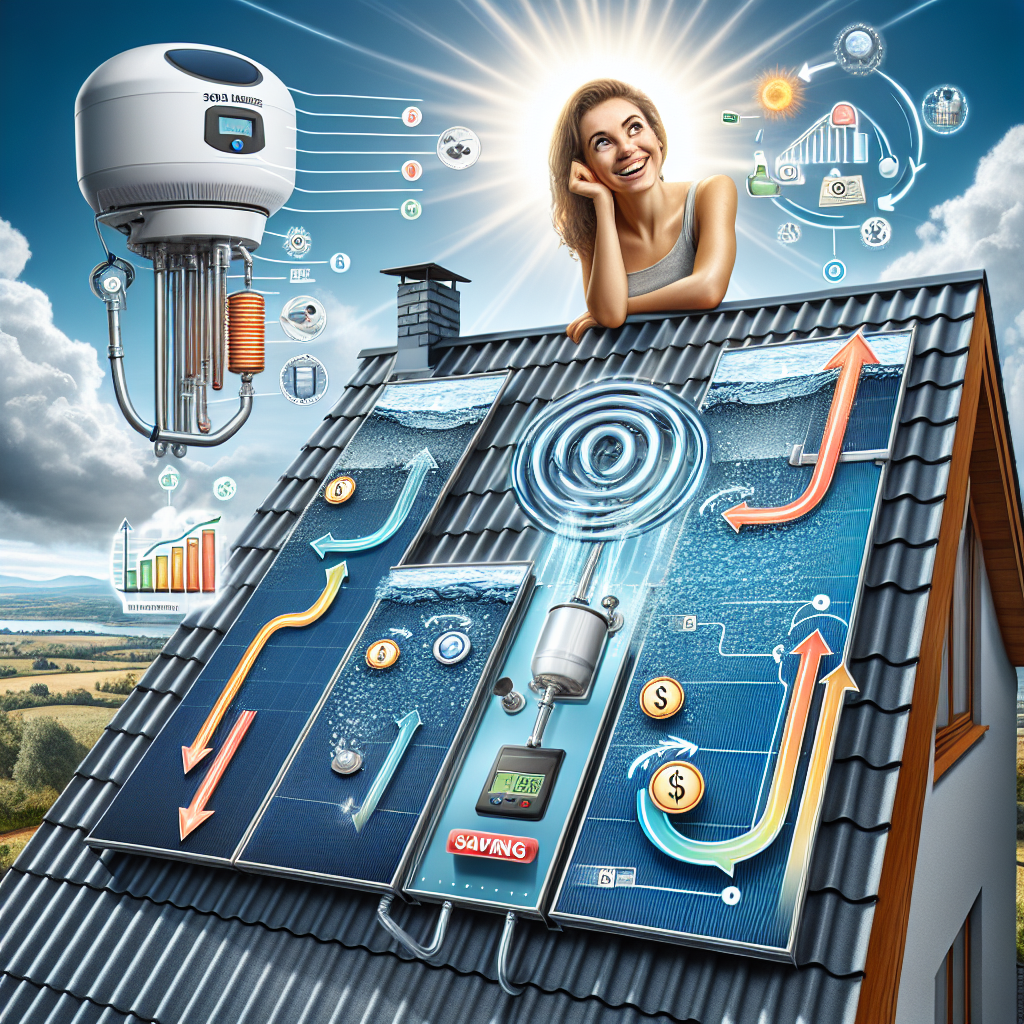
    Let me tell you, when I first installed a solar water heater, one of the most exciting things was watching my energy bills shrink like a pair of jeans after a harsh wash! By tapping into the sun’s free energy, I seriously cut down on how much I had to pay every month. It’s like I scored a secret deal with Mother Nature.

    Imagine waking up one day and seeing the difference in your bank account. Less money spent on energy means more for those little luxuries we all enjoy, whether that’s a nice dinner out or saving up for a weekend getaway. This solar setup has been a game-changer for my budget.

    Plus, many areas offer incentives and rebates for solar energy installations, making the upfront costs even easier to swallow. It’s like getting extra cash thrown your way just for being environmentally conscious!

    Steady Supply of Hot Water

    One thing I quickly realized was that having a solar water heater means you often have a reliable supply of hot water. Gone are the days of shivering while waiting for the water to heat up. With an efficient system, I can take long, hot showers anytime I want, all without stressing about the energy costs!

    Not just for showers, either. It’s great for all those household chores that require hot water, like washing dishes or doing laundry. I’ve definitely scored extra comfort points with my family, who are now enjoying hot baths anytime without a second thought!

    The solar water heaters store hot water for later use, which means I’m not only saving money but getting appreciated for all those late-night dishwashing sessions instead of bundling up in blankets to conserve warmth!

    Increased Property Value

    When it comes to selling my home, I know having a solar water heater is like adding another jewel to the crown. It’s an attractive feature that potential buyers are on the lookout for these days. Eco-friendly installations make homes more desirable, and I love being part of that trend!

    Not only does it show I’m committed to sustainability, but it also implies lower operational costs for the new owners. Who doesn’t like the idea of saving money? In this market, anything that gives your home that competitive edge is crucial!

    And hey, if and when my house does go up for sale, I can confidently promote it as part of the green revolution. It’s not just good for my wallet now but can be a solid investment down the line.

    Environmental Benefits

    Reduced Carbon Footprint

    Now, let’s get real for a second. We all know the planet’s in a bit of a pickle. By switching to a solar water heater, I’ve directly contributed to reducing my carbon footprint. Each usage of solar energy means I’m not burning through fossil fuels and releasing harmful emissions.

    It feels good, honestly. Helping to protect the environment is a responsibility I take on with pride. It’s a small change that can lead to a better future, not just for myself but for all of us. Who knew saving money could feel this good?

    Plus, spreading the word about the environmental benefits has been fun! I find myself discussing it with friends and family, encouraging them to make the switch. Together, we can make a difference, one solar water heater at a time!

    Promoting Renewable Energy

    So, here’s the deal: using a solar water heater is a step toward embracing renewable energy solutions. It’s not just about saving cash; it’s about joining a movement. More folks adopting solar means less dependency on non-renewable sources.

    It’s mind-boggling when you think about it! I’m part of a larger story, one that’s shifting our energy landscape toward a more sustainable approach. I’m keeping the conversation going! Whenever someone asks about my setup, I jump at the chance to share how it works.

    Seeing more of these systems in neighborhoods gives me hope. Together, we can inspire and ignite a passion for clean energy, and I’m all for being part of that revolution.

    Encouraging Sustainability

    Investing in a solar water heater has deepened my understanding of sustainability. It’s not just a buzzword; it’s a lifestyle choice that I am proud to embrace. Each day, I make conscientious choices, and it feels incredible to know that I’m reducing waste and conserving energy.

    It’s an ongoing learning process. The more I educate myself about solar energy, the bigger my commitment becomes. Simple things like using water-saving fixtures alongside my solar technology have compounded the impact I’m making.

    A sustainable approach isn’t just good for me; it paves the way for future generations. I want to leave a planet that’s healthier and more vibrant for my kids and grandkids. Every little effort counts, and my solar water heater is part of that journey.

    Simple Maintenance and Longevity

    Low Upkeep Costs

    One of the best revelations I’ve had with my solar water heater is how little maintenance it requires. Seriously, after the installation, I found out it’s low-key easy to take care of. That means more money stays in my pocket for other things.

    My energy company even gave me handy tips to keep everything running smoothly. A quick yearly check-up and some cleaning is often all it takes to ensure the system keeps humming along. I mean, who doesn’t love low-maintenance solutions?

    I’ve saved so much money over the years, and honestly, it feels good to know I’m not constantly pouring money into repairs and replacements. More cushion in the budget is never a bad thing!

    Long-Lasting System

    The initial investment in a solar water heater might seem steep, but hang tight for a second. These systems are built to last! With proper care, I’ve learned that they can easily last 20 years or more. That’s a solid return on investment if you ask me!

    So by investing a little upfront, I’m securing savings for years down the road. Just think about it: all that money I saved on my bills over the years quickly adds up. It feels like a weight lifted off my shoulders!

    That peace of mind—knowing I won’t have to replace it anytime soon—makes the little things, like washing dishes or running a bath, even more enjoyable. I get hot water whenever I want, and my investment packs a serious punch!

    Warranties and Guarantees

    Another perk? Many manufacturers offer warranties that can protect my investment. When I was researching my solar water heater, I was blown away by the extensive coverage options. This kind of security adds to the overall peace of mind.

    With strong warranties in place, I feel even more assured about my decision. It really shows how confident the manufacturers are about their products. The last thing you want is to worry about long-term issues, and this takes that worry off the table.

    Plus, any repairs or replacements that need to happen are often fully covered. I know I’m set for the long term, and that’s one less thing to stress about!

    Return on Investment

    Quick Payback Period

    Who doesn’t love the thought of a good return on investment? When I crunched the numbers, I realized that my solar water heater paid for itself in just a few years. That was a huge relief because I was investing in what seemed like a fancy gadget at first!

    Seeing those monetary returns made every initial hesitation melt away. Now, every time I look at my bills and see the savings, I’m reminded of why this investment was totally worth it. If only all purchases could be so rewarding!

    It’s incredible to see that my upfront costs didn’t just vanish; they instead became a solid gain for my future. It’s like I’m getting paid to be energy-conscious, which is a win-win in my book!

    Long-Term Savings

    Long-term savings are the cherry on top. Now that my solar water heater has cut down on energy costs for several years, I can confidently say it’s one of my best financial decisions. I love seeing that chunk of cash stay in my pocket rather than disappear into energy bills.

    Over years of usage, those savings snowball, and I always find myself thinking about how much more enjoyable life is when I know I’m spending less on essential services. It’s taught me to appreciate the decisions I make for both my wallet and the environment.

    Every time I see a difference in my bank statement, I get a little more pumped about having made this leap. Plus, sharing these stories makes me feel even better about encouraging others to make the switch!

    Enhancing Lifestyle Quality

    Last but certainly not least, let’s chat about lifestyle quality. The combination of savings, sustainability, and comfort leads to an elevated standard of living. That’s where the real magic happens!

    With all the extra cash I’m saving, I’ve been able to invest in experiences—family vacations, nice dinners, or even just updating my place. It’s amazing how money saved on utilities can translate to having a more fulfilling life.

    Beyond finances, I feel good every day knowing that I’m contributing to something bigger. It’s become a conversation starter, too! Friends and family are interested, and who knows, I might inspire them to join this incredible journey toward sustainable living.

    FAQ

    1. How much can I actually save with a solar water heater?

    The amount you save can vary based on where you live and how much hot water you use, but many homeowners report saving about 50-80% on their water heating bills.

    2. Are there government incentives for installing solar water heaters?

    Yes, many regions offer rebates, tax credits, and other incentives that can help lower the initial costs of installing a solar water heating system.

    3. What maintenance is required for solar water heaters?

    Simply keep an eye on the system, clean it occasionally, and have a professional check it out once a year to ensure everything’s running smoothly!

    4. How long does a solar water heater last?

    With proper maintenance, solar water heaters can last anywhere from 15 to 30 years, making them a long-term investment.

    5. Can solar water heaters work in colder climates?

    Absolutely! Many solar water heaters are specifically designed to operate efficiently in colder temperatures, although it may affect their efficiency.

  • How Solar Panels Are Powering the Green Building Movement

    How Solar Panels Are Powering the Green Building Movement

    Integration of Renewable Energy Sources

    Embracing Sustainability

    As someone who’s always been passionate about sustainability, I can tell you that integrating renewable energy sources like solar panels is the backbone of the green building movement. It’s not just about reducing our carbon footprint; it’s about creating an environment where we can thrive. By harnessing the sun’s energy, we become less reliant on fossil fuels, which are both finite and harmful.

    When I first started learning about solar energy, I was blown away by how much energy can be captured. It’s like nature gave us a gift in the form of sunlight, and we just need to find a way to tap into it effectively. Places that install solar arrays are setting a crucial example for other buildings to follow. It’s inspiring!

    Also, on a personal note, putting solar panels on my home has felt rewarding not just financially but also ethically. I drive less, I consume less, and knowing that my home is powered by the sun just feels right.

    Environmental Benefits

    Reduction of Greenhouse Gas Emissions

    One of the primary reasons I fell in love with solar energy is the environmental benefits it brings. Solar panels significantly lower greenhouse gas emissions. By using solar energy instead of traditional fossil fuels, we are cutting down on the carbon dioxide and other pollutants released into the atmosphere.

    From what I’ve seen, with more buildings going green, we’re not only preserving the earth for future generations, but we’re also improving air quality now. Each solar panel erected is another step toward cleaner air—something we all want to breathe. I mean, who wouldn’t want to participate in that?

    On community level, I’ve seen neighborhoods transform with solar initiatives. The pride among locals is palpable as they unite over a common goal: to work together for a healthier Earth. It’s like being part of a giant, eco-friendly family!

    Energy Independence

    Lowering Electricity Bills

    Let’s talk about what drew me to solar panels in the first place: the savings. Homeowners who install solar can often see their electricity bills plummet. It’s amazing! I remember the first month after my panels went live; it was like winning the lottery. Who wouldn’t want to save money while saving the planet?

    But it isn’t just about lowering bills. It’s also about taking back control. Traditional utility prices can be fickle, and no one likes feeling at the mercy of changing rates. With solar energy, there’s genuine independence, which means we can plan our finances better. Solid moves all around!

    Plus, I love the idea that small businesses can benefit similarly. With reduced operational costs, they can invest back into the community or even hire additional staff. That’s a win-win situation if you ask me!

    Technological Advancements

    Innovations in Solar Technology

    Honestly, I’m constantly amazed at how far solar technology has come. There are solar panels now that are not just more efficient, but they’re also much sleeker and easier to incorporate into building designs. The aesthetics have improved, and I can appreciate that! It does matter how things look, right?

    These innovations aren’t just surface-level, either. With battery storage becoming more affordable, homes can store excess energy produced during the day. This means that once the sun goes down, we can still use that clean energy, which truly showcases how smart technology is pushing us on the green frontier.

    As someone who loves to stay updated on tech trends, I find it thrilling to think about what’s ahead, like solar panel roads or windows that harness sunlight! The future is looking really bright (pun totally intended) for solar integrated in our daily lives!

    Government Incentives and Policies

    Support for Green Building Initiatives

    While it all sounds wonderful, we can’t overlook how supportive government policies and incentives have played a critical role in this green revolution. I’ve seen it in my community; rebates and tax credits make adoption feasible for many. It’s like a collective push from our governments saying, “Let’s do this together!”

    It’s been beneficial to see local governments embrace these initiatives. In my area, there are programs that don’t just promote solar but also provide education on sustainable practices. This kind of support encourages everyone to get involved, which is a beautiful thing in today’s world.

    Let’s face it, harnessing solar energy isn’t just a personal choice; it’s a community endeavor. The more people onboard, the better we can protect our planet together. Plus, who knew we could feel so empowered, right?

    Frequently Asked Questions

    1. How do solar panels work?

    Solar panels convert sunlight into electricity through photovoltaic cells that generate direct current (DC) electricity, which is then turned into alternating current (AC) electricity used in homes and businesses.

    2. Are there maintenance requirements for solar panels?

    Generally, solar panels require very little maintenance. Regular cleaning to remove debris or snow is usually sufficient. It’s also a good idea to have them inspected occasionally to ensure they’re functioning at peak efficiency.

    3. Can solar panels work in cloudy weather?

    Yes! Solar panels can still generate electricity on cloudy days, although their efficiency may be reduced. They utilize visible light, and clouds don’t block sunlight completely.

    4. Is there a return on investment for solar energy?

    Absolutely! Homeowners typically see a return on investment within several years due to reduced electricity bills and tax incentives. Moreover, property values can increase with solar installations.

    5. Are government incentives available for installing solar panels?

    Yes! Many local, state, and federal governments offer various incentives, including tax credits, rebates, and grants to encourage the adoption of solar technologies. It’s definitely worth researching what’s available where you live!

  • How Solar Generators Save Money During Power Outages

    How Solar Generators Save Money During Power Outages

    Reliability During Emergencies

    Peace of Mind When the Lights Go Out

    There’s nothing quite like sitting in the dark during a power outage, worrying about when the power will come back on. With a solar generator, I’ve found a reliable backup that gives me peace of mind. It’s a fantastic feeling to know that when the grid goes down, I can still power essential appliances like my fridge or Wi-Fi router.

    The moment the power outage hits, I’ve learned that my solar generator kicks in seamlessly, thanks to the stored energy from the sun. No loud gas-powered generators or frantic searches for candles; just a smooth transition to a more reliable energy source. This reliability is crucial, especially when you’ve got kids or pets depending on you.

    It’s all about having that security. You’re not left wondering if your food will spoil or if the kids can still watch a movie during a storm. All of this together gives a solid sense of safety, knowing you can navigate through the storm without too much disruption.

    Reducing Dependence on the Grid

    Empower Yourself with Solar Power

    Let’s talk about how solar generators can reduce your dependence on the grid. Initially, I was a little skeptical, but after doing some research, I realized that harnessing solar energy allows for greater independence. When I used to rely solely on my utility provider, outages would leave me entirely vulnerable.

    With a solar generator, I’m not just saving bucks, but I’m also putting power back in my own hands. I’ve learned that by becoming less reliant on the grid, I can control my energy needs, especially in emergencies. That’s a real game changer!

    This empowerment fundamentally changes how you view your energy consumption. Instead of waiting helplessly for the utility company to restore power, you are actively engaged in producing and using your own energy. It’s liberating and can save you money in scenarios when the grid fails.

    Lower Energy Costs

    Save Money Even When the Sun is Shining

    One of the biggest perks of using a solar generator is how it can ultimately save you money. While there’s an initial investment needed, I’ve noticed that my bills have significantly decreased since incorporating solar into my life. On sunny days, the energy captured can really cut down on using grid power.

    Some folks forget that every kWh you don’t consume from the grid is money saved. Plus, during an outage, my generator means I spend less on purchasing expensive options like gas. The more I’ve learned about solar energy, the clearer it became that harnessing that energy is a smart financial decision!

    Let’s not forget about those sweet tax incentives and rebates. They can soften the blow of your initial costs incredibly. It’s like Uncle Sam giving you a high-five for going green, and frankly, who doesn’t love that?

    Environmental Benefits

    Making a Positive Impact

    When I decided to invest in a solar generator, it wasn’t just about saving money; I wanted to make a difference too. By using solar power, I’m significantly reducing my carbon footprint. With every sunny day, I feel good knowing I’m contributing to a larger cause—helping the environment!

    We all know that climate change is a huge issue. By choosing solar, I’ve become part of the solution rather than contributing to the problem. Less reliance on fossil fuels means cleaner air and a healthier planet. It’s rewarding knowing my energy choices reflect my values.

    If everyone made similar choices, just imagine the positive impact it could have! Living sustainably not only benefits us but also future generations, making it a sweet deal all around.

    Versatility and Portability

    Energy on the Go

    One of the things that truly thrill me about solar generators is their versatility. I’ve often utilized mine for camping trips, outdoor events, or even backyard parties. Having portable power opens up so many possibilities! It’s not just there for home emergencies; it’s my go-to energy source when I’m out enjoying nature or just hanging out in the yard.

    When I’m on a camping trip, it’s great to power my gadgets and tools without scrambling for an outlet or using a noisy generator that ruins the peaceful vibes. Plus, they’re usually lightweight and easy to transport, so taking them with me is such a breeze.

    This versatility also allows me to use the generator for small-scale needs outside my house. Powering things like lights, speakers, and even a mini fridge becomes effortless when I’m on the move. It’s energy freedom at its best!

    FAQs about Saving Money with Solar Generators

    1. How do solar generators work?

    Solar generators capture sunlight through solar panels and convert it into electricity. This electricity is stored in batteries for later use during power outages or when needed, as long as there’s sunlight to recharge.

    2. Are solar generators expensive?

    While the initial costs can be higher than traditional generators, many find that the long-term savings on energy bills and the environmental benefits make them a more cost-effective choice over time.

    3. Can I use a solar generator indoors?

    It’s essential to follow manufacturer guidelines, but many certified solar generators are safe to use indoors, as they don’t produce harmful emissions like gas-powered generators.

    4. Do solar generators work on cloudy days?

    Yes! Solar generators can still generate power on cloudy days, although not as efficiently as sunny days. However, their batteries store energy for use when sunlight is low.’

    5. Can I connect a solar generator to my home’s electrical system?

    In many cases, yes! With the proper setup, you can connect a solar generator to your home’s electrical system to provide backup power during outages. Just make sure to consult with a professional to ensure it’s done safely.

  • How to Choose the Best Solar Power System for Your Home

    How to Choose the Best Solar Power System for Your Home

    Understanding Your Energy Needs

    Assessing Your Current Energy Consumption

    First off, figuring out how much energy you use is crucial. Take a peek at your energy bills for the past year. It’s super helpful to look for patterns—like how your use spikes in the summer or winter. Jot it down. Understanding these peaks and troughs can help you figure out your average energy consumption, which is key for sizing your solar power system.

    Don’t forget to consider the main appliances in your home and how much energy they consume. You can usually find the wattage on the appliance itself or in the user manuals. Tools like energy monitors can give you a real-time look at what’s munching away at your power supply.

    Once you have this information, you can start to visualize what you’ll need in terms of solar output. Think about how much of your energy consumption you’d like to cover with solar; maybe you’re cool with going 50% green, or maybe you’re all-in for 100%. Whatever the case, make a plan!

    Evaluating Your Roof and Location

    Checking Roof Orientation and Sunlight Exposure

    Your roof plays a huge role here! Ideally, you want it to face south—this is where you get the most sun. If your roof is more east or west-facing, don’t sweat it, though. You can still make it work with a good system. It might just take a few extra panels or a slightly different arrangement.

    Next is sunlight exposure. Do any big trees or buildings cast shadows on your roof? It’s like having a pesky umbrella blocking your sunshine. If your roof gets shaded during peak sun hours, you might need to think about trimming some foliage or investing in a different placement for your panels.

    Lastly, the angle of your roof can affect solar efficiency. For those of us lucky enough to have a sloped roof, you’re in good shape! But if your roof is flat, you might need some mounts to angle the panels just right. The goal is to maximize exposure to those beautiful sun rays.

    Choosing the Right Solar Panel Technology

    Exploring Different Types of Solar Panels

    Okay, now we hit one of the most exciting parts—picking out the panels! There are generally three types to consider: monocrystalline, polycrystalline, and thin-film solar panels. Each has its perks and quirks. Monocrystalline panels are the most efficient, giving you more bang for your buck in terms of space. If you’ve got limited roof space, these are your best pals!

    Polycrystalline panels are usually a bit cheaper and slightly less efficient. If you’re on a budget and have plenty of roof space, they might be a solid option. Then we’ve got thin-film panels; they’re lightweight and flexible but often take up more space for the same energy output. Knowing your roof limits will help steer your choice.

    When you’re out shopping, definitely ask about the warranties! A good solar panel should generally come with at least 25 years of warranty, so you know it’s built to last. You want a solar investment that holds up over time because once you’ve gone green, sparking joy and energy savings is the goal!

    Assessing Installation Costs and Financing Options

    Understanding Solar Incentives and Rebates

    Let’s chat dollars and cents! We all know solar isn’t just a set-it-and-forget-it kind of deal. It’s important to understand the total installation cost upfront. Your local and federal government might offer some incentives or rebates, so be sure to do your homework. The federal solar tax credit, for example, allows you to deduct a chunk from your federal taxes.

    Also, look into state and local programs. Some areas offer cash rebates or even performance-based incentives. This can significantly lower that initial price tag, making it a lot more manageable. If you do your research, you might discover savings you didn’t know about!

    Financing is another option. Many companies offer flexible plans, including solar loans or leases. This way, you can pay as you go rather than dropping a huge sum all at once. Just make sure you understand all the terms, and find a plan that aligns with your budget and energy goals.

    Finding a Reputable Solar Installer

    Researching Potential Solar Companies

    Now, for the fun part—meeting your potential partners in solar! When looking for a reputable installer, don’t hesitate to ask for recommendations from friends or family. You trust their judgment, and word-of-mouth can often lead to discovering fantastic local companies you wouldn’t find on a large scale.

    Read online reviews and check out ratings on sites like the Better Business Bureau. Look for companies that have been around for a while—experience counts! Don’t forget to check their previous installations. A reputable installer will be proud to show off their past work and will even have customer testimonials to back it up.

    Lastly, ensure they’re properly licensed and insured. This isn’t just a box to tick; you definitely want protection in case something goes wrong during the install. A trustworthy solar company will be upfront about their credentials and ready to answer any questions you might have.

    FAQs

    1. How much can I save on my energy bills with solar power?

    Your savings can vary, but many homeowners report reductions of 50% or more on their energy bills after switching to solar. It really depends on your energy consumption and the size of your solar system.

    2. Is my roof suitable for solar panels?

    Most roofs can accommodate solar panels, but factors like orientation, angle, and shading will play a crucial role in how effective your system will be. A good installer can assess this during your consultation.

    3. How long does it take to install solar panels?

    Typically, the installation process takes about one to three days, depending on the size of your system and any complexities involved. But the entire project, from consultation to activation, can take a few weeks to a few months.

    4. What happens on cloudy days?

    Don’t worry! Solar panels still generate energy on cloudy days, although the output will be lower than on sunny days. If you live in a region with lots of overcast days, it’s smart to consider a system that can supplement your needs.

    5. Do I need to maintain my solar panels?

    Not a ton! Generally, solar panels require minimal maintenance. Just a periodic cleaning and inspection will keep them running smoothly, so you can enjoy those sunny benefits with ease!

  • How to Finance Solar Power: All Options Explained

    How to Finance Solar Power: All Options Explained

    Understanding Your Financing Options

    Private Financing

    When I first started exploring solar power, I was overwhelmed by the financing options. One of the primary methods that popped up was private financing. It’s a straightforward way to fund your solar installation without relying on third-party agreements. You basically take out a loan from a lender who specializes in renewable energy. This can come with diverse payment terms and interest rates, allowing you to pick what fits your budget.

    Your credit score can come into play here, so make sure you know where you stand. If you have a decent credit score, you could snag a better interest rate. I remember my first loan; my lender even offered a short-term loan option that allowed me to pay it off quickly and save on interest.

    Additionally, the benefit of this approach is you own your solar system outright. That means the energy savings are yours, and there are no hidden fees or surprises down the line. Once the loan is paid, those savings become pure profit!

    Solar Leases

    Another popular option is solar leasing, which I found to be quite appealing. In this arrangement, you lease your solar panel system from a provider. You pay a set monthly fee, but the company owns and maintains the system, so you don’t have to worry about the installation process or repairs.

    What’s cool about solar leases is that you can often get into solar without a hefty upfront cost, which was a game changer for me. A lot of companies offer zero-down options, so you’re literally paying for the energy produced, not the system itself. It can feel a little freeing, especially if money is tight but you still want adorable solar panels on your roof.

    Remember, though, that with a lease, you don’t get to take advantage of certain federal tax credits or rebates, since you don’t technically own the system. That said, if you’re looking for ease and lower initial investment, a lease could be just the ticket.

    Power Purchase Agreements (PPAs)

    Now, let’s chat about a Power Purchase Agreement (PPA). This was a bit of a hidden gem I discovered during my research. With a PPA, you agree to buy the electricity generated by a solar panel system installed on your property at a fixed price for a set number of years. It’s a little similar to a lease but with one major difference: you pay for the electricity, not the system.

    What I loved about PPAs is you can often lock in lower electricity rates compared to your local utility company. If your area has high electricity prices, this can be a major win. Plus, usually, the installation and maintenance costs are covered by the solar company.

    One thing to keep an eye on, though, is the length of the agreement. If you decide to sell your house in the middle of a PPA, it might complicate things. You’ll typically have to pass the agreement along to the new homeowner, which can be a sticking point.

    Government Incentives and Tax Credits

    Federal Tax Credit

    If there’s one silver lining to going solar, it’s the federal tax incentive that can significantly reduce installation costs. When I first learned about the Investment Tax Credit (ITC), I was blown away! You can deduct a substantial percentage of your solar system’s costs from your federal taxes. It’s like getting free money—almost! Just remember that you do have to owe taxes to benefit from it, though.

    This credit can shift from year to year, so keep an eye on legislative changes. I made it a point to plan my install so that I could maximize this benefit, and it paid off hugely come tax season. The edge this gives to your overall financial strategy is tough to overstate.

    Just be sure to double-check if you qualify. There are some rules and eligibility criteria you need to meet, and of course, the paperwork can be a drag. But trust me, it’s worth sorting out!

    State and Local Incentives

    In addition to the federal perks, many states offer their own incentives that can make solar financing even sweeter. Depending on where you live, you might find everything from rebates to property tax exemptions, and I personally found my state’s incentives to be incredibly helpful.

    For instance, some states give cash rebates up-front that help lower initial costs when installing solar panels. Others provide performance-based incentives that pay you for the power generated by your panels. These can add up significantly, and it’s like finding a little pot of gold at the end of the rainbow.

    Don’t forget local programs through utilities too! Sometimes, an electric company may offer unique programs or financing options that can save you even more money. I have spent a lot of time reaching out and checking eligibility on various local programs, and it paid off big time!

    Grid Access and Net Metering

    Another thing worth discussing is net metering, which has been a total lifesaver for many solar adopters. Essentially, it allows you to send excess energy back to the grid and get credited for it. This was one aspect I didn’t fully grasp initially, but once I got into it, my savings soared!

    When your solar panels generate more energy than your home needs, that surplus energy goes back to your utility company, and they give you credits on your bill. It’s such a great way to balance out your solar generation and consumption. During summer months, my system often produced a lot more than I used, allowing me to roll those credits over into the colder months when I needed energy the most.

    Just note that net metering rules vary from state to state, so it’s essential to get familiar with the regulations specific to your area. After doing the research, I felt much more confident about harnessing the power of net metering to optimize my energy use and savings.

    Choosing the Right Financing Option for You

    Assessing Your Financial Situation

    Before diving into any particular financing option, it’s crucial to assess your overall financial situation. I remember sitting down with a calculator, listing out my debts, expenses, and income, and weighing all the numbers. It really helped to have a clear picture of my budget.

    Consider how much you can pay monthly without stretching yourself too thin. If you have a good credit score, private loans might unlock lower interest rates. But if cash flow is tight, a lease or PPA can be a safer bet.

    Also, take into account any additional costs aside from the panels—maintenance, potential repairs, and insurance can add up as well. You want to be prepared so you can enjoy the benefits of solar without stressing about unexpected costs cropping up.

    Evaluating Your Long-Term Goals

    Next up, think about your long-term goals with solar energy. Do you want to own your system outright, or are you more focused on the convenience of having someone else handle the heavy lifting? Personally, I found that owning the system gave me more satisfaction and savings in the long run.

    If you plan to stay in your home for a while, a loan or purchasing system can make sense, especially since you’ll reap the rewards of energy savings down the line. But if you think relocation is in your near future, leasing could be smarter, allowing you to move without the added hassle of dealing with the system transfer.

    Being clear about your goals helps tremendously when making this decision. I gained some serious peace of mind just from writing my goals down and outlining what I wanted from my solar journey.

    Comparing Offers

    Lastly, never forget the importance of comparing offers from different solar finance providers. I’ll be honest; I learned this the hard way after jumping into a deal too quickly. It’s crucial to shop around. Rates and terms can vary significantly between lenders and providers.

    Take your time—get quotes, read reviews, and ask questions. Some providers can be quite pushy, but don’t let that rush you into a decision. Having that kind of stress-free comparison made all the difference for me. I found a great deal just by taking an afternoon to dig deeper!

    Once you find a financing option that works, make sure you understand the contract fully before signing. It’s like a commitment, and you want to be comfortable going in. Comparing options gave me a sense of control and security in my investment.

    FAQs

    1. What are the main options for financing solar power?

    The main options include private financing (loans), solar leases, power purchase agreements (PPAs), and various government incentives or tax credits.

    2. Are federal tax credits available for solar installations?

    Yes! The federal Investment Tax Credit (ITC) allows you to deduct a significant percentage of your solar installation costs from your federal taxes.

    3. What is net metering, and how does it work?

    Net metering allows you to send excess energy produced by your solar panels back to the grid, giving you credits on your utility bill. It helps you balance energy usage over time.

    4. How should I assess my financial situation before going solar?

    Start by reviewing your income, expenses, and debts. Consider how much you can afford to pay monthly, and keep in mind any additional costs associated with solar.

    5. Why is it important to compare different financing offers?

    Comparing offers helps you find the best rates and terms, ensuring you make an informed decision about which financing option suits your financial goals and needs best.