Tag: how

  • How Does Solar Power Actually Work?

    How Does Solar Power Actually Work?

    1. The Sun: Our Ultimate Energy Source

    Why the Sun is Important

    Let’s dive right in! The sun is one massive ball of energy. When I learned about solar power, the first thing that blew my mind was how much energy the sun radiates. Just a single hour of sunlight could, in theory, power the world’s energy needs for an entire year. It’s amazing to think about the power we get just from that fiery ball in the sky!

    What’s even cooler is that solar energy is renewable. Unlike fossil fuels, which can run out, the sun will shine for billions of years to come. We can capture this energy in a way that doesn’t hurt the planet, which is something we should all get excited about.

    And hey, let’s not forget that the energy we receive isn’t just about heating up our planet. It stimulates our photosynthesis, which in turn helps plants grow. Basically, without the sun, there wouldn’t even be life on Earth. Isn’t nature just awesome?

    Solar Energy’s Different Forms

    When I first jumped into the solar world, I discovered there are different ways to harness the sun’s energy. There’s photovoltaic (PV) energy, which is what most folks think about when they talk about solar panels. These bad boys convert sunlight directly into electricity using materials like silicon.

    Then you’ve got solar thermal energy. It’s a little different—this process captures sunlight for heating. It’s commonly used in homes for heating water or even in large power plants to produce electricity. So, no matter where you are, there’s a way to use that sunshine!

    Finally, there’s concentrated solar power (CSP), which uses mirrors to focus sunlight onto a small area, significantly heating a fluid that drives a turbine. It’s fascinating how many different methods we have to utilize the sun’s energy!

    Efforts in Harnessing Solar Energy

    From personal experience, I’ve seen my own community get behind solar energy in a big way. Local governments and businesses have started providing incentives for people to install solar panels on their roofs. Just last year, my neighbor installed panels and cut down on his electric bill by a third—talk about a win!

    Also, the technology keeps improving. I remember when my grandfather’s solar panels used to take up half the yard and weren’t very efficient. Nowadays, panels are sleek, efficient, and can even be integrated into roofs and windows. It’s super exciting to think about where technology will go in the next few years!

    Many people aren’t aware, but you can even sell excess energy back to the grid! If you’re producing more energy than you consume, some states allow you to earn credits for that contribution— a little extra cash, if you will!

    2. How Solar Panels Work

    The Basics of PV Cells

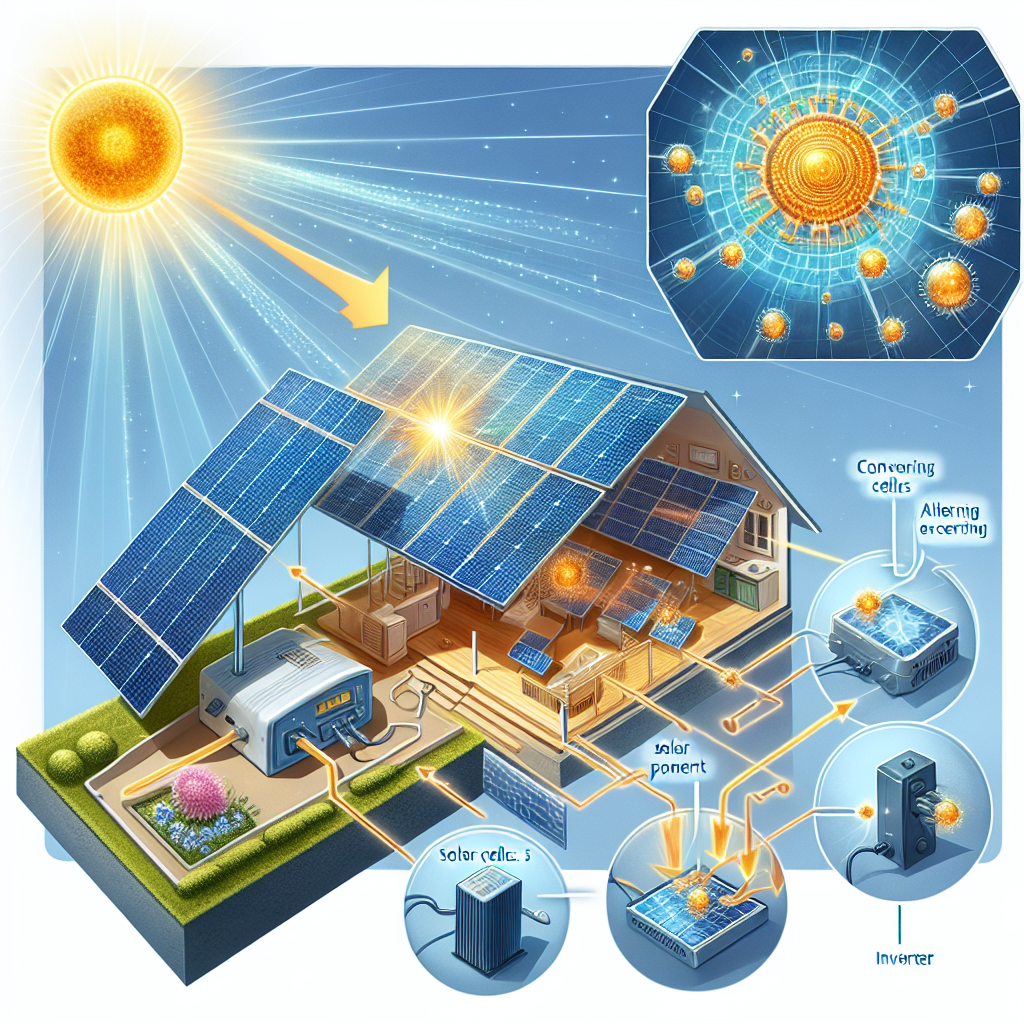
    Now, let’s talk about the real MVPs of solar energy: photovoltaic (PV) cells. These cells are made from silicon and are designed to convert sunlight into electricity. Basically, when light hits a PV cell, it knocks electrons loose, and that movement creates an electric current. It’s that spark that powers things up!

    At first, I thought it was just magic, but science backs it up! The way these cells are structured is what creates the positive and negative charges necessary for electricity flow. So next time you see a solar panel, remember: there’s a whole world of science behind those shiny rectangles!

    And here’s a fun fact—I once installed a small solar panel on my camping gear. It was incredible to be able to charge my phone while basking in the sun. It made me feel like I was truly one with nature, and I couldn’t get enough of using solar-generated electricity!

    Inverters and Energy Storage

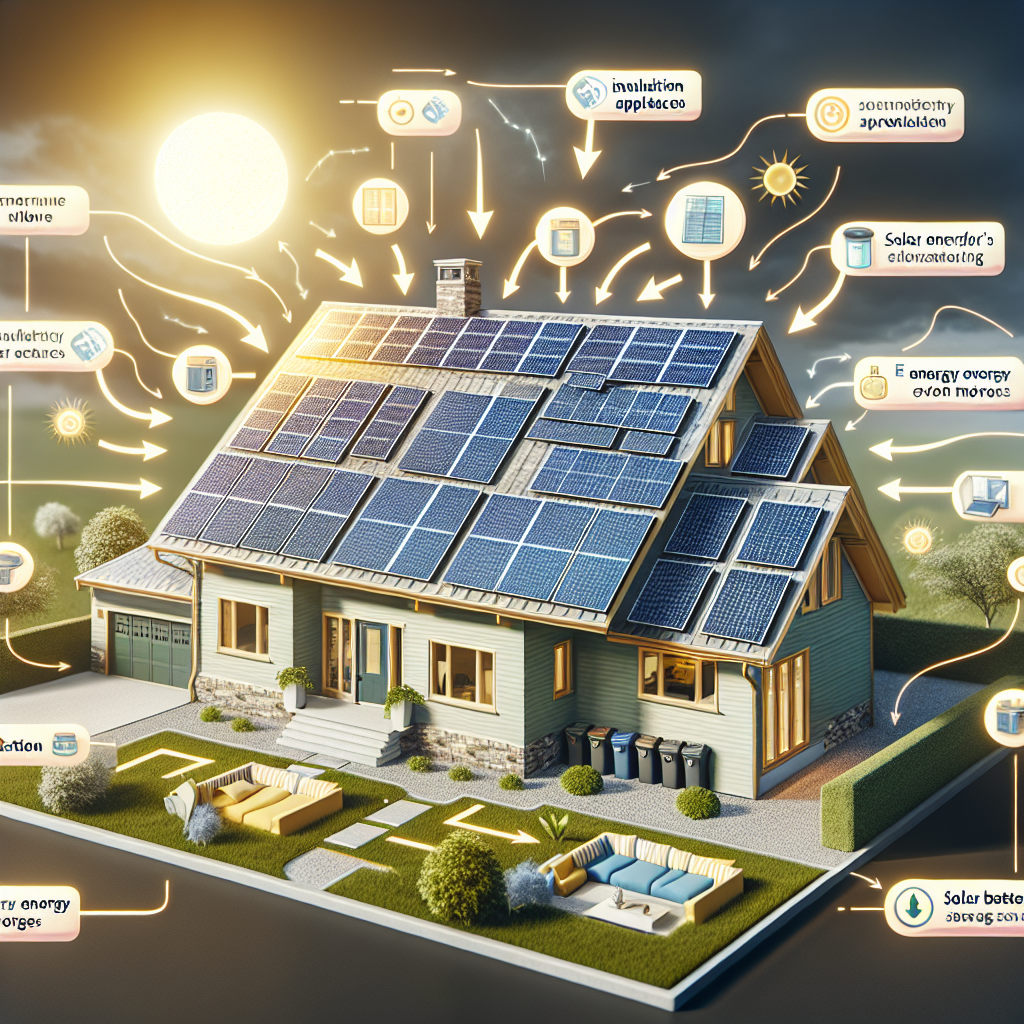
    After learning about PV cells, the next step is understanding inverters. An inverter’s job is pretty crucial; it converts the direct current (DC) generated by solar panels into alternating current (AC), which is what our homes run on. You can think of it as the translator between the solar panels and your electrical devices.

    I remember struggling with this concept initially, but then I had an “aha!” moment. It’s like trying to communicate with someone who speaks a different language—your inverter is that bridge connecting your solar energy to the appliances in your home.

    Also, I’ve got to mention energy storage here; after all, we don’t just want energy during the day. Batteries are increasingly a part of solar setups, allowing you to store excess energy for use at night or during cloudy days. It’s pretty cool to think I could be using energy collected during the day to power my lights in the evening!

    Real-World Applications of Solar Power

    As I learned more, I became fascinated with the many applications of solar power. Homes are an obvious place, but think bigger! Just around my city, I see solar panels on schools, businesses, and even farms. It’s a testament to how far solar technology has come.

    A standout example for me is when I visited a solar farm. It was wild to see acres of solar panels gleaming in the sun, all generating energy to supply thousands of homes. Seeing it first-hand made the whole idea of solar energy feel so much more real and impactful.

    And then there’s solar water heating for pools. I’ve spent countless summers enjoying a warm pool, thanks to solar heating systems installed on nearby homes. Just another way solar power brings sunshine into our everyday lives!

    3. The Benefits of Solar Power

    Environmental Impact

    Let’s be real for a second; environmental concerns are a big deal right now. One of my favorite things about solar power is its minimal impact on the planet compared to fossil fuels. It doesn’t produce air pollutants or greenhouse gases. So, every time I see a solar panel, I feel like I’m helping to safeguard our earth!

    There seems to be a growing urgency around climate change, and solar energy presents a fundamental shift in how we can do better. I’ve become more eco-conscious, and it’s refreshing to see so many people feeling the same way. Combining solar energy with other methods like wind and hydro can help us significantly reduce our carbon footprint.

    Plus, it’s not just about the present but also about the future! Investing in solar helps foster a cleaner and healthier planet for the generations that follow. I can only hope they continue to innovate and embrace renewable energy!

    Cost Savings

    Alright, who doesn’t love saving a bit of cash? One of the compelling reasons more folks are jumping on the solar train is the financial benefits. By generating your power, you can significantly reduce your monthly energy bills. I’ve had a number of friends bragging about their low power bills after going solar, and honestly, I can’t blame them!

    Additionally, there are tax incentives and rebates available in many areas, which can lessen the initial investment. Sometimes it can feel daunting to make that leap, but with a little research, the numbers often add up in favor of going solar. Plus, it’s a long-term investment when you think about rising energy costs!

    And remember, solar panels increase property values. So, if you ever plan to sell your home, being solar-equipped can make your property a hot commodity! Who wouldn’t want to grab a property that saves energy and money?

    Energy Independence

    One more thing I truly appreciate about solar energy is the independence it offers. Relying on fossil fuels means we’re subject to fluctuating markets and prices, which can really take a toll. But with solar energy, you take control back into your hands!

    When you install solar panels, you’re generating your electricity. It’s a liberating feeling – no more worrying about how high that bill is going to be at the end of the month!

    Plus, in some regions, there are even energy cooperative setups where neighborhoods come together to invest in solar as a community. There’s this beautiful synergy that happens when communities unify towards a sustainable goal. It’s not just about personal gains; it’s about building a movement, and that’s truly exciting!

    4. How to Get Started with Solar Power

    Assessing Your Energy Needs

    Thinking about going solar? The first step is assessing your energy needs. Take a good look at your energy bills and find out how much electricity you use usually. This is a critical step that helps you furnish a proper solar setup.

    Also, think about your future energy usage. Planning to add an electric vehicle? Make sure to factor that in too! Understanding your needs will help set the stage for an effective solar energy system.

    By the way, even if you have a small home like mine, there’s still potential for solar installations. It doesn’t take a major mansion to benefit from solar power—a modest setup can still make a massive difference!

    Choosing the Right System

    Now, once you have an idea of your needs, it’s time to choose the right solar system. There are various options—grid-tied, off-grid, or hybrid systems can each serve different purposes. I initially felt overwhelmed by all the choices, but talking to friends who installed systems helped break it down!

    Grid-tied systems are typically the most common, allowing you to stay connected to the utility grid while simultaneously utilizing your solar energy. Off-grid systems can be suitable if you want to totally detach yourself from the grid, but they often require a battery storage system, which can bump up costs.

    Hybrid systems provide a bit of both worlds, letting you tap into power from both solar and the grid. Make sure to do your homework, and consider consulting solar experts to find a setup that perfectly fits you.

    Finding Qualified Installers

    So, you’ve got your needs figured out, and you may know the type of system you want—that leads us to finding a qualified installer. I can’t stress enough how vital it is to choose this step wisely. Not all installers are created equal!

    Do your research! Look for reviews and ratings. I asked my friends for recommendations and checked online platforms to compare experiences. Communication with the installer is key—if they’re willing to chat about your goals and preferences, you’re on the right track.

    Also, make sure to ask about warranties and what their follow-up service looks like. After my own installation, having someone ready to address questions and provide support made a huge difference. You want a partner in this journey, not just a quick transaction!

    5. Common Misconceptions About Solar Power

    Solar Energy is Too Expensive

    I get it; many folks think solar power is way too pricey. However, over the years, solar technology costs have significantly dropped! I remember when my uncle first looked into it, and the prices seemed sky-high. But with tax credits, rebates, and financing options, it’s become way more accessible.

    Many states and municipalities offer incentives for going solar, some even providing $0 down payment options! Getting over the initial investment hurdle can lead to awesome long-term savings on energy bills.

    So, don’t let that misconception hold you back. Each year more people are switching to solar, showing it’s becoming a valid choice for more families, including mine!

    Solar Panels Don’t Work in Cloudy Weather

    This one really surprised me! A lot of people think solar panels are useless during cloudy days. Not true! Sure, the output might be lower, but they still work perfectly fine. In fact, I’ve seen panels generate electricity even in lousy weather! It’s just about how they’re designed.

    Moreover, solar technology keeps improving—some panels are engineered to capture a broader spectrum of sunlight, making them efficient even in less-than-ideal conditions.

    The important thing to take away is that while sunny days are optimal, solar energy isn’t tied solely to them. If you’re in a place with a lot of cloudy days, no need to throw in the towel!

    All Solar Panels Look the Same

    Finally, I used to think all solar panels were the same: big, bulky rectangles. Oh boy, was I wrong! Today, there are numerous options available. Some are sleek and integrated into roofs, while others are more traditional. Different aesthetics cater to varied styles, so finding something that works for your home shouldn’t be a battle.

    Plus, as technology advances, we’re seeing innovative designs that make solar panels less obtrusive. In fact, some windows can now even act as solar panels! That blew my mind! Who would have thought we could harness energy from something we look through every day?

    So, if you’re worried about aesthetics, don’t! There are so many designs that can blend seamlessly into your property while still giving you the energy edge.

    FAQs

    1. What are solar panels made of?

    Solar panels are primarily made of silicon, which is why they’re often referred to as photovoltaic (PV) cells. This unique material allows them to convert sunlight into electricity efficiently.

    2. Can I install solar panels myself?

    While it’s technically possible to install solar panels yourself, I highly recommend hiring a qualified installer. It involves understanding local codes, permits, and ensuring everything is installed correctly for safety and efficiency.

    3. How long do solar panels last?

    Most solar panels come with a warranty ranging from 20 to 25 years, and it’s not uncommon for them to last even longer. With proper maintenance, they can serve you for many years!

    4. Do solar panels require a lot of maintenance?

    Nope! Solar panels are relatively low maintenance. Occasional cleaning and inspections are typically enough to ensure they continue functioning well. Even rain can help to clean off dust and debris!

    5. How much can I really save by going solar?

    The amount you save depends on your energy consumption, local electricity rates, and available incentives. Many households see significant reductions in their energy bills after going solar. It’s worth running the numbers to see what works for you!

  • How to Switch to Solar Power: Step-by-Step Guide

    How to Switch to Solar Power: Step-by-Step Guide

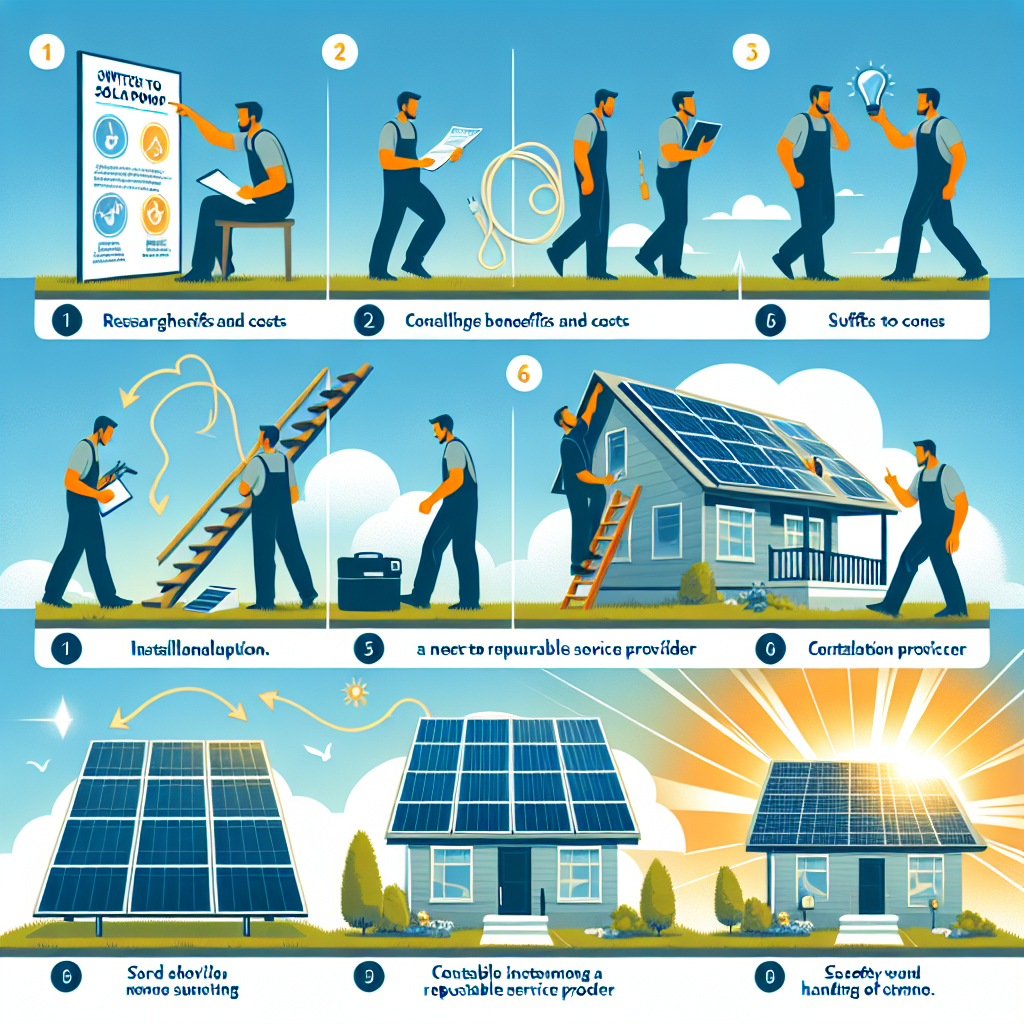
    Assess Your Energy Needs

    Understanding Your Electricity Usage

    When I first started considering solar power, I found it super helpful to get a clear picture of my energy usage. So, I dug into my electricity bills from the past year. Trust me; it’s like finding hidden treasure. You can see your monthly usage, peak hours, and how much you’re spending.

    It’s essential to understand the kilowatt-hours (kWh) you use. If you’re anything like me, you probably have a bunch of appliances, from your fridge to those funky gadgets that hang out in your garage. The more you know, the better you can plan your solar system.

    Additionally, don’t overlook seasonal variations. In summer, my AC is working overtime, while in winter, I rely more on heating. Keep track of these trends to get a true sense of your needs year-round.

    Consider Your Future Energy Needs

    Okay, so here’s the deal: your energy needs can change. Are you planning to expand your family? Wanting to buy that sweet electric car? I found it crucial to think several steps ahead. Estimating future energy consumption helps you choose the right size solar system.

    I made a rough guess about my future energy needs and it guided my choice. You might find that you need more energy in the coming years, and you don’t want to buy a system that’s too small to accommodate your lifestyle changes.

    Consider all your gadgets and potential upgrades. More devices can mean more energy, so factor that into your planning. This way, you can maximize your investment in solar power.

    Research Your Local Climate

    So, here’s where it gets interesting—climate! I had to wrap my head around how much sunlight my area gets. Where I live, some parts are sunny year-round, while others aren’t. I checked resources online and even talked to locals who had solar installed. It’s a game-changer!

    Do you know how many sunny days you have a year? It directly affects how efficient your solar system can be. You want to ensure you’re getting enough bang for your buck in those sunshine hours!

    Don’t forget about weather factors. Hail, for example, can damage panels, while shading from trees can reduce efficiency. All these elements play a role in how effective your solar power will be, so do your homework!

    Explore Financing Options

    Understand the Cost of Solar Energy Systems

    Let’s talk dollars and cents—how much is it really going to cost? When I started my journey, I was surprised to find that there are various systems, each with different costs. I strongly suggest getting multiple quotes. It helps to know what’s standard in your area.

    The costs vary based on the quality of panels and the size of the installation, which can range from a couple of thousand to tens of thousands. It’s easy to get overwhelmed, but with a bit of research, you’ll find something that aligns with your budget.

    I spent time comparing different financing models. Some people opt to buy outright, while others go for loans or leases. Each choice has its pros and cons, and can impact your long-term savings on energy bills.

    Explore Incentives and Rebates

    Let me tell you—don’t leave money on the table! Governments and utility companies often offer rebates and incentives to encourage solar power adoption. I was blown away by how much I could save once I tapped into these benefits.

    Look for federal, state, and local tax credits. Every little bit counts. For example, I saved a significant amount with the Federal Investment Tax Credit (ITC). Make sure you’re fully aware of what programs your area offers.

    I even came across low-interest financing options that were specifically tailored for solar installations. It’s like finding a hidden passage to more savings!

    Calculate Potential Savings

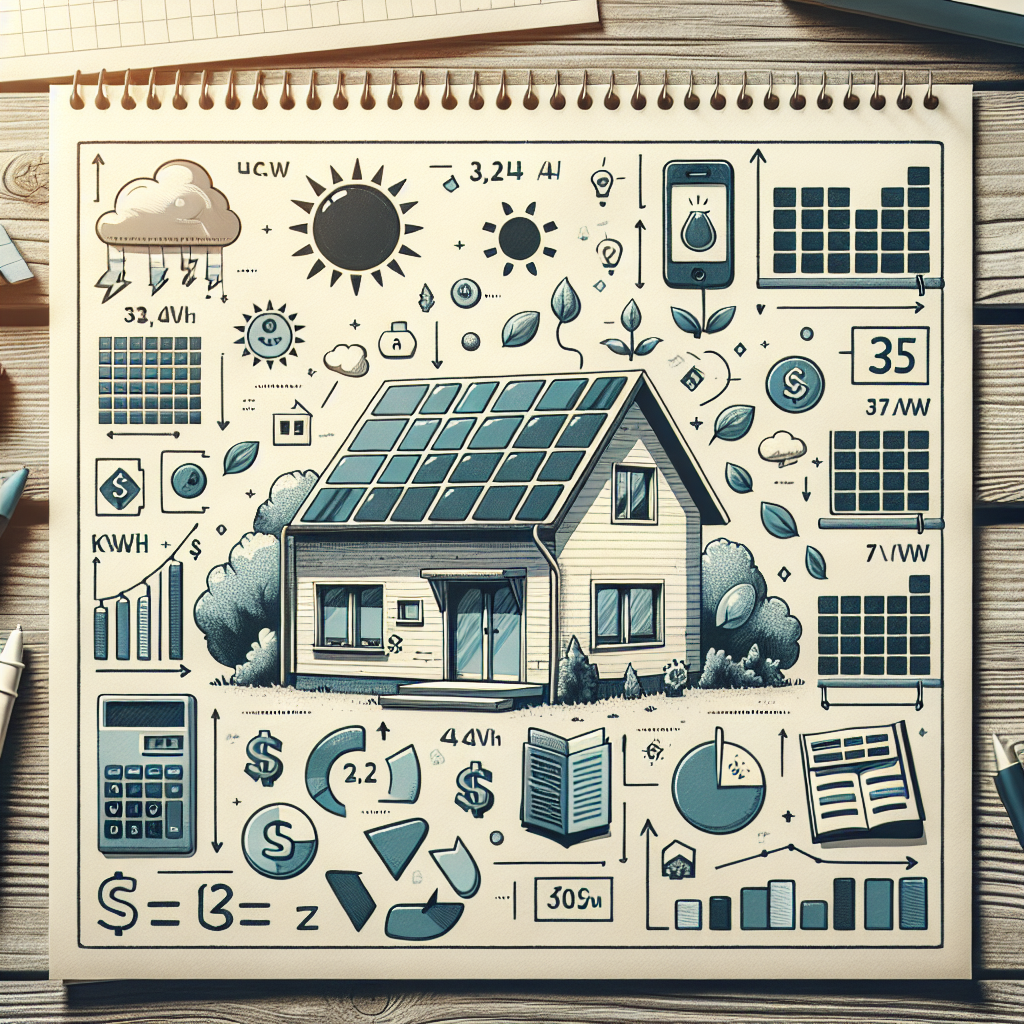
    Now, let’s get real about savings! I sat down with an online calculator that showed how much I could potentially save over the years. It helped paint a clearer picture of the return on my investment.

    Sure, the initial cost felt steep, but spotting those long-term savings helped me feel more comfortable with the decision. On average, solar systems can see savings within a few years if you play your cards right.

    Keep track of your current energy bills and project how they’ll change once solar kicks in. After a while, you’ll see the light (pun intended) at the end of the tunnel—lower bills and a greener footprint!

    Choose the Right Solar System

    Types of Solar Panel Systems

    Alright, so once I had my finances sorted, the fun part began—choosing the system! There are two main types: grid-tied and off-grid systems. Each suited different needs and situations.

    A grid-tied system connects to the electrical grid, so when the sun isn’t shining, you’re still covered. This was my choice since I wanted reliability without having to purchase a costly battery system. I loved knowing I could pull power from the grid anytime!

    On the flip side, off-grid systems allow you to go completely independent from the grid. They’re great if you’re out in the sticks, but the setup can be complex and pricey due to battery storage. I admired the independence it offered but chose not to go that route for my needs.

    Selecting the Right Equipment

    Choosing solar panels is like picking your favorite ice cream flavor—so many options! I researched different brands, ensuring I went for high-quality panels. Looking at reviews and ratings was key for me.

    Efficiency ratings were critical, too. I wanted panels that would capture as much sunlight as possible, so I narrowed down my search to those with high efficiency. I read about various technologies, like monocrystalline vs. polycrystalline panels, and which would work better for my situation.

    Don’t forget about inverters! They convert the energy generated into a format you can use in your home. I learned that a good inverter will last as long as your solar panels, so I invested in a reliable one.

    Hire a Reputable Installer

    This step is huge! I couldn’t stress enough the importance of finding a trustworthy solar installer. I asked friends for recommendations and even checked online reviews. A solid track record in the area was crucial for my decision.

    During consultations, I asked tons of questions—experience, warranties, installation timelines—get all the details. You should feel comfortable and confident with your choice; this is a long-term investment!

    After selecting an installer, be sure to communicate clearly about your needs and expectations. This way, everyone is on the same page, and you can avoid any hiccups during installation.

    Monitor and Maintain Your Solar System

    Keep Tabs on System Performance

    Once everything’s installed, it doesn’t just stop there! You want to keep an eye on how well your system’s performing. Most systems come with apps or online portals to track energy production and consumption.

    My system alerts me of any dips in performance, so I know when to look into potential issues. Regular checks help you catch any problems early. I can’t stress how essential it is to monitor performance!

    If you notice that your panels are underachieving, it’s time to call the installer and get their expert opinion. Early detection can save you from bigger issues down the road.

    Schedule Regular Maintenance

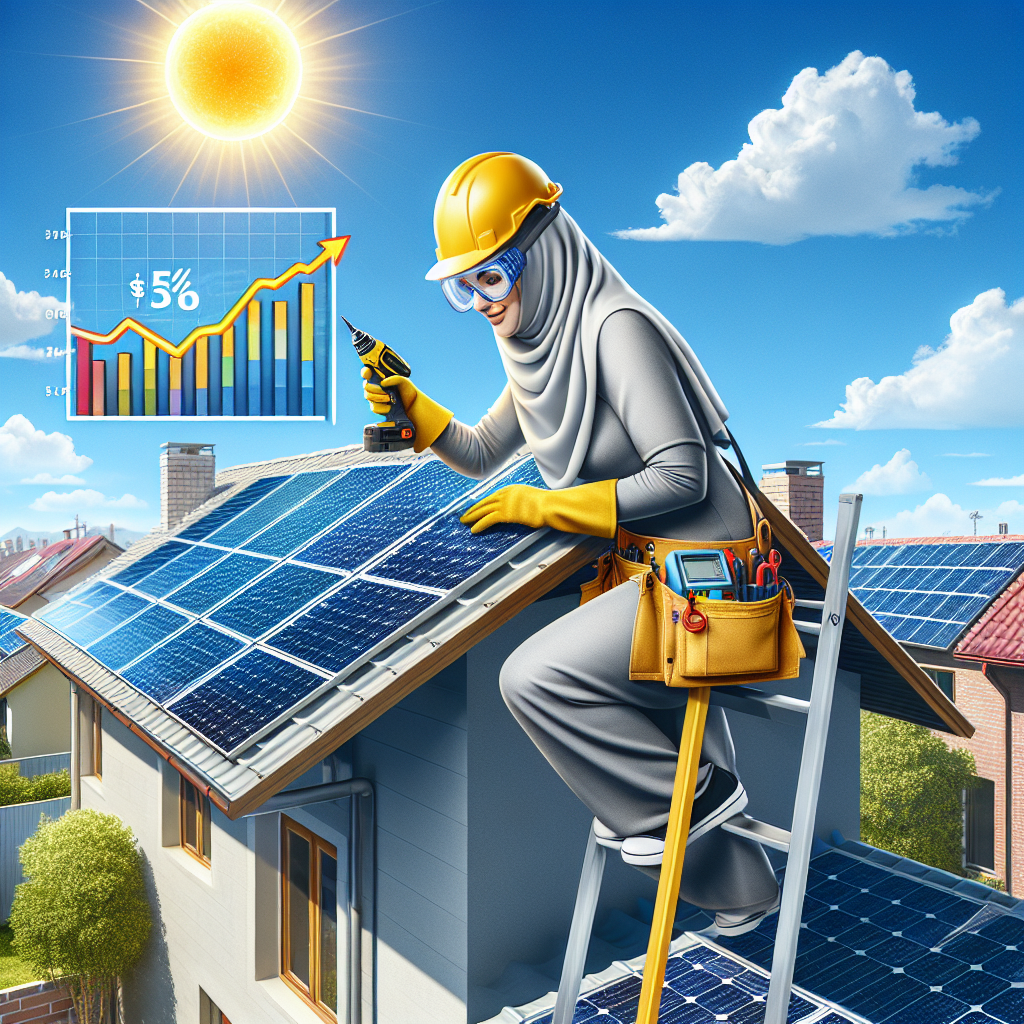
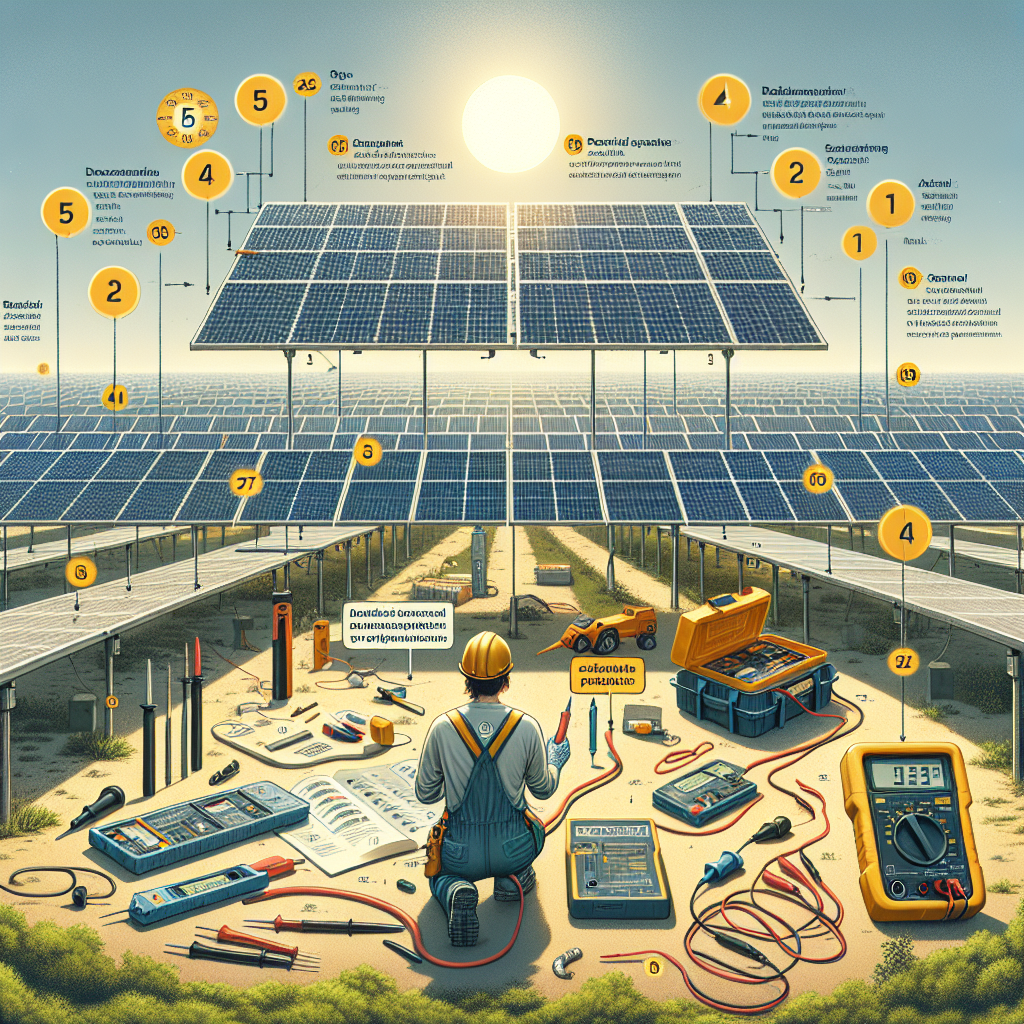
    Talking maintenance, it’s essential. I set up a plan for cleaning and inspecting my panels. Dust and debris can seriously reduce efficiency—a dirty solar panel can lose up to 25% of its generating capacity! Yikes.

    Even though I can wipe them clean occasionally, I found it worthwhile to hire professionals for a thorough check-up once or twice a year. They know what to look for and can spot any issues I might miss.

    Don’t forget to check the inverter periodically. They don’t typically need a lot of maintenance, but ensuring they’re functioning correctly is a must. Most issues can be taken care of early with regular care!

    Stay Informed about Technology and Regulations

    The solar world is always evolving! I make it a point to stay updated on new technologies and any changes in regulations or incentives. New panel designs are making waves and can improve efficiency.

    Additionally, if local laws or incentives change, knowing these updates could mean a boost in your savings or system performance. This knowledge keeps you ahead of the game!

    Like anything, an informed homeowner can make better decisions. Be proactive, read up, and engage with online communities or forums that focus on solar energy. You’re part of a growing movement after all!

    FAQ

    1. How do I know if my home is suited for solar panels?

    Your home should ideally have a roof that gets plenty of sunlight throughout the day with minimal shading from trees or buildings. A simple roof inspection can clarify things.

    2. What incentives are available for switching to solar energy?

    There are various federal and state tax credits, rebates offered by utility companies, and financing options, all of which can significantly lower the cost of installation.

    3. What happens if I don’t generate enough power with my solar panels?

    If your solar system can’t meet your energy needs, you’ll draw from the grid as a backup. Grid-tied systems mitigate this issue perfectly.

    4. How do I maintain my solar panel system?

    Keep your panels clean and free of debris. Regular inspections and maintenance checks by professionals will ensure long-term efficiency and performance.

    5. Is solar energy worth it?

    Absolutely! While the initial investment can seem high, the long-term savings on energy bills and the benefits to the environment make it a wise choice for many homeowners.

  • How Solar Power Can Slash Your Energy Bills

    How Solar Power Can Slash Your Energy Bills

    Understanding Solar Energy Basics

    What is Solar Power?

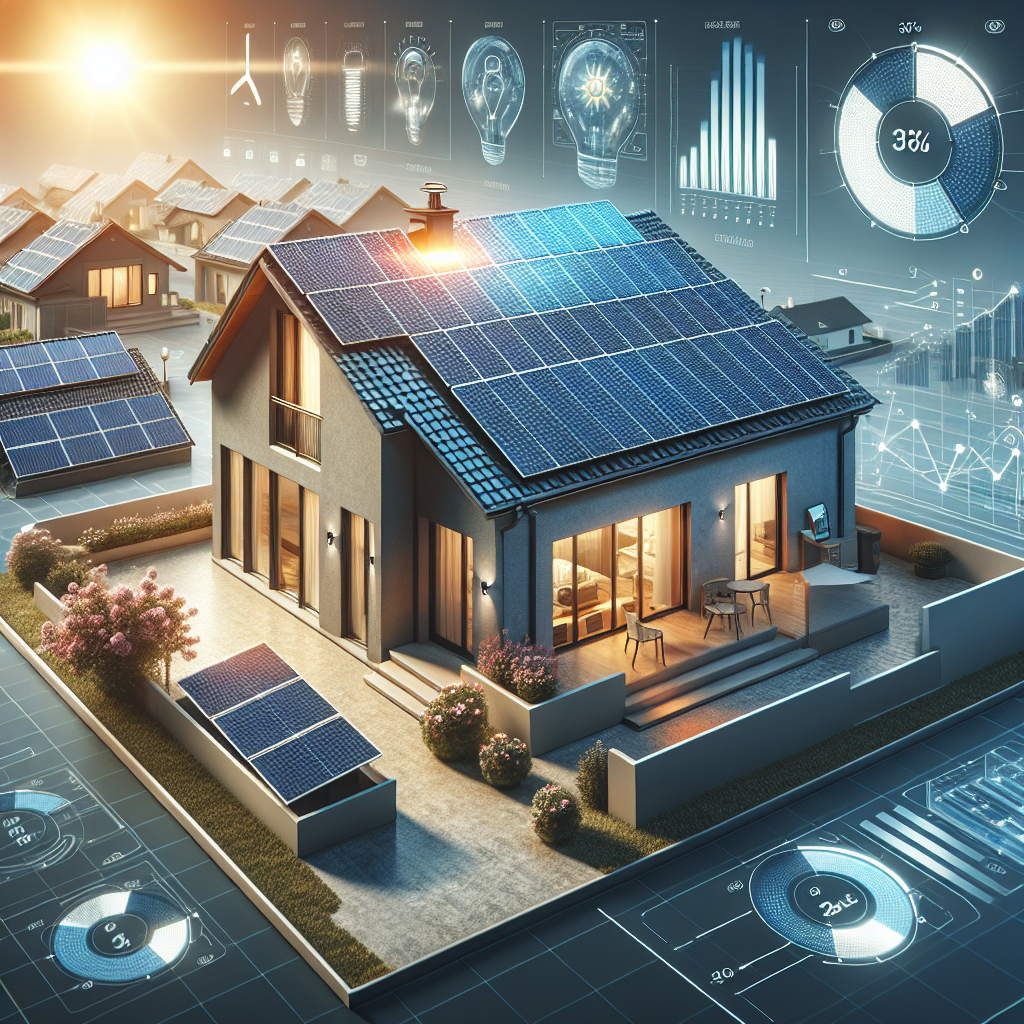
    So, let’s kick things off with the basics. Solar power is energy harnessed from the sun using various technologies. The most common way is through solar panels, which convert sunlight directly into electricity. It sounds like magic, but it’s really just good old physics at work!

    These solar panels are made up of photovoltaic (PV) cells that capture sunlight and transform it into usable electric energy. Depending on where you live, the solar potential can be fantastic, meaning you could generate quite a lot of your electricity directly from the sun’s rays!

    With climate change and rising energy costs, teaching ourselves about solar energy helps not only our wallets but also our planet. I mean, who wouldn’t want to feel like a superhero while saving the Earth and cash at the same time?

    The Importance of the Transition

    Transitioning to solar power is crucial for several reasons. First up, it significantly reduces fossil fuel dependence, which is vital for combating global warming. Every kilowatt produced through solar is one less that comes from polluting sources.

    Moreover, embracing solar energy can lead to long-term savings. Energy bills can be a real drain, and solar power offers a way to cut those down significantly. It’s a bit like switching to a more fuel-efficient car—you save bucks in the long run!

    Lastly, solar energy is a renewable resource, meaning it’s endlessly available and won’t run out like oil and gas. I can’t stress enough how liberating it feels to switch to energy that’s always there for the taking—sunshine!

    Technology Choices

    When diving into solar power, it’s essential to consider the various technologies available. You’ve got traditional solar panels, which are the most commonly recognized, but there are also solar thermal systems and even emerging technologies like solar shingles.

    For example, solar shingles lay flat on your roof and look just like regular roof tiles. They blend in so well that you’d hardly know they’re generating power! This kind of innovation is exciting and a testament to how far we’ve come in making solar energy more accessible and aesthetic.

    Choosing the right technology depends on your budget and aesthetics. Take the time to do a little homework and see what fits best for your lifestyle and home setup!

    Financial Incentives

    Government Rebates

    One of the coolest things about going solar is the financial incentives out there. Many governments offer rebates and tax credits for homeowners who install solar panels. These financial boosts can significantly lower the cost of installation, making it way more manageable.

    In the United States, for instance, there’s a federal solar tax credit that can be up to 26% of your installation costs. That’s money back in your pocket! You’d be crazy not to take advantage of it. Just make sure to check the eligibility requirements in your area before diving in.

    Another neat option is local utility rebates, which can vary from one area to another. Many states have their own incentive programs that sweeten the deal even further, so it’s worth asking your provider about those options!

    Financing Options

    If upfront costs are giving you cold feet, don’t sweat it! There are plenty of financing options available to help spread the load. Solar loans allow you to pay for the panels over time while still enjoying the lower energy bills right away.

    Plus, there are power purchase agreements (PPAs), where a company installs the solar system at no cost to you, and you simply pay for the power it generates—usually at a lower rate than your local utility. It’s like having your cake and eating it too!

    Make sure you explore all available financing paths; several programs are designed to make solar energy more accessible to everybody, regardless of your current financial situation. Don’t let money hold you back!

    Long-Term Savings

    Now, let’s talk about the cherry on top—long-term savings! Once you’ve got your solar system up and running, your electricity bills can drop dramatically. Imagine paying little to nothing for energy—sounds sweet, right?

    Typically, solar systems pay for themselves within a few years, depending on energy consumption and location. After that, it’s like you’ve hit the jackpot! The more you produce, the less you pay. And if you generate extra energy, you might even sell it back to the grid!

    Plus, let’s not forget that solar panels increase property value. You’re not just saving money; you’re also investing in your home. Buyers love the idea of lower energy bills, which can make your property even more attractive in the long run.

    Environmental Benefits

    Reduces Carbon Footprint

    Switching to solar power isn’t just about saving money; it’s about helping our planet too. By using solar energy, you significantly reduce your carbon footprint. Every little bit counts, baby! The less reliance on fossil fuels cuts down on harmful emissions, making the air a bit cleaner for all of us.

    Many people don’t realize how much energy they use daily, but when you switch over to solar, you’re actively reducing that impact. It’s genuinely empowering to know that you’re making a difference.

    Taking responsibility for our energy choices can have a ripple effect. The more people go solar, the more it encourages others to follow, leading to a larger impact on climate change trends overall. It’s like joining a big, beautiful solar family!

    Conservation of Resources

    Another fantastic aspect of solar energy is its ability to conserve our limited natural resources. When we harness energy directly from the sun, we lessen the demand for carbon-intensive resources like coal and natural gas that are quickly depleting.

    By tapping into solar, you’re taking a stand for a sustainable future. This renewable energy source is abundant and practically limitless on a human timescale, so you won’t be scrambling for resources down the line like with fossil fuels.

    It feels great to know that every ray of sunshine is just waiting to be utilized! So, not only are you saving your bills, but you’re also participating in a vital movement to protect our planet for future generations.

    Promoting Sustainability

    Switching to solar power also promotes sustainability in your community. As more people adopt solar, it generates awareness and enthusiasm about clean energy. Neighbors might start discussions on how to lower energy costs, which can progress into community-focused solar projects.

    Also, solar installations can lead to job creation in the renewable energy sector. Local economies benefit because there’s a demand for skilled labor to install and maintain these systems, boosting local employment and innovation.

    Being part of the solar movement is not just about what’s happening at your home; it’s about contributing to a larger cause. The more we talk about renewable energy, the more we inspire others to think sustainably and make a change!

    Conclusion

    Embracing solar energy has never been more crucial. From understanding the basics to taking advantage of financial incentives, the benefits are clear. And it feels great not only to be saving money but also to protect our environment for future generations. I’ve seen firsthand how solar can change lives, so if you’re even a bit curious, I encourage you to research and explore the possibilities!

    FAQs

    1. How much can I save by switching to solar power?

    Your savings will vary based on energy consumption, location, and system size, but many homeowners find significant reductions on their electricity bills, often saving thousands over time!

    2. Are there any upfront costs?

    While solar systems do require an initial investment, there are many financing options available, including loans and power purchase agreements, to help spread those costs over time.

    3. How long does it take to see a return on investment?

    Typically, homeowners see their solar systems pay for themselves in about 5 to 7 years on average, but this can vary based on energy prices and usage patterns.

    4. Does solar power work in cloudy climates?

    Absolutely! While solar panels are less efficient in cloudy weather, they still produce energy. You’ll be surprised at how much power they can generate even when it’s not sunny!

    5. What happens if I generate more energy than I use?

    Any excess energy generated can be sold back to the grid, meaning you can actually earn credits or payments from your utility provider. How’s that for a bonus?

  • How to Optimize Your Home’s Solar Energy Setup for Maximum Savings

    How to Optimize Your Home’s Solar Energy Setup for Maximum Savings

    Evaluate Your Solar Needs and Goals

    Understanding Your Energy Consumption

    First things first, let’s figure out how much energy your home actually uses. This is kind of like knowing how much gas you need before a long road trip. I grabbed my last few electricity bills, broke down the numbers, and found out my peak months and low months. This helped me understand my household’s energy consumption patterns, which is super important when designing your solar setup.

    When assessing your electricity usage, I also considered the lifestyle changes we might make in the future. Are we thinking of getting an electric car or adding more tech gadgets? These changes can significantly impact your energy needs. Just like planning for growth, your solar energy system should have a bit of flexibility to adapt.

    Lastly, I even reached out to my local electricity provider for rate quotes and peak usage times. This way, I could maximize my savings by using solar when the grid rates were highest. Knowledge is power, right? The more you know about your energy consumption, the better decisions you can make.

    Choose the Right Solar Technology

    Selecting Between Solar Panels and Solar Roof Shingles

    When I first dipped my toes into the solar energy pool, I was stuck on one big question: should I get traditional solar panels or opt for solar roof shingles? Traditional panels can be a bit of an eyesore on some homes, while shingles blend seamlessly with your roof. So, weighing aesthetics versus functionality was important for me.

    Another consideration was the efficiency ratings. Some of those high-tech solar panels were boasting impressive efficiency, while others were just okay. I did my homework and looked for reputable brands known for both durability and efficiency. This was key as I wanted to make sure my investment paid off.

    Ultimately, it came down to how much I was willing to invest upfront versus what I’d save in the long run. I like shiny things, but I also appreciate smart investing. So, remember to balance your desires with practicality!

    Optimize Your Installation Location

    Choosing the Best Roof Spot

    Location, location, location! This phrase isn’t just for real estate; it totally applies to solar installations too. I took a good look at my roof orientation and pitch. Ideally, south-facing roofs receive the most sunlight, which is critical if you want to maximize your solar output.

    Then there’s shading from trees or buildings. If you’ve got a large tree casting shadows on your roof, it might be time for a trim! Even a few branches can significantly reduce your panel’s efficiency. I can’t stress how important it is to harness as much sunlight as possible, especially if you want to save those bucks.

    Lastly, I considered whether my roof’s condition could handle the installation. Anytime you’re investing in something like solar panels, you want to make sure the base is sturdy and reliable. No one wants to deal with leaks after spending a chunk of change, right?

    Take Advantage of Incentives and Rebates

    Researching Local Incentives

    Here’s where the real treasure lies! Depending on where you live, various incentives and rebates can slay that upfront cost. When I started digging into this, I was blown away by what was available – some states practically rolled out the red carpet for solar homeowners!

    Check with local government agencies, and don’t forget to look into federal options too. There are incentives that allow you to claim a portion of your costs on your taxes, which is fab because that effectively lowers your overall solar investment.

    Sometimes, local utilities offer rebates or lower rates for homes with solar energy systems. It’s like they reward you for being eco-conscious! So, I made sure to snag every discount I could, and it felt great watching my overall installation costs shrink!

    Monitor and Maintain Your Solar Energy System

    Regular Check-Ups Are Key

    Finally, here’s where I get a little bit of ‘dad advice’ on you: maintenance is crucial. I learned early on that once the solar system was installed, it didn’t just run itself. Regular check-ups, even if that just means periodically cleaning the panels, ensure that everything is functioning optimally.

    I had to make sure that debris like leaves or dust wasn’t affecting my panels. Even a little grime can seriously cut into your solar efficiency, and I didn’t want that. Plus, some companies offer warranties and monitoring software, which can alert you if there’s something amiss.

    Staying on top of maintenance makes me feel proactive. It’s sort of like taking care of a pet; you want to ensure it’s healthy and happy! Keeping tabs on my solar system means I can avoid hefty repair costs down the line, and at the end of the day, it encourages me to keep going green.

    FAQ

    1. How do I determine my home’s energy needs?

    Start by reviewing your past electricity bills. Take note of your highest months and think about future energy changes like electric vehicles or additional appliances that may require more power.

    2. What factors should I consider when choosing solar panels?

    Efficiency ratings, aesthetics, cost, and the reputation of the manufacturer are key factors. Look for a balance between performance and appearance that fits your home.

    3. How do I find out about solar incentives in my area?

    Check your local government websites, talk to your utility provider, and visit resources like the Database of State Incentives for Renewables & Efficiency (DSIRE) to uncover available rebates and credits.

    4. What maintenance do solar energy systems require?

    Ongoing maintenance typically involves cleaning the panels, monitoring performance through software (if available), and scheduling professional inspections to check for any issues or necessary repairs.

    5. Can solar panels really save me money?

    Yes! By generating your own electricity, you can significantly reduce or even eliminate your electricity bills. Plus, with incentives, you might lower your setup costs too.

    This article is structured to be engaging, informative, and friendly, presenting personal insights while providing clear guidance on optimizing a home’s solar energy setup. The HTML format is organized with headings and subsections for easy navigation.

  • How to Safeguard Your Solar Power System During Storms

    How to Safeguard Your Solar Power System During Storms

    1. Assess Your System’s Risk

    Understanding Weather Vulnerabilities

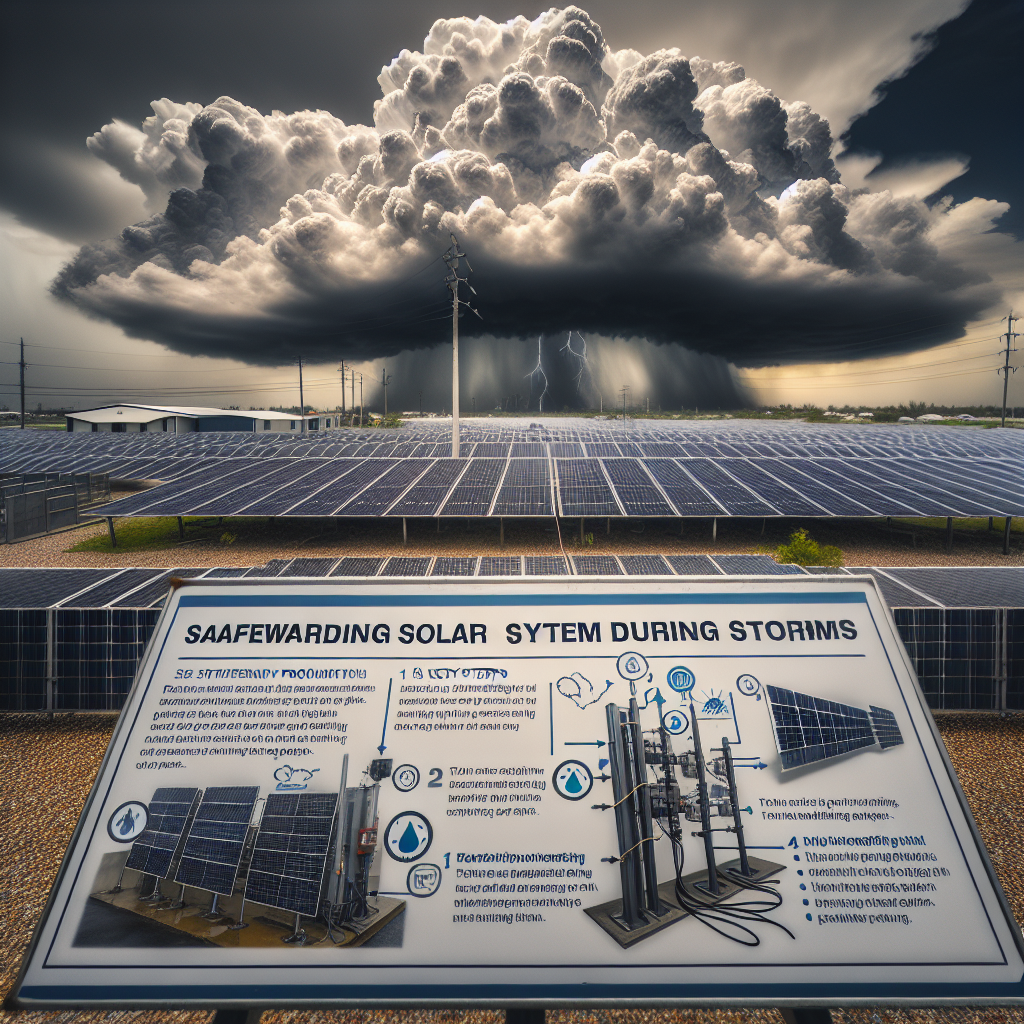
    One of the first steps I took when considering storm protection for my solar power system was assessing the vulnerabilities inherent in my location. Each region has its own risks; for instance, areas prone to hurricanes, heavy winds, or hail need specific safeguards. You don’t just want to wait until the storm hits to realize your system has weak spots.

    Take time to research the types of storms that commonly occur in your area. Websites from local meteorological services or climate research organizations can be invaluable for gaining insight. Knowing what kind of risks you’re up against helps in forming a plan tailored to your unique situation.

    Additionally, consider talking to your neighbors who are also solar owners. They might share experiences or tips about protecting their systems that could benefit you in the long run!

    Evaluating Installation Quality

    Let me tell you—if you want to ride out the storms with your solar system intact, the installation quality matters immensely. I once had a situation where my neighbor’s system faltered due to poor installation practices.

    In my research, I found that reputable installers often follow strict guidelines and best practices. Make sure your solar panels are securely mounted to withstand high winds and that the wiring is protected from water damage. A thorough inspection can prevent catastrophic failures during storms.

    Also, ensure your panels are positioned to minimize exposure to direct hits from strong winds. Consultation with a trusted installer about the initial setup can lead to better resilience later on.

    Regular Maintenance Checks

    You better believe that having a schedule for maintenance is crucial! Regularly checking your solar power system doesn’t just extend its life; it also helps pinpoint any issues before they turn serious. My routine includes examining all components, from the batteries to the solar panels themselves.

    Look out for loose connections, dirt buildup, or potential corrosion which can all affect performance, especially during stormy weather. I find that doing these checks every few months gives me peace of mind knowing I’m doing my part to keep everything shipshape.

    Also, engaging a professional for at least an annual inspection can provide insights that I wouldn’t catch on my own—even seasoned pros can miss things sometimes!

    2. Implement Protective Measures

    Investing in Storm Shields or Covers

    One of the smartest purchases I made was storm shields. They act like a bodyguard for my solar panels. There are all kinds of options available, from temporary covers you can put on before a storm hits to permanent shields designed specifically for harsh conditions.

    When shopping around, I found out that not all shields are created equal. Some are far sturdier than others, and reading customer reviews helps to sift through the options. A bit of research pays off when it comes to finding the right materials that can withstand severe weather.

    Additionally, I learned that positioning these covers correctly is essential. Covering your panels by following the manufacturer’s instructions can ensure better protection and avoid causing unintentional damage.

    Secure Loose Parts

    Loose parts can become dangerous projectiles during storms. One time, I neglected to secure some garden furniture, and let me tell you, it was a mess afterward! For your solar power system, make sure that all cables and connections are tight and secure.

    Take the time to check for anything that could blow away or could be a hazard during high winds, not just around the solar panels but also nearby structures. This could include tree branches or even tools. I always make it a habit to do a little pre-storm ‘sweep’ of my yard.

    Being proactive about securing items helps prevent damage that could lead to costly repairs. I’ve learned over the years that being prepared is key to minimizing stress when a storm is brewing!

    Elevate Equipment Where Necessary

    If there’s one aspect I wish I’d considered earlier, it’s the elevation of key equipment. Flooding can be a significant threat to solar installations, especially in storm-prone areas. When I set up my system, I made sure to elevate it above potential water levels.

    This strategy involves placing battery banks, inverters, and other essential equipment on elevated platforms. This might mean investing in new bases or supports, but I assure you, it’s worth every penny. It saves you the headache and potential costs of water damage.

    It’s not just about having a quality solar system; it’s about designing your setup to endure nature’s unpredictability. I’ve definitely learned to think ahead in this respect!

    3. Develop an Emergency Plan

    Creating a Backup Power Strategy

    Let me tell you, when storms threaten, having a backup power strategy can be a lifesaver. I’ve created a plan around my solar system to ensure I won’t be left in the dark during outages.

    This could mean relying on a battery storage system that kicks in automatically when the grid goes down. I debated for a while whether to invest in one, and I can’t stress enough how glad I am that I did. It’s a bit like insurance—you hope you never need it, but if you do, you’re grateful to have it!

    Also, think about limiting your energy usage during storms. Prioritize what you need to keep running—like your fridge or emergency lights. I’ve learned to keep my usage efficient, especially during peak storm season.

    Establishing Communication Channels

    In a storm, communication can be crucial. I always include a step in my emergency plan to ensure I stay in contact with my loved ones. Having a group chat ready to go is helpful to quickly share updates in case of severe storms.

    I also made sure to keep emergency numbers handy, not just for family but for utility companies and local emergency services. Technology can let you down in outages, so having those contacts saved somewhere off-grid is a good strategy.

    If there’s anything I’ve learned, it’s that staying connected can mitigate a lot of worries! Planning for how to reach out for help can ease fluffier nerves during turbulent times.

    Practice Your Plan

    Once I had my emergency plan set, I knew it wasn’t enough just to write it down. Practicing my plan made all the difference—especially when I started to include my kids! It’s a little drill we have where we pretend a storm is coming and we switch into action.

    We check everything—from securing items outside to rolling our backup power strategies into practice. This way, everyone in the family knows their role, should a real storm approach. It’s good bonding time while simultaneously encouraging learning.

    Facing an emergency is less daunting when you know exactly what to do. It builds up our confidence as a family, and let me tell you, that’s a key power I don’t want to overlook!

    4. Stay Informed During Storm Season

    Monitor Weather Reports

    If there’s one thing I’ve learned, it’s the importance of keeping an eye on the weather. During storm season, I tune into local forecasts frequently. Technology advancements have made it easier than ever to receive updates, whether it’s through apps on my phone or alerts on my smart devices.

    I’ve noticed that having multiple sources for weather updates gives me a clearer picture of what to expect. When a storm is brewing, I take that information seriously and adjust my preparedness strategies accordingly.

    More than once, those early warnings helped me secure my property and solar installation before the brunt of a storm arrived. It’s all about getting that crucial heads-up before things could go south!

    Utilize Social Media for Real-Time Updates

    Social media can be a surprisingly useful tool during severe weather events. I often follow local news channels and emergency services on platforms like Twitter and Facebook for real-time updates. It’s all about knowing what’s happening in your community.

    Sometimes, social media can provide insights that regular weather reports may miss. I’ll get updates about road closures or specific emergency resources in my area, so I always keep an eye on it when bad weather is on the horizon.

    Plus, it fosters community engagement. I’ve found a bunch of local groups which share advice or support during storms—definitely a great way to keep the spirits high during storm season!

    Prepare for Post-Storm Assessments

    Once a storm passes, it doesn’t mean we’re out of the woods just yet. Getting prepared for what comes next is equally important. Immediately after storm conditions ease, I gear up to inspect my solar power system.

    The post-storm assessment involves looking for visible damage or debris that may affect my system’s performance. In one instance, after a major storm, I found small branches had fallen close to my panels. A quick clean-up ensured optimal functionality.

    It’s also a great time to assess my emergency plan based on the latest storm experience. What went well? What needs tweaking? Adapting my strategies post-storm makes every occurrence a learning curve!

    5. Consult Professionals When Needed

    Finding the Right Experts

    I cannot emphasize enough the importance of consulting professionals. While I love DIY projects, I realize when it comes to my solar power system—or any electrical work, honestly—it’s just not worth the risk to go it alone.

    Taking time to find trusted local professionals who can provide insight on installations or repairs can save a significant headache in the long run. Reviews and referrals from friends are incredible resources for finding expertise you can rely on.

    Working with experts not only provides peace of mind but also ensures your system stays compliant with local regulations and codes, which is essential especially when storms hit.

    Learning from Installers

    I made a habit of asking my installers questions whenever they performed maintenance checks. This opened the door to valuable knowledge that I could apply going forward. I learned about things I could do to keep my system in its best shape and best practices for safeguarding against storms.

    Mastering some basic knowledge about my own system has empowered me. I firmly believe that understanding how my solar power works—and what it needs to weather storms—is as crucial as the installation itself.

    Plus, getting to know your installer often leads to better customer service. They’ll remember you and be more likely to keep you informed about any updates or changes needed to maintain performance.

    Joining Community Resources

    Last but not least, I found value in joining local solar energy associations or community groups. These groups often provide resources, seminars, and learning events to help keep owners informed about safety, maintenance, and advancements in solar technology.

    Networking with fellow solar owners has given me additional strategies to safeguard my system. Plus, who doesn’t love a little camaraderie in facing the same challenges?

    Remember, we’re all in this together! Sharing experiences can make a real difference, especially when tackling storm preparations as versatile homeowners.

    Frequently Asked Questions

    1. What should I do before a storm hits?

    Before a storm, it’s wise to assess your system’s risk, secure loose parts, and consider investing in storm shields or covers.

    2. How can I stay informed during storm season?

    Monitoring local weather reports and utilizing social media for real-time updates are great ways to stay informed during storm season.

    3. What are some post-storm assessment tips?

    Following a storm, inspect your solar power installation for any physical damage or debris blocking the panels, and modify your emergency plan based on the recent experience.

    4. Should I consult professionals about my solar system?

    Yes! Consulting professionals ensures proper installation, compliance with local codes, and allows you to learn more about your solar power system.

    5. What resources can I join for more information on solar safety?

    Joining local solar energy associations or community groups can provide valuable resources and networking opportunities to help you safeguard your solar power system.

  • How to Calculate Your Energy Needs for Solar Power Systems

    How to Calculate Your Energy Needs for Solar Power Systems

    Hey there! If you’re diving into the world of solar power, I can totally relate! It’s an exciting journey toward energy independence. Today, I’m eager to share some insights on how to calculate your energy needs for solar power systems. This info will help you figure out how much solar juice you need to keep the lights on in your home (literally)! Let’s break it down into five easy-peasy areas. Here we go!

    1. Understanding Your Current Energy Consumption

    Analyze Your Utility Bills

    First things first, take a look at your utility bills. Yes, I know they can be a drag, but they’re gold mines of information! Look for your monthly usage in kilowatt-hours (kWh). This number gives you a baseline idea of how much energy you consume. You’ll want to record this over a year to get an average. Seasonal changes can sometimes make your bills go wild!

    From my experience, I found it helpful to chart my usage. I created a simple spreadsheet and logged my kWh every month. It revealed patterns I never noticed before. Maybe you use more energy during the winter because of heating, or perhaps summer months are all about running the A/C! This exercise will help you understand where most of your energy goes.

    Once you gather your data, calculate your average monthly energy consumption. This figure is essential for sizing your solar power system! The more accurate your current consumption, the better you can estimate the solar energy you’ll need.

    Identify High-Energy Appliances

    Next, let’s dig into your appliances. Trust me, some of them are energy hogs! Start by listing all your major home appliances—refrigerator, washer, dryer, or that fancy espresso machine! Note how many hours each device runs daily. For example, if your fridge runs 24/7, it needs more energy than a light bulb that’s only on for three hours.

    Afterward, research the energy consumption for each appliance, usually listed in watts. It’s often in the user manual or you can find it online. Multiply the wattage by the hours of use, then divide by 1,000 to convert watt-hours to kilowatt-hours. I know it sounds a bit tedious, but this gives you a clearer picture of where you might save energy.

    By recognizing which appliances use the most energy, you can make informed decisions about which ones to optimize or replace. Bonus tip: consider switching to energy-efficient appliances if you’re upgrading, they can make a noticeable difference in your usage!

    Consider Lifestyle Factors

    Now, let’s talk about lifestyle. Your habits can significantly affect energy consumption. For example, if you work from home, your energy might be higher during the day compared to a typical 9-5. If you have kids, their activity levels can also influence your energy needs!

    I also recommend thinking about lifestyle changes you plan to make. Are you planning to get an electric vehicle? Those babies can suck up a lot of energy! Adjusting your lifestyle might save energy or add to your requirements based on usage.

    Don’t forget about those smart home devices that keep coming out! While they can save energy in some cases, they can also add to your overall consumption. If you’re adding any new energy-demanding gadgets, factor that into your calculations, it all adds up!

    2. Calculate Your Solar Power Needs

    Determine Solar Panel Output

    Alright, now that we know how much energy we use, it’s time to see how much solar power we need! The first step is understanding how much energy a solar panel can produce. This usually depends on the panel’s wattage and the amount of sunlight it receives, which is measured in peak sun hours.

    I remember when I was hunting for solar panels, I saw lots of different wattages—some were 250 watts, others were 350 watts or more. I calculated the average sunlight hours based on my location. For example, if you get 5 hours of full sun exposure and have 300-watt panels, that’s about 1.5 kWh a day from one panel. Easy-peasy math, right?

    Understanding panel output helps plan how many panels you’ll need. The formula to know is: Daily energy needs / panel output = the number of panels. This gives you a good rough estimate to work with!

    Account for System Losses

    But wait, there’s more! You can’t just assume you’ll get 100% of the solar power to your home. There are losses due to factors like shading, inverter efficiency, and temperature variations. It’s common to factor in about 20% for system losses. This will give you a more realistic picture of what you’ll actually get from your solar setup.

    Here’s how I approached it: once I figured out how many panels I’d need, I multiplied that number by 1.2 (to account for losses). Better safe than sorry, right? It turned out to be a wise move down the line, as my system functioned to expectations!

    In other words, if you calculated you needed 10 panels, you should plan for around 12. Just think of it as a buffer zone to ensure your energy needs are met, especially on days when the sun doesn’t want to cooperate!

    Assess Future Energy Needs

    Finally, factor in the future! As our lives change, so will our energy needs. If you’re planning to renovate your home or get that dream pool, you’ll want to adjust your solar needs accordingly. I found it useful to plan for the long term and consider how my family’s energy consumption might increase.

    Don’t forget to consider technology upgrades too! Maybe you’ll add that fancy smart home system or a new electric vehicle in the next few years. It’s all about planning ahead and ensuring your solar system can handle possible changes in energy demand.

    Planning for future energy needs helps avoid scaling problems down the road. I’m all about flexibility, so I prefer to accommodate for growth interms of energy consumption right from the get-go!

    3. Choosing the Right Solar System Type

    Grid-Tied Systems

    When it comes to choosing the right system, grid-tied solar installations are super popular! They allow you to stay connected to the grid, which means you can draw power from it when your solar output is low. This arrangement generally requires fewer batteries, which makes it more cost-effective upfront.

    Having a grid-tied system means you can sell excess power back to the grid, too! This can be such a sweet perk, turning your solar setup into a little income source. During sunny days, you might find your meter running backward—how cool is that?

    However, keep in mind that if the grid goes down, so does your system. You won’t have power unless you invest in battery storage, which can add to the cost. It’s a trade-off to consider based on your home’s setup.

    Off-Grid Systems

    If being independent from the grid sounds like your jam, then off-grid systems are the way to go! This setup requires a larger initial investment because you’ll need batteries to store energy for use when the sun isn’t shining. It is ideal for remote places, or if you value energy independence above all.

    From what I’ve seen, living off-grid gives you total control over your energy usage. You can also potentially live in harmony with the environment, generating your power cleanly. But, it does come with challenges—like managing battery life and ensuring you generate enough power for your needs.

    Plus, off-grid living often requires more planning for future needs. Being proactive about your energy needs becomes crucial, as you can’t easily “just plug in” when things get tough. It’s a rewarding challenge for those who are committed!

    Hybrid Systems

    Lastly, we’ve got hybrid systems, which combine the best of both worlds! You get the benefits of being connected to the grid while also having battery storage. This way, you’re covered when the grid goes down AND can profit from selling excess energy.

    The cool thing about hybrid systems is that they allow you to rely on solar power yet have a backup plan. I love having peace of mind knowing I won’t be left in the dark during outages!

    However, hybrid systems can be a bit more complex and costlier than standard grid-tied setups. It’s important to evaluate your energy needs and budget. Bye-bye stress, hello flexibility!

    4. Sizing Your Solar System

    Calculating Required Solar Panel Size

    Once you have your system type figured out and energy needs established, it’s time to size your system. This involves calculating the total wattage of solar panels you’ll need to produce the energy you require. It’s the moment of truth!

    Here’s a nifty calculation I learned: take your total daily energy needs (kWh) and divide it by the average daily sunlight hours in your area. This gives you the total number of watts required per hour. Divide that figure by the wattage of your solar panels to hone in on exactly how many you need.

    Your solar contractor can help you double-check these calculations too! They have specialized software and tools to ensure accuracy. Being a team player in this aspect helps—collaboration is key!

    Considering Roof Space

    Don’t forget about where the panels will be installed! If you have limited roof space, this can also determine how many panels you can fit. I once thought I could fit my dream setup easily, but had to consider aesthetics and my roof’s layout. There’s no use crowding the panels if they won’t function optimally!

    Before installation, make sure to consult with your contractor about available space and layouts. They might suggest roof orientations that could enhance performance. Utilizing space wisely while maximizing efficiency is what it’s all about!

    In some cases, ground-mounted systems can be a great alternative if roof space is limited. They offer more flexibility in terms of orientation and can incorporate more panels. Get creative with your setup!

    Budgeting for Your Solar System

    Okay, let’s chat about the elephant in the room: the budget! Solar systems can be costly upfront, but remember, it’s an investment in your future! Be sure to factor in costs not just for the panels themselves, but also installation, inverters, permitting, and potential maintenance down the line.

    When I first calculated my budget, I made a fancy spreadsheet (seriously, I’m a nerd for that!). It helped me compare costs against my projected savings in energy bills. In some cases, incentives or tax credits can also alleviate some financial pressure, so look into those options!

    Don’t be shy about discussing financing options if an upfront payment is a hurdle. Many solar companies offer financing plans that make it easier to go solar. Remember, the goal is to save money in the long run, so even if it takes a bit to set up, it’ll be worth it down the line!

    5. Making the Most of Your Solar Power System

    Regular Maintenance

    Now that you’ve got your system up and running, it’s important to maintain it. Regular check-ups can prevent small issues from turning into big problems. Make sure you check for debris on the panels or any shading that could reduce efficiency.

    I can’t stress enough how helpful it is to schedule annual inspections with your solar contractor. They can keep up with any updates or changes in regulations, too. Staying proactive with maintenance ensures your system is running at its best for years to come!

    Moreover, keep tabs on your inverter. Some inverters have app notifications that alert you to any issues. Catching something early can save you money in repairs, so pay attention to those alerts!

    Monitoring Energy Production

    One of the greatest perks of having a solar system is that you can actually track how much energy you’re producing! Most systems come with monitoring software that can show you real-time data. I love checking my production levels and seeing how much power I’m generating each day.

    This data isn’t just about bragging rights; it also helps identify any issues. If you notice your daily production dropping unexpectedly, it’s a signal to investigate further. Maybe there’s a problem with the inverter or debris blocking your panels. Stay curious!

    Some systems even allow you to see how much energy you’re saving versus traditional utilities. It’s an empowering experience knowing you’re doing your part for the planet, and it keeps you motivated to continue your energy-saving journey.

    Educating Yourself and Others

    Lastly, never stop learning! The world of solar energy is evolving rapidly with new technologies and best practices. Staying informed helps you optimize your system and might inspire others to consider their own solar solutions.

    I often share my journey with friends and family, encouraging them to explore solar options. From talking about the financial benefits to discussing environmental impacts, it’s an enriching conversation. You never know who might get excited about going solar too!

    Join forums and community groups related to solar energy, where you can ask questions and share experiences. Together, we can drive the solar movement forward and contribute to a greener future!

    Frequently Asked Questions

    1. How can I determine the right solar system size for my home?

    To determine the right size for your solar system, start with your average monthly energy consumption in kWh. Then calculate how much sunlight your location typically receives. Use the formula: Daily energy needs divided by peak sunlight hours to gauge how much wattage you need.

    2. What are the main benefits of choosing solar power?

    Solar power can significantly reduce your electricity bills, increase your home’s value, and decrease your carbon footprint. Plus, it offers energy independence and can even allow you to sell excess energy back to the grid!

    3. How much maintenance do solar power systems require?

    Solar systems are generally low-maintenance. Regularly clean the panels and keep an eye on your inverter to ensure everything is functioning efficiently. An annual professional inspection can help catch issues before they escalate.

    4. Can I install solar panels myself?

    While it might be tempting to DIY, it’s generally recommended to hire professionals. Proper installation is crucial for safety and optimal performance. Plus, many local governments require permits and inspections for installations.

    5. Will solar panels work on cloudy days?

    Yes, solar panels can still produce energy on cloudy days, though efficiency may be lower. They work on the principle of light absorption, not just direct sunlight. So, you’ll still get some energy generation during overcast conditions!

  • How Solar Energy Solutions Are Changing the Agriculture Industry

    How Solar Energy Solutions Are Changing the Agriculture Industry

    1. Solar-Powered Irrigation Systems

    The Importance of Efficient Water Management

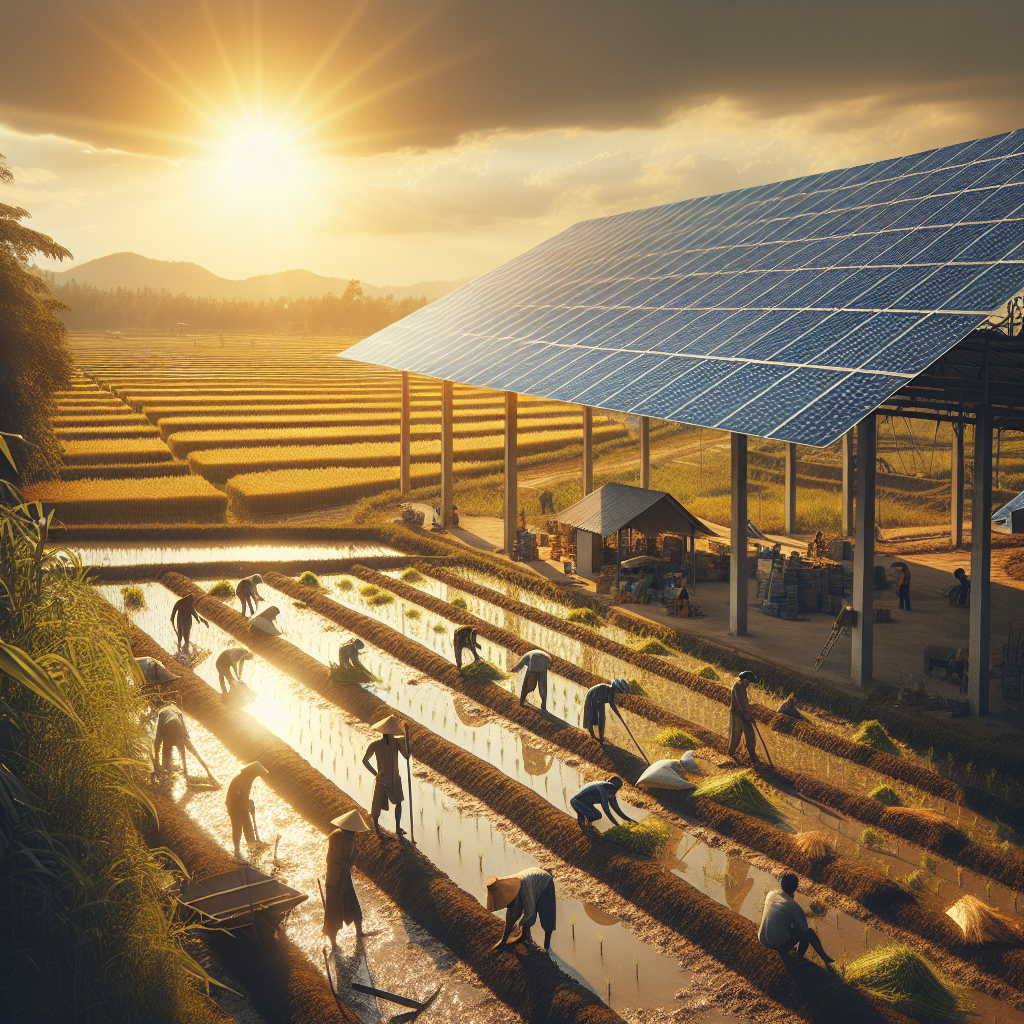
    When I first delved into the world of agriculture, one of the biggest challenges was managing water resources. We all know water is essential for farming, but with solar-powered irrigation systems, things really took a turn for the better. These systems allow farmers to use clean energy to pump water efficiently, cutting down on electricity costs significantly.

    Not only does this eco-friendly approach lower expenses, but it also promotes sustainable farming practices. Farmers can harness solar power during the day when they’re most likely to need water for their crops, ensuring that every drop counts. It’s like having a reliable buddy that never gets tired!

    The beauty of solar irrigation is that it’s easily adaptable to different types of agriculture. Whether you’re growing fruits, vegetables, or even flowers, solar-powered irrigation can be tailored to fit the needs of any farm. It’s a win-win for both the environment and agricultural productivity.

    Installation Challenges and Considerations

    Now, let’s be real: while solar irrigation systems sound fantastic, installation can be a hurdle for some. I remember when I first considered it; I had to think about the upfront costs and logistics before diving in. It’s crucial to assess your land’s needs, determine the best location for solar panels, and understand the local regulations.

    Working with a local solar provider can ease this process. They help in customizing solutions that integrate seamlessly with your farm while guiding you through permits and potential subsidies. It’s definitely worth consulting an expert – they can save you from headaches down the road.

    Plus, once installed, the maintenance is usually minimal. You just need to place your trust in the system, give it regular checks, and you’re good to go. It gives me peace of mind knowing my irrigation system is both efficient and eco-conscious.

    Long-Term Benefits to Crop Yield

    What I love most about solar-powered irrigation systems is how they positively impact crop yield. With a reliable water source, crops are healthier and more productive. That means more fruits and veggies for everyone and a boost in profit for the farmer! I’ve experienced first-hand how consistent watering translates to stronger crops.

    This… paired with lower energy costs and sustainable practices, creates a loop of growth and savings. It’s fascinating to think that something as simple as switching to solar can spark such significant changes in output and profitability.

    Ultimately, every farmer wants to provide quality produce to the community while maintaining a sustainable practice. Solar-powered irrigation helps me achieve that balance, making a real difference in the agriculture industry.

    2. Reducing Carbon Footprint and Promoting Sustainability

    The Shift Towards Renewable Energy

    Honestly, when I embarked on my farming journey, I had no idea how much the agriculture sector contributes to the carbon footprint. What turned everything around for me was discovering renewable energy and how incorporating solar solutions could drastically reduce that impact. It just felt right to align my farming practices with a cleaner, greener future.

    By utilizing solar energy, we can help mitigate climate change effects. Solar panels don’t just provide energy; they symbolize a commitment to safeguarding our planet while still reaping the rewards of agriculture. It’s a powerful movement that brings the community together.

    It’s invigorating to be part of this sustainability revolution. Seeing our collective efforts to reduce emissions and promote eco-friendliness gives me hope for the future of farming and the Earth in general.

    Financial Incentives for Farmers

    Let’s talk dollars and cents. Switching to solar not only benefits the environment, but it also taps into an array of financial incentives. Depending on where you are, there might be grants, tax breaks, or rebates available for farmers who shift towards solar. Believe me, every little bit helps!

    When I looked into it, I was pleasantly surprised at the financial assistance and programs aimed specifically at encouraging farmers to adopt solar solutions. These incentives can offset initial costs, making it much easier to commit to a sustainable practice.

    Over time, the savings on energy bills and possible increases in crop yield can lead to a serious boost in profitability. It’s about investing wisely for the long haul. Farming is no easy task, but going solar can make it a whole lot more financially manageable.

    Community Engagement and Support

    One delightful surprise was discovering how my move to solar energy brought the community closer together. I found that many neighboring farmers were thinking along the same lines, and we started collaborating on sustainability projects. Pooling resources and sharing experiences led to more innovative solutions in our farming practices.

    Community engagement around solar solutions has created a support network. Farmers within that network exchange tips, best practices, and even work together on larger solar installations. There’s something special about working side by side for a common cause; it builds camaraderie and collective strength.

    Additionally, the community’s awareness of local sustainability efforts has increased, encouraging even more conversations about responsible agriculture. Everybody benefits from a healthy, spirited community that values environmental sustainability!

    3. Empowering Farmers with Energy Independence

    A New Era of Self-Sufficiency

    One of the most liberating aspects of adopting solar energy solutions is energy independence. I can’t describe the feeling of being less reliant on traditional energy sources and skyrocketing utility bills. Having that freedom allows me to focus on what I do best: farming!

    Solar systems can produce ample electricity, helping to power everything from irrigation systems to greenhouse climate control. The idea that you can create your own energy is incredibly empowering. It frees you from the ebbs and flows of energy prices, making budget planning much easier.

    What’s even cooler is that this independence can extend to sharing excess energy with neighbors or selling it back to the grid. It truly opens up a whole new world of possibilities for farmers, enabling one to become not just producers but also energy providers.

    Tech Innovations Driving Efficiency

    With the technological advancements in solar energy solutions, I’ve found that energy independence goes hand in hand with increased efficiency. Modern solar panels boast higher absorption rates, and pairing them with battery storage systems means I can store energy for nighttime or cloudy days.

    Integrating smart technology into energy management has been a game-changer as well. Tracking energy consumption and understanding how and when I use it has allowed me to optimize processes. It eliminates waste and ensures that I’m utilizing every ounce of solar energy available.

    These technological innovations aren’t just fascinating; they are practical tools that make farming smarter and more efficient, reaffirming the vital role solar energy plays in today’s agriculture.

    Building Resilience for Future Generations

    One thing I often think about is the legacy we leave behind for future generations of farmers. By advocating for solar energy solutions, we’re not only promoting sustainable agriculture but also fostering resilience against the unpredictable climate crises we face today. It’s like passing down a gift that keeps on giving.

    Solar energy holds the promise of creating a thriving agricultural community that is prepared for the future. An investment in renewable energy is an investment in the land and the farmers who will cultivate it for generations to come. Farmers today have the opportunity to instill eco-friendly practices into their operations that can withstand the test of time.

    Reflecting on this makes me hopeful. It reminds me that by embracing new technologies now, we’re contributing positively to not just our farms, but our environment and future farming communities.

    4. Enhancing Crop Resilience to Climate Change

    Adapting Farming Techniques for Severe Weather

    Climate change is knocking at all our doors, and as a farmer, I’ve seen firsthand how adverse weather events can wreak havoc on our crops. Embracing solar energy solutions has made me realize how crucial it is to adapt our farming techniques to be more resilient. Being proactive about climate challenges is essential.

    With solar technology, I’ve been able to harness energy that supports various climate-resilient practices. This could include drip irrigation systems that use less water or integrating solar-powered ventilation for greenhouses, keeping crops safe from extreme temperatures. Adapting in these ways means less damage and better outcomes.

    Resilience isn’t just about surviving; it’s about thriving and finding ways to work with what nature offers. Builders of tomorrow’s farms might find that solar energy adaptation helps them navigate climate changes much more effectively.

    Research and Development Opportunities

    What’s genuinely exciting is the ongoing research and development in the agricultural sector, which focuses on integrating solar solutions. Collaborating with universities and research institutions can lead to discovering new resistant crop varieties that perform well in varying climates. This research generates a wealth of knowledge!

    The bottom line is that solar energy can be a catalyst for ongoing development. As universities explore various factors, farmers who implement these findings can become even more resilient as they adapt their practices based on scientific research.

    Engaging in this continuous learning fosters adaptability. I often attend workshops and talks focused on innovative approaches, which continue to strengthen our ability to face climate challenges head-on.

    Collaborative Farming Efforts

    Sometimes it takes a village, and I truly believe that pooling resources can elevate our resilience. Farmers working together can establish shared solar farms or irrigation systems built on renewable resources. This model spreads out the risks and helps us adapt more effectively to climate pressures.

    Creating cooperative networks among local farmers encourages collaboration on crop rotations, sharing knowledge on best practices, and developing joint strategies for climate adaptation. At the heart of it, we’re all in this together.

    By uplifting each other through collaboration, we enhance not just our individual sustainability but the sustainability of the entire agricultural community. Together, we can tackle anything that comes our way.

    5. Improving Economic Viability for Farmers

    The Cost-Benefit Analysis of Going Solar

    Let’s get down to brass tacks. Implementing solar energy solutions can significantly improve the economic viability of any farming operation. I remember running the numbers for my own setup, considering not just the installation costs but the long-term savings on energy bills. It was an eye-opener!

    When you factor in lower operational costs due to relying on solar energy, the investment pays for itself over time. With this decrease in overhead, farmers can allocate resources to other aspects of their operations, allowing for growth and innovation.

    Moreover, the implementation of solar can attract potential investors. Demonstrating a commitment to sustainability makes a farm more attractive to those looking to fund eco-friendly ventures. It’s an economic win-win in my book!

    Access to New Markets

    Shifting to solar energy solutions not only boosts local credibility, but it also opens doors to niche markets. Green or sustainable products are becoming more demanded by consumers. By meeting these expectations with solar energy, I’ve tapped into a market that values eco-friendliness.

    Setting up sustainable certifications can help distinguish your products on store shelves. It’s about meeting the consciousness of modern consumers who care about how their food is grown. When I started promoting the sustainable aspect of my farm, I saw an uptick in demand and community support.

    Joining cooperatives or local organic farmers’ markets can highlight this angle even more. Together, our voices can encourage more farmers to adopt sustainable practices, ultimately benefiting the economy and the local food system.

    Fostering Innovation and Adaptation

    Let’s face it: agriculture isn’t standing still. By implementing solar solutions, I have felt more inspired to innovate. The initial investment in new technology opens up windows to explore experimental practices and advanced farming techniques.

    Collaboration with technology firms to improve agritech might seem daunting, but it’s an important aspect of staying competitive. I’ve seen neighboring farms adopt tech like drone monitoring and precision agriculture, and it’s inspiring to see how solar energy can power these innovations!

    This drive toward innovation not only signifies growth for my own farm but contributes to the entire agricultural landscape. Innovation paves the way for a more robust and resilient farming industry that not only survives but thrives.

    FAQ

    1. How do solar-powered irrigation systems work?

    Solar-powered irrigation systems use solar panels to convert sunlight into electricity, which then powers water pumps. This allows farmers to efficiently transport water to crops without relying on traditional energy sources.

    2. What are the cost benefits of switching to solar energy?

    Switching to solar energy can significantly reduce energy bills and provide financial incentives such as tax breaks and grants, helping offset the initial installation costs in the long run.

    3. Can solar energy solutions help combat climate change?

    Yes! By reducing reliance on fossil fuels and lowering carbon emissions, solar energy solutions contribute to a more sustainable agricultural sector that actively fights against climate change.

    4. What types of crops benefit from solar-powered irrigation?

    Solar-powered irrigation can benefit nearly all types of crops, including fruits, vegetables, and flowers. It’s especially useful for high-value crops requiring consistent watering.

    5. How can farmers collaborate on solar energy initiatives?

    Farmers can collaborate by forming cooperatives to share resources or setting up joint solar panels. Engaging in community discussions about sustainable practices also fosters a supportive environment for such initiatives.

  • How to Troubleshoot Solar Power System Problems Quickly

    How to Troubleshoot Solar Power System Problems Quickly

    Hey there! If you’re here, chances are you’re facing some hiccups with your solar power system. I’ve been there, and it can be a real drag! But fret not, I’m here to share some insights from my own experiences on how to troubleshoot these issues quickly and efficiently. Let’s break it down into five areas that I’ve found to be super crucial when diagnosing solar power system problems.

    Understanding System Components

    Know Your Solar Setup

    First off, getting familiar with your system’s components is key. Your solar setup usually includes solar panels, an inverter, batteries, and sometimes a charge controller. Each part has its own job, but if one blows a fuse, it can mess up the whole party. Seriously, it’s the same as knowing your car under the hood; if you don’t know what’s what, how can you fix it?

    Take some time to look over the manuals or manufacturer specs. Understanding how each component interacts with others can help pinpoint where the issue might be hanging out. Trust me, it’s easier to fix what you know!

    Also, keep an eye on the warranties for each part. If something’s gone south, sometimes it could be a manufacturer issue, and you might be able to get a replacement or repair without shelling out more cash!

    Regular Monitoring

    One of the best things you can do is keep an eye on your system’s performance. Many systems come with monitoring tools nowadays, and they’re a lifesaver. If you notice that your PV output is way off, you can act fast before it turns into a bigger problem. I can’t tell you how many folks I know who didn’t even realize their system was underperforming until their energy bill hit them like a ton of bricks!

    Checking in regularly, maybe weekly or even monthly, gives you a good feel for normal operations. It’s like checking the air in your tires—you want to catch issues before they become big problems!

    And don’t forget about visual checks! Look out for any physical debris on the panels, or signs of wear and tear on wires or connectors. Nature can wreak havoc, so stay proactive about maintenance!

    Identifying Common Issues

    Battery Problems

    Let’s face it; batteries can be a real headache. Symptoms like your system not holding a charge or showing low voltage can indicate that your batteries are on their last leg or possibly overworked. What I’ve done is make sure to schedule check-ups on my batteries at least twice a year.

    Batteries also come with their own quirks; for instance, lead-acid batteries have different needs than lithium-ion ones. Take the time to familiarize yourself with your battery type—you don’t want to be in a position where you’re treating a lithium battery like it’s a dinosaur!

    If you’ve replaced batteries before and still have issues, it may be worth checking the connections! Loose or corroded terminals can cause all sorts of juice-draining headaches.

    Inverter Troubles

    Another area where things can get tricky is with the inverter. This little gadget is like the brain of your solar power system, converting DC power to AC. If it’s acting up, everything can go haywire. I remember once my inverter was functioning but producing lower output—which turned out to be due to a faulty connection. Ouch!

    Check for any error codes on the inverter display; they usually backtrack to what’s causing the trouble. Consult your manual or look online if needed—I’ve always found forums to be super helpful when hunting down specific error messages!

    And don’t forget to check if your inverter has any firmware updates! Manufacturers often release them to improve performance or fix bugs. It can be frustrating, but sometimes updates do work wonders!

    Physical Inspections

    Panel Cleanliness

    Next up is a good old-fashioned inspection of your solar panels. These beauties need to be clean to work efficiently! Dust, leaves, and bird droppings can cover them and dramatically reduce their output. I try to clean my panels at least a couple of times a year, but it really depends on where you live and local weather conditions.

    Use a soft brush or a microfiber cloth to avoid scratching the panels. And if you’re not up for climbing a ladder, you can hire a cleaning service for roofs. Safety first, right?

    In winter, heavy snow can also blanket your panels. Nothing can sap your output quicker than a layer of snow, so make sure to remove it if possible when it’s safe to do so!

    Inspecting Connections

    While you’re up there, take a close look at the connections throughout your system. Loose or corroded wiring can lead to substantial energy losses. I can’t stress enough how vital it is to ensure everything is securely fastened and in good shape. Something as simple as a frayed wire can lead to power loss or even a fire hazard. Yikes!

    And if you’re unsure about anything during inspections, don’t hesitate to reach out to a professional. It’s better to be safe than sorry, after all!

    Many solar companies offer maintenance checks, which can save you a lot of hassle in the long run. This might help catch issues before they become critical, allowing you to kick back while someone else handles the nitty-gritty.

    Understanding System Performance

    Data Analysis

    Next on the list is measuring your system’s performance accurately. Look at the metrics your monitoring system provides. If you don’t understand the readings, it’s like staring at a foreign language. Spend some time learning what your specific metrics mean, and you’ll be able to pinpoint the issues much faster.

    If you notice recurring dips in performance, take a closer look at relevant weather patterns or energy usage trends. Sometimes factors outside your control—like shading from new tree growth—can impact your system significantly. Make sure to assess environmental impacts!

    Engaging with a solar community online can also open doors to share data and experiences. Often, others might have faced similar issues and can offer insights that could save you from unnecessary trial-and-error!

    Consumer Expectations

    Don’t forget to have realistic expectations about your system’s performance. Many residential solar panels perform well during full sunlight but can fluctuate wildly during cloud cover or in bad weather. Knowing these performance limits can help manage expectations and also prioritize when to look for issues.

    Get to know what average production should be and how much energy different weather conditions typically yield. Having these baselines can be huge when troubleshooting. If your system is consistently underperforming beyond these standards, then it’s time to dive deeper into potential issues.

    Before jumping into solutions, pause and reassess your energy needs. You might find that increased consumption or new appliances are demanding more than your system can handle, leading to confusion about issues with the system itself.

    Getting Professional Help

    When to Call the Experts

    Even with all this info, sometimes it’s best to lean on the experts. If you’ve attempted the above steps and are still in a lurch, calling a solar technician may be your best move. Don’t feel bad about it; we all need a helping hand sometimes! I personally have had to make that call on occasion, and the peace of mind is worth every penny!

    When you do reach out for help, be prepared to share all the details about what you’ve experienced. Document any error codes, performance data, and notes from your inspections. It’s a total game-changer and will help the techs get to the root of the problem faster.

    Moreover, reading reviews or asking for recommendations can ensure you’re reaching out to someone reputable. You don’t want to end up with a cowboy who may create more issues than help!

    Maintenance Contracts

    Sometimes it’s not just about fixing an issue but also preventing them altogether. Consider looking into maintenance contracts. These options can save a ton of cash down the line by ensuring regular checks and maintenance are performed on your system without having to think about it.

    Many companies offer these contracts at reasonable prices, and they can often be tailored to your specific system. This way, you’ll always have a pro at the ready should something go wrong!

    In my experience, knowing I have that reliable support is a huge relief. Just like a good insurance plan, it helps me sleep a little better at night, keeping unexpected repair bills at bay!

    FAQ

    1. How often should I check my solar system?

    It’s a good idea to perform visual inspections every month, and more thorough checks about twice a year.

    2. What are the signs my inverter is failing?

    Common signs include unfamiliar sounds, lights not turning on, or error codes appearing on the display. If you suspect an issue, definitely investigate further.

    3. Is it normal for solar panels to have lower output in winter?

    Yes, lower output in winter is quite normal, especially in locations that experience snow. Make sure they are clear of snow and debris to maximize efficiency.

    4. Can I clean my solar panels myself?

    Absolutely! Just be sure to use gentle methods and stay safe. If you’re uncomfortable, it’s always a smart decision to hire professionals.

    5. When should I seek professional help?

    If you’ve checked all the common issues and your system is still not performing well, it’s time to call in the pros. Don’t hesitate to get help when you’re feeling stumped!

  • How Solar Panels Are Improving Energy Security for Homeowners

    How Solar Panels Are Improving Energy Security for Homeowners

    Enhanced Energy Independence

    Breaking Free from the Grid

    Let me tell you, there’s something super liberating about generating your own power. I’ve always found that having solar panels installed provides a solid sense of freedom. You’re not fully reliant on the electrical grid anymore, which can be pretty unpredictable at times. It feels good knowing that I’m producing my own energy, especially when the utility prices suddenly spike.

    Plus, in our current world where extreme weather can mess with power deliveries, it’s nice to have a backup. With solar panels, if the grid goes down, I at least have my own little power station to keep the essentials running. Believe me, that peace of mind is priceless.

    In a way, it’s like having a little slice of independence. No more worrying about fluctuating energy costs or crazy bills—my energy is generated right on my roof!

    Long-term Financial Savings

    Okay, let’s chat about the wallet! Going solar isn’t just about being green; it’s about saving some green too. Initially, when I considered solar panels for my home, I was a bit hesitant due to the upfront costs. But let me tell you, over time, those savings add up!

    With solar panels, my electric bill has practically plummeted. A big chunk of what I used to spend on energy is now going towards my investment in solar. Not to mention, in many places, there are tax credits and incentives that help lighten that initial load. Seriously, it’s like the government is cheering us on to go solar!

    Once those panels are paid off, it’s like getting free energy for life. Talk about a long-term savings plan! The longer I have my solar setup, the more I feel like I’m investing in my future.

    Boosting Property Value

    Here’s a little nugget I didn’t see coming: installing solar panels can actually boost my home’s value. It’s pretty wild, right? When I decided to put in solar, I didn’t just want to cut costs; I was also looking to up my game for potential future buyers.

    Real estate markets have been all a buzz about homes with solar energy systems. Many buyers are on the lookout for homes that can help reduce their carbon footprints while also saving money. Having solar panels set me apart in a competitive market, making my home not just a place to live, but a sustainable haven.

    So, if I decide to sell down the line, I can rest easy knowing that my investment in solar will likely yield a return. It’s like a win-win situation for me as a homeowner!

    Resilience During Emergencies

    Powering Through Blackouts

    I’ve had my fair share of power outages—those moments when the lights flicker and then go out, leaving you with a sense of helplessness. But since getting my solar panels, those feelings have shifted dramatically. With a battery backup, I’m now able to keep my essential appliances running during outages.

    That kind of reliability is such a game-changer. In emergencies, when the grid goes down, I still have access to power. It’s comforting to know that I can charge my phone, keep the fridge running, and maybe even power that TV to catch up on the news or binge-watch my favorite shows.

    It’s all about being prepared, and having solar panels has made my home resilient in the face of unexpected challenges. I feel ready to tackle anything that comes my way!

    Contributing to a Sustainable Future

    Let’s not forget about the bigger picture. I’m thrilled to be part of the renewable energy revolution. Using solar panels means I’m doing my bit for the planet, and I love knowing I’m not contributing to the same old carbon emissions that diesel or coal generates.

    Every day, I feel like I’m making a difference just by powering my home sustainably. It’s a kind of action that aligns with my values, and that’s a pretty fantastic feeling. Who knew that going solar could also feed my eco-friendly spirit

    Encouraging others to consider solar has become a fun conversation starter too! I’ve had friends reach out asking about my experience and the benefits, which just creates more awareness about sustainability. This is how we create positive change!

    Reducing Environmental Impact

    Reducing my carbon footprint is something I’ve always been passionate about, and going solar is a key part of that. It’s hard to ignore the evidence; fossil fuels contribute significantly to climate change, and turning to solar energy is like giving the planet a high-five.

    Since switching to solar, I have a clear sense of contributing to something larger. It’s all about creating clean energy, and each kilowatt produced by my solar panels is one less generated from non-renewable sources.

    This shift not only feels good personally, but it also feels right socially. I feel empowered knowing that I’m part of a movement that promotes clean, renewable energy for future generations.

    Access to Government Incentives

    Understanding the Benefits

    Alright, this part is super important! When I first dove into the solar energy world, I was amazed by the various government incentives available. From tax credits to rebates, there’s money on the table for those willing to invest in solar.

    Getting familiar with these incentives was a game-changer for me financially. In my state, I discovered that I could significantly lower my installation costs and even get credits back when filing taxes. Money back? Yes, please!

    These programs often change, so keeping an eye on potential benefits can truly make a difference in the overall cost and accessibility of solar energy. Don’t leave it on the table!

    Financing Options Available

    When it comes to going solar, I get that upfront costs can feel overwhelming, but financing options have become so flexible. This was definitely a sigh of relief for me! I’ve learned about power purchase agreements (PPAs), solar loans, and leasing options that make solar accessible to more folks.

    Having choices meant I could select the best financial route that worked for my budget. Not everyone can shell out a big chunk of change upfront, and these options allow many homeowners to enjoy the benefits of solar without breaking the bank.

    Knowing I have financial flexibility when going solar opened the door for a lot of people to consider the switch. The solar energy revolution doesn’t have to be out of reach!

    Long-Term Returns on Investment

    Lastly, becoming aware of long-term ROI truly opened my eyes! Installing solar panels isn’t just a trend; it’s a long-term investment that continues to pay dividends over the years.

    Thinking about it, each month when I check my energy bill, and see the savings, I feel like I made a smart move. Plus, the long lifespan of solar panels means that I’ll likely be reaping the benefits for years to come—way beyond the initial costs.

    With energy prices on the rise, knowing I’m locked into lower, predictable payments for generated energy helps keep my budget in check. It’s that peace of mind about future stability that reassures me I made the right decision.

    FAQs

    1. How much can I save on my electricity bill with solar panels?

    While savings can vary based on your location and energy usage, many homeowners see significant reductions, often by 50% or more. Over time, this adds up to substantial savings.

    2. What are the upfront costs of installing solar panels?

    Yes, upfront costs can be substantial, typically ranging from $15,000 to $25,000. However, local incentives and financing options can significantly lower this cost.

    3. How long do solar panels last?

    Most solar panels come with warranties that last 20 to 25 years and can continue to produce energy beyond that. Regular maintenance helps in prolonging their lifespan.

    4. Can I still use power from the grid with solar panels?

    Absolutely! Many solar panel systems are grid-tied, allowing you to draw energy from the grid when necessary. This dual system enhances reliability.

    5. What should I consider before installing solar panels?

    Key factors include your roof’s orientation, local climate, budget, and available incentives. Consulting with a solar professional can help clarify what’s best for your situation.

  • How to Maximize Your Savings with Solar Energy Tax Credits

    How to Maximize Your Savings with Solar Energy Tax Credits

    Understanding Solar Energy Tax Credits

    What Are Solar Energy Tax Credits?

    When I first heard about solar energy tax credits, I had so many questions. Essentially, these credits are a way for the government to encourage folks like you and me to switch to solar energy. They let you deduct a percentage of the cost of your solar energy system from your federal taxes. It’s like getting a bonus back at tax time!

    But it’s not just about saving money on your taxes. It’s also about making your home more energy efficient, which really pays off in the long run. If you ever thought about going solar, knowing about these tax credits is like having a secret weapon in your savings arsenal.

    Believe me, the benefits can be substantial. Depending on when you install your system, these credits can cover a huge chunk of your expenses. You might be able to reclaim thousands, which is pretty sweet, right?

    The Current Tax Credit Landscape

    One cool thing to keep in mind is that the solar tax credit is generally set at a certain percentage, which can change over the years. When I made the leap, the percentage was quite generous, making it an even better time to invest. Staying up-to-date with the latest info is crucial so you don’t miss out.

    Sometimes, I see folks get confused about when these credits expire or change. Don’t make the mistake of waiting too long! The more informed you are, the better decisions you’ll make, ensuring that you take full advantage of this aid.

    It’s also worth checking if there are state-specific tax credits available in your area. Some places offer additional benefits, and every little bit helps!

    Eligibility for Solar Energy Tax Credits

    If you’re like me, you want to make sure you qualify before jumping in. The good news is, if you own your home and have installed a solar energy system, you’re likely eligible! Even if you lease your solar panels, you might still be able to take advantage of these credits, depending on your arrangement.

    Moreover, the eligibility doesn’t just stop with residential installations. Businesses can also take advantage of solar energy credits. So whether you’re powering your home or a business, there’s a good chance you’re covered.

    But always double-check your eligibility criteria based on the most current laws and guidelines. It can change, and I don’t want anyone missing out simply due to a technicality!

    Choosing the Right Solar Provider

    Researching Solar Installers

    This is where the real fun starts! Choosing the right solar provider can really make or break your experience. I remember spending hours researching different companies, reading reviews, and getting quotes. Don’t rush this part—you want a trustworthy partner in this investment.

    Look for providers with solid reputations and experience in the solar industry. Ask around—word of mouth can be a powerful tool. Sometimes the quality of service varies greatly, so it pays off to do your homework.

    Also, don’t forget to check if they’re licensed, insured, and certified. You want peace of mind knowing that you’re working with professionals who know what they’re doing.

    Comparing Quotes Effectively

    I found that comparing quotes isn’t just about looking at the bottom line; it’s also about what’s included. Some companies might have hidden fees or charge more for warranty coverage. Break down each quote to see what you’re truly paying for!

    It can feel overwhelming at times, but I tackled it by creating a simple comparison chart. I listed all of the features and estimates, which really helped in making a decision that felt right. Plus, it strips away the confusion!

    Don’t hesitate to negotiate as well. Many providers are willing to work with you to get a deal that meets your budget and needs.

    Understanding Warranties and Maintenance

    Once I found a provider, I looked into what kind of warranties were included. A solid warranty can save you lots of money down the line if something goes wrong. I learned the hard way that not all warranties are created equal, so ask questions!

    Also, consider the maintenance aspect. Some providers offer maintenance packages that can extend the life of your system. Just like with any home investment, regular upkeep can make a world of difference.

    Your solar panels should last a long time, but knowing what type of maintenance you’re responsible for can save you big headaches later.

    Identifying Additional Incentives

    Local and State Incentives

    Aside from the federal tax credit, there are often state and local incentives too! I was pleasantly surprised when I found out about rebates and grants available in my area. It’s like finding extra change in your couch cushions.

    These local benefits can vary widely, so check in with your state’s energy office or do a quick online search to see what’s available. Knowing the ins and outs of these incentives can really boost your overall savings.

    Sometimes, utility companies offer perks for solar adopters as well! It’s worth asking about additional savings opportunities. You might be leaving money on the table without even knowing!

    Financing Options

    If upfront costs seem daunting, explore your financing options. There are personal loans, solar leases, or power purchase agreements available to help ease the financial load. I personally went with a loan that offered good terms, and it felt much more manageable.

    Make sure to read the fine print—certain financing solutions may not qualify for the same tax credits, and that could impact your overall savings. I learned this lesson the hard way, so trust me on this!

    Work with your provider to find the best financial approach that aligns with your budget and long-term goals. You want something that won’t break the bank but still allows you to enjoy those sweet energy savings.

    Reevaluating Your Energy Usage

    Before making the jump, I took a good hard look at my energy usage. Were there ways I could improve efficiency? Lowering my consumption dovetailed nicely with adopting solar energy. Before your system is installed, it’s a good idea to figure out what changes you can make to save even more.

    Simple adjustments like switching to energy-efficient appliances or using smart home technologies can maximize your solar savings. The cleaner your energy habits, the less you’ll rely on your system, maximizing your tax credits.

    It’s really all about being proactive and intentional, and every small change can add up over time.

    Documenting Your Solar Energy Expenses

    Keeping Accurate Records

    Now that you’ve gone through the whole process, let me tell you—keeping track of your expenses is key. I made a spreadsheet to document everything, from installation costs to additional maintenance fees. It really saved me during tax time!

    Storing your receipts and documentation in one easy-to-access spot is a game changer. Especially when it comes time to file your taxes, having everything organized makes the process much smoother.

    It also helps if you ever need to refer back to your investments or if you’re considering selling your home. Future buyers might appreciate the records of your solar energy system!

    Understanding Documentation Requirements

    Part of maximizing your savings is knowing what documents you need to submit for those tax credits. When I first started, I was confused about what the IRS wanted. When in doubt, consult a tax professional to clarify what you need.

    Commonly required documents include purchase agreements and proof of installation. Make sure you’re gathering these as you go so you don’t scramble when tax season kicks in. The easier you make it for yourself, the better!

    Having organized documentation can also speed up the filing process, meaning you can claim those credits and breathe a little easier knowing that your hard work is paying off.

    To Claim Your Credits Correctly

    Finally, once tax season rolls around, ensure you’re claiming your credits properly on your tax return. This is where getting professional help can really take the stress off your shoulders. I invested in a good tax advisor who walked me through the process. It was so worth it!

    They’ll know all the latest changes and can help you avoid missing any deductions. I remember how relieved I felt when everything was filed correctly, and those credits were applied!

    It’s all about taking action and ensuring those savings come back to you, so don’t leave money on the table just because the process seems complicated!

    Conclusion

    Maximizing your savings with solar energy tax credits involves understanding the credits available, choosing the right provider, and keeping comprehensive records. Each step not only helps you save money but also contributes to a more sustainable future. With a little effort and the right information, you’ll be reaping the benefits before you know it!

    FAQ

    1. What is a solar energy tax credit?

    A solar energy tax credit allows homeowners to deduct a percentage of the cost of buying and installing a solar energy system from their federal taxes, effectively reducing the amount of tax owed.

    2. How do I know if I qualify for a solar energy tax credit?

    If you own your home and have a solar energy system installed, you typically qualify. Even if you lease your panels, you might still be eligible. Always check the latest guidelines to ensure eligibility.

    3. Can I get state or local incentives in addition to federal tax credits?

    Absolutely! Many states and local governments offer additional incentives like rebates or grants, so be sure to research what’s available in your area.

    4. How important is it to document my solar energy expenses?

    Documenting your expenses is crucial for claiming tax credits. Keeping accurate records ensures you won’t miss any deductions and helps simplify the tax filing process.

    5. Why should I compare quotes from different solar providers?

    Different solar providers offer various pricing, warranties, and service levels. Comparing quotes helps you find the best deal, ensuring you get the most value out of your investment.