Tag: hybrid solar

  • The Pros and Cons of Hybrid Solar Systems Explained

    The Pros and Cons of Hybrid Solar Systems Explained

    Understanding Hybrid Solar Systems

    What is a Hybrid Solar System?

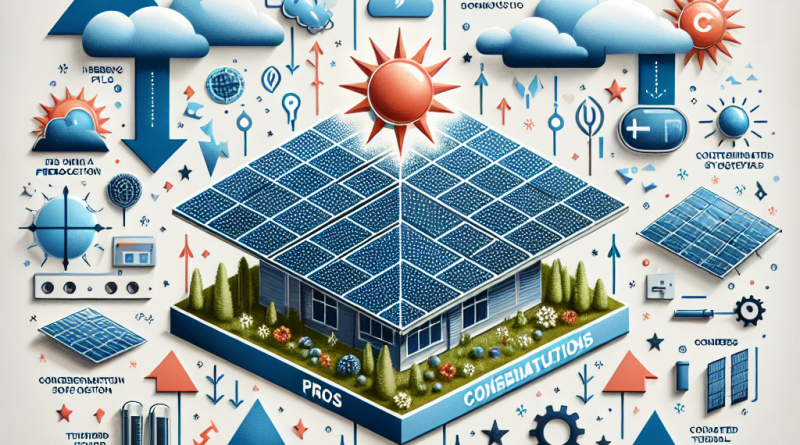
    Alright, so let’s dive into the whole hybrid solar system thing. Basically, a hybrid solar system combines standard solar panels with a battery storage system. This means you can both generate your own energy and store some of it for later use. It’s like having your cake and eating it too, right?

    What’s cool about these systems is that they give homeowners more flexibility. You don’t have to rely solely on the grid—which can be unpredictable at times. Imagine being able to power up your devices without stressing about those pesky utility bills. Now that’s a win in my book!

    In terms of setup, these systems can be a little more complex than standard solar setups. You’ve got solar panels to capture sunlight, inverters to convert that energy, and batteries to store it all. But the end result? A powerful system that’s ready to tackle energy demands even when the sun isn’t shining.

    The Advantages of Hybrid Solar Systems

    Energy Independence

    If you ask me, one of the biggest perks of hybrid solar systems is the energy independence they provide. By generating and storing your own energy, you’re less at the mercy of rising energy costs. It feels pretty liberating to know that you’re creating your own power!

    Plus, during power outages, having a hybrid system means you can keep your essentials running. Lights, fridge, even your Wi-Fi—who wouldn’t want to keep that going during an outage? I’m all in for not getting left in the dark!

    This level of autonomy not only boosts your comfort but can also increase the value of your home. Potential buyers love the idea of a home that can run on its own, especially in today’s eco-conscious market.

    Reduced Electric Bills

    Let’s talk about money savings, shall we? Hybrid solar systems help you decrease those electric bills, sometimes significantly. Of course, the amount you save can vary based on how much energy you generate and use, but I’ve seen some folks save dozens of dollars each month!

    Not only that, but being able to draw energy from your stored battery during peak usage times can maximize those savings. I’d much prefer to pull from my own battery instead of worrying about peak electrical costs from the grid.

    Over time, the reduced bills can really add up. It turns out hybrid solar systems can be a solid investment, giving you a return on what you put in in terms of installation costs.

    Environmental Impact

    Going green is a huge motivation for many homeowners—and rightly so! Hybrid solar systems allow you to produce clean, renewable energy. The fact that you’re lowering your carbon footprint while powering your home feels like a double hug for the planet.

    Every solar panel counts towards reducing reliance on fossil fuels. I always feel a little proud every time I see my energy meter running backward and knowing I’m contributing to a healthier planet.

    Moreover, as we shift towards more sustainable energy sources, hybrid systems support that transition. It’s not just a personal win; it’s a win for communities and future generations too.

    The Disadvantages of Hybrid Solar Systems

    Higher Initial Costs

    Alright, let’s face it—one of the downsides is the price tag. Setting up a hybrid system isn’t exactly pocket change. Between the solar panels, inverters, installation, and battery costs, it adds up. I’ve seen some folks hesitate because of the upfront investment required.

    While the long-term savings are appealing, I completely understand why some people might be put off by those initial costs. It can feel like an overwhelming decision, especially when it seems like you’re investing more in a system that’s not a guaranteed quick fix for energy savings.

    In addition, the maintenance of hybrid systems can involve extra costs. Maintaining the batteries and all the components can add some ongoing expenses that might not be on everyone’s radar before diving in.

    Complex Installation Process

    Let’s talk installation. It can be a bit of a headache. Setting up a hybrid solar system usually requires professionals, and that can complicate things more than a straightforward solar panel installation.

    From my experience, it’s crucial to find a reputable installer who understands the ins and outs of hybrid systems. If you don’t, you might end up with a system that isn’t functioning as efficiently as it could. Ain’t nobody got time for that!

    Lastly, the learning curve on monitoring your system can be steep. You’ll need to stay on top of how your energy is being generated and stored—hopefully not during your lunch breaks!

    Battery Limitations

    Let’s get real—the batteries in hybrid systems have limits. They have a finite lifespan and generally need replacing every few years, which adds to the overall cost of ownership.

    Moreover, not all batteries are created equal. Some may not hold enough charge for larger households, which could leave you wanting more energy storage on those cloudy days. I know I’ve looked at mine and thought, “C’mon, charge more!”

    There’s also the risk of battery technology changing. The rapid advancement in this field means that what you install today might not stack up against the impressive options coming out tomorrow. It’s a bit of a gamble!

    Conclusion

    So, there you have it! Hybrid solar systems come with their own set of pros and cons. Energy independence, reduced bills, and a smaller environmental footprint can draw you in, but don’t sleep on the higher costs and complexities.

    As with any home improvement choice, it really boils down to what you value most in your energy usage. Ultimately, it’s about finding a balance that aligns with your lifestyle and financial situation.

    If you’re considering going hybrid, I suggest doing your research, reaching out to folks in your local area who have made the switch, and maybe even taking a few quotes before making that leap!

    FAQ

    1. What is a hybrid solar system?

    A hybrid solar system combines solar panels with battery storage, allowing you to generate and store your energy, offering more independence from the grid.

    2. What are the main benefits of a hybrid solar system?

    The main benefits include energy independence, reduced electricity bills, and a positive environmental impact.

    3. What are some drawbacks of hybrid solar systems?

    Some drawbacks include the high initial costs, complex installation processes, and maintenance requirements for batteries.

    4. How much can I save on electricity with a hybrid system?

    Savings vary based on energy usage and system efficiency, but many homeowners see a noticeable decrease in their electric bills over time.

    5. How long do batteries for hybrid systems last?

    Typically, batteries for hybrid solar systems last 5 to 15 years, depending on the type of battery and how you care for them.

  • The Benefits of Upgrading to Hybrid Solar Inverters

    The Benefits of Upgrading to Hybrid Solar Inverters

    Enhanced Energy Efficiency

    Understanding How Hybrid Inverters Work

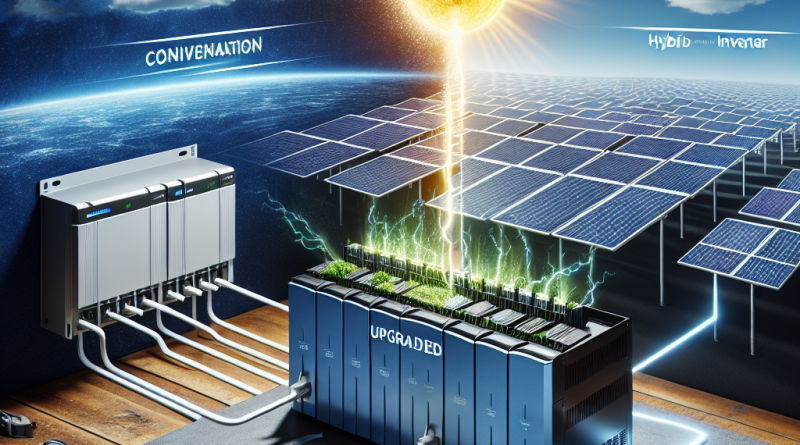
    When I first delved into the world of solar energy, I was amazed at how hybrid solar inverters operate. They don’t just convert solar energy into usable power; they also intelligently manage where that energy goes. This means you’re leveraging every ray of sunshine to its fullest. Unlike traditional inverters, hybrid models optimize energy consumption, ensuring that you use as much power as possible without excess waste.

    These smart devices allow you to monitor your energy use in real-time. This means that you can see where your energy is going, which can help you make adjustments to reduce your overall consumption. Having that visibility changed how I approached my energy use completely. It’s eye-opening, to say the least!

    Moreover, hybrid systems can store energy for later use. They typically come with battery storage options, meaning those long summer days translate into power you can draw from later, whether it’s at night or during a cloudy day. This feature is especially cool because it allows you to optimize your energy usage throughout the day.

    Lower Energy Bills

    The Savings accumulate over time

    Let’s talk about saving some cash! One of the major perks I’ve experienced since upgrading to a hybrid solar inverter is the reduction in energy bills. Initially, I found the price tag a bit daunting, but I can honestly say that the savings I’ve realized have made it worth every penny.

    Having a hybrid inverter means you’re less reliant on the grid. If you’ve ever opened up an electricity bill only to be hit with a wave of anxiety, you’ll appreciate this. By utilizing stored energy during peak hours when rates are higher, I’ve noticed a big drop in costs. It feels amazing to take control of my energy expenses!

    Ultimately, the goal for many of us is to achieve energy independence. Hybrid solar inverters bring that goal closer to reality. With reduced dependence on utility companies, you’re not just cutting costs; you’re creating a sustainable future for yourself and your family.

    Increased Energy Independence

    Understanding Energy Independence

    When I think about energy independence, it’s like a weight being lifted off my shoulders. Switching to a hybrid inverter gave me the freedom from fluctuating energy prices and the overall unpredictability of traditional energy sources. Suddenly, I felt empowered about my energy usage.

    In a world where energy prices seem to increase every year, knowing I can generate and store my own energy provides peace of mind. I’m no longer at the mercy of rising utility costs or energy shortages. I can generate my own clean energy, and it’s a game-changer.

    This independence isn’t just good for my wallet; it’s better for the environment as well. By utilizing solar power and minimizing reliance on fossil fuels, I feel like I’m doing my part in this big environmental puzzle. And let’s be honest, it feels good to contribute positively to the planet!

    Flexibility for Future Upgrades

    Planning Ahead with Technology

    One thing I learned while upgrading my system is the importance of choosing technology that has room for future growth. Hybrid solar inverters offer incredible flexibility for future upgrades, which is perfect for anyone anticipating changes in their energy needs.

    For instance, if you decide to add more solar panels or batteries down the line, a hybrid inverter can easily accommodate those changes. Rather than feeling stuck with outdated or incompatible equipment, I had the opportunity to expand my system seamlessly.

    Not only does this future-proofing allow for easier modifications, but it also helps to protect my initial investment. With technology evolving rapidly, being able to adapt means I won’t be left hanging with something obsolete in just a few years. I can upgrade when it suits me without starting from scratch!

    Contribution to Sustainability

    Doing My Part for the Environment

    One of the most gratifying aspects of upgrading to a hybrid solar inverter is knowing I’m contributing to a more sustainable future. It’s more than just a trend; it’s a movement towards cleaner energy. I genuinely feel a sense of pride when I think about my carbon footprint shrinking.

    Using solar energy means I’m tapping into a renewable resource instead of relying on finite resources that harm the planet. Every time I see that I’m generating power from the sun, I know I’m part of a solution—reducing greenhouse gas emissions and promoting cleaner air.

    Plus, it’s contagious! Talking about my transition with friends and family has sparked interest in them. I love sharing my experience because it’s not just about me; it’s about creating a ripple effect for future generations. It’s all about building a better world together!

    FAQ

    1. What are hybrid solar inverters?

    Hybrid solar inverters are devices that combine the functions of traditional solar inverters and battery storage systems. They allow you to use solar energy, store excess power, and manage your energy consumption more effectively.

    2. How much can I save on energy bills with a hybrid solar inverter?

    The savings can vary depending on various factors including energy consumption, local electricity rates, and the size of your solar system. Many people report significant reductions in their monthly bills after switching, often recouping their initial investment within a few years.

    3. Are hybrid solar inverters compatible with existing solar panels?

    In many cases, yes! Hybrid inverters can often be integrated with existing solar panels, but it’s always a good idea to consult with a professional before making the switch to ensure compatibility and efficiency.

    4. Can I add more solar panels later if I upgrade to a hybrid inverter?

    Absolutely! One of the advantages of hybrid inverters is their flexibility. If your energy needs increase, you can generally add more solar panels or batteries without needing to replace the entire system.

    5. How do hybrid solar inverters help the environment?

    By harnessing renewable solar energy, hybrid inverters reduce reliance on fossil fuels, therefore lowering greenhouse gas emissions. Using solar power contributes to cleaner air and helps combat climate change, making it a more sustainable choice for the planet.