Tag: impact of solar

  • The Impact of Solar Energy on Your Home’s Value

    The Impact of Solar Energy on Your Home’s Value

    Increased Home Value

    Understanding Market Trends

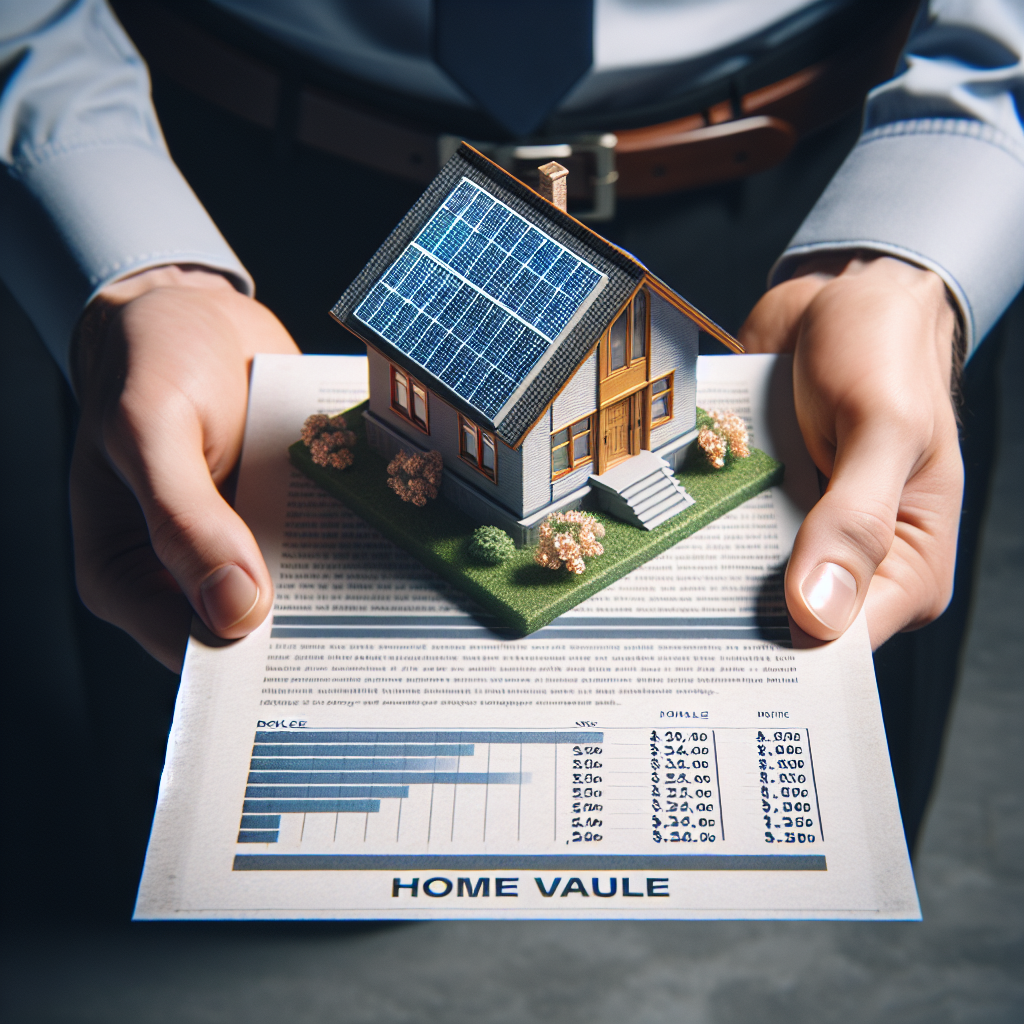
    When I first dipped my toes into the real estate market, one thing that always caught my eye was how certain features could really crank up a property’s value. Solar energy is one of those game-changers. With more people becoming eco-conscious, homes with solar panels are increasingly viewed as valuable assets. Studies have shown that homes with solar energy systems can sell for 4.1% more than comparable homes without them. That’s not chump change!

    This value bump translates directly to dollars when it comes time to sell. In my experience, many buyers are willing to pay top dollar for properties that boast energy efficiency. It’s a win-win situation, as buyers appreciate lower energy bills and sellers can cash in on these green upgrades. I know it’s something I’d be interested in as a potential homebuyer.

    If you’re looking to increase your home’s value, investing in solar panels could be one of the smartest decisions. Not only do you reap the personal benefits of energy savings, but you also set up your home for a lucrative future sale. It’s like planting a money tree that just keeps on giving!

    Energy Savings

    Lower Monthly Bills

    Who doesn’t love saving a few bucks, right? One of the most immediate perks of going solar is the reduction in monthly energy bills. Having installed solar panels at my place, I’ve seen my electricity costs drop significantly! In fact, sometimes I’m surprised when I see my bill; it’s like a little gift every month.

    This money-saving aspect isn’t just a temporary thrill – lower energy costs are something you can count on for years. For homeowners on the fence about the upfront investment, the promise of these savings makes the decision much easier. Just imagine spending that extra cash on something fun instead of giving it all to the electric company!

    Plus, many areas offer incentives or rebates for installing solar, which can help recoup initial costs. It’s refreshing to shift from paying bills to actually investing in something that pays off in the long run!

    Environmental Benefits

    Reducing Your Carbon Footprint

    From my perspective, using solar energy isn’t just about personal gain. It’s about making a larger impact. When you power your home with solar energy, you’re drastically reducing your carbon footprint, and that’s something to celebrate! As an environmentally conscious individual, I feel like I’m doing my part to help combat climate change.

    Every kilowatt-hour produced by solar panels is a kilowatt-hour not produced from fossil fuels. It’s like every little bit counts, and I love knowing that I’m contributing to a healthier planet for future generations. Plus, it feels good to be part of a movement that promotes sustainability.

    In a way, it’s also a conversation starter. I’ve had so many guests come over and marvel at my solar panels. It opens up a dialogue about energy consumption, sustainability, and what we can all do to conserve our environment. It’s amazing how energy can spark change!

    Home Insurance Benefits

    Potential for Lower Premiums

    Here’s a fun little tidbit that surprised me: having solar panels can actually influence your home insurance premiums. Many insurance companies now recognize that homes with solar systems can be less of a risk because they often have lower energy-related claims. That’s something that can work in our favor!

    I’d recommend talking to your insurance provider to see if you qualify for any discounts. It’s theoretically a ‘no-brainer’ to keep insurance costs down while also enjoying the benefits of solar power. Who doesn’t want to save money on insurance?

    Plus, you also get the added peace of mind. Not only are you reducing your carbon footprint, but you’re also investing in your home’s resilience. Having solar power can protect you from energy price fluctuations, especially during emergencies. You can sleep a little better at night knowing your home is set up for both safety and savings!

    Home Appeal

    Aesthetic Value and Innovation

    Let’s be real – when it comes to selling a home, curb appeal absolutely matters! Homes with solar panels add a modern touch and forward-thinking appeal. I personally think they give a home that “wow” factor; they show potential buyers that the home is not just a place to live but a lifestyle choice.

    It’s fascinating to see how technology and aesthetics can merge. I’ve seen homes where solar panels are integrated beautifully into the roofline and blend seamlessly with the architecture. It reflects a sense of pride in ownership and innovation that resonates well with today’s buyers.

    I often hear from friends who are shopping for homes that energy efficiency is on their wish list. Solar panels can enhance the overall look of the property while also signaling that it’s energy-efficient. In short, it’s an attractive selling point – both visually and functionally.

    Frequently Asked Questions

    1. Does installing solar panels really increase my home’s value?

    Absolutely! Research shows that homes with solar energy systems can command a higher resale price compared to similar homes without them. It’s a fantastic way to enhance your property’s marketability.

    2. How much can I save on my energy bills with solar panels?

    Many homeowners report saving between 20% to 50% on their monthly energy bills. The savings depend on factors like your location, energy usage, and the size of your solar installation, but the impact is often substantial!

    3. Are there any tax benefits or incentives for going solar?

    Yes, many local and federal programs offer tax credits and rebates for solar installations. These incentives can help offset your initial investment, making it even more attractive to switch to solar energy.

    4. Will solar panels damage my roof?

    When installed properly by professionals, solar panels don’t damage your roof; in fact, they can protect the area underneath by shielding it from the elements. It’s important to work with reputable installers who understand roofing systems.

    5. How long do solar panels last?

    Most solar panels come with a warranty of 25 years, but many can last even longer when maintained properly. It’s safe to say you’re making a long-term investment for energy savings and home value boosting!

  • The Impact of Solar Energy on Eco-Friendly Living

    The Impact of Solar Energy on Eco-Friendly Living

    Reducing Carbon Footprint

    Understanding Carbon Footprint

    When I first started exploring eco-friendly living, I stumbled upon the term “carbon footprint.” It refers to the total greenhouse gas emissions produced by our activities, measured in equivalent tons of CO2. It’s amazing to think about how much our daily habits contribute to this figure. Whether it’s driving a car or using electricity, every action adds up.

    By using solar energy, I realized one of the easiest ways to reduce my carbon footprint. Solar panels convert sunlight directly into electricity without releasing harmful emissions. It’s an exciting way to harness nature’s resources sustainably. When I made the switch, I felt like I was finally doing my part to help the planet.

    Each household can significantly lower its carbon emissions by adopting solar energy. Over time, just one home outfitted with solar panels can prevent tons of CO2 from entering the atmosphere. I saw firsthand how my home’s eco-friendliness could inspire others in my community.

    Saving on Energy Costs

    The Financial Benefits

    Let me tell you, one of the best parts of switching to solar energy is the savings on my energy bills. Initially, the investment in solar panels felt daunting, but those worries quickly faded as I started seeing my monthly electricity bills plummet. In fact, many regions offer tax incentives and rebates that can help offset installation costs.

    Once I installed my panels, I began to see a decrease in my energy expenses every month. It felt great knowing I was not only saving money but also promoting a greener lifestyle. Over time, it became clear that these savings could be reinvested in other eco-friendly initiatives around my home.

    Plus, there’s something rewarding about generating your own electricity. It gives you this sense of independence from utility companies. I love being able to produce energy from the sun, and watching my investments pay off every month enhances that feeling.

    Encouraging Renewable Energy Adoption

    Leading by Example

    When I made the switch to solar, it wasn’t just a personal choice. I quickly realized that by leading by example, I could encourage friends and family to consider renewable energy. It’s funny how one conversation can turn into a community-wide discussion about sustainable practices.

    After sharing my solar journey on social media and with those close to me, I noticed a ripple effect. Many friends started asking questions about installation and efficiency. It felt awesome to be in a position to motivate others to embrace renewable sources. The social aspect of going solar can’t be overstated; it creates a movement.

    Every time I see a new solar array pop up on a neighbor’s roof, I can’t help but feel a sense of pride. We’re not just saving money and reducing emissions individually; we’re collectively shifting the culture toward sustainable energy use. Changing perceptions about renewable energy has been a rewarding outcome of my solar transition.

    Increasing Property Value

    The Value Boost

    When I installed solar panels, I didn’t just think about the immediate benefits; I also considered the long-term value of my property. Homes with solar energy systems are increasingly attractive to buyers. Studies show that properties with solar not only sell faster but often at a premium.

    For someone like me, who is always thinking ahead, this seemed like a smart investment. Real estate agents often report a growing interest in homes with renewable energy features, and I wanted to be ahead of the game. The potential increase in property value was a huge plus I wasn’t willing to overlook.

    After speaking with my real estate agent, I learned that homes with solar panels stand out in the market. Buyers are eager to invest in properties that promise lower utility costs and eco-friendly living. It makes sense – who wouldn’t want to save money while being environmentally responsible?

    Promoting Sustainable Mindsets

    Cultivating Awareness

    The last benefit I want to share revolves around the mindset of sustainability. Making the leap to solar energy has completely changed how I view my consumption habits and my environmental impact. It’s like a lightbulb went off in my head! I became more conscious of waste and resource management.

    Not only has my lifestyle changed, but I’ve also noticed a shift in the conversations I have with others. When people see the changes I’ve made, it inspires them to think critically about their own habits. Starting discussions on energy efficiency and reducing waste became a passionate topic for me!

    Being part of a community of solar users and eco-advocates has helped foster a sustainable mindset in my daily life. It’s not just about personal gains anymore; it’s about contributing to a broader movement. Encouraging others to think eco-friendly has become a driving force in my mission to push for renewable energy adoption.

    FAQs

    1. How much can I save on my energy bills with solar energy?

    Many homeowners report savings of 20-50% on their electricity bills after switching to solar energy. The exact amount can depend on factors like your location, solar panel efficiency, and your energy consumption habits.

    2. What is the process for installing solar panels?

    The installation process typically involves an initial consultation with a solar provider, followed by site assessment, proposal generation, financing discussions, and finally, the installation of the solar panels. It’s often quicker than you’d expect!

    3. Do solar panels require maintenance?

    Solar panels are pretty low-maintenance. Most systems just require occasional cleaning to ensure they are free of debris. Regular inspections might also be recommended to ensure optimal performance.

    4. Will solar panels increase my property taxes?

    In many areas, the increase in property value from solar energy systems does not lead to higher property taxes. However, it’s always good to check local policies to be sure.

    5. Can I still use electricity from the grid with solar energy?

    Absolutely! When you have solar panels, you can use electricity generated by them during the day and pull from the grid when necessary. This combination is known as a grid-tied system and offers a great balance of sustainability and reliability.

  • The Long-Term Impact of Solar Power on the Environment

    The Long-Term Impact of Solar Power on the Environment

    Reduction of Greenhouse Gas Emissions

    Understanding Greenhouse Gases

    When I first got into solar power, the term “greenhouse gases” kept popping up. It refers to gases like carbon dioxide and methane that trap heat in our atmosphere. Think of them as the blanket that keeps the earth cozy, but too many layers make it too warm!

    So, how does solar power help with this? It replaces significant fossil fuel consumption, which is a major contributor to these emissions. Each solar panel installed means one less chunk of carbon we’re putting into the air!

    Over time, as solar energy becomes more widespread, we’re looking at a serious cut in greenhouse gases. It’s like exchanging a pizza with extra cheese for a fresh salad – a much healthier option for our planet.

    Long-Term Effects on Climate Change

    Climate change is one of those buzzwords you hear everywhere. When I learned how solar energy fits into this, it blew my mind! By making the switch to solar, we aren’t just reducing emissions today; we’re helping to stabilize our climate for future generations.

    It’s a beautiful cycle. Less greenhouse gas means a cooler planet. If everyone hopped on the solar train, we could see real temperature stabilization worldwide. Imagine telling your kids that you helped save the Earth!

    Of course, it’s not an overnight fix, but the seeds we plant today, like those solar panels, can lead to a much greener tomorrow. The longer we stick with renewables, the bigger the impact.

    Healthier Air and Health Benefits

    Your health is gold, isn’t it? Getting clean air is just one of the underrated perks of solar energy. Fossil fuels pollute not only the air you breathe but also the entire environment surrounding us, from water to soil. By diverting to solar, we all can breathe a little easier.

    Once the reliance on fossil fuels decreases, we could see a significant drop in respiratory ailments linked to air pollution. Less asthma, fewer lung diseases; can you imagine a world like that? I can!

    Solar doesn’t just mean cleaner air; it’s about fostering a healthier community. As I always say, if we’re taking positive steps towards a cleaner environment, we’re laying the groundwork for healthier lives overall.

    Eco-Friendly Resource Utilization

    Less Resource Depletion

    Now let’s chat about resource depletion. Traditional energy sources like coal and oil are getting consumed like they’re going out of style. But guess what? The sun is always shining, making it limitless! Switching to solar means we’re using a resource that’s practically free and endless.

    Every time someone opts for solar, it’s one less coal mine in our future. I love the thought of utilizing natural resources better, ensuring we’re not grabbing at the last straws of our planet.

    It simply makes sense and it feels good to know that by harnessing solar power, we’re doing our part in protecting these precious resources for future generations.

    Waste Reduction and Recycling

    Solar panels do have a lifespan, and the question of what happens at the end of it is a crucial one. But recycling solar panels is becoming more common. Companies are learning to repurpose material instead of just tossing them away.

    It’s a savvy way to make use of leftover materials—think of it like giving new life to your old clothes. Not only does this minimize waste, but it also reduces the need for new material production, which is a win-win!

    So, I’m stoked to see a future where recycling solar technology becomes the norm. It’s a game changer in terms of creating a circular economy for energy.

    Impact on Biodiversity

    When I first thought about solar farms, I pictured vast fields. Sure, they can take up space, but did you know there’s potential to protect biodiversity, too? When planned sustainably, solar installations can benefit local ecosystems.

    By choosing locations wisely, we can avoid disrupting habitats. Some solar projects even go a step further and create environments that promote wildlife health. It’s incredible to think that solar energy could help restore and preserve our planet’s biodiversity.

    A little thoughtfulness goes a long way in making sure we’re taking care of Mother Nature while we harness the power of the sun. That’s the kind of partnership I can totally dig!

    Economic Benefits and Job Creation

    Local Job Opportunities

    One of the coolest parts about promoting solar power is the job creation aspect. From installation to maintenance, the solar sector is booming and needs a ton of hands on deck. It’s an opportunity for locals, and it excites me to know we’re building strong job markets.

    Who doesn’t want to help the economy while working towards a greener planet? It’s like hitting two birds with one stone. The jobs created aren’t just temporary, either—they contribute to long-lasting economic stability.

    I’ve seen communities thrive as they embrace solar; it’s like unlocking a treasure chest of opportunities. What’s not to love about that?

    Long-Term Fiscal Savings

    Let’s talk about money for a second. Making the switch to solar can lead to long-term savings, not just for individuals but for entire communities. Think lower utility bills! After the initial investment, people often find that they save significant dough over the years.

    No one wants to keep paying higher energy bills, right? Investing in solar becomes a no-brainer when you consider the cost benefits down the line. That’s cash in your pocket, which you can use for vacations, hobbies, or whatever floats your boat!

    In the long term, as deployment grows, economies can benefit from reduced energy costs, driving even more growth and stability. It’s a win-win that helps everyone out!

    Boosting Local Businesses

    Let’s not forget our local businesses. When a community goes solar, it creates an uptick in demand for green technologies, which is an amazing side effect! More solar means more visibility for local green businesses.

    As I’ve watched my community embrace solar, businesses that offer sustainable solutions are flourishing. More solar installations lead to local economic growth, which can support everything from coffee shops to hardware stores.

    People want to support local economies, and investing in solar lets us do just that, ensuring that everyone benefits along the way. It’s hard not to be optimistic about these kinds of changes!

    Challenges and Considerations

    Initial Costs and Investment

    Let’s be real here; the upfront costs of solar can be a hurdle. I get it—it can be a tough sell when the initial investment feels hefty compared to sticking with traditional energy sources.

    However, this is where the long-term vision comes into play. While the initial cash flow is a consideration, the long-term savings and incentives can offset that cost. It’s like planting a tree; it may not look like much at first, but give it time, and you’ll see the benefits bloom.

    There are various financing options available today, and understanding the aid that’s out there can ease the burden. I’m always hitting that point home to anyone considering going solar.

    Space and Environmental Concerns

    I’ve heard people raise concerns about where solar farms are located. The land use debate is real, and it’s essential to fit solar installations into a larger narrative. Solar projects should be planned with respect to local ecosystems.

    We can maximize efficiency by locating solar farms in areas that don’t disrupt natural habitats. Urban development and repurposing brownfield sites can be smart plays to mitigate concerns.

    We need to think outside the box and find ways to develop solar energy sustainably, keeping in mind both economic interests and environmental responsibilities.

    Technological Advancements

    The final point I want to hit is the importance of technological advancements in solar. As we know, technology evolves, and solar is no different. Keeping pace with innovation is necessary to sustain its positive impacts.

    It’s essential to invest in research, so we never plateau. Solar panels are getting more efficient and cost-effective all the time. I am personally excited to see how far we can push the envelope and what that means for future installations.

    By embracing technology, we can promote an energy solution that better serves our communities and the environment. For me, it’s about being proactive for a brighter tomorrow.

    Conclusion

    As I reflect on the long-term impact of solar power on the environment, I’m filled with hope. From reducing emissions to creating jobs, the benefits are manifold. We have a unique opportunity to harness the sun’s energy while doing right by the planet.

    The challenges are here, but they can be tackled! It’s about creating a sustainable future for ourselves and generations to come. Let’s take action, spread the word, and continue to advocate for solar energy as a driving force for positive change.

    FAQ

    1. How does solar power reduce greenhouse gas emissions?

    Solar power generates electricity without burning fossil fuels, significantly cutting down on emissions of harmful gases like carbon dioxide that contribute to climate change.

    2. What are the economic benefits of switching to solar energy?

    Switching to solar can lead to lower utility bills in the long run, create local jobs in the renewable energy sector, and boost local businesses connected to green technologies.

    3. Are there any environmental concerns related to solar power?

    While solar energy is much cleaner than fossil fuels, concerns include land use for solar farms and the environmental impact of producing and disposing of solar panels. Responsible planning and recycling initiatives are crucial.

    4. How can solar energy contribute to improved public health?

    By reducing air pollution from fossil fuels, solar energy can lower rates of respiratory and cardiovascular diseases, leading to overall healthier communities.

    5. What obstacles exist for the expansion of solar energy?

    Initial costs, land use conflicts, and the need for technological advancements can pose challenges. However, these can be overcome with informed planning and investment in research.