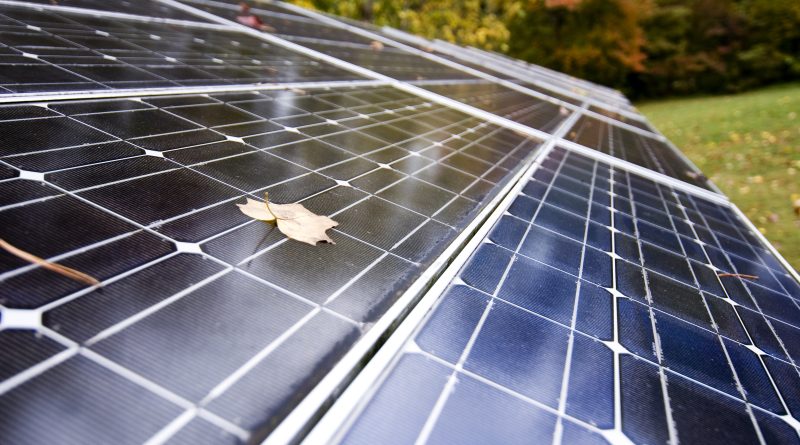
Tag: Incentives for Going Solar in Your Area

  • The Benefits of Switching to Solar Energy

    The Benefits of Switching to Solar Energy

    Solar energy is a clean, renewable source of power that has become increasingly popular in recent years. With the rising costs of traditional forms of electricity and concerns about climate change, many homeowners are considering making the switch to solar energy. In this article, we’ll explore some of the benefits of switching to solar energy and why you should consider making the switch yourself.

    Introduction to Solar Energy

    Solar panels work by converting sunlight into usable electricity through photovoltaic cells. These cells are made up of layers of silicon, which absorb photons from the sun and release electrons, creating an electrical current. The electricity generated by these panels can be used immediately or stored in batteries for later use.

    The Cost-Saving Benefits of Switching to Solar

    One of the most compelling reasons to switch to solar energy is the potential cost savings. While there may be an initial investment required to install solar panels on your property, over time they can save you money on your utility bills. Depending on where you live, the amount of sunlight your area receives, and the size of your system, you could potentially generate enough electricity to meet all of your energy needs. This means no more monthly electricity bills! Additionally, there are often tax credits and other incentives available for those who make the switch to solar energy, further reducing the overall cost.

    How Solar Panels Work and Their Efficiency Rates

    Solar panels come in various sizes and efficiency rates. Generally speaking, the higher the efficiency rate, the more electricity the panel will produce with the same amount of sunlight. However, high-efficiency panels tend to be more expensive than lower-efficiency ones. When choosing solar panels, it’s important to balance the cost with the expected output to determine what makes the most sense for your specific situation.

    Incentives for Going Solar in Your Area

    Many states and municipalities offer incentives for residents to go solar. Some examples include tax credits, rebates, and net metering programs. Net metering allows homeowners to sell excess electricity back to the grid at retail prices, providing additional revenue stream. It’s essential to research the options available in your area before deciding whether to make the switch to solar energy.

    solar energy panels at work BteRwTpVj scaled

    Conclusion: Why You Should Consider Making the Switch

    Switching to solar energy offers numerous benefits beyond just the financial savings. By using renewable energy sources like solar, we can reduce our dependence on fossil fuels and help combat climate change. Additionally, solar panels require little maintenance once installed, so you can enjoy the peace of mind knowing that your energy needs are being met without having to worry about regular upkeep. If you’re looking for a way to reduce your carbon footprint while also saving money on utilities, then switching to solar energy might be right for you.

  • The Benefits of Switching to Solar Energy

    The Benefits of Switching to Solar Energy

    Solar energy is a clean, renewable source of power that has become increasingly popular in recent years. With the rising costs of traditional forms of electricity and concerns about climate change, many homeowners are considering making the switch to solar energy. In this article, we’ll explore some of the benefits of switching to solar energy and why you should consider making the switch yourself.

    Introduction to Solar Energy

    Solar panels work by converting sunlight into usable electricity through photovoltaic cells. These cells generate direct current (DC) electricity which can then be converted into alternating current (AC) electricity for use in your home or business. Solar panels can either be installed on rooftops or mounted on poles in open areas where they can receive maximum exposure to sunlight. The amount of electricity generated depends on factors such as the size and efficiency of the panel, the angle at which it is placed, and the amount of sunlight available.

    The Cost-Saving Benefits of Switching to Solar

    One of the main reasons people choose to switch to solar energy is because it can save them money in the long run. Although there may be an initial investment required to install solar panels, once they are up and running, you will start saving money on your monthly utility bills. Depending on your location and energy needs, you could potentially save thousands of dollars over the lifetime of your solar system. Additionally, with tax credits and other incentives offered by governments and utilities, the cost of installing solar panels can be significantly reduced.

    How Solar Panels Work and Their Efficiency Rates

    Solar panels work by capturing sunlight and converting it into electrical energy using photovoltaic cells. The efficiency rate of these cells varies depending on their quality and design. Generally speaking, higher-quality panels have higher efficiency rates, meaning they can produce more electricity from the same amount of sunlight. However, even lower-efficiency panels can still provide significant savings and environmental benefits when used properly.

    Incentives for Going Solar in Your Area

    Many states and local governments offer incentives for residents who make the switch to solar energy. Some examples include tax credits, rebates, and net metering programs. Net metering allows homeowners to sell excess electricity back to the grid, providing additional revenue and reducing overall costs. It’s important to research what incentives are available in your area before deciding whether to go solar.

    Common Misconceptions About Solar Energy Debunked

    There are several common misconceptions about solar energy that prevent people from making the switch. One of the most prevalent myths is that solar panels don’t work well in cloudy climates. While it’s true that solar panels perform better in direct sunlight, they can still generate electricity under less ideal conditions. Another misconception is that solar panels require frequent maintenance and repairs. In reality, modern solar panels are designed to last for decades without needing major repairs or replacement.

    Conclusion: Why You Should Consider Making the Switch

    Switching to solar energy offers numerous benefits including cost savings, increased sustainability, and reduced reliance on fossil fuels. With government incentives and advancements in technology, now is a great time to consider making the switch. Whether you’re looking to reduce your carbon footprint or simply save money on your energy bills, solar energy is definitely worth exploring.

    a single wind turbine over a cloud filled blue sky clipping path is included for easy isolation of the turbine HtJr Ari scaled