Tag: innovation

  • The Future of Renewable Energy: How Solar Power Is Leading the Charge

    The Future of Renewable Energy: How Solar Power Is Leading the Charge

    Solar power is a form of renewable energy that has been gaining popularity in recent years. With advancements in technology and government initiatives to promote clean energy, solar power is becoming an increasingly viable alternative to traditional forms of energy like coal and oil. In this blog post, we will explore the benefits of solar power, its latest technological advancements, how it’s transforming the industrial sector, and why it makes economic sense.

    wind turbine

    Introduction to Solar Power and Its Benefits

    Solar power involves harnessing the energy from the sun through photovoltaic cells or concentrated solar power systems. These systems convert sunlight into electricity that can be used to power homes, businesses, and even entire cities. One of the main benefits of solar power is that it produces no greenhouse gas emissions, making it a clean source of energy. Additionally, solar panels require little maintenance once they are installed, which means they can provide reliable energy for decades with minimal upkeep costs.

    The Latest Advancements in Solar Technology

    One area where solar power has seen significant progress is in efficiency. The latest solar panels have an efficiency rate of around 20%, meaning they can generate twice as much electricity as older models. Another promising development in solar technology is the use of perovskite materials, which could potentially increase efficiency rates even further. Researchers are also exploring ways to store excess solar energy so that it can be used when the sun isn’t shining. This includes developing new battery technologies and using existing infrastructure like hydroelectric dams to store excess energy.

    How Solar Energy Is Transforming the Industrial Sector

    Solar power is not just being used by residential and commercial customers; it’s also transforming the industrial sector. Many large companies are now using solar power to meet their energy needs, including Amazon, Google, and Walmart. These companies are investing in large-scale solar projects that can produce enough energy to power entire data centers or distribution facilities. As more companies turn to solar power, it’s creating jobs and driving innovation in the industry.

    Exploring the Economics of Solar Power

    Despite the many benefits of solar power, there are still some who argue that it’s too expensive compared to traditional sources of energy. However, the economics of solar power are changing rapidly. The cost of solar panels has dropped significantly over the past decade, making them more affordable than ever before. Additionally, governments around the world are offering tax credits and other incentives to encourage the adoption of solar power. When you factor in the long-term savings on energy bills and the environmental benefits, solar power becomes an attractive option for both homeowners and businesses alike.

    In conclusion, solar power is leading the charge towards a cleaner, more sustainable future. From its latest technological advancements to its impact on the industrial sector, solar power is proving itself to be a viable solution to our energy needs. And with the right policies and incentives in place, solar power can become an economically sound choice for consumers and businesses alike.

  • The Future of Renewable Energy: How Solar Power Is Leading the Charge

    The Future of Renewable Energy: How Solar Power Is Leading the Charge

    Solar power is a clean, renewable and abundant source of energy that has been gaining popularity in recent years. With increasing concerns about climate change and the need to reduce our carbon footprint, solar power has emerged as a viable alternative to traditional fossil fuels. In this blog post, we will explore how solar power is leading the charge towards a more sustainable future.

    Introduction to Solar Power

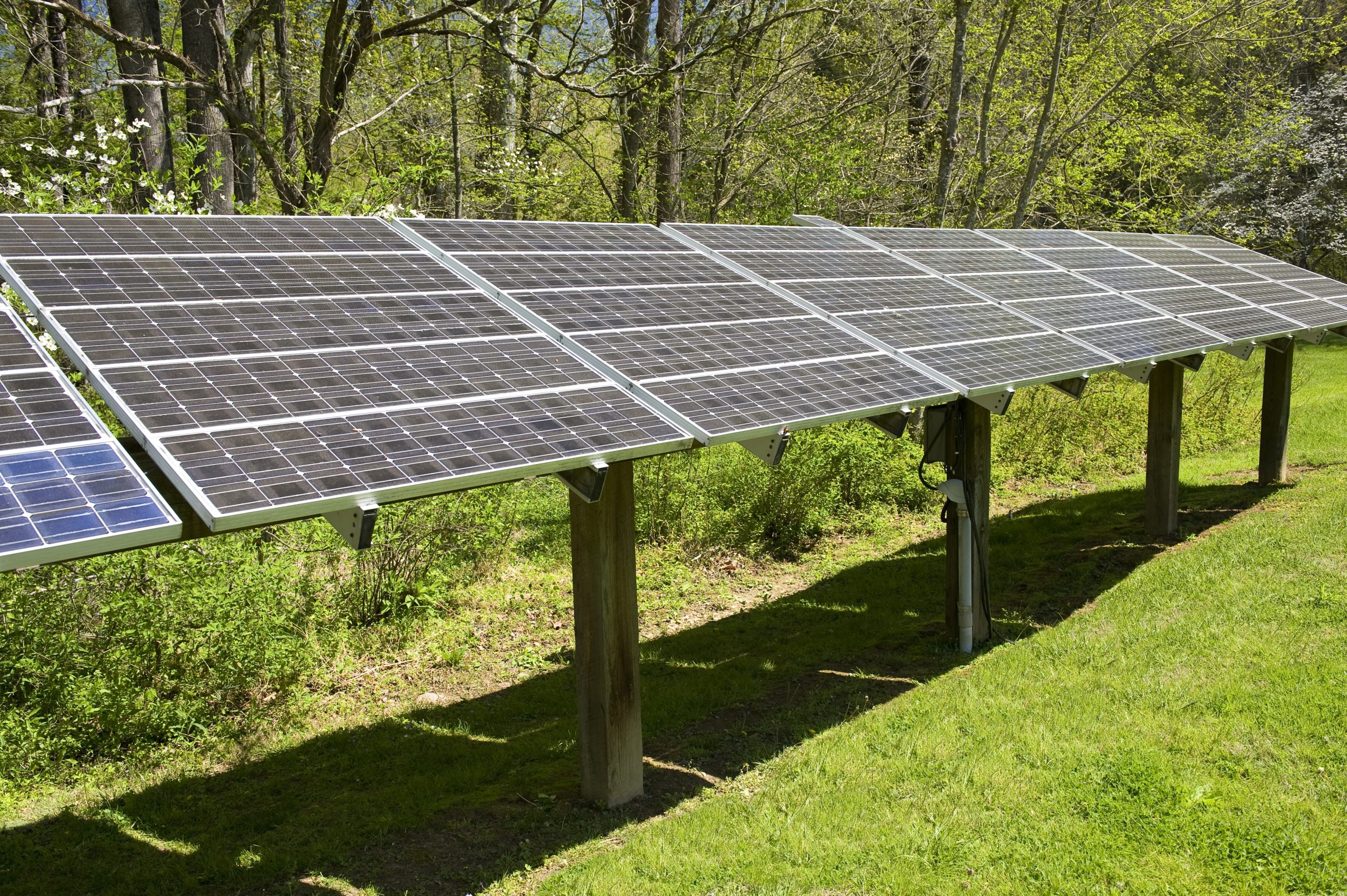
    Solar power involves harnessing the energy from the sun through photovoltaic cells or solar panels. These panels are made up of layers of silicon wafers that convert sunlight into direct current (DC) electricity. This DC electricity is then converted into alternating current (AC) electricity which can be used to power homes and businesses.

    The Benefits of Using Solar Energy

    One of the main benefits of using solar energy is its environmental friendliness. Unlike fossil fuels, solar power does not produce greenhouse gases or other pollutants that contribute to climate change. Additionally, solar power is a renewable resource that will never run out unlike coal, oil, and natural gas. Another benefit of solar power is its cost-effectiveness. While initial installation costs may be higher, solar panels have a long lifespan and require little maintenance, making them a cost-effective option over time.

    DSC 7771 300 scaled

    How Solar Panels Work and Their Efficiency

    Solar panels work by allowing photons or particles of light from the sun to knock electrons free from atoms in a silicon wafer. These freed electrons create an electrical flow that can be captured and turned into usable electricity. The efficiency of solar panels depends on various factors such as the type of panel, its age, and the amount of sunlight it receives. Generally speaking, modern solar panels have an efficiency rate of around 20%, meaning they can generate enough electricity to power a home or business with just a few hours of sunlight per day.

    Innovations in Solar Technology

    As technology advances, so too do innovations in solar technology. One promising development is the use of perovskite solar cells, which are cheaper and more efficient than traditional silicon-based cells. Other advancements include the use of floating solar panels on bodies of water, which can increase their efficiency by reducing heat loss.

    The Cost-Effectiveness of Solar Energy

    While initial installation costs for solar panels may be high, the overall cost-effectiveness of solar energy is becoming increasingly apparent. As the demand for solar energy grows, prices continue to decrease, making it more accessible to consumers. Additionally, governments often offer tax credits and rebates for those who install solar panels, further offsetting the initial investment.

    Conclusion: Why Solar Power is the Future of Renewable Energy

    With its numerous benefits including environmental friendliness, cost-effectiveness, and technological advancements, solar power is undoubtedly the future of renewable energy. As concerns about climate change mount and the world seeks ways to reduce its carbon footprint, solar power will play a crucial role in shaping a cleaner, greener tomorrow.

  • The Future of Renewable Energy: How Solar Power Is Leading the Charge

    The Future of Renewable Energy: How Solar Power Is Leading the Charge

    Solar power is a form of renewable energy that has been gaining popularity in recent years. With advancements in technology and government initiatives to promote clean energy, solar power is becoming an increasingly viable alternative to traditional forms of energy like coal and oil. In this blog post, we will explore how solar power is shaping the future of renewable energy and why it’s time for us to embrace this sustainable source of power.

    Introduction to Solar Power and Its Benefits

    Solar power involves harnessing the energy from the sun through photovoltaic cells or solar panels. These panels are typically installed on rooftops or in large-scale arrays in areas with high levels of sunlight. The benefits of using solar power are numerous. First and foremost, solar power is a completely renewable resource – unlike fossil fuels which are finite and contribute to climate change. Additionally, solar power produces no greenhouse gas emissions, making it one of the most environmentally friendly sources of energy available today.

    The Latest Advancements in Solar Technology

    One reason why solar power is becoming more widely adopted is due to advances in technology. Over the past decade, there have been significant improvements in the efficiency and affordability of solar panels. This means that they can generate more electricity with less sunlight than before, and at a lower cost. Furthermore, battery storage technologies have also improved, allowing homeowners and businesses to store excess solar energy for use when the sun isn’t shining.

    How Solar Energy Is Transforming the Industrial Sector

    While residential and commercial applications of solar power are growing rapidly, it’s the industrial sector where we’re seeing some of the most exciting developments. Large-scale solar farms are being built in remote locations around the world, providing access to electricity in areas where traditional grid infrastructure doesn’t exist. Additionally, solar power is being used to power everything from airports to data centers, demonstrating its versatility as a reliable source of energy.

    Exploring the Economics of Solar Power

    Despite the many benefits of solar power, there are still those who argue against its adoption due to concerns about cost. However, the economics of solar power are changing rapidly. While installation costs remain relatively high, the cost of electricity generated by solar panels has dropped significantly over the last few years. As a result, solar power is now competitive with other forms of energy in many parts of the world. Moreover, governments around the globe are offering tax credits and other financial incentives to encourage the adoption of solar power, further reducing the overall cost.

    wind turbine silhouette sunset or sunrise economic system background Hw9glvkOnMg 1 scaled

    Conclusion: Why Solar Power is the Future of Renewable Energy

    As you can see, solar power offers a multitude of benefits that make it an attractive option for individuals, businesses, and entire industries alike. From its environmental advantages to its economic feasibility, solar power is poised to play a major role in our collective effort to transition towards cleaner, more sustainable forms of energy. So, if you’re looking for a way to reduce your carbon footprint while saving money on your energy bills, consider going solar – the future of renewable energy is bright!

  • The Future of Renewable Energy: How Solar Power Is Leading the Charge

    The Future of Renewable Energy: How Solar Power Is Leading the Charge

    Solar power is a clean, renewable source of energy that has been gaining popularity in recent years. With advancements in technology and government initiatives to promote sustainability, solar power is becoming an increasingly viable alternative to traditional fossil fuels. In this blog post, we will explore how solar power is shaping the future of renewable energy and leading the charge towards a more sustainable world.

    Introduction to Solar Power and Its Benefits

    Solar power is generated by harnessing the energy from sunlight through photovoltaic cells. These cells convert light into electricity, which can be used to power homes, businesses, and even entire communities. One of the main benefits of solar power is its environmental friendliness – it produces no greenhouse gas emissions or air pollution, making it a clean and renewable source of energy. Additionally, solar panels require little maintenance once they are installed, making them a cost-effective option for homeowners and businesses alike.

    JM Industrial YAX 6935 scaled

    The Latest Advancements in Solar Technology

    One of the biggest challenges facing solar power is its reliance on weather conditions. Cloudy days or periods of low sunlight can significantly reduce the amount of energy produced by solar panels. However, recent advancements in solar technology have addressed these issues by creating more efficient and durable solar panels. For example, flexible solar panels can now bend and flex with the movement of the sun, maximizing their exposure to direct sunlight. Similarly, new materials such as perovskites are being explored as alternatives to silicon-based solar cells, offering higher efficiency rates at lower costs.

    How Solar Energy Is Transforming the Industrial Sector

    As solar power becomes more accessible and affordable, industries are starting to take notice. From manufacturing plants to data centers, companies are turning to solar power to meet their energy needs. In fact, some countries like Germany have already made significant progress in transitioning to solar power, with over 20% of their electricity coming from solar sources. As demand for solar power continues to grow, so too will the opportunities for businesses to invest in this renewable energy source.

    Exploring the Economics of Solar Power

    Despite the many benefits of solar power, there are still barriers to entry for many consumers. The initial cost of installing solar panels can be prohibitively expensive, especially for those living in areas with high electricity prices. However, governments around the world are taking steps to make solar power more accessible through tax credits, rebates, and other financial incentives. Additionally, as demand for solar power increases, the cost of installation is expected to decrease, making it a more feasible option for households and small businesses.

    large solar energy panel array BFeqZppNs scaled

    In conclusion, solar power is rapidly changing the face of renewable energy. With innovative technologies and supportive policies, solar power is poised to become a major player in the global energy market. Whether you’re a homeowner looking to save money on your utility bill or a company seeking to reduce your carbon footprint, solar power offers a promising solution for meeting your energy needs while protecting the environment.

  • The Future of Renewable Energy: How Solar Power Is Leading the Charge

    The Future of Renewable Energy: How Solar Power Is Leading the Charge

    Solar power is a clean, renewable and abundant source of energy that has been gaining popularity in recent years. With the increasing demand for sustainable sources of electricity, solar power has emerged as one of the most promising options. In this blog post, we will explore how solar power is transforming the energy sector and shaping the future of renewable energy.

    Introduction to Solar Power and Its Benefits

    Solar power is generated by harnessing the sun’s energy through photovoltaic cells or concentrated solar power systems. The benefits of using solar power are numerous. Firstly, it is a clean and renewable source of energy that does not produce any greenhouse gas emissions or air pollution. Secondly, solar power is cost-effective in the long run since it reduces reliance on fossil fuels and lowers electricity bills. Thirdly, solar panels have become more efficient over time, making them an attractive option for homeowners and businesses alike.

    large solar energy panel array BFeqZppNs 1 scaled

    The Latest Advancements in Solar Technology

    One of the key factors driving the growth of solar power is the rapid advancement in technology. Recent innovations include the development of perovskite solar cells, which promise higher efficiency rates than traditional silicon-based cells. Another breakthrough is the use of floating solar panels, which can be installed on bodies of water such as lakes and reservoirs. These technological advancements have made solar power more accessible and affordable than ever before.

    How Solar Energy Is Transforming the Industrial Sector

    solar energy panels at work BteRwTpVj scaled

    Solar power is no longer just a residential or commercial option – it is also being embraced by industries across various sectors. For example, many manufacturing plants are now using solar power to generate their own electricity, reducing their dependence on grid-supplied power. Similarly, agricultural operations are utilizing solar-powered irrigation systems to reduce water usage and lower costs. As more companies turn to solar power, they are contributing to a cleaner environment while also improving their bottom line.

    Exploring the Economics of Solar Power

    Despite its growing popularity, there are still some who question the economics of solar power. However, studies have shown that solar power is becoming increasingly competitive with conventional forms of energy. In fact, the levelized cost of electricity (LCOE) from solar PV has decreased significantly over the past decade, making it cheaper than coal-fired power generation in many parts of the world. Additionally, government policies such as tax credits and net metering programs have helped to make solar power more financially viable for consumers.

    Conclusion: Why Solar Power is the Way Forward

    As the world continues to search for ways to reduce carbon emissions and combat climate change, solar power stands out as a clear solution. Not only does it offer significant environmental benefits, but it also makes economic sense for both individuals and businesses. With continued investment in research and development, solar power will continue to evolve and play a critical role in shaping our energy future.

  • Solar Energy: The Key to a Greener Tomorrow

    Solar Energy: The Key to a Greener Tomorrow

    In today’s world, we are constantly searching for ways to reduce our carbon footprint and live more sustainably. One of the most effective ways to do this is by harnessing the power of solar energy. Solar energy has become increasingly popular in recent years due to its numerous benefits and cost-effectiveness. In this blog post, we will explore everything you need to know about solar energy, including its advantages, how it works, common misconceptions, innovative technologies, and why switching to solar is the right choice for your home or business.

    Introduction to Solar Energy

    Solar energy refers to the conversion of sunlight into electricity using photovoltaic (PV) cells. These PV cells are made up of semiconductor materials that absorb photons from sunlight and convert them into direct current (DC) electricity. This DC electricity is then converted into alternating current (AC) electricity through an inverter, which can be used to power homes and businesses.

    The Benefits of Using Solar Energy

    There are many reasons why people choose to switch to solar energy. Here are some of the top benefits:

    1. Cost savings – While the initial investment may seem high, solar panels have a long lifespan and can significantly lower your electricity bills over time. Additionally, there are tax credits available for those who install solar panels.

    2. Environmental impact – By using solar energy, you can greatly reduce your reliance on fossil fuels, which contribute to air pollution and climate change.

    3. Independence – With solar energy, you can generate your own electricity and not rely on traditional utility companies.

    4. Property value – Homes with solar panels tend to sell faster and at higher prices than those without.

    5. Reliability – Unlike wind turbines or hydroelectric dams, solar panels require little maintenance and can last for decades.

    How Solar Panels Work

    As mentioned earlier, solar panels work by converting sunlight into electricity using PV cells. When light hits these cells, electrons within the cell become excited and move around, creating an electrical flow. This electrical flow is captured by metal plates on either side of the cell and sent to wiring beneath the panel. From here, the electricity is sent to an inverter, where it is converted into AC electricity that can be used to power homes and businesses.

    Common Misconceptions About Solar Energy

    Despite the many benefits of solar energy, there are still several myths and misconceptions surrounding it. Here are three of the most common ones:

    1. It doesn’t work well in cloudy climates – While solar panels do produce less electricity when they are shaded or covered in snow, they can still be highly effective even in cloudier climates like the Pacific Northwest.

    2. It’s too expensive – While installing solar panels does require an initial investment, the costs associated with installation have decreased dramatically in recent years, making it much more affordable for homeowners and businesses alike.

    3. You need a lot of space – While having more surface area for solar panels can certainly increase your energy output, even small rooftops can accommodate enough panels to make a significant difference in your electricity usage.

    Innovations in Solar Technology

    One exciting development in the field of solar technology is the use of perovskites, a type of crystalline material that could potentially replace silicon as the primary component of PV cells. Perovskites are cheaper and easier to manufacture than silicon, making them a promising alternative for large-scale solar projects. Another emerging technology is floating solar arrays, which allow for the placement of solar panels on bodies of water such as lakes and reservoirs.

    Conclusion: Why Switching to Solar is the Right Choice

    Switching to solar energy is a smart decision for both homeowners and businesses. Not only does it offer significant cost savings over time, but it also reduces your environmental impact and provides greater independence and reliability. As technology continues to improve, solar energy will continue to play a key role in our transition towards a greener tomorrow.

    DSC 3122 266 scaled