Tag: installation

  • The Ultimate Guide to Solar Energy Installation Strategies for 2025

    Table of Contents

    1. 1. Understanding the Basics of Solar Energy Installation
    2. 2. Assessing Site Suitability for Solar Projects
    3. 3. Selecting the Right Solar Panel Technologies


    1. Understanding the Basics of Solar Energy Installation

    What Is Solar Energy Installation?

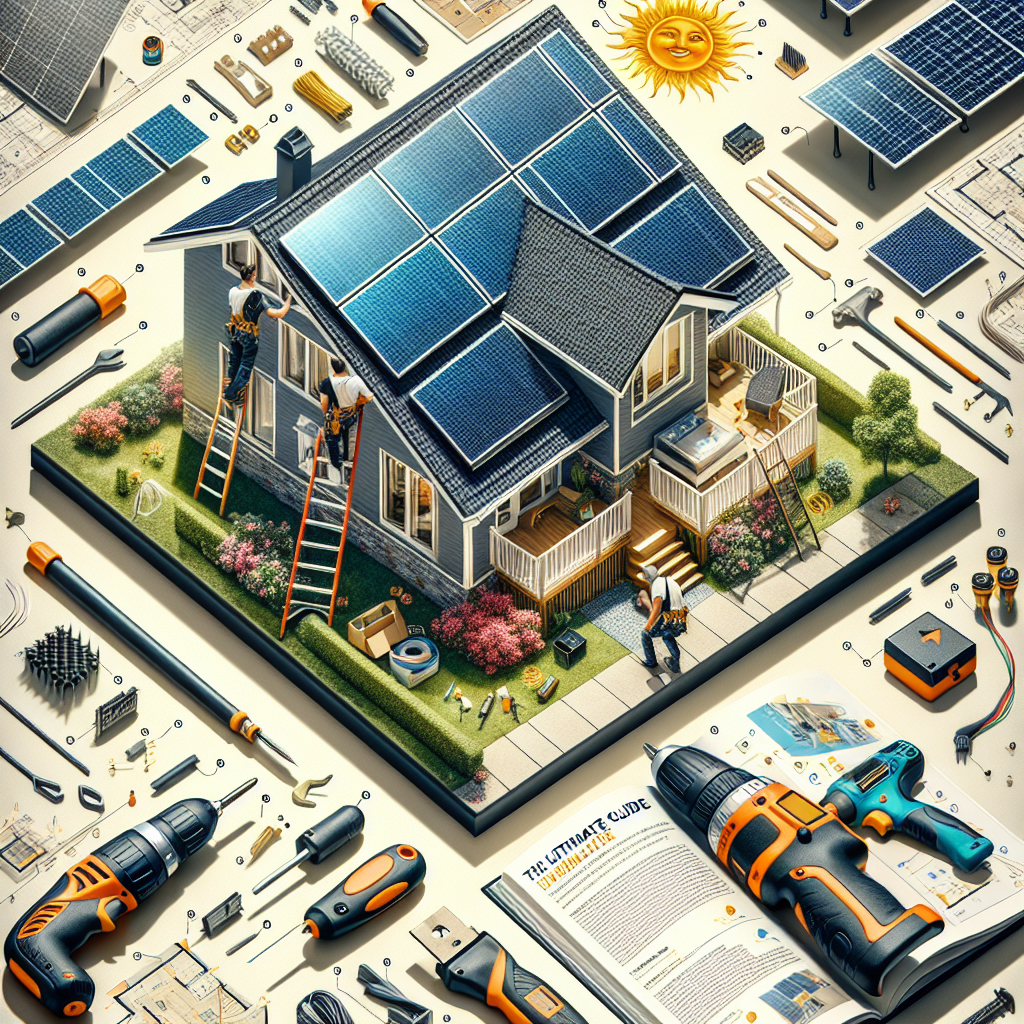
    Solar energy installation involves the process of setting up solar panel systems to harness sunlight and convert it into usable electrical energy. This process is fundamental for residential, commercial, and industrial energy solutions, especially as we move into 2025, where sustainability is a priority. Understanding the core concepts helps homeowners and businesses make informed decisions about their solar investments.

    At its core, solar energy installation includes site assessment, design, permitting, and installation. Each step must be carefully managed to maximize efficiency and system lifespan. As technology evolves, so do best practices for installation, ensuring higher productivity and better return on investment.

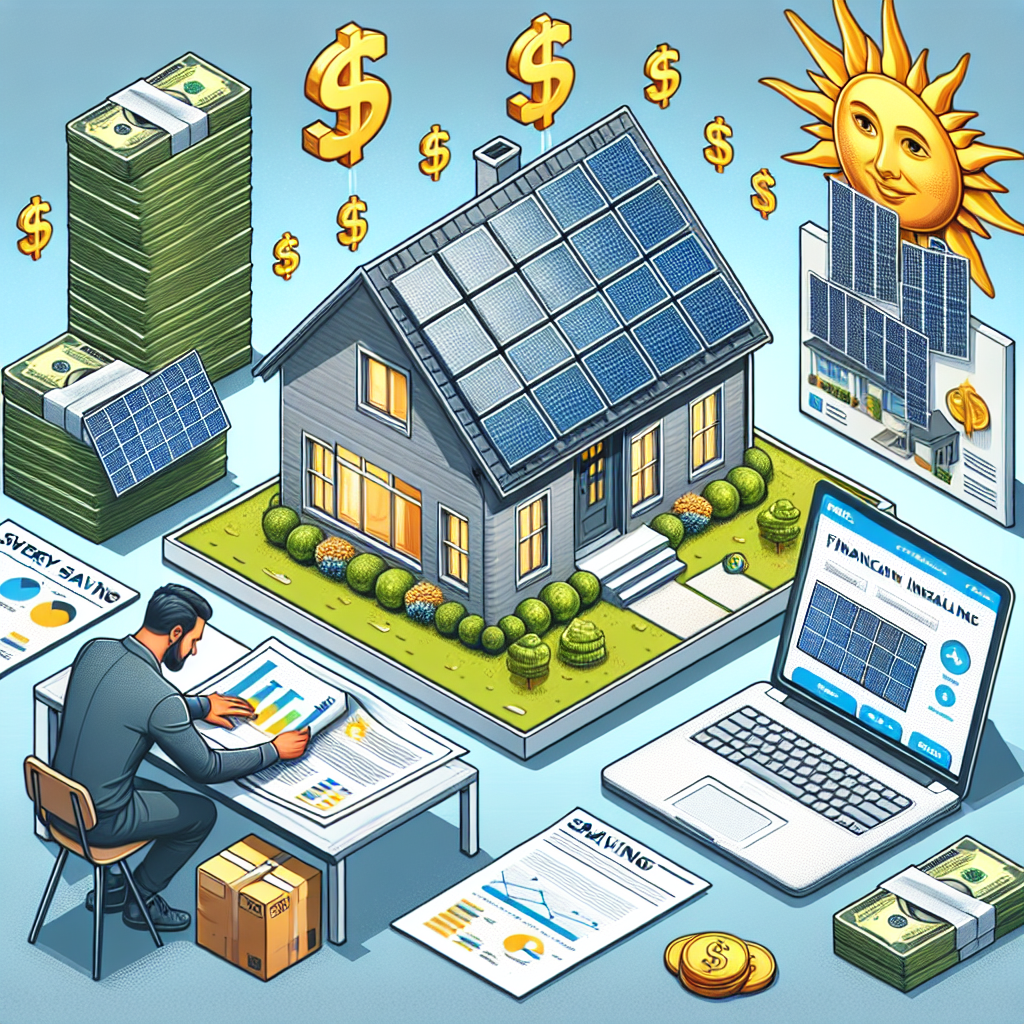
    Today, the trend is toward integrated systems that combine solar power with storage solutions and smart monitoring, making solar energy more accessible and reliable. Knowledge of these fundamentals is essential as you plan your own solar journey.


    2. Assessing Site Suitability for Solar Projects

    Evaluating Sunlight Exposure

    Before undertaking a solar energy installation, it’s vital to evaluate how much sunlight your site receives annually. In 2025, advanced tools like satellite imagery and rooftop analysis apps make this task easier. These tools help determine the optimal placement and orientation for solar panels, ensuring maximum energy production.

    A location with unobstructed access to sunlight throughout the day can significantly increase the efficiency of your solar system. For example, southern-facing roofs in the Northern Hemisphere typically get the best sunlight exposure. Understanding these factors helps avoid costly mistakes early on.

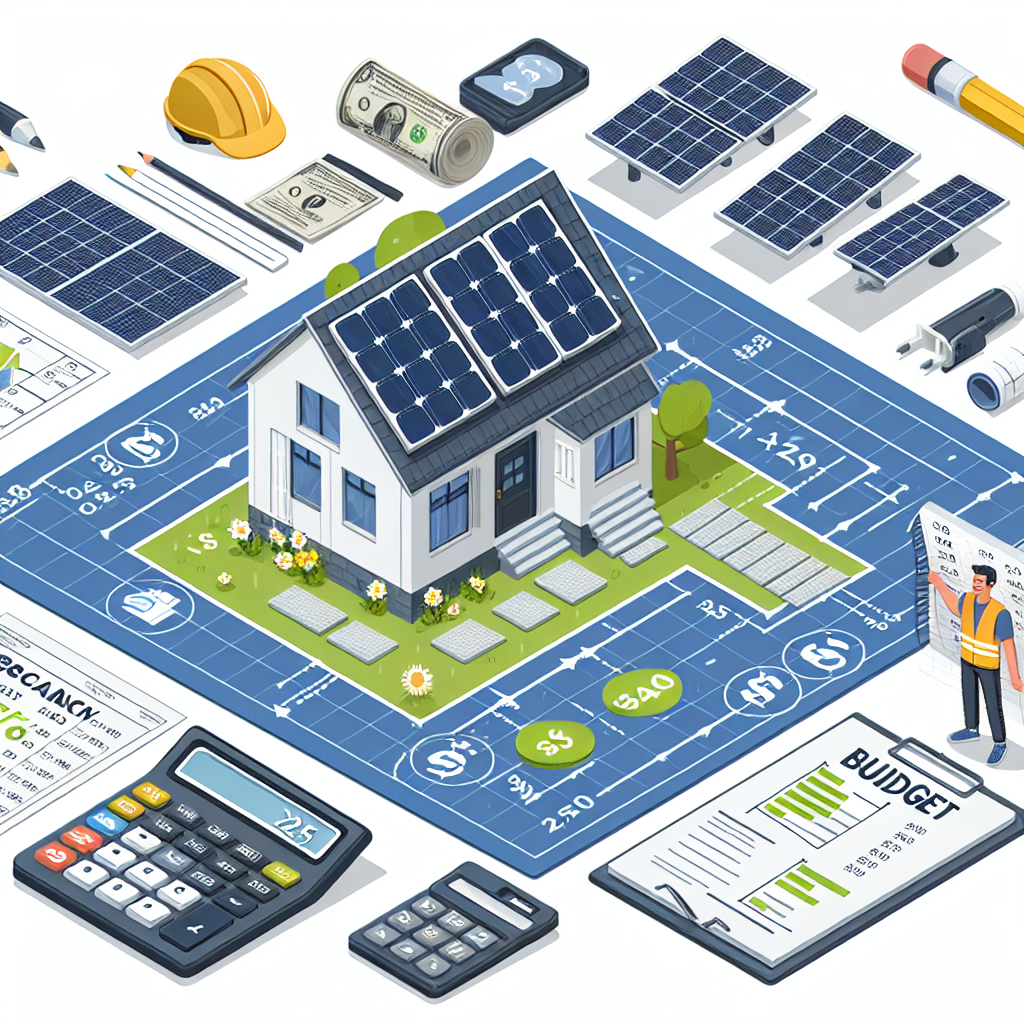
    Research indicates that a well-sited installation can increase energy output by up to 25%. Conducting a detailed solar viability assessment is a crucial first step.

    Assessing Roof Condition and Structure

    The structural integrity of your roof is another important factor. Strong, stable rooftops that can support the weight of solar panels are ideal. In 2025, inspection techniques have improved, allowing for quicker assessments using drones and 3D scanning. These methods give a clear view of the roof’s condition and suitability for solar installation.

    If your roof isn’t suitable, ground-mounted solar systems are an excellent alternative. Proper assessment of load capacity, shading, and access is necessary for safe and effective installation.

    Regular maintenance is also key; a sturdy roof ensures your solar investment lasts for decades. Professional evaluations of roof health should be part of your planning process.


    3. Selecting the Right Solar Panel Technologies

    Monocrystalline vs Polycrystalline Panels

    Choosing the right type of solar panels is critical for maximizing efficiency. Monocrystalline panels, known for their high power output and sleek appearance, are popular in 2025 installations. They tend to perform better in low-light conditions and have higher efficiency rates—often above 20%.

    Polycrystalline panels, on the other hand, are more affordable but slightly less efficient, typically around 15-17%. They are suitable for large-scale projects where space isn’t a limiting factor.

    PREPARE Mag ad 970 x 250

    As an installer or homeowner, understanding these differences helps you make cost-effective choices based on your energy needs and budget.

    Emerging Technologies: Bifacial and Perovskite Panels

    In 2025, innovative technologies are revolutionizing solar energy installation. Bifacial panels, which collect sunlight from both sides, can boost energy generation by 10-20% compared to traditional panels. These are ideal for locations with high albedo surfaces like snow or concrete.

    Perovskite solar cells are another breakthrough, offering the potential for higher efficiencies and lower production costs. While still in development, they are poised to become a major component of future solar energy systems.

    Staying updated on these advances allows you to integrate cutting-edge solutions, improving your project’s energy yield and ROI.


    Frequently Asked Questions

    1. What is the importance of proper solar energy installation in 2025?

    Proper solar energy installation ensures maximum efficiency, longevity, and safety of your solar power system. In 2025, advancements in technology and design make careful installation more critical than ever to fully capitalize on your investment and contribute to sustainability goals.

    2. How do I assess if my site is suitable for solar energy installation?

    Evaluate sunlight exposure using satellite tools, consider shading obstructions, and assess your roof’s structural integrity. Using professional assessment tools and expertise helps determine the best setup to optimize energy production.

    3. What are the latest trends in solar energy installation for 2025?

    Trending strategies include integrating bifacial and perovskite panels, utilizing smart monitoring systems, and employing AI-driven site assessments. These innovations make solar energy installation more efficient, affordable, and adaptable.

    4. How can I ensure my solar energy installation is compliant with 2025 standards?

    Stay updated with local regulations, building codes, and industry standards. Working with certified installers and using certified equipment helps meet all safety and compliance requirements.

    5. How does solar energy installation benefit the environment?

    Solar energy reduces reliance on fossil fuels, lowers greenhouse gas emissions, and promotes renewable energy use. Proper installation maximizes these benefits, contributing to a cleaner, healthier planet.

    Conclusion

    In 2025, mastering the strategies for solar energy installation is essential for unlocking the full potential of renewable energy. From assessing your site to choosing advanced panel technologies, each step plays a vital role. By utilizing the latest tools and staying informed about emerging trends, you can ensure a successful, efficient, and sustainable solar energy project. Remember, investing in expert solar energy installation today sets the foundation for a greener tomorrow and maximizes your energy savings in years to come.

  • The Ultimate Guide to Solar Energy Installation Strategies for 2025

    Table of Contents

    1. Introduction to Solar Energy Installation in 2025
    2. Understanding the Basics of Solar Power Systems
    3. Assessing Your Site for Solar Energy Installation
    4. Choosing the Right Solar Panel Technology for 2025

    1. Introduction to Solar Energy Installation in 2025

    Overview of the Solar Market in 2025

    As we step into 2025, the solar energy industry continues to grow rapidly, driven by technological advances, decreasing costs, and increasing government support. Solar energy installation has become more accessible for homeowners, businesses, and communities alike. Understanding the current landscape is critical for making informed decisions about your own solar projects.

    This year, global investments in solar infrastructure have surpassed previous records, reflecting a robust trend towards sustainable energy. Solar energy installation strategies in 2025 focus heavily on efficiency, affordability, and integration with smart technology. If you’re considering going solar in 2025, now is the perfect time to plan thoughtfully and act decisively.

    In this guide, I will walk you through the most effective strategies to maximize your solar investment, including site assessment, system design, and emerging technologies.


    2. How to Conduct a Site Assessment for Solar Energy Installation

    Sunlight Exposure and Shading Analysis

    Every successful solar energy installation starts with a thorough site assessment. The most critical factor is sunlight exposure; optimizing for maximum sunlight ensures higher energy output. Use tools like solar pathfinders or software to map shading patterns throughout the day and year.

    Shadows from trees, nearby buildings, or landscape features can significantly reduce system efficiency. In 2025, new drone-based assessment tools have made shading analysis faster and more precise, saving time and money. Deploying these tools can give you an accurate picture of your site’s potential.

    For example, a homeowner in California used drone imaging to evaluate shading and found a perfect south-facing roof unobstructed most of the day. This allowed them to plan a highly efficient system that met their energy needs effectively.

    Structural Integrity and Roof Suitability

    Beyond sunlight, the structural integrity of your roof plays a vital role. Check for roof age, material, and load capacity. Reinforcing weak points or choosing a ground-mounted system might be necessary if your roof isn’t ideal.

    In 2025, innovative mounting solutions allow for flexible installations on various roof types, including flat and metal roofs. Consulting with a structural engineer can prevent future issues and ensure safety and durability.

    PREPARE Mag ad 970 x 250

    Consider load calculations and wind resistance standards—these are vital for long-term performance, especially in areas prone to severe weather.

    Conclusion

    In 2025, mastering the art of solar energy installation is more important than ever. Not only does it help reduce carbon footprints, but it also provides long-term financial benefits. Whether you’re a homeowner or a business owner, understanding and implementing effective solar energy installation strategies can transform your energy consumption.

    Remember, the success of your solar project depends on careful planning, choosing the right technology, and staying updated on latest trends. As I’ve emphasized throughout this guide, prioritizing a well-executed solar energy installation now will set you up for sustainable energy savings well into the future.

    If you’re ready to make the switch, use the insights here to optimize your site assessment, design, and installation process—because in 2025, solar energy installation is not just an option but a necessity for a greener future.

    Frequently Asked Questions about Solar Energy Installation in 2025

    1. What are the latest trends in solar energy installation for 2025?

    In 2025, automation and smart tech integration are major trends, enabling real-time monitoring and optimization of solar systems. Additionally, advancements in panel efficiency—such as perovskite solar cells—and more cost-effective mounting options are shaping the industry’s future.

    2. How do I choose the right solar panel for my installation in 2025?

    Consider efficiency, durability, and cost. Monocrystalline panels still lead in efficiency, but newer technologies like bifacial and perovskite panels offer promising improvements. Look for certifications and warranties that ensure quality and longevity.

    3. What government incentives are available for solar energy installation in 2025?

    Government incentives continue to evolve, including tax credits, rebates, and grants. Check local and federal programs to maximize your savings, and consult with professionals to ensure your project qualifies.

    4. How can I ensure my solar energy installation is maximized for efficiency?

    Proper site assessment, high-quality equipment, optimal system design, and regular maintenance are key. In 2025, integrating your system with home automation and energy storage can further enhance efficiency and savings.

  • The Ultimate Guide to Solar Panel Installation Strategies for 2025

    The Ultimate Guide to Solar Panel Installation Strategies for 2025

    Table of Contents

    1. 1. Innovative Solar Panel Installation Techniques in 2025
    2. 2. Site Assessment and Preparation for Optimal Placement
    3. 3. Selecting the Best Solar Panels for 2025
    4. 4. Navigating Permits and Legal Requirements
    5. 5. Integrating Solar Panel Systems with Smart Home Technology

    1. Innovative Solar Panel Installation Techniques in 2025

    Advanced Mounting Systems

    In 2025, the newest solar panel installation strategies emphasize advanced mounting systems that maximize efficiency and durability. These innovative mounts allow for better tilt angles, increased resistance to weather, and easier installation processes. For example, ballasted mounting systems are gaining popularity because they eliminate the need for roof penetrations, which reduces potential leaks and structural damage.

    Beyond traditional racks, there are now adjustable mounting frameworks that optimize the sun’s position throughout the year. This means your solar panels will perform at peak efficiency no matter the season, which is particularly valuable in variable climates. Investing in these systems can lead to substantial long-term gains in energy production.

    Practitioners are also adopting lightweight, modular systems that can be quickly assembled on-site. These innovations are perfect for large-scale solar farms and residential installations alike, offering flexibility without compromising stability. As a result, solar panel installation becomes faster, safer, and more cost-effective.


    Drone-assisted Site Surveys

    Using drones for site surveys has become a game-changer in 2025. High-resolution aerial imagery helps installers evaluate shading, roof integrity, and optimal panel placement before even setting foot on the property. This technology significantly reduces site assessment time and increases accuracy.

    During the planning phase, drone surveys can detect potential obstructions like trees or antennas that might cast shadows and diminish solar output. By identifying these issues early on, installers can design a more effective system tailored to the specific landscape.

    Furthermore, drone technology facilitates real-time monitoring during installation, ensuring panels are correctly aligned and securely mounted. This innovation contributes to more precise, efficient, and safer solar panel installation processes for homeowners and large projects alike.

    2. Site Assessment and Preparation for Optimal Placement

    Using Solar Pathfinders and Shade Analysis

    Effective site assessment begins with understanding the sun’s path and shading patterns throughout the year. Tools like solar pathfinders help determine the best location on your property for solar panel installation, ensuring maximum sunlight exposure. Accurate shade analysis is critical, especially in areas surrounded by trees or tall structures.

    In 2025, software solutions integrate these tools with geographic data, providing detailed reports that help homeowners and installers make informed decisions. By analyzing the shadow cast during different seasons, you can identify the most suitable spots for installation, leading to higher energy yields.

    Strategic placement based on thorough shade analysis decreases the risk of future shading issues, which often reduce system performance. Proper site preparation, therefore, plays a vital role in the long-term success of your solar project.

    Roof Inspection and Reinforcement

    Prior to solar panel installation, thorough roof inspections are essential to assess structural integrity. In 2025, innovative methods such as infrared thermography are used to detect hidden damages or weaknesses that may not be visible to the naked eye. Addressing these issues before installation prevents costly repairs down the line.

    PREPARE Mag ad 970 x 250

    Many homes require reinforcement to support the added weight of solar panels, especially in regions prone to extreme weather. Reinforcing roof structures or adding extra bracing ensures safety and longevity for your solar energy system. By investing in proper preparation, you ensure that your solar panel installation stands the test of time.

    Engaging with certified structural engineers can help verify that your roof can sustain the load and withstand local environmental conditions, making your solar investment safer and more reliable.

    Frequently Asked Questions

    1. What is the most important factor in solar panel installation?

    The most important factor is optimal placement for maximum sunlight exposure, which involves thorough site assessment and correct mounting techniques. Proper installation ensures that your solar panels will operate efficiently and last for many years.

    2. How does solar panel installation change in 2025?

    In 2025, solar panel installation strategies incorporate new technologies such as drone site surveys, advanced mounting systems, and integrated smart home systems, making installations faster, safer, and more efficient than ever before.

    3. Can I install solar panels myself?

    While some experienced DIY enthusiasts can handle basic installations, it’s recommended to work with certified professionals. Proper installation is crucial for safety, compliance, and maximizing energy output, especially with the innovative strategies emerging in 2025.

    4. How long does a typical solar panel installation take?

    Most installations in 2025 can be completed within one to three days, depending on system size and site complexity. Using new installation techniques, the process is quicker and less disruptive than in previous years.

    5. What are the benefits of professional solar panel installation?

    Professional installation ensures optimal system performance, safety, and compliance with local regulations. It also provides warranties and ongoing support, which are essential for long-term energy savings and system maintenance.

    Conclusion

    In 2025, solar panel installation has evolved into a sophisticated, precise, and highly effective process, thanks to innovative techniques and smart technology integration. Whether it’s using drone surveys, advanced mounting systems, or thorough site assessments, these strategies help maximize your solar energy system’s productivity and lifespan.

    Embracing these best practices today ensures you get the most out of your investment in solar energy. Remember, successful solar panel installation is key to harnessing the sun’s power efficiently and sustainably in 2025 and beyond. If you’re planning to go solar, understanding and applying these strategies will set you up for long-term success.

  • Solar Installation Permits Guide

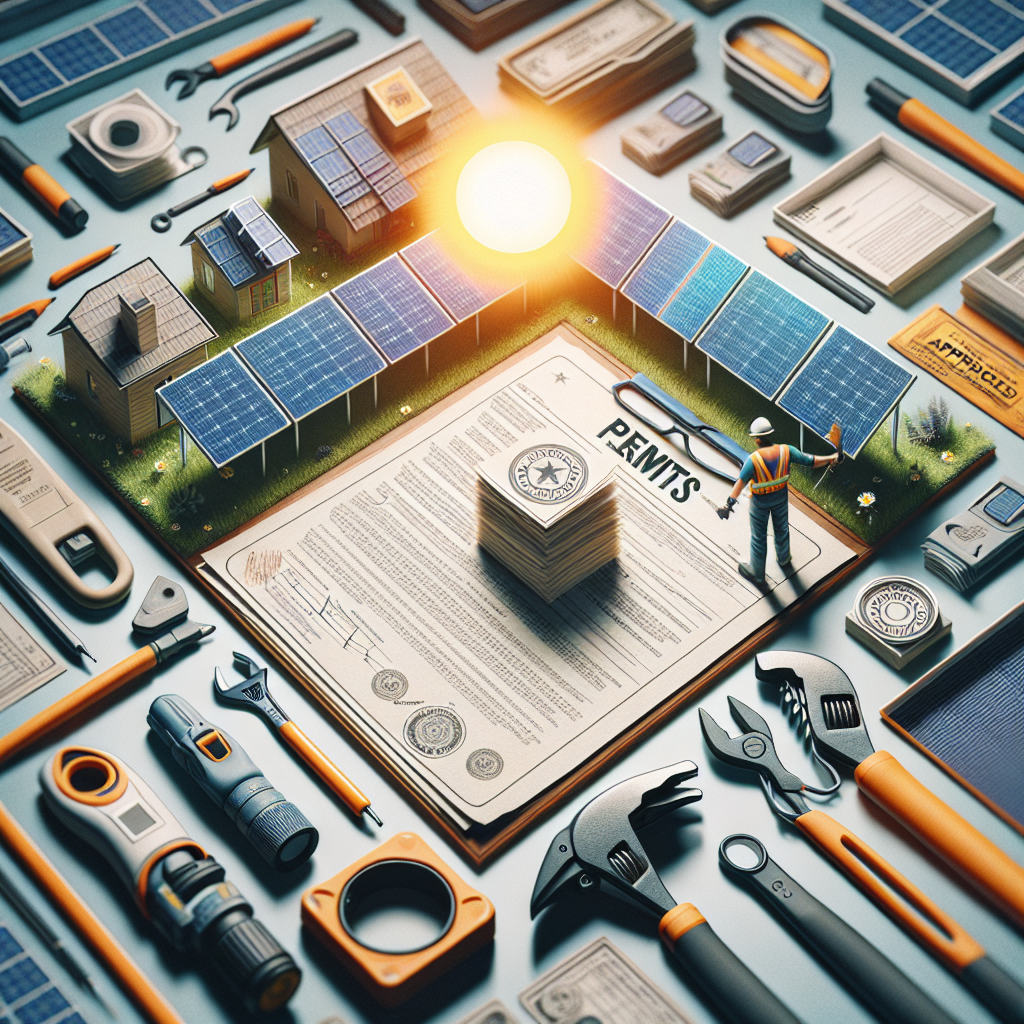
    Solar Installation Permits Guide

    Understanding Local Regulations

    Identifying Your Local Authority Having Jurisdiction (AHJ)

    When I decided to go solar, the first thing I learned was that every area has its own set of rules about solar installation. Seriously, before you dive in, find out who your local authority is. This could be a city or county department. Understanding this helps in knowing exactly what permits you’ll need to apply for.

    Every AHJ has its own quirks. Some are super streamlined, while others can throw a wrench in things if you’re not prepared. I found it useful to reach out to them directly, either via phone or email. They can provide a wealth of information about what documents are required and how the whole process goes down.

    If you’re unsure where to start looking for your AHJ, a quick Google search with your city’s name followed by “permitting office” usually does the trick! Trust me, it’s good to have this checked off your list early.

    Researching Local Building Codes

    Next up is mastering the local building codes. These codes are like a playbook for your solar installation; they outline minimum safety standards that everyone must follow. I spent hours reading them, learning what I could about requirements for roof load, electrical wiring, and more.

    When I went through the codes, I made notes of anything particularly relevant to solar panels. This included how much weight my roof could support and what types of materials I was allowed to use. Spoiler alert: it can vary quite a bit depending on your area!

    If you find yourself getting overwhelmed, don’t hesitate to reach out to a local contractor who specializes in solar. They’ve usually got the rundown of what’s needed and can help navigate the codes more easily.

    Obtaining Required Permits

    Once I had a grasp of the local regulations and building codes, it was time to apply for permits. This step can feel daunting, but breaking it down into smaller tasks made it manageable. I found a checklist online that listed every permit I would need, which made it a lot less intimidating!

    Gathering all the required documents for the permits took some time. I had to submit plans of my installation and sometimes even technical specs of the solar panels I was using. This part of the process can take a while, so be patient and check in with your local authority for updates.

    After submitting everything, I made sure to keep copies of all my paperwork. One of my friends skipped this step and had to scramble to find everything later! Staying organized can save you a headache down the road.

    Working with a Solar Installer

    Selecting the Right Installer

    I can’t stress enough how important it is to choose a reputable solar installer. I went through a few reviews, asked for recommendations, and even checked their credentials. It’s like picking a contractor for any other home project; you want to make sure they know their stuff!

    When I found potential installers, I set up meetings to discuss my project and get estimates. This not only helped in understanding costs but also gave me a feel for how they operated. I recommended asking specific questions about their experience with local permits as well.

    Remember, a solid installer will know their way around the permitting process, so don’t hesitate to lean on their expertise.

    Collaborating on Permit Applications

    Your chosen installer is going to be a significant player in getting permits. In my case, my installer took the lead on this, which was a huge relief! They had a thorough understanding of what was needed, and they pretty much handled all the paperwork.

    However, it’s essential to stay in the loop. I made it a point to check in with my installer often to understand what they were doing regarding the permits. Having a good communication line ensures everything stays on track and makes the whole process smoother.

    Don’t hesitate to voice any concerns or ask questions as they prepare the applications. Transparency is crucial in this partnership!

    Managing Expectations

    There may be bumps in the road during the permitting process — delays, unexpected requirements, you name it. I learned to manage my expectations early on by being realistic about timelines. I also kept in mind that each locality handles things differently; some might have longer approval times than others.

    Keeping my energy positive during this waiting game helped immensely. I would remind myself that all the paperwork and patience would be worth it once my solar panels were installed!

    I also encouraged my friends and family who were considering solar to have their expectation in check. This advice can prevent frustration and disappointment down the line.

    Understanding the Inspection Process

    Preparing for Inspections

    After securing the necessary permits, it’s time for inspections. This was a new and somewhat intimidating stage for me, but proper preparation helped ease my anxiety. I made sure my installer was ready, too; they typically handle the logistics!

    One thing I didn’t realize was how crucial it is to have all documentation on hand — permits, plans, everything! A quick checklist can make this process less stressful, ensuring nothing gets overlooked. I even printed copies of my application, just in case!

    I also took the initiative to learn what inspectors typically look for. That way, I was able to address any concerns beforehand, potentially speeding up the process.

    Understanding What Inspectors Look For

    During the inspection, I discovered that inspectors aren’t just there to approve or reject; they’re also educators. They check for safety, code compliance, and the overall quality of the installation. Understanding their criteria helped me feel more confident.

    They often evaluate the system installation, electrical connections, and sometimes even overall aesthetics. I stood nearby during the inspection, allowing me to ask questions and understand their findings firsthand. It was eye-opening!

    This was also a great time to build rapport with the inspector! Friendly interactions can sometimes lead to smoother processes in the future, whether for you or the installer.

    Finalizing the Installation

    Once the inspection was completed and everything was up to snuff, it was time for the final touches on my solar installation. I was buzzing with excitement! I learned that this step often includes filling out final paperwork and getting everything in place for activation.

    Don’t forget to celebrate this achievement! After navigating through permits and inspections, I got together with friends and had a little solar-themed gathering. We even had a cake with a solar panel design on it – it was a fun way to mark the occasion!

    Once the installation was finalized, I was able to enjoy the benefits of my solar energy. I’ve learned that this whole journey, while challenging, is part of an exciting transition to renewable energy. It feels fantastic to know that I’m doing my part for the planet!

    FAQs

    What are the main permits required for a solar installation?
    The permits typically include building permits, electrical permits, and sometimes zoning permits. You’ll want to check with your local AHJ for specifics.
    How long does the permitting process for solar install typically take?
    It varies by location, but expect anywhere from a few weeks to a couple of months due to local regulations and approval times.
    Can I handle the permitting process myself?
    Yes, it’s possible to handle the permits yourself, but it’s often much easier to work with a qualified solar installer who knows the ropes.
    What happens during the inspection phase?
    Inspectors will review your installation to ensure it meets safety codes and local regulations. They’ll check the setup, electrical connections, and overall compliance.
    Should I be present during inspections?
    While it’s not mandatory, being present can be beneficial. It gives you a chance to ask questions and understand any issues that may arise.
  • DIY vs Professional Solar Installation

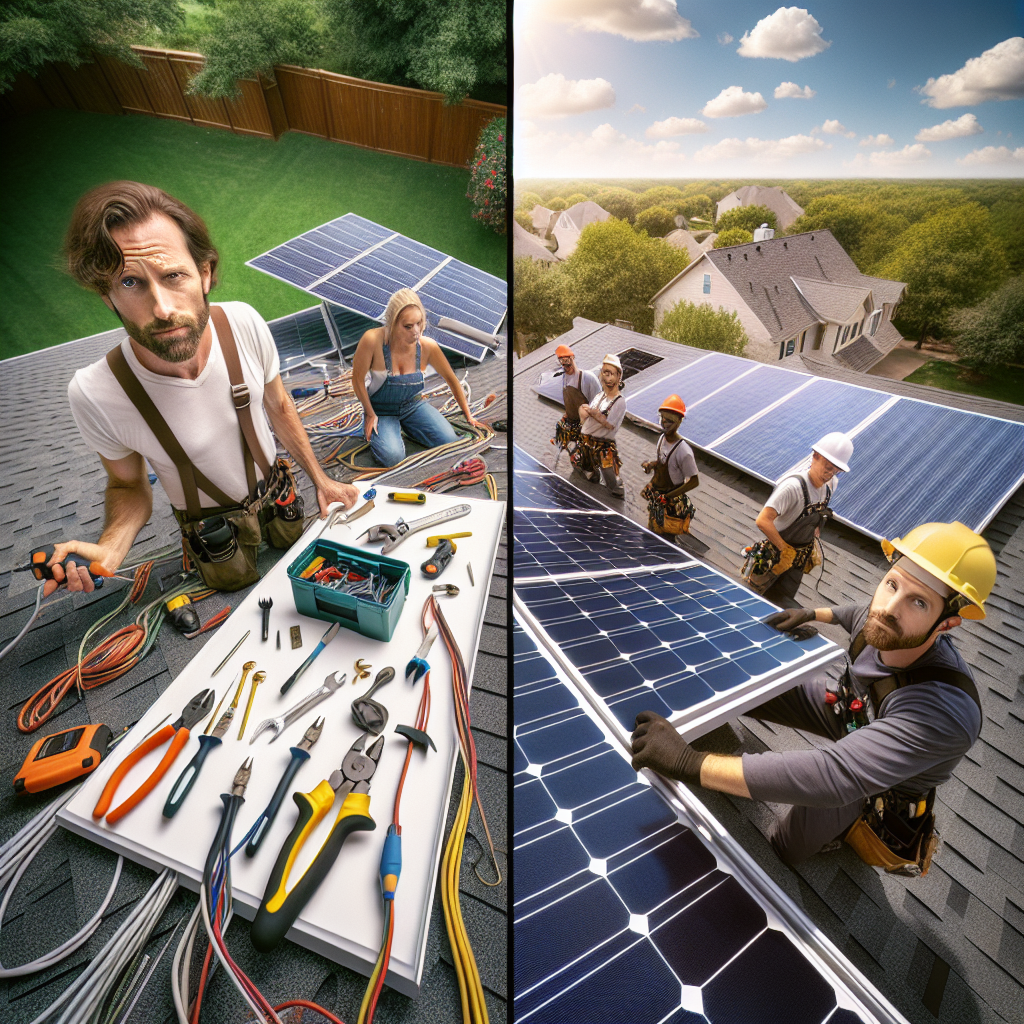
    DIY vs Professional Solar Installation

    Cost Comparison

    Initial Expenses

    When I first dove into the world of solar, cost was a major concern for me. If you’re considering a solar installation, the upfront costs for professional installations can be pretty steep. You’re looking at spending anywhere from $15,000 to $30,000, depending on your home’s size and location. On the flip side, DIY kits can start as low as a few thousand bucks. That’s quite a tempting difference!

    However, remember that cheap doesn’t always mean cheerful. DIY kits might save you cash initially, but they can come with hidden costs, especially if you’re not as handy as you’d like to think. Unexpected repairs or mistakes can add to your final bill, and trust me, those costs pile up faster than you can say “solar panel!”

    So, while the numbers might look better for a DIY approach, weigh in all aspects before making a decision. Sometimes it’s better to spend more upfront for peace of mind in the long run.

    Long-Term Savings

    Let’s chat about savings over time. With a professional solar installation, you’ll typically see a better return on investment (ROI) due to higher efficiency and access to better technology. I mean, imagine saving hundreds, if not thousands, on your electricity bill every year! That’s a no-brainer right there.

    On the other hand, DIY systems can pay off too. But they might require more maintenance than you’d be willing to tackle. It’s crucial to keep your panels clean, functioning, and updated, which I found out the hard way. If you let things slide, those savings can quickly dwindle.

    Ultimately, it’s about what works best for your financial situation. Look at your electricity costs, and calculate how long it would take before your solar panels start generating true savings for you.

    Financing Options

    Financing can be a game-changer. Many homeowners are surprised to find that professional installers often have great financing plans. You could pay in installments, reducing the burden of a huge one-time payment. I remember searching for the right company and finding one that had terms I could definitely work with!

    Conversely, DIY systems typically don’t offer financing options. Most people pay upfront for their kits, which can be a challenge if you’re caught off guard by the total cost. It’s like going out for dinner and forgetting your wallet – awkward, right?

    When you’re weighing these options, also think about how long you plan to stay in your home. Sometimes a professional install, with reliable features and goodwill if things go awry, can be worth the investment in the long haul.

    Installation Ease

    Skill Level Required

    This is where I had my personal revelations. Trust me, I thought I was tech-savvy until I tried to install my own solar panel system. If you’re someone who loves DIY projects and has a reasonable amount of electrical knowledge, you might find a DIY install manageable. But don’t underestimate the complexity involved!

    For the majority of folks, professional installation is the way to go. Technicians come with experience, knowledge, and the right tools. I’ve watched them work, and they make it look effortless. Their understanding of local codes and regulations is simply something I didn’t want to gamble with on my own.

    At the end of the day, ask yourself: do you want to spend your weekend wrestling with installation and potential mistakes, or sipping a cold drink while someone else takes care of it? Choice is yours!

    Time Commitment

    Let me tell ya, solar installation takes time, whether you’re going DIY or professional. The DIY route could stretch over multiple weekends, especially for people who have other commitments. I thought I could knock mine out in a weekend, but I underestimated how involved the process could be.

    On the professional side, installation can often be done in just a day or two! I remember being amazed watching a crew work together, efficiently navigating the installation with an expert’s touch. I couldn’t help but feel a little jealous of their skill!

    If you’re eager to enjoy the benefits of solar power sooner rather than later, a professional service may save you a significant chunk of time. Sometimes the quicker, simpler decision is the best one.

    Permits and Regulations

    Here’s a little nugget I picked up – permits can be a hassle. Going the DIY route means you’ll need to dive into local regulations and get the proper permits yourself. It’s like a treasure hunt but the prize is some headache you didn’t bargain for!

    With professional installers, they typically handle permits for you. It’s all part of their service. I found this to be a sweet deal because the last thing I wanted was to deal with bureaucracy on top of everything else.

    Make sure to check regulations in your area, whether you’re going DIY or professional. Ensuring everything is compliant can save you from potential fines down the line.

    System Performance

    Efficiency of Installation

    Let’s dive right into something super important – efficiency. Professional installs often guarantee performance metrics and might even give you a warranty! I have to say, that peace of mind is worth its weight in gold after going through the troubles of a DIY installation.

    In contrast, DIY systems may not perform at the same level, especially if incorrectly installed. You could be left with sad, underperforming panels that don’t give you the electricity you need. I’ve seen it happen, and trust me; it’s not fun discovering nearly half the output you were expecting.

    Efficiency also ties into how well the installation was carried out, which is another tick mark in the professional column. Many companies also offer ongoing support to ensure optimal performance. Double win!

    Long-Term Maintenance

    Maintenance can be a drag. With professional installs, maintenance can often be included or offered at a discount. I can’t express how nice it is to sit back, relax, and have professionals take care of things. They know the systems inside and out, and they can catch little issues before they become big headaches!

    With DIY, however, it’s all on you, and I quickly discovered that regular maintenance wasn’t as easy as I thought. From cleaning panels to minor fixes, the ongoing responsibility can be daunting. Plus, if you miss something, you could be losing efficiency without even realizing it!

    Weigh that maintenance commitment carefully. If you’re not keen on the upkeep, a professional install can save time and headache in the long run.

    Technology Updates

    Technology in solar is always evolving! The latest panels can significantly outperform older models. When you go professional, installers often have access to cutting-edge technology and will stay updated with the latest innovations.

    If you’re going DIY, it’s tough to keep up! You’re stuck with whatever you purchase and could miss out on future efficiencies that could save you more energy and cash. I mean, I love gadgets, but keeping track of all this could be a full-time job!

    Updating a system can also be more complicated with a DIY setup. Professional companies can guide you on how to upgrade or integrate new tech down the line, making this a significant advantage.

    Warranty and Support

    Extent of Warranties

    Warranties are a crucial factor when considering solar. Most professional installations come with extensive warranties, which are a huge relief. I learned that if something goes wrong, you’re covered!

    Diving into DIY, you might find minimal warranties on parts. Often, the responsibility falls back on you if something breaks. That’s a risk I wasn’t willing to take after my learning curve with my own setup.

    Warranties might be daunting, but understanding them can make a significant difference in protecting your investment, ensuring you’re not left high and dry!

    Access to Customer Support

    With professionals, you usually have access to customer support if things hit a snag. I’ve found that knowing there’s someone I can call when things go awry is priceless. They have the expertise and experience to troubleshoot issues fast.

    For DIY enthusiasts, you’re pretty much on your own unless you’ve got a neighbor who knows about solar setups. That can be pretty isolating! If things go wrong, it could take longer to get your system back online.

    Deciding on professional installations can make a difference in receiving quick and effective support. When the sun is shining, you want your panels to be working, not stuck in a troubleshooting maze!

    Service After Installation

    Finally, let’s talk about follow-up service. Professional installers often check on your system after installation to ensure everything’s running smoothly. It’s like having a solar buddy who’s always looking out for you!

    As for DIY, well, I found that checking on my system became less frequent over time, and naturally, that led to hiccups. It’s easy to forget when life gets busy!

    Going with a reliable installer means they’ll usually do follow-ups and maintenance checks, which keeps you motivated to ensure everything continues running smoothly.

    Conclusion

    Ultimately, choosing between DIY and professional solar installation boils down to your circumstances and what fits into your life better. Each has its distinct pros and cons, so weigh them all carefully! Good luck with your journey into solar; I’m sure whichever path you choose, you’ll learn loads and feel great about contributing to a more sustainable future!

    FAQs

    1. Is DIY solar installation cheaper than professional installation?

    Generally, yes, DIY systems can be cheaper at first glance. However, consider potential hidden costs and maintenance that might arise.

    2. How much technical knowledge do I need for DIY solar installation?

    A fair amount! You should be familiar with electrical work and local building codes to avoid issues down the line.

    3. Can I upgrade a DIY solar system easily?

    Upgrading a DIY solar system can be trickier without professional guidance. It’s essential to research options before committing.

    4. What kind of warranty can I expect from professional installations?

    Most professionals offer warranties ranging from 10 to 25 years, covering equipment and workmanship, which provides peace of mind.

    5. How do I choose between DIY and professional services?

    Consider your budget, skill level, and the complexity of doing it yourself versus the peace of mind that comes with professional help.

  • Solar Installation Costs Explained Simply

    Solar Installation Costs Explained Simply

    Understanding the Costs of Solar Panels

    Initial Investment and Equipment Costs

    First off, let’s tackle the big elephant in the room: the upfront costs. Solar panels aren’t exactly pocket change. When I first considered going solar, I was hit with the initial investment number, and honestly, it can be a bit intimidating. Prices can vary based on the type and brand of panels, inverters, and other necessary equipment.

    But here’s the kicker: while that initial investment might sting a little, I realized that this is a long-term play. It’s about how much I’d save on my electricity bills over time. A little upfront cost often leads to significant savings in the long run, trust me.

    On top of the panels, don’t forget to factor in the costs for mounting, wiring, and installation labor. You’ll want to get a solid quote from a reputable installer, so you know what you’re in for from the get-go.

    Incentives and Rebates

    Now, let’s chat about the silver lining: government incentives and rebates. When I was diving into my research, I discovered a whole slew of financial incentives that dramatically changed the game for me. Depending on where you live, there could be state and federal tax credits that can wipe thousands off the total cost.

    For instance, the Federal Solar Tax Credit allows homeowners to deduct a significant percentage of their solar installation costs from their federal taxes. This was a huge boost for my budget and made solar a no-brainer.

    And don’t overlook state and local programs. Some areas even have additional rebates or low-interest financing options to help make solar accessible to more folks. Definitely take the time to explore what’s available in your local area!

    Long-term Financial Benefits

    Let’s talk about ROI—return on investment. After my solar panels were installed, I quickly understood why so many people rave about them. The most thrilling part was watching my electricity bills shrink. I mean, who doesn’t love saving money?

    Surprisingly, some studies suggest that you can actually increase the market value of your home with solar panels. Buyers are becoming increasingly eco-conscious, and having solar power can be a selling point. It’s a smart financial move, and honestly, it also feels good to contribute to a more sustainable future.

    Over the years, as energy prices continue to rise, the savings just pile up. I look forward to years of lower energy bills and the peace of mind that comes with it. That’s what I call a win-win!

    Installation Costs: Breaking It Down

    Finding the Right Installer

    Choosing the right installer is majorly important. I mean, this isn’t something you want to skimp on. When I began my search, I made sure to browse through reviews, talk to friends, and get recommendations. Seriously, do your homework here! The quality of the installation can impact your system’s efficiency and lifespan.

    Don’t hesitate to reach out to multiple companies for quotes. I learned that prices can vary quite a bit and it’s always wise to compare what different companies are offering. Plus, sometimes installers will offer seasonal discounts, and it pays to ask!

    During the selection process, remember to ask your installer about their experience, warranties, and any certifications they have. It’s reassuring to know you’re getting work done by professionals who know their stuff. It really makes a difference!

    Permits and Inspection Fees

    Another area where costs can sneak in is permits and inspection fees. Now, I didn’t think about this much at first, but these costs can add up quickly. Depending on where you live, there might be various regulations and paperwork to tackle.

    After getting my panels installed, I was informed of the necessary inspections to ensure everything was up to code. This was a relief knowing that my system was compliant and safe, but it did add a little extra to the budget that I hadn’t anticipated.

    Before diving in, I recommend checking with your installer about the process in your area. They can usually help guide you through the necessary steps, which is helpful to avoid unnecessary costs and delays!

    Ongoing Maintenance and Repairs

    Let’s not forget about maintenance down the road! While solar panels are generally low-maintenance, there are still some considerations to keep in mind. I didn’t realize it at first, but keeping an eye on my panels is crucial. I learned that regular cleaning and inspections can boost efficiency and longevity.

    If something does go wrong—though it’s rare—it’s essential to have a plan for repairs. I recommend setting aside a little budget for ongoing maintenance. I’ve found that having a service plan can be super beneficial to cover any unexpected issues.

    Just remember, even though maintenance costs are an additional consideration, the overall savings and benefits of solar often outweigh these expenses. It’s all part of the journey toward greater savings and sustainability!

    Conclusion: Is Solar Worth It?

    This leads us to the ultimate question: Is going solar worth it? In my experience, absolutely! After diving into the costs and benefits, I can confidently say that solar installations have been one of my best investments. It’s not just about the dollars saved; it’s about contributing to a cleaner, more sustainable future.

    Don’t let the initial costs deter you. Once you break down the numbers and consider the long-term savings, the value becomes crystal clear. For me, switching to solar has been a rewarding experience that I encourage others to consider—whether for financial reasons or environmental ones.

    At the end of the day, do your homework, understand what you’re getting into, and take the leap if you can. You might just find it’s one of the best decisions you ever make.

    Frequently Asked Questions

    1. What is the average cost of installing solar panels?

    The average cost can vary widely based on location, size of the system, and type of panels, but it usually falls between $15,000 to $25,000 before incentives.

    2. Are solar panel installations eligible for tax credits?

    Yes! In the U.S., there is a federal tax credit available for solar installations, which can significantly reduce the costs.

    3. How long does a solar installation take?

    The installation process typically takes one to three days, depending on the size and complexity of the system.

    4. Do solar panels require a lot of maintenance?

    Not really! They’re quite low-maintenance, but it’s a good idea to have them inspected and cleaned periodically.

    5. Will solar panels increase my home’s value?

    Absolutely! Many studies show that homes with solar installations tend to sell for higher values than similar homes without them.

  • DIY Solar Panel Installation: Step-by-Step Guide

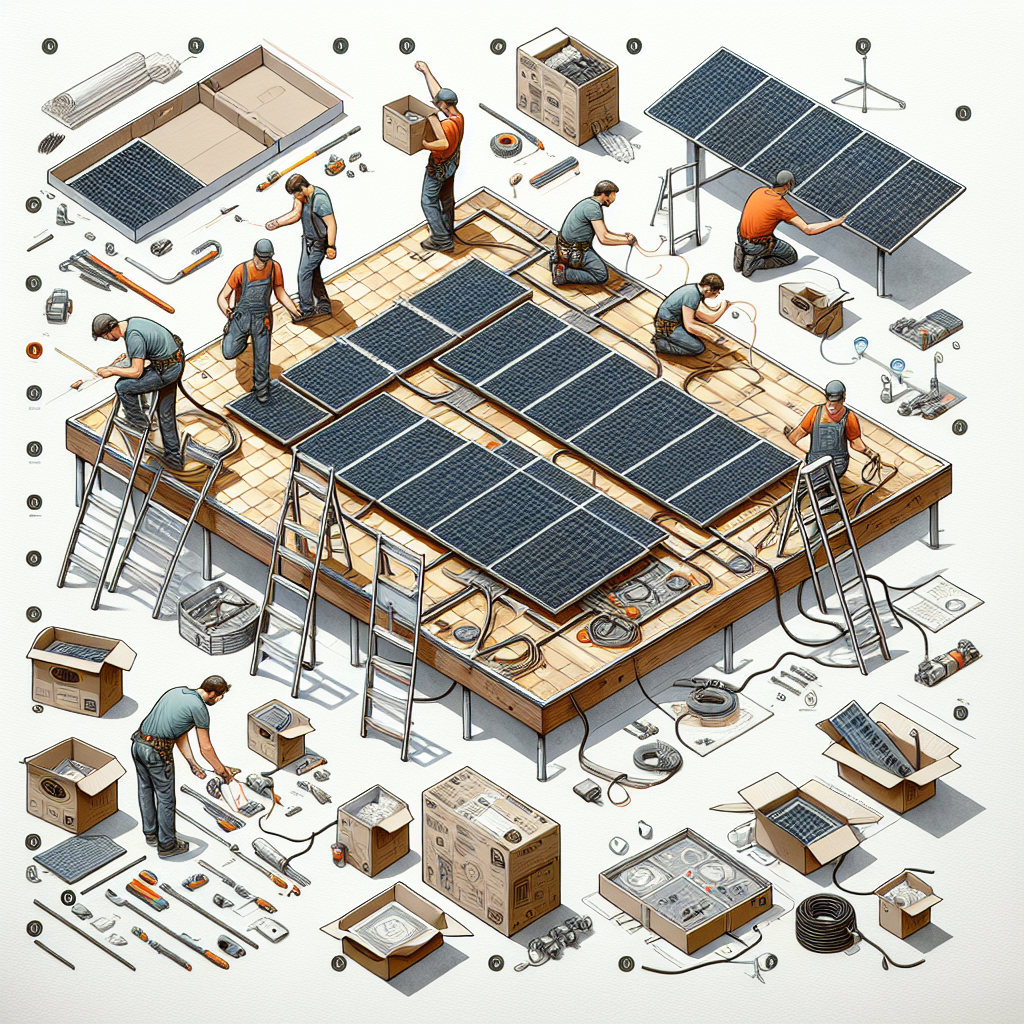
    DIY Solar Panel Installation: Step-by-Step Guide

    Step 1: Planning Your Solar Panel System

    Assessing Your Energy Needs

    Before diving into the installation process, the first thing I did was assess my energy needs. This means looking at my monthly electricity bill and figuring out how much energy I actually use. It’s crucial to know your consumption because it helps in determining how many panels I would need.

    I spent some time making a list of all the appliances I use regularly, noting their wattage and how many hours I use them daily. You’d be surprised at how quickly the numbers add up! There’s nothing worse than installing a fancy new solar system only to find out it doesn’t meet my needs.

    Once I had a clear understanding of my energy requirements, I could move on to picking the right solar panel system. I recommend using online calculators or consulting with a solar professional if you’re unsure. Trust me, getting this step right will save you a lot of headaches down the road!

    Choosing the Right Location

    The next bit of planning involved choosing the right location for the panels. I knew I wanted to put them on my roof, so I spent time considering the direction my roof faces and whether trees nearby might block sunlight. This part was crucial because I needed to maximize exposure to sunlight for better energy production.

    Another thing to think about is how much space you have available. I had to measure not only the roof space but also the area around the house to ensure there would be no obstructions. If you’re thinking about ground-mounted panels, make sure you have a nice sunny spot without shadows!

    Lastly, don’t forget to check local regulations! Some places have specific codes about where solar panels can be installed. I had a quick chat with my local zoning office and, thankfully, there were no surprises.

    Budgeting for Your Solar Project

    No one likes talking about money, but budgeting is a big part of the planning phase. I put together a budget that covered not just the cost of the panels and equipment, but also installation (if I went that route), permits, and any potential upgrades to my electrical system.

    It’s important to know your budget ahead of time because solar can get pricey. I did my homework and found various financing options, including rebates and tax credits. Every little bit helps when you’re trying to make this green investment!

    Also, I made sure to leave a little wiggle room in my budget for unexpected expenses. As any DIYer will tell you, surprises tend to pop up when you least expect them!

    Step 2: Gathering Your Materials

    What You’ll Need

    Once I hammered out the planning phase, I moved on to gathering materials. I started with the solar panels themselves and added a few other components to my list, including an inverter, mounting hardware, and wiring. I found it easier to buy these components from a single supplier to ensure compatibility.

    Another item on my must-have list was a battery (if I wanted energy independence during the night). I did a lot of research on different types of batteries and ended up going for a lithium-ion model. It was definitely more pricy, but I found it to be worth it for reliability and longevity.

    Don’t forget tools! At this stage, I made sure I had all the tools ready, including a drill, screwdriver set, and measuring tape. I learned the hard way that having your tools on hand saves a ton of time and reduces the chances of frustration.

    Finding Reliable Suppliers

    With my material list in hand, I started hunting for reliable suppliers. Websites like Home Depot and Lowe’s were a good starting point, but I also looked for local suppliers who specialized in solar. Supporting local businesses is important to me, and often they have better advice and customer service.

    I reached out to a few local suppliers and was pleasantly surprised by how knowledgeable they were. They answered some of my questions and helped me fine-tune my materials list based on what I wanted to achieve. Reaching out for advice is always a good idea!

    Make sure to compare prices and check reviews before finalizing your supplier. It really pays off to do a little homework and ensure you’re getting quality materials at a fair price.

    Ordering and Organizing

    Once I settled on my suppliers, it was time to place the orders. I made a conscious effort to keep everything organized, creating a checklist for what was ordered and when it would arrive. It’s surprisingly easy to lose track when you’re juggling various items!

    After everything was ordered, I made sure I had a designated space in my garage to store all the equipment. Keeping it tidy and out of the way made things a lot smoother when the installation day finally arrived.

    And, of course, I kept an eye on the delivery dates! I found it helpful to set reminders for myself, ensuring that I could stay on top of everything and avoid any last-minute rushes.

    Step 3: Installing the Solar Panels

    Safety First

    When installation day rolled around, I knew safety was going to be a top priority. I dug out my hard hat, safety glasses, and gloves. I can’t stress how important it is to protect yourself while working, especially when you’re on the roof and dealing with electrical components.

    Additionally, I made sure to have someone with me throughout the process. There’s no reason to tackle this alone, and having a buddy made it safer and a lot more fun! Plus, sharing the experience made it easier to lift and handle larger panels.

    Remember to check the weather, too! I planned my installation for a clear day — rain or high winds would not mix well with this kind of project. Trust me, the safer you are, the smoother the process will be!

    Mounting the Panels

    After suiting up, the first step in the installation was mounting the panels. I started by following the installation manual carefully. It’s like building a piece of IKEA furniture — one wrong move and it can all go sideways!

    I made sure to double-check my measurements before drilling into the roof. I had to secure the mounting brackets properly to ensure the panels would stay in place during harsh weather conditions. It felt good to finally see those panels up there glinting in the sunlight!

    Once the brackets were secure, attaching the panels was a piece of cake. I had the right tools and everything fell into place nicely. I was giddy with excitement as I installed the last panel and stood back to admire my handiwork.

    Wiring and Inverting

    With the panels mounted securely, it was time for the electrical side of things. I took my time to carefully connect the wires from the solar panels to the inverter, making sure everything was done according to the instructions. This step is where I felt my inner electrical engineer come out!

    Once all my connections were in place, I double-checked everything. It’s one of those things where you just have to be sure. My buddy and I double-checked it together, and it was reassuring to have a second set of eyes!

    Finally, the moment of truth arrived — flipping the switch to turn on the inverter. I can’t describe the rush I felt as the lights flickered to life, and I knew my new solar system was up and running! It’s moments like these that make all the hard work totally worth it.

    Step 4: Connecting to the Grid

    Understanding Grid-Tied Systems

    If you’ve accompanied me on this solar journey so far, you’ve likely heard me talk about grid-tied systems. These systems allow you to remain connected to your local power grid, which means any extra power you produce can be sent back, earning you credits!

    Before I made the final connection, I took some time to understand how utility companies work with solar. Not all utilities have the same policies regarding net metering, so I made sure to research what my local utility offered. Knowing this really helped me understand the potential savings!

    I also reached out to my utility provider to inform them of my new solar installation. Believe it or not, many providers come to inspect your system and ensure it’s set up safely and correctly. Getting this part right is crucial to enjoying your new solar power without worries!

    Installing a Safety Disconnect

    A key component of connecting to the grid is installing a safety disconnect switch. This allows me (and any emergency responders) to shut down the solar power system safely when needed. I can’t stress enough how important this step is for safety!

    I carefully planned the placement of the disconnect switch, making it easily accessible and clearly marked. It’s one of those things that you hope you never have to use, but it’s crucial to have it just in case.

    Remember, always consult the local regulations regarding the installation of disconnect switches! I double-checked my local codes and made sure everything was compliant. You definitely don’t want to run into any legal issues down the line.

    Final Inspection

    After everything was plugged in and connected, it was time for a final inspection. I set up an appointment with my local code enforcement or utility technician to come by and check everything. It felt a bit nerve-wracking, but I was confident everything was done according to the rules!

    During the inspection, the technician checked wiring, the inverter, and overall system performance. He offered some valuable feedback and answered a few of my questions. It was enlightening to get insights from someone with experience.

    In the end, having my installation inspected gave me peace of mind. I knew that not only was my solar system functional, but it was also safe for me and my family. Plus, I was able to receive all the necessary documentation for the utility company!

    Step 5: Maintenance and Monitoring

    Regular Cleaning

    Once my solar panels were up and running, I quickly realized that regular maintenance would be key to keeping everything functioning smoothly. I learned that keeping my panels clean helps maximize efficiency. Debris, dust, and bird droppings can accumulate and affect performance!

    On sunny days, I’d get out there with a hose and gently rinse off the panels. It’s amazing how quickly they can get dirty, especially after a storm. I also keep an eye on any nearby trees or foliage, making sure nothing starts overshadowing my panels.

    Trust me, it’s a small effort compared to the benefits of a well-maintained solar panel system. Plus, it gave me another reason to get outside and enjoy the sunshine!

    Monitoring Energy Output

    An often-overlooked part of maintaining solar panels is monitoring energy output regularly. I invested in a monitoring system that tracks how much energy my solar panels produce. It’s been super insightful and helps me see how well my system is performing.

    Through the monitoring system, I can easily identify any dips in production and take action if needed. If my panels aren’t performing as expected, I know there might be something wrong that needs fixing, whether it’s shadows, dirt buildup, or electrical issues.

    Plus, it’s nice to see the savings add up each month. I get a real kick out of checking it! It’s like a game to get the most out of my panels and be as energy-efficient as possible.

    Staying Informed and Adjustments

    The final step in my solar journey is staying informed about advancements in technology and energy system options. Solar technology keeps evolving, and I want to make sure I’m getting the best bang for my buck. I often read articles and participate in local events pertaining to solar energy; it’s been a great way to learn!

    Over time, I learned that it might be worth considering battery storage or even expanding my solar capacity. Each year, the prices for solar components seem to drop, and it’s nice to stay updated on what’s possible.

    Finally, remember to connect with local solar communities, online forums, or support groups. Sharing experiences with fellow solar enthusiasts has been both comforting and enlightening, providing a huge wealth of knowledge and camaraderie in the green energy movement!

    FAQ

    1. How much can I save by installing solar panels?

    Your savings can vary based on your energy consumption, local energy prices, and any available incentives. Many people can significantly reduce or even eliminate their electricity bills.

    2. Do I need to hire a professional for installation?

    While you can DIY the installation, hiring a professional ensures it’s done correctly and safely. Plus, many states require a licensed installer for systems that are grid-tied.

    3. How do I choose the right solar panels?

    Look for panels with high efficiency rates, a good warranty, and reputable brand backing. Research and comparisons can provide valuable insights into your options.

    4. What maintenance is required for solar panels?

    Regular cleaning and monitoring of energy output are critical. Additionally, checking for any obstructions or dirt buildup can help maintain efficiency over time.

    5. Can I install solar panels myself?

    Yes, with research and the right skills, you can install them yourself. However, be sure to check local codes and regulations. Safety and proper installation practices are crucial!

  • Ultimate Guide to Home Solar Panel Installation

    Ultimate Guide to Home Solar Panel Installation

    Understanding Solar Energy

    What is Solar Energy?

    First off, let’s talk about what solar energy really is. At its core, it’s energy from the sun that can be harnessed and converted into electricity. It’s pretty cool when you think about it – power from a giant ball of gas in the sky!

    When I first learned about solar energy, I was amazed to discover how the sun can power my whole house. It’s sustainable, renewable, and most importantly, it can save you a chunk of change on your energy bills over time!

    Solar panels convert sunlight into electricity through photovoltaic cells, which is a fancy way to say they take the sun’s rays and turn them into usable power. So, essentially, every hour that the sun shines, I’m generating my own electricity!

    The Benefits of Solar Power

    One of the biggest reasons I decided to go solar is the environmental impact. Using solar energy reduces your carbon footprint; it’s a win-win for your wallet and the planet! Plus, as more and more people adopt solar power, it promotes cleaner air and a healthier environment.

    Another perk? Long-term savings. While the initial investment can be a bit hefty, most homeowners eventually see a return on their investment through reduced energy costs. I’m talking about lower electric bills and, often, even credits on your electricity bill!

    Lastly, solar energy can increase your property value. Potential buyers often view homes with solar panels as attractive because they know they can save money on utilities. Who wouldn’t want to buy a house that pays them back over time?

    Common Myths about Solar Energy

    Now, let’s address some common myths because, believe me, I fell for a few before making my move. One of the biggest misconceptions is that solar panels don’t work in cloudy or rainy weather. Fact is, they do still generate power, though efficiency might dip a bit.

    Another myth I encountered was the belief that solar panels are too expensive for the average homeowner. While it’s true that the upfront costs can be significant, incentives like tax credits and grants help to reduce the burden. Plus, financing options have dramatically evolved!

    Lastly, some folks think that solar panels require a lot of maintenance. In reality, they’re pretty low-maintenance. A good cleaning a few times a year to remove dirt and debris is usually all they need. So, don’t let misinformation beat you before you even start!

    Assessing Your Home for Solar Installation

    Evaluating Your Roof

    Before diving into solar, it’s essential to assess if your roof is suitable for installation. When I climbed up on mine, I noticed it had a good south-facing angle, which is perfect for catching sunlight. If your roof is flat or has a steep pitch, don’t worry, options are still open!

    A key factor I considered was the age and condition of the roof. If it needs repairs soon, you might want to tackle that before adding solar panels. Nothing like a fresh roof to go with your shiny new panels!

    Also, think about any obstructions like trees or taller buildings. Shades can significantly impact the effectiveness of solar panels. If you’ve got a cozy oak that’s blocking sunlight, you might need to trim it back or think about panel placement.

    Understanding Your Energy Needs

    The next step is figuring out your energy consumption. I looked through my electric bills for the past year and tracked the usage during different months. It was eye-opening to see when I was using the most electricity.

    Consider what you want to power with solar. Do you plan on just powering your lights, or do you want to run the whole house? Depending on your goals, you might need a larger system. It’s crucial to map this out to avoid any surprises down the road.

    Once I gathered all my info, I used it to size my solar system correctly, ensuring it would meet my needs without overextending my budget. It’s all about balancing what you want and what fits your energy lifestyle!

    Checking Local Regulations and Incentives

    Next up, understanding your local regulations is super important. Different states have different rules about solar panel installations. I did a little research and found out that my town made it fairly easy with clear guidelines.

    Don’t forget to check what incentives or rebates might be available to you. Some states offer significant tax breaks, aside from federal incentives, that can help ease that initial financial burden. Every little bit counts, right?

    Finally, speak with your homeowners’ association (HOA) if applicable. Some places have strict rules about the aesthetics of homes, and it helped me to get clarity upfront rather than facing issues later.

    Choosing the Right Solar Panels

    Types of Solar Panels

    When I first started looking at solar panels, I was completely overwhelmed by the options. There are primarily three types: Monocrystalline, Polycrystalline, and Thin-Film. Each offers different efficiency levels and prices, so finding the right fit for your home and budget is crucial.

    Monocrystalline panels, for instance, are more efficient and take up less space, which is great if your roof isn’t huge. But they can be a bit pricier. Meanwhile, Polycrystalline panels are cheaper but typically take up more room and aren’t quite as efficient.

    Consider how much roof space you have and what your budget is when choosing. It helped me a lot to make a pro-con list for each type, considering my energy needs and financial situation!

    Finding a Reputable Installer

    Your installation company can make all the difference in the world. I knew I needed to find a trustworthy installer who had solid reviews and good customer service. Ask around, read online reviews, and look for referrals to find the right fit.

    Make sure they’re licensed and insured. This is pivotal in case anything goes wrong during installation. The last thing you want is an unlicensed company that leaves you on the hook for damages!

    Then, get multiple quotes! I gathered estimates from a few installers, which gave me a better sense of the price range and services offered. Seeing the costs laid out helped me make an informed choice without feeling rushed or pressured.

    Understanding Warranties and Performance

    Warranties are a biggie when investing in solar panels. I made sure to understand what each warranty covered—some focus on panel performance while others cover workmanship. It’s essential to choose a panel with a solid performance warranty, typically around 25 years, so you can rest easy knowing it’s covered.

    Also, think about the long-term performance of your panels. I looked at degradation rates, meaning how much efficiency the panels may lose over time. This helped me weigh which panels were truly worth my investment.

    Keep in mind that a solid warranty usually indicates a good-quality product, so don’t settle for less. It’s your roof, and it’s worth protecting with the best!

    The Installation Process

    Preparing Your Home

    Once I selected my installer and finalized the details, it was time to prepare my home. This might involve a bit of prep work like clearing any debris from your roof or adjusting garden features that could be in the way of installation.

    The install team will likely need access to both inside and outside your home, so ensure everything is clear for them. I even had to make sure my dog was secured and calm during the chaos!

    Additionally, you’ll want to be ready for a bit of noise and activity while the panels are being installed. A little patience goes a long way on installation day—you’ll be so excited when it’s complete!

    The Actual Installation Day

    Oh boy, installation day was exciting! The team arrived early, and with a few tools and equipment, they quickly got to work. It was really impressive to watch their efficiency. They started by laying out all the equipment and explaining the process to me, which put me at ease.

    Throughout the day, they communicated well about what they were doing and answered my questions. I loved feeling involved in the process! Soon enough, those panels were installed, and I couldn’t wait to see them up and running!

    After the panels were placed, they did some wiring and connected everything to my electrical system. And the best part? They took care of all the heavy lifting while I relaxed with my favorite drink in hand!

    Final Inspections and Connection

    After installation, there was a final inspection to ensure everything was up to code. The local authorities came in, signed off the project, and then connected it to the grid. It’s crucial so that you get all the benefits of going solar, including net metering if applicable.

    At this stage, I was also introduced to monitoring apps that let me track my energy production in real time. It’s super cool to see how much energy I generate daily!

    Following the inspection, the solar energy system was officially operational, and I felt like a proud parent watching my home embrace renewable energy!

    Maintaining Your Solar Energy System

    Regular Cleaning

    Maintaining my solar panels is a key part of keeping them working efficiently. I’ve learned that a good rinse with water every few months does wonders to remove dirt and debris. It’s a simple, low-stress task that keeps my panels in optimum shape!

    If you live in a very dusty area or have lots of bird activity, you might find yourself needing to clean them more often, which was a surprise for me. Having someone check them for me was an option I considered, as I’m not too fond of heights!

    Overall, regular cleaning is a great way to maintain your investment, and it’s not overly complicated. It’s important to make it a part of your seasonal checklist!

    Monitoring Performance

    Another important aspect of maintaining my solar panels is keeping an eye on their performance. Most modern systems come with monitoring systems that provide real-time data and alerts if something goes wrong.

    I’ve set up my monitoring app, which gives me insights into energy production and alerts me if something’s off. Being proactive helps catch any issues early on, and it’s comforting to know your system is running smoothly!

    If I notice any dips or problems, I don’t hesitate to reach out to my installer for support. It’s good to have that connection to ensure everything stays in top shape!

    Routine Inspections

    Lastly, regular professional inspections should be part of your maintenance routine. I set an appointment yearly to have a technician check everything, from the wiring to the panels themselves. It’s worth it for peace of mind.

    During these inspections, they can catch potential issues that I might have missed and do a thorough cleaning too. It’s like an annual check-up for your solar system!

    By keeping a routine schedule, I feel confident my system remains efficient, and I can enjoy the perks of solar energy without worrying about underlying issues!

    FAQs

    1. How much does it cost to install solar panels?

    The average cost can vary widely depending on the size of the system and your location, but it typically ranges between $15,000 to $25,000 before incentives. Be sure to check for local rebates or tax credits!

    2. Will solar panels work during a blackout?

    Typically, no. Standard grid-tied solar systems will shut down during a blackout for safety reasons. However, having a battery backup can allow you to use your solar energy during power outages.

    3. How long do solar panels last?

    Most solar panels come with a warranty of 25 years, but they can last much longer, sometimes up to 30-40 years with proper maintenance!

    4. Do solar panels require a lot of maintenance?

    Nope! Generally, they are pretty low maintenance. Just make sure to clean them a few times a year and have a professional check-up annually.

    5. How do I find a good solar installer?

    Check reviews, ask friends for recommendations, and compare multiple quotes. Look for installers with good credentials and solid warranties for peace of mind!

  • How to Plan Your Solar Panel Installation on a Budget

    How to Plan Your Solar Panel Installation on a Budget

    Step 1: Assessing Your Energy Needs

    Understand Your Power Consumption

    First things first, if you’re considering solar panels, you gotta know how much energy you use. Check your electricity bills from the last year, and this is where the digits come in handy. It’s not just about the monthly bill; you need to peek into your highest usage months and average it out. This gives you a solid baseline to work from.

    Then, take a closer look at the gadgets and appliances in your home. How energy-efficient are they? Are you running old-school appliances that guzzle power? Knowing this lets you set realistic goals for your solar panel setup. It’s like cleaning out your closet before going shopping – get rid of what you don’t need, and you’ll have a clearer picture of what you truly use.

    Lastly, consider possible changes in your lifestyle. Are you planning to add electric vehicles or more gadgets in the near future? If yes, factor that into your energy needs. It’s all about forecasting so your solar investment pays off!

    Evaluate Your Home’s Solar Potential

    Next, find out if your home is prime real estate for solar panels. Look at your roof – is it angled, how much sunlight does it get, and are there pesky trees or buildings casting shade? Clear roofs with max sunlight exposure are golden for solar energy. You might want to grab a compass app to check how well your roof faces the sun.

    Don’t forget about your local climate. If you’re in a place that’s cloudy most of the time, your output might take a hit. But don’t despair; even some cloudy days can get you a decent solar output. Just be sure to understand what your specific conditions could mean for your potential solar savings.

    If you’re unsure, consider hiring a professional for a solar assessment. They can give you all the nitty-gritty details on what to expect. This can save you time and money in the long run while setting you up with realistic expectations.

    Calculate Your Budget for Installation

    Now we’re getting to the fun part – money! Sit down and sketch out your budget. Determine how much you can realistically spend. Remember, going solar is an investment, and while there are upfront costs, it can lead to significant savings over time. You just want to be sure you aren’t completely breaking the bank at the outset.

    Once you have a ballpark figure, research the various costs. Get quotes from multiple solar companies and ask about financing options like payment plans or loans. They’ll usually run some promotions that could help ease your initial investment.

    A little tip from me: always be wary of deals that seem too good to be true. They might come with hidden costs later on that can make your budget go out the window. You want a firm quote that covers all the bases. Transparency is key!

    Step 2: Research Solar Incentives

    Explore Tax Credits and Rebates

    You’re gonna want to dive deep into what incentives are available in your area. Many states offer tax credits or rebates for solar panel installations that can significantly reduce your costs. This is like finding money you didn’t know you had! So, definitely check your local government website or talk to your solar installer about available options.

    Besides the federal tax credit, some local utilities even offer rebates. It’s like a little score on top of your savings! These incentives can make the difference between a big investment and a more manageable one. So make sure to grab every cent available.

    Sometimes, even nonprofit organizations offer programs that help low-income households transition to solar. So whether you’re wealthy or living paycheck to paycheck, don’t shy away from searching for assistance.

    Consider Financing Options

    If upfront costs are daunting, don’t fret – there are financing options out there. Solar loans can be a lifesaver! Typically, these loans will allow you to pay for the installation over time. And guess what? Many offer competitive interest rates compared to traditional loans.

    Leases and Power Purchase Agreements (PPAs) are also viable options. With these, you can have solar panels installed at little to no upfront cost, and you simply pay for the electricity produced—often at a lower rate than your utility provider. It’s a way to go solar without putting a dent in your savings.

    As always, read the fine print! Know how long commitments are and the costs involved. The last thing you want is to lock yourself into a deal that doesn’t feel right later on. Take your time to find what works best for you!

    Look Into Community Solar Programs

    If solar panels on your own roof feel like a long shot, community solar programs are a fantastic alternative. These programs allow you to buy into a shared solar array in your area. It’s like being part of a solar club where everyone benefits from cleaner energy! Plus, it typically requires much less upfront cost than installing a system at your home.

    Joining a community solar program can connect you with other likeminded individuals who are also looking to save on energy costs. It’s not just about money; it’s about building a sustainable community. You’ll often secure fixed savings on your electricity bills over time, making it a win-win!

    Also, check if your local programs offer informative sessions or meet-ups so you can learn the details and benefits firsthand. Being part of a community makes the whole process a lot more fun and engaging, trust me!

    Step 3: Choose the Right Solar Installer

    Research and Compare Installers

    Alright, so now you’ve got your budget and incentives all lined up. The next step? Finding the right installer. Not all solar companies are created equal. It’s important to do your homework! Ask for recommendations from folks in your area who’ve gone solar, or check out online reviews and ratings.

    Get multiple quotes, and do not shy away from asking questions. What type of panels do they use? Are they certified? What is their warranty policy? All of these questions can lead you closer to a reliable installer and ultimately a successful installation.

    And don’t forget to check their experience! Companies with years of service under their belt often provide more quality assurance. You want someone who knows the ropes and won’t leave you high and dry!

    Assess Quality and Warranty Offers

    While price is key, the quality of the product and the warranty needs some serious thought too! High-quality solar panels might come with a higher initial price, but they’ll often pay off in the long run with efficiency and longevity. Check the manufacturer’s warranty – it should ideally be at least 25 years!

    Additionally, review the installation warranty. This covers potential issues related to installation defects, and you want that peace of mind as you’re putting a major investment into your home.

    It’s worth it to pay a bit more for quality equipment and installation. Your future self will thank you when your solar panels are performing at their best for decades to come!

    Get Everything in Writing

    Now, once you’ve found your installer, make sure to get all the details in writing. And I mean everything! This should include project timelines, warranties, payment schedules, and scope of work. You want to avoid ambiguous agreements that can lead to misunderstandings down the line.

    Having a written agreement ensures that both you and the installer are on the same page. If something goes awry, you have that document as a reference. It’s like having a recipe – you want to have all the details lined up for the best results.

    Take your time reviewing everything and don’t hesitate to ask for clarifications if something doesn’t sit right with you. This is your investment after all, so it’s worth the extra hassle to make sure everything’s crystal clear!

    Step 4: Execute Your Installation Plan

    Prepare Your Home for Installation

    Before the big day, it’s time to prep your home. Clear any areas around where the installers are going to work. Trust me, they’ll appreciate having a clean workspace, and it makes the job go smoother.

    If you need to make any structural changes to your roof to support solar panels, now’s the time. Speak with your installer to ensure they’re on board with any modifications necessary for a proper fit.

    Also, keep in mind to be flexible with the timeline. Weather and other logistical issues can delay the installation process, so account for a bit of leeway in your plan!

    Communicate Effectively with the Installer

    Once installation day rolls around, maintain open lines of communication with your installer! If you have concerns or questions while they’re setting things up, voice them immediately. This not only fosters a cooperative atmosphere but also ensures that everything is progressing according to plan.

    Ask for updates and stay engaged in the process. This is your project, and keep in mind it might feel a little overwhelming at times. But a simple chat can help solve issues before they become big problems.

    Check in with the team as they work. You’ll not only gain a better understanding of the installation but also develop a relationship with the team that’s sharing their expertise with you. Plus, it’s cool to see how everything comes together!

    Post-Installation Follow-Up

    After all the hard work is done, don’t forget about the follow-up. Once installed, review the entire system to ensure everything is functioning well. Most importantly, keep an eye on that monitoring system. It’ll help you see how much energy your new setup is producing, and ensure it’s operating efficiently.

    Normally, professional installers will schedule a follow-up visit a few months later. Use that time to ask any lingering questions or troubleshoot issues. It’s also a great opportunity to evaluate any unexpected performance dips that may need attention.

    And hey, once you’re up and running, consider spreading the word about your experience with your installer. Word of mouth can help others, and let’s face it—it feels good to share your solar success story!

    Step 5: Enjoy Your Solar Savings

    Monitor Your Energy Production

    Once everything’s installed, you’ll want to keep tabs on your solar system’s production. Most systems come with an online monitoring tool, making it easy to check your energy output. This allows you to see how much you’re saving compared to your previous bills. It’s an exciting feeling to watch that number drop!

    Check your system regularly. If you notice a significant drop in energy production, it may be time to contact your installer for an inspection. Just like that diary of your energy usage you had before, keeping track will let you know if things are running smoothly.

    Plus, being proactive means you can address any problems early. Keep an eye out, and save yourself from surprise tickets down to the repair shop!

    Calculate Your Return on Investment (ROI)

    An important part of enjoying your newfound energy savings is calculating your return on investment. It’s helpful to run the numbers on how much you’re saving on your electricity bill each month compared to your initial investment. It’s like a little reward for your effort!

    After a few years, you’ll have a clear picture of just how much your solar installation is benefiting you financially. There are online calculators available that can help anticipate your savings and ROI over various time frames. Finding out just how far your solar panels are going for you can be a bright moment!

    In case you’ve gone through solar incentives, make sure you factor those into your overall savings too. The whole investment pays off more than many realize, and you’ll probably be smiling when you see the totals.

    Share Your Experience

    Last but not least, take the time to share your experience with others! Whether through social media or within your community, spreading the word about your solar journey can inspire someone else to take the plunge. Plus, you’ll feel great knowing you’ve contributed to the greater good of the planet by encouraging solar energy adoption!

    Consider writing reviews for your installer, sharing your numbers, and promoting environmental consciousness. You never know who you might inspire. Plus, your success story might just push someone off the fence into going solar themselves!

    All in all, enjoying your solar experience is not just about financial savings; it’s a lifestyle choice that reflects a commitment to sustainability. Embrace it, and celebrate those green choices you’ve made!

    FAQs

    1. How much can I save on my energy bills with solar panels?

    Your savings can vary widely based on your location, panel efficiency, and energy consumption. On average, homeowners can expect to save between 20% to 50% on their electricity bills.

    2. What do I need to consider before installing solar panels?

    Consider your energy needs, roof condition, local regulations, costs, and available incentives. It’s all about making informed decisions from the get-go!

    3. Can I install solar panels myself?

    While it’s technically possible, I wouldn’t recommend it! Professional installation ensures safety, optimal performance, and compliance with regulations. Plus, they often come with warranties!

    4. What happens if my solar panels produce less energy than expected?

    If your solar panels aren’t performing as anticipated, check your monitoring tools and reach out to your installer. Many factors can influence performance, but get help fast to ensure your system runs smoothly!

    5. Are there any maintenance costs associated with solar panels?

    Solar panels are relatively low maintenance! Routine checks are necessary, but cleaning them once or twice a year is typically enough. Just ensure all equipment is functioning properly to avoid future costs.

  • How to Finance Solar Panel Installation with Ease

    How to Finance Solar Panel Installation with Ease

    Understanding the Costs

    Breaking Down the Expenses

    When I first looked into solar panel installation, I was kinda overwhelmed by the numbers. It’s super important to understand what goes into that bill. You’ve got the panels themselves, the installation labor, and all those little odds and ends, like wiring and inverters. Trust me, getting a grip on this upfront helps a lot.

    Don’t forget about ongoing costs, too! Maintenance might seem minimal, but it’s important to keep your system running smoothly. Educating myself about these costs cleared so many doubts I had.

    Take the time to ask for detailed quotes from different providers. This helped me see what’s fair and what’s not. Plus, it gives you some bargaining power!

    Initial Installment Versus Long-term Savings

    One of the biggest surprises for me was realizing how solar could save me in the long run. Sure, the upfront costs can be daunting—believe me, I felt that pinch. But when I saw the potential savings on my electric bill and the increasing value of my home, it started to click.

    I like to think of it as an investment. You know, putting down a bit now for a brighter, less expensive future. Plus, with state incentives and rebates, those initial costs can shrink a lot!

    So, weigh it out: it’s not just about what you’re spending today; it’s about what you’re saving down the road.

    Exploring Financial Incentives

    Look, if you’re anything like me, you want to squeeze every penny you can from this deal. So, diving into government incentives was a game changer. I started researching federal tax credits and state offers, and wow, it really adds up!

    One tax credit I found was the Federal Investment Tax Credit (ITC). It allows you to deduct a significant percentage of your solar panel costs from your federal taxes. That was a big win for me!

    In addition to that, some states even have their own bonus programs that can drop the cost even further. I spent an afternoon getting lost in the details, and it was totally worth it.

    Choosing the Right Financing Option

    Cash Purchase Versus Loans

    So there’s a bit of a dilemma here: do you buy outright or finance it? I had to think hard about this one. If you’ve got the cash, buying might save you some interest in the long run. You own those panels free and clear!

    But if you’re like I was—cash flow a bit tight—loans can work out too. Many solar companies offer affordable financing options. The key is finding the one with the best interest rate that fits your financial situation.

    My advice? Always read the fine print and make sure you truly understand the fees involved. You don’t wanna get blindsided down the line.

    Leasing Options

    If cash flow is really an issue, leasing could be your best bet. This option allows you to install solar panels with little to no upfront payment, and you just pay a monthly fee instead.

    Leasing sounded pretty appealing at first. I mean, who doesn’t want the solar benefits without the heavy investment? But keep in mind you don’t own the panels, so you won’t get those sweet tax credits. It’s a trade-off.

    Before leaping into a lease, make sure you understand the terms. It’s worth sitting down with someone to explain all the nitty-gritty details, so you know exactly what you’re signing up for.

    Finding the Right Lender

    Once you’ve decided on how you’re going to finance, finding the right lender is key. Not all lenders are created equal. I spent hours comparing different rates and terms before making my choice.

    Researching online reviews helped me find a lender who spoke my language and wasn’t just tossing jargon around. Customer service is huge in my book; I wanted to make sure I could reach out with questions.

    And don’t forget to ask about their experience with solar financing. Finding someone who knows the ropes can save you a ton of headaches. Trust me; it’s worth it!

    Maximizing Your Savings

    Monitoring Energy Production

    Once those solar panels are up, monitoring their performance is crucial. I always check my energy production online. It’s oddly satisfying to see how much energy I’m generating!

    By keeping an eye on my system, I can spot issues before they turn into bigger problems. Plus, I love tracking my savings month by month—it really energizes my commitment to sustainability.

    Many solar panels come with monitoring apps, and you know I’m all about that tech! Being hands-on helps me stay engaged in the process and keeps me motivated.

    Understanding Your Energy Usage

    A big part of saving money with solar is understanding your energy habits. I took the time to evaluate when I’m using the most energy and adjusted my habits accordingly. For example, doing laundry during the day means I’m harnessing that sunny energy!

    With a little tweaking, you can totally optimize your energy consumption, which means less reliance on the grid and more savings in your pocket. It’s all a balancing act!

    Don’t be afraid to reach out to your local solar provider for tips on optimizing your household energy use. They’ve seen it all and can help you save even more.

    Reevaluating Your Financial Plan

    Finally, I can’t stress enough the importance of reevaluating your financial plan periodically. Sometimes my circumstances change, and I need to reassess whether my current plan is still the best fit.

    Checking in with my lender and discussing options for refinancing helped me lower my monthly payments. Life happens, and it’s totally okay to make shifts to your plan!

    Staying proactive about my finances has empowered me to make the most of my solar investment, and I encourage everyone to do the same!

    FAQs

    1. What are the main costs associated with solar panel installation?

    The main costs include the solar panels, installation labor, equipment like inverters and wiring, as well as ongoing maintenance. It’s essential to get detailed quotes for a clearer picture.

    2. Is it better to buy solar panels outright or finance them?

    It depends on your financial situation. Buying outright can save you from interest costs, while financing options can help if cash flow is tight. Always weigh the pros and cons before deciding.

    3. What incentives are available for solar panel installation?

    There are federal tax credits, state rebates, and sometimes local incentives as well. Researching these can significantly impact your overall costs.

    4. What should I look for in a solar lender?

    Look for competitive interest rates, positive customer reviews, and experience in solar financing. It’s also crucial to gauge their customer service approach to ensure they can support you throughout the process.

    5. How can I maximize my savings after installing solar panels?

    Monitor your system’s performance, understand your energy usage, and regularly reevaluate your financial plan. Make adjustments as necessary to ensure you’re getting the most out of your solar investment.