Tag: installation

  • Is Solar Panel Installation Worth It? Here’s What to Know

    Is Solar Panel Installation Worth It? Here’s What to Know

    The Financial Benefits of Solar Panels

    Initial Costs and Savings

    When I first considered solar panel installation, the upfront costs seemed daunting. But here’s the deal: even though you’re shelling out a chunk of change initially, the long-term savings often outweigh the costs. In many areas, financial incentives and rebates can help lessen the pinch. It’s like getting a kickback just for switching to renewable energy!

    Think about it: with solar panels, your electricity bills can drastically reduce or even disappear. I remember my first month after installation when the bill was barely there. It felt like I’d struck gold! But don’t forget to do the math based on your location and available incentives; that varies. 

    Beyond just savings, there’s also the improved value of your home. If you’re planning to sell, buyers are often keen on solar energy features. Who wouldn’t want a house that saves them money on utilities? It’s a win-win!

    Tax Credits and Incentives

    One of the coolest surprises I found out while researching solar panels was the tax credits available. The federal solar tax credit allows you to deduct a significant percentage of your solar system costs directly from your federal taxes. This isn’t a loan; it’s a savings—how awesome is that?

    Additionally, many states, municipalities, and even some utility companies offer their incentives. Every little bit counts, right? The landscape of rebates and credits is constantly changing, so it’s worth checking in on what’s available in your area.

    Don’t leave money on the table! If you’re serious about going solar, get familiar with these benefits. They can significantly cut down your financial investment in the long haul.

    Payback Period

    One thing that might concern you is the payback period. This term refers to how long it will take for the savings on your electricity bills to cover the cost of your solar system. From my experience, most systems pay themselves off within 5 to 7 years. That may seem like a long time, but remember, you’re investing in a sustainable future!

    After the payback period, you’re basically enjoying free electricity. Think of all those Netflix binges or late-night snacks you can indulge in without the guilt of rising electricity bills. Calculate your local energy rates and expected energy production to get a clearer picture for your home.

    And for those who like concrete numbers, take your average monthly bill, multiply by 12 for annual costs, and see how it compares to your estimated savings. Trust me, seeing those figures laid out can be super motivating!

    Environmental Impact

    Reducing Your Carbon Footprint

    By now, you’ve probably heard the term “carbon footprint.” Basically, it’s the total carbon dioxide emissions caused by your activities. When I installed solar panels, I felt fantastic knowing I was doing my part to reduce my emissions. It’s like putting a little cape on my back and saying, “Yes, I’m an environmental hero!”

    Solar energy harnesses the power of the sun, which is renewable and abundant. Unlike fossil fuels, solar doesn’t emit harmful pollutants that contribute to climate change. Even small efforts, like installing solar panels, can contribute to a larger movement toward sustainability.

    Every kWh generated reduces the need for energy from traditional sources, which translates into cleaner air and reduced dependence on finite resources. It’s a beautiful cycle, and I’m proud to play my part.

    Long-lasting Energy Solutions

    Solar panels aren’t just a fad; they are becoming a staple of energy solutions. The technology has improved dramatically over the years, meaning they’re more efficient and reliable than ever before. I love having a power source that’s not only renewable but also reliable during those summer sun-soaked days!

    Moreover, as more people adopt solar, we start to see an even greater shift in energy solutions and innovations. Solar storage systems, like batteries, are evolving to help homeowners use their generated energy more effectively, which is so cool!

    Investing in solar panels means you’re ahead of the curve. You’re not just generating electricity; you’re contributing to a movement that encourages innovation and sustainable practices in the energy sector.

    Community Impact

    In my neighborhood, the awareness about solar has definitely increased since I installed my system. It’s like dominoes falling—when one person goes solar, others start to investigate their options. A green community can lead to reduced energy prices and increased local jobs in the renewable energy sector. Isn’t that something we can all vibe with?

    Plus, the more people who go green, the larger the market for renewable energy solutions becomes. This encourages companies to invest in cleaner technologies and can even lead to more community solar programs, where folks share energy generated from a collective solar installation. Teamwork makes the dream work, right?

    Supporting local solar businesses can also boost your local economy. You’re not just making a decision for your home; you’re encouraging a community-wide shift toward better energy practices.

    Installation Process

    Finding a Reputable Installer

    Alright, let’s get down to the nitty-gritty—the installation process! The first step is finding a reputable installer. This is crucial because you need someone who knows their stuff, and who is trusted in the community. I did a ton of research before settling on my installer. Don’t just settle on the first name you find!

    Look for reviews, ask neighbors for recommendations, and check their licenses and certifications. Trust me, taking the time to find the right pro is worth it, even if it means initially getting bids that seem a little high. You’re investing in your home and your future here!

    Once you find an installer, I suggest meeting in person to discuss your expectations and concerns. Getting to know your installer will ensure you’re on the same page throughout the process.

    The Installation Day

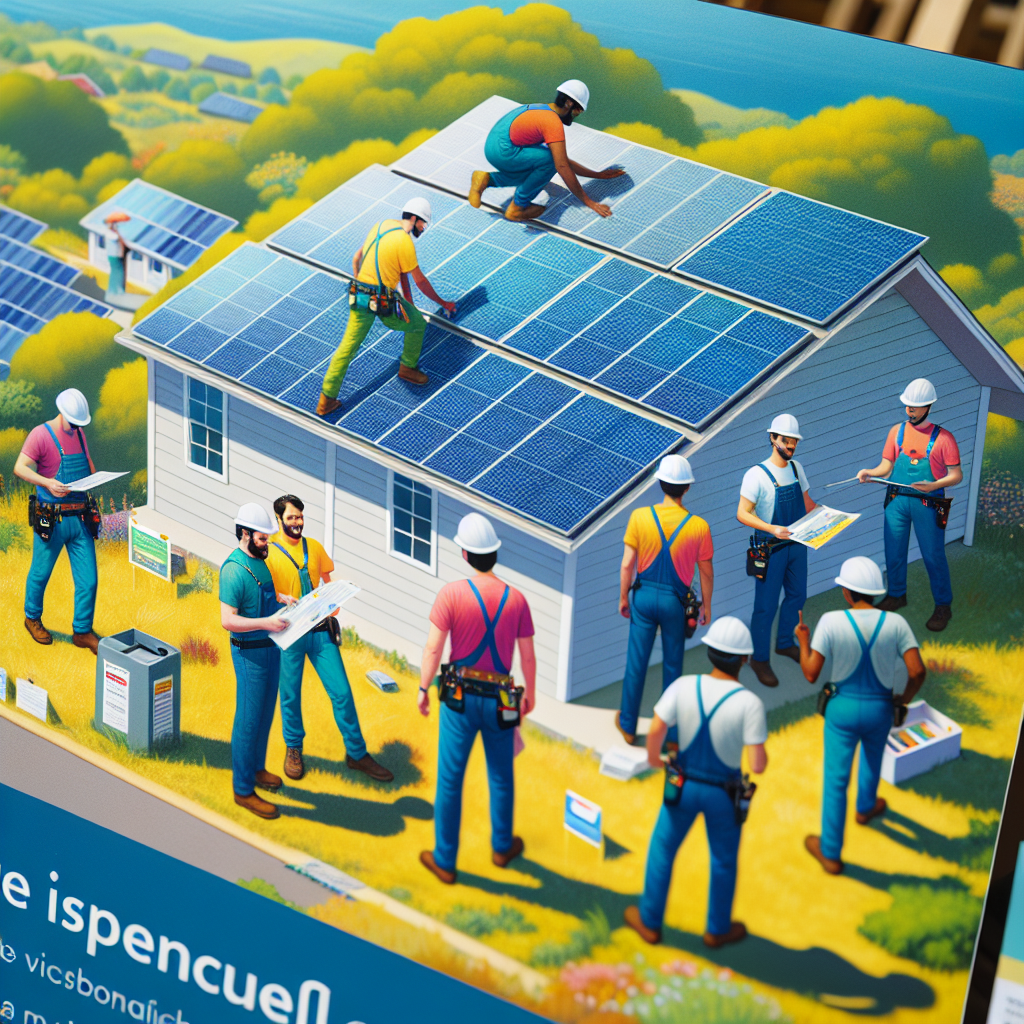
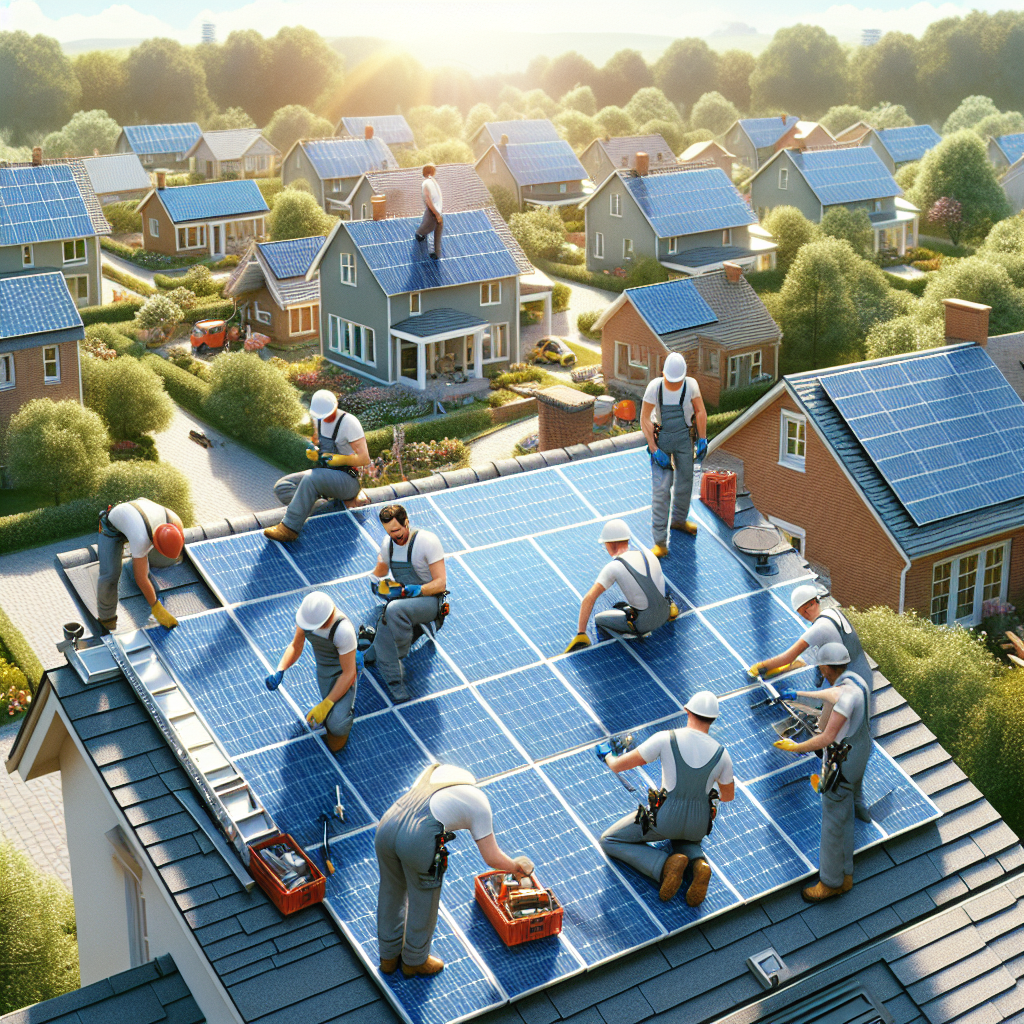
    Let’s talk about the big day—the installation! I remember waking up excited (and a bit anxious) to see my solar panels come to life. The crew showed up early, and they were professional and friendly, which eased my nerves. They took care of everything, from permits to final inspections, and it felt so seamless.

    During the installation, they installed the mounting system first, followed by the solar panels. It was fascinating to watch how it all came together, piece by piece. And just like that, my roof was transformed into a mini power plant! Energy efficiency at its finest!

    By the end of the day, they explained how everything worked and set up my monitoring system. Talk about instant gratification! Seeing the numbers roll in once my system started generating energy was worth every bit of that initial investment!

    Maintenance and Monitoring

    The great thing about solar panels is the minimal maintenance required. Just keep them clean, and they’ll likely last you 25 years or more! I was initially worried about how to maintain mine, but it turns out regular checks are often sufficient. Many installers even provide monitoring tools to ensure everything is running smoothly.

    I’ve found it helpful to occasionally check the performance through the app provided by my installer. You can see real-time data regarding energy production, which is super motivating! If you ever notice a dip in production, a quick call to your installer can help diagnose any issues.

    All in all, maintaining solar panels is a breeze compared to the traditional systems. Combined with the reduced utility bills, I’d say it’s a win-win!

    Final Thoughts

    After weighing all of this, I can genuinely say installing solar panels was one of the smartest decisions I ever made. Not only do I enjoy savings on my bills, but I also get to contribute to a more sustainable world. Sure, there are aspects to consider like upfront costs, installation processes, and maintenance—but the payoff, both financially and environmentally, makes it all worthwhile!

    Thinking about going solar? Do your research, find a stellar installer, and jump in! It’s an investment that aligns with both your wallet and the planet.

    FAQs

    1. How much does it cost to install solar panels?

    The costs vary widely depending on the size of your system, your location, and the installer. However, the average cost in the U.S. can range from $15,000 to $25,000 before incentives.

    2. How much can I save with solar panels?

    On average, homeowners save between $10,000 to $30,000 over the lifespan of their solar energy systems, depending on various factors like local energy rates and how much energy you consume.

    3. What happens if my solar panels don’t produce enough energy?

    If your solar panels aren’t producing enough energy, many users can draw power from the grid, and sometimes go back to their utility provider’s system for the additional energy needed.

    4. Do solar panels require a lot of maintenance?

    No, solar panels require minimal maintenance. Regular check-ups and occasional cleaning are usually all that’s needed to keep your system functioning efficiently.

    5. Can I install solar panels myself?

    While it’s technically possible to install solar panels yourself, it’s not recommended due to safety concerns and local regulations. Hiring professionals ensures your system is installed correctly and safely.

  • How to Get Government Incentives for Solar Energy Installation

    How to Get Government Incentives for Solar Energy Installation

    Understanding Solar Energy Incentives

    What Are Government Incentives?

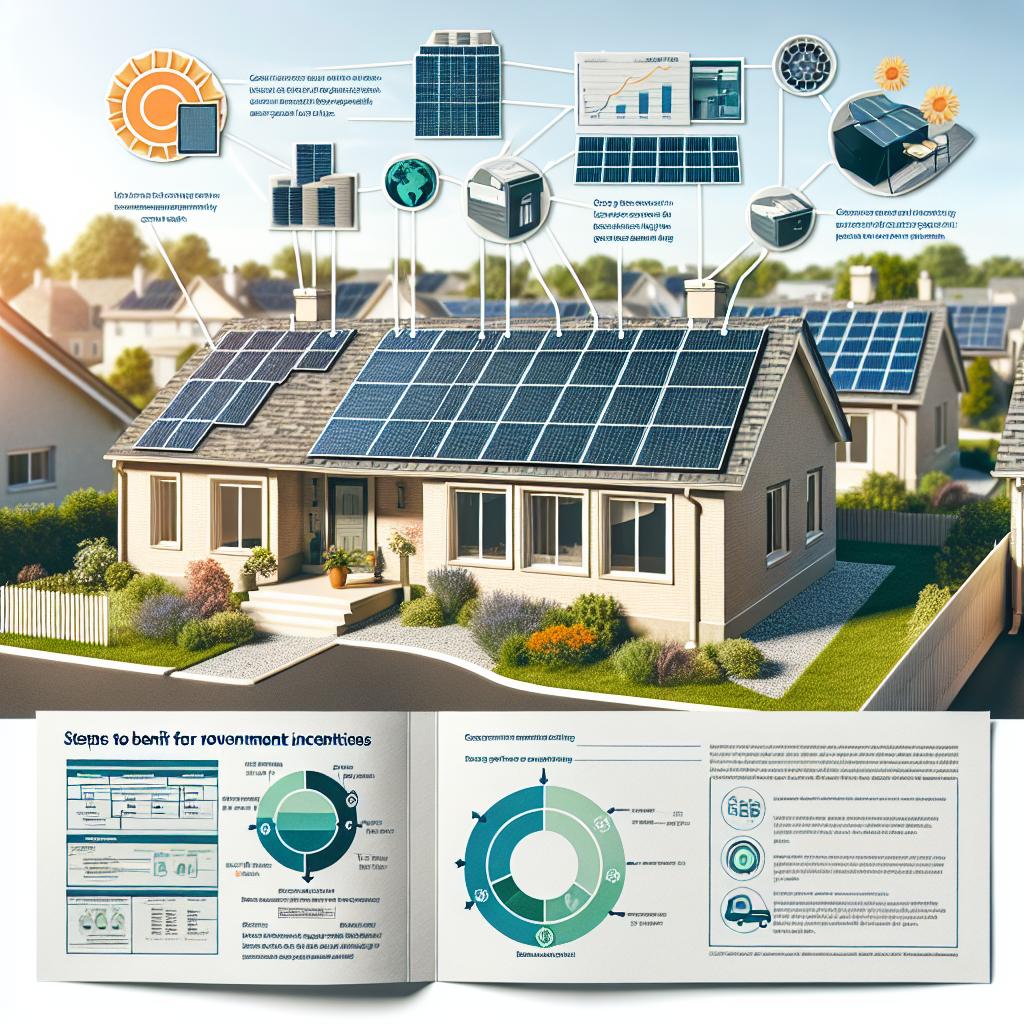
    Government incentives for solar energy installations are basically financial benefits offered by federal, state, and sometimes local governments to encourage you to go solar. These can come in the form of tax credits, rebates, grants, and even low-interest loans. The goal is to make solar energy more accessible for homeowners and businesses, which ultimately helps the environment by reducing reliance on fossil fuels.

    From my perspective, these incentives can really lighten the financial load when installing solar panels. I remember when I installed my panels, having those rebates made a notable difference in the initial investment. It’s like getting a pat on the back for saving the planet while also benefiting your wallet!

    Keep in mind, though, that incentives can vary based on where you live. Each state has different rules and offerings, so it’s important to do some local research for the specific benefits available in your area.

    Researching Available Programs

    Finding Local and Federal Programs

    When I was first looking to go solar, the sheer number of programs out there seemed overwhelming. I started with the Database of State Incentives for Renewables & Efficiency (DSIRE), which is a fantastic resource. It lists every incentive available by state and even offers information about local programs.

    Additionally, checking in with your local utility companies can often lead you to hidden gems of information. They frequently offer their own rebates as part of their renewable energy goals. I remember discovering a rebate that cut my installation costs significantly just by asking my utility provider!

    If you’re still feeling lost, there are organizations and solar advocates who can help you navigate the complexities. Don’t hesitate to reach out; people love sharing their successes and tips!

    Evaluating Solar Energy Systems

    Choosing the Right System for You

    Once I understood the incentives, it was time to pick the right solar energy system. It’s important to remember that not all systems are created equal. Depending on your energy needs, your roof’s orientation, and even your aesthetic preferences, your solar panel choice can vary considerably.

    I found solar calculators online that helped me assess my energy needs based on usage. By doing some math and comparing it to different systems, I got a clearer picture of what would work best for me. Coupled with the financial incentives, this helped narrow my options significantly.

    Plus, reading reviews and seeing actual installations in my area gave me confidence in my choice. I even visited a few friends who had panels installed, which provided invaluable insight.

    Applying for Incentives

    Filling Out the Necessary Forms

    Once I selected the system I wanted, it was time to tackle the application processes for incentives. I won’t lie; it can feel a bit tedious. But ensuring that I filled everything out correctly made a massive difference in how quickly I started receiving benefits.

    Many times, my solar installation company helped me with the paperwork. They were seasoned pros when it came to these applications and provided me numerous forms to ensure I did it right. I just made sure to double-check and sign where needed, which saved me a lot of hassle in the long run!

    Remember, missing paperwork or incorrect information can delay your incentives. So, it pays to be thorough and to keep copies of everything you submit!

    Monitoring Your Incentive Benefits

    Keeping Track of Incentives and Rebates

    After installation and getting my incentives, I found it extremely helpful to actively monitor them. I installed an app on my phone that kept tabs on both my energy production and the financial benefits I was receiving. It’s nice to see how much energy I’ve saved and know that I’ve truly made a difference.

    I also made it a habit to review my tax credits during tax season. This way, I could maximize my benefits and ensure I wasn’t missing any deductions. I even consulted with a tax professional who was savvy about energy incentives; it was worth every penny to ensure I was on track!

    Staying engaged with your solar energy system not only keeps you informed about your savings but can also appeal to future upgrades or maintenance needs down the line. You never know how new incentives might pop up either!

    FAQs

    1. What types of government incentives are available for solar energy installation?

    Incentives can range from federal tax credits, state rebates, and grants, to performance-based incentives. Each location may have different offerings, so check local resources for specifics.

    2. How can I find out about programs in my area?

    The Database of State Incentives for Renewables & Efficiency (DSIRE) is a great place to start. Additionally, contact your local utility companies as they often have their own programs aimed at encouraging solar energy.

    3. Do I need to handle the paperwork myself?

    Not necessarily! Many solar installers will help guide you through the paperwork needed to apply for incentives. Just make sure to keep copies of everything you submit.

    4. Can I still get incentives if I live in an apartment?

    In some cases, yes! You might be able to invest in community solar programs or work with your landlord for individual installations. It’s worth investigating the options available in your area.

    5. Are there any incentives for maintenance or upgrades to existing solar systems?

    Yes, some states offer incentives for maintenance or upgrades, but these vary by location. Always check local resources and programs to see what’s available as technology and offerings continue to evolve.

  • What You Should Know About Solar Panel Installation Costs

    What You Should Know About Solar Panel Installation Costs

    Understanding Solar Panel Pricing

    The Basics of Solar Panel Costs

    So, let’s kick it off by breaking down the basics. When you consider installing solar panels, the first thing that might pop into your head is the price tag. It’s important to know that the cost of solar panels varies widely depending on several factors—like the type of panel, the size, and even your location. The more you learn, the more you can make an informed decision!

    Generally, solar panels can cost anywhere from $15,000 to $30,000 for a standard home installation. But hang on! This doesn’t mean you should just shy away. There are federal and state incentives that can knock off a huge chunk of that cost, which ultimately makes it much more affordable.

    Plus, consider the long-term savings. After installation, your electric bill could shrink dramatically, giving you back more money over time than you spent on the panels in the first place!

    Costs Beyond the Panels

    Now, let’s talk about the costs that don’t involve the panels themselves. You may not realize that the installation process can also have quite a few expenses attached to it. From labor costs to permits, these can add up more than you might think. It’s crucial to budget for these hidden costs.

    Labor costs can vary greatly depending on the company you hire. Some companies may charge what seems like a fortune, while others have competitive rates. It’s all about shopping around, getting quotes, and factoring in the quality of work they promise.

    Don’t forget about permits! In many areas, you’ll need a permit to install solar panels, and that’ll come with its own fee. Each jurisdiction has different rules, so it’s a bit of a treasure hunt figuring that part out.

    Financing Options

    Financing is a huge piece of the puzzle, and trust me, it can change how you view those upfront costs. There are plenty of ways to make solar more accessible financially. You can choose to purchase your panels outright or opt for financing options like solar loans or leases.

    Solar loans typically have lower interest rates than personal loans, and they allow you to own the system outright after a few years, which can be quite a game changer. Plus, owning the system means you’ll benefit from those electric bill savings directly!

    Leasing, on the other hand, means you’ll pay a monthly fee to use the panels without ever owning them outright, which can lower your initial costs significantly. Just know you’ll miss out on some incentives, as the leasing company usually takes those benefits.

    Comparing Installation Companies

    <h3;Choosing the Right Installer

    Honestly, this one might just be my favorite part—picking the team that’ll install your panels! This decision impacts your overall experience and cost. Research is crucial; I can’t stress that enough. Look at reviews, ask around, and don’t hesitate to ask for quotes from multiple companies.

    When you compare, it’s not just about the lowest price—though that’s tempting! Look at experience, guarantees, and what they offer in terms of maintenance. You want to ensure you’re getting quality work that’s going to last you for years.

    And remember: the cheapest isn’t always the best. Sometimes, spending a little extra upfront can save you a ton in repairs down the line. It’s a relationship that should feel solid, because you’re trusting them with your investment.

    <h3;Checking Credentials

    Along with comparing prices, double-check credentials! Ensure your installer is licensed and insured; otherwise, you might find yourself in a pretty sticky situation if something goes wrong. The last thing you want is to have someone installing equipment on your roof who isn’t properly qualified.

    Check for accreditations from trusted organizations, such as the North American Board of Certified Energy Practitioners (NABCEP). This shows they’ve met certain standards in the field. Basically, you want someone who knows what they’re doing up there!

    And don’t be shy about asking for references. A trustworthy company will have happy customers willing to sing their praises. It’s nice to hear from someone that’s walked a mile (or ten) in those shoes before you.

    <h3;Warranty and Service

    Make sure to thoroughly discuss warranty options. A long and comprehensive warranty on both the panels and the workmanship is a great indication of the quality of the install. You don’t want to install solar panels, only to find out a year in that they’re faulty or something is amiss.

    Most panels come with warranties that last from 25 years to lifetime, but the installation warranty can vary significantly. Ensure you clearly understand what’s covered, for how long, and what steps to take if an issue arises.

    Customer service matters too! If something goes wrong, you’ll want a responsive team ready to fix whatever needs fixing. That peace of mind is worth its weight in gold!

    Tax Incentives and Rebates

    <h3;Understanding Your Tax Credits

    Alright, here’s where things get exciting! Tax incentives can significantly offset the cost of installation and help make solar power a reality for many people. The federal solar tax credit, for example, allows you to deduct a large percentage of your solar installation costs from your federal taxes, which can lead to substantial savings at tax time.

    Each year the percentage fluctuates, so staying informed on what’s available means you won’t miss out. It’s always smart to consult with a tax professional to maximize those benefits based on your situation.

    And trust me, navigating these tax credits can feel like dodging obstacles in a video game; it pays to be careful and stay sharp!

    <h3;State and Local Incentives

    Don’t forget that many states and even local utilities offer additional rebates and incentives for solar panel installation. Some states have their own tax credits, while others might provide cash rebates based on the size of the system you install.

    In some cases, you might even find programs that offer performance payments, where you get paid for the energy your solar system produces for a certain period. Getting paid to save the planet? I mean, yes, please!

    Researching these state and local options will take some time, but the potential savings can really pay off—pun totally intended!

    <h3;Financing and Grants

    If tax incentives aren’t enough to make the leap, there are green financing options available too. Some banks and credit unions have specific loans for renewable energy projects that come with lower interest rates or special terms tailored for solar installations.

    Additionally, you might find grant opportunities depending on where you live. Some non-profits and government programs provide funding specifically for solar energy installations, which can cut down upfront costs significantly.

    Just remember: always read the fine print! Terms can vary, and you want to ensure you fully understand any obligations or restrictions tied to these options.

    Calculating Your Return on Investment

    <h3;Long-term Savings

    When it comes to solar, calculating your return on investment (ROI) might seem daunting, but it’s totally doable! The most significant savings come from reduced electricity bills—after all, you’re generating your own power.

    Many homeowners start seeing a return on their investment within five to seven years. The savings really add up over the lifetime of your panels, often providing dramatic financial relief in years to come. I can’t stress enough how awesome it is to watch your energy bills shrink!

    Plus, as energy rates continue to rise, you’ll be shielded from those hikes, leading to even more savings over time. It’s like being on a financial rollercoaster, but in a good way!

    <h3;Home Value Increase

    Another fantastic perk to consider is how solar installations can directly impact your home’s value. Numerous studies have shown that homes with solar panels can sell for more than those without—sometimes upwards of $15,000 more on average. That’s a nice cushion if you ever plan to sell!

    Potential buyers are increasingly considering the costs of utilities when house hunting, and if they see that you have solar panels, they might find that a huge selling point. In today’s market, being eco-friendly can be a cherry on top of a great home sale.

    Plus, who wouldn’t want to market their home as green? It’s a win-win all around!

    <h3;Assessment Tools

    Finally, utilize assessment tools and programs available online to estimate your potential savings. There are platforms that calculate how much you’ll save based on your location, energy usage, and even panel production. These tools can offer you projections, which are invaluable when forecasting your finances.

    Remember, these estimates will also consider the costs associated with installation, local incentives, and even future energy rates. It’s like having your solar-powered crystal ball!

    By understanding how all these factors interplay, you can make smarter decisions that benefit both your wallet and the environment.

    Conclusion

    In wrapping this up, I hope you have a well-rounded view of all the costs associated with solar panel installation. From understanding pricing to maximizing incentives, it’s a journey worth taking. The savings and benefits of investing in solar power are immense, and each decision brings you a step closer to a sustainable lifestyle. So what are you waiting for? Dive into the solar world and start exploring!

    FAQs about Solar Panel Installation Costs

    1. How much can I expect to pay for solar panel installation?

    The cost can vary significantly but generally falls within the range of $15,000 to $30,000 for a standard home installation. It’s essential to account for hidden expenses like permits and labor.

    2. Are there any financing options available for solar installations?

    Absolutely! You can purchase panels outright or choose financing options like loans or leases. Many banks offer loans specifically for solar installations.

    3. What incentives should I be aware of when considering solar panels?

    Common incentives include the federal solar tax credit, state tax credits, and various local rebates. These can significantly reduce your upfront costs and improve ROI.

    4. How long does it generally take to see a return on investment with solar panels?

    Most homeowners notice a return on their investment within five to seven years, thanks to lower electricity bills and potential home value increases.

    5. What should I look for when choosing a solar installer?

    Look for credentials, customer reviews, warranties on work and panels, and most importantly, compare quotes from multiple companies to ensure you’re getting a fair deal.

  • Solar Power 101: The Basics and Benefits Explained

    Solar Power 101: The Basics and Benefits Explained

    Introduction to Solar Power

    Solar power is a form of renewable energy that harnesses the sun’s rays to generate electricity. It involves using photovoltaic (PV) cells, which are made up of semiconducting materials such as silicon or cadmium telluride, to convert light into usable electrical current. These PV cells can be incorporated into solar panels, which can then be installed on rooftops or other surfaces to capture the sun’s energy.

    Is Solar Power Really Helpful to the Environment?

    Absolutely! Solar power is considered one of the most environmentally friendly forms of energy available today. Unlike traditional fossil fuels like coal and oil, which release large amounts of greenhouse gases when burned, solar power produces no emissions whatsoever. This means it doesn’t contribute to climate change, air pollution, or water pollution. Additionally, because solar power relies on an abundant resource – the sun – there is virtually unlimited potential for its use in the future.

    How Expensive Is Solar Power?

    The cost of installing solar panels has decreased significantly over the past decade due to advancements in technology and increased demand. While initial costs may still seem high for some homeowners, many find that they quickly recoup their investment through reduced energy bills over time. In fact, according to recent studies, the average American household can expect to save around $25,000 over the lifetime of their system. And with tax credits, rebates, and other financial incentives offered by governments and utilities, going solar has become more affordable than ever before.

    DSC 7059 788 scaled

    What Is the Best Solar Power Generator?

    There are several factors to consider when choosing the best solar power generator for your needs. Firstly, you will want to determine how much power you need, based on your daily usage patterns. You should also take into account the size and shape of your roof, as well as any shading issues that could affect the performance of your solar panels. When it comes to specific brands, companies like SunPower, LG, Panasonic, and Canadian Solar all offer top-quality products at competitive prices. Ultimately though, the choice will depend on individual preferences and budget constraints.

    Can I Install My Own Solar Panels?

    While installing solar panels yourself might sound appealing from a cost perspective, it is generally not recommended unless you have extensive experience working with electrical systems. Solar panel installation requires specialized knowledge about safety protocols, building codes, and local ordinances. A professional installer will ensure that everything is done correctly and safely, while also providing warranties and guarantees for their workmanship. However, if you do decide to install them yourself, make sure to follow all necessary precautions and guidelines to avoid injury or damage.

    What Is Renewable Energy?

    Renewable energy refers to sources of energy that come from natural resources that are replenished naturally over time. Examples include wind, solar, hydroelectric, geothermal, and biomass energy. Unlike nonrenewable sources like fossil fuels, these types of energy are sustainable and won’t run out over time. They also produce fewer greenhouse gas emissions and don’t rely on finite resources like petroleum or coal. By transitioning towards renewable energy, we can help reduce our carbon footprint and mitigate the impacts of climate change.

    How Long Does It Take For My Solar Batteries To Recharge?

    The amount of time it takes for your solar batteries to recharge depends on various factors including the capacity of your battery bank, the intensity of the sunlight, and your overall energy consumption. On average, a full charge can typically be achieved within six hours under optimal conditions. However, this can vary depending on the type of battery used, the weather, and other environmental factors. If you have concerns about the charging speed of your solar batteries, consult with a qualified technician who can provide guidance and recommendations tailored to your specific setup.

    Is There An Inexpensive Solar Power Generator That Is Recommended?

    Yes, there are several options available for those looking for an affordable solar power solution. Companies like Goal Zero and Renogy offer portable solar generators that can be charged during the day and used to power electronics and appliances at night. These units are compact and easy to transport, making them ideal for camping trips, emergency situations, or off-grid living. Another option is to purchase a DIY kit that includes all the components needed to build your own solar panel array. With careful planning and research, it is possible to create a reliable source of clean energy without breaking the bank.

    solar energy Mk2WEV9d scaled
  • Solar Power Generators

    Solar Power Generators

    A lot of people have heard about solar power and they would like to use it. It has been around for quite some time now and people have been using it to provide their homes with electricity. This is one way that you can save money and at the same time help out the environment. Solar power generators have been around for quite some time and they are very efficient in producing electricity. The only thing that you need to do is find the right kind of generator.

    There are different kinds of solar power generators that you can choose from. There are the ones that you can install yourself and there are also those that you can buy. If you want to install them yourself, then you will need to make sure that you have all the necessary tools. You will also need to be able to do this by yourself. You should also be able to follow the instructions given to you so that you will not have any problems when installing them. If you don’t know how to install them, then you should get help from someone who knows.

    vvv 0216 img 0107 575 scaled

    When you are buying solar power generators, you will have to consider several things. First, you will have to consider the cost. This is important because you will have to compare the prices of different brands and models. You will also have to consider the size of the solar panel and the capacity of the battery. If you have more than one family member living in your house, then you will have to make sure that you buy enough panels and batteries. You will also have to make sure that you have enough space for them.

    Once you have found the best solar power generator, you will have to decide whether you want to use it for your home or for your business. If you are going to use it for your home, then you will have to put up the panels and the batteries in your backyard. If you are going to buy a commercial solar power generator, then you will have to check the specifications of the model that you are interested in buying. You will also have to check if it is going to meet your needs.