Tag: Installing Your Own Solar Panels

  • DIY Solar Panels: Can You Install Your Own

    DIY Solar Panels: Can You Install Your Own

    Solar power is a renewable source of energy that has become increasingly popular in recent years. With the rising costs of electricity and concerns about climate change, many people are turning to solar panels as a way to reduce their carbon footprint and save money on their utility bills. In this blog post, we will explore whether it’s possible for you to install your own DIY solar panels.

    Introduction to Solar Power and Its Benefits

    Solar power involves harnessing the energy from the sun through photovoltaic cells. These cells convert sunlight into direct current (DC) electricity, which can then be converted into alternating current (AC) electricity that can be used to power your home or business. There are several benefits to using solar power, including:

    Lower electricity bills: Once you have installed your solar panels, you will generate your own electricity, meaning you will need to purchase less from the grid. Over time, this can result in significant savings on your utility bills.

    Reduced reliance on fossil fuels: By generating your own electricity with solar panels, you are reducing your dependence on non-renewable sources of energy such as coal and natural gas. This can help to reduce greenhouse gas emissions and improve air quality.

    Increased property value: Homes and businesses with solar panel systems are often more valuable than those without them. If you decide to sell your property, having a solar panel system could increase its appeal to potential buyers.

    The Cost of Installing Your Own Solar Panels

    Installing solar panels can be an expensive endeavor, but there are ways to reduce the cost by doing some of the work yourself. The cost of installing solar panels varies depending on factors such as the size of your system, the type of equipment you use, and where you live. On average, however, installation costs range from $10,000 to $20,000. Here are some tips for keeping the cost down:

    Do your research: Before purchasing any equipment, do plenty of research to ensure you are getting the best price. Look for deals and compare prices from different suppliers.

    Choose the right equipment: Not all solar panels are created equal. Choosing high-quality equipment that is well-suited to your needs can help to maximize your energy output while minimizing costs.

    Consider tax credits and rebates: Many states offer tax credits and rebates for homeowners who install solar panels. Check with your local government to see if you qualify for any incentives.

    Choosing the Best Solar Power Generator for Your Needs

    When choosing a solar power generator, there are several things to consider. First, determine how much energy you need. This will depend on factors such as the size of your home or business and how much electricity you typically consume. Next, consider the following factors when selecting a generator:

    Efficiency: Look for generators with a high efficiency rating. This means they will produce more energy per square foot of surface area.

    Durability: Solar panels should be able to withstand extreme weather conditions, so look for ones that are designed to be durable.

    Warranty: Make sure the generator comes with a warranty that covers defects and damage.

    DIY Solar Panel Installation: A Step-by-Step Guide

    If you are handy with tools and have some basic knowledge of electrical wiring, you may be able to install your own DIY solar panels. Here is a step-by-step guide to get started:
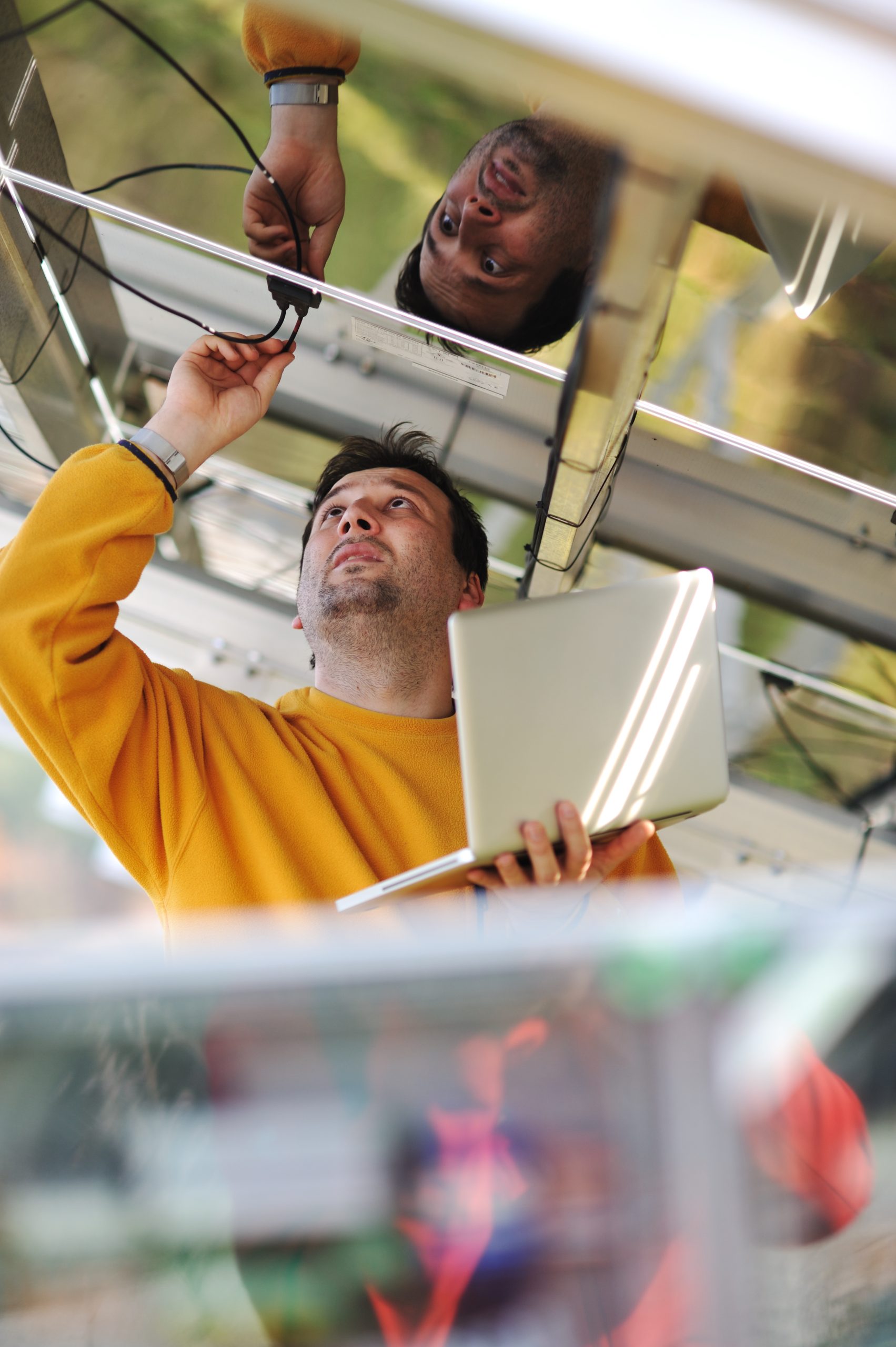
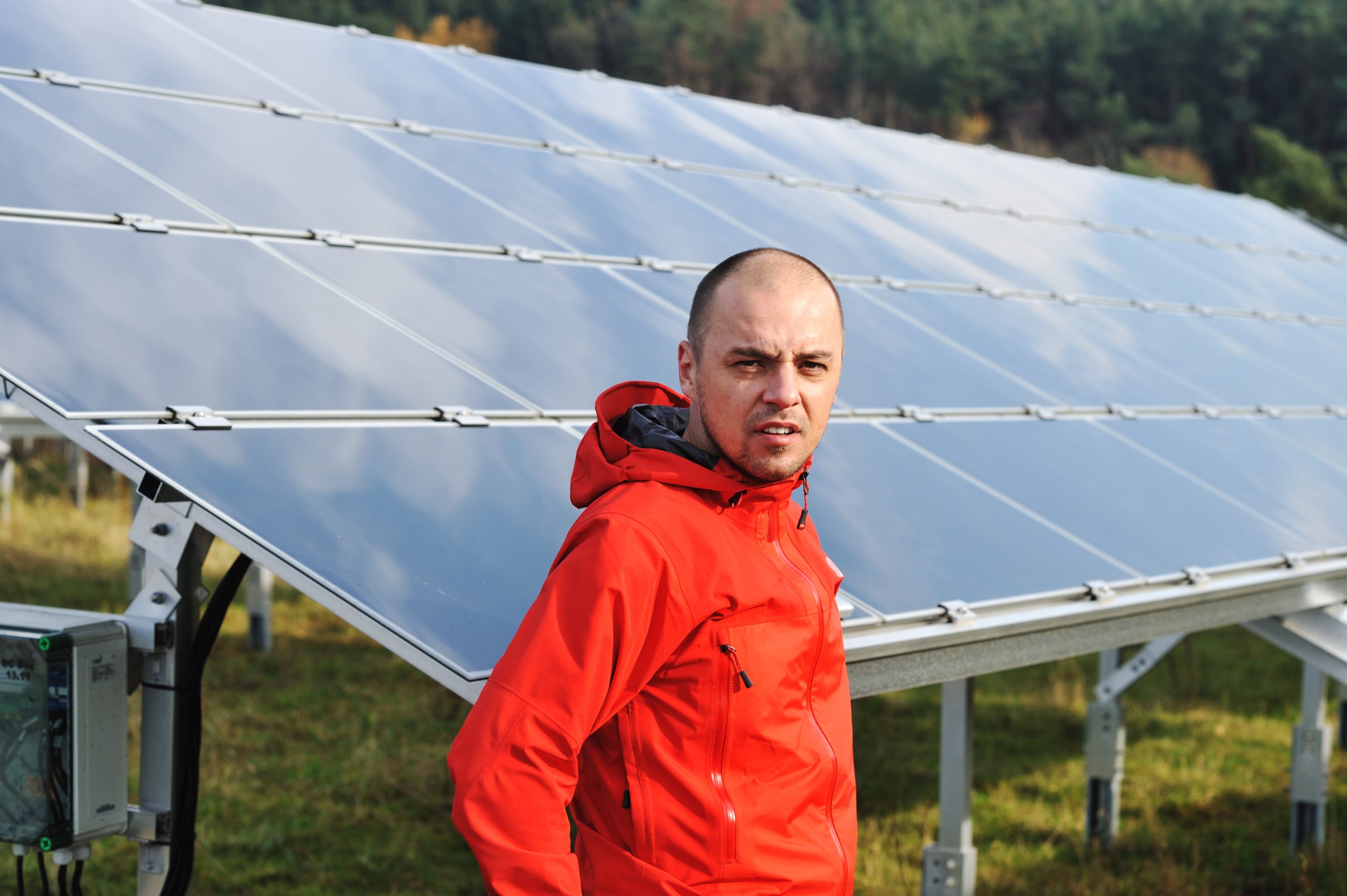
    young expert working at solar panels HKZqpITHj 1 scaled

    1. Determine the location: Choose a location for your solar panels that receives maximum sunlight throughout the day. Keep in mind that the roof is often the most practical place to install them.

    2. Assess your energy needs: Calculate how much energy you need based on your typical usage patterns. This will help you determine the size of the system you need.

    3. Select your equipment: Choose high-quality solar panels, batteries, and other components that are well-suited to your needs.

    4. Plan your layout: Draw up a plan for how you will arrange your solar panels to optimize their exposure to sunlight.

    5. Install the mounting brackets: Attach the mounting brackets to your roof or other chosen location. Be sure to follow all safety precautions during this process.

    6. Connect the wires: Use copper wire to connect the solar panels together. Be careful not to mix positive and negative wires.

    7. Add the battery: Connect the battery to the rest of the system. Make sure it is fully charged before using it to power your home or business.
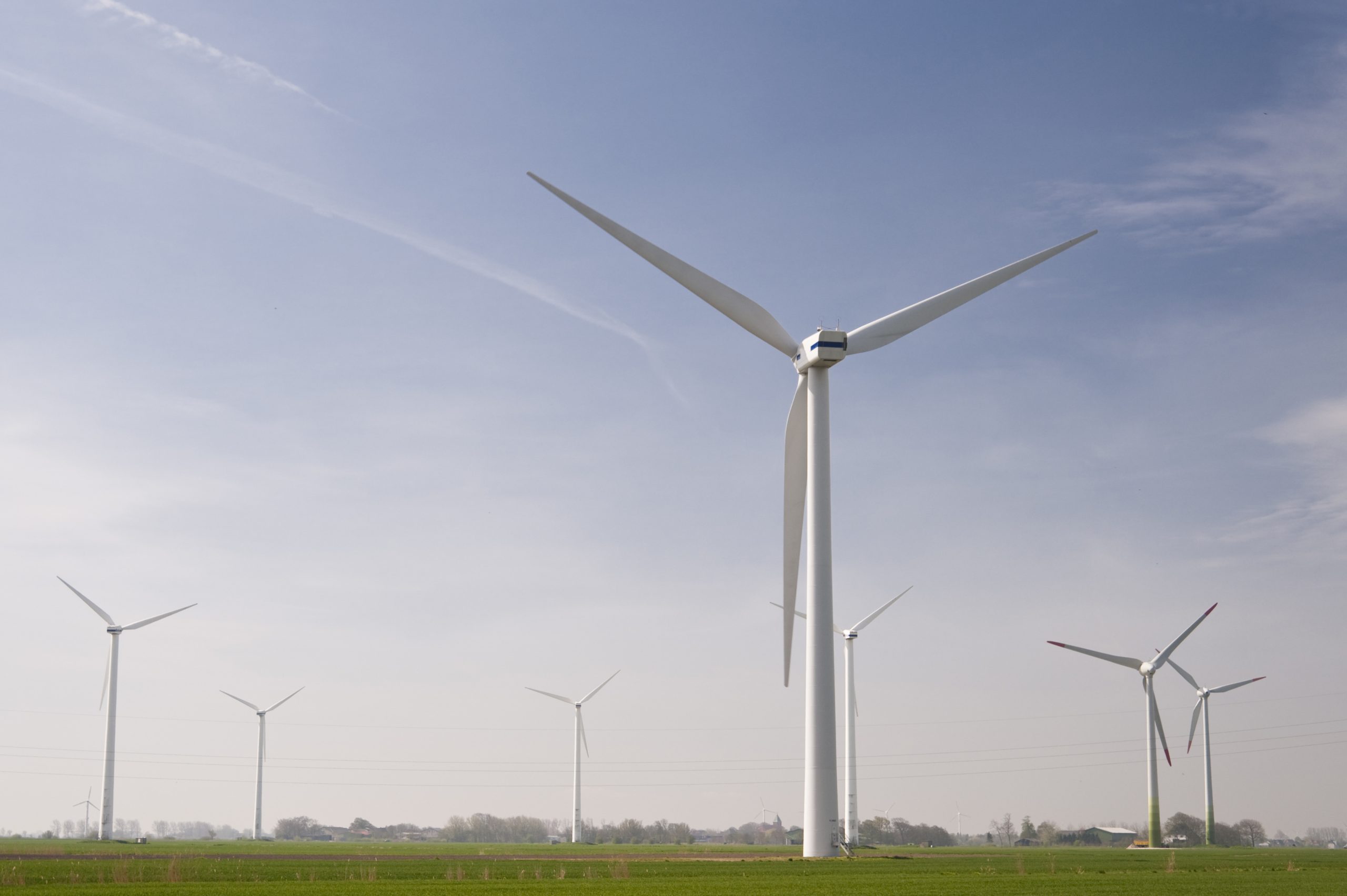
    wind energy zkRk9V5d 2 scaled

    8. Test the system: Turn on your appliances and electronics to make sure everything is working properly. Adjust the angle of the panels as needed to optimize their performance.

    Conclusion

    In conclusion, installing your own DIY solar panels can be a challenging but rewarding experience. While it requires some initial investment, it can ultimately save you money on your utility bills and provide a clean source of energy for your home or business. By carefully selecting your equipment, planning your layout, and following proper safety procedures, you can successfully install your own solar panel system.
  • The Truth About Solar Panels and Their Impact on the Environment

    The Truth About Solar Panels and Their Impact on the Environment

    Solar power is one of the most popular forms of renewable energy, and it’s easy to see why. With solar panels becoming more affordable and efficient than ever before, many homeowners are turning to this eco-friendly option as a way to reduce their carbon footprint while also saving money on their electricity bills. However, there are still some misconceptions about how solar panels impact the environment. In this blog post, we’ll explore the truth about solar panels and their environmental impact.

    Introduction to Solar Power and Its Environmental Impact

    One of the biggest advantages of solar power is that it produces no greenhouse gas emissions or air pollution. Unlike traditional fossil fuels like coal and natural gas, which release large amounts of carbon dioxide into the atmosphere when burned, solar panels generate clean energy from sunlight. This means that they don’t contribute to climate change or smog formation, making them an excellent choice for those who want to reduce their carbon footprint.

    Another advantage of solar power is that it requires very little water compared to other types of energy generation. For example, conventional power plants use huge amounts of water for cooling purposes, which can have a significant impact on local aquatic ecosystems. Solar panels, on the other hand, require virtually no water at all, making them much more sustainable in terms of water usage.

    The Cost of Solar Panels vs Traditional Energy Sources

    While the initial cost of installing solar panels may be higher than traditional energy sources such as oil or gas, the long-term savings make it well worth the investment. Not only do solar panels save you money on your monthly electricity bill, but they also increase the value of your property if you decide to sell. Additionally, with government tax credits and rebates available in many areas, the upfront costs of going solar can be significantly reduced.

    Choosing the Best Solar Power Generator for Your Needs

    When choosing a solar panel system, there are several factors to consider. First, determine what size system you need based on your energy consumption patterns. A professional installer can help you calculate this by analyzing your past energy usage and considering future growth projections. You will also need to choose between monocrystalline, polycrystalline, or thin film solar cells depending on your budget and needs. Finally, consider whether you want a grid-connected or off-grid system, depending on where you live and how much independence you desire.

    Installing Your Own Solar Panels: Is It Worth It?

    Many people wonder if they should install their own solar panels instead of hiring a professional. While DIY installation can certainly save you money, it’s important to carefully weigh the pros and cons. Installing solar panels requires specialized knowledge and skills, so unless you have experience working with electrical systems, it may not be the best idea. Additionally, mistakes during installation can void warranties and cause safety hazards. If you’re unsure, consult with a licensed contractor who can provide guidance and recommendations.

    Understanding Renewable Energy and Its Benefits

    Renewable energy sources like solar power offer numerous benefits beyond just reducing our carbon footprint. They create jobs in industries related to manufacturing, installation, and maintenance of these technologies. Additionally, renewables provide greater energy security since they aren’t subject to price fluctuations in global markets like oil and gas. By transitioning to renewable energy sources, we can build a more resilient and sustainable future for ourselves and generations to come.

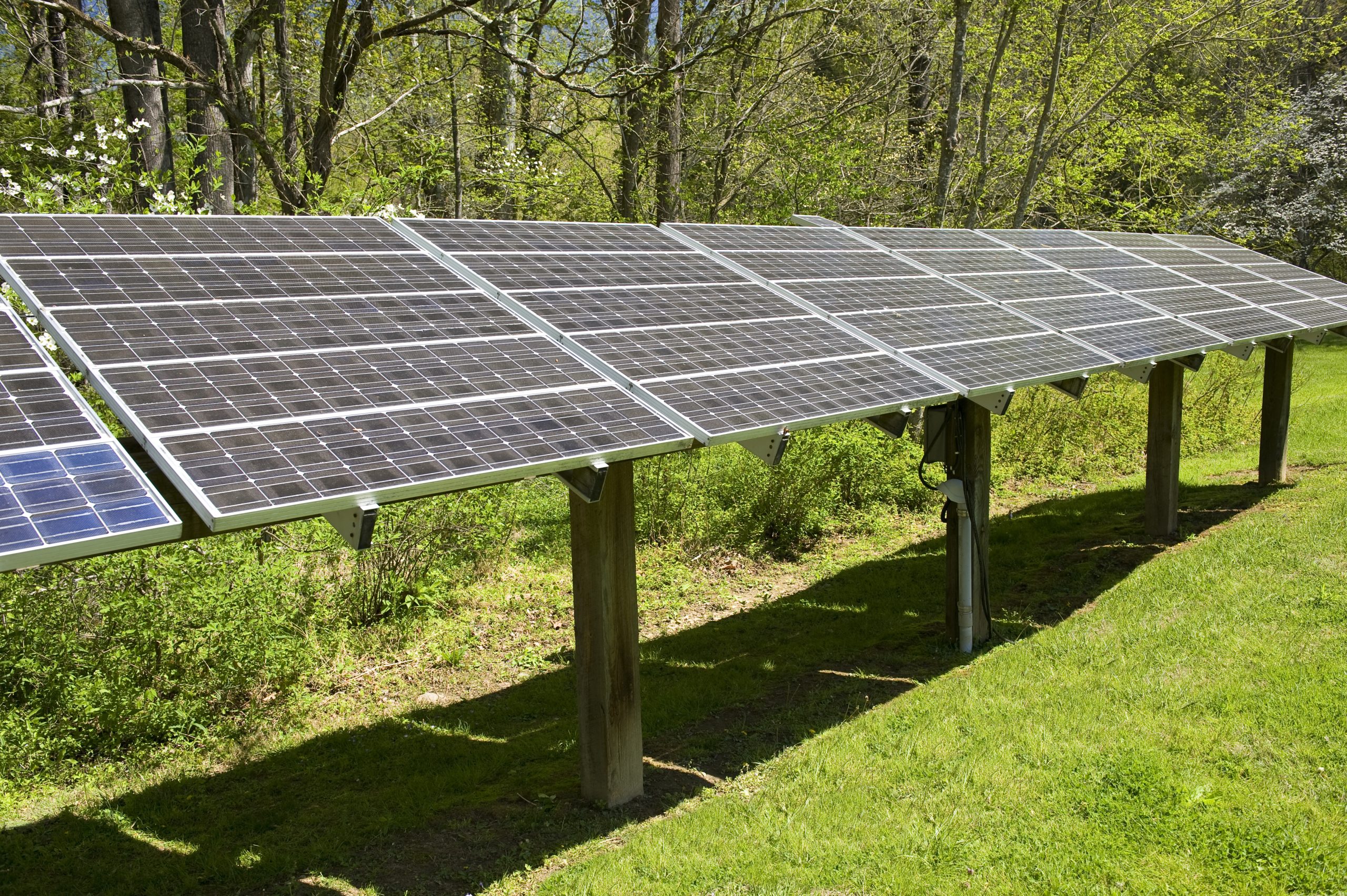
    large solar energy panel array BFeqZppNs 3 scaled

    Recharging Your Solar Batteries: How Long Does it Take?

    If you’ve decided to go off-grid with your solar panel system, you’ll need to consider battery storage options. Depending on your location and energy demands, you may need to recharge your batteries frequently. The good news is that modern lithium-ion batteries can be charged quickly and efficiently, usually within a few hours. However, if you’re using older lead-acid batteries, charging times may take longer, typically around 8-12 hours. Be sure to factor in charge time when designing your solar panel system to ensure you have enough energy stored for your daily needs.

    In conclusion, solar power offers numerous benefits to both individuals and society as a whole. From reducing our carbon footprint to creating new job opportunities, renewable energy sources like solar power represent a bright future for us all.

  • The Truth About Solar Power: Is It Really Green

    The Truth About Solar Power: Is It Really Green

    Solar power is a renewable source of energy that has been gaining popularity in recent years. With the increasing demand for clean and sustainable sources of electricity, many homeowners are considering switching to solar power as an alternative to traditional fossil fuels. However, there are still some questions about whether or not solar power is truly green and environmentally friendly. In this blog post, we will explore the truth about solar power and its impact on the environment.

    Introduction to Solar Power: What is it and how does it work

    Solar power involves harnessing the energy from sunlight using photovoltaic cells. These cells convert light into direct current (DC) electricity, which can then be converted into alternating current (AC) electricity through an inverter. The AC electricity can then be used to power homes and businesses.

    The Environmental Impact of Solar Power: Is it really green?

    One of the main benefits of solar power is that it produces no emissions or pollution during operation. This means that it does not contribute to air pollution or climate change like traditional fossil fuels do. However, there are some environmental concerns associated with the production and disposal of solar panels.

    The manufacturing process of solar panels requires the use of certain chemicals and materials, such as silicon and cadmium telluride, which can have negative environmental impacts if not properly managed. Additionally, the disposal of solar panels at the end of their lifecycle can also pose a challenge, as they contain hazardous materials that need to be handled carefully.

    Overall, while solar power may not be completely without environmental impact, it is generally considered to be much cleaner and more sustainable than traditional forms of energy generation.

    The Costs of Going Solar: How expensive is solar power in comparison to traditional energy sources?

    In recent years, the cost of solar power has decreased significantly, making it more affordable than ever before. While installation costs vary depending on location and system size, the average cost of installing residential solar panels in the United States is around $20,000.

    While this may seem like a significant upfront investment, solar panels typically last between 25-30 years, meaning that they can provide long-term savings on energy bills. Additionally, government tax credits and rebates can help offset the initial cost of installation.

    When compared to traditional forms of energy generation, such as coal or natural gas, solar power is often seen as a more cost-effective option over time.

    Choosing the Best Solar Power Generator: What are some factors to consider when selecting a generator?

    There are several factors to consider when choosing a solar power generator. One important consideration is the efficiency of the generator – higher efficiency means that the generator can produce more electricity using less space and resources. Another factor to consider is the warranty offered by the manufacturer, as well as any additional features, such as battery backup or monitoring software.

    It’s also important to choose a reputable brand with a track record of quality products and customer service. Finally, it’s essential to ensure that the generator is appropriately sized for your specific needs, taking into account factors such as weather conditions and daily energy usage.

    Installing Your Own Solar Panels: Can you install your own panels or should you hire a professional?

    While it is possible to install your own solar panels, it is generally recommended to hire a professional installer. Installing solar panels requires specialized knowledge and skills, including electrical wiring and roofing experience. A qualified installer can also help ensure that the system is installed correctly and safely, maximizing its performance and longevity. Additionally, most manufacturers require professional installation to maintain warranties on their products.

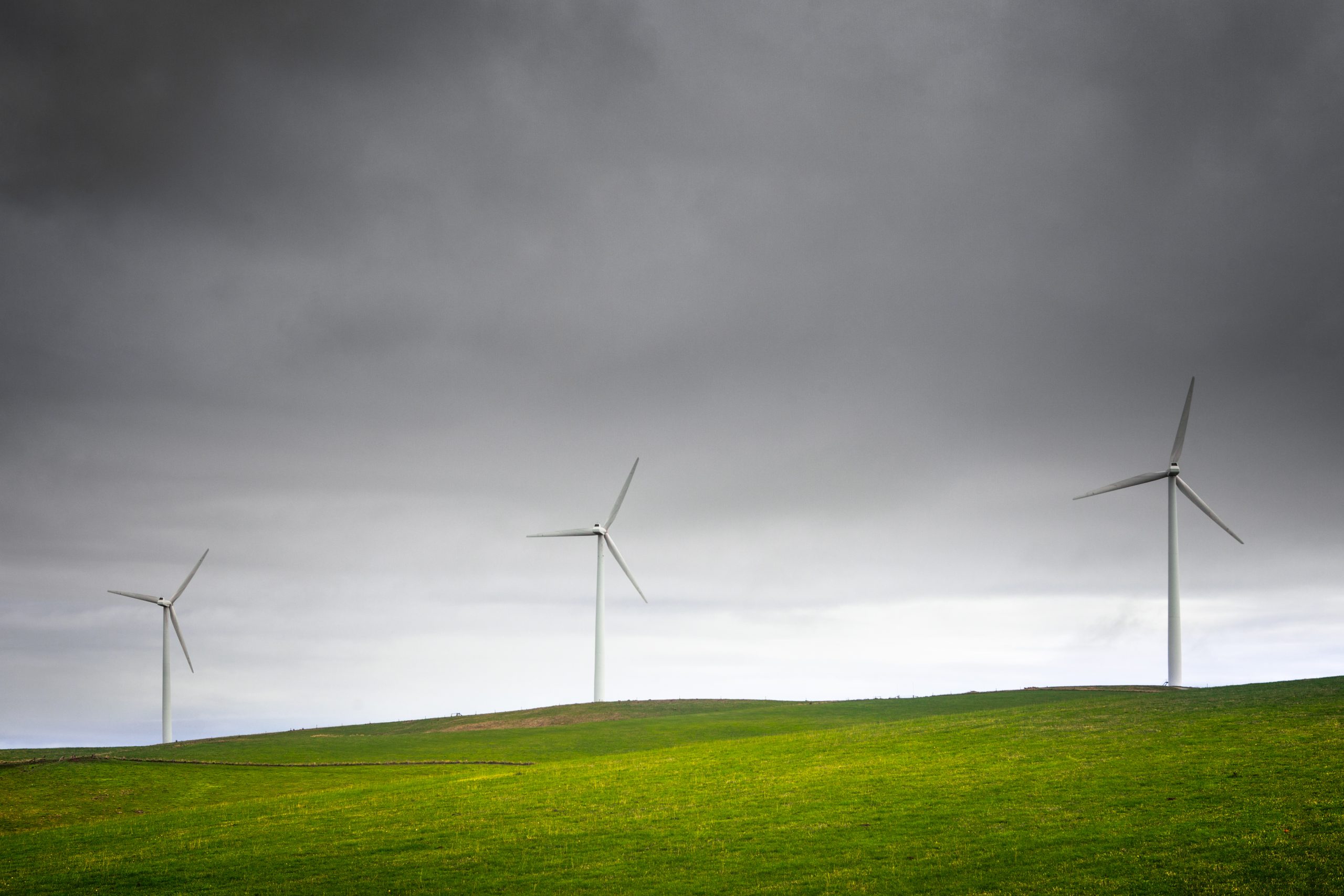
    storyblocks wind farm in south australia B4bCR1oAEf scaled

  • DIY Solar Panels: Can You Install Your Own

    DIY Solar Panels: Can You Install Your Own

    Introduction to Solar Power and Its Benefits:

    Solar power is a renewable source of energy that has been gaining popularity in recent years. It’s no surprise why – solar panels can help you save money on your electric bill, reduce your carbon footprint, and even make your home more valuable. With the increasing demand for clean energy sources, many people are considering installing their own solar panels as a DIY project. But before we dive into the details of how to install your own solar panels, let’s take a closer look at the benefits of solar power.

    The Cost of Installing Your Own Solar Panels:

    Installing solar panels may seem like an expensive endeavor, but it can actually save you money in the long run. The cost of installation varies depending on the size of your system and the materials used, but on average, homeowners spend between $10,000 and $20,000 on a typical residential solar panel system. However, this investment can pay off quickly with tax credits and rebates offered by many states and utility companies. Additionally, once your system is installed, you will see significant savings on your monthly electric bills.

    Choosing the Best Solar Power Generator for Your Needs:

    When choosing a solar power generator, there are several factors to consider. First, determine the amount of energy you need based on your daily usage. You can find this information on your electric bill or by using an online calculator. Next, decide what type of solar panel you want – monocrystalline, polycrystalline, or thin-film. Each type has its advantages and disadvantages, so do some research to determine which one best suits your needs. Finally, choose a reputable brand with high-quality products and excellent customer service.

    abstract concrete wall background scaled

    DIY Solar Panel Installation: Is It Possible?

    While installing your own solar panels may sound daunting, it is possible with the right tools and knowledge. However, it’s essential to note that safety should be your top priority during the installation process. Before starting any work, make sure to read all instructions carefully and follow proper safety procedures. Additionally, if you have little to no experience with electrical work, it may be best to hire a professional installer to ensure everything is done correctly. If you feel confident enough to tackle the project yourself, here are some steps to guide you through the process:

    Step 1: Determine the location of your solar panels and assess the site conditions. Make sure the area receives adequate sunlight throughout the day.

    Step 2: Choose the appropriate mounting hardware for your roof or ground-mounted system. This includes brackets, rails, and other components needed to secure the panels in place.

    Step 3: Connect the wiring from the panels to the inverter. Be sure to use UL-listed cables and connectors to prevent any potential fire hazards.

    Step 4: Configure the battery bank (if applicable) and test the system to ensure everything is working properly.

    In conclusion, while installing your own solar panels may require some effort, it can be a rewarding and cost-effective way to generate clean energy for your home. By following these steps and taking necessary precautions, you can successfully install your own DIY solar panels.

  • DIY Solar Panels: Can You Install Your Own

    DIY Solar Panels: Can You Install Your Own

    Introduction to DIY Solar Panels

    DIY solar panels are becoming increasingly popular as people look for ways to reduce their carbon footprint and save money on energy bills. With the right tools, knowledge, and commitment, you can install your own solar panel system at home. In this article, we will explore everything you need to know about DIY solar panels, including the benefits of using solar power, how expensive it really is, what are the best solar power generators, and whether or not you can install your own solar panels. Let’s get started!

    The Benefits of Solar Power for the Environment

    Solar power has numerous environmental benefits that make it an attractive option for many homeowners. First and foremost, solar power is renewable and sustainable, which means it won’t run out like traditional fossil fuels. Additionally, solar power produces no greenhouse gas emissions, making it a clean source of energy that doesn’t contribute to climate change. By switching to solar power, you can significantly reduce your carbon footprint and help protect the environment.

    How Expensive is Solar Power Really?

    Many people assume that solar power is too expensive for them to afford, but the truth is that solar power has become more accessible than ever before. The cost of solar panels has decreased dramatically over the past decade, thanks in part to advances in technology and increased demand. While installation costs vary depending on the size and complexity of your system, there are plenty of tax credits and rebates available that can offset some of these expenses. Plus, once your system is installed, you’ll start saving money on your energy bills almost immediately, making solar power a wise investment in the long run.

    storyblocks early morning wheat closeup HNkaei0Vz scaled

    What are the Best Solar Power Generators?

    JM Industrial YAX 0152 scaled

    There are several types of solar power generators available, each with its unique set of advantages and disadvantages. One popular option is the portable solar generator, which is designed to be lightweight and easy to transport. These generators typically have a smaller capacity and are ideal for charging small electronics such as smartphones and laptops. Another option is the off-grid solar generator, which is designed to provide electricity to homes or businesses located in remote areas where grid connection is not possible. These systems tend to be larger and more complex, requiring professional installation.

    Can You Install Your Own Solar Panels?

    Yes, you can install your own solar panels if you have the necessary skills and experience. However, installing solar panels requires careful planning and attention to detail to ensure that the system performs optimally and safely. It’s essential to follow all safety precautions during installation and to use high-quality materials to maximize the lifespan of your system. If you’re unsure about installing your own solar panels, consider hiring a professional installer who can guide you through the process and ensure that your system meets industry standards.

    Conclusion: Is Solar Power Worth It?

    In conclusion, while DIY solar panels may seem daunting at first glance, they offer numerous benefits both financially and environmentally. With proper research and preparation, anyone can install their own solar panel system at home. Whether you choose to go solo or work with a professional installer, switching to solar power is one of the most significant steps you can take towards reducing your carbon footprint and living a greener life.

  • DIY Solar Panels: Can You Install Your Own

    DIY Solar Panels: Can You Install Your Own

    Are you tired of paying high electricity bills? Do you want to reduce your carbon footprint and contribute to a cleaner environment? If so, then DIY solar panels might be the perfect solution for you. In this blog post, we will explore everything you need to know about installing your own solar panels at home.

    Solar power is one of the most sustainable sources of energy available today. It not only reduces our dependence on fossil fuels but also helps us save money in the long run. By harnessing the power of the sun, we can generate clean and renewable energy that can be used to power our homes or businesses.

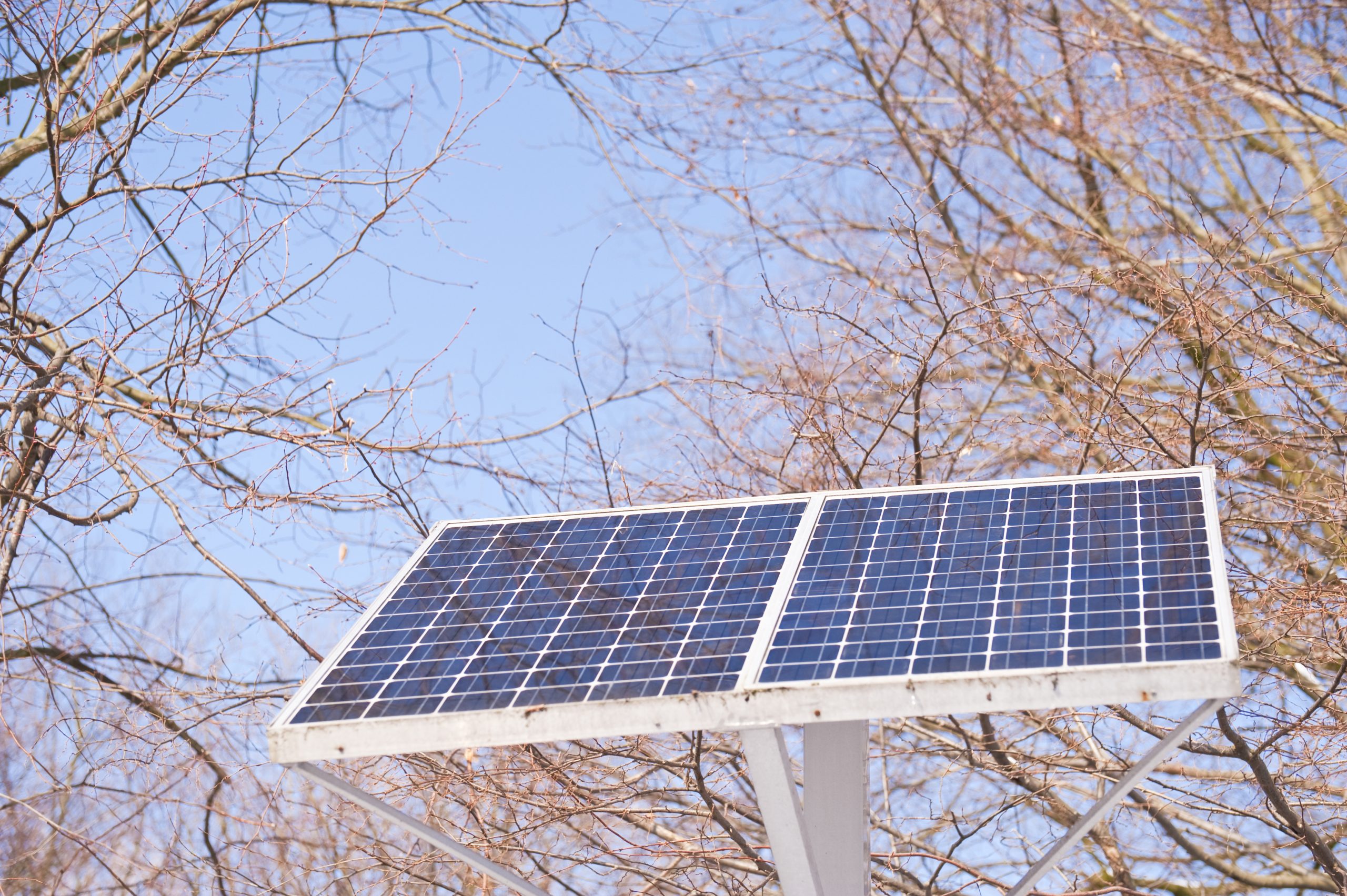
    solar energy Mk2WEV9d 1 scaled

    One of the main benefits of using solar power is its environmental friendliness. Unlike traditional forms of energy generation such as coal or natural gas, solar power does not produce any greenhouse gases or air pollution. This means that by switching to solar power, we can significantly reduce our impact on the planet and help combat climate change.

    Another advantage of solar power is its cost-effectiveness. While installation costs may seem high upfront, solar panels have become increasingly affordable over time. Additionally, once installed, they require little maintenance and can last for decades. This means that while there may be some initial investment required, in the long term, solar power can actually save you money on your electricity bills.

    When it comes to choosing the best solar power generator, there are several factors to consider. Firstly, you should determine how much energy you consume on average. This will help you calculate the size of the system you need. You should also think about the type of panel you want to use – monocrystalline, polycrystalline, or thin film. Each has its advantages and disadvantages depending on your needs. Finally, you’ll need to decide whether you want an off-grid or grid-tied system. Off-grid systems are more expensive but provide greater independence from the electrical grid, whereas grid-tied systems allow you to sell excess energy back to the utility company.

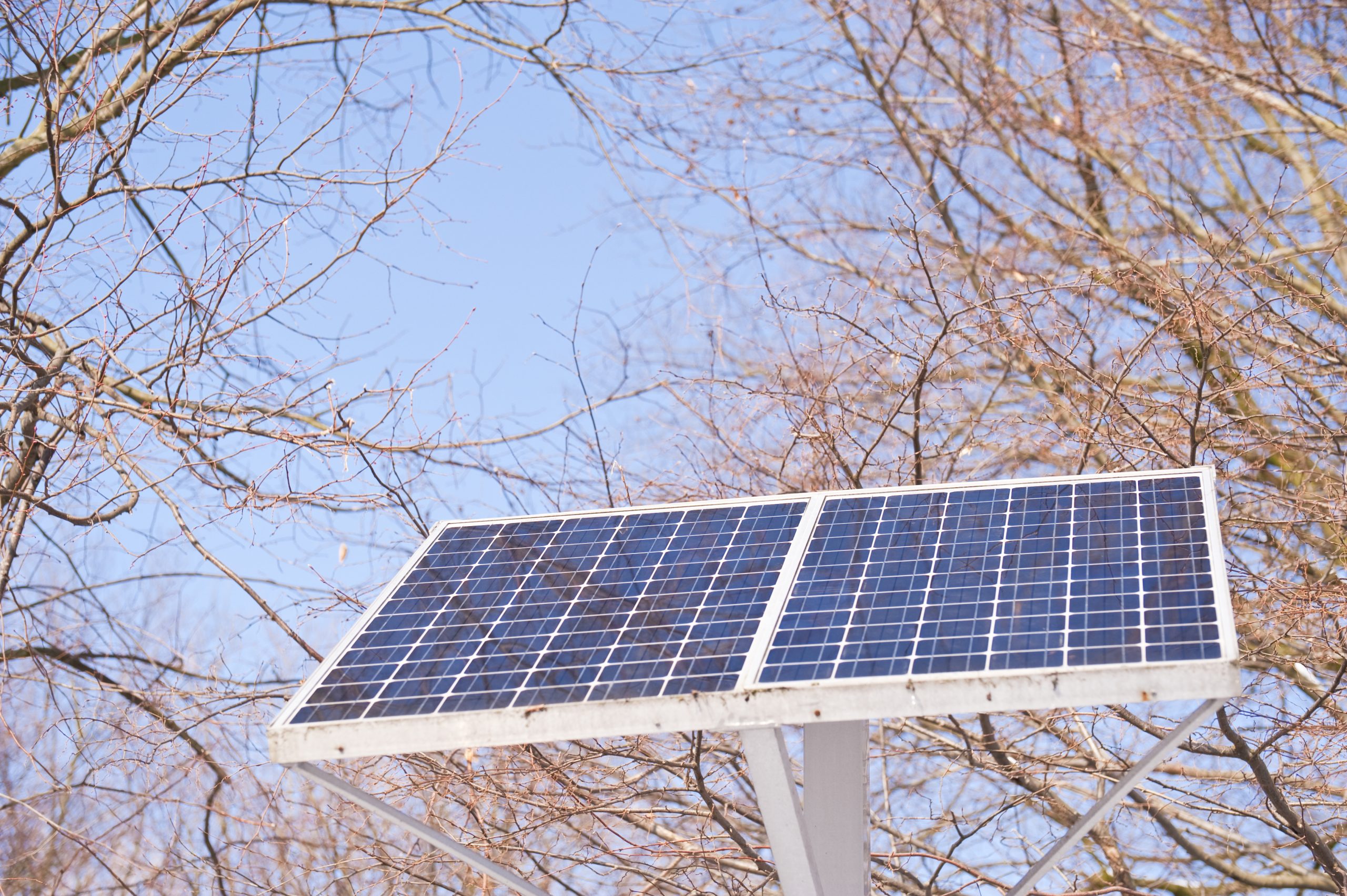
    solar energy Mk2WEV9d 2 scaled

    The question of whether you can install your own solar panels depends on various factors such as your level of expertise, the complexity of the project, and local regulations. For simple projects like charging small electronics or lighting outdoor areas, you can easily do it yourself with basic tools and knowledge. However, if you plan to connect your solar panels to the electrical grid, you’ll need to hire a professional installer who is licensed and certified to work with high voltage equipment.

    In conclusion, DIY solar panels offer numerous benefits including reduced electricity bills, lower carbon emissions, and increased energy independence. Whether you choose to install them yourself or hire a professional, solar power is a smart choice for anyone looking to make their home or business more sustainable and eco-friendly.

  • DIY Solar Panels: Is Installing Your Own Solar Panels Worth It

    DIY Solar Panels: Is Installing Your Own Solar Panels Worth It

    Are you ready to take on the challenge of installing your own solar panels? If so, then this blog post is for you. We’ll cover everything from the benefits of DIY solar panels to how much they cost in comparison to traditional energy sources. Let’s get started!

    Introduction to DIY Solar Panels

    Installing your own solar panels can be a great way to save money and reduce your carbon footprint. With the right tools and knowledge, anyone can install their own solar panels. However, it’s important to note that installing solar panels requires some technical skills and knowledge of electrical systems. It may not be as easy as some people think, but with proper planning and research, it’s definitely doable.

    The Benefits of Installing Your Own Solar Panels

    There are several benefits to installing your own solar panels. Firstly, you can save a lot of money on your electricity bills over time. While the initial investment may be high, once you have installed your solar panels, you will generate free electricity for years to come. Secondly, installing your own solar panels allows you to become more self-sufficient and less reliant on traditional energy sources. This means that you will no longer need to worry about power outages or rising energy costs. Finally, installing your own solar panels can also increase the value of your home, making it a wise financial investment in the long run.

    Is Solar Power Really Helpful for the Environment

    Solar power has been hailed as one of the most environmentally friendly forms of renewable energy. By using sunlight to produce electricity, we can significantly reduce our dependence on fossil fuels which contribute to climate change and air pollution. Additionally, solar panels don’t emit any greenhouse gases or other pollutants during operation, making them an excellent choice for those who want to reduce their carbon footprint.

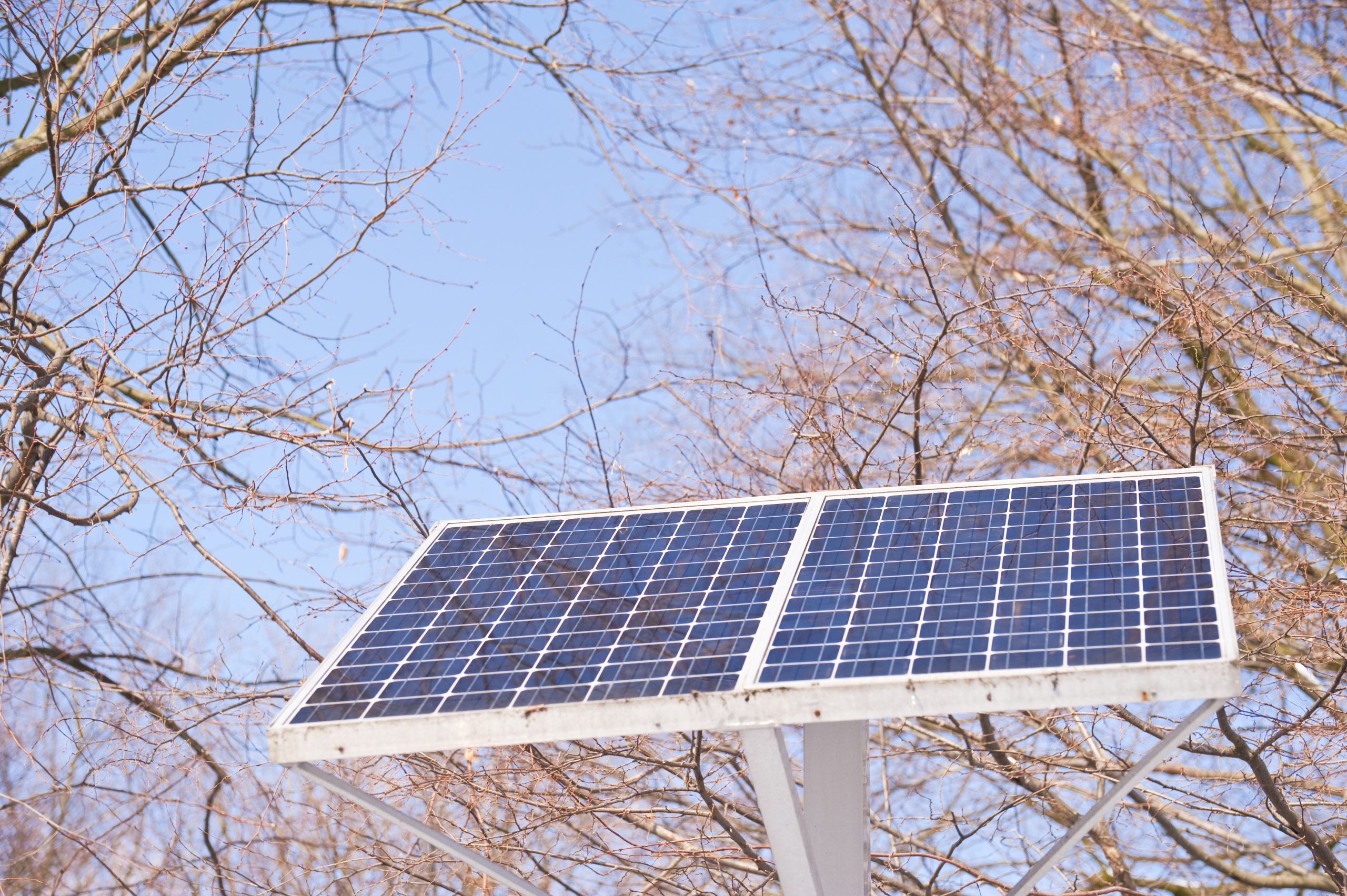
    solar energy Mk2WEV9d 3 scaled

    How Expensive is Solar Power in Comparison to Traditional Energy Sources

    While installation costs for solar panels can be higher than traditional energy sources such as coal or natural gas, the overall cost of solar power is becoming increasingly competitive. In fact, according to recent studies, the cost of solar power has decreased by 90% since the early 1980s. As technology continues to improve and economies of scale are achieved, the cost of solar power is expected to continue to decrease, making it an attractive option for many consumers.

    What are the Best Solar Power Generators on the Market

    When it comes to choosing a solar generator, there are several factors to consider including price, capacity, weight, and durability. Some popular options include the Goal Zero Yeti 400, the Renogy Phoenix Portable Solar Kit, and the Suaoki G500 Portable Solar Panel Charger. These generators offer varying levels of power output and storage capacity, allowing users to choose the model that best suits their needs.

    Conclusion: Is Installing Your Own Solar Panels Worth It

    Overall, whether or not installing your own solar panels is worth it depends on various factors such as your location, available resources, and budget. However, if you have the necessary skills and knowledge, installing your own solar panels can be a rewarding experience both financially and environmentally. By generating your own clean energy, you can reduce your carbon footprint while saving money on your electricity bills in the long term.