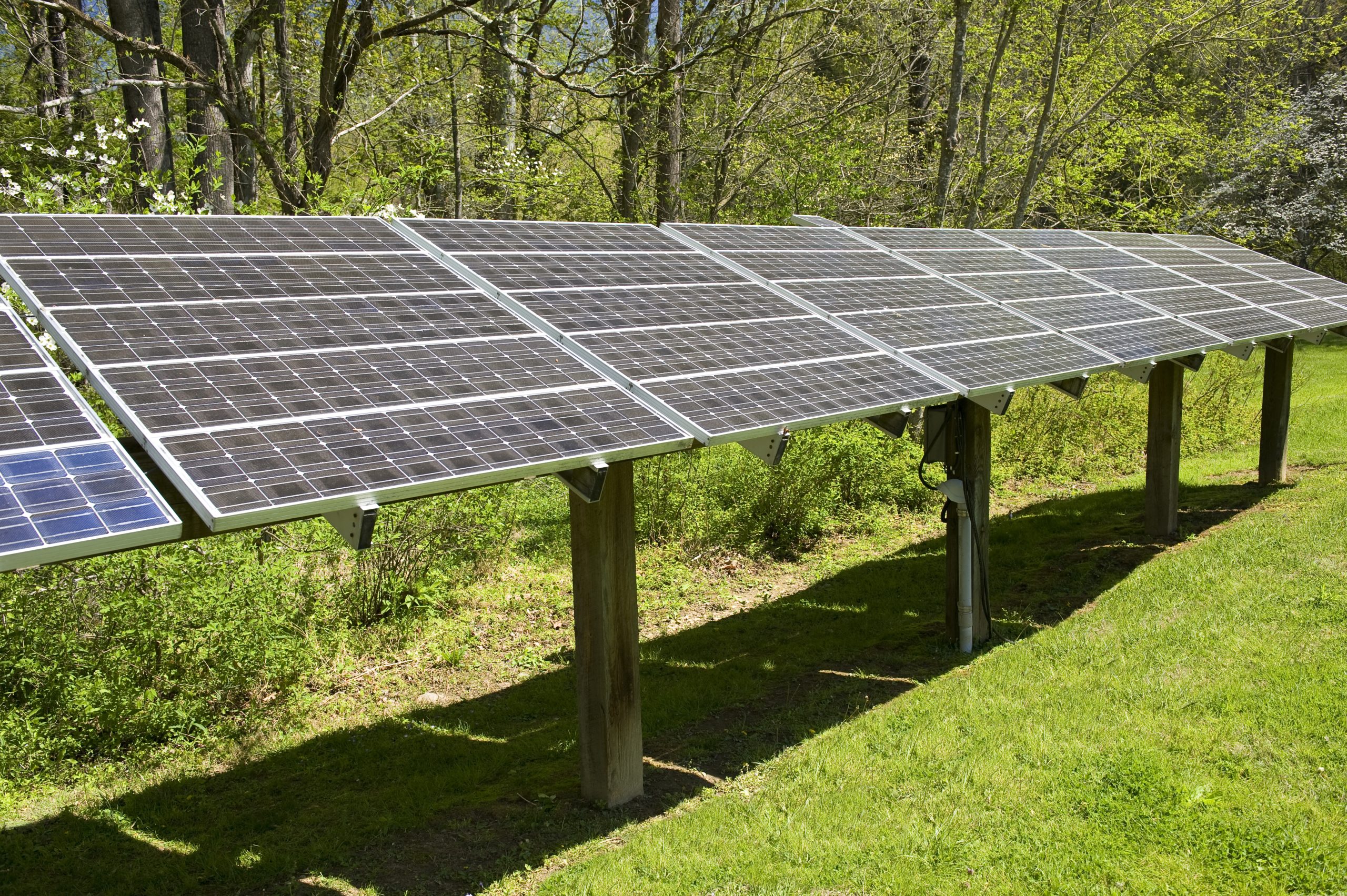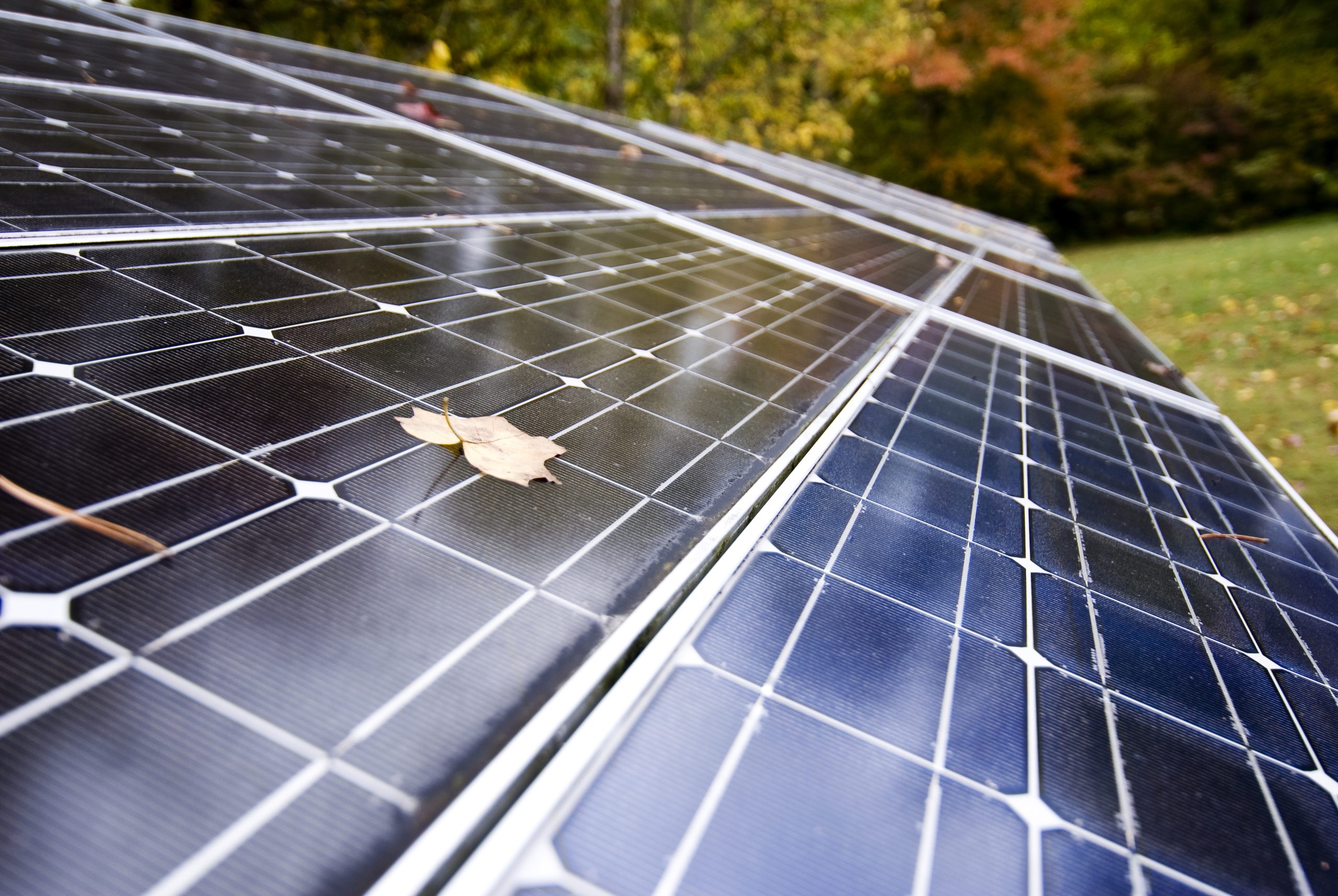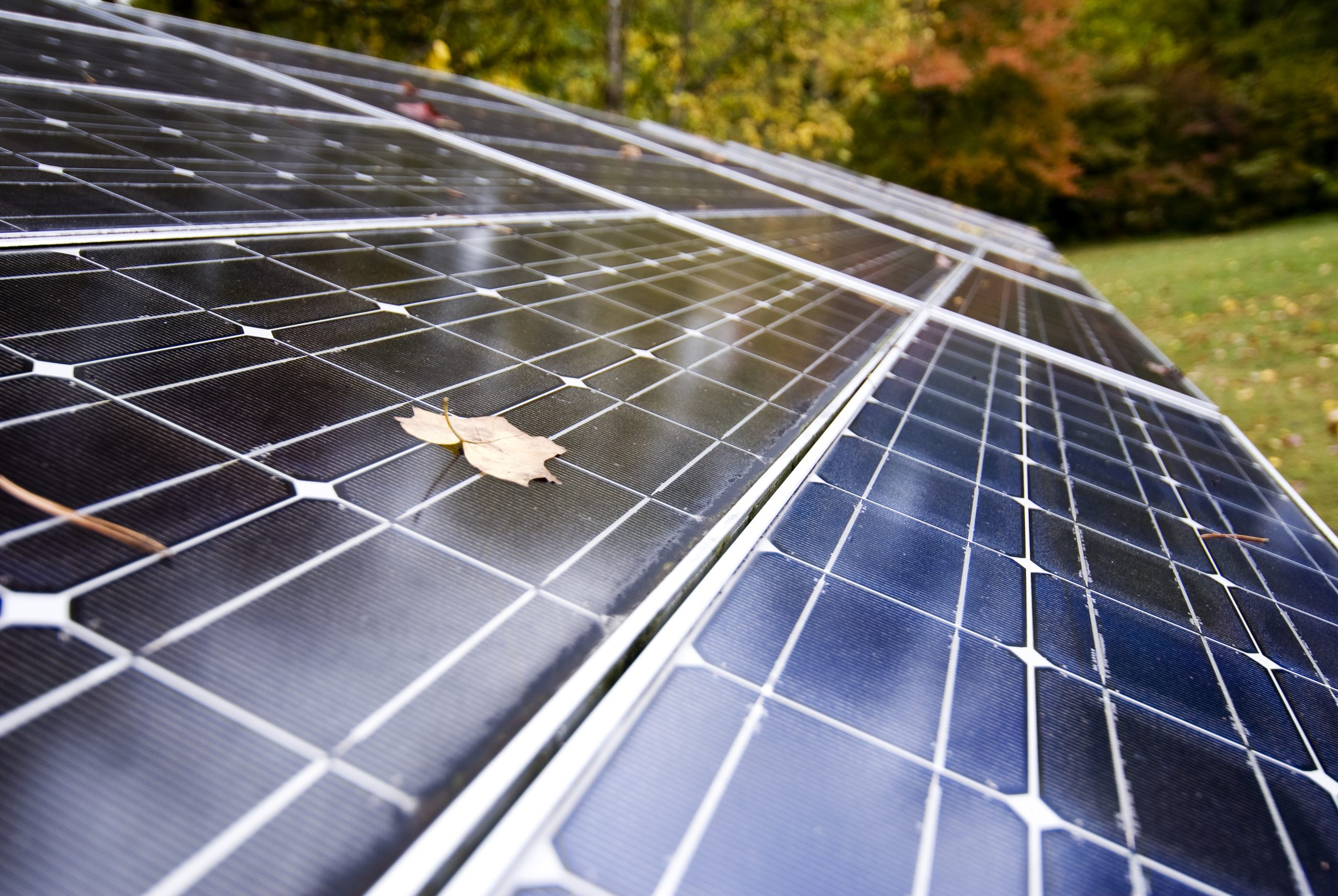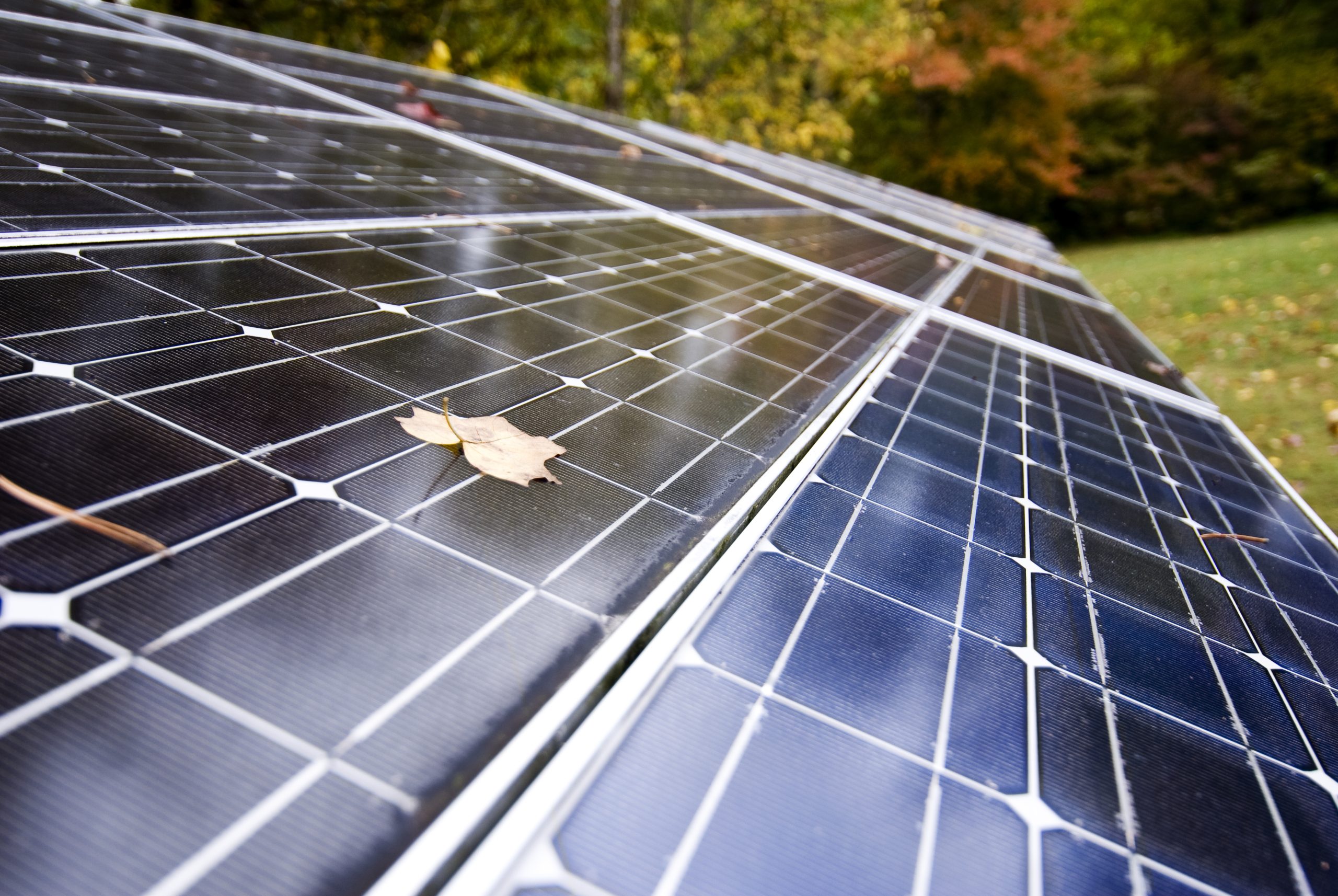
Tag: Introduction to Solar Power

  • Solar Power: The Future of Renewable Energy

    Solar Power: The Future of Renewable Energy

    In recent years, there has been a growing interest in renewable energy sources. One such source that is gaining popularity is solar power. Solar power involves harnessing the sun’s energy and converting it into electricity using photovoltaic cells or solar panels. With advancements in technology, solar power has become more efficient and cost-effective than ever before. In this article, we will explore the benefits of using solar energy, how much it costs to install solar panels, choosing the best solar generator for your needs, DIY solar panel installation tips and tricks, and understanding renewable energy sources.

    Introduction to Solar Power

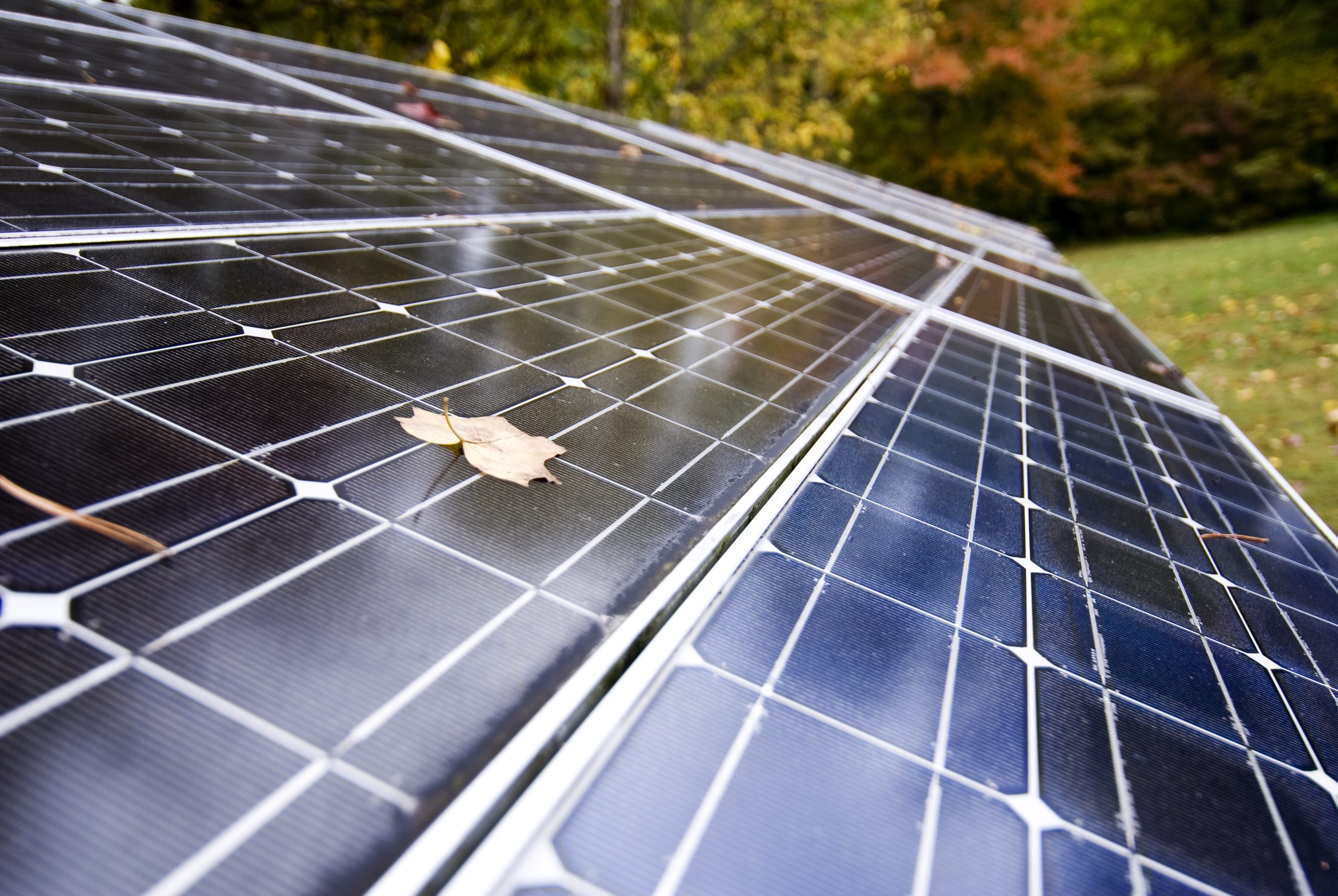
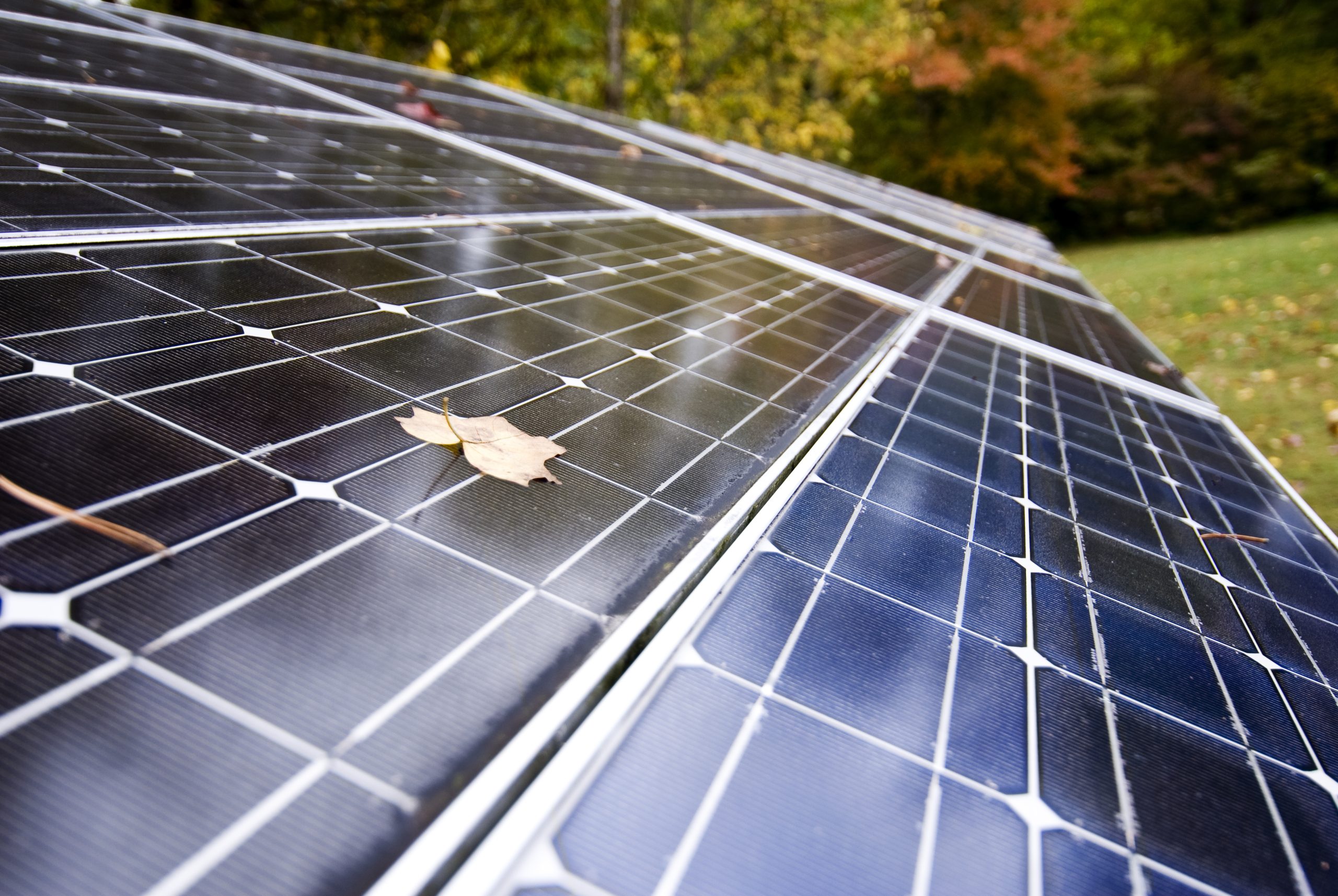
    Solar power is derived from the Latin word “solaris,” which means sun. It is a form of renewable energy that uses photovoltaic (PV) cells to convert sunlight into direct current (DC) electricity. These PV cells are made up of semiconductor materials, usually silicon, that absorb photons from sunlight and release electrons, creating an electrical current. This DC electricity is then converted into alternating current (AC) electricity that can be used to power homes and businesses.

    solar energy panels at work BteRwTpVj 1 scaled

    The Benefits of Using Solar Energy

    There are many benefits to using solar energy as a renewable energy source. Some of these include:

    1. Cost savings – While the initial investment to install solar panels may be high, once installed, they require little maintenance and can save you money on your monthly utility bills.

    2. Environmentally friendly – Solar power generates no greenhouse gas emissions, making it a clean and sustainable energy source.

    3. Reliability – Unlike traditional fossil fuels, solar power is not subject to price spikes or supply chain disruptions.

    4. Independence – By generating their own electricity, homeowners and businesses can become less reliant on external power grids.

    How Much Does it Cost to Install Solar Panels?

    The cost of installing solar panels varies depending on several factors, including the size of the system, the type of panels used, and the location of the installation. On average, residential solar systems range in cost from $5,000 to $20,000 after tax credits and rebates. Commercial solar systems can range from tens of thousands to millions of dollars. However, with the increasing demand for solar power, prices have been steadily decreasing over time.

    Choosing the Best Solar Generator for Your Needs

    When selecting a solar generator, there are several things to consider. First, determine what you need the generator for. Will it primarily be used for backup power during outages or for off-grid living? Once you know your intended use, look at the wattage output of the generator and make sure it meets your needs. Also, consider the weight and portability of the unit if you plan on taking it with you. Finally, check reviews and recommendations from other users to ensure you are getting a quality product.

    DIY Solar Panel Installation Tips and Tricks

    While professional installation is recommended for most solar panel systems, some homeowners opt to do it themselves. Here are some tips and tricks for DIY solar panel installation:

    1. Plan ahead – Before starting any installation, create a detailed plan that includes all necessary components and steps.

    2. Follow safety precautions – Working with electricity can be dangerous. Make sure to follow proper safety protocols, including wearing gloves and protective gear.

    3. Choose the right equipment – Use high-quality equipment that is designed specifically for solar panel installation.

    4. Measure twice, cut once – Accuracy is key when working with solar panels. Double-check measurements and take careful notes throughout the process.

    Understanding Renewable Energy Sources

    Renewable energy sources are those that replenish naturally and can be continually used without depleting resources. Besides solar power, other common forms of renewable energy include wind power, hydroelectric power, geothermal power, and biomass energy. Each of these sources works differently but shares the same goal of providing clean and sustainable energy. As our society continues to shift towards cleaner energy sources, understanding these different types of renewable energy becomes increasingly important.

    Conclusion

    IMG 6575 2241 scaled

    As you can see, solar power offers numerous benefits as a renewable energy source. Whether you choose to install solar panels yourself or hire a professional, the long-term cost savings and environmental impact make it a wise investment. And as technology continues to improve, solar power will only continue to grow in popularity and accessibility.

  • Going Green with Solar: The Eco-Friendly Choice for Your Home or Business

    Going Green with Solar: The Eco-Friendly Choice for Your Home or Business

    Solar power is a clean, renewable source of energy that has become increasingly popular in recent years. With the rise in global warming and climate change concerns, many people are looking for ways to reduce their carbon footprint and live more sustainably. Switching to solar power is one way to do this, and it can also save you money on your electricity bills in the long run. In this blog post, we’ll explore why going green with solar is such an eco-friendly choice for your home or business.

    The Benefits of Going Green with Solar Energy

    There are numerous benefits to using solar power as your primary source of energy. First and foremost, solar power is completely renewable and sustainable. Unlike fossil fuels, which are finite resources that contribute to air pollution and environmental degradation, solar power generates no emissions and produces no waste. This makes it an excellent choice for those who want to reduce their impact on the environment.

    Another benefit of solar power is its cost effectiveness. While there may be some upfront costs associated with installing solar panels, they typically pay for themselves within just a few years through savings on electricity bills. Additionally, once your system is installed, there are very little maintenance costs involved, making it a smart financial investment over time.

    How Solar Panels Work and Their Efficiency Rates

    Solar panels work by converting sunlight into usable electricity. They are made up of photovoltaic cells, which absorb sunlight and convert it into direct current (DC) electricity. A device called an inverter then converts this DC electricity into alternating current (AC) electricity, which can be used to power your home or business.

    The efficiency rates of solar panels vary depending on several factors, including the type of panel, its age, and the amount of sunlight it receives. Generally speaking, most modern solar panels have an efficiency rate of around 20%, meaning they can generate enough electricity from sunlight to meet about 20% of the average household’s energy needs. However, advancements in technology continue to improve these efficiency rates, making solar power even more effective and efficient.

    Common Misconceptions About Solar Energy Debunked

    Despite the growing popularity of solar power, there are still many misconceptions surrounding this form of renewable energy. One common myth is that solar panels only work in warm climates. While solar panels do perform better in direct sunlight, they can still generate electricity in cloudy conditions and colder temperatures. Another misconception is that solar panels require frequent maintenance and cleaning. In reality, solar panels are designed to be low-maintenance and can often go months or even years without needing any attention at all.

    Conclusion: Why Choose Solar for Your Home or Business

    Choosing to switch to solar power is not only good for the environment but also makes sound economic sense. By reducing your reliance on traditional forms of energy, you can lower your monthly utility bills while helping to protect the planet. And with the continued improvements in solar technology, now is an ideal time to make the switch to solar power. So why wait? Start exploring your options today and discover how easy it can be to start living a greener life with solar power.

    large solar energy panel array BFeqZppNs 1 scaled
  • Going Green with Solar: The Eco-Friendly Choice for Your Home or Business

    Going Green with Solar: The Eco-Friendly Choice for Your Home or Business

    Solar power is a clean, renewable source of energy that has become increasingly popular in recent years. With the rising costs of electricity and concerns about climate change, many homeowners and businesses are turning to solar power as an eco-friendly alternative. In this blog post, we’ll explore the benefits of going green with solar energy, how solar panels work and their efficiency rates, available incentives for switching to solar energy, common misconceptions about solar power debunked, and why it’s time to make the transition to solar energy.

    Introduction to Solar Power

    Solar power involves harnessing the energy from the sun through photovoltaic (PV) cells, which convert sunlight into direct current (DC) electricity. This DC electricity is then converted into alternating current (AC) electricity, which can be used to power homes and businesses. Solar power is a reliable source of energy that produces no emissions, making it an environmentally friendly option.

    The Benefits of Going Green with Solar Energy

    There are several benefits to using solar power for your home or business. First and foremost, solar power reduces your carbon footprint by producing clean energy. It also lowers your electricity bills over time, as you’re generating your own energy rather than relying on traditional utility companies. Additionally, solar power increases the value of your property, whether it’s a residential or commercial space. Finally, there are tax credits and other financial incentives available for those who switch to solar energy.

    How Solar Panels Work and Their Efficiency Rates

    Solar panels are made up of PV cells, which contain layers of silicon and other materials. When sunlight hits these cells, electrons within the silicon layer are excited and begin to flow, creating an electrical current. The efficiency rate of solar panels refers to the amount of sunlight they can absorb and convert into usable energy. Generally speaking, higher efficiency rates mean more efficient solar panels. However, efficiency rates vary depending on factors such as panel size, material quality, and installation location.

    Incentives for Switching to Solar Energy

    There are numerous incentives available for those who choose to switch to solar energy. These include federal tax credits, state rebates, and local incentive programs. For example, the Federal Tax Credit allows homeowners to deduct 30% of the cost of installing solar panels from their taxes. State rebate programs offer additional savings, while local incentive programs may provide discounts on permitting fees or net metering agreements.

    Common Misconceptions About Solar Power Debunked

    One common misconception about solar power is that it doesn’t work well in cloudy climates. While solar panels do produce less energy when exposed to less light, even cloudy weather can still generate enough energy to power homes and businesses. Another myth is that solar panels require frequent maintenance. In reality, once installed, solar panels need very little maintenance beyond occasional cleaning.

    solar energy panels at work BteRwTpVj 5 scaled

    Conclusion: Making the Transition to Solar Energy

    Making the transition to solar energy is not only good for the planet but also beneficial for your wallet in the long run. By taking advantage of available incentives and reducing your reliance on traditional utilities, you can save money while helping to reduce carbon emissions. Whether you’re considering solar power for your home or business, now is the perfect time to take action and go green with solar energy.

  • The Truth About Solar Power: Is It Really Green

    The Truth About Solar Power: Is It Really Green

    Solar power is a topic that has been gaining popularity in recent years, and for good reason. With the increasing demand for renewable energy sources, solar power has emerged as one of the most promising options. However, there are still many misconceptions about this form of energy, particularly when it comes to its environmental impact. In this blog post, we will explore the truth about solar power and answer the question: Is it really green?

    Introduction to Solar Power and Its Environmental Impact

    Solar power involves harnessing the energy from the sun’s rays and converting it into electricity using photovoltaic cells or concentrated solar power systems. This process does not produce any emissions or pollutants, making it an attractive option for those looking for clean energy. Additionally, solar panels require very little maintenance once they have been installed, which means that their carbon footprint over time is minimal.

    However, while solar power may seem like a completely environmentally friendly option at first glance, there are some aspects of its production and installation that can have negative impacts on the environment. For example, the manufacturing process of solar panels requires the use of certain chemicals and materials, such as silicon, which can be harmful if not disposed of properly. Furthermore, the transportation and installation of these heavy panels can also contribute to carbon emissions.

    The Cost of Solar Power: Is It Worth the Investment?

    One of the main barriers to widespread adoption of solar power is its initial cost. While the long-term savings can be significant, the upfront costs of installing solar panels can be prohibitively expensive for many homeowners and businesses. However, with advancements in technology and increased demand, the cost of solar power has been decreasing steadily over the past decade.In addition to the financial benefits, there are also other advantages to investing in solar power. For example, by generating your own electricity, you become less reliant on traditional utility companies, which can provide greater independence and control over your energy usage.

    a single wind turbine over a cloud filled blue sky clipping path is included for easy isolation of the turbine HtJr Ari 1 scaled

    Choosing the Best Solar Power Generator for Your Needs

    When choosing a solar power generator, there are several factors to consider. Firstly, you need to determine how much electricity you will need to generate based on your daily usage patterns. You should also consider the size and layout of your property, as well as the amount of direct sunlight it receives throughout the day.There are two main types of solar generators: off-grid and grid-tied. Off-grid generators are designed for remote locations where access to the electrical grid is limited or nonexistent. These systems typically include batteries to store excess energy generated during the day for use at night or during periods of low sunlight. Grid-tied generators, on the other hand, are connected directly to the electrical grid and allow you to sell excess energy back to the utility company.

    Installing Your Own Solar Panels: A DIY Guide

    While installing your own solar panels may seem daunting, it is possible to do so with proper planning and preparation. The first step is to assess your property and determine the best location for your solar panel array. You will also need to choose the appropriate type and size of panels based on your energy needs and budget.Once you have selected your equipment, you will need to obtain the necessary permits and permissions from your local government and utility company. It is recommended to hire a professional installer to ensure that everything is done correctly and safely.Overall, while there are some challenges associated with transitioning to solar power, the benefits far outweigh the drawbacks. By taking steps towards cleaner energy, we can all play a role in protecting our planet for future generations.

  • Going Green with Solar: The Eco-Friendly Choice for Your Home or Business

    Going Green with Solar: The Eco-Friendly Choice for Your Home or Business

    Solar power is a clean, renewable source of energy that has become increasingly popular in recent years. With the rise in awareness about climate change and the need to reduce our carbon footprint, many homeowners and businesses are turning to solar power as an eco-friendly alternative to traditional forms of electricity generation. In this blog post, we will explore the benefits of going green with solar energy, how solar panels work and their efficiency rates, common myths about solar energy debunked, financial incentives for switching to solar power, and why choosing solar energy is the right choice for your home or business.

    Introduction to Solar Power

    Solar power involves harnessing the energy from the sun’s rays using photovoltaic (PV) cells. These cells convert sunlight into direct current (DC) electricity, which can then be converted into alternating current (AC) electricity that can be used to power homes and businesses. Solar panels are typically mounted on rooftops or other structures where they can receive maximum exposure to sunlight throughout the day.

    The Benefits of Going Green with Solar Energy

    There are numerous benefits to using solar power as an eco-friendly alternative to traditional forms of electricity generation. Some of these benefits include:

    Reduced carbon emissions: By generating electricity through solar power, you can significantly reduce your reliance on fossil fuels, thereby reducing your carbon footprint and helping to combat climate change.

    Lower utility bills: While there may be some upfront costs associated with installing solar panels, once they are installed, you can expect to see significant reductions in your monthly utility bills. Depending on your location and system size, you could potentially generate enough electricity from your solar panels to meet all of your energy needs.

    Increased property value: Homes and businesses equipped with solar panels have been shown to increase in value, making them a wise investment not only for the environment but also for your wallet.

    solar energy panels at work BteRwTpVj 3 scaled

    How Solar Panels Work and Their Efficiency Rates

    Solar panels work by capturing sunlight and converting it into usable electricity. The PV cells within the panel are made up of layers of silicon, which absorb photons from the sun’s rays and release electrons, creating an electrical current. The efficiency rate of solar panels refers to the amount of sunlight that is converted into usable electricity. Generally speaking, most modern solar panels have an efficiency rate between 15% and 20%, although some high-efficiency models can reach rates of up to 30%.

    Common Myths About Solar Energy Debunked

    Despite the growing popularity of solar power, there are still many misconceptions and myths surrounding its use. Here are a few of the most common ones and why they are untrue:

    Myth: Solar panels don’t work well in cloudy climates.

    Truth: While solar panels do perform better in direct sunlight, they can still generate electricity even under cloudy skies. Additionally, many modern solar panels are designed specifically for low-light conditions, meaning they can still produce a significant amount of electricity even when the weather isn’t ideal.

    Myth: Solar panels require too much maintenance.

    Truth: Once installed, solar panels generally require very little maintenance beyond occasional cleaning and inspection. Most systems come with warranties that cover any necessary repairs or replacement parts, so you can rest easy knowing that you’re protected.

    Financial Incentives for Switching to Solar Power

    In addition to the environmental and cost-saving benefits of solar power, there are also several financial incentives available for those who make the switch. Some of these incentives include:

    Tax credits: Many countries offer tax credits for homeowners and businesses that install solar panels. These credits can help offset the initial installation costs and make solar power more affordable than ever before.

    Net metering: If you generate excess electricity from your solar panels, net metering allows you to sell that extra energy back to the grid at retail prices. This can result in additional savings on your monthly utility bill.

    Conclusion: Why Choose Solar Energy

    Choosing solar energy is a smart decision for both the planet and your pocketbook. Not only does it reduce your carbon footprint and help combat climate change, but it can also save you money on your monthly utility bills over time. With the variety of financial incentives available and the increased property values associated with solar-powered homes and businesses, now is the perfect time to consider making the switch to solar power.

  • The Future of Renewable Energy: How Solar Power Is Leading the Charge

    The Future of Renewable Energy: How Solar Power Is Leading the Charge

    Solar power is a clean, renewable and abundant source of energy that has been gaining popularity in recent years. With increasing concerns about climate change and the need to reduce carbon emissions, solar power has emerged as a viable alternative to traditional fossil fuels. In this blog post, we will explore how solar power is shaping the future of renewable energy and why it is the perfect solution for meeting our growing energy needs.

    Introduction to Solar Power

    Solar power involves harnessing the energy from the sun’s rays and converting it into electricity using photovoltaic cells or solar panels. These panels are made up of several layers of materials that allow them to absorb sunlight and convert it into usable energy. The benefits of using solar energy are numerous, including lower greenhouse gas emissions, reduced reliance on non-renewable sources of energy, and increased energy independence.

    Benefits of Using Solar Energy

    One of the main advantages of solar power is its ability to generate electricity without producing any greenhouse gases or other pollutants. This makes it an ideal choice for those who want to reduce their carbon footprint and help combat climate change. Additionally, solar power can be used in remote areas where there is no access to traditional grid infrastructure, making it an attractive option for rural communities and developing countries.

    How Solar Panels Work and Their Efficiency

    Solar panels work by allowing photons or particles of light to knock electrons free from atoms in a semiconductor material. This creates a flow of electricity that can be captured and used to power homes, businesses, and even entire cities. The efficiency of solar panels depends on various factors such as the type of panel, its age, and the amount of sunlight it receives. Generally speaking, modern solar panels have an efficiency rate of around 20%, meaning they can convert one-fifth of the sun’s energy into usable electricity.

    Innovations in Solar Technology

    Despite being a relatively new technology, solar power has seen significant advancements over the past few decades. One area of innovation has been improving the efficiency of solar panels through the use of advanced materials and manufacturing techniques. Another promising development has been the creation of flexible and transparent solar cells that could potentially be integrated into buildings and other structures.

    Cost-Effectiveness of Solar Energy

    While solar power may have higher initial costs compared to traditional forms of energy, it has become increasingly cost-effective over time. As the demand for solar energy continues to grow, economies of scale have driven down the price of solar panels and related equipment. Furthermore, government incentives and tax credits have made solar power more accessible to homeowners and businesses alike.

    a single wind turbine over a cloud filled blue sky BF0 uG 0Hj 2 scaled

    Conclusion: Why Solar Power is the Future of Renewable Energy

    graphicstock aerial view of highway and windmills in the middle of green forest cloudy sky netherlands H G ks BGZ scaled

    As the world faces unprecedented challenges due to climate change, it is clear that we must transition away from fossil fuels and towards cleaner, sustainable sources of energy. Solar power offers a compelling solution with its abundance, scalability, and versatility. By investing in solar technologies today, we can create a brighter tomorrow for ourselves and generations to come.

  • The Truth About Solar Power: Is It Really Green

    The Truth About Solar Power: Is It Really Green

    Solar power is a renewable source of energy that has been gaining popularity in recent years. With the increasing demand for clean and sustainable sources of electricity, many homeowners are considering switching to solar power as an alternative to traditional fossil fuels. However, there are still some questions about whether or not solar power is truly green and environmentally friendly. In this blog post, we will explore the truth about solar power and its impact on the environment.

    Introduction to Solar Power: What is it and how does it work

    Solar power involves harnessing the energy from sunlight using photovoltaic cells. These cells convert light into direct current (DC) electricity, which can then be converted into alternating current (AC) electricity through an inverter. The AC electricity can then be used to power homes and businesses.

    The Environmental Impact of Solar Power: Is it really green?

    One of the main benefits of solar power is that it produces no emissions or pollution during operation. This means that it does not contribute to air pollution or climate change like traditional fossil fuels do. However, there are some environmental concerns associated with the production and disposal of solar panels.

    The manufacturing process of solar panels requires the use of certain chemicals and materials, such as silicon and cadmium telluride, which can have negative environmental impacts if not properly managed. Additionally, the disposal of solar panels at the end of their lifecycle can also pose a challenge, as they contain hazardous materials that need to be handled carefully.

    Overall, while solar power may not be completely without environmental impact, it is generally considered to be much cleaner and more sustainable than traditional forms of energy generation.

    The Costs of Going Solar: How expensive is solar power in comparison to traditional energy sources?

    In recent years, the cost of solar power has decreased significantly, making it more affordable than ever before. While installation costs vary depending on location and system size, the average cost of installing residential solar panels in the United States is around $20,000.

    While this may seem like a significant upfront investment, solar panels typically last between 25-30 years, meaning that they can provide long-term savings on energy bills. Additionally, government tax credits and rebates can help offset the initial cost of installation.

    When compared to traditional forms of energy generation, such as coal or natural gas, solar power is often seen as a more cost-effective option over time.

    Choosing the Best Solar Power Generator: What are some factors to consider when selecting a generator?

    There are several factors to consider when choosing a solar power generator. One important consideration is the efficiency of the generator – higher efficiency means that the generator can produce more electricity using less space and resources. Another factor to consider is the warranty offered by the manufacturer, as well as any additional features, such as battery backup or monitoring software.

    It’s also important to choose a reputable brand with a track record of quality products and customer service. Finally, it’s essential to ensure that the generator is appropriately sized for your specific needs, taking into account factors such as weather conditions and daily energy usage.

    Installing Your Own Solar Panels: Can you install your own panels or should you hire a professional?

    While it is possible to install your own solar panels, it is generally recommended to hire a professional installer. Installing solar panels requires specialized knowledge and skills, including electrical wiring and roofing experience. A qualified installer can also help ensure that the system is installed correctly and safely, maximizing its performance and longevity. Additionally, most manufacturers require professional installation to maintain warranties on their products.

    storyblocks wind farm in south australia B4bCR1oAEf scaled

  • Going Green with Solar: The Eco-Friendly Choice for Your Home or Business

    Going Green with Solar: The Eco-Friendly Choice for Your Home or Business

    Solar power is a clean, renewable source of energy that has become increasingly popular in recent years. With the rise in awareness about climate change and the need to reduce our carbon footprint, many homeowners and businesses are turning to solar power as an eco-friendly alternative to traditional forms of electricity generation. In this blog post, we’ll explore why going green with solar energy is such a great choice for your home or business.

    Introduction to Solar Power

    Solar panels work by converting sunlight into usable electricity through photovoltaic cells. These cells are made up of layers of silicon, which absorb photons from the sun and release electrons, creating an electrical current. This current can be used immediately or stored in batteries for later use. Solar panels can be installed on rooftops, in open fields, or even floating on bodies of water.

    The Benefits of Going Green with Solar Energy

    There are numerous benefits to using solar power instead of traditional forms of electricity generation. First and foremost, solar power is completely renewable and sustainable, meaning it won’t run out like fossil fuels eventually will. Additionally, solar power produces no emissions, making it much cleaner than coal or natural gas. It also requires very little maintenance once it’s been installed, so you can enjoy low-cost, reliable energy for years to come.

    How Solar Panels Work and Why They’re Efficient

    One reason why solar panels are becoming more efficient is due to advancements in technology. Newer models of solar panels have higher efficiency ratings, meaning they can generate more electricity with less sunlight. Additionally, solar panels can now track the movement of the sun throughout the day, ensuring they’re always positioned to capture maximum sunlight.

    Common Misconceptions About Solar Energy Debunked

    Despite the many benefits of solar power, there are still some common misconceptions about its efficacy. One myth is that solar panels don’t work well in cloudy climates. While it’s true that solar panels do perform better in direct sunlight, they can still generate electricity in cloudy conditions. Another myth is that solar panels are too expensive to be practical. While installation costs can be high, solar panels typically pay for themselves within 5-10 years thanks to lower energy bills and tax credits.

    solar energy panels at work BteRwTpVj 2 scaled

    Conclusion: Making the Switch to Solar Power

    Making the switch to solar power is not only good for the environment, but it can also save you money in the long run. Whether you’re looking to install solar panels at your home or business, there are plenty of options available to suit your needs. Do your research and find a reputable installer who can help guide you through the process. By choosing solar power, you’re taking an important step towards a greener future for yourself and generations to come.

  • The Future of Renewable Energy: How Solar Power Is Leading the Charge

    The Future of Renewable Energy: How Solar Power Is Leading the Charge

    Solar power is no longer a futuristic dream. It’s a reality that’s changing the way we generate electricity and reducing our reliance on fossil fuels. As concerns about climate change mount, solar energy has become an increasingly popular choice for homeowners, businesses, and governments around the world. But what makes solar power so special? And how can it help us build a more sustainable future? Let’s take a closer look at this incredible technology and its potential to transform our planet.

    Introduction to Solar Power: How It Works and Why It’s Important

    Solar panels work by converting sunlight into electrical energy using photovoltaic cells. These cells are made up of layers of silicon, which absorb photons from the sun and release electrons, creating an electrical current. This current is then sent through wiring in the panel and converted into usable AC (alternating current) electricity. The great thing about solar power is that it produces zero emissions and doesn’t require any fuel or water to operate. Plus, once you install a system, there are virtually no maintenance costs.

    The Benefits of Solar Energy: From Lower Bills to a Cleaner Planet

    One of the biggest benefits of solar power is that it can save you money on your utility bills. Depending on where you live, electricity rates can be very high, especially during peak usage times like summer afternoons. With solar panels, you can generate your own electricity and reduce your dependence on the grid. In some cases, you may even be able to sell excess energy back to the utility company, earning credits on your bill or cash payments.

    solar energy panels at work BteRwTpVj 1 scaled
    a single wind turbine over a cloud filled blue sky BF0 uG 0Hj scaled

    But beyond the financial benefits, solar power also offers significant environmental advantages. By generating clean energy, we can reduce our carbon footprint and help combat climate change. According to the National Renewable Energy Laboratory, solar power has the potential to avoid 28 million metric tons of CO2 emissions per year by 2050. That’s equivalent to taking over 5 million cars off the road!

    Common Misconceptions About Solar Panels Debunked

    Despite the many benefits of solar power, there are still some common misconceptions about solar panels that persist. One of the most prevalent myths is that they don’t work well in cloudy climates. While it’s true that solar panels do perform better in direct sunlight, they can still generate electricity in cloudy conditions. In fact, Germany, one of the world leaders in solar power, has a relatively cloudy climate but generates over half of its electricity from renewables.

    Another misconception is that solar panels are too expensive to be practical. While installation costs have fallen dramatically in recent years, it’s true that installing a solar system can be a significant investment. However, with tax incentives, rebates, and other financing options available, many homeowners find that solar pays for itself within just a few years.

    Innovations in Solar Technology: What the Future Holds for Renewable Energy

    As demand for solar power continues to grow, researchers and engineers are working hard to develop new technologies that will make solar energy even more efficient and cost-effective. Some promising areas of innovation include:

    Perovskite solar cells: these next-generation cells use a different type of material than traditional silicon cells, allowing them to potentially achieve higher efficiencies and lower costs.

    Floating solar arrays: as land becomes scarce for large-scale solar projects, floating arrays on bodies of water could provide a solution, offering additional benefits such as reduced evaporation and cooling of the panels.

    Energy storage: while solar power is generated during daylight hours, storing excess energy for use when the sun isn’t shining is critical for meeting energy demands. Advances in battery technology and other forms of energy storage are making it easier to integrate solar into the grid.

    Conclusion: Why Solar Power Is the Key to a Sustainable Tomorrow

    As we face unprecedented challenges such as climate change, air pollution, and resource depletion, it’s clear that we need to shift towards cleaner, more sustainable sources of energy. Solar power has emerged as a leading contender in this effort, offering numerous economic, environmental, and social benefits. Whether you’re a homeowner looking to slash your utility bills or a policymaker seeking to promote renewable energy, solar power is worth considering. With continued innovation and support from consumers and governments alike, solar power can play a key role in building a brighter, more sustainable tomorrow.

  • Renewable Energy 101: Understanding Solar Power and its Benefits

    Renewable Energy 101: Understanding Solar Power and its Benefits

    Solar power is a renewable source of energy that has been gaining popularity in recent years. It is an excellent alternative to traditional fossil fuels, which are not only expensive but also have adverse effects on the environment. In this article, we will explore everything you need to know about solar power, including its benefits, how it works, and whether it is really helpful for the environment.

    mg img 2846 scaled

    Introduction to Solar Power

    Solar power is generated by harnessing the sun’s energy using photovoltaic (PV) cells or solar panels. These PV cells convert sunlight into direct current (DC) electricity, which can then be converted into alternating current (AC) electricity that can be used to power homes and businesses. The amount of electricity produced depends on the intensity of the light hitting the panel, as well as other factors such as temperature and shading.

    The Benefits of Using Solar Energy

    One of the main benefits of using solar energy is that it is renewable and sustainable. Unlike fossil fuels, which are finite resources, the sun’s energy is infinite and free. This means that once you install a solar system, you can generate your own electricity without having to pay monthly bills to the utility company. Additionally, solar power is clean and emits no greenhouse gases, making it an excellent choice for those who want to reduce their carbon footprint.

    How Does Solar Power Work

    As mentioned earlier, solar power is generated by converting sunlight into electricity using PV cells. When sunlight hits these cells, electrons within the cell become excited and move around, creating an electrical flow. This electrical flow is captured by wiring within the cell and sent to an inverter, where it is converted from DC to AC electricity. This electricity can then be used immediately or stored in batteries for later use.

    Is Solar Power Really Helpful for the Environment

    Yes, solar power is incredibly helpful for the environment. By generating electricity through solar power, you are reducing your reliance on fossil fuels, which emit greenhouse gases and contribute to climate change. Additionally, solar power produces no air pollution, water pollution, or hazardous waste, making it one of the safest and most eco-friendly forms of energy available today.

    Understanding the Costs of Solar Power

    While installing a solar system may require a significant upfront investment, there are many long-term savings associated with solar power. First, once you install a solar system, you will save money on your monthly electricity bills since you will be producing your own electricity. Second, solar systems typically last between 25-30 years, meaning you won’t have to replace them often. Finally, government tax credits and rebates can help offset some of the initial costs of installation.

    What is the Best Solar Power Generator

    There are several types of solar generators available today, ranging from portable units designed for camping trips to large-scale commercial systems. Some of the best solar power generators include those made by companies like Goal Zero, Wagan Tech, and Suaoki. These generators come equipped with high-quality PV cells and battery storage capacity, allowing you to generate and store your own electricity wherever you go.

    Can I Install My Own Solar Panels

    Yes, you can install your own solar panels if you have the necessary skills and equipment. However, it is recommended that you hire a professional installer unless you are experienced in electrical work and understand the safety risks involved. Professional installers can ensure that your system meets all local building codes and is installed correctly to maximize efficiency and minimize maintenance requirements.

    Renewable Energy 101: An Overview

    modern solar panel used for generating electricity from the sunlight SKl tbuCSo scaled

    In addition to solar power, there are several other forms of renewable energy available today, including wind power, hydroelectric power, geothermal power, and biomass energy. Each form of renewable energy has unique advantages and disadvantages, depending on location, availability, and environmental impact. As more people continue to seek out alternatives to fossil fuels, renewable energy sources are becoming increasingly important for our future.

    How Long Do Solar Batteries Take to Recharge

    The time it takes for solar batteries to recharge depends on various factors, including the size of the battery, the amount of sunlight available, and the charging method being used. Typically, small solar batteries can fully charge in just a few hours, while larger ones may take several days. To optimize your solar system’s performance, make sure to properly maintain your batteries and follow manufacturer guidelines for charging and usage.

    Conclusion

    Overall, solar power offers numerous benefits over traditional fossil fuel sources, including renewability, sustainability, and reduced environmental impact. Whether you choose to install your own solar panels or hire a professional installer, transitioning to solar power is an excellent way to reduce your carbon footprint and save money on your monthly energy bills.