Tag: Introduction to Solar Power

  • Debunking Common Misconceptions About Solar Power

    Debunking Common Misconceptions About Solar Power

    Solar power is one of the most promising sources of renewable energy, but it’s also one that comes with a lot of misinformation. Many people have questions about solar panels and their efficiency, as well as how much they cost and whether or not they’re worth the investment. In this article, we’ll debunk some common myths about solar power and give you the facts you need to make an informed decision.

    Introduction to Solar Power

    Solar power involves harnessing the energy from the sun through photovoltaic cells in order to generate electricity. These cells are made up of semiconductor materials such as silicon, which absorb photons from sunlight and convert them into direct current (DC) electricity. This DC electricity is then converted into alternating current (AC) electricity, which can be used to power homes and businesses.

    Common Misconceptions About Solar Energy

    One of the most common misconceptions about solar power is that it isn’t efficient enough to be practical. While it’s true that solar panels aren’t 100% efficient, meaning they don’t capture all of the available sunlight, modern solar panels have an efficiency rate of around 20%. That might not sound like a lot, but it’s more than enough to generate significant amounts of electricity for homeowners and businesses alike.

    Another common misconception is that solar systems are too expensive to be worth the investment. While there was a time when solar panels were prohibitively expensive, advances in technology have brought down the costs significantly. Today, the average cost of a residential solar system is around $15,000-$20,000 after tax credits and rebates, making it an affordable option for many homeowners.

    The Truth about Solar Panels and Their Efficiency

    When it comes to solar panel efficiency, there are several factors at play. One important factor is the angle and orientation of the panels themselves. For optimal performance, solar panels should face south and be angled at approximately 30 degrees relative to the horizon. Additionally, shading from trees or other obstructions can reduce the amount of sunlight reaching the panels, which can impact their efficiency.

    a single wind turbine over a cloud filled blue sky clipping path is included for easy isolation of the turbine HtJr Ari scaled

    How Much Does a Solar System Cost

    As mentioned earlier, the cost of a solar system varies depending on its size and complexity. However, the good news is that there are numerous incentives available to help offset the initial expense. The federal government offers a tax credit of up to 30% of the total cost of the system, while many states offer additional incentives such as rebates and grants.

    Are Solar Systems Worth the Investment

    While the initial cost of a solar system may seem high, the long-term savings can be substantial. Depending on your location and energy usage patterns, a typical solar system can pay for itself within 7-10 years. After that point, you’ll enjoy free electricity for the life of the system, which typically ranges from 25-30 years. And let’s not forget about the environmental benefits – by using solar power, you’ll be reducing your carbon footprint and helping to combat climate change.

    Conclusion: Why Solar is the Future of Energy

    In conclusion, solar power is a clean, renewable source of energy that has the potential to revolutionize the way we power our homes and businesses. Despite some common misconceptions, solar panels are highly efficient and cost-effective, making them an attractive option for anyone looking to save money on their utility bills while reducing their carbon footprint. As technology continues to improve and costs continue to come down, solar will become an even more viable alternative to traditional fossil fuels. So why not join the movement towards a cleaner, brighter future?

  • Going Green with Solar: The Eco-Friendly Choice for Your Home or Business

    Going Green with Solar: The Eco-Friendly Choice for Your Home or Business

    Introduction to Solar Power:

    Solar power is a renewable source of energy that has been gaining popularity in recent years. It involves harnessing the sun’s energy and converting it into electricity using solar panels or photovoltaic cells. The use of solar power not only helps reduce our carbon footprint but also provides numerous benefits for both homeowners and businesses alike.

    The Benefits of Going Green with Solar Energy:

    1. Cost Savings – While there may be an initial investment required, solar panels can significantly lower your monthly utility bills over time. With increasing electricity rates, switching to solar power can help you save money on your energy costs.

    2. Environmentally Friendly – By choosing solar power, you are reducing your reliance on fossil fuels which contribute to air pollution and climate change. This means less greenhouse gas emissions and cleaner air for everyone.

    3. Increased Property Value – Homes equipped with solar panels have been found to increase their property value by up to 4%. If you plan on selling your house in the future, installing solar panels could potentially earn you more profit.

    How Solar Panels Work and Their Efficiency Rates:

    Solar panels work by capturing sunlight and converting it into direct current (DC) electricity through photovoltaic cells made from silicon. These cells then convert this DC electricity into alternating current (AC) electricity that can be used to power homes and businesses. The efficiency rate of solar panels varies depending on factors such as weather conditions, panel quality, and installation location. Generally speaking, most modern-day solar panels have an efficiency rating between 15% and 20%, meaning they can generate enough electricity to meet the needs of many households.

    Common Misconceptions About Solar Energy Debunked:

    There are several misconceptions about solar energy that prevent people from making the switch. Here are some common myths debunked:

    1. Myth: Solar panels don’t work well in cloudy climates.

    Fact: While solar panels do produce more electricity when exposed to direct sunlight, they can still generate electricity even under cloudy skies. Additionally, advancements in technology have improved the performance of solar panels in low light conditions.

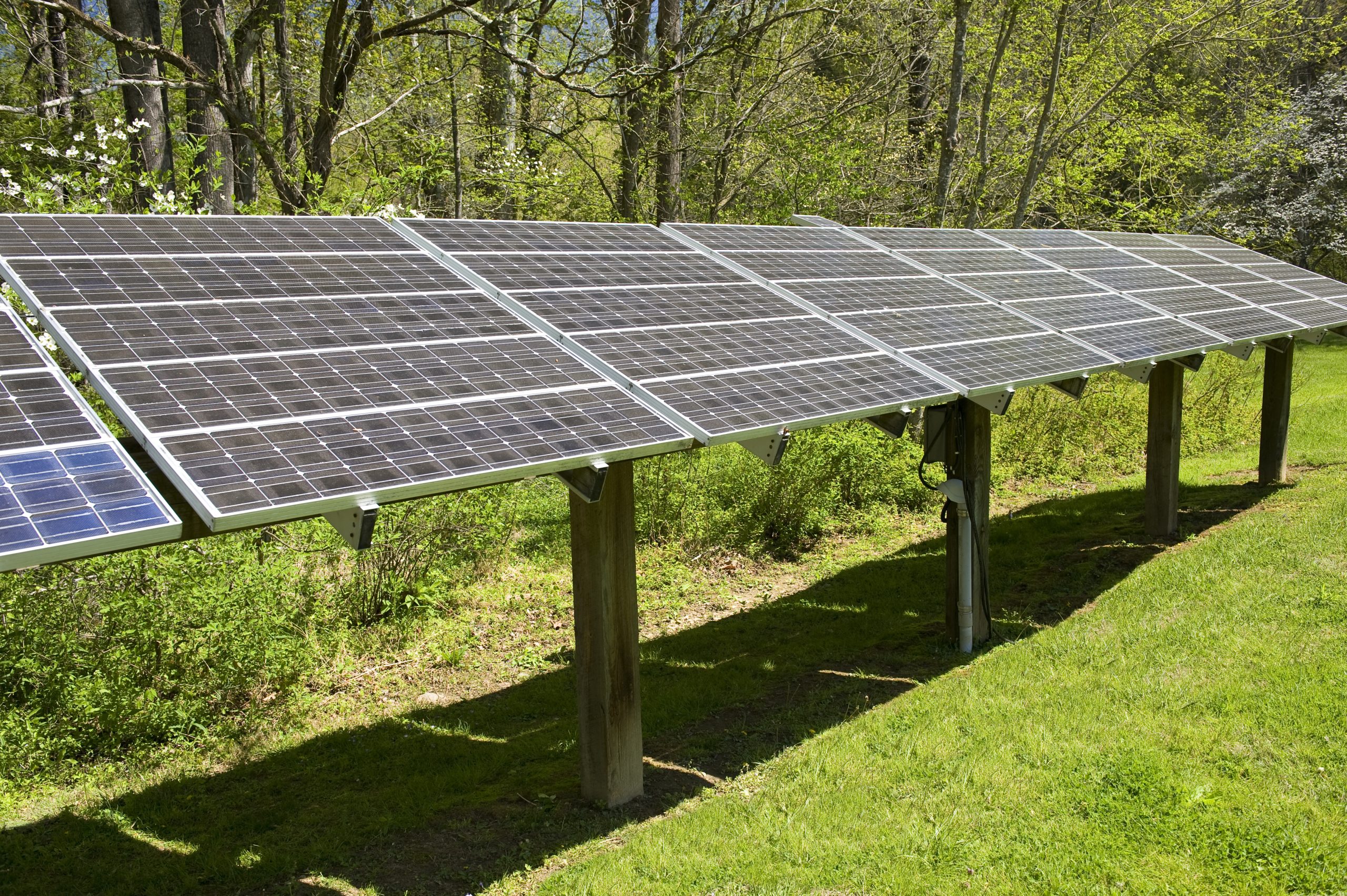
    large solar energy panel array BFeqZppNs 2 scaled

    2. Myth: Solar panels require frequent maintenance.

    Fact: Once installed, solar panels require little to no maintenance. They are designed to withstand extreme weather conditions and last for decades without needing any repairs or replacement.

    Conclusion: Why Choose Solar for Your Home or Business:

    Switching to solar power is not just good for the environment; it makes financial sense too. Whether you choose to install solar panels at home or at your place of business, you will enjoy significant cost savings while contributing towards a sustainable future. As technology continues to improve, the efficiency and affordability of solar power will continue to rise, making it an attractive option for anyone looking to make the switch.

  • The Future of Renewable Energy: How Solar Power Is Leading the Charge

    The Future of Renewable Energy: How Solar Power Is Leading the Charge

    Solar power is one of the most promising forms of renewable energy, and it’s easy to see why. Not only does solar power offer a clean and sustainable source of electricity, but it also has the potential to revolutionize the way we power our homes and businesses. In this blog post, we’ll explore everything you need to know about solar power, from how it works to its many benefits and innovative technologies that are shaping the future of renewable energy.

    Introduction to Solar Power: How It Works and Why It’s Important

    Solar panels work by converting sunlight into usable electricity through photovoltaic cells. These cells are made up of layers of silicon, which absorb photons from the sun and release electrons, creating an electrical current. This current can then be used to power your home or business, reducing your reliance on fossil fuels and lowering your carbon footprint.

    The Benefits of Solar Energy: From Lower Bills to a Cleaner Planet

    One of the biggest advantages of solar power is its ability to reduce energy bills over time. While there may be some initial costs associated with installing solar panels, once they’re installed, you’ll be generating free electricity from the sun. Additionally, solar power produces no greenhouse gas emissions, making it a cleaner and more environmentally friendly option than traditional sources of energy like coal or natural gas.

    Common Misconceptions About Solar Panels Debunked

    Despite the many benefits of solar power, there are still some common misconceptions about solar panels that persist. One of the most prevalent myths is that solar panels don’t work in cloudy weather or at night. While it’s true that solar panels generate less electricity when there’s less sunlight available, modern solar systems are designed to store excess energy during peak hours for use later. Another misconception is that solar panels require frequent maintenance or repairs. In reality, solar panels are incredibly durable and require very little maintenance beyond occasional cleaning.

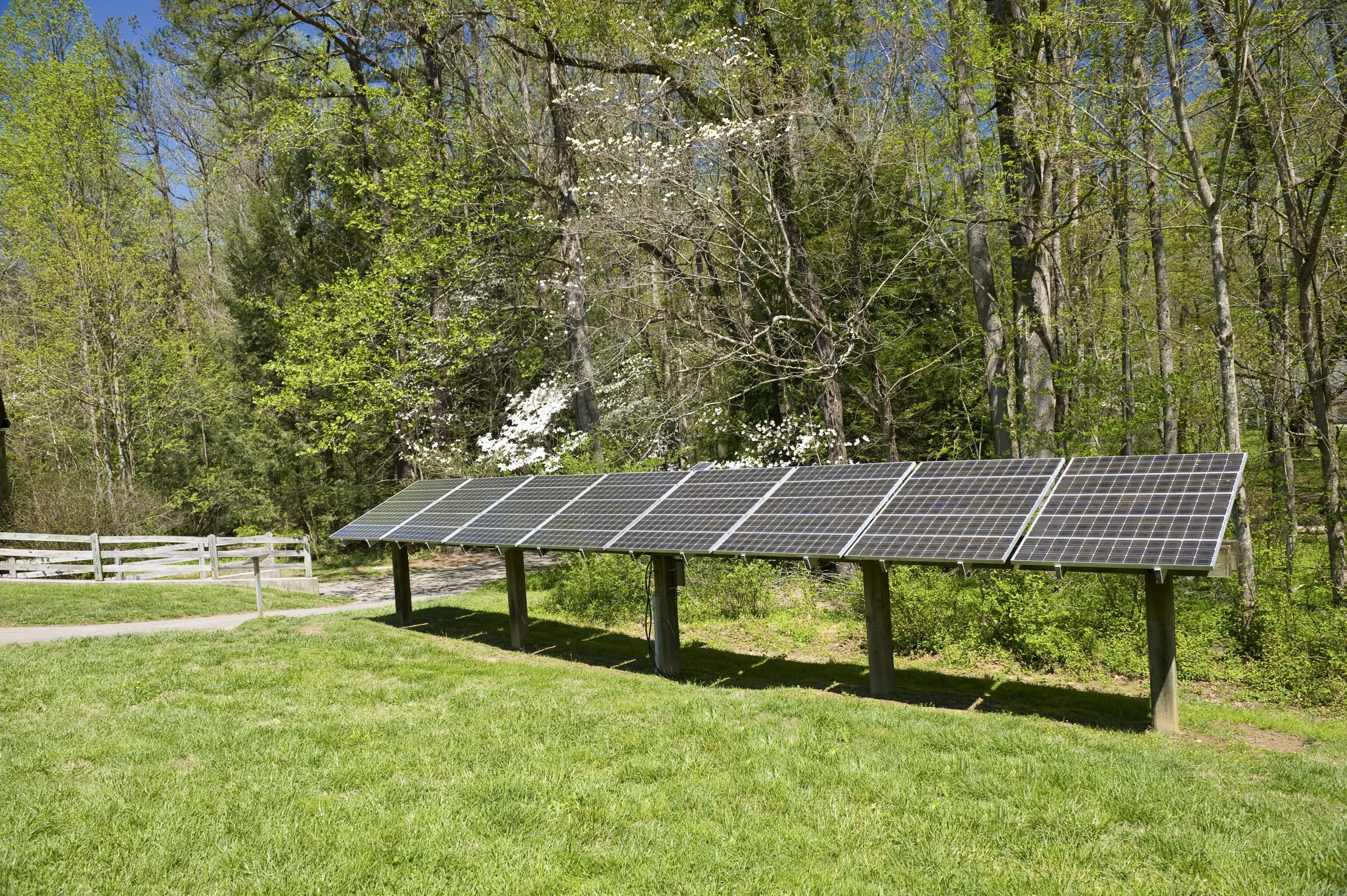
    electricity generating solar energy panels BFZCTa6Ns 2 scaled

    Innovations in Solar Technology: What’s Next for Renewable Energy

    As technology continues to advance, so too do the possibilities for solar power. Some of the latest innovations in solar include flexible and lightweight solar panels that can be rolled up like a rug, as well as floating solar arrays that can be deployed on bodies of water. There’s even research being done into using artificial photosynthesis to convert sunlight directly into fuel, offering yet another exciting possibility for renewable energy.

    Conclusion: How You Can Get Started with Solar Power Today

    If you’re interested in exploring solar power for your own home or business, there are plenty of resources available to help get started. Many states now offer tax credits and other incentives for residents who install solar panels, making it easier than ever to make the switch to renewable energy. Whether you choose to go solar yourself or simply learn more about the benefits of solar power, one thing is clear: solar energy is leading the charge towards a brighter, cleaner future.

  • The Truth About Solar Power: Is It Really Green

    The Truth About Solar Power: Is It Really Green

    Solar power is a hot topic in the world of renewable energy. With concerns about climate change and sustainability on the rise, many people are looking for ways to reduce their carbon footprint and live more eco-friendly lives. Solar power has become an increasingly popular option, but is it really as green as we think? In this blog post, we’ll explore the truth about solar power and its environmental impact, including its cost, best solar generators, DIY installation tips, and more.

    Introduction to Solar Power and Its Environmental Impact

    Solar power involves harnessing the sun’s energy through photovoltaic cells that convert light into electricity. This process produces no emissions or pollution, making it one of the cleanest forms of energy available. However, there are some environmental costs associated with solar power. The production of solar panels requires the use of certain chemicals and materials, such as silicon, which can have negative effects on the environment if not disposed of properly. Additionally, the manufacturing process can produce greenhouse gas emissions, although these are typically much lower than those produced by traditional fossil fuel sources. Overall, while solar power isn’t completely without environmental impact, it remains one of the most sustainable options available.

    The Cost of Solar Power: Is It Worth the Investment?

    One of the biggest barriers to adopting solar power is often the initial investment required. While prices have decreased significantly over the past decade, installing solar panels can still be expensive. However, when you take into account the long-term savings on your energy bills, solar power becomes a very attractive option. Depending on where you live and how much energy you consume, you could save thousands of dollars over the lifetime of your solar panel system. Additionally, government incentives and tax credits can help offset the upfront costs, making solar power even more affordable.

    DSC 7771 300 scaled

    Choosing the Best Solar Power Generator for Your Needs

    There are many different types of solar power generators available, each with its own unique set of features and benefits. When choosing a generator, consider factors like capacity, efficiency, and durability. Some of the top brands include SunPower, LG, and Panasonic, all of which offer high-quality products at varying price points. It’s also important to consider the size of your home or business and your energy needs, as well as any specialized requirements, such as off-grid capability or backup power options.

    Installing Your Own Solar Panels: A DIY Guide

    While installing solar panels may seem daunting, it’s actually possible to do it yourself with a little bit of knowledge and preparation. Start by assessing your property and determining the optimal location for your solar panel array. You’ll need a flat surface with good exposure to direct sunlight throughout the day. Once you’ve identified the ideal spot, measure the area and calculate the number of panels needed to meet your energy demands. Next, order the necessary equipment, including the panels themselves, mounting brackets, wiring, and other components. Finally, follow the instructions provided by the manufacturer to install and connect your new solar panel system. While this may sound intimidating, many people find that doing it themselves saves money and provides a sense of satisfaction knowing they did it themselves.

    mg i5a9857 2 1 scaled

    In conclusion, while solar power isn’t perfect, it remains one of the most sustainable and cost-effective options available for generating electricity. Whether you choose to invest in a professional installation or go the DIY route, there are plenty of opportunities to harness the power of the sun and reduce your carbon footprint.

  • The Future of Renewable Energy: How Solar Power Is Leading the Charge

    The Future of Renewable Energy: How Solar Power Is Leading the Charge

    Solar power is a form of renewable energy that has been gaining popularity in recent years. It involves harnessing the sun’s energy and converting it into electricity using solar panels. But what makes solar power so special, and why is it becoming an increasingly popular choice for homeowners and businesses alike? Let’s take a closer look at this incredible source of clean energy.

    Introduction to Solar Power: How It Works and Why It’s Important

    Solar panels are made up of photovoltaic cells that convert sunlight into direct current (DC) electricity. This DC electricity then passes through an inverter, which converts it into alternating current (AC) electricity that can be used to power your home or business. The best part about solar power is that it produces no greenhouse gas emissions, making it a clean and sustainable source of energy.

    The Benefits of Solar Energy: From Lower Bills to a Cleaner Planet

    One of the most obvious benefits of solar power is that it can help you save money on your energy bills. By generating your own electricity, you rely less on traditional utility companies, which means lower monthly bills. Additionally, solar power reduces our reliance on fossil fuels, which not only helps reduce carbon emissions but also decreases our dependence on foreign oil.

    Common Misconceptions About Solar Panels Debunked

    Many people believe that solar panels require constant maintenance or that they don’t work well in cloudy weather. However, these beliefs couldn’t be further from the truth. In reality, solar panels are designed to withstand all types of weather conditions, including rain, snow, and even hail. And while they do need to be cleaned occasionally, maintenance requirements are minimal.

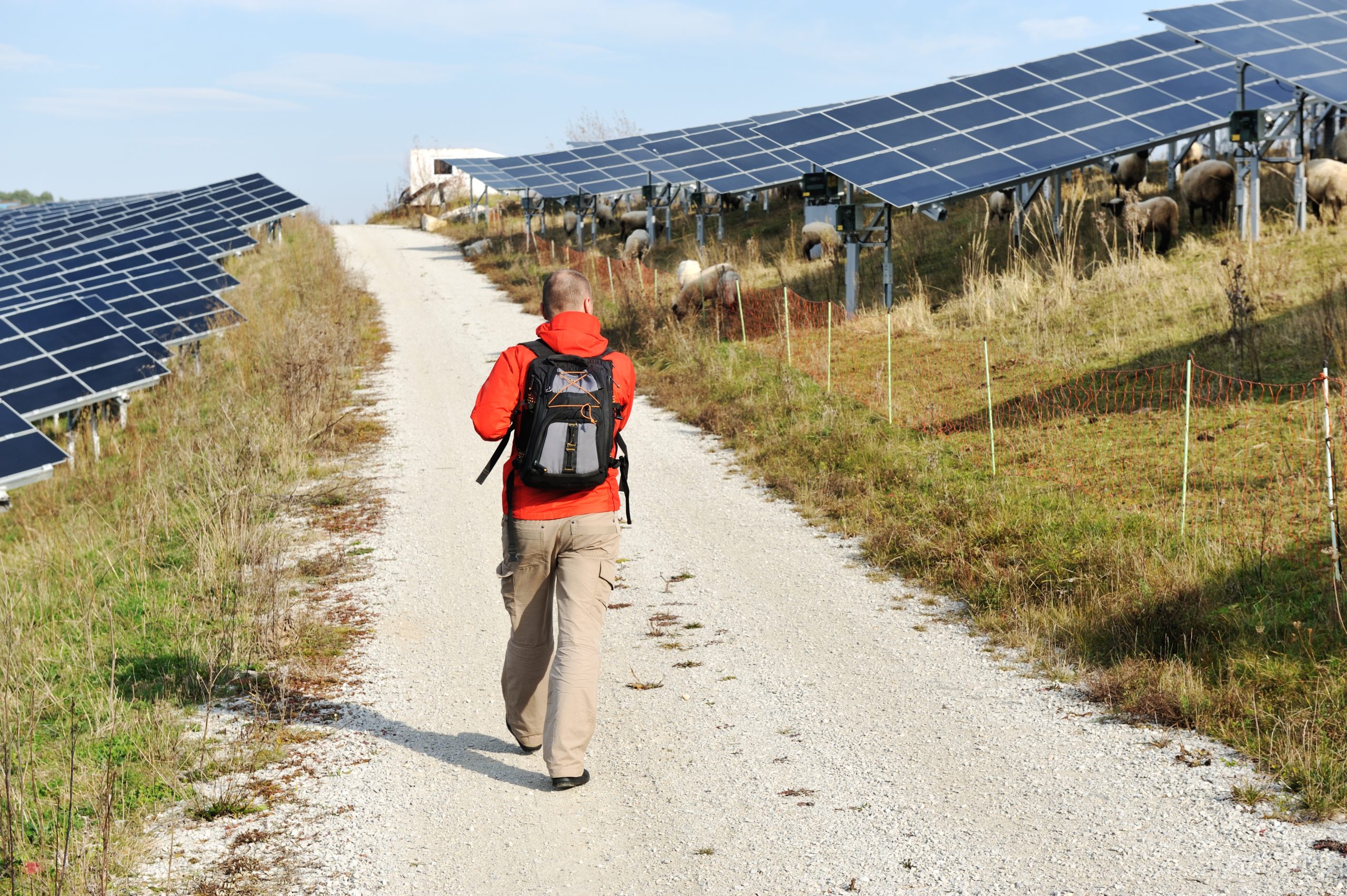
    man walking on a countryside road with solar panels BYSI2jpri scaled

    Innovations in Solar Technology: What the Future Holds for Renewable Energy

    As technology continues to advance, we’re seeing new innovations in solar energy that promise to make it even more efficient and cost-effective. One example is thin-film solar panels, which use less silicon than traditional panels and can be applied to a variety of surfaces, including roof tiles and windows. Another promising development is floating solar arrays, which allow us to utilize previously unused bodies of water as sources of solar power.

    Conclusion: Why Solar Power Is the Key to a Sustainable Tomorrow

    Solar power offers numerous benefits, from reducing our carbon footprint to saving money on energy bills. As technology continues to improve, we’re likely to see even greater advancements in solar energy, making it an increasingly viable option for homes and businesses around the world. If we want to create a sustainable tomorrow, investing in renewable energy sources like solar power is essential.

  • Is DIY Solar Installation Worth It? Weighing the Pros and Cons

    Is DIY Solar Installation Worth It? Weighing the Pros and Cons

    Solar power is a clean, renewable source of energy that has become increasingly popular in recent years. With concerns about climate change on the rise, many people are looking for ways to reduce their carbon footprint and switch to more sustainable sources of energy. But while solar power offers numerous environmental benefits, it also requires a significant upfront investment. In this blog post, we’ll explore whether or not DIY solar installation is worth it, taking into account both the pros and cons.

    Introduction to Solar Power and its Environmental Benefits

    First things first: what exactly is solar power? Solar power involves harnessing the energy from sunlight through photovoltaic cells, which convert light into electricity. This electricity can then be used to power homes, businesses, and even entire communities. One of the biggest advantages of solar power is that it produces no greenhouse gas emissions, making it an environmentally friendly option compared to traditional fossil fuels like coal and oil. Additionally, solar panels require very little maintenance once they’re installed, meaning you can enjoy low-cost, reliable energy for years to come.

    The Costs of Going Solar: Is it Worth the Investment

    While there are certainly plenty of benefits to switching to solar power, one of the main drawbacks is the cost. Depending on your location and energy needs, installing solar panels can cost anywhere from $10,000 to $25,000 or more. However, with tax credits and other incentives available in some areas, the actual cost may be significantly lower. The question remains: is it worth the investment? While it may seem daunting at first glance, going solar can actually save you money over time. Once your system is paid off (which typically takes around 7-10 years), you’ll start seeing significant savings on your monthly utility bills. Plus, as technology continues to improve and production costs decrease, the initial investment required for solar installation will likely continue to decline.

    wind energy fyHRFEqO scaled

    Choosing the Best Solar Generator for Your Needs

    If you decide to go ahead with solar installation, you’ll need to choose the best generator for your specific needs. There are several factors to consider when choosing a solar generator, including capacity, efficiency, and durability. Some common types of solar generators include portable models designed for camping or emergency use, standalone systems that connect directly to your home’s electrical grid, and hybrid systems that combine solar power with traditional backup generators. Ultimately, the right choice depends on your individual circumstances and preferences.

    DIY Solar Installation: Pros and Cons

    One option to consider when installing solar panels is doing it yourself rather than hiring a professional installer. While DIY solar installation can potentially save you some money upfront, it also comes with certain risks and challenges. For example, working with high voltage equipment can be dangerous if proper safety precautions aren’t taken. Additionally, mistakes made during installation could result in reduced performance or even damage to your equipment. On the flip side, DIY installation allows you to customize your setup to meet your unique needs and preferences. If you have experience with electrical work and feel comfortable tackling the project, DIY installation may be a viable option. However, it’s always recommended to consult with a professional before attempting any major home renovations or installations.

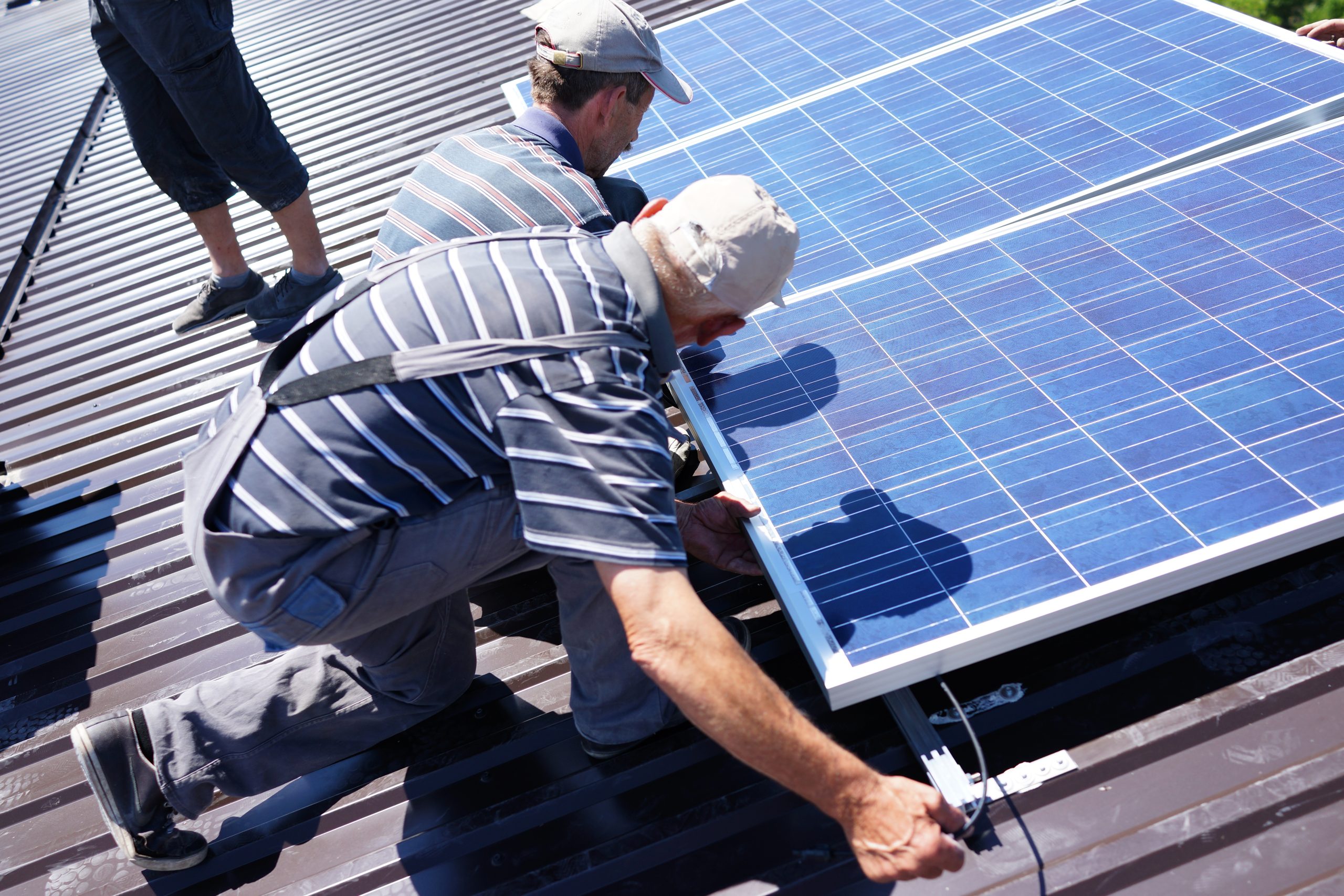
    young expert working at solar panels rtfcT86Hj scaled

    Conclusion

    In conclusion, deciding whether or not to go solar requires careful consideration of both the financial and environmental implications. While the initial investment may be significant, solar power can provide long-term savings and help reduce your carbon footprint. Whether you choose to hire a pro or take on the project yourself, switching to solar power is a great way to support sustainable living and protect our planet for future generations.

  • How Much Does It Cost to Install a Solar Energy System in Your Home? A Comprehensive Guide

    How Much Does It Cost to Install a Solar Energy System in Your Home? A Comprehensive Guide

    Introduction to Solar Power:

    Solar power is a renewable energy source that harnesses the sun’s rays and converts them into electricity. It has become increasingly popular in recent years due to its environmental benefits, cost savings, and reliability. With solar panels becoming more affordable than ever before, many homeowners are considering installing their own system for residential use. But how much does it actually cost? Let’s take a closer look at the costs associated with installing a solar energy system in your home.

    The Cost of Installing a Solar Energy System in Your Home:

    Installing a solar energy system can vary greatly depending on several factors such as the size of the system, location, and installation options. On average, you can expect to pay between $10,000-$25,000 for a basic system that will generate around 3-4 kilowatt hours (kWh) per day. However, some systems may require additional equipment or installation fees which could increase the overall price tag. Additionally, there are federal tax credits available up to 30% of the total cost of the system, making it an even more attractive option financially.

    Best Solar Power Generator Options Available:

    There are various types of solar generators available on the market today ranging from portable models suitable for camping trips to larger stationary units designed for homes and businesses. Some of the most popular brands include Goal Zero, Renogy, and Honda. These generators typically come equipped with solar panels, batteries, and charge controllers allowing you to store excess energy generated during the day for later use when needed. The capacity of these generators also varies so make sure to choose one that meets your specific needs.

    DIY or Professional Installation:

    When it comes to installing a solar energy system, you have two main options; either do it yourself or hire a professional installer. While DIY installations can save money in the short term, they often lack the expertise required to ensure optimal performance and safety. Professionally installed systems tend to be higher quality and offer longer warranties but come at a premium cost. Ultimately, the decision lies with individual preferences and budget constraints.

    JM Industrial DSC00736 scaled

    Renewable Energy and the Environment:

    Using renewable sources of energy like solar power not only helps reduce our carbon footprint but also promotes sustainability and independence. By generating clean energy through solar panels instead of relying on fossil fuels, we can help protect the environment while saving money on utility bills over time. Investing in solar technology is a smart choice both economically and ecologically speaking.

  • Solar Power: The Key to a Greener Future

    The world is changing, and so are our energy needs. We have been relying on fossil fuels for far too long, and it’s time we make the switch to renewable sources of energy. Solar power has emerged as one of the most promising alternatives to traditional forms of energy generation. In this post, we will explore why solar power is the key to a greener future.

    Introduction to Solar Power: The Key to a Greener Future

    Solar power is generated by harnessing the sun’s energy through photovoltaic cells that convert light into electricity. These cells can be installed in various ways, including rooftop installations or large-scale utility projects. The benefits of using solar power are numerous, ranging from lower greenhouse gas emissions to reduced reliance on non-renewable resources.

    Is solar power really helpful to environment?

    One of the biggest advantages of solar power is its minimal environmental impact. Unlike coal or natural gas plants, which emit pollutants and contribute to climate change, solar panels produce no emissions during operation. This means that switching to solar power can help reduce air pollution, water pollution, and carbon dioxide emissions.

    How expensive is solar Power?

    While there was once a stigma attached to solar power as being too expensive, those days are gone. With advancements in technology and increased demand, the cost of installing solar panels has decreased significantly over the past decade. Additionally, with tax credits and other incentives available at both federal and state levels, many homeowners find that they can recoup their initial investment within just a few years.

    What is the best solar power generator?

    There are several types of solar generators available today, each with unique features and benefits. Some popular options include portable solar generators, RV solar kits, and residential solar systems. When choosing the right option for you, consider factors such as your energy needs, budget, and lifestyle.

    Can I install my own solar panels?

    Yes! While some people choose to hire professionals to install their solar panels, others opt to do it themselves. Installation requires basic tools and knowledge of electrical wiring, making it an accessible project for DIY enthusiasts. However, before attempting installation yourself, be sure to research local permitting requirements and safety guidelines.

    Conclusion: Embracing Renewable Energy for a Sustainable Tomorrow

    As we move towards a more sustainable future, it’s essential that we embrace renewable energy sources like solar power. By reducing our dependence on fossil fuels and transitioning to cleaner energy sources, we can protect the planet while also saving money on our energy bills. So if you’re ready to take the leap and join the solar revolution, start exploring your options today.