Tag: inverters

  • How Solar Inverters Impact Your Energy Efficiency

    How Solar Inverters Impact Your Energy Efficiency

    Understanding Solar Inverters

    What is a Solar Inverter?

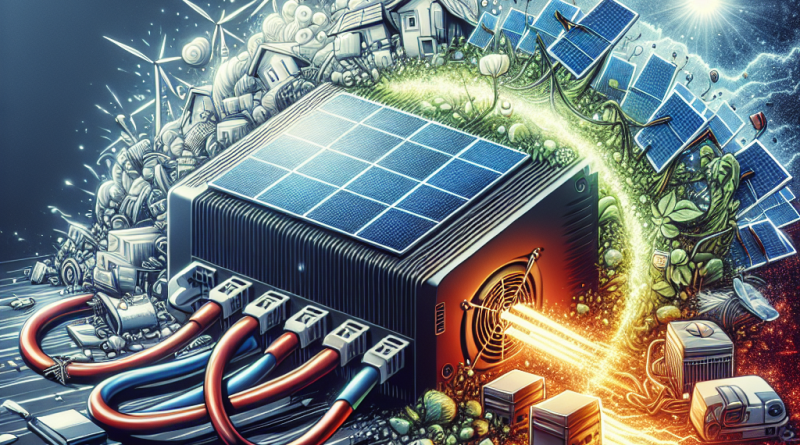
    Let me tell you, solar inverters are an essential part of any solar panel system. In simple terms, they convert the direct current (DC) electricity generated by your solar panels into alternating current (AC) electricity, which is what most home appliances use. Without these nifty devices, your solar panels would just sit there, doing nothing for you.

    The incredible thing is that there are different types of solar inverters, like string inverters and micro-inverters. Each type has its perks and drawbacks, which I learned by researching and asking experts in the field. Understanding these differences is crucial if you want to maximize your energy efficiency.

    When I first got into solar energy, I was amazed at how much I didn’t know. Choosing the right inverter can lead to better energy performance, since it directly affects how much energy is used versus what is wasted. Knowledge is power, right?

    Enhancing Energy Conversion Efficiency

    The Role of Inverters in Energy Conversion

    Okay, so here’s something cool: solar inverters play a huge role in determining how efficiently your solar energy gets converted. The better the inverter, the less energy you lose in the conversion process. For instance, high-quality inverters can achieve conversion efficiencies of over 98%. Imagine the savings on your energy bill!

    In my own experience, I noticed a significant difference in my energy conversion rate after upgrading my inverter. It was almost like I had flipped a switch! Being able to harness more energy from the same amount of sunlight means more savings. What’s not to love?

    Every percentage point of efficiency adds up over time. Trust me, when you’re looking at your energy bills and you see that nice reduction, you’ll appreciate your inverter choice even more.

    Impact on Energy Storage Solutions

    Inverters and Battery Storage

    Let’s get down to how inverters help with energy storage. Particularly, if you’ve got a battery system paired with your solar setup, your inverter plays a massive role. Some inverters can manage the flow of energy to and from your batteries, deciding when to store energy and when to draw it. It’s like having a personal assistant for your energy!

    When I first installed my battery storage system, I was amazed at how my inverter regulated the charging and discharging cycles. This means I could rely on stored energy when the sun wasn’t shining, which drastically increased my energy efficiency.

    Having the right inverter made all the difference. It not only maximized my solar energy usage but also ensured I had enough power saved up for those cloudy days. Energy independence, baby!

    Overall System Reliability and Longevity

    The Importance of Quality Inverters

    Now, let’s chat about reliability. The quality of your solar inverter can impact the overall lifespan of your solar setup. I’ve learned that cheaper inverters might be tempting, but they often lead to failures and inefficiencies that can cost you in the long run.

    After a few years with my reliable inverter, I can say that its performance has been consistent. Regular maintenance and monitoring really keep my system healthy. It’s reassuring to know that my inverter is doing its job, and that translates to savings.

    Investing in a high-quality inverter not only boosts your energy efficiency today but also safeguards your solar investment for years to come. Long-term benefits often outweigh the initial costs. Trust me on this one!

    Maximizing Your Solar Investment

    The Financial Benefits of Efficient Inverters

    Last but definitely not least, let’s discuss the financial side of things. Choosing the right solar inverter can make your solar investment way more profitable. With a higher conversion rate and better energy management, you’ll see a significant drop in your utility bills.

    When I did the math after installing a quality inverter, it was like a light bulb went on! The savings on my monthly bills quickly started to cover the inverter’s cost. Plus, many states offer incentives for using efficient systems, which just sweetens the deal.

    Ultimately, the right solar inverter isn’t just about efficiency; it’s about turning your investment into long-term gains. And who doesn’t want more money in their pocket, right?

    Frequently Asked Questions

    1. What is the main function of a solar inverter?

    The main function of a solar inverter is to convert the direct current (DC) electricity generated by solar panels into alternating current (AC) electricity that can be used by home appliances.

    2. How does the inverter affect energy efficiency?

    A good quality inverter maximizes the conversion efficiency, meaning less energy is wasted during the transformation process. Higher efficiency directly translates to lower energy bills.

    3. Can solar inverters work with battery storage?

    Yes! Many solar inverters are designed to work in conjunction with battery storage systems, allowing optimal management of energy flow to maximize energy preservation and usage.

    4. How long do solar inverters typically last?

    Most solar inverters have a lifespan of around 5 to 10 years, depending on the type and quality. Regular maintenance can help extend their lifespan even further.

    5. Are there incentives for choosing efficient solar inverters?

    Absolutely! Many states and local governments offer financial incentives for using high-efficiency solar inverters, which can add further savings to your solar investment.

  • The Top Solar Inverters for Efficient Home Energy Use

    The Top Solar Inverters for Efficient Home Energy Use

    Understanding Solar Inverters

    What is a Solar Inverter?

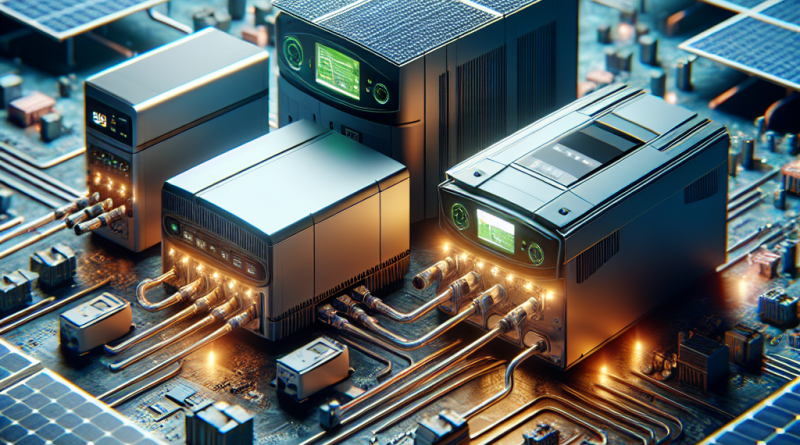
    So, let’s kick things off by talking about what a solar inverter actually is. In the simplest terms, a solar inverter is a device that converts the direct current (DC) electricity generated by your solar panels into alternating current (AC) electricity, which is what most home appliances use. This conversion is crucial because without it, your solar energy wouldn’t be usable in your home.

    From my own experience, choosing the right inverter can feel a bit overwhelming with all the different options out there. It’s kinda like trying to pick the best coffee in a coffee shop with dozens of blends. They all look great, but you need to find what suits your needs the best!

    But there’s more to it than just conversion. A good inverter can also monitor your system performance, providing insights on energy production and consumption. That means you’ll have a better grasp on how much energy you’re actually using, which can help you save on your bills!

    Types of Solar Inverters

    String Inverters

    First up, we have string inverters. These are the most common type and they work by connecting multiple solar panels together into a single string. This setup is simple and cost-effective, and honestly, it’s how I started my solar journey. They are also easy to install, which is a major plus if you’re looking to save some cash on labor costs.

    However, one downfall I’ve noticed with string inverters is that if one panel is shaded or dirty, it affects the entire string’s performance. It’s like a team where one player slacks off, and the whole game suffers. So if you have a lot of shading on your property, you might want to think twice about this option.

    But on the bright side, they generally come with a good warranty and can be quite reliable for years, so keep that in mind if this is the route you’re going down!

    Microinverters

    Next up are microinverters. These are like the cool kids on the block—instead of one inverter handling multiple panels, each panel has its own little inverter! I was fascinated when I first learned about these because of how they optimize output; they allow each panel to work independently.

    This means that shading on one panel won’t drag down the performance of the whole system. If you live in an area with a lot of shading or have an irregular roof shape, microinverters could be the way to go! However, they do tend to cost more upfront, so it’s a bit of a trade-off.

    One of the things I love about microinverters is their monitoring capabilities. You can see how each panel is doing individually. It’s like being a coach who gets to see each player’s stats during a game, which is pretty cool and useful!

    Power Optimizers

    Then, we’ve got power optimizers, which are somewhat of a hybrid between string inverters and microinverters. Power optimizers sit at each panel but feed into a central inverter. This means you get some of the benefits of microinverters, like increased efficiency when there’s shading, all while keeping the central inverter approach. This was something I found appealing during my research.

    The beauty of these devices is they optimize the energy coming from each panel, which increases overall performance without the higher cost of microinverters. If you’re aiming for efficiency but don’t want the extra expense, I’d definitely recommend looking into these bad boys.

    Plus, they’re usually easy to install, so you won’t need to spend forever trying to figure it out. And let’s be real, who has time for that? Overall, power optimizers are a solid option if you’re looking for a middle ground.

    Efficiency Ratings

    Understanding Efficiency Ratings

    Next up is efficiency ratings. When I first dove into the solar world, I learned that not all inverters are created equal, and that’s where efficiency ratings come into play. Essentially, these ratings tell you how much of the solar energy hitting your panels is being converted into usable electricity.

    Most high-quality inverters boast efficiency ratings above 95%. This means they’re converting most of the energy they receive into power you can use in your home. It’s a pretty big deal because higher efficiency means lower energy bills in the long run!

    Always check these ratings. Higher efficiency often equates to a better inverter, which can save you a lot more in the future. I’ve seen too many people getting sidetracked by flashiness, so focus on those numbers—it really matters!

    The Importance of Warranty

    Another thing you definitely want to look at is the warranty. In my experience, the best inverters will offer warranties ranging from 5 to 25 years. A longer warranty can provide peace of mind because it shows the manufacturer has faith in their product, and they’ll cover you in case anything goes wrong.

    Some might offer extensive service, which means if your inverter has issues, they’ll help you fix it without a headache. A short warranty can mean that the manufacturer isn’t as confident in their product, which might be a red flag.

    Trust me, you don’t want to skimp out here. You’ll be spending a decent chunk of cash on your solar setup, so aim for reliability, folks!

    Compatibility with Solar Systems

    Lastly, it’s essential to ensure that your chosen inverter is compatible with your solar panel system. When I first started out, I experienced a bit of a hiccup in finding an inverter that matched my panel specifications. Each inverter has its own specs, so it’s crucial that yours lines up with your solar installation.

    Finding a compatible system can sometimes feel like finding a needle in a haystack. I recommend consulting the installation professional to double-check that everything fits snugly together. The right combination will make operating your system a breeze!

    Once you have that compatibility sorted, you’ll be cruising toward energy efficiency and savings in no time. It’s like having your dream team all on the same page. Trust me; you want that!

    Conclusion: Making the Right Choice

    In wrapping things up, choosing the right solar inverter isn’t as daunting as it may seem once you break it down. Whether you’re leaning towards string inverters for their simplicity, microinverters for added efficiency, or power optimizers for their middle-ground benefits, just remember to consider those efficiency ratings and warranty lengths!

    The whole process can seem overwhelming, but with a little homework and by keeping your needs in mind, you’re sure to land on the inverter that suits you best. After all, solar energy isn’t just about saving the planet; it’s also about saving your hard-earned cash!

    So, roll up your sleeves, do your research, and get ready to enjoy the many benefits that come with solar energy. Your future self will be thanking you for the energy savings and the positive impact on the world!

    Frequently Asked Questions

    1. What is the main function of a solar inverter?

    The main function of a solar inverter is to convert the direct current (DC) electricity produced by solar panels into alternating current (AC) electricity that can be used by home appliances.

    2. Are microinverters worth the extra cost?

    Yes, if you have a property with shading issues or various roof orientations, microinverters can provide greater efficiency by allowing each panel to operate independently.

    3. How can I check an inverter’s efficiency rating?

    You can find an inverter’s efficiency rating on the manufacturer’s website or in the product specifications before purchasing. Look for ratings above 95% for optimal performance.

    4. Why is warranty important for solar inverters?

    A longer warranty period indicates manufacturer confidence and provides protection for your investment. It helps ensure that you’re covered in case any issues arise with the inverter.

    5. How do I ensure inverter compatibility with my solar panels?

    To ensure compatibility, check the technical specifications of both the inverter and solar panels. Consulting with a professional installer can also help confirm that everything aligns properly.

  • The Benefits of Upgrading to Hybrid Solar Inverters

    The Benefits of Upgrading to Hybrid Solar Inverters

    Enhanced Energy Efficiency

    Understanding How Hybrid Inverters Work

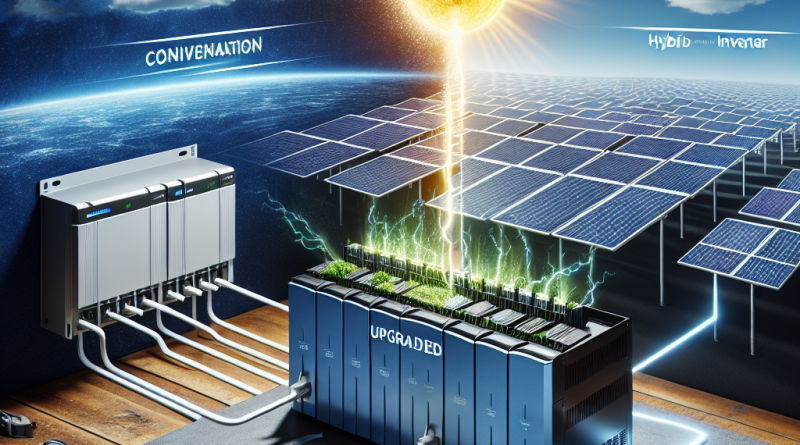
    When I first delved into the world of solar energy, I was amazed at how hybrid solar inverters operate. They don’t just convert solar energy into usable power; they also intelligently manage where that energy goes. This means you’re leveraging every ray of sunshine to its fullest. Unlike traditional inverters, hybrid models optimize energy consumption, ensuring that you use as much power as possible without excess waste.

    These smart devices allow you to monitor your energy use in real-time. This means that you can see where your energy is going, which can help you make adjustments to reduce your overall consumption. Having that visibility changed how I approached my energy use completely. It’s eye-opening, to say the least!

    Moreover, hybrid systems can store energy for later use. They typically come with battery storage options, meaning those long summer days translate into power you can draw from later, whether it’s at night or during a cloudy day. This feature is especially cool because it allows you to optimize your energy usage throughout the day.

    Lower Energy Bills

    The Savings accumulate over time

    Let’s talk about saving some cash! One of the major perks I’ve experienced since upgrading to a hybrid solar inverter is the reduction in energy bills. Initially, I found the price tag a bit daunting, but I can honestly say that the savings I’ve realized have made it worth every penny.

    Having a hybrid inverter means you’re less reliant on the grid. If you’ve ever opened up an electricity bill only to be hit with a wave of anxiety, you’ll appreciate this. By utilizing stored energy during peak hours when rates are higher, I’ve noticed a big drop in costs. It feels amazing to take control of my energy expenses!

    Ultimately, the goal for many of us is to achieve energy independence. Hybrid solar inverters bring that goal closer to reality. With reduced dependence on utility companies, you’re not just cutting costs; you’re creating a sustainable future for yourself and your family.

    Increased Energy Independence

    Understanding Energy Independence

    When I think about energy independence, it’s like a weight being lifted off my shoulders. Switching to a hybrid inverter gave me the freedom from fluctuating energy prices and the overall unpredictability of traditional energy sources. Suddenly, I felt empowered about my energy usage.

    In a world where energy prices seem to increase every year, knowing I can generate and store my own energy provides peace of mind. I’m no longer at the mercy of rising utility costs or energy shortages. I can generate my own clean energy, and it’s a game-changer.

    This independence isn’t just good for my wallet; it’s better for the environment as well. By utilizing solar power and minimizing reliance on fossil fuels, I feel like I’m doing my part in this big environmental puzzle. And let’s be honest, it feels good to contribute positively to the planet!

    Flexibility for Future Upgrades

    Planning Ahead with Technology

    One thing I learned while upgrading my system is the importance of choosing technology that has room for future growth. Hybrid solar inverters offer incredible flexibility for future upgrades, which is perfect for anyone anticipating changes in their energy needs.

    For instance, if you decide to add more solar panels or batteries down the line, a hybrid inverter can easily accommodate those changes. Rather than feeling stuck with outdated or incompatible equipment, I had the opportunity to expand my system seamlessly.

    Not only does this future-proofing allow for easier modifications, but it also helps to protect my initial investment. With technology evolving rapidly, being able to adapt means I won’t be left hanging with something obsolete in just a few years. I can upgrade when it suits me without starting from scratch!

    Contribution to Sustainability

    Doing My Part for the Environment

    One of the most gratifying aspects of upgrading to a hybrid solar inverter is knowing I’m contributing to a more sustainable future. It’s more than just a trend; it’s a movement towards cleaner energy. I genuinely feel a sense of pride when I think about my carbon footprint shrinking.

    Using solar energy means I’m tapping into a renewable resource instead of relying on finite resources that harm the planet. Every time I see that I’m generating power from the sun, I know I’m part of a solution—reducing greenhouse gas emissions and promoting cleaner air.

    Plus, it’s contagious! Talking about my transition with friends and family has sparked interest in them. I love sharing my experience because it’s not just about me; it’s about creating a ripple effect for future generations. It’s all about building a better world together!

    FAQ

    1. What are hybrid solar inverters?

    Hybrid solar inverters are devices that combine the functions of traditional solar inverters and battery storage systems. They allow you to use solar energy, store excess power, and manage your energy consumption more effectively.

    2. How much can I save on energy bills with a hybrid solar inverter?

    The savings can vary depending on various factors including energy consumption, local electricity rates, and the size of your solar system. Many people report significant reductions in their monthly bills after switching, often recouping their initial investment within a few years.

    3. Are hybrid solar inverters compatible with existing solar panels?

    In many cases, yes! Hybrid inverters can often be integrated with existing solar panels, but it’s always a good idea to consult with a professional before making the switch to ensure compatibility and efficiency.

    4. Can I add more solar panels later if I upgrade to a hybrid inverter?

    Absolutely! One of the advantages of hybrid inverters is their flexibility. If your energy needs increase, you can generally add more solar panels or batteries without needing to replace the entire system.

    5. How do hybrid solar inverters help the environment?

    By harnessing renewable solar energy, hybrid inverters reduce reliance on fossil fuels, therefore lowering greenhouse gas emissions. Using solar power contributes to cleaner air and helps combat climate change, making it a more sustainable choice for the planet.