Tag: maximize

  • How to Maximize Your Savings with Solar Energy Tax Credits

    How to Maximize Your Savings with Solar Energy Tax Credits

    Understanding Solar Energy Tax Credits

    What Are Solar Energy Tax Credits?

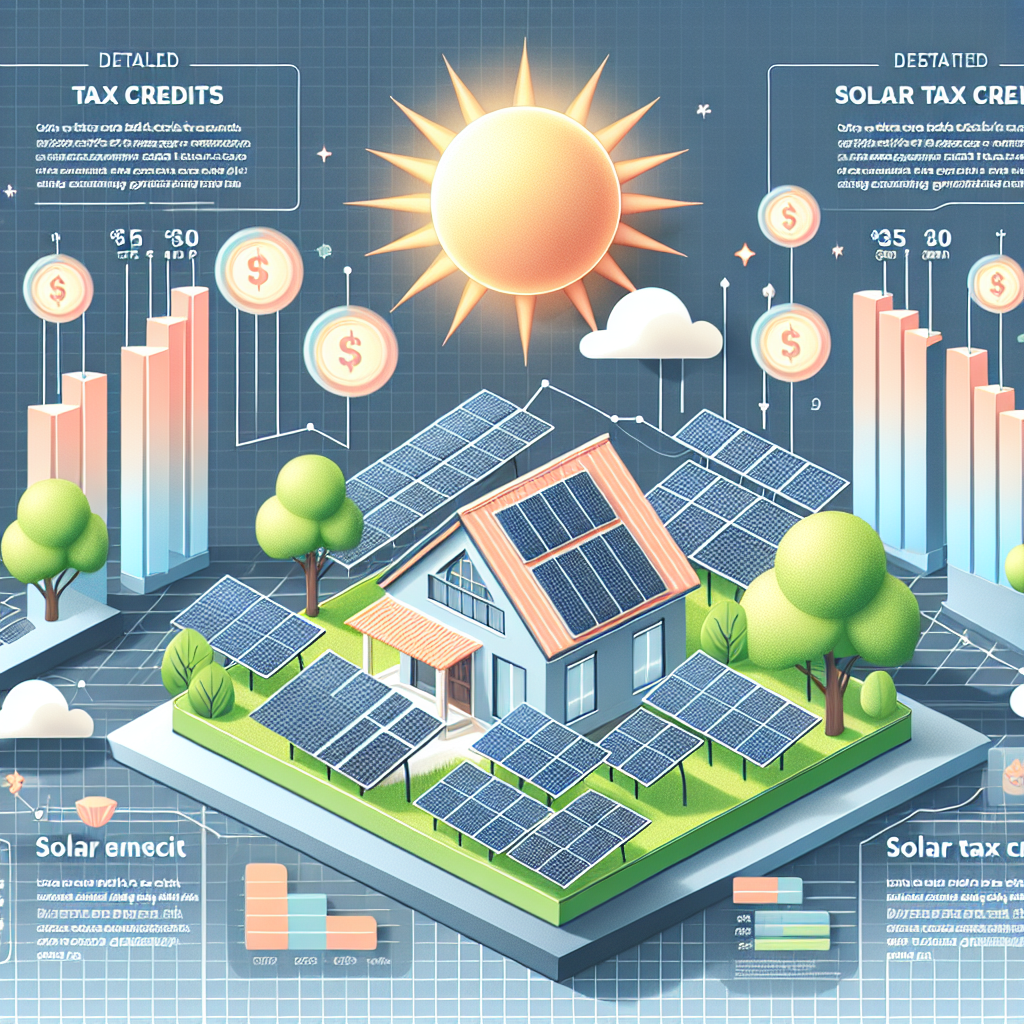
    When I first heard about solar energy tax credits, I had so many questions. Essentially, these credits are a way for the government to encourage folks like you and me to switch to solar energy. They let you deduct a percentage of the cost of your solar energy system from your federal taxes. It’s like getting a bonus back at tax time!

    But it’s not just about saving money on your taxes. It’s also about making your home more energy efficient, which really pays off in the long run. If you ever thought about going solar, knowing about these tax credits is like having a secret weapon in your savings arsenal.

    Believe me, the benefits can be substantial. Depending on when you install your system, these credits can cover a huge chunk of your expenses. You might be able to reclaim thousands, which is pretty sweet, right?

    The Current Tax Credit Landscape

    One cool thing to keep in mind is that the solar tax credit is generally set at a certain percentage, which can change over the years. When I made the leap, the percentage was quite generous, making it an even better time to invest. Staying up-to-date with the latest info is crucial so you don’t miss out.

    Sometimes, I see folks get confused about when these credits expire or change. Don’t make the mistake of waiting too long! The more informed you are, the better decisions you’ll make, ensuring that you take full advantage of this aid.

    It’s also worth checking if there are state-specific tax credits available in your area. Some places offer additional benefits, and every little bit helps!

    Eligibility for Solar Energy Tax Credits

    If you’re like me, you want to make sure you qualify before jumping in. The good news is, if you own your home and have installed a solar energy system, you’re likely eligible! Even if you lease your solar panels, you might still be able to take advantage of these credits, depending on your arrangement.

    Moreover, the eligibility doesn’t just stop with residential installations. Businesses can also take advantage of solar energy credits. So whether you’re powering your home or a business, there’s a good chance you’re covered.

    But always double-check your eligibility criteria based on the most current laws and guidelines. It can change, and I don’t want anyone missing out simply due to a technicality!

    Choosing the Right Solar Provider

    Researching Solar Installers

    This is where the real fun starts! Choosing the right solar provider can really make or break your experience. I remember spending hours researching different companies, reading reviews, and getting quotes. Don’t rush this part—you want a trustworthy partner in this investment.

    Look for providers with solid reputations and experience in the solar industry. Ask around—word of mouth can be a powerful tool. Sometimes the quality of service varies greatly, so it pays off to do your homework.

    Also, don’t forget to check if they’re licensed, insured, and certified. You want peace of mind knowing that you’re working with professionals who know what they’re doing.

    Comparing Quotes Effectively

    I found that comparing quotes isn’t just about looking at the bottom line; it’s also about what’s included. Some companies might have hidden fees or charge more for warranty coverage. Break down each quote to see what you’re truly paying for!

    It can feel overwhelming at times, but I tackled it by creating a simple comparison chart. I listed all of the features and estimates, which really helped in making a decision that felt right. Plus, it strips away the confusion!

    Don’t hesitate to negotiate as well. Many providers are willing to work with you to get a deal that meets your budget and needs.

    Understanding Warranties and Maintenance

    Once I found a provider, I looked into what kind of warranties were included. A solid warranty can save you lots of money down the line if something goes wrong. I learned the hard way that not all warranties are created equal, so ask questions!

    Also, consider the maintenance aspect. Some providers offer maintenance packages that can extend the life of your system. Just like with any home investment, regular upkeep can make a world of difference.

    Your solar panels should last a long time, but knowing what type of maintenance you’re responsible for can save you big headaches later.

    Identifying Additional Incentives

    Local and State Incentives

    Aside from the federal tax credit, there are often state and local incentives too! I was pleasantly surprised when I found out about rebates and grants available in my area. It’s like finding extra change in your couch cushions.

    These local benefits can vary widely, so check in with your state’s energy office or do a quick online search to see what’s available. Knowing the ins and outs of these incentives can really boost your overall savings.

    Sometimes, utility companies offer perks for solar adopters as well! It’s worth asking about additional savings opportunities. You might be leaving money on the table without even knowing!

    Financing Options

    If upfront costs seem daunting, explore your financing options. There are personal loans, solar leases, or power purchase agreements available to help ease the financial load. I personally went with a loan that offered good terms, and it felt much more manageable.

    Make sure to read the fine print—certain financing solutions may not qualify for the same tax credits, and that could impact your overall savings. I learned this lesson the hard way, so trust me on this!

    Work with your provider to find the best financial approach that aligns with your budget and long-term goals. You want something that won’t break the bank but still allows you to enjoy those sweet energy savings.

    Reevaluating Your Energy Usage

    Before making the jump, I took a good hard look at my energy usage. Were there ways I could improve efficiency? Lowering my consumption dovetailed nicely with adopting solar energy. Before your system is installed, it’s a good idea to figure out what changes you can make to save even more.

    Simple adjustments like switching to energy-efficient appliances or using smart home technologies can maximize your solar savings. The cleaner your energy habits, the less you’ll rely on your system, maximizing your tax credits.

    It’s really all about being proactive and intentional, and every small change can add up over time.

    Documenting Your Solar Energy Expenses

    Keeping Accurate Records

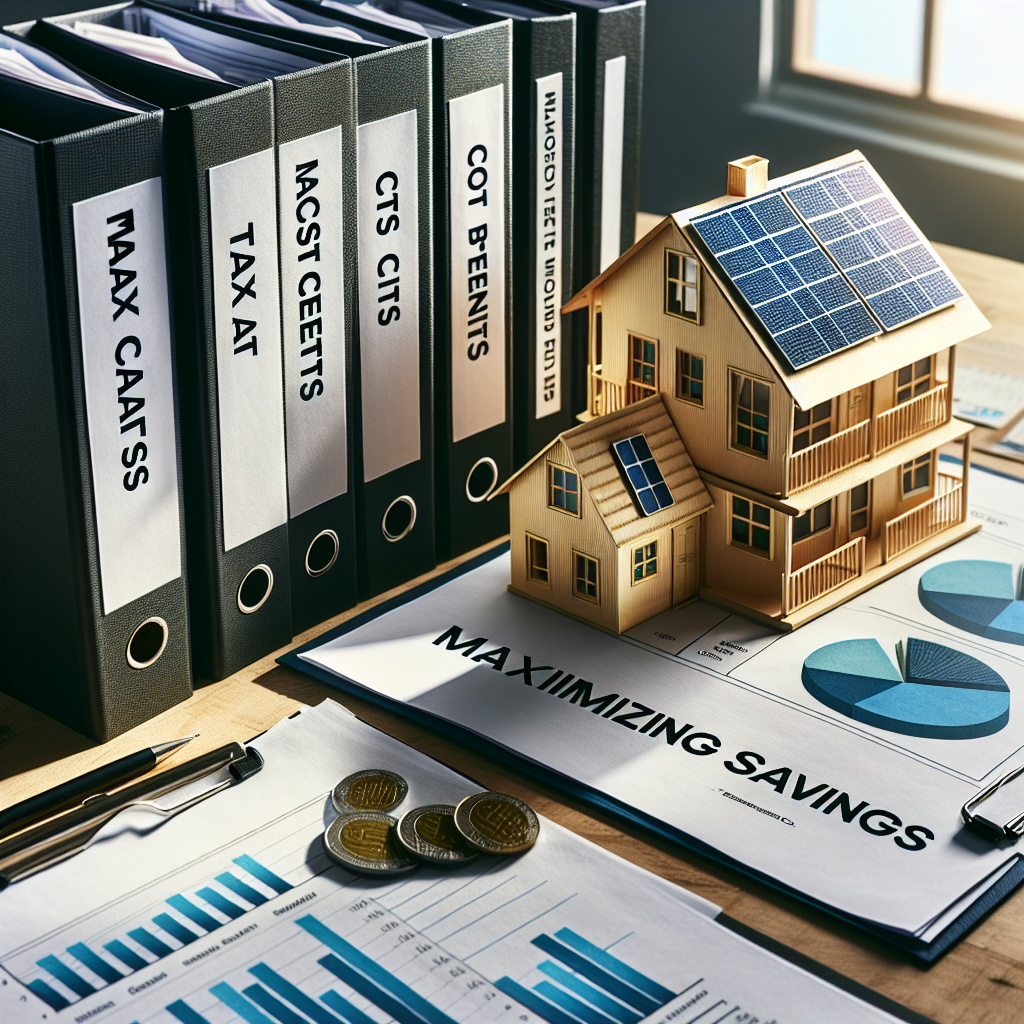
    Now that you’ve gone through the whole process, let me tell you—keeping track of your expenses is key. I made a spreadsheet to document everything, from installation costs to additional maintenance fees. It really saved me during tax time!

    Storing your receipts and documentation in one easy-to-access spot is a game changer. Especially when it comes time to file your taxes, having everything organized makes the process much smoother.

    It also helps if you ever need to refer back to your investments or if you’re considering selling your home. Future buyers might appreciate the records of your solar energy system!

    Understanding Documentation Requirements

    Part of maximizing your savings is knowing what documents you need to submit for those tax credits. When I first started, I was confused about what the IRS wanted. When in doubt, consult a tax professional to clarify what you need.

    Commonly required documents include purchase agreements and proof of installation. Make sure you’re gathering these as you go so you don’t scramble when tax season kicks in. The easier you make it for yourself, the better!

    Having organized documentation can also speed up the filing process, meaning you can claim those credits and breathe a little easier knowing that your hard work is paying off.

    To Claim Your Credits Correctly

    Finally, once tax season rolls around, ensure you’re claiming your credits properly on your tax return. This is where getting professional help can really take the stress off your shoulders. I invested in a good tax advisor who walked me through the process. It was so worth it!

    They’ll know all the latest changes and can help you avoid missing any deductions. I remember how relieved I felt when everything was filed correctly, and those credits were applied!

    It’s all about taking action and ensuring those savings come back to you, so don’t leave money on the table just because the process seems complicated!

    Conclusion

    Maximizing your savings with solar energy tax credits involves understanding the credits available, choosing the right provider, and keeping comprehensive records. Each step not only helps you save money but also contributes to a more sustainable future. With a little effort and the right information, you’ll be reaping the benefits before you know it!

    FAQ

    1. What is a solar energy tax credit?

    A solar energy tax credit allows homeowners to deduct a percentage of the cost of buying and installing a solar energy system from their federal taxes, effectively reducing the amount of tax owed.

    2. How do I know if I qualify for a solar energy tax credit?

    If you own your home and have a solar energy system installed, you typically qualify. Even if you lease your panels, you might still be eligible. Always check the latest guidelines to ensure eligibility.

    3. Can I get state or local incentives in addition to federal tax credits?

    Absolutely! Many states and local governments offer additional incentives like rebates or grants, so be sure to research what’s available in your area.

    4. How important is it to document my solar energy expenses?

    Documenting your expenses is crucial for claiming tax credits. Keeping accurate records ensures you won’t miss any deductions and helps simplify the tax filing process.

    5. Why should I compare quotes from different solar providers?

    Different solar providers offer various pricing, warranties, and service levels. Comparing quotes helps you find the best deal, ensuring you get the most value out of your investment.
  • How to Maximize Energy Savings with Solar Power

    How to Maximize Energy Savings with Solar Power

    Understand Your Energy Needs

    Calculate Your Energy Consumption

    To get the ball rolling, you’ll want to assess how much energy you actually use. I remember when I first did this—what a wake-up call! Start by looking at your utility bills from the past year. Note the monthly kilowatt-hour (kWh) usage. This will give you a solid understanding of your baseline consumption.

    Once you have that figure, think about ways you can reduce that amount, even slightly. Simple changes like turning off lights and unplugging devices can lead to impressive results over time. The more you can reduce your current usage, the more money you’ll save with solar.

    Don’t forget to consider future needs as well. If you plan on adding even more gadgets or maybe an electric vehicle in the coming years, you might want to scale your solar energy production to accommodate that.

    Assess Seasonal Variations

    Now that you have a grip on your basic energy needs, it’s time to look at how your consumption might change throughout the year. I found it interesting how much more energy I used during certain seasons, especially summer and winter with the air conditioning and heating.

    Think about factors like longer daylight hours in summer, which can actually work in your favor, as solar power generation is at its peak. On the flip side, winter may see increased energy use due to heating. Make sure to account for these variations when estimating your potential savings with solar.

    You might also consider local climate considerations. If you’re in an area that sees a lot of sunshine, you’re already one step ahead in maximizing your energy production.

    Consult with Energy Experts

    Don’t hesitate to reach out to solar energy experts. I had a fantastic experience when I consulted with an advisor who really knew their stuff. They helped me pinpoint my energy consumption needs and offered tailored advice.

    These experts can provide a customized energy audit that assesses your specific requirements and might even suggest additional ways to cut back on energy use before going solar. You wouldn’t want to miss out on potential savings simply because you didn’t have the right information!

    Most solar companies offer free consultations, so take them up on it. Trust me, the insights you gain will be invaluable when it comes to your installation decision.

    Choose the Right Solar System

    Types of Solar Panels

    When diving into solar panel options, it quickly becomes clear that choosing the right type can make a huge difference. I remember feeling overwhelmed initially by all the choices out there. It’s essential to get familiar with the different panel types, like monocrystalline, polycrystalline, and thin-film panels.

    For instance, I went with monocrystalline panels myself; they’re known for their high efficiency and space-saving design. But they might be pricier upfront. Weigh your options based on performance, space, and budget when making your decision.

    Make sure you look into warranties and the reputation of the manufacturer; you don’t want to skimp on quality just to save a buck!

    Get Multiple Quotes

    One of the best things I did was collect multiple quotes from various installers. Each solar company will have different pricing and packages; comparing these helped me find the best fit for my needs. Trust me, don’t just settle for the first one you encounter!

    When getting quotes, don’t forget to ask about installation costs, maintenance options, and warranties. I was surprised by how differing the prices could be—even for seemingly similar systems. Getting that competitive edge can lead you to savings you didn’t even know were possible!

    Personal recommendations also helped me decide—usually your community has insights that online reviews don’t capture. Reach out!

    Consider Incentives and Financing Options

    There are some pretty sweet incentives out there that can help offset costs. I was amazed to learn about state and federal tax credits for going solar. Every little bit helps, right? Research your local and national incentives to see what you might qualify for.

    Financial options also come into play—whether through loans, leases, or power purchase agreements (PPAs). Each one has its pros and cons, and I suggest weighing them carefully based on your budget and financial goals.

    Sometimes even traditional financing can offer better rates, depending on your credit score and financial situation. It’s like trying to find the best deal on a new car; every incentive counts!

    Optimize the Installation Location

    Solar Panel Orientation

    I learned that the direction your panels face plays a critical role in maximizing their efficiency. Ideally, panels should face south (in the Northern Hemisphere) to soak up the most sunlight. During my install, this was one of the first things we made sure of to boost energy capture.

    You’ll also want to consider tilt. The right angle can help catch those rays more effectively, especially in areas with distinct seasons. This isn’t just a set-and-forget type of deal; it’s an important factor in getting the best bang for your solar buck!

    Work closely with your installer to determine the best orientation and pitch based on your home’s location and landscape.

    Shade Considerations

    Don’t underestimate the power of shade in diminishing panel performance. I experienced this firsthand when a neighbor planted a tree that gradually started blocking some of my sunlight. Trust me, it might seem innocuous, but you want to keep trees, buildings, and anything that could obstruct sun exposure in mind while planning.

    If you foresee possible shading, you may need to invest in higher-efficiency panels or consider alternative locations on your property for installation. Keeping solar panels shaded will hurt your savings and energy production; it’s a definite point to consider.

    Finally, it’s always wise to consider the future and how your landscape may change. A tree that’s small today could become your panels’ worst enemy down the line!

    Hire Professional Installers

    Not all heroes wear capes, but the professionals who install solar systems? They definitely do! Investing in a good solar installation team is essential. You want someone who not only knows their stuff but also understands your unique situation.

    The experience I had with my installation crew was invaluable. They provided insights and tips that I hadn’t even thought of, making the entire process smoother—avoiding future hassles like maintenance and efficiency losses.

    Research their certifications, online reviews, and their overall track record. A few extra bucks for a thoroughly vetted installer can save you in the long run.

    Monitor and Maintain Your Solar System

    Use Monitoring Tools

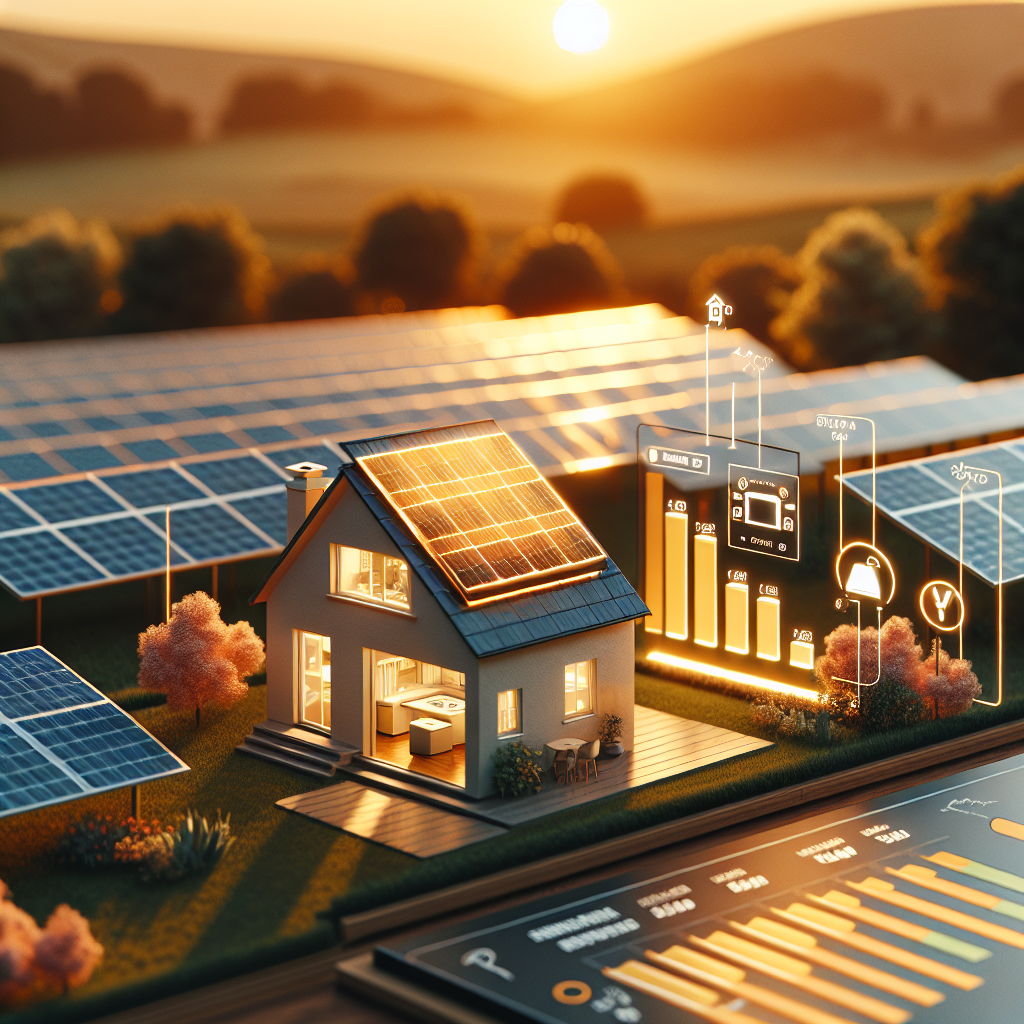
    This part might seem techy, but monitoring your solar energy production is essential. I decided to use an app designed for this purpose. It allowed me to track my energy production and consumption, giving me real-time feedback.

    You’ll want to keep an eye out for any drop in performance. If production dips significantly, it could indicate a problem that needs a quick fix. Ignoring it can literally cost you money!

    Many systems come with tracking options included, or you can build your own setup using third-party applications or smart devices. It’s kind of cool to see how much energy you’re creating right from your phone!

    Regular Maintenance Checks

    Like any major investment, your solar system needs some TLC. I learned that scheduling regular maintenance checks is crucial to keep everything running smoothly. You’ll want to check for dirt, debris, or any signs of damage.

    Most solar systems are relatively low-maintenance, but keeping up on this step can prevent minor issues from turning into expensive repairs down the road. It’s like taking your car in for routine oil changes—better to catch something before it becomes a big deal!

    Consult your installer for recommendations on how frequently to have maintenance done. Often, they can handle this for you—or at least guide you in the right direction!

    Adapt to Changing Technologies

    Solar technology is evolving all the time; there’s always something new under the sun! I found it beneficial to stay informed about advancements, such as battery storage systems. These can allow excess energy from sunny days to be saved for use at night.

    New tech can mean better efficiency or even more savings if you’re interested in an upgrade down the line. Make it a point to adapt and explore emerging technologies that can complement your system.

    It’s your energy savings we’re talking about, after all. Staying tuned to what’s happening in the world of solar can be super beneficial in the long run!

    Conclusion

    Maximizing energy savings with solar power is a journey, but I can assure you—it’s worth it! From understanding your energy needs to proper installation and monitoring, there’s so much you can do to ensure you get the most out of your system. It’s all about making informed decisions, staying engaged, and optimizing every aspect of your solar energy production.

    So, roll up your sleeves, get educated, and prepare to enjoy those energy savings. Trust me, you’ll be glad you took the plunge!

    Frequently Asked Questions

    1. How do I start calculating my energy needs for solar?

    Begin by checking your past utility bills. Look at your monthly kWh usage and consider any potential changes in energy needs, like buying new appliances.

    2. What types of solar panels should I consider?

    There are various options, including monocrystalline, polycrystalline, and thin-film panels. Each has its pros and cons, so assess based on your priorities like efficiency and budget.

    3. How can I find a reliable solar installer?

    Research online reviews, ask for referrals, and collect quotes from multiple installers to compare services, experience, and pricing.

    4. How often should I maintain my solar panels?

    It’s best to have maintenance checks done at least annually, but if you live in a dusty area or have regular rainfall, you might want to check more often.

    5. What are some benefits to monitoring my solar system?

    Monitoring helps you stay informed about your energy production and consumption, allowing you to catch any significant drops in performance early on, saving you money in the long run.

  • Solar Panel Cleaning Guide: Maximize Your Energy Output

    Solar Panel Cleaning Guide: Maximize Your Energy Output

    Understanding the Importance of Regular Cleaning

    Why Clean Solar Panels?

    Let me tell you, when I first got my solar panels installed, I had no idea how important cleaning them would be. Dust, dirt, and bird droppings can all accumulate over time, and they can significantly reduce the efficiency of your panels. I learned the hard way that neglecting to clean them could mean less energy output and lower savings on my energy bills.

    Think about it: every little bit of grime can block sunlight from hitting the solar cells. That light is what generates power for my home. So, if you want to maximize your investment, regular cleaning is an absolute must.

    Plus, clean solar panels have a longer lifespan. When you take the time to care for your panels, you’re not just enhancing their efficiency; you’re also ensuring they last longer, which is a fantastic return on your investment.

    Frequency of Cleaning

    Depending on where you live, the frequency of cleaning can vary. For my panels, I found that bi-annual cleaning works wonders. However, if you live in a particularly dusty area or near lots of trees, you might want to do it more often, like every couple of months.

    Weather also plays a huge role. Rain can help wash off some debris, but after a storm, I usually check to see if a good scrub is needed. It’s also good practice to have a regular cleaning schedule, so it doesn’t sneak up on you.

    Don’t forget the seasons! In the spring, I tend to check my panels after all that pollen settles, and in the fall, it’s a must-do before the winter snow hits.

    The Benefits of Clean Panels

    Now, let’s talk perks! Aside from maximizing energy production, clean solar panels can boost your home’s curb appeal. If you ever plan on selling your house, potential buyers will definitely notice those sparkling panels.

    A clean system also means fewer maintenance issues down the line. It’s like keeping your car in good shape: the better you care for it, the less you have to spend on repairs.

    Plus, think about the environment! A more efficient solar panel helps reduce your carbon footprint, contributing to a greener planet. It’s a win-win situation when you keep your panels clean!

    Choosing the Right Cleaning Techniques

    Methods for Cleaning

    I’ve tried a few different methods for cleaning my solar panels, and let me tell you, not all methods are created equal. The safest way I’ve found is using a soft brush and water. It’s gentle enough not to scratch the surface, yet effective at removing dirt.

    Another method I sometimes use is a spray cleaning solution designed for solar panels. Just make sure it’s environmentally friendly. Nobody wants to mess with that!

    Seriously, avoid using harsh chemicals or pressure washers. They might seem like a swift solution, but they can cause long-term damage to your panels.

    DIY vs. Professional Cleaning

    This is a big question I had when I started: should I DIY or hire a pro? I’ve done my own cleaning several times, and while it’s certainly cost-effective, I learned that it can also be time-consuming and risky.

    If you’re up on your roof, safety should be your top priority. Always wear proper gear, and if you’re feeling iffy about it, just call in the pros. They have experience and the right equipment!

    In the end, it boils down to your comfort level and how much time you want to spend. Personally, I mix it up. I do some basic cleaning myself but hire pros for annual deep cleans.

    Tools and Supplies Needed

    For my DIY cleanings, I keep things pretty simple. I use a soft-bristle broom, a bucket of soapy water, and a garden hose. That’s pretty much my cleaning toolbox!

    If you’re feeling fancy, there are also solar panel cleaning kits available with fancy brushes and squeegees. They work great and make the job a bit easier.

    Just remember to be gentle. Your goal is to clean, not to scrub away your investment!

    Safety Precautions to Keep in Mind

    Climbing Safety

    Being up on a roof can be daunting, right? I freaked out the first time I had to do it! Make sure to wear non-slip shoes and never attempt to clean on a rainy or wet day. Trust me, slipping is the last thing you want to deal with.

    Consider setting up a safety harness or have someone outside with you, just in case. It’s always better to be safe than sorry.

    And if you’re like me and you hate heights, that’s a huge sign to call the pros. There’s no shame in getting help!

    Protecting Your Equipment

    It’s not just about protecting yourself; you’ve got to take care of your panels, too! Before getting started, inspect your panels for any cracks or damage. If you see anything, it’s best to get it checked out before cleaning.

    A tip I learned is to avoid using metal tools. They can scratch your panels, and nobody wants that. Stick with soft materials to keep everything safe.

    Also, if you’re using a ladder, make sure it’s secured. I’ve had a near-miss once when I didn’t double-check, and I learned my lesson the hard way!

    Condition of Your Panels

    Pay attention to how your panels are performing. If you notice a significant drop in output, it might be time for a thorough cleaning. Sometimes, dirt builds up so much that you don’t even realize the panels need attention.

    It’s also worth noting if your panels are in a location that might require more frequent cleaning. For example, if they’re near a busy road, you may find a lot of debris collecting.

    Keep an eye out for bird droppings and leaves—these can really mess with efficiency if left unchecked!

    Regular Maintenance Tips

    Inspecting Your Panels

    Aside from the cleaning, I find it incredibly useful to regularly inspect my solar panels. I usually do a visual check every month or so to see if there’s any debris or dirt. You’ll be surprised how much can accumulate!

    Look for anything unusual. If there are dark spots or discoloration, it might be a sign of mold or mildew, which need to be dealt with promptly.

    A little upkeep can go a long way in ensuring your panels run efficiently!

    Keeping the Surrounding Area Clean

    Don’t forget, the area around your panels can wreak havoc on their cleanliness too. Trim any overhanging branches that might drop leaves or twigs onto your panels. I learned this the hard way when I had to do a deep clean thanks to my lovely tree!

    Also, consider landscaping the area to minimize debris. I added some gravel around my setup to help keep things cleaner.

    Regular yard maintenance can greatly reduce the amount of material that gets blown up onto your panels.

    Monitoring Performance

    Lastly, I highly recommend keeping an eye on the performance of your solar panels. Many systems have monitoring tools that can show you how much energy you’re generating. If you see a drop, that’s a sure sign it’s time for a cleaning!

    Making a habit of checking the performance can save you from future headaches. I discovered this tool and it’s been a game changer for my maintenance schedule!

    Staying proactive ensures you’re getting the most out of your investment without any unpleasant surprises.

    FAQ

    1. How often should I clean my solar panels?

    Generally, it’s a good idea to clean them at least twice a year, but if you live in a dusty area, you might need to do it more often.

    2. Can I use a pressure washer on my solar panels?

    No, it’s best to avoid pressure washers because they can damage the panels. Stick to soft brushes and water for cleaning!

    3. Is it safe to clean solar panels myself?

    It’s safe as long as you take proper precautions! Make sure you have safety gear and are comfortable on a roof.

    4. What tools do I need for cleaning solar panels?

    A soft brush, bucket of soapy water, and a garden hose are usually all you need. You can also find specialized solar panel cleaning kits if you prefer.

    5. What should I do if I notice damage on my solar panels?

    If you see any cracks or damage, it’s best to contact a professional to assess the situation before cleaning.

  • Solar Tax Credits Explained: Maximize Your Savings

    Solar Tax Credits Explained: Maximize Your Savings

    Understanding Solar Tax Credits

    What Are Solar Tax Credits?

    Okay, so let’s kick things off with the basics. Solar tax credits are basically an incentive offered by the government to encourage folks like you and me to invest in solar energy systems. These credits can significantly reduce the total tax liability you owe, which in many cases can mean big bucks in your pocket.

    The most common type of solar tax credit you’ll hear about is the Investment Tax Credit (ITC). This bad boy allows you to deduct a sizeable percentage of your solar installation costs from your federal taxes. I mean, who wouldn’t want to save money on their tax bill, right?

    To put it simply, solar tax credits make going green more financially feasible. They empower homeowners and businesses alike to harness the clean energy of the sun without breaking the bank upfront. It’s a win-win situation if you ask me!

    Who Qualifies for Solar Tax Credits?

    You might be wondering if you’re eligible for these credits. The good news is that most homeowners who install solar panels on their property can take advantage of the ITC. There are certain criteria you need to meet, but if you own the solar equipment and it’s installed on your primary or secondary home, you’re likely in the clear.

    It’s also worth mentioning that this credit isn’t just for the average Joe. Businesses and residential buildings can also cash in on these savings. So if you’re thinking of installing solar energy systems for a rental property or a commercial building, don’t shy away from exploring your options!

    Remember, though, tax credits typically only apply to systems that are brand new and operational by the end of the tax year you’re claiming them for. So timing is everything when it comes to maximizing your savings on solar tax credits!

    How Much Can You Save?

    This is where it really gets exciting—how much dough can you actually save? The ITC has stipulated some juicy percentages, allowing you to deduct a hefty portion of your solar installation costs. Currently, you can save up to 30% of your total solar investment, which is a huge deal!

    To give you a better idea, if you install a solar system that costs $20,000, you could wipe $6,000 off your tax bill. Now, that’s some serious savings! It’s like finding a twenty-dollar bill in your winter coat pocket when you thought the season was over.

    That said, keep in mind that these percentages can fluctuate based on legislation changes. It’s always important to do your homework to stay updated on the most current rates that apply to you!

    How to Claim Solar Tax Credits

    Gather Your Documentation

    Alright, before diving headfirst into the claiming process, you gotta get your paperwork in order. Start by collecting all your important documents related to the solar installation. This includes your purchase agreement, the installation contract, and any invoices related to the system.

    It’s kinda like preparing for a home audit, but way less daunting! The IRS will want to see proof that you installed a solar energy system that qualifies for the tax credits. Without the right documentation, you might find it difficult to claim those sweet savings.

    Trust me, being organized about your paperwork now will save you a whole lot of headaches when it’s time to file your taxes in April!

    Filing Your Taxes

    Once you’ve got your documents ready, it’s time to tackle your tax return. When filing, you’ll need to fill out IRS Form 5695, which is specifically for claiming residential energy credits. This form helps you calculate exactly how much credit you’re eligible for based on your installation costs.

    It might sound a bit intimidating, but breaking it down step-by-step makes it pretty manageable. If you ever feel stuck, don’t hesitate to ask a professional tax preparer for help. They can guide you through the process and make sure everything is filed correctly, so you don’t lose out on potential savings.

    Keep in mind that if you don’t use your entire tax credit in one year, you might be able to roll over the unused amount to the next tax year. This way, you won’t miss out, and it gives you a little cushion for future filings!

    Stay Updated on Deadline Dates

    Deadlines are never fun, but they are crucial when it comes to maximizing your solar tax credits. Make sure you keep track of all relevant dates for filing, especially if tax year-end deadlines change. Missing out on these deadlines could cost you significant savings!

    Additionally, it’s smart to keep an eye on any legislative changes that may impact solar tax credits down the line. Policies can shift quickly in the energy sector, and being informed means you’ll always be prepared to take advantage of the best opportunities.

    Set reminders on your calendar and stay alert the closer you get to tax season. It’s all about being proactive and making the most of your green investments!

    Long-Term Benefits of Solar Tax Credits

    Environmental Impact

    Now, let’s chat about the bigger picture. Beyond just saving money, going solar has a meaningful environmental impact. Every time you invest in solar energy, you’re reducing your carbon footprint and helping to create a more sustainable future. It feels good, doesn’t it?

    It’s not just about your savings; you’re also contributing to the well-being of our planet and future generations. Solar energy reduces reliance on fossil fuels, which is a step towards cleaner air and a healthier environment.

    So next time you’re basking in the sun-kissed glow of your home’s solar panels, remind yourself that you’re part of a larger movement toward sustainability. You’re a solar hero, and that’s something to be proud of!

    Increased Property Value

    Another perk of going solar? Boosting your property’s value! Homes equipped with solar energy systems often have increased marketability and resale value. Prospective buyers are usually drawn to homes with solar panels because of the potential for lower energy costs.

    In some markets, homes with solar installations can sell for thousands more than their non-solar counterparts. So not only are you saving money now, but you’re also investing in your property’s future value. Talk about getting the best of both worlds!

    Plus, when you do decide to sell, you’ll be able to showcase your energy efficiency to potential buyers, which can enhance their buying experience and increase competition for your home. It’s like a cherry on top of your solar sundae!

    Energy Savings Over Time

    Let’s not forget about the long-term energy savings you’ll enjoy. Once your solar system is installed, your energy bills can drop like a rock—especially during peak usage times. Depending on where you live and how much sunlight you get, you might even eliminate your electricity bill altogether.

    Over time, these savings can amount to tens of thousands of dollars! So while the initial investment might feel hefty, the payoff in the long run is so worth it. Think of it as planting a money tree that keeps growing!

    Plus, many states offer additional incentives and rebates for solar installation, which can increase your initial savings from the get-go. So keep an eye out for these state-specific programs to maximize your overall savings even more.

    Frequently Asked Questions

    What are solar tax credits?

    Solar tax credits are financial incentives offered by the government to reduce the cost of installing solar energy systems. The most common is the Investment Tax Credit (ITC), which allows you to deduct a percentage of your installation costs when filing your taxes.

    How do I qualify for solar tax credits?

    Most homeowners who own their solar equipment and have it installed on their primary or secondary residence can qualify for solar tax credits. Even businesses and rental properties may also be eligible!

    How much can I save with solar tax credits?

    Currently, you can save up to 30% of your installation costs! So, for example, if your solar system costs $20,000, you could deduct $6,000 from your tax bill.

    What documents do I need to claim solar tax credits?

    You’ll need to gather your purchase agreement, installation contract, and any invoices related to your solar installation. Make sure these documents are ready when you prepare your taxes.

    What are the long-term benefits of solar tax credits?

    Besides immediate savings, solar tax credits can increase your property value, provide energy savings over time, and help reduce your environmental footprint. So you’re making a good investment financially and for the planet!

  • Solar Panel Angle Guide: Maximize Performance

    Solar Panel Angle Guide: Maximize Performance

    Understanding Solar Panel Orientation

    What Does Orientation Mean?

    Alright folks, let’s kick things off by talking about orientation. When we refer to the orientation of solar panels, we’re essentially talking about the direction those panels are facing. Believe me, this is a crucial component to get right if you want to crank up that energy production.

    In most places, the ideal direction for solar panels is south-facing. This isn’t just some random rule; it’s backed by science. A south orientation ensures that your panels catch the most sunlight throughout the day, which boosts their efficiency. However, don’t fret if south isn’t an option for you; east or west can still do the job, just with a little less oomph.

    Another thing you should know is that landscaping can play a huge role here. Trees, buildings, or anything that might cast shadows can impact your panel’s performance. Always consider your surroundings when planning your setup.

    Finding the Perfect Tilt Angle

    Why Tilt Matters

    Now let’s dive into tilt, which is the angle at which your solar panels are mounted. Trust me when I say that getting this angle right can majorly impact how much energy your system produces. If the panels are too flat or too steep, they might not receive optimal sunlight exposure.

    The general rule of thumb for the tilt angle is to match it with your latitude. For instance, if you live at a latitude of 30 degrees, then setting your panels at around that angle works wonders. This helps maximize sunlight absorption during different seasons, especially in winter when the sun is lower in the sky.

    However, there’s no one-size-fits-all solution. If you live in a region where summers are extremely hot or where you experience significant snow accumulation, you might need to adjust your tilt angle accordingly. Playing with the tilt can make a big difference!

    Seasonal Adjustments

    Do You Really Need to Adjust Seasonally?

    This one’s a hot topic among solar enthusiasts. Some folks swear by seasonal adjustments, while others find it unnecessary. In my experience, adjusting your panels for the seasons can yield better energy production, especially if you want to squeeze out every last ounce of performance from your system.

    In the winter, you want a steeper angle to catch those low rays, while in the summer, a shallower angle works better. If you can adjust your panels every few months, you’ll notice a significant improvement in output. It’s a little extra effort but can be totally worth it if you’re aiming for peak performance.

    Just keep in mind that if you don’t want to fiddle with it too often, setting your panels at a year-round tilt close to your latitude may suffice. It all comes down to how much energy you’re hoping to generate and your willingness to make those changes.

    Local Climate Considerations

    How Weather Affects Performance

    Living in different climates can really change how effective your solar panels are. If you’re in a place that gets a ton of sun, like California, you might be in for some great energy production. On the other hand, if you find yourself facing constant cloudy skies, like in the Pacific Northwest, your panels might struggle a bit.

    Understanding your local weather patterns is key. If you know it rains a lot, you might want to look into panels that perform better in low light conditions. Similarly, if you live in a particularly windy area, proper installation to withstand those gusts of wind becomes essential.

    There’s also the possibility of incorporating battery storage in your solar setup. This means even if you have a stretch of cloudy days, the energy you’ve stored can be used during those times. Definitely something to think about!

    Maintenance is Key

    Regular Check-Ups

    You’ve done all the hard work getting your solar panels set up just right. Now, let’s not mess it up with neglect! Regular maintenance is essential to keep things running smoothly. Think of it like taking your car in for an oil change—your solar panels need some TLC too!

    I recommend checking your panels at least a couple of times a year. Keeping them clean and ensuring that there are no obstructions can help maintain their efficiency. You’ll be surprised at how much dust and grime can accumulate and block sunlight.

    If applicable, you might also want to schedule professional maintenance. They can give your system a thorough inspection and ensure that everything’s functioning optimally. It’s a small investment that can go a long way in keeping your energy production high.

    FAQ

    1. What is the best direction for solar panels?

    The best direction for solar panels is typically south-facing, as this orientation maximizes exposure to sunlight throughout the day.

    2. Does the tilt angle affect solar panel efficiency?

    Yes, the tilt angle plays a significant role in the efficiency of solar panels. Ideally, it should match your latitude to optimize sun exposure.

    3. How often should I adjust my solar panels for the seasons?

    It’s ideal to adjust your solar panels seasonally, but if that’s too much hassle, setting them at a year-round angle close to your latitude can be effective.

    4. What local climate factors should I consider?

    Consider weather patterns like sunlight hours, rainfall, and wind when evaluating your solar panel setup, as these can all impact performance.

    5. Why is maintenance important for my solar panels?

    Regular maintenance ensures that your solar panels remain efficient. Cleaning and inspecting them can prevent performance issues and extend their lifespan.