Tag: more

  • How Solar Generators Are Becoming More Affordable in 2024

    How Solar Generators Are Becoming More Affordable in 2024

    Technological Advancements in Solar Technology

    Breakthroughs in Efficiency

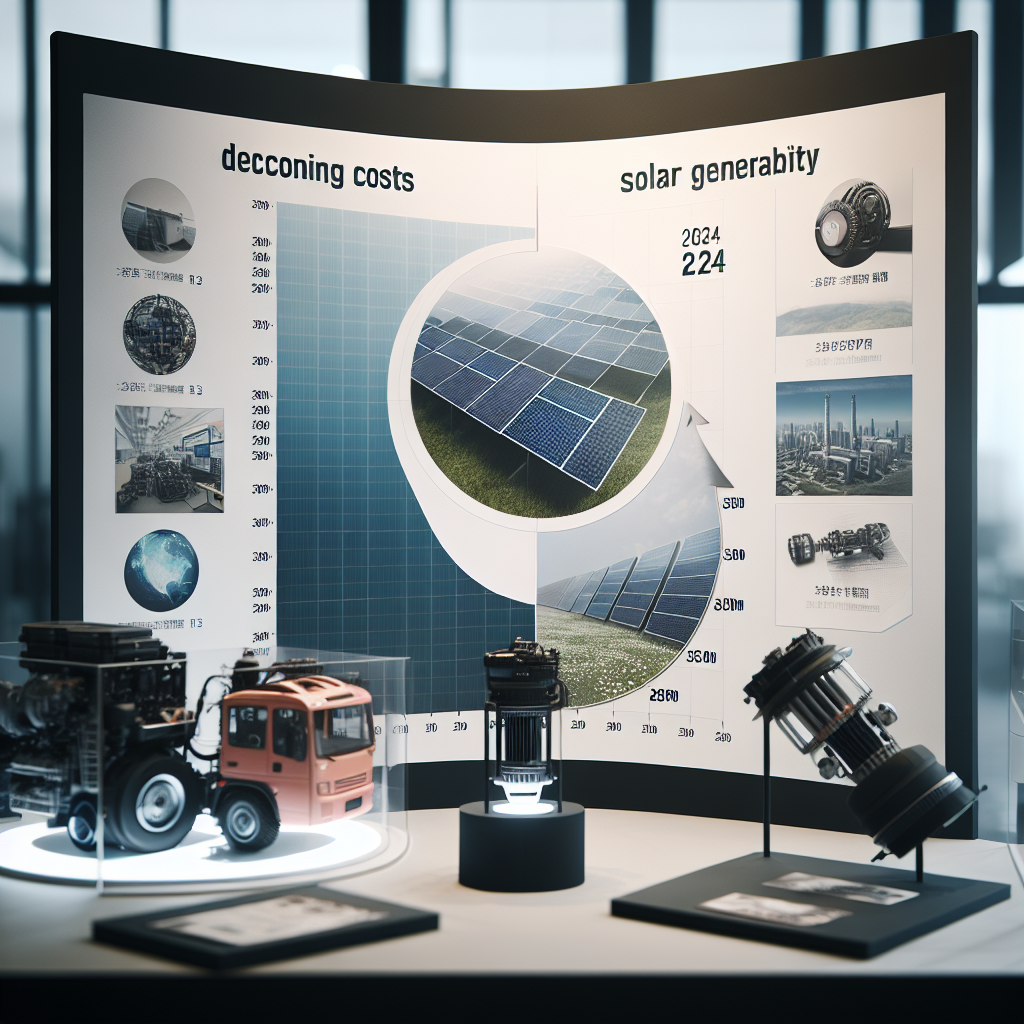
    Over the years, I’ve witnessed the incredible advancements in solar technology. It’s mind-blowing how scientific innovations have made solar generators more efficient. Systems that previously converted about 15% of sunlight into energy are now hitting numbers closer to 22%. Imagine what that kind of improvement translates to—more power, less space, and better output regardless of your installation area.

    One of the main drivers behind these breakthroughs is the development of new materials like perovskite. This new breed of solar cell isn’t just more efficient; it’s also cheaper to produce. Manufacturers are racing to implement these technologies, leading to competitive pricing, which ultimately benefits us consumers. When I see new panels hitting the market, it feels like every innovation pushes us closer to a green energy revolution.

    Efficiency improvements also come from better energy storage systems. Modern solar generators are integrating smarter battery systems that can store excess energy generated during sunny periods, making them more reliable when the sun isn’t shining. That means your investment goes further, and you can depend on these systems for a more consistent power supply.

    Decreased Manufacturing Costs

    Economies of Scale

    One of the biggest shifts I’ve noticed is how solar manufacturers are leaning into economies of scale. As demand for solar technologies rises, companies ramp up production, leading to significant cost reductions in manufacturing. This isn’t just a blip, either; it’s a long-term trend that’s solidifying the solar industry’s place in energy production.

    Buying solar panels used to feel like a luxury, but as more people embrace renewables, we’re looking at lower prices across the board. It’s kind of exciting to think that you’re not just saving on your electric bill but also contributing to a larger movement to make clean energy accessible to everyone.

    Plus, with more competition in the market, there are now tons of options for consumers. Everyone from small startups to big corporations is vying for our attention with innovative solutions that fit our budgets. It feels empowering to pick and choose what works best for my needs while also gushing over the cost savings.

    Government Incentives and Subsidies

    Financial Benefits for Homeowners

    Let’s talk money—who doesn’t love a good financial incentive, right? Governments worldwide are stepping up their game with initiatives that support solar energy adoption. From tax credits to rebates, I’ve seen firsthand how these incentives can drastically lower the initial cost of solar generators.

    When I went solar, the financial relief was a game-changer. The federal tax credit alone reduced my out-of-pocket expense significantly. It’s not just about getting free money; it’s a powerful nudge towards investing in sustainable energy solutions that we all benefit from.

    Moreover, local and state programs are popping up all over the place. Some offer low-interest loans specifically for solar installations. These help make the switch more accessible for families wary of high upfront costs. It turns the dream of clean energy into a more achievab le reality for countless folks. Feeling secure in making the switch because I know there’s financial backing? That’s a huge win in my book!

    Growing Acceptance and Awareness

    Social Shift Towards Renewable Energy

    Maybe you’ve noticed it too—the conversation around renewable energy is changing. It’s slowly becoming mainstream, and for good reason. We’re all feeling the impacts of climate change, and solar generators are often touted as a sustainable solution. This rising public awareness is driving change at an alarming rate.

    More and more people are realizing that solar isn’t just for eco-warriors or the tech-savvy; it’s for average people like you and me. I love chatting with friends about how they can save money and contribute to a greener planet. It’s nice to see that the narrative is shifting, making us all feel like we have a role to play in the larger scheme of things.

    There’s a wave of community-driven initiatives promoting solar energy, too. I’ve participated in local workshops and meet-ups, where folks swap stories and ideas about solar solutions. This collective effort not only builds awareness but also brings down costs as communities join forces to tackle solar installations together.

    Innovation in Financing Options

    Flexible Payment Plans

    When I started looking at solar generators, the financing options blew me away. Gone are the days where paying upfront is the ONLY option. Now, companies provide innovative financing solutions that help spread the cost out, allowing more people to transition to solar energy without breaking the bank.

    Think about it: programs such as solar leasing and power purchase agreements mean you can have a solar setup without the hefty upfront expenses. You can pay a regular monthly amount, which is often less than your electric bill. Talk about a stress reliever! This shift means I get to enjoy the benefits of solar energy now, while subtly saving money over time.

    The flexibility of financing alternatives has opened the doors for renters too. Not everyone owns their home, but that doesn’t mean those folks can’t take advantage of solar through shared solar programs or similar initiatives. It’s heartening to see even those who haven’t traditionally been involved in solar power finding ways to tap into the advantages.

    FAQ

    1. Why are solar generators becoming more affordable in 2024?

    Solar generators are becoming more affordable due to advancements in technology, decreased manufacturing costs, government incentives, growing public awareness, and innovative financing options. Each of these factors contributes to lowering the overall price for consumers.

    2. What technological advancements are impacting solar generators?

    Recent technological advancements include more efficient solar panels and better energy storage solutions, which allow for higher energy conversion rates and smarter energy management systems. This enhances the overall performance and reliability of solar generators.

    3. How do government incentives help in purchasing solar generators?

    Governments are offering various financial incentives like tax credits and rebates, making solar generators more affordable. These incentives help offset the initial investment and encourage more people to consider solar energy.

    4. What are the new financing options available for solar energy?

    New financing options include solar leasing and power purchase agreements that allow consumers to install solar generators without paying upfront costs. These plans spread costs over time, often resulting in lower monthly payments than traditional utility bills.

    5. How can I stay informed about new solar technologies and trends?

    Staying informed can be as simple as following reputable solar energy websites, subscribing to newsletters, or engaging in local community forums and workshops. The more we communicate about solar technology, the more educated we all become!

    There you have it! I hope this breakdown empowers you to explore solar energy with enthusiasm. After all, with so many changes happening in 2024, it’s an exciting time to go solar!

  • Solar vs Traditional Power: Which Saves More Money?

    Solar vs Traditional Power: Which Saves More Money?

    Understanding the Costs of Solar Power

    Initial Investment vs Long-Term Savings

    When I first considered going solar, the upfront costs seemed pretty steep. You know, panels, inverters, installation—it’s not exactly pocket change. But here’s the kicker: once you get through that initial investment, your electricity bills can drop significantly. In my case, I saw immediate savings within the first few months.

    Most people don’t realize that those big upfront costs can actually pay off in the long run. Think of solar panels as an investment. Sure, you might spend a few thousand dollars upfront, but the savings on your electric bill and the potential for increases in your home’s value make it worthwhile. It’s like planting a money tree in your backyard!

    Also, don’t forget about government incentives and rebates. They can reduce your initial costs considerably, and depending on where you live, you might find some great offers that make solar even more attractive. So, make sure to research what’s available in your area!

    The Reliability of Traditional Power Sources

    Stability and Consistency

    When I was weighing my energy options, traditional power sources, like coal or natural gas, seemed dependable. You flip a switch, and boom—your lights come on. No hassles. There’s something comforting about that consistency, right? For many of us, it feels relatively risk-free.

    However, that reliability often comes at a cost over time. Electricity rates can rise unpredictably based on market fluctuations, and let me tell you, those bills can sting! I used to dread the monthly statement with that annoying little chart showing my energy usage going up.

    If things get rough in the market, traditional power sources can lead to increased costs for homeowners. It’s important to know that your “reliable” energy source may not stay that way forever. So consider how the stability of traditional power stacks up against the potential savings with solar.

    Environmental Impact and Costs

    Going Green is the New Trend

    One of the big reasons I shifted towards solar was the environmental aspect. Traditional power sources are infamous for their carbon footprint. Just think about it—fossil fuels contribute to climate change, and I didn’t want to be part of that problem. Going solar felt like a step in the right direction, you know?

    Now, you might be thinking, “But what about the cost?” Well, here’s another twist: solar energy is renewable. That means I don’t have to worry about running out of sunlight anytime soon! Unlike traditional sources, which can dry up or become more expensive due to scarcity, the sun is pretty much limitless.

    Moreover, adopting solar can strengthen my local economy, creating green jobs in my community. Investing in renewable energy sources helps encourage a sustainable future. So, it’s not just about the money saved—it’s about making a difference in the world around us!

    Maintenance and Long-Term Costs

    What to Expect with Solar Panels

    One thing that amazed me about solar panels is how little maintenance they actually require. Once they’re installed, it’s pretty much a set-it-and-forget-it situation. Occasional cleaning and a check-up every so often is all you really need. This is great because I’m not handy myself; I prefer to leave it to the pros.

    In contrast, traditional power sources usually come with additional maintenance costs. Think about the utilities that come to fix outages, manage infrastructure, and even the upkeep of the plants producing power. It adds up over time and can be a hidden cost that sneaks up on you.

    So, if you’re looking for a low-maintenance option, solar has got you covered. It allows me to budget my costs better without the surprise repair bills that come with traditional energy sources!

    Conclusion: Making the Right Choice for You

    Assessing Your Needs and Future Plans

    In the end, deciding between solar or traditional power comes down to personal preference and circumstances. I took a good look at my financial situation, what I really wanted from my energy source, and how I planned to live in the future. If you’re in it for the long haul, solar might just be the way to go!

    Though traditional power offers stability, the rising costs can be a troubling reality. With solar, you’re not just investing in energy; you’re investing in your home and your planet. Plus, it feels awesome when I consider how much I’ve saved and how I’m contributing to a cleaner environment!

    Whatever you decide, just be sure to weigh all your options, do your homework, and choose what feels right for you. Whether it’s solar or traditional power, your decision should align with your budget and values.

    FAQ

    1. How much can I really save with solar energy?

    It varies by location, electricity rates, and the size of the solar installation, but many homeowners see significant savings, often amounting to thousands of dollars over the system’s lifespan.

    2. What are the downsides of solar energy?

    Some potential downsides include high initial costs, dependence on sunlight (which can vary), and the need for space for installation. However, these are often outweighed by long-term savings.

    3. Are there financing options for solar panels?

    Yes! Many companies offer financing options, leases, or power purchase agreements that can make solar more accessible. Research local incentives too!

    4. What maintenance do solar panels require?

    Solar panels are low-maintenance. Regular cleaning and occasional professional check-ups are usually enough to keep them running efficiently.

    5. Can I still use traditional power if I install solar panels?

    Absolutely! Many solar systems are grid-tied, which means you can still draw power from the traditional grid when necessary, providing you with a backup option.

  • Solar vs Gas Generators: Which Really Saves More Money?

    Solar vs Gas Generators: Which Really Saves More Money?

    Initial Investment Costs

    Understanding Upfront Costs

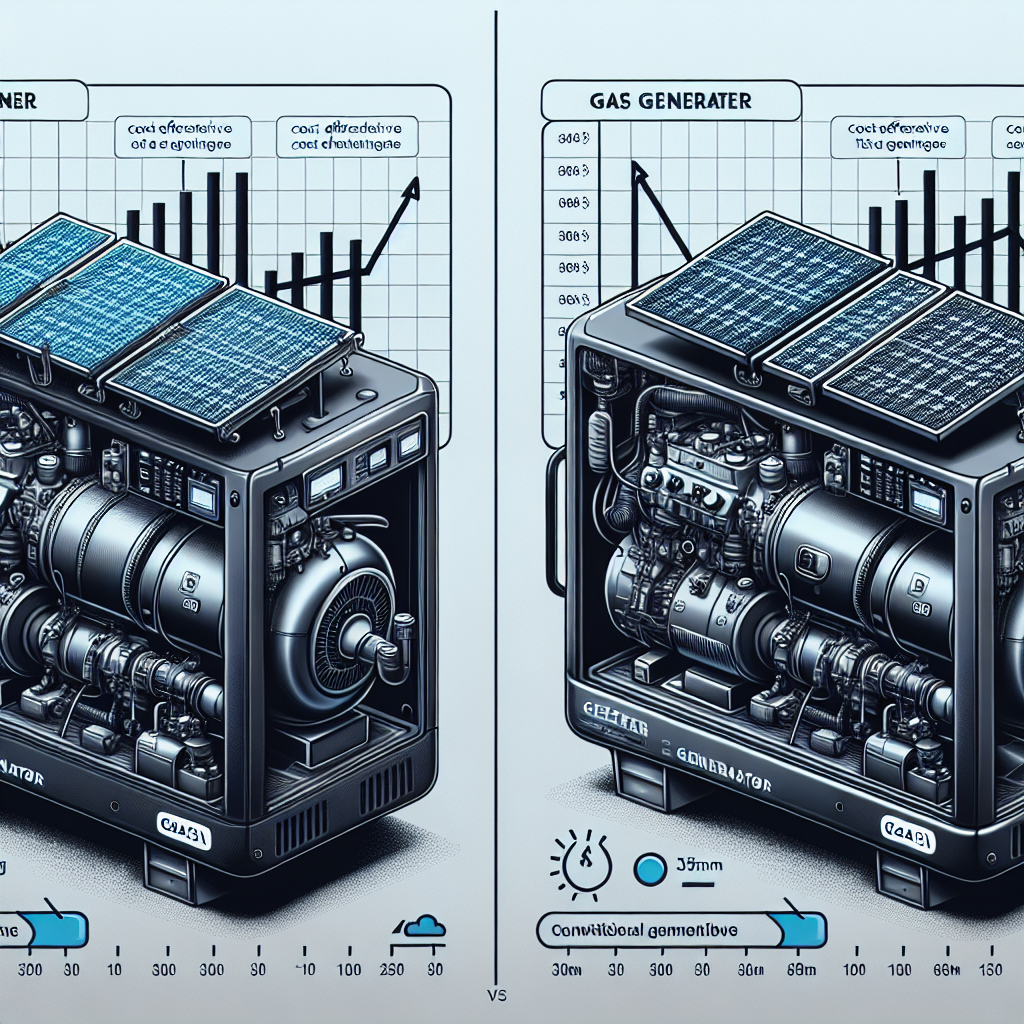
    So, first things first, when we dive into the world of generators, one of the biggest factors we need to consider is the upfront investment. Solar generators often come with a hefty price tag. We’re talking about the panels, the inverter, and of course, the storage system. My own experience has shown me that an average solar setup can run anywhere from $5,000 to $30,000, depending on how extensive your needs are. You gotta weigh that against a gas generator, which could set you back anywhere from a few hundred bucks to a couple thousand.

    But don’t let the initial sticker shock deter you. Solar energy is an investment that can pay for itself over time, especially if you live in a sunny area that benefits from electricity savings. Gas generators, while cheaper upfront, typically require more frequent replacements, maintenance checks, and fuel purchases. That’s where the hidden costs start to pile up!

    In my experience, taking a good look at your budget can really help you assess what works best for you in the long run. Do you have a lump sum ready for the solar setup, or would it be easier to manage smaller gas generator costs? It’s all about strategy!

    Operating Costs

    Fuel Expenses

    Let’s talk about operating costs for a moment. This is where I’ve really seen both sides of the coin with solar and gas generators. Gas generators need, well, gas! And prices at the pump can be all over the place. You might find yourself suddenly dishing out more money than you planned just to keep that thing running. It’s a running expense that just doesn’t quit.

    On the flip side, once you’ve installed your solar panels, your fuel is essentially free. The sun shines every day, and if you’re set up well with a good battery system, you’re not tied down to the world of fluctuating gas prices. I once went a whole summer without paying a dime on electricity bills, and it was amazing!

    Plus, let’s not forget maintenance costs. Gas generators require regular oil changes, filter replacements, and more. You may even find yourself calling in a technician from time to time for repairs. With solar, other than cleaning your panels occasionally, you’re pretty much set!

    Efficiency and Performance

    Assessing Energy Output

    Next, we’ve got efficiency and performance. Many people think, “Hey, a gas generator cranks out a ton of power!” And yes, they do deliver a substantial punch, especially for heavy-duty needs. However, think about this: solar panels convert sunlight to electricity more efficiently than ever before.

    On a sunny day, my solar setup has pumped out more energy than I could use, allowing me to send some back to the grid or store it for later. Gas generators can struggle with peak demand, leading to potential performance issues that could leave you in the lurch during crucial moments.

    Have you ever been in a situation where you need that power right away? Knowing my system is reliable and efficient is a game changer. I honestly feel a sort of peace of mind when I’m running on solar, versus the nervousness that sometimes hits when running a gas generator could fail me during those critical moments.

    Environmental Impact

    Going Green

    Now, let’s get real about the environment. Solar energy is clean, renewable, and contributes to reducing your carbon footprint. In my own case, I’ve seen the difference it can make to go solar—not just in my bills, but in how I feel about my impact on the planet.

    Gas generators, on the other hand, while useful, burn fossil fuels and emit greenhouse gases that contribute to climate change. Trust me, every time I fill up my gas can, I feel a little twinge of guilt. It’s a reminder that even though it’s convenient, there’s a long-term cost to our planet.

    There’s something gratifying about harnessing energy from the sun. I can throw parties without feeling bad about our environmental choices. Knowing that I’m part of a solution is very rewarding and adds to my overall happiness.

    Incentives and Financial Benefits

    Tax Credits and Rebates

    Let’s talk money again but in a different way—tax credits and rebates! When you decide to invest in solar, there are often incentives available that can seriously cut down your costs. For example, in many places, you can receive a tax credit on your solar investment, which could be 26% or more! That’s a big deal!

    Gas generators don’t come with the same perks. Sure, they might be cheaper upfront, but you don’t see tax deductions for maintaining fossil fuel systems. You might even end up paying more over time with added fuel and maintenance costs.

    It’s worth doing a little research into your local incentives because they can make a significant difference in the financial decision-making process for solar energy. When I found out about the rebates in my area, switching to solar felt even more like the logical choice.

    Frequently Asked Questions

    1. Which generator option is cheaper in the long run?

    Generally, solar generators can be cheaper in the long run because they don’t have ongoing fuel costs like gas generators do. The upfront cost may be higher, but the savings on electricity and minimal maintenance can tip the scales in your favor.

    2. How do I determine my energy needs?

    Assess your power consumption by reviewing your previous utility bills, or use a device to measure the energy usage of your appliances. Knowing how much energy you need will help you choose the right generator.

    3. Is solar energy reliable?

    Yes! Solar energy is reliable, especially if you have a good storage system in place. While weather affects solar output, advancements in technology have made systems more efficient and dependable.

    4. What are the maintenance requirements for solar vs. gas generators?

    Solar panels require minimal maintenance, typically just cleaning them occasionally. Gas generators need regular oil changes, filter replacements, and may require more frequent repairs.

    5. Can you really save money with solar panels?

    Absolutely! Many homeowners see substantial savings on their electricity bills after going solar, and you can capitalize on tax incentives that make going solar even more affordable.