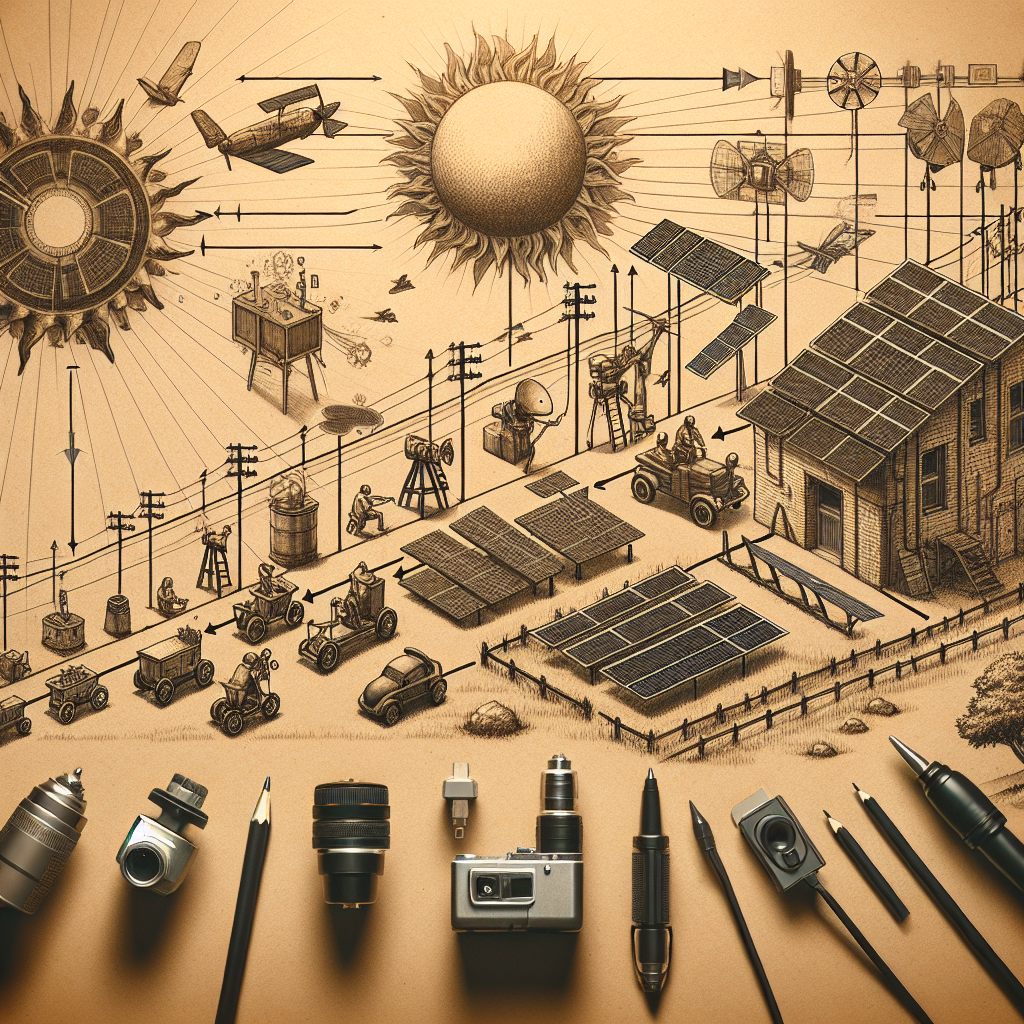
Tag: of solar power

  • The History and Evolution of Solar Power Systems

    The History and Evolution of Solar Power Systems

    Early Beginnings of Solar Power

    Theoretical Foundations

    You know, when I first started diving into solar power, I was blown away by the fact that the concept of solar energy has roots that go way back, like way before my grandparents were even born! The theoretical foundations of solar power date back to the 19th century when folks like Edmond Becquerel discovered the photovoltaic effect. Can you imagine that? A lad experimenting with electricity gets to the core of turning sunlight into energy!

    Another key figure was Hermann Paul, who also contributed to our understanding of how sunlight could generate electricity. The energy from the sun was something people were curious about for a long time, and this early curiosity laid the groundwork for future innovations. It’s fascinating to think that the seeds for solar power were planted more than a century ago!

    Reflecting on this foundation, it’s amazing how the thirst for knowledge and exploration could eventually lead us to the solar panels we see on rooftops today. These early theories not only opened the door to practical applications but also fueled a spirit of invention that still drives solar technology forward.

    First Solar Cells

    Fast forward to the mid-20th century, and things really started heating up in the solar world. The first practical solar cell was developed in 1954 by Bell Labs. Can you picture their lab buzzing with excitement as they figured out how silicon could generate usable electricity from sunlight? This was the moment solar power transitioned from a cool idea into a practical technology! I can just imagine their high-fives!

    These initial solar cells were not perfect by any means—they were expensive and not very efficient. Back then, a solar cell’s efficiency was only about 6%. But the breakthrough was significant; it signaled the beginning of commercializing solar technology. Enthusiasts and inventors started experimenting, iterating, and pushing the boundaries of what solar power could do.

    That early innovation was just the tip of the iceberg. Those first solar cells started a ripple effect—you know, kind of like throwing a rock in a pond—that would eventually lead to advances that we benefit from today. The evolution was unstoppable; more and more players began to join the solar game.

    Commercial Applications Begin

    In the 1970s, I think we can all agree that solar power started gaining some traction in the marketplace. Countries like the U.S. began to see potential in solar energy for more than just basic applications. I mean, the 1973 oil crisis pushed the government and many folks to look for alternatives, and solar power was like, “Hey, I’m right here, waiting for my moment!”

    This period also saw the introduction of projects like the Solar One plant in California, which was one of the earliest large solar thermal power plants. It was kind of like a proof of concept for the industry. If the sun can heat water to produce steam, why not scale that up? It got people excited about the possibilities, and we started to see public interest grow.

    Looking back, it’s thrilling to see how those early initiatives helped pave the way for today’s thriving industry. Solar didn’t just sit on the sidelines; it jumped right into the spotlight and started catching everyone’s attention!

    Technological Advances in Solar Power

    Improved Efficiency

    As I dove deeper into the solar world, I realized that it wasn’t just about being able to capture sunlight—it was about how efficiently we could convert that sunlight into usable electricity. Over the years, researchers worked tirelessly to develop new materials and designs for solar cells. It wasn’t all smooth sailing, though! These innovations came from a lot of trial and error.

    By the early 2000s, engineers began experimenting with new solar cell materials, like multi-junction cells which could capture a broader spectrum of sunlight. The efficiency dramatically increased to upwards of 40% in lab settings. That’s some serious progress! You could literally feel the excitement in the air as industry experts discussed these breakthroughs.

    Now, with improved efficiency on our side, solar power could compete—and even outshine—traditional energy sources. This shift wasn’t just beneficial for companies, but it empowered everyday people to truly consider solar energy, making it more appealing to a wider audience.

    Emergence of Solar Technologies

    I’ve seen so many innovative technologies emerge from the solar revolution! From photovoltaic panels to solar thermal systems, we saw a boom in creativity. It was a perfect storm of technological advances, increased awareness about climate change, and a demand for sustainable energy that led to these new products hitting the market.

    Then, of course, there are solar batteries! I remember when that technology started making headlines. Storage options became key because, let’s be real, the sun doesn’t shine 24/7. With better battery systems, it suddenly became feasible to store energy for later use, allowing people to maximize their solar investments. You could use energy from your roof even at night—how cool is that?

    As someone who’s deeply passionate about solar, it’s exciting to see how creative solutions have come from this field. The constant evolution keeps me on my toes, and I can’t wait to see what’s next!

    Cost Reduction Trends

    We can’t talk about solar power evolution without mentioning costs. If you ask me, this has been one of the most crucial factors in making solar energy accessible to the average Joe. In the past decade, the cost of solar panels has dropped dramatically, which has been a game-changer for many families and businesses.

    Honestly, it’s wild to think that in the 1980s, solar panels cost thousands of dollars per installed kilowatt. Now, we’re talking about costs plummeting to a point where many installations can pay for themselves within a few years! People used to think it was a luxury; now it’s becoming a norm. The widespread adoption is a relief, knowing that more folks can join the clean energy revolution.

    These trends relate closely to advancements in manufacturing and technology. As more companies recognized the potential of solar, it created a competitive environment that spurred innovation and lower prices. It was like a catalyst, fueling the entire industry’s growth, allowing everyone to hop on board the solar bandwagon.

    Government Policies and Incentives

    Supportive Legislation

    Let me tell you something, government policies have played a huge role in the evolution of solar power systems! There have been numerous incentives designed to encourage the use of renewable energy. When the federal government introduced programs like the Investment Tax Credit (ITC), it effectively put solar energy on the map! This tax incentive lets homeowners deduct a significant percentage of the cost of solar energy systems from their federal taxes.

    Local governments haven’t been shy about getting involved either. Many states created their own incentives, rebates, and tax credits to promote the adoption of solar power. I remember seeing friends and family excitedly share stories about how much they were saving on installation costs thanks to these programs. It really painted solar energy in a good light!

    Having this support from the government lends credibility to solar, giving consumers confidence to invest in this technology. It’s kind of like having a big sibling who’s always got your back, giving you a little push when you need it!

    Global Initiatives

    Around the globe, countries are waking up to the importance of renewable energy sources—and solar is shining bright! I’ve personally watched various international agreements come to life, pushing nations to commit to reducing carbon emissions. The Paris Agreement, for instance, rallied countries to shift toward cleaner energy sources including solar power.

    As developing countries also embrace solar technologies, the energy landscape is changing globally. Initiatives aimed at bringing solar to remote areas are awe-inspiring. Imagine bringing electricity to communities that have never had consistent power—this is the magic of solar! I’ve seen documentaries showcasing these projects, and it’s heartwarming to see how lives are transformed.

    This global push isn’t just about the environment, but also about creating economic opportunities and fostering innovation. With world leaders invested in advancing solar technology, it’s clear that this is just the beginning of a bright future.

    Impact on Job Creation

    Lastly, I have to highlight the job growth created by the renewable energy sector, particularly in solar. It’s incredible to see how many new jobs have popped up as the demand for solar energy has exploded. From manufacturing to installation, the solar industry is a workforce powerhouse.

    I remember attending a local solar expo, and seeing how many talented folks were there—engineers, installers, salespeople—all coming together for a common cause. I realized that not only does solar energy benefit homeowners, but it also contributes significantly to the job market!

    As the industry grows, it creates a ripple effect throughout the economy. More jobs mean more opportunities for skilled workers. It’s something that not only contributes to the economy but also helps make the solar sector more robust and resilient for the future.

    The Future of Solar Power

    Emerging Trends

    Thinking about the future of solar power, I can’t help but be excited about emerging trends that are on the horizon. There’s so much innovation happening! For instance, solar panels are becoming more integrated into our architecture. I’ve seen designs that incorporate solar tiles with conventional roofing materials; it’s super sleek!

    Additionally, solar tracking systems are becoming more popular. These systems adjust the angle of the panels throughout the day to maximize sunlight absorption. This kind of tech feels like a game-changer to me, as it can dramatically increase energy output!

    As we harness the power of the sun more efficiently, it creates an opportunity for us to rely less on fossil fuels. It’s incredible to think about how these advancements could reshape our power infrastructure in the coming years!

    Sustainability and Recycling

    Another fascinating aspect is the focus on sustainability and the lifecycle of solar products. As more panels reach the end of their lifespan, it’ll be crucial for the industry to tackle the recycling processes that come with it. The push for sustainable practices has never been more relevant, and I see many companies aiming to address this challenge.

    I read about initiatives looking at repurposing old solar panels and reducing waste generated by the industry. This goes beyond just the installation; it’s about being responsible and creating a positive impact on the environment. It’s exciting to be part of a movement that really cares about sustainability!

    As consumers become more conscious of environmental issues, they can appreciate companies that prioritize recycling and sustainability. This trend can lead to a positive reputation and a loyal customer base—一个 win-win for everybody!

    Advocating for Community Solar

    Lastly, I’m really passionate about the rise of community solar projects! Not everyone can install solar panels on their roofs, but that shouldn’t exclude them from benefiting from solar energy. Community solar allows multiple people to invest in a shared solar power facility, making it accessible to a larger demographic.

    This concept isn’t just about providing energy; it’s about empowering communities. I’ve seen towns rally together to support these projects, tapping into the collective spirit of cooperation. There’s something beautiful about seeing neighbors come together for a common cause, don’t you think?

    These projects help lower energy costs for residents and increase renewable energy in the local grid. It’s an incredible way for everyone to contribute to a cleaner future without the barriers that traditional solar systems might present.

    Conclusion

    As I wrap up this little journey through the history and evolution of solar power systems, it’s clear that we’ve come a long way. The story of solar power is not just about big ideas and innovations; it’s about people, communities, and the desire to create a more sustainable world. This progress fills me with hope for the future, and I’m genuinely excited to see where solar power will take us next.

    FAQs

    1. What was the first practical solar cell made from?
    The first practical solar cell was made from silicon and was developed by Bell Labs in 1954.
    2. How have solar panel costs changed over the years?
    Solar panel costs have dramatically decreased over the last decade, making solar energy more accessible to the average consumer.
    3. What role did government incentives play in solar energy adoption?
    Government incentives, such as tax credits, have encouraged the adoption of solar energy by reducing installation costs and promoting investment in renewable energy.
    4. How does technology affect the efficiency of solar panels?
    Advancements in materials and design have significantly improved the efficiency of solar panels, enabling them to capture and convert more sunlight into usable electricity.
    5. What is community solar?
    Community solar allows multiple people to invest in a shared solar power facility, making solar energy accessible to those who may not be able to install solar panels on their own properties.
  • The Growing Popularity of Solar Power in Urban Areas

    The Growing Popularity of Solar Power in Urban Areas

    Environmental Awareness and Sustainability

    Understanding Our Impact

    When I first dug into the world of solar power, it blew my mind to see just how much our daily choices affect the planet. We all know that traditional energy sources can be pretty nasty to the environment—pollution, deforestation, you name it. But solar power? It’s like a breath of fresh air! Urban folks are waking up to the realization that adopting renewable energy isn’t just cool; it’s necessary.

    Each rooftop solar panel installed sends a message: we care about our planet. It’s not just about saving a few bucks on electricity; it’s about making a stance for sustainability and a cleaner future. I’ve seen neighborhoods come together, rallying behind the cause, and it’s inspiring.

    From reducing carbon footprints to utilizing clean energy, more and more urban dwellers are championing solar technology as part of their community values. It’s a social vibe that’s hard to resist. When you can do good for the Earth and your wallet at the same time, why wouldn’t you jump on that bandwagon?

    Technological Advancements in Solar Energy

    Smart Solar Solutions

    The tech behind solar energy has come such a long way! I remember back in the day when solar panels seemed bulky and inefficient. But now? It feels like you can’t turn around without bumping into some innovative gadget. From sleek, high-efficiency panels to smart inverters that optimize energy use, the advancements are mind-blowing.

    What’s really neat is how urban life has sparked a thirst for better solutions. Tech companies are catering to city dwellers, designing systems that fit perfectly in tight spaces. Think compact solar installations on rooftops and even solar window technology that fits right into urban aesthetics. Pretty nifty, right?

    With these advancements, solar power is becoming a more viable option for everyday people living in apartments or small homes. We’re talking about robust solutions that blend effortlessly into city life while maximizing energy production. It’s like they’re tailor-made for us city folks!

    Government Incentives and Policies

    Making Solar Accessible

    If you’ve even peeked at the solar landscape lately, you’ll notice the big push from local and federal governments. There are so many incentives out there, from tax credits to rebates, that it’s getting easier for urban residents to jump on the solar bandwagon. Honestly, it feels like a no-brainer.

    I’ve seen my friends hesitate at first because of the upfront costs, but once you dig into the numbers and see how those incentives can trim down the price, it’s a total game-changer. Suddenly, going solar isn’t just a dream; it’s a reality that’s within reach!

    Understanding the policies can be a bit overwhelming, but trust me when I say—doing your homework pays off! Networking with local solar companies or community groups can help you navigate the ins and outs of these policies. They often have the latest info and can lead you toward the best options available.

    Cost Savings and Financial Benefits

    Long-Term Financial Wisdom

    When it comes to finances, solar power can be a superhero in disguise. I took the plunge into solar energy mainly to save on my electricity bills—who doesn’t want that? The numbers can be pretty stellar! Once you install solar panels, you start seeing serious savings in your monthly energy costs.

    Not to mention, many states offer performance-based incentives that continue to reward you for going green over the years. It’s like investing in one of those mutual funds that just keeps giving back. Watching those energy bills shrink has been such a satisfying experience; it’s like a mini-celebration every month!

    For urban homeowners, the value of properties with solar energy can surge as well. Homebuyers these days are savvy—they want energy-efficient homes. So, investing in solar not only saves you cash but could also boost your property value! Talk about a win-win situation!

    Community Initiatives and Shared Solar Projects

    Bonding Over Clean Energy

    The cool thing about solar power is that it doesn’t have to be a solo journey. I’ve had the privilege of watching friends and neighbors come together to support community solar projects. These initiatives enable people to band together to fund larger solar installations, driving collective benefits for all involved.

    Being part of a community project has its perks. Not only does it strengthen neighborhood ties, but shared solar projects can also lower costs for everyone. Plus, it’s empowering to witness collective action, knowing you’re contributing to something bigger than yourself—how awesome is that?

    And let’s not forget about local solar cooperatives. They’re popping up everywhere, giving people access to not just solar energy but also education and resources related to renewable energy. Being part of a co-op can feel like being in a family that’s united by a common goal—a cleaner, sustainable future.

    FAQ

    1. Why is solar power becoming popular in urban areas?

    Urban areas are increasingly embracing solar power due to environmental awareness, technological advancements, attractive government incentives, and the desire for long-term cost savings. The communal benefits and initiatives also play a significant role in its popularity.

    2. How do government incentives work for solar installations?

    Government incentives can include tax credits, rebates, and financial assistance for solar panel installations, making it easier for homeowners to afford the initial setup costs. These incentives can significantly lower the overall expense of switching to solar energy.

    3. What are the financial benefits of solar power in urban living?

    The financial benefits include reduced energy bills, potential property value increases, and access to performance-based incentives. Over time, these savings can add up, making solar a smart investment for city dwellers.

    4. Can residents without rooftops still benefit from solar energy?

    Absolutely! Many communities offer shared solar projects where residents can invest in larger solar installations. This means even if you don’t have roof space, you can still access solar energy and save on costs.

    5. What role do technological advancements play in the growth of solar energy?

    Advancements in solar technology have led to more efficient solar panels, smart energy solutions, and systems that fit urban living. Innovations make solar more accessible and appealing to city dwellers, driving its popularity and viability.

  • The Growing Role of Solar Power in Global Sustainability

    The Growing Role of Solar Power in Global Sustainability

    1. Environmental Benefits of Solar Energy

    Reducing Carbon Footprint

    Let’s start with the big one: reducing our carbon footprint. When I first dived into the solar industry, it was clear to me that fossil fuels are major culprits in climate change. With solar energy, we can significantly cut down greenhouse gas emissions. Think about it—by harnessing the sun’s natural energy, we can power our homes without choking the planet with carbon.

    Every solar panel installed helps reduce reliance on coal and gas, making clean, renewable energy a go-to source. I remember reading studies that suggested moving to solar could decrease household emissions by up to 80%. That’s huge! The more folks who jump on this bandwagon, the closer we get to a healthier planet.

    Plus, let’s not forget that the benefits go beyond just carbon. Solar systems can help alleviate local smog and improve air quality. I often find myself feeling lighter and more hopeful knowing that solar can contribute positively to our environment.

    Conserving Water Resources

    Water is life, right? A lesser-known fact is that solar energy uses way less water compared to traditional energy sources. I learned that power plants that run on coal or nuclear energy consume vast amounts of water for cooling, while solar panels don’t need that much at all. This not only conserves water but also protects our aquatic ecosystems.

    I’m often amazed when I see stats showing that solar power can save millions of gallons of water every year. Imagine less strain on rivers and lakes, which are dealing with their own challenges. Installing solar panels in our communities means we’re choosing a cleaner path that stands up for not just us but for wildlife and ecosystems too.

    The more I get educated on this, the more motivated I am to spread the word. Water conservation through solar feels like a win for everyone, and I’m all about that positive impact.

    Creating Sustainable Habitats

    Another aspect that gets me fired up is how solar energy can help restore and maintain habitats. As we convert more open land into solar farms, it’s essential to do it right. I’ve seen communities that put solar projects together and simultaneously restore local plants and wildlife habitats, which is a total win-win!

    In fact, integrating solar farms with native vegetation can encourage biodiversity. You wouldn’t believe how many small animals and bird species thrive in these environments. It feels good to know that solar installations can actually contribute to creating habitats rather than destroying them.

    While setting up solar projects, we can choose to implement eco-friendly practices that benefit both people and nature. This has taught me a lot about the importance of mindful, sustainable development and how we can foster a deeper connection with our environment.

    2. Economic Impact of Solar Power

    Job Creation in the Renewable Sector

    Shifting gears to the economic side of things, solar power is an unbelievable job creator. I’ve been involved with various programs, and it’s exciting to see how many jobs can pop up in this sector. From installation to maintenance to research and development, the solar industry is booming!

    When I attended my first solar conference, I heard that the sector had created over 250,000 jobs in just one year! That’s a lot of opportunities for folks who need work, and it’s fun to see so many young people getting excited about renewable energy careers.

    As someone who appreciates economic growth, seeing renewables contributing to our job market makes me even more passionate about solar. It’s not just about selling panels; it’s about building a future where everyone has a role in this positive change.

    Cost Reductions for Consumers

    Let’s talk about the wallet, shall we? Solar energy is becoming more affordable every year. There were times when people thought solar was just for the wealthy, but boy, has that changed! I personally witnessed the price of solar panels drop significantly over the years. This means more people can tap into clean energy and save on electricity bills.

    Owning solar panels can lead to big savings in the long run. As I help families make the leap to solar, I love sharing the stories of how individuals are slashing their energy costs. For many, the investment pays off quickly, and they relish using their savings for family adventures instead of energy bills!

    As solar policy continues to improve and incentives roll out, I’m convinced that the dream of accessible solar power for the masses is on the horizon! It’s empowering and creates a sense of freedom that I get really stoked about.

    Promoting Energy Independence

    One of the coolest benefits of solar energy that I’ve seen firsthand is the push for energy independence. When communities turn to solar, they reduce dependence on foreign oil and fossil fuels. I remember talking to activists who were passionate about local energy production, and it truly blew my mind.

    Every solar panel contributes to a more resilient energy grid, especially in times of crisis. Whether it’s natural disasters or political instability, having local energy sources can help communities bounce back faster. And that’s a feeling we all want, right?

    By embracing solar energy, we take back power—literally and figuratively. It’s a beautiful concept that allows communities to stand strong against external pressures and keeps more money circulating right where it belongs: in local economies.

    3. Technological Advancements in Solar Energy

    Innovations in Solar Panel Design

    Speaking of technology, advancements in solar panel design have been nothing short of mind-blowing. It feels like every day I hear about a new breakthrough! These innovations are changing the game by making panels more efficient and accessible. How cool is that?

    With the introduction of bifacial solar panels, for instance, we can actually harness sunlight from both sides! Increasing efficiency means more energy produced in the same amount of space, which is so crucial for urban environments where every square foot counts.

    I find it fascinating that as these designs evolve, they can start blending seamlessly into buildings—leading to what’s referred to as building-integrated photovoltaics (BIPV). It really brings sustainability into the architectural realm, and I can’t help but envision a world where every roof is a source of clean energy.

    Energy Storage Solutions

    This relates directly to one of the biggest challenges of solar energy: storing it. The solar buzz isn’t just about generating power; it’s also about how we store that power for later use. It’s been thrilling to watch the rise of advanced batteries that can store energy generated during the day for nighttime use.

    I recall being part of a workshop where experts shared how new lithium-ion batteries are making this storage more efficient and affordable. It felt like we were on the brink of a revolution. The ability to store solar energy means we can utilize it around the clock, making it an even more viable option for consumers and businesses alike.

    The potential for energy storage has truly opened up a world of possibilities. It sets the stage for greater energy resilience and a more reliable power supply, and I am here for it!

    Smart Solar Technology

    As we’re immersing deeper into tech, smart solar technology is also stepping into the limelight! Just like smartphones revolutionized communication, smart solar systems are changing how we monitor and manage our energy. I’ve been amazed at how these systems can provide real-time feedback and alerts on energy use.

    The ability to manage solar power consumption through mobile apps is a game-changer. I’ve helped friends set up their systems, and watching them track their energy production and savings has been so exciting! It empowers individuals with information and allows for more informed energy decisions.

    Not only does this elevate the user experience, but it also helps the grid. As more consumers adopt smart technology, we can collectively work towards a smarter, more efficient energy future. I get goosebumps thinking about the possibilities!

    4. Community Involvement and Solar Initiatives

    Local Solar Projects

    Community projects have really made solar power more accessible. In my journey, I’ve seen towns come together to support local solar initiatives. It’s heartwarming to see neighborhoods invest in solar co-ops that allow them to benefit from the economies of scale.

    These projects create a sense of collective purpose—everyone working together towards a common goal. It reminds me of the importance of community in the clean energy movement. Each solar initiative showcases the power of local engagement and commitment to sustainability.

    Moreover, when towns go solar, everyone benefits from decreased energy costs. I love how a community can come together to witness not just physical installations but a mental shift toward greener choices—it’s truly inspiring.

    Educational Programs on Solar Awareness

    Education is a fantastic tool for spreading the importance of solar energy. I firmly believe that the more people know, the more they’ll want to be involved. Through various educational programs—at schools, local events, and workshops—we can empower people to understand both the benefits and the technical side of solar energy.

    Getting kids engaged with solar education has been a personal highlight for me. I’ve led a few school programs, and the questions that kids ask are utterly brilliant! Their excitement about renewable energy fuels my passion to keep pushing this narrative forward.

    By building awareness, we foster an informed community that feels confident making decisions about solar energy. Engaging educational initiatives ensure that future generations understand and embrace sustainable living, which is something I’m super excited about!

    Collaborations with Non-profits

    I’ve loved seeing collaborations unfold between solar companies and non-profits, especially those aimed at underserved communities. These partnerships can bring solar power to people who might struggle to access it otherwise, and it’s just the right thing to do.

    While working alongside passionate activists, I’ve learned how these initiatives expand access to clean energy and why that’s essential for social equity. I often drive past homes powered by solar through programs designed to help those in need, and it fills my heart with joy.

    By working together, we can enhance community quality of life and ensure just transitions to renewable energy. It makes my heart swell knowing that our work can impact lives positively—because that’s what it’s all about, right?

    5. Policy and Regulation for Solar Growth

    Government Incentives for Solar Adoption

    I can’t stress enough how crucial policies are for promoting solar energy adoption. Government incentives play a big role, and I’ve seen firsthand the difference they can make. Tax credits and rebates have encouraged many homeowners and businesses to consider solar installation.

    For instance, the federal solar tax credit has encouraged a flurry of applications. I’ve heard countless stories from families who were able to go solar thanks to the significant savings that come from these policies. It’s exciting to witness more people embracing renewable energy because it has become more affordable.

    Alongside incentives, I firmly believe we need to keep advocating for more supportive policies from our local and state governments. Together, we can push for legislation that benefits both consumers and the environment as we continue to grow our solar energy resources.

    Regulatory Framework Supporting Solar Energy

    A solid regulatory framework helps ensure that solar energy development is both sustainable and efficient. I’ve been involved in discussions that address the need for robust regulations that promote fair practices among energy producers. Without a doubt, clear regulations help maintain a level playing field.

    As part of the advocacy community, I’ve seen how pushing for streamlined permitting processes can work wonders. The more we can simplify getting solar projects off the ground, the faster we transition toward renewable energy. I always find it wild to think how bureaucracy can slow things down—but there’s always room for improvement, for sure.

    In driving these changes forward, we can establish a long-term vision for solar that balances growth and sustainability. Let’s focus not just on immediate gains but create structures that support the solar industry for decades to come.

    Community Engagement in Policy Making

    Lastly, I find community engagement in the solar policy discussion super important. It’s refreshing to see local groups crafting policies that directly impact them. I’ve been part of several community forums where folks gather to voice their opinions and advocate for local solar initiatives.

    Seeing ordinary citizens rally for their right to clean energy motivates me daily. It shows how grassroots movements can create real change that resonates beyond neighborhood boundaries. Every voice counts and contributes to a larger narrative around sustainability.

    Communicating community needs to policymakers fosters a relationship of trust and respect. I wholeheartedly believe that when we empower communities to be involved, we’re all better off at the end of the day. It’s a beautiful thing!

    Frequently Asked Questions

    1. How does solar energy reduce carbon footprint?

    Solar energy helps reduce carbon footprint by providing a clean, renewable source of power that does not produce greenhouse gas emissions during operation. By replacing fossil fuels with solar power in our homes and businesses, we significantly cut down the amount of CO2 released into the atmosphere.

    2. What are the economic benefits of solar power?

    The economic benefits of solar power include job creation in the renewable energy sector, reduced energy costs for consumers, and increased energy independence. As more communities adopt solar energy, they also contribute to local economies and reduce their dependence on imported fossil fuels.

    3. Why is technology important in the solar energy sector?

    Technology plays a crucial role in improving solar panel efficiency, developing energy storage solutions, and enhancing smart solar technology. Innovations in solar technology can lead to higher energy production rates, reduced costs, and more efficient management systems, making solar power a more viable option for everyone.

    4. How can communities get involved with solar initiatives?

    Communities can get involved with solar initiatives by participating in local solar co-ops, supporting educational programs, collaborating with non-profits, and advocating for favorable policies. Engagement in these areas fosters a supportive environment for solar energy growth and creates a collective movement toward sustainability.

    5. What role do government incentives play in solar energy adoption?

    Government incentives, such as tax credits and rebates, significantly stimulate solar energy adoption by lowering installation costs for homeowners and businesses. These financial incentives encourage more individuals to invest in solar technology, thus accelerating the transition to renewable energy sources.

  • The Role of Solar Power in Reducing Energy Costs

    The Role of Solar Power in Reducing Energy Costs

    Understanding Solar Energy

    What is Solar Energy?

    So, let’s kick things off by talking about what solar energy really is. Picture this: the sun shining down on us, and instead of just enjoying the warmth, we can actually harness that energy. Solar energy is captured using solar panels, which convert sunlight into electricity or heat. This is a game-changer, right? It’s like having your own power plant on your roof!

    What I love about solar energy is its sustainability. Unlike fossil fuels that deplete and pollute, the sun is a renewable resource. As long as it’s shining, we can keep generating power. This means that we can maintain our electricity needs without draining our planet’s resources.

    Plus, with technology evolving, solar panels have become more efficient and affordable over the years. It’s no longer just something for the eco-warriors; it’s a viable option for homeowners and businesses looking to save some serious cash on energy bills.

    Cost Savings on Energy Bills

    How Solar Panels Reduce Costs

    Now, let’s dive into how solar panels can actually cut down those pesky energy bills. First off, with solar panels installed, you’ll produce your own electricity. This means relying less on your local utility company, which is a huge win for your wallet! Imagine getting a bill that says $20 instead of $200. Yes, please!

    Moreover, if your setup is generating more energy than you need, some utility companies have this nifty thing called net metering. Basically, this allows you to send excess power back to the grid, and in return, you might just get credits on your bill. It’s like getting paid for being a good energy citizen!

    Over time, the savings really add up. Depending on where you live, and how much sun you get, a solar power system can pay for itself in just a few years. After that, it’s all about enjoying free energy. Think about all the fun things you could do with those savings!

    Incentives and Rebates

    Government Incentives

    An exciting aspect of making the switch to solar power are the incentives and rebates available. I mean, who doesn’t love a good deal? Governments around the world, and especially in the U.S., have recognized the importance of renewable energy and offer various financial incentives to encourage solar panel installations.

    For instance, in the U.S., there’s a federal tax credit that can allow you to deduct a significant percentage of your solar system’s cost from your federal taxes. This can be a hefty amount, making the initial investment way less intimidating!

    Additionally, many states offer their own programs, whether it’s state tax credits, rebates, or even grants, to help with solar installations. Always check what’s available in your area because these incentives can make a substantial difference in the overall cost of going solar.

    Long-Term Financial Benefits

    Increased Home Value

    Let’s talk about the long-term financial benefits. One awesome perk of installing solar panels is how they can actually raise your property value. I can’t tell you how many people have told me that their solar investment has given their homes a solid bump in value. It’s like the cherry on top of an already sweet deal!

    Smart home buyers are looking for energy-efficient homes, and solar panels are a big selling point. They know they won’t just be buying a roof over their heads but also a reduced cost of living. It’s like icing on the cake; everyone loves a home that can save them money!

    Plus, think about it: as electricity prices rise, those with solar panels will have a significant edge over other homes. In the long run, this can provide a substantial return on investment. So not only are you saving money now, but you could also sell your house for more later. Win-win!

    Environmental Impact

    Going Green with Solar

    Last but not least, we can’t overlook the environmental impact of solar power. I’ve always believed that doing right by the planet is crucial. By switching to solar energy, we’re reducing our dependency on fossil fuels. This cuts down on greenhouse gas emissions, which is a huge win for Mother Earth!

    Using solar power means cleaner air and a healthier environment for future generations. It feels good knowing that I’m contributing to something bigger than myself. Plus, there’s a communal vibe in the air when you see whole neighborhoods transitioning towards renewable energy.

    And let’s not forget, many people are now more conscious about their carbon footprint. By embracing renewable resources like solar, we are positively impacting the planet. It’s a simple way to make a big difference—one sunny panel at a time!

    FAQ Section

    1. Can solar panels really reduce my energy bills?

    Absolutely! By generating your own electricity, you can significantly cut your monthly energy costs. In some cases, your bills may drop to nearly zero, especially if you get net metering credits!

    2. What financial incentives are available for solar installations?

    There are numerous incentives, including federal tax credits and state-specific programs, grants, or rebates. These can help lower the upfront costs of installing solar panels.

    3. Do solar panels increase home value?

    Yes! Homes with solar power systems often see an increase in property value, making them more attractive to potential buyers who are looking for energy-efficient solutions.

    4. What is net metering?

    Net metering allows you to send excess electricity generated by your solar panels back to the grid, potentially earning you credits that can offset your energy bill.

    5. How does solar power impact the environment?

    Solar power reduces reliance on fossil fuels, thereby decreasing greenhouse gas emissions. This results in cleaner air and a healthier planet for future generations!

  • The Long-Term Impact of Solar Power on the Environment

    The Long-Term Impact of Solar Power on the Environment

    Reduction of Greenhouse Gas Emissions

    Understanding Greenhouse Gases

    When I first got into solar power, the term “greenhouse gases” kept popping up. It refers to gases like carbon dioxide and methane that trap heat in our atmosphere. Think of them as the blanket that keeps the earth cozy, but too many layers make it too warm!

    So, how does solar power help with this? It replaces significant fossil fuel consumption, which is a major contributor to these emissions. Each solar panel installed means one less chunk of carbon we’re putting into the air!

    Over time, as solar energy becomes more widespread, we’re looking at a serious cut in greenhouse gases. It’s like exchanging a pizza with extra cheese for a fresh salad – a much healthier option for our planet.

    Long-Term Effects on Climate Change

    Climate change is one of those buzzwords you hear everywhere. When I learned how solar energy fits into this, it blew my mind! By making the switch to solar, we aren’t just reducing emissions today; we’re helping to stabilize our climate for future generations.

    It’s a beautiful cycle. Less greenhouse gas means a cooler planet. If everyone hopped on the solar train, we could see real temperature stabilization worldwide. Imagine telling your kids that you helped save the Earth!

    Of course, it’s not an overnight fix, but the seeds we plant today, like those solar panels, can lead to a much greener tomorrow. The longer we stick with renewables, the bigger the impact.

    Healthier Air and Health Benefits

    Your health is gold, isn’t it? Getting clean air is just one of the underrated perks of solar energy. Fossil fuels pollute not only the air you breathe but also the entire environment surrounding us, from water to soil. By diverting to solar, we all can breathe a little easier.

    Once the reliance on fossil fuels decreases, we could see a significant drop in respiratory ailments linked to air pollution. Less asthma, fewer lung diseases; can you imagine a world like that? I can!

    Solar doesn’t just mean cleaner air; it’s about fostering a healthier community. As I always say, if we’re taking positive steps towards a cleaner environment, we’re laying the groundwork for healthier lives overall.

    Eco-Friendly Resource Utilization

    Less Resource Depletion

    Now let’s chat about resource depletion. Traditional energy sources like coal and oil are getting consumed like they’re going out of style. But guess what? The sun is always shining, making it limitless! Switching to solar means we’re using a resource that’s practically free and endless.

    Every time someone opts for solar, it’s one less coal mine in our future. I love the thought of utilizing natural resources better, ensuring we’re not grabbing at the last straws of our planet.

    It simply makes sense and it feels good to know that by harnessing solar power, we’re doing our part in protecting these precious resources for future generations.

    Waste Reduction and Recycling

    Solar panels do have a lifespan, and the question of what happens at the end of it is a crucial one. But recycling solar panels is becoming more common. Companies are learning to repurpose material instead of just tossing them away.

    It’s a savvy way to make use of leftover materials—think of it like giving new life to your old clothes. Not only does this minimize waste, but it also reduces the need for new material production, which is a win-win!

    So, I’m stoked to see a future where recycling solar technology becomes the norm. It’s a game changer in terms of creating a circular economy for energy.

    Impact on Biodiversity

    When I first thought about solar farms, I pictured vast fields. Sure, they can take up space, but did you know there’s potential to protect biodiversity, too? When planned sustainably, solar installations can benefit local ecosystems.

    By choosing locations wisely, we can avoid disrupting habitats. Some solar projects even go a step further and create environments that promote wildlife health. It’s incredible to think that solar energy could help restore and preserve our planet’s biodiversity.

    A little thoughtfulness goes a long way in making sure we’re taking care of Mother Nature while we harness the power of the sun. That’s the kind of partnership I can totally dig!

    Economic Benefits and Job Creation

    Local Job Opportunities

    One of the coolest parts about promoting solar power is the job creation aspect. From installation to maintenance, the solar sector is booming and needs a ton of hands on deck. It’s an opportunity for locals, and it excites me to know we’re building strong job markets.

    Who doesn’t want to help the economy while working towards a greener planet? It’s like hitting two birds with one stone. The jobs created aren’t just temporary, either—they contribute to long-lasting economic stability.

    I’ve seen communities thrive as they embrace solar; it’s like unlocking a treasure chest of opportunities. What’s not to love about that?

    Long-Term Fiscal Savings

    Let’s talk about money for a second. Making the switch to solar can lead to long-term savings, not just for individuals but for entire communities. Think lower utility bills! After the initial investment, people often find that they save significant dough over the years.

    No one wants to keep paying higher energy bills, right? Investing in solar becomes a no-brainer when you consider the cost benefits down the line. That’s cash in your pocket, which you can use for vacations, hobbies, or whatever floats your boat!

    In the long term, as deployment grows, economies can benefit from reduced energy costs, driving even more growth and stability. It’s a win-win that helps everyone out!

    Boosting Local Businesses

    Let’s not forget our local businesses. When a community goes solar, it creates an uptick in demand for green technologies, which is an amazing side effect! More solar means more visibility for local green businesses.

    As I’ve watched my community embrace solar, businesses that offer sustainable solutions are flourishing. More solar installations lead to local economic growth, which can support everything from coffee shops to hardware stores.

    People want to support local economies, and investing in solar lets us do just that, ensuring that everyone benefits along the way. It’s hard not to be optimistic about these kinds of changes!

    Challenges and Considerations

    Initial Costs and Investment

    Let’s be real here; the upfront costs of solar can be a hurdle. I get it—it can be a tough sell when the initial investment feels hefty compared to sticking with traditional energy sources.

    However, this is where the long-term vision comes into play. While the initial cash flow is a consideration, the long-term savings and incentives can offset that cost. It’s like planting a tree; it may not look like much at first, but give it time, and you’ll see the benefits bloom.

    There are various financing options available today, and understanding the aid that’s out there can ease the burden. I’m always hitting that point home to anyone considering going solar.

    Space and Environmental Concerns

    I’ve heard people raise concerns about where solar farms are located. The land use debate is real, and it’s essential to fit solar installations into a larger narrative. Solar projects should be planned with respect to local ecosystems.

    We can maximize efficiency by locating solar farms in areas that don’t disrupt natural habitats. Urban development and repurposing brownfield sites can be smart plays to mitigate concerns.

    We need to think outside the box and find ways to develop solar energy sustainably, keeping in mind both economic interests and environmental responsibilities.

    Technological Advancements

    The final point I want to hit is the importance of technological advancements in solar. As we know, technology evolves, and solar is no different. Keeping pace with innovation is necessary to sustain its positive impacts.

    It’s essential to invest in research, so we never plateau. Solar panels are getting more efficient and cost-effective all the time. I am personally excited to see how far we can push the envelope and what that means for future installations.

    By embracing technology, we can promote an energy solution that better serves our communities and the environment. For me, it’s about being proactive for a brighter tomorrow.

    Conclusion

    As I reflect on the long-term impact of solar power on the environment, I’m filled with hope. From reducing emissions to creating jobs, the benefits are manifold. We have a unique opportunity to harness the sun’s energy while doing right by the planet.

    The challenges are here, but they can be tackled! It’s about creating a sustainable future for ourselves and generations to come. Let’s take action, spread the word, and continue to advocate for solar energy as a driving force for positive change.

    FAQ

    1. How does solar power reduce greenhouse gas emissions?

    Solar power generates electricity without burning fossil fuels, significantly cutting down on emissions of harmful gases like carbon dioxide that contribute to climate change.

    2. What are the economic benefits of switching to solar energy?

    Switching to solar can lead to lower utility bills in the long run, create local jobs in the renewable energy sector, and boost local businesses connected to green technologies.

    3. Are there any environmental concerns related to solar power?

    While solar energy is much cleaner than fossil fuels, concerns include land use for solar farms and the environmental impact of producing and disposing of solar panels. Responsible planning and recycling initiatives are crucial.

    4. How can solar energy contribute to improved public health?

    By reducing air pollution from fossil fuels, solar energy can lower rates of respiratory and cardiovascular diseases, leading to overall healthier communities.

    5. What obstacles exist for the expansion of solar energy?

    Initial costs, land use conflicts, and the need for technological advancements can pose challenges. However, these can be overcome with informed planning and investment in research.