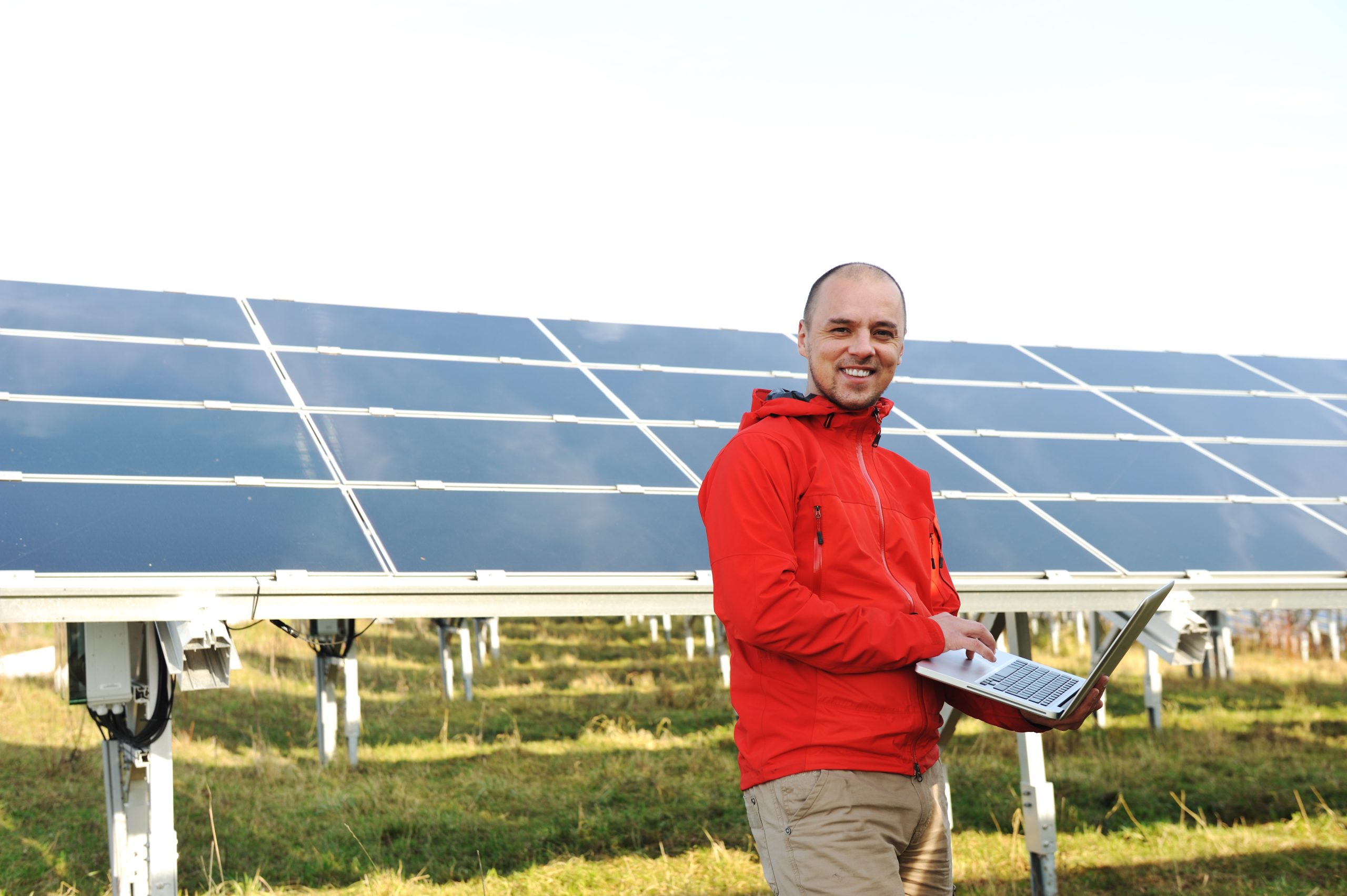
Are you thinking about making the switch to solar power? If so, you’re not alone. More and more people are choosing to install solar panels on their homes as a way to reduce their carbon footprint and save money on energy bills in the long run. But before you can start reaping the benefits of solar power, there are some things you need to know about installing and using solar panels. In this guide, we’ll cover everything from the basics of how solar panels work to determining your energy needs and choosing the right system for you. Let’s get started!
Introduction to Solar Panels
A solar panel is a device that converts sunlight into electricity. It’s made up of photovoltaic (PV) cells, which absorb sunlight and convert it into direct current (DC) electricity. This DC electricity then flows through an inverter, which converts it into alternating current (AC) electricity that can be used to power your home or business.
Types of Solar Panels
There are several types of solar panels available on the market today. The most common type is monocrystalline silicon, which is made from a single crystal of silicon and is known for its efficiency and durability. Other popular options include polycrystalline silicon, thin-film solar panels, and bifacial solar panels. Each type has its own unique advantages and disadvantages, so it’s important to do your research before deciding which one is best for you.
How Do Solar Panels Work
As we mentioned earlier, solar panels work by converting sunlight into electricity. When sunlight hits the PV cells in a solar panel, it causes electrons to become excited and move around. These moving electrons create an electrical current, which can be harnessed and used to power your home or business.
The Benefits of Using Solar Power
There are many reasons why people choose to use solar power. Here are just a few of the benefits:
Lower energy bills: Once you’ve paid for the initial installation costs, solar panels can help you save money on your energy bills over time. Depending on where you live and how much sunlight your area receives, you may even be able to generate more electricity than you consume, allowing you to sell excess energy back to the grid.
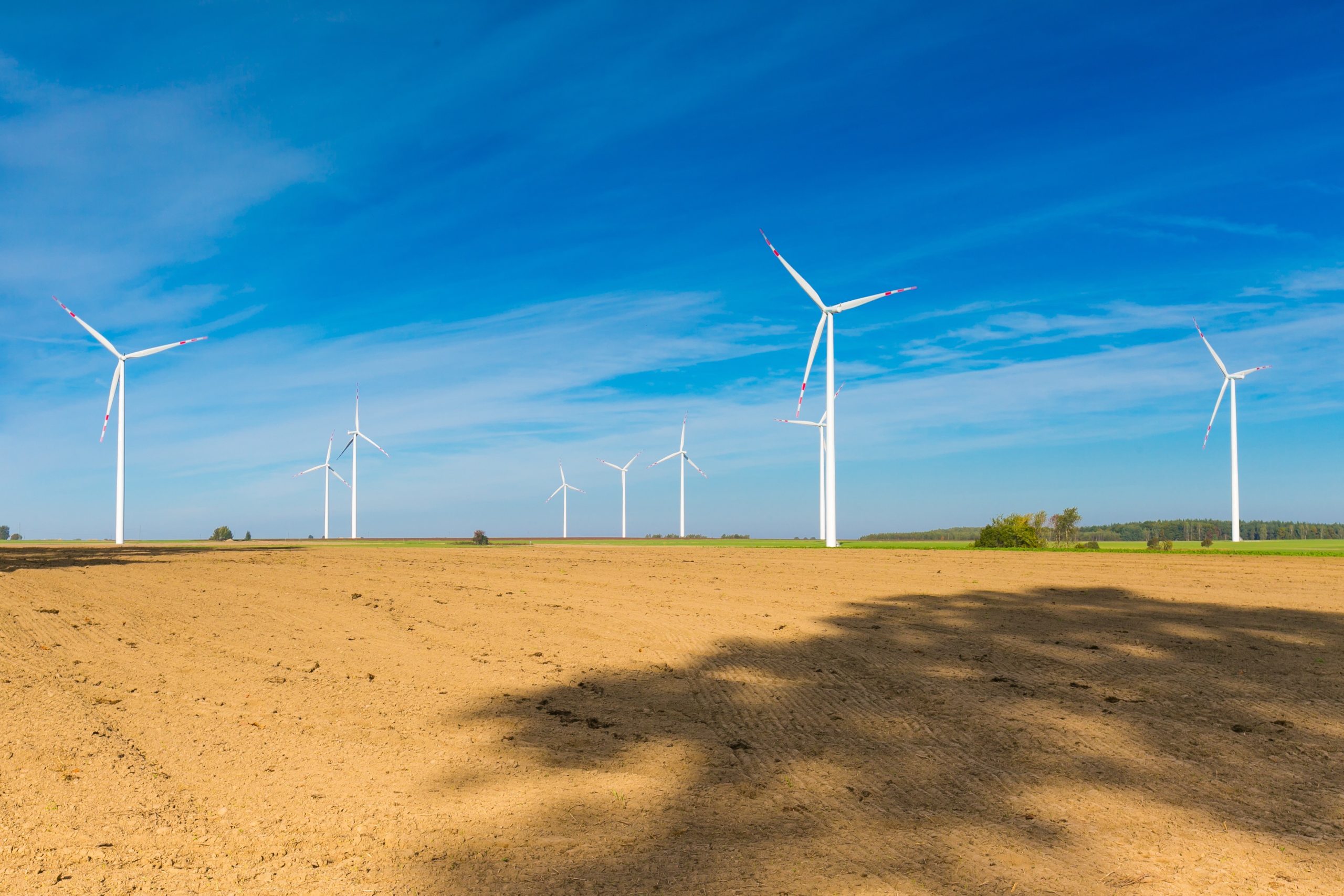
Reduced carbon emissions: By switching to solar power, you can significantly reduce your carbon footprint and help combat climate change. Solar power is a clean, renewable source of energy that doesn’t produce any greenhouse gas emissions.
Increased property value: Homes with solar panels tend to have higher property values than those without them. If you ever decide to sell your home, having solar panels installed could increase its resale value.
Determining Your Energy Needs
Before you can choose the right solar panel system for you, it’s essential to determine your energy needs. To do this, you’ll need to calculate how much electricity your home uses on average each day. You can do this by looking at your past utility bills or by using an online calculator. Once you know how much electricity you use, you can then figure out how many solar panels you’ll need to generate enough electricity to meet your needs.
Choosing the Right Solar Panel System for You
Once you’ve determined your energy needs, it’s time to choose the right solar panel system for you. There are several factors to consider when choosing a solar panel system, including:
Cost: How much will the system cost to install? Are there any tax credits or rebates available that can offset the cost?
Efficiency: What is the efficiency rating of the solar panels you’re considering? Higher efficiency ratings mean that the panels will generate more electricity per square foot.
Durability: How well will the solar panels hold up over time? Look for panels that come with warranties that guarantee their performance for years to come.
Aesthetics: Will the solar panels complement your home’s architecture and design? Consider the size, shape, and color of the panels before making a decision.
Installing and Maintaining Your Solar Panels
After you’ve chosen the right solar panel system for you, it’s time to install them. Professional installers can typically complete the installation process within a few days, depending on the complexity of the job. Once they’re installed, you’ll want to keep them maintained properly to ensure optimal performance. This includes regular cleanings to remove dirt and debris, inspecting the wiring and connections for damage, and monitoring the system’s output to make sure it’s generating enough electricity to meet your needs.
Common Questions About Solar Panels Answered
Here are answers to some of the most commonly asked questions about solar panels:
Can I install solar panels myself? While it’s possible to install solar panels yourself, it’s generally recommended to hire a professional installer who has experience working with these systems. They can ensure that the installation is done correctly and safely.
How often should I clean my solar panels? The frequency with which you should clean your solar panels depends on your location and weather conditions. Generally speaking, you should aim to clean them once every six months to maximize their efficiency.
Will my insurance company cover damages caused by hail or other extreme weather events? Most insurance companies will cover damages caused by hail or other extreme weather events, but it’s always a good idea to check with your provider to confirm what’s covered under your policy.