Tag: on

  • The Impact of Solar Energy on Your Home’s Value

    The Impact of Solar Energy on Your Home’s Value

    Increased Home Value

    Understanding Market Trends

    When I first dipped my toes into the real estate market, one thing that always caught my eye was how certain features could really crank up a property’s value. Solar energy is one of those game-changers. With more people becoming eco-conscious, homes with solar panels are increasingly viewed as valuable assets. Studies have shown that homes with solar energy systems can sell for 4.1% more than comparable homes without them. That’s not chump change!

    This value bump translates directly to dollars when it comes time to sell. In my experience, many buyers are willing to pay top dollar for properties that boast energy efficiency. It’s a win-win situation, as buyers appreciate lower energy bills and sellers can cash in on these green upgrades. I know it’s something I’d be interested in as a potential homebuyer.

    If you’re looking to increase your home’s value, investing in solar panels could be one of the smartest decisions. Not only do you reap the personal benefits of energy savings, but you also set up your home for a lucrative future sale. It’s like planting a money tree that just keeps on giving!

    Energy Savings

    Lower Monthly Bills

    Who doesn’t love saving a few bucks, right? One of the most immediate perks of going solar is the reduction in monthly energy bills. Having installed solar panels at my place, I’ve seen my electricity costs drop significantly! In fact, sometimes I’m surprised when I see my bill; it’s like a little gift every month.

    This money-saving aspect isn’t just a temporary thrill – lower energy costs are something you can count on for years. For homeowners on the fence about the upfront investment, the promise of these savings makes the decision much easier. Just imagine spending that extra cash on something fun instead of giving it all to the electric company!

    Plus, many areas offer incentives or rebates for installing solar, which can help recoup initial costs. It’s refreshing to shift from paying bills to actually investing in something that pays off in the long run!

    Environmental Benefits

    Reducing Your Carbon Footprint

    From my perspective, using solar energy isn’t just about personal gain. It’s about making a larger impact. When you power your home with solar energy, you’re drastically reducing your carbon footprint, and that’s something to celebrate! As an environmentally conscious individual, I feel like I’m doing my part to help combat climate change.

    Every kilowatt-hour produced by solar panels is a kilowatt-hour not produced from fossil fuels. It’s like every little bit counts, and I love knowing that I’m contributing to a healthier planet for future generations. Plus, it feels good to be part of a movement that promotes sustainability.

    In a way, it’s also a conversation starter. I’ve had so many guests come over and marvel at my solar panels. It opens up a dialogue about energy consumption, sustainability, and what we can all do to conserve our environment. It’s amazing how energy can spark change!

    Home Insurance Benefits

    Potential for Lower Premiums

    Here’s a fun little tidbit that surprised me: having solar panels can actually influence your home insurance premiums. Many insurance companies now recognize that homes with solar systems can be less of a risk because they often have lower energy-related claims. That’s something that can work in our favor!

    I’d recommend talking to your insurance provider to see if you qualify for any discounts. It’s theoretically a ‘no-brainer’ to keep insurance costs down while also enjoying the benefits of solar power. Who doesn’t want to save money on insurance?

    Plus, you also get the added peace of mind. Not only are you reducing your carbon footprint, but you’re also investing in your home’s resilience. Having solar power can protect you from energy price fluctuations, especially during emergencies. You can sleep a little better at night knowing your home is set up for both safety and savings!

    Home Appeal

    Aesthetic Value and Innovation

    Let’s be real – when it comes to selling a home, curb appeal absolutely matters! Homes with solar panels add a modern touch and forward-thinking appeal. I personally think they give a home that “wow” factor; they show potential buyers that the home is not just a place to live but a lifestyle choice.

    It’s fascinating to see how technology and aesthetics can merge. I’ve seen homes where solar panels are integrated beautifully into the roofline and blend seamlessly with the architecture. It reflects a sense of pride in ownership and innovation that resonates well with today’s buyers.

    I often hear from friends who are shopping for homes that energy efficiency is on their wish list. Solar panels can enhance the overall look of the property while also signaling that it’s energy-efficient. In short, it’s an attractive selling point – both visually and functionally.

    Frequently Asked Questions

    1. Does installing solar panels really increase my home’s value?

    Absolutely! Research shows that homes with solar energy systems can command a higher resale price compared to similar homes without them. It’s a fantastic way to enhance your property’s marketability.

    2. How much can I save on my energy bills with solar panels?

    Many homeowners report saving between 20% to 50% on their monthly energy bills. The savings depend on factors like your location, energy usage, and the size of your solar installation, but the impact is often substantial!

    3. Are there any tax benefits or incentives for going solar?

    Yes, many local and federal programs offer tax credits and rebates for solar installations. These incentives can help offset your initial investment, making it even more attractive to switch to solar energy.

    4. Will solar panels damage my roof?

    When installed properly by professionals, solar panels don’t damage your roof; in fact, they can protect the area underneath by shielding it from the elements. It’s important to work with reputable installers who understand roofing systems.

    5. How long do solar panels last?

    Most solar panels come with a warranty of 25 years, but many can last even longer when maintained properly. It’s safe to say you’re making a long-term investment for energy savings and home value boosting!

  • How to Plan Your Solar Panel Installation on a Budget

    How to Plan Your Solar Panel Installation on a Budget

    Step 1: Assessing Your Energy Needs

    Understand Your Power Consumption

    First things first, if you’re considering solar panels, you gotta know how much energy you use. Check your electricity bills from the last year, and this is where the digits come in handy. It’s not just about the monthly bill; you need to peek into your highest usage months and average it out. This gives you a solid baseline to work from.

    Then, take a closer look at the gadgets and appliances in your home. How energy-efficient are they? Are you running old-school appliances that guzzle power? Knowing this lets you set realistic goals for your solar panel setup. It’s like cleaning out your closet before going shopping – get rid of what you don’t need, and you’ll have a clearer picture of what you truly use.

    Lastly, consider possible changes in your lifestyle. Are you planning to add electric vehicles or more gadgets in the near future? If yes, factor that into your energy needs. It’s all about forecasting so your solar investment pays off!

    Evaluate Your Home’s Solar Potential

    Next, find out if your home is prime real estate for solar panels. Look at your roof – is it angled, how much sunlight does it get, and are there pesky trees or buildings casting shade? Clear roofs with max sunlight exposure are golden for solar energy. You might want to grab a compass app to check how well your roof faces the sun.

    Don’t forget about your local climate. If you’re in a place that’s cloudy most of the time, your output might take a hit. But don’t despair; even some cloudy days can get you a decent solar output. Just be sure to understand what your specific conditions could mean for your potential solar savings.

    If you’re unsure, consider hiring a professional for a solar assessment. They can give you all the nitty-gritty details on what to expect. This can save you time and money in the long run while setting you up with realistic expectations.

    Calculate Your Budget for Installation

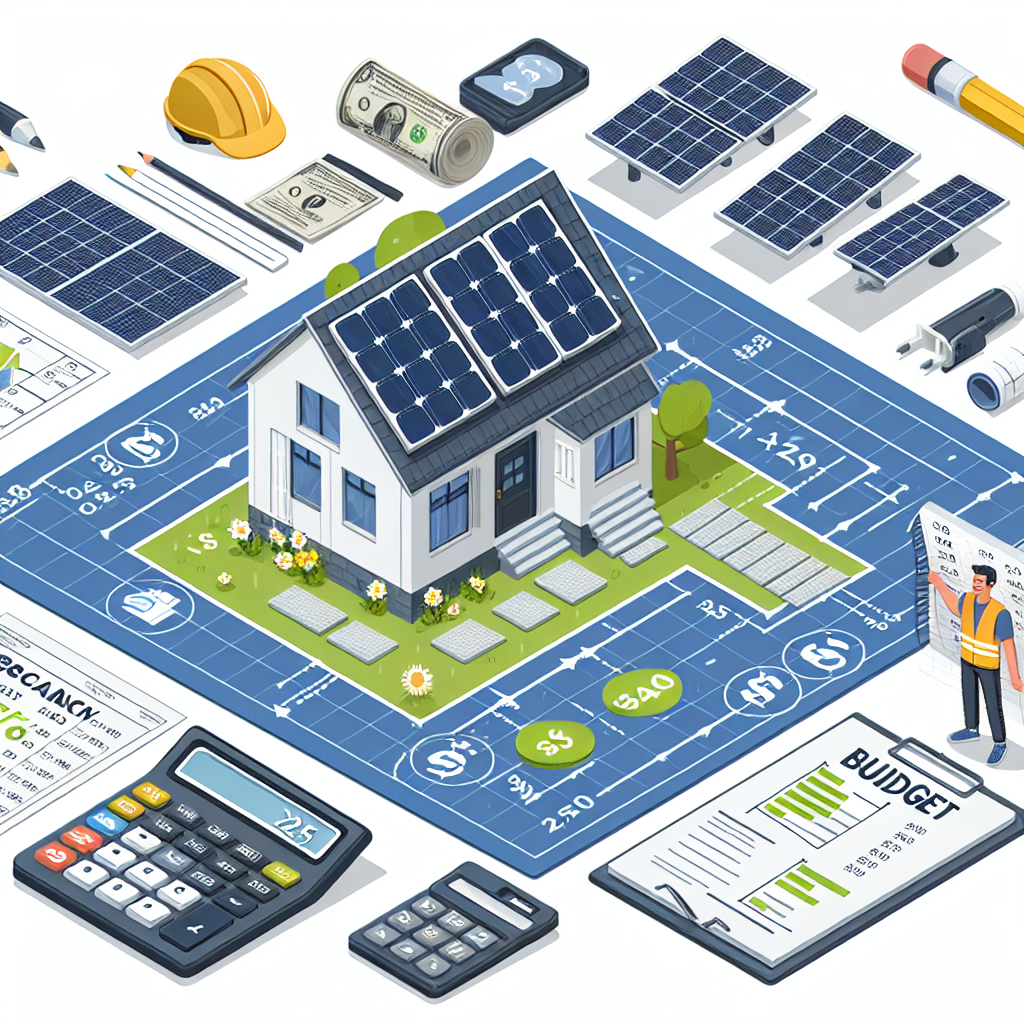
    Now we’re getting to the fun part – money! Sit down and sketch out your budget. Determine how much you can realistically spend. Remember, going solar is an investment, and while there are upfront costs, it can lead to significant savings over time. You just want to be sure you aren’t completely breaking the bank at the outset.

    Once you have a ballpark figure, research the various costs. Get quotes from multiple solar companies and ask about financing options like payment plans or loans. They’ll usually run some promotions that could help ease your initial investment.

    A little tip from me: always be wary of deals that seem too good to be true. They might come with hidden costs later on that can make your budget go out the window. You want a firm quote that covers all the bases. Transparency is key!

    Step 2: Research Solar Incentives

    Explore Tax Credits and Rebates

    You’re gonna want to dive deep into what incentives are available in your area. Many states offer tax credits or rebates for solar panel installations that can significantly reduce your costs. This is like finding money you didn’t know you had! So, definitely check your local government website or talk to your solar installer about available options.

    Besides the federal tax credit, some local utilities even offer rebates. It’s like a little score on top of your savings! These incentives can make the difference between a big investment and a more manageable one. So make sure to grab every cent available.

    Sometimes, even nonprofit organizations offer programs that help low-income households transition to solar. So whether you’re wealthy or living paycheck to paycheck, don’t shy away from searching for assistance.

    Consider Financing Options

    If upfront costs are daunting, don’t fret – there are financing options out there. Solar loans can be a lifesaver! Typically, these loans will allow you to pay for the installation over time. And guess what? Many offer competitive interest rates compared to traditional loans.

    Leases and Power Purchase Agreements (PPAs) are also viable options. With these, you can have solar panels installed at little to no upfront cost, and you simply pay for the electricity produced—often at a lower rate than your utility provider. It’s a way to go solar without putting a dent in your savings.

    As always, read the fine print! Know how long commitments are and the costs involved. The last thing you want is to lock yourself into a deal that doesn’t feel right later on. Take your time to find what works best for you!

    Look Into Community Solar Programs

    If solar panels on your own roof feel like a long shot, community solar programs are a fantastic alternative. These programs allow you to buy into a shared solar array in your area. It’s like being part of a solar club where everyone benefits from cleaner energy! Plus, it typically requires much less upfront cost than installing a system at your home.

    Joining a community solar program can connect you with other likeminded individuals who are also looking to save on energy costs. It’s not just about money; it’s about building a sustainable community. You’ll often secure fixed savings on your electricity bills over time, making it a win-win!

    Also, check if your local programs offer informative sessions or meet-ups so you can learn the details and benefits firsthand. Being part of a community makes the whole process a lot more fun and engaging, trust me!

    Step 3: Choose the Right Solar Installer

    Research and Compare Installers

    Alright, so now you’ve got your budget and incentives all lined up. The next step? Finding the right installer. Not all solar companies are created equal. It’s important to do your homework! Ask for recommendations from folks in your area who’ve gone solar, or check out online reviews and ratings.

    Get multiple quotes, and do not shy away from asking questions. What type of panels do they use? Are they certified? What is their warranty policy? All of these questions can lead you closer to a reliable installer and ultimately a successful installation.

    And don’t forget to check their experience! Companies with years of service under their belt often provide more quality assurance. You want someone who knows the ropes and won’t leave you high and dry!

    Assess Quality and Warranty Offers

    While price is key, the quality of the product and the warranty needs some serious thought too! High-quality solar panels might come with a higher initial price, but they’ll often pay off in the long run with efficiency and longevity. Check the manufacturer’s warranty – it should ideally be at least 25 years!

    Additionally, review the installation warranty. This covers potential issues related to installation defects, and you want that peace of mind as you’re putting a major investment into your home.

    It’s worth it to pay a bit more for quality equipment and installation. Your future self will thank you when your solar panels are performing at their best for decades to come!

    Get Everything in Writing

    Now, once you’ve found your installer, make sure to get all the details in writing. And I mean everything! This should include project timelines, warranties, payment schedules, and scope of work. You want to avoid ambiguous agreements that can lead to misunderstandings down the line.

    Having a written agreement ensures that both you and the installer are on the same page. If something goes awry, you have that document as a reference. It’s like having a recipe – you want to have all the details lined up for the best results.

    Take your time reviewing everything and don’t hesitate to ask for clarifications if something doesn’t sit right with you. This is your investment after all, so it’s worth the extra hassle to make sure everything’s crystal clear!

    Step 4: Execute Your Installation Plan

    Prepare Your Home for Installation

    Before the big day, it’s time to prep your home. Clear any areas around where the installers are going to work. Trust me, they’ll appreciate having a clean workspace, and it makes the job go smoother.

    If you need to make any structural changes to your roof to support solar panels, now’s the time. Speak with your installer to ensure they’re on board with any modifications necessary for a proper fit.

    Also, keep in mind to be flexible with the timeline. Weather and other logistical issues can delay the installation process, so account for a bit of leeway in your plan!

    Communicate Effectively with the Installer

    Once installation day rolls around, maintain open lines of communication with your installer! If you have concerns or questions while they’re setting things up, voice them immediately. This not only fosters a cooperative atmosphere but also ensures that everything is progressing according to plan.

    Ask for updates and stay engaged in the process. This is your project, and keep in mind it might feel a little overwhelming at times. But a simple chat can help solve issues before they become big problems.

    Check in with the team as they work. You’ll not only gain a better understanding of the installation but also develop a relationship with the team that’s sharing their expertise with you. Plus, it’s cool to see how everything comes together!

    Post-Installation Follow-Up

    After all the hard work is done, don’t forget about the follow-up. Once installed, review the entire system to ensure everything is functioning well. Most importantly, keep an eye on that monitoring system. It’ll help you see how much energy your new setup is producing, and ensure it’s operating efficiently.

    Normally, professional installers will schedule a follow-up visit a few months later. Use that time to ask any lingering questions or troubleshoot issues. It’s also a great opportunity to evaluate any unexpected performance dips that may need attention.

    And hey, once you’re up and running, consider spreading the word about your experience with your installer. Word of mouth can help others, and let’s face it—it feels good to share your solar success story!

    Step 5: Enjoy Your Solar Savings

    Monitor Your Energy Production

    Once everything’s installed, you’ll want to keep tabs on your solar system’s production. Most systems come with an online monitoring tool, making it easy to check your energy output. This allows you to see how much you’re saving compared to your previous bills. It’s an exciting feeling to watch that number drop!

    Check your system regularly. If you notice a significant drop in energy production, it may be time to contact your installer for an inspection. Just like that diary of your energy usage you had before, keeping track will let you know if things are running smoothly.

    Plus, being proactive means you can address any problems early. Keep an eye out, and save yourself from surprise tickets down to the repair shop!

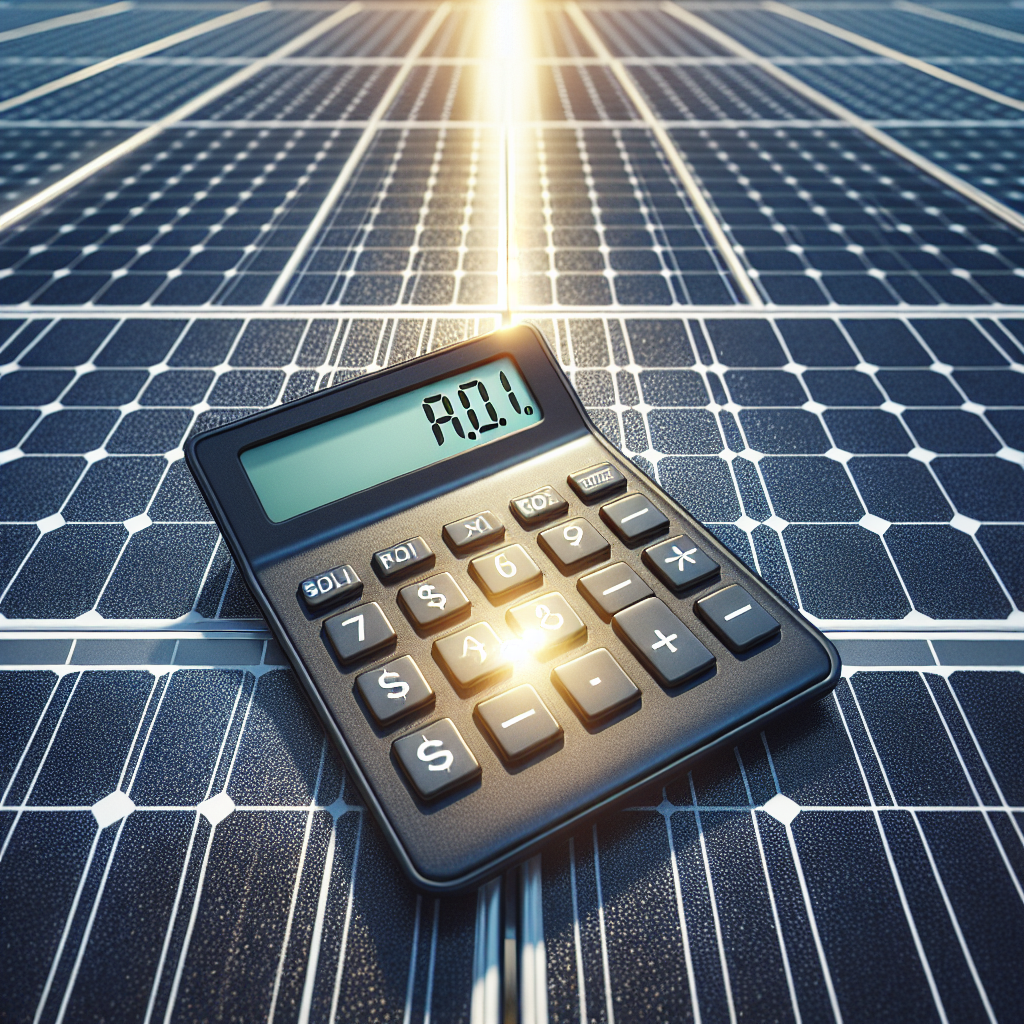
    Calculate Your Return on Investment (ROI)

    An important part of enjoying your newfound energy savings is calculating your return on investment. It’s helpful to run the numbers on how much you’re saving on your electricity bill each month compared to your initial investment. It’s like a little reward for your effort!

    After a few years, you’ll have a clear picture of just how much your solar installation is benefiting you financially. There are online calculators available that can help anticipate your savings and ROI over various time frames. Finding out just how far your solar panels are going for you can be a bright moment!

    In case you’ve gone through solar incentives, make sure you factor those into your overall savings too. The whole investment pays off more than many realize, and you’ll probably be smiling when you see the totals.

    Share Your Experience

    Last but not least, take the time to share your experience with others! Whether through social media or within your community, spreading the word about your solar journey can inspire someone else to take the plunge. Plus, you’ll feel great knowing you’ve contributed to the greater good of the planet by encouraging solar energy adoption!

    Consider writing reviews for your installer, sharing your numbers, and promoting environmental consciousness. You never know who you might inspire. Plus, your success story might just push someone off the fence into going solar themselves!

    All in all, enjoying your solar experience is not just about financial savings; it’s a lifestyle choice that reflects a commitment to sustainability. Embrace it, and celebrate those green choices you’ve made!

    FAQs

    1. How much can I save on my energy bills with solar panels?

    Your savings can vary widely based on your location, panel efficiency, and energy consumption. On average, homeowners can expect to save between 20% to 50% on their electricity bills.

    2. What do I need to consider before installing solar panels?

    Consider your energy needs, roof condition, local regulations, costs, and available incentives. It’s all about making informed decisions from the get-go!

    3. Can I install solar panels myself?

    While it’s technically possible, I wouldn’t recommend it! Professional installation ensures safety, optimal performance, and compliance with regulations. Plus, they often come with warranties!

    4. What happens if my solar panels produce less energy than expected?

    If your solar panels aren’t performing as anticipated, check your monitoring tools and reach out to your installer. Many factors can influence performance, but get help fast to ensure your system runs smoothly!

    5. Are there any maintenance costs associated with solar panels?

    Solar panels are relatively low maintenance! Routine checks are necessary, but cleaning them once or twice a year is typically enough. Just ensure all equipment is functioning properly to avoid future costs.

  • Solar Panel Return on Investment Calculator

    Solar Panel Return on Investment Calculator

    Hey there! If you’re curious about investing in solar panels like I was not too long ago, you’ve stumbled upon the right place. Today, I’m sharing my personal journey on understanding the Solar Panel Return on Investment (ROI) Calculator, which can help you determine if this energy solution is worth your hard-earned cash. Grab a cup of coffee, and let’s dive in!

    Understanding Solar Panel Costs

    Initial Investment

    So, let’s start with the basics: the initial costs. You might want to brace yourself because, at first glance, the price tag can seem a bit daunting. From purchasing the panels to installation, those early expenses can really add up. Luckily, many incentives can help, so keep that in mind!

    In my experience, doing thorough research on reputable installers made a world of difference. I compared quotes and asked tons of questions. Remember, the goal is to find not just the cheapest option, but the one that promises quality and reliability.

    Keep an eye out for local or federal rebates, as they can significantly cut down the costs. Plus, check to see if any tax credits are available in your area—those can really sweeten the deal!

    Installation Fees

    Next up, installation fees. This is where it gets real! Depending on the complexity of your roof and where you live, installation can vary in price. I had a pretty straightforward setup, which worked in my favor, but if you’ve got a tricky roof, the costs might climb a bit higher.

    Finding a good installer who knows what they’re doing is crucial. Trust me, don’t skimp on this! A solid installation can be the difference between a system that runs like a dream and one that causes you headaches for years. I recommend asking for recommendations from friends or looking for reviews online.

    Also, make sure to ask your installer if there are financing options available. This can help spread the costs over time, making solar more accessible than getting hit with a massive bill all at once!

    Maintenance Expenses

    Now, let’s chat about maintenance. A common myth I encountered was that once the panels are up, you can just forget about them. Nope! While they generally need minimal upkeep, some maintenance is necessary to keep everything functioning smoothly.

    I learned that periodic cleaning can slightly boost efficiency, particularly if you live in a dusty area like I do. A quick rinse with the garden hose or even hiring a service every year can help. Honestly, it’s worth it when you think about the long-term savings!

    Also, don’t forget to factor in potential repairs. Sometimes, warranty coverage can take care of it, but I always recommend budgeting for unexpected issues, just in case.

    Calculating Energy Savings

    Assessing Your Energy Needs

    Once you’ve got a handle on costs, let’s move on to energy savings. Before diving deep into calculations, you really need to assess your household’s energy needs. I started by reviewing my utility bills to understand how much energy I was using.

    Take note of your peak usage months and how much you’re spending. This will be super helpful when estimating how much you’ll save by generating your own power with solar panels. I was shocked at how much some months cost!

    Look into energy-efficient upgrades as well—things like LED bulbs and upgraded appliances can reduce consumption and improve your ROI even more!

    Utility Rate Changes

    Utility rates can be a tricky business. The rate you currently pay might change over time, which can affect your savings calculations. Typically, they rise each year, so expecting an increase will help you paint a more accurate picture.

    When I did my calculations, I factored in a modest rate increase of about 3-4% a year. Yeah, it’s depressing to think about, but it helped me realize how much money I could save by going solar in the long run!

    Staying in touch with your utility provider will also give you the scoop on potential rate changes, so you can keep your calculations up to date.

    Net Metering Benefits

    One of the most fantastic benefits of having solar panels is net metering. This allows you to send excess energy back to the grid, which can help offset the costs of utility energy when you need it.

    When my panels produce more energy than I use, I often receive credits on my utility bill! How cool is that? Understanding how net metering works in your area is crucial. It can significantly affect the financial viability of your solar investment.

    Make sure to check with your local utility company to see how they handle net metering, as the rules can vary widely. Knowledge is power, my friends!

    Evaluating Tax Credits and Incentives

    Federal Tax Credits

    Alright, gotta talk about tax credits! Did you know that the federal government lets you take a significant chunk off your tax bill if you install solar panels? I couldn’t believe it when I first learned about the Investment Tax Credit (ITC). It can cover 26% of the cost of your system, which is monumental!

    It took me a bit of sleuthing to understand all the ins and outs, but I assure you, it’s worth it. If you’re planning on going solar, make sure to keep an eye on the deadlines for these credits—sometimes they change!

    Always consult with a tax professional to ensure you correctly apply these credits. Missing out on this could mean leaving money on the table, and who wants that?

    State and Local Incentives

    The federal tax credit is awesome, but don’t forget to explore state and local incentives! Depending on where you live, there are sometimes rebates and incentives that can stack on top of the federal credit.

    I found that my state had a program offering cash rebates for solar installations, and that it made a noticeable difference in my overall costs. Every little bit helps, right?

    Pro tip: local governments may have special financing options available too. It’s worth doing a bit of research to make sure you’re getting all the benefits you can.

    Financing Options

    Lastly, let’s chat about financing options. Not everyone can afford to pay for solar upfront, and that’s okay! There are various financing options available that can make solar panels more affordable.

    I personally went with a solar loan that allowed me to break down the expenses into smaller monthly payments, making it much easier to fit into my budget. Many providers offer attractive interest rates, so don’t shy away from exploring this route!

    In some cases, you might find power purchase agreements (PPAs) where you pay for the energy your panels produce without the initial big outlay. It’s definitely worth checking out the different plans available to see what works best for you.

    Assessing Long-Term Financial Benefits

    Payback Period Calculation

    Now, seeing as we’ve built this up to the payoff, let’s talk about the payback period. This is where you get to see how long it’ll take for your solar investment to start saving you money.

    My excitement took a little dive when I first worked this out. I discovered it could take anywhere from 5 to 10 years to break even, depending on several factors like local energy costs, installation costs, and state incentives.

    But don’t let that discourage you! Think about how many years of free energy you’ll get afterward. It’s a long-term game, and once you hit that break-even point, the savings start flowing!

    Increased Property Value

    Another significant benefit I discovered was how solar panels can boost your property value! Studies show that homes with solar energy systems sell for more than those without. This was a nice surprise, and I realized that even if I decide to move, I’m likely to see a better return on my investment in the long run.

    Potential buyers are increasingly environmentally conscious. Many are actively looking for homes equipped with solar, so having them can definitely give you that competitive edge!

    Of course, if you’re not planning on selling soon, the money you save on your energy bills each month is also a big plus. So either way, it’s a win-win!

    Long-Term Energy Savings

    Last but definitely not least, let’s talk long-term energy savings. Once your system is up and running, your savings over the years will really start to add up. It’s like having a piggy bank that never breaks!

    As I was nearing the end of my calculations, I realized I could save thousands over the years. That’s not just pocket change! Plus, with rising utility costs, my solar panels serve as a shield against those inevitable hikes.

    When you stack your way of life around using renewable energy, you’re not just saving money—you’re also contributing positively to the environment. That’s a nice bonus that always keeps me motivated!

    Conclusion

    And there you have it, folks! My experience exploring the Solar Panel Return on Investment Calculator has been enlightening, and I genuinely hope you found this journey helpful. Financing, savings, and benefits of solar panels can feel overwhelming, but breaking it down as we did makes it manageable.

    Whether you’re considering solar panels for economic reasons or just to do your part for the planet, knowing the ins and outs will set you up for success. If you’re still unsure, go ahead and reach out to professionals for guidance—they can provide tailored insights that can make all the difference!

    FAQ

    1. How much can I save with solar panels?

    That depends on several factors like your energy usage, local electricity rates, and available incentives. However, many homeowners report savings ranging from 50% to 80% on their electricity bills!

    2. Do I need to maintain solar panels?

    Yes, they do require some maintenance, but it’s typically minimal. Periodically cleaning them and ensuring they’re functioning well is usually all it takes to keep your panels in good shape.

    3. What happens if I move after installing solar panels?

    If you move, your solar panels could increase your home value, making it more attractive to buyers. Also, you may be able to transfer the loan or lease agreement to the new owner.

    4. Are there tax incentives for solar panels?

    Yes! The federal government offers tax credits like the Investment Tax Credit (ITC) that can cover a significant portion of your solar expenses. It’s worth checking what’s available in your state as well!

    5. Can I finance my solar panel system?

    Absolutely! There are many financing options available, including solar loans and Power Purchase Agreements (PPAs) that allow you to spread the cost over time.

  • The Impact of Solar Energy on Eco-Friendly Living

    The Impact of Solar Energy on Eco-Friendly Living

    Reducing Carbon Footprint

    Understanding Carbon Footprint

    When I first started exploring eco-friendly living, I stumbled upon the term “carbon footprint.” It refers to the total greenhouse gas emissions produced by our activities, measured in equivalent tons of CO2. It’s amazing to think about how much our daily habits contribute to this figure. Whether it’s driving a car or using electricity, every action adds up.

    By using solar energy, I realized one of the easiest ways to reduce my carbon footprint. Solar panels convert sunlight directly into electricity without releasing harmful emissions. It’s an exciting way to harness nature’s resources sustainably. When I made the switch, I felt like I was finally doing my part to help the planet.

    Each household can significantly lower its carbon emissions by adopting solar energy. Over time, just one home outfitted with solar panels can prevent tons of CO2 from entering the atmosphere. I saw firsthand how my home’s eco-friendliness could inspire others in my community.

    Saving on Energy Costs

    The Financial Benefits

    Let me tell you, one of the best parts of switching to solar energy is the savings on my energy bills. Initially, the investment in solar panels felt daunting, but those worries quickly faded as I started seeing my monthly electricity bills plummet. In fact, many regions offer tax incentives and rebates that can help offset installation costs.

    Once I installed my panels, I began to see a decrease in my energy expenses every month. It felt great knowing I was not only saving money but also promoting a greener lifestyle. Over time, it became clear that these savings could be reinvested in other eco-friendly initiatives around my home.

    Plus, there’s something rewarding about generating your own electricity. It gives you this sense of independence from utility companies. I love being able to produce energy from the sun, and watching my investments pay off every month enhances that feeling.

    Encouraging Renewable Energy Adoption

    Leading by Example

    When I made the switch to solar, it wasn’t just a personal choice. I quickly realized that by leading by example, I could encourage friends and family to consider renewable energy. It’s funny how one conversation can turn into a community-wide discussion about sustainable practices.

    After sharing my solar journey on social media and with those close to me, I noticed a ripple effect. Many friends started asking questions about installation and efficiency. It felt awesome to be in a position to motivate others to embrace renewable sources. The social aspect of going solar can’t be overstated; it creates a movement.

    Every time I see a new solar array pop up on a neighbor’s roof, I can’t help but feel a sense of pride. We’re not just saving money and reducing emissions individually; we’re collectively shifting the culture toward sustainable energy use. Changing perceptions about renewable energy has been a rewarding outcome of my solar transition.

    Increasing Property Value

    The Value Boost

    When I installed solar panels, I didn’t just think about the immediate benefits; I also considered the long-term value of my property. Homes with solar energy systems are increasingly attractive to buyers. Studies show that properties with solar not only sell faster but often at a premium.

    For someone like me, who is always thinking ahead, this seemed like a smart investment. Real estate agents often report a growing interest in homes with renewable energy features, and I wanted to be ahead of the game. The potential increase in property value was a huge plus I wasn’t willing to overlook.

    After speaking with my real estate agent, I learned that homes with solar panels stand out in the market. Buyers are eager to invest in properties that promise lower utility costs and eco-friendly living. It makes sense – who wouldn’t want to save money while being environmentally responsible?

    Promoting Sustainable Mindsets

    Cultivating Awareness

    The last benefit I want to share revolves around the mindset of sustainability. Making the leap to solar energy has completely changed how I view my consumption habits and my environmental impact. It’s like a lightbulb went off in my head! I became more conscious of waste and resource management.

    Not only has my lifestyle changed, but I’ve also noticed a shift in the conversations I have with others. When people see the changes I’ve made, it inspires them to think critically about their own habits. Starting discussions on energy efficiency and reducing waste became a passionate topic for me!

    Being part of a community of solar users and eco-advocates has helped foster a sustainable mindset in my daily life. It’s not just about personal gains anymore; it’s about contributing to a broader movement. Encouraging others to think eco-friendly has become a driving force in my mission to push for renewable energy adoption.

    FAQs

    1. How much can I save on my energy bills with solar energy?

    Many homeowners report savings of 20-50% on their electricity bills after switching to solar energy. The exact amount can depend on factors like your location, solar panel efficiency, and your energy consumption habits.

    2. What is the process for installing solar panels?

    The installation process typically involves an initial consultation with a solar provider, followed by site assessment, proposal generation, financing discussions, and finally, the installation of the solar panels. It’s often quicker than you’d expect!

    3. Do solar panels require maintenance?

    Solar panels are pretty low-maintenance. Most systems just require occasional cleaning to ensure they are free of debris. Regular inspections might also be recommended to ensure optimal performance.

    4. Will solar panels increase my property taxes?

    In many areas, the increase in property value from solar energy systems does not lead to higher property taxes. However, it’s always good to check local policies to be sure.

    5. Can I still use electricity from the grid with solar energy?

    Absolutely! When you have solar panels, you can use electricity generated by them during the day and pull from the grid when necessary. This combination is known as a grid-tied system and offers a great balance of sustainability and reliability.

  • The Long-Term Impact of Solar Power on the Environment

    The Long-Term Impact of Solar Power on the Environment

    Reduction of Greenhouse Gas Emissions

    Understanding Greenhouse Gases

    When I first got into solar power, the term “greenhouse gases” kept popping up. It refers to gases like carbon dioxide and methane that trap heat in our atmosphere. Think of them as the blanket that keeps the earth cozy, but too many layers make it too warm!

    So, how does solar power help with this? It replaces significant fossil fuel consumption, which is a major contributor to these emissions. Each solar panel installed means one less chunk of carbon we’re putting into the air!

    Over time, as solar energy becomes more widespread, we’re looking at a serious cut in greenhouse gases. It’s like exchanging a pizza with extra cheese for a fresh salad – a much healthier option for our planet.

    Long-Term Effects on Climate Change

    Climate change is one of those buzzwords you hear everywhere. When I learned how solar energy fits into this, it blew my mind! By making the switch to solar, we aren’t just reducing emissions today; we’re helping to stabilize our climate for future generations.

    It’s a beautiful cycle. Less greenhouse gas means a cooler planet. If everyone hopped on the solar train, we could see real temperature stabilization worldwide. Imagine telling your kids that you helped save the Earth!

    Of course, it’s not an overnight fix, but the seeds we plant today, like those solar panels, can lead to a much greener tomorrow. The longer we stick with renewables, the bigger the impact.

    Healthier Air and Health Benefits

    Your health is gold, isn’t it? Getting clean air is just one of the underrated perks of solar energy. Fossil fuels pollute not only the air you breathe but also the entire environment surrounding us, from water to soil. By diverting to solar, we all can breathe a little easier.

    Once the reliance on fossil fuels decreases, we could see a significant drop in respiratory ailments linked to air pollution. Less asthma, fewer lung diseases; can you imagine a world like that? I can!

    Solar doesn’t just mean cleaner air; it’s about fostering a healthier community. As I always say, if we’re taking positive steps towards a cleaner environment, we’re laying the groundwork for healthier lives overall.

    Eco-Friendly Resource Utilization

    Less Resource Depletion

    Now let’s chat about resource depletion. Traditional energy sources like coal and oil are getting consumed like they’re going out of style. But guess what? The sun is always shining, making it limitless! Switching to solar means we’re using a resource that’s practically free and endless.

    Every time someone opts for solar, it’s one less coal mine in our future. I love the thought of utilizing natural resources better, ensuring we’re not grabbing at the last straws of our planet.

    It simply makes sense and it feels good to know that by harnessing solar power, we’re doing our part in protecting these precious resources for future generations.

    Waste Reduction and Recycling

    Solar panels do have a lifespan, and the question of what happens at the end of it is a crucial one. But recycling solar panels is becoming more common. Companies are learning to repurpose material instead of just tossing them away.

    It’s a savvy way to make use of leftover materials—think of it like giving new life to your old clothes. Not only does this minimize waste, but it also reduces the need for new material production, which is a win-win!

    So, I’m stoked to see a future where recycling solar technology becomes the norm. It’s a game changer in terms of creating a circular economy for energy.

    Impact on Biodiversity

    When I first thought about solar farms, I pictured vast fields. Sure, they can take up space, but did you know there’s potential to protect biodiversity, too? When planned sustainably, solar installations can benefit local ecosystems.

    By choosing locations wisely, we can avoid disrupting habitats. Some solar projects even go a step further and create environments that promote wildlife health. It’s incredible to think that solar energy could help restore and preserve our planet’s biodiversity.

    A little thoughtfulness goes a long way in making sure we’re taking care of Mother Nature while we harness the power of the sun. That’s the kind of partnership I can totally dig!

    Economic Benefits and Job Creation

    Local Job Opportunities

    One of the coolest parts about promoting solar power is the job creation aspect. From installation to maintenance, the solar sector is booming and needs a ton of hands on deck. It’s an opportunity for locals, and it excites me to know we’re building strong job markets.

    Who doesn’t want to help the economy while working towards a greener planet? It’s like hitting two birds with one stone. The jobs created aren’t just temporary, either—they contribute to long-lasting economic stability.

    I’ve seen communities thrive as they embrace solar; it’s like unlocking a treasure chest of opportunities. What’s not to love about that?

    Long-Term Fiscal Savings

    Let’s talk about money for a second. Making the switch to solar can lead to long-term savings, not just for individuals but for entire communities. Think lower utility bills! After the initial investment, people often find that they save significant dough over the years.

    No one wants to keep paying higher energy bills, right? Investing in solar becomes a no-brainer when you consider the cost benefits down the line. That’s cash in your pocket, which you can use for vacations, hobbies, or whatever floats your boat!

    In the long term, as deployment grows, economies can benefit from reduced energy costs, driving even more growth and stability. It’s a win-win that helps everyone out!

    Boosting Local Businesses

    Let’s not forget our local businesses. When a community goes solar, it creates an uptick in demand for green technologies, which is an amazing side effect! More solar means more visibility for local green businesses.

    As I’ve watched my community embrace solar, businesses that offer sustainable solutions are flourishing. More solar installations lead to local economic growth, which can support everything from coffee shops to hardware stores.

    People want to support local economies, and investing in solar lets us do just that, ensuring that everyone benefits along the way. It’s hard not to be optimistic about these kinds of changes!

    Challenges and Considerations

    Initial Costs and Investment

    Let’s be real here; the upfront costs of solar can be a hurdle. I get it—it can be a tough sell when the initial investment feels hefty compared to sticking with traditional energy sources.

    However, this is where the long-term vision comes into play. While the initial cash flow is a consideration, the long-term savings and incentives can offset that cost. It’s like planting a tree; it may not look like much at first, but give it time, and you’ll see the benefits bloom.

    There are various financing options available today, and understanding the aid that’s out there can ease the burden. I’m always hitting that point home to anyone considering going solar.

    Space and Environmental Concerns

    I’ve heard people raise concerns about where solar farms are located. The land use debate is real, and it’s essential to fit solar installations into a larger narrative. Solar projects should be planned with respect to local ecosystems.

    We can maximize efficiency by locating solar farms in areas that don’t disrupt natural habitats. Urban development and repurposing brownfield sites can be smart plays to mitigate concerns.

    We need to think outside the box and find ways to develop solar energy sustainably, keeping in mind both economic interests and environmental responsibilities.

    Technological Advancements

    The final point I want to hit is the importance of technological advancements in solar. As we know, technology evolves, and solar is no different. Keeping pace with innovation is necessary to sustain its positive impacts.

    It’s essential to invest in research, so we never plateau. Solar panels are getting more efficient and cost-effective all the time. I am personally excited to see how far we can push the envelope and what that means for future installations.

    By embracing technology, we can promote an energy solution that better serves our communities and the environment. For me, it’s about being proactive for a brighter tomorrow.

    Conclusion

    As I reflect on the long-term impact of solar power on the environment, I’m filled with hope. From reducing emissions to creating jobs, the benefits are manifold. We have a unique opportunity to harness the sun’s energy while doing right by the planet.

    The challenges are here, but they can be tackled! It’s about creating a sustainable future for ourselves and generations to come. Let’s take action, spread the word, and continue to advocate for solar energy as a driving force for positive change.

    FAQ

    1. How does solar power reduce greenhouse gas emissions?

    Solar power generates electricity without burning fossil fuels, significantly cutting down on emissions of harmful gases like carbon dioxide that contribute to climate change.

    2. What are the economic benefits of switching to solar energy?

    Switching to solar can lead to lower utility bills in the long run, create local jobs in the renewable energy sector, and boost local businesses connected to green technologies.

    3. Are there any environmental concerns related to solar power?

    While solar energy is much cleaner than fossil fuels, concerns include land use for solar farms and the environmental impact of producing and disposing of solar panels. Responsible planning and recycling initiatives are crucial.

    4. How can solar energy contribute to improved public health?

    By reducing air pollution from fossil fuels, solar energy can lower rates of respiratory and cardiovascular diseases, leading to overall healthier communities.

    5. What obstacles exist for the expansion of solar energy?

    Initial costs, land use conflicts, and the need for technological advancements can pose challenges. However, these can be overcome with informed planning and investment in research.

  • The Ultimate Guide to Solar Energy Return on Investment in 2025: Top Strategies for Maximum Savings

    The Ultimate Guide to Solar Energy Return on Investment in 2025: Top Strategies for Maximum Savings


    Welcome to the definitive guide on maximizing your solar energy return on investment in 2025. Whether you’re a homeowner, business owner, or investor, understanding how to optimize your solar projects for the best financial gains is crucial. In this comprehensive article, I’ll walk you through 2025’s top strategies to enhance your solar energy return on investment, backed by the latest data and practical insights.

    Table of Contents

    1. 1. Understanding Solar Energy Return on Investment
    2. 2. Assessing Your Energy Consumption and Potential Savings
    3. 3. Choosing the Right Solar Panel Technology
    4. 4. Optimal System Sizing for Maximum ROI
    5. 5. Financing Options for Solar Investments in 2025
    6. 2025. Final Tips for Maximizing Your Solar Return in 2025

    1. Understanding Solar Energy Return on Investment

    What Is Solar Energy Return on Investment?

    Fundamentally, the solar energy return on investment refers to the financial gains you get from installing solar panels compared to the initial costs invested. It considers factors like energy savings, incentives, and system lifespan. In 2025, understanding this metric is vital because it guides your decision-making process about solar investments.

    To accurately evaluate your solar ROI, you need to analyze upfront costs, ongoing savings, and potential tax benefits. This comprehensive view helps you determine how quickly your solar panel system will pay for itself and start generating profit.

    For example, if your home’s total solar installation cost is $15,000, and your annual savings on electricity bills are $1,500, your simple payback period would be approximately 10 years, not accounting for incentives or energy price increases.

    2. Assessing Your Energy Consumption and Potential Savings

    Analyzing Your Current Energy Usage

    The first step to maximizing your solar energy return on investment is understanding your energy patterns. Review past utility bills to determine your average monthly consumption in kilowatt-hours (kWh). This data helps in designing a system that balances efficiency and cost-effectiveness.

    In 2025, smart meters and energy management systems make it easier to track real-time usage. These tools enable homeowners and businesses to identify peak usage times and potential areas for efficiency improvements, ultimately boosting ROI.

    For instance, a household consuming 800 kWh per month with high daytime usage might benefit from a net-metered system that offsets peak-rate electricity, further improving financial returns.

    3. Choosing the Right Solar Panel Technology

    Emerging Technologies in 2025

    Selecting advanced solar panel technology is critical in elevating your solar energy return on investment. In 2025, innovations such as perovskite-tandem cells and bifacial panels are becoming more affordable and efficient, increasing energy output per square foot.

    Perovskite solar cells, for example, have surpassed 25% efficiency in laboratory settings, and commercial versions already show promising results. These newer options can significantly enhance system performance, leading to quicker ROI.

    Furthermore, bifacial panels capture sunlight from both sides, boosting energy production by 10-20%, which directly translates into increased savings over the system’s lifespan.

    4. Optimal System Sizing for Maximum ROI

    How to Size Your Solar System Correctly

    In 2025, one of the most effective ways to improve your solar energy return on investment is by designing a system that matches your actual energy needs. Oversizing can lead to unnecessary costs, while undersizing misses potential savings.

    Using advanced software tools and detailed consumption analysis, you can determine the ideal system size that balances upfront costs with energy savings. Remember, more isn’t always better — efficiency matters.

    For example, a homeowner with a 7 kW energy demand might install a 7.5 kW or 8 kW system, but not significantly more, unless future consumption increases. Accurate sizing could save thousands of dollars in installation costs while maximizing the financial return.

    5. Financing Options for Solar Investments in 2025

    Best Financing Strategies Today

    Securing the right financing can dramatically impact your solar energy return on investment. In 2025, options such as solar loans, leasing, and power purchase agreements (PPAs) offer flexibility to reduce upfront costs and improve payback periods.

    PREPARE Mag ad 970 x 250

    For instance, a zero-down solar loan allows homeowners to start saving immediately while paying off the system over time. With favorable interest rates and government incentives, many find this approach accelerates ROI.

    Leasing and PPAs may lower initial costs but might reduce long-term savings, so it’s essential to evaluate which options suit your financial goals best.

    2025. Final Tips for Maximizing Your Solar Return in 2025

    Stay Updated with Incentives and Technology

    In 2025, staying informed about government incentives, tax credits, and rebate programs is crucial for boosting your solar energy return on investment. Many regions are expanding their support, making solar more affordable than ever.

    Advancements in solar technology and energy storage options also provide opportunities for higher returns. Pairing your system with efficient batteries can store excess energy for use during peak hours, enhancing savings further.

    Practical advice includes regularly reviewing your system’s performance, considering upgrades when necessary, and collaborating with reputable solar providers who stay current with industry trends.

    Invest in Energy Efficiency

    Maximizing your solar energy return on investment isn’t just about the solar panels themselves. Improving your home or business energy efficiency complements your solar setup by reducing overall consumption.

    In 2025, simple upgrades like LED lighting, better insulation, and smart thermostats can significantly lower your energy bills, increasing your savings while your solar system generates clean power.

    Combining these strategies ensures you get the highest possible ROI from your solar investment, making your energy dollars work harder for you.

    Frequently Asked Questions

    1. What is the typical solar energy return on investment in 2025?

    In 2025, the average solar energy return on investment varies depending on location, system size, and incentives but typically ranges from 7 to 12 years for payback, with significant long-term savings afterward.

    2. How can I improve my solar energy return on investment?

    Improving ROI involves choosing high-efficiency panels, accurately sizing your system, taking advantage of incentives, and implementing energy efficiency measures.

    3. Are there new technologies enhancing solar ROI in 2025?

    Yes, innovations like bifacial panels, perovskite cells, and integrated energy storage are helping boost energy output and savings, thus improving ROI.

    4. Is financing still a good option for solar investments?

    Absolutely! Flexible options like solar loans, leases, and PPAs can lower initial costs, making it easier to realize positive return on investment sooner.

    Conclusion

    In summary, understanding and optimizing your solar energy return on investment is essential for making smart, financially beneficial solar investments in 2025. By staying informed about technological advancements, incentives, and personalized system design, you can maximize your savings and enjoy the long-term benefits of clean energy. Whether you’re just starting or looking to upgrade your existing system, applying these strategies will help you achieve the best possible ROI in 2025 and beyond.