Tag: options

  • How to Finance Solar Power: All Options Explained

    How to Finance Solar Power: All Options Explained

    Understanding Your Financing Options

    Private Financing

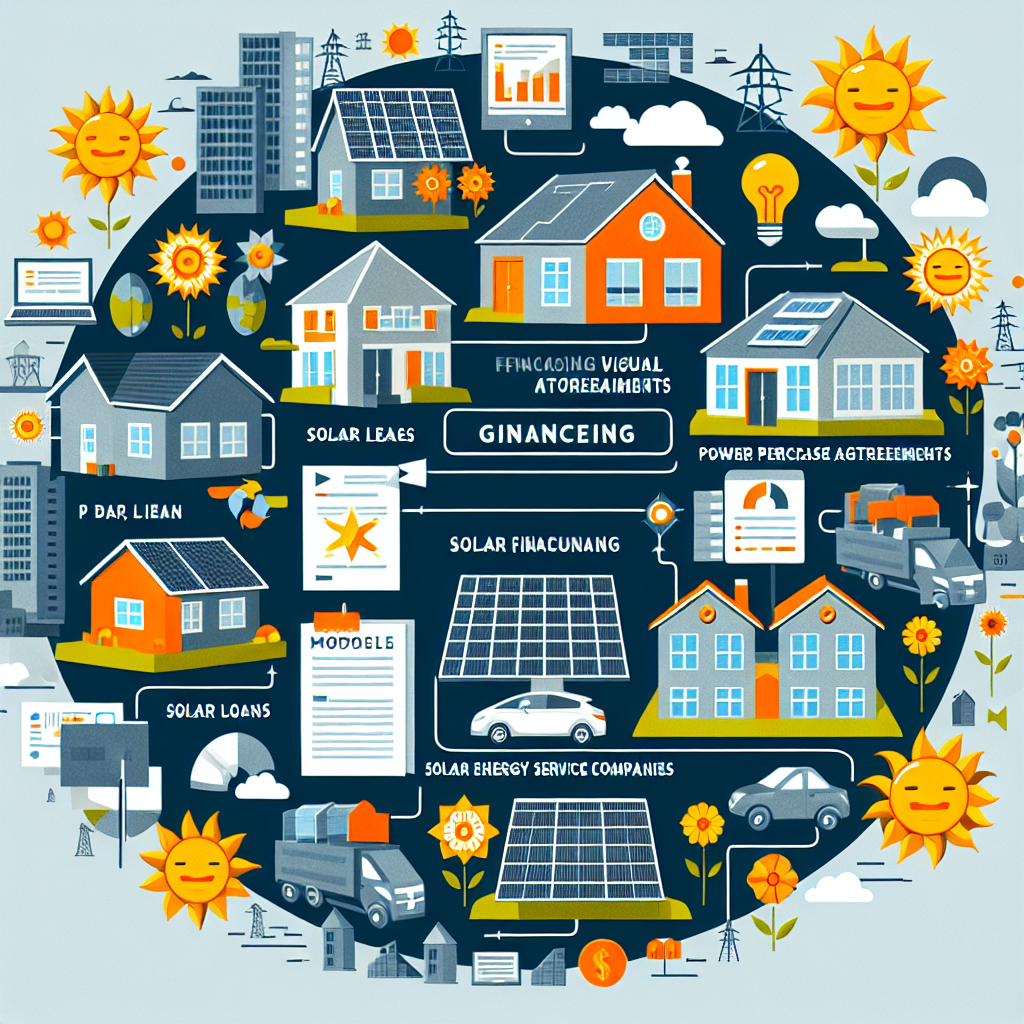
    When I first started exploring solar power, I was overwhelmed by the financing options. One of the primary methods that popped up was private financing. It’s a straightforward way to fund your solar installation without relying on third-party agreements. You basically take out a loan from a lender who specializes in renewable energy. This can come with diverse payment terms and interest rates, allowing you to pick what fits your budget.

    Your credit score can come into play here, so make sure you know where you stand. If you have a decent credit score, you could snag a better interest rate. I remember my first loan; my lender even offered a short-term loan option that allowed me to pay it off quickly and save on interest.

    Additionally, the benefit of this approach is you own your solar system outright. That means the energy savings are yours, and there are no hidden fees or surprises down the line. Once the loan is paid, those savings become pure profit!

    Solar Leases

    Another popular option is solar leasing, which I found to be quite appealing. In this arrangement, you lease your solar panel system from a provider. You pay a set monthly fee, but the company owns and maintains the system, so you don’t have to worry about the installation process or repairs.

    What’s cool about solar leases is that you can often get into solar without a hefty upfront cost, which was a game changer for me. A lot of companies offer zero-down options, so you’re literally paying for the energy produced, not the system itself. It can feel a little freeing, especially if money is tight but you still want adorable solar panels on your roof.

    Remember, though, that with a lease, you don’t get to take advantage of certain federal tax credits or rebates, since you don’t technically own the system. That said, if you’re looking for ease and lower initial investment, a lease could be just the ticket.

    Power Purchase Agreements (PPAs)

    Now, let’s chat about a Power Purchase Agreement (PPA). This was a bit of a hidden gem I discovered during my research. With a PPA, you agree to buy the electricity generated by a solar panel system installed on your property at a fixed price for a set number of years. It’s a little similar to a lease but with one major difference: you pay for the electricity, not the system.

    What I loved about PPAs is you can often lock in lower electricity rates compared to your local utility company. If your area has high electricity prices, this can be a major win. Plus, usually, the installation and maintenance costs are covered by the solar company.

    One thing to keep an eye on, though, is the length of the agreement. If you decide to sell your house in the middle of a PPA, it might complicate things. You’ll typically have to pass the agreement along to the new homeowner, which can be a sticking point.

    Government Incentives and Tax Credits

    Federal Tax Credit

    If there’s one silver lining to going solar, it’s the federal tax incentive that can significantly reduce installation costs. When I first learned about the Investment Tax Credit (ITC), I was blown away! You can deduct a substantial percentage of your solar system’s costs from your federal taxes. It’s like getting free money—almost! Just remember that you do have to owe taxes to benefit from it, though.

    This credit can shift from year to year, so keep an eye on legislative changes. I made it a point to plan my install so that I could maximize this benefit, and it paid off hugely come tax season. The edge this gives to your overall financial strategy is tough to overstate.

    Just be sure to double-check if you qualify. There are some rules and eligibility criteria you need to meet, and of course, the paperwork can be a drag. But trust me, it’s worth sorting out!

    State and Local Incentives

    In addition to the federal perks, many states offer their own incentives that can make solar financing even sweeter. Depending on where you live, you might find everything from rebates to property tax exemptions, and I personally found my state’s incentives to be incredibly helpful.

    For instance, some states give cash rebates up-front that help lower initial costs when installing solar panels. Others provide performance-based incentives that pay you for the power generated by your panels. These can add up significantly, and it’s like finding a little pot of gold at the end of the rainbow.

    Don’t forget local programs through utilities too! Sometimes, an electric company may offer unique programs or financing options that can save you even more money. I have spent a lot of time reaching out and checking eligibility on various local programs, and it paid off big time!

    Grid Access and Net Metering

    Another thing worth discussing is net metering, which has been a total lifesaver for many solar adopters. Essentially, it allows you to send excess energy back to the grid and get credited for it. This was one aspect I didn’t fully grasp initially, but once I got into it, my savings soared!

    When your solar panels generate more energy than your home needs, that surplus energy goes back to your utility company, and they give you credits on your bill. It’s such a great way to balance out your solar generation and consumption. During summer months, my system often produced a lot more than I used, allowing me to roll those credits over into the colder months when I needed energy the most.

    Just note that net metering rules vary from state to state, so it’s essential to get familiar with the regulations specific to your area. After doing the research, I felt much more confident about harnessing the power of net metering to optimize my energy use and savings.

    Choosing the Right Financing Option for You

    Assessing Your Financial Situation

    Before diving into any particular financing option, it’s crucial to assess your overall financial situation. I remember sitting down with a calculator, listing out my debts, expenses, and income, and weighing all the numbers. It really helped to have a clear picture of my budget.

    Consider how much you can pay monthly without stretching yourself too thin. If you have a good credit score, private loans might unlock lower interest rates. But if cash flow is tight, a lease or PPA can be a safer bet.

    Also, take into account any additional costs aside from the panels—maintenance, potential repairs, and insurance can add up as well. You want to be prepared so you can enjoy the benefits of solar without stressing about unexpected costs cropping up.

    Evaluating Your Long-Term Goals

    Next up, think about your long-term goals with solar energy. Do you want to own your system outright, or are you more focused on the convenience of having someone else handle the heavy lifting? Personally, I found that owning the system gave me more satisfaction and savings in the long run.

    If you plan to stay in your home for a while, a loan or purchasing system can make sense, especially since you’ll reap the rewards of energy savings down the line. But if you think relocation is in your near future, leasing could be smarter, allowing you to move without the added hassle of dealing with the system transfer.

    Being clear about your goals helps tremendously when making this decision. I gained some serious peace of mind just from writing my goals down and outlining what I wanted from my solar journey.

    Comparing Offers

    Lastly, never forget the importance of comparing offers from different solar finance providers. I’ll be honest; I learned this the hard way after jumping into a deal too quickly. It’s crucial to shop around. Rates and terms can vary significantly between lenders and providers.

    Take your time—get quotes, read reviews, and ask questions. Some providers can be quite pushy, but don’t let that rush you into a decision. Having that kind of stress-free comparison made all the difference for me. I found a great deal just by taking an afternoon to dig deeper!

    Once you find a financing option that works, make sure you understand the contract fully before signing. It’s like a commitment, and you want to be comfortable going in. Comparing options gave me a sense of control and security in my investment.

    FAQs

    1. What are the main options for financing solar power?

    The main options include private financing (loans), solar leases, power purchase agreements (PPAs), and various government incentives or tax credits.

    2. Are federal tax credits available for solar installations?

    Yes! The federal Investment Tax Credit (ITC) allows you to deduct a significant percentage of your solar installation costs from your federal taxes.

    3. What is net metering, and how does it work?

    Net metering allows you to send excess energy produced by your solar panels back to the grid, giving you credits on your utility bill. It helps you balance energy usage over time.

    4. How should I assess my financial situation before going solar?

    Start by reviewing your income, expenses, and debts. Consider how much you can afford to pay monthly, and keep in mind any additional costs associated with solar.

    5. Why is it important to compare different financing offers?

    Comparing offers helps you find the best rates and terms, ensuring you make an informed decision about which financing option suits your financial goals and needs best.

  • Solar Options for Renters: Complete Guide

    Solar Options for Renters: Complete Guide

    Understanding Your Options

    Exploring Solar Energy

    First off, let’s just dive straight into solar energy. It’s become this awesome, eco-friendly way to power up our homes. But as a renter, I know it can feel like the sun shines a little less brightly in terms of options. However, I’ve learned that the world of solar opens up even for us. Trust me—it’s a brighter path than you think!

    When I first started exploring solar, I had no clue what to expect. I figured it was all for homeowners, right? Well, I soon discovered that many companies are now offering flexible solutions specifically designed for renters. From solar rentals to community solar projects, there’s a lot you can tap into without needing to purchase anything upfront.

    Understanding your options is crucial. Whether you’re thinking short-term or long-term, getting to know what’s available in your area can make a big difference in your energy bills. I remember feeling overwhelmed at first, so I put together a list of options that made it easier to grasp what was out there.

    Community Solar Programs

    What Is Community Solar?

    Let’s chat about community solar programs. These are a game-changer for renters. Basically, it’s a shared solar energy system that multiple users can tap into. Instead of planting solar panels on your roof, you participate in a solar farm located somewhere in your community. This was something I never really knew about until I started digging!

    What I love about community solar is how it allows you to benefit from renewable energy without needing to make any changes to your home. You sign up to receive credits on your electricity bill based on the power generated by the solar farm. It feels like you’re harnessing the sun without the hassle!

    Plus, if you’re worried about long-term commitments, community solar is often available on a month-to-month basis. It’s super flexible, which makes it a great fit for renters who might be moving around. The thought of being part of something bigger while saving money? Sign me up!

    Solar Power Purchase Agreements (PPAs)

    How PPAs Work

    Alright, now let’s talk about Solar Power Purchase Agreements, or PPAs for short. This can sound like a fancy term, but it’s actually a straightforward concept. With a PPA, you agree to purchase the power generated by a solar installation at a fixed rate for a certain number of years. It might sound complicated, but believe me, it’s quite user-friendly once you get into it!

    When I first came across PPAs, I was a tad confused. However, once it clicked that this option means you don’t have to invest in the installation yourself, it became clear it might just be the way forward. The solar company takes care of the installation, maintenance, and all that jazz, and you just enjoy the benefits of cheaper electricity.

    Before jumping in, make sure you’re aware of the details in your agreement. I remember having to read through a few contracts before I understood the fine print about how the rates might change over time. It’s all about being informed so you can truly reap those sunshiny savings!

    Leasing Solar Panels

    The Leasing Option

    Next up, we’ve got solar panel leasing. Think of it like renting your own little solar power plant. You can lease solar panels for your home without the upfront costs of buying them, which is a dream for many renters. I was super excited to learn about this option!

    Leasing typically involves signing a contract for a set number of years. The solar provider handles the installation, maintenance, and repairs. All you do? Enjoy lower electricity bills while claiming benefits from the sun’s rays! I mean, who wouldn’t want that, right?

    Of course, before you say yes to leasing, check out any fees for breaking the lease early, and also ask about the terms regarding moving. I’ve learned that understanding these intricacies helps avoid any fumbles down the line. You want to make sure it’s a win-win situation for you!

    Tax Incentives for Renters

    How Tax Breaks Can Help

    This one’s super important but often overlooked: tax incentives. While you might not own the panels, some regions offer tax credits for various solar energy initiatives. Keep your eyes peeled for any programs designed specifically for renters. I wish I had known about this earlier in my journey!

    These tax incentives can sometimes cover part of your bills or even give credits for participating in community solar programs. Every little bit counts, you know? So when I discovered this option, I made it a point to keep my documents in order and even consulted with a tax expert to maximize my benefits!

    Remember, tax situations can be a bit tricky. Take the time to understand how things work in your area. It’s like reading the user manual to your new gadget before diving in—just makes life easier!

    Conclusion

    Exploring solar options as a renter might feel a bit daunting at first, but with the right information and perspective, it can actually be a smooth and rewarding process. Whether you decide on community solar, PPAs, leasing, or taking advantage of tax incentives, there are paths that can help you save money and support renewable energy.

    Remember, it’s all about finding what works best for your living situation. I’ve shared my personal experiences to help light the way for you. Embrace the sun, and you’ll be amazed at the benefits that can come your way!

    FAQs

    1. What are the different solar options available for renters?

    As a renter, your top options include community solar programs, Solar Power Purchase Agreements (PPAs), leasing solar panels, and potentially utilizing tax incentives.

    2. How does community solar work for renters?

    Community solar allows renters to buy into a shared solar farm. You receive credits on your electricity bill based on the energy produced by the solar panels, without needing to install anything on your property.

    3. Are there risks associated with PPAs?

    Like any contract, there are concerns to look out for. Your rates might adjust over time or fees may apply if you decide to move. Always read the contract carefully to understand your commitments.

    4. Can I get tax breaks as a renter for solar energy?

    Yes! Some areas offer tax incentives for participating in solar programs. It’s worth investigating what’s available to you to maximize your potential savings.

    5. Is leasing solar panels a good option for renters?

    Leasing can be an excellent option as it requires no upfront cost. However, reviewing the terms carefully is important to understand any fees involved when moving or ending the lease.

  • Solar Financing Options Explained

    Solar Financing Options Explained

    Understanding Your Options

    What Are Solar Loans?

    Solar loans are one of the most straightforward financing options out there. With a solar loan, you borrow money to purchase your solar panel system, typically paid back over a period of 5 to 20 years. Now, I’ve always preferred this option due to its clarity and benefits. By owning your system outright, you can take advantage of tax credits and rebates.

    One of the beauties of solar loans is that they come in different flavors. You might encounter secured loans, which use your home as collateral, or unsecured loans that don’t require any assets. Just tread carefully—secured loans can lead to risk if you miss a payment.

    Lastly, when considering a solar loan, always check the interest rates. You want to ensure you’re not signing up for something that’ll break the bank. Remember, the easier you can make your payments, the better you’ll feel owning your solar system!

    Leasing Your Solar System

    If you’re not quite ready to dive into ownership, solar leasing might be your jam. In this arrangement, a solar company installs panels on your property, and you pay a fixed monthly lease. Pretty chill, right? You don’t have to worry about maintenance or repairs—that’s all on the leasing company.

    The catch? Since you’re not technically the system owner, you won’t be eligible for the federal tax credit or those juicy state incentives. However, I’ve seen folks save on their utility bills right from the get-go, which is a major win. Just crunch those numbers to see if the savings outweigh the benefits of ownership.

    Another cool thing about leasing is flexibility. If you move to a new home, you may have the option of transferring your lease, making it a pretty smooth transition for anyone looking to keep things simple.

    Power Purchase Agreements (PPAs)

    Instead of leasing the panels, a Power Purchase Agreement lets you buy the energy produced by your solar system at a predetermined rate. It’s a unique model that I reckon more folks should know about. The great thing here is that you’re still paying less per watt than what you’d typically spend on traditional utility rates.

    PPAs often come with zero upfront costs, making solar accessible for everyone, even those not looking to shell out a ton of cash initially. However, due diligence is crucial—you’ll want to compare your long-term costs versus the savings. Sometimes, owning your system outright can be more cost-effective in the long run.

    Just remember that PPAs often lock you into a contract that lasts several years. So, if your plans change, you’ll need to look closely at the contract terms for what happens if you decide to move or sell your home sooner than expected.

    Government Incentives and Rebates

    Understanding Tax Credits

    One of the perks of going solar is understanding how to utilize tax credits to your advantage. The Federal Solar Investment Tax Credit (ITC) allows homeowners to deduct a percentage of the cost of their solar system from their federal taxes. I can’t stress enough how crucial this can be on your bottom line.

    This credit has a deadline, which adds urgency to the decision-making process. As of now, it’s vital to keep tabs on any potential reductions as the years progress. My advice? Consult with a tax professional to ensure you’re aware of any state-wise credits that could benefit you.

    It’s always rewarding to see that deduction reflected on your tax return. Just be prepared to keep a solid record of expenses and installation costs because, trust me, you don’t want to miss out on those opportunities!

    State and Local Rebates

    Now, moving on to local incentives—many states or even cities offer their very own rebates for solar installations. These can significantly cut down your initial investment, so it’s worthwhile to hop online and check what’s available in your area. I’ve discovered varying incentives, which can be a gamechanger for many folks.

    Some states even have performance-based incentives that give you money based on how much energy your solar panels generate. It’s like getting paid to be eco-friendly! These programs can look a bit confusing, so don’t hesitate to reach out to your local solar company for clarity.

    And don’t overlook utility companies! Some have their rebates for going solar, encouraging homeowners to offset energy costs through clean energy solutions.

    Financing Offers from Solar Providers

    When you’re knee-deep in research, don’t forget to check out financing plans directly from solar providers. Many of them have come up with excellent offers to help homeowners make that switch while also keeping their wallets happy. I’ve found that their plans are often tailored to the needs of local markets, which can be super beneficial.

    Typically, there are promotional rates, low-interest financing, or even zero-down options that can ease the tension of upfront costs. It’s a good practice to shop around and consider quotes from multiple providers to ensure you snag the best deal.

    However, clarify all terms and conditions before signing anything. I recall my experience—one lease had some hidden fees I didn’t catch right away, which ended up costing more than I’d initially thought. So always read the fine print!

    Conclusion

    Choosing the right solar financing option truly comes down to your own preferences, financial situation, and long-term goals. Each approach has its pros and cons, but with diligent research and consideration, you can navigate through these options like a pro. So take a deep breath, weigh your choices, and get ready to soak in those rays—both from the sun and your future savings!

    Frequently Asked Questions

    1. What is the best financing option for solar panels?

    It really depends on your personal financial situation and preferences. If you want to own your system and enjoy tax credits, a solar loan might be ideal. If you prefer low upfront costs, leasing or a PPA could be the way to go.

    2. Are there tax credits available for solar installations?

    Yes! The Federal Solar Investment Tax Credit (ITC) allows you to deduct a percentage of your solar system costs from your federal taxes. Additionally, many states offer their own incentives and credits, so always check local regulations.

    3. What happens if I move after installing solar panels?

    It depends on your financing option. If you own your system, you may sell your home with the system, which can be appealing to buyers. Leasing options usually allow for transfers of the lease, but that might be less straightforward, so check with your provider.

    4. Can I combine different financing options?

    Yes, it’s possible! Some homeowners use a combination of loans and state incentives or even consider leasing while taking advantage of local utility rebates. Always do your homework to find what combinations work best for you.

    5. How do I find more information about local solar incentives?

    Your best bet is to start online—check your state’s energy department website or local utility company’s page. Additionally, many solar installation companies are well-versed in local incentives and can provide valuable information.

  • 10 Effective solar energy options to maximize savings in 2025

    10 Effective solar energy options to maximize savings in 2025

    1. 1. Advanced Photovoltaic Solar Panels
    2. 2. Solar Shingle Technology
    3. 3. Home Battery Storage Systems
    4. 4. Community Solar Programs
    5. 5. Solar Water Heating Solutions
    6. 6. Portable and Flexible Solar Devices
    7. 7. Solar Roofing Strategies
    8. 8. Government and Utility Incentives
    9. 9. Solar Monitoring and Management Software
    10. 10. Emerging Solar Technologies

    1. Advanced Photovoltaic Solar Panels

    High-Efficiency Solar Panel Materials

    In 2025, the solar energy options available for homeowners have seen remarkable improvements, especially in photovoltaic solar panels. The latest panels utilize perovskite and tandem cell technologies, which significantly boost efficiency—reaching 25-30% efficiency rates that were rare just a few years ago. These advancements mean you get more energy output from the same roof space, translating to higher savings over the lifespan of your system.

    These high-efficiency panels are now more affordable, offering a good balance between initial investment and long-term savings. For instance, some premium panels come with 25-year warranties, ensuring durability and maximum output, thus reducing maintenance costs. As a practical tip, always opt for panels with high efficiency and strong warranties to maximize your returns on solar energy options.

    Durability and Weather Resistance

    Modern solar panels are designed to withstand harsh weather conditions—snow, hail, heavy rain, and high winds. This durability ensures consistent energy production, which is critical for maximizing savings in 2025. When selecting solar energy options, consider panels with reinforced frames and weatherproofing features.

    Research shows that investing in durable panels reduces downtime and maintenance costs. As a real-world example, homeowners in snowy regions have reported up to 15% higher efficiency during winter months using weather-resistant panels, resulting in year-round energy savings.

    2. Solar Shingle Technology

    Integrated Roofing and Solar Solutions

    Solar shingles provide a seamless, integrated solution for those wanting the look of traditional roofing with the benefits of solar energy options. In 2025, companies like Tesla and CertainTeed have advanced these products to offer high durability, efficiency, and aesthetic appeal. Solar shingles can replace your existing roof tiles, creating a sleek appearance while generating electricity.

    One key advantage is that solar shingle systems can qualify for various incentives and rebates, making them more affordable. Additionally, their integrated design helps protect your roof from weather damage, ensuring longevity and reducing repair costs over time.

    Installation and Cost-Effectiveness

    Though initially more expensive than traditional panels, solar shingles can be more cost-effective in the long run since they eliminate the need for separate roofing materials. Installation requires skilled professionals, but it can be done during roof replacement, saving on labor costs.

    In 2025, innovations have reduced costs and improved efficiency, making solar shingle systems a compelling option for homeowners seeking a holistic approach to energy and roofing in their solar energy options portfolio.

    3. Home Battery Storage Systems

    Maximize Savings with Energy Storage

    Battery storage systems like Tesla Powerwall, LG Chem, and Sonnen have become essential components of modern solar energy options. These systems store excess energy generated during sunny days, allowing you to use solar power during cloudy days or at night, which maximizes savings and independence from the grid.

    In 2025, the efficiency and capacity of home batteries have improved dramatically, with some models offering 13+ kWh of capacity and multi-day backup capabilities. This means you can drastically reduce your reliance on grid electricity, leading to lower bills and a more sustainable lifestyle.

    Smart Management and Future-Proofing

    Integrated with smart management software, home batteries enable real-time energy monitoring and automated energy use adjustments. This optimization helps you harness the most cost-effective energy times, especially as time-of-use rates become more prevalent in 2025.

    By investing in a reliable battery system, you’re future-proofing your home against rising energy costs and facilitating more sustainable solar energy options that offer long-term savings.

    4. Community Solar Programs

    Shared Solar Initiatives

    Community solar is a fantastic way to participate in solar energy options without installing panels on your property. Instead, you purchase or subscribe to a shared solar project located nearby, which supplies energy to your home and reduces your electricity bills.

    This approach makes solar energy accessible to renters or those with shaded roofs, expanding solar’s reach in 2025. Many states now offer incentives and favorable policies for community solar, further enhancing savings potential.

    Cost Benefits and Accessibility

    In most cases, subscribing to community solar reduces your electricity rate by 10-20%, depending on the project. Plus, you avoid the upfront costs associated with installing panels on your roof. This makes community solar one of the most flexible and cost-effective solar energy options for maximizing savings in 2025.

    Check local programs and policies to see how you can join a community solar project and start benefiting from solar energy options today.

    5. Solar Water Heating Solutions

    Efficient Hot Water Generation

    Solar water heaters use solar collectors to heat water directly, providing a significant portion of your household hot water in an eco-friendly way. Technologies such as evacuated tube collectors and split-system solar water heaters have improved in efficiency and affordability in 2025.

    By integrating solar water heating into your home, you can cut your water heating bills by up to 70%. This makes them a powerful component of your overall solar energy options portfolio, especially in sunny climates.

    Installation Tips and Incentives

    Proper installation is essential to maximize efficiency. Ensure your system is correctly integrated with your existing hot water systems and insulated effectively. Many regions offer incentives for installing solar water heaters, reducing the initial investment.

    Additionally, combining solar water heating with other solar energy options creates a comprehensive green energy strategy that sharply boosts your savings in 2025.

    6. Portable and Flexible Solar Devices

    On-the-Go Solar Power Solutions

    In 2025, portable solar devices such as foldable panels, solar chargers, and mini generators provide on-demand energy for outdoor activities, camping, or emergency backup. These portable options are highly efficient and easy to use, making them part of versatile solar energy options for many users.

    They can charge smartphones, tablets, and small appliances, offering convenience and energy independence while reducing reliance on traditional power sources.

    Ideal for Emergency Preparedness and Off-Grid Living

    Portable solar options are perfect for emergency preparedness, especially in areas prone to power outages or natural disasters. They also support off-grid living, allowing users to harness solar power without extensive infrastructure investments.

    PREPARE Mag ad 970 x 250

    This flexibility makes portable solar devices a valuable addition to your solar energy options, offering practical, cost-effective energy solutions wherever you go in 2025.

    7. Solar Roofing Strategies

    Designing for Optimal Solar Capture

    Proper roof orientation and shading considerations are vital for maximizing solar energy options. In 2025, advanced tools allow homeowners and installers to simulate and design optimal solar configurations to maximize energy production.

    Southern-facing roofs with minimal shading are ideal, but with innovative mounting options, even less-than-perfect roofs can benefit from solar power. These strategies help ensure your investment yields maximum savings.

    Material Selection and Aesthetics

    Choosing the right roofing materials can impact the efficiency and longevity of your solar energy options. Some materials, like metal or clay tiles, are more compatible with solar mounting systems.

    In 2025, aesthetic considerations are also important—solar tiles and shingles blend seamlessly with traditional roofing, enhancing curb appeal while providing energy savings.

    8. Government and Utility Incentives

    Maximizing Financial Benefits

    Many regions in 2025 continue to offer generous incentives, rebates, and tax credits for installing solar energy options. Taking advantage of these programs can significantly reduce upfront costs, making solar more accessible and economical.

    Stay updated with local policy changes, as incentives tend to evolve annually. Consulting with a professional or using online resources can help you identify the best programs available to maximize your savings.

    Policy Trends and Future Outlook

    Governments worldwide are pushing for increased adoption of solar energy options to meet climate goals. This means favorable policies and possibly new incentives will emerge, further reducing costs and enhancing savings in 2025.

    Being proactive and informed allows you to capitalize on these trends and ensure your solar investments deliver optimal financial benefits.

    9. Solar Monitoring and Management Software

    Improving Efficiency with Smart Software

    In 2025, solar energy options increasingly include advanced monitoring software that tracks system performance in real-time. These tools help identify issues early, optimize energy usage, and ensure your solar investment performs at peak levels.

    Many solutions also offer mobile apps, providing transparency and control over your energy production and consumption. This level of management enhances savings by allowing adjustments based on actual data.

    Data-Driven Decision Making

    Analyzing historical performance data can help you make smarter decisions about energy consumption and system upgrades, further increasing savings. Plus, some software integrates with home automation systems for automated energy management.

    Implementing these tools is a key part of the modern solar energy options landscape, ensuring you get maximum returns from your investment in 2025.

    10. Emerging Solar Technologies

    Next-Generation Solar Cells

    Research into perovskite solar cells, bifacial panels, and solar windows is progressing rapidly, promising even greater efficiency and new applications in 2025. These innovations open up exciting possibilities for maximizing savings and expanding solar’s role in everyday life.

    For example, solar windows embedded into existing building glass can generate power without altering aesthetics, broadening the scope of solar energy options.

    Hybrid System Integration and Future Trends

    Emerging tech also includes hybrid systems that combine solar with other renewable sources, such as wind or geothermal, for even greater savings and reliability. Integration with smart grids will allow for more efficient energy distribution and cost savings.

    Staying informed about these innovations enables homeowners and businesses to adopt the most effective solar energy options, ensuring maximum savings in 2025 and beyond.

    Frequently Asked Questions

    1. What are the best solar energy options for maximizing savings in 2025?

    The most effective solar energy options in 2025 include high-efficiency photovoltaic panels, solar shingles, home battery systems, and community solar programs. Combining these solutions offers comprehensive savings and sustainability.

    2. How can I benefit from government incentives for solar energy options in 2025?

    Check local, state, and federal programs for rebates, tax credits, and grants. These incentives significantly reduce initial costs and improve return on investment.

    3. Are portable solar devices a good solar energy option for savings?

    Yes, portable solar devices are excellent for on-the-go energy needs and backup power. While they may not replace whole-home systems, they complement your solar energy options portfolio, especially for outdoor activities or emergencies.

    4. How do emerging solar technologies impact savings opportunities?

    Innovations like perovskite solar cells and solar windows will increase efficiency and expand application possibilities, leading to more cost-effective and versatile solar energy options in 2025.

    5. Why are solar monitoring software important for maximizing savings?

    Monitoring software ensures your solar system performs optimally by tracking performance and identifying issues early. It helps you make data-driven decisions to enhance energy savings.

    Conclusion

    In 2025, exploring and investing in the right solar energy options is more accessible and beneficial than ever. From advanced photovoltaic panels and solar shingles to innovative emerging technologies, each option plays a vital role in maximizing your savings while supporting a sustainable future. Whether leveraging government incentives, smart management tools, or community programs, integrating these solar energy options will help you achieve significant financial and environmental benefits. Stay informed, choose wisely, and harness the power of the sun to make the most of 2025’s solar possibilities.