Tag: output

  • Solar Panel Cleaning Guide: Maximize Your Energy Output

    Solar Panel Cleaning Guide: Maximize Your Energy Output

    Understanding the Importance of Regular Cleaning

    Why Clean Solar Panels?

    Let me tell you, when I first got my solar panels installed, I had no idea how important cleaning them would be. Dust, dirt, and bird droppings can all accumulate over time, and they can significantly reduce the efficiency of your panels. I learned the hard way that neglecting to clean them could mean less energy output and lower savings on my energy bills.

    Think about it: every little bit of grime can block sunlight from hitting the solar cells. That light is what generates power for my home. So, if you want to maximize your investment, regular cleaning is an absolute must.

    Plus, clean solar panels have a longer lifespan. When you take the time to care for your panels, you’re not just enhancing their efficiency; you’re also ensuring they last longer, which is a fantastic return on your investment.

    Frequency of Cleaning

    Depending on where you live, the frequency of cleaning can vary. For my panels, I found that bi-annual cleaning works wonders. However, if you live in a particularly dusty area or near lots of trees, you might want to do it more often, like every couple of months.

    Weather also plays a huge role. Rain can help wash off some debris, but after a storm, I usually check to see if a good scrub is needed. It’s also good practice to have a regular cleaning schedule, so it doesn’t sneak up on you.

    Don’t forget the seasons! In the spring, I tend to check my panels after all that pollen settles, and in the fall, it’s a must-do before the winter snow hits.

    The Benefits of Clean Panels

    Now, let’s talk perks! Aside from maximizing energy production, clean solar panels can boost your home’s curb appeal. If you ever plan on selling your house, potential buyers will definitely notice those sparkling panels.

    A clean system also means fewer maintenance issues down the line. It’s like keeping your car in good shape: the better you care for it, the less you have to spend on repairs.

    Plus, think about the environment! A more efficient solar panel helps reduce your carbon footprint, contributing to a greener planet. It’s a win-win situation when you keep your panels clean!

    Choosing the Right Cleaning Techniques

    Methods for Cleaning

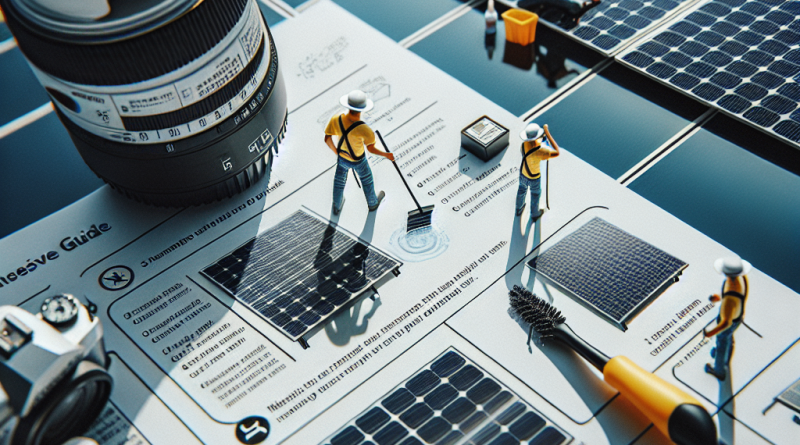
    I’ve tried a few different methods for cleaning my solar panels, and let me tell you, not all methods are created equal. The safest way I’ve found is using a soft brush and water. It’s gentle enough not to scratch the surface, yet effective at removing dirt.

    Another method I sometimes use is a spray cleaning solution designed for solar panels. Just make sure it’s environmentally friendly. Nobody wants to mess with that!

    Seriously, avoid using harsh chemicals or pressure washers. They might seem like a swift solution, but they can cause long-term damage to your panels.

    DIY vs. Professional Cleaning

    This is a big question I had when I started: should I DIY or hire a pro? I’ve done my own cleaning several times, and while it’s certainly cost-effective, I learned that it can also be time-consuming and risky.

    If you’re up on your roof, safety should be your top priority. Always wear proper gear, and if you’re feeling iffy about it, just call in the pros. They have experience and the right equipment!

    In the end, it boils down to your comfort level and how much time you want to spend. Personally, I mix it up. I do some basic cleaning myself but hire pros for annual deep cleans.

    Tools and Supplies Needed

    For my DIY cleanings, I keep things pretty simple. I use a soft-bristle broom, a bucket of soapy water, and a garden hose. That’s pretty much my cleaning toolbox!

    If you’re feeling fancy, there are also solar panel cleaning kits available with fancy brushes and squeegees. They work great and make the job a bit easier.

    Just remember to be gentle. Your goal is to clean, not to scrub away your investment!

    Safety Precautions to Keep in Mind

    Climbing Safety

    Being up on a roof can be daunting, right? I freaked out the first time I had to do it! Make sure to wear non-slip shoes and never attempt to clean on a rainy or wet day. Trust me, slipping is the last thing you want to deal with.

    Consider setting up a safety harness or have someone outside with you, just in case. It’s always better to be safe than sorry.

    And if you’re like me and you hate heights, that’s a huge sign to call the pros. There’s no shame in getting help!

    Protecting Your Equipment

    It’s not just about protecting yourself; you’ve got to take care of your panels, too! Before getting started, inspect your panels for any cracks or damage. If you see anything, it’s best to get it checked out before cleaning.

    A tip I learned is to avoid using metal tools. They can scratch your panels, and nobody wants that. Stick with soft materials to keep everything safe.

    Also, if you’re using a ladder, make sure it’s secured. I’ve had a near-miss once when I didn’t double-check, and I learned my lesson the hard way!

    Condition of Your Panels

    Pay attention to how your panels are performing. If you notice a significant drop in output, it might be time for a thorough cleaning. Sometimes, dirt builds up so much that you don’t even realize the panels need attention.

    It’s also worth noting if your panels are in a location that might require more frequent cleaning. For example, if they’re near a busy road, you may find a lot of debris collecting.

    Keep an eye out for bird droppings and leaves—these can really mess with efficiency if left unchecked!

    Regular Maintenance Tips

    Inspecting Your Panels

    Aside from the cleaning, I find it incredibly useful to regularly inspect my solar panels. I usually do a visual check every month or so to see if there’s any debris or dirt. You’ll be surprised how much can accumulate!

    Look for anything unusual. If there are dark spots or discoloration, it might be a sign of mold or mildew, which need to be dealt with promptly.

    A little upkeep can go a long way in ensuring your panels run efficiently!

    Keeping the Surrounding Area Clean

    Don’t forget, the area around your panels can wreak havoc on their cleanliness too. Trim any overhanging branches that might drop leaves or twigs onto your panels. I learned this the hard way when I had to do a deep clean thanks to my lovely tree!

    Also, consider landscaping the area to minimize debris. I added some gravel around my setup to help keep things cleaner.

    Regular yard maintenance can greatly reduce the amount of material that gets blown up onto your panels.

    Monitoring Performance

    Lastly, I highly recommend keeping an eye on the performance of your solar panels. Many systems have monitoring tools that can show you how much energy you’re generating. If you see a drop, that’s a sure sign it’s time for a cleaning!

    Making a habit of checking the performance can save you from future headaches. I discovered this tool and it’s been a game changer for my maintenance schedule!

    Staying proactive ensures you’re getting the most out of your investment without any unpleasant surprises.

    FAQ

    1. How often should I clean my solar panels?

    Generally, it’s a good idea to clean them at least twice a year, but if you live in a dusty area, you might need to do it more often.

    2. Can I use a pressure washer on my solar panels?

    No, it’s best to avoid pressure washers because they can damage the panels. Stick to soft brushes and water for cleaning!

    3. Is it safe to clean solar panels myself?

    It’s safe as long as you take proper precautions! Make sure you have safety gear and are comfortable on a roof.

    4. What tools do I need for cleaning solar panels?

    A soft brush, bucket of soapy water, and a garden hose are usually all you need. You can also find specialized solar panel cleaning kits if you prefer.

    5. What should I do if I notice damage on my solar panels?

    If you see any cracks or damage, it’s best to contact a professional to assess the situation before cleaning.

  • Solar Panel Efficiency: Boost Your Power Output

    Solar Panel Efficiency: Boost Your Power Output

    Understanding Solar Panel Basics

    What is Solar Energy?

    First off, let’s chat about what solar energy actually is. It’s basically energy from the sun that’s converted into thermal or electrical energy. Crazy right? We’re harnessing the power of that fiery ball in the sky! Most commonly, we use photovoltaic cells in solar panels to convert sunlight directly into electricity. It’s like magic, but better—because it’s science!

    The sun emits energy in the form of light, and when this light hits a solar panel, it knocks electrons loose from their atoms within the panel’s material, usually silicon. This flow of electrons is what we capture as electricity. With enough energy from the sun, I can power my gadgets, heat my home, and even charge up my electric vehicle! How cool is that?

    Understanding these basics is super important because knowing how solar energy works helps you appreciate the efficiency ratings of different panels out there. Not all solar panels are created equal, and their efficiency can vary significantly!

    How Does Efficiency Work?

    When we talk about efficiency, we’re essentially discussing how effectively a solar panel converts sunlight into usable electricity. The efficiency percentage indicates how much of the sunlight hitting the panel is turned into energy we can use. For example, a solar panel with 20% efficiency converts 20% of the sunlight into power.

    I remember the first time someone explained this to me; it felt like a lightbulb went off in my head (no pun intended). Less efficient panels mean that you might need more of them to generate the same amount of electricity as fewer, more efficient ones. This efficiency measure is essential when it comes to maximizing the space and reducing costs in the long run.

    We also need to consider factors such as temperature and angle of sunlight. These can affect how much sun hits your panels, which in turn can impact their efficiency. So there’s a lot at play here!

    Factors Influencing Efficiency

    There’s more that comes into the mix. Things like the materials used in the panel, the design, and even the technology behind it. High-quality materials can lead to better performance. In my experience, investing in a good-quality panel typically pays off over time.

    Then there’s the technology. Monocrystalline panels are generally more efficient than polycrystalline ones when it comes to converting energy. But they come at a higher cost. It’s all about balancing quality with budget. In my humble opinion, it’s worth splurging a bit for better tech.

    Lastly, we can’t forget proper installation. If your panels are tilted at the wrong angle or installed in a shaded area, you’ll lose out on efficiency even if you have high-quality panels. So be thoughtful about their placement!

    Choosing the Right Solar Panel

    Types of Solar Panels

    Here’s where things get interesting. There are three main types of solar panels out there: monocrystalline, polycrystalline, and thin-film. Monocrystalline panels are the top dogs in terms of efficiency and space-saving. They’re sleek but come with a steeper price tag.

    Polycrystalline panels are the budget-friendly option. Often, they are less efficient and take up more space, but they do the job and are often a solid choice for residential use when you have ample roof space. Then you have thin-film panels, which are light and flexible, but generally less efficient. They work better in specific applications, like if you’re looking for something portable.

    Understanding these types lets you make informed decisions based on your needs—whether you want maximum efficiency or a more budget-conscious option.

    Assessing Your Energy Needs

    Before you dive in and choose, consider your energy consumption. I suggest keeping track of your electricity bills to gauge how much energy you use on average each month. This info helps determine how many panels you might need to go solar effectively!

    Some people find that they want to power their entire home, while others are just looking to offset a portion of their energy costs. It’s super important to align your solar panel choice with your actual needs as this directly impacts your investment.

    And don’t forget to think ahead! If you plan to expand your energy use later (like adding that electric car), it might be wise to invest in a system that can grow with you. Trust me from experience; it’s a lot easier than retrofitting later on!

    Evaluating Warranties and Lifespan

    As I started my solar journey, I quickly learned that not all solar panels are born with the same longevity. Most reputable brands offer warranties that can range from 10 to 25 years. A longer warranty often indicates a manufacturer’s confidence in their product. My motto? Go for companies that stand by their gear!

    The lifespan of solar panels also varies based on quality and care. Typically, you can expect panels to perform well for 25 years or more, but it’s crucial they’re maintained properly. A good cleaning every so often can help—you’d be amazed at how grime can impact efficiency!

    It’s also wise to check if your solar panel comes with a performance warranty, which guarantees a certain level of power production over the years. This aspect has saved me quite a bit of hassle down the line.

    Maximizing Energy Output

    Optimal Placement and Angle

    This one’s a game-changer. The tilt and orientation of your panels can make a significant difference in power output. In my experience, finding the right angle can boost efficiency dramatically. In general, south-facing panels in the northern hemisphere capture the most light, but every installation is unique and might need adjustments.

    Consider consulting with a professional for a solar assessment. They can give you insights specific to your home that will help you maximize energy output with the sun’s path considered. Finding that sweet spot might take a bit of effort, but once you do, it’s well worth it!

    Remember, as seasons change, so does the sun’s position in the sky. If you want to go the extra mile, some systems even allow for adjusting the angle throughout the year to keep optimizing performance. Pretty nifty, huh?

    Regular Maintenance and Cleaning

    A little TLC goes a long way. Just like I often forget to clean my gutters, it’s easy to forget about cleaning your solar panels. Dust, dirt, and bird droppings can really lower efficiency. It’s smart to check in on your panels periodically, especially after big storms or dust storms.

    If you live in a particularly dusty area, you might want to set up a regular cleaning schedule. A simple rinse with water or using a soft brush can work wonders. I’m always surprised at how much cleaner panels work when they’re…well, clean!

    Also, don’t overlook the importance of checking for any shade that might creep in from the trees or buildings nearby. As things grow, they can obstruct light, cutting into your solar gains!

    Monitoring Performance Regularly

    Technology nowadays makes it easier than ever to keep tabs on your solar output. Many systems come with monitoring apps that allow you to see how much energy is being produced in real-time. It’s like a video game for your energy usage, and I get super pumped checking my stats!

    I’ve noticed over time that consistent monitoring helps identify any potential issues before they escalate. If you see that your panels aren’t producing as much power as usual, it might be time to investigate. Trust me, catching these problems early saves a ton of headaches.

    Consider integrating your solar production data with your home energy management system. This type of holistic approach helps maximize your energy use and can lead to even greater savings on your utility bills!

    Understanding Incentives and Financial Options

    Government Solar Incentives

    Let’s face it: solar isn’t just a feel-good energy choice—it’s also a financial investment. Luckily, governments offer various incentives to help ease the upfront costs. Here in the U.S., for instance, the federal solar tax credit allows you to deduct a significant portion of your installation costs on your tax return. And that is nothing to sneeze at!

    Each state also has its own incentives, so it’s smart to do your research based on where you live. Some areas offer rebates or even performance payments based on how much energy you generate. It might take a bit of digging, but finding those incentives can mean saving thousands!

    Don’t forget to check if your local utility has any programs or incentives as well. Some are incredibly generous and may even offer to buy excess energy back from you through net metering. Cha-ching!

    Financing Options Available

    If upfront costs are a concern, don’t fret. There are numerous financing options available. I looked into several plans, including solar loans that allow you to pay off your system gradually. Many homeowners prefer this route because it lets them benefit from solar savings before the loan is fully paid off.

    Leases and power purchase agreements (PPAs) are other alternatives where you can go solar with little to no upfront investment. You basically pay for the energy your system produces, and maintenance is typically covered by the provider. Just know that you won’t own the system outright, which can be a turn-off for some.

    It’s beneficial to compare these options and see what financial fit makes the most sense for your situation. It’s a significant financial decision—make sure you’re comfy with your choice!

    Potential Savings Over Time

    Let’s cut to the chase: going solar can save you serious cash over time. I was shocked at how much my energy bills dropped after I installed my system. The initial investment can feel steep, but the long-term savings are worth it.

    Imagine not having to deal with rising electricity rates because you produce your own energy! Many folks see a return on investment in as little as five to ten years, and then the savings are pretty much all gravy. Plus, your home’s value may increase because, let’s be real, who doesn’t love the idea of being energy-independent?

    Remember to factor in the lifespan of your solar system. With proper care, you can enjoy decades of savings and a return on that investment for years to come. What’s not to love?

    FAQ

    1. What is the average efficiency of solar panels?

    On average, solar panels range from around 15% to 22% efficiency, with higher-end models pushing past that. The efficiency depends on the type of solar panel and the technology used.

    2. How much can I save on my electricity bill with solar panels?

    It really depends on your energy consumption and local energy rates, but many people see reductions of 50% or more on their electricity bills after switching to solar!

    3. Do solar panels work in cloudy weather?

    Yep! Solar panels can still produce electricity on cloudy days, though their output will be lower compared to sunny days. They’re a smart investment in diverse weather conditions.

    4. How often do solar panels need maintenance?

    Generally speaking, solar panels require minimal maintenance. I recommend checking them a couple of times a year for dirt or debris and giving them a good cleaning if needed.

    5. What happens to solar panels at the end of their life?

    Most solar panels are designed to last 25 years or more. At the end of their life, they can often be recycled, with many components reused in new panels or other products!

  • Solar Panel Output Guide

    Solar Panel Output Guide

    Understanding Solar Panel Output

    What is Solar Panel Output?

    You might have heard the term “solar panel output” thrown around, but what does it actually mean? Well, simply put, solar panel output refers to the amount of electricity a solar panel can generate under specific conditions. It’s measured in watts, and this can vary based on a few factors, like the panel’s efficiency and the amount of sunlight it receives. Getting a grasp on this concept is super important if you’re considering solar energy for your home or business.

    In my experience, knowing how to evaluate solar panel output can save you a ton of time and money down the road. Once you know what you’re working with in terms of output, you can make more informed decisions about which panels to invest in, what your energy needs look like, and how much you can potentially save on your electricity bill.

    To put it simply, solar panel output is all about efficiency – how effectively the solar cells convert sunlight into usable energy. The better the output, the more bang you’re getting for your buck when it comes to your investment in solar energy.

    Factors Influencing Output

    The Role of Sunlight

    Alright, let’s dive into one of the biggest players in the game: sunlight. Not all sunlight is created equal, and the intensity and duration of sunlight can greatly impact how much power your solar panel produces. So if you’re thinking about installing solar panels, checking your local weather patterns is a smart first move.

    In my neck of the woods, sunny days are plentiful, which makes solar energy super attractive. However, I know folks who live in cloudy regions and may not get the same benefits. It’s essential to assess your local climate and understand how that sunlight plays into your output expectations. Sunlight quality matters!

    Don’t forget seasonal changes, either. In winter months, for instance, the angle of the sun shifts, and that can affect how much sunlight your panels get, even if there is a clear sky. Knowing all this helps paint a clearer picture of what kind of output to realistically expect from your setup.

    Choosing the Right Solar Panels

    Comparing Different Solar Technologies

    When it comes to choosing solar panels, it can feel a bit overwhelming, right? There are several types of solar technologies out there – mainly monocrystalline, polycrystalline, and thin-film. Each comes with its own pros and cons, so let’s break it down.

    Personally, I’ve had great luck with monocrystalline panels. They tend to be the most efficient and take up less space, which is fantastic if you’re dealing with a smaller roof. On the flip side, polycrystalline panels are generally more affordable but are a bit less efficient. It’s about finding that sweet spot between budget and output that fits your needs!

    Thin-film panels might appeal to those looking for flexibility and portability, but do keep in mind they often have lower efficiency rates. It’s all about understanding what you’re after in your solar panel setup. Once you make the right choice, it can significantly boost your energy output and efficiency.

    Installation Impact on Performance

    The Importance of Professional Installation

    So, here’s the deal: you can have the best solar panels in the world, but if they’re not installed correctly, you won’t get the output you’re counting on. I can’t stress enough how crucial it is to use a qualified professional for your installation. It’s one of those things where you really do get what you pay for.

    During my installation process, I opted for a reputable company with reviews that spoke to their efficiency and craftsmanship. Having experienced individuals handle the tricky bits meant I didn’t have to worry about potential mistakes or misalignments that could cost me in energy efficiency.

    Don’t skimp out on installation communication, either! Make sure the installers explain the placement of the panels to capture the most sunlight. You want to optimize your output, and a little misalignment could lead to significant energy losses over time.

    Monitoring and Maintenance

    Keeping an Eye on Performance

    Last but definitely not least, we need to talk about monitoring and maintaining your solar panels. Just like a car needs regular oil changes and check-ups, your solar panels need a little love, too! Keeping an eye on their performance is key to ensuring they’re operating at their best.

    I have a monitoring system installed that tracks my energy usage in real time. This allows me to notice any dips in production right away, so I can call a professional if something seems off. Getting that proactive approach can save you money and stress in the long run.

    Also, don’t forget about cleaning your panels! Dust and debris can build up and reduce their efficiency. A good rinse from a garden hose or a gentle brush can make a world of difference. Regular maintenance means better performance – it’s a win-win situation!

    Frequently Asked Questions

    1. How much energy can I expect my solar panels to generate?

    The energy output of your solar panels depends on various factors such as location, weather, and the type of panels you choose. On average, a typical solar system can generate between 250 to 400 watts per panel.

    2. Do solar panels work in cloudy weather?

    Yes! Solar panels can still generate electricity on cloudy days, although at a reduced output compared to sunny days. They are designed to capture diffuse sunlight, so you’ll still benefit from solar energy.

    3. How long do solar panels last?

    Most solar panels have a lifespan of about 25-30 years. With proper maintenance and monitoring, they can continue to produce significant amounts of energy even beyond that timeframe.

    4. What happens if my solar panels don’t produce enough energy?

    If your panels aren’t producing enough energy, it’s essential to troubleshoot the issue. Check for obstructions, ensure they are clean, and monitor performance through your system’s tracking app. If issues persist, calling a professional for an inspection is a smart move.

    5. How much maintenance do solar panels require?

    Solar panels are fairly low-maintenance, but it’s important to clean them regularly and have them inspected by professionals every few years to ensure optimal performance.