Tag: panel installation

  • What You Should Know About Solar Panel Installation Costs

    What You Should Know About Solar Panel Installation Costs

    Understanding Solar Panel Pricing

    The Basics of Solar Panel Costs

    So, let’s kick it off by breaking down the basics. When you consider installing solar panels, the first thing that might pop into your head is the price tag. It’s important to know that the cost of solar panels varies widely depending on several factors—like the type of panel, the size, and even your location. The more you learn, the more you can make an informed decision!

    Generally, solar panels can cost anywhere from $15,000 to $30,000 for a standard home installation. But hang on! This doesn’t mean you should just shy away. There are federal and state incentives that can knock off a huge chunk of that cost, which ultimately makes it much more affordable.

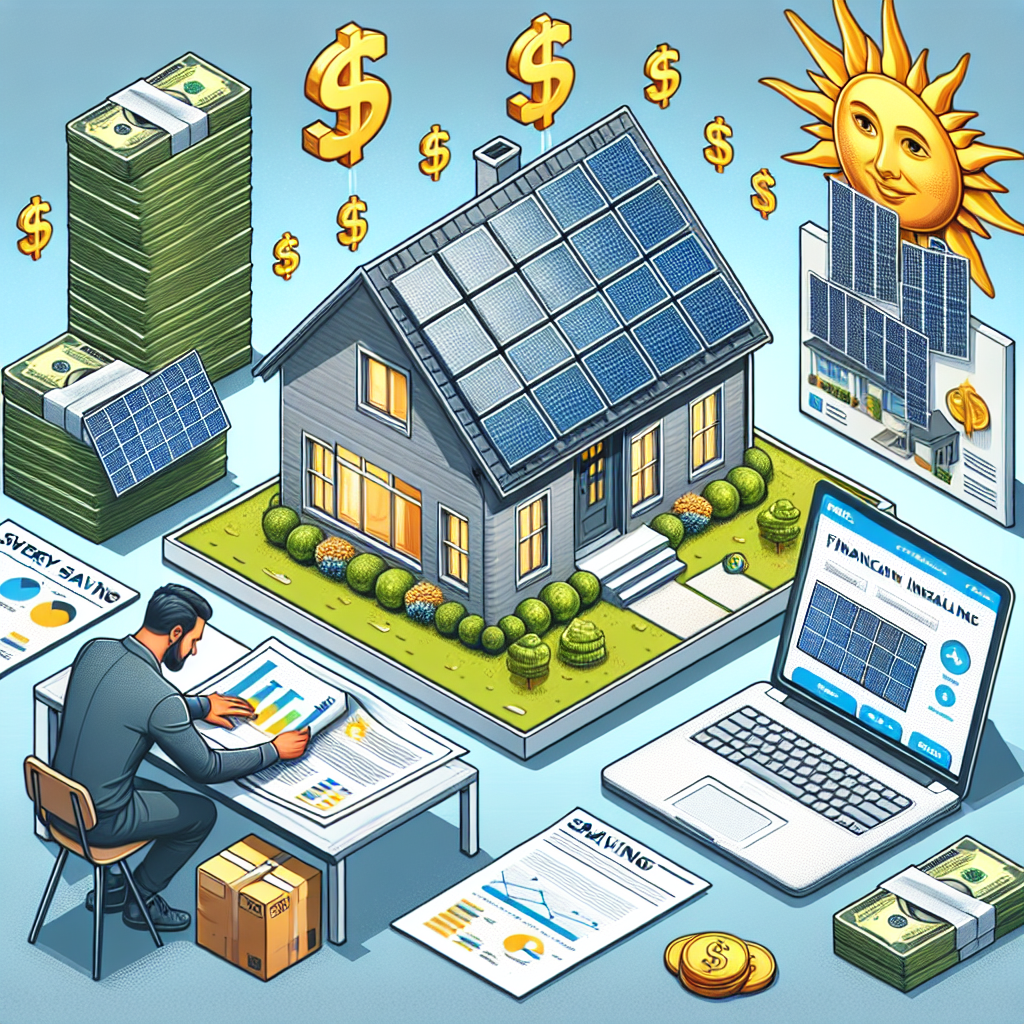
    Plus, consider the long-term savings. After installation, your electric bill could shrink dramatically, giving you back more money over time than you spent on the panels in the first place!

    Costs Beyond the Panels

    Now, let’s talk about the costs that don’t involve the panels themselves. You may not realize that the installation process can also have quite a few expenses attached to it. From labor costs to permits, these can add up more than you might think. It’s crucial to budget for these hidden costs.

    Labor costs can vary greatly depending on the company you hire. Some companies may charge what seems like a fortune, while others have competitive rates. It’s all about shopping around, getting quotes, and factoring in the quality of work they promise.

    Don’t forget about permits! In many areas, you’ll need a permit to install solar panels, and that’ll come with its own fee. Each jurisdiction has different rules, so it’s a bit of a treasure hunt figuring that part out.

    Financing Options

    Financing is a huge piece of the puzzle, and trust me, it can change how you view those upfront costs. There are plenty of ways to make solar more accessible financially. You can choose to purchase your panels outright or opt for financing options like solar loans or leases.

    Solar loans typically have lower interest rates than personal loans, and they allow you to own the system outright after a few years, which can be quite a game changer. Plus, owning the system means you’ll benefit from those electric bill savings directly!

    Leasing, on the other hand, means you’ll pay a monthly fee to use the panels without ever owning them outright, which can lower your initial costs significantly. Just know you’ll miss out on some incentives, as the leasing company usually takes those benefits.

    Comparing Installation Companies

    <h3;Choosing the Right Installer

    Honestly, this one might just be my favorite part—picking the team that’ll install your panels! This decision impacts your overall experience and cost. Research is crucial; I can’t stress that enough. Look at reviews, ask around, and don’t hesitate to ask for quotes from multiple companies.

    When you compare, it’s not just about the lowest price—though that’s tempting! Look at experience, guarantees, and what they offer in terms of maintenance. You want to ensure you’re getting quality work that’s going to last you for years.

    And remember: the cheapest isn’t always the best. Sometimes, spending a little extra upfront can save you a ton in repairs down the line. It’s a relationship that should feel solid, because you’re trusting them with your investment.

    <h3;Checking Credentials

    Along with comparing prices, double-check credentials! Ensure your installer is licensed and insured; otherwise, you might find yourself in a pretty sticky situation if something goes wrong. The last thing you want is to have someone installing equipment on your roof who isn’t properly qualified.

    Check for accreditations from trusted organizations, such as the North American Board of Certified Energy Practitioners (NABCEP). This shows they’ve met certain standards in the field. Basically, you want someone who knows what they’re doing up there!

    And don’t be shy about asking for references. A trustworthy company will have happy customers willing to sing their praises. It’s nice to hear from someone that’s walked a mile (or ten) in those shoes before you.

    <h3;Warranty and Service

    Make sure to thoroughly discuss warranty options. A long and comprehensive warranty on both the panels and the workmanship is a great indication of the quality of the install. You don’t want to install solar panels, only to find out a year in that they’re faulty or something is amiss.

    Most panels come with warranties that last from 25 years to lifetime, but the installation warranty can vary significantly. Ensure you clearly understand what’s covered, for how long, and what steps to take if an issue arises.

    Customer service matters too! If something goes wrong, you’ll want a responsive team ready to fix whatever needs fixing. That peace of mind is worth its weight in gold!

    Tax Incentives and Rebates

    <h3;Understanding Your Tax Credits

    Alright, here’s where things get exciting! Tax incentives can significantly offset the cost of installation and help make solar power a reality for many people. The federal solar tax credit, for example, allows you to deduct a large percentage of your solar installation costs from your federal taxes, which can lead to substantial savings at tax time.

    Each year the percentage fluctuates, so staying informed on what’s available means you won’t miss out. It’s always smart to consult with a tax professional to maximize those benefits based on your situation.

    And trust me, navigating these tax credits can feel like dodging obstacles in a video game; it pays to be careful and stay sharp!

    <h3;State and Local Incentives

    Don’t forget that many states and even local utilities offer additional rebates and incentives for solar panel installation. Some states have their own tax credits, while others might provide cash rebates based on the size of the system you install.

    In some cases, you might even find programs that offer performance payments, where you get paid for the energy your solar system produces for a certain period. Getting paid to save the planet? I mean, yes, please!

    Researching these state and local options will take some time, but the potential savings can really pay off—pun totally intended!

    <h3;Financing and Grants

    If tax incentives aren’t enough to make the leap, there are green financing options available too. Some banks and credit unions have specific loans for renewable energy projects that come with lower interest rates or special terms tailored for solar installations.

    Additionally, you might find grant opportunities depending on where you live. Some non-profits and government programs provide funding specifically for solar energy installations, which can cut down upfront costs significantly.

    Just remember: always read the fine print! Terms can vary, and you want to ensure you fully understand any obligations or restrictions tied to these options.

    Calculating Your Return on Investment

    <h3;Long-term Savings

    When it comes to solar, calculating your return on investment (ROI) might seem daunting, but it’s totally doable! The most significant savings come from reduced electricity bills—after all, you’re generating your own power.

    Many homeowners start seeing a return on their investment within five to seven years. The savings really add up over the lifetime of your panels, often providing dramatic financial relief in years to come. I can’t stress enough how awesome it is to watch your energy bills shrink!

    Plus, as energy rates continue to rise, you’ll be shielded from those hikes, leading to even more savings over time. It’s like being on a financial rollercoaster, but in a good way!

    <h3;Home Value Increase

    Another fantastic perk to consider is how solar installations can directly impact your home’s value. Numerous studies have shown that homes with solar panels can sell for more than those without—sometimes upwards of $15,000 more on average. That’s a nice cushion if you ever plan to sell!

    Potential buyers are increasingly considering the costs of utilities when house hunting, and if they see that you have solar panels, they might find that a huge selling point. In today’s market, being eco-friendly can be a cherry on top of a great home sale.

    Plus, who wouldn’t want to market their home as green? It’s a win-win all around!

    <h3;Assessment Tools

    Finally, utilize assessment tools and programs available online to estimate your potential savings. There are platforms that calculate how much you’ll save based on your location, energy usage, and even panel production. These tools can offer you projections, which are invaluable when forecasting your finances.

    Remember, these estimates will also consider the costs associated with installation, local incentives, and even future energy rates. It’s like having your solar-powered crystal ball!

    By understanding how all these factors interplay, you can make smarter decisions that benefit both your wallet and the environment.

    Conclusion

    In wrapping this up, I hope you have a well-rounded view of all the costs associated with solar panel installation. From understanding pricing to maximizing incentives, it’s a journey worth taking. The savings and benefits of investing in solar power are immense, and each decision brings you a step closer to a sustainable lifestyle. So what are you waiting for? Dive into the solar world and start exploring!

    FAQs about Solar Panel Installation Costs

    1. How much can I expect to pay for solar panel installation?

    The cost can vary significantly but generally falls within the range of $15,000 to $30,000 for a standard home installation. It’s essential to account for hidden expenses like permits and labor.

    2. Are there any financing options available for solar installations?

    Absolutely! You can purchase panels outright or choose financing options like loans or leases. Many banks offer loans specifically for solar installations.

    3. What incentives should I be aware of when considering solar panels?

    Common incentives include the federal solar tax credit, state tax credits, and various local rebates. These can significantly reduce your upfront costs and improve ROI.

    4. How long does it generally take to see a return on investment with solar panels?

    Most homeowners notice a return on their investment within five to seven years, thanks to lower electricity bills and potential home value increases.

    5. What should I look for when choosing a solar installer?

    Look for credentials, customer reviews, warranties on work and panels, and most importantly, compare quotes from multiple companies to ensure you’re getting a fair deal.
  • Is Solar Panel Installation Worth It? Here’s What to Know

    Is Solar Panel Installation Worth It? Here’s What to Know

    The Financial Benefits of Solar Panels

    Initial Costs and Savings

    When I first considered solar panel installation, the upfront costs seemed daunting. But here’s the deal: even though you’re shelling out a chunk of change initially, the long-term savings often outweigh the costs. In many areas, financial incentives and rebates can help lessen the pinch. It’s like getting a kickback just for switching to renewable energy!

    Think about it: with solar panels, your electricity bills can drastically reduce or even disappear. I remember my first month after installation when the bill was barely there. It felt like I’d struck gold! But don’t forget to do the math based on your location and available incentives; that varies. 

    Beyond just savings, there’s also the improved value of your home. If you’re planning to sell, buyers are often keen on solar energy features. Who wouldn’t want a house that saves them money on utilities? It’s a win-win!

    Tax Credits and Incentives

    One of the coolest surprises I found out while researching solar panels was the tax credits available. The federal solar tax credit allows you to deduct a significant percentage of your solar system costs directly from your federal taxes. This isn’t a loan; it’s a savings—how awesome is that?

    Additionally, many states, municipalities, and even some utility companies offer their incentives. Every little bit counts, right? The landscape of rebates and credits is constantly changing, so it’s worth checking in on what’s available in your area.

    Don’t leave money on the table! If you’re serious about going solar, get familiar with these benefits. They can significantly cut down your financial investment in the long haul.

    Payback Period

    One thing that might concern you is the payback period. This term refers to how long it will take for the savings on your electricity bills to cover the cost of your solar system. From my experience, most systems pay themselves off within 5 to 7 years. That may seem like a long time, but remember, you’re investing in a sustainable future!

    After the payback period, you’re basically enjoying free electricity. Think of all those Netflix binges or late-night snacks you can indulge in without the guilt of rising electricity bills. Calculate your local energy rates and expected energy production to get a clearer picture for your home.

    And for those who like concrete numbers, take your average monthly bill, multiply by 12 for annual costs, and see how it compares to your estimated savings. Trust me, seeing those figures laid out can be super motivating!

    Environmental Impact

    Reducing Your Carbon Footprint

    By now, you’ve probably heard the term “carbon footprint.” Basically, it’s the total carbon dioxide emissions caused by your activities. When I installed solar panels, I felt fantastic knowing I was doing my part to reduce my emissions. It’s like putting a little cape on my back and saying, “Yes, I’m an environmental hero!”

    Solar energy harnesses the power of the sun, which is renewable and abundant. Unlike fossil fuels, solar doesn’t emit harmful pollutants that contribute to climate change. Even small efforts, like installing solar panels, can contribute to a larger movement toward sustainability.

    Every kWh generated reduces the need for energy from traditional sources, which translates into cleaner air and reduced dependence on finite resources. It’s a beautiful cycle, and I’m proud to play my part.

    Long-lasting Energy Solutions

    Solar panels aren’t just a fad; they are becoming a staple of energy solutions. The technology has improved dramatically over the years, meaning they’re more efficient and reliable than ever before. I love having a power source that’s not only renewable but also reliable during those summer sun-soaked days!

    Moreover, as more people adopt solar, we start to see an even greater shift in energy solutions and innovations. Solar storage systems, like batteries, are evolving to help homeowners use their generated energy more effectively, which is so cool!

    Investing in solar panels means you’re ahead of the curve. You’re not just generating electricity; you’re contributing to a movement that encourages innovation and sustainable practices in the energy sector.

    Community Impact

    In my neighborhood, the awareness about solar has definitely increased since I installed my system. It’s like dominoes falling—when one person goes solar, others start to investigate their options. A green community can lead to reduced energy prices and increased local jobs in the renewable energy sector. Isn’t that something we can all vibe with?

    Plus, the more people who go green, the larger the market for renewable energy solutions becomes. This encourages companies to invest in cleaner technologies and can even lead to more community solar programs, where folks share energy generated from a collective solar installation. Teamwork makes the dream work, right?

    Supporting local solar businesses can also boost your local economy. You’re not just making a decision for your home; you’re encouraging a community-wide shift toward better energy practices.

    Installation Process

    Finding a Reputable Installer

    Alright, let’s get down to the nitty-gritty—the installation process! The first step is finding a reputable installer. This is crucial because you need someone who knows their stuff, and who is trusted in the community. I did a ton of research before settling on my installer. Don’t just settle on the first name you find!

    Look for reviews, ask neighbors for recommendations, and check their licenses and certifications. Trust me, taking the time to find the right pro is worth it, even if it means initially getting bids that seem a little high. You’re investing in your home and your future here!

    Once you find an installer, I suggest meeting in person to discuss your expectations and concerns. Getting to know your installer will ensure you’re on the same page throughout the process.

    The Installation Day

    Let’s talk about the big day—the installation! I remember waking up excited (and a bit anxious) to see my solar panels come to life. The crew showed up early, and they were professional and friendly, which eased my nerves. They took care of everything, from permits to final inspections, and it felt so seamless.

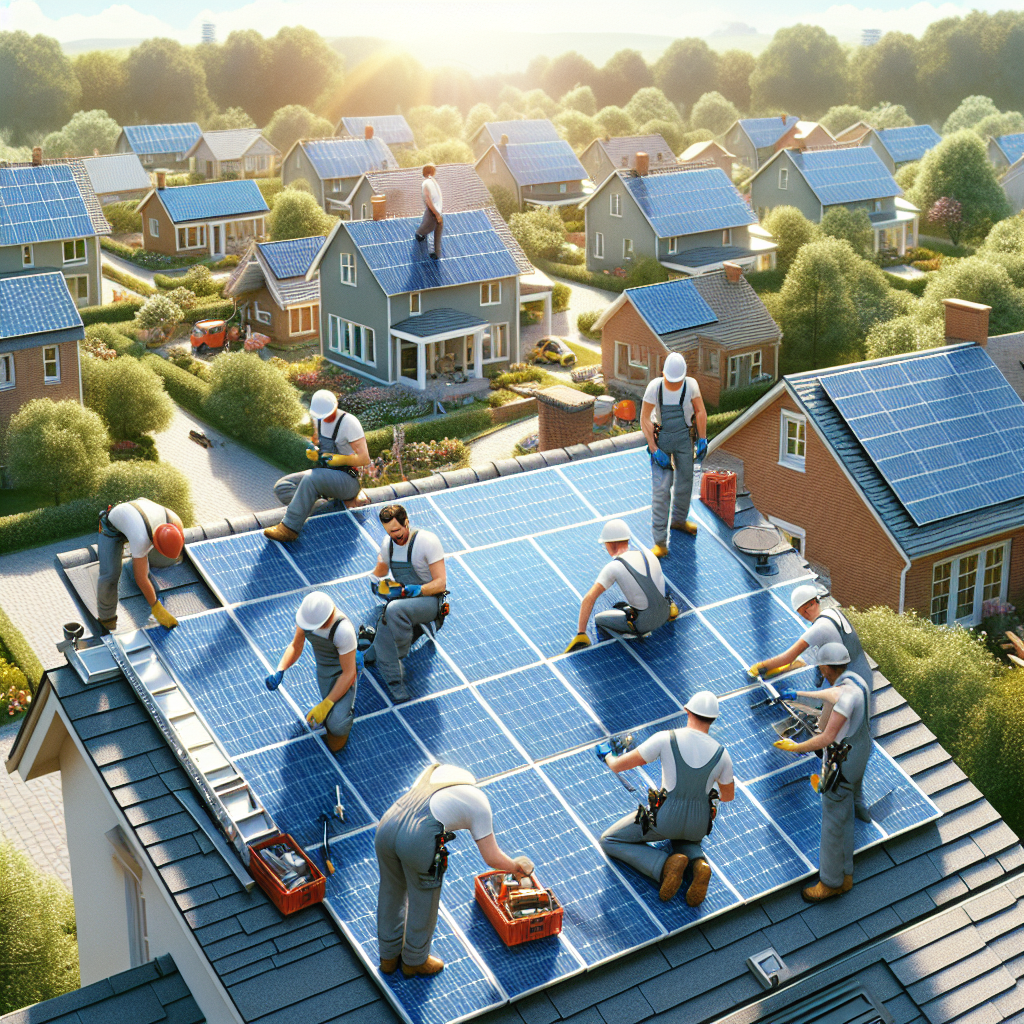
    During the installation, they installed the mounting system first, followed by the solar panels. It was fascinating to watch how it all came together, piece by piece. And just like that, my roof was transformed into a mini power plant! Energy efficiency at its finest!

    By the end of the day, they explained how everything worked and set up my monitoring system. Talk about instant gratification! Seeing the numbers roll in once my system started generating energy was worth every bit of that initial investment!

    Maintenance and Monitoring

    The great thing about solar panels is the minimal maintenance required. Just keep them clean, and they’ll likely last you 25 years or more! I was initially worried about how to maintain mine, but it turns out regular checks are often sufficient. Many installers even provide monitoring tools to ensure everything is running smoothly.

    I’ve found it helpful to occasionally check the performance through the app provided by my installer. You can see real-time data regarding energy production, which is super motivating! If you ever notice a dip in production, a quick call to your installer can help diagnose any issues.

    All in all, maintaining solar panels is a breeze compared to the traditional systems. Combined with the reduced utility bills, I’d say it’s a win-win!

    Final Thoughts

    After weighing all of this, I can genuinely say installing solar panels was one of the smartest decisions I ever made. Not only do I enjoy savings on my bills, but I also get to contribute to a more sustainable world. Sure, there are aspects to consider like upfront costs, installation processes, and maintenance—but the payoff, both financially and environmentally, makes it all worthwhile!

    Thinking about going solar? Do your research, find a stellar installer, and jump in! It’s an investment that aligns with both your wallet and the planet.

    FAQs

    1. How much does it cost to install solar panels?

    The costs vary widely depending on the size of your system, your location, and the installer. However, the average cost in the U.S. can range from $15,000 to $25,000 before incentives.

    2. How much can I save with solar panels?

    On average, homeowners save between $10,000 to $30,000 over the lifespan of their solar energy systems, depending on various factors like local energy rates and how much energy you consume.

    3. What happens if my solar panels don’t produce enough energy?

    If your solar panels aren’t producing enough energy, many users can draw power from the grid, and sometimes go back to their utility provider’s system for the additional energy needed.

    4. Do solar panels require a lot of maintenance?

    No, solar panels require minimal maintenance. Regular check-ups and occasional cleaning are usually all that’s needed to keep your system functioning efficiently.

    5. Can I install solar panels myself?

    While it’s technically possible to install solar panels yourself, it’s not recommended due to safety concerns and local regulations. Hiring professionals ensures your system is installed correctly and safely.

  • How to Finance Solar Panel Installation with Ease

    How to Finance Solar Panel Installation with Ease

    Understanding the Costs

    Breaking Down the Expenses

    When I first looked into solar panel installation, I was kinda overwhelmed by the numbers. It’s super important to understand what goes into that bill. You’ve got the panels themselves, the installation labor, and all those little odds and ends, like wiring and inverters. Trust me, getting a grip on this upfront helps a lot.

    Don’t forget about ongoing costs, too! Maintenance might seem minimal, but it’s important to keep your system running smoothly. Educating myself about these costs cleared so many doubts I had.

    Take the time to ask for detailed quotes from different providers. This helped me see what’s fair and what’s not. Plus, it gives you some bargaining power!

    Initial Installment Versus Long-term Savings

    One of the biggest surprises for me was realizing how solar could save me in the long run. Sure, the upfront costs can be daunting—believe me, I felt that pinch. But when I saw the potential savings on my electric bill and the increasing value of my home, it started to click.

    I like to think of it as an investment. You know, putting down a bit now for a brighter, less expensive future. Plus, with state incentives and rebates, those initial costs can shrink a lot!

    So, weigh it out: it’s not just about what you’re spending today; it’s about what you’re saving down the road.

    Exploring Financial Incentives

    Look, if you’re anything like me, you want to squeeze every penny you can from this deal. So, diving into government incentives was a game changer. I started researching federal tax credits and state offers, and wow, it really adds up!

    One tax credit I found was the Federal Investment Tax Credit (ITC). It allows you to deduct a significant percentage of your solar panel costs from your federal taxes. That was a big win for me!

    In addition to that, some states even have their own bonus programs that can drop the cost even further. I spent an afternoon getting lost in the details, and it was totally worth it.

    Choosing the Right Financing Option

    Cash Purchase Versus Loans

    So there’s a bit of a dilemma here: do you buy outright or finance it? I had to think hard about this one. If you’ve got the cash, buying might save you some interest in the long run. You own those panels free and clear!

    But if you’re like I was—cash flow a bit tight—loans can work out too. Many solar companies offer affordable financing options. The key is finding the one with the best interest rate that fits your financial situation.

    My advice? Always read the fine print and make sure you truly understand the fees involved. You don’t wanna get blindsided down the line.

    Leasing Options

    If cash flow is really an issue, leasing could be your best bet. This option allows you to install solar panels with little to no upfront payment, and you just pay a monthly fee instead.

    Leasing sounded pretty appealing at first. I mean, who doesn’t want the solar benefits without the heavy investment? But keep in mind you don’t own the panels, so you won’t get those sweet tax credits. It’s a trade-off.

    Before leaping into a lease, make sure you understand the terms. It’s worth sitting down with someone to explain all the nitty-gritty details, so you know exactly what you’re signing up for.

    Finding the Right Lender

    Once you’ve decided on how you’re going to finance, finding the right lender is key. Not all lenders are created equal. I spent hours comparing different rates and terms before making my choice.

    Researching online reviews helped me find a lender who spoke my language and wasn’t just tossing jargon around. Customer service is huge in my book; I wanted to make sure I could reach out with questions.

    And don’t forget to ask about their experience with solar financing. Finding someone who knows the ropes can save you a ton of headaches. Trust me; it’s worth it!

    Maximizing Your Savings

    Monitoring Energy Production

    Once those solar panels are up, monitoring their performance is crucial. I always check my energy production online. It’s oddly satisfying to see how much energy I’m generating!

    By keeping an eye on my system, I can spot issues before they turn into bigger problems. Plus, I love tracking my savings month by month—it really energizes my commitment to sustainability.

    Many solar panels come with monitoring apps, and you know I’m all about that tech! Being hands-on helps me stay engaged in the process and keeps me motivated.

    Understanding Your Energy Usage

    A big part of saving money with solar is understanding your energy habits. I took the time to evaluate when I’m using the most energy and adjusted my habits accordingly. For example, doing laundry during the day means I’m harnessing that sunny energy!

    With a little tweaking, you can totally optimize your energy consumption, which means less reliance on the grid and more savings in your pocket. It’s all a balancing act!

    Don’t be afraid to reach out to your local solar provider for tips on optimizing your household energy use. They’ve seen it all and can help you save even more.

    Reevaluating Your Financial Plan

    Finally, I can’t stress enough the importance of reevaluating your financial plan periodically. Sometimes my circumstances change, and I need to reassess whether my current plan is still the best fit.

    Checking in with my lender and discussing options for refinancing helped me lower my monthly payments. Life happens, and it’s totally okay to make shifts to your plan!

    Staying proactive about my finances has empowered me to make the most of my solar investment, and I encourage everyone to do the same!

    FAQs

    1. What are the main costs associated with solar panel installation?

    The main costs include the solar panels, installation labor, equipment like inverters and wiring, as well as ongoing maintenance. It’s essential to get detailed quotes for a clearer picture.

    2. Is it better to buy solar panels outright or finance them?

    It depends on your financial situation. Buying outright can save you from interest costs, while financing options can help if cash flow is tight. Always weigh the pros and cons before deciding.

    3. What incentives are available for solar panel installation?

    There are federal tax credits, state rebates, and sometimes local incentives as well. Researching these can significantly impact your overall costs.

    4. What should I look for in a solar lender?

    Look for competitive interest rates, positive customer reviews, and experience in solar financing. It’s also crucial to gauge their customer service approach to ensure they can support you throughout the process.

    5. How can I maximize my savings after installing solar panels?

    Monitor your system’s performance, understand your energy usage, and regularly reevaluate your financial plan. Make adjustments as necessary to ensure you’re getting the most out of your solar investment.

  • How to Plan Your Solar Panel Installation on a Budget

    How to Plan Your Solar Panel Installation on a Budget

    Step 1: Assessing Your Energy Needs

    Understand Your Power Consumption

    First things first, if you’re considering solar panels, you gotta know how much energy you use. Check your electricity bills from the last year, and this is where the digits come in handy. It’s not just about the monthly bill; you need to peek into your highest usage months and average it out. This gives you a solid baseline to work from.

    Then, take a closer look at the gadgets and appliances in your home. How energy-efficient are they? Are you running old-school appliances that guzzle power? Knowing this lets you set realistic goals for your solar panel setup. It’s like cleaning out your closet before going shopping – get rid of what you don’t need, and you’ll have a clearer picture of what you truly use.

    Lastly, consider possible changes in your lifestyle. Are you planning to add electric vehicles or more gadgets in the near future? If yes, factor that into your energy needs. It’s all about forecasting so your solar investment pays off!

    Evaluate Your Home’s Solar Potential

    Next, find out if your home is prime real estate for solar panels. Look at your roof – is it angled, how much sunlight does it get, and are there pesky trees or buildings casting shade? Clear roofs with max sunlight exposure are golden for solar energy. You might want to grab a compass app to check how well your roof faces the sun.

    Don’t forget about your local climate. If you’re in a place that’s cloudy most of the time, your output might take a hit. But don’t despair; even some cloudy days can get you a decent solar output. Just be sure to understand what your specific conditions could mean for your potential solar savings.

    If you’re unsure, consider hiring a professional for a solar assessment. They can give you all the nitty-gritty details on what to expect. This can save you time and money in the long run while setting you up with realistic expectations.

    Calculate Your Budget for Installation

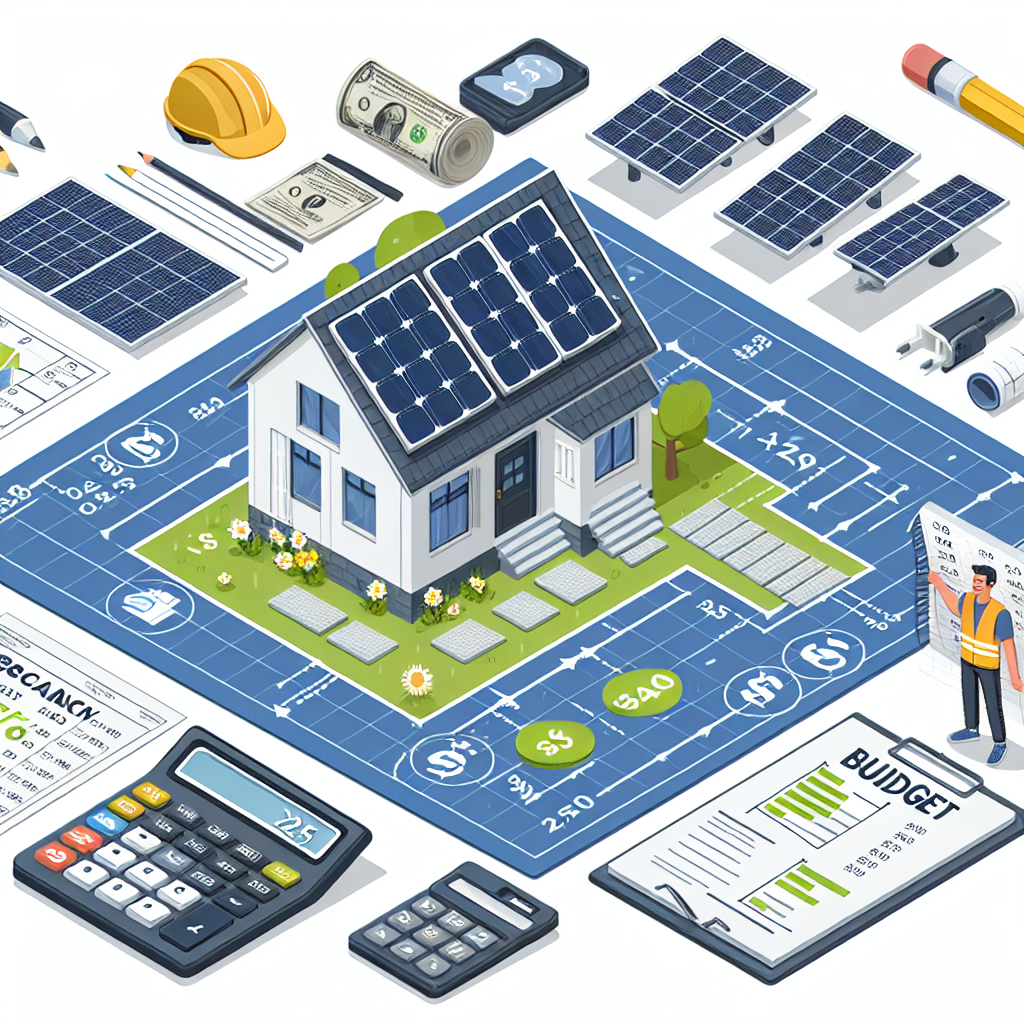
    Now we’re getting to the fun part – money! Sit down and sketch out your budget. Determine how much you can realistically spend. Remember, going solar is an investment, and while there are upfront costs, it can lead to significant savings over time. You just want to be sure you aren’t completely breaking the bank at the outset.

    Once you have a ballpark figure, research the various costs. Get quotes from multiple solar companies and ask about financing options like payment plans or loans. They’ll usually run some promotions that could help ease your initial investment.

    A little tip from me: always be wary of deals that seem too good to be true. They might come with hidden costs later on that can make your budget go out the window. You want a firm quote that covers all the bases. Transparency is key!

    Step 2: Research Solar Incentives

    Explore Tax Credits and Rebates

    You’re gonna want to dive deep into what incentives are available in your area. Many states offer tax credits or rebates for solar panel installations that can significantly reduce your costs. This is like finding money you didn’t know you had! So, definitely check your local government website or talk to your solar installer about available options.

    Besides the federal tax credit, some local utilities even offer rebates. It’s like a little score on top of your savings! These incentives can make the difference between a big investment and a more manageable one. So make sure to grab every cent available.

    Sometimes, even nonprofit organizations offer programs that help low-income households transition to solar. So whether you’re wealthy or living paycheck to paycheck, don’t shy away from searching for assistance.

    Consider Financing Options

    If upfront costs are daunting, don’t fret – there are financing options out there. Solar loans can be a lifesaver! Typically, these loans will allow you to pay for the installation over time. And guess what? Many offer competitive interest rates compared to traditional loans.

    Leases and Power Purchase Agreements (PPAs) are also viable options. With these, you can have solar panels installed at little to no upfront cost, and you simply pay for the electricity produced—often at a lower rate than your utility provider. It’s a way to go solar without putting a dent in your savings.

    As always, read the fine print! Know how long commitments are and the costs involved. The last thing you want is to lock yourself into a deal that doesn’t feel right later on. Take your time to find what works best for you!

    Look Into Community Solar Programs

    If solar panels on your own roof feel like a long shot, community solar programs are a fantastic alternative. These programs allow you to buy into a shared solar array in your area. It’s like being part of a solar club where everyone benefits from cleaner energy! Plus, it typically requires much less upfront cost than installing a system at your home.

    Joining a community solar program can connect you with other likeminded individuals who are also looking to save on energy costs. It’s not just about money; it’s about building a sustainable community. You’ll often secure fixed savings on your electricity bills over time, making it a win-win!

    Also, check if your local programs offer informative sessions or meet-ups so you can learn the details and benefits firsthand. Being part of a community makes the whole process a lot more fun and engaging, trust me!

    Step 3: Choose the Right Solar Installer

    Research and Compare Installers

    Alright, so now you’ve got your budget and incentives all lined up. The next step? Finding the right installer. Not all solar companies are created equal. It’s important to do your homework! Ask for recommendations from folks in your area who’ve gone solar, or check out online reviews and ratings.

    Get multiple quotes, and do not shy away from asking questions. What type of panels do they use? Are they certified? What is their warranty policy? All of these questions can lead you closer to a reliable installer and ultimately a successful installation.

    And don’t forget to check their experience! Companies with years of service under their belt often provide more quality assurance. You want someone who knows the ropes and won’t leave you high and dry!

    Assess Quality and Warranty Offers

    While price is key, the quality of the product and the warranty needs some serious thought too! High-quality solar panels might come with a higher initial price, but they’ll often pay off in the long run with efficiency and longevity. Check the manufacturer’s warranty – it should ideally be at least 25 years!

    Additionally, review the installation warranty. This covers potential issues related to installation defects, and you want that peace of mind as you’re putting a major investment into your home.

    It’s worth it to pay a bit more for quality equipment and installation. Your future self will thank you when your solar panels are performing at their best for decades to come!

    Get Everything in Writing

    Now, once you’ve found your installer, make sure to get all the details in writing. And I mean everything! This should include project timelines, warranties, payment schedules, and scope of work. You want to avoid ambiguous agreements that can lead to misunderstandings down the line.

    Having a written agreement ensures that both you and the installer are on the same page. If something goes awry, you have that document as a reference. It’s like having a recipe – you want to have all the details lined up for the best results.

    Take your time reviewing everything and don’t hesitate to ask for clarifications if something doesn’t sit right with you. This is your investment after all, so it’s worth the extra hassle to make sure everything’s crystal clear!

    Step 4: Execute Your Installation Plan

    Prepare Your Home for Installation

    Before the big day, it’s time to prep your home. Clear any areas around where the installers are going to work. Trust me, they’ll appreciate having a clean workspace, and it makes the job go smoother.

    If you need to make any structural changes to your roof to support solar panels, now’s the time. Speak with your installer to ensure they’re on board with any modifications necessary for a proper fit.

    Also, keep in mind to be flexible with the timeline. Weather and other logistical issues can delay the installation process, so account for a bit of leeway in your plan!

    Communicate Effectively with the Installer

    Once installation day rolls around, maintain open lines of communication with your installer! If you have concerns or questions while they’re setting things up, voice them immediately. This not only fosters a cooperative atmosphere but also ensures that everything is progressing according to plan.

    Ask for updates and stay engaged in the process. This is your project, and keep in mind it might feel a little overwhelming at times. But a simple chat can help solve issues before they become big problems.

    Check in with the team as they work. You’ll not only gain a better understanding of the installation but also develop a relationship with the team that’s sharing their expertise with you. Plus, it’s cool to see how everything comes together!

    Post-Installation Follow-Up

    After all the hard work is done, don’t forget about the follow-up. Once installed, review the entire system to ensure everything is functioning well. Most importantly, keep an eye on that monitoring system. It’ll help you see how much energy your new setup is producing, and ensure it’s operating efficiently.

    Normally, professional installers will schedule a follow-up visit a few months later. Use that time to ask any lingering questions or troubleshoot issues. It’s also a great opportunity to evaluate any unexpected performance dips that may need attention.

    And hey, once you’re up and running, consider spreading the word about your experience with your installer. Word of mouth can help others, and let’s face it—it feels good to share your solar success story!

    Step 5: Enjoy Your Solar Savings

    Monitor Your Energy Production

    Once everything’s installed, you’ll want to keep tabs on your solar system’s production. Most systems come with an online monitoring tool, making it easy to check your energy output. This allows you to see how much you’re saving compared to your previous bills. It’s an exciting feeling to watch that number drop!

    Check your system regularly. If you notice a significant drop in energy production, it may be time to contact your installer for an inspection. Just like that diary of your energy usage you had before, keeping track will let you know if things are running smoothly.

    Plus, being proactive means you can address any problems early. Keep an eye out, and save yourself from surprise tickets down to the repair shop!

    Calculate Your Return on Investment (ROI)

    An important part of enjoying your newfound energy savings is calculating your return on investment. It’s helpful to run the numbers on how much you’re saving on your electricity bill each month compared to your initial investment. It’s like a little reward for your effort!

    After a few years, you’ll have a clear picture of just how much your solar installation is benefiting you financially. There are online calculators available that can help anticipate your savings and ROI over various time frames. Finding out just how far your solar panels are going for you can be a bright moment!

    In case you’ve gone through solar incentives, make sure you factor those into your overall savings too. The whole investment pays off more than many realize, and you’ll probably be smiling when you see the totals.

    Share Your Experience

    Last but not least, take the time to share your experience with others! Whether through social media or within your community, spreading the word about your solar journey can inspire someone else to take the plunge. Plus, you’ll feel great knowing you’ve contributed to the greater good of the planet by encouraging solar energy adoption!

    Consider writing reviews for your installer, sharing your numbers, and promoting environmental consciousness. You never know who you might inspire. Plus, your success story might just push someone off the fence into going solar themselves!

    All in all, enjoying your solar experience is not just about financial savings; it’s a lifestyle choice that reflects a commitment to sustainability. Embrace it, and celebrate those green choices you’ve made!

    FAQs

    1. How much can I save on my energy bills with solar panels?

    Your savings can vary widely based on your location, panel efficiency, and energy consumption. On average, homeowners can expect to save between 20% to 50% on their electricity bills.

    2. What do I need to consider before installing solar panels?

    Consider your energy needs, roof condition, local regulations, costs, and available incentives. It’s all about making informed decisions from the get-go!

    3. Can I install solar panels myself?

    While it’s technically possible, I wouldn’t recommend it! Professional installation ensures safety, optimal performance, and compliance with regulations. Plus, they often come with warranties!

    4. What happens if my solar panels produce less energy than expected?

    If your solar panels aren’t performing as anticipated, check your monitoring tools and reach out to your installer. Many factors can influence performance, but get help fast to ensure your system runs smoothly!

    5. Are there any maintenance costs associated with solar panels?

    Solar panels are relatively low maintenance! Routine checks are necessary, but cleaning them once or twice a year is typically enough. Just ensure all equipment is functioning properly to avoid future costs.

  • Ultimate Guide to Home Solar Panel Installation

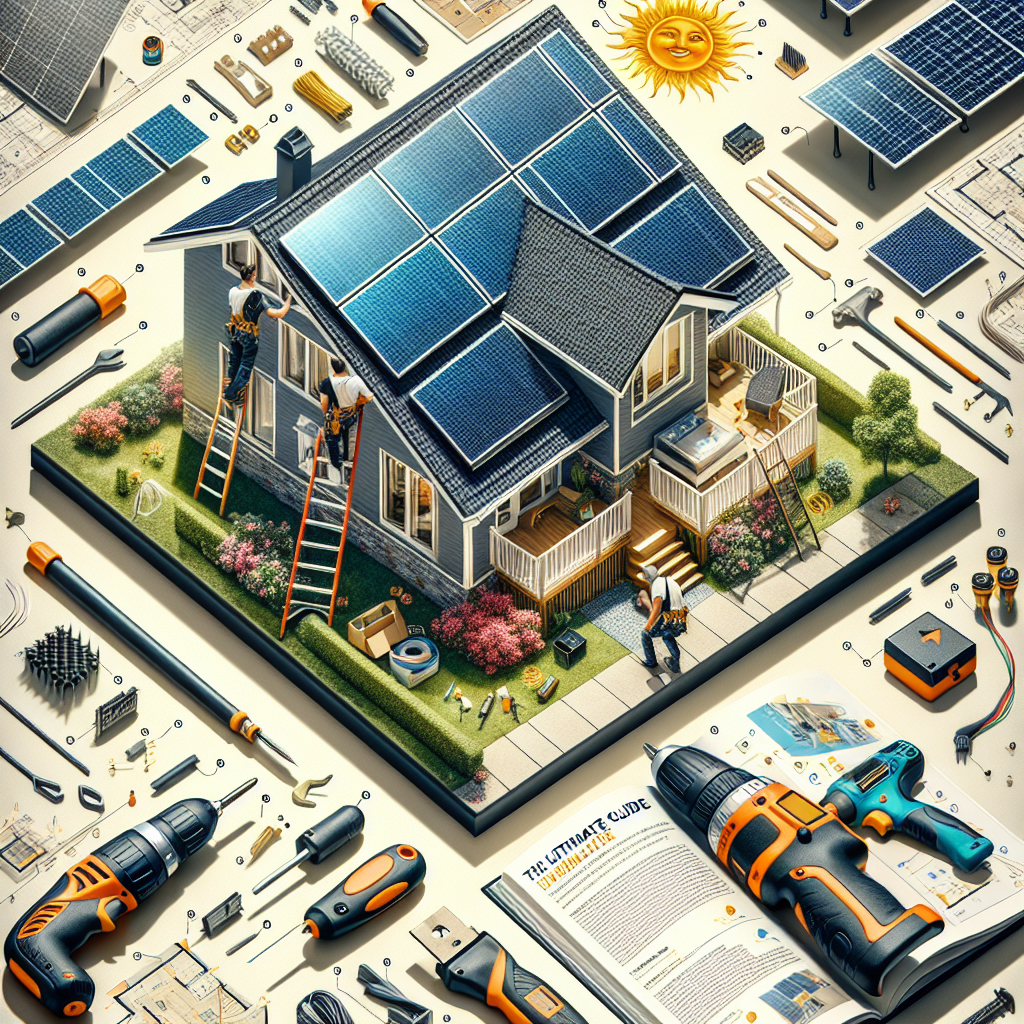
    Ultimate Guide to Home Solar Panel Installation

    Understanding Solar Energy

    What is Solar Energy?

    First off, let’s talk about what solar energy really is. At its core, it’s energy from the sun that can be harnessed and converted into electricity. It’s pretty cool when you think about it – power from a giant ball of gas in the sky!

    When I first learned about solar energy, I was amazed to discover how the sun can power my whole house. It’s sustainable, renewable, and most importantly, it can save you a chunk of change on your energy bills over time!

    Solar panels convert sunlight into electricity through photovoltaic cells, which is a fancy way to say they take the sun’s rays and turn them into usable power. So, essentially, every hour that the sun shines, I’m generating my own electricity!

    The Benefits of Solar Power

    One of the biggest reasons I decided to go solar is the environmental impact. Using solar energy reduces your carbon footprint; it’s a win-win for your wallet and the planet! Plus, as more and more people adopt solar power, it promotes cleaner air and a healthier environment.

    Another perk? Long-term savings. While the initial investment can be a bit hefty, most homeowners eventually see a return on their investment through reduced energy costs. I’m talking about lower electric bills and, often, even credits on your electricity bill!

    Lastly, solar energy can increase your property value. Potential buyers often view homes with solar panels as attractive because they know they can save money on utilities. Who wouldn’t want to buy a house that pays them back over time?

    Common Myths about Solar Energy

    Now, let’s address some common myths because, believe me, I fell for a few before making my move. One of the biggest misconceptions is that solar panels don’t work in cloudy or rainy weather. Fact is, they do still generate power, though efficiency might dip a bit.

    Another myth I encountered was the belief that solar panels are too expensive for the average homeowner. While it’s true that the upfront costs can be significant, incentives like tax credits and grants help to reduce the burden. Plus, financing options have dramatically evolved!

    Lastly, some folks think that solar panels require a lot of maintenance. In reality, they’re pretty low-maintenance. A good cleaning a few times a year to remove dirt and debris is usually all they need. So, don’t let misinformation beat you before you even start!

    Assessing Your Home for Solar Installation

    Evaluating Your Roof

    Before diving into solar, it’s essential to assess if your roof is suitable for installation. When I climbed up on mine, I noticed it had a good south-facing angle, which is perfect for catching sunlight. If your roof is flat or has a steep pitch, don’t worry, options are still open!

    A key factor I considered was the age and condition of the roof. If it needs repairs soon, you might want to tackle that before adding solar panels. Nothing like a fresh roof to go with your shiny new panels!

    Also, think about any obstructions like trees or taller buildings. Shades can significantly impact the effectiveness of solar panels. If you’ve got a cozy oak that’s blocking sunlight, you might need to trim it back or think about panel placement.

    Understanding Your Energy Needs

    The next step is figuring out your energy consumption. I looked through my electric bills for the past year and tracked the usage during different months. It was eye-opening to see when I was using the most electricity.

    Consider what you want to power with solar. Do you plan on just powering your lights, or do you want to run the whole house? Depending on your goals, you might need a larger system. It’s crucial to map this out to avoid any surprises down the road.

    Once I gathered all my info, I used it to size my solar system correctly, ensuring it would meet my needs without overextending my budget. It’s all about balancing what you want and what fits your energy lifestyle!

    Checking Local Regulations and Incentives

    Next up, understanding your local regulations is super important. Different states have different rules about solar panel installations. I did a little research and found out that my town made it fairly easy with clear guidelines.

    Don’t forget to check what incentives or rebates might be available to you. Some states offer significant tax breaks, aside from federal incentives, that can help ease that initial financial burden. Every little bit counts, right?

    Finally, speak with your homeowners’ association (HOA) if applicable. Some places have strict rules about the aesthetics of homes, and it helped me to get clarity upfront rather than facing issues later.

    Choosing the Right Solar Panels

    Types of Solar Panels

    When I first started looking at solar panels, I was completely overwhelmed by the options. There are primarily three types: Monocrystalline, Polycrystalline, and Thin-Film. Each offers different efficiency levels and prices, so finding the right fit for your home and budget is crucial.

    Monocrystalline panels, for instance, are more efficient and take up less space, which is great if your roof isn’t huge. But they can be a bit pricier. Meanwhile, Polycrystalline panels are cheaper but typically take up more room and aren’t quite as efficient.

    Consider how much roof space you have and what your budget is when choosing. It helped me a lot to make a pro-con list for each type, considering my energy needs and financial situation!

    Finding a Reputable Installer

    Your installation company can make all the difference in the world. I knew I needed to find a trustworthy installer who had solid reviews and good customer service. Ask around, read online reviews, and look for referrals to find the right fit.

    Make sure they’re licensed and insured. This is pivotal in case anything goes wrong during installation. The last thing you want is an unlicensed company that leaves you on the hook for damages!

    Then, get multiple quotes! I gathered estimates from a few installers, which gave me a better sense of the price range and services offered. Seeing the costs laid out helped me make an informed choice without feeling rushed or pressured.

    Understanding Warranties and Performance

    Warranties are a biggie when investing in solar panels. I made sure to understand what each warranty covered—some focus on panel performance while others cover workmanship. It’s essential to choose a panel with a solid performance warranty, typically around 25 years, so you can rest easy knowing it’s covered.

    Also, think about the long-term performance of your panels. I looked at degradation rates, meaning how much efficiency the panels may lose over time. This helped me weigh which panels were truly worth my investment.

    Keep in mind that a solid warranty usually indicates a good-quality product, so don’t settle for less. It’s your roof, and it’s worth protecting with the best!

    The Installation Process

    Preparing Your Home

    Once I selected my installer and finalized the details, it was time to prepare my home. This might involve a bit of prep work like clearing any debris from your roof or adjusting garden features that could be in the way of installation.

    The install team will likely need access to both inside and outside your home, so ensure everything is clear for them. I even had to make sure my dog was secured and calm during the chaos!

    Additionally, you’ll want to be ready for a bit of noise and activity while the panels are being installed. A little patience goes a long way on installation day—you’ll be so excited when it’s complete!

    The Actual Installation Day

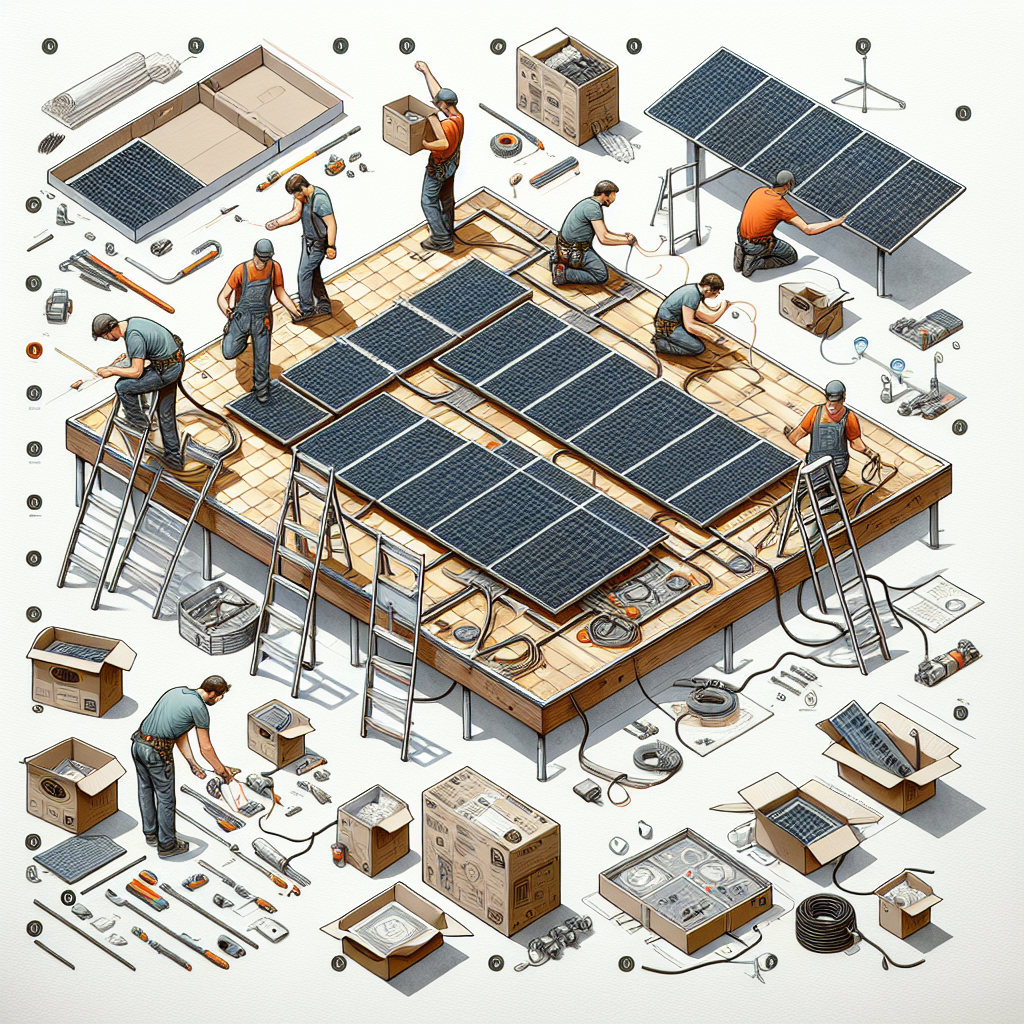
    Oh boy, installation day was exciting! The team arrived early, and with a few tools and equipment, they quickly got to work. It was really impressive to watch their efficiency. They started by laying out all the equipment and explaining the process to me, which put me at ease.

    Throughout the day, they communicated well about what they were doing and answered my questions. I loved feeling involved in the process! Soon enough, those panels were installed, and I couldn’t wait to see them up and running!

    After the panels were placed, they did some wiring and connected everything to my electrical system. And the best part? They took care of all the heavy lifting while I relaxed with my favorite drink in hand!

    Final Inspections and Connection

    After installation, there was a final inspection to ensure everything was up to code. The local authorities came in, signed off the project, and then connected it to the grid. It’s crucial so that you get all the benefits of going solar, including net metering if applicable.

    At this stage, I was also introduced to monitoring apps that let me track my energy production in real time. It’s super cool to see how much energy I generate daily!

    Following the inspection, the solar energy system was officially operational, and I felt like a proud parent watching my home embrace renewable energy!

    Maintaining Your Solar Energy System

    Regular Cleaning

    Maintaining my solar panels is a key part of keeping them working efficiently. I’ve learned that a good rinse with water every few months does wonders to remove dirt and debris. It’s a simple, low-stress task that keeps my panels in optimum shape!

    If you live in a very dusty area or have lots of bird activity, you might find yourself needing to clean them more often, which was a surprise for me. Having someone check them for me was an option I considered, as I’m not too fond of heights!

    Overall, regular cleaning is a great way to maintain your investment, and it’s not overly complicated. It’s important to make it a part of your seasonal checklist!

    Monitoring Performance

    Another important aspect of maintaining my solar panels is keeping an eye on their performance. Most modern systems come with monitoring systems that provide real-time data and alerts if something goes wrong.

    I’ve set up my monitoring app, which gives me insights into energy production and alerts me if something’s off. Being proactive helps catch any issues early on, and it’s comforting to know your system is running smoothly!

    If I notice any dips or problems, I don’t hesitate to reach out to my installer for support. It’s good to have that connection to ensure everything stays in top shape!

    Routine Inspections

    Lastly, regular professional inspections should be part of your maintenance routine. I set an appointment yearly to have a technician check everything, from the wiring to the panels themselves. It’s worth it for peace of mind.

    During these inspections, they can catch potential issues that I might have missed and do a thorough cleaning too. It’s like an annual check-up for your solar system!

    By keeping a routine schedule, I feel confident my system remains efficient, and I can enjoy the perks of solar energy without worrying about underlying issues!

    FAQs

    1. How much does it cost to install solar panels?

    The average cost can vary widely depending on the size of the system and your location, but it typically ranges between $15,000 to $25,000 before incentives. Be sure to check for local rebates or tax credits!

    2. Will solar panels work during a blackout?

    Typically, no. Standard grid-tied solar systems will shut down during a blackout for safety reasons. However, having a battery backup can allow you to use your solar energy during power outages.

    3. How long do solar panels last?

    Most solar panels come with a warranty of 25 years, but they can last much longer, sometimes up to 30-40 years with proper maintenance!

    4. Do solar panels require a lot of maintenance?

    Nope! Generally, they are pretty low maintenance. Just make sure to clean them a few times a year and have a professional check-up annually.

    5. How do I find a good solar installer?

    Check reviews, ask friends for recommendations, and compare multiple quotes. Look for installers with good credentials and solid warranties for peace of mind!

  • DIY Solar Panel Installation: Step-by-Step Guide

    DIY Solar Panel Installation: Step-by-Step Guide

    Step 1: Planning Your Solar Panel System

    Assessing Your Energy Needs

    Before diving into the installation process, the first thing I did was assess my energy needs. This means looking at my monthly electricity bill and figuring out how much energy I actually use. It’s crucial to know your consumption because it helps in determining how many panels I would need.

    I spent some time making a list of all the appliances I use regularly, noting their wattage and how many hours I use them daily. You’d be surprised at how quickly the numbers add up! There’s nothing worse than installing a fancy new solar system only to find out it doesn’t meet my needs.

    Once I had a clear understanding of my energy requirements, I could move on to picking the right solar panel system. I recommend using online calculators or consulting with a solar professional if you’re unsure. Trust me, getting this step right will save you a lot of headaches down the road!

    Choosing the Right Location

    The next bit of planning involved choosing the right location for the panels. I knew I wanted to put them on my roof, so I spent time considering the direction my roof faces and whether trees nearby might block sunlight. This part was crucial because I needed to maximize exposure to sunlight for better energy production.

    Another thing to think about is how much space you have available. I had to measure not only the roof space but also the area around the house to ensure there would be no obstructions. If you’re thinking about ground-mounted panels, make sure you have a nice sunny spot without shadows!

    Lastly, don’t forget to check local regulations! Some places have specific codes about where solar panels can be installed. I had a quick chat with my local zoning office and, thankfully, there were no surprises.

    Budgeting for Your Solar Project

    No one likes talking about money, but budgeting is a big part of the planning phase. I put together a budget that covered not just the cost of the panels and equipment, but also installation (if I went that route), permits, and any potential upgrades to my electrical system.

    It’s important to know your budget ahead of time because solar can get pricey. I did my homework and found various financing options, including rebates and tax credits. Every little bit helps when you’re trying to make this green investment!

    Also, I made sure to leave a little wiggle room in my budget for unexpected expenses. As any DIYer will tell you, surprises tend to pop up when you least expect them!

    Step 2: Gathering Your Materials

    What You’ll Need

    Once I hammered out the planning phase, I moved on to gathering materials. I started with the solar panels themselves and added a few other components to my list, including an inverter, mounting hardware, and wiring. I found it easier to buy these components from a single supplier to ensure compatibility.

    Another item on my must-have list was a battery (if I wanted energy independence during the night). I did a lot of research on different types of batteries and ended up going for a lithium-ion model. It was definitely more pricy, but I found it to be worth it for reliability and longevity.

    Don’t forget tools! At this stage, I made sure I had all the tools ready, including a drill, screwdriver set, and measuring tape. I learned the hard way that having your tools on hand saves a ton of time and reduces the chances of frustration.

    Finding Reliable Suppliers

    With my material list in hand, I started hunting for reliable suppliers. Websites like Home Depot and Lowe’s were a good starting point, but I also looked for local suppliers who specialized in solar. Supporting local businesses is important to me, and often they have better advice and customer service.

    I reached out to a few local suppliers and was pleasantly surprised by how knowledgeable they were. They answered some of my questions and helped me fine-tune my materials list based on what I wanted to achieve. Reaching out for advice is always a good idea!

    Make sure to compare prices and check reviews before finalizing your supplier. It really pays off to do a little homework and ensure you’re getting quality materials at a fair price.

    Ordering and Organizing

    Once I settled on my suppliers, it was time to place the orders. I made a conscious effort to keep everything organized, creating a checklist for what was ordered and when it would arrive. It’s surprisingly easy to lose track when you’re juggling various items!

    After everything was ordered, I made sure I had a designated space in my garage to store all the equipment. Keeping it tidy and out of the way made things a lot smoother when the installation day finally arrived.

    And, of course, I kept an eye on the delivery dates! I found it helpful to set reminders for myself, ensuring that I could stay on top of everything and avoid any last-minute rushes.

    Step 3: Installing the Solar Panels

    Safety First

    When installation day rolled around, I knew safety was going to be a top priority. I dug out my hard hat, safety glasses, and gloves. I can’t stress how important it is to protect yourself while working, especially when you’re on the roof and dealing with electrical components.

    Additionally, I made sure to have someone with me throughout the process. There’s no reason to tackle this alone, and having a buddy made it safer and a lot more fun! Plus, sharing the experience made it easier to lift and handle larger panels.

    Remember to check the weather, too! I planned my installation for a clear day — rain or high winds would not mix well with this kind of project. Trust me, the safer you are, the smoother the process will be!

    Mounting the Panels

    After suiting up, the first step in the installation was mounting the panels. I started by following the installation manual carefully. It’s like building a piece of IKEA furniture — one wrong move and it can all go sideways!

    I made sure to double-check my measurements before drilling into the roof. I had to secure the mounting brackets properly to ensure the panels would stay in place during harsh weather conditions. It felt good to finally see those panels up there glinting in the sunlight!

    Once the brackets were secure, attaching the panels was a piece of cake. I had the right tools and everything fell into place nicely. I was giddy with excitement as I installed the last panel and stood back to admire my handiwork.

    Wiring and Inverting

    With the panels mounted securely, it was time for the electrical side of things. I took my time to carefully connect the wires from the solar panels to the inverter, making sure everything was done according to the instructions. This step is where I felt my inner electrical engineer come out!

    Once all my connections were in place, I double-checked everything. It’s one of those things where you just have to be sure. My buddy and I double-checked it together, and it was reassuring to have a second set of eyes!

    Finally, the moment of truth arrived — flipping the switch to turn on the inverter. I can’t describe the rush I felt as the lights flickered to life, and I knew my new solar system was up and running! It’s moments like these that make all the hard work totally worth it.

    Step 4: Connecting to the Grid

    Understanding Grid-Tied Systems

    If you’ve accompanied me on this solar journey so far, you’ve likely heard me talk about grid-tied systems. These systems allow you to remain connected to your local power grid, which means any extra power you produce can be sent back, earning you credits!

    Before I made the final connection, I took some time to understand how utility companies work with solar. Not all utilities have the same policies regarding net metering, so I made sure to research what my local utility offered. Knowing this really helped me understand the potential savings!

    I also reached out to my utility provider to inform them of my new solar installation. Believe it or not, many providers come to inspect your system and ensure it’s set up safely and correctly. Getting this part right is crucial to enjoying your new solar power without worries!

    Installing a Safety Disconnect

    A key component of connecting to the grid is installing a safety disconnect switch. This allows me (and any emergency responders) to shut down the solar power system safely when needed. I can’t stress enough how important this step is for safety!

    I carefully planned the placement of the disconnect switch, making it easily accessible and clearly marked. It’s one of those things that you hope you never have to use, but it’s crucial to have it just in case.

    Remember, always consult the local regulations regarding the installation of disconnect switches! I double-checked my local codes and made sure everything was compliant. You definitely don’t want to run into any legal issues down the line.

    Final Inspection

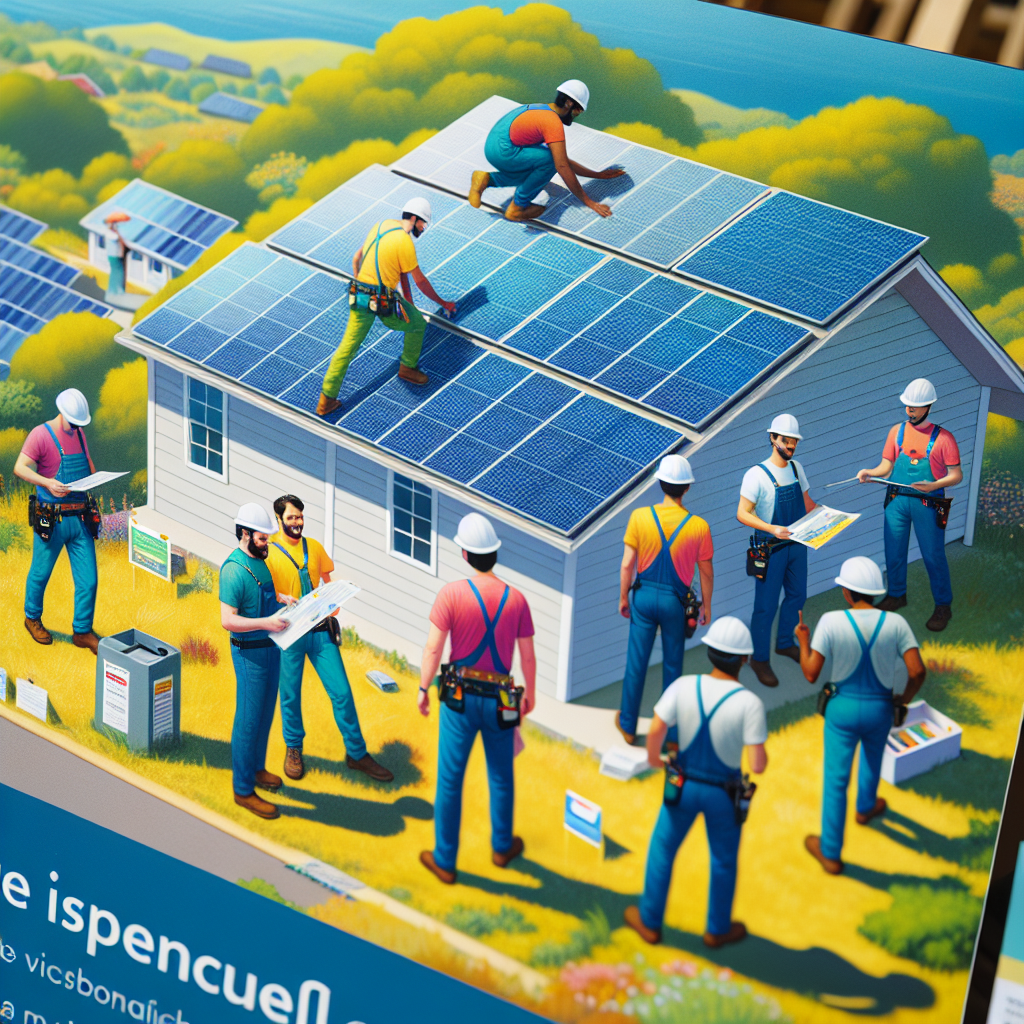
    After everything was plugged in and connected, it was time for a final inspection. I set up an appointment with my local code enforcement or utility technician to come by and check everything. It felt a bit nerve-wracking, but I was confident everything was done according to the rules!

    During the inspection, the technician checked wiring, the inverter, and overall system performance. He offered some valuable feedback and answered a few of my questions. It was enlightening to get insights from someone with experience.

    In the end, having my installation inspected gave me peace of mind. I knew that not only was my solar system functional, but it was also safe for me and my family. Plus, I was able to receive all the necessary documentation for the utility company!

    Step 5: Maintenance and Monitoring

    Regular Cleaning

    Once my solar panels were up and running, I quickly realized that regular maintenance would be key to keeping everything functioning smoothly. I learned that keeping my panels clean helps maximize efficiency. Debris, dust, and bird droppings can accumulate and affect performance!

    On sunny days, I’d get out there with a hose and gently rinse off the panels. It’s amazing how quickly they can get dirty, especially after a storm. I also keep an eye on any nearby trees or foliage, making sure nothing starts overshadowing my panels.

    Trust me, it’s a small effort compared to the benefits of a well-maintained solar panel system. Plus, it gave me another reason to get outside and enjoy the sunshine!

    Monitoring Energy Output

    An often-overlooked part of maintaining solar panels is monitoring energy output regularly. I invested in a monitoring system that tracks how much energy my solar panels produce. It’s been super insightful and helps me see how well my system is performing.

    Through the monitoring system, I can easily identify any dips in production and take action if needed. If my panels aren’t performing as expected, I know there might be something wrong that needs fixing, whether it’s shadows, dirt buildup, or electrical issues.

    Plus, it’s nice to see the savings add up each month. I get a real kick out of checking it! It’s like a game to get the most out of my panels and be as energy-efficient as possible.

    Staying Informed and Adjustments

    The final step in my solar journey is staying informed about advancements in technology and energy system options. Solar technology keeps evolving, and I want to make sure I’m getting the best bang for my buck. I often read articles and participate in local events pertaining to solar energy; it’s been a great way to learn!

    Over time, I learned that it might be worth considering battery storage or even expanding my solar capacity. Each year, the prices for solar components seem to drop, and it’s nice to stay updated on what’s possible.

    Finally, remember to connect with local solar communities, online forums, or support groups. Sharing experiences with fellow solar enthusiasts has been both comforting and enlightening, providing a huge wealth of knowledge and camaraderie in the green energy movement!

    FAQ

    1. How much can I save by installing solar panels?

    Your savings can vary based on your energy consumption, local energy prices, and any available incentives. Many people can significantly reduce or even eliminate their electricity bills.

    2. Do I need to hire a professional for installation?

    While you can DIY the installation, hiring a professional ensures it’s done correctly and safely. Plus, many states require a licensed installer for systems that are grid-tied.

    3. How do I choose the right solar panels?

    Look for panels with high efficiency rates, a good warranty, and reputable brand backing. Research and comparisons can provide valuable insights into your options.

    4. What maintenance is required for solar panels?

    Regular cleaning and monitoring of energy output are critical. Additionally, checking for any obstructions or dirt buildup can help maintain efficiency over time.

    5. Can I install solar panels myself?

    Yes, with research and the right skills, you can install them yourself. However, be sure to check local codes and regulations. Safety and proper installation practices are crucial!

  • The Importance of Proper Solar Panel Installation

    The Importance of Proper Solar Panel Installation

    Understanding the Basics of Solar Panel Installation

    What are Solar Panels?

    Let’s kick things off by understanding what solar panels really are. In the simplest terms, solar panels are devices that convert sunlight into electricity. Sounds cool, right? I mean, who wouldn’t want to harness the power of the sun? These bad boys can save you a boatload on your energy bills while also being super eco-friendly.

    When I first got into solar, I had no idea how pivotal they were to renewable energy. Basically, they’re made up of many smaller units called solar cells, which are often made from silicon. Each cell uses the photovoltaic effect to produce energy. When the sun shines, these cells absorb sunlight and create electricity! Pretty nifty, if you ask me.

    But here’s the catch – just because you buy a solar panel doesn’t mean it’s all smooth sailing. The way you install them can make or break your whole solar experience. And trust me, going the DIY route without understanding the basics can lead to some serious mess-ups.

    Choosing the Right Installer

    The Importance of Credentials

    Alright, now let’s talk about choosing the right guy (or gal) to install those panels. Finding an experienced installer is crucial. You wouldn’t want a rookie to do brain surgery, right? Similar principle applies here. Look for certifications that show they know their stuff.

    There are tons of solar installation companies out there. My advice? Check reviews and ask for references. I found my installer through word-of-mouth recommendations, and boy, did it pay off! They had all the proper credentials, which gave me peace of mind.

    Also, it’s a good idea to see if they’re part of any local or national solar organizations. Those affiliations mean they’re serious about their work and likely stay updated with the latest technologies and regulations. Trust the pros!

    Assessing Your Property

    Roof Condition and Orientation

    Before you even think about slapping those panels onto your roof, you’ve got to ensure your roof is in great shape. Seriously, if your roof is on its last legs, that’s a recipe for disaster. An experienced installer will inspect for any potential damage or weaknesses.

    And don’t forget about orientation! In the past, I didn’t realize how much the direction of my roof mattered. South-facing roofs are typically the best for solar installations since they receive direct sunlight for most of the day. If your roof doesn’t quite face the right direction, there may still be options, but it’s worth discussing with your installer first.

    Plus, sometimes trees or nearby buildings can create shade and limit the sun exposure your panels get. So, consider doing some landscaping or trimming branches if necessary. You’ll want those solar panels soaking up as much sun as they can!

    Following Local Regulations and Permits

    Navigating the Red Tape

    Okay, can we just agree that dealing with permits and regulations is like trying to navigate a maze blindfolded? But here’s the thing – getting the legal stuff right is super important. Installation without the necessary permits can lead to fines or even the removal of your panels.

    Your installer should be well-versed in local regulations. They’ll know exactly what you need to get the green light for installation. For example, some areas have regulations on the type of panels you can use or require inspections. It’s a bit of a hassle, but ask them about how they’ll handle this for you.

    Honestly, it might seem tedious, but think of it as laying the groundwork for a successful solar setup. You wouldn’t build a house without a solid foundation, right? Same goes for your solar panel installation!

    Maintenance and Monitoring

    Keeping Your System Running Smoothly

    Let’s chat about maintenance. I remember when I first laid down my solar system, I thought, “This is it! All done!” But I quickly learned that just like any major home investment, regular check-ups are key. Ensuring your panels are clean and operational will keep them running efficiently.

    Most installers will provide a monitoring system that lets you keep an eye on how your panels are performing. Make sure you ask about monitoring options! I adore being able to check how much energy my system is generating daily. It’s like having a live dashboard on my energy production!

    And if you notice anything off, don’t hesitate to call your installer. Whether it’s dirt, debris, or a connection issue, addressing these problems quickly could prevent more serious issues down the line. Regular maintenance is a lifesaver!

    Frequently Asked Questions

    1. Why is proper installation so important for solar panels?

    Proper installation ensures that your solar panels operate efficiently and effectively. A bad installation can lead to energy loss, costly repairs, or even damage to your property.

    2. What should I look for in a solar panel installer?

    Look for experience, certifications, and positive reviews. It’s important to choose someone who is knowledgeable about local regulations and has a good track record.

    3. How does my roof impact solar panel installation?

    Your roof’s condition and orientation can significantly affect how much sunlight your panels receive. A south-facing and structurally sound roof is generally considered ideal.

    4. Are permits necessary for solar panel installation?

    Yes, most areas require permits to ensure installation meets local regulations. Skipping this step can lead to fines or the removal of your panels!

    5. How often should I maintain my solar panels?

    A good rule of thumb is to inspect your panels at least twice a year. Regular monitoring will help catch any performance issues before they become serious problems.