Tag: panel

  • The Ultimate Guide to Home Solar Panel Installation in 2025: Top Tips & Strategies

    The Ultimate Guide to Home Solar Panel Installation in 2025: Top Tips & Strategies

    Table of Contents

    1. 1. Why Solar Power Is a Must in 2025
    2. 2. Understanding Solar Panel Types
    3. 3. Assessing Your Home’s Solar Potential
    4. 4. Planning Your Solar Panel Layout
    5. 5. Choosing the Right Solar Installer
    6. 6. Navigating Permits and Regulations
    7. 7. Financing and Incentives in 2025
    8. 8. Installation Process Step-by-Step
    9. 9. Optimal Placement for Solar Panels
    10. 10. Maintenance & Troubleshooting Tips

    1. Why Solar Power Is a Must in 2025

    Economic Benefits and Cost Savings

    As energy prices continue to rise in 2025, investing in home solar panel installation remains one of the most effective ways to reduce electricity bills. Solar energy can cut your energy costs by up to 70%, saving thousands over the lifespan of the panels.

    Many homeowners are surprised to learn that solar panels often pay for themselves within 7-10 years, especially with available incentives and tax credits. With government support in 2025, the ROI on solar systems has improved significantly.

    Additionally, some utilities offer net metering programs that allow you to sell excess energy back to the grid, further boosting your savings and making solar a smart financial decision.

    Environmental Impact and Sustainability

    In 2025, climate change concerns are more urgent than ever. Installing solar panels reduces your carbon footprint by decreasing reliance on fossil fuels. Solar energy produces zero emissions during operation, making it a sustainable choice for eco-conscious homeowners.

    Recent studies show that widespread adoption of residential solar can significantly lower greenhouse gas emissions. By choosing home solar panel installation, you’re contributing to a cleaner, healthier planet for future generations.

    Moreover, solar panels have become more efficient and longer-lasting, reinforcing their role in sustainable living. With a typical lifespan of over 25 years, solar systems are both eco-friendly and economically sound investments.


    2. Understanding Solar Panel Types

    Monocrystalline vs. Polycrystalline Panels

    When considering home solar panel installation, it’s essential to know the differences between monocrystalline and polycrystalline panels. Monocrystalline panels tend to be more efficient and space-efficient, making them ideal for smaller rooftops.

    Polycrystalline panels are generally less expensive and have a lower environmental impact during manufacturing. However, they may require more space to produce the same amount of energy as monocrystalline panels.

    Choosing the right type depends on your specific energy needs, budget, and available roof space. Consulting with a professional installer can help you select the best option for 2025.

    Thin-Film vs. Crystalline Silicon

    Another consideration is thin-film solar panels, which are lightweight and flexible, making them suitable for various roofing surfaces. However, they tend to be less efficient compared to crystalline silicon panels.

    Crystalline silicon panels dominate the market for residential home solar panel installation, thanks to their higher efficiency and longer lifespan. In 2025, technological improvements have enhanced their performance significantly.

    If space is limited or aesthetics matter, thin-film panels might be an alternative, but in terms of longevity and energy output, crystalline options remain preferred for most homeowners.

    PREPARE Mag ad 970 x 250

    3. Assessing Your Home’s Solar Potential

    Roof Orientation and Tilt

    Maximizing solar energy absorption begins with evaluating your roof’s orientation. South-facing roofs in the Northern Hemisphere typically receive the most sunlight—up to 5.5 hours daily in 2025.

    An optimal tilt angle aligns with your latitude, usually between 30-45 degrees, to ensure maximum sunlight exposure throughout the year. Proper assessment can significantly increase your system’s efficiency.

    In cases of multiple roof angles or shaded areas, you may need to consider microinverters or panel optimizers to counteract shading and orientation issues.

    Shade Analysis and Obstruction Management

    Shadows from trees, chimneys, or neighboring structures can drastically reduce solar output. Conducting a shading analysis with tools like SunEye or Solar Pathfinder can provide precise insights into shadow patterns.

    Trimming trees or restructuring roof access might be necessary to eliminate shading during peak sunlight hours. Proper site assessment ensures your investment in home solar panel installation delivers the expected savings.

    In 2025, advanced shading mitigation technologies like power optimizers and better panel configurations help improve system performance despite partial shading.

    FAQs about Home Solar Panel Installation in 2025

    1. How long does a typical home solar panel installation process take in 2025?

    On average, the process takes about 4-8 weeks from consultation to activation. This includes site assessment, permits, installation, and inspection. The timeline can vary based on location and system size.

    2. What are the most common incentives for home solar panel installation in 2025?

    Federal tax credits, state rebates, and local incentives are available to offset installation costs. In 2025, the federal Investment Tax Credit (ITC) offers up to 30% off installation costs in many regions. Additionally, some states have their own programs promoting renewable energy adoption.

    3. Can I install solar panels myself, or is professional installation necessary?

    While DIY options exist, professional installation is highly recommended for safety, compliance, and maximizing efficiency. Certified installers ensure proper permits, optimal placement, and system performance.

    4. What is the lifespan of solar panels in 2025?

    Most panels today last over 25 years with minimal efficiency loss. Manufacturers provide warranties often covering 25 years, and recent technological advances have increased durability and performance over time.

    Conclusion

    In 2025, home solar panel installation remains a powerful way to cut costs, reduce your carbon footprint, and increase your home’s value. Whether you’re just starting or upgrading your current system, understanding the latest technologies, incentives, and best practices will help you make informed decisions. By following this comprehensive guide, you’ll be well on your way to harnessing solar energy effectively and sustainably this year and beyond. Embrace the bright future of solar power—installing solar panels at home is more accessible and advantageous than ever!


  • Solar Panel Mounting Guide: All Roof Types

    Solar Panel Mounting Guide: All Roof Types

    Hey there! If you’ve been thinking about going solar, you’re not alone. Many of us are making the shift towards renewable energy, and it’s pretty exciting. One of the most important aspects of getting solar panels installed is understanding how to mount them effectively on different roof types. Today, I’ll share my insights into this topic and break it down into five major areas that I wish I had known when I started. Let’s dive right in!

    Selecting Your Mounting System

    Understand Your Roof Type

    First things first, you need to figure out what type of roof you have. Is it flat, sloped, tiled, or metal? Knowing this is key. Each roof type has its own set of requirements and best practices. For example, a flat roof allows for a different mounting strategy than a pitched roof.

    Once you identify your roof style, you can research specific mounting systems tailored for that type. Each system will have its own pros and cons, which I learned often through trial and error or by chatting with experts. Talk about a learning curve!

    In my case, I was amazed at how much my roof type affected the installation process. So, get ready to do a bit of homework. Trust me, it’s worth it!

    Choosing the Right Mounting Equipment

    Now, onto equipment. You need to choose what kind of mounts you’ll be using. Railing mounts, ballast systems, and even pole mounts are all options. I found that companies like IronRidge and Unirac offer solid systems. Just make sure to select ones that come with a good warranty, because let’s face it, you don’t want to be replacing these things anytime soon.

    Don’t skimp on quality here! I once tried to save a few bucks by opting for a cheaper mount, and my panels didn’t sit right. It wasn’t pretty! Investing in good quality gear now can save you headaches down the line.

    Also, remember that local building codes often dictate what type of mounting hardware you can use. Always check those before making a purchase. Don’t get caught off-guard, believe me, I’ve been there!

    Tools You’ll Need

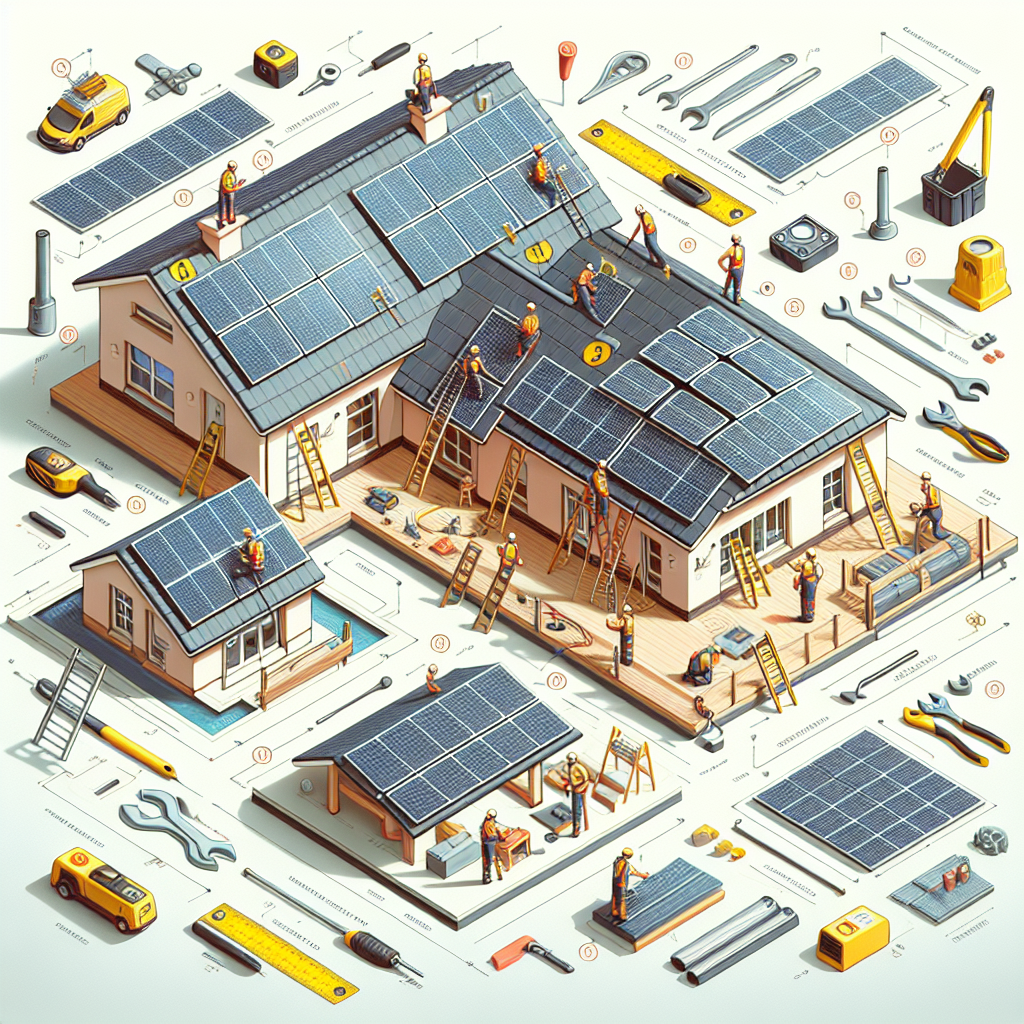
    Before you start the installation, let’s talk tools. You’ll typically need a drill, a wrench, a level, and potentially a saw if adjustments are necessary. The right tools make all the difference!

    When I first took on a DIY solar project, I didn’t have all the tools I needed and ended up making extra trips to the store. Ugh, frustrating! So it’s definitely worth it to double-check your tool inventory before diving in.

    If you’re feeling unsure or overwhelmed, it might also be worth hiring a professional for the installation. Sometimes investing in their expertise pays off!

    Preparing Your Roof for Installation

    Cleaning and Inspection

    Before you can get into the nitty-gritty of installation, your roof needs a good cleaning. Any debris like leaves, branches, or even moss can cause problems down the line. Plus, a clean surface is essential for securing the mounts properly.

    After cleaning, inspect your roof thoroughly. Look for any damage, missing shingles, or weak spots. I’ll never forget the time I overlooked a small leak, which turned into a bigger issue later on. Take the time now to avoid future headaches!

    If you find any damage, it’s wise to fix that before installing solar. You want a solid foundation for those panels, not something that’s going to cave under pressure.

    Planning Your Layout

    Next comes planning your panel layout. This isn’t just about aesthetics; it’s also about optimal energy collection. The angles and direction matter a lot! I learned that you want your panels facing true south (in the Northern Hemisphere) for maximum efficiency.

    Don’t forget about potential shading from trees or nearby buildings. I made the mistake of assuming I could get away with placing panels under some branches, and boy was I wrong!

    Use online tools like Google SketchUp to visualize your layout before you start drilling. It can save a ton of time and ensure you’re making the best use of available sunlight.

    Permits and Regulations

    Alright, let’s not forget about the legal side of things. Before you start nailing anything down, it’s crucial to check local codes and obtain the necessary permits. Each town or city can have different requirements. I personally made a call to my local office to clarify, and I’m so glad I did!

    Failing to secure the right permits can lead to fines or even having to remove your panels. Trust me, you don’t want to deal with that kind of hassle. I’ve watched friends go through that nightmare.

    Once you have all the paperwork sorted, you’re one step closer to having those panels up and running!

    Installing the Mounting Hardware

    Secure the Mounts

    With everything prepped, it’s installation time! Start by securing the mounts according to the layout you planned. Make sure to follow the instructions that come with your equipment closely. The last thing you want is to have to redo work because something is off.

    I can’t stress enough how important it is to use a level during this part. I had one panel that needed a second chance because it wasn’t level, and it drove me up the wall!

    Also, ensure that you’re tightening those mounts adequately. A loose mount can wiggle and cause damage, so don’t cut corners!

    Install the Panels

    Next step: it’s time to install your solar panels on those mounts! I was a bit anxious during my first installation, but it was mostly straightforward. If you’ve done your homework and have help, you should be good to go.

    Use care when lifting them; panels can be fragile. I recommend having a buddy help out to avoid any accidents. Plus, it makes the whole experience way more enjoyable.

    After placing them, double-check all connections and mounts. Better safe than sorry here!

    Connect to the Electrical System

    I know, I know—this is the part where things can get technical! Connecting your solar system to your home’s electrical system is essential for actually using the power generated.

    At this point, I suggest consulting a professional electrician if you’re not comfortable working with electricity. There’s no shame in it! The last thing you want is an electrical mishap that puts you or your home at risk.

    For those who are confident, be sure to follow local wiring codes. Once connected, you’re almost there! Just wait for the joy of seeing your energy meter run backward!

    Finalizing Your Installation

    Inspection and Testing

    After everything is installed, it’s important to do a thorough inspection. Check all your connections and mounts once more. I caught a few minor issues during this phase that could have escalated later!

    Next comes testing! Turn on the system and make sure everything is functioning as intended. There’s nothing quite like that first moment when you see your power meter start spinning backwards.

    If anything looks off, don’t hesitate to reach out to a professional to make sure everything is in line. Better safe than sorry—right?

    Maintenance Plans

    Once you’re up and running, establish a maintenance routine. Clean your panels a couple of times a year or anytime they look dirty. A little upkeep goes a long way in ensuring optimum efficiency!

    Don’t forget to monitor your system’s performance regularly. Most systems come with monitoring tools that will help you stay on top of how much energy you’re producing.

    And if you notice any issues, address them quickly. I once let a small issue linger, and it cost me some energy production—not cool!

    Linking with Net Metering

    The final step in this journey is often net metering, which lets you take advantage of the energy your system generates. It can be a bit of a game-changer when it comes to your energy bills.

    You’ll need to work with your energy provider to ensure they recognize and support your system. This can be an easy process, or it can take some effort to get everything aligned—so stay patient!

    Once it’s all set, you’ll be ready to enjoy the benefits of solar energy—and that’s a great feeling!

    FAQs about the Solar Panel Mounting Guide

    1. What should I consider when selecting a mounting system for solar panels?

    When selecting a mounting system, consider your roof type, the quality of the mounts, and local building codes. Each roof type necessitates different approaches, so it’s crucial to match the hardware accordingly.

    2. How do I prepare my roof before installing solar panels?

    First, you need to clean your roof and do a thorough inspection for any damage. After that, plan your layout and ensure you have the necessary permits to proceed with the installation.

    3. Can I install solar panels myself, or should I hire a professional?

    If you’re handy and confident in your abilities, a DIY installation is possible. However, if electrical work or roof access makes you nervous, hiring a professional is a smart choice to avoid any risks.

    4. How often should I inspect and maintain my solar panels?

    You should inspect and clean your solar panels at least a couple of times a year. Regular maintenance ensures they operate efficiently and any potential issues are spotted early.

    5. What is net metering and how does it work?

    Net metering allows you to receive credit for the excess energy your solar panels generate. When your system produces more energy than you consume, the surplus is sent back to the grid, offsetting costs on your future electricity bills.

    I hope this guide helps you on your solar journey! Remember, every roof is unique, and so is each installation process. Take your time, do your research, and you’ll be enjoying the benefits of clean energy in no time!

  • Solar Panel Recycling: Complete Guide

    Solar Panel Recycling: Complete Guide

    Understanding Solar Panel Composition

    Materials Used in Solar Panels

    Solar panels, as you might know, are made primarily from silicon, glass, and metals. Silicon is the heart of these panels, where the magic of converting sunlight into electricity happens. Glass, on the other hand, is crucial for protection against the elements. And then you have metals like aluminum and silver, which are used for the frame and wiring respectively.

    Knowing the breakdown of materials helps in understanding why recycling solar panels is so vital. Each material not only has significant value but can be ecologically harmful if not disposed of properly. We’ve got to take care of our planet, right?

    I always encourage folks to think of solar panels not as waste but as a source of valuable materials. By recycling, we’re giving a second life to resources and keeping the cycle of consumption sustainable.

    Types of Solar Panels and Their Lifespan

    There are mainly three types of solar panels: monocrystalline, polycrystalline, and thin-film. Monocrystalline panels tend to have the longest lifespan (up to 25 years), which is great for long-term investments. Polycrystalline panels are a tad less efficient, but they often come at a lower cost.

    Thin-film panels might be the least durable but can be lightweight and flexible, making them ideal for specific applications. Understanding these details is essential when it comes to the recycling process—various types may need different handling strategies.

    Your choice in solar panels affects how and when you’ll recycle them. So it’s a good idea to do some research before committing to a specific type based on your needs and how you envision the future of your energy systems.

    Environmental Impact of Solar Panels

    While solar energy is a clean alternative to fossil fuels, the environmental footprint of production and disposal of solar panels needs attention. Some panels contain hazardous materials like cadmium and lead, and improper disposal can lead to leaching of these substances into soil and water.

    I think it’s super crucial to weigh both the benefits and the challenges of solar energy. By recycling, we not only reduce waste but also minimize the chance of harmful materials making their way into ecosystems.

    Taking a proactive approach by supporting solar panel recycling initiatives can help raise awareness and make a significant difference in reducing our collective environmental impact.

    Why Recycling Solar Panels Matters

    Conserving Resources

    Recycling solar panels helps conserve valuable resources. By recapturing materials like silicon, aluminum, and glass, we’re decreasing the need for new raw materials, which often involves extraction processes that can be very damaging to the environment.

    I remember participating in a local recycling drive and feeling proud when I learned how many tons of material we were able to recuperate. It’s an eye-opening experience seeing those numbers in action—definitely motivates you to recycle more!

    Sustainability is key. By embracing recycling, we can significantly contribute to a circular economy, where waste is minimized, and materials are reused as much as possible. It feels good to be part of something bigger.

    Reducing Waste in Landfills

    When solar panels reach the end of their life cycle, the last place we want them to end up is in a landfill. This only contributes to the growing waste crisis we are facing globally. By recycling, we divert these materials from landfills and ensure they are properly managed.

    There’s something so satisfying about not just throwing things away mindlessly. I think if everyone had a recycling habit, we could save tons of waste from entering landfills.

    It’s not just the environment that benefits; it’s also our communities. Local businesses can thrive with recycling programs, and supporting them can forge stronger community ties. Let’s save our Earth and our towns at the same time!

    Promoting Innovation

    Finally, recycling promotes innovation within the sector. As the demand for solar panels increases, so does the need for more efficient recycling processes. Companies are investing in technologies that allow for better recovery of materials, which can lead to new business models.

    I’ve seen some exciting developments in this space! Recyclers are finding ingenious ways to extract precious materials while lowering the environmental costs—an absolute win-win!

    When we support recycling, we encourage businesses to think creatively about how to address both waste and energy challenges. It’s an empowering narrative, turning problems into solutions!

    How to Recycle Solar Panels Effectively

    Finding a Certified Recycler

    The first step in recycling your solar panels is to do a bit of homework. Look for certified recyclers in your area—these folks are trained to handle solar panels safely and are familiar with the regulations. You want to ensure your panels are disposed of responsibly!

    I recommend checking out reviews and asking around. Often local solar installers or environmental groups will be able to point you in the right direction. It’s all about building a community around sustainability.

    Once you find a recycler, do not hesitate to ask questions about their process. Transparency is key to feeling confident that your panels will be managed responsibly.

    Preparation for Recycling

    Before dropping off your panels, it’s important to prepare them properly. Disconnect any wiring and components, and clean them if necessary. This helps the recycling process go smoothly and ensures that recyclable materials are not contaminated.

    It might seem like a bit of a hassle, but trust me, the long-term benefits of taking these small steps totally outweigh any inconvenience. Besides, it’s kind of satisfying to know you did everything right.

    You might also want to document your disposal process—photos or receipts can be handy for tracking purposes or in case you need to reference it in the future. Being organized is always a good thing!

    Engaging Your Local Community

    Recycling doesn’t stop with just you; it’s a community effort! Organize local workshops that teach others about the importance of solar panel recycling. Sharing knowledge brings people together and amplifies the impact of recycling in your area.

    I’ve found that collaborating with local businesses or schools can draw in more participants—it’s awesome seeing collective action around something so vital!

    Encouragement is key. Even a small cleanup or recycling drive can inspire others to rethink their habits. Together, we can make waves in our quest to create a more sustainable tomorrow!

    Future of Solar Panel Recycling

    Research and Development

    Looking ahead, the future of solar panel recycling is bright, thanks to ongoing research and development. Companies are innovating ways to improve the recycling processes, making it easier to recover and reuse materials more effectively. How cool is that?!

    I think it’s vital for us to keep an eye on these advancements, as they may spur wider adoption of recycling practices across the industry. The more efficient the processes become, the more cost-effective and commonplace recycling solar panels will be!

    By promoting R&D in recycling, we continue to push the envelope on what’s possible for our planet, reinforcing the importance of sustainability in the solar energy sector.

    Policy and Regulation

    Policies play a huge role in the future of solar panel recycling. Advocating for stronger regulations can ensure that companies are held accountable for their waste and recycling practices. It’s essential for consumer protection and the health of our planet.

    I often join discussions or forums that center around these topics. Engaging with lawmakers and activists increases awareness and can directly influence positive changes in legislation. Your voice matters!

    Plus, when recycling is mandated by law, it sets a standard for the entire industry, leading to better practices and a greater emphasis on sustainability.

    Public Awareness Campaigns

    Finally, public awareness campaigns are crucial in fostering a culture of recycling. Creating educational content and sharing success stories can motivate individuals and communities to embrace solar panel recycling wholeheartedly.

    As someone who has participated in several campaigns, I can tell you—the more people know, the more likely they are to take action. Sharing personal stories and testimonials can be a powerful means to inspire others!

    Together, we can create a movement centered around sustainability, making solar panel recycling not just necessary, but also mainstream. The future looks promising!

    Frequently Asked Questions

    1. How long do solar panels typically last?

    Most solar panels last between 25 to 30 years. However, their efficiency might degrade over time, which is why it’s essential to consider recycling them once they’ve reached the end of their life cycle.

    2. What materials can be recycled from solar panels?

    Solar panels can be recycled for several materials, including silicon, glass, aluminum, and other metals. Recycling helps recover these valuable resources while preventing environmental pollution.

    3. Can I recycle solar panels on my own?

    While you might want to recycle solar panels yourself, it’s best to work with certified recyclers. They have the necessary machinery and expertise to recycle the panels safely and efficiently.

    4. Are there any costs associated with recycling solar panels?

    Some recyclers may charge fees for their services, while others may offer free recycling options depending on local policies or programs. It’s always good to check in advance!

    5. How can I spread awareness about solar panel recycling in my community?

    You can start by organizing educational workshops, sharing information on social media, and collaborating with local businesses to promote recycling programs. Every effort counts!

  • Solar Panel Brands Compared

    Solar Panel Brands Compared

    Brand Durability

    Understanding Material Quality

    When I first started in the solar energy game, I quickly realized that the durability of solar panels is crucial. You’re investing in a system that’s supposed to last for decades, right? So, how can we tell how long they’ll really hold up? The secret often lies in the materials used. Brands that use high-quality silicon and robust frames usually tend to outperform their competitors in longevity. That said, it’s always wise to check for warranties indicating confidence in their product.

    Durability isn’t just a buzzword; it’s about real-world performance. For instance, some brands feature panels with protective coatings that resist weathering and corrosion. This detail can make all the difference in environments with extreme weather. Trust me, you don’t want to be replacing panels because they couldn’t take the heat—literally!

    Also, keep an eye on customer feedback. After all, firsthand experiences often reveal the truth behind those shiny marketing claims. Look for reviews from people who have used the panels for several years; their insights can guide your decisions significantly.

    Environmental Resistance

    One thing I’ve learned is that not all solar panels are created equal when it comes to environmental resistance. Some brands have models specifically designed to withstand hail, heavy rain, or salty air. If you live near the coast, find a panel that can handle those salty breezes without corroding. It’s not just about initial performance but what will happen years down the line.

    Brands that prioritize extensive testing for different environments tend to rise above the rest. For example, I once compared a couple of popular models where one claimed high durability. Post-purchase, I found that it cracked after a hailstorm. Lesson learned: detailed specifications and third-party testing can really set some brands apart.

    So, don’t hesitate to do a little digging into the tests the company claims they’ve run. This research pays off when you’re looking for panels that will endure whatever Mother Nature throws their way.

    Long-Term Performance

    Now let’s chat about how well these panels perform over time. After all, it’s one thing to start strong, but what about a decade in? I remember researching a few brands and found significant differences in long-term performance metrics. Some panels lost efficiency faster than others, while certain brands excelled in maintaining their output even after years of wear and tear.

    Look for brands that provide performance guarantees. Some panels will promise more than just durability; they’ll put their money where their mouth is by offering assurances on efficiency loss rates over twenty years or more. This transparency builds trust and often signifies a brand that’s confident in its product.

    In my experience, asking for the data behind efficiency loss is beneficial. If a manufacturer can back up their claims with performance statistics, they’re more likely to be a trustworthy option in the long run.

    Cost Efficiency

    The Initial Investment

    Ah, the dollar signs! When I first stepped into the solar panel world, I was hit with a flood of numbers. It’s essential to sort through them to find out which brands give you the best bang for your buck. Typically, you want to balance the initial cost with the panel’s performance and durability. Sometimes, spending a little more upfront can save you in the long run due to higher efficiency and less maintenance.

    When I first priced out panels, I made the mistake of only looking at the cheapest options. It turns out, many of these also meant sacrificing quality. High-end brands might seem intimidating price-wise, but their longevity and performance can offset the cost over time!

    Also, I realized that local incentives or tax credits can sometimes lower your effective cost nicely. Don’t forget to check any financial aid or rebates because, believe me, you don’t want to miss out on those savings!

    Installation Costs

    Let’s be real, the cost of solar panel installation can vary dramatically depending on which brand you choose. When I was comparing brands, I didn’t consider that installation could eat up a significant chunk of my budget. Some brands will have more straightforward installation processes that can lead to reduced labor costs.

    Moreover, it dawned on me that some companies offer package deals, including installation, which can be more cost-effective than piecing everything together. So, weigh your quotes carefully! It pays to shop around and not take the first price you see.

    Always ask potential installers about their experiences with various brands too. A knowledgeable installer can give you insights on not only the cost but also the reliability of particular solar systems after installation.

    Long-Term Savings

    Once the initial costs are behind you, the potential for long-term savings shines brightly. In my personal journey, I tracked all my solar energy savings for a few years. The results were eye-opening—the savings from reduced energy bills really added up! Choose brands with a steeper efficiency rate; they can help you save even more in the long haul.

    Also, listen to discussions about renewable energy credits. Some states offer incentives based on how much energy your panels produce. This aspect can make a colossal difference in your savings, transforming what first seemed like a daunting expense into an empowering investment.

    So, don’t just focus on the price tag at the initial stage. Look ahead to how much you anticipate saving over time and calculate whether the investment is worth it. It’s liberating to see that significant long-term benefit!

    Technology and Innovation

    Recent Advancements

    Technology in solar panels is evolving at lightning speed! When I first started, many panels were good, but they had limitations. Now, we have options like bifacial panels, which capture sunlight from both sides. I was skeptical at first, thinking it all sounded too good to be true. However, once I saw the performance reports validating the increased efficiency, I was convinced!

    Brands that are keeping up with technological advancements often stand out. The introduction of smart panels that can optimize output based on real-time conditions is a game-changer. If you’re looking for efficiency, consider how technology can help enhance your system’s performance.

    Also, keep an eye on how actively brands are innovating. Companies that invest in R&D are likely to create more efficient and cutting-edge solutions that can benefit you as a customer in the long run.

    Smart Features

    Another aspect of technology that absolutely fascinates me is smart features in solar panels. Have you ever heard of solar inverters that communicate with your smartphone? Well, they exist! This advancement allows you to monitor energy production and consumption in real time. It makes going green not just practical but also pretty stylish and engaging.

    These smart features can provide insights into how much energy you’re using and suggest ways to optimize your consumption. I found that having this data helped me make better decisions for my household energy use. It’s empowering to feel in control of my energy consumption.

    So when researching brands, don’t overlook the tech aspects. Making sure your panels are equipped with smart capabilities can significantly enhance your experience and savings!

    Adaptability

    Lastly, as we advance into the future, a brand’s adaptability can make or break its success. Consider how a brand manages to incorporate new technologies or respond to consumer feedback. If they can modify their systems to handle various energy demands or performance busts, they’re likely a brand to reckon with.

    In my quest, I found some brands were steadfast in their designs and didn’t evolve, while others quickly integrated new solutions. This flexibility often leads to enhancements that ultimately benefit users, like improved efficiency and greater energy independence.

    Keep an eye out for how brands position themselves to adapt with the changing energy landscape. Their readiness to innovate can give you peace of mind and signal that your investment will remain relevant for years to come.

    Customer Support and Service

    Responsive Teams

    Alright, real talk: good customer support is a lifesaver, especially when something isn’t going as planned. In my experience shopping around for solar panels, companies vary greatly in how well they support their customers. Some brands offer fantastic technical support that can guide you through installation and troubleshooting; others can be a nightmare to get ahold of.

    When exploring brands, take the time to read reviews about their support systems. User experiences matter, and a company’s responsiveness often speaks volumes about their commitment to customer satisfaction. I regretted going cheap once when customer support was nonexistent!

    Also, checking whether they provide thorough attention to after-sale services is crucial. Any decent solar company should guide you through the maintenance process and offer preventative tips to keep your panels performing at peak efficiency.

    Warranty and Guarantees

    A solid warranty can be the difference between a smooth experience and a costly headache down the line. I learned this lesson the hard way. A few brands stood out to me because they not only provided extensive warranties but also honored them consistently. Their guarantees really make a statement about their confidence in their products!

    Pay attention to the details of their warranties. Not all warranties are created equally, and you want one that covers both the product and its performance over time. This should reassure you that you’re making a secure investment, knowing that if there’s a problem, you’ll have support.

    When evaluating brands, don’t shy away from asking about warranty details—it’s your right as a consumer to know what you’re getting into!

    User Resources

    Lastly, I’ve found that brands that offer comprehensive resources—like installation guides, usage FAQs, and instructional videos—make a big difference. This added support can be invaluable as you’re navigating the solar world. I can’t stress enough how helpful it is when companies go the extra mile to ensure their customers are informed.

    Look for brands that build a community or forum for users. Engaging often leads to better troubleshooting and a sense of connection—plus, it’s always nice to share experiences with fellow solar enthusiasts!

    Resources reflecting a commitment to customer education can enhance your ownership experience. Make sure to select a brand that prioritizes their customers’ understanding and confidence in their systems!

    Conclusion

    In wrapping up my exploration of solar panel brands, I’ve learned that evaluating these brands is more than a matter of cost. It involves layers of considerations, from durability to smart innovations and customer service. Each aspect contributes to the big picture of finding the right solar panel for your needs.

    Ultimately, I encourage you to take your time to research, ask questions, and compare your options. Looking at warranties, support systems, and the technology being used can steer you toward making a well-informed decision. It’s an exciting journey, and I hope you enjoy the ride as much as I have!

    Frequently Asked Questions

    • What should I consider most when selecting a solar panel brand?

      Prioritize durability, efficiency, customer support, and warranty offers. Each factor plays a vital role in long-term satisfaction.

    • Are more expensive solar panels always better?

      Not necessarily. Higher upfront costs may indicate better quality or technology, but it’s essential to research the specific brand and model.

    • How long do solar panels typically last?

      Most panels come with warranties lasting 20 to 25 years, and many can last even longer with proper care and maintenance.

    • What is the importance of customer support?

      Good customer support helps you troubleshoot issues and guides you through installation and maintenance, providing peace of mind.

    • How can I find out if a brand is trustworthy?

      Look for customer reviews, warranty details, and industry reputation. An informed consumer is always ahead in this game!

  • Solar Panel Output Guide

    Solar Panel Output Guide

    Understanding Solar Panel Output

    What is Solar Panel Output?

    You might have heard the term “solar panel output” thrown around, but what does it actually mean? Well, simply put, solar panel output refers to the amount of electricity a solar panel can generate under specific conditions. It’s measured in watts, and this can vary based on a few factors, like the panel’s efficiency and the amount of sunlight it receives. Getting a grasp on this concept is super important if you’re considering solar energy for your home or business.

    In my experience, knowing how to evaluate solar panel output can save you a ton of time and money down the road. Once you know what you’re working with in terms of output, you can make more informed decisions about which panels to invest in, what your energy needs look like, and how much you can potentially save on your electricity bill.

    To put it simply, solar panel output is all about efficiency – how effectively the solar cells convert sunlight into usable energy. The better the output, the more bang you’re getting for your buck when it comes to your investment in solar energy.

    Factors Influencing Output

    The Role of Sunlight

    Alright, let’s dive into one of the biggest players in the game: sunlight. Not all sunlight is created equal, and the intensity and duration of sunlight can greatly impact how much power your solar panel produces. So if you’re thinking about installing solar panels, checking your local weather patterns is a smart first move.

    In my neck of the woods, sunny days are plentiful, which makes solar energy super attractive. However, I know folks who live in cloudy regions and may not get the same benefits. It’s essential to assess your local climate and understand how that sunlight plays into your output expectations. Sunlight quality matters!

    Don’t forget seasonal changes, either. In winter months, for instance, the angle of the sun shifts, and that can affect how much sunlight your panels get, even if there is a clear sky. Knowing all this helps paint a clearer picture of what kind of output to realistically expect from your setup.

    Choosing the Right Solar Panels

    Comparing Different Solar Technologies

    When it comes to choosing solar panels, it can feel a bit overwhelming, right? There are several types of solar technologies out there – mainly monocrystalline, polycrystalline, and thin-film. Each comes with its own pros and cons, so let’s break it down.

    Personally, I’ve had great luck with monocrystalline panels. They tend to be the most efficient and take up less space, which is fantastic if you’re dealing with a smaller roof. On the flip side, polycrystalline panels are generally more affordable but are a bit less efficient. It’s about finding that sweet spot between budget and output that fits your needs!

    Thin-film panels might appeal to those looking for flexibility and portability, but do keep in mind they often have lower efficiency rates. It’s all about understanding what you’re after in your solar panel setup. Once you make the right choice, it can significantly boost your energy output and efficiency.

    Installation Impact on Performance

    The Importance of Professional Installation

    So, here’s the deal: you can have the best solar panels in the world, but if they’re not installed correctly, you won’t get the output you’re counting on. I can’t stress enough how crucial it is to use a qualified professional for your installation. It’s one of those things where you really do get what you pay for.

    During my installation process, I opted for a reputable company with reviews that spoke to their efficiency and craftsmanship. Having experienced individuals handle the tricky bits meant I didn’t have to worry about potential mistakes or misalignments that could cost me in energy efficiency.

    Don’t skimp out on installation communication, either! Make sure the installers explain the placement of the panels to capture the most sunlight. You want to optimize your output, and a little misalignment could lead to significant energy losses over time.

    Monitoring and Maintenance

    Keeping an Eye on Performance

    Last but definitely not least, we need to talk about monitoring and maintaining your solar panels. Just like a car needs regular oil changes and check-ups, your solar panels need a little love, too! Keeping an eye on their performance is key to ensuring they’re operating at their best.

    I have a monitoring system installed that tracks my energy usage in real time. This allows me to notice any dips in production right away, so I can call a professional if something seems off. Getting that proactive approach can save you money and stress in the long run.

    Also, don’t forget about cleaning your panels! Dust and debris can build up and reduce their efficiency. A good rinse from a garden hose or a gentle brush can make a world of difference. Regular maintenance means better performance – it’s a win-win situation!

    Frequently Asked Questions

    1. How much energy can I expect my solar panels to generate?

    The energy output of your solar panels depends on various factors such as location, weather, and the type of panels you choose. On average, a typical solar system can generate between 250 to 400 watts per panel.

    2. Do solar panels work in cloudy weather?

    Yes! Solar panels can still generate electricity on cloudy days, although at a reduced output compared to sunny days. They are designed to capture diffuse sunlight, so you’ll still benefit from solar energy.

    3. How long do solar panels last?

    Most solar panels have a lifespan of about 25-30 years. With proper maintenance and monitoring, they can continue to produce significant amounts of energy even beyond that timeframe.

    4. What happens if my solar panels don’t produce enough energy?

    If your panels aren’t producing enough energy, it’s essential to troubleshoot the issue. Check for obstructions, ensure they are clean, and monitor performance through your system’s tracking app. If issues persist, calling a professional for an inspection is a smart move.

    5. How much maintenance do solar panels require?

    Solar panels are fairly low-maintenance, but it’s important to clean them regularly and have them inspected by professionals every few years to ensure optimal performance.

  • The Importance of Proper Solar Panel Installation

    The Importance of Proper Solar Panel Installation

    Understanding the Basics of Solar Panel Installation

    What are Solar Panels?

    Let’s kick things off by understanding what solar panels really are. In the simplest terms, solar panels are devices that convert sunlight into electricity. Sounds cool, right? I mean, who wouldn’t want to harness the power of the sun? These bad boys can save you a boatload on your energy bills while also being super eco-friendly.

    When I first got into solar, I had no idea how pivotal they were to renewable energy. Basically, they’re made up of many smaller units called solar cells, which are often made from silicon. Each cell uses the photovoltaic effect to produce energy. When the sun shines, these cells absorb sunlight and create electricity! Pretty nifty, if you ask me.

    But here’s the catch – just because you buy a solar panel doesn’t mean it’s all smooth sailing. The way you install them can make or break your whole solar experience. And trust me, going the DIY route without understanding the basics can lead to some serious mess-ups.

    Choosing the Right Installer

    The Importance of Credentials

    Alright, now let’s talk about choosing the right guy (or gal) to install those panels. Finding an experienced installer is crucial. You wouldn’t want a rookie to do brain surgery, right? Similar principle applies here. Look for certifications that show they know their stuff.

    There are tons of solar installation companies out there. My advice? Check reviews and ask for references. I found my installer through word-of-mouth recommendations, and boy, did it pay off! They had all the proper credentials, which gave me peace of mind.

    Also, it’s a good idea to see if they’re part of any local or national solar organizations. Those affiliations mean they’re serious about their work and likely stay updated with the latest technologies and regulations. Trust the pros!

    Assessing Your Property

    Roof Condition and Orientation

    Before you even think about slapping those panels onto your roof, you’ve got to ensure your roof is in great shape. Seriously, if your roof is on its last legs, that’s a recipe for disaster. An experienced installer will inspect for any potential damage or weaknesses.

    And don’t forget about orientation! In the past, I didn’t realize how much the direction of my roof mattered. South-facing roofs are typically the best for solar installations since they receive direct sunlight for most of the day. If your roof doesn’t quite face the right direction, there may still be options, but it’s worth discussing with your installer first.

    Plus, sometimes trees or nearby buildings can create shade and limit the sun exposure your panels get. So, consider doing some landscaping or trimming branches if necessary. You’ll want those solar panels soaking up as much sun as they can!

    Following Local Regulations and Permits

    Navigating the Red Tape

    Okay, can we just agree that dealing with permits and regulations is like trying to navigate a maze blindfolded? But here’s the thing – getting the legal stuff right is super important. Installation without the necessary permits can lead to fines or even the removal of your panels.

    Your installer should be well-versed in local regulations. They’ll know exactly what you need to get the green light for installation. For example, some areas have regulations on the type of panels you can use or require inspections. It’s a bit of a hassle, but ask them about how they’ll handle this for you.

    Honestly, it might seem tedious, but think of it as laying the groundwork for a successful solar setup. You wouldn’t build a house without a solid foundation, right? Same goes for your solar panel installation!

    Maintenance and Monitoring

    Keeping Your System Running Smoothly

    Let’s chat about maintenance. I remember when I first laid down my solar system, I thought, “This is it! All done!” But I quickly learned that just like any major home investment, regular check-ups are key. Ensuring your panels are clean and operational will keep them running efficiently.

    Most installers will provide a monitoring system that lets you keep an eye on how your panels are performing. Make sure you ask about monitoring options! I adore being able to check how much energy my system is generating daily. It’s like having a live dashboard on my energy production!

    And if you notice anything off, don’t hesitate to call your installer. Whether it’s dirt, debris, or a connection issue, addressing these problems quickly could prevent more serious issues down the line. Regular maintenance is a lifesaver!

    Frequently Asked Questions

    1. Why is proper installation so important for solar panels?

    Proper installation ensures that your solar panels operate efficiently and effectively. A bad installation can lead to energy loss, costly repairs, or even damage to your property.

    2. What should I look for in a solar panel installer?

    Look for experience, certifications, and positive reviews. It’s important to choose someone who is knowledgeable about local regulations and has a good track record.

    3. How does my roof impact solar panel installation?

    Your roof’s condition and orientation can significantly affect how much sunlight your panels receive. A south-facing and structurally sound roof is generally considered ideal.

    4. Are permits necessary for solar panel installation?

    Yes, most areas require permits to ensure installation meets local regulations. Skipping this step can lead to fines or the removal of your panels!

    5. How often should I maintain my solar panels?

    A good rule of thumb is to inspect your panels at least twice a year. Regular monitoring will help catch any performance issues before they become serious problems.

  • The Ultimate Guide to Solar Panel Installation Strategies for 2025

    The Ultimate Guide to Solar Panel Installation Strategies for 2025

    Table of Contents

    1. 1. Innovative Solar Panel Installation Techniques in 2025
    2. 2. Site Assessment and Preparation for Optimal Placement
    3. 3. Selecting the Best Solar Panels for 2025
    4. 4. Navigating Permits and Legal Requirements
    5. 5. Integrating Solar Panel Systems with Smart Home Technology

    1. Innovative Solar Panel Installation Techniques in 2025

    Advanced Mounting Systems

    In 2025, the newest solar panel installation strategies emphasize advanced mounting systems that maximize efficiency and durability. These innovative mounts allow for better tilt angles, increased resistance to weather, and easier installation processes. For example, ballasted mounting systems are gaining popularity because they eliminate the need for roof penetrations, which reduces potential leaks and structural damage.

    Beyond traditional racks, there are now adjustable mounting frameworks that optimize the sun’s position throughout the year. This means your solar panels will perform at peak efficiency no matter the season, which is particularly valuable in variable climates. Investing in these systems can lead to substantial long-term gains in energy production.

    Practitioners are also adopting lightweight, modular systems that can be quickly assembled on-site. These innovations are perfect for large-scale solar farms and residential installations alike, offering flexibility without compromising stability. As a result, solar panel installation becomes faster, safer, and more cost-effective.


    Drone-assisted Site Surveys

    Using drones for site surveys has become a game-changer in 2025. High-resolution aerial imagery helps installers evaluate shading, roof integrity, and optimal panel placement before even setting foot on the property. This technology significantly reduces site assessment time and increases accuracy.

    During the planning phase, drone surveys can detect potential obstructions like trees or antennas that might cast shadows and diminish solar output. By identifying these issues early on, installers can design a more effective system tailored to the specific landscape.

    Furthermore, drone technology facilitates real-time monitoring during installation, ensuring panels are correctly aligned and securely mounted. This innovation contributes to more precise, efficient, and safer solar panel installation processes for homeowners and large projects alike.

    2. Site Assessment and Preparation for Optimal Placement

    Using Solar Pathfinders and Shade Analysis

    Effective site assessment begins with understanding the sun’s path and shading patterns throughout the year. Tools like solar pathfinders help determine the best location on your property for solar panel installation, ensuring maximum sunlight exposure. Accurate shade analysis is critical, especially in areas surrounded by trees or tall structures.

    In 2025, software solutions integrate these tools with geographic data, providing detailed reports that help homeowners and installers make informed decisions. By analyzing the shadow cast during different seasons, you can identify the most suitable spots for installation, leading to higher energy yields.

    Strategic placement based on thorough shade analysis decreases the risk of future shading issues, which often reduce system performance. Proper site preparation, therefore, plays a vital role in the long-term success of your solar project.

    Roof Inspection and Reinforcement

    Prior to solar panel installation, thorough roof inspections are essential to assess structural integrity. In 2025, innovative methods such as infrared thermography are used to detect hidden damages or weaknesses that may not be visible to the naked eye. Addressing these issues before installation prevents costly repairs down the line.

    PREPARE Mag ad 970 x 250

    Many homes require reinforcement to support the added weight of solar panels, especially in regions prone to extreme weather. Reinforcing roof structures or adding extra bracing ensures safety and longevity for your solar energy system. By investing in proper preparation, you ensure that your solar panel installation stands the test of time.

    Engaging with certified structural engineers can help verify that your roof can sustain the load and withstand local environmental conditions, making your solar investment safer and more reliable.

    Frequently Asked Questions

    1. What is the most important factor in solar panel installation?

    The most important factor is optimal placement for maximum sunlight exposure, which involves thorough site assessment and correct mounting techniques. Proper installation ensures that your solar panels will operate efficiently and last for many years.

    2. How does solar panel installation change in 2025?

    In 2025, solar panel installation strategies incorporate new technologies such as drone site surveys, advanced mounting systems, and integrated smart home systems, making installations faster, safer, and more efficient than ever before.

    3. Can I install solar panels myself?

    While some experienced DIY enthusiasts can handle basic installations, it’s recommended to work with certified professionals. Proper installation is crucial for safety, compliance, and maximizing energy output, especially with the innovative strategies emerging in 2025.

    4. How long does a typical solar panel installation take?

    Most installations in 2025 can be completed within one to three days, depending on system size and site complexity. Using new installation techniques, the process is quicker and less disruptive than in previous years.

    5. What are the benefits of professional solar panel installation?

    Professional installation ensures optimal system performance, safety, and compliance with local regulations. It also provides warranties and ongoing support, which are essential for long-term energy savings and system maintenance.

    Conclusion

    In 2025, solar panel installation has evolved into a sophisticated, precise, and highly effective process, thanks to innovative techniques and smart technology integration. Whether it’s using drone surveys, advanced mounting systems, or thorough site assessments, these strategies help maximize your solar energy system’s productivity and lifespan.

    Embracing these best practices today ensures you get the most out of your investment in solar energy. Remember, successful solar panel installation is key to harnessing the sun’s power efficiently and sustainably in 2025 and beyond. If you’re planning to go solar, understanding and applying these strategies will set you up for long-term success.

  • The Ultimate Guide to the Best Home Solar Panel Kit for 2025

    The Ultimate Guide to the Best Home Solar Panel Kit for 2025

    Table of Contents

    1. 1. Introduction to Home Solar Panel Kits in 2025
    2. 2. Key Features to Look for in a Home Solar Panel Kit
    3. 3. Top-rated Home Solar Panel Kits for 2025
    4. 4. How to Install Your Home Solar Panel Kit
    5. 5. Calculating Your Home’s Solar Needs
    6. 6. Benefits of Using a Home Solar Panel Kit
    7. 7. Cost and Incentives for 2025
    8. 8. Maintenance and Troubleshooting
    9. 2025. Final Tips for Choosing the Best Home Solar Panel Kit in 2025


    1. Introduction to Home Solar Panel Kits in 2025

    Understanding the Evolution of Home Solar Technology

    As we step into 2025, the landscape of home solar energy has dramatically evolved. The previous decade saw a surge in affordable and efficient solar panels, making solar power accessible for many homeowners. The emergence of comprehensive home solar panel kits now allows even beginners to harness the power of the sun with minimal hassle.

    These kits are designed to simplify installation, often including everything from solar panels to mounting hardware and inverters. With significant advancements in photovoltaic technology, modern kits deliver higher efficiency while remaining cost-effective. This evolution ensures that homeowners can generate more energy using less space—a game-changer for urban settings.

    If you’re considering adopting solar power in 2025, understanding what constitutes a top-tier home solar panel kit is crucial. The best kits combine performance, durability, and ease of installation, making solar energy more accessible than ever before.

    2. Key Features to Look for in a Home Solar Panel Kit

    Efficiency and Power Output

    When selecting a home solar panel kit, one of the most critical factors is efficiency. Look for panels that convert maximum sunlight into electricity, especially with recent improvements in monocrystalline and bifacial solar panels. Higher efficiency means more power in less space, ideal for small rooftops.

    Power output capacity directly impacts how much energy you can generate daily. For 2025, aim for kits that deliver at least 300W per panel, providing ample energy to offset your household consumption. Remember, the actual output depends on sunlight conditions and proper installation.

    In real-world scenarios, a highly efficient kit can reduce your payback period significantly. Consider the long-term savings and environmental benefits when prioritizing efficiency and power output.

    Durability and Weather Resistance

    Durability is essential for a home solar panel kit since your investment must withstand weather extremes—rain, snow, and high winds. Ensure the panels are rated with a high IP (Ingress Protection) rating; IP67 or higher is recommended for outdoor use.

    Materials matter: Look for sturdy frames made of corrosion-resistant aluminum and tempered glass that can withstand hail and debris. In 2025, most premium kits come with warranties of 25 years or more, reflecting their durability.

    Maintenance becomes easier with durable components that resist corrosion and other environmental damage. Selecting weather-resistant kits will maximize your system’s lifespan and performance.

    PREPARE Mag ad 970 x 250

    2025. Final Tips for Choosing the Best Home Solar Panel Kit in 2025

    Assess Your Energy Needs and Space

    Before investing in a home solar panel kit, evaluate your household’s energy consumption. Look at your recent electricity bills to determine your average daily usage. This will guide you in choosing a kit that meets your needs without overspending.

    Space constraints are another key consideration. Measure your roof area and assess shading issues that could impact solar performance. Modern kits with higher efficiency panels can generate more power in limited space, making them more suitable for small roofs.

    By accurately assessing your energy requirements and available space, you can select a kit that provides maximum savings and energy independence in 2025.

    FAQ Section

    Q1: What is a home solar panel kit?

    A home solar panel kit is a comprehensive package that includes all necessary components—solar panels, mounting hardware, inverters, and wiring—to install a solar power system on your residence. It simplifies the process, making solar energy more accessible for homeowners.

    Q2: How efficient are the latest home solar panel kits for 2025?

    The most efficient kits in 2025 use advanced photovoltaic technology, including monocrystalline and bifacial panels, achieving efficiencies upwards of 22-23%. These improvements mean you get more energy output in a smaller footprint.

    Q3: Is installing a home solar panel kit worth it in 2025?

    Absolutely. With rising energy costs and ongoing incentives, investing in a home solar panel kit can significantly reduce your electricity bills and carbon footprint. Plus, the latest kits are easier to install and maintain than ever before.

    Q4: What maintenance does a home solar panel kit require?

    Maintenance is minimal, typically involving periodic cleaning of panels and inspections for debris or shading. Ensuring the system stays free from obstructions helps maintain optimal performance.

    Q5: Where can I find the best home solar panel kits for 2025?

    Leading solar manufacturers and reputable retailers offer top-rated kits for 2025. Look for products with strong warranties, high efficiency ratings, and positive customer reviews. Consulting with a solar professional can further refine your choices.

    Conclusion

    Choosing the best home solar panel kit for 2025 requires careful consideration of efficiency, durability, and your household’s energy needs. As solar technology continues to advance, now is the perfect time to invest in a system that will provide clean, renewable energy for years to come. With the right kit, you can reduce your electricity bills, boost your home’s sustainability, and enjoy energy independence in 2025 and beyond.


  • The Ultimate Guide to the Best Home Solar Panel Kit for 2025

    Embarking on a solar energy journey involves selecting the right home solar panel kit that fits your needs. With the rapid advancements in renewable tech by 2025, choosing the best solar kit can significantly reduce your energy bills and carbon footprint. Whether you’re a homeowner looking to upgrade or a newcomer to solar power, this guide provides expert advice, detailed reviews, and practical tips to help you make an informed decision.

    Table of Contents

    1. 1. Determining Your Energy Needs
    2. 2. Assessing Your Roof Space

    3. 2025-Specific Features and Trends
    4. Conclusion
    5. FAQs

    1. Determining Your Energy Needs

    Understanding Your Household Consumption

    Before investing in a home solar panel kit, it’s essential to analyze your household’s energy consumption. Use recent utility bills to estimate your average annual and monthly energy use in kilowatt-hours (kWh). Knowing this helps you select a system size that efficiently covers your needs without overspending.

    In 2025, smart energy monitoring tools have become more affordable, allowing homeowners to track real-time consumption. Implementing these tools provides valuable insights, ensuring your solar kit is appropriately scaled. For example, if your household uses 900 kWh per month, you might need a system capable of producing around 10,000 kWh annually.

    Accurate assessment prevents underperformance and ensures maximum return on your investment when choosing a home solar panel kit. It’s always wise to consult with a solar professional to get precise sizing and potential system expansion options.

    Estimating Future Energy Savings

    By 2025, energy efficiency measures and smart home integrations are common, reducing overall consumption. When evaluating your needs, account for potential changes, such as buying an electric vehicle or adding appliances. This foresight can be factored into your solar system planning.

    Using reliable solar calculators available online helps you project future savings and system performance over the next decade. These tools incorporate local sunlight data, panel efficiency, and shading analysis, which are crucial for precise planning of your home solar panel kit.

    Remember, a well-sized system doesn’t just meet current needs but adapts to future consumption, maximizing your investment in 2025’s evolving solar technology landscape.

    2. Assessing Your Roof Space

    Evaluating Roof Orientation and Tilt

    The efficiency of your solar panels depends greatly on roof orientation. South-facing roofs typically receive the most sunlight in the northern hemisphere, offering optimal energy production. East or west-facing roofs can still be viable, especially with high-efficiency panels in 2025.

    Roof tilt angle influences solar gains; in most locations, an angle equal to the latitude provides optimal performance. However, adjustable mounts or newer panel designs allow for fine-tuning, increasing flexibility in system design.

    Careful assessment of your roof orientation and tilt ensures you choose the home solar panel kit that maximizes sunlight absorption, ensuring reliable energy generation throughout the year.

    Checking Roof Condition and Structural Integrity

    Before installation, inspect your roof’s condition. Structural integrity is crucial for supporting solar panels that can weigh between 2-4 pounds per square foot. In 2025, lightweight yet durable panels and mounting hardware reduce load concerns.

    Consider nearby shading from trees, chimneys, or neighboring buildings. Shading can reduce energy output dramatically, sometimes by over 50%, so proper shading analysis is essential. Use tools or professional assessments for precise shading studies.

    Ensuring your roof is capable of supporting a home solar panel kit for the long term prevents costly modifications later. When in doubt, consider reinforcing or replacing problematic roof sections before installation.

    PREPARE Mag ad 970 x 250

    Emergence of High-Efficiency Solar Panels

    In 2025, the trend toward higher efficiency solar panels continues, with some reaching over 22% efficiency thanks to advancements like perovskite and tandem technologies. Choosing high-efficiency panels is especially beneficial if roof space is limited, maximizing energy production in smaller areas.

    These newer panels also perform better in low-light conditions, such as cloudy days, which means more consistent energy output. For homeowners, investing in cutting-edge panels within a home solar panel kit can lead to quicker payback periods and energy independence.

    When selecting your kit, verify the panel efficiency ratings and manufacturer warranties—most high-end options offer 25+ years of performance guarantees, securing your investment.

    Advancements in Energy Storage

    2025 has ushered in smarter, longer-lasting battery solutions, including solid-state batteries and integrated inverter systems. These batteries store excess energy generated during peak sunlight hours, allowing you to consume solar power even at night or during cloudy periods.

    Integrating batteries with your home solar panel kit ensures energy resilience, especially during grid outages. Practical tips include sizing your battery bank based on your typical energy use and future expansion plans.

    Many systems now incorporate AI-powered energy management to optimize usage patterns, improving overall efficiency and reducing grid dependency—an essential feature for modern solar setups in 2025.

    Conclusion

    Choosing the home solar panel kit that suits your needs in 2025 involves understanding your energy consumption, assessing your roof space, and staying current with the latest technological advancements. The future of residential solar is brighter than ever, with highly efficient panels, smart storage solutions, and innovative installation options making solar power accessible and effective for everyone.

    By following this comprehensive guide, you’ll be well-equipped to make a confident decision that not only reduces your energy costs but also contributes to a sustainable planet. Remember, investing in the right home solar panel kit today ensures a cleaner, more resilient energy future for you and generations to come.

    Frequently Asked Questions

    1. What is a home solar panel kit, and why is it important in 2025?

    A home solar panel kit includes all the components needed to install a solar power system on your home, such as panels, inverter, mounting hardware, and wiring. In 2025, these kits are more advanced, energy-efficient, and user-friendly, making it easier for homeowners to adopt solar energy and reduce their carbon footprint.

    2. How do I choose the best home solar panel kit for my house?

    Consider your energy needs, roof space, orientation, shading, and budget. Check for high-efficiency panels, reliable warranties, and compatibility with future expansion options. Consulting with a solar professional can also help tailor the perfect kit for your home.

    3. Are there government incentives for installing a home solar panel kit in 2025?

    Yes, many regions offer incentives, rebates, and tax credits in 2025 to encourage residential solar adoption. Be sure to research local programs to maximize your savings and make your investment more affordable.

    4. Can I install a home solar panel kit myself?

    While DIY installation is possible with basic knowledge and proper safety precautions, professional installation ensures optimal system performance, adherence to codes, and warranty validity. For most, hiring a certified installer is recommended.


  • The Ultimate Guide to Solar Panel Maintenance Tips in 2025: Boost Efficiency & Save Money

    The Ultimate Guide to Solar Panel Maintenance Tips in 2025: Boost Efficiency & Save Money

    1. 1. Regular Visual Inspections
    2. 2. Keep Panels Clean
    3. 3. Monitor System Performance
    4. 4. Trim Nearby Trees and Obstructions
    5. 5. Check for Damage and Cracks

    1. Regular Visual Inspections

    Why Visual Inspections Are Essential

    Performing regular visual inspections is a foundational solar panel maintenance tip that can help detect early signs of wear and tear. By routinely examining your panels, you can spot dirt, debris, or physical damage before they impact performance significantly. In 2025, with advanced monitoring tools, visual checks are more straightforward and more critical than ever.

    For example, walk around your installation at least once a month, especially after storms or extreme weather events. Look for loose mounts, corrosion, or broken glass. Identifying these issues early ensures quick repairs, saving you money in the long run.

    Consistent inspections also help extend the lifespan of your solar system. Remember, even small damages can reduce energy output by up to 30%, according to recent studies. Regular eye checks support optimal efficiency and system longevity.

    Best Practices for Visual Inspection

    Use a checklist to guide your inspections—cover mounting hardware, wiring, inverter display, and panel surfaces. Wear gloves to prevent cuts and always prioritize safety. Keep a log of what you observe to track patterns or recurring issues over time.

    Utilize tools like a binocular scanner or drone for hard-to-reach panels. In 2025, many homeowners are adopting drone technology for quick, thorough inspections. These tools help identify damages unnoticed from the ground.

    Having a professional inspection performed annually is recommended, especially for larger or commercial systems. A qualified technician can detect issues that might escape the untrained eye, ensuring your system remains efficient and safe.

    2. Keep Panels Clean

    Importance of Panel Cleaning in 2025

    Keeping your solar panels clean is one of the most effective solar panel maintenance tips to maximize energy production. Dirt, pollen, bird droppings, and other residues can block sunlight, decreasing efficiency by up to 25% if neglected. As of 2025, new self-cleaning coatings and robotic cleaning systems are becoming popular, but manual cleaning remains essential.

    Regular cleaning is especially critical in dusty areas or during pollen seasons. Implementing a cleaning schedule—at least twice a year—is often enough in most locations. However, in regions with frequent dust storms or snowfall, more frequent cleaning may be necessary.

    Investing in automated cleaning systems can save time and ensure consistent maintenance. These systems use waterless brushes or eco-friendly cleaning solutions to keep panels spotless without damage.

    Effective Cleaning Techniques

    Use soft-bristled brushes or sponges with mild, non-abrasive soap and plenty of water. Avoid harsh chemicals that could damage your panels or the environment. For tough grime, let warm water sit for a few minutes to loosen dirt before cleaning.

    Windy or rainy days can help naturally clean panels. Once you notice a significant buildup or after a heavy storm, consider manual cleaning or professional services. Always turn off the system before cleaning to prevent electrical hazards.

    Performing thorough cleaning not only boosts efficiency but also extends the lifespan of your panels. In 2025, some homeowners are using smartphone apps to schedule reminders for cleaning days based on weather forecasts and system performance data.

    3. Monitor System Performance

    Why Continuous Monitoring Matters

    Monitoring your solar system’s performance is a vital solar panel maintenance tip that can help identify issues early and ensure maximum efficiency. Today, with smart monitoring technology, you can track energy output in real time from your smartphone or computer.

    Recent data shows that systems with continuous monitoring perform about 15-20% better than those without. This technology alerts you to drops in energy production, which may indicate shading, dirt accumulation, or technical failures.

    By investing in advanced monitoring systems in 2025, homeowners can proactively address problems, reducing repair costs and downtime. Some systems even provide predictive maintenance cues based on historical performance data.

    Choosing the Right Monitoring Tools

    Look for user-friendly apps that integrate with your inverter or energy meter. Many providers now offer dashboards that visualize performance trends and send alerts for anomalies.

    Ensure your monitoring system captures essential metrics such as voltage, current, and power output. Some tools also include weather data to correlate environmental factors with performance issues.

    Regularly reviewing your data helps you maintain peak efficiency and understand your energy consumption patterns. A well-implemented monitoring system is a cornerstone of effective solar panel maintenance tips in 2025.

    PREPARE Mag ad 970 x 250

    4. Trim Nearby Trees and Obstructions

    Impact of Obstructions on Solar Performance

    Overgrown trees and nearby structures can cast shadows on your solar panels, significantly reducing their output. In 2025, shading remains one of the most common causes of decreased efficiency, making trimming and clearance vital maintenance tips to follow.

    Shadows can decrease energy production by up to 80% during the affected hours. Regularly inspecting the surroundings, especially during seasons when foliage is thickest, helps you plan tree trimming or removal proactively.

    Beyond trimming, repositioning panels or installing solar tracking systems can compensate for shading issues, maximizing sunlight exposure throughout the day.

    Best Practices for Clearing Obstructions

    Consult with a certified arborist before trimming trees to ensure their health and compliance with local regulations. Regular maintenance includes removing new growth that causes shade during peak sunlight hours.

    Create a clear zone around your panels—generally at least 10-15 feet—free from tall trees, shrubs, or structures. In 2025, some owners are adopting landscape design strategies that incorporate low-growth plants and solar-friendly spaces.

    Using shading analysis tools and apps can help determine the ideal clearance zones. Routine checks and trimming should be part of your ongoing solar maintenance routine to ensure unhampered energy collection.

    5. Check for Damage and Cracks

    Identifying Structural Damage

    Cracks, chips, or damaged seals on your solar panels can compromise their performance and safety. As panel technology advances in 2025, so does the understanding of how to detect and address such damages.

    Manufacturers recommend annual inspections for cracks or broken glass, which can lead to water ingress and further deterioration. Visible damages should be promptly repaired or replaced by professionals.

    Investing in high-quality panels with anti-reflective coatings and durable frames can reduce the risk of cracking, prolonging system life and minimizing maintenance costs.

    How to Conduct Damage Assessments

    Perform a close visual inspection under good lighting. Look for discoloration, broken glass, or corrosion signs. Use a magnifying glass if necessary to identify small cracks that might be missed otherwise.

    If you detect damage, contact a certified technician to evaluate and recommend repairs. In 2025, thermal imaging cameras and drone technology are aiding in precise damage detection, especially for large systems.

    Regular damage assessments are crucial in maintaining system efficiency and safety — a core component of reliable solar panel maintenance tips in 2025.

    Frequently Asked Questions

    1. What are the best solar panel maintenance tips for 2025?

    The best solar panel maintenance tips in 2025 include regular inspections, keeping panels clean, monitoring system performance, trimming trees, and checking for damage. Utilizing new technologies like drone inspections and smart monitoring helps improve efficiency and lower costs.

    2. How often should I clean my solar panels in 2025?

    Ideally, clean your solar panels at least twice a year, or more frequently if you live in dusty or pollen-heavy areas. Advanced robotic cleaners and self-cleaning coatings can also help maintain cleanliness efficiently in 2025.

    3. How can I improve my solar panel performance in 2025?

    Consistently perform maintenance tips like cleaning, monitoring, trimming shading sources, and inspecting for damage. Investing in newer technologies and professional maintenance services will also enhance system performance in 2025.

    4. Why is monitoring system performance important?

    Monitoring allows you to detect dips in efficiency early and address issues promptly, preventing potential damage and maximizing energy production. In 2025, smart systems enable real-time tracking and predictive maintenance cues.

    5. What are the latest innovations in solar panel maintenance for 2025?

    In 2025, innovations such as drone inspections, automated cleaning systems, AI-powered performance analysis, and durable, self-healing panels are transforming how homeowners and businesses maintain their solar systems more efficiently and effectively.

    Conclusion

    Implementing effective solar panel maintenance tips in 2025 is crucial for ensuring your system runs at peak efficiency while saving money long-term. From regular inspections and cleaning to leveraging cutting-edge technology like drones and smart monitoring, staying proactive keeps your investment protected. Remember, diligent maintenance greatly extends the lifespan of your panels and maximizes energy production. Stay informed, stay vigilant, and continue applying these essential solar panel maintenance tips to enjoy clean, renewable energy for years to come.