Tag: panel

  • How to Plan Your Solar Panel Installation on a Budget

    How to Plan Your Solar Panel Installation on a Budget

    Step 1: Assessing Your Energy Needs

    Understand Your Power Consumption

    First things first, if you’re considering solar panels, you gotta know how much energy you use. Check your electricity bills from the last year, and this is where the digits come in handy. It’s not just about the monthly bill; you need to peek into your highest usage months and average it out. This gives you a solid baseline to work from.

    Then, take a closer look at the gadgets and appliances in your home. How energy-efficient are they? Are you running old-school appliances that guzzle power? Knowing this lets you set realistic goals for your solar panel setup. It’s like cleaning out your closet before going shopping – get rid of what you don’t need, and you’ll have a clearer picture of what you truly use.

    Lastly, consider possible changes in your lifestyle. Are you planning to add electric vehicles or more gadgets in the near future? If yes, factor that into your energy needs. It’s all about forecasting so your solar investment pays off!

    Evaluate Your Home’s Solar Potential

    Next, find out if your home is prime real estate for solar panels. Look at your roof – is it angled, how much sunlight does it get, and are there pesky trees or buildings casting shade? Clear roofs with max sunlight exposure are golden for solar energy. You might want to grab a compass app to check how well your roof faces the sun.

    Don’t forget about your local climate. If you’re in a place that’s cloudy most of the time, your output might take a hit. But don’t despair; even some cloudy days can get you a decent solar output. Just be sure to understand what your specific conditions could mean for your potential solar savings.

    If you’re unsure, consider hiring a professional for a solar assessment. They can give you all the nitty-gritty details on what to expect. This can save you time and money in the long run while setting you up with realistic expectations.

    Calculate Your Budget for Installation

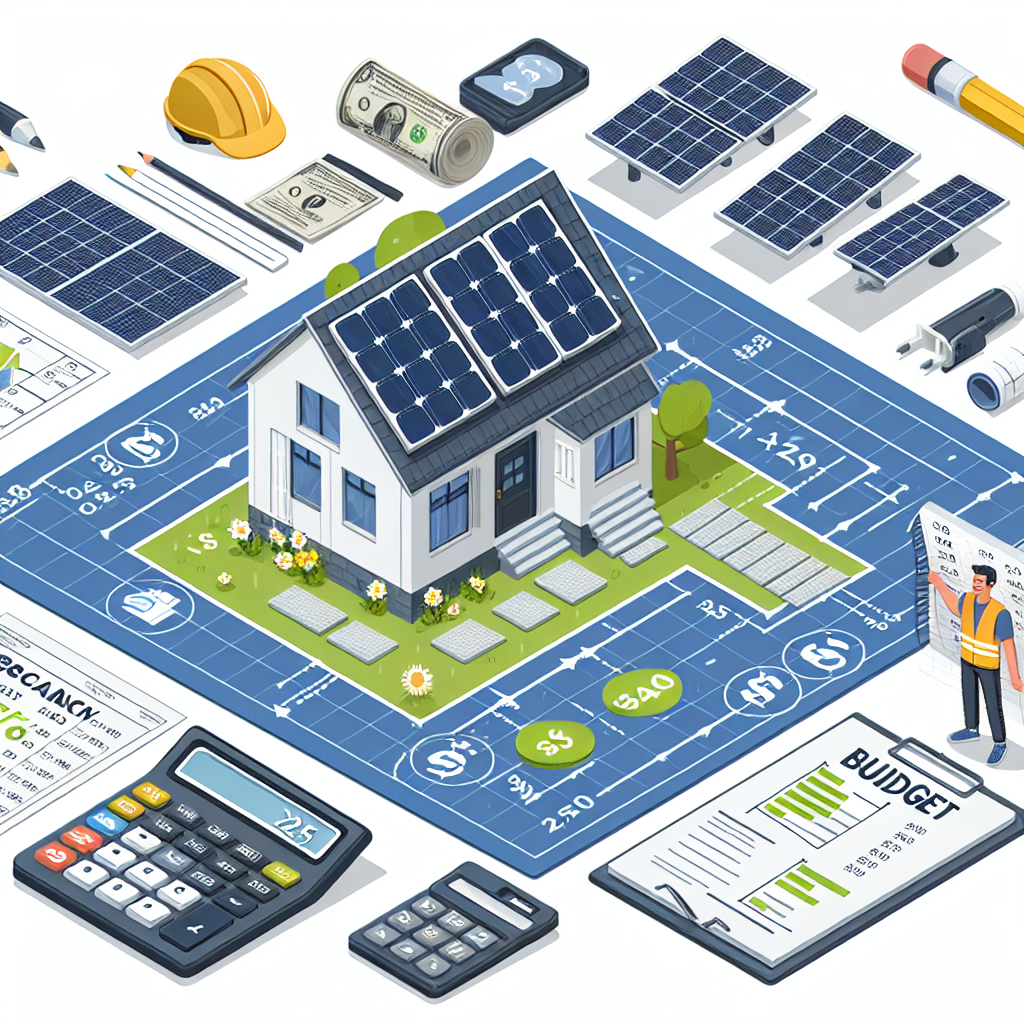
    Now we’re getting to the fun part – money! Sit down and sketch out your budget. Determine how much you can realistically spend. Remember, going solar is an investment, and while there are upfront costs, it can lead to significant savings over time. You just want to be sure you aren’t completely breaking the bank at the outset.

    Once you have a ballpark figure, research the various costs. Get quotes from multiple solar companies and ask about financing options like payment plans or loans. They’ll usually run some promotions that could help ease your initial investment.

    A little tip from me: always be wary of deals that seem too good to be true. They might come with hidden costs later on that can make your budget go out the window. You want a firm quote that covers all the bases. Transparency is key!

    Step 2: Research Solar Incentives

    Explore Tax Credits and Rebates

    You’re gonna want to dive deep into what incentives are available in your area. Many states offer tax credits or rebates for solar panel installations that can significantly reduce your costs. This is like finding money you didn’t know you had! So, definitely check your local government website or talk to your solar installer about available options.

    Besides the federal tax credit, some local utilities even offer rebates. It’s like a little score on top of your savings! These incentives can make the difference between a big investment and a more manageable one. So make sure to grab every cent available.

    Sometimes, even nonprofit organizations offer programs that help low-income households transition to solar. So whether you’re wealthy or living paycheck to paycheck, don’t shy away from searching for assistance.

    Consider Financing Options

    If upfront costs are daunting, don’t fret – there are financing options out there. Solar loans can be a lifesaver! Typically, these loans will allow you to pay for the installation over time. And guess what? Many offer competitive interest rates compared to traditional loans.

    Leases and Power Purchase Agreements (PPAs) are also viable options. With these, you can have solar panels installed at little to no upfront cost, and you simply pay for the electricity produced—often at a lower rate than your utility provider. It’s a way to go solar without putting a dent in your savings.

    As always, read the fine print! Know how long commitments are and the costs involved. The last thing you want is to lock yourself into a deal that doesn’t feel right later on. Take your time to find what works best for you!

    Look Into Community Solar Programs

    If solar panels on your own roof feel like a long shot, community solar programs are a fantastic alternative. These programs allow you to buy into a shared solar array in your area. It’s like being part of a solar club where everyone benefits from cleaner energy! Plus, it typically requires much less upfront cost than installing a system at your home.

    Joining a community solar program can connect you with other likeminded individuals who are also looking to save on energy costs. It’s not just about money; it’s about building a sustainable community. You’ll often secure fixed savings on your electricity bills over time, making it a win-win!

    Also, check if your local programs offer informative sessions or meet-ups so you can learn the details and benefits firsthand. Being part of a community makes the whole process a lot more fun and engaging, trust me!

    Step 3: Choose the Right Solar Installer

    Research and Compare Installers

    Alright, so now you’ve got your budget and incentives all lined up. The next step? Finding the right installer. Not all solar companies are created equal. It’s important to do your homework! Ask for recommendations from folks in your area who’ve gone solar, or check out online reviews and ratings.

    Get multiple quotes, and do not shy away from asking questions. What type of panels do they use? Are they certified? What is their warranty policy? All of these questions can lead you closer to a reliable installer and ultimately a successful installation.

    And don’t forget to check their experience! Companies with years of service under their belt often provide more quality assurance. You want someone who knows the ropes and won’t leave you high and dry!

    Assess Quality and Warranty Offers

    While price is key, the quality of the product and the warranty needs some serious thought too! High-quality solar panels might come with a higher initial price, but they’ll often pay off in the long run with efficiency and longevity. Check the manufacturer’s warranty – it should ideally be at least 25 years!

    Additionally, review the installation warranty. This covers potential issues related to installation defects, and you want that peace of mind as you’re putting a major investment into your home.

    It’s worth it to pay a bit more for quality equipment and installation. Your future self will thank you when your solar panels are performing at their best for decades to come!

    Get Everything in Writing

    Now, once you’ve found your installer, make sure to get all the details in writing. And I mean everything! This should include project timelines, warranties, payment schedules, and scope of work. You want to avoid ambiguous agreements that can lead to misunderstandings down the line.

    Having a written agreement ensures that both you and the installer are on the same page. If something goes awry, you have that document as a reference. It’s like having a recipe – you want to have all the details lined up for the best results.

    Take your time reviewing everything and don’t hesitate to ask for clarifications if something doesn’t sit right with you. This is your investment after all, so it’s worth the extra hassle to make sure everything’s crystal clear!

    Step 4: Execute Your Installation Plan

    Prepare Your Home for Installation

    Before the big day, it’s time to prep your home. Clear any areas around where the installers are going to work. Trust me, they’ll appreciate having a clean workspace, and it makes the job go smoother.

    If you need to make any structural changes to your roof to support solar panels, now’s the time. Speak with your installer to ensure they’re on board with any modifications necessary for a proper fit.

    Also, keep in mind to be flexible with the timeline. Weather and other logistical issues can delay the installation process, so account for a bit of leeway in your plan!

    Communicate Effectively with the Installer

    Once installation day rolls around, maintain open lines of communication with your installer! If you have concerns or questions while they’re setting things up, voice them immediately. This not only fosters a cooperative atmosphere but also ensures that everything is progressing according to plan.

    Ask for updates and stay engaged in the process. This is your project, and keep in mind it might feel a little overwhelming at times. But a simple chat can help solve issues before they become big problems.

    Check in with the team as they work. You’ll not only gain a better understanding of the installation but also develop a relationship with the team that’s sharing their expertise with you. Plus, it’s cool to see how everything comes together!

    Post-Installation Follow-Up

    After all the hard work is done, don’t forget about the follow-up. Once installed, review the entire system to ensure everything is functioning well. Most importantly, keep an eye on that monitoring system. It’ll help you see how much energy your new setup is producing, and ensure it’s operating efficiently.

    Normally, professional installers will schedule a follow-up visit a few months later. Use that time to ask any lingering questions or troubleshoot issues. It’s also a great opportunity to evaluate any unexpected performance dips that may need attention.

    And hey, once you’re up and running, consider spreading the word about your experience with your installer. Word of mouth can help others, and let’s face it—it feels good to share your solar success story!

    Step 5: Enjoy Your Solar Savings

    Monitor Your Energy Production

    Once everything’s installed, you’ll want to keep tabs on your solar system’s production. Most systems come with an online monitoring tool, making it easy to check your energy output. This allows you to see how much you’re saving compared to your previous bills. It’s an exciting feeling to watch that number drop!

    Check your system regularly. If you notice a significant drop in energy production, it may be time to contact your installer for an inspection. Just like that diary of your energy usage you had before, keeping track will let you know if things are running smoothly.

    Plus, being proactive means you can address any problems early. Keep an eye out, and save yourself from surprise tickets down to the repair shop!

    Calculate Your Return on Investment (ROI)

    An important part of enjoying your newfound energy savings is calculating your return on investment. It’s helpful to run the numbers on how much you’re saving on your electricity bill each month compared to your initial investment. It’s like a little reward for your effort!

    After a few years, you’ll have a clear picture of just how much your solar installation is benefiting you financially. There are online calculators available that can help anticipate your savings and ROI over various time frames. Finding out just how far your solar panels are going for you can be a bright moment!

    In case you’ve gone through solar incentives, make sure you factor those into your overall savings too. The whole investment pays off more than many realize, and you’ll probably be smiling when you see the totals.

    Share Your Experience

    Last but not least, take the time to share your experience with others! Whether through social media or within your community, spreading the word about your solar journey can inspire someone else to take the plunge. Plus, you’ll feel great knowing you’ve contributed to the greater good of the planet by encouraging solar energy adoption!

    Consider writing reviews for your installer, sharing your numbers, and promoting environmental consciousness. You never know who you might inspire. Plus, your success story might just push someone off the fence into going solar themselves!

    All in all, enjoying your solar experience is not just about financial savings; it’s a lifestyle choice that reflects a commitment to sustainability. Embrace it, and celebrate those green choices you’ve made!

    FAQs

    1. How much can I save on my energy bills with solar panels?

    Your savings can vary widely based on your location, panel efficiency, and energy consumption. On average, homeowners can expect to save between 20% to 50% on their electricity bills.

    2. What do I need to consider before installing solar panels?

    Consider your energy needs, roof condition, local regulations, costs, and available incentives. It’s all about making informed decisions from the get-go!

    3. Can I install solar panels myself?

    While it’s technically possible, I wouldn’t recommend it! Professional installation ensures safety, optimal performance, and compliance with regulations. Plus, they often come with warranties!

    4. What happens if my solar panels produce less energy than expected?

    If your solar panels aren’t performing as anticipated, check your monitoring tools and reach out to your installer. Many factors can influence performance, but get help fast to ensure your system runs smoothly!

    5. Are there any maintenance costs associated with solar panels?

    Solar panels are relatively low maintenance! Routine checks are necessary, but cleaning them once or twice a year is typically enough. Just ensure all equipment is functioning properly to avoid future costs.

  • Ultimate Guide to Home Solar Panel Installation

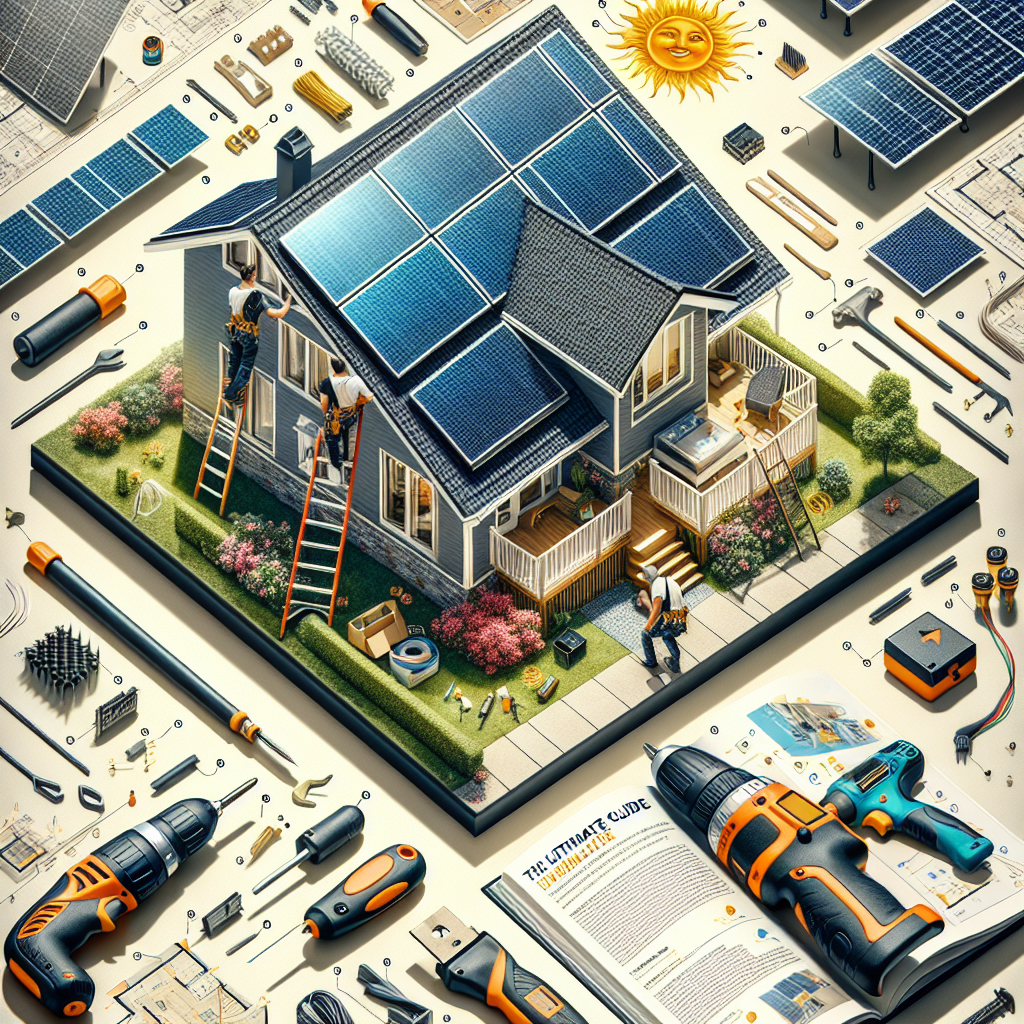
    Ultimate Guide to Home Solar Panel Installation

    Understanding Solar Energy

    What is Solar Energy?

    First off, let’s talk about what solar energy really is. At its core, it’s energy from the sun that can be harnessed and converted into electricity. It’s pretty cool when you think about it – power from a giant ball of gas in the sky!

    When I first learned about solar energy, I was amazed to discover how the sun can power my whole house. It’s sustainable, renewable, and most importantly, it can save you a chunk of change on your energy bills over time!

    Solar panels convert sunlight into electricity through photovoltaic cells, which is a fancy way to say they take the sun’s rays and turn them into usable power. So, essentially, every hour that the sun shines, I’m generating my own electricity!

    The Benefits of Solar Power

    One of the biggest reasons I decided to go solar is the environmental impact. Using solar energy reduces your carbon footprint; it’s a win-win for your wallet and the planet! Plus, as more and more people adopt solar power, it promotes cleaner air and a healthier environment.

    Another perk? Long-term savings. While the initial investment can be a bit hefty, most homeowners eventually see a return on their investment through reduced energy costs. I’m talking about lower electric bills and, often, even credits on your electricity bill!

    Lastly, solar energy can increase your property value. Potential buyers often view homes with solar panels as attractive because they know they can save money on utilities. Who wouldn’t want to buy a house that pays them back over time?

    Common Myths about Solar Energy

    Now, let’s address some common myths because, believe me, I fell for a few before making my move. One of the biggest misconceptions is that solar panels don’t work in cloudy or rainy weather. Fact is, they do still generate power, though efficiency might dip a bit.

    Another myth I encountered was the belief that solar panels are too expensive for the average homeowner. While it’s true that the upfront costs can be significant, incentives like tax credits and grants help to reduce the burden. Plus, financing options have dramatically evolved!

    Lastly, some folks think that solar panels require a lot of maintenance. In reality, they’re pretty low-maintenance. A good cleaning a few times a year to remove dirt and debris is usually all they need. So, don’t let misinformation beat you before you even start!

    Assessing Your Home for Solar Installation

    Evaluating Your Roof

    Before diving into solar, it’s essential to assess if your roof is suitable for installation. When I climbed up on mine, I noticed it had a good south-facing angle, which is perfect for catching sunlight. If your roof is flat or has a steep pitch, don’t worry, options are still open!

    A key factor I considered was the age and condition of the roof. If it needs repairs soon, you might want to tackle that before adding solar panels. Nothing like a fresh roof to go with your shiny new panels!

    Also, think about any obstructions like trees or taller buildings. Shades can significantly impact the effectiveness of solar panels. If you’ve got a cozy oak that’s blocking sunlight, you might need to trim it back or think about panel placement.

    Understanding Your Energy Needs

    The next step is figuring out your energy consumption. I looked through my electric bills for the past year and tracked the usage during different months. It was eye-opening to see when I was using the most electricity.

    Consider what you want to power with solar. Do you plan on just powering your lights, or do you want to run the whole house? Depending on your goals, you might need a larger system. It’s crucial to map this out to avoid any surprises down the road.

    Once I gathered all my info, I used it to size my solar system correctly, ensuring it would meet my needs without overextending my budget. It’s all about balancing what you want and what fits your energy lifestyle!

    Checking Local Regulations and Incentives

    Next up, understanding your local regulations is super important. Different states have different rules about solar panel installations. I did a little research and found out that my town made it fairly easy with clear guidelines.

    Don’t forget to check what incentives or rebates might be available to you. Some states offer significant tax breaks, aside from federal incentives, that can help ease that initial financial burden. Every little bit counts, right?

    Finally, speak with your homeowners’ association (HOA) if applicable. Some places have strict rules about the aesthetics of homes, and it helped me to get clarity upfront rather than facing issues later.

    Choosing the Right Solar Panels

    Types of Solar Panels

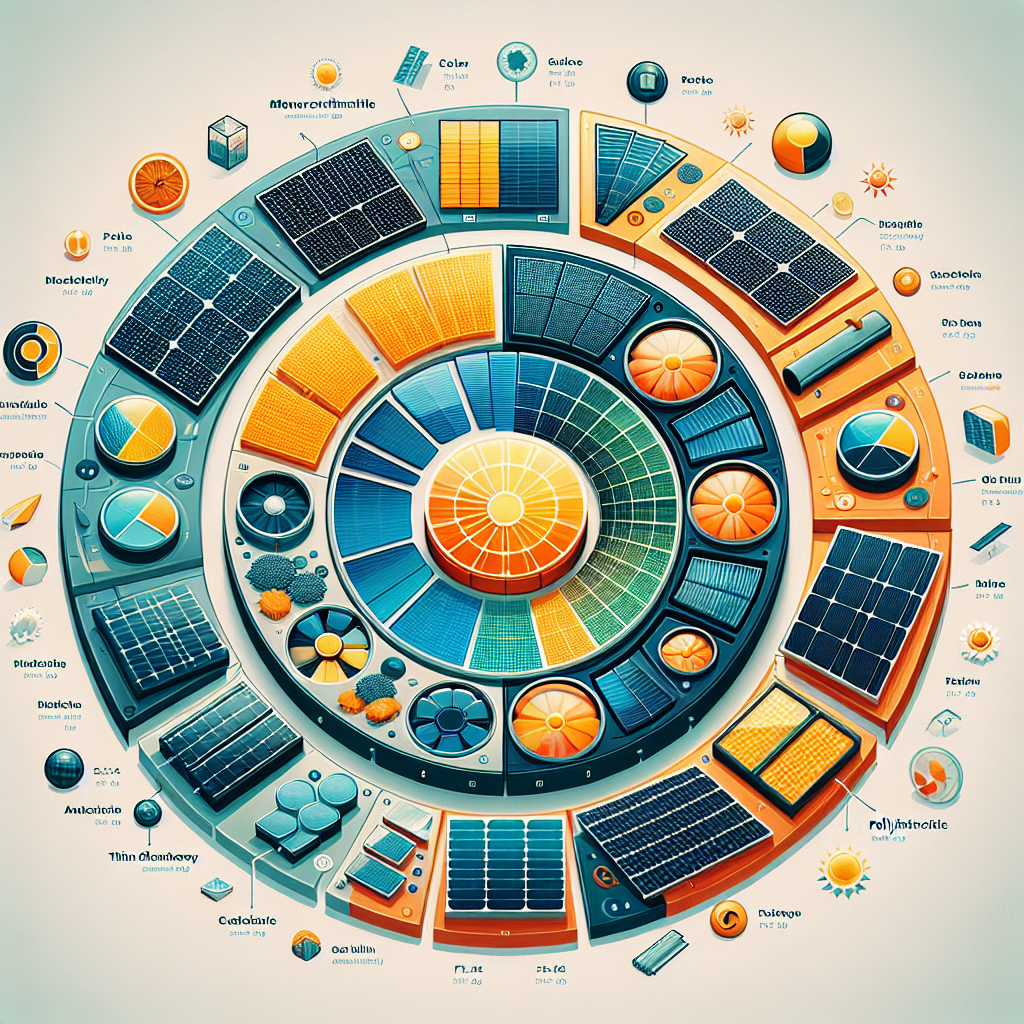
    When I first started looking at solar panels, I was completely overwhelmed by the options. There are primarily three types: Monocrystalline, Polycrystalline, and Thin-Film. Each offers different efficiency levels and prices, so finding the right fit for your home and budget is crucial.

    Monocrystalline panels, for instance, are more efficient and take up less space, which is great if your roof isn’t huge. But they can be a bit pricier. Meanwhile, Polycrystalline panels are cheaper but typically take up more room and aren’t quite as efficient.

    Consider how much roof space you have and what your budget is when choosing. It helped me a lot to make a pro-con list for each type, considering my energy needs and financial situation!

    Finding a Reputable Installer

    Your installation company can make all the difference in the world. I knew I needed to find a trustworthy installer who had solid reviews and good customer service. Ask around, read online reviews, and look for referrals to find the right fit.

    Make sure they’re licensed and insured. This is pivotal in case anything goes wrong during installation. The last thing you want is an unlicensed company that leaves you on the hook for damages!

    Then, get multiple quotes! I gathered estimates from a few installers, which gave me a better sense of the price range and services offered. Seeing the costs laid out helped me make an informed choice without feeling rushed or pressured.

    Understanding Warranties and Performance

    Warranties are a biggie when investing in solar panels. I made sure to understand what each warranty covered—some focus on panel performance while others cover workmanship. It’s essential to choose a panel with a solid performance warranty, typically around 25 years, so you can rest easy knowing it’s covered.

    Also, think about the long-term performance of your panels. I looked at degradation rates, meaning how much efficiency the panels may lose over time. This helped me weigh which panels were truly worth my investment.

    Keep in mind that a solid warranty usually indicates a good-quality product, so don’t settle for less. It’s your roof, and it’s worth protecting with the best!

    The Installation Process

    Preparing Your Home

    Once I selected my installer and finalized the details, it was time to prepare my home. This might involve a bit of prep work like clearing any debris from your roof or adjusting garden features that could be in the way of installation.

    The install team will likely need access to both inside and outside your home, so ensure everything is clear for them. I even had to make sure my dog was secured and calm during the chaos!

    Additionally, you’ll want to be ready for a bit of noise and activity while the panels are being installed. A little patience goes a long way on installation day—you’ll be so excited when it’s complete!

    The Actual Installation Day

    Oh boy, installation day was exciting! The team arrived early, and with a few tools and equipment, they quickly got to work. It was really impressive to watch their efficiency. They started by laying out all the equipment and explaining the process to me, which put me at ease.

    Throughout the day, they communicated well about what they were doing and answered my questions. I loved feeling involved in the process! Soon enough, those panels were installed, and I couldn’t wait to see them up and running!

    After the panels were placed, they did some wiring and connected everything to my electrical system. And the best part? They took care of all the heavy lifting while I relaxed with my favorite drink in hand!

    Final Inspections and Connection

    After installation, there was a final inspection to ensure everything was up to code. The local authorities came in, signed off the project, and then connected it to the grid. It’s crucial so that you get all the benefits of going solar, including net metering if applicable.

    At this stage, I was also introduced to monitoring apps that let me track my energy production in real time. It’s super cool to see how much energy I generate daily!

    Following the inspection, the solar energy system was officially operational, and I felt like a proud parent watching my home embrace renewable energy!

    Maintaining Your Solar Energy System

    Regular Cleaning

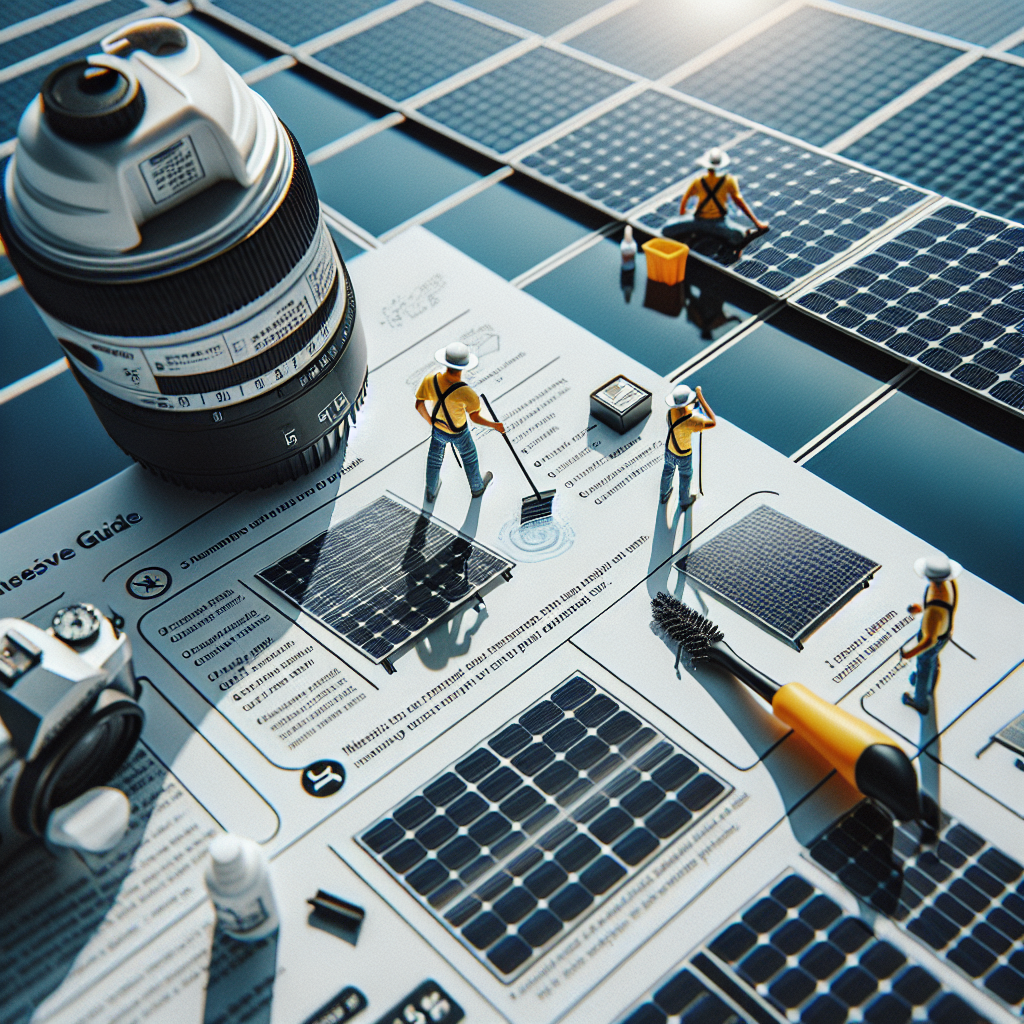
    Maintaining my solar panels is a key part of keeping them working efficiently. I’ve learned that a good rinse with water every few months does wonders to remove dirt and debris. It’s a simple, low-stress task that keeps my panels in optimum shape!

    If you live in a very dusty area or have lots of bird activity, you might find yourself needing to clean them more often, which was a surprise for me. Having someone check them for me was an option I considered, as I’m not too fond of heights!

    Overall, regular cleaning is a great way to maintain your investment, and it’s not overly complicated. It’s important to make it a part of your seasonal checklist!

    Monitoring Performance

    Another important aspect of maintaining my solar panels is keeping an eye on their performance. Most modern systems come with monitoring systems that provide real-time data and alerts if something goes wrong.

    I’ve set up my monitoring app, which gives me insights into energy production and alerts me if something’s off. Being proactive helps catch any issues early on, and it’s comforting to know your system is running smoothly!

    If I notice any dips or problems, I don’t hesitate to reach out to my installer for support. It’s good to have that connection to ensure everything stays in top shape!

    Routine Inspections

    Lastly, regular professional inspections should be part of your maintenance routine. I set an appointment yearly to have a technician check everything, from the wiring to the panels themselves. It’s worth it for peace of mind.

    During these inspections, they can catch potential issues that I might have missed and do a thorough cleaning too. It’s like an annual check-up for your solar system!

    By keeping a routine schedule, I feel confident my system remains efficient, and I can enjoy the perks of solar energy without worrying about underlying issues!

    FAQs

    1. How much does it cost to install solar panels?

    The average cost can vary widely depending on the size of the system and your location, but it typically ranges between $15,000 to $25,000 before incentives. Be sure to check for local rebates or tax credits!

    2. Will solar panels work during a blackout?

    Typically, no. Standard grid-tied solar systems will shut down during a blackout for safety reasons. However, having a battery backup can allow you to use your solar energy during power outages.

    3. How long do solar panels last?

    Most solar panels come with a warranty of 25 years, but they can last much longer, sometimes up to 30-40 years with proper maintenance!

    4. Do solar panels require a lot of maintenance?

    Nope! Generally, they are pretty low maintenance. Just make sure to clean them a few times a year and have a professional check-up annually.

    5. How do I find a good solar installer?

    Check reviews, ask friends for recommendations, and compare multiple quotes. Look for installers with good credentials and solid warranties for peace of mind!

  • Solar Panel Cleaning Guide: Maximize Your Energy Output

    Solar Panel Cleaning Guide: Maximize Your Energy Output

    Understanding the Importance of Regular Cleaning

    Why Clean Solar Panels?

    Let me tell you, when I first got my solar panels installed, I had no idea how important cleaning them would be. Dust, dirt, and bird droppings can all accumulate over time, and they can significantly reduce the efficiency of your panels. I learned the hard way that neglecting to clean them could mean less energy output and lower savings on my energy bills.

    Think about it: every little bit of grime can block sunlight from hitting the solar cells. That light is what generates power for my home. So, if you want to maximize your investment, regular cleaning is an absolute must.

    Plus, clean solar panels have a longer lifespan. When you take the time to care for your panels, you’re not just enhancing their efficiency; you’re also ensuring they last longer, which is a fantastic return on your investment.

    Frequency of Cleaning

    Depending on where you live, the frequency of cleaning can vary. For my panels, I found that bi-annual cleaning works wonders. However, if you live in a particularly dusty area or near lots of trees, you might want to do it more often, like every couple of months.

    Weather also plays a huge role. Rain can help wash off some debris, but after a storm, I usually check to see if a good scrub is needed. It’s also good practice to have a regular cleaning schedule, so it doesn’t sneak up on you.

    Don’t forget the seasons! In the spring, I tend to check my panels after all that pollen settles, and in the fall, it’s a must-do before the winter snow hits.

    The Benefits of Clean Panels

    Now, let’s talk perks! Aside from maximizing energy production, clean solar panels can boost your home’s curb appeal. If you ever plan on selling your house, potential buyers will definitely notice those sparkling panels.

    A clean system also means fewer maintenance issues down the line. It’s like keeping your car in good shape: the better you care for it, the less you have to spend on repairs.

    Plus, think about the environment! A more efficient solar panel helps reduce your carbon footprint, contributing to a greener planet. It’s a win-win situation when you keep your panels clean!

    Choosing the Right Cleaning Techniques

    Methods for Cleaning

    I’ve tried a few different methods for cleaning my solar panels, and let me tell you, not all methods are created equal. The safest way I’ve found is using a soft brush and water. It’s gentle enough not to scratch the surface, yet effective at removing dirt.

    Another method I sometimes use is a spray cleaning solution designed for solar panels. Just make sure it’s environmentally friendly. Nobody wants to mess with that!

    Seriously, avoid using harsh chemicals or pressure washers. They might seem like a swift solution, but they can cause long-term damage to your panels.

    DIY vs. Professional Cleaning

    This is a big question I had when I started: should I DIY or hire a pro? I’ve done my own cleaning several times, and while it’s certainly cost-effective, I learned that it can also be time-consuming and risky.

    If you’re up on your roof, safety should be your top priority. Always wear proper gear, and if you’re feeling iffy about it, just call in the pros. They have experience and the right equipment!

    In the end, it boils down to your comfort level and how much time you want to spend. Personally, I mix it up. I do some basic cleaning myself but hire pros for annual deep cleans.

    Tools and Supplies Needed

    For my DIY cleanings, I keep things pretty simple. I use a soft-bristle broom, a bucket of soapy water, and a garden hose. That’s pretty much my cleaning toolbox!

    If you’re feeling fancy, there are also solar panel cleaning kits available with fancy brushes and squeegees. They work great and make the job a bit easier.

    Just remember to be gentle. Your goal is to clean, not to scrub away your investment!

    Safety Precautions to Keep in Mind

    Climbing Safety

    Being up on a roof can be daunting, right? I freaked out the first time I had to do it! Make sure to wear non-slip shoes and never attempt to clean on a rainy or wet day. Trust me, slipping is the last thing you want to deal with.

    Consider setting up a safety harness or have someone outside with you, just in case. It’s always better to be safe than sorry.

    And if you’re like me and you hate heights, that’s a huge sign to call the pros. There’s no shame in getting help!

    Protecting Your Equipment

    It’s not just about protecting yourself; you’ve got to take care of your panels, too! Before getting started, inspect your panels for any cracks or damage. If you see anything, it’s best to get it checked out before cleaning.

    A tip I learned is to avoid using metal tools. They can scratch your panels, and nobody wants that. Stick with soft materials to keep everything safe.

    Also, if you’re using a ladder, make sure it’s secured. I’ve had a near-miss once when I didn’t double-check, and I learned my lesson the hard way!

    Condition of Your Panels

    Pay attention to how your panels are performing. If you notice a significant drop in output, it might be time for a thorough cleaning. Sometimes, dirt builds up so much that you don’t even realize the panels need attention.

    It’s also worth noting if your panels are in a location that might require more frequent cleaning. For example, if they’re near a busy road, you may find a lot of debris collecting.

    Keep an eye out for bird droppings and leaves—these can really mess with efficiency if left unchecked!

    Regular Maintenance Tips

    Inspecting Your Panels

    Aside from the cleaning, I find it incredibly useful to regularly inspect my solar panels. I usually do a visual check every month or so to see if there’s any debris or dirt. You’ll be surprised how much can accumulate!

    Look for anything unusual. If there are dark spots or discoloration, it might be a sign of mold or mildew, which need to be dealt with promptly.

    A little upkeep can go a long way in ensuring your panels run efficiently!

    Keeping the Surrounding Area Clean

    Don’t forget, the area around your panels can wreak havoc on their cleanliness too. Trim any overhanging branches that might drop leaves or twigs onto your panels. I learned this the hard way when I had to do a deep clean thanks to my lovely tree!

    Also, consider landscaping the area to minimize debris. I added some gravel around my setup to help keep things cleaner.

    Regular yard maintenance can greatly reduce the amount of material that gets blown up onto your panels.

    Monitoring Performance

    Lastly, I highly recommend keeping an eye on the performance of your solar panels. Many systems have monitoring tools that can show you how much energy you’re generating. If you see a drop, that’s a sure sign it’s time for a cleaning!

    Making a habit of checking the performance can save you from future headaches. I discovered this tool and it’s been a game changer for my maintenance schedule!

    Staying proactive ensures you’re getting the most out of your investment without any unpleasant surprises.

    FAQ

    1. How often should I clean my solar panels?

    Generally, it’s a good idea to clean them at least twice a year, but if you live in a dusty area, you might need to do it more often.

    2. Can I use a pressure washer on my solar panels?

    No, it’s best to avoid pressure washers because they can damage the panels. Stick to soft brushes and water for cleaning!

    3. Is it safe to clean solar panels myself?

    It’s safe as long as you take proper precautions! Make sure you have safety gear and are comfortable on a roof.

    4. What tools do I need for cleaning solar panels?

    A soft brush, bucket of soapy water, and a garden hose are usually all you need. You can also find specialized solar panel cleaning kits if you prefer.

    5. What should I do if I notice damage on my solar panels?

    If you see any cracks or damage, it’s best to contact a professional to assess the situation before cleaning.

  • DIY Solar Panel Installation: Step-by-Step Guide

    DIY Solar Panel Installation: Step-by-Step Guide

    Step 1: Planning Your Solar Panel System

    Assessing Your Energy Needs

    Before diving into the installation process, the first thing I did was assess my energy needs. This means looking at my monthly electricity bill and figuring out how much energy I actually use. It’s crucial to know your consumption because it helps in determining how many panels I would need.

    I spent some time making a list of all the appliances I use regularly, noting their wattage and how many hours I use them daily. You’d be surprised at how quickly the numbers add up! There’s nothing worse than installing a fancy new solar system only to find out it doesn’t meet my needs.

    Once I had a clear understanding of my energy requirements, I could move on to picking the right solar panel system. I recommend using online calculators or consulting with a solar professional if you’re unsure. Trust me, getting this step right will save you a lot of headaches down the road!

    Choosing the Right Location

    The next bit of planning involved choosing the right location for the panels. I knew I wanted to put them on my roof, so I spent time considering the direction my roof faces and whether trees nearby might block sunlight. This part was crucial because I needed to maximize exposure to sunlight for better energy production.

    Another thing to think about is how much space you have available. I had to measure not only the roof space but also the area around the house to ensure there would be no obstructions. If you’re thinking about ground-mounted panels, make sure you have a nice sunny spot without shadows!

    Lastly, don’t forget to check local regulations! Some places have specific codes about where solar panels can be installed. I had a quick chat with my local zoning office and, thankfully, there were no surprises.

    Budgeting for Your Solar Project

    No one likes talking about money, but budgeting is a big part of the planning phase. I put together a budget that covered not just the cost of the panels and equipment, but also installation (if I went that route), permits, and any potential upgrades to my electrical system.

    It’s important to know your budget ahead of time because solar can get pricey. I did my homework and found various financing options, including rebates and tax credits. Every little bit helps when you’re trying to make this green investment!

    Also, I made sure to leave a little wiggle room in my budget for unexpected expenses. As any DIYer will tell you, surprises tend to pop up when you least expect them!

    Step 2: Gathering Your Materials

    What You’ll Need

    Once I hammered out the planning phase, I moved on to gathering materials. I started with the solar panels themselves and added a few other components to my list, including an inverter, mounting hardware, and wiring. I found it easier to buy these components from a single supplier to ensure compatibility.

    Another item on my must-have list was a battery (if I wanted energy independence during the night). I did a lot of research on different types of batteries and ended up going for a lithium-ion model. It was definitely more pricy, but I found it to be worth it for reliability and longevity.

    Don’t forget tools! At this stage, I made sure I had all the tools ready, including a drill, screwdriver set, and measuring tape. I learned the hard way that having your tools on hand saves a ton of time and reduces the chances of frustration.

    Finding Reliable Suppliers

    With my material list in hand, I started hunting for reliable suppliers. Websites like Home Depot and Lowe’s were a good starting point, but I also looked for local suppliers who specialized in solar. Supporting local businesses is important to me, and often they have better advice and customer service.

    I reached out to a few local suppliers and was pleasantly surprised by how knowledgeable they were. They answered some of my questions and helped me fine-tune my materials list based on what I wanted to achieve. Reaching out for advice is always a good idea!

    Make sure to compare prices and check reviews before finalizing your supplier. It really pays off to do a little homework and ensure you’re getting quality materials at a fair price.

    Ordering and Organizing

    Once I settled on my suppliers, it was time to place the orders. I made a conscious effort to keep everything organized, creating a checklist for what was ordered and when it would arrive. It’s surprisingly easy to lose track when you’re juggling various items!

    After everything was ordered, I made sure I had a designated space in my garage to store all the equipment. Keeping it tidy and out of the way made things a lot smoother when the installation day finally arrived.

    And, of course, I kept an eye on the delivery dates! I found it helpful to set reminders for myself, ensuring that I could stay on top of everything and avoid any last-minute rushes.

    Step 3: Installing the Solar Panels

    Safety First

    When installation day rolled around, I knew safety was going to be a top priority. I dug out my hard hat, safety glasses, and gloves. I can’t stress how important it is to protect yourself while working, especially when you’re on the roof and dealing with electrical components.

    Additionally, I made sure to have someone with me throughout the process. There’s no reason to tackle this alone, and having a buddy made it safer and a lot more fun! Plus, sharing the experience made it easier to lift and handle larger panels.

    Remember to check the weather, too! I planned my installation for a clear day — rain or high winds would not mix well with this kind of project. Trust me, the safer you are, the smoother the process will be!

    Mounting the Panels

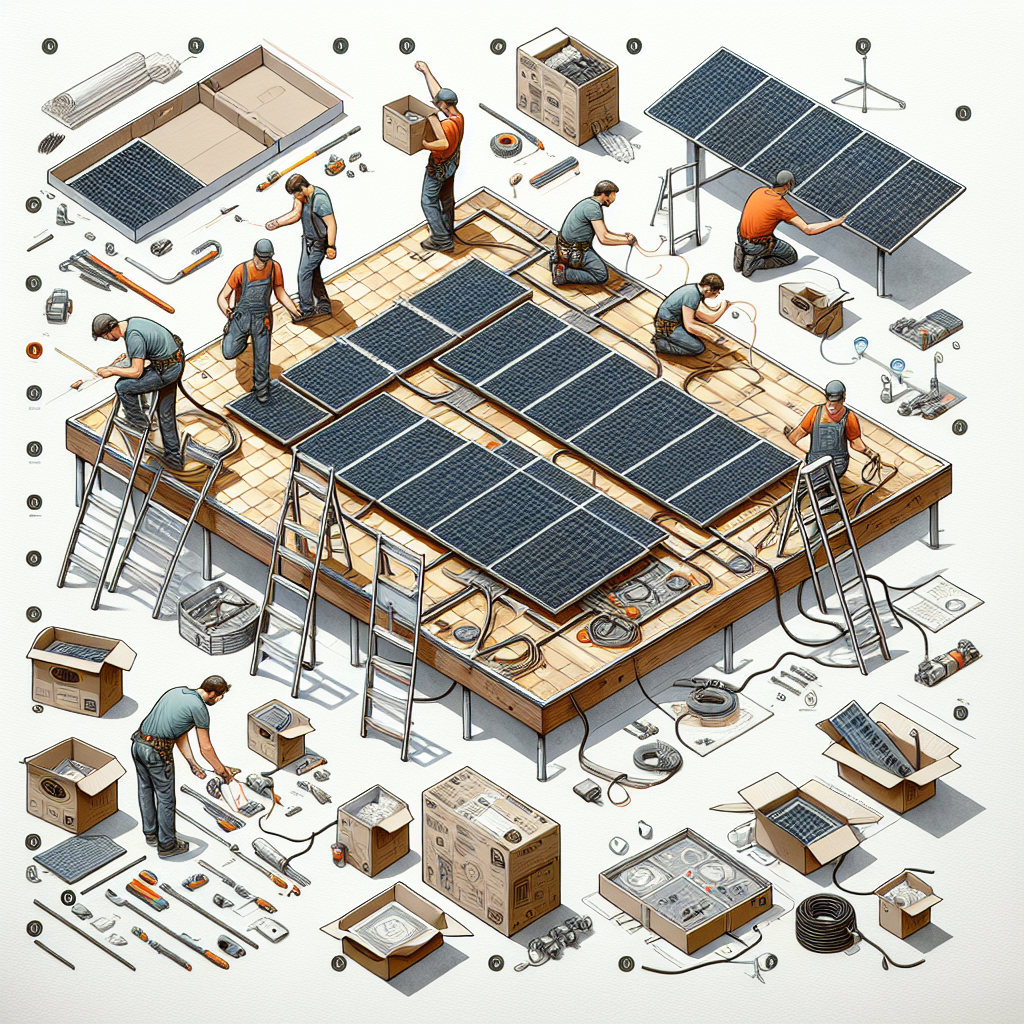
    After suiting up, the first step in the installation was mounting the panels. I started by following the installation manual carefully. It’s like building a piece of IKEA furniture — one wrong move and it can all go sideways!

    I made sure to double-check my measurements before drilling into the roof. I had to secure the mounting brackets properly to ensure the panels would stay in place during harsh weather conditions. It felt good to finally see those panels up there glinting in the sunlight!

    Once the brackets were secure, attaching the panels was a piece of cake. I had the right tools and everything fell into place nicely. I was giddy with excitement as I installed the last panel and stood back to admire my handiwork.

    Wiring and Inverting

    With the panels mounted securely, it was time for the electrical side of things. I took my time to carefully connect the wires from the solar panels to the inverter, making sure everything was done according to the instructions. This step is where I felt my inner electrical engineer come out!

    Once all my connections were in place, I double-checked everything. It’s one of those things where you just have to be sure. My buddy and I double-checked it together, and it was reassuring to have a second set of eyes!

    Finally, the moment of truth arrived — flipping the switch to turn on the inverter. I can’t describe the rush I felt as the lights flickered to life, and I knew my new solar system was up and running! It’s moments like these that make all the hard work totally worth it.

    Step 4: Connecting to the Grid

    Understanding Grid-Tied Systems

    If you’ve accompanied me on this solar journey so far, you’ve likely heard me talk about grid-tied systems. These systems allow you to remain connected to your local power grid, which means any extra power you produce can be sent back, earning you credits!

    Before I made the final connection, I took some time to understand how utility companies work with solar. Not all utilities have the same policies regarding net metering, so I made sure to research what my local utility offered. Knowing this really helped me understand the potential savings!

    I also reached out to my utility provider to inform them of my new solar installation. Believe it or not, many providers come to inspect your system and ensure it’s set up safely and correctly. Getting this part right is crucial to enjoying your new solar power without worries!

    Installing a Safety Disconnect

    A key component of connecting to the grid is installing a safety disconnect switch. This allows me (and any emergency responders) to shut down the solar power system safely when needed. I can’t stress enough how important this step is for safety!

    I carefully planned the placement of the disconnect switch, making it easily accessible and clearly marked. It’s one of those things that you hope you never have to use, but it’s crucial to have it just in case.

    Remember, always consult the local regulations regarding the installation of disconnect switches! I double-checked my local codes and made sure everything was compliant. You definitely don’t want to run into any legal issues down the line.

    Final Inspection

    After everything was plugged in and connected, it was time for a final inspection. I set up an appointment with my local code enforcement or utility technician to come by and check everything. It felt a bit nerve-wracking, but I was confident everything was done according to the rules!

    During the inspection, the technician checked wiring, the inverter, and overall system performance. He offered some valuable feedback and answered a few of my questions. It was enlightening to get insights from someone with experience.

    In the end, having my installation inspected gave me peace of mind. I knew that not only was my solar system functional, but it was also safe for me and my family. Plus, I was able to receive all the necessary documentation for the utility company!

    Step 5: Maintenance and Monitoring

    Regular Cleaning

    Once my solar panels were up and running, I quickly realized that regular maintenance would be key to keeping everything functioning smoothly. I learned that keeping my panels clean helps maximize efficiency. Debris, dust, and bird droppings can accumulate and affect performance!

    On sunny days, I’d get out there with a hose and gently rinse off the panels. It’s amazing how quickly they can get dirty, especially after a storm. I also keep an eye on any nearby trees or foliage, making sure nothing starts overshadowing my panels.

    Trust me, it’s a small effort compared to the benefits of a well-maintained solar panel system. Plus, it gave me another reason to get outside and enjoy the sunshine!

    Monitoring Energy Output

    An often-overlooked part of maintaining solar panels is monitoring energy output regularly. I invested in a monitoring system that tracks how much energy my solar panels produce. It’s been super insightful and helps me see how well my system is performing.

    Through the monitoring system, I can easily identify any dips in production and take action if needed. If my panels aren’t performing as expected, I know there might be something wrong that needs fixing, whether it’s shadows, dirt buildup, or electrical issues.

    Plus, it’s nice to see the savings add up each month. I get a real kick out of checking it! It’s like a game to get the most out of my panels and be as energy-efficient as possible.

    Staying Informed and Adjustments

    The final step in my solar journey is staying informed about advancements in technology and energy system options. Solar technology keeps evolving, and I want to make sure I’m getting the best bang for my buck. I often read articles and participate in local events pertaining to solar energy; it’s been a great way to learn!

    Over time, I learned that it might be worth considering battery storage or even expanding my solar capacity. Each year, the prices for solar components seem to drop, and it’s nice to stay updated on what’s possible.

    Finally, remember to connect with local solar communities, online forums, or support groups. Sharing experiences with fellow solar enthusiasts has been both comforting and enlightening, providing a huge wealth of knowledge and camaraderie in the green energy movement!

    FAQ

    1. How much can I save by installing solar panels?

    Your savings can vary based on your energy consumption, local energy prices, and any available incentives. Many people can significantly reduce or even eliminate their electricity bills.

    2. Do I need to hire a professional for installation?

    While you can DIY the installation, hiring a professional ensures it’s done correctly and safely. Plus, many states require a licensed installer for systems that are grid-tied.

    3. How do I choose the right solar panels?

    Look for panels with high efficiency rates, a good warranty, and reputable brand backing. Research and comparisons can provide valuable insights into your options.

    4. What maintenance is required for solar panels?

    Regular cleaning and monitoring of energy output are critical. Additionally, checking for any obstructions or dirt buildup can help maintain efficiency over time.

    5. Can I install solar panels myself?

    Yes, with research and the right skills, you can install them yourself. However, be sure to check local codes and regulations. Safety and proper installation practices are crucial!

  • Solar Panel Types Compared: Which Should You Buy?

    Solar Panel Types Compared: Which Should You Buy?

    Monocrystalline Solar Panels

    What Are They?

    Monocrystalline solar panels are like the crème de la crème of solar technology. They’re made from a single crystal structure, which sounds fancy, right? Basically, this means they’re super efficient—often boasting efficiencies of over 20%. I remember the first time I saw them; they were sleek, black, and just looked right at home on a roof.

    These panels are made from silicon that’s been melted down and formed into bars, which are then sliced to create the wafers for the panels. What’s cool about them is that the purity of the silicon boosts their performance. If you really want to maximize your energy output in a limited space, these babies are worth considering.

    However, I’ve gotta mention that they tend to come with a higher price tag. So if you’re on a tight budget, you might want to weigh your options carefully before jumping in.

    Advantages of Monocrystalline

    One of the biggest perks of monocrystalline panels is their longevity. I’ve seen some of these panels come with warranties of up to 25 years! They’re built to stand the test of time. Plus, their efficiency means you get more power per square foot. If you live in an area with limited roof space, you’ll appreciate this greatly.

    Another awesome feature is that they perform better in warmer conditions compared to other types. So if you live in a sweltering area, you won’t be losing out on energy like you might with other panels. I know a few homeowners who’ve praised how well their monocrystalline panels have held up during hot summers.

    Lastly, aesthetically speaking, they look pretty sleek. If you care about curb appeal, these panels have a nice, uniform look that many find appealing. Trust me, they’re bound to impress your neighbors!

    Disadvantages of Monocrystalline

    Now, let’s keep it real—these panels aren’t without their faults. As I mentioned, they tend to be pricier. If you’re working on a strict budget, this could be a downside you have to consider. Sometimes, it’s all about finding that balance between cost and efficiency.

    Another thing to keep in mind is that they can be less resilient to shading. If your rooftop is shaded by trees or buildings, you might want to consider a type that doesn’t mind the shade. A good friend of mine learned that the hard way—his gorgeous monocrystalline panels didn’t perform nearly as well as he anticipated.

    Finally, manufacturing these panels has a higher energy input compared to others. So, if you’re keen on making an environmentally friendly choice, this factor might make you reconsider. As I’ve learned, sometimes a smart investment doesn’t just mean money—it also means being mindful of your carbon footprint.

    Polycrystalline Solar Panels

    What Are They?

    Next up, we have polycrystalline solar panels. These guys are often seen as the more affordable cousin of monocrystalline panels. Made from multiple silicon crystals, they appear speckled and have a blue hue. The first time I installed these, I thought it was cool how they looked in the sunlight!

    These panels are produced by melting raw silicon and pouring it into a mold, which then cools. This process is a bit more straightforward than making monocrystalline panels, which helps keep costs down. If you see a deal on solar panels, there’s a good chance these are what you’re looking at.

    While they might lag behind in efficiency—often around 15-20%—they can still get the job done, especially for those of us just starting with solar energy. If you’re worried about a hefty bill, polycrystalline panels might give you that sweet spot between cost and performance.

    Advantages of Polycrystalline

    One of the main draws of polycrystalline panels is their price point. If you’re not looking to break the bank, these panels can be a fantastic entry into solar energy. I’ve chatted with many homeowners who were able to afford a full setup without needing to get a second mortgage!

    They’re also relatively easy to produce, which can contribute to a lower environmental impact during manufacturing. Less energy-intensive production can definitely be a plus for eco-conscious consumers like myself.

    Lastly, these panels perform decently in high temperatures, though perhaps not as well as monocrystalline ones. If you live in a temperate area, you’ll likely find that they work just fine in your home setup without any major issues.

    Disadvantages of Polycrystalline

    However, they do have their downsides. First off, their efficiency isn’t as high as monocrystalline panels. So, if you’ve got limited space, you might need to install more panels to get the same energy output. This factor is something I had to consider when planning my own setup.

    They also tend to have a shorter lifespan—usually around 25 years. This isn’t a deal-breaker, but it’s worth noting if you’re looking for something that lasts a bit longer. I did notice a few friends opting for monocrystalline panels because they wanted that peace of mind.

    Finally, aesthetics can be a concern. They typically have more of a patchy look compared to the sleek monocrystalline panels. If the visual appeal matters to you, it might be something to think about when making your choice.

    Thin-Film Solar Panels

    What Are They?

    Thin-film solar panels are often the underdog in the solar world. I’ve found them to be quite interesting as they’re made by layering thin sheets of photovoltaic material, making them incredibly lightweight and versatile. This can be a game changer, especially for certain installations.

    These panels come in three main types: amorphous silicon, cadmium telluride, and copper indium gallium selenide. The versatility of materials used is pretty fascinating. For instance, because they can be applied to flexible materials, I’ve seen them used in unconventional ways, like on building facades or even vehicles!

    While they’re not as efficient as the crystalline options, they thrive best in low-light conditions. If you find yourself in an area with frequent cloudy days, thin-film might just suit your needs perfectly. I’ve had friends swear by these for their unique applications.

    Advantages of Thin-Film

    One of the biggest advantages? Flexibility! Literally! Thin-film panels can be installed on a variety of surfaces. If you need something that can adapt to a specific shape or curve, these panels can do the trick—and they still perform!

    They also tend to be cheaper to produce and install. If you’re working with a tighter budget or looking for a unique installation, this can be a big selling point. I’ve seen folks take a chance on thin-film panels because they simply wanted something different.

    Lastly, they perform better in heat and shady conditions than their crystalline counterparts. If your area has lots of trees or you’re dealing with other shading issues, these panels might give you better performance overall. Trust me; you won’t miss out on energy just because it’s a bit cloudy.

    Disadvantages of Thin-Film

    On the flip side, it’s important to chat about the downsides. One significant issue I came across is lower efficiency ratings—usually around 10-15%. This means you’ll need a lot more roof space to produce the same amount of power as the other panels. For those folks with smaller roofs, this can pose a challenge.

    Additionally, their lifespan is shorter, typically around 10-20 years. You might need to think about replacing them sooner than the crystalline options. I’ve had friends who were surprised by this fact, so it’s worth mentioning upfront.

    Also, they’re more sensitive to high temperatures and can degrade faster under extreme conditions. If you live in a hot climate, this sensitivity could affect performance. It’s something I carefully considered when weighing my own options.

    Conclusion

    When it comes to choosing the right solar panel, it all boils down to your specific needs and circumstances. If you’ve got the budget and want maximum efficiency, monocrystalline panels are a solid choice. If you’re looking for a more affordable option, polycrystalline might be what you need.

    And hey, if you want something unique or plan to deal with shading, thin-film panels could be your best bet. I think the key takeaway here is to assess your situation and be honest about your priorities, whether it’s cost, efficiency, or aesthetics.

    Ultimately, we all want to harness the power of the sun, and each type of panel can get you there. So, explore your options, do your homework, and find what works best for you!

    FAQ

    1. What is the difference between monocrystalline and polycrystalline solar panels?

    Monocrystalline panels are made from a single silicon crystal and are typically more efficient but also pricier. Polycrystalline panels are made from multiple silicon crystals, which makes them more affordable but slightly less efficient.

    2. How do thin-film solar panels compare in efficiency?

    Thin-film solar panels tend to have lower efficiency levels, usually around 10-15%. They do, however, perform better in low-light conditions and heat, making them suitable for certain locations.

    3. What are the lifespan expectations for each solar panel type?

    Monocrystalline and polycrystalline panels generally last about 25 years, while thin-film panels have a shorter lifespan of about 10-20 years.

    4. Are solar panels worth the investment?

    Absolutely! Solar panels can significantly reduce your energy bills and contribute to a more sustainable lifestyle. Many places even offer incentives to make the investment more attractive.

    5. Can I mix different types of solar panels on one installation?

    While it’s possible to mix different types of solar panels, it’s usually not recommended due to differences in efficiency and output. It’s best to use the same type for optimal performance.

  • Solar Panel Efficiency: Boost Your Power Output

    Solar Panel Efficiency: Boost Your Power Output

    Understanding Solar Panel Basics

    What is Solar Energy?

    First off, let’s chat about what solar energy actually is. It’s basically energy from the sun that’s converted into thermal or electrical energy. Crazy right? We’re harnessing the power of that fiery ball in the sky! Most commonly, we use photovoltaic cells in solar panels to convert sunlight directly into electricity. It’s like magic, but better—because it’s science!

    The sun emits energy in the form of light, and when this light hits a solar panel, it knocks electrons loose from their atoms within the panel’s material, usually silicon. This flow of electrons is what we capture as electricity. With enough energy from the sun, I can power my gadgets, heat my home, and even charge up my electric vehicle! How cool is that?

    Understanding these basics is super important because knowing how solar energy works helps you appreciate the efficiency ratings of different panels out there. Not all solar panels are created equal, and their efficiency can vary significantly!

    How Does Efficiency Work?

    When we talk about efficiency, we’re essentially discussing how effectively a solar panel converts sunlight into usable electricity. The efficiency percentage indicates how much of the sunlight hitting the panel is turned into energy we can use. For example, a solar panel with 20% efficiency converts 20% of the sunlight into power.

    I remember the first time someone explained this to me; it felt like a lightbulb went off in my head (no pun intended). Less efficient panels mean that you might need more of them to generate the same amount of electricity as fewer, more efficient ones. This efficiency measure is essential when it comes to maximizing the space and reducing costs in the long run.

    We also need to consider factors such as temperature and angle of sunlight. These can affect how much sun hits your panels, which in turn can impact their efficiency. So there’s a lot at play here!

    Factors Influencing Efficiency

    There’s more that comes into the mix. Things like the materials used in the panel, the design, and even the technology behind it. High-quality materials can lead to better performance. In my experience, investing in a good-quality panel typically pays off over time.

    Then there’s the technology. Monocrystalline panels are generally more efficient than polycrystalline ones when it comes to converting energy. But they come at a higher cost. It’s all about balancing quality with budget. In my humble opinion, it’s worth splurging a bit for better tech.

    Lastly, we can’t forget proper installation. If your panels are tilted at the wrong angle or installed in a shaded area, you’ll lose out on efficiency even if you have high-quality panels. So be thoughtful about their placement!

    Choosing the Right Solar Panel

    Types of Solar Panels

    Here’s where things get interesting. There are three main types of solar panels out there: monocrystalline, polycrystalline, and thin-film. Monocrystalline panels are the top dogs in terms of efficiency and space-saving. They’re sleek but come with a steeper price tag.

    Polycrystalline panels are the budget-friendly option. Often, they are less efficient and take up more space, but they do the job and are often a solid choice for residential use when you have ample roof space. Then you have thin-film panels, which are light and flexible, but generally less efficient. They work better in specific applications, like if you’re looking for something portable.

    Understanding these types lets you make informed decisions based on your needs—whether you want maximum efficiency or a more budget-conscious option.

    Assessing Your Energy Needs

    Before you dive in and choose, consider your energy consumption. I suggest keeping track of your electricity bills to gauge how much energy you use on average each month. This info helps determine how many panels you might need to go solar effectively!

    Some people find that they want to power their entire home, while others are just looking to offset a portion of their energy costs. It’s super important to align your solar panel choice with your actual needs as this directly impacts your investment.

    And don’t forget to think ahead! If you plan to expand your energy use later (like adding that electric car), it might be wise to invest in a system that can grow with you. Trust me from experience; it’s a lot easier than retrofitting later on!

    Evaluating Warranties and Lifespan

    As I started my solar journey, I quickly learned that not all solar panels are born with the same longevity. Most reputable brands offer warranties that can range from 10 to 25 years. A longer warranty often indicates a manufacturer’s confidence in their product. My motto? Go for companies that stand by their gear!

    The lifespan of solar panels also varies based on quality and care. Typically, you can expect panels to perform well for 25 years or more, but it’s crucial they’re maintained properly. A good cleaning every so often can help—you’d be amazed at how grime can impact efficiency!

    It’s also wise to check if your solar panel comes with a performance warranty, which guarantees a certain level of power production over the years. This aspect has saved me quite a bit of hassle down the line.

    Maximizing Energy Output

    Optimal Placement and Angle

    This one’s a game-changer. The tilt and orientation of your panels can make a significant difference in power output. In my experience, finding the right angle can boost efficiency dramatically. In general, south-facing panels in the northern hemisphere capture the most light, but every installation is unique and might need adjustments.

    Consider consulting with a professional for a solar assessment. They can give you insights specific to your home that will help you maximize energy output with the sun’s path considered. Finding that sweet spot might take a bit of effort, but once you do, it’s well worth it!

    Remember, as seasons change, so does the sun’s position in the sky. If you want to go the extra mile, some systems even allow for adjusting the angle throughout the year to keep optimizing performance. Pretty nifty, huh?

    Regular Maintenance and Cleaning

    A little TLC goes a long way. Just like I often forget to clean my gutters, it’s easy to forget about cleaning your solar panels. Dust, dirt, and bird droppings can really lower efficiency. It’s smart to check in on your panels periodically, especially after big storms or dust storms.

    If you live in a particularly dusty area, you might want to set up a regular cleaning schedule. A simple rinse with water or using a soft brush can work wonders. I’m always surprised at how much cleaner panels work when they’re…well, clean!

    Also, don’t overlook the importance of checking for any shade that might creep in from the trees or buildings nearby. As things grow, they can obstruct light, cutting into your solar gains!

    Monitoring Performance Regularly

    Technology nowadays makes it easier than ever to keep tabs on your solar output. Many systems come with monitoring apps that allow you to see how much energy is being produced in real-time. It’s like a video game for your energy usage, and I get super pumped checking my stats!

    I’ve noticed over time that consistent monitoring helps identify any potential issues before they escalate. If you see that your panels aren’t producing as much power as usual, it might be time to investigate. Trust me, catching these problems early saves a ton of headaches.

    Consider integrating your solar production data with your home energy management system. This type of holistic approach helps maximize your energy use and can lead to even greater savings on your utility bills!

    Understanding Incentives and Financial Options

    Government Solar Incentives

    Let’s face it: solar isn’t just a feel-good energy choice—it’s also a financial investment. Luckily, governments offer various incentives to help ease the upfront costs. Here in the U.S., for instance, the federal solar tax credit allows you to deduct a significant portion of your installation costs on your tax return. And that is nothing to sneeze at!

    Each state also has its own incentives, so it’s smart to do your research based on where you live. Some areas offer rebates or even performance payments based on how much energy you generate. It might take a bit of digging, but finding those incentives can mean saving thousands!

    Don’t forget to check if your local utility has any programs or incentives as well. Some are incredibly generous and may even offer to buy excess energy back from you through net metering. Cha-ching!

    Financing Options Available

    If upfront costs are a concern, don’t fret. There are numerous financing options available. I looked into several plans, including solar loans that allow you to pay off your system gradually. Many homeowners prefer this route because it lets them benefit from solar savings before the loan is fully paid off.

    Leases and power purchase agreements (PPAs) are other alternatives where you can go solar with little to no upfront investment. You basically pay for the energy your system produces, and maintenance is typically covered by the provider. Just know that you won’t own the system outright, which can be a turn-off for some.

    It’s beneficial to compare these options and see what financial fit makes the most sense for your situation. It’s a significant financial decision—make sure you’re comfy with your choice!

    Potential Savings Over Time

    Let’s cut to the chase: going solar can save you serious cash over time. I was shocked at how much my energy bills dropped after I installed my system. The initial investment can feel steep, but the long-term savings are worth it.

    Imagine not having to deal with rising electricity rates because you produce your own energy! Many folks see a return on investment in as little as five to ten years, and then the savings are pretty much all gravy. Plus, your home’s value may increase because, let’s be real, who doesn’t love the idea of being energy-independent?

    Remember to factor in the lifespan of your solar system. With proper care, you can enjoy decades of savings and a return on that investment for years to come. What’s not to love?

    FAQ

    1. What is the average efficiency of solar panels?

    On average, solar panels range from around 15% to 22% efficiency, with higher-end models pushing past that. The efficiency depends on the type of solar panel and the technology used.

    2. How much can I save on my electricity bill with solar panels?

    It really depends on your energy consumption and local energy rates, but many people see reductions of 50% or more on their electricity bills after switching to solar!

    3. Do solar panels work in cloudy weather?

    Yep! Solar panels can still produce electricity on cloudy days, though their output will be lower compared to sunny days. They’re a smart investment in diverse weather conditions.

    4. How often do solar panels need maintenance?

    Generally speaking, solar panels require minimal maintenance. I recommend checking them a couple of times a year for dirt or debris and giving them a good cleaning if needed.

    5. What happens to solar panels at the end of their life?

    Most solar panels are designed to last 25 years or more. At the end of their life, they can often be recycled, with many components reused in new panels or other products!

  • Solar Panel Maintenance: Essential Care Tips

    Solar Panel Maintenance: Essential Care Tips

    1. Regular Inspections

    Why Inspections Matter

    So, let’s talk about inspections—these are the backbone of solar panel maintenance. In my experience, catching issues before they spiral out of control is a game changer. When you make a habit of checking your panels regularly, you ensure they’re always operating at peak efficiency.

    During inspections, keep your eyes peeled for any obvious signs of damage. Anything from debris buildup to physical anomalies can be a red flag. Often, a quick visual inspection is enough to spot issues that need addressing.

    Not only does inspecting your panels help in catching issues, but it also allows you to familiarize yourself with your system. Over time, you’ll start to notice what’s normal and what’s not, making it easier to spot problems in the future.

    How to Conduct an Inspection

    When I inspect my solar panels, I typically follow a simple routine. First, I ensure the area is safe, wearing appropriate gear if necessary—climbing up on roofs can be a bit dangerous! Check for things like dirt, leaves, or other debris on the panels.

    Next, I check the wiring and connections to ensure everything is snug and intact. Loose connections can definitely impact performance, and on some rare occasions, they can be a fire hazard too!

    Lastly, I always make it a point to examine the inverter. It’s the heart of your solar system, converting sunlight into usable electricity. A flickering light or error message here is a sign that something’s amiss.

    When to Call a Professional

    Now, while I love doing my inspections, sometimes it’s best to call in the pros, especially if you’re not comfortable climbing that ladder. It’s definitely worth the investment if your panels are showing signs of serious wear or if you’re just not 100% sure what you’re looking at.

    Finding a reputable solar technician can save you a lot of headaches down the road. They can perform a thorough check, run diagnostic tests, and ensure that everything’s running smoothly. Plus, they can help identify any potential issues you’re not equipped to handle!

    Trust me, having a second set of trained eyes on your system isn’t just smart—it’s crucial for the long-term health of your solar investment.

    2. Cleaning the Panels

    Why Keep Them Clean?

    Cleansing your solar panels might sound like a chore but hear me out—clean panels can significantly increase efficiency. Dust, dirt, and grime can block sunlight, and you want every ray of sunshine to count. After all, the goal here is to generate as much energy as possible!

    I remember when I first got my solar system. I didn’t think washing the panels was such a big deal until I saw how much brighter and more efficient they became after a good clean. Seriously, it was like night and day!

    Plus, keeping them tidy helps prolong their lifespan. You wouldn’t let dirt build up on your car, right? Solar panels deserve the same care and attention.

    How to Clean Your Solar Panels

    The process doesn’t have to be overly complicated. Using a soft cloth or a sponge with warm, soapy water works wonders. I usually wait for a cloudy day or do it early in the morning to avoid harsh sunlight, which can dry out soap and leave streaks.

    Rinse off the soapy water thoroughly and voila! Your panels are ready to soak up the sun. On tough grime, a little vinegar can work miracles. Just remember to avoid abrasive materials that could scratch the glass.

    If you’re not super comfortable cleaning them yourself—or if you have a larger system—it might be smarter to hire professionals who know what they’re doing! I mean, let’s be honest, safety first!

    When to Clean Your Panels

    As for timing, I try to clean the panels every couple of months, especially if I notice a lot of dust or after a heavy rain. Paying attention to local pollen or construction can also give you hints about when your panels might need a good scrub.

    In areas with heavy snowfall, managing the snow on your panels can be crucial too. Leaving it can block sunlight; however, it’s crucial not to direct any strong force on your panels or use sharp objects, or you might accidentally damage them!

    Ultimately, it’s all about paying attention to how clean your panels stay. Think of it as pampering your solar panels—they’ll reward you with efficiency!

    3. Monitoring Performance

    Keeping an Eye on Efficiency

    Monitoring your solar panel performance is another essential part of maintenance. I can’t stress enough how important it is to check the data your system provides. Most modern systems have built-in monitoring, allowing you to see exactly how much energy your panels are producing.

    Regularly checking this data helps you spot any major dips in performance, which can indicate an issue. I look at it like tracking my fitness; if I suddenly start feeling sluggish, something’s probably not quite right!

    Understand the expected output for your system, depending on weather conditions. This knowledge will help you easily spot inconsistencies and act accordingly.

    Understanding Your System’s Specs

    Each solar system is unique, so get to know yours. Familiarize yourself with its rated capacity, typical performance, and any quirks that come along with it. My system has a bit spotty performance on especially cloudy days which I’ve learned to account for.

    Knowing these details allows you to compare your output against similar systems. If you have friends or neighbors with solar, don’t hesitate to chat with them about their performance. Sometimes, it’s easier to gauge how your system stacks up and whether there’s a problem lurking underneath.

    Also, please don’t hesitate to use apps that come with your system; they often provide real-time data that can be super insightful. Nothing like some friendly tech to keep you informed!

    Adjustments Based on Performance

    If you detect performance dips, don’t panic! It doesn’t always mean your system is broken. Sometimes it’s just a matter of making a few adjustments. A disconnect might have occurred in your inverter; it happens!

    Consult your monitor and cross-reference its readings with seasonal expectations. If something feels off and you can’t pinpoint it, reaching out for professional help is the way to go. They’re trained to troubleshoot and can often identify problems that aren’t obvious to the untrained eye.

    Being proactive about monitoring means you’re catching issues when they’re tiny instead of letting them grow into big headaches down the line.

    4. Managing Vegetation

    Keeping Trees and Bushes in Check

    This one might not seem like a biggie, but managing vegetation around your solar panels is crucial. I always make sure to keep my garden trimmed back to prevent shading during those peak solar hours. It’s all about maximizing exposure!

    Overhanging branches or unruly bushes can cast shadows on your panels, which can really hit performance. I remember a time when I noticed my output drop; a tree had grown quite a bit and was blocking the sun in the afternoon. A simple trim did wonders!

    It’s often an overlooked part of the maintenance puzzle. Just keep an eye on tree growth and be proactive about any potential shading issues. Your panels will thank you!

    Seasonal Considerations

    Seasons change, and so do the habitats around your panels. In autumn, leaves can be a pain, creating a blanket that blocks sunlight. I’ve found that a seasonal check during the fall helps me avoid any pile-ups that can lead to inefficiencies.

    If you’re nestled in an area with a lot of wild flora, just plan to keep up with the growth. Some folks go so far as to install fence barriers; that’s a solid move if you’re really passionate about maximizing energy.

    In winter, snow can also create issues. Make sure you clear off any heavy snowfalls so your panels can get right back to work!

    Regular Maintenance Activities

    Plan out specific times of the year for vegetation management. Whether it’s spring cleaning or late summer pruning, those regular checks are key. I love scheduling them right alongside my regular system checks to keep everything tidy.

    Don’t hesitate to get help if managing your flora becomes overbearing. There’s absolutely no shame in calling in pros who can handle yard work, allowing you more time to focus on enjoying the benefits of your solar system.

    The goal is to have clear panels soaking up sunshine—never let an unruly hedge ruin your day!

    5. Professional Maintenance Services

    When to Call for Help

    Although I’m all for DIY, there are just some aspects of solar maintenance where I recommend calling in the experts. If you’re feeling overwhelmed by any of the more technical issues or if your system isn’t generating electricity at all, get a pro involved.

    Knowing the right time to call for help can save you a world of trouble. Trust me; you don’t want to be knee-deep in an electrical issue when a simple call could clear things up!

    It’s like taking your car for a checkup before a long road trip. You wouldn’t want to risk a breakdown in the middle of your journey, right? The same logic applies to solar maintenance.

    Choosing the Right Professionals

    When searching for a professional service, do your research. Look for companies with great reviews and certifications, as I found that certified experts do tend to have a good track record. Plus, chatting with other local solar homeowners can be a goldmine of info!

    Ask questions to gauge their abilities. A solid company should be able to explain what they do in a way that’s easy to understand. I always feel more comfortable when I know the ins and outs of what’s happening with my system.

    And, of course, qualified professionals carry insurance. This isn’t just for peace of mind; it’ll save you headaches should something go awry during their service. You don’t want to be on the hook for accidents that happen while someone else is on your roof!

    Scheduled Professional Maintenance

    Many pros offer scheduled maintenance services, which is fantastic. I personally love knowing that my panels are in good hands at regular intervals throughout the year. These visits can include full inspections, cleaning, and any necessary repairs.

    Having a scheduled plan means you’re not forgetting about your solar investment. You’re giving it the attention it deserves! It also allows for budgeting for these services, thus making it less of a financial stressor in the long run.

    It’s all about keeping everything running smoothly, ensuring you’re getting the most bang for your buck when it comes to solar energy production!

    Frequently Asked Questions

    1. How often should I inspect my solar panels?

    I recommend inspecting your solar panels at least twice a year, but more often if you notice any performance dips or after severe weather.

    2. Should I clean my solar panels myself?

    If you’re comfortable doing so, cleaning them yourself is totally fine! Just remember to use the right materials and avoid harsh chemicals that could damage the panels.

    3. How do I know if my solar panels need repairs?

    Watch for any significant output drops and check the inverter. If things seem irregular and you can’t figure it out, it might be time to call a pro!

    4. Can vegetation really impact my solar panel performance?

    Absolutely! Overgrown branches and stubborn bushes can block sunlight and decrease efficiency, so it’s essential to keep them in check.

    5. Is professional maintenance necessary?

    While many homeowners can handle routine maintenance, professional checks can give you peace of mind, especially for spotting and fixing issues you might not notice!

  • Solar Panel Return on Investment Calculator

    Solar Panel Return on Investment Calculator

    Hey there! If you’re curious about investing in solar panels like I was not too long ago, you’ve stumbled upon the right place. Today, I’m sharing my personal journey on understanding the Solar Panel Return on Investment (ROI) Calculator, which can help you determine if this energy solution is worth your hard-earned cash. Grab a cup of coffee, and let’s dive in!

    Understanding Solar Panel Costs

    Initial Investment

    So, let’s start with the basics: the initial costs. You might want to brace yourself because, at first glance, the price tag can seem a bit daunting. From purchasing the panels to installation, those early expenses can really add up. Luckily, many incentives can help, so keep that in mind!

    In my experience, doing thorough research on reputable installers made a world of difference. I compared quotes and asked tons of questions. Remember, the goal is to find not just the cheapest option, but the one that promises quality and reliability.

    Keep an eye out for local or federal rebates, as they can significantly cut down the costs. Plus, check to see if any tax credits are available in your area—those can really sweeten the deal!

    Installation Fees

    Next up, installation fees. This is where it gets real! Depending on the complexity of your roof and where you live, installation can vary in price. I had a pretty straightforward setup, which worked in my favor, but if you’ve got a tricky roof, the costs might climb a bit higher.

    Finding a good installer who knows what they’re doing is crucial. Trust me, don’t skimp on this! A solid installation can be the difference between a system that runs like a dream and one that causes you headaches for years. I recommend asking for recommendations from friends or looking for reviews online.

    Also, make sure to ask your installer if there are financing options available. This can help spread the costs over time, making solar more accessible than getting hit with a massive bill all at once!

    Maintenance Expenses

    Now, let’s chat about maintenance. A common myth I encountered was that once the panels are up, you can just forget about them. Nope! While they generally need minimal upkeep, some maintenance is necessary to keep everything functioning smoothly.

    I learned that periodic cleaning can slightly boost efficiency, particularly if you live in a dusty area like I do. A quick rinse with the garden hose or even hiring a service every year can help. Honestly, it’s worth it when you think about the long-term savings!

    Also, don’t forget to factor in potential repairs. Sometimes, warranty coverage can take care of it, but I always recommend budgeting for unexpected issues, just in case.

    Calculating Energy Savings

    Assessing Your Energy Needs

    Once you’ve got a handle on costs, let’s move on to energy savings. Before diving deep into calculations, you really need to assess your household’s energy needs. I started by reviewing my utility bills to understand how much energy I was using.

    Take note of your peak usage months and how much you’re spending. This will be super helpful when estimating how much you’ll save by generating your own power with solar panels. I was shocked at how much some months cost!

    Look into energy-efficient upgrades as well—things like LED bulbs and upgraded appliances can reduce consumption and improve your ROI even more!

    Utility Rate Changes

    Utility rates can be a tricky business. The rate you currently pay might change over time, which can affect your savings calculations. Typically, they rise each year, so expecting an increase will help you paint a more accurate picture.

    When I did my calculations, I factored in a modest rate increase of about 3-4% a year. Yeah, it’s depressing to think about, but it helped me realize how much money I could save by going solar in the long run!

    Staying in touch with your utility provider will also give you the scoop on potential rate changes, so you can keep your calculations up to date.

    Net Metering Benefits

    One of the most fantastic benefits of having solar panels is net metering. This allows you to send excess energy back to the grid, which can help offset the costs of utility energy when you need it.

    When my panels produce more energy than I use, I often receive credits on my utility bill! How cool is that? Understanding how net metering works in your area is crucial. It can significantly affect the financial viability of your solar investment.

    Make sure to check with your local utility company to see how they handle net metering, as the rules can vary widely. Knowledge is power, my friends!

    Evaluating Tax Credits and Incentives

    Federal Tax Credits

    Alright, gotta talk about tax credits! Did you know that the federal government lets you take a significant chunk off your tax bill if you install solar panels? I couldn’t believe it when I first learned about the Investment Tax Credit (ITC). It can cover 26% of the cost of your system, which is monumental!

    It took me a bit of sleuthing to understand all the ins and outs, but I assure you, it’s worth it. If you’re planning on going solar, make sure to keep an eye on the deadlines for these credits—sometimes they change!

    Always consult with a tax professional to ensure you correctly apply these credits. Missing out on this could mean leaving money on the table, and who wants that?

    State and Local Incentives

    The federal tax credit is awesome, but don’t forget to explore state and local incentives! Depending on where you live, there are sometimes rebates and incentives that can stack on top of the federal credit.

    I found that my state had a program offering cash rebates for solar installations, and that it made a noticeable difference in my overall costs. Every little bit helps, right?

    Pro tip: local governments may have special financing options available too. It’s worth doing a bit of research to make sure you’re getting all the benefits you can.

    Financing Options

    Lastly, let’s chat about financing options. Not everyone can afford to pay for solar upfront, and that’s okay! There are various financing options available that can make solar panels more affordable.

    I personally went with a solar loan that allowed me to break down the expenses into smaller monthly payments, making it much easier to fit into my budget. Many providers offer attractive interest rates, so don’t shy away from exploring this route!

    In some cases, you might find power purchase agreements (PPAs) where you pay for the energy your panels produce without the initial big outlay. It’s definitely worth checking out the different plans available to see what works best for you.

    Assessing Long-Term Financial Benefits

    Payback Period Calculation

    Now, seeing as we’ve built this up to the payoff, let’s talk about the payback period. This is where you get to see how long it’ll take for your solar investment to start saving you money.

    My excitement took a little dive when I first worked this out. I discovered it could take anywhere from 5 to 10 years to break even, depending on several factors like local energy costs, installation costs, and state incentives.

    But don’t let that discourage you! Think about how many years of free energy you’ll get afterward. It’s a long-term game, and once you hit that break-even point, the savings start flowing!

    Increased Property Value

    Another significant benefit I discovered was how solar panels can boost your property value! Studies show that homes with solar energy systems sell for more than those without. This was a nice surprise, and I realized that even if I decide to move, I’m likely to see a better return on my investment in the long run.

    Potential buyers are increasingly environmentally conscious. Many are actively looking for homes equipped with solar, so having them can definitely give you that competitive edge!

    Of course, if you’re not planning on selling soon, the money you save on your energy bills each month is also a big plus. So either way, it’s a win-win!

    Long-Term Energy Savings

    Last but definitely not least, let’s talk long-term energy savings. Once your system is up and running, your savings over the years will really start to add up. It’s like having a piggy bank that never breaks!

    As I was nearing the end of my calculations, I realized I could save thousands over the years. That’s not just pocket change! Plus, with rising utility costs, my solar panels serve as a shield against those inevitable hikes.

    When you stack your way of life around using renewable energy, you’re not just saving money—you’re also contributing positively to the environment. That’s a nice bonus that always keeps me motivated!

    Conclusion

    And there you have it, folks! My experience exploring the Solar Panel Return on Investment Calculator has been enlightening, and I genuinely hope you found this journey helpful. Financing, savings, and benefits of solar panels can feel overwhelming, but breaking it down as we did makes it manageable.

    Whether you’re considering solar panels for economic reasons or just to do your part for the planet, knowing the ins and outs will set you up for success. If you’re still unsure, go ahead and reach out to professionals for guidance—they can provide tailored insights that can make all the difference!

    FAQ

    1. How much can I save with solar panels?

    That depends on several factors like your energy usage, local electricity rates, and available incentives. However, many homeowners report savings ranging from 50% to 80% on their electricity bills!

    2. Do I need to maintain solar panels?

    Yes, they do require some maintenance, but it’s typically minimal. Periodically cleaning them and ensuring they’re functioning well is usually all it takes to keep your panels in good shape.

    3. What happens if I move after installing solar panels?

    If you move, your solar panels could increase your home value, making it more attractive to buyers. Also, you may be able to transfer the loan or lease agreement to the new owner.

    4. Are there tax incentives for solar panels?

    Yes! The federal government offers tax credits like the Investment Tax Credit (ITC) that can cover a significant portion of your solar expenses. It’s worth checking what’s available in your state as well!

    5. Can I finance my solar panel system?

    Absolutely! There are many financing options available, including solar loans and Power Purchase Agreements (PPAs) that allow you to spread the cost over time.

  • Solar Panel Angle Guide: Maximize Performance

    Solar Panel Angle Guide: Maximize Performance

    Understanding Solar Panel Orientation

    What Does Orientation Mean?

    Alright folks, let’s kick things off by talking about orientation. When we refer to the orientation of solar panels, we’re essentially talking about the direction those panels are facing. Believe me, this is a crucial component to get right if you want to crank up that energy production.

    In most places, the ideal direction for solar panels is south-facing. This isn’t just some random rule; it’s backed by science. A south orientation ensures that your panels catch the most sunlight throughout the day, which boosts their efficiency. However, don’t fret if south isn’t an option for you; east or west can still do the job, just with a little less oomph.

    Another thing you should know is that landscaping can play a huge role here. Trees, buildings, or anything that might cast shadows can impact your panel’s performance. Always consider your surroundings when planning your setup.

    Finding the Perfect Tilt Angle

    Why Tilt Matters

    Now let’s dive into tilt, which is the angle at which your solar panels are mounted. Trust me when I say that getting this angle right can majorly impact how much energy your system produces. If the panels are too flat or too steep, they might not receive optimal sunlight exposure.

    The general rule of thumb for the tilt angle is to match it with your latitude. For instance, if you live at a latitude of 30 degrees, then setting your panels at around that angle works wonders. This helps maximize sunlight absorption during different seasons, especially in winter when the sun is lower in the sky.

    However, there’s no one-size-fits-all solution. If you live in a region where summers are extremely hot or where you experience significant snow accumulation, you might need to adjust your tilt angle accordingly. Playing with the tilt can make a big difference!

    Seasonal Adjustments

    Do You Really Need to Adjust Seasonally?

    This one’s a hot topic among solar enthusiasts. Some folks swear by seasonal adjustments, while others find it unnecessary. In my experience, adjusting your panels for the seasons can yield better energy production, especially if you want to squeeze out every last ounce of performance from your system.

    In the winter, you want a steeper angle to catch those low rays, while in the summer, a shallower angle works better. If you can adjust your panels every few months, you’ll notice a significant improvement in output. It’s a little extra effort but can be totally worth it if you’re aiming for peak performance.

    Just keep in mind that if you don’t want to fiddle with it too often, setting your panels at a year-round tilt close to your latitude may suffice. It all comes down to how much energy you’re hoping to generate and your willingness to make those changes.

    Local Climate Considerations

    How Weather Affects Performance

    Living in different climates can really change how effective your solar panels are. If you’re in a place that gets a ton of sun, like California, you might be in for some great energy production. On the other hand, if you find yourself facing constant cloudy skies, like in the Pacific Northwest, your panels might struggle a bit.

    Understanding your local weather patterns is key. If you know it rains a lot, you might want to look into panels that perform better in low light conditions. Similarly, if you live in a particularly windy area, proper installation to withstand those gusts of wind becomes essential.

    There’s also the possibility of incorporating battery storage in your solar setup. This means even if you have a stretch of cloudy days, the energy you’ve stored can be used during those times. Definitely something to think about!

    Maintenance is Key

    Regular Check-Ups

    You’ve done all the hard work getting your solar panels set up just right. Now, let’s not mess it up with neglect! Regular maintenance is essential to keep things running smoothly. Think of it like taking your car in for an oil change—your solar panels need some TLC too!

    I recommend checking your panels at least a couple of times a year. Keeping them clean and ensuring that there are no obstructions can help maintain their efficiency. You’ll be surprised at how much dust and grime can accumulate and block sunlight.

    If applicable, you might also want to schedule professional maintenance. They can give your system a thorough inspection and ensure that everything’s functioning optimally. It’s a small investment that can go a long way in keeping your energy production high.

    FAQ

    1. What is the best direction for solar panels?

    The best direction for solar panels is typically south-facing, as this orientation maximizes exposure to sunlight throughout the day.

    2. Does the tilt angle affect solar panel efficiency?

    Yes, the tilt angle plays a significant role in the efficiency of solar panels. Ideally, it should match your latitude to optimize sun exposure.

    3. How often should I adjust my solar panels for the seasons?

    It’s ideal to adjust your solar panels seasonally, but if that’s too much hassle, setting them at a year-round angle close to your latitude can be effective.

    4. What local climate factors should I consider?

    Consider weather patterns like sunlight hours, rainfall, and wind when evaluating your solar panel setup, as these can all impact performance.

    5. Why is maintenance important for my solar panels?

    Regular maintenance ensures that your solar panels remain efficient. Cleaning and inspecting them can prevent performance issues and extend their lifespan.

  • Solar Panel Warranty Guide: What to Know

    Solar Panel Warranty Guide: What to Know

    Understanding the Types of Warranties

    Equipment Warranty

    When I first jumped into the world of solar energy, one of the first things I learned was about the equipment warranty. This warranty typically covers the actual solar panels and other hardware used in your system. Think of it as your safety net for those unexpected issues that pop up. If you buy panels that are supposed to last for 25 years, you want that warranty to back it up.

    Most manufacturers offer these warranties for different durations, and they’re a crucial piece of the puzzle when making your decision. If something happens to the panels due to manufacturing defects, you want to ensure you’re protected. A strong warranty will give you peace of mind knowing that you won’t be left high and dry!

    It’s also worth noting that conditions often apply, like regular system maintenance or installation by certified professionals. So, always read the fine print. Trust me, you’ll be glad you did.

    Performance Warranty

    Now, onto the performance warranty! This is where things get a little more interesting. This warranty guarantees a certain level of performance over time—usually a percentage of efficiency. So, if your solar panels don’t meet those performance levels, you might be entitled to a repair or even a replacement.

    The catch? Some manufacturers might specify performance drops over the years. For instance, they might promise that panels will still operate at 80% efficiency after 25 years. Understanding these nuances helps when evaluating which panels are worth your hard-earned cash.

    Performance warranties can be your best friend, but just like the equipment warranty, make sure you know the terms. It’s like the fine print on a loan agreement; it could save you in the long run.

    What to Look For in a Warranty

    So, you’re wondering what to actually look for in a good warranty? I’ve been there! I remember sifting through all the options, trying to figure out which ones offered the best protection. A good tip is to look for warranties that offer long coverage periods—ideally, 25 years for both equipment and performance.

    Additionally, pay attention to the customer support side of things. Do they have a good reputation for honoring claims? Good customer service can make all the difference if you ever need to file a claim. You want a company that’s not going to leave you hanging!

    Last but not least, compare warranties from different manufacturers. This might take a little time, but it’s totally worth it for your peace of mind. Remember, you’re making an investment, so it’s important to cover all the bases.

    Navigating Warranty Claims

    Filing a Claim

    When my first solar panel broke down—yeah, it was an experience—I learned quickly about the process of filing a claim. The first thing you’ll want to do is gather all necessary documents, including proof of purchase and the warranty itself. This makes things way easier when you’re talking to customer service.

    Next, it’s crucial to follow the manufacturer’s claim process to the letter. Different companies have their own procedures, so be sure to check what they require. Some might ask for photographs of the issue, while others could want a formal written claim.

    Don’t get discouraged if it feels tedious. Just stay organized, and you’ll increase your chances of a smooth process. Once I got the hang of it, I realized it wasn’t so bad!

    Common Pitfalls to Avoid

    While filing a warranty claim, there are some pitfalls you’ll want to avoid. One massive mistake I made was not keeping receipts and installation documents. I can’t stress enough how important it is to keep those organized and easy to find!

    Another common issue is not reading the warranty details carefully. As I mentioned earlier, there are often stipulations that can trip you up. You might miss something that could void the warranty if you’re not careful.

    And finally, don’t wait too long to file a claim. There are usually time limits on how long you can wait after noticing an issue. If you catch a problem, get on it right away. You’ll thank yourself later!

    Getting Support

    After I filed my claim, I realized the importance of good customer service. It makes such a difference to know that you have someone on your side who understands the ins and outs of the warranty process. If you aren’t getting the support you need, don’t be afraid to escalate the situation!

    Consider joining forums or local solar groups where you can share experiences. Often, others have been in your shoes and can provide valuable insights on what works best when dealing with specific companies.

    Ultimately, having a solid support system while navigating warranty claims makes the whole process smoother and much less stressful.

    Best Practices for Keeping Your Warranty Valid

    Routine Maintenance

    A big tip I’ve picked up over the years is the importance of routine maintenance. Keeping your system clean and well-maintained can prevent a lot of issues down the line. You’ll want to regularly check for dirt or debris that might block sunlight or affect performance.

    If you’re not comfortable doing maintenance yourself, hiring a professional can be a smart move. Trust me; the small investment can save you from costly repairs or even invalidating your warranty!

    Documentation is key here, too. Keep a log of maintenance tasks, as some warranties may require proof for coverage. It’s like keeping notes for a school project—keep it organized, and it’ll help you out later on.

    Documentation and Record Keeping

    As I mentioned earlier, having your paperwork organized is essential. This includes your purchase receipt, installation documents, and any maintenance records you keep. A well-kept folder makes it super easy to whip out documents when you need them!

    Go digital if you can! Scanning documents or storing them in the cloud can make retrieval a breeze. I can’t tell you how many times I’ve lost physical paperwork just when I needed it most, so I prefer keeping things in my email or cloud storage now.

    Remember, the more information you have readily available, the less stressful your warranty claims will be. You’ll be more prepared for anything that comes your way.

    Understanding Conditions

    Finally, understanding the conditions attached to your warranty is crucial to keeping it valid. Things like installation requirements, maintenance schedules, and usage policies often come into play. If you’re unsure about anything, don’t hesitate to ask questions before finalizing your purchase!

    Also, make it a habit to review your warranty regularly. This can help you stay informed about what is covered and ensure you’re meeting all necessary conditions. I keep a sticky note on my fridge as a reminder to check it quarterly.

    It sounds a bit tedious, but trust me, it pays to be proactive. Being informed will make you feel more in control and less likely to encounter surprises when issues arise.

    Choosing the Right Manufacturer

    Researching Manufacturer Reputation

    Choosing the right manufacturer is a game changer for your solar panel investment. I spent a lot of time digging into reviews and experiences shared by other customers. It’s like researching a movie before deciding to watch it; you need to know if it’s worth your time and money!

    Websites that review solar companies are great resources. They’ll often break down factors like warranty offerings, customer service experiences, and product quality. This helped me a ton when I was trying to narrow my options.

    Don’t overlook word of mouth, either. Friends, family, or even neighbors who’ve installed solar can give insight that you simply won’t find online. Everyone has a unique story, and a personal recommendation can go a long way!

    Comparing Warranty Offerings

    Once you’ve whittled down your choices, it’s time to compare warranty offerings. I like to make a pros and cons list for each manufacturer. That way, I can easily compare what I’m getting with each option.

    Pay special attention to the length of both equipment and performance warranties. Some companies might offer a longer warranty on one but not the other. Knowing the fine details helps you make a more informed decision.

    Also, don’t hesitate to ask manufacturers directly about their warranties. A company that is upfront and transparent about their policies will likely treat you well in the long run if issues arise—a good sign!

    Final Thoughts and Recommendations

    At the end of the day, taking the time to choose a manufacturer with solid warranty offerings can save you a headache later. It’s an investment, and you should be able to enjoy the benefits without worrying about your warranty coverage!

    Talk to other solar owners, attend local solar expos, or join community groups. These interactions can provide invaluable insight into what to expect from specific manufacturers.

    And remember, always trust your gut! If something feels off or rules seem too good to be true, it might be worth digging a little deeper. You’ll thank yourself later.

    Frequently Asked Questions

    What types of warranties should I look for when buying solar panels?

    When purchasing solar panels, look for two main types of warranties: equipment warranties that cover defects in materials and workmanship, and performance warranties that guarantee a certain level of efficiency over time.

    How long do solar panel warranties typically last?

    Most solar panel manufacturers offer warranties that last anywhere from 10 to 25 years. It’s essential to carefully review the terms to ensure you’re covered for the lifespan of your investment.

    What should I do if I need to file a warranty claim?

    Start by gathering all necessary documentation, such as your purchase receipt and warranty details. Carefully follow the manufacturer’s specified claim process to ensure a smooth claim experience.

    How can I keep my solar panel warranty valid?

    To keep your warranty valid, perform routine maintenance on your panels, keep detailed records of any maintenance performed, and thoroughly understand the warranty conditions to meet all requirements.

    Is it worth getting solar panels with a longer warranty?

    Yes! A longer warranty generally reflects the manufacturer’s confidence in their product. It can provide you with peace of mind knowing that your investment is protected for an extended period.