Tag: plan

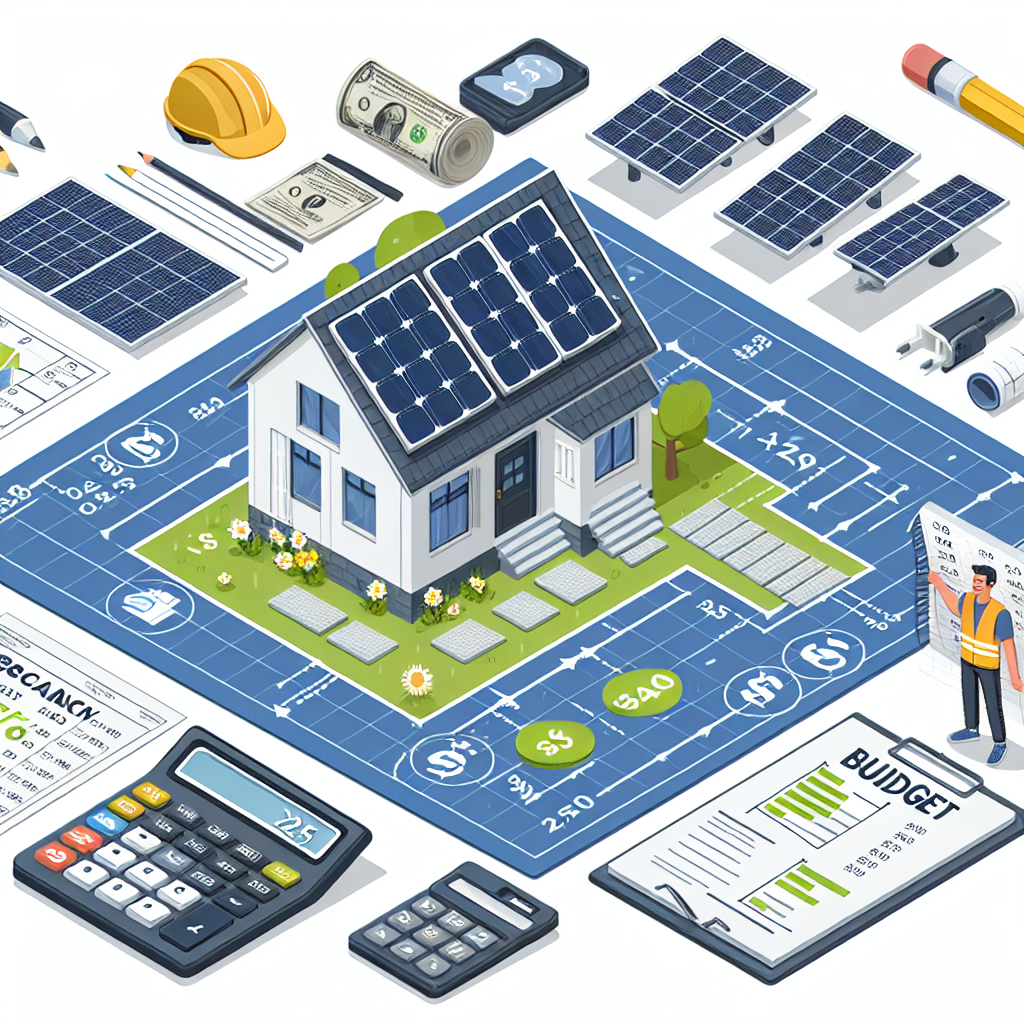
  • How to Plan Your Solar Panel Installation on a Budget

    How to Plan Your Solar Panel Installation on a Budget

    Step 1: Assessing Your Energy Needs

    Understand Your Power Consumption

    First things first, if you’re considering solar panels, you gotta know how much energy you use. Check your electricity bills from the last year, and this is where the digits come in handy. It’s not just about the monthly bill; you need to peek into your highest usage months and average it out. This gives you a solid baseline to work from.

    Then, take a closer look at the gadgets and appliances in your home. How energy-efficient are they? Are you running old-school appliances that guzzle power? Knowing this lets you set realistic goals for your solar panel setup. It’s like cleaning out your closet before going shopping – get rid of what you don’t need, and you’ll have a clearer picture of what you truly use.

    Lastly, consider possible changes in your lifestyle. Are you planning to add electric vehicles or more gadgets in the near future? If yes, factor that into your energy needs. It’s all about forecasting so your solar investment pays off!

    Evaluate Your Home’s Solar Potential

    Next, find out if your home is prime real estate for solar panels. Look at your roof – is it angled, how much sunlight does it get, and are there pesky trees or buildings casting shade? Clear roofs with max sunlight exposure are golden for solar energy. You might want to grab a compass app to check how well your roof faces the sun.

    Don’t forget about your local climate. If you’re in a place that’s cloudy most of the time, your output might take a hit. But don’t despair; even some cloudy days can get you a decent solar output. Just be sure to understand what your specific conditions could mean for your potential solar savings.

    If you’re unsure, consider hiring a professional for a solar assessment. They can give you all the nitty-gritty details on what to expect. This can save you time and money in the long run while setting you up with realistic expectations.

    Calculate Your Budget for Installation

    Now we’re getting to the fun part – money! Sit down and sketch out your budget. Determine how much you can realistically spend. Remember, going solar is an investment, and while there are upfront costs, it can lead to significant savings over time. You just want to be sure you aren’t completely breaking the bank at the outset.

    Once you have a ballpark figure, research the various costs. Get quotes from multiple solar companies and ask about financing options like payment plans or loans. They’ll usually run some promotions that could help ease your initial investment.

    A little tip from me: always be wary of deals that seem too good to be true. They might come with hidden costs later on that can make your budget go out the window. You want a firm quote that covers all the bases. Transparency is key!

    Step 2: Research Solar Incentives

    Explore Tax Credits and Rebates

    You’re gonna want to dive deep into what incentives are available in your area. Many states offer tax credits or rebates for solar panel installations that can significantly reduce your costs. This is like finding money you didn’t know you had! So, definitely check your local government website or talk to your solar installer about available options.

    Besides the federal tax credit, some local utilities even offer rebates. It’s like a little score on top of your savings! These incentives can make the difference between a big investment and a more manageable one. So make sure to grab every cent available.

    Sometimes, even nonprofit organizations offer programs that help low-income households transition to solar. So whether you’re wealthy or living paycheck to paycheck, don’t shy away from searching for assistance.

    Consider Financing Options

    If upfront costs are daunting, don’t fret – there are financing options out there. Solar loans can be a lifesaver! Typically, these loans will allow you to pay for the installation over time. And guess what? Many offer competitive interest rates compared to traditional loans.

    Leases and Power Purchase Agreements (PPAs) are also viable options. With these, you can have solar panels installed at little to no upfront cost, and you simply pay for the electricity produced—often at a lower rate than your utility provider. It’s a way to go solar without putting a dent in your savings.

    As always, read the fine print! Know how long commitments are and the costs involved. The last thing you want is to lock yourself into a deal that doesn’t feel right later on. Take your time to find what works best for you!

    Look Into Community Solar Programs

    If solar panels on your own roof feel like a long shot, community solar programs are a fantastic alternative. These programs allow you to buy into a shared solar array in your area. It’s like being part of a solar club where everyone benefits from cleaner energy! Plus, it typically requires much less upfront cost than installing a system at your home.

    Joining a community solar program can connect you with other likeminded individuals who are also looking to save on energy costs. It’s not just about money; it’s about building a sustainable community. You’ll often secure fixed savings on your electricity bills over time, making it a win-win!

    Also, check if your local programs offer informative sessions or meet-ups so you can learn the details and benefits firsthand. Being part of a community makes the whole process a lot more fun and engaging, trust me!

    Step 3: Choose the Right Solar Installer

    Research and Compare Installers

    Alright, so now you’ve got your budget and incentives all lined up. The next step? Finding the right installer. Not all solar companies are created equal. It’s important to do your homework! Ask for recommendations from folks in your area who’ve gone solar, or check out online reviews and ratings.

    Get multiple quotes, and do not shy away from asking questions. What type of panels do they use? Are they certified? What is their warranty policy? All of these questions can lead you closer to a reliable installer and ultimately a successful installation.

    And don’t forget to check their experience! Companies with years of service under their belt often provide more quality assurance. You want someone who knows the ropes and won’t leave you high and dry!

    Assess Quality and Warranty Offers

    While price is key, the quality of the product and the warranty needs some serious thought too! High-quality solar panels might come with a higher initial price, but they’ll often pay off in the long run with efficiency and longevity. Check the manufacturer’s warranty – it should ideally be at least 25 years!

    Additionally, review the installation warranty. This covers potential issues related to installation defects, and you want that peace of mind as you’re putting a major investment into your home.

    It’s worth it to pay a bit more for quality equipment and installation. Your future self will thank you when your solar panels are performing at their best for decades to come!

    Get Everything in Writing

    Now, once you’ve found your installer, make sure to get all the details in writing. And I mean everything! This should include project timelines, warranties, payment schedules, and scope of work. You want to avoid ambiguous agreements that can lead to misunderstandings down the line.

    Having a written agreement ensures that both you and the installer are on the same page. If something goes awry, you have that document as a reference. It’s like having a recipe – you want to have all the details lined up for the best results.

    Take your time reviewing everything and don’t hesitate to ask for clarifications if something doesn’t sit right with you. This is your investment after all, so it’s worth the extra hassle to make sure everything’s crystal clear!

    Step 4: Execute Your Installation Plan

    Prepare Your Home for Installation

    Before the big day, it’s time to prep your home. Clear any areas around where the installers are going to work. Trust me, they’ll appreciate having a clean workspace, and it makes the job go smoother.

    If you need to make any structural changes to your roof to support solar panels, now’s the time. Speak with your installer to ensure they’re on board with any modifications necessary for a proper fit.

    Also, keep in mind to be flexible with the timeline. Weather and other logistical issues can delay the installation process, so account for a bit of leeway in your plan!

    Communicate Effectively with the Installer

    Once installation day rolls around, maintain open lines of communication with your installer! If you have concerns or questions while they’re setting things up, voice them immediately. This not only fosters a cooperative atmosphere but also ensures that everything is progressing according to plan.

    Ask for updates and stay engaged in the process. This is your project, and keep in mind it might feel a little overwhelming at times. But a simple chat can help solve issues before they become big problems.

    Check in with the team as they work. You’ll not only gain a better understanding of the installation but also develop a relationship with the team that’s sharing their expertise with you. Plus, it’s cool to see how everything comes together!

    Post-Installation Follow-Up

    After all the hard work is done, don’t forget about the follow-up. Once installed, review the entire system to ensure everything is functioning well. Most importantly, keep an eye on that monitoring system. It’ll help you see how much energy your new setup is producing, and ensure it’s operating efficiently.

    Normally, professional installers will schedule a follow-up visit a few months later. Use that time to ask any lingering questions or troubleshoot issues. It’s also a great opportunity to evaluate any unexpected performance dips that may need attention.

    And hey, once you’re up and running, consider spreading the word about your experience with your installer. Word of mouth can help others, and let’s face it—it feels good to share your solar success story!

    Step 5: Enjoy Your Solar Savings

    Monitor Your Energy Production

    Once everything’s installed, you’ll want to keep tabs on your solar system’s production. Most systems come with an online monitoring tool, making it easy to check your energy output. This allows you to see how much you’re saving compared to your previous bills. It’s an exciting feeling to watch that number drop!

    Check your system regularly. If you notice a significant drop in energy production, it may be time to contact your installer for an inspection. Just like that diary of your energy usage you had before, keeping track will let you know if things are running smoothly.

    Plus, being proactive means you can address any problems early. Keep an eye out, and save yourself from surprise tickets down to the repair shop!

    Calculate Your Return on Investment (ROI)

    An important part of enjoying your newfound energy savings is calculating your return on investment. It’s helpful to run the numbers on how much you’re saving on your electricity bill each month compared to your initial investment. It’s like a little reward for your effort!

    After a few years, you’ll have a clear picture of just how much your solar installation is benefiting you financially. There are online calculators available that can help anticipate your savings and ROI over various time frames. Finding out just how far your solar panels are going for you can be a bright moment!

    In case you’ve gone through solar incentives, make sure you factor those into your overall savings too. The whole investment pays off more than many realize, and you’ll probably be smiling when you see the totals.

    Share Your Experience

    Last but not least, take the time to share your experience with others! Whether through social media or within your community, spreading the word about your solar journey can inspire someone else to take the plunge. Plus, you’ll feel great knowing you’ve contributed to the greater good of the planet by encouraging solar energy adoption!

    Consider writing reviews for your installer, sharing your numbers, and promoting environmental consciousness. You never know who you might inspire. Plus, your success story might just push someone off the fence into going solar themselves!

    All in all, enjoying your solar experience is not just about financial savings; it’s a lifestyle choice that reflects a commitment to sustainability. Embrace it, and celebrate those green choices you’ve made!

    FAQs

    1. How much can I save on my energy bills with solar panels?

    Your savings can vary widely based on your location, panel efficiency, and energy consumption. On average, homeowners can expect to save between 20% to 50% on their electricity bills.

    2. What do I need to consider before installing solar panels?

    Consider your energy needs, roof condition, local regulations, costs, and available incentives. It’s all about making informed decisions from the get-go!

    3. Can I install solar panels myself?

    While it’s technically possible, I wouldn’t recommend it! Professional installation ensures safety, optimal performance, and compliance with regulations. Plus, they often come with warranties!

    4. What happens if my solar panels produce less energy than expected?

    If your solar panels aren’t performing as anticipated, check your monitoring tools and reach out to your installer. Many factors can influence performance, but get help fast to ensure your system runs smoothly!

    5. Are there any maintenance costs associated with solar panels?

    Solar panels are relatively low maintenance! Routine checks are necessary, but cleaning them once or twice a year is typically enough. Just ensure all equipment is functioning properly to avoid future costs.

  • How to Plan for Long-Term Solar Power Needs

    How to Plan for Long-Term Solar Power Needs

    1. Assess Your Current Energy Needs

    Understanding Your Usage Patterns

    When I first started thinking about solar energy, the first step I had to take was to understand exactly how much energy I was using. You know, it’s kind of like checking your spending habits before you budget for a big purchase. I took a month to track my electricity bills, looking for patterns to see when my energy usage peaked. This helped me get a clearer picture of my needs.

    Also, consider factors such as seasonal changes. My energy usage, for instance, was way higher in summer due to air conditioning, while winter brought its own challenges. Keeping seasonal patterns in mind helped me estimate a more realistic baseline for my long-term solar needs.

    Finally, don’t forget to include things like planned future changes. Are you thinking of getting an electric vehicle or adding a home office adorned with tech gadgets? Each of these adds up, so include those potential bumps in consumption when assessing your needs.

    Calculating Your Solar Needs

    Once I understood my current energy consumption, I dove headfirst into calculations. Most solar companies offer tools or calculators that can estimate what size system you might need based on usage. These tools are super user-friendly, letting you enter figures from your energy bills, and I found them incredibly enlightening.

    Also, the main rule of thumb is that a typical home requires about 1 kilowatt of solar power for every 1,000 watts of average daily usage. This helped me get a rough idea of my system size, and by converting that into watt-hours, I felt a lot more prepared for the next steps.

    Finally, having a good idea of how much sunlight your area receives is crucial. Solar irradiance maps are available online, and they helped me estimate how much energy my panels would actually produce, which is so necessary for accurate planning.

    Looking at Future Trends

    I’ve also seen the world change, and with it, energy trends shift. It’s worth researching where the solar industry is headed. For instance, with tech advancements, solar panels are becoming more efficient, and prices have been significantly dropping.

    Consider also exploring battery technologies. These allow you to store excess energy produced during sunny days, which means you can power your home when the sun isn’t shining. It’s an investment that pays off with long-term planning.

    And never underestimate the power of local regulations and incentives. I was lucky to find out about grants and tax credits available for solar installations in my area. It’s crucial to stay updated on these changes to ensure you’re making the most informed decisions.

    2. Determine Budget and Financing Options

    Understanding the Costs

    Okay, let’s talk numbers. When planning for solar, understanding how much you’re willing to spend is as essential as knowing your energy needs. I did some research and found that upfront costs could vary widely based on the system size and installation. Some folks are looking at figures anywhere from $10,000 to $30,000 depending on various factors.

    Be sure to include not only the cost of panels but also installation, permits, and other potential hidden fees. This is a major investment, and I learned the hard way not to overlook any detail. Breaking down these costs into initial investment versus long-term savings is hugely helpful.

    But don’t fret! There are always options, and knowing your budget upfront allows you to pinpoint what’s realistic. Setting a clear, attainable budget from the get-go saves so much heartbreak down the line.

    Exploring Financing Options

    I didn’t have all the cash upfront, and I didn’t want to deplete my savings, so exploring financing options was key. Many solar companies offer financing plans that allow you to pay over time. It’s sort of like a loan specifically for solar energy, and it was a game-changer for me.

    I also discovered solar leases and power purchase agreements (PPAs), which are great ways to go solar without a massive upfront cost. You essentially pay to use the power generated by the panels, which the company owns and maintains. It’s a simple solution, but it comes with pros and cons, so weighing them is a must.

    Additionally, keep an eye out for government incentives! Federal tax credits add up, and in many states, there are rebate programs. It’s essential to do your homework to ensure you’re getting every bit of financial help available.

    Budgeting for Maintenance and Upgrades

    Lastly, something I learned was not to forget about ongoing maintenance. Solar panels tend to be low-maintenance, but there are still costs associated with upkeep and potential repairs. Some folks recommend budgeting about 1% of your system’s cost yearly for maintenance – it’s worth considering.

    Also bear in mind that technology evolves. In a few years, you might want to upgrade or expand your system, especially if your energy needs change. It’s helpful to keep a little buffer in your budget for unexpected expenses.

    Managing these long-term costs could make a world of difference in your overall planning, helping you maintain a solid budget and avoid financial strain in the long run.

    3. Choose the Right Solar Provider

    Researching Local Providers

    Finding the right solar provider felt a little like dating… you want to find someone you can trust! Researching local companies is a must because they can provide insights tailored to your area’s needs. Reading customer reviews and reaching out to neighbors who’ve gone solar for recommendations really helped me narrow down my choices.

    Once I had a list of possible providers, I made sure to check their credentials and how long they’ve been in business. A stellar track record isn’t just comforting; it often means more reliable support and expertise. It’s worth it to invest a bit of time here – trust me.

    Additionally, don’t forget to ask about warranties! A good provider will stand by their work, and warranties are an indicator of their confidence in what they offer. I found that quality installations last longer and perform better over time.

    Understanding Installation Processes

    So, I had my recommendations, but I needed to understand what the installation process looked like. Every company has a slightly different procedure, and knowing what to expect relieved a ton of anxiety for me. Typically, installations take a day or two, but some systems can take longer if you have a complex setup.

    During this phase, I also learned about timelines. I had to factor in permitting processes and potential weather delays. Keeping myself updated and in close contact with my installer minimized surprises and helped me feel more in control.

    And since we’re talking installation – I made sure to ask about the crew. I was lucky to have friendly and knowledgeable folks who happily answered my questions throughout the installation process, making it all feel smooth and enjoyable.

    Evaluating Service and Support

    In my quest for solar, support from the provider became a huge deal for me. I wasn’t just looking for someone to sell me panels; I wanted a company that would be there months and years down the line. I asked about their customer service policies and how they handled any potential issues.

    I learned to gauge their responsiveness by posing questions before signing a contract. If they were quick and knowledgeable, it often hinted at what kind of support I could expect post-installation. Reliability goes a long way!

    Remember, this is a long-term relationship, so choosing a provider that genuinely values customer satisfaction is key. That support will pay dividends throughout the lifespan of your solar system.

    4. Understand Local Regulations and Incentives

    Researching Zoning and Permitting

    Here’s the deal – jumping into solar without checking local regulations could be a real downer. I learned that some areas have specific zoning laws and building codes that could affect installation. I made it a priority to reach out to my local zoning board to get the scoop on any restrictions or requirements.

    When clarifying these details, I wanted to avoid any hiccups later on. Surprisingly, some changes, such as changing the look of your roof or adding structures for mounting, could come with their own set of complications. A heads-up is key!

    Getting permits can sometimes feel tedious, but the process varies widely by area. Be patient and gather all the necessary documents upfront to streamline this part of your journey.

    Learning the Incentives Available

    Incentives can make a massive impact on solar costs! As I started researching, I discovered several local, state, and federal incentives that can help bring the price tag down significantly. The federal tax credit was a fantastic boon, but I also found utility-specific rebates and grants that weren’t too hard to come by.

    Pooling this information helped me estimate the potential savings for my project, which was sort of like getting a mini-win along the way! I’d recommend websites like the Database of State Incentives for Renewables & Efficiency (DSIRE) to keep track of what’s available in your area.

    Always stay updated! These programs can shift with changing policies, and I found it helpful to sign up for newsletters or alerts that keep me in the loop.

    Staying Compliant Post-Installation

    By the time installation came around, I was super aware of the ongoing responsibilities I’d face to stay compliant. For example, if my installation impacted my property tax – many areas offer tax exemptions for solar installations. It’s essential to check in to ensure I was taking advantage of these options.

    Keeping documentation for any inspections, maintenance, and warranty details was something I learned to prioritize. It might sound tedious, but I wanted to make sure that everything was in order to avoid any headaches down the road.

    Plus, understanding how my local grid works and any rules about grid connection or energy sales was vital – I didn’t want to accidentally misstep here!

    5. Monitor and Maintain Your Solar System

    Setting Up Monitoring Systems

    I can’t stress how crucial monitoring is! After installing, I was eager to know how well my system was performing. Many solar providers offer monitoring apps or tools that let you keep tabs on production and energy consumption. Seriously, it was fun to check my app and see the solar energy I was generating!

    Keeping an eye on these figures not only gave me peace of mind but also helped identify any issues early on. If something wasn’t performing well, I wanted to be the first to know, not wait for it to be a bigger problem down the line.

    And hey, it’s satisfying to see your energy contributions to the grid, right? Just one of those small joys of going solar – I loved tracking my progress!

    Routine Maintenance Checks

    Let’s talk maintenance. Although solar panels require minimal upkeep, I learned that a regular check-up can maximize their efficiency. I set reminders to clean my panels occasionally, especially after a storm or if I noticed built-up dirt or debris. A clean panel is an efficient panel!

    I also recommend a professional inspection every couple of years, mainly to check on things like wiring or any possible damage. Keeping ahead of any repairs means I don’t face significant issues down the road, and it’s definitely wiser than waiting {for} something to break.

    Think of it as a way to ensure your long-term investment stays protected – just like regular car maintenance!

    Planning for Future Upgrades

    Finally, I realized that my energy needs might grow down the line. Keeping an open mind about potential upgrades is essential. Once my system was up and running, I began to think about added capabilities – whether it’s more panels, battery storage, or even electric vehicle charging stations.

    Keeping a flexible approach meant that any significant changes down the line wouldn’t feel overwhelming. I also learned to communicate with my provider frequently because they might have new offers or technologies available that could improve my setup.

    Planning for the future can be a bit daunting, but taking small steps will ease the process and keep my solar system feeling fresh and capable of handling our household’s evolving needs.

    Frequently Asked Questions

    1. What are the primary benefits of switching to solar power?

    Switching to solar power can save you money on energy bills, reduce your carbon footprint, and increase your home’s value. Plus, many areas offer incentives that can significantly lower initial costs.

    2. How do I determine how much solar power I need?

    It’s essential to assess your current energy needs by analyzing your electricity consumption over time. This will help you estimate the appropriate size of your solar power system.

    3. What financing options are available for solar installations?

    There are several financing options, including solar loans, leases, and PPAs. Each has its pros and cons so take the time to explore and find what aligns best with your financial situation.

    4. How do I choose a reliable solar provider?

    Research local providers by reading customer reviews and checking their credentials. Ask around for recommendations and ensure they offer excellent service and support.

    5. What ongoing maintenance do solar panels require?

    Solar panels require minimal ongoing maintenance, but it’s essential to monitor their performance, clean them occasionally, and schedule professional inspections every couple of years.