Tag: polycrystalline

  • How to Choose Between Monocrystalline and Polycrystalline Panels

    How to Choose Between Monocrystalline and Polycrystalline Panels

    Understanding the Basics of Solar Panel Technology

    Monocrystalline Panels

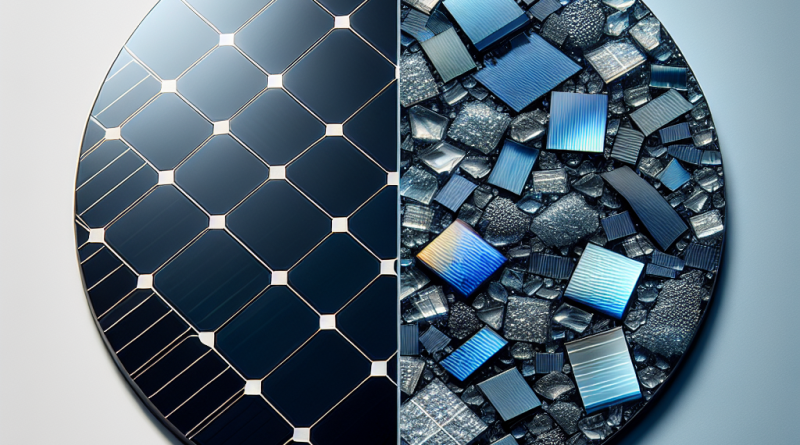
    So, what are monocrystalline panels? Well, they’re made from a single crystal structure, usually silicon. I remember when I first came across them; they looked sleek and elegant, often appearing darker than their counterparts. It’s this unique structure that allows the panels to achieve higher efficiency rates. In simpler terms, they convert more sunlight into electricity than polycrystalline panels do.

    One of the major selling points for me was their longevity. Manufacturers often offer warranties that guarantee performance for 25 years or more. This meant peace of mind for my investment. Not to forget, they tend to take up less space because they produce more energy per square foot compared to the alternatives.

    However, there’s a flip side. Monocrystalline panels do come with a heftier price tag. From personal experience, the upfront investment can be a bit daunting. Yet, considering their efficiency and warranty, many find themselves saying, “Hey, this is worth it!” It’s all about balancing budget with the long-term benefits, right?

    Polycrystalline Panels

    Now, let’s talk about polycrystalline panels! These guys are made from multiple silicon crystals melted together. When I first laid eyes on them, I noted that they appeared bluer and had that speckled look—almost artistic in a way. They don’t perform quite as efficiently as monocrystalline but still get the job done for plenty of homeowners.

    What I love about polycrystalline panels is their affordability. I mean, if you’re working on a tight budget but still want to dive into solar power, this could be your ticket. They’re usually less expensive to produce, and that cost saving often gets passed down to us consumers, which is pretty cool.

    However, keep in mind that they might not be the best fit if you have limited roof space. The energy density simply doesn’t measure up to monocrystalline panels, which means you might need more of them to generate the same amount of power. I faced this dilemma once and had to weigh up my options before committing.

    Efficiency Ratings

    Comparative Efficiency

    When diving into solar panels, efficiency ratings are a hot topic. Monocrystalline panels usually shine here with efficiencies hovering between 15-22%. I was impressed by how well they worked in low-light situations too, making them versatile for various climates. Their ability to convert more sunlight into usable energy is something I always appreciated during those cloudy days.

    On the other hand, polycrystalline panels typically see lower efficiency, usually around 13-16%. This came as a bummer to me initially, but I realized they can still perform well in full sun. So, if you’ve got a sun-drenched rooftop, they may suit your needs just fine, despite the lower efficiency.

    It’s essential to factor in the efficiency when deciding how many panels you’ll need. Remember that a more efficient panel can reduce the total space you need to allocate, which is super helpful for those of us working with limited roofing area.

    Cost Considerations

    Upfront Costs

    Let’s talk dollars and sense—pun intended! Monocrystalline panels generally cost more upfront. When I was shopping around, the price tag often caught my eye. However, the higher efficiency can lead to lower overall energy bills in the long run, which eased my hesitation about investing more initially.

    The beauty of polycrystalline panels is in their affordability. They’re often about 20% cheaper than monocrystalline. This made them an easy choice for folks on a budget or those looking to power large areas without breaking the bank. I learned firsthand how shopping around and comparing quotes can save big bucks.

    Don’t forget to consider installation costs as well! Sometimes the installation expenses can nudge the overall costs in one direction or the other, depending on what panels you’re choosing. I remember factoring everything in before making my decision, which helped eliminate any nasty surprises down the road.

    Space Requirements

    Installing Solar Panels on Limited Roof Space

    If you’re like many homeowners, roof space is often a concern. When I first started my solar journey, I measured every inch, considering how many panels I could fit up there. Here’s the kicker—monocrystalline panels, being more efficient, can generate more power in less space. This was a game-changer for me!

    Polycrystalline panels, while still effective, require more real estate due to their lower efficiency. If you have a sprawling rooftop, you might not even have to think twice. But if space is at a premium, remember, the more efficient panels might save you from cramming panels onto the edges of your roof.

    So, if you’re in a neighborhood where everyone seems to be doing a solar install, this can be an important factor to consider! I realized that choosing the right panel could make a world of difference in maximizing my renewable energy potential.

    Environmental Impact

    Production and Sustainability

    You know I love a good conversation about Mother Earth! When I looked into the production of both monocrystalline and polycrystalline panels, it was pretty enlightening. Monocrystalline panels generally have a lower environmental impact over their lifespan since they often produce more energy, reducing the amount of raw materials needed.

    On the flip side, polycrystalline panels have a higher energy payback time, meaning they take a little longer to greenify your home. However, I found they are less energy-intensive to produce, which can be a significant point for eco-conscious buyers. It kind of boils down to picking your battles in the investment.

    Ultimately, whichever you choose, know that both options work towards reducing carbon footprints. I remember feeling great knowing that by going solar, regardless of which panel type, I’m doing my part for the planet. It’s always a win-win when you think about it!

    Frequently Asked Questions

    1. What is the main difference between monocrystalline and polycrystalline panels?

    The primary difference lies in their manufacturing process: monocrystalline panels are made from a single crystal structure while polycrystalline panels are composed of multiple silicon crystals. This affects their efficiency and aesthetics.

    2. Which type of panel is more efficient?

    Monocrystalline panels generally offer higher efficiency, converting 15-22% of sunlight into electricity, while polycrystalline panels typically range from 13-16% efficiency.

    3. Are polycrystalline panels a good option for small roofs?

    If you’re limited on space, monocrystalline panels might be better since they generate more power per square foot. Polycrystalline panels require more space to achieve similar energy production.

    4. How do cost considerations play into the decision?

    Monocrystalline panels are usually more expensive initially, but their higher efficiency may lead to cost savings on energy bills over time. Polycrystalline panels are often more budget-friendly upfront but may not deliver the same long-term savings.

    5. What about the environmental impact of these panels?

    Both types of panels help reduce your carbon footprint. Monocrystalline panels may have a lower environmental impact over their lifespan due to higher energy generation, while polycrystalline panels are less energy-intensive to produce.

  • Monocrystalline vs Polycrystalline Solar Panels

    Monocrystalline vs Polycrystalline Solar Panels

    Efficiency

    Understanding Efficiency Ratings

    When it comes to solar panels, efficiency is like the bread and butter of the conversation. I learned early on that it measures how well a solar panel converts sunlight into usable energy. This bit of information is crucial, especially if you want to maximize your solar investment. Monocrystalline panels typically shine in this department, often boasting efficiencies around 15% to 22%.

    These bad boys have a higher efficiency due to their pure silicon composition, which allows for more energy production per square meter. On the other hand, polycrystalline panels, while improving, usually range between 13% and 16% efficiency. They’re still a solid choice, especially when roof space is at a premium.

    When I was comparing my options, I realized that investing in a more efficient panel can mean fewer panels overall. This not only saves space but also leaves less room for maintenance issues down the line. Efficiency matters, folks!

    Cost

    Upfront Costs

    Let’s talk money, shall we? The beauty of solar energy is in its potential savings, but the upfront costs can be a shocker. Monocrystalline panels generally come with a heftier price tag. I remember getting quotes that made my jaw drop, with these panels costing about 20% to 30% more than their poly counterparts.

    Polycrystalline panels are usually the budget-friendly option—perfect if you’re just dipping your toes into solar energy. They might not have the same efficiency, but for a lot of people, the lower price can make them more appealing at first glance.

    However, don’t forget to consider long-term savings! Monocrystalline panels might require a larger investment, but their higher efficiency could mean lower electricity bills over time, so it’s worth weighing the pros and cons carefully!

    Space Requirements

    Panel Size and Output

    Space is often a make-or-break factor for homeowners, and I totally get that. If your roof isn’t sporting the biggest surface area, then the type of solar panel you choose becomes crucial. Monocrystalline panels, thanks to their efficiency, can deliver more power from less space. This was a crucial factor for me when I was figuring out how to fit everything on my rooftop.

    Conversely, polycrystalline panels tend to be larger and less efficient. So, if space is tight, you might find yourself needing to install more poly panels to get the same output as fewer monocrystalline ones, which could complicate things.

    My advice? Always consider your roof’s size and orientation before plopping down cash on either type. A great fit leads to great performance, and that’s what we all want at the end of the day!

    Longevity and Warranty

    Understanding Lifespans

    No one likes the idea of replacing solar panels anytime soon, right? So, checking the longevity and warranty of the solar panels should be high on your priority list. Based on my research, monocrystalline panels typically last longer—upwards of 25 years, with warranties that often reflect that longevity. That peace of mind is priceless!

    On the flip side, polycrystalline panels typically have a slightly shorter lifespan, ranging around 20 to 25 years, though many manufacturers offer decent warranties. I’ve found that understanding the warranties is crucial; after all, they’re a promise—a safety net really.

    For me, longevity played a big role in choosing monocrystalline over poly. It’s all about knowing you’re safe for the long haul while harnessing that sweet, sweet solar energy.

    Environmental Impact

    Eco-friendliness of Production

    Last but certainly not least is the environmental angle. Who doesn’t want to save the planet, right? Monocrystalline panels, due to their efficient silicon production, generally have a lower carbon footprint per energy produced compared to polycrystalline. That’s something I really dig!

    This isn’t to say poly panels are bad—they just have a higher environmental impact during production. So, if you’re looking to keep your eco-footprint in check, that might sway your decision.

    Ultimately, choosing solar energy is a step towards sustainability, no matter which type you pick. But, if we can also make choices that are better for the environment, then even better, right?

    Frequently Asked Questions

    1. What is the main difference between monocrystalline and polycrystalline solar panels?

    The main difference lies in their efficiency and manufacturing process. Monocrystalline panels are made from a single crystal structure, making them more efficient and compact, while polycrystalline panels are made from multiple silicon crystals, resulting in a slightly less efficient product.

    2. Which solar panels last longer?

    Generally, monocrystalline panels tend to last longer than polycrystalline panels, with lifespans typically exceeding 25 years, while poly panels might last around 20 to 25 years.

    3. Are polycrystalline panels cheaper?

    Yes, polycrystalline panels are often more affordable upfront compared to monocrystalline panels, making them an attractive option for those on a tighter budget.

    4. Do monocrystalline panels produce more power?

    Yes! Monocrystalline panels are typically more efficient, meaning they can produce more power per square meter compared to polycrystalline panels, especially in low light conditions.

    5. Which type is better for small roofs?

    Monocrystalline panels are usually a better fit for small roofs due to their higher efficiency and power output. This means you can get more energy even with limited space.