Tag: power for

  • Solar Power for Business: Cost-Benefit Analysis

    Solar Power for Business: Cost-Benefit Analysis

    Initial Costs of Solar Power Installation

    Understanding the Upfront Investment

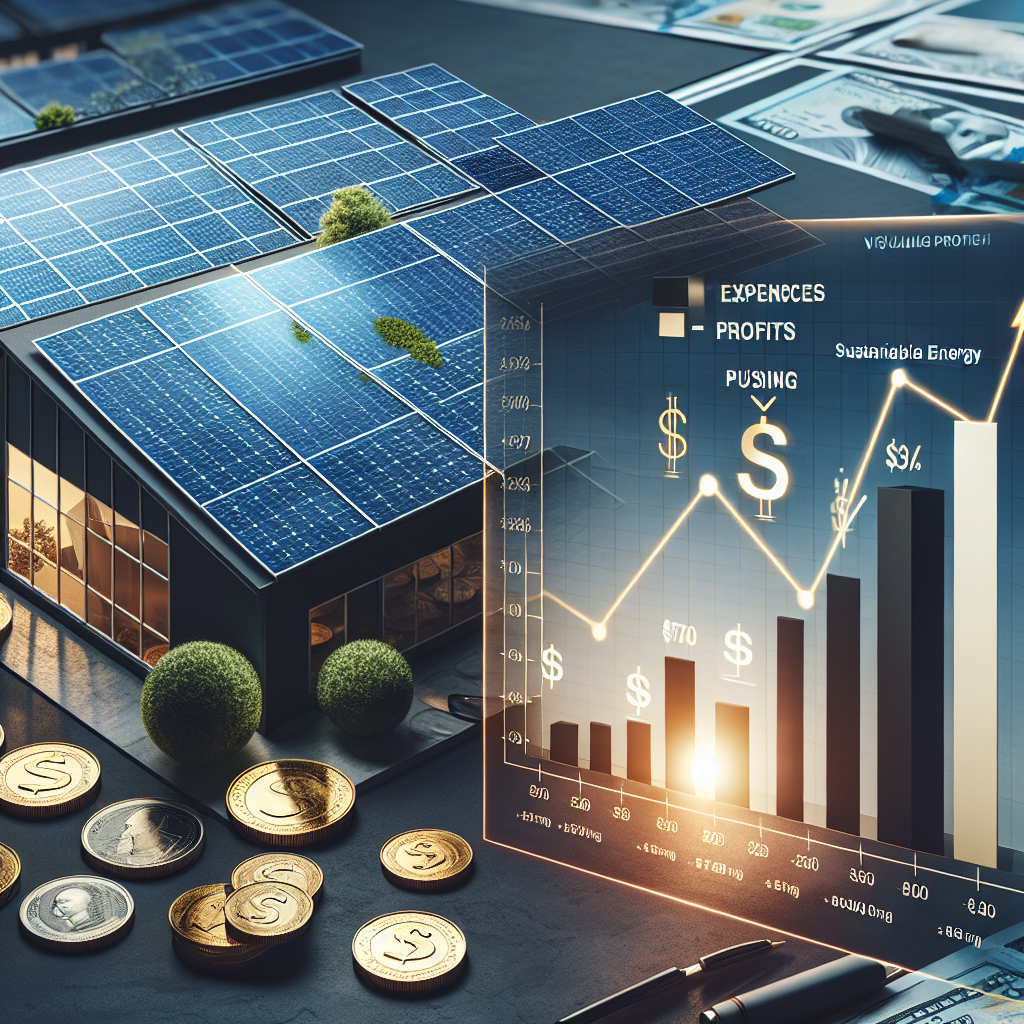
    When I first dove into solar power for my business, I’ll admit the initial costs nearly knocked the wind out of me. Between the solar panels, inverters, and installation fees, it sure felt like a hefty price tag. But let’s unpack what those costs really involve.

    The most significant expense is usually the solar panels themselves. Depending on your energy needs and the size of the setup, you might be looking at a few thousand dollars at the very least. Plus, there might be permits and inspections that you need to contend with.

    Don’t forget about labor! Hiring a reputable contractor is essential to getting a proper installation. I learned the hard way that cutting corners can lead to bigger headaches down the road. So, plan wisely, and factor in these expenses. It’s crucial for a solid starting point in your cost-benefit analysis.

    Incentives and Rebates

    One silver lining in this cost cloud is that various incentives are out there. Tax credits, local utility rebates, and even state programs can significantly lower your upfront costs. It’s almost like a treasure hunt at the beginning of the process!

    I remember spending hours researching what was available to me in my area. Every state has different rules, so making sure that you’re aware of all potential savings can make the installation more financially viable. Believe me, take the time to find those hidden gems!

    Be proactive—reach out to local solar companies. Many have specialists who can help you navigate through the mire of incentives. This will greatly aid in trimming those initial costs, putting you one step closer to a brighter, greener future.

    Financing Options

    Now, let’s not forget about financing your solar power system! If the upfront costs look intimidating, financing options might just work wonders. From solar loans to power purchase agreements (PPAs), there’s a ton to explore.

    A solar loan can spread out your payments over several years, which can alleviate some of the initial financial strain while letting you enjoy the benefits of solar energy right away. A PPA typically allows you to pay for the energy the system produces, usually at a lower rate than your current utility rate.

    Honestly, when you find the right financing route, those initial costs may not be as scary. You can make a plan that suits your budget and helps you get the energy savings rolling as soon as possible. It’s all about finding what fits best for you!

    Long-term Savings Potential

    Energy Bill Reductions

    Let’s talk about the real magic, long-term savings! After investing in solar, one of the first things I noticed was how much my energy bills dropped. Gone were the days of exorbitant electric bills bogging me down.

    Depending on your system size, many folks experience reductions of up to 70% in their energy costs. Can you imagine what that could do for your budget? More funds to put back into the business or even just for splurging on a nice dinner—it’s win-win!

    Even on cloudy days, the energy you generate can still cover a large chunk of your energy usage. It’s just a comforting feeling, knowing there’s less reliance on fluctuating utility prices. You’ll sleep a little better knowing you’re saving money in the long run.

    Return on Investment (ROI)

    Every business owner loves to see a good ROI, right? After my solar installation, I found that the return was not only promising but also backed by substantial data. Typically, businesses can expect payback periods ranging from 4 to 8 years.

    That’s not just liberating; it’s empowering! Once the system is paid off, it’s like your energy is practically free—meaning profits can be redirected toward growth and expansion. That’s the kind of thing that gets me excited!

    If you do the math, it’s clear that solar isn’t merely an expense; it’s an investment. Over a 20-year lifespan, many report savings of tens of thousands of dollars. It’s a no-brainer for businesses looking to secure a brighter future.

    Equipment Longevity

    Another facet of long-term savings involves the longevity of the solar panels themselves. I’ve found that most reputable panels come with warranties stretching between 25 to 30 years. That’s a lot of energy generation time!

    Quality panels require minimal maintenance, making them a low-effort, high-reward solution. I can say, I’ve only needed to clean them a couple of times a year, and that’s about it! You can’t beat that kind of hassle-free efficiency.

    Over time, you’ll find that your initial investment pays off long after installation, as you’ll continue to save on energy costs without major additional expenses. It’s a solid investment not just for today but for years down the road.

    Environmental Impact

    Reducing Carbon Footprint

    The environmental aspect of solar power is one of the things I’m most passionate about. Installing solar panels helps reduce your carbon footprint significantly. Every kilowatt-hour of solar energy produced translates to less reliance on fossil fuels.

    In my experience, it’s empowering to think that I’m contributing to a cleaner planet. Some estimates suggest that a typical solar installation can offset several tons of carbon dioxide annually. When you look at it that way, you’re not just saving money; you’re genuinely making a difference.

    Every bit counts. More businesses adopting solar means collectively, we can have a positive environmental impact. It’s a great conversation starter with your clients, especially those who also care about sustainability.

    Promoting Renewable Energy

    I love being a part of the renewable energy movement! By switching to solar, I’m not just helping my business; I’m supporting the growth of an entire green energy market. Each panel installed is a step forward in making renewable energy the mainstream option.

    Pushing for this change has the power to influence friend businesses. When you share your positive experience, others might just get inspired to do the same. Together, we can create a momentum that leads to more innovation and sustainability.

    I always think of it this way: every ounce of solar energy generated is one less dependency on non-renewable resources. We’ve got to build a sustainable future for the upcoming generations; being part of this transition feels wonderful!

    Community Benefits

    Switching to solar doesn’t just help the environment; it also has community benefits. When businesses go solar, they create jobs in installation, maintenance, and technology innovation. This aspect often gets overlooked but means the world, especially in local economies.

    In my journey, I’ve noticed that as the community embraces solar, it fosters relationships and fosters pride. Businesses supporting green initiatives can also attract eco-conscious consumers. It’s a great way to build loyalty while being socially responsible.

    We’re all in this together! Supporting local services and green initiatives strengthens the community fabric and paves the way for a healthier planet. It’s incredible and encouraging to be a part of something greater!

    Potential Challenges

    Maintenance and Repairs

    Just like any major investment, solar power can come with its own set of challenges. For instance, maintenance and repairs can be a reality check. My panels have been pretty low maintenance, but it’s good to be prepared for the periodic checks and necessary upkeep.

    Regular cleaning and inspections can help ensure maximum efficiency. I recommend setting aside a little budget for any potential repairs, especially if you live in areas with extreme weather conditions or dirt buildup.

    Keeping tabs on performance can help catch issues early. Remember, the less downtime your system has, the better your investment holds. It’s just something to keep in mind as you plan your solar journey.

    Weather and Location Limitations

    Your business location plays a big role in solar power efficiency. If you live in an area that doesn’t get much sun, it can impact the amount of energy you can generate. This was a sticking point for a friend of mine who got excited for solar but realized his cloudy skies weren’t ideal.

    It’s crucial to assess the climate and potential shading (think trees and buildings) when considering your solar setup. You don’t want surprise challenges down the line, so consult with experts on best practices for maximizing output based on your specific conditions.

    However, don’t let location deter you! There are alternatives like battery storage that can help you store energy for cloudy days. Just be ready to explore options that best align with where your business is.

    Evolving Technology

    Technology is always advancing, and the solar industry is no exception. While it’s exciting, it can also be a bit nerve-wracking. I’ve had moments where I’ve wondered if I should upgrade equipment or install cutting-edge tech for even better performance.

    New developments happen quickly, from highly efficient panels to energy storage solutions. It’s a good practice to keep yourself informed about advancements that could benefit your system or future installations, but try not to stress about it all at once!

    Initially investing in quality panels will go a long way. Most systems perform well for decades, so you shouldn’t feel pressured to upgrade every few years. Focus on making the best decision for your needs, and then enjoy the ride!

    Conclusion

    In summary, going solar for your business is a journey filled with costs, savings, and important considerations. You have the potential for significant long-term savings and environmental impacts—making it an attractive choice for many business owners.

    As I shared my experiences, remember to consider your unique situation and plan accordingly. With the right information and mindset, I believe you can make a decision that’s best for you and your business!

    FAQ

    What are the primary costs associated with solar power installation?

    The primary costs include purchasing solar panels, inverters, installation fees, and any necessary permits or inspections. Don’t forget about potential maintenance costs down the line!

    How can businesses reduce initial costs for solar installation?

    Businesses can utilize various incentives and rebates offered by federal and state programs. Additionally, exploring financing options like loans or power purchase agreements can help ease the upfront financial burden.

    What kind of savings can a business expect after installing solar power?

    Many businesses experience 50-70% reductions in energy costs after going solar. The typical payback period ranges from 4 to 8 years, after which they can enjoy significant savings.

    How does solar power contribute to environmental benefits?

    Solar power reduces carbon emissions and reliance on fossil fuels. It also promotes renewable energy and supports job creation in local communities, contributing to a greener economy.

    What are some potential challenges of installing solar power?

    Challenges may include maintenance and repair needs, weather-related efficiency issues, and keeping up with evolving technology. It’s important to stay informed and plan accordingly to mitigate these challenges.
  • Solar Power for Tiny Homes: Essential Guide

    Solar Power for Tiny Homes: Essential Guide

    Assessing Your Energy Needs

    Understanding Your Power Consumption

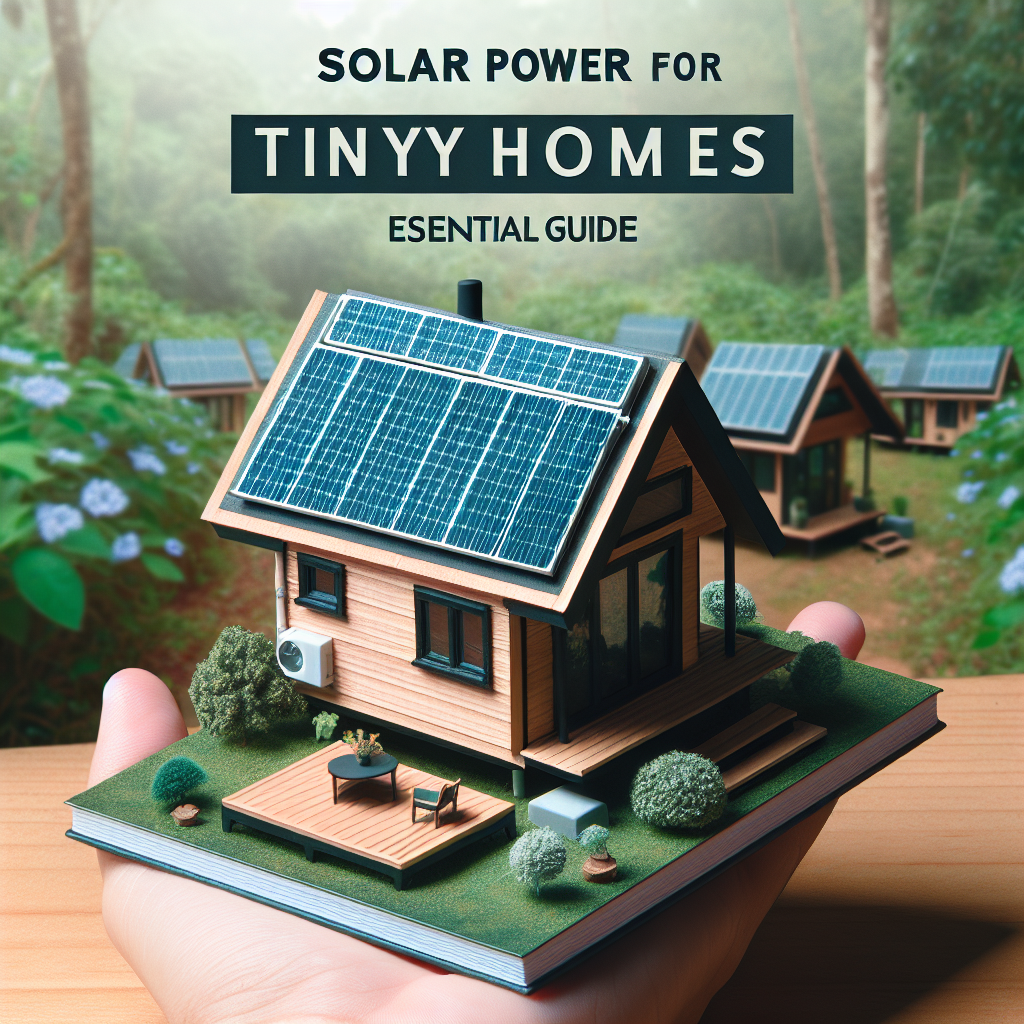
    Before diving into the world of solar power, you need to take a hard look at how much energy your tiny home really needs. This is the first and most crucial step. Think about everything that runs on electricity—lights, appliances, and even gadgets. Sometimes, it can feel overwhelming, but don’t stress. Grab a notebook, make a list, and note the wattage for each device you use.

    I usually recommend calculating your daily usage by estimating how many hours each device runs. For example, if you have a fridge that uses 200 watts and runs 24 hours a day, that’s 4,800 watt-hours daily. Don’t forget to add those small, often overlooked devices like phone chargers and LED lights!

    The goal here is to come up with an estimate of your daily energy consumption. This helps in choosing a solar system that’s just right for your tiny home. Believe me, getting this step right makes everything else easier down the line.

    Identifying Essential Appliances

    Once you’ve got a good handle on your overall energy consumption, it’s time to sift through and identify which appliances are absolutely essential. You might find that you can live without that toaster or a second fridge, which helps in reducing your energy needs. Prioritize appliances that enhance your lifestyle while keeping your energy draw in check, like energy-efficient LED lights or a small, energy-efficient microwave.

    Consider factors like usage frequency and wattage. If an appliance consumes more energy than it’s worth, it could be time to say goodbye. From my own experiences, downsizing appliances has made a big difference—not just in energy bills but in simply decluttering my space!

    This step is about making smart choices that fit your tiny home lifestyle while keeping energy costs low. Trust me, you’ll love the simplicity that comes with fewer gadgets sucking up juice.

    Calculating Size of the Solar System

    Okay, now comes the part where you actually size up your solar system! You have your energy needs figured out—now let’s put that to work. The type and size of solar panels you’ll need depend on your energy consumption and the average amount of sun you get in your area. You can use online calculative tools or even consult with a professional if you want some extra guidance.

    A good rule of thumb (just from my own journey) is that a typical tiny home might need anywhere from 300 to 1,200 watts of solar capacity. This depends on if you’re just aiming to run essential items or want to power everything. Based on what you calculated, you can then determine the number of panels needed. Grab a coffee; this part’s a little technical, but you’ve got this!

    Always consider the battery storage if you’re looking to use the energy when the sun isn’t shining. This setup can give you peace of mind knowing you’ll have power even on cloudy days! It’s a game-changer, for real.

    Choosing the Right Solar Equipment

    Understanding Solar Panels

    You’ve got your energy needs sorted—now it’s time for the fun part: choosing your solar panels! There are several types on the market. Monocrystalline panels tend to be more efficient, while polycrystalline panels are often cheaper but can be slightly less efficient.

    From my experience, I found that space can be a constraint in tiny homes. So, opting for a high-efficiency panel might be worth the investment, especially if you want to maximize that precious roof space! Remember to check for warranties and reliability, too; you’ll want panels that have a good track record.

    dive into some research, look into customer reviews and expert opinions. It’s okay to take your time here. After all, this is your energy future we’re talking about!

    Exploring Inverters and Charge Controllers

    Next on your list is understanding inverters and charge controllers. An inverter is crucial because it converts the DC electricity generated by your solar panels into AC electricity that your appliances use. You’ll definitely want a quality inverter to ensure everything runs smoothly without a hitch.

    Charge controllers, on the other hand, manage the power going into and coming from your batteries, preventing overcharging and ultimately prolonging battery life. It’s like having a little helper ensuring everything is balanced. Look out for MPPT (Maximum Power Point Tracking) controllers—they’re usually the most efficient and worth it!

    Investing in good quality components here can save you a ton of headaches later on, believe me. I’ve seen friends skimp on these parts, only to regret it when their systems fail unexpectedly. Do your research and make sure you’re picking the right gear! It’s all about getting the best for your tiny home.

    Battery Storage Solutions

    Battery storage is a must if you want independence and reliability in your power supply. When the sun doesn’t shine, having a solid battery storage solution allows you to keep using your appliances without worry. Look into lithium-ion batteries—they’re lightweight and pack a powerful punch!

    Again, make sure to assess how much energy you’ll need to store based on your earlier calculations. Some people may only need a smaller setup, while others with bigger energy needs will require larger battery banks. It’s about tailoring your energy system to your lifestyle—don’t hesitate to reach out for help if you’re confused!

    Don’t forget about maintenance and monitoring your system. Knowing how well everything is performing keeps you in control. Plus, it gives you peace of mind. Making the investment in good batteries pays off down the line—I can’t tell you how often I’ve had friends thank me for suggesting a decent battery storage system!

    Installing Your Solar System

    Preparing for Installation

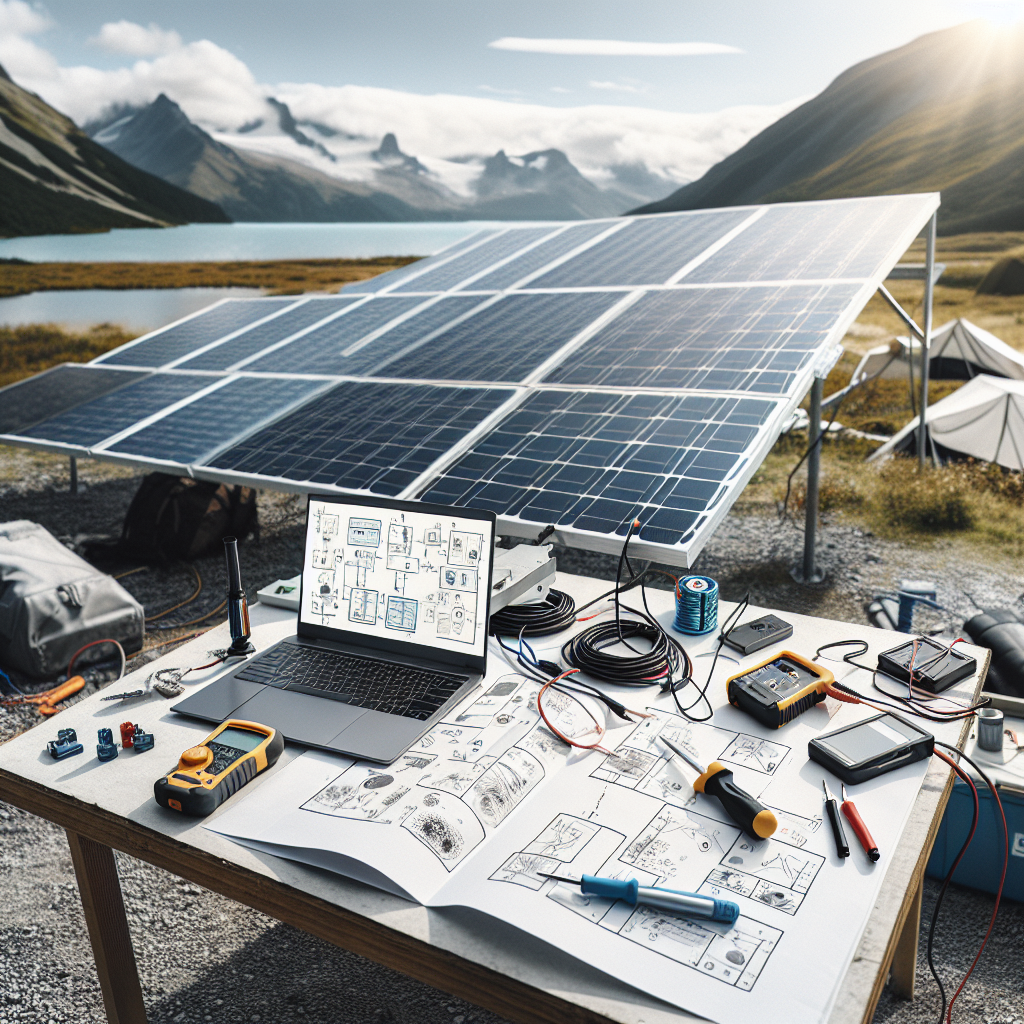
    When installation time rolls around, it’s super important to go into it equipped and informed. Depending on your comfort level, you could hire a professional or even go the DIY route. Just keep in mind, safety first! Make sure to have all your equipment, gear, and knowledge in line before jumping in.

    If you’re undertaking a DIY project like I did, make sure to read the manuals for every piece of equipment! They contain crucial information about wiring and handling. Sometimes, it’s in the details where trouble hides, so don’t skip the nitty-gritty guidelines.

    Before you start, consult local zoning laws or homeowner’s association rules. Trust me, nothing worse than finishing the job only to be told you need to take it down! It’s always a bummer when red tape gets in the way of your awesome solar setup.

    Executing the Installation

    On the day of installation, take your time! It’s easy to rush through things, but each step matters. Whether you’re mounting your panels or connecting the inverters and batteries, ensure that everything is secure and correctly wired. I recommend having a buddy help you out; it makes things not just safer but way more fun!

    Document your process with photos! Not only does it help in troubleshooting later, but it’s also an awesome way to chart your progress. Plus, it just feels good to see how far you’ve come. Remember to check all connections and ensure everything is operating as it should once everything is set up.

    Don’t forget about safety—work securely and in accordance with any local regulations. You’ll thank yourself later for being cautious now!

    Testing and Monitoring Your System

    Once everything is installed, the moment of truth has arrived—it’s time to test your system! I recommend checking voltage and ensuring everything is functioning like it should. You may want to invest in monitoring tools to keep tabs on production and performance over time. It’s all about having real-time updates on how your system is doing!

    Routine checks will help ensure that everything is running smoothly. It can be as simple as a monthly inspection to see if the panels are clean and that there’s no debris blocking sunlight. Make sure to also keep an eye on battery levels, which can indicate overall system health.

    Celebrate your achievements! Integrating solar into your tiny home journey is not just about saving money—it’s about embracing renewable energy and reducing your carbon footprint. A little effort yields a massive reward in terms of saving money and preserving the planet. You’re a champion for going solar!

    Maintaining Your Solar System

    Routine Inspections

    Keeping your solar system in top shape is essential for ensuring it performs at its best. I can’t stress enough how important routine inspections are. Looking over your panels for dirt or debris can make a significant difference in performance. Occasionally, a quick rinse with some water is all it takes to keep things efficient!

    Also, make sure that all connections remain secure and that aging components are taken care of before they fail. Being proactive here means you can dodge a lot of frustrations down the line. Maintain a record of these inspections, too—it can help you keep track of when things were checked last.

    Some folks hire professionals for yearly checks, which is worthwhile if you have the budget and want peace of mind. Just remember, a little maintenance goes a long way in ensuring your solar panels work effectively throughout their lifespan!

    Cleaning Your Solar Panels

    A clean solar panel is a happy solar panel! Dust, grime, and bird droppings can significantly cut down efficiency, so cleaning them periodically is a total must. Some people like to get up there with a sponge and hose, while others just let the rain do the work—which, honestly, can be surprisingly effective!

    If you live in a particularly dusty area or have lots of birds around, more frequent cleanings will help. In my case, I found having a cleaning schedule worked wonders. It didn’t take long, and the boost in performance made it worthwhile.

    Always ensure you take safety precautions while cleaning your solar panels. Depending on your roof type, it may be prudent to consult a professional for cleaning—or at least to show me how to do it safely!

    Keeping Up-to-Date with Technology

    The tech world is a whirlpool of constantly evolving innovations, and solar power is no different. Staying updated with the latest advancements can help you refine your solar power system. Whether it’s better battery options or more efficient panels, keeping your ear to the ground can save you money in the long run.

    You never know when a new product might help you save costs or improve efficiency. I spent some time researching new technologies and found incredible options when it came to inverters and batteries—some that have radically improved efficiency while being environmentally friendly!

    Engage with online communities or local solar workshops, as they can provide insights into experiences others have had. Staying informed can help you continue to embrace solar power and get the most bang for your buck as a proud tiny home dweller.

    FAQ

    1. How do I calculate my energy needs for a tiny home?

    Start by listing all of your appliances and devices along with their wattages. Estimate how many hours you use each one daily, then sum up the total watt-hours needed. This will give you a clear picture of your energy requirements.

    2. What type of solar panels should I choose for my tiny home?

    Monocrystalline panels are often the most efficient choice if space is limited, but polycrystalline may fit better if you’re on a tighter budget. Consider your specific needs and do research on panel efficiency and warranties.

    3. Do I need battery storage for my solar system?

    If you want to use power during the night or cloudy days, battery storage is crucial. It allows you to store excess energy generated during the day for use later on. Always consider your energy needs when choosing battery size and type.

    4. Can I install solar panels myself?

    Yes, many people choose the DIY route for solar installation. Just make sure you understand the technical aspects involved and always prioritize safety. It may also be helpful to consult professionals if you’re unsure about any steps.

    5. How do I maintain my solar panels?

    Routine inspections and cleaning are key. Look for dirt, grime, and check your connections regularly. A clean panel system works better and can save you on utility bills over time.

  • Solar Power for Remote Work Setup Guide

    Solar Power for Remote Work Setup Guide

    Understanding Solar Power Basics

    What is Solar Power?

    Let’s kick things off by breaking down what solar power really is. In simple terms, it’s energy harnessed from the sun, which we can convert into electricity. It’s like tapping into a giant battery in the sky that’s full of energy. Pretty cool, right?

    Solar panels, typically installed on roofs or in solar farms, capture sunlight and convert it to electrical energy using photovoltaic cells. These cells work their magic by allowing photons (light particles) to knock electrons free from atoms, creating a flow of electricity.

    Embracing solar power for your remote work setup not only helps reduce your carbon footprint but also can cut down on your utility bills. It’s like getting paid to work in the sunshine!

    Benefits of Solar Energy

    If you’re like me and you enjoy the idea of saving some cash while being eco-friendly, let’s dig into the benefits. First off, using solar energy reduces both your electricity bills and reliance on unstable energy markets.

    Secondly, solar energy is renewable. Unlike fossil fuels, which are finite and depleting, the sun isn’t headed for extinction anytime soon. So, you’ll always have a reliable source of energy for your work needs.

    Lastly, let’s talk about increased home value. Homes equipped with solar energy systems can be more attractive to buyers. It’s like adding a cherry on top when you decide to sell!

    Types of Solar Power Systems

    Not all solar systems are created equal. There are generally two main types of solar power systems: grid-tied and off-grid. A grid-tied system remains connected to the pavement, allowing excess energy to go back to the grid, sort of like sharing with neighbors.

    On the other hand, an off-grid system is your self-sufficient powerhouse. This setup is great for remote locations where the power grid doesn’t reach you. I have a buddy who lives in a cabin deep in the woods, and he swears by his off-grid solar system.

    Consider your power needs and location carefully when choosing your system. It’s important to find a balance that suits your work from home setup while keeping those energy bills low.

    Choosing the Right Equipment

    Solar Panels

    The first piece of the puzzle is choosing your solar panels. Look for panels with a good efficiency rating, meaning they convert more sunlight into usable energy. I learned the hard way that not all solar panels are created equally!

    Most panels come in two types: monocrystalline and polycrystalline. Monocrystalline panels are generally more efficient and take up less space. I opted for these after realizing how much roof space I had to cover.

    Do your own research or consult with a solar provider to find panels that fit your budget and energy needs. You don’t want to skimp on quality when it comes to generating your own power!

    Batteries

    Depending on whether you choose to go off-grid or not, batteries can be an essential part of your solar setup. Batteries store excess energy for use during cloudy days or at night when your panels are snoozing.

    There are various types of batteries available, with lithium-ion being one of the most common due to their long lifespan and ability to charge quickly. I remember being shocked at how much a good battery can cost, but they’re worth the investment in the long run.

    Choosing the right battery capacity depends on your energy needs and how long you want to stay powered during outages. It’s better to overestimate than underestimate!

    Inverters

    Inverters are the unsung heroes of your solar setup. They convert the direct current (DC) produced by the solar panels into alternating current (AC), which is what your devices use. Without an inverter, your solar energy wouldn’t do you a whole lot of good!

    There are two main types of inverters: string inverters and microinverters. String inverters are more common and suitable for most residential setups, while microinverters can increase efficiency in shaded areas. 

    When selecting an inverter, make sure it can handle your maximum energy output. Investing in a high-quality inverter can save a lot of hassle down the road and we all prefer smooth sailing, right?

    Installation Tips

    DIY vs Professional Installation

    Now it’s the moment of truth: installation! Depending on your skill set and comfort level, you might consider a DIY approach or hire professionals. I initially thought I could tackle it myself, but let’s just say I was glad to leave it to the experts.

    Professional installation can ensure that everything complies with local regulations and will likely come with warranties. Plus, these pros have the got-a-cool-solar-expert vibe that you might want to embrace!

    If you decide to go the DIY route, be sure you thoroughly research the process. There are plenty of online resources and kits available to guide you through it, but remember, safety first!

    Optimal Panel Placement

    Location, location, location! That’s the real estate motto, and it applies to solar panel installation too. To maximize the energy you capture, position your panels where they will receive the most sunlight throughout the day.

    Generally, south-facing roofs are ideal, but the angle and tilt can also affect output. I’d recommend consulting with a solar professional to get the perfect angle for your house. It’s a small detail that can make a huge difference.

    Don’t forget to think about potential shading from trees or buildings. A little shade can bring down your output significantly, so consider any factors that might obstruct sun exposure.

    User-Friendly Experience

    Finally, your solar power system should be user-friendly. Make sure any monitoring systems available are easy to use and offer real-time data, so you can track your energy production and consumption. This data can help you optimize your energy use.

    Some systems come with smartphone apps, which makes it super easy to keep an eye on things while sipping your coffee or binge-watching your favorite series. I find myself checking mine more often than I should, just out of curiosity.

    Make the most of the technology available, as it can play a big part in understanding how to tweak your solar usage for a more efficient and cost-effective experience.

    Maintaining Your Solar Power System

    Routine Maintenance Checks

    Now that you’re generating your own solar power, it’s essential to keep things running smoothly. Regular maintenance checks help ensure efficiency and longevity. I make it a habit to check on my system at least once a season.

    Cleaning the solar panels is often part of the routine. Dust, leaves, or bird droppings can reduce their efficiency, so keeping them clean is always a good practice. A soft brush and mild soapy water work wonders!

    Additionally, it’s wise to check the wiring and connections for any signs of wear and tear. Catching potential issues early can save you a lot of headaches down the road!

    Monitoring Energy Production

    Staying on top of your system’s performance is key. Many modern setups come with monitoring systems that track energy output in real-time. This cool tech can alert you if there’s a drop, which could mean something’s wrong.

    I’ve learned that being proactive about monitoring my system has helped me resolve issues quickly and even optimize for certain periods of high usage. It’s like having your own energy watchdog!

    Analyzing your energy generated over time can also help you understand seasonal variances and plan accordingly, whether it’s ramping up work during sunny months or using stored energy wisely during cloudy times.

    Long-term Planning for System Replacement

    Eventually, like all good things, your solar panels will reach a point where they need replacement. Most panels come with warranties ranging from 20 to 25 years, so plan accordingly. Knowing the lifespan of your system can help you budget for this future expense.

    When it comes time for replacement, consider newer technologies or upgrades that could boost efficiency. The world of solar power is constantly evolving, and you might find even better options than what you initially chose.

    If you keep up with maintenance and monitoring, you’ll have a much clearer understanding of when to replace your system, ensuring that you continue to harness the power of the sun effectively.

    Frequently Asked Questions

    1. What is the average cost of installing a solar power system?

    The cost can vary based on your location, the size of the system, and available incentives, but on average, you may be looking at anywhere from $15,000 to $25,000 before any tax credits.

    2. How long does it take to install a solar power system?

    Most installations can be done in a day or two, but don’t forget that permitting and inspection can add some time to the overall process.

    3. How does solar energy affect my property value?

    Typically, homes with solar power systems see an increase in property value. Many buyers find solar panels attractive due to the potential savings on energy bills.

    4. Can I use solar power during an outage?

    If you’re on a grid-tied system without batteries, no. But if you have an off-grid setup or a grid-tied system with a battery, you can power your home during an outage.

    5. Is solar energy environmentally friendly?

    Absolutely! Solar power reduces reliance on fossil fuels and decreases greenhouse gas emissions, contributing positively to the environment.

  • Solar Power for All: Making Solar Accessible

    Solar Power for All: Making Solar Accessible

    Understanding the Importance of Solar Energy

    Why Go Solar?

    Let me tell ya, embracing solar energy is not just a trend—it’s essential for a healthier planet. From reducing carbon footprints to combating climate change, going solar allows each one of us to play a pivotal role in creating a sustainable future. Not to mention, it’s a game-changer for energy independence. Imagine relying less on fossil fuels—that’s the beauty of harnessing the sun!

    Moreover, solar power leads to significant cost savings. Many folks think switching to solar is daunting, but in truth, once you install those panels, you can drastically lower or even eliminate your electric bills. It’s like having a magic money-saving machine on your roof! And trust me, seeing those savings roll in month after month is one of the best feelings ever.

    Finally, let’s not forget about job creation. The solar industry is booming! The more we invest in solar technology, the more jobs we create. From manufacturing to installation and maintenance, going solar supports a vibrant job market and stimulates our economy. So, it’s a win-win situation all around!

    Making Solar Power Accessible to Everyone

    Breaking Down the Barriers

    Let’s face it, one of the biggest hurdles to jumping on the solar bandwagon is the upfront cost. But there’s hope! Governments and utility companies are increasingly offering incentives, rebates, and financial assistance programs to make it more affordable. I’ve personally navigated these waters and found that taking the time to research available grants and tax credits can save you hundreds, if not thousands, of dollars.

    Another barrier? Misconceptions! Many folks think solar panels only work in sunny climates. Newsflash: they can harness energy even in cloudy or snowy weather. It’s critical to spread awareness about how solar technology works and its benefits, regardless of where you live. By sharing personal stories or data-driven insights, we can educate the skeptics around us.

    Lastly, community solar projects are a fantastic initiative that deserves mention. These allow multiple households to share the benefits of solar energy without needing panels on their own property. It brings the power of solar to those who might not otherwise have access. So, keep an eye out for local programs or co-ops that might offer shared solar opportunities in your neighborhood!

    Increasing Awareness Through Education

    Engaging the Community

    Education is key! When I first got interested in solar, I had no clue where to start. I wish I had more educational resources available, but I had to dig and research on my own. This is why I strongly believe in organizing community workshops and information sessions. When communities come together to learn about solar energy, the excitement is contagious!

    Additionally, partnering with local schools can introduce young minds to renewable energy concepts. Imagine a field trip to a local solar farm! Not only would students learn about the technology, but they would also understand the environmental impact. These early lessons stick with them, and they become the advocates of tomorrow.

    Let’s not overlook social media, either. Sharing stories, articles, and videos online can amplify our message and reach a broader audience. I’ve found that sharing my solar journey—complete with photos and tips—has sparked conversation and inquiries from friends and family. It creates a ripple effect of interest and engagement!

    Innovating for the Future of Solar

    Tracking Technological Advances

    The solar landscape is changing all the time. With advancements in technology, not only are solar panels becoming more efficient, but they’re also becoming more affordable and easier to install, which is fantastic! I remember when I first looked into solar options years ago, the technology was still relatively fresh and pricey. Now, it’s much more accessible, thanks to companies innovating every day.

    We’re also seeing the emergence of new products, like solar shingles that blend seamlessly with your roof. It’s like fashion for your home! Who wouldn’t want a sleek look with energy savings on the side? Staying updated on these innovations will help everyone make informed choices about their solar investments.

    Plus, the rise of energy storage solutions like home batteries means we can save solar energy for later use. This is crucial for maximizing the potential of solar power, especially during peak usage times. Investing in storage technology can truly elevate your energy independence and enhance the benefits of going solar.

    Building a Sustainable Future with Solar

    Fostering Partnerships and Collaborations

    To drive the accessibility of solar power for all, we need a collective effort. Collaborations between local governments, private sectors, and non-profit organizations can create programs that cater to diverse communities. From my experience, working together brings more resources to the table, allowing us to design initiatives that truly meet the needs of different populations.

    Volunteering for or supporting local clean energy initiatives has also made a huge difference. Sometimes it’s as simple as helping to organize events, or sharing information about solar opportunities within your community. These grassroots movements can spark incredible change. When we come together, we amplify our voices advocating for a sustainable future.

    Finally, let’s not forget the pivotal role of policy and legislation. Engaging with lawmakers and advocating for pro-solar policies can lay the groundwork for a brighter, cleaner future. It’s about creating a supportive environment where solar power thrives. When ordinary people unite and make their voices heard, we can inspire real change!

    FAQ

    1. What are the main benefits of solar energy?

    The main benefits include reduced energy bills, decreased carbon footprints, job creation, and greater energy independence. Solar energy is a clean source of power that helps combat climate change.

    2. How can communities increase solar accessibility?

    Communities can increase solar accessibility by organizing workshops, promoting community solar projects, and offering financial assistance programs. Education and collaboration are key to addressing misconceptions.

    3. Are solar panels effective in cloudy weather?

    Yes! Solar panels can still generate electricity even on cloudy days, although their efficiency may be somewhat reduced. They are designed to harness any available sunlight.

    4. What advancements are we seeing in solar technology?

    We’re seeing increased efficiency in solar panels, more affordable installation options, and innovations like solar shingles and energy storage solutions, all making solar more accessible.

    5. How can I get involved in promoting solar energy?

    You can get involved by educating yourself and others, supporting local clean energy initiatives, volunteering for events, and advocating for policies that favor solar energy. Every small effort counts!