Tag: power

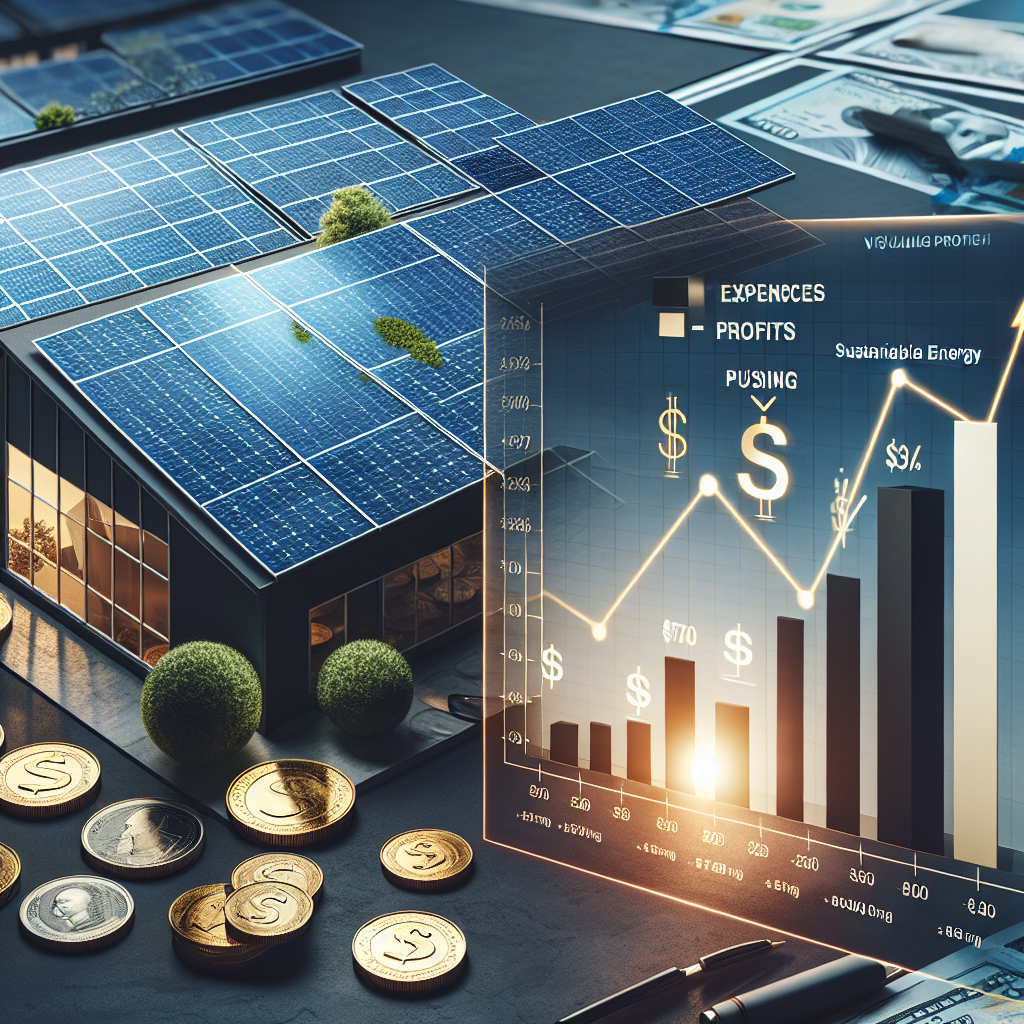
  • Solar Power ROI Calculator: Investment Returns Explained

    Solar Power ROI Calculator: Investment Returns Explained

    Understanding the Cost of Solar Installation

    Initial Investment Breakdown

    So, you’re thinking about diving into solar energy? I totally get it! But before you splash your cash—let’s break down what you’ll actually be spending. The first thing on the list is the solar panel installation, which includes the panels, inverters, and any additional equipment. It’s crucial to get a detailed quote from a reputable installer to avoid any surprise costs later on.

    But wait, there’s more! Labor costs are often overlooked. Depending on where you live, these can vary quite a bit. It’s essential to factor in not just the going rate for installers but also any potential permits or inspections that might pop up. Trust me, I learned this the hard way when I installed mine!

    Lastly, don’t forget about those sneaky maintenance costs. While solar panels are generally low-maintenance, you’ll want to set aside some cash for cleaning them occasionally or for potential repairs down the line. Planning for these expenses will help you get a clearer picture of your overall investment.

    Calculating Energy Savings

    Estimating Your Energy Bill Reduction

    One of the most attractive parts about going solar is the energy savings! To calculate how much your energy bills will drop, you’ll first need to dive into your energy consumption data. Check your electricity usage over the past year to get an accurate baseline. Believe me, knowing your numbers is half the battle!

    Once you know your consumption, it’s time to look at the size of the solar system you’ll need. An average system can cover anywhere from 50% to 100% of your electricity usage—depending on your location and roof size. Putting pen to paper, or fingers to keyboard, will show you just how much of your bill can be slashed!

    Beyond just the dollar signs, I like to think about the environmental impact too. Reducing your energy bill is sweet, but reducing your carbon footprint? That’s a win-win! You’re not just saving money; you’re also doing your part for this beautiful planet of ours.

    Evaluating Incentives and Rebates

    Federal and State Incentives

    Okay, let’s talk cash! There are some fantastic federal and state incentives that can give your solar investment a serious boost. The federal solar tax credit is a game changer, allowing you to deduct a percentage of your solar installation costs from your federal taxes. It’s honestly like the government throwing you a bone for going green.

    But don’t stop there! Many states offer additional rebates, tax credits, or performance-based incentives. Check out your local government’s website or hit up a solar installer for info. I remember finding a rebate that cut my costs by thousands, which made my decision so much easier!

    Incentives change often, so keeping an eye on them is important. When I first considered solar, I had to stay on my toes and remember to ask questions. The more informed you are, the better results you’ll see in your ROI!

    Calculating the Return on Investment (ROI)

    Understanding Payback Period

    Evaluating the payback period helps you understand just how long it will take to recoup your initial investment through energy savings. It’s like figuring out how long it’ll take for your solar system to pay for itself! Typically, most systems have a payback period of about 5 to 10 years. Just think of it as a little waiting game.

    To calculate this, divide the total cost of your system by your annual savings. The result will give you the years it takes to break even. I remember when I hit that magic number—it felt like I was finally in the clear!

    While a shorter payback period is sweeter, don’t forget about the long-term benefits. After you’ve recouped your costs? It’s all gravy, baby! You’ll be enjoying those energy savings for years to come while helping Mother Earth at the same time.

    Projecting Long-Term Benefits

    Beyond Immediate Savings

    Long-term benefits from solar don’t end after you’ve paid back your system. After all those years of savings, those low energy bills continue to rack up. Let’s not ignore the energy independence angle—less reliance on fluctuations in energy prices means more stability for your wallet. I mean, who doesn’t like predictable expenses?

    Another benefit you might not have considered is the increase in property value. Homes with solar installations often sell for more than those without. Think of it as a shiny upgrade that makes your place more appealing, especially to eco-conscious buyers.

    Of course, there’s also the feel-good factor for many of us eco-warriors out there. Knowing that my energy source is renewable and helps reduce our reliance on fossil fuels is a huge bonus. It’s not just an investment in my finances; it’s an investment in our planet’s future!

    Frequently Asked Questions

    1. What does ROI mean in the context of solar energy?

    ROI, or Return on Investment, in solar energy refers to the financial return you can expect from installing a solar system compared to the total costs involved. It looks at savings over time and helps you understand your investment’s profitability.

    2. How do I start calculating my solar investment?

    Begin by estimating your energy needs and total solar installation costs, then explore available incentives. After that, calculate potential energy savings to assess your payback period and overall ROI.

    3. Are there tax credits available for solar installations?

    Yes! The federal solar tax credit allows you to deduct a percentage of your solar installation costs from your federal taxes, and additional state incentives may also be available.

    4. How long does it take to see savings after installing solar panels?

    The payback period usually takes between 5 to 10 years, but this varies based on the size of your system, local energy prices, and incentives you qualify for.

    5. Does solar increase property value?

    Definitely! Studies show that homes with solar installations often sell for more than those without, making it a smart investment not just for energy savings but also for property appreciation.

  • Can You Get Solar Power in an Apartment?

    Can You Get Solar Power in an Apartment?

    Understanding Solar Power Options for Apartment Dwellers

    What is Solar Power?

    Alright, let’s kick things off with the basics. Solar power is energy that comes from the sun, and it gets converted into electricity or heat. For those of us living in apartments, that might sound like a distant dream, but hang tight! There are options that cater specifically to us.

    This renewable energy source is not just a fad; it’s a sustainable way to power up your life. For apartment folks, it’s important to know that you can still play a role in harnessing this amazing resource. Whether you have a balcony or a window, there are innovative ways to tap into solar energy.

    Essentially, solar panels absorb sunlight and convert it into usable energy. But we’ll dive into the types of systems available later. For now, know that getting more familiar with solar energy is the first step toward going green in your apartment!

    Different Types of Solar Solutions

    So, what kinds of solar solutions are out there? Well, there are a few key players that I found useful: rooftop solar panels, portable solar panels, and community solar programs. Each has its perks, especially when you’re working with limited space.

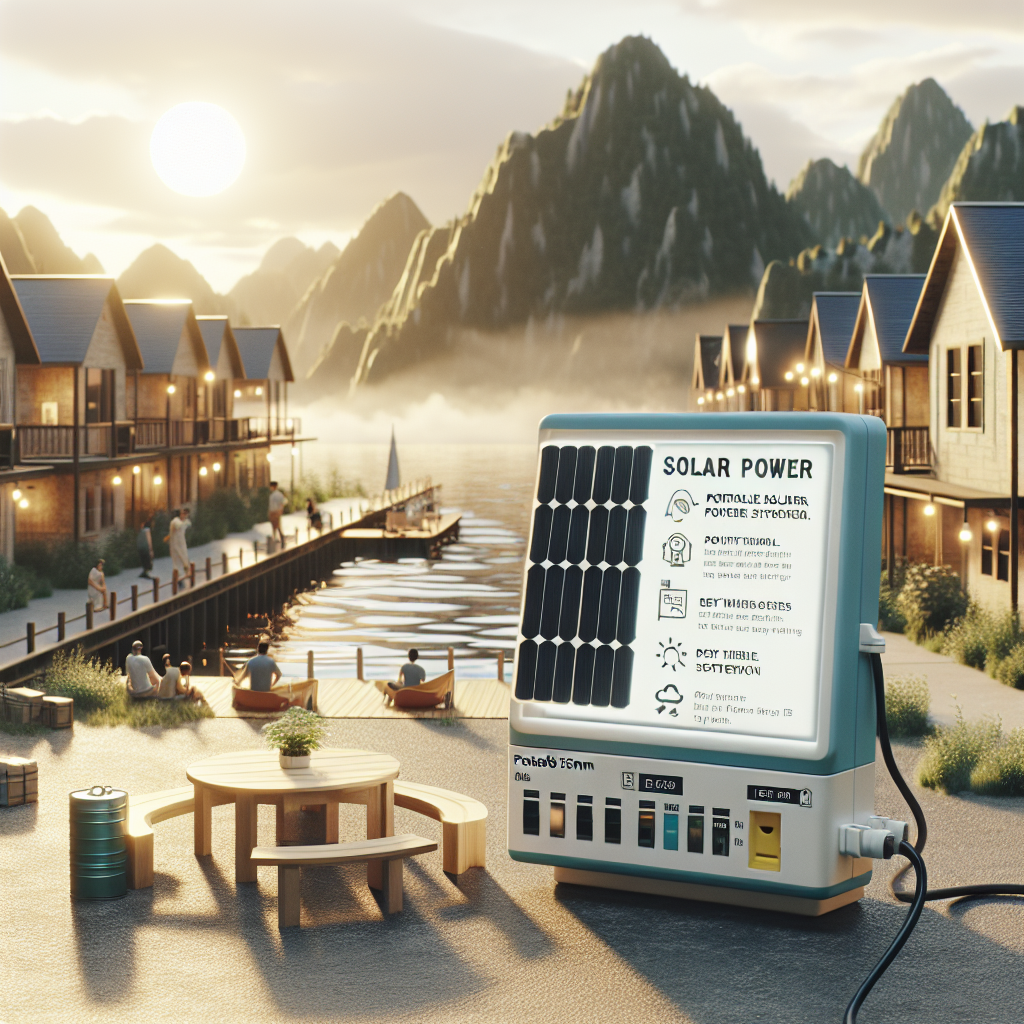
    Rooftop panels are less of an option for many apartment dwellers unless your building allows for it. However, portable solar panels are perfect for balconies. They’re designed for easy use and can generate enough juice for your devices without needing a full-on roof installation.

    Then there are community solar programs. These are pretty innovative! You can subscribe to a solar farm and get credit for the energy produced, even if you don’t have a panel on your apartment. Cool, right? It’s like sharing a pizza but in the energy world!

    The Benefits of Solar Power in an Apartment

    Imagine this: lower energy bills, a smaller carbon footprint, and contributing to a sustainable future. How can you not get excited? By investing in solar, even from an apartment, you’re doing your part for the planet!

    An added bonus? Some states offer tax credits and rebates for going solar. It’s a win-win situation where you lower your bills and potentially save a chunk of cash during tax season!

    Plus, think about the value it can add to your apartment life. Environmentally conscious tenants are becoming more common, which might make your spot more desirable in the rental market. Trust me, it’s a step in the right direction!

    Challenges of Implementing Solar Power in an Apartment

    Space Limitations

    Alright, let’s get real. One of the biggest challenges of adopting solar power in an apartment is space. Most folks don’t have expansive rooftops or yards to set up a massive solar array, and it can feel pretty discouraging.

    If you live in a high-rise, good luck getting on that rooftop! But don’t fret; there are options to get around this. Even the smallest balcony can accommodate a portable solar setup. It all comes down to being creative and resourceful!

    Consider this: if your building has common areas or roofs that face the sun, you could talk to your landlord about collective solar solutions. You never know what’s possible until you ask!

    Landlord and Building Regulations

    Another hurdle? Your landlord’s policies! Some properties have strict rules about installations and changes to the building. If you’re renting, it’s vital to check your lease or chat with your landlord before making any moves.

    Building regulations can sometimes clamp down on what you can and can’t do. Some apartments might not allow any changes, while others might be open to solar installations. Make sure you know the rules of your building!

    Also, it’s a good idea to look into homeowners’ associations (HOAs) if you’re in a managed property. That can also dictate how feasible solar is for you. Just be proactive about gathering all the info!

    Cost and Investment

    Ah, the cost of going solar. It’s no secret that solar products can carry a hefty price tag upfront. However, it’s crucial to see this as an investment rather than just a cost. Think long-term! Over time, you’ll save money on electric bills, but the upfront is significant.

    Portable solar setups can be relatively affordable; prices vary greatly depending on capacity and features. I’ve seen some compact systems that work great for charging devices at around $200 to $300—a much lower commitment than full installations!

    However, be sure to shop around and read reviews. Look for financial assistance programs available in your area. With creativity and diligent research, you’ll find a path that fits your budget.

    Finding Local Resources and Incentives

    Research Community Solar Programs

    One of my favorite paths to pursue solar energy is to look into community solar programs. It’s a way for renters and owner-occupiers to participate without needing a rooftop. Simply put, you contribute to a larger solar farm, and they credit your monthly bills. How great is that?

    I suggest starting with a quick online search for programs in your area. Many states are rolling out these initiatives, and you might find one that’s perfect for you! They often provide diverse options that can cater to all sorts of living arrangements.

    Getting involved is super easy, and being part of a community solar program could really enhance your apartment experience. Plus, you can talk about it at parties—who wouldn’t want to brag about being eco-savvy?

    Utilize Government Incentive Programs

    Don’t overlook the power of government incentives! Many areas offer substantial rebates or tax credits to encourage solar energy. By researching local incentives, you’ll save some bucks and encourage solar growth in your community.

    Websites like the Database of State Incentives for Renewables & Efficiency (DSIRE) are treasure troves of information. Check them out! You might be surprised at what’s available just for you.

    Even your local utility companies might provide programs aimed at increasing solar use. Connecting with a local solar installer can help navigate this landscape and find out what you’re eligible for.

    Connect with Local Solar Installers

    Another gold mine for resources is connecting with local solar installers. Even if you aren’t ready to jump into an installation just yet, these professionals can give you the lowdown on what options you have.

    Research online, ask around, and read reviews about local installers. A good installer won’t just give you a sales pitch; they’ll take the time to understand your situation and suggest what works best for you.

    Plus, they often keep up with the latest industry developments. You might learn about new products or incentives that could work with your unique apartment circumstances!

    Wrapping Up: Making the Switch to Solar Power

    Taking the First Step

    Making the switch to solar power feels like a big deal, right? But remember, every small step counts! Start by assessing your living situation, researching your options, and talking to your landlord. It doesn’t have to be overwhelming!

    Even little actions, like swapping out some incandescent bulbs for energy-efficient ones, can begin to lower your bills while you gather the courage to go solar.

    Once you’ve done your homework, you can confidently choose a solar solution, whether it’s portable panels or participating in a community solar program. Trust me, you’ll feel accomplished having taken that step toward sustainability!

    Enjoying the Benefits

    As you initiate this journey, don’t forget to enjoy the rewards along the way. There’s something incredibly fulfilling about knowing you’re contributing to a cleaner, greener planet while saving money!

    Plus, you might inspire your friends and neighbors to follow suit! When people see your setup, they might just ask how you did it, giving you the chance to spread the solar love.

    Living in an apartment doesn’t have to mean giving up on greener initiatives. Embracing solar power within your space, big or small, can ignite change for both your wallet and the planet.

    Final Thoughts

    In the end, solar power is a fantastic way to reduce your carbon footprint and save on energy costs, even in an apartment setting. With the right research, creativity, and willingness to explore options, you can embrace this change and be part of a much larger energy conversation.

    So, here’s to you taking that leap! Whether it’s starting small or diving into a community project, every effort counts. Remember, making a positive impact doesn’t require a mansion—your apartment can be a green machine too!

    FAQs

    1. Can I use solar power if I live on a lower floor?

    Absolutely! Even if you’re on a lower floor, you can explore options like portable solar panels for use on balconies or windows. Community solar programs can also be a great fit!

    2. What are portable solar panels, and how do they work?

    Portable solar panels are smaller, lightweight panels designed to provide power for devices like smartphones or laptops. They work by converting sunlight into electricity, which you can then use via USB or other connections.

    3. Are community solar programs available everywhere?

    Not everywhere, but they’re gaining popularity! Check your local state’s offerings, as many areas are starting to create these programs to help renters access solar power.

    4. What are the typical costs for portable solar panels?

    Costs can vary widely based on brand and capacity, but you can find decent options starting around $200 to $300. Comparing prices online can help you find the best budget-friendly choice.

    5. How can I convince my landlord to allow solar installations?

    Having an open conversation about the long-term benefits of solar for both rent savings and property value is key. Also, showing them potential tax benefits or incentives can strengthen your case!

  • Solar Power for Business: Cost-Benefit Analysis

    Solar Power for Business: Cost-Benefit Analysis

    Initial Costs of Solar Power Installation

    Understanding the Upfront Investment

    When I first dove into solar power for my business, I’ll admit the initial costs nearly knocked the wind out of me. Between the solar panels, inverters, and installation fees, it sure felt like a hefty price tag. But let’s unpack what those costs really involve.

    The most significant expense is usually the solar panels themselves. Depending on your energy needs and the size of the setup, you might be looking at a few thousand dollars at the very least. Plus, there might be permits and inspections that you need to contend with.

    Don’t forget about labor! Hiring a reputable contractor is essential to getting a proper installation. I learned the hard way that cutting corners can lead to bigger headaches down the road. So, plan wisely, and factor in these expenses. It’s crucial for a solid starting point in your cost-benefit analysis.

    Incentives and Rebates

    One silver lining in this cost cloud is that various incentives are out there. Tax credits, local utility rebates, and even state programs can significantly lower your upfront costs. It’s almost like a treasure hunt at the beginning of the process!

    I remember spending hours researching what was available to me in my area. Every state has different rules, so making sure that you’re aware of all potential savings can make the installation more financially viable. Believe me, take the time to find those hidden gems!

    Be proactive—reach out to local solar companies. Many have specialists who can help you navigate through the mire of incentives. This will greatly aid in trimming those initial costs, putting you one step closer to a brighter, greener future.

    Financing Options

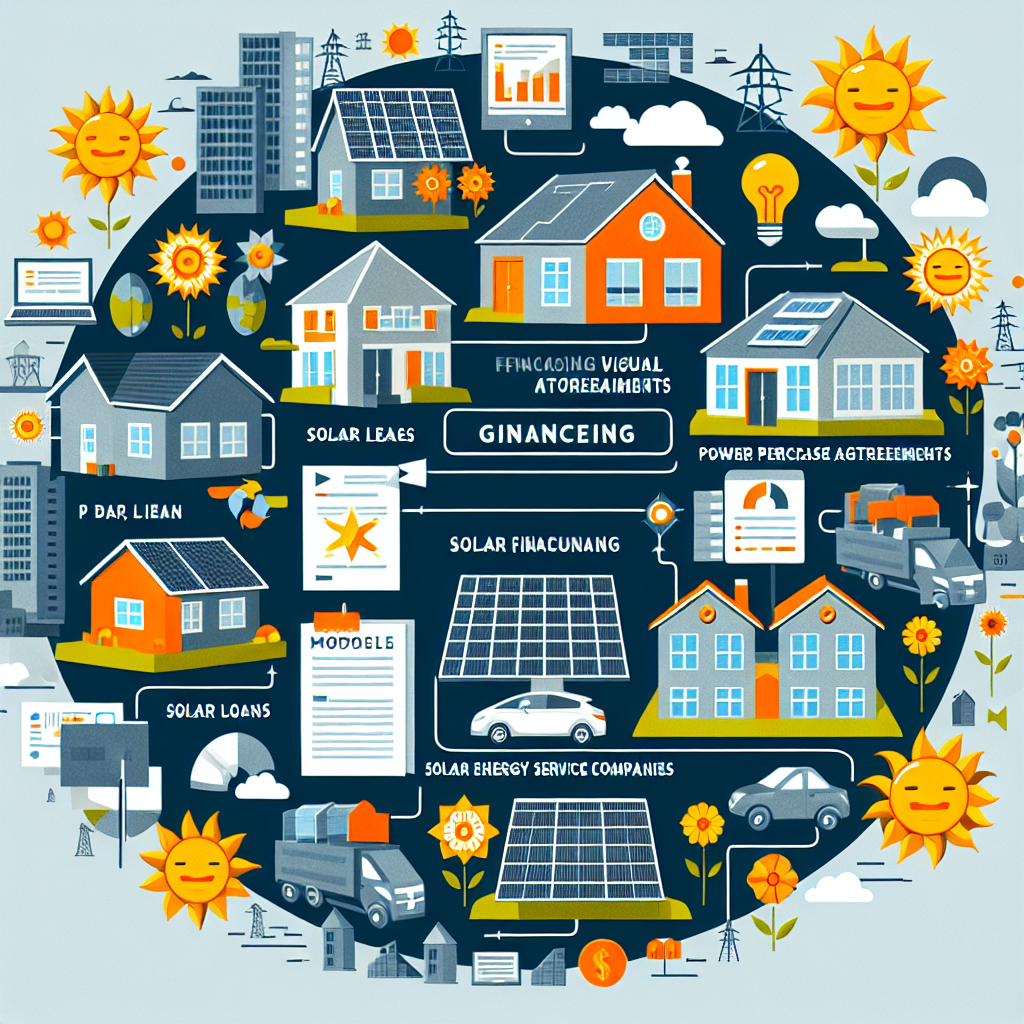
    Now, let’s not forget about financing your solar power system! If the upfront costs look intimidating, financing options might just work wonders. From solar loans to power purchase agreements (PPAs), there’s a ton to explore.

    A solar loan can spread out your payments over several years, which can alleviate some of the initial financial strain while letting you enjoy the benefits of solar energy right away. A PPA typically allows you to pay for the energy the system produces, usually at a lower rate than your current utility rate.

    Honestly, when you find the right financing route, those initial costs may not be as scary. You can make a plan that suits your budget and helps you get the energy savings rolling as soon as possible. It’s all about finding what fits best for you!

    Long-term Savings Potential

    Energy Bill Reductions

    Let’s talk about the real magic, long-term savings! After investing in solar, one of the first things I noticed was how much my energy bills dropped. Gone were the days of exorbitant electric bills bogging me down.

    Depending on your system size, many folks experience reductions of up to 70% in their energy costs. Can you imagine what that could do for your budget? More funds to put back into the business or even just for splurging on a nice dinner—it’s win-win!

    Even on cloudy days, the energy you generate can still cover a large chunk of your energy usage. It’s just a comforting feeling, knowing there’s less reliance on fluctuating utility prices. You’ll sleep a little better knowing you’re saving money in the long run.

    Return on Investment (ROI)

    Every business owner loves to see a good ROI, right? After my solar installation, I found that the return was not only promising but also backed by substantial data. Typically, businesses can expect payback periods ranging from 4 to 8 years.

    That’s not just liberating; it’s empowering! Once the system is paid off, it’s like your energy is practically free—meaning profits can be redirected toward growth and expansion. That’s the kind of thing that gets me excited!

    If you do the math, it’s clear that solar isn’t merely an expense; it’s an investment. Over a 20-year lifespan, many report savings of tens of thousands of dollars. It’s a no-brainer for businesses looking to secure a brighter future.

    Equipment Longevity

    Another facet of long-term savings involves the longevity of the solar panels themselves. I’ve found that most reputable panels come with warranties stretching between 25 to 30 years. That’s a lot of energy generation time!

    Quality panels require minimal maintenance, making them a low-effort, high-reward solution. I can say, I’ve only needed to clean them a couple of times a year, and that’s about it! You can’t beat that kind of hassle-free efficiency.

    Over time, you’ll find that your initial investment pays off long after installation, as you’ll continue to save on energy costs without major additional expenses. It’s a solid investment not just for today but for years down the road.

    Environmental Impact

    Reducing Carbon Footprint

    The environmental aspect of solar power is one of the things I’m most passionate about. Installing solar panels helps reduce your carbon footprint significantly. Every kilowatt-hour of solar energy produced translates to less reliance on fossil fuels.

    In my experience, it’s empowering to think that I’m contributing to a cleaner planet. Some estimates suggest that a typical solar installation can offset several tons of carbon dioxide annually. When you look at it that way, you’re not just saving money; you’re genuinely making a difference.

    Every bit counts. More businesses adopting solar means collectively, we can have a positive environmental impact. It’s a great conversation starter with your clients, especially those who also care about sustainability.

    Promoting Renewable Energy

    I love being a part of the renewable energy movement! By switching to solar, I’m not just helping my business; I’m supporting the growth of an entire green energy market. Each panel installed is a step forward in making renewable energy the mainstream option.

    Pushing for this change has the power to influence friend businesses. When you share your positive experience, others might just get inspired to do the same. Together, we can create a momentum that leads to more innovation and sustainability.

    I always think of it this way: every ounce of solar energy generated is one less dependency on non-renewable resources. We’ve got to build a sustainable future for the upcoming generations; being part of this transition feels wonderful!

    Community Benefits

    Switching to solar doesn’t just help the environment; it also has community benefits. When businesses go solar, they create jobs in installation, maintenance, and technology innovation. This aspect often gets overlooked but means the world, especially in local economies.

    In my journey, I’ve noticed that as the community embraces solar, it fosters relationships and fosters pride. Businesses supporting green initiatives can also attract eco-conscious consumers. It’s a great way to build loyalty while being socially responsible.

    We’re all in this together! Supporting local services and green initiatives strengthens the community fabric and paves the way for a healthier planet. It’s incredible and encouraging to be a part of something greater!

    Potential Challenges

    Maintenance and Repairs

    Just like any major investment, solar power can come with its own set of challenges. For instance, maintenance and repairs can be a reality check. My panels have been pretty low maintenance, but it’s good to be prepared for the periodic checks and necessary upkeep.

    Regular cleaning and inspections can help ensure maximum efficiency. I recommend setting aside a little budget for any potential repairs, especially if you live in areas with extreme weather conditions or dirt buildup.

    Keeping tabs on performance can help catch issues early. Remember, the less downtime your system has, the better your investment holds. It’s just something to keep in mind as you plan your solar journey.

    Weather and Location Limitations

    Your business location plays a big role in solar power efficiency. If you live in an area that doesn’t get much sun, it can impact the amount of energy you can generate. This was a sticking point for a friend of mine who got excited for solar but realized his cloudy skies weren’t ideal.

    It’s crucial to assess the climate and potential shading (think trees and buildings) when considering your solar setup. You don’t want surprise challenges down the line, so consult with experts on best practices for maximizing output based on your specific conditions.

    However, don’t let location deter you! There are alternatives like battery storage that can help you store energy for cloudy days. Just be ready to explore options that best align with where your business is.

    Evolving Technology

    Technology is always advancing, and the solar industry is no exception. While it’s exciting, it can also be a bit nerve-wracking. I’ve had moments where I’ve wondered if I should upgrade equipment or install cutting-edge tech for even better performance.

    New developments happen quickly, from highly efficient panels to energy storage solutions. It’s a good practice to keep yourself informed about advancements that could benefit your system or future installations, but try not to stress about it all at once!

    Initially investing in quality panels will go a long way. Most systems perform well for decades, so you shouldn’t feel pressured to upgrade every few years. Focus on making the best decision for your needs, and then enjoy the ride!

    Conclusion

    In summary, going solar for your business is a journey filled with costs, savings, and important considerations. You have the potential for significant long-term savings and environmental impacts—making it an attractive choice for many business owners.

    As I shared my experiences, remember to consider your unique situation and plan accordingly. With the right information and mindset, I believe you can make a decision that’s best for you and your business!

    FAQ

    What are the primary costs associated with solar power installation?

    The primary costs include purchasing solar panels, inverters, installation fees, and any necessary permits or inspections. Don’t forget about potential maintenance costs down the line!

    How can businesses reduce initial costs for solar installation?

    Businesses can utilize various incentives and rebates offered by federal and state programs. Additionally, exploring financing options like loans or power purchase agreements can help ease the upfront financial burden.

    What kind of savings can a business expect after installing solar power?

    Many businesses experience 50-70% reductions in energy costs after going solar. The typical payback period ranges from 4 to 8 years, after which they can enjoy significant savings.

    How does solar power contribute to environmental benefits?

    Solar power reduces carbon emissions and reliance on fossil fuels. It also promotes renewable energy and supports job creation in local communities, contributing to a greener economy.

    What are some potential challenges of installing solar power?

    Challenges may include maintenance and repair needs, weather-related efficiency issues, and keeping up with evolving technology. It’s important to stay informed and plan accordingly to mitigate these challenges.

  • How to Finance Solar Power: All Options Explained

    How to Finance Solar Power: All Options Explained

    Understanding Your Financing Options

    Private Financing

    When I first started exploring solar power, I was overwhelmed by the financing options. One of the primary methods that popped up was private financing. It’s a straightforward way to fund your solar installation without relying on third-party agreements. You basically take out a loan from a lender who specializes in renewable energy. This can come with diverse payment terms and interest rates, allowing you to pick what fits your budget.

    Your credit score can come into play here, so make sure you know where you stand. If you have a decent credit score, you could snag a better interest rate. I remember my first loan; my lender even offered a short-term loan option that allowed me to pay it off quickly and save on interest.

    Additionally, the benefit of this approach is you own your solar system outright. That means the energy savings are yours, and there are no hidden fees or surprises down the line. Once the loan is paid, those savings become pure profit!

    Solar Leases

    Another popular option is solar leasing, which I found to be quite appealing. In this arrangement, you lease your solar panel system from a provider. You pay a set monthly fee, but the company owns and maintains the system, so you don’t have to worry about the installation process or repairs.

    What’s cool about solar leases is that you can often get into solar without a hefty upfront cost, which was a game changer for me. A lot of companies offer zero-down options, so you’re literally paying for the energy produced, not the system itself. It can feel a little freeing, especially if money is tight but you still want adorable solar panels on your roof.

    Remember, though, that with a lease, you don’t get to take advantage of certain federal tax credits or rebates, since you don’t technically own the system. That said, if you’re looking for ease and lower initial investment, a lease could be just the ticket.

    Power Purchase Agreements (PPAs)

    Now, let’s chat about a Power Purchase Agreement (PPA). This was a bit of a hidden gem I discovered during my research. With a PPA, you agree to buy the electricity generated by a solar panel system installed on your property at a fixed price for a set number of years. It’s a little similar to a lease but with one major difference: you pay for the electricity, not the system.

    What I loved about PPAs is you can often lock in lower electricity rates compared to your local utility company. If your area has high electricity prices, this can be a major win. Plus, usually, the installation and maintenance costs are covered by the solar company.

    One thing to keep an eye on, though, is the length of the agreement. If you decide to sell your house in the middle of a PPA, it might complicate things. You’ll typically have to pass the agreement along to the new homeowner, which can be a sticking point.

    Government Incentives and Tax Credits

    Federal Tax Credit

    If there’s one silver lining to going solar, it’s the federal tax incentive that can significantly reduce installation costs. When I first learned about the Investment Tax Credit (ITC), I was blown away! You can deduct a substantial percentage of your solar system’s costs from your federal taxes. It’s like getting free money—almost! Just remember that you do have to owe taxes to benefit from it, though.

    This credit can shift from year to year, so keep an eye on legislative changes. I made it a point to plan my install so that I could maximize this benefit, and it paid off hugely come tax season. The edge this gives to your overall financial strategy is tough to overstate.

    Just be sure to double-check if you qualify. There are some rules and eligibility criteria you need to meet, and of course, the paperwork can be a drag. But trust me, it’s worth sorting out!

    State and Local Incentives

    In addition to the federal perks, many states offer their own incentives that can make solar financing even sweeter. Depending on where you live, you might find everything from rebates to property tax exemptions, and I personally found my state’s incentives to be incredibly helpful.

    For instance, some states give cash rebates up-front that help lower initial costs when installing solar panels. Others provide performance-based incentives that pay you for the power generated by your panels. These can add up significantly, and it’s like finding a little pot of gold at the end of the rainbow.

    Don’t forget local programs through utilities too! Sometimes, an electric company may offer unique programs or financing options that can save you even more money. I have spent a lot of time reaching out and checking eligibility on various local programs, and it paid off big time!

    Grid Access and Net Metering

    Another thing worth discussing is net metering, which has been a total lifesaver for many solar adopters. Essentially, it allows you to send excess energy back to the grid and get credited for it. This was one aspect I didn’t fully grasp initially, but once I got into it, my savings soared!

    When your solar panels generate more energy than your home needs, that surplus energy goes back to your utility company, and they give you credits on your bill. It’s such a great way to balance out your solar generation and consumption. During summer months, my system often produced a lot more than I used, allowing me to roll those credits over into the colder months when I needed energy the most.

    Just note that net metering rules vary from state to state, so it’s essential to get familiar with the regulations specific to your area. After doing the research, I felt much more confident about harnessing the power of net metering to optimize my energy use and savings.

    Choosing the Right Financing Option for You

    Assessing Your Financial Situation

    Before diving into any particular financing option, it’s crucial to assess your overall financial situation. I remember sitting down with a calculator, listing out my debts, expenses, and income, and weighing all the numbers. It really helped to have a clear picture of my budget.

    Consider how much you can pay monthly without stretching yourself too thin. If you have a good credit score, private loans might unlock lower interest rates. But if cash flow is tight, a lease or PPA can be a safer bet.

    Also, take into account any additional costs aside from the panels—maintenance, potential repairs, and insurance can add up as well. You want to be prepared so you can enjoy the benefits of solar without stressing about unexpected costs cropping up.

    Evaluating Your Long-Term Goals

    Next up, think about your long-term goals with solar energy. Do you want to own your system outright, or are you more focused on the convenience of having someone else handle the heavy lifting? Personally, I found that owning the system gave me more satisfaction and savings in the long run.

    If you plan to stay in your home for a while, a loan or purchasing system can make sense, especially since you’ll reap the rewards of energy savings down the line. But if you think relocation is in your near future, leasing could be smarter, allowing you to move without the added hassle of dealing with the system transfer.

    Being clear about your goals helps tremendously when making this decision. I gained some serious peace of mind just from writing my goals down and outlining what I wanted from my solar journey.

    Comparing Offers

    Lastly, never forget the importance of comparing offers from different solar finance providers. I’ll be honest; I learned this the hard way after jumping into a deal too quickly. It’s crucial to shop around. Rates and terms can vary significantly between lenders and providers.

    Take your time—get quotes, read reviews, and ask questions. Some providers can be quite pushy, but don’t let that rush you into a decision. Having that kind of stress-free comparison made all the difference for me. I found a great deal just by taking an afternoon to dig deeper!

    Once you find a financing option that works, make sure you understand the contract fully before signing. It’s like a commitment, and you want to be comfortable going in. Comparing options gave me a sense of control and security in my investment.

    FAQs

    1. What are the main options for financing solar power?

    The main options include private financing (loans), solar leases, power purchase agreements (PPAs), and various government incentives or tax credits.

    2. Are federal tax credits available for solar installations?

    Yes! The federal Investment Tax Credit (ITC) allows you to deduct a significant percentage of your solar installation costs from your federal taxes.

    3. What is net metering, and how does it work?

    Net metering allows you to send excess energy produced by your solar panels back to the grid, giving you credits on your utility bill. It helps you balance energy usage over time.

    4. How should I assess my financial situation before going solar?

    Start by reviewing your income, expenses, and debts. Consider how much you can afford to pay monthly, and keep in mind any additional costs associated with solar.

    5. Why is it important to compare different financing offers?

    Comparing offers helps you find the best rates and terms, ensuring you make an informed decision about which financing option suits your financial goals and needs best.

  • Renter’s Guide to Portable Solar Power

    Renter’s Guide to Portable Solar Power

    Understanding Portable Solar Power

    What is Portable Solar Power?

    When I first stumbled upon portable solar power, it felt like discovering a hidden gem. Basically, it’s all about harnessing the sun’s energy using solar panels that you can take with you anywhere. This means you’re not tethered to a wall socket. As a renter, I found this particularly appealing because my living situation doesn’t always support traditional solar setups. The freedom portable solar power gives me is just incredible!

    But here’s the kicker: portable solar systems come in various sizes and capacities. Some are super compact, perfect for weekend camping trips, while others are designed for larger power needs. So, whether I need to charge my phone or power a small fridge, there’s a model out there that fits my needs perfectly.

    I can’t stress enough how crucial it is to know what you need versus what’s available. It’s all about matching your lifestyle with the right equipment. Do you need something robust for longer trips, or are you after a lightweight solution just for a few devices? This foundational knowledge will shape your entire solar experience.

    Choosing the Right Portable Solar Equipment

    Types of Portable Solar Panels

    Diving into the types of solar panels was like opening a can of worms but in a fun way! There are foldable panels, briefcase-style panels, and even some that come as solar blankets. Each type has its perks. I personally love the foldable ones because they’re easy to stow away, yet they unfold into something substantial when I need them.

    When I went shopping for panels, efficiency was a big buzzword thrown around. Honestly, I spent hours poring over reviews, and what I realized is that efficiency isn’t just about how much power a panel produces; it’s also about how fast it does so, especially when the sunlight is fading. Think of it as a race against time!

    Then, I looked at sizes and weight. It’s so important to pick a panel that I can lug around without breaking my back. Some people prioritize power output while others, like me, get a bit too distracted by how much space it takes up in my trunk.

    Choosing The Right Battery Storage

    Now let’s chat batteries. I learned the hard way why I shouldn’t skimp here. Imagine having your solar panels working all day and then realizing you’ve got nowhere to store that precious energy! Battery capacity is key. I went with a lithium battery to strike a balance between weight and power, and boy, was that a game changer.

    It’s also important to look at the battery’s lifespan and performance in different temperatures. I’ve had a couple of devices that dropped dead on hot summer days. You’ll want something that can handle the heat – or cold, depending on where you are.

    Lastly, I’d say don’t forget about the charging options. Some batteries can be charged through AC, DC, or solar. The more versatile, the better! It killed me when I planned a weekend getaway only to find out I couldn’t charge my battery without a plugin.

    Installation and Setup

    Setting Up Your Solar System

    Okay, let’s get into the nitty-gritty of setting everything up. I’m not going to lie; the first time I set up my portable solar system, I felt like I was assembling IKEA furniture without the manual. But fear not! It’s way simpler than it looks. First off, find your sunny spot—this can make or break your energy collection.

    I usually recommend a spot that’s free from shade and can also catch those rays at different angles throughout the day. It took me a couple of tries to figure this out, but now I can predict where the sunlight will be, kind of like a weather geek! Positioning matters, folks.

    Then you want to make sure your panels are securely set up, especially if there’s a breeze. I found some extra weights to keep my equipment from flying away on windy days. Who needs a sun-kissed day ruined because of a rogue gust of wind?

    Testing and Monitoring

    Once everything is set up, it’s time for the fun part: testing! I recommend spending the first day checking how much charge you’re actually getting. I vividly remember the excitement as I watched my battery fill up for the first time—a true “yes” moment for my portable solar journey!

    Monitoring your energy usage is probably a bit of a snooze-fest, but it’s vital. I got myself a small monitor that tracks how much energy I generate versus how much I consume. It’s a real eye-opener and keeps me from going overboard with my energy use.

    Don’t forget to keep an eye on how the equipment holds up over time. I take notes on my usage patterns, seasonal changes, and any tech issues. It’s all about refining the experience and making sure I get the most out of my setup.

    Utilizing Your Portable Solar Setup

    Everyday Uses

    Now that you have your system set up and ready to roll, what next? Let’s think about how we can incorporate solar power into our daily life. Personally, I use my portable solar panels all summer long for camping, but they’re also great for outdoor parties. I can’t tell you how handy it is to have music and lights without running an extension cord through everyone’s feet.

    Another clever use is for my home office (yes, the zoom calls just got more sun-kissed!). I can charge my laptop and phone without worrying about finding an outlet or draining my home power supply, which is super great for load management.

    I’ve also seen my friends use their setups for tailgating on game days—talk about a win-win! Nothing beats a solar-powered speaker system while grilling under the sun. The possibilities are literally endless.

    Traveling with Solar Power

    Traveling with my solar setup has totally changed the game for me. Like camping? 100% more enjoyable! With my portable solar equipment, I can power up my devices wherever I park for the night. It feels great knowing that I’m using energy that’s all-natural and free—win-win, right?

    I’ve learned to embrace the unexpected too. Sometimes you pull up to a campsite, and the ‘amenities’ are less than stellar. Maybe there’s no power outlet or it’s too far to be practical. That’s when I feel like a solar superhero with my portable gear in tow.

    Always remember to pack according to your destination. I usually have a checklist ready to ensure I have everything: my panels, battery pack, cords, and sometimes even a backup fridge if I’m planning on meal prepping. It’s all about being well-prepared!

    Maintenance and Safety

    Regular Maintenance Tips

    Keeping my solar gear in tip-top shape is straightforward, but it’s essential. I typically make it a habit to wipe down my panels after camping trips to remove any grime or dirt that can affect performance. Trust me; a clean panel means more solar energy!

    I also check for any damage or wear and tear on my equipment. Spending a little time inspecting will save a lot of headaches down the line. I remember ignoring my gear once and ended up with a faulty panel out in the field. Not a fun situation!

    As part of my routine maintenance, I’ve invested in some basic tools to keep everything in order. It’s nothing too fancy, just enough to tighten screws and screws for my battery or panels.

    Safety Practices

    Finally, I never forget the importance of safety when using solar power. It’s still electricity, after all! One key rule I stick by is not overloading my system. Just because I can plug in a bunch of devices doesn’t mean I should. I had an experience with a sudden power surge once, and let’s just say it left me with fried gadgets and a very sad face.

    Also, ensure all cables and connectors are safely tucked away out of the way. Tripping over cords can lead to awkward moments and possible injuries. Honestly, I’m still getting over the embarrassment of my first mishap!

    And don’t underestimate the power of shadows! Be cautious about setting up near foliage or structures that might block sunlight during peak hours. Sunny days are where portable solar power shines brightest, and I want to make sure nothing gets in the way!

    Frequently Asked Questions

    1. Can I use portable solar panels in an apartment?

    Absolutely! Portable solar panels are designed for versatility. You can set them up in a sunny area outside your apartment or on a balcony. They’re perfect for renters who may not have permanent installations.

    2. How much power can I realistically generate with portable solar panels?

    It really depends on the size and efficiency of your panels. On a sunny day, you could generate enough power to charge multiple devices, but larger needs will require more robust systems.

    3. What do I do if my solar panel isn’t producing energy?

    First, check for obstructions casting shadows on the panel. Then, inspect the connections and wiring. Sometimes a simple cleaning and repositioning can solve the issue!

    4. Is it worth investing in portable solar power?

    In my opinion, yes! It’s not just great for outdoor adventures; it provides flexibility and can save you money on energy bills, especially if you value sustainability.

    5. Can I recharge my devices directly from the solar panel?

    Most definitely! You can connect devices directly to the solar panel using appropriate cables. Just be sure to check the output to avoid damaging your devices.

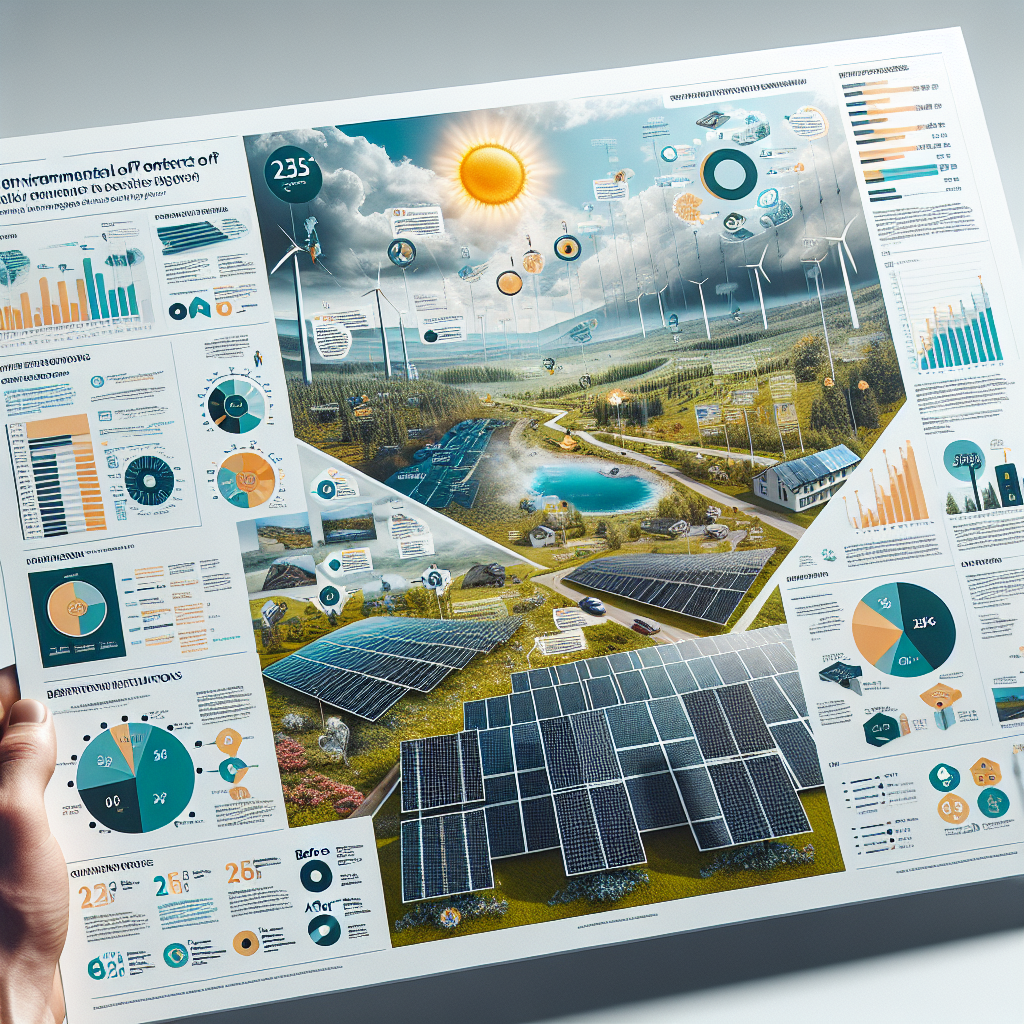
  • Solar Power Environmental Impact Guide

    Solar Power Environmental Impact Guide

    The Carbon Footprint of Solar Energy

    Understanding Carbon Emissions

    When I first dove into the world of solar energy, I was surprised to learn about the carbon footprint associated with different energy sources. Solar power itself is a much cleaner alternative compared to fossil fuels, but it’s essential to consider the entire lifecycle— from production to installation to disposal. Each step can contribute to carbon emissions, and knowing these nuances really got me thinking.

    For instance, manufacturing solar panels requires raw materials like silicon, which itself has a footprint during extraction and processing. However, when you look at the operational phase, solar panels emit zero emissions during their use phase, which is impressive! Understanding this balance of upstream and downstream emissions makes it clear why solar is generally viewed as a green option.

    As I navigate the solar landscape, I find it valuable to keep focusing on innovations being developed to further reduce these emissions. Companies are increasingly committed to sustainable practices and reducing waste, which only enhances the overall sustainability of solar power.

    Life Cycle Assessment in Solar

    A concept that’s become super critical in my journey is Life Cycle Assessment (LCA). This involves evaluating the environmental impacts associated with all the stages of a product’s life—from raw material extraction through production, use, and disposal. It’s a super comprehensive approach.

    When evaluating solar panels through an LCA lens, I’m learning how crucial it is to grasp not just the production processes but also end-of-life strategies. Recycling is a massive factor here! As the technology evolves and more existing panels come to the end of their lifecycle, I’m excited to see practices emerge that minimize waste and maximize resource recovery.

    I always recommend looking for firms that prioritize LCA in their operations. It warmly reassures me that the industry is on the right path toward understanding and mitigating its impacts better.

    The Role of Policy and Innovation

    I’ve witnessed a significant influence from policy makers on how sustainable energy, including solar, evolves. Government incentives and regulations can either propel advances in solar technology or, unfortunately, hold it back. Whenever there are initiatives to boost renewable energy adoption, I get hopeful about the future.

    Innovation is a companion to policy. I mean, look at the leaps in solar panel efficiency over the past decade! Each new advancement tends to lower emissions associated with production and improves the overall efficacy of solar energy production. It’s a win-win!

    Creating a collaborative environment between policy makers and the energy sector could be the key to unlocking even greater potential in this field. I’m pretty excited to see how these dynamics play out in shaping a greener future.

    Land Use and Habitat Disruption

    Solar Farms and Their Footprint

    Growing up, I always appreciated the beautiful landscapes around me; tinged with surprise, I learned about the land-use implications of solar farms. While they’re wonderful for generating renewable energy, large solar installations can displace natural habitats, especially in pristine areas.

    Being a nature lover, I often think about how we can find a balance. Utilizing previously disturbed or degraded lands for solar farms could be a smart approach, minimizing the impact on undisturbed ecosystems. It makes a lot of sense to prioritize areas that are not only suitable for solar but already have human activities.

    Moreover, the integration of solar installations on rooftops or dual-use systems could also mitigate this issue. I often share this idea with friends, emphasizing the importance of innovative designs and planning in harnessing solar energy without compromising natural habitats.

    Wildlife Considerations

    When venturing into solar energy discussions, wildlife considerations often come up, and for a good reason. Habitat disruption can lead to challenges for local species, and understanding these impacts is crucial. I’ve read about various mitigation strategies that specifically aim to protect affected wildlife.

    A practice that’s gaining traction is the installation of pollinator-friendly solar developments. These combos allow vegetation to flourish beneath and around panels, providing necessary habitats while still generating energy. It’s a delightful concept that I love to champion!

    Awareness about these challenges also opens the door for discussions about wildlife corridors and conservation efforts being integrated into the planning stages of solar development. Empowering communities to become stewards of local wildlife can set the stage for responsible solar expansions.

    Mitigating Land Impact

    To lessen the impact on land use, I think there’s a solid case for solar solutions that integrate with existing infrastructure. For example, using brownfields or even rooftops can produce significant power with minimal land disturbance. Innovation holds sway here, bringing about solutions that balance land use while addressing our energy needs.

    It’s heartening to witness projects that repurpose underutilized land for solar energy – it’s like a second chance for those areas! Community-driven initiatives often arise, which is fantastic because they create local jobs while also preserving natural spaces.

    At the end of the day, sustainable land management practices will shape the long-term success of solar power. I can’t help but get energetic about the possibilities when communities, policymakers, and businesses come together to embrace innovative land-use strategies.

    Resource Extraction and Sustainable Practices

    The Reality of Resource Demand

    Diving into solar power, I was stunned to realize that there’s a hefty demand for resources like aluminum and rare-earth metals that are essential for the technology. I hadn’t put much thought into it, but it’s a crucial aspect of solar’s environmental impact story. It’s always vital to give credit to where it’s due—our energy needs do drive resource extraction.

    What struck me, however, was the growing conversation around sustainable mining practices. By emphasizing responsible sourcing, we can significantly mitigate the ecological consequences tied to these resources. I’ve read about several initiatives that aim to improve transparency and sustainable practices in their life cycles. Knowledge is power, right?

    Supporting businesses that prioritize ethical sourcing is one way I contribute to this wave. It fosters an environment where sustainability can thrive alongside innovation, which is a cause I’m passionate about!

    Recycling and Resource Recovery

    As I’m becoming more satisfied with my solar journey, recycling and resource recovery are aspects I can’t overlook. I mean, just think about how much waste could be avoided if we had comprehensive recycling systems in place for solar technology! Growing awareness of this necessity has led to newfound interest in upcycling materials from old solar panels.

    Some companies are blazing the trail in this regard. Seeing them lead the charge on recycling initiatives is heartening. I love to share their stories, as they highlight how repurposing materials not only reduces landfill waste but can also create economic opportunities in the renewable sector.

    Moreover, I’m looking forward to developments in technology that streamline the recycling processes for solar products. The more people know about and engage with these processes, the more sustainable our future can be!

    Transparency and Corporate Responsibility

    Another aspect crucial to resource extraction is transparency, and I want to shout that from the rooftops! In a world where greenwashing is pervasive, companies committed to responsible practices deserve recognition. It’s essential for all of us to support those who openly talk about their supply chains and operational impacts.

    Maintaining transparency promotes corporate responsibility, which leads to focused efforts on sustainable practices across the board. I absolutely love when companies publish sustainability reports. It’s almost like a window into their eco-conscious efforts and inspires others to jump aboard!

    Creating a culture of accountability can significantly reshape industries for the better. By advocating for responsible businesses, we collectively influence a path that promotes sustainability in the long run. That’s a movement I’m proud to support!

    Economic Impacts and Job Creation

    Renewable Economy Growth

    Shifting the narrative back to economics, exploring how solar energy fuels job creation is a fascinating aspect of its environmental impact that I find incredibly encouraging. I mean, who doesn’t love the idea of growing a renewable economy? The influx of green jobs is a beautiful realization of our collective dedication to a sustainable future.

    Statistics often show that jobs in the solar sector are growing way faster than those in fossil fuels. This growth not only reflects the rising demand for clean energy but also the sheer potential of market opportunities in the renewable space. It gives me chills of excitement every time I learn of a new solar project creating local jobs!

    I’ve been pleasantly surprised to explore the range of career paths that solar energy offers—from engineering to installation and sales to research. It’s such a diverse field, and with more education and training programs, I see boundless opportunities ahead.

    Supporting Local Communities

    Job creation doesn’t stop at individual benefits; it can really ripple through communities. I’ve seen local businesses crank up as the solar industry takes root, infusing communities with new energy – no pun intended! From contractor services to supply chains, everyone benefits.

    Communities engaging with solar projects often witness revitalization, leading to direct impacts on local economies. Supporting small businesses and community initiatives becomes intertwined with the broader goals of sustainability, and it all adds up beautifully.

    Every solar installation gone live brings a sense of community spirit, too. It’s inspiring to see folks rally together for a shared cause, and that’s something I’m always here for! It’s not just about clean energy; it’s also about strengthening community connections.

    The Future of Solar Energy Jobs

    As I think about the future, I can’t help but dream of where solar jobs may go. All signs point toward further growth as technology advances and public interest surges. I often wonder what new job types might appear—a whole new breed of sustainability consultants, perhaps?

    Investment in training programs geared towards green technologies is essential to ensure communities are prepared for the upcoming job market. We need to foster local talent, or we risk losing out on opportunities that would otherwise uplift our economies.

    I truly believe that a focus on solar energy presents not just an ecological solution, but an economic opportunity that should not be overlooked. I can’t wait to see what the future holds for us in this electrifying journey toward a cleaner, greener world!

    Community Engagement and Education

    Raising Awareness

    When it comes down to it, community engagement can either make or break the success of renewable energy projects. I’ve always felt that an informed community is an empowered community. It’s essential for everyone to understand the benefits of solar energy and how it contributes towards environmental health.

    Grassroots movements can play a pivotal role in raising awareness. I’ve joined community workshops and local informational meetings that dive into solar benefits, and honestly, these interactions leave me uplifted. Engaging discussions lead to informed citizens who can advocate for solar adoption.

    Furthermore, promoting the success stories of solar initiatives can inspire others. I’m all about sharing those triumphs that highlight how solar can transform lives and spaces. Curating a relatable narrative around solar keeps the conversation going and builds momentum.

    Collaborative Community Projects

    Once communities grasp the significance of solar, collaboration blooms! I love seeing neighborhoods come together to implement participatory solar projects. Such initiatives not only empower local voices but also build a collective sense of ownership over clean energy sources.

    One of my favorite experiences was witnessing a community-led solar co-op become a reality! From raising funds to facilitating installations, it showed me how teamwork leads to incredible outcomes. Not to mention, the resulting savings boosted local economies—the impact radiates!

    There’s something magical about collaborative efforts that unite diverse individuals toward a common goal. That sense of togetherness is at the core of renewable energy adoption, fueling a sustainable journey for all involved. I’ll always cherish being part of such efforts!

    Continuous Education and Outreach

    Lastly, I can’t stress enough how vital continuous education is in ensuring the solar movement remains dynamic. As technology evolves and new information surfaces, keeping the conversation alive helps communities adapt and thrive. I’m often thrilled to see local libraries and schools hosting workshops or utilizing educational resources for solar energy.

    I also see the power in social media and online campaigns! They can mobilize engagement in ways previously unimaginable. Just think about it: an Instagram post can ignite interest in sustainable practices—it’s a bridge to new audiences!

    It all circles back to knowledge sharing and staying connected. The conversations I have with peers about solar energy are crucial in pushing the momentum forward. A well-informed community isn’t just a goal; it’s actively shaping a sustainable future, and I love playing my part in that journey!

    Frequently Asked Questions

    1. What is the overall environmental impact of solar energy?

    The overall environmental impact of solar energy is predominantly positive, especially when compared to fossil fuels. Solar energy emits no greenhouse gases during operation but there are some emissions associated with the manufacturing and disposal of solar panels. However, the net impact is beneficial—especially as technology improves.

    2. How does solar energy impact wildlife?

    Solar energy can lead to habitat disruption if large installations are built in sensitive areas, but strategies like pollinator-friendly solar farms aim to address these issues. Protecting wildlife habitats while promoting renewable energy is key for sustainable development.

    3. Are there recycling options for solar panels?

    Yes! Recycling options for solar panels are becoming more prevalent. Several companies are focusing on the responsible disposal and recycling of solar panels, repurposing valuable materials to minimize waste.

    4. How does solar energy create local jobs?

    Solar energy creates local jobs across various sectors including installation, manufacturing, sales, and research. As the industry continues to grow, it provides a boost to local economies and contributes to job market diversification.

    5. How can I support solar energy in my community?

    You can support solar energy in your community by advocating for renewable energy adoption, participating in local initiatives, and discussing the benefits of solar power with your friends, family, and local leaders. Engaging in educational programs also strengthens community awareness.

  • RV Solar Power Guide: Getting Started

    Understanding RV Solar Power Systems

    What is RV Solar Power?

    When I first jumped into the world of RVing, I had no clue how solar power worked. But let me tell you, it’s a game changer! RV solar power systems harness sunlight to generate electricity, allowing you to off-grid like a pro. Imagine not having to worry about finding a campsite with electrical hookups — that’s the beauty of it!

    Essentially, these systems consist of solar panels that convert sunlight into energy, which is stored in batteries for later use. You can run lights, fans, and other appliances without relying on your RV’s gas-powered generator or campground hookups. It’s eco-friendly and lets you enjoy nature without sacrificing comfort.

    Plus, setting up solar power can be as simple or as complex as you want. Whether you’re a tech whiz or just looking to charge your devices while camping, there’s a solar solution out there for you. Trust me when I say, once you go solar, you won’t look back!

    Components of a Solar Power System

    Before you dive headfirst into purchasing solar gear, take a moment to understand the essential components. First up, you’ve got solar panels that capture the sun’s rays. These come in different sizes, from portable panels to roof-mounted ones designed specifically for RVs.

    Next, there are batteries that store the energy produced by these panels. Having the right type of battery is crucial — you wouldn’t want to camp out under the stars only to discover your battery doesn’t hold the charge! Deep-cycle batteries are the way to go for RV solar systems since they can be discharged and recharged many times without losing capacity.

    Lastly, to make everything work together, you need a charge controller and an inverter. The charge controller prevents overcharging your batteries and regulates the voltage. Meanwhile, the inverter converts the stored energy from the batteries into usable AC power — think of it as the bridge between your power source and your devices!

    The Benefits of Going Solar

    There are a ton of perks that come with installing solar power in your RV. For one, you’ll save on fuel costs. The more you rely on solar, the less you’ll need to crank up your generator, which can really guzzle gas. That means more money in your pocket to spend on experiences — like another trip to the national park!

    Another awesome benefit is the freedom it offers. You aren’t tied down to RV parks or campgrounds with hookups. Picture this: you can wake up in the middle of nowhere, surrounded by nature, and still have the comforts of home. With solar, I find it easier to explore those off-the-beaten-path places.

    And let’s not ignore the environmental impact. By using solar energy, you reduce your carbon footprint and contribute to preserving the great outdoors you love to explore. It feels good knowing I’m doing my part for Mother Earth while enjoying my travels!

    Choosing the Right Solar Equipment

    Assessing Your Power Needs

    Okay, before you start buying stuff, take a beat and assess what you really need. This is crucial because not every RV solar setup works for every type of camping or travel style. Start by listing all the electronics you plan to use while on the road: lights, fridge, blender, you name it!

    Once you’ve got your list, check the wattage for each device because that will help you determine how much power you need. I made the mistake of underestimating my needs during my first setup, and let me tell you, it was not fun running out of juice halfway through a road trip!

    Once you know your total wattage, factor that into how many solar panels you’ll need to meet those demands. It’s all about balance! You want enough panels to keep your batteries charged while not overdoing it and ending up with equipment that doesn’t fit in your RV.

    Researching Brands and Models

    With power needs assessed, it’s time to hit the research phase! There are countless solar panel brands available, so take the time to read reviews. Consider factors like efficiency, warranty, and customer service. The last thing you want is to invest in gear that doesn’t perform or leaves you high and dry when you need help.

    I found that watching YouTube videos from fellow RVers provided invaluable insights. They often share their personal experiences with specific products, and sometimes even do side-by-side comparisons of different models. This way, you can see how they hold up in real-life scenarios.

    Don’t be afraid to hit up forums and online groups, too! Getting opinions from the RV community can provide a wealth of knowledge. You might even score some tips on products that work well for your specific setup or learn about hidden gems in the industry!

    Installation Options

    So you’ve got your panels, batteries, and all the goodies — now it’s time to install ’em! You can go the DIY route, which is what I opted for the first time. With a decent set of tools and a handful of YouTube tutorials, I managed to install my solar system myself. It was a bit of a learning curve, but totally doable!

    If you’re not the hands-on type, consider hiring a professional. It may cost a bit more, but peace of mind is worth it. Plus, they’ll ensure everything is set up correctly and safely, which reduces the risk of electrical issues down the line.

    Whatever route you choose, make sure to thoroughly read the installation instructions for each component. Having everything done right from the start means fewer headaches later on and allows you to get out there and enjoy your travels sooner!

    Maintaining Your Solar Power System

    Regular Cleaning and Inspections

    You’ve made the investment, so let’s keep your solar system in top-notch shape! Regularly cleaning your panels is key to ensuring they operate efficiently. Dust, dirt, and grime can block sunlight and reduce power output. I make it a habit to give mine a good wash every few months, especially after a trip through dusty roads.

    Make it a point to inspect your panels for any visible damage — cracks or loose connections can cause major headaches. You want to catch any issues before they become significant problems that could leave you stranded!

    Taking 30 minutes every now and then to check in on your solar power system will save you time and effort in the long run. Trust me, it beats scrambling to fix problems when you’re trying to enjoy a relaxing camping experience.

    Battery Care

    Batteries are the heart of your solar system, and they require attention as well. Regularly monitor the state of charge for your batteries; keeping them above 50% is ideal for longevity. Too many deep discharges can lead to premature battery failure. I learned this the hard way, so save yourself the trouble!

    Also, keep an eye on the water levels in flooded lead-acid batteries. You’ll need to top them up occasionally to maintain optimal performance. Just remember to do this under the correct conditions — never when the battery is charging or discharging.

    Finally, ensure cable connections are secure and free from corrosion. A little bit of preventative care can go a long way in extending the life of your batteries and overall system!

    Upgrading Your System

    As you become more accustomed to your RV solar power system, you may find your needs change or that you want to expand on what you have. If you start running more high-wattage appliances or want to spend longer periods off-grid, upgrading your system can be a logical next step.

    Consider adding more panels or investing in a more robust battery bank to accommodate those extra watts. Some RVers even add a generator backup for peace of mind, although I like to keep it solar-focused whenever possible! It’s all about customizing your setup to fit your unique travel style.

    Stay informed about new technologies and innovations in solar energy as well. Things evolve quickly, and what might be the best option today could be outdone in a couple of years. Don’t hesitate to revisit your system every few years and make adjustments as needed!

    Final Thoughts on RV Solar Power

    So there you have it — the ins and outs of RV solar power! From understanding the basics to choosing gear and maintaining it, using solar energy has transformed my RVing experience for the better. The freedom to adventure without worrying about power keeps me coming back for more!

    Take your time in researching and figuring out what works best for your needs. Remember to enjoy the journey and embrace the learning curve that comes along with setting up a solar power system in your RV!

    Now your adventures are only limited by how far you want to roam. Embrace the solar lifestyle, and hit the road with confidence!

    FAQ

    1. What is the main function of a solar panel system in an RV?

    The main function of a solar panel system in an RV is to convert sunlight into electricity, which can power various appliances and devices while off the grid.

    2. How do I determine what type of battery I need?

    The type of battery you need depends on your power consumption requirements, but deep-cycle batteries are generally recommended for RV solar systems due to their ability to handle repeated discharges and recharges.

    3. Can I install a solar system myself?

    Yes, many RVers choose to install their solar systems themselves, especially with the plethora of online resources and tutorials available. However, if you’re not comfortable with DIY, hiring a professional is a great option.

    4. How often do I need to clean my solar panels?

    It’s a good idea to clean your solar panels every few months, especially after trips through dusty areas. This will help maintain their efficiency and ensure they capture sunlight effectively.

    5. What should I do if my RV solar system isn’t working properly?

    If your RV solar system isn’t functioning as it should, start by checking all connections and inspecting for any physical damage. Don’t hesitate to consult the manual or seek expert guidance if troubleshooting doesn’t resolve the issue!

  • RV Solar Power Guide: Getting Started

    RV Solar Power Guide: Getting Started

    Understanding RV Solar Power Systems

    What is RV Solar Power?

    Let me tell you, RV solar power is one of the most liberating ways to enjoy life on the road. Essentially, it’s a system that uses solar panels to convert sunlight into usable electricity for your RV. This means you can power all your gadgets, lights, and appliances without constantly needing to plug into a power outlet.

    It’s like bringing a little piece of home with you wherever you go, but with the added benefit of being environmentally friendly. No more worrying about finding a campsite with power hookups or dealing with noisy generators. Just the sun, your RV, and the great outdoors!

    Understanding the basics of solar power will help you make informed decisions about the system you need. You can tweak and customize your solar setup based on your travel style and energy requirements. That’s the beauty of it!

    Components of an RV Solar Power System

    A typical RV solar power system consists of solar panels, a charge controller, batteries, and an inverter. Each component has its specific role and works together to ensure you have a steady power supply. It may sound complex, but once you break it down, it becomes a lot clearer.

    The solar panels are the heart of the system, capturing sunlight and converting it into electricity. The charge controller prevents the batteries from overcharging, while the batteries store that energy for when you need it. Finally, the inverter changes that stored energy into a format usable by your appliances. Understanding these components will make you feel like a solar power wizard!

    As you plan your RV adventures, think about how much power you need for your devices. This can help you determine the size and type of solar setup that’s best for you. Trust me; having a reliable power source can make or break your camping experience!

    Benefits of Going Solar

    Honestly, the benefits of going solar are huge! First off, you gain freedom. You can camp off-grid without the fear of running out of power. You can stay at beautiful places away from crowded campgrounds, just you and nature!

    Secondly, it can save you money in the long run. Think about it: no more fuel for generators and reduced costs for campground fees. Plus, there’s something very satisfying about not relying on fossil fuels.

    Last but not least, using solar energy reduces your carbon footprint. As someone who cares about the planet, it feels good to know I’m contributing to a greener future while enjoying my RV adventures. It’s a win-win situation!

    Choosing the Right Solar Setup for Your RV

    Assessing Your Power Needs

    Before you dive into buying solar equipment, take a moment to assess your power needs. Jot down all the electronic devices you’ll be using and their wattages. The last thing you want is to run out of juice when you’re in the middle of nowhere!

    Common items like lights, phones, laptops, and small appliances can add up quickly. Once you have a good idea of your total wattage, you can start selecting the right solar panels and batteries that meet those needs. It’s like piecing together a puzzle that results in a comfortable camping experience.

    I also recommend considering how much you plan to stay off-grid. If you’re going to be in remote areas for extended periods, you might want to invest in a larger system to ensure you have enough power. It might cost more upfront, but the peace of mind is absolutely worth it!

    Different Types of Solar Panels

    When it comes to solar panels, there are a few choices. You can go for monocrystalline, polycrystalline, or thin-film panels. I’ve had my fair share of experiences with each, and I can tell you there are pros and cons to all of them.

    Monocrystalline panels are super efficient and tend to take up less space, which is great for RVs. Polycrystalline panels are a bit cheaper but require a bit more space. If you have enough roof space, this might be a good compromise. Thin-film panels are the lightweights and flexible, perfect if you’re tight on space, but they are generally less efficient.

    No matter which type you choose, make sure they’re durable and suited for the road. After all, you want something that can withstand the elements as you travel from one beautiful destination to another!

    Battery Storage Options

    Once again, batteries are vital to your solar power system. There are options like lead-acid, lithium-ion, and AGM batteries. I’ve learned the hard way how crucial it is to choose wisely here!

    Lead-acid batteries are cheaper but bulkier and require regular maintenance. Lithium-ion batteries, on the other hand, are more efficient and lighter. They’re also suitable for deep cycling, which means they can be discharged more without damage. If budget allows, I’d recommend going for lithium-ion for the long haul!

    Also, pay attention to the capacity and how many amp-hours you need. It’s the difference between comfortably powering your RV and being left in the dark! Having enough battery storage can make all the difference for those late-night star-gazing sessions.

    Installing Your RV Solar System

    DIY Installation vs. Professional Help

    When it comes to installation, the big question is whether to DIY or hire a pro. If you’re a handy person, you might enjoy taking on the challenge yourself! It’s not as daunting as it sounds, and there are tons of online resources with step-by-step guides.

    However, if you’re not comfortable working with electrical systems or simply don’t have the time, hiring a professional can save you a lot of headaches. Trust me, getting it right the first time ensures your system works efficiently and lasts for years.

    When looking for a pro, ask for recommendations from fellow RVers or check online reviews. Having the right person install your system can make all the difference, and it gives you peace of mind knowing that everything is set up correctly!

    Wiring and Mounting the Panels

    If you decide to tackle the installation yourself, you’ll need to understand the basics of wiring and mounting the solar panels. First off, choose a sunny spot on your RV roof that is free of obstructions like vents or air conditioning units. You want maximum sun exposure for optimal performance!

    As for wiring, take it step by step. Connect the panels to the charge controller, then to the batteries, and finally to the inverter. Don’t forget to follow safety precautions and refer to your components’ manuals for specific details. Trust me, it’s better to take your time and do it right!

    Once you’re all set up, don’t forget to test your system. It’s a good feeling to know everything is working properly before embarking on your next adventure!

    Finalizing Your Setup

    After installation, the last step in your solar journey is to monitor and maintain your system. Make sure to regularly check the panels for dirt or debris, which can reduce efficiency. A clean panel is a happy panel!

    You’ll also want to keep an eye on your battery levels and make sure everything is functioning smoothly. Over time, you’ll get the hang of understanding your energy consumption and where you can improve. This process is all about learning and adapting as you go.

    And remember, enjoy the journey! Having solar power in your RV gives you the freedom to explore beautiful places while staying connected. Now that’s what I call living life to the fullest!

    Maintaining Your RV Solar Power System

    Regular Maintenance Tips

    Just like your RV, your solar power system requires regular maintenance to keep it humming along smoothly. I can’t stress enough how important it is to inspect your solar panels frequently for any dirt, debris, or damage. A simple wash can drastically improve efficiency!

    Checking connections is another vital task. Loose or corroded connections can cause power loss, and nobody wants that! Keeping everything tight and tidy will prolong the life of your system.

    Don’t forget to inspect your batteries, too. Make it a habit to check the water levels in lead-acid batteries, and always ensure they’re stored in a cool, dry place. It’s all about staying on top of little maintenance tasks to avoid big problems later!

    Winterizing Your System

    If you’re like me and enjoy RVing year-round, preparing your solar system for winter is a must. Cold temperatures can affect battery performance, and snow can really hinder your solar panel’s ability to capture sunlight.

    Make sure you store your batteries properly to prevent freezing. A battery blanket can help keep things warm. Also, regularly clear any snow off your panels; you don’t want anything blocking those sunlight rays!

    Winter is a great time to perform maintenance checks while you’re cozied up. Use this downtime to readjust or upgrade your system so it’s ready to go when spring arrives!

    Troubleshooting Common Issues

    Sometimes, things don’t always go as planned, and knowing how to troubleshoot common issues can save you a lot of stress. If you notice that your battery isn’t charging like it should, double-check your connections and ensure everything is snug.

    If your panels don’t seem to be getting enough sunlight, inspect for shading or dirt. Sometimes repositioning your panels can make a world of difference!

    And if you’re still having issues, surprising though it may be, the solution could lie in your charge controller settings. Take some time to read through any manuals or resources that came with your equipment. It’s all part of becoming a solar power guru!

    RV Solar Power FAQs

    1. How many solar panels do I need for my RV?

    It really depends on your power needs, but typically, most RVs do well with one to four panels, depending on how much energy you consume. Calculate the wattage of your devices to determine the right setup!

    2. Can I run my air conditioner with solar power?

    Yes, but it requires a larger solar system and battery setup. Air conditioners consume a lot of power, so you’ll need to be aware of your energy consumption and make sure your system is properly sized!

    3. Is it safe to install a solar system myself?

    Absolutely! If you feel comfortable with basic electrical work, you can do it yourself. Just follow the instructions carefully and consider watching some tutorial videos. But if in doubt, hiring a professional is a good alternative!

    4. How long do solar panels last?

    Most solar panels last between 25-30 years. However, their efficiency may decrease over time, but proper maintenance can help prolong their lifespan. Regular inspections are key here!

    5. What should I do if my solar system isn’t working properly?

    Start by checking all your connections, cleaning your panels, and ensuring they’re getting enough sunlight. If problems persist, consult your equipment manuals, or don’t hesitate to reach out to a professional for help!

  • Top Solar Power Innovations That Actually Work

    Top Solar Power Innovations That Actually Work

    1. Bifacial Solar Panels

    Understanding Bifacial Solar Technology

    So, let’s dive into this whole bifacial solar panel thing because, honestly, it’s a game changer! Unlike traditional solar panels that only capture sunlight from one side, bifacial panels can snag solar energy from both the front and the back. This design not only maximizes energy capture but can also lead to a more efficient overall system. If you’ve ever been camping and found yourself sunbathing on both sides, you get the picture!

    The science behind this is pretty cool. Bifacial panels leverage reflections from surfaces—like ground, roofs, or even snow—to boost their performance. This means they pack more punch in capturing sunlight, especially in the right installations. It’s like having a two-for-one deal with your solar energy!

    As I’ve learned from my own experiments with solar setups, the investment in bifacial panels can really pay off when you factor in their higher efficiency and longevity. It’s like taking the scenic route on the road to energy independence.

    Installation Options and Best Practices

    When thinking about installing bifacial panels, there are a couple of things to keep in mind. First off, placement is key. They work best when mounted a bit higher off the ground, allowing for adequate light reflection. Imagine your favorite concert space—the more room you have to dance, the more fun you’ll have!

    Another tip I picked up is about the materials used for mounting. Opt for reflective surfaces around the installation areas. For instance, if you’re in a snowy region, installing these panels is a no-brainer because the snow bounces that sun rays right back up. Pretty neat, right?

    Finally, maintenance is simpler than you might think. Because of the durable materials used in most bifacial panels, they can withstand harsh weather much better, which means less worry for us regular folks looking to harness the sun’s energy.

    Benefits of Bifacial Panels

    What really gets me excited about bifacial technology is the overall improvement in energy output, which sets the stage for a healthier planet. More energy means we can power our homes more sustainably. Plus, they’re often made from recyclable materials, which I think is a win-win situation for everyone!

    Economic benefits are real too! You might pay a bit extra upfront for these panels, but trust me when I say they’ll save you money in the long haul with reduced electricity bills. Who doesn’t like a bit of extra cash in their pocket?

    Ultimately, the move to bifacial panels is as much about personal empowerment as it is about environmental responsibility. It feels awesome being part of this change, pushing towards a cleaner, greener future while still being cost-effective.

    2. Solar Roof Tiles

    What Are Solar Roof Tiles?

    Now onto one of my favorite innovations: solar roof tiles. This innovation has completely revolutionized how we think about solar. Instead of clunky panels, we’ve got sleek, stylish tiles that blend seamlessly with your home’s architecture. Seriously, it’s like wearing a designer outfit, but for your roof!

    Solar roof tiles convert sunlight into electricity, just like regular panels do, but with the added bonus of aesthetic appeal. They’re designed not just to generate energy but to look good doing it. And honestly, anyone can appreciate that!

    In my experience, transforming your roof with solar tiles can enhance curb appeal, which is something homebuyers will totally notice. It’s about creating a home you’ll love and that others will admire too.

    The Installation Process

    Okay, let’s chat about installation. Globally, solar roof tiles are changing the game, but they require a bit more planning than just slapping on some traditional panels. You’ll need a professional installation, which, while it can be more costly, pays off in terms of efficiency and reliability.

    Finding skilled contractors with experience in solar tile installation is crucial. I learned the hard way that not all roofing professionals are familiar with this tech, so do your homework to find someone who gets it!

    Once they’re on your roof, they can effectively integrate the tiles into your home’s existing electrical system. This is where things really start to connect, no pun intended. Trust me, when you see that initial energy output, it’s like being on a rollercoaster of excitement.

    Long-Term Advantages

    The long-term advantages of solar roof tiles are pretty sweet! First off, they typically last longer than traditional panels. Given their dual purpose as roofing material and energy generators, it’s a solid investment that contributes to your home’s overall efficiency.

    Plus, let’s not forget about the potential savings on your insurance. Some companies might offer discounts for renewable energy installations, including solar roofs. Cha-ching!

    More importantly, using solar tiles means less reliance on fossil fuels. Each solar tile installed is one step closer to a sustainable future. I find it incredibly empowering to take that kind of action for our planet!

    3. Solar Tracking Systems

    What Are Solar Trackers?

    Let’s talk about solar tracking systems. These nifty gadgets follow the sun throughout the day to maximize energy capture. It’s like having a buddy who always knows where the best party is—always moving to get the most fun out of the sun!

    Basically, solar trackers can increase energy output by up to 25%, meaning that if you have a regular setup, you’re missing out big time. This technology is great for those who are serious about squeezing every bit of energy they can out of the sun.

    Trust me, once you see those higher numbers on your energy output, you’re going to feel like a rock star in the solar world. It’s all about harnessing the full potential of the sun’s energy, and trackers really help with that!

    Stations vs. Single Axis Trackers

    Now, when it comes to choosing your solar tracker, you’ve got a couple of options: single-axis and dual-axis trackers. Single-axis trackers move on one plane, which is ideal for installations across wide areas. I’ve seen these beauties working brilliantly on solar farms!

    On the other hand, dual-axis trackers follow the sun in two dimensions, which really amps up energy collection. They’re perfect for residential setups if you’re looking for maximum efficiency from limited space. It’s crazy how much more you can grab from the sun just by moving your setup!

    The choice depends on your specific needs, your roof size, and your budget. While dual-axis trackers take the cake in terms of efficiency, they also come at a higher price. However, the investment can pay off in the long run with increased energy generation—definitely something to keep in mind.

    Installation and Maintenance

    With any solar installation, you’ll want to know about upkeep. Proper installation is critical for performance. I remember the first time I installed a tracker; I was so nervous. But once it was up and running, and I saw how it followed the sun, I knew I made the right choice!

    Maintenance is relatively straightforward, as these systems are designed to handle various outdoor conditions. I’ve found that keeping an eye on mechanical components is key to ensuring everything runs smoothly. If you notice any odd noises or misalignments, it’s time for a quick check-up!

    The good news? Many solar tracking systems come with software that provides real-time performance analytics. This means you can easily keep tabs on how well your system is working without worrying about climbing a ladder every week. Technology is a lifesaver!

    4. Solar Energy Storage Systems

    Understanding Solar Batteries

    Alright, solar energy storage is a big topic. Think of solar batteries as your secret stash of energy for those cloudy days or when the sun goes down. They make it possible to leverage all that potential energy you’ve captured during sunny hours when you really need it. It’s like having a bank account for all that good energy!

    Solar storage systems come in various types, but lithium-ion batteries are the most common because they hold a lot of power and have a long lifespan. My personal experience with these systems was eye-opening; having power stored for nighttime use felt incredibly liberating.

    What’s even cooler is that, depending on your utility company, you might be able to sell back any excess energy stored during the day. I mean, why not make the most out of your solar setup, right? It turns the sun into a currency and it pays off in more than one way!

    Installation Considerations

    Installing solar batteries can be a bit tricky, not gonna lie. First, you need to determine the size of the system that’s right for your household. Make sure to assess your energy needs because going too small won’t cut it, and being too big could mean unnecessary expenditure.

    Engaging with an experienced installer can streamline the process too. I always chat with my installer about the best configuration for my space, and having that tailored approach can make all the difference. Proper placement and connection are totally vital for performance.

    Also, keep an eye on the battery’s performance over time. Most modern solar batteries come equipped with monitoring features that let you track how much energy you’re saving. I’d say, it’s kind of like keeping a check on your bank account—except it’s more rewarding!

    The Benefits of Energy Storage

    The benefits of energy storage speak for themselves! First, you have the ability to run your home on your own terms. Whether it’s during a power outage or at night your energy independence is in the palm of your hands, literally!

    Another bonus? Energy storage can provide you with lower electricity costs. Using stored energy during peak hours typically leads to avoiding those high tariffs. Plus, you’re contributing to a reduction in overall demand on the grid, making you a hero in the eyes of local environmentalists! Who doesn’t want that?

    Lastly, let’s not forget the added value it brings to your home. A solar storage system means you’re taking a step towards a sustainable lifestyle—and believe me, it shows when it’s time to sell or appraise your property!

    5. Transparent Solar Panels

    The Concept of Transparency

    Transparent solar panels are one of those things that make me go, “Wow, how did we get here?” Designed to fit into windows or other transparent surfaces, these panels generate energy while allowing light to pass through. It’s the future, folks!

    Essentially, they work without compromising on aesthetics. You can have your glass building while still harnessing solar energy! Imagine living in a sustainable skyscraper where every floor is, in a sense, a solar panel. Mind-blowing, right?

    From my observations, innovations like this are game-changers for urban environments where traditional solar panels might not fit. Transparent solar panels create opportunities for harnessing renewable energy in places we never dreamed it could be possible!

    Applications and Use Cases

    When I think about applications, my mind races to all the possibilities! They can be used in residential buildings, commercial glass facades, and even vehicles. For instance, imagine a car with transparent solar panels on the roof. It would be pretty revolutionary, right? Charging while you drive!

    These panels are not just for generating power; they offer a unique solution for improving energy efficiency in buildings. Windows are often a major source of heat loss or gain. Using transparent solar technology, you can mitigate those losses while generating energy—that’s the double whammy we crave!

    Many tech companies are already experimenting with transparent solar windows in their offices. I’ve heard stories of dramatic energy savings after switching to this cool technology. It just goes to show that innovation truly knows no bounds!

    Challenges and Future Potential

    Of course, even with all this promise, there are challenges to consider. The efficiency of transparent panels isn’t as high as conventional panels. But that’s part of the beauty of technology—it’s always evolving! Improvements are underway to increase their efficiency without sacrificing transparency.

    Connecting them to energy storage systems is another hurdle. For transparent panels to be a viable solution, we’ll need better battery systems in place that seamlessly integrate with this innovation. The future holds so much potential for these two technologies to complement one another!

    In the long run, transparent solar technology could redefine how cities harness energy. As urban areas continue to grow, the need for inventive energy solutions is more pressing than ever. For me, it’s exciting to think about the future we’re building, one transparent panel at a time!

    FAQs

    1. What are bifacial solar panels?

    Bifacial solar panels capture sunlight from both sides, improving overall efficiency and energy output. They utilize reflections from surfaces around them to enhance energy capture.

    2. How do solar roof tiles differ from traditional panels?

    Solar roof tiles function as both roofing material and energy generators, providing an aesthetic appeal while converting sunlight into electricity, as opposed to traditional panels which are mounted separately.

    3. What are solar trackers, and why are they beneficial?

    Solar trackers are systems that follow the sun’s movement to maximize energy capture, potentially increasing solar energy output by up to 25%. They help ensure you get the most energy from your setup!

    4. Why is energy storage important in solar energy systems?

    Energy storage allows households to save electricity generated during the day for use at night or during cloudy weather, increasing energy independence and reducing reliance on the grid.

    5. What is the future of transparent solar panels?

    The future of transparent solar panels is promising as ongoing innovations aim to increase their efficiency and expand their applications in urban environments, ultimately leading to sustainable living solutions.

  • How to Choose the Best Solar Power System for Your Home

    How to Choose the Best Solar Power System for Your Home

    Understanding Your Energy Needs

    Assessing Your Current Energy Consumption

    First off, figuring out how much energy you use is crucial. Take a peek at your energy bills for the past year. It’s super helpful to look for patterns—like how your use spikes in the summer or winter. Jot it down. Understanding these peaks and troughs can help you figure out your average energy consumption, which is key for sizing your solar power system.

    Don’t forget to consider the main appliances in your home and how much energy they consume. You can usually find the wattage on the appliance itself or in the user manuals. Tools like energy monitors can give you a real-time look at what’s munching away at your power supply.

    Once you have this information, you can start to visualize what you’ll need in terms of solar output. Think about how much of your energy consumption you’d like to cover with solar; maybe you’re cool with going 50% green, or maybe you’re all-in for 100%. Whatever the case, make a plan!

    Evaluating Your Roof and Location

    Checking Roof Orientation and Sunlight Exposure

    Your roof plays a huge role here! Ideally, you want it to face south—this is where you get the most sun. If your roof is more east or west-facing, don’t sweat it, though. You can still make it work with a good system. It might just take a few extra panels or a slightly different arrangement.

    Next is sunlight exposure. Do any big trees or buildings cast shadows on your roof? It’s like having a pesky umbrella blocking your sunshine. If your roof gets shaded during peak sun hours, you might need to think about trimming some foliage or investing in a different placement for your panels.

    Lastly, the angle of your roof can affect solar efficiency. For those of us lucky enough to have a sloped roof, you’re in good shape! But if your roof is flat, you might need some mounts to angle the panels just right. The goal is to maximize exposure to those beautiful sun rays.

    Choosing the Right Solar Panel Technology

    Exploring Different Types of Solar Panels

    Okay, now we hit one of the most exciting parts—picking out the panels! There are generally three types to consider: monocrystalline, polycrystalline, and thin-film solar panels. Each has its perks and quirks. Monocrystalline panels are the most efficient, giving you more bang for your buck in terms of space. If you’ve got limited roof space, these are your best pals!

    Polycrystalline panels are usually a bit cheaper and slightly less efficient. If you’re on a budget and have plenty of roof space, they might be a solid option. Then we’ve got thin-film panels; they’re lightweight and flexible but often take up more space for the same energy output. Knowing your roof limits will help steer your choice.

    When you’re out shopping, definitely ask about the warranties! A good solar panel should generally come with at least 25 years of warranty, so you know it’s built to last. You want a solar investment that holds up over time because once you’ve gone green, sparking joy and energy savings is the goal!

    Assessing Installation Costs and Financing Options

    Understanding Solar Incentives and Rebates

    Let’s chat dollars and cents! We all know solar isn’t just a set-it-and-forget-it kind of deal. It’s important to understand the total installation cost upfront. Your local and federal government might offer some incentives or rebates, so be sure to do your homework. The federal solar tax credit, for example, allows you to deduct a chunk from your federal taxes.

    Also, look into state and local programs. Some areas offer cash rebates or even performance-based incentives. This can significantly lower that initial price tag, making it a lot more manageable. If you do your research, you might discover savings you didn’t know about!

    Financing is another option. Many companies offer flexible plans, including solar loans or leases. This way, you can pay as you go rather than dropping a huge sum all at once. Just make sure you understand all the terms, and find a plan that aligns with your budget and energy goals.

    Finding a Reputable Solar Installer

    Researching Potential Solar Companies

    Now, for the fun part—meeting your potential partners in solar! When looking for a reputable installer, don’t hesitate to ask for recommendations from friends or family. You trust their judgment, and word-of-mouth can often lead to discovering fantastic local companies you wouldn’t find on a large scale.

    Read online reviews and check out ratings on sites like the Better Business Bureau. Look for companies that have been around for a while—experience counts! Don’t forget to check their previous installations. A reputable installer will be proud to show off their past work and will even have customer testimonials to back it up.

    Lastly, ensure they’re properly licensed and insured. This isn’t just a box to tick; you definitely want protection in case something goes wrong during the install. A trustworthy solar company will be upfront about their credentials and ready to answer any questions you might have.

    FAQs

    1. How much can I save on my energy bills with solar power?

    Your savings can vary, but many homeowners report reductions of 50% or more on their energy bills after switching to solar. It really depends on your energy consumption and the size of your solar system.

    2. Is my roof suitable for solar panels?

    Most roofs can accommodate solar panels, but factors like orientation, angle, and shading will play a crucial role in how effective your system will be. A good installer can assess this during your consultation.

    3. How long does it take to install solar panels?

    Typically, the installation process takes about one to three days, depending on the size of your system and any complexities involved. But the entire project, from consultation to activation, can take a few weeks to a few months.

    4. What happens on cloudy days?

    Don’t worry! Solar panels still generate energy on cloudy days, although the output will be lower than on sunny days. If you live in a region with lots of overcast days, it’s smart to consider a system that can supplement your needs.

    5. Do I need to maintain my solar panels?

    Not a ton! Generally, solar panels require minimal maintenance. Just a periodic cleaning and inspection will keep them running smoothly, so you can enjoy those sunny benefits with ease!