Tag: preparedness

  • The Role of Solar Generators in Disaster Preparedness Plans

    The Role of Solar Generators in Disaster Preparedness Plans

    Understanding Solar Generators

    What Are Solar Generators?

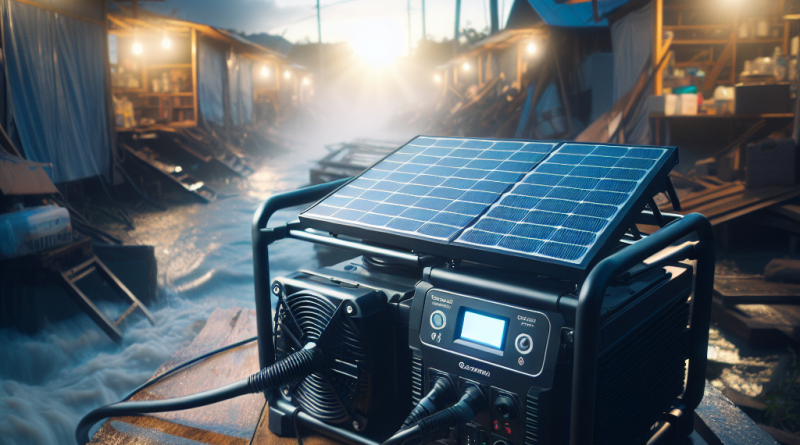
    To kick things off, let’s talk about what solar generators actually are. At their core, they’re systems that convert sunlight into usable electricity. These bad boys are equipped with solar panels, a battery to store the energy, and an inverter that helps power your devices. From my experience, they’re pretty nifty and can be lifesavers in tough situations!

    When the sun is shining, these generators work hard to soak up that energy. It’s like having a mini power plant right in your backyard. They can charge batteries during the day and keep your essential devices running when the lights go out. And believe me, being able to watch your favorite show or keep your phone charged during a storm makes all the difference.

    Also, here’s a fun fact: solar generators produce clean energy! That means less pollution and a smaller carbon footprint, which is something we all can get behind. It feels good to know you’re using sustainable energy during a disaster—it’s like helping Mother Earth while prepping for the unexpected!

    Importance of Backup Power During Disasters

    Why Backup Power is Essential

    Disasters can strike at any moment, and when they do, having backup power is crucial. You never know when natural disasters like hurricanes, floods, or wildfires might cut off your power supply. Trust me, it’s one of those situations you want to be prepared for. Getting caught without power can turn a stressful situation into total chaos.

    Having a solar generator means you can still power essential items like lights, refrigerators, and medical devices. I’ve been in situations where not having backup power can lead to a whole host of issues, including spoiled food or, worse, a lack of communication with loved ones.

    Moreover, backup power can be a source of comfort. Feeling secure knowing you have enough resources to keep you and your family safe can make all the difference. When everyone else is in panic mode, you can relax a little, knowing you’re set up for success.

    Choosing the Right Solar Generator

    Factors to Consider

    Choosing a solar generator can feel overwhelming—I get it! There are so many options on the market, and they vary in size, capacity, and price. First, think about the devices you need to power. Make a list of your essentials and calculate how much power you’ll need during an emergency. This is the number one thing to do to avoid a big headache later on!

    Next, check the battery capacity of the generators you’re looking at. Bigger isn’t always better, but you want something that can hold enough juice to power your essentials for a certain amount of time. If you’re planning on running larger appliances, you’ll definitely need a more robust generator.

    Lastly, don’t forget about portability. If you ever need to hoof it out of dodge, you want a generator that you can easily transport. Some models come with wheels, while others are small enough to carry. It’s amazing how much easier life is when you have something that’s user-friendly and easy to manage.

    Solar Generators in Emergency Plans

    Integrating Solar Generators into Your Emergency Kit

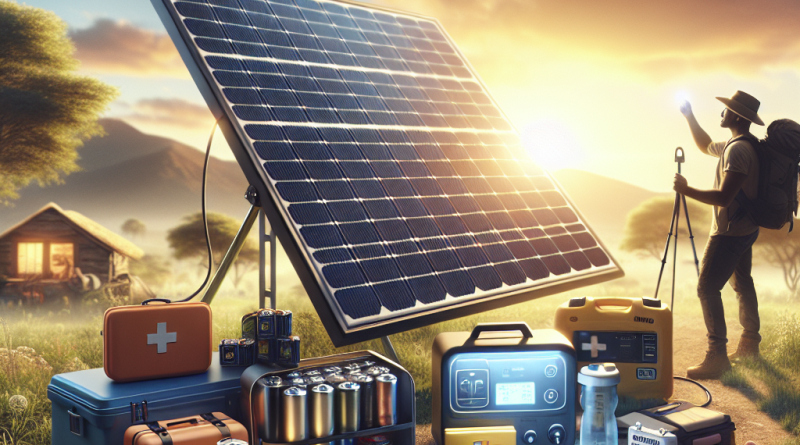
    Having a solar generator is just the tip of the iceberg when it comes to disaster plans. You’ve got to think about how they fit into your overall emergency kit. I always recommend establishing a comprehensive plan that includes all the essentials, and obviously, your solar generator is a key piece of that puzzle.

    Make sure you have all the necessary cords and connectors readily available. There’s nothing worse than having a generator but realizing you don’t have the right cables to plug in your devices! Organizing everything in one location makes it easy to grab and go when the need arises.

    Also, practice using your solar generator! Familiarizing yourself with its operation can save you a lot of time and stress during an actual emergency. Trust me; you don’t want to be fumbling around when the situation turns serious.

    Maintenance and Care for Your Solar Generator

    Keeping Your Generator Ready for Action

    Owning a solar generator means you also have to take responsibility for its upkeep. Like any piece of equipment, it needs a little TLC now and then for maximum efficiency. Start with regular checks—make sure the solar panels are clean and free of debris. Believe me, a little maintenance goes a long way!

    Also, keep an eye on the battery health. Many generators come with built-in monitors to help you stay on top of things. Staying aware of the battery’s charge level will help you avoid surprises when the power goes out.

    Lastly, if you haven’t used your solar generator in a while, do a test run to make sure everything works just as it should. You don’t want to find out the hard way that something’s off when you really need it!

    FAQs

    1. What is a solar generator?

    A solar generator is a device that converts sunlight into electricity, typically comprised of solar panels, a battery, and an inverter. It’s perfect for providing backup power during emergencies!

    2. Why do I need a solar generator for disaster preparedness?

    When disasters strike, power outages can happen. A solar generator provides a reliable source of electricity to keep critical devices running, helping you stay safe and connected.

    3. How do I choose the right solar generator for my needs?

    Consider factors like power capacity, portability, and the devices you plan to power. Make a list of essentials to guide your purchasing decision.

    4. How can I integrate a solar generator into my emergency plan?

    Incorporate your solar generator into your overall emergency kit by ensuring all necessary accessories are organized and readily accessible. Practicing usage beforehand is crucial!

    5. What maintenance does a solar generator require?

    Regular maintenance includes keeping solar panels clean, monitoring battery health, and running occasional tests to ensure everything is functioning properly.

  • The Benefits of Solar Generators for Emergency Preparedness

    The Benefits of Solar Generators for Emergency Preparedness

    As we all know, unforeseen emergencies can strike at any moment. Whether it’s a hurricane, wildfire, or a snowstorm, being prepared for power outages is crucial. One tool I’ve come to rely on is the solar generator. In my journey of prepping, I’ve discovered several noteworthy benefits of using solar generators for emergency preparedness. Let’s dive into the main areas that highlight these benefits!

    Clean and Renewable Energy Source

    Sustainability at Its Best

    What I absolutely love about solar generators is that they utilize sunlight, one of the most abundant and clean energy sources available. Unlike traditional generators that often rely on fossil fuels, solar generators produce power without emitting harmful pollutants. This not only helps reduce my carbon footprint but also supports the planet’s health.

    Whenever I use my solar generator, I feel good knowing that I’m doing my part to promote sustainability. It’s like giving Mother Earth a helping hand. Plus, during emergencies where conventional power sources might fail or be unavailable, solar energy is still there—waiting for us to soak it up!

    Not to mention, operating on renewable energy means I’m prepared for a longer duration with fewer environmental impacts. It really makes solar generators a win-win for both personal preparedness and ecological responsibility.

    Independence From the Grid

    Another major perk of solar generators is that they grant me a sense of independence from the traditional power grid. In a world where power outages can leave us feeling helpless, having my own self-sustaining power source is empowering. When storms hit and knock out power lines, I never panic because I know I’ve got backup.

    Imagine sipping coffee in your cozy home during a blackout, knowing that you can power essential devices like your fridge or phone. That’s the reassurance I get when using my solar generator. This independence allows me to remain self-sufficient and enjoy more peace of mind during an emergency.

    Plus, independence from the grid means I don’t have to worry about skyrocketing energy bills or fuel supply shortages. I can soak up the sun and harness that energy at no additional cost, which is pretty awesome!

    Portability and Ease of Use

    Let’s get real—one of the coolest things about solar generators is their portability. Many models are lightweight and designed for easy transport. As someone who’s always on-the-go, I find it super convenient to carry my solar generator to different locations, whether it’s camping, tailgating, or even in the backyard during a barbeque.

    Setting it up is a breeze, too! All you need to do is place it in a sunny spot, connect your devices, and voilà! It’s so simple that even my less tech-savvy friends can figure it out. That ease of use is what makes it a perfect tool for everyone, not just tech enthusiasts.

    In emergencies, portability becomes even more critical. If I ever need to evacuate or relocate due to an emergency, having a solar generator that I can easily take with me ensures that I’ve got power no matter where I am.

    Versatility in Powering Devices

    Charge Multiple Devices

    One of the fantastic features of solar generators is their ability to power multiple devices at once. Whether it’s charging my smartphone, powering a small fridge, or keeping lights on, a solar generator can handle it! I remember one stormy night when the power went out, and I was able to charge my phone, keep my laptop running, and use a small fan – all at the same time.

    This versatility means I can remain connected and comfortable during emergencies. I’ve also used my generator for outdoor activities, powering speakers for music or even running a laptop for work—it’s powerful enough to handle whatever I throw at it.

    The various ports available on most solar generators allow me to connect everything from USB devices to larger appliances, which makes it an incredibly functional tool to have on hand.

    Backup for Essential Appliances

    Another benefit I’ve found is that solar generators can act as a reliable backup for essential appliances. In a power-out scenario, the fridge is usually the first thing on my mind. Losing food is the last thing I want to experience, especially during emergencies. Luckily, I can plug in my fridge and keep my groceries safe until the power returns.

    When prepping for any situation, I always make sure that my generator can handle the crucial appliances I need. This might include lights, a coffee maker, or a water purification system—basically anything that contributes to my comfort and safety during rough times.

    This feature distinguishes solar generators from other emergency power options. I don’t only have power; I have the right amount of power to stay prepared and safe.

    Cost-Effective in the Long Run

    Investing in a solar generator can seem like a hefty sum at first, but let me tell you, it’s a cost-effective choice in the long run. Given that it uses sunlight, I’m not paying for fuel or electricity every time I need it. In addition, there are often grants, rebates, or incentives available that can help offset initial costs.

    Overall, when I think about future expenses for fuel or maintenance on traditional generators, the financial logic becomes clear. With a solar generator, I essentially have zero operating costs once it’s purchased. Just think about that! It’s a bit of an upfront investment, but the long-term savings make it worthwhile.

    Moreover, as energy prices are continually fluctuating, having a backup power source that operates independently allows me to sidestep those rising costs. A solar generator really becomes a cost-saving champion during emergencies.

    Environmental Impact and Contribution

    Reducing Carbon Footprint

    One of my favorite aspects of solar generators is their positive impact on the environment. By utilizing solar power instead of fossil fuels, I actively contribute to reducing my carbon footprint. Every time I hook up my solar generator, I remind myself that I’m using clean energy, which energizes my passion for sustainability.

    Environmental issues are serious, and I feel that even small actions can contribute to the bigger picture. When I choose to rely on solar energy, I’m doing my part to help mitigate climate change, preserve natural resources, and protect wildlife.

    Making environmentally-friendly choices doesn’t have to be daunting; using a solar generator is a simple yet impactful step I can take to promote a greener planet.

    Encouraging Others to Go Green

    When friends and family see me using my solar generator, they often get curious and ask questions. This has led me to share my knowledge and experiences—and, who knows, maybe inspire them to make similar choices. It feels great to promote green energy solutions within my community and foster conversations on sustainability.

    Using a solar generator at home also prompts discussions about renewable energy when guests are around. It’s a great way to educate and encourage others to reconsider their energy consumption habits and explore cleaner energy options.

    The ripple effect of encouraging my network to embrace greener practices can be significant. As more people move towards sustainable choices, I believe we can collectively make a difference in protecting our planet for future generations.

    Promoting Innovation in Energy Technology

    Lastly, the rise in popularity of solar generators is driving innovation in energy technology. The more people who utilize solar power, the more attention gets directed toward research and development. This means advancements in efficiency, battery storage, and overall energy technology are likely to continue growing.

    When I invest in a solar generator, I’m not just prepping for emergencies; I’m also supporting the industry that’s paving the way toward a cleaner and more sustainable future. Companies are motivated to innovate, knowing consumers are seeking out energy solutions that align with eco-friendly values.

    As consumers, our choices matter. Choosing solar generators not only benefits our immediate situation during emergencies but also contributes to a thriving market for sustainable energy solutions. Trust me, it makes a difference!

    Frequently Asked Questions

    1. What are the key benefits of using a solar generator during emergencies?

    The major benefits include clean energy sourcing, independence from the grid, portability, versatility in powering devices, and long-term cost-effectiveness, all of which significantly contribute to emergency preparedness.

    2. Can solar generators power large appliances?

    Yes, many solar generators are capable of powering both small and large appliances, provided they have adequate wattage capacity. That’s why it’s essential to check the specs to ensure it meets your needs.

    3. How do solar generators help the environment?

    Solar generators use renewable energy from the sun, leading to a decrease in carbon emissions. By relying on solar power, you’re making a commitment to reducing your carbon footprint and promoting sustainability.

    4. Are solar generators easy to transport?

    Absolutely! Most solar generators are lightweight and designed for portability, making them easy to take anywhere—whether it’s for camping trips or in case of emergency relocations.

    5. Do solar generators have any ongoing costs?

    No, once you purchase a solar generator, there are typically no ongoing fuel or electricity costs. They operate on free sunlight, making them very cost-effective in the long run.

  • The Ultimate 2025 Guide to Solar Power Emergency Preparedness: 10 Effective Tips

    The Ultimate 2025 Guide to Solar Power Emergency Preparedness: 10 Effective Tips

    Table of Contents

    1. 1. Understand the Benefits of Solar Power Emergency Preparedness
    2. 2. Assess Your Solar Power System’s Resilience
    3. 3. Invest in Battery Storage Solutions
    4. 4. Keep Spare Parts and Maintenance Supplies
    5. 5. Create a Power Management Plan
    6. 6. Secure Your Solar Equipment from Environmental Damage
    7. 7. Educate Yourself on Off-Grid Solar Use
    8. 8. Install Backup Generators in Conjunction with Solar
    9. 9. Practice Disaster Simulation Drills
    10. 10. Stay Informed with Reliable Weather and Emergency Alerts

    1. Understand the Benefits of Solar Power Emergency Preparedness

    Why Prepare for Solar Power Emergencies?

    Solar power emergency preparedness is vital for maintaining energy independence during unpredictable events like natural disasters, grid failures, or other crises. In 2025, climate change and technological advancements have made resilient energy systems more accessible and necessary. By understanding the benefits, you can better appreciate how solar solutions can keep your home or business powered under adverse conditions.

    For example, households with a well-designed solar system often report fewer disruptions during outages, allowing essential devices such as medical equipment, communication devices, and refrigeration to function without interruption. Solar power emergency preparedness also reduces reliance on fossil fuels and grid infrastructure, contributing to a more sustainable future.

    Research indicates that during recent natural disasters, those with solar backup systems experienced significantly less downtime. This highlights the importance of integrating solar power into your emergency plans for 2025. Being proactive now means fewer worries when crises strike.

    Connecting Solar Power Preparedness to Community Resilience

    When many community members adopt solar power emergency preparedness, it enhances overall resilience. Local grids can be supplemented with community solar projects, which distribute power more broadly during emergencies. In 2025, community-based solar solutions are on the rise, helping neighborhoods stay operational even when the main grid fails.

    This collective approach not only provides energy security but also fosters stronger community bonds. Sharing solar resources can create a network of support, ensuring essential services like hospitals and emergency shelters remain functional. Planning for solar power emergency preparedness now is an investment in both personal and community resilience.

    In summary, knowing the advantages of solar energy during crises empowers you to make informed decisions that benefit your family and your neighborhood. Start exploring your options today as part of your 2025 emergency readiness plan.

    2. Assess Your Solar Power System’s Resilience

    Evaluating Your Current Setup

    The first step in solar power emergency preparedness is assessing what you currently have. Review your solar panel condition, inverter reliability, and overall system design. In 2025, many systems incorporate smart monitoring tools that can alert you to potential issues before they become critical. Ensuring your setup is resilient means fewer surprises during emergencies.

    Check for signs of wear or damage, such as cracked panels, corroded wiring, or malfunctioning inverters. These issues can compromise your system’s ability to generate power when you need it most. Regular inspections and maintenance help extend the life of your equipment and ensure peak performance.

    Furthermore, verify that your system is compliant with current standards and capable of operating in extreme weather conditions common in 2025, such as severe storms or heatwaves. Upgrading or reinforcing vulnerable components is a smart move for robust solar power emergency preparedness.

    Implementing System Improvements

    If your assessment uncovers weaknesses, consider system enhancements. For example, installing weatherproof enclosures or protective panels can shield your equipment from environmental damage. Additionally, upgrading to more efficient panels or inverter technology can maximize energy output during peak conditions.

    Many homeowners are also opting for modular systems that allow easy expansion and repair. This flexibility ensures that your solar power emergency preparedness can adapt to future needs or unexpected events. Investing in durable, high-quality components aligns with best practices for 2025 resilience planning.

    Remember, the goal is to create a solar system that functions reliably under all circumstances. Proactive assessments and upgrades are key steps toward ensuring your energy independence during emergencies.

    3. Invest in Battery Storage Solutions

    The Role of Batteries in Emergency Power

    In 2025, battery storage has become essential for solar power emergency preparedness. Unlike grid-dependent systems, batteries enable you to store excess solar energy generated during the day for use during nights or power outages. This independence is critical during emergencies when grid power may be unavailable for days or weeks.

    For instance, lithium-ion batteries have gained popularity due to their high energy density, long lifespan, and fast charging capabilities. Investing in reputable battery systems allows homeowners to maintain essential functions such as lighting, refrigeration, and communication tools without interruption.

    Moreover, incorporating backup storage solutions can significantly increase your resilience in disaster scenarios. As climate patterns evolve in 2025, the ability to store and efficiently manage power becomes a cornerstone of solar power emergency preparedness.

    Choosing the Right Battery System for Your Home

    Selecting the appropriate battery depends on your energy needs, budget, and space. Large capacity batteries can support whole-home backup, while smaller units may suffice for essential loads. Be sure to evaluate your actual power consumption to size your system correctly.

    Also, consider integrating smart energy management systems that optimize battery use and prolong lifespan. These systems can automatically prioritize essential appliances and balance grid input and storage, making your emergency preparedness more effective.

    Tip: In 2025, many utility companies are offering incentives and rebates for installing battery storage—research these options as part of your planning process.

    PREPARE Mag ad 970 x 250

    4. Keep Spare Parts and Maintenance Supplies

    Building a Stockpile of Essential Components

    Preparation isn’t complete without assembling spare parts for your solar system. During emergencies, supply chains may be disrupted, making repairs difficult. Having essential components like extra panels, inverters, connectors, and wiring stored safely ensures you’re ready to respond quickly.

    Store these spare parts in a dry, organized environment and periodically check their condition. Labeling items and keeping an inventory aids in quick access when repairs are needed. This practice minimizes downtime, keeping your solar power system operational during critical moments.

    Being proactive in maintaining these supplies reduces the need for emergency procurement, which could be costly or impossible during crises.

    Routine Maintenance and Inspection Tips

    Regular maintenance prolongs system lifespan and enhances reliability. In 2025, leveraging remote monitoring tools enables you to identify issues early. Schedule semi-annual inspections to confirm all components function properly, especially before seasons prone to severe weather.

    Clean panels to maintain optimal efficiency, especially after storms or heavy dust days. Check wiring connections and inverter status consistently. If you’re unsure how to perform these tasks, hiring a professional for annual service is a wise investment.

    Remember, maintenance is a continuous process that significantly boosts your solar power emergency preparedness.

    5. Create a Power Management Plan

    Prioritizing Essential Loads

    During an emergency, power becomes a limited resource. Developing a clear power management plan helps to prioritize critical devices and appliances. Create a list of essentials like medical devices, communication tools, refrigeration, and lighting.

    In 2025, smart energy solutions can assist in scheduling and managing power usage efficiently. Consider setting up automatic shut-off systems for non-essential loads to conserve energy when storage or generation capacity is constrained.

    This approach not only prolongs your backup power availability but also reduces strain on your system, preventing potential damage or failure during prolonged outages.

    Tips for Effective Power Conservation

    Adopt energy-saving habits such as using LED lights, unplugging unused devices, and operating appliances during peak solar hours. Implementing these simple measures can significantly enhance your solar power emergency preparedness.

    Moreover, advanced pre-programmed grids can shift loads intelligently, ensuring critical devices receive power first. Regularly review and update your plan based on changing needs or new equipment.

    Effective management transforms solar power from a supplementary source into a reliable emergency solution.

    Frequently Asked Questions about Solar Power Emergency Preparedness

    1. Why is solar power emergency preparedness important in 2025?

    In 2025, climate change and increasing natural disasters underscore the importance of resilient energy systems. Solar power emergency preparedness ensures you remain powered during outages, reducing reliance on fragile grid infrastructure and maintaining critical functions.

    2. How can I improve my solar system’s resilience for emergencies?

    Assess your current system, upgrade components as needed, incorporate battery storage, and secure spare parts. Regular maintenance and system monitoring are also vital to ensure optimal performance during emergencies.

    3. What are the best storage options for solar power in 2025?

    In 2025, lithium-ion batteries dominate due to their efficiency and lifespan. However, emerging technologies like solid-state batteries could offer even better resilience. Choose a system that fits your energy needs and budget, and consider available incentives.

    4. How does solar power emergency preparedness benefit my community?

    When multiple households adopt resilient solar solutions, the entire community benefits from increased overall stability during crises. This collective resilience supports essential services and fosters a stronger, more prepared neighborhood.

    5. What are the primary challenges to solar power emergency preparedness?

    Challenges include high upfront costs, system complexity, and supply chain disruptions. Proper planning, consistent maintenance, and leveraging incentives can mitigate these challenges and enhance preparedness efforts.

    Conclusion

    In conclusion, mastering solar power emergency preparedness in 2025 is essential for ensuring energy security during unforeseen events. By understanding key strategies, investing in durable equipment, and planning proactively, you can keep your home or business resilient in the face of challenges. Remember, preparedness not only safeguards your comfort but also contributes to a more sustainable and independent energy future. Start implementing these tips today to be ready for anything that 2025 might bring.