Tag: problems

  • How to Troubleshoot Solar Power System Problems Quickly

    How to Troubleshoot Solar Power System Problems Quickly

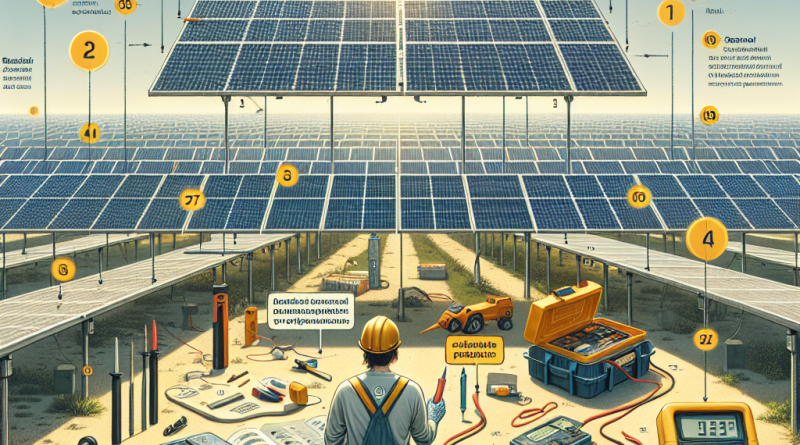
    Hey there! If you’re here, chances are you’re facing some hiccups with your solar power system. I’ve been there, and it can be a real drag! But fret not, I’m here to share some insights from my own experiences on how to troubleshoot these issues quickly and efficiently. Let’s break it down into five areas that I’ve found to be super crucial when diagnosing solar power system problems.

    Understanding System Components

    Know Your Solar Setup

    First off, getting familiar with your system’s components is key. Your solar setup usually includes solar panels, an inverter, batteries, and sometimes a charge controller. Each part has its own job, but if one blows a fuse, it can mess up the whole party. Seriously, it’s the same as knowing your car under the hood; if you don’t know what’s what, how can you fix it?

    Take some time to look over the manuals or manufacturer specs. Understanding how each component interacts with others can help pinpoint where the issue might be hanging out. Trust me, it’s easier to fix what you know!

    Also, keep an eye on the warranties for each part. If something’s gone south, sometimes it could be a manufacturer issue, and you might be able to get a replacement or repair without shelling out more cash!

    Regular Monitoring

    One of the best things you can do is keep an eye on your system’s performance. Many systems come with monitoring tools nowadays, and they’re a lifesaver. If you notice that your PV output is way off, you can act fast before it turns into a bigger problem. I can’t tell you how many folks I know who didn’t even realize their system was underperforming until their energy bill hit them like a ton of bricks!

    Checking in regularly, maybe weekly or even monthly, gives you a good feel for normal operations. It’s like checking the air in your tires—you want to catch issues before they become big problems!

    And don’t forget about visual checks! Look out for any physical debris on the panels, or signs of wear and tear on wires or connectors. Nature can wreak havoc, so stay proactive about maintenance!

    Identifying Common Issues

    Battery Problems

    Let’s face it; batteries can be a real headache. Symptoms like your system not holding a charge or showing low voltage can indicate that your batteries are on their last leg or possibly overworked. What I’ve done is make sure to schedule check-ups on my batteries at least twice a year.

    Batteries also come with their own quirks; for instance, lead-acid batteries have different needs than lithium-ion ones. Take the time to familiarize yourself with your battery type—you don’t want to be in a position where you’re treating a lithium battery like it’s a dinosaur!

    If you’ve replaced batteries before and still have issues, it may be worth checking the connections! Loose or corroded terminals can cause all sorts of juice-draining headaches.

    Inverter Troubles

    Another area where things can get tricky is with the inverter. This little gadget is like the brain of your solar power system, converting DC power to AC. If it’s acting up, everything can go haywire. I remember once my inverter was functioning but producing lower output—which turned out to be due to a faulty connection. Ouch!

    Check for any error codes on the inverter display; they usually backtrack to what’s causing the trouble. Consult your manual or look online if needed—I’ve always found forums to be super helpful when hunting down specific error messages!

    And don’t forget to check if your inverter has any firmware updates! Manufacturers often release them to improve performance or fix bugs. It can be frustrating, but sometimes updates do work wonders!

    Physical Inspections

    Panel Cleanliness

    Next up is a good old-fashioned inspection of your solar panels. These beauties need to be clean to work efficiently! Dust, leaves, and bird droppings can cover them and dramatically reduce their output. I try to clean my panels at least a couple of times a year, but it really depends on where you live and local weather conditions.

    Use a soft brush or a microfiber cloth to avoid scratching the panels. And if you’re not up for climbing a ladder, you can hire a cleaning service for roofs. Safety first, right?

    In winter, heavy snow can also blanket your panels. Nothing can sap your output quicker than a layer of snow, so make sure to remove it if possible when it’s safe to do so!

    Inspecting Connections

    While you’re up there, take a close look at the connections throughout your system. Loose or corroded wiring can lead to substantial energy losses. I can’t stress enough how vital it is to ensure everything is securely fastened and in good shape. Something as simple as a frayed wire can lead to power loss or even a fire hazard. Yikes!

    And if you’re unsure about anything during inspections, don’t hesitate to reach out to a professional. It’s better to be safe than sorry, after all!

    Many solar companies offer maintenance checks, which can save you a lot of hassle in the long run. This might help catch issues before they become critical, allowing you to kick back while someone else handles the nitty-gritty.

    Understanding System Performance

    Data Analysis

    Next on the list is measuring your system’s performance accurately. Look at the metrics your monitoring system provides. If you don’t understand the readings, it’s like staring at a foreign language. Spend some time learning what your specific metrics mean, and you’ll be able to pinpoint the issues much faster.

    If you notice recurring dips in performance, take a closer look at relevant weather patterns or energy usage trends. Sometimes factors outside your control—like shading from new tree growth—can impact your system significantly. Make sure to assess environmental impacts!

    Engaging with a solar community online can also open doors to share data and experiences. Often, others might have faced similar issues and can offer insights that could save you from unnecessary trial-and-error!

    Consumer Expectations

    Don’t forget to have realistic expectations about your system’s performance. Many residential solar panels perform well during full sunlight but can fluctuate wildly during cloud cover or in bad weather. Knowing these performance limits can help manage expectations and also prioritize when to look for issues.

    Get to know what average production should be and how much energy different weather conditions typically yield. Having these baselines can be huge when troubleshooting. If your system is consistently underperforming beyond these standards, then it’s time to dive deeper into potential issues.

    Before jumping into solutions, pause and reassess your energy needs. You might find that increased consumption or new appliances are demanding more than your system can handle, leading to confusion about issues with the system itself.

    Getting Professional Help

    When to Call the Experts

    Even with all this info, sometimes it’s best to lean on the experts. If you’ve attempted the above steps and are still in a lurch, calling a solar technician may be your best move. Don’t feel bad about it; we all need a helping hand sometimes! I personally have had to make that call on occasion, and the peace of mind is worth every penny!

    When you do reach out for help, be prepared to share all the details about what you’ve experienced. Document any error codes, performance data, and notes from your inspections. It’s a total game-changer and will help the techs get to the root of the problem faster.

    Moreover, reading reviews or asking for recommendations can ensure you’re reaching out to someone reputable. You don’t want to end up with a cowboy who may create more issues than help!

    Maintenance Contracts

    Sometimes it’s not just about fixing an issue but also preventing them altogether. Consider looking into maintenance contracts. These options can save a ton of cash down the line by ensuring regular checks and maintenance are performed on your system without having to think about it.

    Many companies offer these contracts at reasonable prices, and they can often be tailored to your specific system. This way, you’ll always have a pro at the ready should something go wrong!

    In my experience, knowing I have that reliable support is a huge relief. Just like a good insurance plan, it helps me sleep a little better at night, keeping unexpected repair bills at bay!

    FAQ

    1. How often should I check my solar system?

    It’s a good idea to perform visual inspections every month, and more thorough checks about twice a year.

    2. What are the signs my inverter is failing?

    Common signs include unfamiliar sounds, lights not turning on, or error codes appearing on the display. If you suspect an issue, definitely investigate further.

    3. Is it normal for solar panels to have lower output in winter?

    Yes, lower output in winter is quite normal, especially in locations that experience snow. Make sure they are clear of snow and debris to maximize efficiency.

    4. Can I clean my solar panels myself?

    Absolutely! Just be sure to use gentle methods and stay safe. If you’re uncomfortable, it’s always a smart decision to hire professionals.

    5. When should I seek professional help?

    If you’ve checked all the common issues and your system is still not performing well, it’s time to call in the pros. Don’t hesitate to get help when you’re feeling stumped!

  • Solar Panel Problems and Solutions Guide

    Solar Panel Problems and Solutions Guide

    Understanding Solar Panel Efficiency Issues

    Common Causes of Reduced Efficiency

    When I first installed my solar panels, I was thrilled by the idea of generating my own electricity. However, I quickly learned that various factors could affect their efficiency. One major issue is shading. Even a small shadow over a panel can drastically reduce its output. Remember that trees, buildings, and dirt can become unexpected culprits in siphoning off your solar energy.

    Another drag on performance is dirt and debris accumulation. The last time I checked my panels, I was shocked at how dusty they had become. This stuff doesn’t just sit there; it can block sunlight and lead to significant energy losses. Taking the time to clean your panels can make a world of difference.

    Temperature also plays a critical role. It might sound counterintuitive, but solar panels can lose efficiency if they get too hot. I learned this the hard way, only to find out later that certain types of panels are designed to be more resilient to heat. It’s crucial to choose the right type based on your climate.

    Diagnosing the Problem

    After noticing reduced output, the next step is diagnosing what’s going wrong. A quick visual inspection can tell you a lot. If you see leaves or dirt, that’s an easy fix. For more complex issues, it’s best to consult your inverter’s performance data. That little gadget is like the brain of the operation, letting you know if your panels are performing below average.

    If you suspect deeper issues, it might be worth calling in an expert. That’s what I did after failing to see any significant increase in efficiency. They checked the wiring and connections to ensure everything was in tip-top shape. It’s super comforting to get a professional opinion when you’re unsure.

    Finally, keep track of your energy bills. If they haven’t changed significantly since your installation, even after maintenance, that could indicate a system flaw. Jotting down the numbers can provide useful insights into how your system is performing over time.

    Solutions for Improving Efficiency

    To bring your solar system back to life, start with regular cleaning. I made a simple schedule to wipe down my panels every season. It’s surprisingly easy and rewarding! In winter, a little snow can act as insulation, but come spring, make it a point to clear everything.

    Consider investing in solar panel optimizers or microinverters. They help tackle shading issues by maximizing output per panel. That’s something I wish I had done earlier; it completely transformed my solar experience.

    Finally, if you live in an area with extreme temperatures, think about upgrading your panels. There are specific models that perform better in hot weather. Selecting the right panel can save you time, money, and lots of headache in the long run!

    Troubleshooting Electrical Problems

    Identifying Electrical Issues

    If your solar panels seem to be operating inefficiently, there might be electrical issues at play. I had one instance where the inverter was not functioning properly. It’s essential to check whether the inverter display is on and showing optimal output. Trust me, it’s the first thing I look for now.

    Sometimes, your solar system can experience voltage issues. A sudden drop in energy production can indicate this. If you notice fluctuations, switch off the system and inspect the connections. I got into this habit after having one too many surprises.

    Lastly, don’t ignore your circuit breaker. I learned this nugget of wisdom after facing a power outage related to my solar setup. If it trips, it could mean the load is too high or there’s a fault in your system. Always keep this in check!

    Fixing Electrical Problems

    Once you’ve diagnosed your electricity issues, the next step is fixing them. If it’s just the inverter, replacing it isn’t as daunting as it sounds. I managed to install a new inverter myself with a bit of research. Besides, it feels great to learn something new!

    For voltage issues, confirm that you have the right gauge wiring. If you’re unsure, consult with a professional or get some advice from your solar provider. In my experience, they appreciate when you ask questions and want to understand your setup better.

    With circuit breaker issues, the solution often lies in resetting it. If it continues to trip, that’s a sign that you need to call in an electrician to check for any faults or overloading problems. Don’t be shy about reaching for that phone; safety first!

    Using Monitoring Systems

    Investing in a solar monitoring system has been one of my best decisions. It allows you to keep tabs on energy production and consumption from anywhere. The app on my phone lets me see performance in real-time, and it gives me peace of mind knowing I can catch issues before they escalate.

    Some systems even provide alerts when something’s off. I love receiving notifications if energy production suddenly drops. It keeps me in the loop and allows me to address any problems promptly.

    Finally, regularly updating your monitoring software can lead to better performance and troubleshooting tools. Many manufacturers improve their systems over time, and staying updated ensures you maximize your solar investment.

    Addressing Performance Drops Due to Weather

    Impact of Weather on Solar Panels

    Weather conditions are significant players in solar panel performance. I noticed a marked drop in power output during cloudy days, which is pretty standard. It’s essential to account for your panel’s expected performance based on regional weather patterns. I did my homework, and knowing what to expect has made a difference.

    Then, there are snow and winter conditions. Surprisingly, I discovered that panels can perform rather well with snow on them, as long as they’re installed at a good angle. The sunlight can still reflect, and you might get more output than you think! But I learned to keep an eye on them so they don’t get buried.

    Moreover, heatwaves can hinder performance, too. I’ve felt the stifling heat myself, and I saw it reflected in my monthly output. Understanding how different weather conditions affect production can help set realistic expectations.

    Preparing for Seasonal Changes

    Being proactive about my solar setup has always served me well. Before the winter months hit, I schedule a thorough check-up to ensure everything is clean and functional. A little effort goes a long way, and it beats facing surprises later!

    For summer heat, I also keep track of cooling techniques for my panels. Adding shade or simply adjusting the installation angle can significantly enhance performance. I experimented with a few changes that helped keep my panels cooler.

    Lastly, prepare for storms. In wind-prone areas, using heavy-duty materials for mounting can prevent damage. I’ve learned that investing a little more upfront saves a whole lot of hassle later on.

    Long-term Effects of Weather on Solar Systems

    Over time, weather can have a more lasting impact on solar panels, too. For instance, intense UV exposure can degrade some components. My solar provider recommended regular maintenance to prolong their life, and I couldn’t agree more. Keeping everything in excellent condition is paramount.

    I’ve also learned about hail resistance ratings. Investing in panels that can withstand storms gives me peace of mind every time the weather turns wild. It’s better to be safe than sorry!

    Finally, educate yourself on warranties. Knowing what’s covered can save you from unexpected costs down the line. As I’ve gone deeper into the solar world, I’ve realized that understanding warranties can be just as crucial as knowing how the panels operate!

    Maximizing Long-term Performance

    Regular Maintenance Checks

    Establishing a routine for maintenance checks has been key to my solar panel’s longevity. I set a reminder every six months to inspect and clean my panels. It’s become part of my home routine, and I recommend it to anyone considering solar energy.

    During these checks, I ensure all connections are tight and there’s no damage. Simple visual inspections can save you lots of money in repairs. I learned firsthand that a little diligence can prevent big issues!

    Also, don’t hesitate to reach out to your solar provider for any recommended maintenance practices or tips. They often have valuable knowledge gleaned from years of experience that they love to share with customers.

    Updating System Components

    As technology develops, I found it beneficial to periodically evaluate whether my solar components need upgrades. Solar panels can become outdated, and newer models often boast better efficiency. I wouldn’t miss the chance to improve my setup if it could save me money in the long run!

    Inverter technology also evolves. If you find that your inverter isn’t keeping up with your energy needs, it might be time for a swap. I’ve seen immediate impacts in my energy production after upgrading mine!

    Lastly, always stay in touch with what’s happening in the solar industry. Innovations and new guidelines can change what you think you know about your system – I try to keep my ear to the ground!

    Financial Incentives for Maintenance

    Don’t sleep on the financial benefits of maintaining efficiency! In some areas, rebates and improvements can significantly offset costs. I’ve recouped some of my maintenance expenses through local incentives.

    Additionally, a well-maintained system often pays itself off much quicker. By concentrating on getting the most from your panels, you expedite that return on investment everyone’s raving about.

    Lastly, consider the increased property value. Studies have shown homes with solar installations can sell for more, especially if they’re in good working order. It’s a win-win staying on top of maintenance!

    FAQ Section

    What can cause solar panels to become less efficient?

    Shading, dirt accumulation, and temperature extremes are common culprits that can reduce solar panel efficiency. Ensuring they’re clean and positioned correctly is crucial!

    How do I know if my inverter is working properly?

    Checking the inverter’s display for optimal output is the first step. If you notice any drops in performance, it may be time for a closer inspection or even a replacement.

    What should I do about snow on my solar panels?

    Snow can actually benefit solar panels since they’re more efficient when cooler. However, keeping them clear can boost production if accumulation inhibits sunlight.

    How can I prolong the life of my solar panels?

    Routine maintenance checks, cleaning, and updating system components when needed are the top ways to ensure your system remains efficient and has longevity.

    Are there financial incentives for maintaining solar panels?

    Yes! Many homeowners can access local rebates or incentives for maintaining and upgrading their systems, resulting in financial return from their investments.