Solar power is a renewable source of energy that has been gaining popularity in recent years. With the increasing demand for sustainability and eco-friendliness, more people are turning to solar power as an alternative to traditional forms of electricity generation such as coal or natural gas. In this blog post, we will explore how much solar power costs, its benefits, and what you need to know before investing in it.
Introduction to Solar Power and Its Benefits
Solar panels convert sunlight into electrical energy using photovoltaic cells. The cost of solar power varies depending on several factors including location, system size, type of equipment used, and installation fees. However, despite the initial high upfront cost, solar power can save homeowners money over time by reducing their monthly utility bills. Additionally, solar power provides numerous environmental benefits, including reduced greenhouse gas emissions and improved air quality.
The Cost of Solar Power: Is It Worth the Investment?
While the initial cost of installing solar panels may be higher than other types of electricity generation systems, the long-term savings make it worthwhile. On average, residential solar panel systems range from $10,000 to $25,000 after tax credits and rebates. While this may seem expensive at first glance, consider that the typical lifespan of a solar panel system is around 30 years. This means that once the system is installed, there are no additional maintenance or fuel costs associated with generating electricity. Furthermore, solar panels increase the value of your property, making them a wise financial investment in the long run.
Choosing the Best Solar Power Generator for Your Needs
When choosing a solar power generator, there are several things to consider. First, determine the amount of electricity you use each day. This information can be found on your utility bill or estimated based on the number of appliances and electronics in your home. Next, decide whether you want to purchase a complete solar panel system or individual components. Complete systems come preassembled and ready to install, while component kits allow for greater customization but require more knowledge and expertise. Finally, research different brands and models to find the best fit for your needs and budget.
Installing Your Own Solar Panels: A DIY Project or Not
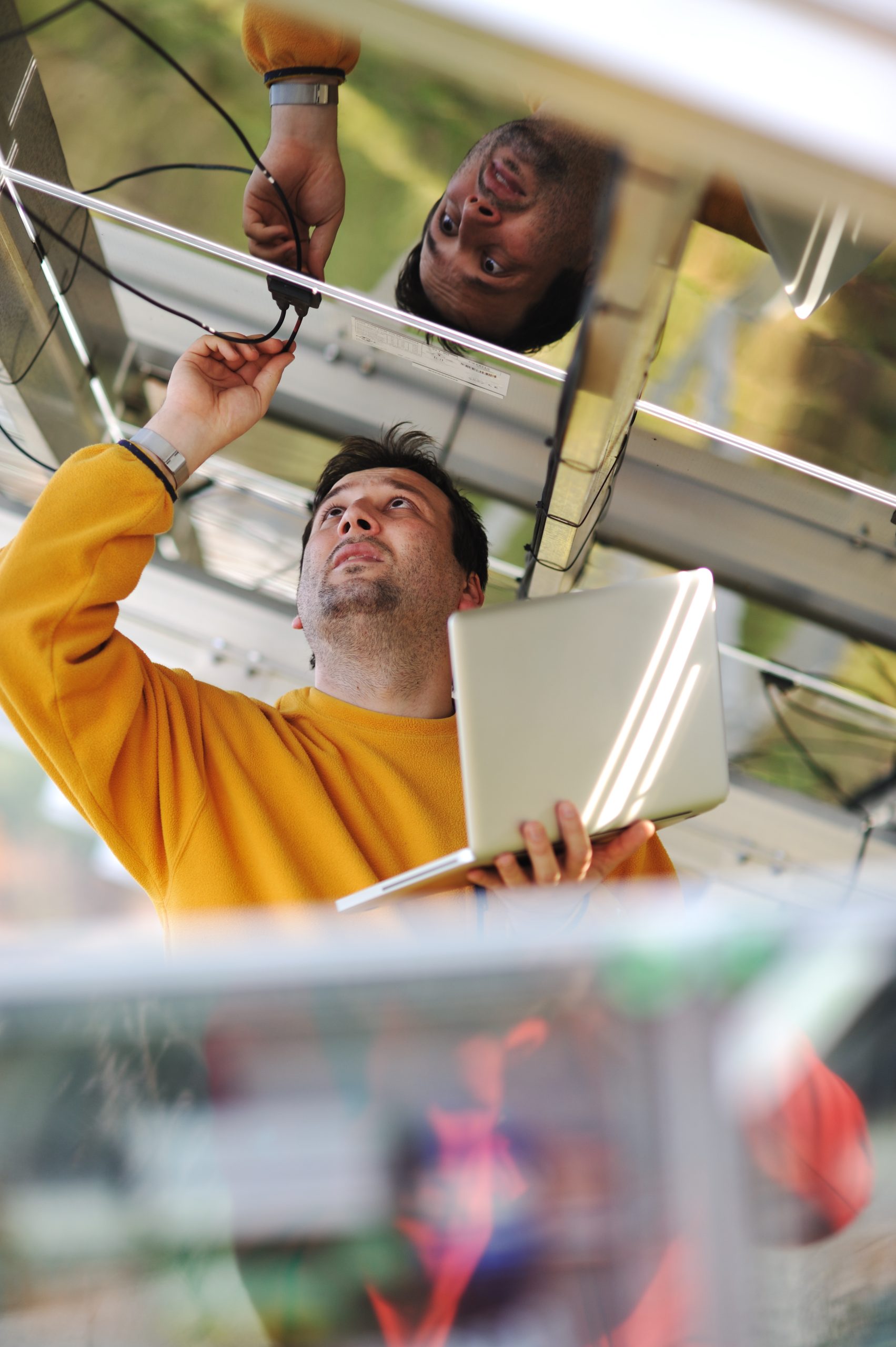
While some homeowners opt to install their own solar panels as a DIY project, it’s recommended to hire a professional installer. Installing solar panels requires specialized skills and tools, and improper installation can result in safety hazards or decreased efficiency. Professional installers also handle permitting and inspections, ensuring that your system meets all local codes and regulations.
Solar power has become increasingly popular in recent years, and for good reason. With the rise of climate change awareness and a growing desire to reduce our carbon footprints, many homeowners are turning to solar energy as an eco-friendly alternative to traditional electricity sources. In this article, we’ll explore what it means to have a solar-powered home and why you should consider making the switch.
The Benefits of Going Solar
There are several benefits to using solar power in your home. First and foremost, solar energy is renewable and sustainable, meaning that it won’t run out or harm the environment like fossil fuels can. Additionally, using solar power can help lower your monthly utility bills since you’re generating your own electricity rather than relying on the grid. Solar panels also add value to your home, making them a great investment if you plan on selling in the future. Finally, there are tax credits available for those who install solar panels, which can further offset the cost of installation.
How to Make Your Home More Energy Efficient with Solar Power
If you’re interested in going solar but aren’t sure where to start, there are some steps you can take to make your home more energy efficient before installing solar panels. For example, you may want to upgrade your insulation or replace old appliances with newer, more energy-efficient models. You can also look into smart thermostats and other devices that allow you to monitor and control your energy usage remotely. By taking these steps first, you can maximize the benefit of your solar panel system and potentially even reduce your overall costs.
Common Myths About Solar Power Debunked
Despite its growing popularity, there are still some misconceptions about solar power that persist. One common myth is that solar panels only work in sunny climates. While they do perform better in direct sunlight, solar panels can still generate electricity in cloudy conditions or at night when connected to batteries. Another myth is that solar panels require a lot of maintenance. In reality, once installed, solar panels don’t need much upkeep beyond occasional cleaning and monitoring. They’re designed to last for decades, so you can rest easy knowing that your investment will pay off over time.
Conclusion
In conclusion, switching to solar power is not just a trend – it’s a wise decision for both your wallet and the planet. Whether you’re looking to save money on utilities or reduce your carbon footprint, solar power is a viable option for many homeowners. And with advancements in technology and government incentives, now is a great time to make the switch. So why wait? Start exploring your options today and see how solar power can transform your home and your life.
Solar power is a renewable source of energy that has been gaining popularity in recent years. With the increasing demand for sustainability and eco-friendliness, more people are turning to solar power as an alternative to traditional energy sources such as coal or natural gas. In this blog post, we will explore how you can choose the best solar generator for your needs, as well as other important aspects of using solar power.
Introduction to Solar Power and Its Benefits
Solar power involves harnessing the sun’s energy through photovoltaic cells which convert light into electricity. This process generates no greenhouse gases, making it a clean and environmentally friendly option. Additionally, solar panels require little maintenance once they have been installed, reducing long-term costs associated with upkeep. The benefits of solar power include:
Lower electric bills over time
Reduced carbon footprint
Energy independence
The Cost of Solar Power vs Traditional Energy Sources
While initial installation costs may be higher than traditional energy sources, solar power becomes cheaper over time due to reduced electric bills. Additionally, tax credits and rebates offered by many states make investment in solar power even more attractive. While there may still be some upfront costs involved, the savings in the long run make it worthwhile. Choosing the Best Solar Generator for Your Needs
When choosing a solar generator, consider factors such as wattage output, battery capacity, weight, and portability. Depending on your specific needs, certain features may be more important than others. For example, if you plan on using your solar generator primarily for camping trips, portability may be key. On the other hand, if you want to use your solar generator at home during blackouts, high wattage output would be essential. Here are some tips for choosing the best solar generator for your needs:
Determine what you need the generator for
Consider the size and weight of the unit
Look at reviews from other users
Compare prices and features across different models Installing Your Own Solar Panels: Is It Worth It?
Installing your own solar panels can save money in the long run, but requires significant upfront costs and expertise. If you are considering installing your own solar panels, here are some things to consider:
Research local permitting requirements
Hire a licensed contractor who specializes in solar panel installations
Understand the complexity of the project before attempting DIY Renewable Energy 101: What You Need to Know
Renewable energy refers to any type of energy generated from naturally replenishing resources such as wind, water, geothermal heat, and solar power. By utilizing these types of energy sources, we can reduce our dependence on nonrenewable fossil fuels and help preserve the planet for future generations. Recharging Your Solar Batteries: How Long Does it Take?
Recharge times vary depending on several factors including weather conditions, battery capacity, and the amount of sunlight available. As a general rule, most solar batteries take between 4-8 hours to fully charge when exposed to direct sunlight. However, cloudy days or shade can significantly slow down charging times. Overall, solar power offers numerous benefits and is becoming an increasingly popular choice for those looking to reduce their environmental impact while saving money in the long term.
Are you interested in learning more about solar power? If so, this article is for you. Solar energy has become increasingly popular over the years due to its numerous benefits and cost-effectiveness. In this guide, we will cover everything you need to know about solar power, including how it works, its environmental impact, costs, types of panels, DIY installation tips, renewable energy sources besides solar power, battery storage, maintenance, and repair. Let’s get started!
Introduction to Solar Energy
Solar energy refers to the conversion of sunlight into electricity using photovoltaic (PV) cells or solar thermal systems. The PV cells are made up of semiconductor materials that absorb photons from sunlight and release electrons, creating an electrical current. This process generates clean and sustainable energy that can be used to power homes, businesses, and other applications.
The Benefits of Using Solar Power
There are several benefits of using solar power, including:
1. Cost savings – Once installed, solar panels require little to no maintenance, which means lower long-term costs compared to traditional energy sources. Additionally, many countries offer tax credits and rebates for homeowners who install solar panels.
2. Environmental friendliness – Solar power produces zero emissions, making it a clean source of energy that doesn’t contribute to climate change.
3. Independence – By generating your own electricity, you become less reliant on external factors such as fluctuating energy prices and supply chain disruptions.
4. Property value – Homes with solar panel installations often have higher property values than those without them.
5. Job creation – The solar industry creates jobs for people across various sectors, ranging from manufacturing to installation.
How Does Solar Power Work
As mentioned earlier, solar power works by converting sunlight into electricity through PV cells. When light hits these cells, it causes electrons to move around, creating an electrical current. This current is then transferred to wiring within the cell, where it can be harnessed and used to power appliances and devices.
Is Solar Power Really Helpful for the Environment
Yes, solar power is incredibly helpful for the environment. As previously stated, it produces zero greenhouse gas emissions, meaning it does not contribute to global warming or air pollution. Additionally, solar panels do not produce any noise or visual pollution, making them ideal for use in residential areas.
The Costs of Going Solar
While there may be some initial costs associated with installing solar panels, they tend to pay off in the long run. Depending on your location and system size, the average cost per kilowatt hour (kWh) generated by solar panels ranges between $0.08 and $0.17. However, this price tends to decrease over time as technology improves and economies of scale are achieved.
Types of Solar Panels and Their Efficiency
There are several different types of solar panels available, each with their unique advantages and drawbacks. Some common types include monocrystalline, polycrystalline, thin film, bifacial, and floating solar panels. Monocrystalline panels are generally considered the most efficient type, but also tend to be the most expensive. Thin film panels, on the other hand, are cheaper but less efficient. Bifacial panels generate electricity from both sides of the panel, while floating solar panels are designed specifically for water bodies like lakes and reservoirs.
DIY Solar Panel Installation Tips
If you’re looking to save money on your solar panel installation, consider doing it yourself. Here are some tips to help you get started:
1. Determine your energy needs – Before starting your project, calculate how much energy you consume on a daily basis to ensure you purchase enough panels to meet your requirements.
2. Choose the right equipment – Make sure to choose high-quality components such as PV cells, batteries, and inverters to maximize efficiency and minimize downtime.
3. Plan your layout carefully – Consider factors such as shading, orientation, and accessibility when planning your panel placement.
4. Follow safety guidelines – Working with electricity can be dangerous if proper precautions aren’t taken. Always wear appropriate protective gear and follow all necessary safety protocols.
Renewable Energy Sources Besides Solar Power
While solar power is one of the most widely recognized forms of renewable energy, there are others worth considering as well. These include wind turbines, hydroelectric dams, geothermal heating/cooling systems, and biomass energy production. Each of these technologies has its own unique advantages and limitations depending on the specific application.
Battery Storage for Solar Energy
One challenge facing solar power adoption is the issue of intermittency – solar panels only generate electricity during daylight hours, leaving households without power at night. To address this problem, many homeowners opt for battery storage solutions that allow excess energy produced during the day to be stored for later use. There are several types of batteries available for this purpose, including lithium-ion, lead acid, and flow batteries.
Maintenance and Repair of Solar Systems
Once installed, solar panels require very little maintenance beyond occasional cleaning and inspection. Most reputable brands come with warranties covering defects and performance issues, ensuring peace of mind for homeowners. For repairs, it’s best to consult with a professional installer or manufacturer representative to determine the cause of the problem and the best course of action moving forward.
In conclusion, solar power offers numerous benefits to homeowners, businesses, and society as a whole. From reducing carbon emissions to saving money on energy bills, there are plenty of reasons why switching to solar makes sense. Whether you decide to go DIY or hire a professional installer, investing in solar power is a smart decision that will pay dividends for years to come.
Solar energy is a renewable source of power that has gained popularity in recent years due to its eco-friendliness, cost-effectiveness, and reliability. Businesses are increasingly turning to solar energy as a way to reduce their carbon footprint, save money on electricity bills, and improve sustainability efforts. The use of solar energy not only helps businesses become more environmentally responsible but also provides them with an opportunity to enhance their brand reputation by demonstrating commitment to sustainability goals.
The Benefits of Solar Energy for Businesses:
One of the primary benefits of using solar energy is the significant reduction in electricity costs over time. While installation costs can be high, businesses typically see a return on investment within five to seven years through reduced utility bills. Additionally, solar panels require little maintenance once installed, which means they provide long-term savings without additional expenses.
Another benefit of solar energy is its versatility. Solar panels can be installed on rooftops or in open spaces, making it possible for businesses to generate power where traditional sources are unavailable or impractical. This makes solar energy ideal for remote locations, rural areas, and off-grid applications.
How Companies are Using Solar Energy Today:
Businesses across various industries have embraced solar energy as part of their sustainability strategies. For example, Amazon’s massive warehouses rely entirely on solar power, while Apple uses solar energy to power its data centers. In addition, many hotels, airports, and shopping malls have incorporated solar energy into their operations to reduce energy consumption and lower operating costs.
Incentives and Rebates for Going Solar:
Governments around the world offer incentives and rebates to encourage businesses to adopt solar energy. These include tax credits, grants, and subsidies that make it easier for companies to afford the initial installation costs. Some states even mandate utilities to purchase excess solar energy generated by businesses at retail rates, providing another revenue stream for businesses.
Conclusion: Why Your Business Should Consider Solar:
As concerns about climate change continue to grow, businesses must take action to reduce their environmental impact. By switching to solar energy, companies can significantly reduce their carbon emissions, save money on electricity bills, and demonstrate their commitment to sustainability goals. With government incentives and advancements in technology, now is the perfect time for businesses to consider solar energy as a viable option for meeting their energy needs.
Solar power is one of the most promising sources of renewable energy, and it’s no wonder why more homeowners are considering installing solar panels on their roofs. With the rising costs of electricity and concerns about climate change, many people are looking for ways to reduce their carbon footprint while also saving money in the long run. If you’re thinking about making the switch to solar power, here are some reasons why investing in solar panels for your home can be a smart decision.
Introduction to Solar Power and Its Benefits
Solar panels work by converting sunlight into usable electricity through photovoltaic cells. These cells generate direct current (DC) electricity, which is then converted into alternating current (AC) electricity that can be used to power your home. Solar panels can be installed on rooftops or other structures where they can get the most exposure to sunlight throughout the day.
One of the biggest benefits of using solar power is that it’s a clean and renewable source of energy. Unlike fossil fuels, solar power doesn’t produce any greenhouse gas emissions or air pollution, which makes it much better for the environment. Additionally, solar power can help reduce our dependence on foreign oil and promote energy independence.
The Cost-Effectiveness of Solar Panels for Homes
While the initial cost of installing solar panels may seem high, there are many financial incentives available that can make solar power a very cost-effective option for homeowners. The federal government offers tax credits for residential solar installations, and many states offer additional rebates and incentives as well.
In addition to these incentives, solar panels can significantly lower your monthly electricity bills over time. Depending on your location and energy needs, you could potentially save thousands of dollars per year on your electricity bill by switching to solar power. And with advancements in technology and manufacturing, the cost of solar panels has been steadily decreasing, making them more affordable than ever before.
Choosing the Best Solar Generator for Your Needs
When choosing a solar generator, there are several factors to consider. First, you need to determine how much electricity you will need to generate based on your household’s energy usage. You should also consider the size and layout of your property, as this can affect the placement and orientation of your solar panels.
There are many different types of solar generators available, including grid-connected systems, off-grid systems, and hybrid systems that combine both. Grid-connected systems are the most common type of solar system, and they allow you to sell excess energy back to the grid. Off-grid systems are designed for homes located in remote areas without access to utility grids, while hybrid systems provide backup power in case of outages or emergencies.
Installing and Maintaining Your Own Solar Panels
Installing solar panels on your own can be a daunting task, but it’s definitely possible with the right knowledge and tools. Many DIY enthusiasts have successfully installed their own solar panels, often at a significant cost savings compared to hiring a professional installer. However, if you don’t feel comfortable doing it yourself, there are many reputable solar installation companies that can assist you with the process.
Once your solar panels are installed, maintenance requirements are minimal. You’ll want to keep them free from dust and debris, and occasionally check the wiring connections to ensure everything is functioning properly. Most solar panels come with a warranty that covers defects and performance issues, so you can rest easy knowing that you’re protected in case anything goes wrong.
Overall, investing in solar panels for your home can be a wise financial decision that not only saves you money on your electricity bills but also reduces your carbon footprint and promotes sustainability. Whether you choose to install your own solar panels or hire a professional installer, the benefits of solar power are undeniable, and now is a great time to make the switch.
The world is changing, and so are our homes. With the rise of renewable energy sources, more people are turning to solar power as a way to reduce their carbon footprint and save money on utility bills. In this article, we’ll explore everything you need to know about solar-powered homes, from the benefits of using solar energy in your home to how to install and maintain a solar system at home. Let’s dive right in!
Introduction to Solar Powered Homes
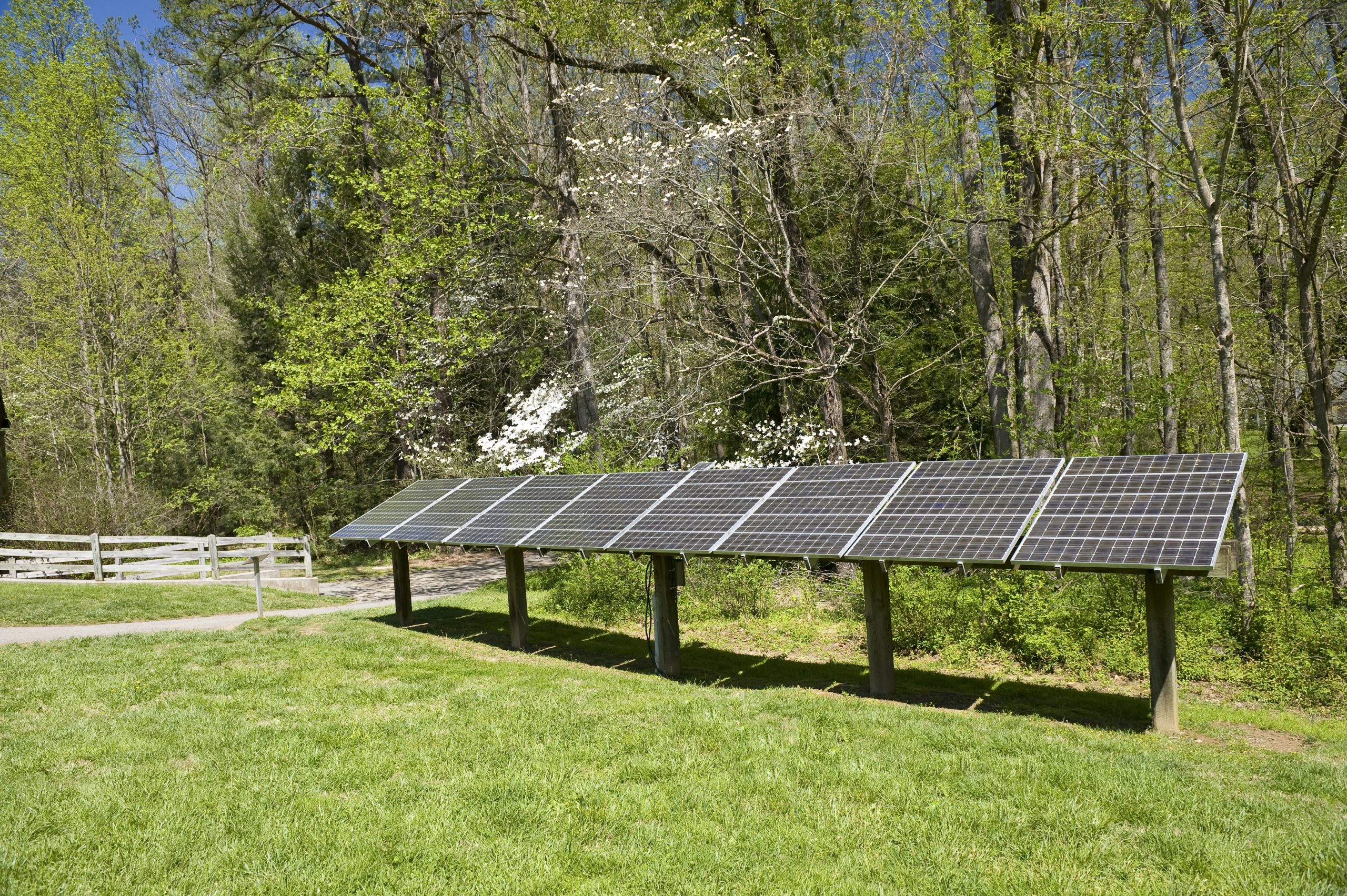
A solar-powered home is one that uses photovoltaic (PV) cells to convert sunlight into electricity. These PV cells are typically mounted onto rooftops or other structures where they can get the most exposure to direct sunlight. Once the sun hits these cells, it creates an electrical current that can be used to power appliances, lights, and even entire households.
One of the biggest advantages of solar-powered homes is their ability to generate clean energy. Unlike traditional fossil fuels like coal and oil, which release greenhouse gases into the atmosphere, solar panels produce no emissions whatsoever. This makes them not only better for the environment but also healthier for humans who live near them.
Another benefit of solar-powered homes is their potential for cost savings over time. While installing a solar system can be expensive upfront, many homeowners find that the investment pays off in the long run through reduced utility costs and increased property values. Additionally, there may be tax credits available for those who choose to go solar, making it an even more attractive option.
How to Install and Maintain a Solar System at Home
Installing a solar system requires careful planning and consideration. First, you’ll want to assess your energy needs and determine how much power you’ll need to generate each day. You’ll also need to consider factors such as roof orientation, shading, and weather patterns to ensure optimal placement of your solar panels.
Once you have determined the size and scope of your project, it’s time to hire a professional installer. A reputable contractor will work with you to design and install a customized system that meets your specific needs. They will also provide guidance on maintenance and upkeep to ensure that your system continues to operate efficiently over time.
Examples of Successful Solar-Powered Communities Around the World
As interest in solar energy has grown, many communities around the world have embraced its potential by creating entirely solar-powered neighborhoods. One example is the community of Boulder City, Nevada, which was built specifically to house workers constructing the nearby Hoover Dam. Today, nearly 100% of the city’s residents rely on solar power for their energy needs.
Similarly, the town of Tromso, Norway has become a leader in sustainability by transitioning to entirely renewable energy sources, including wind and solar power. By doing so, they have been able to reduce their carbon footprint while also boosting economic development in the region.
Conclusion
In conclusion, solar-powered homes represent a promising future for both individuals and communities alike. Whether you’re interested in reducing your environmental impact or simply saving some cash on utilities, going solar could be the perfect solution for you. And with advancements in technology and decreasing installation costs, now is the perfect time to make the switch.
Solar panels have become increasingly popular in recent years, and for good reason. They offer numerous benefits to homeowners and businesses alike, including lower energy bills, reduced carbon footprint, and increased property value. In this blog post, we will explore how solar panels can save you money in the long run.
Introduction to Solar Panels and Their Benefits
Solar panels are devices that convert sunlight into electricity using photovoltaic cells. These cells are made of semiconducting materials such as silicon, which absorb photons from sunlight and release electrons, creating an electrical current. The electricity generated by these panels is direct current (DC), but it can be converted to alternating current (AC) using an inverter so that it can power your home or business.
One of the main benefits of solar panels is their ability to reduce your energy costs over time. As you generate more electricity from the sun, you will need to purchase less from the grid, resulting in significant savings on your monthly utility bill. Additionally, solar panels increase the value of your property, making them a wise investment for homeowners looking to sell their homes in the future.
How Much Money Can You Save with Solar Panels?
The amount of money you can save with solar panels depends on several factors, including the size of your system, your location, and electricity rates in your area. On average, homeowners save between $10,000 and $30,000 over the lifetime of their solar panel systems. This includes both the cost savings from reduced energy bills and the added value to their properties.
The Cost of Installing Solar Panels: Worth the Investment?
While installing solar panels requires an upfront investment, it is often worth the cost in the long run. The average cost of installing a residential solar panel system ranges from $10,000 to $20,000, depending on the size and complexity of the system. However, there are many tax credits and other incentives available that can significantly reduce the cost of installation.
Tax Credits and Other Incentives for Going Solar
There are several tax credits and other incentives available for homeowners who install solar panels. The federal government offers a tax credit of 30% of the total cost of the system, and some states also offer additional tax credits or rebates. Additionally, utilities may offer net metering programs, where they buy excess electricity generated by your solar panels at retail rates.
Maintenance and Lifespan of Solar Panels
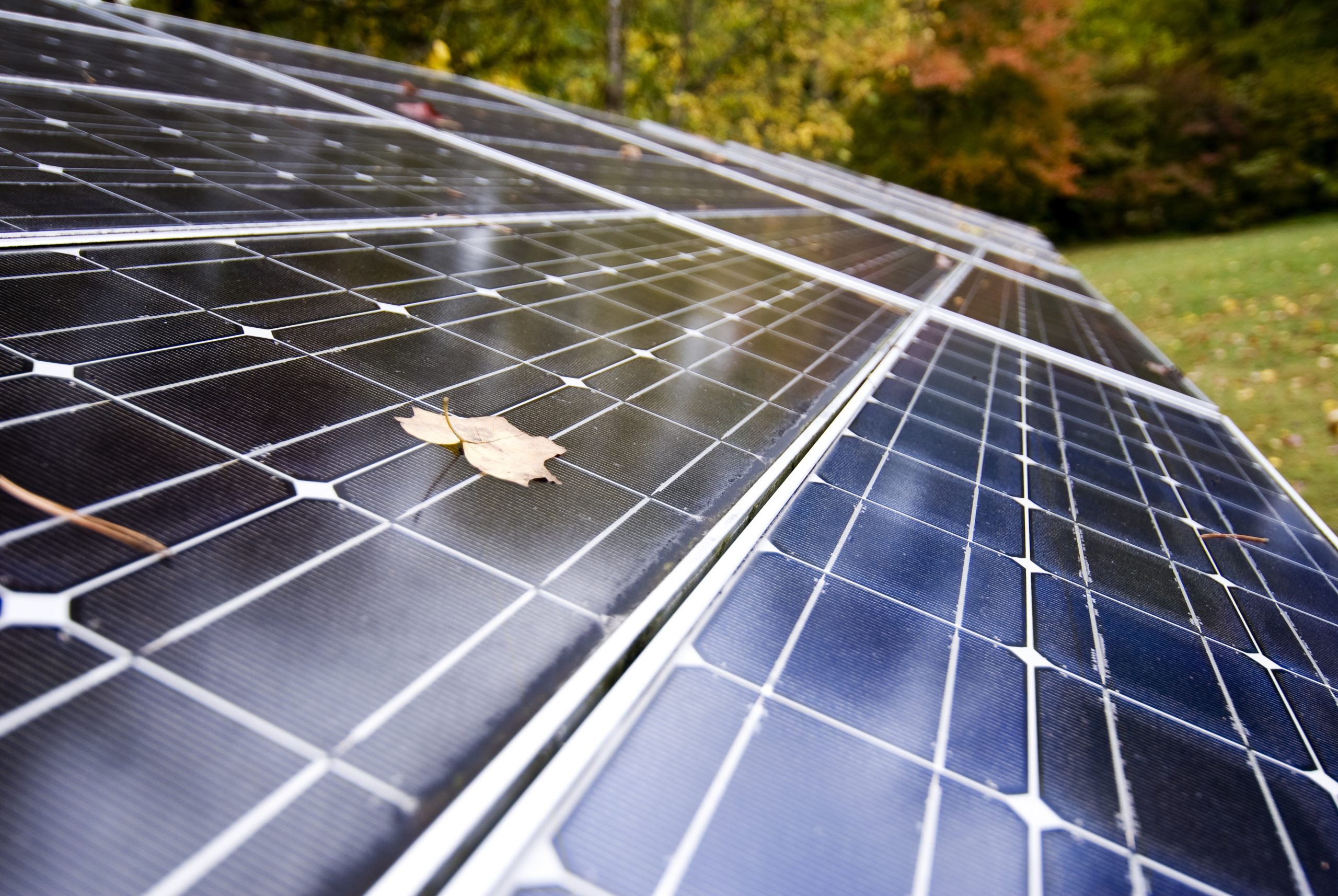
Solar panels require little maintenance once they are installed. You should regularly clean the panels to ensure maximum efficiency, but aside from that, there are no moving parts that require repair or replacement. The lifespan of solar panels is typically around 25-30 years, meaning that they will continue to generate electricity for decades after installation.
In conclusion, solar panels offer numerous benefits to homeowners and businesses, including lower energy costs, increased property values, and reduced carbon emissions. While the initial investment required for installation may seem high, the long-term savings make it well worth the cost. With tax credits and other incentives available, now is a great time to consider going solar.
Solar power is a renewable source of energy that has been gaining popularity in recent years. With concerns about climate change and sustainability on the rise, many homeowners are considering making the switch to solar energy. If you’re thinking about investing in solar panels for your home, here are some reasons why it may be worth the investment:
Introduction to Solar Power and Its Benefits
Solar power involves harnessing the sun’s energy through photovoltaic cells that convert light into electricity. This process generates clean energy without producing any greenhouse gas emissions or other pollutants. By using solar panels, you can reduce your reliance on fossil fuels and help combat climate change. Additionally, solar power can save you money on your energy bills over time, as well as increase the value of your home.
The Environmental Impact of Solar Energy
One of the biggest benefits of solar power is its environmental impact. Unlike traditional forms of energy production, such as coal or natural gas, solar power does not produce any air or water pollution. It also doesn’t contribute to deforestation or habitat destruction. By switching to solar power, you can significantly reduce your carbon footprint and support sustainable living practices.
The Cost-Effectiveness of Solar Panels for Homes
While there may be an initial cost associated with installing solar panels, they can quickly pay for themselves over time. The cost of solar panels has decreased dramatically in recent years, making them more affordable than ever before. Additionally, many states offer tax credits and rebates for homeowners who install solar panels. Overall, solar panels can save you money on your energy bills while providing a reliable source of energy.
Choosing the Best Solar Power Generator
When choosing a solar panel generator, there are several factors to consider. First, determine how much energy your household uses on average. You will want to choose a system that can generate enough energy to meet those needs. Secondly, consider the efficiency rating of the solar panels. Higher efficiency ratings mean that the panels will generate more energy per square foot. Finally, think about the warranty and durability of the panels. You want a product that will last for years to come.
Installing Your Own Solar Panels: Is It Worth It?
Many homeowners opt to hire professionals to install their solar panels, but others prefer to take on the project themselves. Installing your own solar panels can be a challenging task, so make sure you have the necessary skills and tools before attempting it. However, if you do decide to tackle this project yourself, you could potentially save thousands of dollars on installation costs.
Renewable Energy 101: What You Need to Know
In addition to solar power, there are many other types of renewable energy sources available, including wind, hydroelectric, geothermal, and biomass. Each type of renewable energy has unique advantages and disadvantages, depending on location, climate, and resources. Understanding these differences can help you make informed decisions about which form of renewable energy is best suited for your needs.
Overall, solar power offers numerous benefits for both individuals and the environment. While there may be an upfront cost associated with installing solar panels, they can quickly pay for themselves over time. Whether you choose to hire a professional installer or DIY, investing in solar power is a wise decision for anyone looking to reduce their carbon footprint and save money on energy bills.
Solar energy has become increasingly popular over the years, and for good reason. It’s renewable, sustainable, and can help you save money on your electricity bills. But beyond these obvious benefits, there are many other reasons why investing in solar energy is a smart financial decision.
Introduction to Solar Energy
Solar energy is generated by harnessing the power of the sun through photovoltaic (PV) cells or solar panels. These panels convert sunlight into direct current (DC) electricity, which is then converted into alternating current (AC) electricity that can be used to power homes and businesses. The amount of electricity produced depends on factors such as the size and efficiency of the PV cells, the angle and orientation of the panels, and the amount of sunlight available.
The Benefits of Investing in Solar Energy
One of the main benefits of investing in solar energy is the potential for significant cost savings. While the initial installation costs may be higher than traditional energy sources, solar systems have lower maintenance costs and can provide long-term savings on electricity bills. Additionally, solar energy is a clean and renewable source of energy that reduces reliance on fossil fuels and helps combat climate change.
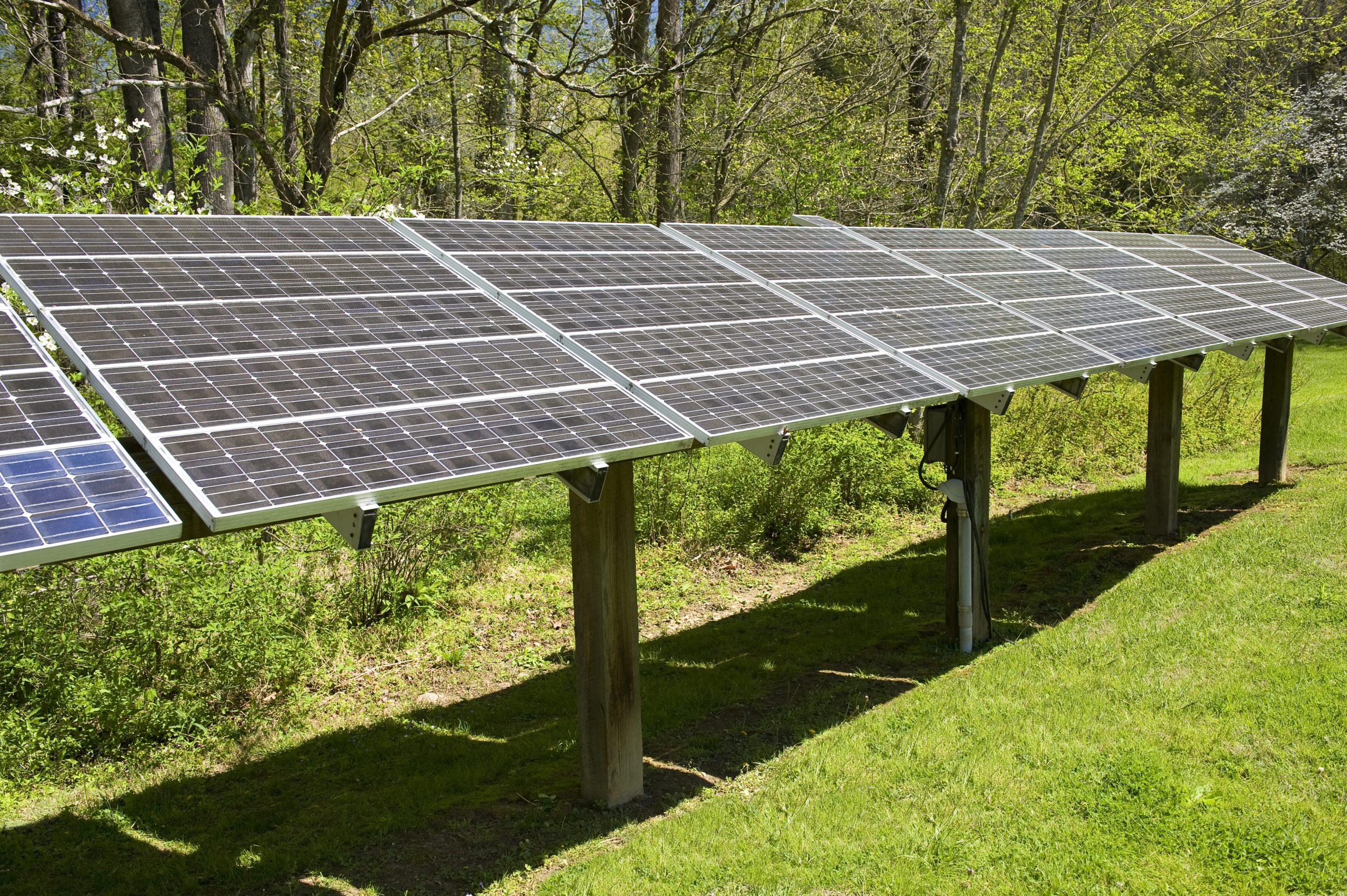
Another benefit of solar energy is its versatility. Solar panels can be installed on rooftops, in open fields, or even floating on bodies of water. This means that solar energy can be utilized in a variety of settings, from residential neighborhoods to large industrial complexes.
Common Misconceptions About Solar Energy
Despite the numerous benefits of solar energy, there are still some common misconceptions about this technology. One of the most prevalent myths is that solar energy is too expensive. However, with advancements in technology and increased demand, the cost of solar energy has decreased significantly over the past decade. Another misconception is that solar panels require constant maintenance, when in fact they typically only need occasional cleaning and monitoring.
How Much Money Can You Save with Solar Energy
The amount of money you can save with solar energy depends on several factors, including the size of your system, your location, and electricity rates in your area. On average, homeowners can expect to save between $10,000 and $30,000 over the lifetime of their solar system. Businesses can also realize substantial savings, particularly those with high energy demands or located in areas with high electricity prices.
Financing Your Solar Energy System
For many people, financing a solar energy system can seem daunting. However, there are several options available to make it more affordable. Some companies offer zero-down financing options, where you pay for the system over time at a fixed rate. Others offer lease agreements, where you pay a monthly fee to use the system. Additionally, tax credits and rebates may be available depending on your location and eligibility.
Conclusion: Why Investing in Solar is a Smart Decision
In conclusion, investing in solar energy is not just a wise environmental choice but also a smart financial decision. With potential cost savings, low maintenance requirements, and versatile applications, solar energy is an attractive option for both homeowners and businesses alike. As technology continues to improve and demand increases, the cost of solar energy will continue to decrease, making it accessible to even more people. So if you’re looking for a way to reduce your carbon footprint while saving money on your energy bills, consider investing in solar energy today.