Tag: renewable energy

  • Breaking Down Solar Myths: What You Really Need to Know About Solar Power

    Breaking Down Solar Myths: What You Really Need to Know About Solar Power

    In recent years, solar power has surged in popularity as a viable alternative to traditional energy sources. However, despite its growing presence, many myths still cloud public perception. Let’s illuminate the truth behind some of the most common misconceptions surrounding solar energy.

    wind energy zkRk9V5d scaled

    *Is Solar Power Really Helpful to the Environment?**

    Absolutely! Solar power is often lauded for its environmental benefits. By harnessing sunlight, we reduce reliance on fossil fuels, which are notorious for emitting greenhouse gases and contributing to climate change. The process of generating electricity through solar panels emits zero emissions. Furthermore, solar installations can lead to less air pollution and reduced water consumption compared to conventional energy methods. While there is an environmental footprint associated with manufacturing solar panels, the overall life cycle impacts are significantly lower than those of coal or natural gas.

    *How Expensive Is Solar Power?**

    The cost of solar power has decreased dramatically over the past decade. Initially viewed as a luxury investment, today’s prices make it more accessible for average homeowners. While installation costs can vary depending on location and system size—averaging between $15,000 and $25,000 before incentives—the long-term savings often outweigh these upfront expenses. Tax credits and rebates can further reduce costs. Additionally, with rising utility rates, many find that their monthly bills decline after switching to solar.

    *What Is the Best Solar Power Generator?**

    Choosing the best solar generator depends largely on your specific needs—whether you’re looking for portability or a solution for home backup power during outages. Brands like Goal Zero offer compact options perfect for camping trips or small appliances while companies like Jackery provide larger systems suitable for home use. When selecting a generator, consider factors such as battery capacity, output wattage, and charging time to ensure it aligns with your lifestyle requirements.

    *Can I Install My Own Solar Panels?**

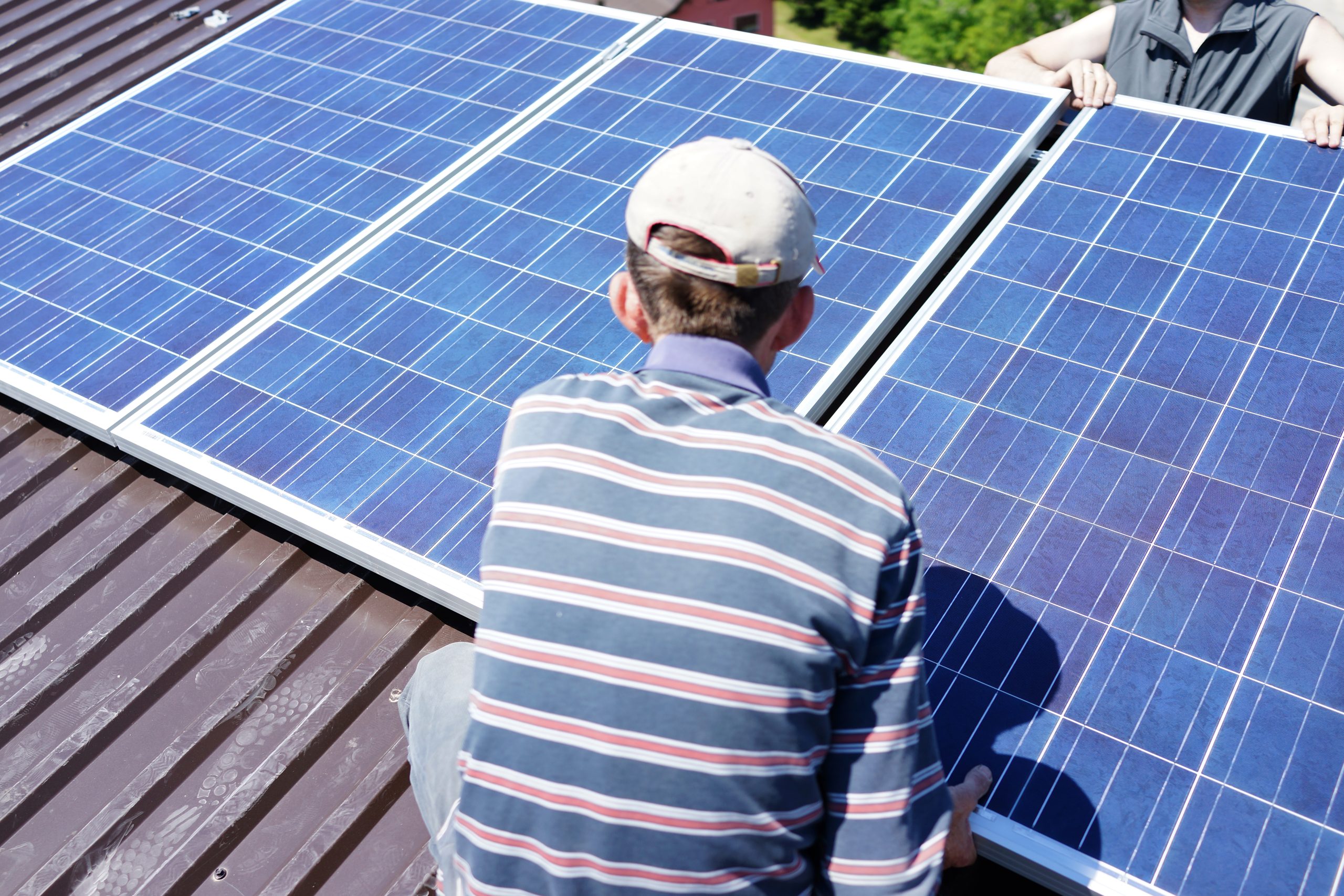
    While DIY enthusiasts may be tempted to take on this project themselves, installing solar panels is generally best left to professionals. Although it’s possible to install your own system—especially small off-grid solutions—there are numerous challenges involved including local regulations and permitting processes that must be navigated carefully. Professional installers not only ensure compliance but also optimize panel placement for maximum efficiency based on geographic location.

    *What Is Renewable Energy?**

    Renewable energy refers to energy derived from resources that replenish naturally over short periods of time: think sunlight (solar), wind (wind turbines), rain (hydropower), geothermal heat from the Earth’s core, and biomass from organic materials. These sources stand in stark contrast to finite resources like coal or oil which deplete over time and contribute heavily to environmental degradation.

    *How Long Does It Take For My Solar Batteries To Recharge?**

    The recharging time for solar batteries varies depending on several factors including battery type (lithium-ion vs lead-acid), capacity size, and available sunlight during charging hours. Generally speaking, most modern lithium-ion batteries can recharge fully within 4-8 hours under ideal conditions when connected directly to a properly sized solar panel array. Lead-acid batteries may require longer periods due to their chemical makeup but remain effective options in many applications.

    In conclusion, embracing solar power offers both financial savings and environmental benefits while dispelling common myths helps clarify its role in our sustainable future. As technology advances further into renewable solutions like this one, we can all play our part in creating a cleaner planet!

  • Solar Power 101: How to Tap into Renewable Energy

    Solar Power 101: How to Tap into Renewable Energy

    In an era marked by climate change and environmental concern, many are seeking sustainable alternatives for energy consumption. Among these options, solar power stands out not only as a viable solution but also as one that promises numerous benefits for our planet.

    solar energy panels at work BteRwTpVj 2 scaled

    *Is Solar Power Really Helpful to the Environment?**

    Absolutely! Solar power is one of the cleanest forms of energy available today. By harnessing sunlight, we reduce reliance on fossil fuels, which are notorious for emitting harmful greenhouse gases. Unlike conventional energy sources, solar panels generate electricity without producing air pollutants or toxic waste. The more people switch to solar energy, the lower our collective carbon footprint becomes—a crucial step toward combating global warming.

    *How Expensive is Solar Power?**

    The cost of going solar has seen a significant decline over recent years. While initial installation can be a hefty investment—often ranging from $15,000 to $25,000 depending on system size and location—many find that federal tax credits and local incentives can help offset these expenses considerably. Furthermore, once installed, solar panels can drastically reduce monthly electricity bills. In fact, many homeowners report savings within just a few years of their investment!

    *What is the Best Solar Power Generator?**

    Selecting the best solar power generator depends largely on your specific needs—be it portability or off-grid capability. However, brands like Goal Zero and Renogy have garnered positive reviews for their reliability and performance across various applications. For home use, grid-tied systems with battery storage from companies like Tesla (with their Powerwall) are often lauded for efficiency and integration with smart home technology.

    *Can I Install My Own Solar Panels?**

    Yes! If you’re handy with tools and have some electrical knowledge, DIY installation is possible—but proceed with caution! While saving money on labor costs may be tempting, improper installation could lead to inefficiencies or safety hazards. It’s advisable to consult local laws and regulations since some areas require professional installation for safety compliance.

    *What is Renewable Energy?**

    Renewable energy refers to power derived from resources that are naturally replenished on a human timescale. This includes not only solar but also wind, hydropower, geothermal, and biomass energies. As society strives towards sustainability, adopting renewable resources becomes paramount—not merely for reducing emissions but also ensuring future generations have access to safe and clean energy sources.

    *How Long Does it Take for My Solar Batteries to Recharge?**

    The recharge time of solar batteries varies based on battery type and capacity along with sunlight availability during charging hours. Generally speaking, lithium-ion batteries can take anywhere from 5-10 hours in optimal sunlight conditions to fully recharge when connected to a quality solar panel system. Monitoring your battery levels will help gauge how much sun exposure they receive during the day.

    In conclusion, tapping into solar power represents an exciting opportunity both environmentally and economically. As technology continues advancing—and costs diminish—the pathway toward cleaner energy becomes clearer than ever before. Whether you’re considering installation or simply curious about renewable options available today—embracing the sun’s potential could be your bright future!

  • Solar Power Revolution: Why You Should Make the Switch Today

    Solar Power Revolution: Why You Should Make the Switch Today

    In an age where energy consumption is at an all-time high and climate change looms over our planet, solar power emerges as a beacon of hope. But what exactly is solar power? At its core, solar energy harnesses sunlight, converting it into electricity through photovoltaic cells. This innovative technology not only promises to meet our energy needs but does so sustainably, paving the way for a cleaner future.

    One of the most compelling reasons to embrace solar power lies in its environmental impact. Traditional energy sources—like coal and natural gas—emit greenhouse gases that contribute significantly to global warming. In contrast, solar energy produces no emissions during operation. By adopting this renewable source, we can drastically reduce our carbon footprint. Imagine cities powered by the sun’s rays instead of fossil fuels; clean air, reduced pollution levels, and healthier ecosystems become attainable goals.

    a single wind turbine over a cloud filled blue sky BF0 uG 0Hj scaled

    Beyond its ecological advantages, making the switch to solar power makes sound economic sense. Initial installation costs may seem daunting; however, numerous studies indicate that homeowners can save thousands over time on their electricity bills. Many governments offer incentives such as tax credits or rebates for installing solar panels. Additionally, with rising energy prices and decreasing costs of solar technology, your return on investment (ROI) becomes increasingly favorable. In many regions, going solar is not just an eco-friendly choice—it’s a smart financial decision.

    The technological advancements in the realm of solar energy are nothing short of remarkable. Over the years, efficiency has seen significant improvements thanks to innovations like bifacial panels that capture sunlight from both sides and enhanced battery storage solutions allowing for greater energy retention for nighttime use or cloudy days. Smart grids equipped with AI are making it possible to optimize energy distribution in real-time while reducing waste—a game changer for renewable resources.

    mg i5a9842 scaled

    Despite these benefits, certain myths persist around solar power that can deter potential users from making the switch. One common misconception is that solar panels don’t work well in cloudy climates; however, they still generate electricity even on overcast days! Another myth suggests that maintaining panels is overly complicated or costly; in reality, minimal upkeep usually suffices to ensure they remain efficient for decades. Understanding these misconceptions is crucial for anyone considering this transition.

    So how do you get started with going solar? It’s simpler than you might think! First off, evaluate your home’s current energy usage by reviewing utility bills from previous months—this will give you insight into how much electricity you consume annually. Next up: research reputable local installers who can provide detailed assessments tailored specifically to your property’s unique needs and conditions.

    Once you’ve chosen a provider and received a system estimate based on your preferences and budgetary constraints—including any applicable incentives—you’ll be ready to sign contracts! After installation begins—usually taking only a few days—you’ll soon revel in watching those electric meters spin backward as your home becomes powered by sunshine!

    In conclusion, joining the Solar Power Revolution isn’t merely about accessing renewable energy; it’s about embracing sustainability while saving money in the long run—and perhaps more importantly—doing right by our planet’s future generations! The time has come to make this transformative switch today!

  • Going Green: How Solar Energy Can Save You Money

    Going Green: How Solar Energy Can Save You Money

    The world is undergoing a green revolution, with solar energy at the forefront of this transformative movement. Harnessing the power of the sun, solar panels convert sunlight into electricity, providing a sustainable energy source that not only benefits the environment but also your wallet. In an era where rising utility costs are becoming a norm, shifting to solar energy has never been more appealing.

    AS6 2461 154 scaled

    Understanding your energy costs is crucial in recognizing how solar can significantly reduce your bills. Traditional electricity rates fluctuate and often increase due to various factors like demand spikes and fuel costs. By installing solar panels, you can generate your own power, effectively slashing your monthly expenses. Imagine producing enough electricity to cover most or even all of your needs! With net metering programs in many areas, any excess energy produced can be sold back to the grid, further enhancing your savings.

    Financial incentives make going solar an even more attractive option. Many governments offer tax credits and rebates that can offset installation costs significantly. For instance, in the United States, federal tax credits allow homeowners to deduct a substantial percentage of their solar system’s cost from their federal taxes. Additionally, some states and localities provide additional rebates or grants which can further lower upfront expenses. Taking advantage of these incentives makes adopting renewable energy not just environmentally responsible but also financially savvy.

    Choosing the right solar system is essential for maximizing benefits while staying within budget constraints. Various options exist depending on space availability and financial considerations—grid-tied systems are often less expensive and simpler to install than off-grid systems but still provide substantial savings on energy bills. Furthermore, companies today offer flexible financing options such as leases or power purchase agreements (PPAs), allowing you to start saving immediately without hefty upfront payments. Understanding what fits best for you involves careful research and sometimes consulting with professionals who can tailor solutions based on individual needs.

    When considering long-term savings, analyzing the return on investment (ROI) is pivotal. While initial installation may seem daunting financially, studies show that homeowners typically recoup their investment within 5-10 years through reduced electric bills alone. Beyond that point? It’s pure profit! Moreover, many systems come with warranties lasting 20-25 years or longer; this means decades of savings ahead—not to mention increased home value as properties equipped with solar systems tend to sell faster and at higher prices.

    wind turbine silhouette sunset or sunrise economic system background rD3eYTydnMx 1 scaled

    Yet the advantages extend beyond mere dollars and cents; opting for solar energy has profound environmental implications too. Every kilowatt-hour generated from sunlight reduces reliance on fossil fuels thereby cutting greenhouse gas emissions significantly—something our planet desperately needs as climate change looms larger than ever before. By choosing solar power, you’re not just investing in personal savings; you’re contributing positively towards a cleaner future for generations to come.

    In conclusion, embracing solar energy offers multifaceted benefits: significant reductions in utility bills thanks to self-generated power coupled with enticing financial incentives make it an economically sound choice while promoting sustainability for our planet’s health. So why wait? Dive into the world of solar today—your wallet will thank you!

  • Solar Myths Debunked: What You Really Need to Know

    Solar Myths Debunked: What You Really Need to Know

    In recent years, solar energy has emerged as a powerful alternative to traditional fossil fuels, igniting conversations about sustainability and innovation. However, with its rise in popularity comes an array of misconceptions that can cloud the truth. Let’s shine a light on the realities of solar energy, debunk some common myths, and explore what you truly need to understand about this renewable resource.

    *Understanding the Basics: What Solar Energy Really Is**

    At its core, solar energy harnesses sunlight to generate electricity or heat. This is accomplished primarily through photovoltaic (PV) cells found in solar panels. These cells convert sunlight directly into electricity, while solar thermal systems utilize the sun’s heat for applications such as heating water or spaces. The beauty of solar energy lies in its abundance; it’s clean, inexhaustible, and available almost everywhere on Earth.

    AS6 3700 299 1 scaled

    *Common Misconceptions: Myths vs. Facts about Solar Panels**

    Let’s tackle some pervasive myths head-on.

    One prevalent myth suggests that solar panels are ineffective in cloudy regions or during winter months. In reality, while sunny days do maximize efficiency, panels can still generate power under overcast conditions! They capture ambient light and can function effectively year-round.

    Another misconception is that installing solar panels is too complicated and requires extensive maintenance. On the contrary, modern systems are designed for durability with minimal upkeep needed—just occasional cleaning to remove dust or debris will suffice!

    Additionally, many believe that only homeowners can benefit from solar energy. Not true! Businesses and renters have options too; community solar programs allow individuals without roof access to invest in shared solar projects.

    *The Financial Truth: Cost, Savings, and Incentives Explained**

    Let’s discuss money matters—the most crucial aspect for many potential adopters. It’s a common belief that solar installations are prohibitively expensive. While initial costs might seem daunting—averaging between $15,000-$25,000 before incentives—the long-term savings on utility bills often outweigh these upfront expenses.

    Moreover, tax credits and rebates significantly reduce overall costs—thanks to federal initiatives offering up to 26% off installation costs until 2023! Many states also provide additional incentives specific to local regulations that further ease financial burdens.

    But wait—there’s more! With net metering policies available in several areas, homeowners can sell excess power back to the grid—a fantastic way to earn credit against future utility bills!

    *Going Green: The Environmental Impact of Solar Energy**

    Transitioning to solar energy isn’t just a savvy financial move; it’s also an environmental game-changer. By opting for renewable sources like sunlight rather than fossil fuels, we drastically reduce greenhouse gas emissions responsible for climate change.

    Solar systems require significantly less water compared to conventional power plants; they produce no air pollutants during operation. Moreover, advancements in technology continue making production processes more sustainable as manufacturers focus on reducing waste associated with panel creation.

    Investing in solar not only empowers individuals but contributes to healthier ecosystems worldwide by promoting cleaner air quality and conserving precious natural resources.

    In conclusion, dispelling these myths sheds light on the tremendous benefits of embracing solar energy—not just for personal gain but for our planet’s future as well. With clearer facts at your disposal about how this technology works financially and environmentally alike—you now hold the knowledge necessary to make informed decisions about going green!

    electricity generating solar energy panels BFZCTa6Ns 3 scaled

  • The Future of Renewable Energy: Solar’s Leading Role

    The Future of Renewable Energy: Solar’s Leading Role

    1. Increasing Efficiency of Solar Technology

    Advancements in Solar Panel Efficiency

    One of the most exciting things about solar technology is how quickly it’s improving. I remember when solar panels could barely convert 15% of sunlight into energy. Now, we’re seeing panels that push past 22% efficiency! That leap is huge for anyone considering going solar, as more power for your roof means less space needed.

    Additionally, researchers are always looking for innovative materials like perovskite, which could make solar technology even more efficient. It’s a thrilling time in the industry; we might soon see even higher efficiency ratings, which could make solar even more accessible and appealing to homeowners.

    So whether you’re contemplating installing panels or just curious about the tech, keep an eye out—solar efficiency is only going to get better, and that means more energy options for us all!

    Cost Reductions Through Technological Innovation

    Cost is often a barrier for folks thinking about switching to solar, right? Just a decade ago, solar installations came with a hefty price tag. Thanks to better manufacturing processes and technology improvements, the costs have plummeted. I’ve seen solar prices drop by over 70%, and many regions have great incentives to help you save even more.

    With these lower costs, going solar isn’t just for the tech-savvy or well-off anymore. It’s now a real option for many folks who want to save money on their energy bills and contribute to a cleaner planet.

    At the end of the day, understanding how the technology is evolving can help you make an informed decision if you’re considering this energy transition.

    The Role of Smart Grids

    Now, let’s talk about smart grids. These nifty systems are basically the nervous system of modern electricity supply. They help integrate more solar power into our existing energy framework, which is crucial since solar is variable. If it’s sunny, we need to use that energy efficiently!

    Personal experience has shown that smart grids can manage energy supply more effectively, reducing waste and even helping people sell excess energy back to the grid. Imagine making a little money while your panels are just sitting there soaking up the sun—it’s a real game changer!

    As we move forward, more homes and municipalities are going to adopt smart grid technologies, further pushing solar energy into the spotlight as a major player in the energy game.

    2. Policy Support and Legislation

    Government Incentives and Subsidies

    Let me tell you, policy can make a world of difference in the renewable energy sector. In various places, governments are offering generous incentives to encourage solar adoption. These can come in the form of tax credits, rebates, or even grants. When I first looked into solar, I was blown away by the number of options available that could help offset the costs.

    Not only do these incentives make going solar more affordable, but they also stimulate job creation in the renewable energy sector—something we desperately need. Everyone wins when the government gets behind solar!

    If you’re curious about what’s available in your area, make it a point to check with local energy offices or websites. You might be surprised to find financial support that makes your solar dreams come true.

    International Agreements and Climate Goals

    Climate change is a big conversation, and solar energy stands at its forefront. International agreements, like the Paris Agreement, have led many countries to commit to reducing carbon emissions significantly. I’ve noticed a surge in countries prioritizing renewable energy, including solar, to meet these ambitious goals.

    These agreements create a framework that encourages nations to invest in solar technology and infrastructure. Companies and homeowners are included in this journey, which helps convert lofty climate talk into tangible actions that can change our energy landscape.

    It’s inspiring to watch different countries push each other and work collectively on renewable energy solutions, especially solar. And it helps when you know that your personal solar efforts contribute to a global movement.

    Local and State-Level Initiatives

    While national policies are essential, let’s not forget about local initiatives. Many states are leading the way with their own renewable energy goals—some even pledging to go 100% renewable by a certain date. I’ve seen towns rolling out community solar projects that allow even renters to benefit from solar energy!

    Local initiatives can lead to tailored solutions that account for the unique needs of communities. They often engage local citizens in conversations about energy efficiency and cleaner options, inviting them to be part of the solution.

    This grassroots approach fosters collaboration and resource-sharing that can ultimately make solar more accessible to everyone. It’s a win-win, and it feels great to get involved at the community level!

    3. Growing Public Awareness and Acceptance

    The Shift in Public Perception

    It’s fascinating to watch how public perception around solar energy has shifted over the years. I remember when solar felt like an experimental tech only for environmentalists. Now, it’s trendy! More people are realizing that not only is solar good for the environment, but it’s also practical and cost-effective.

    As education spreads, I’ve noticed more homes sporting solar panels that weren’t there just a few years ago. This kind of acceptance can only grow and lead to increased demand for solar energy solutions.

    Just think about it: as our friends and neighbors embrace solar, it creates a powerful ripple effect that encourages even more people to join in on the clean energy movement!

    Community Engagement and Activism

    Activism plays a huge role in shifting the narrative around renewable energy. More communities are rallying for cleaner energy solutions and supporting local solar initiatives. I’ve seen local groups host events that not only educate but also empower people to take action. Engaged citizens lead to policy changes, greater investments, and widespread adoption.

    Getting involved at the grassroots level can be really powerful. I encourage anyone feeling passionate about solar or sustainability to find local groups or initiatives that resonate with them. Together, we can build a more sustainable future!

    Community engagement helps break down the barriers that may keep some folks on the sidelines—everyone has a role to play!

    Educational Outreach

    Education is absolutely key to promoting solar energy. Schools and universities are increasingly offering programs and courses focused on renewable energy technologies, helping equip young people with the knowledge they need for the future. I think it’s inspiring to know that the next generation will be better equipped to tackle energy challenges.

    Moreover, public workshops and informational sessions provided by local utilities or non-profits have emerged regularly, educating potential users about the benefits and processes of solar energy. I’ve met so many individuals who became interested in solar simply by attending an informative webinar or local event.

    With more and more people educated about the benefits and realities of solar energy, I genuinely believe we can expect continued growth in adoption rates in the coming years.

    4. Technological Innovations Driving Adoption

    Emerging Technologies in Solar Energy

    Emerging technologies in solar energy are nothing short of incredible! From solar shingles to solar-powered roofs, there’s a world of innovation on the horizon. I personally think it’s super cool that you can now blend aesthetic norms with solar tech—not just jarring panels on a rooftop but sleek, integrated designs!

    These innovations make it increasingly attractive and practical for a wide variety of homes, making it easier for people to consider making the switch. If aesthetics match performance, I can’t imagine why anyone wouldn’t want to explore solar options.

    Keeping up with these emerging technologies isn’t just for techies; it’s crucial for anyone curious about renewable energy!

    Storage Solutions: Battery Technology

    One of the big concerns folks have had with solar energy is around energy storage, especially on cloudy days. Enter battery technology! Recent advancements, like lithium-ion and even the newer solid-state batteries, have changed the game.

    I’ve talked to quite a few friends who’ve invested in home battery systems, allowing them to store excess solar energy for when they need it most. It’s truly amazing to think about how this level of flexibility can help folks control their energy consumption, especially during peak hours.

    As we know, this technology is still evolving, and I’m eagerly waiting to see where it goes! It’s a vital part of ensuring solar energy can compete with traditional supplies.

    Integration of Smart Technologies

    Smart home technology is becoming a fantastic ally to solar energy. I’ve dived into using smart thermostats and controls that optimize energy use based on when my solar energy supply is at its peak.

    These devices can easily communicate with your solar setup to maximize savings and minimize your energy bills. The combination of solar energy with smart tech is game-changing—it creates a dynamic energy management system.

    As technology continues to improve, I strongly believe more folks will recognize the value of integrating solar into their everyday lives. It’s not just about solar panels this time; it’s about making our homes smarter too!

    5. Future Prospects for Solar Energy

    Global Market Growth

    The solar market is showing no signs of slowing down. As I keep my ear to the ground, it’s clear that investment funds are pouring into solar companies and projects worldwide. The potential for continued growth is enormous—think about all the countries hopping on the renewable energy bandwagon!

    With so much investment and interest, we can expect innovations and improvements across the board. Over the next few years, solar’s pie piece in the global energy mix is going to expand significantly!

    For anyone considering investing, now might be a golden time to look into solar technology, companies, or start-ups that are shaping this promising sector.

    Solar Energy in Developing Countries

    One of the most hopeful trends I’ve witnessed is the integration of solar energy in developing nations. With limited access to reliable electricity, these communities are turning to solar as a solution. I’ve read fantastic success stories where solar installations have powered schools and clinics!

    These projects not only provide power but empower communities, fostering economic growth and improving quality of life. The ripple effects can be life-altering, and it’s just amazing to see how solar is fostering change.

    As this trend continues, I’m optimistic that we’ll see a more balanced global energy landscape, driven by the beautiful promise of solar power.

    Technological Advancements Driving Domestic Growth

    With every passing year, breakthroughs in technology create new opportunities that were previously thought impossible. Whether it’s lower prices for solar panels or better integration with other renewable sources, the prospects for solar seem brighter than ever!

    As these technologies mature, more households will be able to leverage solar for both personal savings and environmental benefits. It’s an exciting prospect that I can’t help but get giddy about!

    Ultimately, the future of solar and renewable energy is very promising, and we should all keep our eyes peeled as the landscape continues to evolve.

    Frequently Asked Questions

    1. What are the main factors contributing to the growth of solar energy?

    The growth of solar energy can be attributed to increasing efficiency and cost reductions in technology, supportive governmental policies, growing public awareness, and technological innovations.

    2. How can individuals take advantage of government incentives for solar energy?

    Individuals can research local and national incentives through government websites or local energy agencies and apply for tax credits, rebates, or grants that help reduce the upfront costs of solar installations.

    3. What role do smart grids play in solar energy adoption?

    Smart grids manage energy supply and demand effectively, allowing the integration of more solar energy into the electric system, enhancing efficiency, and enabling users to sell excess energy back to the grid.

    4. Are there any educational resources available for learning about solar energy?

    Absolutely! Many schools, universities, and local organizations offer workshops, webinars, and courses focused on renewable energy, especially solar. Educational platforms also provide online resources.

    5. What’s the future outlook for solar energy globally?

    The future outlook for solar energy is optimistic, with an expected increase in global market growth, adoption in developing countries, and ongoing technological advancements that will drive domestic growth further.

  • Harnessing the Sun: How Solar Energy is Transforming Our Future

    Harnessing the Sun: How Solar Energy is Transforming Our Future

    In a world increasingly aware of climate change and its implications, solar energy emerges as a beacon of hope. This abundant resource, harnessed from the sun’s rays, offers an innovative approach to power generation that promises to reshape our future.

    At its core, solar energy is derived from sunlight—a natural and renewable power source. The process begins when solar panels capture photons emitted by the sun. These photovoltaic cells convert light into electricity through the photovoltaic effect, creating an efficient way to generate clean energy. Unlike fossil fuels, which release harmful emissions and contribute to global warming, solar power is environmentally friendly. By tapping into this inexhaustible resource, we can reduce our dependence on non-renewable sources while promoting sustainability.

    The realm of solar technology is a hotbed for innovation. Recent advancements have dramatically improved efficiency and accessibility. For instance, bifacial solar panels are gaining traction; they absorb sunlight from both sides, enhancing electricity production without requiring additional space. Moreover, innovations like building-integrated photovoltaics (BIPV) allow structures to blend seamlessly with their surroundings while generating energy—think solar shingles or windows! Additionally, developments in battery storage technology enable us to store excess energy for use during cloudy days or at night. Such breakthroughs signify a transformative shift in how we perceive and utilize solar technology.

    But what about the environmental impact? Solar energy plays a pivotal role in mitigating climate change by significantly lowering our carbon footprint. According to various studies, switching to solar power can reduce greenhouse gas emissions by millions of tons annually—equivalent to taking millions of cars off the road! Furthermore, the lifecycle of solar panels has been scrutinized for sustainability; with proper recycling methods now being developed, concerns surrounding waste are steadily diminishing. As more homeowners and businesses adopt this green alternative, we inch closer to achieving cleaner air and conserving precious natural resources.

    Looking ahead, the future of solar energy appears bright—figuratively speaking! Policy changes around the globe are encouraging community adoption trends that foster growth in this sector. Governments are offering tax incentives and rebates that make installing solar systems more financially feasible for households and businesses alike. In many regions, net metering policies allow users to sell excess electricity back to the grid—creating an appealing economic model that encourages investment in renewable energies.

    mg 9i5a4209 scaled

    Moreover, grassroots movements advocating for sustainable practices are emerging within communities worldwide. Neighborhood initiatives promoting shared solar arrays provide access even for those unable to install panels on their roofs due to financial constraints or physical limitations—ensuring equitable distribution of benefits across diverse populations.

    mg i5a9857 2 scaled

    In conclusion, harnessing the sun represents more than just technological progress; it’s a paradigm shift towards a sustainable future powered by clean energy. With ongoing innovations making solar systems more efficient and user-friendly coupled with supportive policies driving community adoption trends forward—we stand at the cusp of monumental change that redefines how we generate power while nurturing our planet’s health for generations to come. The sun shines brightly upon us; let’s embrace it as our ally in crafting a greener tomorrow!

  • Going Green: The Financial and Environmental Benefits of Solar Power

    Going Green: The Financial and Environmental Benefits of Solar Power

    In recent years, solar power has surged in popularity, emerging as a beacon of hope for both environmentally conscious individuals and savvy homeowners looking to save money. But what exactly is the solar advantage? Understanding the fundamentals can illuminate just how transformative this energy source can be for your wallet and the planet.

    At its core, solar power harnesses sunlight through photovoltaic (PV) cells, converting it into usable electricity. This clean energy alternative reduces reliance on fossil fuels and offers an abundance of sunshine waiting to be tapped into. With technology advancing rapidly, solar panels have become more efficient and accessible than ever before. The prospect of generating your own electricity from a renewable source is not only appealing but increasingly practical.

    Now let’s talk numbers—specifically, how going solar can lighten your financial load. Many homeowners are surprised to discover that installing a solar energy system can lead to significant savings over time. Federal tax incentives, state rebates, and local programs often exist to encourage the switch to renewable energy sources. For instance, the federal solar tax credit allows you to deduct a substantial percentage of your installation costs from your federal taxes. In some cases, this incentive alone can offset thousands of dollars in expenses!

    Furthermore, reducing monthly electricity bills is another compelling reason to consider solar energy. Once installed, your system will generate free electricity for decades—typically 25 years or more! Imagine watching your utility bill shrink while contributing positively to the environment; it’s a win-win situation that many homeowners cherish.

    Speaking of environmental benefits—let’s delve into the eco-friendly impact of adopting solar power. Traditional energy generation methods contribute significantly to greenhouse gas emissions and climate change. By choosing solar, you’re actively participating in reducing carbon footprints and promoting cleaner air quality for future generations. Each kilowatt-hour generated by solar panels mitigates harmful emissions that would otherwise result from burning fossil fuels.

    Moreover, embracing solar energy can help preserve precious natural resources such as water—energy production often requires vast amounts of water for cooling processes in conventional plants. Transitioning to a sustainable model like solar drastically minimizes these needs, making it an essential component in fighting ecological degradation.

    So how does one embark on this green journey? Making the switch doesn’t have to be daunting; there are straightforward steps you can follow:

    1. **Research**: Start by gathering information about different types of systems available—grid-tied vs. off-grid—and their respective benefits.

    2. **Assess Your Home**: Evaluate your roof space and orientation toward sunlight exposure; south-facing roofs typically yield optimal results.

    3. **Find Reputable Installers**: Seek out qualified professionals with solid reviews or recommendations who understand local regulations and financing options.

    4. **Explore Financing Options**: Investigate loans or leasing programs if upfront costs pose a barrier; many companies offer flexible payment plans tailored to individual budgets.

    5. **Monitor Performance**: Once installed, keep track of your system’s output; this ensures everything functions correctly while allowing you to witness firsthand how much you’re saving.

    Transitioning to solar power is not just about capitalizing on immediate financial rewards; it’s a commitment toward sustainability that pays dividends for years ahead—both economically and ecologically! Embrace this opportunity today because every small step counts when we strive toward greener living together!

    mg i5a9842 1 scaled

  • Solar Power Revolution: How It’s Reshaping Our Future

    Solar Power Revolution: How It’s Reshaping Our Future

    The sun, a colossal ball of energy, is at the forefront of a revolution in how we power our world. The rise of solar energy has been nothing short of remarkable. Globally, countries are recognizing the benefits of harnessing this abundant resource, driving policies and investments toward renewable solutions. From vast solar farms in the deserts to rooftop installations in urban areas, solar energy’s footprint is expanding rapidly. The International Energy Agency reported a staggering increase in global solar capacity, marking it as one of the fastest-growing energy sources. As nations grapple with climate change and energy demands, solar power emerges as a beacon of hope for sustainable development.

    But how exactly does this technology work its magic? At its core, solar power transforms sunlight into electricity through two primary methods: photovoltaic (PV) systems and concentrated solar power (CSP). PV systems utilize semiconductor materials that generate an electric current when exposed to sunlight. This process occurs at the atomic level; photons from sunlight excite electrons within the material, creating an electrical flow. On the other hand, CSP systems use mirrors or lenses to concentrate sunlight onto a small area, generating heat that drives turbines to produce electricity. Both methods showcase the ingenuity behind converting nature’s light into usable energy.

    solar energy panels at work BteRwTpVj 3 scaled

    The economic advantages associated with solar energy are equally compelling. For households and businesses alike, adopting solar panels can lead to significant cost savings on electricity bills. With decreasing installation costs and numerous financing options available, more people can access this technology than ever before. Moreover, the burgeoning industry creates job opportunities across various sectors—from manufacturing and installation to maintenance—fueling local economies. According to recent reports, jobs in the U.S. solar sector have grown exponentially over just a few years; thousands are now employed in roles dedicated to clean energy solutions.

    Equally important is the positive environmental impact that accompanies widespread adoption of solar technology. By shifting away from fossil fuels and reducing reliance on coal or natural gas plants, we can substantially lower our carbon footprint. Solar power generates clean electricity without releasing harmful emissions or pollutants into our atmosphere. This transition not only helps combat climate change but also improves air quality health for communities around the globe.

    environment M1 RqyCd scaled

    Looking ahead, innovations continue to reshape the landscape of solar technology. The future is bright with advancements like bifacial panels—which capture sunlight on both sides—enhancing efficiency levels significantly compared to traditional models. Additionally, groundbreaking research into perovskite cells holds promise for even cheaper production costs and higher performance metrics than existing silicon-based technologies.

    As we embrace smart grid technologies that allow for better integration of renewable sources into existing infrastructures and explore battery storage solutions capable of retaining excess energy generated during sunny days for consumption during nighttime hours—the potential appears limitless.

    In conclusion, as we stand on the brink of what many call a ‘solar revolution,’ it’s clear that harnessing sunlight will play a crucial role in shaping our future economy and environment alike. The combination of technological advancements coupled with collective action towards sustainability could illuminate paths previously thought impossible—propelling us toward cleaner air and greener living spaces while ensuring affordable access to resources for generations yet unborn!

  • Solar Power Myths Debunked: What You Really Need to Know

    Solar Power Myths Debunked: What You Really Need to Know

    Solar power is rapidly gaining traction as a viable energy solution, but many people are still clouded by misconceptions. Let’s peel back the layers on solar energy and uncover what you truly need to know.

    *Understanding the Basics: What is Solar Power?**

    At its core, solar power harnesses sunlight and converts it into electricity or heat. This transformation occurs through photovoltaic cells in solar panels that capture photons from sunlight. These energetic particles excite electrons, creating an electric current. Simple, right? As the technology has evolved, so has our ability to tap into this abundant resource efficiently and economically.

    *Myth vs. Reality: Common Misconceptions About Solar Energy**

    Despite its growing popularity, several myths linger around solar energy. One common misconception is that solar panels only work in sunny climates. While it’s true that sunnier locations yield better results, modern panels are designed to capture light even on cloudy days. Another myth suggests solar systems require extensive maintenance; however, most installations need little more than occasional cleaning and a routine inspection every few years.

    People often believe that installing solar panels will significantly increase their home insurance costs. In reality, many homeowners experience minimal changes in their premiums once they install a system—if any at all! Additionally, some think going solar means being completely off the grid; while that’s an option for some, most residential systems are tied to the utility grid for added reliability.

    *The Financial Perspective: Are Solar Panels Really Worth the Investment?**

    The financial implications of choosing solar can be daunting yet rewarding in the long run. Upfront costs may seem high; however, numerous incentives exist—federal tax credits and state rebates reduce initial expenses significantly. Furthermore, many homeowners see a decrease in their monthly utility bills after installation.

    Return on investment (ROI) varies depending on location, panel efficiency, and energy consumption habits but generally falls between five to seven years for most households. The long-term savings often outweigh initial costs when you consider rising electricity rates over time!

    *Environmental Impact: How Solar Power Contributes to a Greener Planet**

    Switching to solar power isn’t just about saving money; it’s also about making a positive impact on our planet! Utilizing renewable energy reduces dependency on fossil fuels and decreases greenhouse gas emissions significantly. According to research studies, one average-sized home going solar can eliminate approximately 100 tons of carbon dioxide over its lifetime—that’s like planting more than two acres of trees!

    Adopting clean energy sources helps combat climate change while promoting sustainable living practices that benefit future generations.

    *Installation and Maintenance: What to Expect When Going Solar**

    Navigating the transition to solar can feel overwhelming initially—but it doesn’t have to be! The process typically begins with a consultation where professionals assess your property’s suitability for solar installation based on factors like roof orientation and shading.

    Once you proceed with installation—which usually takes just one or two days—you’ll soon enjoy your new system’s benefits! Maintenance is minimal—most manufacturers recommend inspections every few years alongside regular cleaning if necessary due to dust or debris accumulation.

    *The Future of Solar Energy: Innovations and Trends to Watch**

    As we look ahead into the realm of renewable energy, exciting innovations abound! Bifacial panels that harvest sunlight from both sides show promising potential for increased efficiency while floating solar farms leverage unused water bodies as sites for installations.

    JM Industrial DSC00737 scaled

    Furthermore, battery storage technology continues evolving—allowing homeowners greater control over their power supply during outages or peak demand periods without relying solely on grid access.

    In conclusion, understanding these aspects of solar power not only dispels myths but also empowers informed decisions toward adopting cleaner energy solutions—a step forward towards sustainability!