Tag: renewable energy

  • Solar Panels 101: Everything You Need to Know About Installing and Using Them

    Solar Panels 101: Everything You Need to Know About Installing and Using Them

    Introduction to Solar Panels

    If you’re considering making the switch to solar power, then congratulations! By choosing renewable energy, you’ll not only be reducing your carbon footprint but also saving money on your electricity bills in the long run. In this article, we’ll cover everything you need to know about installing and using solar panels.

    Types of Solar Panels

    There are several types of solar panels available on the market today. The most common type is monocrystalline silicon, which is made from a single crystal of silicon and has a high efficiency rate. Polycrystalline silicon is another popular option that uses multiple crystals of silicon and is slightly less efficient than monocrystalline panels. Other types include thin-film solar panels, which use layers of photovoltaic (PV) material deposited onto a substrate, and bifacial solar panels, which generate electricity from both sides of the panel.
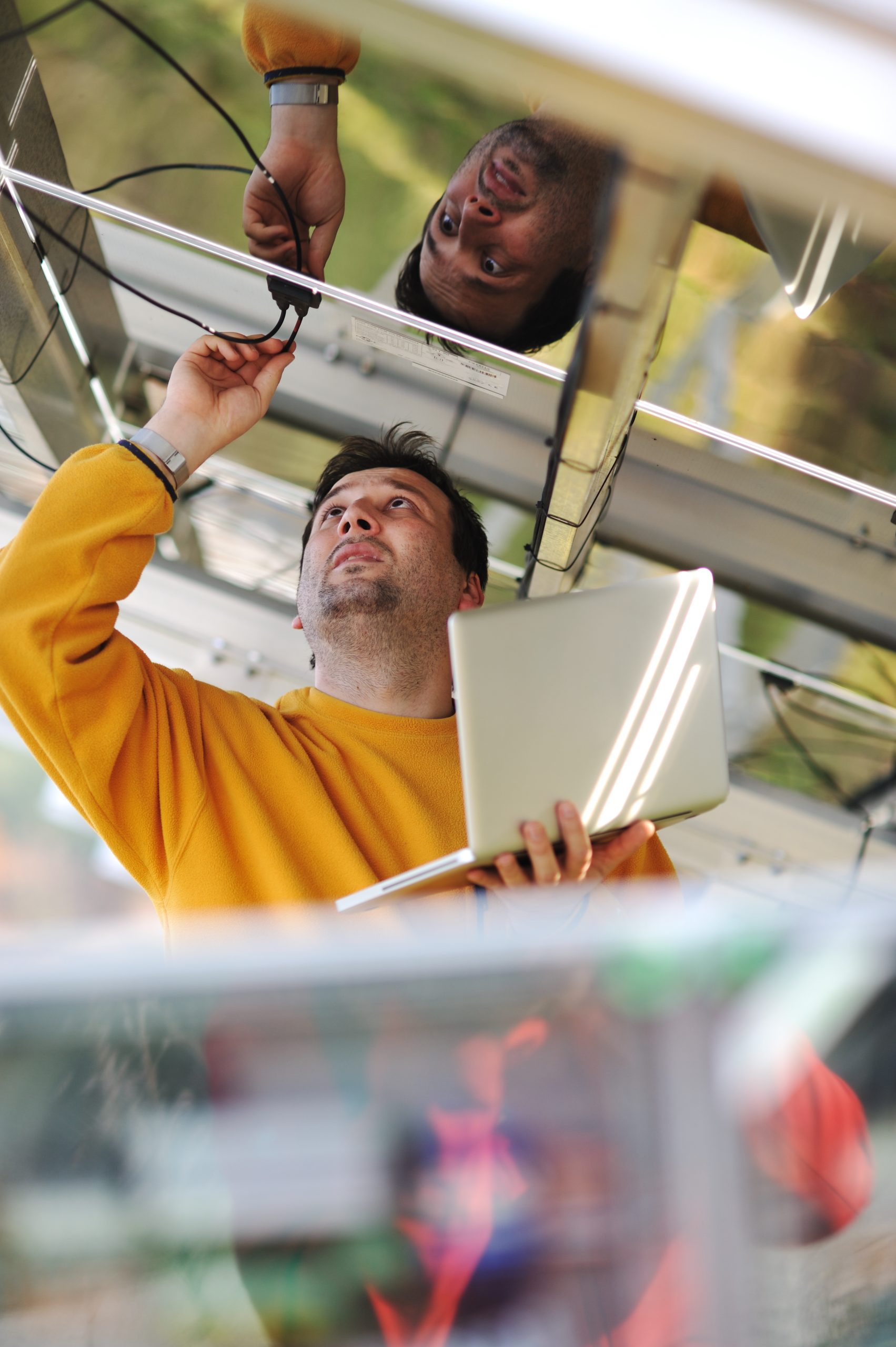
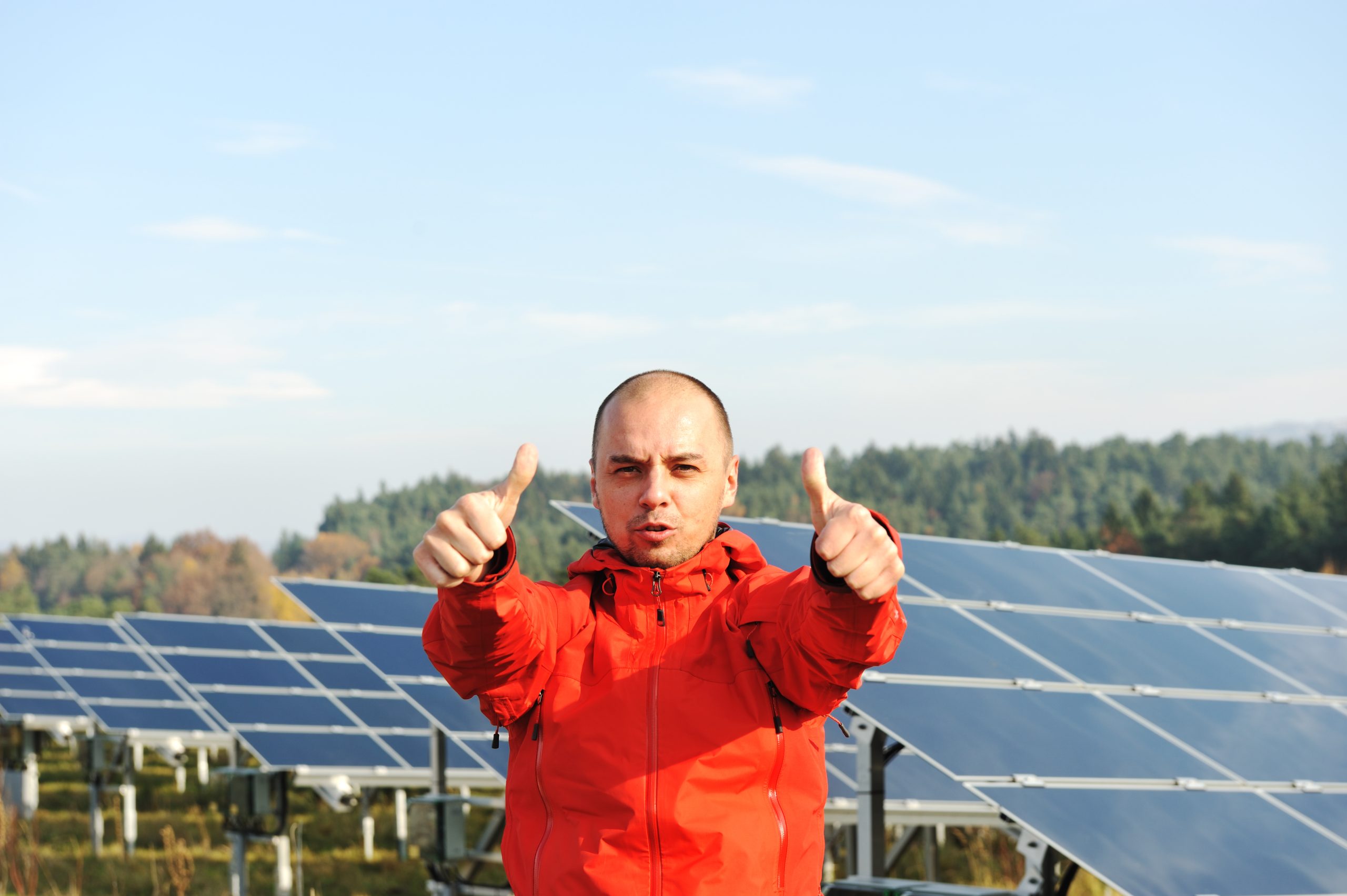
    young expert working at solar panels HKZqpITHj scaled

    How Do Solar Panels Work

    Solar panels work by converting sunlight into usable electrical energy through the photovoltaic effect. When light hits the PV cells on the surface of the panel, it causes electrons to become excited and move around, creating an electric current. This current is then sent to an inverter, which converts it into AC electricity that can be used to power your home or fed back into the grid.
    JM Industrial YAX 9887 1 scaled

    Benefits of Using Solar Power

    One of the main benefits of using solar power is that it reduces your reliance on fossil fuels and helps to combat climate change. Additionally, solar panels can help you save money on your electricity bills over time, as they typically have a lifespan of at least 25 years. Many people choose to install solar panels as a way to increase their property value, as homes with solar systems tend to sell for more than those without them.

    The Cost of Installing Solar Panels

    The cost of installing solar panels varies depending on factors such as the size of your system, the location of your home, and the quality of the components you choose. On average, however, the cost per watt of installed capacity ranges from $3-$6, meaning that a typical residential system might cost between $7,000 and $14,000 after tax credits and rebates.

    What is the Payback Period for Solar Panels

    The payback period for solar panels depends on various factors, including the system’s initial cost, the amount of electricity it generates, and the prevailing electricity rates in your area. Generally speaking, though, most homeowners see a return on investment within 5-10 years, after which point their solar system will begin generating pure profit.

    Choosing a Reputable Installer

    When selecting a company to install your solar panels, it’s essential to choose one that has a good reputation and experience in the industry. Look for reviews from other customers, check if they offer warranties on their workmanship, and make sure they have all necessary licenses and certifications.

    Maintenance and Cleaning Tips

    Once your solar panels are installed, there’s very little maintenance required beyond occasional cleaning. To keep your panels functioning efficiently, try to avoid shading them with trees or buildings, and give them a quick rinse every few months to remove any dirt or debris buildup. If you live in a particularly dusty or polluted area, you may want to consider hiring a professional cleaner once a year.

    Common Myths About Solar Panels Debunked

    Despite the growing popularity of solar power, many myths still persist about its efficacy and affordability. Some of the most common misconceptions include the idea that solar panels don’t work well in cloudy climates, that they require frequent repairs and replacement, and that they’re too expensive for the average homeowner. However, these beliefs couldn’t be further from the truth; modern solar panels are designed to perform optimally even under low-light conditions, and with proper installation and maintenance, they can last upwards of 25 years with minimal repair costs. As for pricing, thanks to government incentives and decreasing manufacturing costs, solar power is becoming increasingly accessible to households across the country.

    Conclusion

    In conclusion, switching to solar power is a smart decision for anyone looking to reduce their environmental impact while also saving money on their utility bills. With so many options available in terms of panel types, financing methods, and installer choices, there’s no reason why everyone shouldn’t consider going solar. So what are you waiting for? Start researching your options today and take the first step towards a brighter, greener future.
  • Solar Energy Advice That Can Work For You

    Solar Energy Advice That Can Work For You

    Solar power is a good candidate for anyone thinking about green energy. Solar energy uses one of Mother Earth’s most renewable energy sources, the sun. Continue reading to learn a little more about solar energy and how it can benefit you and the environment.

    There are two major kinds of photo-voltaic panels. The cheapest are poly-crystalline, but mono-crystalline are more efficient. It makes the most sense to buy the highest-efficiency product possible if you intend to power your house with solar energy.

    Outdoor Lights

    When using solar energy for the first time, it’s probably a good idea to start out small. Buy some solar-powered lighting to reduce energy usage. You can find these in almost any type of home improvement store. Installation is as simple as placing them in the ground along your walkway.

    TIP! When using solar energy for the first time, it’s probably a good idea to start out small. You can try solar energy without making a major commitment by installing solar landscaping lights.

    Although adding a solar system is a big job, it does not take any major renovations. At minimum, you might consider simply replacing your outdoor lights with solar powered lighting. Your outdoor lights can keep shining all night, except maybe during the longest winter nights, using the charge they stored from the sun that day.

    If you want to lease a solar energy system, choose a lease that can be transferred in case you decide to move. This is very important because if you sell your home, you could be stuck paying for a lease on a solar unit that you cannot use. Being able to transfer your lease will relieve you of your obligation and permit the new residents to take advantage of solar energy.

    It’s important to have backup if your solar panels aren’t working properly. A great choice is a generator. Or, you could stay hooked up to a power grid and get power when panels are down. If you choose to get a generator, keep a few on hand and test them on a routine basis.

    To get the most from solar panels in your home or business, go for installations that use technology not directly reliant on the sun’s schedule. Newer panels allow you to store energy and use it later when there are no sun rays. This comes in handy for those that use electricity at night.

    TIP! To gain more from solar panels for a business or home, get installations that have technologies that don’t directly rely on our sun’s schedule. Lots of new versions can store solar energy during the day, but allow for utilization of the power at any time.

    Search for grants and rebates to assist with solar panel costs. If you cannot find any grants or rebates you qualify for, be prepared to spend a lot on your solar energy system. Look into government rebates and grants that will reward you for using a renewable energy. They work to lower the cost substantially. It may be possible to get tax deductions for your costs.

    Solar Energy

    There are many different things to factor in when deciding whether or not to install a solar energy system into your home. Determine if you will be saving money over the course of the year with them. If you jump into solar energy without the proper research, you may end up with a costly mistake.

    A solar heating system for your water is very helpful to the environment. You can choose from several different types of solar water tanks. You can put these in a good location positioned on your roof.

    solar energy advice that can work for you

    TIP! Using solar power to heat the water you use is a terrific method of protecting the environment. You will find many different option for solar heated water.

    Be certain the solar panels you choose are installed in the most advantageous way for sun exposure year round. If you do not know how to position them efficiently, look at the direction that the sun travels and think about how that changes with the seasons.

    Are you tired of paying high heating bills or taking quick showers to conserve the hot water? Solar panels are ideal for locations that receive between 5 and 6 full hours of direct sunlight daily. If you have a swimming pool, you can use a solar water heater to reduce the costs of heating your pool.

    Gain an understanding of your own energy usage. Before switching to solar panel, you must know how you use energy. Knowing this will make it easier to choose the right sized solar energy system. Because energy usage can vary season to season, you should review your utility bill for an entire year.

    Do the math prior to investing in any sort of solar panel system. Solar panels might not be a good option if you cannot count on optimal exposure to sun rays in your area or if you use more power than a regular solar energy system can generate. Do the math to figure out how much quality solar panels will cost you and how much money you will be able to save on the long-term.

    TIP! Before investing in a solar energy system, determine the cost of installation. Depending on your location, the costs of solar panels will outweigh the potential output of your system.

    If you own a home, the best thing to do is to get a comprehensive solar energy system. If you still have a mortgage on your home, the initial costs involved with solar panels may prove to be too much of a financial burden, causing you to lose both if you fail to make your payments.

    Solar Panels

    Solar panels get typically placed in an ideal location to receive sunlight, but in time, things might get in the way. Therefore, ensure you regularly check up the area around your solar panels to check for trees or large bushes that may be growing and blocking the sun from hitting the panels.

    You can get tax credits from your government for using solar energy. They could offer as much as 30% of the system’s cost. Do an online search or get in touch with local reps to learn about available programs.

    TIP! Numerous governmental authorities offer tax credits for solar energy installations. In fact, you may get a 30% rebate on your purchase price.

    Pay attention to weather conditions before you invest in a solar energy system. High-quality solar panels produce enough power for the home if they can get unobstructed sunlight for about five hours a day every day. If your roof is covered with snow in the winter or if you have many cloudy days, solar energy may not be for you.

    Clearly, solar energy can be a terrific choice for the environment as well as your pocketbook. It eases reliance on the Earth’s finite resources, and there are some amazing advantages for the users too. Apply what you’ve learned here, and make smart decisions about your energy use.

  • The Truth About Solar Energy Costs and Savings

    The Truth About Solar Energy Costs and Savings

    Solar power is a hot topic in the world of renewable energy. With more and more people looking for ways to reduce their carbon footprint, solar panels have become an increasingly popular option. However, there are still many misconceptions about the cost and savings associated with solar power. In this article, we’ll explore some common myths and provide you with all the information you need to make an informed decision about whether or not solar power is right for your home.

    Introduction to Solar Energy Costs and Savings

    One of the most significant barriers to entry when it comes to installing solar panels is the initial investment required. While the costs associated with solar panel installation have decreased significantly over the past decade, they can still be quite expensive. However, what many people don’t realize is that solar panels can actually save you money in the long run. The average household spends around $100 per month on electricity, which adds up to nearly $1200 per year. By switching to solar power, you could potentially eliminate your electric bill entirely, saving you thousands of dollars over time.

    electricity generating solar energy panels BFZCTa6Ns 3 scaled

    The Environmental Benefits of Solar Power

    In addition to the potential financial benefits, there are also significant environmental advantages to using solar power. Fossil fuels like coal and oil release greenhouse gases into the atmosphere, contributing to climate change and air pollution. Solar power, on the other hand, produces no emissions at all. By making the switch to solar power, you can help reduce your carbon footprint and contribute to a cleaner, healthier environment.

    How Expensive is Solar Really?

    While the initial investment may seem high, there are several factors to consider when determining the true cost of solar power. First, solar panels typically come with a warranty of 25-30 years, meaning that once you’ve made the initial investment, you won’t have to worry about replacing them for decades. Additionally, depending on where you live, there may be tax credits or rebates available for those who install solar panels. These incentives can significantly offset the initial cost of installation.

    Choosing the Best Solar Power Generator for Your Needs

    When choosing a solar power generator, there are several things to consider. First, determine how much energy your home uses on average each day. This will give you an idea of how large a system you’ll need to generate enough electricity to meet your needs. You’ll also want to choose a reputable brand with a proven track record of quality and reliability. Finally, consider the location of your home – if you live in an area with frequent cloud cover or shade, you may need to opt for a larger system to ensure consistent energy production.

    DIY Solar Panel Installation: Is it Worth It?

    While DIY solar panel installation may seem tempting as a way to save money, it’s generally not recommended. Professional installation ensures that your system is set up correctly and meets all safety standards. Additionally, professionals know how to optimize placement and orientation to maximize energy output, which can result in greater savings over time. Ultimately, while DIY installation may be possible, it’s often best left to the experts.

    Conclusion

    As you can see, there are many factors to consider when it comes to solar power costs and savings. While the initial investment may be significant, the potential long-term savings and environmental benefits make it a worthwhile consideration for many households. Whether you decide to go with professional installation or opt for a DIY approach, switching to solar power is a great way to reduce your carbon footprint and save money on your energy bills.

  • How Much Does Solar Power Cost? The Real Deal on Pricing

    How Much Does Solar Power Cost? The Real Deal on Pricing

    Welcome to my blog post about solar power! Today, we’re going to talk all about the cost of solar power and whether or not it’s worth the investment. We’ll also cover some other important topics like choosing the best solar power generator for your needs, installing your own panels, renewable energy, and how long solar batteries take to recharge. Let’s get started!

    Introduction to Solar Power and Its Benefits

    Solar power is a type of renewable energy that harnesses the sun’s natural energy to produce electricity. It’s becoming increasingly popular around the world as people look for ways to reduce their carbon footprint and save money on their energy bills. There are many benefits to using solar power, including:

    DSC 7059 788 scaled

    Lower energy costs over time

    Reduced reliance on fossil fuels

    Cleaner energy production with no emissions

    Increased home value due to added sustainability features

    The Cost of Solar Power: Is It Worth the Investment?

    One of the most common questions people have when considering solar power is “how much does it cost?” While there are many factors that can affect the overall price of a solar system, such as location, panel size, and installation fees, the average cost of solar has decreased significantly in recent years. According to EnergySage, the national median price for installed solar systems was $19,000 in 2020, down from $30,000 just five years earlier. With tax credits and rebates available in many areas, the actual cost to consumers can be even lower.

    Choosing the Best Solar Power Generator for Your Needs

    When it comes to selecting a solar power generator, there are several things to consider. First, you’ll need to determine what kind of system will work best for your specific needs. This includes assessing your energy usage, determining the optimal placement for your panels, and deciding between grid-tied or off-grid options. You may want to consult with an expert who can help guide you through this process and ensure that you choose the right equipment for your unique situation.

    Can You Install Your Own Solar Panels?

    While installing your own solar panels isn’t always recommended, it is possible for DIY enthusiasts with the necessary skills and knowledge. However, depending on where you live, there may be permitting requirements and inspection processes that must be completed before you can begin installation. Additionally, working with high voltage electrical components can be dangerous if proper safety precautions aren’t taken. If you’re unsure about taking on this project yourself, it’s always best to seek professional assistance.

    What is Renewable Energy and Why Does it Matter?

    Renewable energy refers to any form of energy that is generated naturally and can be replenished within a reasonable amount of time. Examples include wind, solar, hydroelectric, geothermal, and biomass energy sources. The use of renewable energy matters because it helps to reduce our dependence on nonrenewable resources like oil and gas, which contribute to climate change and environmental degradation. By transitioning to cleaner forms of energy, we can create a more sustainable future for ourselves and generations to come.

    How Long Do Solar Batteries Take to Recharge and What Happens When They’re Drained?

    Solar battery life varies based on several factors, including the quality of the battery itself, the amount of sunlight it receives, and its usage patterns. On average, most solar batteries can fully charge in anywhere from four to eight hours, assuming they receive adequate sunlight during that time period. Once the battery is drained, it will need to be recharged again before it can be used. Depending on the severity of the drain, it may take longer than usual to fully recharge the battery. In extreme cases, a completely drained battery may require a specialized charging method or even replacement altogether.

  • The Benefits of Switching to Solar Power: Why It’s Time to Make the Change

    The Benefits of Switching to Solar Power: Why It’s Time to Make the Change

    Solar power is a clean, renewable source of energy that has been gaining popularity in recent years. With more and more people becoming aware of its benefits, many homeowners are making the switch from traditional electricity sources to solar power. In this article, we will explore some of the advantages of switching to solar power and why it’s time for everyone to make the change.

    wind energy fyHRFEqO scaled

    Introduction to Solar Power and Its Benefits

    Solar panels work by converting sunlight into usable electrical energy through photovoltaic cells. These panels can be installed on rooftops or other surfaces where they can receive direct sunlight throughout the day. The energy produced by these panels can either be used immediately or stored in batteries for later use. One of the main benefits of using solar power is that it produces no greenhouse gas emissions, making it an environmentally friendly option. Additionally, solar power can help reduce our dependence on fossil fuels, which are finite resources that contribute significantly to climate change.

    The Cost-Effectiveness of Switching to Solar Power

    One common misconception about solar power is that it is too expensive for most people to afford. However, with advancements in technology and government incentives, the cost of installing solar panels has decreased significantly over the past decade. In fact, in many cases, the cost of solar power is now comparable to or even lower than traditional electricity sources. Furthermore, once you have installed solar panels, you can expect to save money on your monthly utility bills since you will be generating your own electricity. Depending on your location and usage patterns, you may even be able to generate excess energy that can be sold back to the grid.

    How Solar Energy Can Help You Save Money in the Long Run

    While there may be some upfront costs associated with installing solar panels, they typically pay for themselves within just a few years. This means that after the initial investment, you can enjoy free electricity for the rest of the system’s lifespan, which can be upwards of 25 years. Additionally, if you decide to sell your home, having solar panels installed can increase its value and make it more attractive to potential buyers.

    The Environmental Advantages of Using Solar Power

    In addition to being cost-effective, solar power also offers significant environmental benefits. By using solar power, you can reduce your carbon footprint and help combat climate change. Solar power generates no greenhouse gases, meaning it does not contribute to air pollution or global warming. Additionally, solar panels require very little maintenance, so they do not produce any noise or visual pollution.

    Conclusion: Why It’s Time for Everyone to Make the Switch

    Overall, there are numerous benefits to switching to solar power. From reducing your carbon footprint to saving money on your utility bills, solar power is a smart choice for anyone looking to make their home more sustainable and efficient. So why wait? Contact a local installer today and start reaping the benefits of solar power!

    man walking on a countryside road with solar panels BYSI2jpri scaled
  • Solar Panels 101: Everything You Need to Know About Installation and Maintenance

    Solar Panels 101: Everything You Need to Know About Installation and Maintenance

    Are you considering installing solar panels on your home? If so, you’re not alone. More and more people are turning to renewable energy sources like solar power as a way to reduce their carbon footprint and save money on their electricity bills in the long run. But before you dive into the world of solar panel installation, there are some things you need to know about this technology and how it works. In this article, we’ll cover everything from the basics of solar panels to maintenance tips and common myths debunked. Let’s get started!

    Introduction to Solar Panels

    A solar panel is essentially a collection of photovoltaic (PV) cells that convert sunlight into direct current (DC) electrical energy. These PV cells are made up of layers of silicon, which absorbs photons from the sun and releases electrons, creating an electrical flow. This DC energy is then converted into alternating current (AC) by an inverter, which can be used to power your home or fed back into the grid.

    Types of Solar Panels

    There are several types of solar panels available on the market today, including monocrystalline, polycrystalline, thin-film, and bifacial panels. Monocrystalline panels are made from a single crystal of silicon and are considered the most efficient type of panel, while polycrystalline panels are made from multiple crystals and are slightly less efficient but generally cheaper. Thin-film panels use layers of photovoltaic material deposited onto a substrate, making them lightweight and flexible, while bifacial panels generate electricity from both sides of the panel, increasing their efficiency.

    How Solar Panels Work

    As we mentioned earlier, solar panels work by converting sunlight into electrical energy through the use of PV cells. When sunlight hits these cells, it causes electrons to be released, creating an electrical flow. This DC energy is then sent to an inverter, which converts it into AC energy that can be used to power your home or fed back into the grid. The amount of energy generated by a solar panel depends on factors such as its size, orientation, and the amount of sunlight it receives.

    wind turbine silhouette sunset or sunrise economic system background rD3eYTydnMx scaled

    The Benefits of Using Solar Energy

    One of the main benefits of using solar energy is that it is a clean and renewable source of energy that produces no greenhouse gas emissions or other pollutants. By switching to solar power, you can significantly reduce your carbon footprint and help combat climate change. Additionally, solar panels can help you save money on your electricity bills over time, as they typically have a lifespan of around 25 years and require little maintenance once installed.

    Determining if Your Home is Suitable for Solar Panels

    Not all homes are suitable for solar panel installation, as the amount of sunlight received and the orientation of the roof are important factors to consider. Ideally, your roof should face south or west and receive at least six hours of direct sunlight per day. Additionally, your roof should be free from shading obstructions such as trees or nearby buildings. If you’re unsure whether your home is suitable for solar panels, consult with a professional installer who can assess your property and provide guidance.

    Choosing the Right Solar Panel Installation Company

    When choosing a company to install your solar panels, it’s essential to do your research and choose one that has a good reputation and experience in the industry. Look for companies that have been in business for several years and have positive reviews from past customers. It’s also important to ask for references and check with your local Better Business Bureau to ensure that the company has a good track record.

    Understanding the Costs Involved in Solar Panel Installation

    The cost of solar panel installation varies depending on the size and complexity of the system, as well as the location and quality of the components used. On average, however, residential solar systems range in price from $10,000 to $30,000 after tax credits and rebates. While this may seem like a significant investment upfront, many homeowners find that the savings on their electricity bills over time make it worthwhile.

    Maintenance and Cleaning Tips for Solar Panels

    Once your solar panels are installed, they require very little maintenance beyond regular cleaning. Dust, dirt, and debris can accumulate on the surface of the panels, reducing their efficiency, so it’s recommended to clean them periodically with a soft cloth and water. Avoid using abrasives or harsh chemicals, as these can damage the surface of the panels. Additionally, keep an eye out for any signs of wear or damage to the panels and contact a professional installer if necessary.

    Common Myths About Solar Panels Debunked

    Despite the growing popularity of solar energy, there are still many misconceptions and myths surrounding this technology. One common myth is that solar panels don’t work in cloudy weather or during the winter months when days are shorter. However, while solar panels do produce less energy under these conditions, they can still generate electricity even on cloudy days. Another myth is that solar panels are too expensive and not worth the investment. As we discussed earlier, while the initial costs may be higher, many homeowners find that the long-term savings on their electricity bills make solar panels a wise financial decision.

    large solar energy panel array BFeqZppNs scaled

    Conclusion: Why You Should Consider Solar Panels

    In conclusion, if you’re looking for a way to reduce your carbon footprint, save money on your electricity bills, and contribute to a cleaner and more sustainable future, solar panels may be the answer. With the right knowledge and professional installation, solar panels can provide reliable and efficient energy for your home for years to come. So why wait? Start exploring your options today and discover the benefits of going solar!

  • Why Investing in Solar Panels is a Smart Financial Decision

    Solar power has become an increasingly popular option for homeowners and businesses looking to reduce their carbon footprint and save money on energy bills. With the rising costs of electricity, investing in solar panels can be a smart financial decision that will pay off in the long run. Here are some reasons why:

    Introduction to Solar Power and its Benefits

    Solar power is generated through photovoltaic cells that convert sunlight into usable electricity. The benefits of using solar power include lower energy bills, reduced reliance on non-renewable sources of energy, and decreased greenhouse gas emissions. Additionally, solar panels have a lifespan of up to 25 years, making them a durable and reliable source of energy.

    The Cost-Effectiveness of Investing in Solar Panels

    While there may be an initial cost associated with installing solar panels, they quickly begin to pay for themselves over time. Depending on your location and energy needs, you could see a return on investment within just a few years. As technology continues to improve and production costs decrease, solar power becomes more accessible and affordable than ever before.

    Choosing the Best Solar Power Generator for Your Needs

    When choosing a solar panel system, it’s important to consider factors such as size, efficiency, and compatibility with your existing electrical systems. There are many different types of solar panels available, including monocrystalline, polycrystalline, thin film, and bifacial. It’s essential to do research and consult with professionals to determine which type of solar panel is best suited for your specific needs.

    Installing Your Own Solar Panels: A DIY Guide

    While installing solar panels yourself can seem daunting at first, it’s possible to do so with proper planning and preparation. First, you’ll need to obtain permits and permissions from local authorities. Then, you’ll need to choose the right equipment and materials, including solar panels, mounting brackets, wiring, and batteries. Finally, you’ll need to carefully plan and execute the installation process, ensuring that everything is properly connected and functioning correctly.

    Renewable Energy vs Non-Renewable Energy: Understanding the Differences

    Non-renewable sources of energy, such as coal and natural gas, are finite resources that contribute significantly to climate change and environmental degradation. Renewable sources of energy, like solar power, generate electricity without producing harmful emissions or contributing to global warming. By transitioning to renewable energy sources, we can create a cleaner, safer, and more sustainable future for ourselves and generations to come.

    In conclusion, investing in solar panels is not only good for the environment but also makes sound financial sense. With the rising costs of electricity and the potential savings offered by solar power, now is the perfect time to make the switch. Whether you choose to install solar panels yourself or hire a professional, the benefits of solar power are undeniable.

  • The Benefits of Switching to Solar Power: Why It’s Time to Make the Change

    The Benefits of Switching to Solar Power: Why It’s Time to Make the Change

    Solar power is a clean, renewable source of energy that has been gaining popularity in recent years. With increasing concerns about climate change and the need for sustainability, many homeowners and businesses are considering making the switch to solar power. In this blog post, we will explore the benefits of switching to solar power and why now is the time to make the change.

    large solar energy panel array BFeqZppNs 1 scaled

    Introduction to Solar Power and Its Benefits

    Solar panels work by converting sunlight into electricity using photovoltaic cells. The electricity generated by these panels can be used immediately or stored in batteries for later use. One of the main benefits of solar power is its environmental friendliness. Unlike traditional fossil fuels, solar power does not produce greenhouse gases or other pollutants, which makes it an excellent choice for those who want to reduce their carbon footprint. Additionally, solar power is a reliable source of energy that is not subject to price fluctuations like oil or gas.

    Another benefit of solar power is its cost-effectiveness. While there may be some upfront costs associated with installing solar panels, they typically pay for themselves within 5-10 years through reduced energy bills. Furthermore, once the system is installed, there are minimal maintenance costs involved. This means that over time, you can save thousands of dollars on your energy bills while also reducing your reliance on nonrenewable sources of energy.

    How Solar Panels Work and Their Efficiency Rates

    Solar panels are made up of several layers of materials, including silicon wafers, conductive metal contacts, and protective glass or plastic coverings. When sunlight hits the panel, the photons from the light interact with the electrons in the silicon wafer, creating an electrical current. This current is then captured by the metal contacts and sent to an inverter, which converts the DC (direct current) power produced by the panels into AC (alternating current) power that can be used in homes and businesses.

    The efficiency rates of solar panels vary depending on factors such as the type of panel, the amount of sunlight available, and the temperature. Generally speaking, most modern solar panels have an efficiency rate of around 20%, meaning they can convert 20% of the sunlight that hits them into usable electricity. However, advancements in technology continue to improve the efficiency rates of solar panels, making them more effective at capturing energy from the sun.

    Making the Transition to Solar Power: A Step-by-Step Guide

    Switching to solar power can seem daunting, but it doesn’t have to be. Here are some steps you can take to make the transition smoothly:

    1. Assess your energy needs: Before investing in solar panels, it’s essential to determine how much energy your home or business uses. You can do this by reviewing your utility bills or consulting with an expert.

    2. Determine the feasibility of solar power: Depending on where you live, the availability of sunlight may limit the effectiveness of solar panels. Consult with a professional to determine if solar power is a viable option for you.

    3. Choose the right equipment: There are many types of solar panels available, each with different specifications and efficiencies. Choosing the right one depends on your budget, energy needs, and location.

    man walking on a countryside road with solar panels BYSI2jpri 1 scaled

    4. Secure financing: Installing solar panels requires an initial investment, but there are many financing options available, including loans and tax credits, that can help offset the costs.

    5. Hire a reputable installer: Finding a qualified contractor to install your solar panels is crucial to ensuring they function properly and provide optimal energy output. Seek referrals from friends or family members and check online reviews before hiring anyone.

    Conclusion

    In conclusion, switching to solar power offers numerous benefits, including lower energy bills, increased sustainability, and reduced dependence on nonrenewable resources. By following these simple steps, you can make the transition to solar power easily and efficiently. So, what are you waiting for? It’s time to harness the power of the sun and start saving money today!

  • Renewable Energy Explained: What You Need to Know about Wind, Water and Sunlight

    Renewable Energy Explained: What You Need to Know about Wind, Water and Sunlight

    Solar power is one of the most popular forms of renewable energy. It involves harnessing the sun’s energy through solar panels or photovoltaic cells that convert light into electricity. Solar power has become increasingly popular in recent years due to its numerous benefits for both homeowners and the environment. In this article, we will explore everything you need to know about renewable energy sources with a focus on wind, water, and sunlight.

    wind energy MyoAFVqd scaled

    Introduction to Renewable Energy: What You Need to Know

    Renewable energy refers to any form of energy that comes from natural resources such as wind, water, and sunlight. Unlike fossil fuels which are finite and contribute significantly to climate change, renewable energy sources are sustainable and do not harm the environment. Some other types of renewable energy include geothermal energy, hydroelectric power, and biomass energy. The use of renewable energy has been steadily growing over the past decade, driven by concerns about climate change and the desire to reduce dependence on non-renewable energy sources.

    The Benefits of Solar Power for the Environment

    One of the main advantages of using solar power is its environmental friendliness. Solar power generates no greenhouse gas emissions, making it an excellent alternative to traditional fossil fuel-based electricity generation. Additionally, solar power does not produce air pollution or require large amounts of water like some conventional power plants. By switching to solar power, individuals can help reduce their carbon footprint and support efforts towards combating climate change.

    Is Solar Power Really Expensive?

    While there may have been some initial high costs associated with installing solar panels, advancements in technology have made them more affordable than ever before. With government tax credits and rebates available in many areas, the cost of installation can be greatly reduced. Furthermore, once installed, solar panels require little maintenance and can last up to 25 years, providing long-term savings on utility bills.

    How Can I Install My Own Solar Panels?

    Installing your own solar panels may seem daunting at first, but it is possible with proper planning and research. First, determine if your location receives enough sunlight throughout the year to make solar power feasible. Then, assess the amount of electricity you consume and calculate how much solar capacity you would need to meet those needs. Once you have determined these factors, research different types of solar panels and select ones that fit your budget and specifications. Finally, hire a professional installer who can guide you through the process and ensure that all safety measures are taken.

    Conclusion: Why Choose Renewable Energy Sources

    In conclusion, choosing renewable energy sources such as solar power is essential for reducing our impact on the environment while also saving money on utilities in the long run. While there may still be challenges facing widespread adoption of renewable energy, continued investment and innovation in this sector will undoubtedly lead to greater progress towards a cleaner and greener future.

  • Why Investing in Solar Panels is a Smart Financial Decision

    Why Investing in Solar Panels is a Smart Financial Decision

    Solar power has become an increasingly popular source of renewable energy, and for good reason. Not only does it provide a clean and sustainable way to generate electricity, but it also offers numerous financial benefits that make it a smart investment for homeowners and businesses alike.

    In this blog post, we’ll explore the many advantages of solar power, including its cost-effectiveness, the different types of solar generators available, how to install solar panels properly, and why renewable energy sources are so important for our future.

    Introduction to Solar Power and Its Benefits

    Solar power involves harnessing the energy from the sun through photovoltaic (PV) cells that convert sunlight into usable electricity. These PV cells are typically mounted on rooftops or other structures where they can receive direct sunlight throughout the day. The electricity generated by these cells can be used immediately or stored in batteries for later use.

    One of the main benefits of solar power is its environmental friendliness. Unlike traditional fossil fuels, solar power generates no greenhouse gas emissions or air pollution, making it a clean and sustainable source of energy. Additionally, solar power is highly reliable and requires little maintenance once installed, making it a hassle-free option for homeowners and businesses alike.

    The Cost-Effectiveness of Investing in Solar Panels

    Many people assume that installing solar panels is too expensive to be worthwhile, but the truth is that solar power has become increasingly affordable in recent years. Thanks to advances in technology and increased demand, the cost of solar panels has dropped significantly, making them more accessible to consumers.

    Furthermore, investing in solar panels can actually save you money over time. While there may be some upfront costs associated with installation, solar panels can greatly reduce your monthly electricity bills, sometimes even eliminating them entirely. And with tax credits and other incentives available in many areas, the initial investment can often be recouped within just a few years.

    solar energy Mk2WEV9d 1 scaled

    Choosing the Best Solar Power Generator for Your Needs

    There are several different types of solar generators available, each with their own unique features and benefits. Some common options include:

    Monocrystalline silicon: This type of generator is made from high-grade silicon and is known for its efficiency and durability. It’s also relatively lightweight and easy to install.

    Polycrystalline silicon: Similar to monocrystalline silicon, polycrystalline generators are made from multiple crystals of silicon and are slightly less efficient but still effective. They tend to be more affordable than monocrystalline models.

    young expert working at solar panels rtfcT86Hj scaled

    Thin film: These generators are made using thin layers of photovoltaic material applied to a substrate such as glass or plastic. They’re lightweight, flexible, and low-cost, making them ideal for certain applications.

    Installing Solar Panels: DIY or Hire a Professional?

    While installing solar panels may seem like a daunting task, it’s actually quite possible to do yourself with the right tools and knowledge. However, depending on the complexity of your system and local building codes, it may be best to hire a professional installer.

    If you choose to go the DIY route, be sure to follow all safety precautions and consult manufacturer instructions carefully. You’ll need to determine the optimal placement for your panels, ensure proper wiring and connections, and secure any necessary permits and inspections.

    Renewable Energy Sources and Their Importance

    As concerns about climate change continue to grow, renewable energy sources like solar power have become increasingly critical. By transitioning away from fossil fuels and toward cleaner, sustainable alternatives, we can help mitigate the effects of global warming while creating a more resilient and self-sufficient energy grid.

    In conclusion, investing in solar panels is not only a wise financial decision but also a responsible one for the health of our planet. With the many benefits of solar power and the increasing availability and affordability of solar generators, now is the perfect time to consider making the switch.