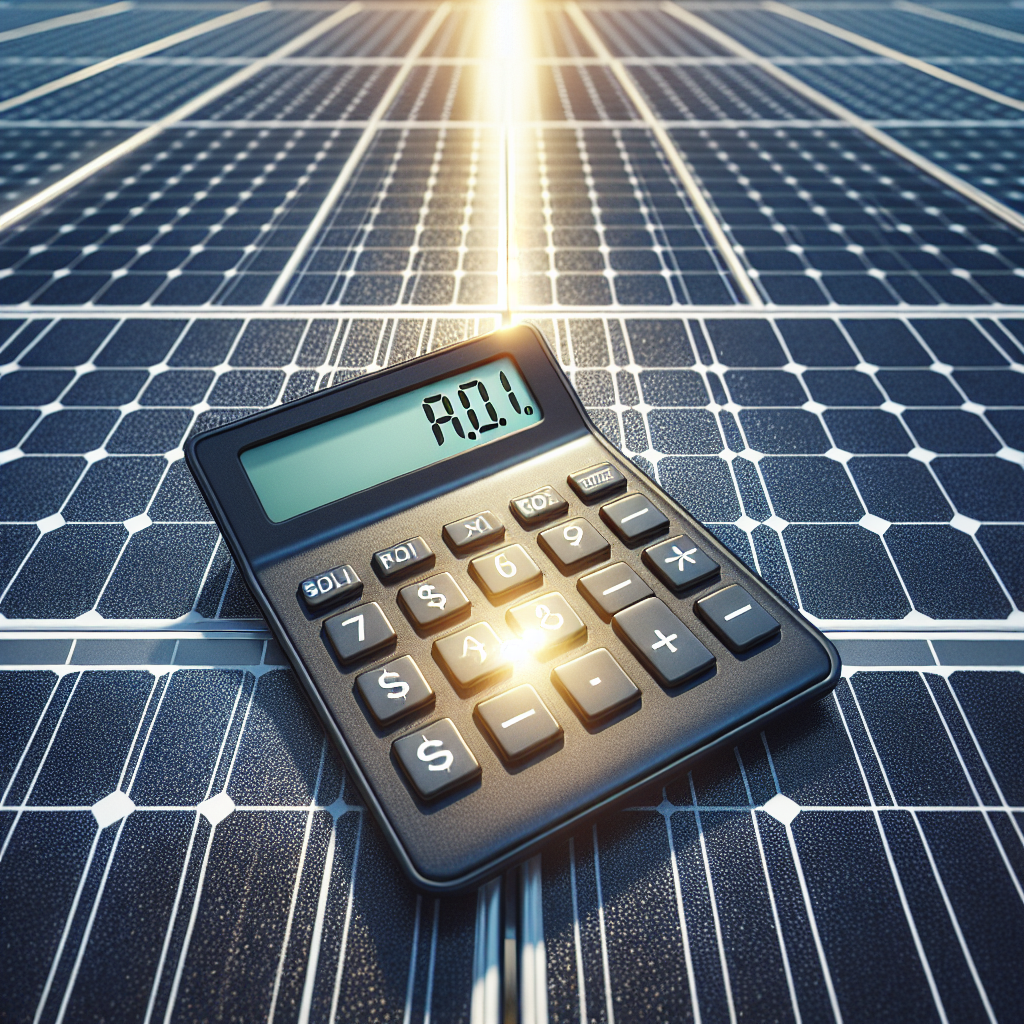
Tag: Return on Investment

  • The Truth About Solar Power: Is It Really Green

    The Truth About Solar Power: Is It Really Green

    Solar power is often touted as the ultimate green energy source, but how true is this claim? While it’s undeniable that solar panels generate electricity without producing any emissions or pollution, there are other factors to consider when assessing their environmental impact. In this blog post, we’ll take a closer look at some of the key issues surrounding solar power and explore whether it really lives up to its eco-friendly reputation.

    Introduction to Solar Power and Its Environmental Impact

    Solar power involves harnessing the sun’s energy using photovoltaic cells to produce electricity. These cells are typically made from silicon, which is derived from sand, making them relatively abundant and sustainable. However, the manufacturing process for these cells requires significant amounts of water and energy, which can have negative environmental consequences if not managed properly. Additionally, the production of other components such as batteries and inverters also has an impact on the environment.

    The Cost of Solar Power and Its Return on Investment

    One of the biggest barriers to widespread adoption of solar power is its initial cost. While prices have decreased significantly over the past decade, installing a solar panel system still requires a substantial investment. However, many homeowners find that the long-term savings on their energy bills outweigh the upfront costs. Additionally, government incentives and tax credits may be available to help offset the expense.

    Choosing the Best Solar Power Generator for Your Needs

    There are several types of solar generators available, including portable models designed for camping and emergency situations, as well as larger stationary systems for homes and businesses. When choosing a generator, it’s essential to consider your specific needs and budget. Factors like battery capacity, efficiency, and durability should all be taken into account.

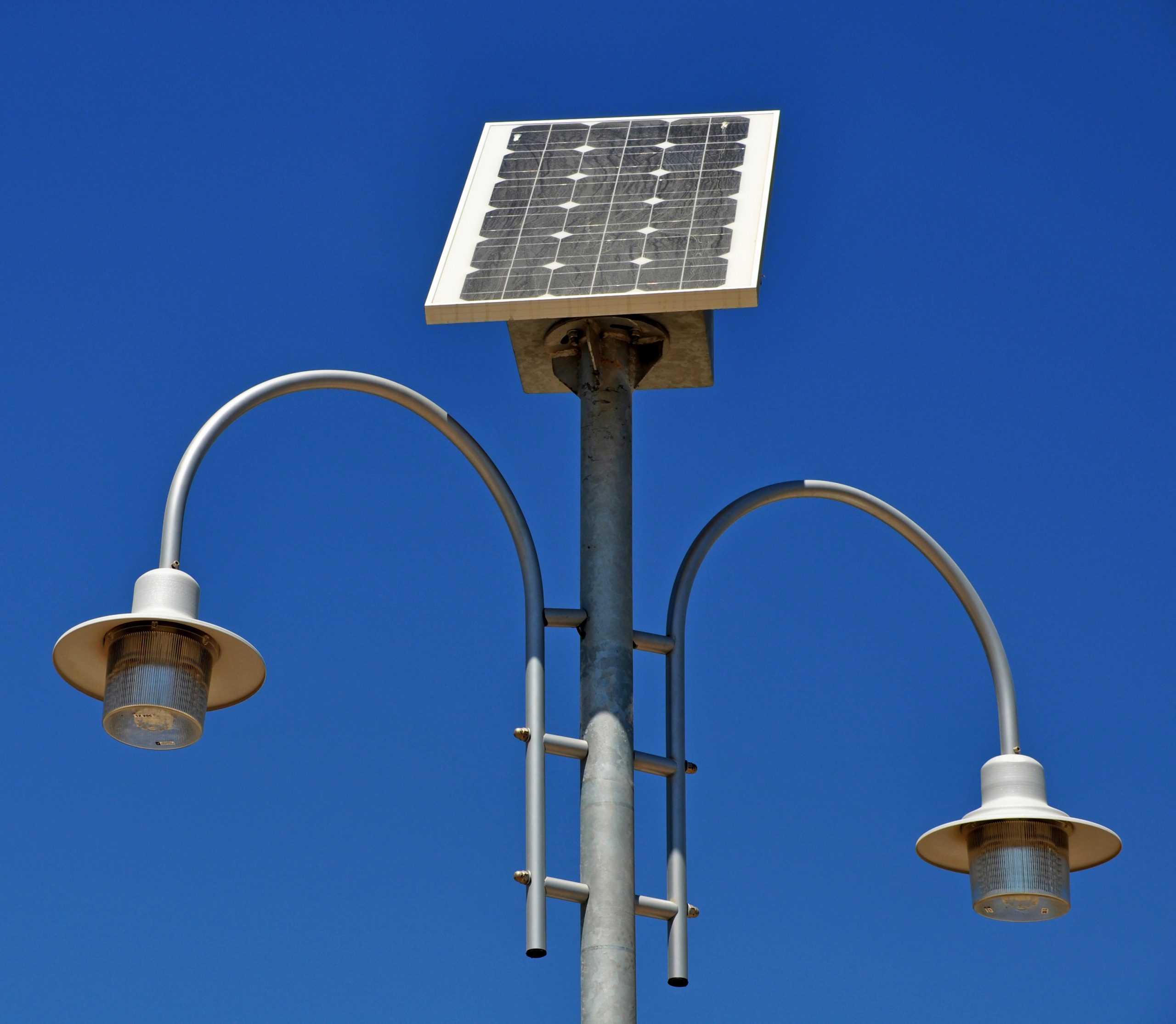
    solar powered lamp post m19rBE scaled

    DIY Solar Panel Installation: Is It Worth the Effort

    While installing solar panels yourself can save you money, it’s important to carefully weigh the pros and cons before embarking on a DIY project. Safety concerns must be addressed, as working with electrical equipment can be dangerous. Additionally, proper installation is critical to ensure optimal performance and longevity of the system. If you’re considering a DIY approach, make sure to do thorough research and seek expert advice to minimize risks and maximize benefits.

    Conclusion

    In conclusion, while solar power does have some environmental drawbacks, it remains one of the most promising renewable energy sources available today. With continued advancements in technology and declining costs, it’s becoming increasingly accessible to consumers around the world. Whether you choose to install a solar panel system yourself or hire a professional contractor, investing in solar power is a smart decision both financially and environmentally.

    graphicstock close up of an unfinished modern eco house H0fd1iTWZ scaled
  • Going Green: How Solar Energy Can Save You Money

    Going Green: How Solar Energy Can Save You Money

    The world is undergoing a green revolution, with solar energy at the forefront of this transformative movement. Harnessing the power of the sun, solar panels convert sunlight into electricity, providing a sustainable energy source that not only benefits the environment but also your wallet. In an era where rising utility costs are becoming a norm, shifting to solar energy has never been more appealing.

    AS6 2461 154 scaled

    Understanding your energy costs is crucial in recognizing how solar can significantly reduce your bills. Traditional electricity rates fluctuate and often increase due to various factors like demand spikes and fuel costs. By installing solar panels, you can generate your own power, effectively slashing your monthly expenses. Imagine producing enough electricity to cover most or even all of your needs! With net metering programs in many areas, any excess energy produced can be sold back to the grid, further enhancing your savings.

    Financial incentives make going solar an even more attractive option. Many governments offer tax credits and rebates that can offset installation costs significantly. For instance, in the United States, federal tax credits allow homeowners to deduct a substantial percentage of their solar system’s cost from their federal taxes. Additionally, some states and localities provide additional rebates or grants which can further lower upfront expenses. Taking advantage of these incentives makes adopting renewable energy not just environmentally responsible but also financially savvy.

    Choosing the right solar system is essential for maximizing benefits while staying within budget constraints. Various options exist depending on space availability and financial considerations—grid-tied systems are often less expensive and simpler to install than off-grid systems but still provide substantial savings on energy bills. Furthermore, companies today offer flexible financing options such as leases or power purchase agreements (PPAs), allowing you to start saving immediately without hefty upfront payments. Understanding what fits best for you involves careful research and sometimes consulting with professionals who can tailor solutions based on individual needs.

    When considering long-term savings, analyzing the return on investment (ROI) is pivotal. While initial installation may seem daunting financially, studies show that homeowners typically recoup their investment within 5-10 years through reduced electric bills alone. Beyond that point? It’s pure profit! Moreover, many systems come with warranties lasting 20-25 years or longer; this means decades of savings ahead—not to mention increased home value as properties equipped with solar systems tend to sell faster and at higher prices.

    wind turbine silhouette sunset or sunrise economic system background rD3eYTydnMx 1 scaled

    Yet the advantages extend beyond mere dollars and cents; opting for solar energy has profound environmental implications too. Every kilowatt-hour generated from sunlight reduces reliance on fossil fuels thereby cutting greenhouse gas emissions significantly—something our planet desperately needs as climate change looms larger than ever before. By choosing solar power, you’re not just investing in personal savings; you’re contributing positively towards a cleaner future for generations to come.

    In conclusion, embracing solar energy offers multifaceted benefits: significant reductions in utility bills thanks to self-generated power coupled with enticing financial incentives make it an economically sound choice while promoting sustainability for our planet’s health. So why wait? Dive into the world of solar today—your wallet will thank you!

  • Solar Panel Return on Investment Calculator

    Solar Panel Return on Investment Calculator

    Hey there! If you’re curious about investing in solar panels like I was not too long ago, you’ve stumbled upon the right place. Today, I’m sharing my personal journey on understanding the Solar Panel Return on Investment (ROI) Calculator, which can help you determine if this energy solution is worth your hard-earned cash. Grab a cup of coffee, and let’s dive in!

    Understanding Solar Panel Costs

    Initial Investment

    So, let’s start with the basics: the initial costs. You might want to brace yourself because, at first glance, the price tag can seem a bit daunting. From purchasing the panels to installation, those early expenses can really add up. Luckily, many incentives can help, so keep that in mind!

    In my experience, doing thorough research on reputable installers made a world of difference. I compared quotes and asked tons of questions. Remember, the goal is to find not just the cheapest option, but the one that promises quality and reliability.

    Keep an eye out for local or federal rebates, as they can significantly cut down the costs. Plus, check to see if any tax credits are available in your area—those can really sweeten the deal!

    Installation Fees

    Next up, installation fees. This is where it gets real! Depending on the complexity of your roof and where you live, installation can vary in price. I had a pretty straightforward setup, which worked in my favor, but if you’ve got a tricky roof, the costs might climb a bit higher.

    Finding a good installer who knows what they’re doing is crucial. Trust me, don’t skimp on this! A solid installation can be the difference between a system that runs like a dream and one that causes you headaches for years. I recommend asking for recommendations from friends or looking for reviews online.

    Also, make sure to ask your installer if there are financing options available. This can help spread the costs over time, making solar more accessible than getting hit with a massive bill all at once!

    Maintenance Expenses

    Now, let’s chat about maintenance. A common myth I encountered was that once the panels are up, you can just forget about them. Nope! While they generally need minimal upkeep, some maintenance is necessary to keep everything functioning smoothly.

    I learned that periodic cleaning can slightly boost efficiency, particularly if you live in a dusty area like I do. A quick rinse with the garden hose or even hiring a service every year can help. Honestly, it’s worth it when you think about the long-term savings!

    Also, don’t forget to factor in potential repairs. Sometimes, warranty coverage can take care of it, but I always recommend budgeting for unexpected issues, just in case.

    Calculating Energy Savings

    Assessing Your Energy Needs

    Once you’ve got a handle on costs, let’s move on to energy savings. Before diving deep into calculations, you really need to assess your household’s energy needs. I started by reviewing my utility bills to understand how much energy I was using.

    Take note of your peak usage months and how much you’re spending. This will be super helpful when estimating how much you’ll save by generating your own power with solar panels. I was shocked at how much some months cost!

    Look into energy-efficient upgrades as well—things like LED bulbs and upgraded appliances can reduce consumption and improve your ROI even more!

    Utility Rate Changes

    Utility rates can be a tricky business. The rate you currently pay might change over time, which can affect your savings calculations. Typically, they rise each year, so expecting an increase will help you paint a more accurate picture.

    When I did my calculations, I factored in a modest rate increase of about 3-4% a year. Yeah, it’s depressing to think about, but it helped me realize how much money I could save by going solar in the long run!

    Staying in touch with your utility provider will also give you the scoop on potential rate changes, so you can keep your calculations up to date.

    Net Metering Benefits

    One of the most fantastic benefits of having solar panels is net metering. This allows you to send excess energy back to the grid, which can help offset the costs of utility energy when you need it.

    When my panels produce more energy than I use, I often receive credits on my utility bill! How cool is that? Understanding how net metering works in your area is crucial. It can significantly affect the financial viability of your solar investment.

    Make sure to check with your local utility company to see how they handle net metering, as the rules can vary widely. Knowledge is power, my friends!

    Evaluating Tax Credits and Incentives

    Federal Tax Credits

    Alright, gotta talk about tax credits! Did you know that the federal government lets you take a significant chunk off your tax bill if you install solar panels? I couldn’t believe it when I first learned about the Investment Tax Credit (ITC). It can cover 26% of the cost of your system, which is monumental!

    It took me a bit of sleuthing to understand all the ins and outs, but I assure you, it’s worth it. If you’re planning on going solar, make sure to keep an eye on the deadlines for these credits—sometimes they change!

    Always consult with a tax professional to ensure you correctly apply these credits. Missing out on this could mean leaving money on the table, and who wants that?

    State and Local Incentives

    The federal tax credit is awesome, but don’t forget to explore state and local incentives! Depending on where you live, there are sometimes rebates and incentives that can stack on top of the federal credit.

    I found that my state had a program offering cash rebates for solar installations, and that it made a noticeable difference in my overall costs. Every little bit helps, right?

    Pro tip: local governments may have special financing options available too. It’s worth doing a bit of research to make sure you’re getting all the benefits you can.

    Financing Options

    Lastly, let’s chat about financing options. Not everyone can afford to pay for solar upfront, and that’s okay! There are various financing options available that can make solar panels more affordable.

    I personally went with a solar loan that allowed me to break down the expenses into smaller monthly payments, making it much easier to fit into my budget. Many providers offer attractive interest rates, so don’t shy away from exploring this route!

    In some cases, you might find power purchase agreements (PPAs) where you pay for the energy your panels produce without the initial big outlay. It’s definitely worth checking out the different plans available to see what works best for you.

    Assessing Long-Term Financial Benefits

    Payback Period Calculation

    Now, seeing as we’ve built this up to the payoff, let’s talk about the payback period. This is where you get to see how long it’ll take for your solar investment to start saving you money.

    My excitement took a little dive when I first worked this out. I discovered it could take anywhere from 5 to 10 years to break even, depending on several factors like local energy costs, installation costs, and state incentives.

    But don’t let that discourage you! Think about how many years of free energy you’ll get afterward. It’s a long-term game, and once you hit that break-even point, the savings start flowing!

    Increased Property Value

    Another significant benefit I discovered was how solar panels can boost your property value! Studies show that homes with solar energy systems sell for more than those without. This was a nice surprise, and I realized that even if I decide to move, I’m likely to see a better return on my investment in the long run.

    Potential buyers are increasingly environmentally conscious. Many are actively looking for homes equipped with solar, so having them can definitely give you that competitive edge!

    Of course, if you’re not planning on selling soon, the money you save on your energy bills each month is also a big plus. So either way, it’s a win-win!

    Long-Term Energy Savings

    Last but definitely not least, let’s talk long-term energy savings. Once your system is up and running, your savings over the years will really start to add up. It’s like having a piggy bank that never breaks!

    As I was nearing the end of my calculations, I realized I could save thousands over the years. That’s not just pocket change! Plus, with rising utility costs, my solar panels serve as a shield against those inevitable hikes.

    When you stack your way of life around using renewable energy, you’re not just saving money—you’re also contributing positively to the environment. That’s a nice bonus that always keeps me motivated!

    Conclusion

    And there you have it, folks! My experience exploring the Solar Panel Return on Investment Calculator has been enlightening, and I genuinely hope you found this journey helpful. Financing, savings, and benefits of solar panels can feel overwhelming, but breaking it down as we did makes it manageable.

    Whether you’re considering solar panels for economic reasons or just to do your part for the planet, knowing the ins and outs will set you up for success. If you’re still unsure, go ahead and reach out to professionals for guidance—they can provide tailored insights that can make all the difference!

    FAQ

    1. How much can I save with solar panels?

    That depends on several factors like your energy usage, local electricity rates, and available incentives. However, many homeowners report savings ranging from 50% to 80% on their electricity bills!

    2. Do I need to maintain solar panels?

    Yes, they do require some maintenance, but it’s typically minimal. Periodically cleaning them and ensuring they’re functioning well is usually all it takes to keep your panels in good shape.

    3. What happens if I move after installing solar panels?

    If you move, your solar panels could increase your home value, making it more attractive to buyers. Also, you may be able to transfer the loan or lease agreement to the new owner.

    4. Are there tax incentives for solar panels?

    Yes! The federal government offers tax credits like the Investment Tax Credit (ITC) that can cover a significant portion of your solar expenses. It’s worth checking what’s available in your state as well!

    5. Can I finance my solar panel system?

    Absolutely! There are many financing options available, including solar loans and Power Purchase Agreements (PPAs) that allow you to spread the cost over time.