Tag: roof

  • What You Should Know About Solar Roof Tile Efficiency

    What You Should Know About Solar Roof Tile Efficiency

    1. Understanding Solar Roof Tiles

    What Are Solar Roof Tiles?

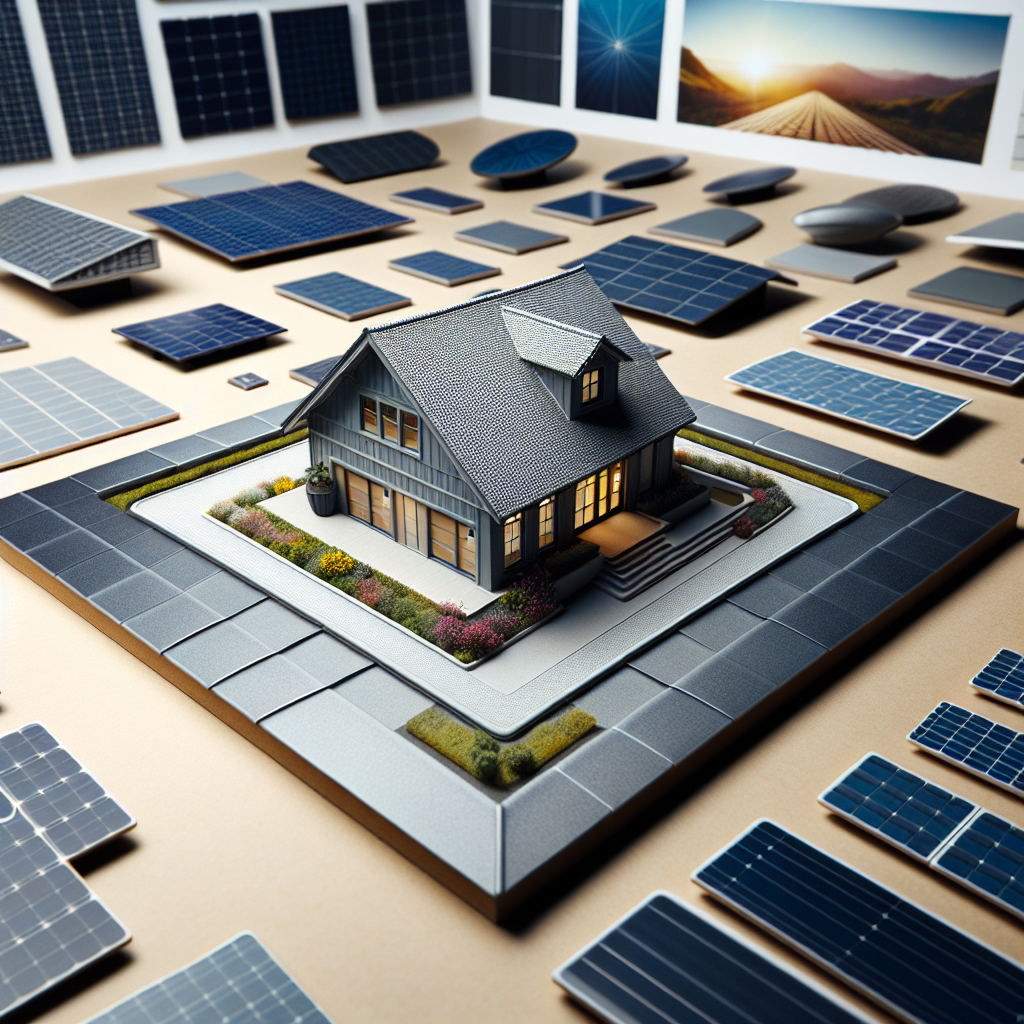
    So, let’s kick things off by getting our heads around what solar roof tiles are. You might think of them as a more stylish cousin of traditional solar panels. Solar roof tiles are integrated into your roof’s structure, generating energy while looking like regular tiles. It’s a neat technology that’s made significant strides in recent years.

    These tiles convert sunlight into electricity, just like conventional solar panels. But the beauty of them lies in their dual functionality. They not only collect solar energy but also serve as your roofing solution, blending aesthetics with functionality.

    In my experience, understanding the specific make-up of these tiles helped me appreciate their benefits. They come in various materials like ceramic, glass, or even silicon, which influences their efficiency and looks.

    The Technology Behind the Tiles

    Solar roof tiles utilize photovoltaic (PV) technology to do their magic. What happens is that when sunlight hits the tiles, it generates a flow of electricity. Sounds cool, right? The innovation behind these tiles is pretty impressive as they’ve evolved over time to become more efficient, durable, and stylish.

    Some of the top brands have invested heavily in R&D to enhance the efficiency of solar tiles. You’ll find tiles that can convert a higher percentage of sunlight into electricity through improvements in the materials used. Personal anecdotes from folks in my circle have shown even a modest investment can result in significant energy savings in the long run.

    Moreover, the research and development in this sector are ongoing, which is exciting. There’s always something new on the horizon that can boost efficiency even further!

    Benefits of Going Solar with Roof Tiles

    I can’t stress this enough: the perks of solar roof tiles are pretty compelling. First off, you can save on energy bills. Who doesn’t love that? Many users report a hefty reduction in their monthly costs, which practically pays for the installation over time.

    Another fantastic advantage is the aesthetics. These tiles can seamlessly blend into your home’s design, increasing its curb appeal. If you’re like me, you want your home to look fabulous, even while it’s working hard for you.

    Lastly, investing in solar technology promotes sustainability. You’re contributing to a greener planet, which aligns with a lot of people’s values, including mine. It doesn’t get much better than that!

    2. Efficiency Ratings and What They Mean

    Understanding Efficiency Ratings

    Now, let’s talk about the nitty-gritty – efficiency ratings. Solar tiles are given efficiency ratings based on how much solar energy they convert into usable electricity. In my journey, I’ve come across tiles with a variety of efficiency levels, and it’s essential to understand what these mean.

    Higher efficiency ratings usually mean more electricity production from the same amount of sunlight. Typically, you’ll find solar roof tiles with efficiency ratings ranging from 10% to over 20% – and the higher, the better, in my opinion!

    When you’re shopping around, make sure to keep an eye on these ratings. It’s like looking at fuel efficiency when buying a car – it can save you money down the road!

    Factors Influencing Efficiency

    Many factors come into play when it comes to the efficiency of solar roof tiles. The orientation and angle of your roof can greatly impact how much sunlight they receive. So, if your house has a roof that faces the right direction, you might be in for a treat in terms of energy production.

    Other influences include local climate conditions. Places with more sunshine naturally yield better results than those with a lot of rainfall or cloud coverage. In my neighborhood, some friends have seen their electricity bills drop significantly during the summer months, thanks to endless sunny days.

    Lastly, the quality of the installation process can’t be overlooked. Always go for certified and experienced installers. Trust me, the difference it makes is day and night!

    Real-World Performance

    Having spoken to several homeowners who’ve installed solar roof tiles, I’ve found that many are pleasantly surprised by the real-world performance of these installations. Most users report that during peak sun hours, their energy production exceeds their expectations.

    Many systems come with monitoring apps now. This allows you to see your energy production in real-time. It’s kinda cool to geek out about how much energy you’re saving each day.

    But it’s essential to manage expectations. Efficiency can vary based on several factors, and it’s good to have a solid understanding of how these elements interact with your specific installation. It’s always enlightening to hear about personal experiences; they really help guide decisions!

    3. Installation Considerations

    The Installation Process

    Installing solar roof tiles isn’t a pop-in-and-pop-out kind of deal. It usually involves a thorough assessment of your roof’s structure and the orientation, plus a comparison with any local regulations on solar installations. In my journey, I learned that a detailed initial consultation can save loads of hassle later.

    During the installation, you’ll want to ensure the crew is experienced and follows best practices. Cheaping out on installation can lead to headaches down the line – trust me, I’ve seen friends go through this, and it’s not pretty!

    After the installation, the roof will require a bit of time to integrate fully into your home’s energy system. Be patient; it’s worth the wait for those energy savings!

    Costs Involved

    Before diving into solar roof tiles, it’s crucial to have a grasp on the costs involved. Typically, they can be more expensive upfront compared to traditional panels, but don’t let that scare you away! Over time, the reduced energy bills often balance out the initial investment.

    There are also various financing options and tax incentives depending on where you live. Do your homework! I’ve seen friends save significantly after utilizing government incentives to offset their costs.

    However, ensure you’re taking a long-term view on this investment. While the upfront costs might seem substantial, the savings and value add up over time.

    Maintenance After Installation

    Once your solar roof tiles are up and running, the good news is they require minimal maintenance. I often joke with friends about how I now spend less time on maintenance than ever before!

    Regularly checking for debris or making sure there are no obstructions like leaves or branches is essential. Keeping your tiles clean will help them operate at peak performance. Honestly, it’s an easy trade-off for the benefits!

    If you notice anything amiss, it’s best to get it checked out by professionals. They can help ensure everything remains in tip-top shape without causing you headaches in the long run.

    4. Environmental Impact

    Reducing Your Carbon Footprint

    Going solar with roof tiles makes a significant contribution to reducing your carbon footprint. Each kilowatt-hour of clean energy translates to fewer emissions from carbon-heavy energy sources. It’s a small change that accumulates into substantial environmental benefits!

    I find it quite satisfying to know that my decision contributes positively toward sustainability. It’s like a little badge of honor when chatting with my eco-friendly friends!

    This shift to renewable energy also inspires conversations about further green practices. I’ve noticed that investing in solar has prompted others in my community to reevaluate their own energy choices.

    Supporting Renewable Energy

    When you install solar tiles, you’re supporting a burgeoning industry focused on harnessing renewable energy. This support is crucial to scaling technology and making it more affordable for everyone in the long run. I’m all about doing my little part to create a more sustainable world!

    Investing in renewable energy not only has environmental implications but can also stimulate local economies. Jobs are being created in installation, maintenance, and manufacturing of solar technologies – something we all can appreciate.

    It’s exciting to see the industry grow; it creates a ripple effect that reaches far beyond just energy savings for individual homes.

    Community and Global Perspectives

    On a broader scale, the transition to solar energy is being embraced globally. There’s a common understanding that we need to pivot towards sustainable living. Countries are rallying together to meet climate goals, and initiatives are continuously introduced that promote solar energy across different sectors.

    Communities that adopt solar technologies often witness stronger ties forming among residents, all focused on sustainability. There’s something powerful about coming together for a cause that beneficios both our environment and our future.

    For me, the community aspect really highlights the importance of education – sharing stories, strategies, and successes boosts awareness and encourages more people to make the leap!

    5. Making the Decision

    Evaluating Your Needs

    Before plunging headfirst into purchasing solar roof tiles, take a moment to evaluate your energy needs. Understanding your average energy consumption will give you a more focused outlook when shopping around for the best options.

    I’ve made the mistake of rushing into decisions without assessing specific needs, and it often leaves you regretting things later. Efforts spent upfront save you trouble down the road!

    Breaking down your energy requirements allows you to choose a system that truly meets your household’s needs, ensuring you’re investing in the right product.

    Long-term Goals and Budgeting

    Think long term! My experience has taught me the importance of aligning the project with your financial goals. How do you see your budget fitting into a solar investment? Are you looking for short-term savings, or is this about a more significant future vision?

    Crafting a solid financial roadmap ensures that you’re not only prepared for the initial costs but also educated about the potential savings versus the investment and maintenance costs. It’s all about doing your homework!

    By assessing your budget and goals, you can confidently make a choice that feels right for your home and lifestyle.

    Taking the Plunge

    Finally, don’t let fear hold you back from this remarkable journey. Taking the plunge into solar roof tiles might seem daunting at first, but often the stories I hear from satisfied homeowners make me realize how easy it becomes with the right planning and research.

    Whether you are conservation-minded or simply looking at energy efficiency, adopting solar is a game changer. And once installed, the benefits start rolling in, allowing you to truly enjoy the fruits of your investment.

    Ultimately, when you summon the courage to make this switch, you become a part of the solution, not just for your household, but for the environment and future generations.

    FAQs

    1. What are solar roof tiles made of?

    Solar roof tiles can be made from various materials, including ceramic, glass, and silicon. Each material has its own characteristics that impact durability, look, and efficiency.

    2. How do I know if my roof is suitable for solar tiles?

    Your roof’s orientation, angle, and condition are crucial factors in determining if it’s suitable for solar tiles. Getting a professional assessment can help you make the right decision.

    3. How much can I save on my energy bills?

    Many users report significant savings, sometimes reducing their bills by 50% or more, depending on their local energy costs and the size of their solar installation.

    4. Do solar roof tiles require a lot of maintenance?

    Not at all! Solar roof tiles require minimal maintenance, primarily including periodic cleaning and checking for obstructions that may affect performance.

    5. Are there incentives for going solar?

    Yes! Many regions offer tax incentives, rebates, and financing options that can significantly lower the upfront costs of installing solar roof tiles. Always check with local and state programs!
  • How Solar Roof Tiles Are Revolutionizing Home Design

    How Solar Roof Tiles Are Revolutionizing Home Design

    Energy Efficiency Meets Aesthetic Appeal

    Transforming Traditional Roofs

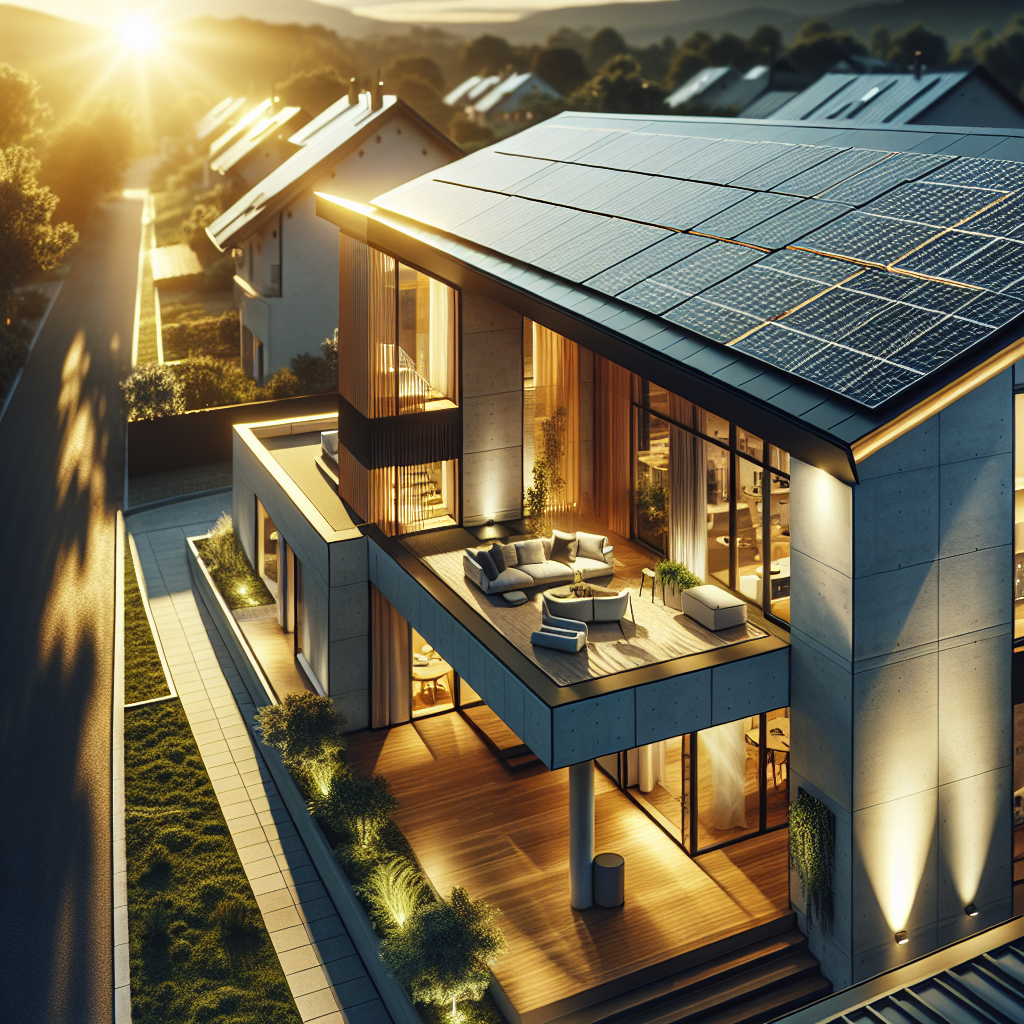
    Have you ever looked at a standard roof and thought about how dull it seems? I mean, roofs are usually just there, right? But with solar roof tiles, we’re bringing a whole new perspective to home design. These beauties not only provide energy but also make your home stylish. I remember the first time I saw a house with these tiles; it looked like something straight out of a magazine!

    Each tile is crafted to blend seamlessly with your home’s design. Unlike traditional solar panels, which can often feel bulky, solar roof tiles fit right into your roofline. You get that clean, modern vibe while generating energy. It’s a win-win for aesthetics and functionality!

    Plus, think about curb appeal! Homeowners often overlook roofs in their home designs. With these tiles, you can actually enhance your home’s overall look, and trust me, potential buyers will notice. Who wouldn’t love to see a home that balances both beauty and efficiency?

    Cost-Effective Long-Term Solutions

    Initial Investment vs. Savings

    Now, let’s be real for a minute. The initial cost of solar roof tiles can seem a bit intimidating. I felt that way at first too. But when you dig into the long-term savings, it starts to make much more sense! Sure, you might drop a chunk of change upfront, but you’ll save on your energy bills each month.

    Life with solar roof tiles tends to be full of surprises; most homeowners end up saving money on electricity over the years. If you do the math, those savings add up quickly! And with tax rebates in many areas, your investment becomes more affordable than you might think.

    Plus, consider how resilient these roof tiles are! They often come with extensive warranties and are built to withstand the elements better than traditional roofs. So, in the long run, you might even save on maintenance costs. Sounds pretty good, right?

    Environmental Impact and Sustainability

    Reducing Your Carbon Footprint

    Another reason I’m a huge fan of solar roof tiles is their positive impact on the environment. In today’s world, sustainability is key. By using solar energy, you’re reducing your reliance on fossil fuels, which is critical for combatting climate change. Every little bit helps, and switching to solar roof tiles can be your personal contribution to a healthier planet!

    There’s something truly rewarding about knowing you’re doing your part. The energy generated from these tiles is clean and renewable, and every watt counts! It gives off this fantastic sense of responsibility, and honestly, it feels good.

    Additionally, many manufacturers are taking extra steps to use eco-friendly materials in their tiles. This means your roof isn’t just energy-efficient; it’s also made from sustainable materials. How awesome is that? You can feel good about your home’s design being kind to Mother Earth!

    Innovative Technology at Your Fingertips

    The Latest in Solar Innovations

    Let’s talk about technology! Solar roof tiles are some of the coolest innovations out there. They’re not just energy sources; they also come equipped with smart technology. That means you can monitor your energy usage right from your smartphone. How convenient is that? I love being able to check in on my energy production without even getting up!

    Many of these systems can also connect with other smart home devices. Imagine your HVAC adjusting based on the energy you’re generating—talk about futuristic living! Plus, with innovations like battery storage, you can save up energy produced during the day to use when the sun goes down.

    These advancements can feel like an investment into the future. When I think about the possibilities, I can only get excited about what’s next! Integrating this kind of technology makes your home not just smarter but also more comfortable, cozy, and ultimately livable.

    Increasing Home Value

    The Financial Benefits of Going Solar

    Lastly, let’s chat about increasing your home’s value. Homes with solar energy systems are becoming increasingly sought after. When I was looking to buy my first home, I definitely factored in energy savings into my budget. Homes with solar roof tiles often sell for higher prices and have shorter time on the market than those without.

    This increase in value can often make a huge difference in your real estate investment. It’s a bit of a no-brainer if you ask me! Potential buyers see the long-term benefits of solar energy and are willing to pay more for those perks.

    If you’re considering flipping houses or investing in property, think about how solar roof tiles can make your property stand out. It’s like giving your home that secret ingredient that suddenly makes it irresistible to buyers!

    FAQs

    1. What are solar roof tiles?

    Solar roof tiles are innovative roofing materials that serve dual purposes: they protect your home and generate solar power. They blend seamlessly with your roof’s design while capturing sunlight to create energy for your home.

    2. How much do solar roof tiles cost?

    The cost can vary significantly based on factors such as the size of your roof, the brand of tiles, and your location. Generally, the upfront investment can be high, but the energy savings add up over time, making them a cost-effective solution in the long run.

    3. Do solar roof tiles require a lot of maintenance?

    Nope! Solar roof tiles are built to last and typically require minimal maintenance. Regular cleaning to remove debris and an occasional inspection are usually enough to keep them functioning well.

    4. Can I install solar roof tiles on my existing roof?

    Yes, in many cases, solar roof tiles can be installed on existing roofs. However, it’s essential to have a qualified contractor evaluate your home to ensure it can support the new tiles without any issues.

    5. How much energy can solar roof tiles generate?

    The energy generated depends on the size of your roof, the orientation toward the sun, and local climate conditions. In many cases, they can cover a significant portion of a household’s energy needs, especially with optimal positioning!

  • The Hidden Challenges of Installing Solar Roof Tiles

    The Hidden Challenges of Installing Solar Roof Tiles

    Understanding the Costs Involved

    Initial Investment

    Let’s talk about the initial investment. When I first decided to install solar roof tiles, I was shocked by the up-front costs. Unlike traditional solar panels, these tiles can be significantly pricier, and you really need to evaluate whether the long-term savings will be worth that hefty price tag.

    Once you add in labor and any necessary modifications to your roof, the costs can stack up quickly. Don’t forget to factor in permits and inspections, because those can also add more to your wallet than you might expect. If you think it’s just about the tiles, think again.

    In my experience, it helped to get several quotes and clearly understand what each included. This way, I could spot hidden fees or costs that might pop up later. Researching and budgeting is key in this initial phase.

    Hidden Maintenance Costs

    Another thing that caught me off guard was the maintenance costs. I assumed solar roof tiles would be super low maintenance because they’re, well, solar roof tiles. But after a bit of digging, I learned that like anything, they require attention too.

    Cleaning the tiles, addressing any damage or wear, and ensuring they function as intended can all incur costs. It’s wise to set aside a budget for maintenance even after installation. Trust me, it pays off to be prepared!

    Additionally, you might want to consider extended warranties or updates as technology changes over time. Staying ahead of the curve can ensure that your investment pays off well into the future.

    Long-Term Savings vs. Upfront Costs

    When it comes to long-term savings, my thoughts were mixed. On paper, solar roof tiles promise a reduction in energy bills and increased home value. But it’s not always straightforward. Sometimes, the actual savings can be less than expected, depending on local energy prices and available incentives.

    Make sure to thoroughly research local incentives as tax deductions, rebates, or even financing options that could help mitigate upfront costs. In some areas, utilities have programs designed to incentivize solar energy. You really want to tap into those!

    Ultimately, understanding these dynamics can help you see whether the long-term savings really make sense for your unique situation. It’s a balancing act that definitely requires careful consideration.

    Installing Solar Roof Tiles: The Technical Aspects

    Roof Compatibility

    One major hurdle I faced was roof compatibility. Not all roofs are created equal, and my charming old home with its steep pitch created some serious challenges during installation. Solar roof tiles require a sound roof structure.

    Before diving in, I had to seriously assess my roof’s condition. Cracks, leaks, or age can throw a wrench in things. If your roof needs repairs, prioritize that before even thinking about installing solar tiles.

    Getting a professional inspection helped me understand how to proceed. It could save you from frustration down the line if your roof isn’t compatible from the get-go.

    The Installation Process

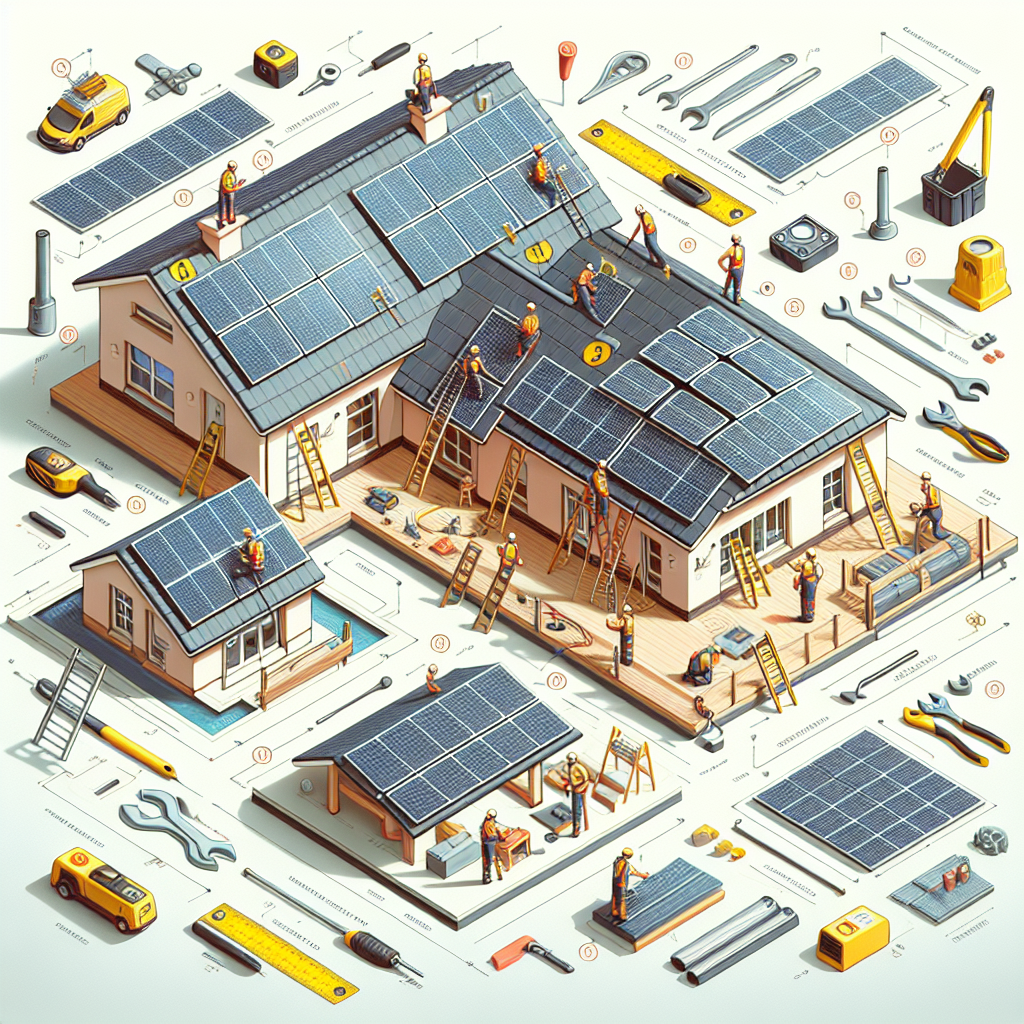
    The installation process is more complex than one might expect. While I was excited to get started, there ended up being multiple steps I hadn’t anticipated such as removing existing roofing materials and ensuring proper alignment and sealing.

    Also, I wasn’t prepared for the time it would take. This is not a one-day job, and you might find the timeline stretching out longer than you expect. Patience was a virtue I definitely had to adopt.

    So, question whether your chosen installer is prepared for the technical aspects of solar roof installation. It can make a world of difference in avoiding headaches during the process.

    Understanding Technology

    Technology changes fast, right? Solar technologies can feel like they’re advancing daily. When I was looking into solar tiles, it was crucial for me to understand the different types and their efficiencies.

    Some tiles are more efficient than others, and keeping up with the latest developments can help prolong the life and effectiveness of your investment. I found it immensely helpful to chat with industry professionals who could explain the tech in layman’s terms.

    The more knowledge you have, the better equipped you are to make smart decisions about your solar installation and to choose products that offer the best return on investment.

    Permits and Regulations

    Navigating Local Laws

    Diving into local laws can feel like wandering through a maze. Each city or municipality has its own permitting process and regulations surrounding solar installations that I had to navigate. It felt overwhelming at times!

    Getting the right permits could take time and sometimes the wrong paperwork can lead to delays. I advise being proactive; talking to local officials and fully understanding what’s required can save many headaches down the road.

    Plus, some localities might have incentives or programs in place that can help you financially, if you know who to ask.

    Working with Authorities

    Finding the right contacts is crucial, too. It helped to build a relationship with the local authorities involved in permitting and inspections because they could provide guidance and clarity during the process. I kept open communication to ensure everyone was on the same page.

    It’s not just about checking boxes; it’s truly about understanding how to be compliant with the different rules in your area. Each area has its own set of regulations that can impact the workflow of your installation.

    Having a knowledgeable contractor can also help significantly since they’ve likely dealt with similar regulations numerous times before.

    Timeframes and Delays

    The timeframes for permitting and inspections can majorly affect your installation schedule. I learned this the hard way. What I thought would be a quick process turned into weeks-long waiting periods.

    With so many factors to consider, from reviewing applications to scheduling inspections, delays can often be outside of your control. I had to learn to adapt and be patient, which isn’t always easy—trust me!

    Double-checking timelines with your installer and building those potential delays into your planning can keep things from feeling like a total free-for-all. It just takes a little foresight!

    Potential Environmental Impacts

    Production Footprint

    Now that we’ve touched upon the nitty-gritty, let’s talk sustainability! Solar roof tiles seem like a no-brainer for environmental improvement. At least, that’s what I thought until I started looking into the production footprint.

    From the materials for the tiles to the energy used for manufacturing, I realized that not all solar tiles are created equally in terms of their environmental impacts. It’s crucial to research the brand you’re considering and understand how they produce their tiles.

    It’s always beneficial to go for companies that prioritize eco-friendly practices as much as possible. Remember, investing in sustainable energy should also align with sustainable practices.

    Lifecycle Management

    What happens once your solar roof tiles have reached the end of their lifespan? I hadn’t thought about this before diving into the installation. This raises questions about disposal and recycling. Some tiles can’t be just tossed in the trash and forgotten.

    Understanding the lifecycle of your solar roof tiles and how to responsibly recycle or dispose of them at the end of that life can influence your decision to install solar. The idea of “closing the loop” really matters in the sustainable energy realm.

    Companies that offer take-back programs or have a clear recycling path can help minimize your environmental footprint even further.

    Impact on Wildlife

    Lastly, I found that the installation of solar roofs can even have ecological effects. Think about birds, bats, and various local wildlife and how they might be affected by new installations. I’d never considered how the physical presence of solar tiles could change a local ecosystem.

    Doing a little extra research here pays off. Some studies suggest that certain solar installations can disrupt local habitats. This means understanding where to place your tiles is crucial.

    Chatting with environmental professionals or local wildlife organizations can yield insights into balancing your solar installation with local ecology.

    Choosing the Right Installer

    Finding Trusted Professionals

    All this brings us to one of the most vital elements of the process: choosing the right installer. Honestly, the perfect installer can make or break your entire experience with solar roof tiles. You want to do your homework and look for someone reputable.

    Ask around in your community for recommendations, look up reviews online, and don’t shy away from asking potential installers tough questions about their experience and qualifications. This is an investment, after all!

    Trust is essential, and making sure you hire someone who’s experienced can really lessen the burden and anxiety associated with the whole installation process.

    Getting Detailed Quotes

    Make sure to get detailed quotes from multiple installers. I’ve often found that installer estimates can wildly differ, and knowing exactly what is included can help you avoid nasty surprises down the line.

    Be wary of bids that seem too good to be true! Those lowball estimates can often mean cutting corners. You want to know the quality of materials and expertise is what you’re paying for.

    Engage in discussions with installers early and often. Clarifying what’s included ensures you are on the same page and can lead to a smoother process overall.

    Warranties and Guarantees

    Finally, keep an eye on warranties and guarantees. A good installer will stand behind their work, and you want that protection in case something goes wrong with your tiles. Don’t skip the fine print!

    Ask about not only the warranty on the solar roof tiles but also the installation itself. This safeguard will give you peace of mind as you enjoy your new energy-efficient home.

    Being diligent here can make a world of difference if you encounter issues after the installation is completed. It’s worth taking the extra time to ensure you’re covered.

    FAQs

    1. How much do solar roof tiles typically cost?

    The cost can vary widely depending on the type of tiles, your roof structure, and installation complexities, but generally, you can expect to pay more for solar roof tiles than traditional solar panels. It’s best to get multiple quotes for an accurate figure.

    2. Are solar roof tiles better than traditional solar panels?

    That totally depends on your goals! Solar roof tiles are often more visually appealing and integrate directly into your roof, while traditional panels might provide better efficiency for the cost. It’s about what fits your needs and aesthetic better.

    3. What kind of maintenance do solar roof tiles require?

    Solar roof tiles require periodic inspections, cleaning, and upkeep to ensure they remain efficient. These tasks will help catch any potential issues before they become major problems, giving you more peace of mind.

    4. How long does the installation process take?

    The installation process can vary based on installer experience and your roof’s condition. On average, it could take anywhere from a few days to a couple of weeks. Always discuss timelines with your chosen installer to set clear expectations.

    5. What happens at the end of the solar roof tiles’ lifecycle?

    It’s essential to consider disposal methods before installing. Some manufacturers offer recycling programs, while others might have strict disposal requirements. Be sure to research sustainability practices before making your choice!

  • How Tesla Solar Roof Tiles Stack Up Against Competitors

    How Tesla Solar Roof Tiles Stack Up Against Competitors

    Design and Aesthetics

    Blending with Architecture

    Let’s talk about design because, let’s be honest, who doesn’t appreciate a good-looking roof? Tesla’s Solar Roof Tiles are designed to mimic traditional roofing materials, like slate and shingles. When I first came across them, I was astonished at how seamless they seemed. You could easily place them on a modern or classic home, and it wouldn’t scream ‘solar panels.’

    This is an important factor for homeowners who are concerned about maintaining curb appeal. You don’t want to invest in renewable energy only to end up with a roof that looks like a science project gone wrong. Tesla has really nailed the blend of functionality and style here.

    In actuality, the aesthetic appeal makes it a hot topic in neighborhood discussions. When the neighbors see your sleek, futuristic roof, you’ll find yourself in some interesting chats at the weekend barbecues!

    Variety of Options

    One thing I’ve noticed in solar products is the limitation on choices. With Tesla, they offer a mix of styles to choose from. This customization allows you to pick the style that best suits your home, which is a major plus in my book. You can either go for something classic or something that gives a modern vibe.

    This selection makes it more appealing to consumers, as it signifies that solar energy doesn’t have to come with a compromise on design. Being able to match or enhance your existing architecture gives you a sense of pride in your decision to go green!

    I always advocate for choosing renewable energy sources that mesh well with your lifestyle, and Tesla’s options certainly deliver in this department.

    Color Choices

    The color scheme is also a noteworthy component. Tesla offers different colors to better blend with the various palettes of homes. This customization lets homeowners reflect their personal flair rather than settling for the generic blue or black panels we see everywhere. It’s an underrated facet.

    While some might overlook color, trust me, it can make a huge difference! If you’re like me and view your home as an extension of your personality, this feature matters a lot.

    In a market where solar panels can sometimes make your house look dated or industrial, Tesla’s approach to colors feels fresh and invigorating.

    Efficiency and Performance

    Energy Conversion Rates

    Let’s shift gears to efficiency – honestly, this is a huge consideration. It doesn’t matter how stylish or fancy something is if it doesn’t work well. Tesla’s Solar Roof Tiles are known for their high energy conversion rates, which means they catch sunlight more effectively and translate that into usable energy.

    From personal experience, I’ve seen how this performance aspect leads to real savings on electricity bills. When I started tracking my energy use, it felt great to see the numbers drop. Knowing that my roof is actually working hard for me? Now that’s a nice feeling!

    Moreover, better efficiency often leads to a faster return on investment. If you can produce more energy from fewer tiles, that’s a win-win scenario, both for your wallet and the environment!

    Durability

    Another aspect worth discussing is durability. Solar Roof Tiles from Tesla are designed to withstand harsh weather conditions—be it heavy rain, hail, or even intense wind. During a recent storm, I was genuinely impressed watching my tiles hold up while other homes suffered damage.

    This resilience means that you’re not going to be replacing or repairing your roof frequently. It also contributes to the long-term savings I love talking about. If you don’t have to keep dishing out cash for repairs, it allows that money to go elsewhere, possibly towards additional eco-friendly projects!

    When making a choice for a solar solution, you want something that’s built to last. Tesla’s durability assures me that I’m making a smart investment.

    Warranty and Reliability

    Let’s not forget about the warranty. Tesla offers an extensive warranty period that covers their Solar Roof Tiles, which gives me peace of mind. It’s like getting a security blanket for my investment. Knowing that my roof is covered for significant issues over an extended timeline is incredibly comforting.

    The reliability factor also comes into play. When I look at my roof, I can confidently evaluate that it’s going to provide me with consistent energy without endless maintenance. If I have a problem, there’s a solid warranty back-up. Overall, it feels like a stable choice.

    A good warranty, combined with Tesla’s reputation, sure makes it feel easier to commit to this sustainable lifestyle!

    Installation Process

    Timeframe and Process

    Alright, let’s discuss the installation. The process for getting Tesla’s Solar Roof installed tends to be fairly straightforward, although you should definitely prepare for it to take longer than a typical roof replacement. The cool thing is that the process is designed to be seamless, so you’re kept in the loop throughout.

    I remember feeling a mix of excitement and apprehension during my installation. But as I watched the crew work, I felt reassured seeing how careful they were as they installed each tile. Every step was calculated and thoughtful, which made the experience far less daunting.

    Having a knowledgeable installation team lets you feel confident that your solar roof is put on correctly. And trust me, you’ll want that expertise behind your investment!

    Professional Help

    While there are DIY options out there, I firmly believe that getting professionals on board is the way to go with something like this. The complexities of the installation for Tesla Solar Roof Tiles really warrant trained hands. Pros know exactly what to look for and how to optimize installation for best performance.

    You can’t underestimate the value of having skilled people handle such a big job. It truly saves you future headaches. Plus, they can offer insights that you may not have considered as a homeowner!

    Having that expert support means that you can kick back and relax a bit while knowing that the job is being done right.

    Aftercare and Maintenance

    Finally, after installation comes the maintenance. One of the reasons I went for Tesla’s option was how low-maintenance their Solar Roof Tiles are. Unlike traditional panels that might need frequent cleaning and checks, these guys are pretty self-sufficient once installed.

    I’ve consciously taken a more hands-off approach and have been blown away by how little I have to fuss over them. Occasional checks and cleanups are all you really need. This is a fantastic feature for someone like me, who appreciates functionality without excessive upkeep!

    Plus, with the warranty included, I feel like I’m in a win-win situation where I’m not stressed about maintenance costs. It’s a liberating feeling and definitely something I would recommend considering if you’re pondering a solar roof solution!

    Cost Considerations

    Initial Investment

    Ah, the money talk! Let’s be real; the initial investment for Tesla Solar Roof Tiles can be hefty compared to traditional solar panels. I won’t sugarcoat it—when I first checked the price, I almost did a double-take. But here’s where it gets interesting.

    When you’re considering the overall benefits, including improved aesthetics and efficiency, it felt like a worthwhile choice for me. Plus, depending on where you live, you might qualify for various incentives and rebates to help offset costs!

    Breaking down the expenses makes it more digestible in the long run. For many, investing in solar is not just a purchase—it’s a lifestyle shift towards sustainability.

    Long-term Savings

    One fact that stood out to me is the long-term savings on energy bills. While the initial price tag is substantial, the reduction in energy costs is something to look forward to. Once I got my figures straight, I realized that I could recover my investment over time, which provided a comforting sense of foresight.

    Looking at the big picture, your solar roof acts as an asset that could potentially increase the value of your home. It becomes more than just a roof; it’s an investment in your property and your future.

    For me, knowing that my home is generating its energy equates to long-term financial benefits that make the initial cost feel like a no-brainer after a while.

    Financing Options

    Lastly, let’s talk about financing. Tesla offers various payment plans and financing options that can seriously help ease the burden of upfront costs. Not everyone has a lump sum ready for something like this, and I applauded Tesla for being transparent about these options.

    Understanding how to finance my purchase was a critical part of my decision-making process. I was relieved to find out it doesn’t have to be an all-or-nothing deal. Having the flexibility to spread out the payments made my choice feel far less daunting!

    This aspect alone made me believe that going green was more accessible than I’d initially thought. Anyone considering Tesla Solar Roof Tiles should definitely explore these financing alternatives!

    Conclusion

    So there you have it! Diving into how Tesla Solar Roof Tiles stack up against their competitors has been an enlightening journey for me, and I hope it has been for you too. From their stunning designs to performance, installation, and cost considerations, there’s a lot of thought put behind choosing these innovative roofing solutions.

    Ultimately, it’s about making informed decisions that align with a sustainable lifestyle while adding value to your home. I think Tesla has done a commendable job in creating a product that checks so many boxes, and I’m glad I took the plunge.

    FAQs

    1. How do Tesla Solar Roof Tiles compare in price to traditional solar panels?

    Tesla Solar Roof Tiles typically have a higher initial investment compared to traditional solar panels. However, the long-term energy savings and aesthetic appeal might justify the cost for many homeowners.

    2. Do Tesla Solar Roof Tiles require a lot of maintenance?

    Not at all! Once installed, Tesla Solar Roof Tiles require minimal upkeep. Occasional checks and cleanings are usually all that’s needed.

    3. What happens if a tile gets damaged?

    Tesla offers a solid warranty, so if a tile becomes damaged, you can get repairs or replacements within that coverage period, which provides peace of mind.

    4. Can I install Tesla Solar Roof Tiles myself?

    While there are DIY options for solar, it’s highly recommended to have professionals handle the installation of Tesla Solar Roof Tiles to ensure optimal performance and safety.

    5. Do Tesla Solar Roof Tiles really integrate well with my home’s design?

    Absolutely! They are designed to blend in with traditional roofing materials, enhancing the overall aesthetic rather than detracting from it. You’ll be surprised how well they fit into any architectural style!

  • Solar Roof vs Solar Panels: Which is Better?

    Solar Roof vs Solar Panels: Which is Better?

    Cost and Investment

    Understanding the Initial Costs

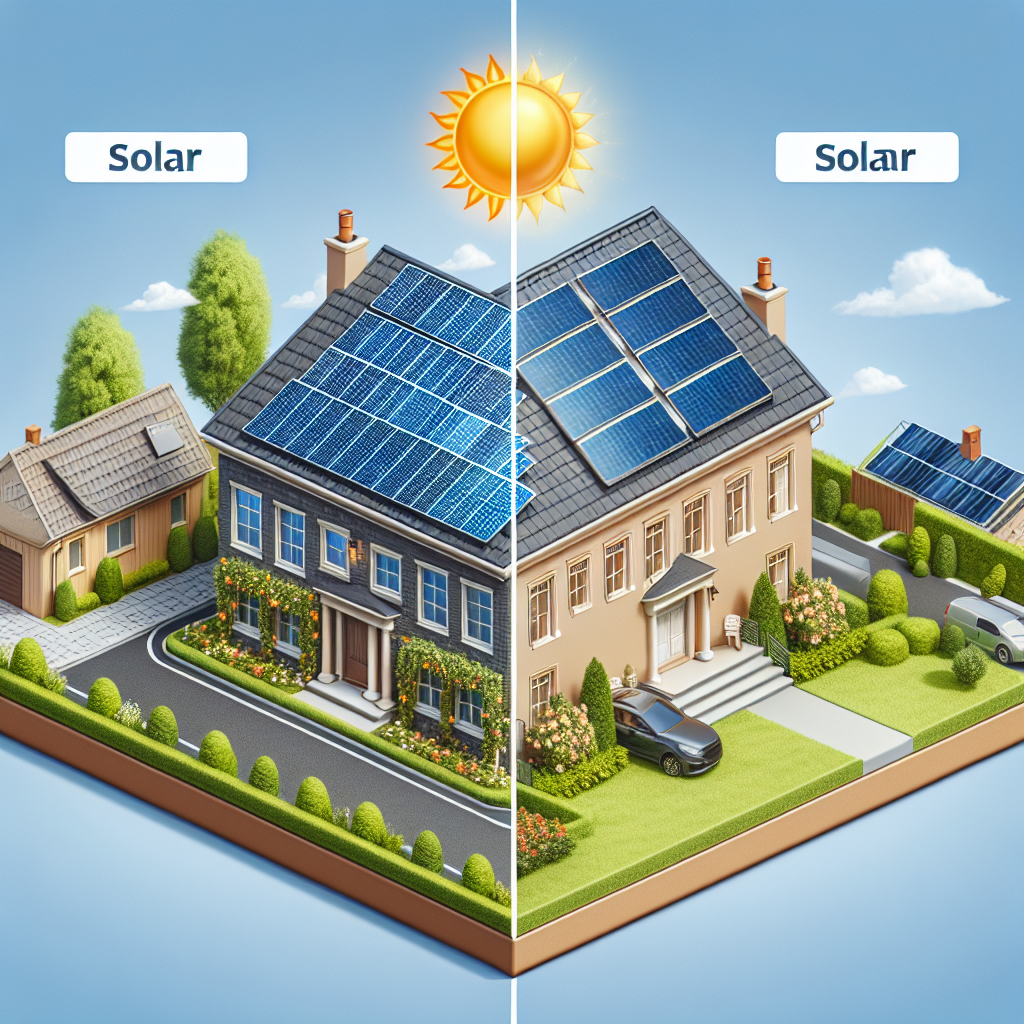
    Okay, let’s get real about money. When you think about solar options, the first thing that pops into mind is usually the cost. Solar Roofs, like the ones Tesla offers, are super sleek but can set you back a pretty penny. If you want that aesthetic appeal combined with functionality, you might be looking at a hefty price tag. On the flip side, traditional solar panels are often cheaper upfront. While they require a roof to install them on, the installation costs tend to be less steep than fully replacing your roof with solar shingles.

    But don’t just think about the sticker price. Think long-term. Solar panels might have lower initial costs, but consider the durability and lifespan of each option too. Solar roofs are made to last. Over time, the investment can balance out, especially with warranties that guarantee performance for decades. It’s kind of like choosing between a college degree and a trade. Both are valid choices and can pay off, but the paths to get there are different.

    When evaluating these options, don’t forget about incentives. Tax credits and rebates can dramatically change the equation. In my experience, reaching out to local utilities or government programs has been a game-changer. You’d be surprised how much you can save with a little research.

    Energy Efficiency and Output

    Comparing Energy Production

    Let’s dive into the nitty-gritty of how much energy these options generate. Traditional solar panels generally boast higher energy efficiency compared to solar roofs. Depending on your location, you might get better output on a sunny day with conventional panels. They’ve been around longer and the technology is well-established, resulting in better performance metrics in many cases.

    But that doesn’t mean Solar Roofs are slouches when it comes to energy. They’ve improved significantly over the years and can generate enough power for most average households. What I find interesting is that they are designed to blend in seamlessly with your home while capturing sunlight. Talk about multi-tasking! It’s like wearing funky sunglasses but still being able to see brilliantly.

    Ultimately, the best choice will come down to your specific limitations and goals. Do you have a large roof space? Traditional panels might deliver better yields. If you live in a neighborhood governed by strict homeowners associations, a solar roof might help you sidestep some of those aesthetic battles.

    Installation and Maintenance

    Understanding the Installation Process

    Let’s talk install—both options have their own quirks. Traditional solar panels usually get slapped on top of your existing roof, and installation is relatively quick and straightforward. I’ve seen installations happen in just a day or two! But here’s the deal: if your roof’s nearing its end-of-life stage, you might want to replace it first, which adds time and expense.

    In contrast, installing a Solar Roof is more involved. The crew needs to remove your old roof and put in the solar shingles, which means you’re probably looking at a few more days of labor. If you’re like me and don’t like disruption in your home, this longer timeline can feel like a pain.

    Maintenance-wise, both options generally require minimal upkeep, but you might want to keep an eye on debris and clean the panels or shingles periodically. In my own home, I’ve found that a little TLC goes a long way. A clean surface means more sun exposure and better energy production, so it’s worth the effort.

    Aesthetics and Property Value

    How Do They Look?

    A biggie! Curb appeal matters, and I’m a fan of keeping my home looking fresh. Solar panels tend to be that noticeable add-on on your roof that can either look charming or outright clunky depending on design. If you’re into that classic rooftop look but still want to harness solar energy, I’d say make sure you choose panels that are sleek and blend in. Some companies are designing lower-profile panels, and that’s great news!

    Now, let’s talk Solar Roofs. These babies are designed to replace your entire roof while generating renewable energy at the same time. For many folks, they provide a ‘wow’ factor I find hard to resist. I mean, who wouldn’t want their roof to look stylish and modern? They give off that refined vibe—almost like the new black of rooftops.

    But remember, style aside, the value they might bring to your home varies. Homebuyers are increasingly interested in energy efficiency, so either option could boost your home’s value, depending on your market. It’s always a good idea to keep an eye on real estate trends and homeowners’ preferences in your area.

    Environmental Impact

    Eco-Friendliness of Each Option

    When it comes to Mother Earth, I think we’d all agree that every little bit counts. Both solar roofs and panels help reduce reliance on fossil fuels. Solar roofs may have a slight advantage here, given that they replace traditional roofing materials, which means you’re not just adding something on top of your home—you’ve got a renewable energy plant in disguise!

    Traditional solar panels have been around longer, which means the recycling options are better established, but they’re also modules that will need to be disposed of at some point. In my experience, it’s a good idea to check how the company handles end-of-life components. Transparency in recycling commitments is essential to consider.

    Ultimately, both choices are a step in the right direction if you’re looking to reduce your carbon footprint. It’s refreshing to see so many more homeowners making the switch. Every little action helps in our fight against climate change, and remember, it’s about progress, not perfection. We’re all in it together!

    FAQs

    FAQ 1: Which option is more cost-effective?

    Generally, traditional solar panels tend to have a lower upfront cost, but Solar Roofs can offer long-term savings depending on durability and warranties.

    FAQ 2: How do I know which system is best for my home?

    It depends on several factors including your budget, aesthetic preferences, roof condition, and energy needs. Consulting with a solar expert can help guide your decision.

    FAQ 3: Do both options require the same amount of maintenance?

    Both systems usually require low maintenance, though some attention to cleaning and inspections can help improve efficiency over time.

    FAQ 4: Will either system increase my property value?

    Yes, both systems can potentially increase property value, but the extent often depends on your local real estate market’s preferences.

    FAQ 5: Are there any incentives for installing solar energy systems?

    Yes! Many areas offer tax credits, rebates, and other financial incentives for solar energy installations, but it’s crucial to check local programs to take full advantage.

  • Solar Panel Mounting Guide: All Roof Types

    Solar Panel Mounting Guide: All Roof Types

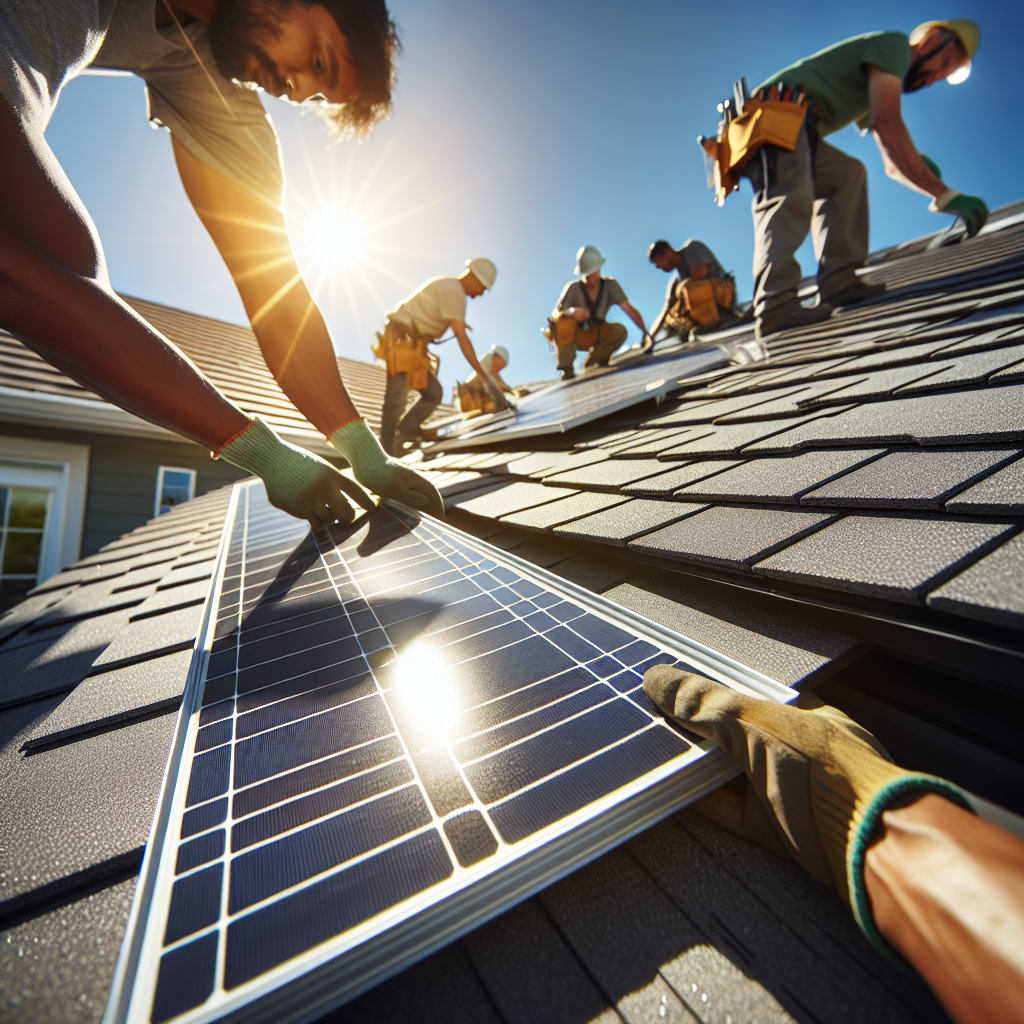
    Hey there! If you’ve been thinking about going solar, you’re not alone. Many of us are making the shift towards renewable energy, and it’s pretty exciting. One of the most important aspects of getting solar panels installed is understanding how to mount them effectively on different roof types. Today, I’ll share my insights into this topic and break it down into five major areas that I wish I had known when I started. Let’s dive right in!

    Selecting Your Mounting System

    Understand Your Roof Type

    First things first, you need to figure out what type of roof you have. Is it flat, sloped, tiled, or metal? Knowing this is key. Each roof type has its own set of requirements and best practices. For example, a flat roof allows for a different mounting strategy than a pitched roof.

    Once you identify your roof style, you can research specific mounting systems tailored for that type. Each system will have its own pros and cons, which I learned often through trial and error or by chatting with experts. Talk about a learning curve!

    In my case, I was amazed at how much my roof type affected the installation process. So, get ready to do a bit of homework. Trust me, it’s worth it!

    Choosing the Right Mounting Equipment

    Now, onto equipment. You need to choose what kind of mounts you’ll be using. Railing mounts, ballast systems, and even pole mounts are all options. I found that companies like IronRidge and Unirac offer solid systems. Just make sure to select ones that come with a good warranty, because let’s face it, you don’t want to be replacing these things anytime soon.

    Don’t skimp on quality here! I once tried to save a few bucks by opting for a cheaper mount, and my panels didn’t sit right. It wasn’t pretty! Investing in good quality gear now can save you headaches down the line.

    Also, remember that local building codes often dictate what type of mounting hardware you can use. Always check those before making a purchase. Don’t get caught off-guard, believe me, I’ve been there!

    Tools You’ll Need

    Before you start the installation, let’s talk tools. You’ll typically need a drill, a wrench, a level, and potentially a saw if adjustments are necessary. The right tools make all the difference!

    When I first took on a DIY solar project, I didn’t have all the tools I needed and ended up making extra trips to the store. Ugh, frustrating! So it’s definitely worth it to double-check your tool inventory before diving in.

    If you’re feeling unsure or overwhelmed, it might also be worth hiring a professional for the installation. Sometimes investing in their expertise pays off!

    Preparing Your Roof for Installation

    Cleaning and Inspection

    Before you can get into the nitty-gritty of installation, your roof needs a good cleaning. Any debris like leaves, branches, or even moss can cause problems down the line. Plus, a clean surface is essential for securing the mounts properly.

    After cleaning, inspect your roof thoroughly. Look for any damage, missing shingles, or weak spots. I’ll never forget the time I overlooked a small leak, which turned into a bigger issue later on. Take the time now to avoid future headaches!

    If you find any damage, it’s wise to fix that before installing solar. You want a solid foundation for those panels, not something that’s going to cave under pressure.

    Planning Your Layout

    Next comes planning your panel layout. This isn’t just about aesthetics; it’s also about optimal energy collection. The angles and direction matter a lot! I learned that you want your panels facing true south (in the Northern Hemisphere) for maximum efficiency.

    Don’t forget about potential shading from trees or nearby buildings. I made the mistake of assuming I could get away with placing panels under some branches, and boy was I wrong!

    Use online tools like Google SketchUp to visualize your layout before you start drilling. It can save a ton of time and ensure you’re making the best use of available sunlight.

    Permits and Regulations

    Alright, let’s not forget about the legal side of things. Before you start nailing anything down, it’s crucial to check local codes and obtain the necessary permits. Each town or city can have different requirements. I personally made a call to my local office to clarify, and I’m so glad I did!

    Failing to secure the right permits can lead to fines or even having to remove your panels. Trust me, you don’t want to deal with that kind of hassle. I’ve watched friends go through that nightmare.

    Once you have all the paperwork sorted, you’re one step closer to having those panels up and running!

    Installing the Mounting Hardware

    Secure the Mounts

    With everything prepped, it’s installation time! Start by securing the mounts according to the layout you planned. Make sure to follow the instructions that come with your equipment closely. The last thing you want is to have to redo work because something is off.

    I can’t stress enough how important it is to use a level during this part. I had one panel that needed a second chance because it wasn’t level, and it drove me up the wall!

    Also, ensure that you’re tightening those mounts adequately. A loose mount can wiggle and cause damage, so don’t cut corners!

    Install the Panels

    Next step: it’s time to install your solar panels on those mounts! I was a bit anxious during my first installation, but it was mostly straightforward. If you’ve done your homework and have help, you should be good to go.

    Use care when lifting them; panels can be fragile. I recommend having a buddy help out to avoid any accidents. Plus, it makes the whole experience way more enjoyable.

    After placing them, double-check all connections and mounts. Better safe than sorry here!

    Connect to the Electrical System

    I know, I know—this is the part where things can get technical! Connecting your solar system to your home’s electrical system is essential for actually using the power generated.

    At this point, I suggest consulting a professional electrician if you’re not comfortable working with electricity. There’s no shame in it! The last thing you want is an electrical mishap that puts you or your home at risk.

    For those who are confident, be sure to follow local wiring codes. Once connected, you’re almost there! Just wait for the joy of seeing your energy meter run backward!

    Finalizing Your Installation

    Inspection and Testing

    After everything is installed, it’s important to do a thorough inspection. Check all your connections and mounts once more. I caught a few minor issues during this phase that could have escalated later!

    Next comes testing! Turn on the system and make sure everything is functioning as intended. There’s nothing quite like that first moment when you see your power meter start spinning backwards.

    If anything looks off, don’t hesitate to reach out to a professional to make sure everything is in line. Better safe than sorry—right?

    Maintenance Plans

    Once you’re up and running, establish a maintenance routine. Clean your panels a couple of times a year or anytime they look dirty. A little upkeep goes a long way in ensuring optimum efficiency!

    Don’t forget to monitor your system’s performance regularly. Most systems come with monitoring tools that will help you stay on top of how much energy you’re producing.

    And if you notice any issues, address them quickly. I once let a small issue linger, and it cost me some energy production—not cool!

    Linking with Net Metering

    The final step in this journey is often net metering, which lets you take advantage of the energy your system generates. It can be a bit of a game-changer when it comes to your energy bills.

    You’ll need to work with your energy provider to ensure they recognize and support your system. This can be an easy process, or it can take some effort to get everything aligned—so stay patient!

    Once it’s all set, you’ll be ready to enjoy the benefits of solar energy—and that’s a great feeling!

    FAQs about the Solar Panel Mounting Guide

    1. What should I consider when selecting a mounting system for solar panels?

    When selecting a mounting system, consider your roof type, the quality of the mounts, and local building codes. Each roof type necessitates different approaches, so it’s crucial to match the hardware accordingly.

    2. How do I prepare my roof before installing solar panels?

    First, you need to clean your roof and do a thorough inspection for any damage. After that, plan your layout and ensure you have the necessary permits to proceed with the installation.

    3. Can I install solar panels myself, or should I hire a professional?

    If you’re handy and confident in your abilities, a DIY installation is possible. However, if electrical work or roof access makes you nervous, hiring a professional is a smart choice to avoid any risks.

    4. How often should I inspect and maintain my solar panels?

    You should inspect and clean your solar panels at least a couple of times a year. Regular maintenance ensures they operate efficiently and any potential issues are spotted early.

    5. What is net metering and how does it work?

    Net metering allows you to receive credit for the excess energy your solar panels generate. When your system produces more energy than you consume, the surplus is sent back to the grid, offsetting costs on your future electricity bills.

    I hope this guide helps you on your solar journey! Remember, every roof is unique, and so is each installation process. Take your time, do your research, and you’ll be enjoying the benefits of clean energy in no time!

  • How To Get Your Solar Power Generator

    If you want to make money from home, you need to find a way to get your business off the ground. One of the best ways to do this is by investing in solar power generators. You can buy these generators online and then install them at your house or business. The great thing about solar power generators is that they do not cost very much to purchase. In fact, they can be purchased for under $200. Once you have purchased the generator, you will want to start looking for the best place to put it.

    There are a few different places that you can put the solar power generator. The first place is on the roof of your house. This is a great place because you can get a lot of sunlight during the day. You can also use a small amount of electricity to charge your batteries. When you are done using the electricity, you can just turn the system off. If you have a lot of electricity going out of your house, you may want to consider putting the solar power generator on your roof as well.

    Another place that you can put your solar power generator is outside. There are many places that you can put the system. For example, you can put it on the side of your house or you can put it on the top of your car. You can even put it in your backyard if you want to. Just make sure that you are in a location where you will be able to get a lot of sun.

    The next place that you can put the solar battery is inside of your home. Many people like to put their solar power generator inside their house because it is more convenient than having it outside. The only problem with this is that you will not be getting a lot of sunlight when you are inside. You will need to use some sort of lighting system in order to see what you are doing. If you are going to put the solar power generator inside your home, you should also consider buying a battery charger. This way, you will be able to keep the batteries charged.

    Once you have decided where you are going to put your solar power generator, you need to decide how you are going to pay for it. There are many different ways that you can finance the purchase. The easiest way is to buy the system outright. However, if you do not have enough money to buy the system, you may want to consider financing it.

    If you are interested in buying a solar power generator, you should look into the different types that are available. Some of these systems are made to run on water while others are made to run on electricity. Make sure that you choose the right one so that you can save money.

  • Complete Detailed How To Harbor Freight Thunderbolt Solar Kit Panels, Battery, Controller, Inverter

    Complete Detailed How To Harbor Freight Thunderbolt Solar Kit Panels, Battery, Controller, Inverter

    Todays video Lisa describes in great detail how to set up and use the Harbor Freight Thunderbolt Solar set we have actually set up for our Ram Promaster Camping Van. Follow her as she describes from photovoltaic panels to hub. To charge controller. To battery. To inverter. To tv. You will have a terrific understanding on the subject in just 10 minutes. Have an incredible day, Billisa