Tag: rooftop

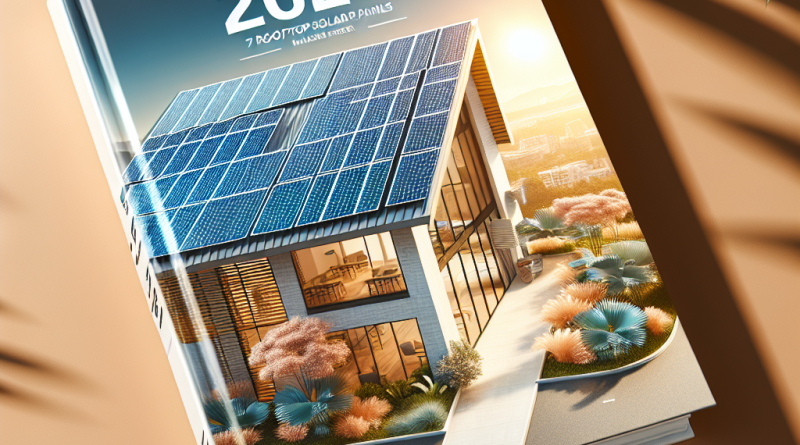
  • The Ultimate 2025 Guide to Rooftop Solar Panels: 7 Effective Tips to Maximize Power

    The Ultimate 2025 Guide to Rooftop Solar Panels: 7 Effective Tips to Maximize Power

    Table of Contents

    1. 1. Assess your Roof’s Suitability for Solar Panels
    2. 2. Optimal Orientation and Tilt for Maximum Sun Exposure
    3. 3. Invest in High-Efficiency Solar Panel Technology
    4. 4. Proper Maintenance and Inspection Routines
    5. 5. Utilize Solar Tracking Systems When Appropriate
    6. 6. Maximize Energy Storage with Advanced Batteries
    7. 7. Stay Updated on Incentives and Policy Changes in 2025
    8. Frequently Asked Questions
    9. Conclusion


    1. Assess your Roof’s Suitability for Solar Panels

    Understanding Roof Structure and Material

    Before investing in rooftop solar panels, it’s vital to evaluate your roof’s condition and structure. A sturdy, well-maintained roof ensures your solar investment will last for decades. In 2025, modern roofing materials like metal, tile, and composite shingles are compatible with solar panels, but some materials may require special mounting systems. For example, metal roofs are often easier and more cost-effective to install on, offering better long-term durability.

    Additionally, inspect the age and integrity of your roof. If it’s nearing the end of its life, consider replacing or repairing it before installation. This approach prevents costly removal and reinstallation later, saving you time and money. Professional assessments can determine if your roof can withstand the added weight of solar panels and whether reinforcement is needed.

    Real-world experience shows that a thorough assessment reduces unexpected issues. Simple tools like a structural engineer consultation or a roofing specialist can provide peace of mind and ensure your rooftop is ready for a solar upgrade.

    Sun Exposure and Obstructions

    Maximizing the power output of rooftop solar panels relies heavily on sun exposure. In 2025, advanced shading analysis tools can help you identify potential obstructions such as nearby trees, chimneys, or adjacent buildings. For optimal performance, panels should face between 150° and 180° (south-facing in the Northern Hemisphere) and have minimal shading throughout the day.

    Regularly trim or remove obstructions that block sunlight during peak hours, typically between 9 am and 3 pm. If shading is unavoidable, consider using microinverters or power optimizers, which can mitigate the impact of shading on system efficiency. Proper site assessment can significantly boost your system’s output.

    Keep in mind that future growth, like new trees or buildings, can alter sun exposure. Planning with a long-term perspective ensures your solar panels will continue to perform optimally for years to come.

    2. Optimal Orientation and Tilt for Maximum Sun Exposure

    Best Direction for Rooftop Solar Panels

    In 2025, the optimal orientation for rooftop solar panels in most locations is south-facing in the northern hemisphere, optimizing sun exposure throughout the day. East- and west-facing panels can still generate significant power but tend to produce less overall energy compared to south-facing installations.

    For homes in the southern hemisphere, north-facing panels are preferable for similar reasons. However, if your roof has limited flexibility in orientation, combining different angles can improve overall system productivity. Consulting with a solar specialist can help design an arrangement that maximizes your specific array’s efficiency.

    Innovative mounting systems now allow for adjustable panels that can be fine-tuned seasonally, capturing more sunlight during winter months and maximizing energy during peak seasons.

    Best Tilt Angle for Different Climates

    The tilt angle of your rooftop solar panels influences how much sunlight they can absorb. In 2025, standard practice suggests setting the tilt approximately equal to your latitude for year-round efficiency. For example, if you’re at 40°, a tilt of roughly 40° is ideal.

    Adjusting the tilt seasonally can enhance performance further. During winter, steeper angles (closer to your latitude +15°) maximize winter sunlight, while a flatter angle (latitude -15°) works better in summer. Some newer mounting systems enable easy seasonal adjustments, providing flexibility for optimal yield.

    While fixed installations are common, investing in adjustable mounts may offer a better return on investment, especially in regions with significant seasonal variation.

    3. Invest in High-Efficiency Solar Panel Technology

    Types of Cutting-Edge Solar Cells

    In 2025, the market is flooded with high-efficiency solar panels utilizing technologies like monocrystalline, bifacial, and perovskite cells. Monocrystalline panels remain the most efficient and durable, capturing more sunlight per square foot. Bifacial panels can absorb sunlight from both sides, increasing overall energy production, especially on reflective rooftops or areas with snow cover.

    Perovskite solar cells are emerging as game-changers, offering higher efficiencies at lower costs, with some prototypes reaching over 25% efficiency. These advancements make rooftop solar panels more accessible and powerful than ever before.

    Investing in high-efficiency panels ensures you get maximum power output from limited roof space. This is especially critical in urban settings or for homeowners with size constraints but high energy needs.

    Durability and Warranty Considerations

    Modern solar panels boast impressive durability, with many offering warranties of 25 years or more in 2025. Look for products with proven performance in various weather conditions—hail, high winds, and snow loads—to ensure longevity.

    Choosing panels with higher efficiency often correlates with better build quality and materials that resist wear over time. Extended warranties and performance guarantees provide financial security and peace of mind.

    Real-world examples show that investing a bit more upfront in top-tier panels can lead to significant savings and energy gains over the lifespan of your rooftop system.

    4. Proper Maintenance and Inspection Routines

    Regular Cleaning and Upkeep

    Keeping your rooftop solar panels clean ensures they operate at peak efficiency. Dust, pollen, bird droppings, and leaves can significantly reduce energy production. In 2025, self-cleaning coatings and robotic cleaning systems have made maintenance easier and more effective.

    Manual cleaning with water and a soft brush is sufficient for most residential systems, typically every 6-12 months. Avoid harsh detergents or abrasive tools that can damage panel surfaces. Regular inspections for dirt buildup and debris help sustain optimal performance.

    Periodic cleaning not only boosts efficiency but also prolongs the lifespan of your panels and mounting hardware. This simple maintenance step can lead to energy gains of up to 10% annually.

    Routine Inspection and System Checks

    Beyond cleaning, conducting routine inspections of your rooftop solar panels and system components is essential. Look for loose connections, corrosion, or physical damage to panels or wiring. In 2025, smart monitoring systems offer real-time performance data, making detection of issues easier.

    Schedule professional inspections annually or bi-annually to identify problems early. Preventative maintenance reduces repair costs and downtime, ensuring continuous energy generation.

    Monitoring your system’s output relative to expected performance helps you catch inefficiencies early and optimize your solar investment.

    PREPARE Mag ad 970 x 250

    5. Utilize Solar Tracking Systems When Appropriate

    Types of Solar Trackers

    Solar tracking systems follow the sun’s path, increasing the energy captured by rooftop solar panels. In 2025, two main types are prevalent: single-axis and dual-axis trackers. Single-axis systems tilt panels east-west, while dual-axis systems add tilt movement for more precise sun tracking.

    While traditionally used in large-scale solar farms, compact and affordable rooftop trackers are increasingly available for residential systems. These systems can boost energy output by 20-35%, depending on location and design.

    Considering a tracking system can be a smart choice if your roof has enough space and optimal sun exposure. They maximize annual power generation, leading to faster return on investment.

    Cost-Benefit Analysis

    Though solar tracking systems add to the initial investment, their higher energy yields can offset costs over time. In 2025, more efficient, lightweight, and easy-to-install trackers make this option accessible for homeowners.

    Evaluate factors such as local sunlight patterns, shading, and roof space to determine if a tracking system is worthwhile. For high energy-demand homes, the increased energy harvest can be significant.

    Also, consider maintenance, as trackers require upkeep to ensure correct operation. Overall, a thoughtful analysis can show whether a tracking system enhances your rooftop solar panels’ performance.

    6. Maximize Energy Storage with Advanced Batteries

    Latest Battery Technologies in 2025

    Energy storage is a critical part of optimizing rooftop solar panels. In 2025, lithium-ion batteries remain popular, but new advancements like solid-state batteries and flow batteries are gaining ground. These innovations promise higher capacity, faster charging, and longer lifespan.

    Installing an advanced battery system allows you to store excess solar energy generated during sunny hours for use during cloudy periods or at night. This maximizes your self-consumption and reduces reliance on the grid.

    Real-world examples show that households with robust storage employ backup power during outages, and save on energy bills by shifting usage to off-peak times. Proper sizing based on your energy needs ensures optimal benefits.

    Smart Management and Integration

    In 2025, smart energy management software integrates your rooftop solar panels with battery systems seamlessly. These systems optimize charging and discharging based on real-time energy prices, weather forecasts, and household consumption patterns.

    Smart technology provides insights, automates energy flow, and enhances overall system efficiency. Proper integration ensures that you make the most of your rooftop solar panels and energy storage investment.

    Consulting with a solar and storage expert can help design a system tailored to your energy profile, maximizing savings and system longevity.

    7. Stay Updated on Incentives and Policy Changes in 2025

    Federal and State Incentives

    In 2025, government incentives remain a powerful motivator for rooftop solar panels adoption. Federal tax credits, rebates, and grants can significantly reduce upfront costs. Many states also offer additional incentives such as property tax exemptions or performance-based incentives.

    Staying informed about available benefits ensures you maximize your investment. Helpful resources include official government websites and renewable energy organizations that publish updated incentive guides.

    Timing and application deadlines are crucial; engaging with local installation companies can ensure you don’t miss out on the best deals.

    Policy Trends and Future Legislation

    Policy shifts in 2025 favor renewable energy, with new legislation aiming to promote nationwide solar adoption. Emerging policies like net metering reforms and solar renewable energy certificates (SRECs) are offering additional income streams for system owners.

    Understanding these trends helps you plan for potential changes and maximize your rooftop solar panels’ financial return. Engaging with advocacy groups and staying connected with industry news keeps you ahead of policy developments.

    By doing so, you’ll ensure your solar investment continues to deliver value as the policy environment evolves.

    Frequently Asked Questions

    Q1: How do I determine if my roof is suitable for rooftop solar panels?

    Assess your roof’s structural integrity, material, sun exposure, and shading. Consulting with a professional can provide a detailed evaluation tailored to your location.

    Q2: What is the best orientation and tilt for rooftop solar panels in 2025?

    South-facing panels with a tilt approximately equal to your latitude (around 40°) typically maximize sun exposure. Adjusting for seasonal variation can further boost efficiency.

    Q3: How can I maximize the efficiency of my rooftop solar panels?

    Proper site assessment, high-efficiency panels, optimal orientation, regular maintenance, and energy storage all contribute to maximizing your solar power output in 2025.

    Q4: Are solar tracking systems worth it for rooftops?

    Yes, especially if your roof has enough space and sun exposure. They increase energy capture by following the sun’s movement, leading to higher overall system performance.

    Q5: What are the latest trends in rooftop solar panels for 2025?

    Advanced high-efficiency panels, smart energy management, improved storage options, and supportive policies shape the current landscape, making rooftop solar more effective and affordable than ever.

    Conclusion

    In summary, the journey to maximizing your rooftop solar panels in 2025 involves careful planning, leveraging the latest technology, and staying informed about incentives and policies. From assessing your roof’s suitability to investing in high-efficiency panels, proper maintenance, and energy storage, each step plays a crucial role in optimizing your solar power system.

    By following these 7 effective tips, you can significantly enhance your energy independence, save money, and contribute to a greener future. Remember, the key to success lies in proactive planning and continuous learning about the evolving landscape of rooftop solar panels. Embrace the opportunities of 2025, and let your rooftop work for you!

  • The Ultimate Guide to 10 Effective solar rooftop systems for 2025

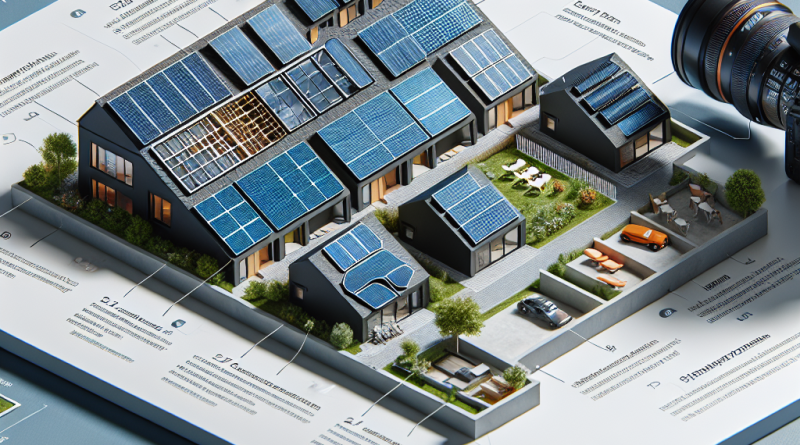
    The Ultimate Guide to 10 Effective solar rooftop systems for 2025

    1. 1. Innovative PV Panel Designs
    2. 2. Bifacial Solar Rooftop Systems
    3. 3. Optimized Tilt Angle Systems
    4. 4. Integrated Battery Storage Solutions
    5. 5. Smart Inverter Technology
    6. 6. Modular Solar Rooftop Systems
    7. 7. Eco-Friendly Materials
    8. 8. AI-Powered Analytics and Monitoring
    9. 9. Financing Options & Incentives
    10. 10. Maintenance & Upgrade Strategies

    1. Innovative PV Panel Designs

    Advanced Monocrystalline and Polycrystalline Panels

    In 2025, the most effective solar rooftop systems leverage advanced photovoltaic (PV) panels with superior efficiency. Monocrystalline panels now reach efficiencies of over 22%, making them ideal for limited roof space. Polycrystalline options, while slightly less efficient, offer cost-effective solutions with reliable performance. Choosing the right PV panel design depends on your energy needs and roof conditions.

    For homeowners and businesses, investing in cutting-edge PV panels can significantly boost energy output. Higher efficiencies translate into more power per square foot, allowing you to maximize your rooftop space and reduce installation costs. Moreover, newer panels feature better aesthetics with slim profiles and flexible designs, seamlessly blending into architectural styles.

    Research shows that advanced PV technologies can boost system productivity by up to 15% compared to older models. It’s crucial to select panels that come with robust warranties and proven durability. Always check for certifications such as IEC 61215 to ensure long-term reliability of your solar rooftop system.

    Emerging Materials and Coatings

    Materials science has played a vital role in enhancing PV panel performance. In 2025, solar panels incorporate anti-reflective coatings, hydrophobic surfaces to repel dirt and water, and lightweight, durable substrates. These innovations result in cleaner panels, optimized sunlight absorption, and less maintenance over the years.

    Some cutting-edge systems utilize perovskite layers combined with traditional silicon cells, potentially increasing efficiencies further. These hybrid designs aim to lower manufacturing costs while delivering higher power output, making them highly attractive for solar rooftop system applications.

    By choosing panels with these innovative materials, you’re investing in a resilient, high-performing solar rooftop system that can withstand climate extremes, ensuring sustained energy generation and a quicker return on investment.

    2. Bifacial Solar Rooftop Systems

    How Bifacial Panels Work

    Bifacial solar panels can harvest sunlight from both sides—front and back—thanks to their transparent backsheet and reflective mounting surfaces. This design can increase energy generation by 10-20% compared to traditional monofacial panels. For 2025, bifacial technology is rapidly becoming a staple in effective solar rooftop systems.

    These panels are especially beneficial on flat or reflective roofs, where the ground or surface beneath can bounce additional sunlight onto the panels. This extra capture significantly improves the overall efficiency of your solar installation.

    Real-world applications have shown that bifacial systems can generate more power without increasing the physical footprint of the system. This makes them an excellent choice for rooftop spaces where maximizing output is critical.

    Installation Considerations

    Installing bifacial panels requires careful attention to mounting and reflective surfaces to maximize benefits. Using materials like white reflective coatings or gravel can enhance back-surface reflection, boosting energy yield. Additionally, elevated mounting systems can prevent shading and dirt accumulation.

    As bifacial systems tend to be more expensive upfront, analyzing cost vs. energy gains over the system’s lifetime is essential. For commercial rooftops with high solar exposure, bifacial panels can provide a strong ROI and future-proof your solar rooftop system investments.

    Consulting with experienced solar installers will help you determine the optimal tilt and spacing strategies to fully utilize bifacial technology’s potential in your unique setup.

    3. Optimized Tilt Angle Systems

    Adjustable and Tracking Mounts

    One of the most effective ways to enhance your solar rooftop system’s efficiency in 2025 is through optimized tilt angles and tracking systems. Adjustable mounts allow manual change of tilt, but automated solar trackers can follow the sun’s path, increasing energy capture by up to 25%.

    Single-axis trackers tilt panels east-west, whereas dual-axis trackers adjust both azimuth and altitude, offering maximum sun exposure. Although trackers increase upfront costs, the extra energy generation often justifies the investment within a few years.

    For rooftops, lightweight tracker designs are now available that do not compromise roof integrity. These systems can be integrated seamlessly with existing structures, providing a smart way to optimize solar rooftop system performance without extensive roof modifications.

    Optimal Tilt Angles for Different Locations

    Determining the best tilt angle depends on your geographic location. For example, in northern latitudes, tilting panels at an angle approximately equal to your latitude maximizes annual energy production. In southern regions, a slightly shallower tilt might be more beneficial.

    In 2025, solar software tools enable homeowners and installers to model and select the optimal tilt angles considering seasonal variations, shading, and roof constraints. This data-driven approach ensures your solar rooftop system performs at peak efficiency year-round.

    Regular adjustments, especially seasonally, can further enhance performance, making your solar investment more productive and sustainable over its lifespan.

    4. Integrated Battery Storage Solutions

    Advancements in Energy Storage

    As the effectiveness of solar rooftop systems continues to grow, integrating battery storage has become essential for maximizing grid independence. In 2025, new generation lithium-ion batteries and flow battery systems deliver higher capacity, longer lifespan, and faster charging times.

    With integrated storage, you can store surplus energy generated during the day and use it at night or during cloudy periods. This flexibility not only reduces electricity bills but also enhances the resilience of your solar rooftop system against power outages.

    Examples include residential systems that can store enough power to cover essential loads for several hours or even days, depending on your energy needs and storage capacity. These solutions make your solar investment more versatile and future-proof.

    Smart Energy Management

    Coupling storage with smart energy management systems enables you to optimize when and how stored energy is used. These intelligent controls can prioritize critical loads, automate charging and discharging, and even interact with the grid for net metering benefits.

    Data from 2025 shows that homes with integrated batteries can see savings of up to 40% on their energy bills. They also contribute to grid stability by balancing supply and demand, making solar rooftop systems more efficient and environmentally friendly.

    When choosing storage solutions, ensure compatibility with your inverter and overall system design. Proper sizing and management are key to maximizing the benefits of your solar rooftop system.

    5. Smart Inverter Technology

    Real-Time Monitoring and Control

    Smart inverters have revolutionized solar rooftop systems by enabling real-time system monitoring, fault detection, and remote control. These advanced inverters can communicate with your smartphone or home automation system seamlessly.

    In 2025, integrating smart inverters into your solar rooftop system allows for proactive maintenance, performance optimization, and quick troubleshooting—saving you time and money. They also enhance safety by automatically shutting down during grid disturbances.

    With features like anti-islanding protection and grid-support functionalities, smart inverters help your solar system comply with evolving regulations, ensuring reliable operation and maximizing energy harvest.

    Incentives and Future Directions

    Utilities and governments increasingly incentivize the adoption of smart inverter technology as part of renewable energy policies. They enable grid-managed demand response, which can lead to financial benefits through net metering or grid services.

    By 2025, many solar rooftop systems are equipped with AI-powered control algorithms to optimize power flow, predict maintenance needs, and adapt to changing environmental conditions—offering users a smarter, more efficient energy solution.

    Investing in smart inverters is essential for future-proofing your solar rooftop system and leveraging the full potential of renewable energy technologies.

    PREPARE Mag ad 970 x 250

    6. Modular Solar Rooftop Systems

    Flexible System Configurations

    Modular designs allow you to customize your solar rooftop system according to specific space, budget, and energy needs. These systems consist of standardized, scalable units that can be added or upgraded over time.

    This flexibility is particularly useful for expanding capacity as energy requirements grow or for retrofitting older systems. It also simplifies maintenance and replacement, reducing long-term operational costs.

    In 2025, modular systems are increasingly integrated with smart monitoring, enabling easy scalability without significant overhauls. This approach makes solar rooftop systems accessible for both residential and commercial applications.

    Easy Installation and Upgrades

    Compared to traditional monolithic systems, modular systems feature plug-and-play components that reduce installation time and complexity. Modern mounting hardware and pre-wired units facilitate quick setup.

    Orchestrating upgrades becomes straightforward—whether adding additional panels or incorporating new technologies like bifacial modules or improved inverters. This future-proofing ensures your solar rooftop system remains efficient and competitive over its lifespan.

    Overall, adopting a modular approach helps you align with 2025 trends toward adaptable, upgrade-friendly renewable energy solutions.

    7. Eco-Friendly Materials

    Sustainable Panel Manufacturing

    In 2025, the push toward eco-friendly solar rooftop systems emphasizes sustainable manufacturing practices. Many manufacturers now source recycled materials, minimize carbon footprints, and reduce hazardous chemical usage during production.

    Some panels incorporate bio-based and biodegradable components, aligning with broader environmental goals. Choosing these eco-friendly options reduces the lifecycle impact of your solar system and supports green initiatives.

    Making eco-conscious choices not only benefits the environment but also enhances your property’s green credentials, which can attract eco-aware tenants or buyers.

    Recycling and End-of-Life Management

    Proper disposal and recycling of solar panels and components are critical parts of the eco-friendly narrative. Companies in 2025 are establishing closed-loop recycling programs to reclaim valuable materials, such as silicon and aluminum.

    Investing in systems with a clear recycling plan ensures your solar rooftop system remains environmentally sustainable beyond its operational lifespan. This practice minimizes landfill waste and promotes circular economy principles.

    Educating yourself on these options is vital for responsible solar adoption and long-term environmental stewardship.

    8. AI-Powered Analytics and Monitoring

    Optimizing Performance with AI

    Artificial intelligence (AI) has become a game-changer for monitoring and optimizing solar rooftop systems in 2025. AI-driven analytics provide insights into system performance, identify anomalies, and suggest maintenance before issues escalate.

    These intelligent systems can analyze weather patterns, system wear, and energy consumption patterns to maximize output and efficiency. As a result, homeowners and businesses can make data-driven decisions to improve their solar investment.

    Implementing AI-powered analytics helps prolong system lifespan, reduce downtime, and ensure your solar rooftop system operates at peak efficiency year-round.

    Predictive Maintenance and Cost Savings

    Predictive maintenance powered by AI reduces unexpected failures and lowers repair costs. Algorithms detect early signs of degradation or inverter failure, enabling timely interventions.

    This proactive approach prevents performance losses and enhances safety. Additionally, AI tools can generate detailed reports and recommendations, simplifying management for system owners.

    Overall, AI-powered monitoring maximizes your solar rooftop system’s productivity while keeping maintenance costs manageable.

    9. Financing Options & Incentives

    Available Financial Programs in 2025

    Government incentives, tax credits, and innovative financing plans make adopting solar rooftop systems more affordable in 2025. Zero-interest loans, lease agreements, and Power Purchase Agreements (PPAs) reduce upfront costs and accelerate returns.

    For homeowners, programs like federal and state tax credits can offset up to 30% of installation costs, significantly improving ROI. Commercial entities benefit from accelerated depreciation and renewable energy credits.

    Consulting local solar providers can help you navigate available incentives, ensuring your solar rooftop system is as financially attractive as possible.

    Maximizing Incentives and Benefits

    Staying informed about changing policies and incentives ensures you don’t miss opportunities. Many regions offer subsidies tied to efficient, eco-friendly systems with integrated storage or smart technology.

    Additionally, some utilities offer performance-based incentives for solar rooftop systems that feed excess energy back into the grid. These benefits can supplement your savings and shorten payback periods.

    Strategic planning around incentives in 2025 will maximize your financial gains from installing a solar rooftop system.

    10. Maintenance and Upgrade Strategies

    Preventative Maintenance Tips

    Regular inspection and cleaning are key to maintaining optimal performance in your solar rooftop system. Dust, leaves, and snow can reduce efficiency, so scheduled cleaning and checks are recommended, especially after storms or seasons with heavy foliage.

    Investing in monitoring tools allows you to identify performance drops early, preventing costly repairs and prolonging system lifespan. Ensure all connections and inverters are functioning correctly, and replace worn components timely.

    By implementing straightforward maintenance routines, you ensure your solar rooftop system remains effective and reliable for years ahead.

    Planning for Upgrades and System Expansion

    The landscape of solar technology keeps evolving. Planning for future upgrades—such as adding more panels, integrating new battery storage, or switching to more efficient modules—can increase your system’s value and performance.

    In 2025, modular systems and smart monitoring make upgrades straightforward. Regular reviews of energy performance and technological advancements help guide upgrade decisions.

    Keeping your solar rooftop system adaptable ensures you leverage the latest innovations and maximize energy savings over its operational life.

    Frequently Asked Questions

    What is a solar rooftop system?
    A solar rooftop system is an integrated setup of solar panels installed on a building’s roof to harness sunlight and convert it into electricity. It provides renewable energy options for residential, commercial, and industrial applications.
    How do I choose the best solar rooftop system for 2025?
    Consider factors like your energy needs, roof space, local climate, available incentives, and technological features such as bifacial panels or smart inverters. Consulting with a professional can help tailor the ideal solution for your property.
    What are the benefits of using a bifacial solar rooftop system?
    Bifacial systems capture sunlight from both sides, increasing energy production by 10-20%. They are especially effective on reflective rooftops and can enhance the efficiency of your solar rooftop system significantly.
    What maintenance is required for a solar rooftop system?
    Regular cleaning, inspections, and monitoring are essential. Ensuring connections and components are functioning correctly will prolong system lifespan and maintain performance.
    Can a solar rooftop system save me money?
    Yes, especially with current incentives, reduced costs, and smart technology. Over time, your system can considerably lower electricity bills and provide a quick return on investment.

    Conclusion

    Investing in a high-quality solar rooftop system is a smart move in 2025, as technological innovations continue to improve efficiency and affordability. From advanced panel designs to AI-powered monitoring, the top 10 effective solar rooftop systems discussed in this guide can help you harness clean, renewable energy reliably. Whether you are looking to reduce costs, increase sustainability, or future-proof your energy setup, choosing the right solar rooftop system tailored to your needs is crucial. Remember, a well-planned system not only benefits the environment but also enhances your