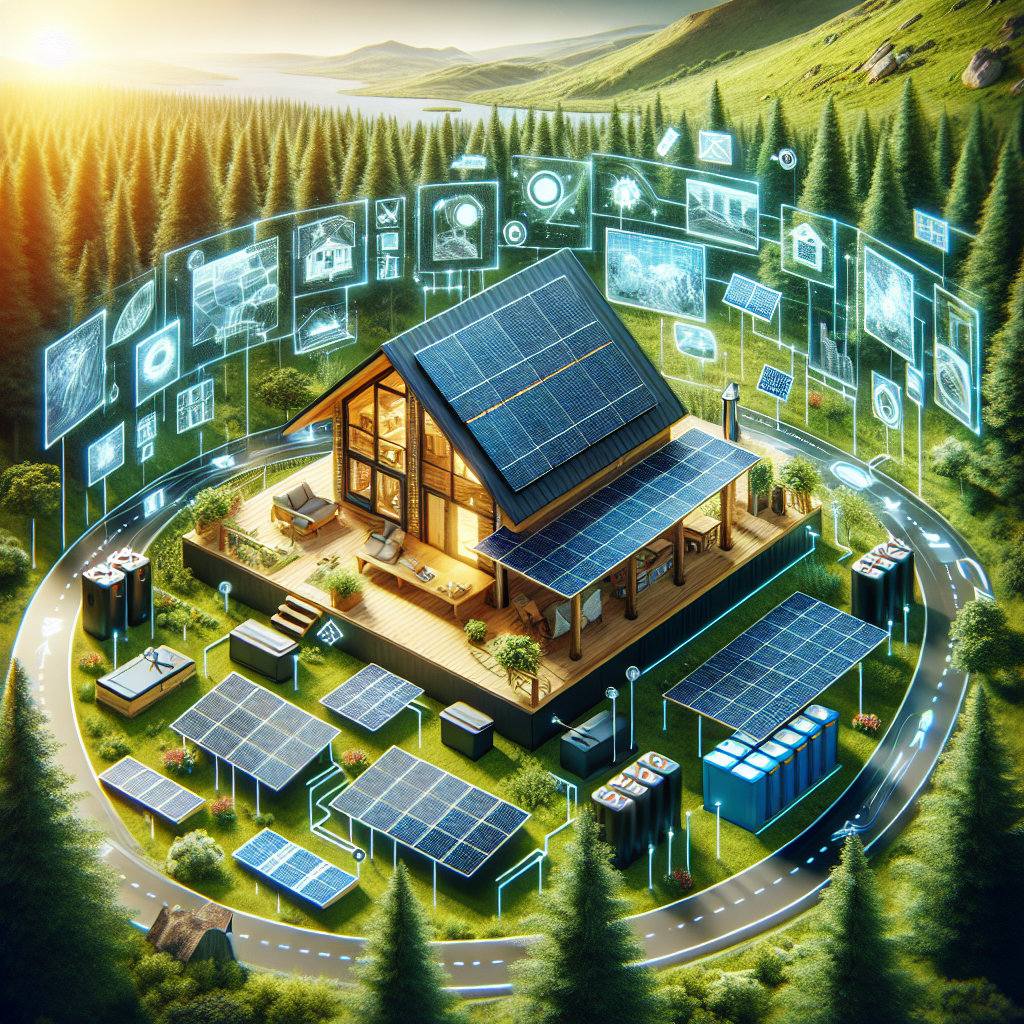
Tag: setup guide

  • Off-Grid Solar Living: Complete Setup Guide

    Off-Grid Solar Living: Complete Setup Guide

    Understanding Off-Grid Living

    What Does Off-Grid Mean?

    So, let’s kick things off by chatting about what being off-grid even means. Basically, it’s living without being plugged into the local power grid. This can sound a bit daunting at first, but it’s also incredibly freeing. You’re essentially saying goodbye to those pesky electric bills and gaining some serious independence.

    For me, the shift to off-grid living was about self-sufficiency. It’s about harnessing natural resources, like solar power, to meet your everyday energy needs. Once you get the hang of it, you’ll find there’s a real satisfaction in knowing you’re living lightly on the planet.

    Trust me, once you start, you’ll appreciate how connected you are to the environment. It’s not just about avoiding bills; it’s a lifestyle choice that connects you to nature in a way that few other things can.

    Benefits of Going Off-Grid

    Now, I can’t stress enough the positives that come with choosing this lifestyle. First off, there’s the environmental impact. We’re all looking for ways to lessen our footprint, and with solar power, you’re tapping into a renewable resource!

    Secondly, there’s the financial aspect. Sure, setting up your solar system might cost a bit upfront, but once it’s all up and running, those savings on your electricity bills become life-changing. It’s like having your cake and eating it too!

    And let’s not forget about the peace of mind. When the grid goes down, like during a storm, I’ve got my solar setup to keep the lights on and my food fresh. You really can’t put a price on that kind of comfort!

    Choosing Your Off-Grid Location

    Next up is choosing where you’re gonna set up shop. It can be a daunting task, but you want to consider a few key factors. Is the site sunny enough? You’d be surprised how much sun can affect your system’s efficiency.

    Additionally, think about access to resources like water and land for food if you’re planning to grow your own meals. Being off-grid often means being a bit more resourceful, so having those natural perks is a game changer.

    Lastly, you’ll want to consider local zoning laws and permits. Nobody wants a nasty surprise from the authorities! Make sure you’re clear on what’s allowed in your chosen spot to avoid complications down the line.

    Choosing the Right Solar System

    Assessing Your Energy Needs

    Alright, let’s talk solar! It’s crucial to know how much energy you actually need before diving in. Start by listing all your daily power-hungry appliances. This will help you gauge what size solar system is right for you.

    For me, I started off with a small setup, but as I added things like a refrigerator and a laptop, I realized I needed to scale up. It’s an evolving process, so don’t rush it!

    Knowing your energy needs upfront also prevents overspending on a system that might be too big or, conversely, having one that leaves you in the dark!

    Different Types of Solar Panels

    Next, let’s dive into the types of solar panels available. You’ll typically find three main types: monocrystalline, polycrystalline, and thin-film. Each comes with its pros and cons, so knowing what fits your needs is important.

    Monocrystalline panels are known for their high efficiency and long lifespan, making them popular—especially if you have limited roof space. Polycrystalline is generally more affordable but with slightly less efficiency. Lastly, thin-film panels are lightweight and flexible, but you may need more of them to get the same wattage.

    Think about your setup and where you’re going to put the panels. Sometimes the look can influence your choice too, since you’re making a long-term investment.

    Battery Storage Options

    Battery storage is where many off-grid enthusiasts find their sweet spot! Simply put, it allows you to store excess energy for those cloudy days or at night. I learned the hard way when I didn’t have enough battery to last through a rainy week!

    Lead-acid and lithium-ion batteries are your main options. Lead-acid is cheaper upfront but has a shorter lifespan, while lithium-ion tends to be more cost-effective in the long run despite the initial investment.

    Knowing how much storage you’ll need is crucial as well. You want to balance your energy needs with what you can spend, so do your homework here!

    Setting Up Your Solar System

    Installation Basics

    Okay, time to roll up those sleeves! Setting up your solar system might sound intimidating, but it can be a fun DIY project if you’re willing to learn. You’ll need to begin with mounting your solar panels in a sun-friendly location.

    Next up, connecting the wires! I always recommend double-checking everything as you go. It’s super easy to make a mistake when you’re excited to power up. Take your time to ensure all the connections are secure.

    Last but not least, you’ll need to install the inverter, which converts the DC power from your panels into AC power for your home. There are many online guides that can help walk you through this, plus videos are super helpful!

    Connecting to Your Power Needs

    Now that the panels are mounted and the inverter is set up, it’s time to connect your solar system to your home. This is where the fun really begins! You’ll need to figure out how to route the power from your inverter into your breaker box.

    If this part sounds tricky, don’t hesitate to call in a pro! I always say it’s better to be safe than sorry, especially when you’re messing with electricity.

    After all, once everything is set up correctly, you’ll get to enjoy your new off-grid energy source to its fullest!

    Testing and Maintenance

    Finally, regular maintenance is key after your setup is complete. Make it a habit to check on your solar panels for dirt and debris at least a few times a year—keeping them clean helps maintain efficiency.

    Monitoring your system’s performance can help catch any issues early on. There are great apps and monitoring systems available today that make this a breeze.

    Don’t forget about your batteries, too! Keeping an eye on the electrolyte levels in lead-acid batteries or ensuring your lithium-ion batteries are functioning optimally will benefit your energy system.

    Living Off The Grid: The Final Steps

    Embracing the Lifestyle

    Now that you’ve got your system set, it’s time to embrace the off-grid lifestyle! There’s an adjustment period for sure, especially when it comes to being mindful of your energy usage.

    Start small—turning off lights when you leave a room, being cognizant of how often you run appliances—every little bit counts! You might even find a new sense of freedom and creativity in managing your energy.

    Cultivating this new habit forces you to appreciate life’s simple pleasures, like catching a sunrise while enjoying your morning coffee from your cozy cabin.

    Creating Community Connections

    One thing I absolutely love about off-grid living is the community. Connect with others who are on the same journey! Whether it’s through local groups or online forums, sharing tips and tricks can make your experience richer.

    Attending workshops or trade shows can not only provide you with valuable information but also make new friends who share your passion. Who knows? You might find a building buddy or someone to swap resources with!

    Remember, going off-grid isn’t just about power; it’s about building a lifestyle and a network that supports your goals.

    Looking Toward the Future

    Lastly, always be thinking ahead. The tech in solar energy is advancing rapidly! As you get more comfortable with your setup, stay on the lookout for new technologies that could benefit you.

    Consider features like smart-home integration or energy management systems down the line. It’ll not only help your own needs but can also increase the resale value of your home if you ever decide to move.

    Embracing the ever-evolving nature of solar technology allows you to make the most of your off-grid experience!

    FAQ

    1. What do I need to know about energy needs before going off-grid?

    Understanding your energy needs is crucial! Make a list of all your appliances and their wattage to accurately size your solar system.

    2. Are there specific solar panel brands you recommend?

    I’ve had great experiences with brands like LG and Canadian Solar, but it’s always best to research based on your specific needs.

    3. Can I go off-grid on a budget?

    Absolutely! Start small and gradually expand as you can afford it. There are also many resources online for affordable DIY setups.

    4. What are the challenges of living off-grid?

    The biggest challenges often include energy regulation, maintenance, and adapting to a new lifestyle, but it’s also incredibly rewarding.

    5. How much sunlight do I need for solar panels to work effectively?

    Most solar panels can still generate power in cloudy conditions, but ideally, you’ll want a location with ample sunlight exposure for maximum efficiency.
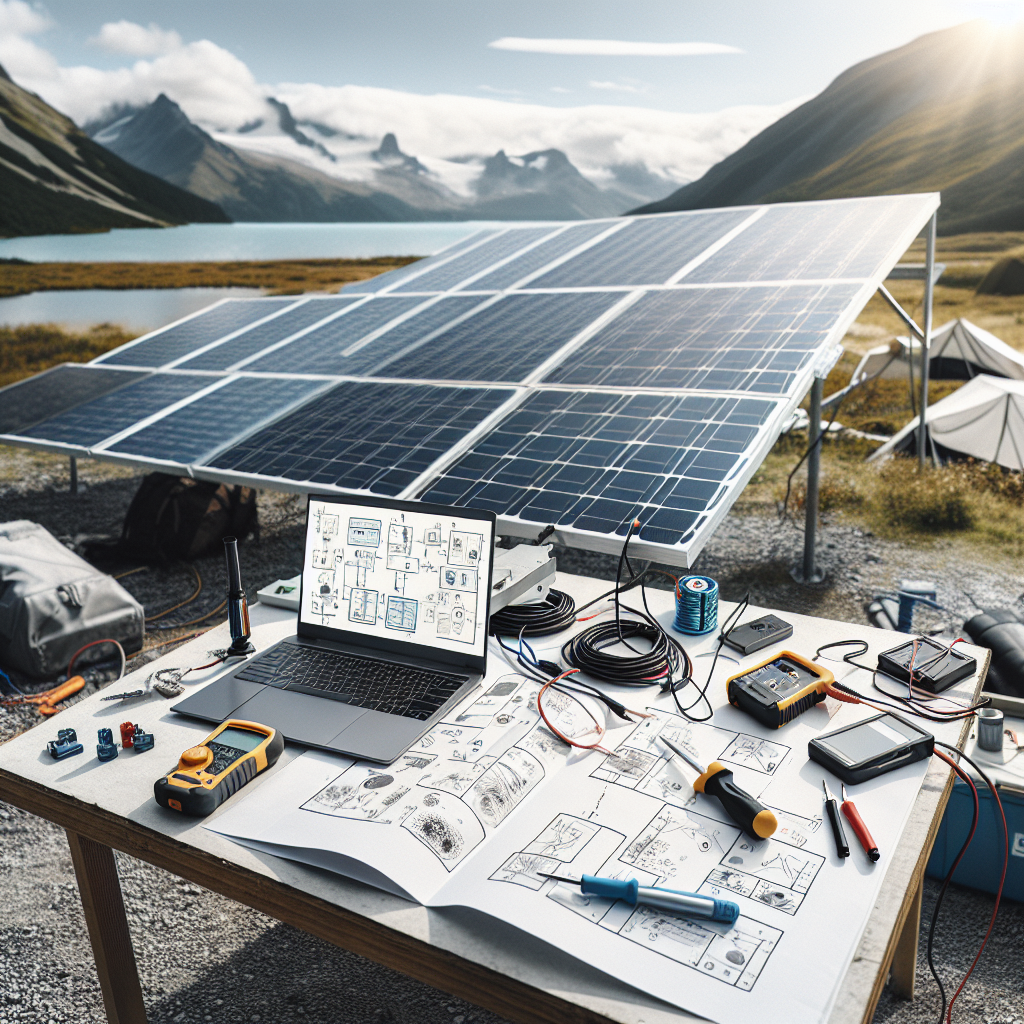
  • Solar Power for Remote Work Setup Guide

    Solar Power for Remote Work Setup Guide

    Understanding Solar Power Basics

    What is Solar Power?

    Let’s kick things off by breaking down what solar power really is. In simple terms, it’s energy harnessed from the sun, which we can convert into electricity. It’s like tapping into a giant battery in the sky that’s full of energy. Pretty cool, right?

    Solar panels, typically installed on roofs or in solar farms, capture sunlight and convert it to electrical energy using photovoltaic cells. These cells work their magic by allowing photons (light particles) to knock electrons free from atoms, creating a flow of electricity.

    Embracing solar power for your remote work setup not only helps reduce your carbon footprint but also can cut down on your utility bills. It’s like getting paid to work in the sunshine!

    Benefits of Solar Energy

    If you’re like me and you enjoy the idea of saving some cash while being eco-friendly, let’s dig into the benefits. First off, using solar energy reduces both your electricity bills and reliance on unstable energy markets.

    Secondly, solar energy is renewable. Unlike fossil fuels, which are finite and depleting, the sun isn’t headed for extinction anytime soon. So, you’ll always have a reliable source of energy for your work needs.

    Lastly, let’s talk about increased home value. Homes equipped with solar energy systems can be more attractive to buyers. It’s like adding a cherry on top when you decide to sell!

    Types of Solar Power Systems

    Not all solar systems are created equal. There are generally two main types of solar power systems: grid-tied and off-grid. A grid-tied system remains connected to the pavement, allowing excess energy to go back to the grid, sort of like sharing with neighbors.

    On the other hand, an off-grid system is your self-sufficient powerhouse. This setup is great for remote locations where the power grid doesn’t reach you. I have a buddy who lives in a cabin deep in the woods, and he swears by his off-grid solar system.

    Consider your power needs and location carefully when choosing your system. It’s important to find a balance that suits your work from home setup while keeping those energy bills low.

    Choosing the Right Equipment

    Solar Panels

    The first piece of the puzzle is choosing your solar panels. Look for panels with a good efficiency rating, meaning they convert more sunlight into usable energy. I learned the hard way that not all solar panels are created equally!

    Most panels come in two types: monocrystalline and polycrystalline. Monocrystalline panels are generally more efficient and take up less space. I opted for these after realizing how much roof space I had to cover.

    Do your own research or consult with a solar provider to find panels that fit your budget and energy needs. You don’t want to skimp on quality when it comes to generating your own power!

    Batteries

    Depending on whether you choose to go off-grid or not, batteries can be an essential part of your solar setup. Batteries store excess energy for use during cloudy days or at night when your panels are snoozing.

    There are various types of batteries available, with lithium-ion being one of the most common due to their long lifespan and ability to charge quickly. I remember being shocked at how much a good battery can cost, but they’re worth the investment in the long run.

    Choosing the right battery capacity depends on your energy needs and how long you want to stay powered during outages. It’s better to overestimate than underestimate!

    Inverters

    Inverters are the unsung heroes of your solar setup. They convert the direct current (DC) produced by the solar panels into alternating current (AC), which is what your devices use. Without an inverter, your solar energy wouldn’t do you a whole lot of good!

    There are two main types of inverters: string inverters and microinverters. String inverters are more common and suitable for most residential setups, while microinverters can increase efficiency in shaded areas. 

    When selecting an inverter, make sure it can handle your maximum energy output. Investing in a high-quality inverter can save a lot of hassle down the road and we all prefer smooth sailing, right?

    Installation Tips

    DIY vs Professional Installation

    Now it’s the moment of truth: installation! Depending on your skill set and comfort level, you might consider a DIY approach or hire professionals. I initially thought I could tackle it myself, but let’s just say I was glad to leave it to the experts.

    Professional installation can ensure that everything complies with local regulations and will likely come with warranties. Plus, these pros have the got-a-cool-solar-expert vibe that you might want to embrace!

    If you decide to go the DIY route, be sure you thoroughly research the process. There are plenty of online resources and kits available to guide you through it, but remember, safety first!

    Optimal Panel Placement

    Location, location, location! That’s the real estate motto, and it applies to solar panel installation too. To maximize the energy you capture, position your panels where they will receive the most sunlight throughout the day.

    Generally, south-facing roofs are ideal, but the angle and tilt can also affect output. I’d recommend consulting with a solar professional to get the perfect angle for your house. It’s a small detail that can make a huge difference.

    Don’t forget to think about potential shading from trees or buildings. A little shade can bring down your output significantly, so consider any factors that might obstruct sun exposure.

    User-Friendly Experience

    Finally, your solar power system should be user-friendly. Make sure any monitoring systems available are easy to use and offer real-time data, so you can track your energy production and consumption. This data can help you optimize your energy use.

    Some systems come with smartphone apps, which makes it super easy to keep an eye on things while sipping your coffee or binge-watching your favorite series. I find myself checking mine more often than I should, just out of curiosity.

    Make the most of the technology available, as it can play a big part in understanding how to tweak your solar usage for a more efficient and cost-effective experience.

    Maintaining Your Solar Power System

    Routine Maintenance Checks

    Now that you’re generating your own solar power, it’s essential to keep things running smoothly. Regular maintenance checks help ensure efficiency and longevity. I make it a habit to check on my system at least once a season.

    Cleaning the solar panels is often part of the routine. Dust, leaves, or bird droppings can reduce their efficiency, so keeping them clean is always a good practice. A soft brush and mild soapy water work wonders!

    Additionally, it’s wise to check the wiring and connections for any signs of wear and tear. Catching potential issues early can save you a lot of headaches down the road!

    Monitoring Energy Production

    Staying on top of your system’s performance is key. Many modern setups come with monitoring systems that track energy output in real-time. This cool tech can alert you if there’s a drop, which could mean something’s wrong.

    I’ve learned that being proactive about monitoring my system has helped me resolve issues quickly and even optimize for certain periods of high usage. It’s like having your own energy watchdog!

    Analyzing your energy generated over time can also help you understand seasonal variances and plan accordingly, whether it’s ramping up work during sunny months or using stored energy wisely during cloudy times.

    Long-term Planning for System Replacement

    Eventually, like all good things, your solar panels will reach a point where they need replacement. Most panels come with warranties ranging from 20 to 25 years, so plan accordingly. Knowing the lifespan of your system can help you budget for this future expense.

    When it comes time for replacement, consider newer technologies or upgrades that could boost efficiency. The world of solar power is constantly evolving, and you might find even better options than what you initially chose.

    If you keep up with maintenance and monitoring, you’ll have a much clearer understanding of when to replace your system, ensuring that you continue to harness the power of the sun effectively.

    Frequently Asked Questions

    1. What is the average cost of installing a solar power system?

    The cost can vary based on your location, the size of the system, and available incentives, but on average, you may be looking at anywhere from $15,000 to $25,000 before any tax credits.

    2. How long does it take to install a solar power system?

    Most installations can be done in a day or two, but don’t forget that permitting and inspection can add some time to the overall process.

    3. How does solar energy affect my property value?

    Typically, homes with solar power systems see an increase in property value. Many buyers find solar panels attractive due to the potential savings on energy bills.

    4. Can I use solar power during an outage?

    If you’re on a grid-tied system without batteries, no. But if you have an off-grid setup or a grid-tied system with a battery, you can power your home during an outage.

    5. Is solar energy environmentally friendly?

    Absolutely! Solar power reduces reliance on fossil fuels and decreases greenhouse gas emissions, contributing positively to the environment.