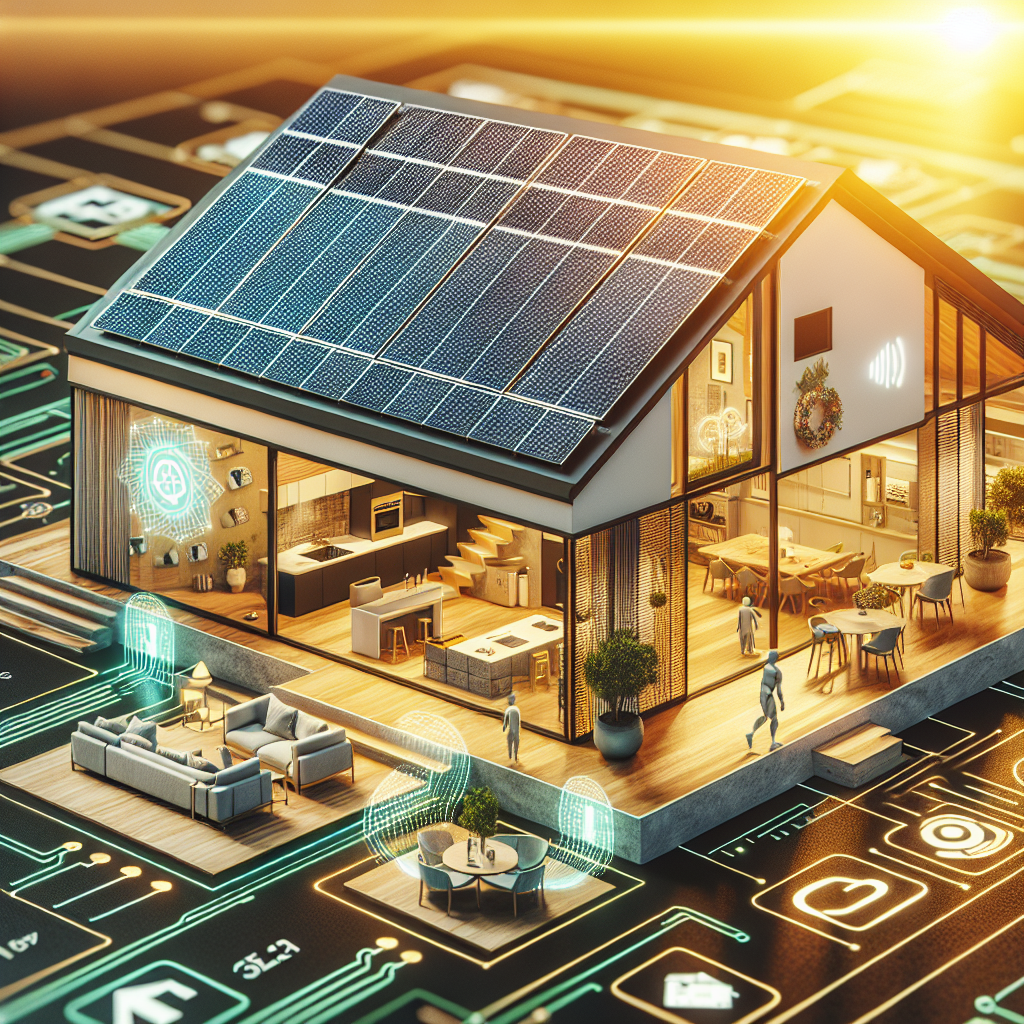
Tag: smart home

  • How to Integrate Solar Power with Smart Home Technology

    How to Integrate Solar Power with Smart Home Technology

    Understanding Solar Power Basics

    What is Solar Power?

    As I’ve gotten deeper into the world of renewable energy, one thing that really stood out to me is solar power. In the simplest terms, solar power is the energy we capture from the sun’s rays and convert into usable electricity. There are generally two ways to harness this energy: photovoltaic (PV) panels and solar thermal systems. The first one is quite common and is what most homeowners think of when they picture solar energy systems.

    Now, why should you even consider solar power? Well, apart from being eco-friendly, it’s a great way to cut down on your electricity bills. Can we say win-win? When installed correctly, not only do you benefit from reduced energy costs, but you also increase your home’s value. Homebuyers love the idea of energy independence!

    In latest years, the technology surrounding solar power has improved significantly. These days, solar panels are more efficient than ever, and their aesthetics are getting better too. So, if you’ve been on the fence about it, it might be time to do a little research and take the plunge!

    Smart Home Technology Overview

    What is Smart Home Technology?

    Smart home technology involves devices that can connect to the internet and communicate with each other, usually controlled via smartphone apps or voice commands. Imagine walking into a room and the lights turning on automatically, or adjusting your thermostat from anywhere you are—this is the kind of convenience we’re talking about.

    While at first glance it might seem a bit like sci-fi, smart home tech is becoming increasingly accessible. From security systems to smart lighting and energy management tools, there’s a device out there for almost anything you can dream of. I mean, who wouldn’t want to turn their home into a tech-savvy oasis?

    Integrating this technology with solar power is where the magic really happens. By connecting your solar energy system with smart home devices, you not only optimize energy use but also gain real-time insights into your power consumption. It’s pretty empowering to see how much energy you’re using and how much you’re saving!

    Choosing the Right Solar Power System

    Types of Solar Panels

    Choosing the right type of solar panel is crucial for an effective setup. There are primarily three types: monocrystalline, polycrystalline, and thin-film. Each has its pros and cons. Personally, I’ve found that monocrystalline panels tend to be the most efficient and space-saving option if you have limited roof space. Yes, they might be pricier, but trust me, they’re worth it!

    On the flip side, polycrystalline panels are generally more affordable and can deliver good performance but may take up a bit more space. If you’re going for a budget setup and have space to spare, they might just do the trick. And then there are thin-film panels—while they’re quite flexible and lightweight, they usually have lower efficiency rates.

    Take your time to weigh your options, and maybe even chat with a professional. The goal is to find a solar panel that fits well with your lifestyle and home setup.

    Integrating with Smart Home Technologies

    Smart Energy Management

    Integrating your solar system with smart home technology is the next big step. The first thing you’ll likely want is a smart energy management system. These systems monitor and control your energy usage by adjusting your smart devices according to energy production and consumption. For example, a smart thermostat can learn your habits and optimize when to use energy based on when your solar panels are generating the most power.

    Some devices can even store excess energy generated by your solar panels for later use. Imagine not just saving energy but actually using stored energy during peak times when electricity prices are higher!

    Besides managing energy use, these systems can provide detailed reports, giving insights into your energy usage patterns. I love reviewing my monthly reports; it’s great seeing how much I’ve saved, and it motivates me to keep finding ways to be more energy-efficient!

    Ensuring Compatibility and Setup

    Choosing Compatible Devices

    Not all smart home devices are created equal, and it’s vital to ensure compatibility with your solar power system. When planning your setup, look for smart home systems that feature compatibility with renewable energy sources. Popular brands usually specify this, so it’s always worth checking!

    Another important aspect is to consider communication protocols. Many devices use Wi-Fi, but some might use Zigbee or Z-Wave, which can create gaps in connectivity if they aren’t compatible with your main system. Trust me, trying to troubleshoot issues because of compatibility is frustrating—and it just takes time away from enjoying your smart setup.

    Setting things up properly from the get-go ensures that you can enjoy a seamless experience. Once I got everything hooked up correctly, the satisfaction of seeing everything work together smoothly was so rewarding!

    Benefits of Combined Systems

    Cost Savings

    One of the main reasons I integrated my smart home with solar power was to save on costs. Solar energy offers a great way to reduce electricity bills, and coupling it with smart technology enhances those savings. Smart devices can adjust their operation based on energy availability. For example, running your dishwasher or washing machine during peak solar production means you’re using the most cost-effective power possible!

    Additionally, many electric companies offer incentives for homes that generate their own energy—when you add smart home tech into the mix, it can sometimes qualify you for even more savings. I couldn’t believe the rebates I was able to snag!

    Plus, let’s not forget about the potential property value increase! Energy-efficient homes are incredibly appealing to buyers. So, not only am I saving money every month, but I’m also potentially boosting my home’s value. Talk about a win-win!

    Frequently Asked Questions

    1. Can all homes benefit from solar power?

    Yes, most homes can benefit from solar power, but factors such as location, roof orientation, and shading should be considered. Consulting with a solar energy expert can help determine your home’s suitability.

    2. How do smart home technologies actually save energy?

    Smart home technologies can optimize energy usage by adjusting the operation times of appliances and lighting based on when solar energy is available, effectively lowering overall electricity consumption.

    3. Is the initial investment in solar and smart technology worth it?

    Absolutely! Although there’s an upfront cost, the long-term savings in energy bills and potential state or federal tax incentives certainly make it a worthwhile investment for many homeowners.

    4. How do I know if my smart devices are compatible with solar energy systems?

    Check the specifications provided by the device manufacturers. Look for energy management systems that specifically mention compatibility with solar power. A little research goes a long way!

    5. Are there maintenance requirements for solar and smart systems?

    Solar panels typically require minimal maintenance—just regular cleaning and occasional inspections. Smart home devices can sometimes need software updates or battery replacements, depending on the type you choose.

  • Smart Home Solar Integration Guide

    Smart Home Solar Integration Guide

    Understanding the Basics of Solar Energy

    What is Solar Energy?

    So, let’s dive right in! Solar energy is essentially energy from the sun that is harnessed using various technologies, like solar panels. Think of it as a gift from nature that can power up your home without filling up your utility bills. I remember when I first learned about it; I was blown away by how powerful those rays from the sun can be! Solar energy is not just a trend; it’s a clean, renewable source that can power everything from small devices to entire houses.

    As we grow more concerned about climate change, solar energy becomes a more appealing option. It’s like having your own little slice of sustainability right at home. Plus, the tech around it has come a long way. Not only can we capture and use this energy, but we can also store it for when the sun isn’t shining. Amazing, huh?

    So, how does it work? Simply put, solar panels convert sunlight into electricity. This process involves photovoltaic cells that create direct current (DC) electricity, which is then converted to alternate current (AC) for use in our homes. Understanding this basic concept is essential as we move deeper into how to incorporate solar into our smart homes.

    The Benefits of Going Solar

    Okay, let’s talk benefits! One of the coolest things about solar energy is that it can save you a ton of cash in the long run. Yup, I said it! After the initial setup costs, you’re looking at lower energy bills month after month. In my case, my electric bills have dropped significantly since installing solar panels. It’s like a mini-victory every time I check my bill!

    But savings aren’t the only perk. By going solar, you’re also reducing your carbon footprint. You’re making a conscious decision to do your part for the planet and chasing that greener lifestyle. It feels good to be able to say that I contribute to a cleaner environment. When my friends ask me about my solar setup, I can proudly tell them it’s helping reduce greenhouse gas emissions.

    We also can’t forget about energy independence. When you generate your own power, especially with a battery backup, you’re less stressed about rising energy costs or power outages. Trust me, it’s nice knowing that I’m somewhat shielded from utility price hikes. This ensures peace of mind, especially during the scorching summer days or unpredictable stormy nights.

    Myths about Solar Energy

    Now, let’s clear the air about some myths. One major misconception I stumbled upon early in my solar journey was the belief that solar energy only works in sunny regions. This couldn’t be further from the truth! Even on cloudy days, solar panels can capture some sunlight and generate energy. I mean, I live in a place where we have plenty of rainy days, and my solar system still performs well.

    Another myth to bust is the idea that solar panels require too much maintenance. Honestly, the upkeep is pretty straightforward—just a bit of cleaning to remove dirt and debris every now and then. When I first got my panels, I worried about maintenance, but it quickly turned out to be much less of a hassle than I anticipated.

    And, of course, there’s the belief that solar panels won’t pay for themselves. In reality, with available government incentives and ever-decreasing installation costs, most homeowners start to see returns on their investment in just a few years. I’ve had mine long enough to fully appreciate this; it’s like watching your money work for you!

    Choosing the Right Solar System for Your Smart Home

    Assessing Your Energy Needs

    When I first took the plunge into solar, I learned that assessing your energy needs is crucial. You don’t want to install a system that’s too small or unnecessarily large. Start by looking at your electricity bills over the past year to see how much energy you’re using monthly. It’s like doing a little audit of your own personal energy consumption.

    Also, think about your home’s layout and how many solar panels you might fit on your roof. I spent a weekend taking a close look at my roof’s orientation, checking how many hours of sunlight it receives, and that helped in planning my installation perfectly. It’s all about maximizing exposure!

    Finally, consider your future needs too. If you plan to get an electric vehicle or expand your family (and energy needs), factor that into your calculations. You’ll want a system that grows with you instead of getting stuck feeling cramped. It’s all about projecting positive vibes into the future!

    Researching Solar Options

    Next, it’s time to dive into research mode. You’ve got options. I remember being so overwhelmed by the sheer number of solar systems and brands out there. It’s important to take your time, compare the features, warranties, and efficiency rates. Talk about a rabbit hole!

    One approach I found super helpful was checking out online reviews and testimonials. These gave me real insight into how different systems perform over time. I even attended a few local workshops hosted by solar companies that allowed me to see systems up close and ask tons of questions.

    Consider the type of panels too—monocrystalline, polycrystalline, or thin-film. Each has unique benefits and costs, so weigh those according to your specific needs. My rule of thumb is to go for efficiency without breaking the bank, and this research phase was key in guiding my decision.

    Selecting an Installer

    Choosing a trustworthy installer was a biggie for me. Frankly, I was anxious about making the right pick because the installation quality affects how well your solar system performs. So I took my time here. I got recommendations from friends, checked online reviews, and even asked potential contractors for references.

    A good installer will assess your property, walk you through the systems they suggest, and help you navigate any permits and incentives. When I met with my installer, they took the time to explain every step of the process and made me feel comfortable. It was clear they were experts in their field, and it made all the difference!

    Once you feel confident with an installer, discuss warranties and guarantees. Make sure you know what’s covered and for how long. I always feel better knowing that I have a safety net should any issues arise down the road.

    Integrating Smart Technology with Solar

    Energy Management Systems

    Now, let’s talk tech! Integrating smart technology with solar is where the magic truly happens. Energy management systems help you monitor your energy production and consumption in real time. When I installed my system, I set up a nifty app that allows me to track production and see when I’m using the most energy throughout the day.

    This kind of insight is a game-changer. I can adjust my habits or run appliances during peak production hours, which can save even more on my bills! Having this level of control in my hands feels empowering, and I love showing off my sunny query results to friends!

    Plus, some of these systems even alert you if there’s an issue, ensuring you’re always in the loop. Knowing I’m always on top of my energy consumption helps me maintain that balance between comfort and cost-effectiveness.

    Smart Home Devices and Automation

    Who doesn’t love convenience? Integrating smart home devices with solar has made life around my house a breeze. For instance, I’ve got smart thermostats, lighting, and appliances that work in harmony with my solar energy. When the sun’s shining bright, my smart devices know to utilize that clean energy rather than relying on the grid.

    What happens is awesome automation! If bright sunlight is hitting my panels, my smart thermostat will kick the AC on to cool the house without dipping into grid energy. That’s when I feel like I’m living in the future! When I programmed my system to do this, it made a noticeable difference in how my energy consumption patterns shifted.

    Also, don’t forget to explore smart plugs and energy-efficient devices; they can be programmed to run at optimal solar production times. This means you can maximize solar energy usage without even lifting a finger. Who knew tech could be this fun and energy-efficient?

    Battery Storage Options

    Battery storage systems are quite possibly the cherry on top of your solar setup. These systems allow you to store excess energy produced during the day for use at night or during cloudy days. Having battery storage has been a game-changer for me, letting my home run on solar energy even after sunset!

    When looking into battery options, consider factors like capacity and discharge rates. Some systems let you run almost entirely off-grid, while others serve as backup power during outages. It’s about what fits your lifestyle! In my journey, choosing a battery meant weighing how much I wanted to rely on solar versus backup energy. After much thought, I opted for a system that lets me maximize my solar use.

    Once I invested in battery storage, I felt a newfound freedom. No more worrying about power outages or how high my utility bill could soar. It’s liberating to know I’m actively using what I generate myself and contributing to sustainability at the same time!

    Maintaining Your Solar System

    Regular Inspections and Cleaning

    Okay, so we’ve gotten through the setup; now let’s talk maintenance. One of the biggest parts of keeping your solar system in tip-top shape is performing regular inspections. I’ve set a reminder every six months to check for any dirt buildup on my solar panels. A quick rinse with a hose is often all they need, but it’s essential to keep them as efficient as possible.

    Also, look out for any shading from nearby trees or debris—especially after storms. I remember a massive storm bending one of my tree branches, and I had to call in a pro to trim it back. I didn’t want anything compromising my panel’s performance!

    In my experience, working with a skilled team for routine inspections is crucial. They not only check the panels but also evaluate the inverter and electrical connections to ensure everything is functioning properly. It’s definitely peace of mind that’s worth the investment.

    Monitoring System Performance

    Monitoring your solar system’s performance is key to maximizing your investment. I always recommend checking your performance data regularly! Like I mentioned before, my app tracks everything for me, from energy production to consumption trends.

    Using this data, I’ve been able to adjust my energy usage and save even more. I once noticed a drop in output during the winter months. That insight drove me to clean my panels and make sure everything was functioning well again. Knowing how to interpret this data can help you catch potential issues before they become major problems.

    If you see something off in the reports, don’t hesitate to call your installer. They can help you troubleshoot and figure out any necessary repairs or adjustments. Staying proactive really pays off!

    Taking Advantage of Incentives

    Last but not least, keep an eye out for any state or federal incentives for maintenance or upgrades. When I was setting up my system, I was amazed by how many rebates and tax credits were available to help offset costs. And you might find there are programs for maintaining and upgrading your system too!

    Checking with local officials or solar associations in your area can help you navigate this landscape. There are sometimes grants offered to encourage solar growth, and if your system needs upgrading, that might open new incentive doors. Knowledge is power in this area!

    By taking advantage of these incentives, it helps ensure you’re getting the most value out of your investment. I’ve felt great about my decision to go solar, and it’s a sweet spot to save money while doing what’s right for our planet.

    FAQ

    1. What is solar energy, and how does it work?
    Solar energy is energy from the sun that is captured using solar panels. These panels convert sunlight into electricity using photovoltaic cells.
    2. How much can I save by installing solar panels?
    Savings vary by location and energy usage, but many people see a significant reduction in their monthly energy bills after installing solar panels. It can help provide long-term savings that pay off the upfront investment.
    3. Do I need a battery for my solar system?
    While not necessary, having a battery allows you to store excess energy for use at night or during cloudy days, giving you more energy independence and peace of mind during power outages.
    4. How often should I clean and inspect my solar panels?
    It’s a good idea to clean your solar panels every six months and have them inspected at least once a year to ensure they’re operating efficiently.
    5. What kind of smart devices can I integrate with my solar system?
    You can integrate a variety of smart devices such as smart thermostats, smart plugs, and energy management systems to optimize your energy consumption and usage during peak solar production times.