Tag: smart

  • The Best Ways to Pair Solar Energy with Smart Thermostats

    The Best Ways to Pair Solar Energy with Smart Thermostats

    Maximizing Energy Efficiency

    Understanding Energy Usage

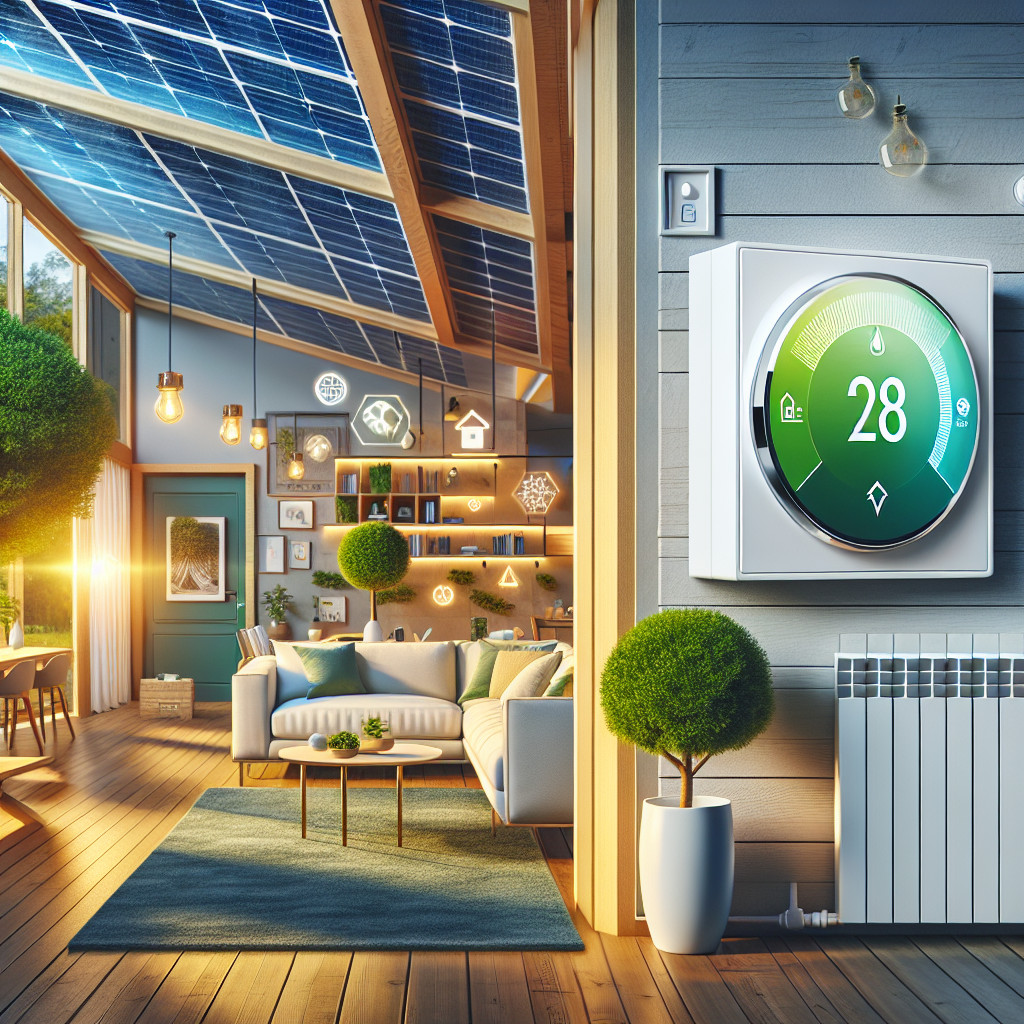
    When I first got into pairing solar energy with smart thermostats, I had to get a strong grasp of my energy usage. Knowing how much energy I consumed daily was key. I started tracking my heating and cooling patterns, which helped me identify high-usage periods that I could optimize.

    Surprisingly, a lot of energy is wasted during peak usage times when the rates are higher. By monitoring my usage, I could tweak my thermostat settings to align better with my solar production. It’s almost like putting together a puzzle where each piece of energy data fits into a bigger picture!

    The combination of solar energy and smart technology gave me insights into how I could become more eco-friendly while saving money. By really understanding my consumption, I was able to cut down on excess and make smarter decisions.

    Setting Up Smart Schedules

    One of the coolest features I leveraged was the smart scheduling capability of my thermostat. This took my energy efficiency game to the next level! I set up schedules that synced perfectly with when my solar panels were producing energy.

    For instance, during sunny days, I programmed my thermostat to run air conditioning or heating earlier in the day while the solar energy was abundant. My home stays comfortable, and I save a bunch on energy costs, all while using sustainable energy.

    It’s fascinating how technology helps you become proactive instead of reactive when it comes to energy usage. With smart scheduling, my thermostat adjusts based on my lifestyle, ensuring I’m using clean energy as efficiently as possible!

    Optimization of Battery Storage

    If you’ve got battery storage with your solar setup, pairing that with a smart thermostat can really bring home the savings. I remember when I first added batteries to my system; I couldn’t believe how much of a difference it made.

    By programming the thermostat to use stored energy during peak times when energy from the grid is more expensive, I could keep my energy expenses down. Those batteries allowed me to harness all that lovely solar power for later use.

    It felt like having a secret stash of cash. You never know how much you can save until you take the leap to optimize those batteries with some smart tech. Trust me; it’s worth it.

    Integrating Technology for Better Control

    Using Mobile Apps for Monitoring

    Let’s face it; who doesn’t love controlling everything right from their phone? The smart thermostat I use comes with a handy app that lets me monitor and control everything remotely. Last week, I was at a friend’s BBQ and realized I left the thermostat running unnecessarily; a quick tap on my phone, and I was able to crank it down.

    This constant access gives me peace of mind. I can see real-time energy usage and adjust as needed. Forgetting to turn off your heating or cooling when you’re not home becomes a worry of the past!

    Being able to manage my system from anywhere has taught me even more about my energy habits, allowing me to make smarter decisions quickly.

    Voice Integration for Ease of Use

    Next up, voice control! If you’re like me and love convenience, integrating voice control into your setup is a game changer. I’ve linked my smart thermostat to my voice assistant, and now I can adjust settings just by speaking—talk about futuristic!

    This feature not only adds ease of use but also helps me make adjustments based on immediate needs without having to get up. It’s perfect for those lazy weekends when I’m cozy on the couch, but my home needs a little extra cooling or heating.

    Plus, it adds that convenience factor to managing home energy with solar; I can check how much energy I’ve used just by asking! Long story short, it’s all about making everything as seamless as possible.

    Utilizing Smart Sensors

    Smart sensors are another feature I think everyone should consider! They can detect occupancy and adjust heating or cooling based on whether anyone’s in the room. I’ve found this super helpful for energy conservation.

    For instance, when I leave for the day, my thermostat automatically adjusts to save energy. No more heating or cooling empty rooms! It’s like having a personal assistant ensuring my home is always energy-efficient.

    This tech ties in beautifully with solar energy because it maximizes the advantages without me needing to lift a finger. This level of automation allows me to enjoy the comfort of my home all while staying eco-friendly.

    Choosing the Right Products

    Researching Compatible Products

    Finding the right combination of solar panels and smart thermostats doesn’t have to be daunting. I did some digging into which products work best together. The key is ensuring that your thermostat is compatible with your solar energy system.

    I found that many manufacturers provide lists of compatible devices. This was a solid starting point that helped me navigate the overwhelming sea of options out there. There’s a product for nearly every setup!

    By sticking to brands known for their quality and innovation, I felt a bit easier about making informed decisions, leading to the perfect balance of efficiency and compatibility.

    Evaluating Energy Management Systems

    An energy management system (EMS) is a great add-on that ties everything together. After purchasing a smart thermostat, it became essential for me to evaluate potential EMS options. This piece of tech helps in managing energy consumption actively.

    With a solid EMS, I gained better insights into my energy patterns. It wasn’t just about monitoring but also providing actionable insights! You get the real-time feedback that inspires conscious energy use.

    Investing in the right EMS can dramatically enhance the synergy between solar panels and smart thermostats, ensuring you’re always in control and making the best out of your investments.

    Prioritizing User Reviews

    I can’t stress enough how useful reading user reviews has been for me. Before I made any big purchases, I took the time to see what others had said about their experiences with specific products. This step prevented me from making costly mistakes.

    User reviews often highlight compatibility issues and performance problems that you may not find in advertising material. You can learn so much from the experiences of others and avoid unnecessary headaches.

    In a field as dynamic as home energy technology, staying informed through community feedback can genuinely help you in making smarter decisions in your own endeavors.

    Adapting to Seasonal Changes

    Seasonal Thermostat Adjustments

    One thing I learned quickly was that seasonal adjustments are crucial to getting the most out of my smart thermostat and solar energy system. For example, I usually set different schedules for winter versus summer.

    During winter, I maintain a cozy temperature to keep the house warm and make the most of my solar energy when the sun is out. Meanwhile, during spring and summer, my cooling settings kick in naturally as the days get warmer, helping me maximize energy efficiency.

    Tweaking these settings based on the season ensures that I remain comfortable in my home all year round, while also being mindful of energy costs, which is a win-win in my book!

    Monitoring Weather Conditions

    Weather can be unpredictable, and being in tune with it can help me plan ahead. I often check forecasts to adjust my settings proactively. For example, if a hot day is ahead, I can ensure my thermostat is set to cool down the house right before the heat hits.

    Smart thermostats can often integrate weather data into their functions, allowing for automatic adjustments. This feature has saved me a ton of effort while maximizing the efficiency of my solar panels.

    Learning to use weather to my advantage is like having a superpower. With just a little planning, I can enjoy comfort without spiking my energy bills!

    Seasonal Maintenance Checks

    Lastly, don’t forget about seasonal maintenance! I’ve learned that regularly checking my solar and thermostat systems is important to ensure everything’s running smoothly. Simple cleanings or professional checks at the start of the season can make a real difference.

    I usually schedule these checks before the weather starts changing significantly. This step ensures I am perfectly prepared for whatever the season throws my way while maintaining efficient energy use.

    A little maintenance goes a long way in this game! By staying proactive about the upkeeping of my systems, I not only prolong their lifespan but also keep my energy efficiency on point.

    Frequently Asked Questions

    1. How do I know if my thermostat is compatible with my solar energy system?

    The best way to determine compatibility is to consult the product manuals of both your solar system and thermostat. Many manufacturers also provide lists of compatible devices, which can help guide your purchasing decisions.

    2. Can a smart thermostat save me money on my energy bills?

    Absolutely! Smart thermostats can learn your habits and optimize your heating and cooling schedules for maximum efficiency, often resulting in reduced energy bills over time.

    3. What’s the best way to set up my smart thermostat with solar energy?

    Begin by monitoring your energy usage and set up schedules that align with your solar energy production. Additionally, consider optimizing battery storage to make the most of your solar power.

    4. Do smart thermostats work with all types of heating and cooling systems?

    Most smart thermostats are designed to work with various systems, but it’s essential to check for compatibility with your specific setup, whether it be a central air system, heat pump, or something else.

    5. How can I integrate voice control into my thermostat system?

    Many smart thermostats are compatible with voice assistants like Amazon Alexa or Google Assistant. You can usually set up the integration through the respective app by following simple on-screen instructions!
  • The Future of Solar Panels: Smart Features to Watch For

    The Future of Solar Panels: Smart Features to Watch For

    1. Enhanced Energy Management Systems

    Understanding Energy Storage

    Let me tell you, one of the coolest advancements in solar technology is enhanced energy management systems. These systems provide a way to store excess energy produced during peak sunlight hours. In the past, any unused energy just went to waste, but now we can collect that and use it later when we need it most—like during a late-night Netflix binge!

    With the innovations in battery technology, we’re seeing more options that become more efficient at storing energy. It’s not just about saving energy but also about smartly distributing it throughout your home. Imagine a world where your appliances know when energy costs the least and when to run accordingly. This is what these systems can help achieve.

    So, if you want to invest in solar panels, make sure to look for systems that include advanced energy management. It’s like having a personal energy assistant that boosts your efficiency and cuts costs, which, let me tell you, feels amazing!

    Real-Time Monitoring

    Have you ever wished you could peek into how much power your solar panels are generating right from your smartphone? I know I have! Real-time monitoring is becoming more standard and allows you to see your energy production live. This feature not only adds convenience but also helps in troubleshooting potential issues before they become costly problems.

    With apps and user-friendly dashboards, I can monitor my energy production effortlessly. Plus, I can track usage patterns and adjust my habits to optimize performance. Talk about empowerment! I love knowing how much energy I’m saving daily—it feels great to be a part of the sustainability movement.

    Incorporating real-time monitoring is a game-changer for anyone who wants to be proactive about their solar energy systems. It keeps you informed and bulletproofs your investment in ways that previous technologies just couldn’t.

    Home Integration

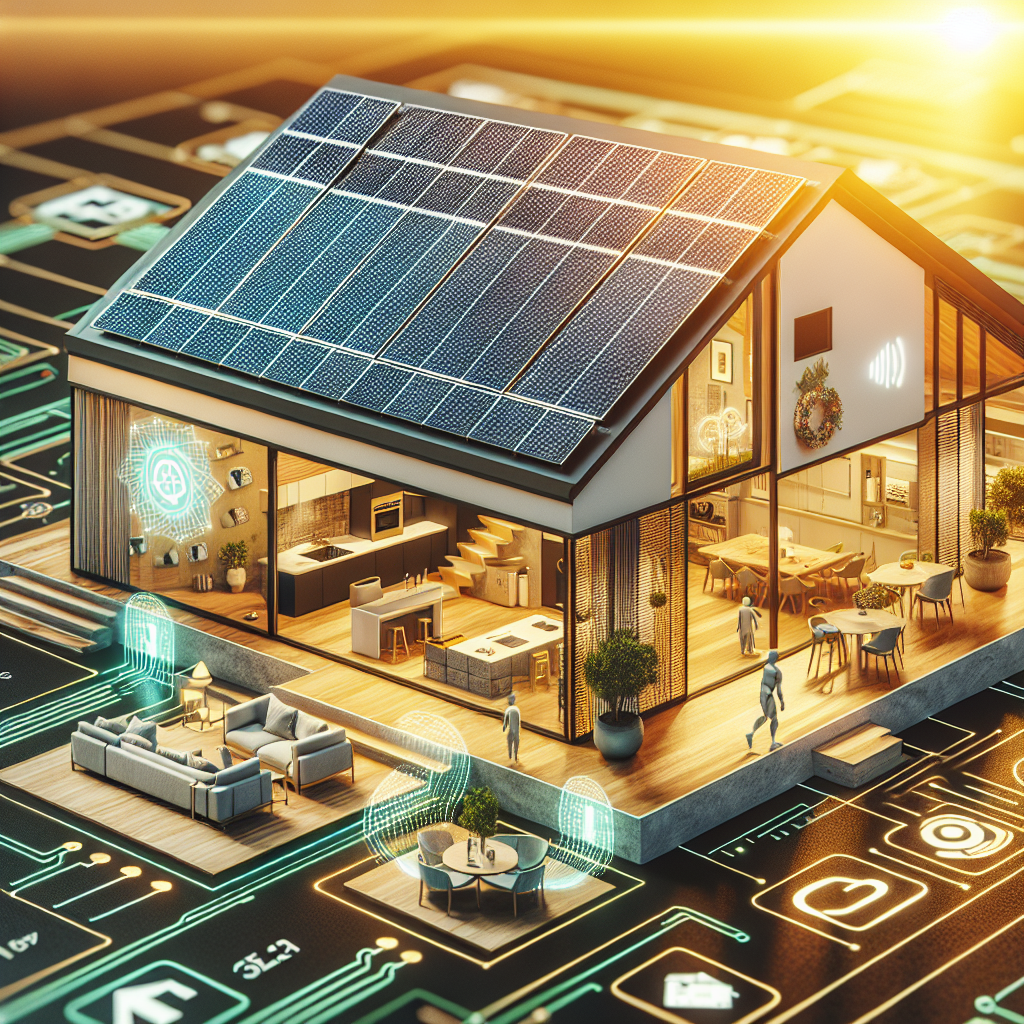
    Another game-changing feature that I’m really excited about is how solar technology is more seamlessly integrating into smart home systems. Your solar panels can become a part of an overall smart ecosystem in your house, controlling everything from lighting to security systems with the same interface. This just makes life easier, right?

    Many people are investing in smart plugs and appliances that can be scheduled to run when solar energy is at its peak. What’s cooler than knowing your washing machine only runs when the sun is shining? This kind of integration can lead to significant savings on electricity bills and ensures you’re using renewable energy as efficiently as possible.

    So, if you’re considering solar panels, make sure to explore options that feature robust smart home integration. It’s about creating that seamless lifestyle where everything works together, making energy conservation a breeze rather than a chore.

    2. Improved Aesthetics and Design

    Sleek, Modern Panels

    As someone who cares about curb appeal, the aesthetics of solar panels are super important to me! Gone are the days when solar panels looked like bulky boxes stuck to your roof. Today’s designs are sleek, modern, and can blend right into your roof. They look good and perform well—talk about a win-win!

    Some panels now even mimic the appearance of traditional roof tiles, making them virtually indistinguishable from typical roofing materials. This is a significant benefit for homeowners who want to harness solar energy without compromising on the looks of their homes.

    Ultimately, improved aesthetics means more people are open to the idea of installing solar panels. After all, who wants a hodgepodge of equipment on their roof when you can have something that enhances your home’s beauty?

    Building-Integrated Photovoltaics (BIPV)

    Have you heard of BIPV? It’s a fancy term that refers to integrating solar panels into the building materials of the home itself. Imagine solar windows or solar roof shingles—these products are at the cutting edge of design. Instead of adding on to your house, the technology becomes part of it.

    With BIPV systems, you get all the benefits of solar energy without the clunky add-ons we’re used to seeing. It’s an elegant solution for those who are particularly design-conscious. As the technology continues to develop, we’ll likely see even more options emerge.

    This integration opens the door to homes that are not just energy-efficient but also stylish and modern. If you’re in the market for solar panels, consider looking into BIPV options—this is the future of sustainable living!

    Customization

    Customization is another exciting feature that I think is going to make solar panels even more appealing to homeowners. The ability to tailor your solar system based on your specific needs, whether that’s energy output, design preferences, or budget, is crucial.

    This means choosing the right size, shape, and even color of your solar panels. Technology is allowing for more personalization, ensuring you can find a solution that matches your taste and fits perfectly with your house’s architecture. This is pretty genius if you ask me!

    Moreover, customization includes optimizing your solar system to match your energy consumption patterns. By working with experts, you can create a setup specifically designed for your lifestyle. It’s not just about slapping some panels on your roof; it’s about making them work for you!

    3. AI and Machine Learning in Solar Technology

    Predictive Maintenance

    Now, let’s dive into technology! The incorporation of AI and machine learning in solar technology is a game-changer for everything from efficiency to maintenance. It enables predictive maintenance, which means potential issues can be diagnosed before they become significant problems.

    By analyzing performance data over time, systems can alert homeowners to when a panel may need servicing or repair. This is such a relief because waiting for a problem to arise can be costly—not to mention inconvenient!

    Utilizing AI for predictive maintenance can ensure your solar panels are always performing optimally, which is exactly what we want. Keeping tabs on the health of your solar investment has never been easier!

    Optimizing Performance

    Another fantastic application of AI is optimizing performance. By using historical data and real-time analysis, these systems can adjust how your solar panels operate under various conditions for maximum output. For example, it can analyze weather patterns and adjust usage accordingly.

    This level of smart technology ensures that you’re getting the absolute most out of your investment. And who wouldn’t want that? It feels incredible to know that technology is looking out for your best interest.

    As we transition more towards sustainable energy sources, performance optimization through AI will undoubtedly become an industry standard, giving homeowners the reassurance that their systems are performing at their best every day.

    Smart Grids

    Finally, we can’t overlook how AI supports the development of smart grids. These are intelligent transmission systems that allow for better distribution of electricity and improved response to consumption patterns. They enhance the overall effectiveness of solar power as a part of our energy landscape.

    Smart grids have the ability to interact with all kinds of energy sources, ensuring we can balance loads and make the most of renewable resources. Especially during peak usage times, this level of coordination is vital for fostering a resilient energy ecosystem.

    I can’t stress enough how this integration can bring solar energy into mainstream use, providing both homeowners and environmental advocates with peace of mind. It’s all about creating a smarter and greener future!

    4. Solar Technology in Various Sectors

    Residential Solutions

    On a personal level, I’ve found that the advancements in residential solar technology are expanding rapidly. Homes are not just requiring solar panels for energy; they are looking for complete solutions. Rooftop solar has become a viable long-term energy strategy, especially with the enhanced technologies available today.

    Systems designed for residential use are not only focused on energy production but also come with features that adapt to the household. Upgraded modules are becoming more flexible, meaning they can fit into diverse residential designs without compromising aesthetics. And trust me, no one wants to look at something ugly on their roof!

    Overall, as technology expands, residential users can find systems that cater specifically to their energy needs while offering a visually appealing solution—definitely a win in my book!

    Commercial Innovations

    Now, let’s chat about commercial applications. Business owners are becoming increasingly more aware of the benefits of adopting solar solutions. It’s not only about doing the right thing for the planet but also about saving some cash. Companies large and small are looking to incorporate solar technology into their infrastructure.

    Commerical solar systems are now being designed with improved efficiencies, making them a cost-effective option for businesses. With some states offering incentives, companies can significantly reduce their installation costs, making that solar investment even sweeter!

    What’s more, businesses are also exploring solar energy as part of their branding. Companies that invest in sustainable energy stand out to consumers, and trust me, it’s a great marketing point that appeals to the growing number of eco-conscious customers.

    Utility Scale Solar Technologies

    Finally, utility-scale solar technology is making waves! Large installations are being developed to harness solar energy effectively and on a broader scale. This type of solar application is crucial for transitioning to renewable energy on a grand level and is the backbone of future urban energy solutions.

    Utilities are investing heavily in such technologies, aiming to meet increasing energy needs sustainably. And who doesn’t want cleaner energy flowing into our grids? Moreover, utility-scale installations can also be integrated with battery storage systems that assist with energy demand during off-peak hours.

    In short, the drive for utility-scale solar technologies is not just interesting; it’s essential for our energy future. It’s giving big corporations and municipalities the tools they need to reduce their carbon footprint and enhance the reliability of energy production.

    5. Regulatory Changes and Incentives

    Government Incentives

    Alright, folks, let’s hit on the nitty-gritty of regulations and incentives. With governments worldwide stepping up to promote renewable energy, there are more incentives than ever for adopting solar technology. Tax credits, rebates, and even grants make it so much easier to take the leap and install solar panels!

    As someone who loves saving money, I’ve certainly taken advantage of local programs that incentivize solar installations. You’d be surprised at how much that can reduce the overall cost and improve your return on investment! With the right research, finding applicable grants can be the difference between ‘maybe’ and ‘heck yes!’

    The push from regulatory bodies is not just good for individual homeowners; it’s an encouraging sign that our leaders are moving toward a greener economy, which we can all rally behind.

    Policy Changes

    On a broader scale, policy changes play a massive role in shaping how we interact with solar technologies. Stricter regulations on emissions and renewable energy mandates are pushing companies to invest in solar technologies more seriously. So if you’re thinking about going solar, now’s the time!

    These shifts have caused energy costs to drop in some areas as more options become available to consumers. Plus, as competition increases, prices are likely to keep falling! This is all great news for anyone with an eye on sustainable living.

    Staying up-to-date with these changes can also empower users to make informed decisions about which solar solutions are most beneficial, both economically and environmentally.

    Community Initiatives

    Let’s not forget about community initiatives! As local communities recognize the importance of sustainability, many have developed programs to collectively invest in solar energy. These initiatives can include community solar farms or shared solar power agreements that provide residents with access to renewable energy without the individual costs of installation.

    Working together offers a new way to extend the benefits of solar tech to those who may not have the resources or the property to install panels themselves. It’s about creating a sense of community and sharing the load, and I think we can all agree that’s pretty awesome!

    This collaborative approach to solar technology is a beautiful way to bolster local economies while fostering a greener planet. It’s uplifting to witness communities coming together for a common goal, doesn’t it?

    FAQs

    1. What are some of the most exciting features of new solar panel technology?

    Enhanced energy management systems, improved aesthetics, and integration with smart home technology are just a few of the exciting advancements in solar panel technology. These features not only boost efficiency but also help make solar energy more accessible and attractive to homeowners.

    2. How can AI and machine learning benefit solar energy systems?

    AI and machine learning can optimize performance, predict maintenance needs, and drive the development of smart grids. These technologies can help system owners increase their energy efficiency and ensure their systems are performing at their best.

    3. What government incentives are available for solar panel installations?

    Various government incentives exist, such as tax credits, grants, and rebates, which can significantly lower the cost of solar panel installation. It’s essential to check local programs, as these can vary widely by region.

    4. Why is customization important in solar panel technology?

    Customization allows homeowners to design solar solutions that fit their specific energy needs and aesthetic preferences. This personalized approach can enhance the effectiveness of the system and improve satisfaction with the installation.

    5. How do community initiatives support solar energy adoption?

    Community initiatives create shared solar solutions, allowing residents to invest collectively in solar energy, reducing individual costs and expanding access to renewable energy for those who may not be able to install panels on their own.

  • How to Integrate Solar Power with Smart Home Technology

    How to Integrate Solar Power with Smart Home Technology

    Understanding Solar Power Basics

    What is Solar Power?

    As I’ve gotten deeper into the world of renewable energy, one thing that really stood out to me is solar power. In the simplest terms, solar power is the energy we capture from the sun’s rays and convert into usable electricity. There are generally two ways to harness this energy: photovoltaic (PV) panels and solar thermal systems. The first one is quite common and is what most homeowners think of when they picture solar energy systems.

    Now, why should you even consider solar power? Well, apart from being eco-friendly, it’s a great way to cut down on your electricity bills. Can we say win-win? When installed correctly, not only do you benefit from reduced energy costs, but you also increase your home’s value. Homebuyers love the idea of energy independence!

    In latest years, the technology surrounding solar power has improved significantly. These days, solar panels are more efficient than ever, and their aesthetics are getting better too. So, if you’ve been on the fence about it, it might be time to do a little research and take the plunge!

    Smart Home Technology Overview

    What is Smart Home Technology?

    Smart home technology involves devices that can connect to the internet and communicate with each other, usually controlled via smartphone apps or voice commands. Imagine walking into a room and the lights turning on automatically, or adjusting your thermostat from anywhere you are—this is the kind of convenience we’re talking about.

    While at first glance it might seem a bit like sci-fi, smart home tech is becoming increasingly accessible. From security systems to smart lighting and energy management tools, there’s a device out there for almost anything you can dream of. I mean, who wouldn’t want to turn their home into a tech-savvy oasis?

    Integrating this technology with solar power is where the magic really happens. By connecting your solar energy system with smart home devices, you not only optimize energy use but also gain real-time insights into your power consumption. It’s pretty empowering to see how much energy you’re using and how much you’re saving!

    Choosing the Right Solar Power System

    Types of Solar Panels

    Choosing the right type of solar panel is crucial for an effective setup. There are primarily three types: monocrystalline, polycrystalline, and thin-film. Each has its pros and cons. Personally, I’ve found that monocrystalline panels tend to be the most efficient and space-saving option if you have limited roof space. Yes, they might be pricier, but trust me, they’re worth it!

    On the flip side, polycrystalline panels are generally more affordable and can deliver good performance but may take up a bit more space. If you’re going for a budget setup and have space to spare, they might just do the trick. And then there are thin-film panels—while they’re quite flexible and lightweight, they usually have lower efficiency rates.

    Take your time to weigh your options, and maybe even chat with a professional. The goal is to find a solar panel that fits well with your lifestyle and home setup.

    Integrating with Smart Home Technologies

    Smart Energy Management

    Integrating your solar system with smart home technology is the next big step. The first thing you’ll likely want is a smart energy management system. These systems monitor and control your energy usage by adjusting your smart devices according to energy production and consumption. For example, a smart thermostat can learn your habits and optimize when to use energy based on when your solar panels are generating the most power.

    Some devices can even store excess energy generated by your solar panels for later use. Imagine not just saving energy but actually using stored energy during peak times when electricity prices are higher!

    Besides managing energy use, these systems can provide detailed reports, giving insights into your energy usage patterns. I love reviewing my monthly reports; it’s great seeing how much I’ve saved, and it motivates me to keep finding ways to be more energy-efficient!

    Ensuring Compatibility and Setup

    Choosing Compatible Devices

    Not all smart home devices are created equal, and it’s vital to ensure compatibility with your solar power system. When planning your setup, look for smart home systems that feature compatibility with renewable energy sources. Popular brands usually specify this, so it’s always worth checking!

    Another important aspect is to consider communication protocols. Many devices use Wi-Fi, but some might use Zigbee or Z-Wave, which can create gaps in connectivity if they aren’t compatible with your main system. Trust me, trying to troubleshoot issues because of compatibility is frustrating—and it just takes time away from enjoying your smart setup.

    Setting things up properly from the get-go ensures that you can enjoy a seamless experience. Once I got everything hooked up correctly, the satisfaction of seeing everything work together smoothly was so rewarding!

    Benefits of Combined Systems

    Cost Savings

    One of the main reasons I integrated my smart home with solar power was to save on costs. Solar energy offers a great way to reduce electricity bills, and coupling it with smart technology enhances those savings. Smart devices can adjust their operation based on energy availability. For example, running your dishwasher or washing machine during peak solar production means you’re using the most cost-effective power possible!

    Additionally, many electric companies offer incentives for homes that generate their own energy—when you add smart home tech into the mix, it can sometimes qualify you for even more savings. I couldn’t believe the rebates I was able to snag!

    Plus, let’s not forget about the potential property value increase! Energy-efficient homes are incredibly appealing to buyers. So, not only am I saving money every month, but I’m also potentially boosting my home’s value. Talk about a win-win!

    Frequently Asked Questions

    1. Can all homes benefit from solar power?

    Yes, most homes can benefit from solar power, but factors such as location, roof orientation, and shading should be considered. Consulting with a solar energy expert can help determine your home’s suitability.

    2. How do smart home technologies actually save energy?

    Smart home technologies can optimize energy usage by adjusting the operation times of appliances and lighting based on when solar energy is available, effectively lowering overall electricity consumption.

    3. Is the initial investment in solar and smart technology worth it?

    Absolutely! Although there’s an upfront cost, the long-term savings in energy bills and potential state or federal tax incentives certainly make it a worthwhile investment for many homeowners.

    4. How do I know if my smart devices are compatible with solar energy systems?

    Check the specifications provided by the device manufacturers. Look for energy management systems that specifically mention compatibility with solar power. A little research goes a long way!

    5. Are there maintenance requirements for solar and smart systems?

    Solar panels typically require minimal maintenance—just regular cleaning and occasional inspections. Smart home devices can sometimes need software updates or battery replacements, depending on the type you choose.

  • Smart Home Solar Integration Guide

    Smart Home Solar Integration Guide

    Understanding the Basics of Solar Energy

    What is Solar Energy?

    So, let’s dive right in! Solar energy is essentially energy from the sun that is harnessed using various technologies, like solar panels. Think of it as a gift from nature that can power up your home without filling up your utility bills. I remember when I first learned about it; I was blown away by how powerful those rays from the sun can be! Solar energy is not just a trend; it’s a clean, renewable source that can power everything from small devices to entire houses.

    As we grow more concerned about climate change, solar energy becomes a more appealing option. It’s like having your own little slice of sustainability right at home. Plus, the tech around it has come a long way. Not only can we capture and use this energy, but we can also store it for when the sun isn’t shining. Amazing, huh?

    So, how does it work? Simply put, solar panels convert sunlight into electricity. This process involves photovoltaic cells that create direct current (DC) electricity, which is then converted to alternate current (AC) for use in our homes. Understanding this basic concept is essential as we move deeper into how to incorporate solar into our smart homes.

    The Benefits of Going Solar

    Okay, let’s talk benefits! One of the coolest things about solar energy is that it can save you a ton of cash in the long run. Yup, I said it! After the initial setup costs, you’re looking at lower energy bills month after month. In my case, my electric bills have dropped significantly since installing solar panels. It’s like a mini-victory every time I check my bill!

    But savings aren’t the only perk. By going solar, you’re also reducing your carbon footprint. You’re making a conscious decision to do your part for the planet and chasing that greener lifestyle. It feels good to be able to say that I contribute to a cleaner environment. When my friends ask me about my solar setup, I can proudly tell them it’s helping reduce greenhouse gas emissions.

    We also can’t forget about energy independence. When you generate your own power, especially with a battery backup, you’re less stressed about rising energy costs or power outages. Trust me, it’s nice knowing that I’m somewhat shielded from utility price hikes. This ensures peace of mind, especially during the scorching summer days or unpredictable stormy nights.

    Myths about Solar Energy

    Now, let’s clear the air about some myths. One major misconception I stumbled upon early in my solar journey was the belief that solar energy only works in sunny regions. This couldn’t be further from the truth! Even on cloudy days, solar panels can capture some sunlight and generate energy. I mean, I live in a place where we have plenty of rainy days, and my solar system still performs well.

    Another myth to bust is the idea that solar panels require too much maintenance. Honestly, the upkeep is pretty straightforward—just a bit of cleaning to remove dirt and debris every now and then. When I first got my panels, I worried about maintenance, but it quickly turned out to be much less of a hassle than I anticipated.

    And, of course, there’s the belief that solar panels won’t pay for themselves. In reality, with available government incentives and ever-decreasing installation costs, most homeowners start to see returns on their investment in just a few years. I’ve had mine long enough to fully appreciate this; it’s like watching your money work for you!

    Choosing the Right Solar System for Your Smart Home

    Assessing Your Energy Needs

    When I first took the plunge into solar, I learned that assessing your energy needs is crucial. You don’t want to install a system that’s too small or unnecessarily large. Start by looking at your electricity bills over the past year to see how much energy you’re using monthly. It’s like doing a little audit of your own personal energy consumption.

    Also, think about your home’s layout and how many solar panels you might fit on your roof. I spent a weekend taking a close look at my roof’s orientation, checking how many hours of sunlight it receives, and that helped in planning my installation perfectly. It’s all about maximizing exposure!

    Finally, consider your future needs too. If you plan to get an electric vehicle or expand your family (and energy needs), factor that into your calculations. You’ll want a system that grows with you instead of getting stuck feeling cramped. It’s all about projecting positive vibes into the future!

    Researching Solar Options

    Next, it’s time to dive into research mode. You’ve got options. I remember being so overwhelmed by the sheer number of solar systems and brands out there. It’s important to take your time, compare the features, warranties, and efficiency rates. Talk about a rabbit hole!

    One approach I found super helpful was checking out online reviews and testimonials. These gave me real insight into how different systems perform over time. I even attended a few local workshops hosted by solar companies that allowed me to see systems up close and ask tons of questions.

    Consider the type of panels too—monocrystalline, polycrystalline, or thin-film. Each has unique benefits and costs, so weigh those according to your specific needs. My rule of thumb is to go for efficiency without breaking the bank, and this research phase was key in guiding my decision.

    Selecting an Installer

    Choosing a trustworthy installer was a biggie for me. Frankly, I was anxious about making the right pick because the installation quality affects how well your solar system performs. So I took my time here. I got recommendations from friends, checked online reviews, and even asked potential contractors for references.

    A good installer will assess your property, walk you through the systems they suggest, and help you navigate any permits and incentives. When I met with my installer, they took the time to explain every step of the process and made me feel comfortable. It was clear they were experts in their field, and it made all the difference!

    Once you feel confident with an installer, discuss warranties and guarantees. Make sure you know what’s covered and for how long. I always feel better knowing that I have a safety net should any issues arise down the road.

    Integrating Smart Technology with Solar

    Energy Management Systems

    Now, let’s talk tech! Integrating smart technology with solar is where the magic truly happens. Energy management systems help you monitor your energy production and consumption in real time. When I installed my system, I set up a nifty app that allows me to track production and see when I’m using the most energy throughout the day.

    This kind of insight is a game-changer. I can adjust my habits or run appliances during peak production hours, which can save even more on my bills! Having this level of control in my hands feels empowering, and I love showing off my sunny query results to friends!

    Plus, some of these systems even alert you if there’s an issue, ensuring you’re always in the loop. Knowing I’m always on top of my energy consumption helps me maintain that balance between comfort and cost-effectiveness.

    Smart Home Devices and Automation

    Who doesn’t love convenience? Integrating smart home devices with solar has made life around my house a breeze. For instance, I’ve got smart thermostats, lighting, and appliances that work in harmony with my solar energy. When the sun’s shining bright, my smart devices know to utilize that clean energy rather than relying on the grid.

    What happens is awesome automation! If bright sunlight is hitting my panels, my smart thermostat will kick the AC on to cool the house without dipping into grid energy. That’s when I feel like I’m living in the future! When I programmed my system to do this, it made a noticeable difference in how my energy consumption patterns shifted.

    Also, don’t forget to explore smart plugs and energy-efficient devices; they can be programmed to run at optimal solar production times. This means you can maximize solar energy usage without even lifting a finger. Who knew tech could be this fun and energy-efficient?

    Battery Storage Options

    Battery storage systems are quite possibly the cherry on top of your solar setup. These systems allow you to store excess energy produced during the day for use at night or during cloudy days. Having battery storage has been a game-changer for me, letting my home run on solar energy even after sunset!

    When looking into battery options, consider factors like capacity and discharge rates. Some systems let you run almost entirely off-grid, while others serve as backup power during outages. It’s about what fits your lifestyle! In my journey, choosing a battery meant weighing how much I wanted to rely on solar versus backup energy. After much thought, I opted for a system that lets me maximize my solar use.

    Once I invested in battery storage, I felt a newfound freedom. No more worrying about power outages or how high my utility bill could soar. It’s liberating to know I’m actively using what I generate myself and contributing to sustainability at the same time!

    Maintaining Your Solar System

    Regular Inspections and Cleaning

    Okay, so we’ve gotten through the setup; now let’s talk maintenance. One of the biggest parts of keeping your solar system in tip-top shape is performing regular inspections. I’ve set a reminder every six months to check for any dirt buildup on my solar panels. A quick rinse with a hose is often all they need, but it’s essential to keep them as efficient as possible.

    Also, look out for any shading from nearby trees or debris—especially after storms. I remember a massive storm bending one of my tree branches, and I had to call in a pro to trim it back. I didn’t want anything compromising my panel’s performance!

    In my experience, working with a skilled team for routine inspections is crucial. They not only check the panels but also evaluate the inverter and electrical connections to ensure everything is functioning properly. It’s definitely peace of mind that’s worth the investment.

    Monitoring System Performance

    Monitoring your solar system’s performance is key to maximizing your investment. I always recommend checking your performance data regularly! Like I mentioned before, my app tracks everything for me, from energy production to consumption trends.

    Using this data, I’ve been able to adjust my energy usage and save even more. I once noticed a drop in output during the winter months. That insight drove me to clean my panels and make sure everything was functioning well again. Knowing how to interpret this data can help you catch potential issues before they become major problems.

    If you see something off in the reports, don’t hesitate to call your installer. They can help you troubleshoot and figure out any necessary repairs or adjustments. Staying proactive really pays off!

    Taking Advantage of Incentives

    Last but not least, keep an eye out for any state or federal incentives for maintenance or upgrades. When I was setting up my system, I was amazed by how many rebates and tax credits were available to help offset costs. And you might find there are programs for maintaining and upgrading your system too!

    Checking with local officials or solar associations in your area can help you navigate this landscape. There are sometimes grants offered to encourage solar growth, and if your system needs upgrading, that might open new incentive doors. Knowledge is power in this area!

    By taking advantage of these incentives, it helps ensure you’re getting the most value out of your investment. I’ve felt great about my decision to go solar, and it’s a sweet spot to save money while doing what’s right for our planet.

    FAQ

    1. What is solar energy, and how does it work?
    Solar energy is energy from the sun that is captured using solar panels. These panels convert sunlight into electricity using photovoltaic cells.
    2. How much can I save by installing solar panels?
    Savings vary by location and energy usage, but many people see a significant reduction in their monthly energy bills after installing solar panels. It can help provide long-term savings that pay off the upfront investment.
    3. Do I need a battery for my solar system?
    While not necessary, having a battery allows you to store excess energy for use at night or during cloudy days, giving you more energy independence and peace of mind during power outages.
    4. How often should I clean and inspect my solar panels?
    It’s a good idea to clean your solar panels every six months and have them inspected at least once a year to ensure they’re operating efficiently.
    5. What kind of smart devices can I integrate with my solar system?
    You can integrate a variety of smart devices such as smart thermostats, smart plugs, and energy management systems to optimize your energy consumption and usage during peak solar production times.
  • Why Solar Generators are a Smart Choice for Homeowners

    Why Solar Generators are a Smart Choice for Homeowners

    1. Eco-Friendly Energy Source

    Reducing Carbon Footprint

    One of the main reasons I chose to go with solar generators was to reduce my carbon footprint. I realized that traditional energy consumption contributes significantly to greenhouse gas emissions. Switching to solar energy means I’m harnessing the power of the sun, a clean and renewable resource. Seriously, it’s almost like getting a free pass to help the planet!

    Every watt of solar energy I use reduces my reliance on fossil fuels. It feels good knowing that my decisions are making a positive impact. I think of before and after; now, every time I flick a switch, I’m using energy that doesn’t hurt the earth. Just imagine how many others can do the same with simple choices!

    What I love most is that solar doesn’t just help me—it’s a step toward a more sustainable future for everyone. Each small action counts, and being part of the solution feels fantastic. Plus, it’s something I can pass down to my kids; they can inherit a healthier planet!

    Minimal Waste Production

    Using solar generators means minimal waste production. When I compare this to traditional generators, the difference is like night and day. Regular generators usually run on gasoline or diesel, which not only pollute but also create waste through harmful emissions—yikes!

    Then there’s the maintenance aspect. Solar generators generally require far less upkeep. Less oil changes, fewer trips to the gas station, and fewer emissions mean I’m reducing waste in more ways than one. It’s like when I clean up around the house, but this time I’m cleaning up the planet!

    Over time, it’s rewarding to know that I’m not just creating less waste—I’m actively participating in a cleaner world. It makes every sunny day feel a little brighter knowing I’m making a difference. And trust me, it shows when I compare my energy consumption year over year!

    Encouraging Renewable Energy Usage

    Switching to solar generators is a way to support the wider usage of renewable energy. It’s an empowering feeling! I send a clear message to manufacturers that I want more clean energy options. The more demand for solar energy, the more innovation we can see in this field!

    When I talked to neighbors about my investment in solar technology, it sparked some killer conversations. People started asking questions and showing interest. It’s very cool to watch the collective curiosity grow. Plus, I feel connected to a larger movement toward sustainable living, and that’s something I can proudly be a part of.

    So every time I charge my devices or run my home, it feels like I’m also contributing to a wave of change. It’s hard not to feel hopeful about the future when each little solar panel represents progress. How awesome is that?

    2. Cost-Effective in the Long Run

    Lower Energy Bills

    Who doesn’t love saving money? One of the most exciting benefits I experienced with solar generators has been the decrease in my energy bills. When my solar setup kicked on, I could literally feel the savings piling up. Instead of worrying about spikes in energy costs, I now enjoy a consistent, lower bill every month!

    After installing my solar generator, I began tracking my energy costs, and it’s been like watching my favorite movie unfold. The numbers dropped dramatically! Plus, some months with sunny weather, I end up generating enough power to not just cover my usage but actually go beyond it. Cha-ching!

    Eventually, I plan to upgrade my solar system further to maximize savings. Knowing that I’ve made a smart financial move gives me peace of mind and makes budgeting even easier. Lights are on without the stress of crazy bills!

    Tax Incentives and Rebates

    One of the cool aspects I didn’t realize until I dove into solar was the financial incentives available. Many states have tax credits and rebates specifically supporting the purchase of solar generators. When I filed my taxes that first year after installation, I was blown away by how much I saved!

    These incentives can significantly reduce that initial investment. They felt like a warm hug from the government saying, “Hey, thanks for going green!” I always look forward to tax season now, knowing it’s a chance to save a little more.

    Ultimately, these financial aids made the leap into solar less daunting. So, don’t underestimate them; checking what your local government offers can really lighten the financial load and motivate others to join the green energy revolution.

    Low Maintenance Costs

    Another big win is the way solar generators require much less maintenance compared to conventional systems. I’m all about minimizing hassle—who wants to deal with constant repairs and oil changes? My solar generator has proven to be quite the reliable companion, requiring just routine cleaning and occasional check-ups.

    When I set it up, maintaining it felt like a breeze. I remember thinking, “Is that it?” It’s mostly keeping the panels clear of dirt and debris, and then just letting them soak up the sun. Talk about a simple affair! The few bucks spent on maintenance are worth every penny when I think about the long-term savings.

    Knowing that my investment requires minimal upkeep frees me up for other things in my life. I can focus on enjoying my weekends without worrying about my energy setup. It’s comforting to know my solar generator is efficient and dependable.

    3. Independence from the Grid

    Energy Security

    With solar generators, I’ve discovered a newfound sense of energy security. Living in an area prone to storms and outages, I used to feel anxious when the skies turned gray. Now, when bad weather rolls in, I’m chill—my solar system still has my back!

    I love being able to harness sun power, knowing I won’t be left in the dark. Having that reliability is priceless! When those unexpected outages hit, I can still power essentials. It gives me such peace of mind—it’s like having my own little backup plan right on my rooftop!

    This energy independence feels empowered. I’m no longer tied to rising energy prices or unpredictable utility rates. It feels fantastic to be proactive about my energy use instead of reactive. Honestly, cutting the cord with the grid has been transformative!

    Emergency Preparedness

    Speaking of storms, having a solar generator prepares me for any emergencies that roll through. Should I face a power outage, I’ve got a solid backup! I made sure to plan for how to use available power efficiently in those situations so I can stretch my battery life as far as it can go.

    In addition to basic needs, I also feel ready for more complex issues. Should something catastrophic occur, my solar generator empowers me to maintain communication and operate small appliances. It sounds simple, but it provides huge relief in an uncertain situation.

    As a proud “solar nerd,” I encourage everyone to think about solar energy as a backup. The peace of mind I’ve gained is simply invaluable! I can handle whatever nature throws at me, and that’s a powerful feeling.

    Increasing Property Value

    Another bonus that surprised me was the increase in property value. Installing solar generators is an attractive upgrade! If I ever decide to sell my home, I know potential buyers will appreciate the lower utility bills and the sustainability aspect.

    Studies show that homes with solar setups often sell faster and at higher prices—what’s not to love? I’ve seen similar homes without solar remain on the market longer, making me feel even better about my investment. It’s a smart decision contributing to both my comfort and potential profit down the road.

    In short, every time I consider my solar generator’s value, I smile. It’s not just an energy source; it’s a long-term investment. It’s one of those rare purchases that pays off immediately and still holds long-term promise. Can’t beat that!

    4. Portable and Versatile

    Convenience for Outdoor Activities

    One of the things I really dig about solar generators is their portability. I can take my setup for outdoor adventures like camping, tailgating, and family picnics. It’s like having an energy buddy with me wherever I roam!

    When we head out into the woods, I can pack my solar generator and charge devices without worrying about competing for limited campground outlets. Whether it’s for powering a speaker for some tunes or keeping gadgets charged, it adds a fresh dynamic to our outings. It’s great to create those memorable experiences without depending on external power!

    Knowing I can enjoy the outdoors while staying powered up elevates every trip. No more anxiety about running out of juice on my devices! Instead, I get to soak in the moments with family and friends. It’s all about living fully while still embracing the convenience of modern life.

    Diverse Application Options

    Solar generators are incredibly versatile. Whether it’s for home use, outdoor activities, or even building projects, there’s a solar generator option for everyone. I love that this technology can cater to various needs in my life. It just makes sense!

    Honestly, I’ve thought about how I could integrate solar power into my DIY projects. It opens up exciting possibilities for crafting unique setups at home! Using it to power tools or lighting for outdoor gatherings adds another layer of creativity to every project.

    I really appreciate the adaptability of my solar generator. No matter how I want to use it, I can find a way to make it work. It’s like having an energy Swiss Army knife at my disposal; it just makes life more straightforward!

    Shared Use with Neighbors

    During those summer block parties, I’ve often shared my solar generator with neighbors. Honestly, it connects us! Having a communal power source fosters a sense of community. We can collectively come together and enjoy our gatherings without worrying about draining anyone’s battery.

    This shared use also encourages others to consider going solar. It sparks discussions about energy independence, and some neighbors have started asking about my experience. By sharing my solar generator, I’ve helped encourage a friendly dialogue around clean energy and sustainability.

    Being able to share the love of solar makes for a great bonding experience. It’s fun to talk about our different applications and come together as a community, embracing new ideas and solutions! Each time I lend it out, I feel like I’m nurturing the seeds of sustainable energy in the neighborhood.

    5. Enhanced Safety and Reliability

    Reduced Risk of Fire Hazards

    Let’s face it: safety is a primary concern with traditional generators. Do you remember my old gas generator? I had a mini-panic attack every time it rumbled to life! When I switched to solar, it was like a weight lifted off my shoulders. Solar generators have fewer risks related to fuel leaks or carbon monoxide poisoning.

    With solar, the biggest concerns are mostly around keeping the panels clean and ensuring good battery maintenance, which honestly feels like a basic routine. I never find myself stressing over gas or oil spills—what a relief! It’s made my home a much safer place.

    This enhanced safety lets me focus on what matters: my family. Knowing they’re safe and sound while I use renewable power offers me a sense of comfort I didn’t have before. It’s one less thing to worry about when trying to achieve a balanced lifestyle.

    Quiet Operation

    One of my favorite features is the peace and quiet of operating a solar generator. The loud grumble of gas generators can be a real noise nuisance, right? With my solar setup, it’s whisper-quiet! I can do my thing without disturbing the neighbors or ruining a peaceful afternoon.

    It’s an amazing feeling to power up appliances or devices without all that racket. Sometimes, I’ll find myself sitting outside just enjoying the surroundings—something I wouldn’t be able to do with traditional power sources. Nature deserves that tranquility.

    This quiet operation helps preserve the atmosphere during gatherings or peaceful evenings on the patio. It’s become a massive plus—who doesn’t like enjoying their own space without disruption? Having reliable energy that doesn’t speak volumes creates an overall sense of calm I cherish!

    Dependable Power Supply

    Dependability is key when it comes to energy—especially for someone like me. Knowing I can rely on my solar generator any time gives me huge peace of mind. Even on cloudy days, I’ve noticed how my system still functions, and it’s refreshing to witness the robustness of this technology.

    My experience has shown that regardless of weather changes or external factors, as long as I charge my generator regularly, I’m good to go. It feels awesome not to depend entirely on existing grids or local power plants for my needs. It’s like having my power backup any time, and that’s a game-changer!

    In the big picture, this reliability gives me confidence when planning for the future. With everything going on in the world, I want to ensure I’m as energy-smart as possible. I can’t wait to share more of my enthusiasm for solar power with anyone considering making the switch!

    Frequently Asked Questions

    1. Are solar generators really cost-effective?

    Absolutely! While the upfront cost may seem high, the long-term savings on energy bills, combined with tax incentives, make solar generators a smart financial investment. You’ll notice savings over time, especially if you’re using it regularly.

    2. How long do solar generators last?

    Typically, solar generators have a lifespan of 15 to 25 years. With regular maintenance and care, you can maximize their durability and reliability, which ensures you get plenty of use out of your investment.

    3. Can I use solar generators during bad weather?

    Yes! Solar generators can still generate energy during overcast or rainy days, although at reduced capacity. It’s essential to have a fully charged unit just in case you need it during unexpected weather conditions.

    4. Is it safe to use a solar generator indoors?

    Yes, one of the benefits of solar generators is that they are safe for indoor use. Unlike gas generators, they don’t produce harmful exhaust fumes, making them ideal for camping trips or indoor emergencies.

    5. Do I need to maintain a solar generator?

    While maintenance is minimal, it’s essential to keep the solar panels clean and check battery health regularly. A little routine care goes a long way to ensure peak performance and longevity!