Tag: solar energy

  • Solar Energy Savings Calculator

    Solar Energy Savings Calculator

    Understanding Your Energy Consumption

    Getting to Know Your Energy Bills

    When I first decided to look into solar energy, I didn’t pay much attention to my energy bills. But trust me, that’s the first step! Seriously, if you want to figure out how much you might save with solar, you need to know how much energy you’re using on a regular basis. Take a month or two of bills and find the average kilowatt-hours (kWh) you consume.

    You’ll see patterns based on the seasons too. Like, your usage might spike during summer when the air conditioning kicks in or stick around higher in winter when you’re cranking up the heat. This knowledge is key, as solar panels work best when they can offset the highest usage times.

    Also, don’t forget to check for any additional fees or charges that can up your bill. Sometimes utilities add pesky little fees that can make your usage seem higher than it is. Knowing all this prepares you for the next exciting step!

    Understanding Your Peak Usage

    This part is crucial! Knowing when you use the most energy helps in figuring out how much solar power you’ll really need. I started tracking my peak usage hours by simply observing my daily activities—when I cook, use the washing machine, or binge my favorite shows.

    It’s like a lightbulb moment (pun intended!) when you realize that solar panels can actually produce more energy when the sun is shining the brightest, which is often when you need it the most. This realization shifted my perspective on the entire endeavor.

    So grab a notepad or your phone and just jot down a weekly schedule of when you see those energy spikes. It’ll arm you with solid info when diving into the next steps of your solar journey!

    Assessing Your Current Setup

    Next came the fun part—looking at my current energy setup. I mean, do you even know how much energy your home appliances consume? I started flipping over device labels like a detective. Turns out, some appliances use way more energy than I thought!

    After gathering that intel, I compiled a list of my biggest energy hogs. Guess what I found? My old fridge was quite the beast, sucking energy like there’s no tomorrow! Awareness is such a game changer and was essential in determining what size solar system I would need down the line.

    Enlist the help of energy auditing tools or even local services if you feel like it’s out of your wheelhouse. This could save you a boatload in the long run when you know what to focus on.

    Evaluating Solar Options

    Types of Solar Systems

    After understanding my energy consumption, it was time to get into the types of solar systems. There’s a bunch out there—grid-tied, off-grid, and hybrid systems. I did a little research first, and grid-tied systems seemed to fit my lifestyle best since they allow me to draw energy from the grid when I need it but use solar when the sun’s out.

    Don’t forget to weigh the pros and cons! Off-grid systems, while cool for being self-sustaining, come with steep initial costs and could lead to potential energy shortages if you’re not careful.

    I found this part super exciting because it really lets you customize your solar journey to fit your situation. Picking the right system is like choosing the perfect outfit—it just has to feel right!

    Calculating Potential Savings

    This is the moment we all wait for, right? Figuring out how much moolah you can save! There are fantastic online calculators that can help you estimate savings based on your location, roof size, and even local solar incentives. I used one that asked me to plug in my average energy use and it spit out potential savings that blew my mind!

    What I loved the most? It wasn’t just about financial savings. The calculator also emphasized the environmental impact, which helped me feel even better about my move toward solar. It’s like getting a two-for-one deal on feeling good!

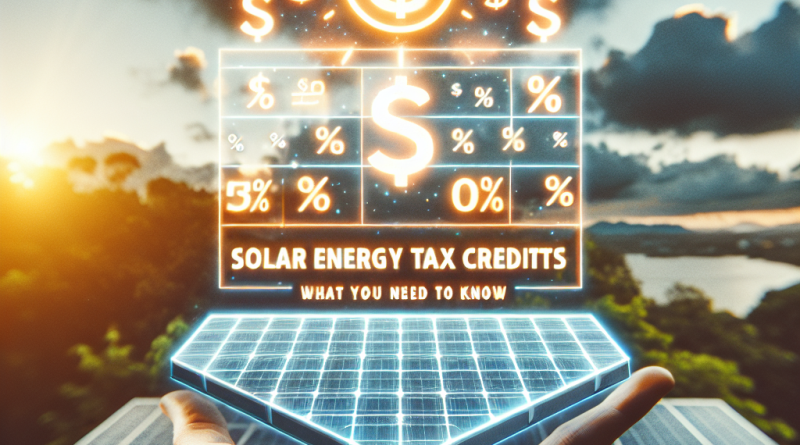
    Remember to factor in local rebates and tax credits too! In some places, they can provide a nice financial boost that’ll make going solar even more attractive.

    Choosing a Solar Provider

    Finding a reliable solar provider is the final step in this adventure. I made a list of local companies, checking their reviews and websites. The customer service aspect cannot be stressed enough—these folks will be your buddies through this whole process!

    I personally scheduled quotes with multiple companies. Seeing how they present their proposals can also give you clues about their professionalism. A company that provides a clear breakdown of costs and doesn’t pressure you? Gold star in my book!

    Trust your gut too! If something feels off or a provider is too pushy, move on. There are plenty of fish in the solar sea. Make sure you feel comfy with your choice before signing any dotted lines.

    Common Questions About Solar Energy Savings Calculator

    FAQs

    1. What is a Solar Energy Savings Calculator?
    A Solar Energy Savings Calculator allows you to estimate how much money you can save by installing solar panels based on your current energy consumption.

    2. Why is it vital to know my energy consumption before going solar?
    Understanding your energy consumption helps you determine the size of the solar system you’ll need, ensuring you get the most efficient use of solar power.

    3. Can I really save money with solar energy?
    Yes! Many homeowners see significant savings on their electric bills by switching to solar, especially when factoring in local incentives and tax credits.

    4. How do I evaluate different solar providers?
    Look for reviews, ask for clear cost breakdowns, and assess their customer service styles to find a provider that meets your needs.

    5. What types of solar systems should I consider?
    The most common are grid-tied, off-grid, and hybrid systems. Each has its pros and cons depending on your personal energy needs and lifestyle.

  • The Impact of Solar Energy on Eco-Friendly Living

    The Impact of Solar Energy on Eco-Friendly Living

    Reducing Carbon Footprint

    Understanding Carbon Footprint

    When I first started exploring eco-friendly living, I stumbled upon the term “carbon footprint.” It refers to the total greenhouse gas emissions produced by our activities, measured in equivalent tons of CO2. It’s amazing to think about how much our daily habits contribute to this figure. Whether it’s driving a car or using electricity, every action adds up.

    By using solar energy, I realized one of the easiest ways to reduce my carbon footprint. Solar panels convert sunlight directly into electricity without releasing harmful emissions. It’s an exciting way to harness nature’s resources sustainably. When I made the switch, I felt like I was finally doing my part to help the planet.

    Each household can significantly lower its carbon emissions by adopting solar energy. Over time, just one home outfitted with solar panels can prevent tons of CO2 from entering the atmosphere. I saw firsthand how my home’s eco-friendliness could inspire others in my community.

    Saving on Energy Costs

    The Financial Benefits

    Let me tell you, one of the best parts of switching to solar energy is the savings on my energy bills. Initially, the investment in solar panels felt daunting, but those worries quickly faded as I started seeing my monthly electricity bills plummet. In fact, many regions offer tax incentives and rebates that can help offset installation costs.

    Once I installed my panels, I began to see a decrease in my energy expenses every month. It felt great knowing I was not only saving money but also promoting a greener lifestyle. Over time, it became clear that these savings could be reinvested in other eco-friendly initiatives around my home.

    Plus, there’s something rewarding about generating your own electricity. It gives you this sense of independence from utility companies. I love being able to produce energy from the sun, and watching my investments pay off every month enhances that feeling.

    Encouraging Renewable Energy Adoption

    Leading by Example

    When I made the switch to solar, it wasn’t just a personal choice. I quickly realized that by leading by example, I could encourage friends and family to consider renewable energy. It’s funny how one conversation can turn into a community-wide discussion about sustainable practices.

    After sharing my solar journey on social media and with those close to me, I noticed a ripple effect. Many friends started asking questions about installation and efficiency. It felt awesome to be in a position to motivate others to embrace renewable sources. The social aspect of going solar can’t be overstated; it creates a movement.

    Every time I see a new solar array pop up on a neighbor’s roof, I can’t help but feel a sense of pride. We’re not just saving money and reducing emissions individually; we’re collectively shifting the culture toward sustainable energy use. Changing perceptions about renewable energy has been a rewarding outcome of my solar transition.

    Increasing Property Value

    The Value Boost

    When I installed solar panels, I didn’t just think about the immediate benefits; I also considered the long-term value of my property. Homes with solar energy systems are increasingly attractive to buyers. Studies show that properties with solar not only sell faster but often at a premium.

    For someone like me, who is always thinking ahead, this seemed like a smart investment. Real estate agents often report a growing interest in homes with renewable energy features, and I wanted to be ahead of the game. The potential increase in property value was a huge plus I wasn’t willing to overlook.

    After speaking with my real estate agent, I learned that homes with solar panels stand out in the market. Buyers are eager to invest in properties that promise lower utility costs and eco-friendly living. It makes sense – who wouldn’t want to save money while being environmentally responsible?

    Promoting Sustainable Mindsets

    Cultivating Awareness

    The last benefit I want to share revolves around the mindset of sustainability. Making the leap to solar energy has completely changed how I view my consumption habits and my environmental impact. It’s like a lightbulb went off in my head! I became more conscious of waste and resource management.

    Not only has my lifestyle changed, but I’ve also noticed a shift in the conversations I have with others. When people see the changes I’ve made, it inspires them to think critically about their own habits. Starting discussions on energy efficiency and reducing waste became a passionate topic for me!

    Being part of a community of solar users and eco-advocates has helped foster a sustainable mindset in my daily life. It’s not just about personal gains anymore; it’s about contributing to a broader movement. Encouraging others to think eco-friendly has become a driving force in my mission to push for renewable energy adoption.

    FAQs

    1. How much can I save on my energy bills with solar energy?

    Many homeowners report savings of 20-50% on their electricity bills after switching to solar energy. The exact amount can depend on factors like your location, solar panel efficiency, and your energy consumption habits.

    2. What is the process for installing solar panels?

    The installation process typically involves an initial consultation with a solar provider, followed by site assessment, proposal generation, financing discussions, and finally, the installation of the solar panels. It’s often quicker than you’d expect!

    3. Do solar panels require maintenance?

    Solar panels are pretty low-maintenance. Most systems just require occasional cleaning to ensure they are free of debris. Regular inspections might also be recommended to ensure optimal performance.

    4. Will solar panels increase my property taxes?

    In many areas, the increase in property value from solar energy systems does not lead to higher property taxes. However, it’s always good to check local policies to be sure.

    5. Can I still use electricity from the grid with solar energy?

    Absolutely! When you have solar panels, you can use electricity generated by them during the day and pull from the grid when necessary. This combination is known as a grid-tied system and offers a great balance of sustainability and reliability.

  • The Latest Trends in Home Solar Energy Systems

    The Latest Trends in Home Solar Energy Systems

    1. Increased Energy Efficiency

    Understanding Energy Efficiency in Solar Systems

    One of the coolest things I’ve noticed recently in the home solar energy scene is the emphasis on energy efficiency. When I first got into solar, it seemed like just slapping some panels on your roof would do the trick. But now, manufacturers are focusing on maximizing the amount of power generated from each panel. This means better technology that converts sunlight into electricity more effectively.

    For example, many systems are now incorporating microinverters or power optimizers. These nifty devices help optimize the performance of each solar panel individually rather than relying on the performance of the whole system. If one panel is shaded or dirty, it doesn’t drag the rest down with it. That’s a game changer for anyone serious about minimizing energy waste.

    Additionally, with the rise of smart home technology, homeowners are now able to monitor their energy consumption in real-time. Understanding when you use the most energy allows for better management and helps to save on costs over time. It’s like having a personal coach for your energy consumption!

    2. Battery Storage Solutions

    The Shift to Home Battery Systems

    Ah, battery storage! This is a trend that’s truly groundbreaking. I remember the days when solar systems were just for generating power during the day. But with advancements in battery technology, we can now store that excess power for use at night or during outages. It’s a real peace of mind knowing I can still keep my lights on, even when the grid goes down.

    Modern battery systems like the Tesla Powerwall or LG Chem Resu are being adopted by more and more homeowners. These units can store energy generated during the day and release it when needed, which means you can make the most out of your solar setup. No more depending on the utility company – I’m all about that independence!

    Plus, battery technology is continually improving, allowing for more power to be stored in smaller and more efficient packages. A few years back, I had to choose between capacity and space; now, I don’t have to worry about it. It’s pretty neat and keeps my home running seamlessly.

    3. Smart Solar Technology

    Integrating Smart Home Systems with Solar Energy

    Okay, so let’s talk tech! Smart devices are changing the way we think about energy consumption and solar systems. I love the way smart technology is being integrated into solar systems nowadays. We’re talking about solar panels that can automatically adjust their orientation to capture the most sunlight or tracking devices that follow the sun across the sky.

    I’ve also been able to sync my solar energy system with home automation technologies. This means my smart thermostats, lights, and appliances are all connected, allowing me to schedule energy usage when my solar panels are most productive. Trust me, it’s a total game changer having that kind of control!

    Moreover, smart inverters are enhancing the reliability of solar power. They help in managing the flow of energy and ensure that the grid remains stable. It makes the entire solar experience so much smoother and gives me the ability to manage my home’s energy needs better than ever before.

    4. Community Solar Programs

    The Rise of Shared Solar Initiatives

    Have you guys heard about community solar programs? These initiatives are fantastic for individuals who may not have the means to install solar panels on their own roof, or for those who live in apartments or condos. It’s like being part of a solar club! In community solar, you can buy into a shared solar farm and benefit from the collective energy produced.

    From my experience, these programs allow homeowners to receive credit on their electricity bills based on the energy generated by the farm. It’s a win-win situation for everyone involved – more people get access to clean energy without the upfront costs of personal solar installations.

    Living in a community solar initiative also brings people together with a shared purpose of sustainability. I love hearing about the positive impacts these programs are having on local economies, as they create jobs and encourage more renewable energy practices. It’s really heartwarming to see so many folks gathering around a good cause!

    5. Government Incentives and Policy Changes

    Staying Updated with Solar Energy Policies

    Last but definitely not least, we can’t ignore the role of government incentives that boost the solar energy sector. In the past few years, I’ve noticed an increase in tax credits and rebates for homeowners looking to install solar energy systems. It’s super encouraging! Every little bit helps; that tax refund can go a long way toward covering installation costs.

    Policy changes are also making it easier for homeowners to choose solar. Many states are implementing net metering policies that allow you to sell excess energy back to the grid. I’ve seen the impact this has on household bills, and it’s a brilliant way to encourage renewable energy use.

    It’s essential to stay informed about these changes, as they can differ significantly from state to state. Regularly checking with local renewable energy authorities will help you navigate the world of solar energy incentives, ensuring you take full advantage of what’s out there.

    FAQ

    1. What are the main benefits of solar energy systems for homes?

    The main benefits include reduced electricity bills, increased property value, and positive environmental impacts by relying on renewable energy sources.

    2. How do battery storage systems work with solar energy?

    Battery storage systems store excess energy produced by your solar panels during the day. You can then use this stored energy during the night or during power outages.

    3. What is community solar, and how does it work?

    Community solar allows multiple customers to share the benefits of a solar power installation. Participants can buy into a shared solar farm, receiving credits on their electricity bills based on the energy generated.

    4. Are there government incentives for installing solar systems?

    Yes! Many states offer tax credits, rebates, and incentives to encourage homeowners to install solar panels and adopt renewable energy practices.

    5. How can smart technology enhance my solar energy system?

    Smart technology can integrate with your solar system to optimize energy production and consumption, allowing better management of energy use and improving efficiency through real-time monitoring.

  • Why Solar Energy is a Wise Choice for Homeowners

    Why Solar Energy is a Wise Choice for Homeowners

    Drastically Reduces Electricity Bills

    Understanding the Cost Savings

    One of the first things I noticed when I switched to solar energy was how much my electricity bills decreased. I mean, who doesn’t love saving money? You can generate a significant portion of your electricity from the sun, which means less reliance on the grid. Over time, these savings can really add up!

    When I first crunched the numbers, I was amazed to see how quickly I could recoup my initial investment in solar panels. Depending on where you live and how much sunlight you get, some people even end up paying nothing for electricity after a while. That’s a game-changer, friends!

    Moreover, many states offer tax credits and incentives that can offset the initial costs. So, heading into solar energy isn’t just about being eco-friendly; it’s also about securing financial freedom. Who would’ve thought saving the planet could save you bucks too?

    Long-Term Financial Benefits

    Let’s get real for a second: solar panels are an investment. I always look at things with a long-term mindset. Sure, the up-front costs can be daunting, but the return on investment is absolutely worth it. When I looked at the life expectancy of solar panels—often 25 years or more—it made complete sense to invest.

    Many homeowners see their property values increase after installing solar panels, too. This is something you can bank on if you ever decide to sell your home. Buyers are increasingly prioritizing energy-efficient homes, and having solar installed can make your house more appealing.

    Additionally, with conventional energy costs rising over time, solar energy provides stability. I love the idea of locking in my energy costs for decades instead of being at the mercy of fluctuating utility prices.

    Low Maintenance Requirements

    Let’s face it, nobody really enjoys home maintenance, right? That’s another perk I love: once the solar system is installed, it’s easy-peasy to maintain. Most solar panels don’t require anything more than a good cleaning occasionally to ensure they’re operating at peak efficiency.

    In fact, many warranties last for 20 to 25 years, which means you can enjoy all the benefits without the constant upkeep. And if something does go wrong? Good luck finding a company that doesn’t back their products!

    Honestly, that’s less time worrying about repairs or upgrades and more time enjoying all the financial benefits. Plus, a little TLC in the form of cleaning can keep your system performing optimally, and that’s easy for most folks to handle.

    Positive Environmental Impact

    Reducing Carbon Footprint

    By switching to solar energy, I felt like I really did my part for Mother Earth. Solar power is a clean, renewable resource that significantly reduces greenhouse gas emissions. It’s empowering to think that by harnessing the power of the sun, I’m contributing to a healthier planet.

    Every kilowatt-hour of solar electricity I produce means less reliance on fossil fuels. This was a key motivator for me in making the switch. Knowing my home was powered by clean energy felt rewarding in a way I hadn’t anticipated.

    The more we collectively adopt solar energy, the more we can fight against climate change. It’s a ripple effect; one solar panel at a time can lead to substantial improvements in air quality and a decrease in harmful emissions.

    Encouraging Sustainable Practices

    Installing solar panels prompted me to explore other sustainable practices. Once I got into the solar groove, I found myself making other eco-friendly choices, whether it was conserving water or switching to energy-efficient appliances. It sparked a sense of responsibility for both my home and our planet.

    This journey toward sustainability doesn’t just stop at solar panels; it’s a lifestyle! People are becoming more conscious of their environmental footprints, and solar energy is a fantastic starting point.

    Plus, I noticed many communities promoting sustainability as a trend. You get a sense of belonging, like you’re part of a movement. It feels good to be in friendly company with likeminded folks all working toward a similar goal.

    Creating Energy Independence

    Being able to produce your own energy is like a power-up in the game of life! Having solar installations on my roof means I’m not so reliant on the grid or conventional energy providers. It’s a cool autonomy that I really appreciate.

    In times of outages or crises, having solar and battery storage can be a lifesaver. Imagine not being left in the dark—literally—while your neighbors scramble for candles! That level of independence feels good.

    As renewable energy becomes more integral to our lifestyles, it’s exciting to think about leading the charge with local independence from traditional energy sources. This is especially pertinent today, where energy security is more important than ever.

    Increase in Property Value

    Market Demand for Solar Homes

    The real estate market is rapidly evolving, and solar energy is driving a lot of that change. When I installed my solar panels, I wasn’t just saving on bills; I was also increasing my home’s marketability. Studies show that homes with solar installations typically sell for more than those without.

    Potential buyers are getting smarter about energy efficiency, and they often prefer homes that come equipped with solar systems. It adds a layer of customization and appeal that can attract more buyers, not to mention higher offers.

    Buying a home is an investment, and solar boosts its value while ensuring ongoing cost savings for the future owners. In this competitive housing market, having that edge is crucial.

    Long-Term Financial Gains

    Beyond immediate savings, the long-term financial implications of solar energy are impressive. I always talk about how home values increase, but it’s important to consider the overall picture. Buyers today are looking for homes that won’t bleed their wallets on energy bills.

    With solar energy as part of the equation, you could potentially command a better price when it’s time to sell. The shift toward sustainable living means that homes with greener features are becoming hot commodities.

    For me, it was about securing my financial future, and that included ensuring my home’s value appreciated rather than depreciated. Investing in solar was not just smart; it was practical.

    Community Impact and Appeal

    Homebuyers today are often concerned about community and environmental impact. By choosing solar energy, I’m not just boosting my property value; I’m also contributing to a larger commitment to sustainability within my neighborhood.

    Neighborhoods with a focus on green living are becoming more desirable, so having solar panels on my roof aligns me with that ethos. It’s like wearing a badge of honor while showing I’m doing my part for the community.

    Moreover, having a community engaged in renewable energy can foster collaboration and ideas around other initiatives, again amplifying that positive ripple effect I mentioned. It’s exciting to be part of a movement that’s changing the world, one home at a time.

    Conclusion

    In wrapping up, I can’t recommend solar energy enough for any homeowner considering the switch. It’s an investment that pays off in more ways than one, from financial savings to positively impacting our planet. It brings a sense of empowerment, independence, and community connection that feels great!

    FAQ

    Q1: How much can I expect to save on my electricity bills with solar energy?

    A1: While savings vary by location and energy usage, many homeowners report savings of 50-100% on their electricity bills. It really depends on your system and how much sunlight your area receives.

    Q2: Are there incentives available for installing solar panels?

    A2: Yes! Many states offer tax credits, rebates, and other incentives. It’s worth checking with your local government or utility company to see what’s available in your area.

    Q3: How long do solar panels actually last?

    A3: Most solar panels come with a warranty of 20-25 years, but many can continue to function efficiently beyond that. Their durability depends on the quality of the installation and the brand.

    Q4: Will solar panels add value to my home?

    A4: Absolutely! Homes with solar energy systems often sell for more than those without. It’s an attractive feature for many buyers looking for energy-efficient homes.

    Q5: Is maintaining solar panels difficult?

    A5: Nope! Solar panels require minimal maintenance, mainly cleaning them occasionally to remove dust and debris. Most owners find it very manageable.

  • The Best Practices for Solar Energy Use at Home

    The Best Practices for Solar Energy Use at Home

    Maximize Solar Panel Placement

    Evaluate Your Roof

    When I first decided to go solar, the placement of panels on my roof was crucial. I learned that a south-facing roof often gets the most sunlight throughout the day. This is really key if you want to get the most out of your solar system. It’s worth getting up there and measuring which areas catch the most sunlight, or even hiring a pro to help assess it.

    Don’t just consider the angle of your roof but also nearby trees or tall buildings. These can create shade and reduce efficiency. I had to trim a few branches to ensure my panels wouldn’t be shadowed during peak sunlight hours. It made a noticeable difference!

    Also, think about future growth. If there are young trees nearby, it might be worth planning for their growth in the years to come. You want to set yourself up for success down the line, not just today.

    Understand Local Regulations

    When I first jumped into the solar game, I thought it was just about installation. But boy, was I wrong! Each place has its own rules about solar panel installation. Researching local regulations is something I wish I had prioritized earlier.

    For instance, there can be zoning laws that dictate how tall your panels can be or if they’re allowed at all. And don’t forget about permits! I learned this the hard way when I had to halt my project to apply for permits. Make your life easier by checking this before you start.

    Additionally, some homeowners’ associations have their own set of rules that might restrict where or how you can put solar panels. It’s vital to know these things upfront so you don’t run into headaches later on.

    Optimize Your Angle

    Another lesson I learned was about the angle of the solar panels. Did you know that the tilt can hugely influence how much power you generate? I initially thought “flat is fine,” but found out that a tilted angle can help capture sun rays more efficiently.

    If your roof allows for it, adjust the panels to catch the sun’s rays directly, especially during peak hours. Then there are tools and apps that can help you figure out the best angle based on your location.

    And if you’re feeling extra ambitious, consider whether adjustable mounts might be right for you. They can be a bit pricey, but the boost in efficiency can make it worthwhile in the long run.

    Choose the Right Solar Technology

    Understand Different Panel Types

    Picking the right kind of solar panel can really affect how your system works. Initially, I was just drawn to the shiny ones, but I got an education on the various types available. You have monocrystalline, polycrystalline, and thin-film panels, and each has its pros and cons.

    For my home, I ended up going with monocrystalline panels because they’re known for higher efficiency rates. They might be a bit pricier, but their performance in limited space really paid off. Be sure to weigh your options based on your home’s specific needs.

    Also, check the warranties that come with different panel types! High-quality panels often come with long warranties, which is always a good indicator of their lifespan and reliability.

    Inverter Options Matter

    I neglected to pay enough attention to the inverter when I first installed my system. That’s the gadget that converts the sun’s energy into usable electricity for my home. So, there are string inverters, microinverters, and power optimizers, and each works in different ways.

    For instance, I chose microinverters because they maximize production – even if one panel is shaded, the others will still perform well. I had to weigh my budget and needs, but it turned out to be a smart move!

    Take a hard look at how you’ll want to configure your solar system and chat with your installer about the best fit for your setup. Sometimes cheaper isn’t always better; it could end up costing you more down the road.

    Battery Storage Solutions

    Solar batteries were something I didn’t fully appreciate until I started using them. These beauties store excess energy generated by your solar panels. This means you can keep the lights on even when the sun goes down, or during a power outage, which is a huge win!

    I initially thought a battery setup might be overkill for my small home, but after seeing the difference in reliability, I wish I had done it sooner. Some batteries even allow you to optimize energy use during peak rate times, which can lead to significant savings over time.

    Researching various battery options is essential. Each battery type can offer different storage lengths and discharge rates. Consult with experts, but also consider your own energy habits and needs when choosing the right one!

    Implement Energy Efficiency Practices

    Seal and Insulate Your Home

    A couple of months after my solar panels went up, I realized they weren’t the only part of the equation. Energy efficiency is just as important! Sealing up drafts around windows and doors made a noticeable change in my power consumption.

    When I went through my home, I was shocked at how many little gaps I found. I snagged some caulk and insulation strips and went to town. After sealing everything up, my energy bills dropped significantly, even in extreme weather.

    It’s super satisfying to know your home is cozy and efficient, all while working with your solar setup. Trust me, it’s not just about generating energy; it’s also about not wasting what you’ve got!

    Upgrade Appliances

    I found it hard to part with some of my old reliable appliances, but hot dang, a switch to energy-efficient models made a world of difference! Appliances with the ENERGY STAR label can use significantly less electricity, which means you’ll lower your demands on your home’s solar system.

    For example, my old fridge was a real energy guzzler. After switching to a more efficient model, I could literally see the difference on my energy bills. Plus, many modern appliances now come with smart technology that can help optimize how and when they use energy!

    When upgrading, consider your lifestyle too. Some models may have features that align perfectly with your needs, like smart controls or low energy use during peak times. Sustainable choices can lead to substantial savings.

    Monitor Your Energy Use

    Kicking off my solar journey included some eye-opening moments about my energy usage. I started to analyze where my power was going using monitoring systems. It’s surprisingly humbling when you realize how much energy you waste on unnecessary things!

    By using monitoring apps that sync with my solar system, I not only saw my energy production but also what was using the most energy. The insights helped me make smarter decisions, like running the dishwasher later in the day when the solar output was high.

    The cool thing is you can also set goals and alerts to keep on track. It’s a nifty way to engage with your energy use and incentivizes good habits. Plus, you’ll feel pretty proud seeing not only your solar production but the savings stacking up!

    Take Advantage of Incentives and Rebates

    Know Available Incentives

    I won’t lie – when I learned about the tax credits for solar installation, it was like Christmas came early! There are tons of programs out there at both local and federal levels that can help offset the costs associated with going solar.

    Make sure you do your homework to find out what’s available in your area. From tax rebates to state-funded programs, knowing where to look can save you a bundle and make the transition smoother.

    Plus, some utility companies even offer rebates for installing solar panels, or they can provide credits for energy you send back to the grid. Sweet deal, right? Don’t miss out – every bit helps!

    Consult with Professionals

    In my early days of getting solar set up, I learned the value of consulting with a pro. There are so many variables when it comes to installation, financing, and maintenance that having an expert on your side is a lifesaver.

    I can’t stress enough how invaluable it is to get a personalized consultation. These folks will tailor solutions that fit your home’s unique needs and walk you through the incentives you might qualify for.

    Plus, they often have insider knowledge about any recent changes in regulations or programs that you might not have heard about. Trust me, avoiding any unexpected surprises down the line is worth the initial investment of consulting!

    Stay Updated on Changes

    Staying connected with the latest in solar tech and policy changes is key to making the most out of your system. After my installation, I signed up for newsletters and joined online communities that focused on solar energy.

    These platforms keep you in the loop about new state incentives, updates to technology, and even methods of optimizing your solar energy use. It’s inspiring to see success stories from others and utilize that knowledge!

    Keep in mind that the solar landscape is always evolving, so continually educating yourself can result in better savings and efficiency. Remember, being proactive pays off!

    FAQ

    1. How do I know if my home is suitable for solar panels?

    The best way to determine suitability is to evaluate your roof orientation, angle, and shading from trees or buildings. Consulting with a professional installer can also provide you with insights based on your unique situation.

    2. What incentives can I apply for when installing solar panels?

    Incentives vary by location, but common ones include federal tax credits, state rebates, and utility incentives. Check with local energy authorities or the Database of State Incentives for Renewables & Efficiency for detailed information.

    3. Are solar batteries worth the investment?

    Solar batteries can be a great investment if you’re keen on maximizing your energy independence. They store excess energy for use during peak times or outages and can help you save on energy costs over time.

    4. How can I make my home more energy-efficient alongside solar energy?

    Simple steps like sealing leaks, upgrading to energy-efficient appliances, and monitoring your energy use can enhance your solar system’s effectiveness. Small changes make a big impact!

    5. Is it necessary to hire a professional for solar installation?

    While DIY can be tempting, hiring a professional ensures that everything is installed correctly and safely. They will also navigate regulations, permits, and any available incentives, which can save you time and hassle.

  • The Importance of Solar Energy in Modern Homes

    The Importance of Solar Energy in Modern Homes

    Energy Independence and Cost Savings

    Breaking Free from Traditional Energy Sources

    Let me tell you, when I decided to go solar, it was like a light bulb went off in my head – pun intended! Relying on traditional energy sources can feel like being tied to a constantly changing stock market. You never know when those prices are gonna skyrocket. But with solar energy, I can produce my own power and, boy, does it feel liberating!

    I remember the days of worrying about my energy bills climbing higher and higher. After installing solar panels, my bills dropped significantly. It’s like getting a discount on life! Not only does it help stabilize my costs, but it also gives me peace of mind knowing my expenses are predictable.

    The beauty of solar energy is that it’s a one-time investment. Unlike gas or electricity costs, which keep chipping away at your wallet every month, once you set up your solar system, it’s mostly maintenance-free. And trust me, it’s a great feeling to know I’m not just saving money – I’m also reducing my carbon footprint.

    Environmental Benefits

    Less Pollution, More Green

    I became super passionate about the environment when I realized how much fossil fuels contribute to pollution and climate change. Using solar energy minimizes greenhouse gas emissions, and I can’t stress enough how fulfilling that is! It’s like doing my part to save the planet, one sunny day at a time.

    Every time I look at my solar panels, I think, “Wow, I’m not just helping my wallet – I’m helping the Earth!” With the move towards renewable energy, I feel more connected to a community of conscious individuals who share my values about sustainability. We can all contribute to making earth a greener place!

    Plus, the reduced reliance on fossil fuels can lead to cleaner air and water. I mean, who doesn’t want to breathe in fresher air? Knowing I’m part of the solution is worth it. Every time I’m out in nature, I appreciate it even more because I know I’m helping keep it beautiful!

    Increased Home Value

    Solar Panels as a Smart Investment

    When I installed solar panels, I wasn’t just thinking about my monthly savings, but also how it could increase my home’s value. It’s like giving your house a cool upgrade! Buyers are often keen on properties with green technologies, and that appeals to me. When the time comes to sell, I know I can get a good return on my investment.

    Having solar panels can set your home apart in a crowded market. Imagine walking into an open house and seeing gleaming solar panels on the roof. It gives that Wow factor! I really believe that homes with solar can fetch higher prices, especially as more people become environmentally conscious and seek out sustainable options.

    Beyond just the resale value, it also means lower utility costs for potential buyers. When someone discovers they’ll save money on energy bills, it’s a game changer! Essentially, solar energy transforms a home into an attractive investment opportunity – and that’s a great selling point!

    Technological Advancements

    Smart Systems Making Solar Easier

    I’ve been blown away by the technological progress in the solar industry. Solar panels and systems are becoming more efficient and user-friendly every single year. I remember when I first saw how some systems allow remote monitoring through apps. That’s like having superpowers – I can check my energy production anytime!

    The integration of smart technology has made solar energy more accessible than ever. With battery storage options, I can store excess energy to use at night or during cloudy days. This flexibility means I’m not dependent on the grid as much as I used to be.

    New solar technologies, like bifacial panels that capture sunlight on both sides, are making me rethink what I thought I knew about solar energy. Every advancement means greater efficiency and savings for me, and that’s just exciting! It’s a fascinating time to be involved in renewable energy.

    Government Incentives and Support

    Financial Perks of Going Solar

    One thing that pleasantly surprised me was the level of support available for those going solar. From tax credits to rebates and even financing options, I found various ways to make my solar dreams a reality. Trust me, that financial assistance is like hitting the jackpot!

    Depending on where you live, the government may offer incentives to motivate homeowners to switch to solar. I took full advantage of the federal tax credit, which helped offset a chunk of the installation costs. It felt like a helping hand as I made the transition to cleaner energy.

    Additionally, some states offer programs where you can sell excess energy back to the grid. Cha-ching! That’s an extra cash flow that can ease the burden of initial costs. I’m all about learning how to maximize these incentives to make getting solar worth every penny.

    FAQs

    1. What are the main benefits of solar energy in homes?

    The main benefits include cost savings on energy bills, reduced environmental impact, increased home value, integration of advanced technology, and available government incentives.

    2. How much can I save by switching to solar energy?

    It varies by location and system size, but many people report savings of 20% or more on their electricity bills, and in some cases, homeowners can achieve significant savings over time!

    3. Are there any maintenance costs associated with solar panels?

    Generally, solar panels require very little maintenance. Occasionally cleaning or inspections may be needed, but they are largely hassle-free once installed.

    4. What happens on cloudy days or at night?

    Solar systems can still produce energy on cloudy days, though at reduced efficiency. Additionally, with battery storage, you can use stored energy during the night or when production is low.

    5. How can I get started with installing solar panels?

    Start by researching local solar providers for quotes and consultations. They can evaluate your home and discuss system options and financing so you can find the right fit for your needs!

  • The Benefits of Solar Energy for Multi-Unit Dwellings

    The Benefits of Solar Energy for Multi-Unit Dwellings

    Cost Savings on Energy Bills

    Reduction in Monthly Expenses

    One of the first things that jumped out at me when exploring solar energy was the potential for reduced energy bills. Seriously, who wouldn’t want to save a few dollars every month? By installing solar panels on a multi-unit dwelling, you can spread out the energy costs over several apartments or units, which adds up to significant savings. A lower monthly electric bill feels like finding cash in your pocket!

    But it’s not just about the immediate savings; think about the long-term effects. With rising energy costs, solar power can help stabilize expenses. It’s pretty comforting to lock in energy rates while everyone else is sweating over their bills every month.

    Moreover, many states offer incentives or rebates for solar installations, making it even more affordable. It’s really a win-win situation where saving money meets responsible environmental choices!

    Building Value Increases

    Investing in solar energy can significantly increase the value of your multi-unit property. In my experience, prospective tenants and buyers are increasingly looking for energy-efficient options. When they see a building with solar panels, it’s like a cherry on top, boosting appeal. Properties with solar installations often have better resale values, which is a huge plus if you’re considering future investments.

    Moreover, properties that are energy efficient tend to attract quality tenants who value sustainability. This not only helps maintain the building but can also lower your management headaches over time.

    So if you’re contemplating adding solar energy to your building, remember that it won’t just save you money – it can elevate the entire property’s value!

    Solar Energy as a Community Asset

    When you think about adding solar energy to a multi-unit dwelling, consider the community benefits. Imagine a scenario where neighbors share the solar output, leading to a closer-knit community. It spans beyond energy savings; it fosters a sense of collaboration and shared responsibility among residents.

    Not to mention, the environmental impact is significant! By harnessing solar energy, we collectively contribute to reducing greenhouse gas emissions. It’s like doing your small part for the planet while enjoying all the perks of modern living.

    I’ve seen how community solar initiatives can create a more connected and engaged atmosphere. It might start with solar energy, but it cultivates an overall sense of community pride and sustainability that is extremely fulfilling.

    Environmental Impact of Solar Energy

    Reduction in Carbon Footprint

    Let’s get real for a moment; climate change is an undeniable challenge that we all face. By utilizing solar energy in multi-unit dwellings, you directly contribute to lowering carbon footprints. It feels great knowing my choices can positively impact the environment.

    Every kilowatt-hour of solar energy produced replaces a portion of fossil fuel consumption. With each household generating its own clean energy, the collective impact can be astounding! It’s empowering to think about the difference we can make together.

    Plus, moving towards renewables alleviates dependence on non-renewable resources. As we become more informed and proactive, it’s crucial that we choose pathways that protect our planet for future generations. Trust me, there’s nothing quite like knowing you’re part of the solution!

    Promotion of Sustainable Living

    Solar energy isn’t just an alternative energy source; it’s a lifestyle change that supports sustainability. By opting for solar in multi-unit dwellings, we encourage others around us to adopt similar eco-friendly practices. Once you take that leap, it can inspire a ripple effect within the community!

    Engaging with residents on sustainable practices, like recycling or water conservation, can enhance their commitment to green living. I’ve encountered so many inspiring stories where one tenant’s enthusiasm for solar pushes their neighbors to follow suit.

    In a way, solar energy can serve as a catalyst for adopting a more sustainable mindset among the community residents. It’s about teamwork, after all, and when everyone’s growing together, it feels downright rewarding!

    Improved Indoor Air Quality

    Here’s a not-so-obvious perk of installing solar energy in multi-unit dwellings: better indoor air quality! Yes, you heard that right. Traditional energy sources often contribute to poor air quality, but solar power changes the game.

    Since solar energy reduces reliance on fossil fuels, it minimizes harmful emissions that contribute to air pollution. Imagine breathing cleaner air every day, a tangible improvement in living conditions that can go hand-in-hand with energy savings!

    Good air quality means healthier residents, less sick days, and overall happier living conditions. It’s amazing how the choices we make about energy can directly impact well-being on multiple levels.

    Increased Energy Independence

    Less Reliance on Grid Energy

    When transitioning to solar energy, one of the most significant benefits I’ve noticed is a reduced reliance on traditional grid power. This can be particularly beneficial in multi-unit settings, where a large share of energy is utilized at peak hours when electricity rates are highest.

    By generating your own power, you create a buffer against fluctuating energy prices. Knowing that you can rely on your produced energy offers peace of mind. It’s like having a safety net against the unwelcome increase in utility bills!

    It’s not just about cost; independence from the grid also means resilience. In situations of power outages, well-equipped buildings with solar and battery storage can keep running, providing an added layer of security for residents.

    Encouragement of Technological Innovation

    Investing in solar technology paves the way for adaptability and staying ahead of the curve. During my exploration of solar options, I’ve noticed that advancement in technology has skyrocketed! Each year, new innovations in solar panels and energy storage solutions make the prospect even more alluring.

    With technological advances, multi-unit dwellings can harness energy more efficiently than ever. It means optimizing setups to fit the building’s particular layout, focusing on maximized output. It’s all about making sure every nook and cranny is working to provide the necessary energy.

    Those innovations don’t just benefit the existing installations; they’re also accessible and applicable for future upgrades. I always find it exciting when I consider the possibilities of tech advancements that could lower costs or improve efficiency down the line.

    Empowerment through Energy Choices

    Last but certainly not least, embracing solar energy empowers individuals by providing energy choices. This can be huge for residents who may not have access to such options individually. In multi-unit dwellings, a decision to go solar can be a powerful collective choice.

    This empowerment doesn’t just end with energy production; it allows residents to take pride in their community’s sustainable practices. By collaborating to create clean energy solutions, tenants feel more motivated to engage with and partake in energy-saving practices.

    Ultimately, energy independence fosters self-sufficiency and a feeling of ownership among residents. It’s rewarding to see how one decision can elevate a community’s approach to energy sustainability, making it something everyone can feel good about!

    Attracting Tenants and Enhancing Competitiveness

    Market Appeal to Environmentally Conscious Renters

    In this day and age, many renters seek an eco-friendly lifestyle. As a property owner or manager, promoting solar energy in your multi-unit dwelling can definitely draw in those conscious tenants who prioritize sustainability. Who doesn’t want to live in a place that aligns with their values?

    When showcasing a property, many prospective tenants ask about energy efficiency or environmentally conscious practices. By having solar power in place, you can effectively set your building apart from the chain of generic options out there. It’s time to flaunt your green credentials!

    Building positive associations with solar energy creates a more appealing environment. I’ve seen renters gravitate toward properties that not only provide great living amenities but also exhibit responsibility toward the environment. It’s a win-win situation!

    Stability of Occupancy Rates

    Installing solar energy can contribute to steady occupancy rates over time. In my experience, properties associated with saving energy and lowering costs tend to retain tenants longer. When residents appreciate the benefits of lower energy bills, they’re less likely to move away.

    This kind of consistency isn’t just comforting; it means less turnover and reduced management stress. Turning over units can be a hassle, and anything that minimizes that toll helps. Happy tenants often lead to positive reviews, making your property even more attractive to potential renters!

    Plus, those long-term tenants also help build community atmosphere, which keeps people wanting to stay. The cycle continues, creating a place everyone loves to call home.

    Stand Out in a Competitive Market

    Let’s face it; the rental market can be cutthroat. Having solar energy implemented isn’t just a nice feature; it’s an edge over other properties. When potential renters see that solar is part of the deal in your multi-unit dwelling, it’s a factor that can weigh heavily in their decision-making process.

    People love unique offerings! By promoting solar installations, you create an identity for your building that’s not just another cookie-cutter option. Residents want to feel like they’re making a responsible choice, and your initiative can be the compelling headline.

    I’ve seen how properties that stand out tend to be favored in high-demand areas. Making the investment in solar energy creates a differentiating factor that can draw interest and, in turn, generate more occupancy—from my perspective, that’s a real game-changer!

    FAQs about The Benefits of Solar Energy for Multi-Unit Dwellings

    1. What are the primary benefits of installing solar energy in multi-unit dwellings?

    The major benefits include significant cost savings on energy bills, increased property value, positive environmental impact, enhanced energy independence, and greater tenant attraction. All these factors create a more sustainable living environment!

    2. How does solar energy affect the value of a property?

    Installing solar energy can increase the property’s value due to the appeal it brings to potential buyers or renters. Energy-efficient properties often have higher resale prices and attract tenants willing to pay a premium for lower utility costs.

    3. Can solar power contribute to reducing my monthly energy expenses?

    Absolutely! Utilizing solar energy can decrease dependence on grid electricity, leading to lower monthly bills. The savings can compound over time, especially with incentives and rebates available in certain areas.

    4. How does solar energy benefit the environment in urban settings?

    Solar energy helps reduce reliance on fossil fuels, which limits greenhouse gas emissions. It promotes a cleaner urban environment and can improve indoor air quality in multi-unit dwellings, benefiting everyone living there.

    5. Is installing solar energy worth the investment for multi-unit dwellings?

    Yes! Beyond the immediate financial savings, the increased property value, positive community impact, and tenant attraction make solar energy a worthwhile long-term investment. It’s a step towards sustainability that many renters and buyers are actively looking for!

  • How Solar Energy is Transforming Residential Areas

    How Solar Energy is Transforming Residential Areas

    Sustainability and Environmental Impact

    Reducing Carbon Footprint

    One of the most compelling reasons I turned to solar energy in my home was the chance to reduce my carbon footprint. Each solar panel installed on my roof represents personal progress towards a cleaner environment. When you think about how traditional energy sources release greenhouse gases, it makes the benefits of solar energy all the more attractive.

    I’ve noticed that as my neighborhood has embraced solar, there’s an undeniable sense of camaraderie around sustainability. Everyone’s supporting each other in this green journey. It’s empowering to meet my neighbors who share similar values. We’ve even created a community group that shares tips and resources.

    And hey, let’s consider the larger picture: cities adopting solar contribute to a significant decline in overall pollution. This means fresher air and healthier communities, making the switch to solar not just beneficial for individual homes but for the entire residential area.

    Promoting Renewable Energy Usage

    Transitioning to solar energy promotes the use of renewable resources, a crucial step in ensuring a sustainable future. I love seeing solar energy as a conversation starter in residential meetings, highlighting its advantages not just for households, but for the planet. Sharing my installation journey has inspired several neighbors to consider making the switch.

    There’s a satisfaction that comes from using energy derived from the sun. It’s not just clean; it’s also infinitely renewable. In my experience, spreading awareness about the simplicity and benefits of solar got others interested – it feels fantastic to be part of this movement.

    Plus, when we all contribute, we slowly shift the market’s reliance on fossil fuels. I truly believe that our small residential community could pave the way for larger neighborhoods and cities to rethink energy consumption. It’s definitely a rewarding chain reaction.

    Lessening Energy Costs

    Installing solar panels has dramatically reduced my energy costs. Initially, that’s what drew me to solar – the long-term financial savings. After my panels were up and running, I remember looking at my energy bills and feeling a wave of relief when I saw those numbers drop. It’s like getting a little bonus every month!

    Now imagine pooling those savings with your neighbors. Group installations can decrease costs further, making solar energy more accessible. We’ve collaborated for community-wide discounts, and it’s been awesome to see more homes benefiting together.

    Overall, lessening energy costs doesn’t just have the obvious financial benefit; it also makes solar installations feel like a worthy investment for everyone involved. Embracing this energy alternative allows all of us to budget better while also encouraging smarter investments into more energy-efficient appliances and technologies.

    Community and Social Changes

    Boosting Community Engagement

    Since I installed solar panels, I’ve felt a surge of community spirit. Neighbors have become more engaged and proactive in energy discussions. We’ve begun meeting more often to share stories about savings and experiences with solar, fostering a sense of unity among residents.

    These gatherings have evolved beyond just energy talks; they feel like family get-togethers. It’s beautiful how embracing one sustainable idea can lead to stronger community bonds, and many folks are interested in how they can contribute to this positive change.

    Additionally, I’ve seen the rise of local initiatives focused on energy efficiency, really bringing people together. It turns out that sharing this journey has opened up a whole new dynamic in our residential life, blending environmental awareness with community efforts.

    Encouraging Local Economic Growth

    This might surprise you, but goes hand-in-hand with sustainability. By investing in solar energy, I’ve noticed a growth in local business around solar services. More homeowners engaging with solar means more jobs for local installers, developers, and even solar product suppliers, all thriving because of this demand.

    Plus, think of the local economy: our increased spending on solar-related services keeps money circulating within our community. This sustains jobs and helps develop new local businesses specializing in green technology. It’s a win-win!

    What’s even cooler is seeing our neighborhoods popping up with more solar installations, driving home the idea that clean energy can be a communal endeavor, while creating job opportunities that benefit everyone.

    Creating Awareness and Education

    Through my own journey in solar energy, I realized that there was a pressing need for awareness and education surrounding it. People in my neighborhood are curious but often overwhelmed! Taking the time to break down how solar works has been incredibly rewarding.

    I even spearheaded some informational sessions to educate others about solar energy and its benefits. Let me tell you, seeing that lightbulb moment in others when they understand solar is priceless! Most folks don’t realize how accessible and efficient solar energy can be.

    This process of learning together has spurred greater discussions about energy practices and environmental responsibility. The more we educate ourselves and each other, the better equipped we are to make informed decisions that impact our environment.

    FAQs

    1. How does solar energy reduce my carbon footprint?

    Solar energy utilizes the sun, which means you are relying less on fossil fuels that release harmful greenhouse gases. Every watt produced by solar is one less dependency on fossil fuels, contributing to less pollution.

    2. What are the financial benefits of going solar?

    Installing solar panels can significantly reduce your monthly energy bills. Many people have reported savings that make the investment worthwhile. Plus, various incentives and tax credits can help offset installation costs.

    3. How can solar energy foster community connections?

    Switching to solar can create shared experiences among neighbors, leading to discussions, collaboration on affordable installations, and community gatherings—all of which strengthen relationships and build a sense of belonging.

    4. Are there economic benefits to my local area if more homes switch to solar?

    Absolutely! More installations boost local jobs in installation and maintenance services, keeping funds within the community and sparking growth in green technology businesses, creating a more robust local economy.

    5. How can I educate myself and others about solar energy?

    Start small—read up on solar energy and attend local community events. Once you feel confident, you can share what you’ve learned with friends and neighbors, encouraging group discussions and even hosting informational sessions.

  • The Role of Solar Energy in Energy Crisis Management

    The Role of Solar Energy in Energy Crisis Management

    1. Understanding Solar Energy as a Sustainable Resource

    What is Solar Energy?

    Alright, let’s start with the basics. Solar energy is the power we harness from the sun’s rays. You might not realize it, but this energy has been around forever, waiting for us to catch up. It’s clean, renewable, and abundant—unlike fossil fuels, which are running out faster than we’d like to admit.

    In my experience, diving into solar energy means not just understanding how it works, but also recognizing its potential to change the game in energy management. This isn’t just a trendy topic; it’s reshaping our approach to energy consumption and sustainability.

    Learning about solar energy can be pretty exciting. You see, it works through photovoltaic cells that convert sunlight into electricity. Think about it! All this energy literally falling on us daily, and we’re just starting to catch on to how to use it.

    Why Choose Solar Energy?

    Now, you might be wondering, “Why should I care?” Well, for starters, opting for solar energy can help reduce your monthly energy bills significantly. We all want to save a few bucks, right? This type of energy is not only cost-effective in the long run, but also decreases our reliance on shaky energy markets.

    And let’s not ignore the environmental aspect! Using solar reduces harmful emissions and helps combat climate change, which is something we should all be passionate about. Switching to solar is a statement we make collectively for a more sustainable future.

    I personally made the leap into solar a few years back and saw my electric bill drop. It was pretty liberating. It felt like taking control of my energy usage and contributing positively to the planet at the same time!

    Challenges in Solar Energy Adoption

    Of course, it’s not all sunshine and rainbows. There are challenges—like the initial installation cost and the varying efficiency depending on weather conditions. But trust me; overcoming these barriers is well worth it in the end.

    Another issue can be space. Not everyone has a roof that’s perfect for solar panels. However, with recent innovations, options like solar shingles are becoming alternatives for those who want to generate their own electricity without taking up too much space.

    The bottom line? While there are hurdles to jump over, the potential benefits of solar energy in managing energy crises easily make it a worthier investment, both for me and the environment.

    2. Solar Energy’s Impact on Energy Autonomous Solutions

    Creating Energy Independence

    One of the coolest things about solar energy is that it can help create energy independence. Imagine not having to rely so heavily on centralized power sources that can easily be disrupted. With solar solutions, you can generate your own power, which is empowering.

    In my case, installing solar panels empowered me to be less dependent on utility companies, especially during high-demand periods. I could essentially produce my own electricity, which felt like gaining a superpower.

    Energy independence also promotes resilience against price spikes and supply shortages. When everyone else is scrambling when costs rise, I’m over here feeling secure knowing my energy source is stable and sustainable!

    Enhancing Local Energy Production

    Local energy production is a game changer for communities, and solar plays a pivotal role. When individual homes and businesses produce their own energy, we reduce transmission losses and eliminate strain on local grids.

    As communities adopt solar, they can become far less vulnerable to energy crises. I’ve seen neighborhoods band together to support local solar initiatives, sharing resources and knowledge, and it creates a sense of community that’s just awesome.

    This localized approach doesn’t just empower individuals but fosters economic growth too. It creates jobs in installation, maintenance, and even innovation in solar technologies, making it a win-win for everyone involved.

    Reducing Infrastructure Strain

    Talk about a blessing! Solar energy can help reduce the strain on existing energy infrastructure. With so many people relying on the grid, it can bog down during peak times. Solar helps lighten that load by providing additional supply directly from homes.

    By spreading out the energy production with decentralized systems, it helps balance out demand and supply all along the grid. It’s like sharing the heavy lifting among friends rather than one person trying to carry it all.

    Plus, transitioning into solar can ease the pressure on aging infrastructure and give utility companies some much-needed breathing room to focus on improving service rather than just trying to keep the lights on.

    3. Economic Benefits of Solar Energy Implementation

    Job Creation in the Solar Sector

    Every time I hear about jobs in the renewable sector, it’s music to my ears! The solar industry is booming and is known for its ability to create jobs—lots of them. Each installation process requires a workforce, from engineers to electricians, and even sales and customer service positions.

    During my own research on solar, I discovered that this sector is one of the fastest-growing job markets. It’s exciting to know that as more people adopt solar, it’s creating opportunities for skilled trades and new career paths for many.

    Moving into solar is helping build a future where workers have stable jobs in an industry that’s going to last. Plus, there’s a sense of pride knowing you’re part of something much larger, helping to transition into a more sustainable economy.

    Reducing Energy Costs for Consumers

    If you’ve ever felt like your energy bill is out to get you, solar energy might just be your saving grace. Once installed, solar panels can drastically cut down electricity costs, and in some cases, eliminate them altogether.

    It’s all about that return on investment! I’ve found that many states offer financial incentives, making this transition easier on the wallet. Many people I know have been able to pay back their initial investment in just a few years.

    By saving on electricity costs, families can redirect funds toward education, healthcare, or leisure activities — all of which contribute to better living standards and a happier community!

    Energy Stability in Local Economies

    Adopting solar energy can lead to greater economic stability. It’s interesting how energy independence translates to economic independence too. When local governments invest in solar projects, they’re investing in their community’s future.

    Energy stability helps attract businesses to the community, as they know they won’t have to deal with unpredictable energy costs. I’ve watched towns transform from energy-strapped environments to thriving hubs with new enterprises popping up.

    In the end, this boost in local economies creates a ripple effect that supports further growth and development, ensuring a brighter future not just for us but for generations to come.

    4. The Role of Policy and Regulation in Solar Adoption

    Supportive Government Policies

    The right policies can make a significant difference in solar energy adoption. Government incentives, tax credits, and rebates can help make solar accessibly financially, and it’s something I think we should all advocate for.

    I’ve seen firsthand how local incentives have encouraged my community to switch to solar—completely changing the energy landscape. With the right support, solar becomes a more appealing option for individuals and businesses alike.

    Plus, policies that aim for net metering allow homeowners to sell excess energy back to the grid, which can create a new revenue stream for households! It’s like you’re getting paid to harness sunlight—how cool is that?

    Encouraging Innovation in Solar Technology

    Government regulations can also push innovation in solar technologies. By setting goals and requirements for renewable energy, it encourages companies to think outside the box and create more efficient, affordable solar solutions.

    I’ve seen incredible advancements over the years, from better energy storage solutions to lighter and more efficient panels. This innovation is crucial, especially as we look for ways to increase solar’s viability in different regions.

    When governments come together to support research and development, we pave the way for breakthroughs that make solar energy an even more essential player in our energy landscape.

    Building Public Awareness and Education

    Public awareness is key. When people understand the benefits of solar energy and energy independence, they’re more likely to support policies that foster its growth. I’ve been involved in community education programs and can’t stress enough how valuable these are.

    Those who are educated about solar can make informed decisions, whether they’re individuals considering panels for their homes or policymakers shaping future regulations. Knowledge is power, and when you empower individuals, you empower entire communities.

    Efforts to improve knowledge around solar can drive change. Let’s face it, the more people understand solar, the more support it gets, and that, friends, helps pivot our energy crisis into a sustainable energy future!

    5. Future Trends in Solar Energy and Its Importance

    Advancing Technology in Solar Solutions

    The future of solar energy is bright—pun intended! One of the most exciting aspects is the continuous advancements in technology. I’ve witnessed how far solar panels have come over the years, and it’s fascinating how they’re becoming more efficient and cost-effective.

    Emerging technologies like solar tracking systems and advancements in energy storage solutions are making it easier for homeowners and businesses to rely on solar power over traditional energy sources.

    As tech gets better, it enhances the reliability and usability of solar energy, ensuring that it can play a vital role in managing energy crises. We truly are just scratching the surface of what’s possible!

    Community Solar Initiatives

    Community solar projects are on the rise, allowing those who may not have suitable roofing options, such as renters, to participate in solar energy production. I love this trend! It’s all about inclusivity and achieving community independence.

    These initiatives make it easier for more people to benefit from solar energy without needing to install panels directly on their properties. It promotes shared energy resources and fosters a sense of belonging.

    Getting people engaged in these projects shows we’re not just in it for ourselves but for each other. And that’s crucial in tackling energy crises and creating more empowered communities.

    Global Impact of Solar Energy

    On a larger scale, the global movement toward solar energy can lead to significant positive changes. Countries are setting ambitious goals for renewable energy adoption. This collective effort makes a huge difference in fighting climate change and its associated crises.

    As I follow these global trends, I can’t help but feel hopeful. We’re not just protecting our immediate environment but contributing to a healthier planet for future generations.

    By embracing solar energy, we’re creating a domino effect. Each commitment inspires another, driving worldwide efforts to reduce our carbon footprint and tackle energy challenges head-on.

    FAQs

    1. How does solar energy help in managing energy crises?

    Solar energy diversifies our energy sources, reduces reliance on traditional fossil fuels, and generates power locally, making communities more resilient during energy crises.

    2. What are the financial benefits of switching to solar power?

    Switching to solar can significantly lower electricity bills, and there are often tax credits or rebates available that help offset installation costs.

    3. Can anyone install solar panels on their homes?

    While many can install panels, factors like roof orientation, space, zoning laws, and local incentives can affect whether it’s feasible or financially viable for a particular home.

    4. What is community solar, and how does it work?

    Community solar allows multiple participants to invest in or subscribe to a shared solar array. This means even those without suitable roofs can access solar power benefits.

    5. What is the future of solar energy?

    The future of solar energy looks promising with continuous innovations in technology, increased community initiatives, and global movements toward greater sustainability.

  • How to Harness Solar Energy for Everyday Use

    How to Harness Solar Energy for Everyday Use

    Understanding Solar Energy Basics

    What is Solar Energy?

    Alright, so let’s kick things off with the basics of solar energy. Essentially, it’s energy that comes from the sun. Sounds simple, right? But this energy isn’t just a dreamy concept; it’s a real power source that we can tap into. Picture this: every hour, the sun sends more energy to the Earth than the entire world uses in a year. That’s some serious juice!

    Solar energy can be harnessed through various technologies, including solar panels, solar heating, and even solar-powered devices. It’s renewable and abundant, making it a go-to solution for those of us looking to decrease our reliance on fossil fuels. And the cool part? It’s getting more affordable every year!

    Understanding what solar energy is and how it works lays the foundation for everything else. Believe me, once you grasp this, it’ll open up a whole new world of possibilities for energy independence and sustainability.

    Benefits of Using Solar Energy

    Now that we’ve established what solar energy is, let’s chat about the benefits. First off, solar energy can dramatically reduce your monthly energy bills. Once you’ve got your solar panels set up, they work hard soaking up the sunshine while your electric meter ticks down. That’s money back in your pocket!

    Plus, think about the environmental impact. Using solar energy helps decrease greenhouse gas emissions, which contribute to climate change. If you’re feeling guilty about your carbon footprint, switching to solar could be a fantastic way to balance things out.

    And let’s not forget energy independence! With solar panels on your roof, you’re less reliant on big utility companies. This empowers you to take control of your energy production. It’s kind of like being your own little power plant, wouldn’t you agree?

    Basic Components of Solar Systems

    To harness solar energy effectively, you’ve got to know the components of a solar energy system. First off, we’ve got solar panels—these are the workhorses of your system. They capture sunlight and convert it to electricity. It’s essential to pick quality panels that fit your needs.

    Next up is the inverter. This handy device converts the DC electricity produced by the panels into AC electricity, which is what your home uses. Without an efficient inverter, your solar panels won’t be very helpful! Make sure you do some research before making a purchase.

    Finally, you’ll need a good battery storage system if you want uninterrupted power when the sun isn’t shining. Batteries store excess energy produced during the day for use at night or during cloudy days. Imagine being able to power your devices even when the grid goes down—pretty rad, right?

    Choosing the Right Solar Panels

    Types of Solar Panels

    Choosing the right solar panels for your home can feel overwhelming, especially with the different types out there. You’ve basically got three categories: monocrystalline, polycrystalline, and thin-film. Monocrystalline panels are the most efficient and space-effective, but usually come with a heavier price tag.

    Then you have polycrystalline panels, which are a bit more budget-friendly but slightly less efficient. Lastly, thin-film panels are flexible and light-weight, making them great for unique installations, but they often take up more space for the same energy output.

    Identifying which type works for you involves considering your budget, space, and energy needs. Don’t sweat too much! It’s all part of the learning curve, and I guarantee once you find the right fit, you’ll be thrilled with your decision.

    Evaluating Panel Efficiency

    Not all solar panels are created equal when it comes to efficiency ratings. The efficiency of a panel tells you how much sunlight is converted into electricity. Higher efficiency means more energy generation in less space! Personally, I always look for panels with at least 15-20% efficiency.

    But don’t forget about the warranty! A good solar panel will come with a warranty of 25 years or more. This shows the manufacturer’s confidence in their product. Checking reviews and asking questions about the performance of panels can also help you make informed decisions.

    In my experience, investing in higher-rated panels has paid off in the long run, yielding better energy production and savings on those bills.

    Installation Considerations

    Installing solar panels isn’t just about slapping them on your roof and calling it a day. You’ve got to think about your roof’s angle, direction, and even potential shading from trees or nearby buildings. Ideally, you want your panels facing south for maximum sun exposure.

    Another factor to consider is whether to go DIY or hire a professional. If you’re handy and love a good project, DIY installation might be the way to go. But if you’re like me and prefer leaving it to the experts, hiring pros can save you from potential headaches. Just ensure they’re certified and have good reviews!

    Also, without a doubt, check the local regulations and incentives! Sometimes you can snag a tax credit or state rebates that make the investment more appealing.

    Utilizing Solar Power in Daily Life

    Energy-Efficient Practices

    Once you’ve got your solar energy system up and running, it’s time to maximize its benefits! Implementing energy-efficient practices in your everyday life can make a world of difference. Simple steps like switching to LED bulbs, using energy-efficient appliances, and unplugging devices when not in use can really cut down your energy consumption.

    Believe it or not, every small action contributes to maximizing that solar energy. Trust me; your meter will thank you! I remember when I switched all my bulbs to LED—my bills dropped significantly, and it felt amazing!

    Also, consider investing in smart home technology. Smart thermostats and energy monitors give insights into your electricity usage, allowing you to tweak habits and save more money.

    Solar-Powered Devices

    Don’t overlook the myriad of solar-powered devices out there! From garden lights to phone chargers, these nifty gadgets can help you use solar energy in fun and unexpected ways. I have a solar-powered garden fountain that not only looks beautiful but also saves on my utility bill!

    There are solar backpacks, solar cookers, and even solar-powered outdoor speakers! It’s a fantastic way to connect with renewable energy and reduce your carbon footprint in more aspects of life.

    Using solar-powered devices is very fulfilling; it shows that we can integrate solar energy into our everyday routines, making it a lifestyle, rather than just a one-off utility solution.

    Incorporating Maintenance

    To keep your solar energy system working at peak performance, regular maintenance is necessary. Fortunately, most solar panels are pretty low-maintenance, but a little care goes a long way. Cleaning your panels a couple of times a year helps keep them efficient. Dust, dirt, and debris can block sunlight and reduce their effectiveness.

    Additionally, keep an eye on any shading issues caused by growing trees or new structures nearby. I often find myself noticing any plants that may need trimming to ensure my solar panels receive as much sunlight as possible.

    Finally, be proactive about monitoring your energy output. Most inverters have monitoring systems that show how much energy is being produced. If you see a drop in output, it might be time to call in a pro for a service check!

    Exploring Future Solar Technologies

    Innovations on the Horizon

    The solar industry is constantly evolving, and it’s exciting to see new technologies emerging. From solar shingles that blend seamlessly with your roof to solar panels that can be integrated into windows, the option to harness solar energy is becoming more aesthetically pleasing and functional.

    One innovation I find fascinating is floating solar farms. This idea not only maximizes space—especially on water bodies—but also helps in reducing evaporation from water surfaces. It’s a win-win! The future of solar looks bright, pun intended!

    Staying in the loop with these advancements gives us all the chance to benefit from more efficient systems and potentially lower costs in the long haul. It’s exciting to think where we will be in the next decade!

    The Role of Policy and Incentives

    As the solar market grows, policies and incentives play a crucial role in adoption rates. Governments often provide tax incentives or rebates for those investing in solar energy. Keeping an eye on these benefits can significantly decrease your initial investment costs.

    Moreover, advocacy for better solar policies can strengthen our push toward renewable energy. It’s worthwhile to get involved in local community efforts that advocate for solar-friendly regulations and initiatives. Your voice can be powerful!

    Learning about these policies and how to take advantage of them can lower your financial burden and accelerate your transition to solar. It’s definitely a topic worth discussing with your local representatives!

    Increasing Community Awareness

    One of the best parts about using solar energy is sharing what I’ve learned with others. Community awareness programs, workshops, and social media channels can help foster interest in solar energy. The more we talk about it, the more people see its benefits and become curious!

    Starting community projects, like group buying programs for solar panels, can help bring prices down and make solar energy more accessible. I’ve seen neighborhoods come together to educate and motivate each other, which is seriously heartwarming.

    Let’s be honest; knowledge is more powerful than ever! Advocating for solar energy within your community can spark interest, encourage conversations around sustainability, and motivate others to make the switch. Together, we can make a difference!

    FAQ

    1. How much can I save by switching to solar energy?

    Your savings depend on your energy usage and system size, but many homeowners save 50% or more on electricity bills. Additionally, incentives can cut installation costs significantly!

    2. Do solar panels work during cloudy days?

    Absolutely! Solar panels can still generate electricity on cloudy days, just not as efficiently as sunny ones. They utilize diffused sunlight, ensuring you capture energy, regardless of the weather!

    3. How long do solar panels last?

    Most solar panels come with warranties of around 25 years and can last even longer with proper maintenance. They’re quite durable and designed to withstand various weather challenges!

    4. Can I install solar panels myself?

    While some handy homeowners opt for DIY installation, hiring professionals is recommended unless you are experienced. Proper installation ensures efficiency, performance, and compliance with local regulations.

    5. What happens if I produce more energy than I use?

    Great question! If your solar system produces excess energy, many utility companies offer net metering. This means you can sell that surplus energy back to the grid, earning credits on your electricity bill!