Tag: solar financing

  • Solar Energy 101: Everything You Need to Know to Get Started

    Solar Energy 101: Everything You Need to Know to Get Started

    ### Introduction to Solar Energy: What You Need to Know

    Solar energy has emerged as a powerful solution for those seeking sustainable and renewable power sources. As the sun beams down on Earth, it offers an abundant resource that can be harnessed for electricity generation, heating, and even transportation. With recent advancements in technology and a growing awareness of climate change, many homeowners are considering making the switch to solar. But where do you start?

    ### How Solar Energy Works: The Science Behind the Sun

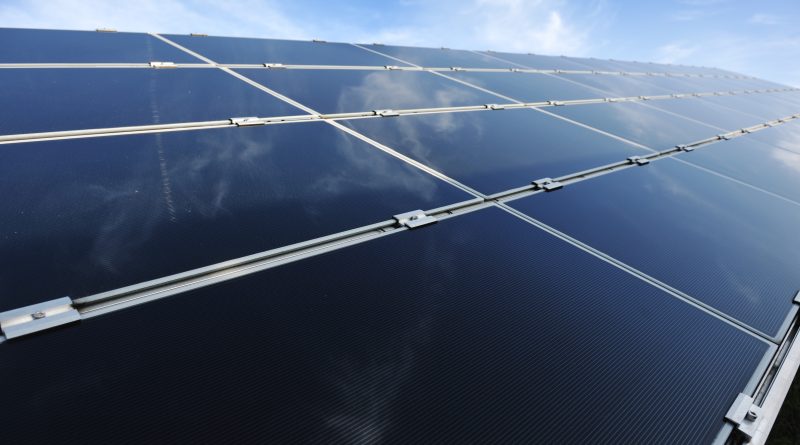
    At its core, solar energy conversion relies on photovoltaic (PV) cells found in solar panels. These cells absorb sunlight and convert it into direct current (DC) electricity through the photovoltaic effect. This DC power is then transformed into alternating current (AC) electricity by an inverter, making it usable for your home appliances. It’s fascinating how something as simple as sunlight can generate power—an innovation rooted in scientific brilliance!

    ### Types of Solar Panels: Which One Is Right for You

    There are several types of solar panels available today, each with distinct advantages. Monocrystalline panels are known for their efficiency and sleek appearance but tend to come with a higher price tag. Polycrystalline panels are generally more affordable yet slightly less efficient. Thin-film panels offer flexibility and lightweight options but may require more space due to lower efficiency rates. Evaluating your specific needs—be it budget constraints or space limitations—will help determine which panel type is best suited for your situation.

    JM Industrial YAX 9717 scaled

    ### Benefits of Solar Energy: Why Go Solar

    The benefits of adopting solar energy extend beyond just reducing your electric bill. By going solar, you contribute to lowering greenhouse gas emissions, thus playing a vital role in combating climate change. Additionally, many regions offer substantial financial incentives that make installation more accessible than ever before—think tax credits and rebates! Plus, with rising energy costs being a concern globally, producing your own power provides both security and independence.

    ### Understanding Solar Incentives and Rebates

    Navigating the world of solar incentives can be daunting yet rewarding! Various federal programs exist that provide tax credits (like the Federal Investment Tax Credit), while many states also offer their own rebates or performance-based incentives. Researching what’s available in your area could save you thousands on initial installation costs.

    ### How to Evaluate Your Home for Solar Suitability

    Before jumping headfirst into solar installation, assess your property’s suitability. Key factors include roof orientation (south-facing roofs generally capture more sunlight), shading from trees or buildings, and available roof space. Don’t forget about local zoning laws or homeowner association regulations that might affect installation!

    ### Financing Your Solar System: Options and Considerations

    When it comes to financing your solar system, you have several options at hand. Upfront payments provide instant ownership benefits but may not be feasible for everyone. Alternatively, loans or leases can spread out costs over time while still allowing access to savings on energy bills. Researching various financing methods will ensure you find one that aligns with your financial goals.

    ### The Installation Process: What to Expect

    Installation typically takes one to three days depending on system size and complexity—but expect some noise! A trusted installer will handle everything from paperwork through final inspections so you can sit back while they work their magic.

    ### Maintenance and Upkeep of Solar Panels

    Maintaining your solar panels is relatively straightforward! Regular cleaning can help maximize efficiency; however, most systems require minimal upkeep once installed properly. Monitoring production levels via apps is another excellent way to ensure everything is running smoothly.

    ### Common Misconceptions About Solar Energy

    Despite its growing popularity, misconceptions about solar abound—from concerns about effectiveness in cloudy weather to doubts regarding high maintenance costs! In reality, modern systems are designed with durability in mind and perform well under various conditions.

    ### The Future of Solar: Trends and Innovations

    As we look forward toward an increasingly green future, innovations such as bifacial panels—capable of capturing light from both sides—and improvements in battery storage technology promise even greater efficiency rates ahead!

    ### Conclusion: Taking the Leap into Solar Energy

    Switching to solar energy represents not only an investment in your home but also a commitment towards sustainability and environmental responsibility. With ample resources at our disposal today—from educational guides like this one to financial incentives—there’s never been a better time than now to explore what going solar could mean for you! Embrace the sun’s potential; take that leap into clean energy today!

    solar energy panels at work BteRwTpVj scaled
  • Solar Financing Options Explained

    Solar Financing Options Explained

    Understanding Your Options

    What Are Solar Loans?

    Solar loans are one of the most straightforward financing options out there. With a solar loan, you borrow money to purchase your solar panel system, typically paid back over a period of 5 to 20 years. Now, I’ve always preferred this option due to its clarity and benefits. By owning your system outright, you can take advantage of tax credits and rebates.

    One of the beauties of solar loans is that they come in different flavors. You might encounter secured loans, which use your home as collateral, or unsecured loans that don’t require any assets. Just tread carefully—secured loans can lead to risk if you miss a payment.

    Lastly, when considering a solar loan, always check the interest rates. You want to ensure you’re not signing up for something that’ll break the bank. Remember, the easier you can make your payments, the better you’ll feel owning your solar system!

    Leasing Your Solar System

    If you’re not quite ready to dive into ownership, solar leasing might be your jam. In this arrangement, a solar company installs panels on your property, and you pay a fixed monthly lease. Pretty chill, right? You don’t have to worry about maintenance or repairs—that’s all on the leasing company.

    The catch? Since you’re not technically the system owner, you won’t be eligible for the federal tax credit or those juicy state incentives. However, I’ve seen folks save on their utility bills right from the get-go, which is a major win. Just crunch those numbers to see if the savings outweigh the benefits of ownership.

    Another cool thing about leasing is flexibility. If you move to a new home, you may have the option of transferring your lease, making it a pretty smooth transition for anyone looking to keep things simple.

    Power Purchase Agreements (PPAs)

    Instead of leasing the panels, a Power Purchase Agreement lets you buy the energy produced by your solar system at a predetermined rate. It’s a unique model that I reckon more folks should know about. The great thing here is that you’re still paying less per watt than what you’d typically spend on traditional utility rates.

    PPAs often come with zero upfront costs, making solar accessible for everyone, even those not looking to shell out a ton of cash initially. However, due diligence is crucial—you’ll want to compare your long-term costs versus the savings. Sometimes, owning your system outright can be more cost-effective in the long run.

    Just remember that PPAs often lock you into a contract that lasts several years. So, if your plans change, you’ll need to look closely at the contract terms for what happens if you decide to move or sell your home sooner than expected.

    Government Incentives and Rebates

    Understanding Tax Credits

    One of the perks of going solar is understanding how to utilize tax credits to your advantage. The Federal Solar Investment Tax Credit (ITC) allows homeowners to deduct a percentage of the cost of their solar system from their federal taxes. I can’t stress enough how crucial this can be on your bottom line.

    This credit has a deadline, which adds urgency to the decision-making process. As of now, it’s vital to keep tabs on any potential reductions as the years progress. My advice? Consult with a tax professional to ensure you’re aware of any state-wise credits that could benefit you.

    It’s always rewarding to see that deduction reflected on your tax return. Just be prepared to keep a solid record of expenses and installation costs because, trust me, you don’t want to miss out on those opportunities!

    State and Local Rebates

    Now, moving on to local incentives—many states or even cities offer their very own rebates for solar installations. These can significantly cut down your initial investment, so it’s worthwhile to hop online and check what’s available in your area. I’ve discovered varying incentives, which can be a gamechanger for many folks.

    Some states even have performance-based incentives that give you money based on how much energy your solar panels generate. It’s like getting paid to be eco-friendly! These programs can look a bit confusing, so don’t hesitate to reach out to your local solar company for clarity.

    And don’t overlook utility companies! Some have their rebates for going solar, encouraging homeowners to offset energy costs through clean energy solutions.

    Financing Offers from Solar Providers

    When you’re knee-deep in research, don’t forget to check out financing plans directly from solar providers. Many of them have come up with excellent offers to help homeowners make that switch while also keeping their wallets happy. I’ve found that their plans are often tailored to the needs of local markets, which can be super beneficial.

    Typically, there are promotional rates, low-interest financing, or even zero-down options that can ease the tension of upfront costs. It’s a good practice to shop around and consider quotes from multiple providers to ensure you snag the best deal.

    However, clarify all terms and conditions before signing anything. I recall my experience—one lease had some hidden fees I didn’t catch right away, which ended up costing more than I’d initially thought. So always read the fine print!

    Conclusion

    Choosing the right solar financing option truly comes down to your own preferences, financial situation, and long-term goals. Each approach has its pros and cons, but with diligent research and consideration, you can navigate through these options like a pro. So take a deep breath, weigh your choices, and get ready to soak in those rays—both from the sun and your future savings!

    Frequently Asked Questions

    1. What is the best financing option for solar panels?

    It really depends on your personal financial situation and preferences. If you want to own your system and enjoy tax credits, a solar loan might be ideal. If you prefer low upfront costs, leasing or a PPA could be the way to go.

    2. Are there tax credits available for solar installations?

    Yes! The Federal Solar Investment Tax Credit (ITC) allows you to deduct a percentage of your solar system costs from your federal taxes. Additionally, many states offer their own incentives and credits, so always check local regulations.

    3. What happens if I move after installing solar panels?

    It depends on your financing option. If you own your system, you may sell your home with the system, which can be appealing to buyers. Leasing options usually allow for transfers of the lease, but that might be less straightforward, so check with your provider.

    4. Can I combine different financing options?

    Yes, it’s possible! Some homeowners use a combination of loans and state incentives or even consider leasing while taking advantage of local utility rebates. Always do your homework to find what combinations work best for you.

    5. How do I find more information about local solar incentives?

    Your best bet is to start online—check your state’s energy department website or local utility company’s page. Additionally, many solar installation companies are well-versed in local incentives and can provide valuable information.