Tag: solar generator

  • How to Choose the Best Solar Generator for Your Needs

    How to Choose the Best Solar Generator for Your Needs

    Are you ready to make the switch to solar power? If so, choosing a solar generator is an important decision. There are many factors to consider when selecting the best solar generator for your needs. In this article, we will discuss how to choose the best solar generator and provide tips on installing your own panels, renewable energy basics, and maintaining your batteries.

    Introduction to Solar Power and Its Benefits

    Solar power has become increasingly popular in recent years due to its numerous benefits. First and foremost, it’s a clean source of energy that doesn’t produce any greenhouse gas emissions or contribute to climate change. Additionally, solar power can help reduce our dependence on fossil fuels and lower electricity bills over time.

    wind energy fyHRFEqO 2 scaled

    The Cost of Solar Power vs Traditional Energy Sources

    While there may be some upfront costs associated with switching to solar power, such as purchasing a solar generator or installing solar panels, the long-term savings can be significant. According to EnergySage, homeowners who install solar panels save between $10,000 and $30,000 over the lifetime of their system. Furthermore, once the initial investment has been made, solar power becomes essentially free since sunlight is abundant and readily available.

    Choosing the Best Solar Generator for Your Needs

    When choosing a solar generator, there are several key factors to consider. One important consideration is capacity. You want to ensure that the generator you select has enough power output to meet your specific needs. Another factor to consider is portability – if you plan on using your generator off-grid, you may want one that is lightweight and easy to transport. Finally, look at the efficiency rating of the generator; higher efficiency means more power generated from less sunlight.

    Installing Your Own Panels: Is It Worth It?

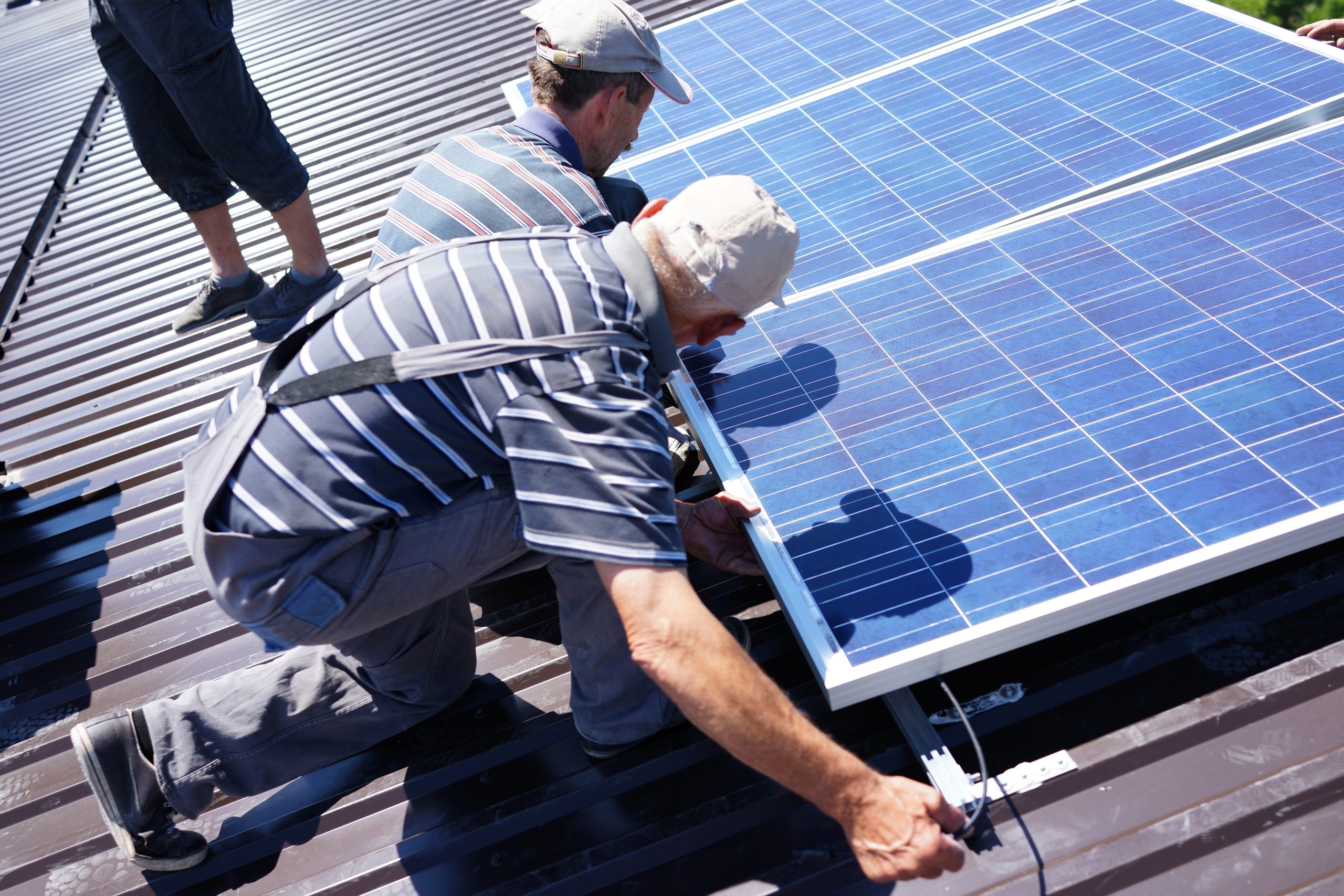
    If you have decided to take the plunge into solar power, you may be wondering whether installing your own panels is worth it. While installation can be complex and require specialized knowledge, doing it yourself can save money in the long run. However, it’s essential to carefully research local permitting requirements and safety guidelines before beginning any DIY project.

    large solar energy panel array BFeqZppNs 2 scaled

    Renewable Energy 101: What You Need to Know

    As interest in renewable energy continues to grow, understanding the basics of these technologies is becoming increasingly important. Solar power is just one type of renewable energy; others include wind, hydroelectric, geothermal, and biomass. Each technology works differently but shares common goals of reducing carbon footprints and promoting sustainability.

    Maintaining Your Solar Batteries: Recharging Time and Tips

    Once you have installed your solar panels and generator, proper maintenance is critical to ensuring they continue to function correctly. This includes regularly recharging your batteries and monitoring their performance. The recharge time varies depending on the size and capacity of your battery bank, but typically ranges from four to eight hours. To maximize battery life, avoid frequent deep discharges, keep them cool and dry, and perform regular inspections for signs of wear or damage.

    In conclusion, making the switch to solar power can be a rewarding experience both financially and environmentally. By following these tips and considering all aspects of solar generation, you can choose the best option for your unique needs while contributing to a cleaner future.

  • How to Choose the Best Solar Generator for Your Needs

    How to Choose the Best Solar Generator for Your Needs

    Solar power is a renewable source of energy that has been gaining popularity in recent years. With the increasing demand for sustainability and eco-friendliness, more people are turning to solar power as an alternative to traditional energy sources such as coal or natural gas. In this blog post, we will explore how you can choose the best solar generator for your needs, as well as other important aspects of using solar power.

    Introduction to Solar Power and Its Benefits

    Solar power involves harnessing the sun’s energy through photovoltaic cells which convert light into electricity. This process generates no greenhouse gases, making it a clean and environmentally friendly option. Additionally, solar panels require little maintenance once they have been installed, reducing long-term costs associated with upkeep. The benefits of solar power include:

    Lower electric bills over time

    Reduced carbon footprint

    Energy independence

    The Cost of Solar Power vs Traditional Energy Sources

    While initial installation costs may be higher than traditional energy sources, solar power becomes cheaper over time due to reduced electric bills. Additionally, tax credits and rebates offered by many states make investment in solar power even more attractive. While there may still be some upfront costs involved, the savings in the long run make it worthwhile. Choosing the Best Solar Generator for Your Needs

    When choosing a solar generator, consider factors such as wattage output, battery capacity, weight, and portability. Depending on your specific needs, certain features may be more important than others. For example, if you plan on using your solar generator primarily for camping trips, portability may be key. On the other hand, if you want to use your solar generator at home during blackouts, high wattage output would be essential. Here are some tips for choosing the best solar generator for your needs:

    Determine what you need the generator for

    Consider the size and weight of the unit

    Look at reviews from other users

    Compare prices and features across different models Installing Your Own Solar Panels: Is It Worth It?

    Installing your own solar panels can save money in the long run, but requires significant upfront costs and expertise. If you are considering installing your own solar panels, here are some things to consider:

    Research local permitting requirements

    Hire a licensed contractor who specializes in solar panel installations

    Understand the complexity of the project before attempting DIY Renewable Energy 101: What You Need to Know

    Renewable energy refers to any type of energy generated from naturally replenishing resources such as wind, water, geothermal heat, and solar power. By utilizing these types of energy sources, we can reduce our dependence on nonrenewable fossil fuels and help preserve the planet for future generations. Recharging Your Solar Batteries: How Long Does it Take?

    Recharge times vary depending on several factors including weather conditions, battery capacity, and the amount of sunlight available. As a general rule, most solar batteries take between 4-8 hours to fully charge when exposed to direct sunlight. However, cloudy days or shade can significantly slow down charging times. Overall, solar power offers numerous benefits and is becoming an increasingly popular choice for those looking to reduce their environmental impact while saving money in the long term.

    graphicstock close up of an unfinished modern eco house H0fd1iTWZ scaled

  • How to Choose the Best Solar Generator for Your Needs

    How to Choose the Best Solar Generator for Your Needs

    Are you ready to make the switch to solar power? If so, then congratulations! You’re joining millions of people around the world who are choosing renewable energy over traditional fossil fuels. In this blog post, we’ll explore everything you need to know about how to choose the best solar generator for your needs.

    JM Industrial DSC00736 scaled

    Solar power has become increasingly popular in recent years due to its many benefits. Not only is it a clean and sustainable source of energy, but it can also save you money on your electricity bills in the long run. Additionally, solar panels have become more affordable than ever before, making them an accessible option for homeowners and businesses alike.

    One of the first steps in transitioning to solar power is choosing the right solar generator. There are several factors to consider when selecting a solar generator, including your energy needs, budget, and location. Here are some tips to help you choose the best solar generator for your needs:

    1. Determine Your Energy Needs: Before purchasing a solar generator, it’s essential to determine your energy needs. This will help you select a system that is appropriately sized for your requirements. A professional installer or energy consultant can assist you with this process.

    2. Consider Your Budget: The cost of solar power has decreased significantly over the past decade, making it an attractive option for many homeowners and businesses. However, the initial investment can still be significant. Make sure to research different financing options and incentives available in your area to make solar power more affordable.

    3. Choose the Right Type of Solar Generator: There are two main types of solar generators: grid-tied and off-grid. Grid-tied systems are connected to the electrical grid and provide backup power during outages, while off-grid systems are not connected to the grid and require batteries to store excess energy. Depending on your location and energy needs, one type may be better suited for you than the other.

    4. Installation and Maintenance: Once you’ve selected a solar generator, you’ll need to decide whether to install it yourself or hire a professional. While installing your own solar panels can be a rewarding experience, it requires specialized knowledge and skills. It might be more practical to hire a professional installer who can ensure that your system is installed correctly and efficiently. Regular maintenance is also necessary to keep your solar generator functioning properly.

    In conclusion, switching to solar power is an excellent way to reduce your carbon footprint and save money on your electricity bills. By following these tips, you can choose the best solar generator for your needs and enjoy the benefits of renewable energy.

  • How to Choose the Perfect Solar Generator

    How to Choose the Perfect Solar Generator

    Understanding Your Power Needs

    Assessing Your Energy Consumption

    Before diving into the world of solar generators, I had to figure out how much energy I actually used in my daily life. It’s not just about grabbing any generator; it’s about knowing how much juice you need. I started by listing all my devices, from my laptop to my coffee maker, and noting their wattage. This gave me a clearer picture of what I required.

    Once I had a list, I researched how long I’d need to run each device in a day. This math can feel a bit overwhelming at first, but it’s super vital. I even made a spread sheet (yes, I’m that person in the group) to calculate total watt-hours needed. A little effort here saves a ton of headache later.

    Finally, I factored in a little extra for those unexpected power needs. Trust me, you don’t want to find yourself short when you’re out camping or dealing with a power outage. So, always round up to ensure you have enough power just in case!

    Evaluating Solar Generator Types

    Differentiating Between Inverter Types

    Now that I’ve got a grip on my power needs, it was time to explore the types of inverters available. There are two main types: pure sine wave and modified sine wave inverters. Pure sine wave inverters are more versatile, capable of powering sensitive electronics flawlessly, while modified sine wave inverters tend to be cheaper and work for less sensitive appliances.

    I personally lean towards pure sine wave, especially since I have a few devices that require that smooth wave to function properly. It’s like choosing the right kind of coffee – you could settle for something subpar, but why when you can have the quality experience?

    Choosing the right inverter is like finding the right rhythm in a song; it should fit perfectly with your needs, ensuring everything works smoothly without stress or hiccups.

    Considering Portability

    Weighing Size and Weight

    When I first started looking, I realized I needed to think about where I’d be using this solar generator. If you’re like me and love the outdoors, portability matters. Some generators are bulky, while others are lightweight and perfect for travel. I discovered that there’s a big difference in ease-of-use between lugging around a heavy one and packing a lighter version that I can easily toss in my car.

    Another point to consider is the setup. I didn’t want a generator that took forever to get up and running. Easy portability interlinks with this – the simpler it is to handle, the quicker I could get to powering my devices without fuss. After all, no one likes complications when they’re trying to relax at the beach!

    So, I often recommend to my friends that they don’t just look for the most powerful option. Look for something manageable that you can haul around without losing your cool. It makes all the difference during those spontaneous road trips!

    Researching Battery Capacity

    Understanding Lithium vs. Lead-Acid

    In my journey to find the perfect solar generator, I stumbled upon a significant decision: battery type. Lithium batteries have become all the rage these days, and for good reason. They’re lightweight, charge faster, and tend to last longer than traditional lead-acid batteries.

    However, I found lead-acid batteries can be cheaper upfront and are more widely available. But in the long run, they may not provide the same efficiency or cycle life. For me, after weighing the longevity versus the initial cost, lithium was the clear winner. It might feel like a splurge, but it truly pays off!

    Keep in mind the charging cycles as you choose. Lithium batteries typically allow for more cycles than lead-acid, which means more value over time. The last thing you want is to be replacing your batteries every year, right?

    Reviewing Additional Features

    Examining Durability and Maintenance

    The solar generator world offers a ton of features that can sweeten the deal, and I think it’s super important to consider. For instance, I learned the hard way that durability matters if I plan to take this thing on outdoor adventures. Some models are rugged and built to withstand the bumps and bruises of the great outdoors, while others seemed more fragile to me.

    Maintenance is another biggie. Some generators come with maintenance-free batteries while others need a more hands-on approach. Figuring out how much upkeep I was willing to handle helped narrow my options significantly.

    Lastly, I looked into additional features like USB ports, multiple output options, and even smart technology that allows you to monitor usage and battery levels. These extras can really add to your experience, so don’t overlook them. It all comes down to finding the right balance between features and what would make my life easier!

    Conclusion

    Choosing the perfect solar generator is all about understanding your unique needs and how each feature aligns with them. From power consumption to evaluating types and features, placing every detail into consideration paves the way for making a well-informed decision. I hope that sharing my experiences helps you in finding the ideal solar generator to keep you powered up, no matter where your adventures may lead you!

    FAQ

    1. What size solar generator do I need for my home?

    The size of the solar generator you need will depend on your energy consumption. Make sure to add up the wattage of the appliances you want to power to determine your needs.

    2. Are lithium batteries really better than lead-acid?

    Yes, lithium batteries generally outperform lead-acid in terms of weight, charging speed, and lifespan, making them a great option long-term despite the higher initial cost.

    3. How often do I need to maintain my solar generator?

    Maintenance largely depends on the type of battery and features your generator has. Some models are maintenance-free while others may require periodic battery checking or cleaning.

    4. Can I use a solar generator for camping?

    Absolutely! Many solar generators are portable and perfect for camping trips, letting you power devices easily while enjoying the great outdoors.

    5. What extra features should I look for in a solar generator?

    Additional features like multiple output options, USB charging ports, and smart technology for monitoring usage can enhance your experience and make your generator more user-friendly.

  • How to Choose a Solar Generator for Your Energy Needs

    How to Choose a Solar Generator for Your Energy Needs

    1. Determine Your Power Requirements

    Understanding Your Devices

    Before diving into the sea of solar generators, let’s first take a moment to assess what you’re actually going to power. It’s like planning a road trip: you need to know your destination, right? Whether it’s your phone, a mini fridge, or a whole RV, jot down the wattage of each device. You’ll find this info on the device’s label. If you can’t find it, a quick Googling can do wonders.

    Some devices are energy hogs. For instance, a blender can gin up to 700 watts, while a phone charger only needs around 5-20 watts. So, when you calculate your total power needs, consider all your tech. Remember, you might need to power these devices simultaneously, especially if you plan on using them in a crunch.

    Don’t forget to factor in some extra wattage for unforeseen circumstances! Having a buffer ensures that you won’t be left in the dark or without power. Just like leaving space in your bag for souvenirs! Trust me; it’ll save you some headaches later on.

    Daily Usage & Battery Capacity

    Next up, let’s talk about how long you plan to use these devices. This comes down to knowing the daily usage hours and matching it to battery capacity. The capacity is generally listed in amp-hours (Ah) and tells you how much energy it can store. For instance, if you have a generator with a capacity of 100 Ah, and a device that draws 10 amps, you can run that device for about 10 hours. Simple math, right?

    Maybe you’re gearing up for a weekend camping trip or a bigger preparation for emergencies. Either way, understanding how long your devices will run is crucial to avoid that dreaded ‘power-out’ moment. It’s like knowing how much gas you need for your trip, only to find out you forgot to fill up!

    So, take time to map it all out. I’ll admit this part can be brain-draining, but once you’ve got your numbers crunched, it feels oh-so-satisfying to see it all laid out. You’re setting the stage for a smooth sail ahead!

    Future Needs

    Think ahead! Sure, you may only need to power a few gadgets right now, but what about later? It’s like planting a seed—today, it’s just a little sprout, but tomorrow it could be towering over everything else. Are you planning on adding more devices, or maybe even stepping up to a larger energy setup in the future? Always consider your potential needs.

    Investing in a solar generator with room for expansion can save you time and money. It might be a tad more expensive upfront, but hey, who doesn’t love a little foresight? Getting something that won’t be obsolete in two years is key.

    Whether you’re eyeing more camping gadgets or prepping for emergencies, future-proofing your solar choice gives you room to breathe and adapt. It’s all about making sure you’re covered for whatever life throws your way!

    2. Assess Portability and Weight

    Ease of Transport

    Now, this is something I can personally relate to. If you’re like me and you love getting out and about, then portability should be high on your list. A solar generator that weighs a ton isn’t going to make your outdoor adventures very fun. Think about how you’ll be moving it from your car to your campsite or the backyard barbeque.

    Generally speaking, lightweight models are preferable, especially for camping trips or power outages at home. My advice? Look for models with built-in handles or wheels. Trust me, your back will thank you later! It’s not just a good workout; I’ve experienced too many trips where I’ve wished for an easier carry.

    Also, consider how much space it will take up in your vehicle. If you’re an over-packer like me, you probably don’t want to have to rearrange everything just to fit your generator. Compact designs often help in these scenarios, making it easier to stash without taking up the whole cargo space.

    Durability Factors

    When taking your solar generator on adventures, you’ll encounter various weather conditions—rain, shine, or even a windy day. That’s why looking for a durable model is paramount. A good solar generator should withstand the occasional bumps and bruises of life, especially if you plan on hiking or camping.

    Check for features like rugged casing and weather resistance. I once went with a generator that didn’t fare well in a downpour, and let’s just say, it wasn’t a pleasant experience. Look for user reviews and testimonials to see how other folks have fared under different conditions.

    Durability also ties into how long you expect your generator to last. Investing in high-quality materials might cost a bit more upfront, but it can save you money in the long run. Plus, you won’t have to deal with the hassle of replacements—ain’t nobody got time for that!

    Size Considerations

    Size matters when it comes to fitting your solar generator into your lifestyle. Depending on your power needs, you might need a larger unit or a smaller, portable one. It’s all about balance! Think about your living situation—are you using it in a van, a tiny home, or a sprawling backyard?

    Then there’s also the factor of what kind of lifestyle you live. If you’re typically on the move, a smaller size is key. But if you’re more stationary and can handle a bigger unit, then go for it! I’ve learned that striking the right balance makes all the difference in usability.

    Lastly, I’d recommend checking dimensions before you buy. It’s easy to overlook, but measuring your intended space can save you tons of frustration in the end. No more “surprise, it doesn’t fit!” moments, right?

    3. Evaluate Battery Type and Lifespan

    Lithium vs. Lead-Acid

    Let’s get down to the nitty-gritty of battery types because this is where things can get a bit technical. Lithium-ion batteries have taken the market by storm—and for good reason! They’re lightweight, charge quickly, and last a long time, which are all top points for someone who hates waiting around.

    On the flip side, you’ll find lead-acid batteries hanging around. While they’re typically more affordable, they also weigh a ton and have shorter lifespans. Seriously, considering the weight difference, I would choose lithium batteries just for the sheer ease of handling. Plus, the longer lifespan makes them a better long-term investment.

    If you have no idea which one to pick, just remember this: if you want something lightweight with a longer shelf life, go for lithium. If you’re looking at budget options and don’t mind the extra weight, lead-acid could work temporarily. It’s all about what vibe you’re going for!

    Charging Cycle & Lifespan

    A battery’s charging cycle can dictate its usability, so pay close attention. Lithium batteries can typically support around 2000-5000 charge cycles, while lead-acid usually range between 500-1000. That’s a huge difference! It’s like getting a new car vs. a used one—one is more reliable than the other.

    Knowing the lifespan of the battery can help you plan better. If you’re needing a consistent power source—especially for emergencies—it might be worth investing a little more on a quality battery. In my experience, having a reliable source gives greater peace of mind in a pinch.

    It’s also helpful to look into warranties. Good manufacturers will stand behind their products with fair warranties, which is an excellent indication of reliability. So keep an eye out for those! It’s a smart move that protects your investment.

    Self-Discharge Rate

    The self-discharge rate refers to how much battery capacity is lost over time when not in use. Imagine having your solar generator all set up, only to find that it’s drained down despite not using it. Bummer, am I right? Lithium batteries generally have a lower self-discharge rate than lead-acid, meaning you won’t lose juice while it’s sitting in storage.

    This factor can make a significant difference, especially if you’re not a regular user. As I’ve learned from experience, the last thing you want is to pull it out during a blackout only to find it’s low on power. It’s like a cruel joke that nobody finds funny!

    Ultimately, pay attention to the self-discharge rate when shopping around. It’s an easy-to-overlook detail, but it sure can impact your overall experience. I’ve learned to keep this in mind to ensure my generator is always ready to rock when I need it.

    4. Cost Considerations

    Understanding Your Budget

    Getting a quality solar generator doesn’t mean you have to sell a kidney. But let’s be real, knowing your budget beforehand is super important. It helps narrow down your choices and saves you a headache while browsing. There are fantastic options at various price points, so don’t feel pressured to splurge.

    Start by setting a limit. I usually frame it around what I’m willing to spend without feeling guilty later. That way, I can have a clearer view of what’s feasible for me! Look into entry-level models to get a feel for what you want, and then you can upgraded based on what features you find appealing.

    Be sure to keep the balance between what you need and what you want. Sometimes, I chase every flashy feature, but then I realize I don’t even need them! Keeping a checklist can really help with this—it helps you stay grounded.

    Additional Costs

    When budgeting, ensure you account for the extras. Shipping, accessories, and even solar panels if the generator doesn’t come with them can pile up. No one likes surprise costs—trust me, I’ve learned that the hard way! It’s like going grocery shopping and realizing you didn’t budget for snacks.

    Consider the long-term costs too. How efficient is the generator? Will it save you cash on energy bills in the long term? Think of it as an investment that pays you back over time. It’s worth weighing everything before you open your wallet.

    Don’t forget about ongoing maintenance costs. Some units may require more upkeep than others, and I’ve learned that factoring in maintenance can prevent future headaches. It allows for smoother sailing down the line!

    Exploring Brands and Options

    Brand reputation can give you insights into quality and reliability. I like to pause and do a little research to see what users are saying. Popular brands usually have a solid backing, but that doesn’t always guarantee you’ll find what fits your needs best. Reading reviews can be super informative, showing real people’s experiences.

    However, it’s not just about the big names. Smaller companies might offer fantastic products that just haven’t gained traction yet. Be flexible and open-minded; explore a variety of options that could offer hidden gems at lower price points.

    In the end, it’s all about feeling confident in your purchase. These days, there are plenty of resources to help make decisions easier. So dive into the details, and you’ll be amazed at what you uncover!

    5. Read User Reviews and Comparisons

    Gaining Practical Insights

    Reading user reviews is a game changer. Experience shared by real users can give you practical insights you won’t find anywhere else. Those reviews often cover things like usability, durability, and any downfalls they encountered. I usually take time to go through them to gauge a product’s actual performance in day-to-day life.

    Keep an eye out for patterns in the feedback. For example, if multiple users mention the same issue, that’s a red flag you can’t ignore. It’s like having a built-in advisory panel right at your fingertips, helping me dodge pitfalls others may have fallen into.

    Don’t just take the five-star ratings at face value, either. Sometimes negative reviews contain valuable bits of information that can help steer you in a better direction. It’s all about learning from others—after all, we’re in this together!

    Comparing Different Models

    Side-by-side comparisons can save you a ton of time and energy. There are handy charts and guides available that lay out pros and cons for each product category. When I was shopping for my first generator, doing these comparisons helped me get my head around the options without getting overwhelmed.

    This method opens your eyes to what’s available and helps inform your decisions based on direct comparisons. Look for features like charging capabilities, inverter size, and user ratings all in the same place. It accelerates your understanding and helps you spot what’s truly a must-have versus just a “nice to have.”

    It’s kind of like comparing the prices of coffee makers—once you see all your options, you can make a better choice. You’ll end up with something tailored to your energy needs and your preferences, which is always a win!

    Consulting Forums and Community Feedback

    One of my favorite things to do while researching is to cruise through forums and social media groups. These communities often have passionate members sharing advice, tips, and reviews that may not pop up on more official channels. It’s like having access to a think tank focused on solar generators!

    Communities can be rich with answers, so don’t shy away from asking questions. A simple “What’s your experience with X model?” can yield fantastic insights and recommendations you may have missed otherwise. Plus, you get that sense of camaraderie among folks who are looking to harness solar power too.

    Diving into discussions can provide added perspectives and help clarify any lingering questions or doubts. I’ve found that personal interactions add layers of understanding that you just don’t get from marketing material.

    FAQ Section

    1. How do I know how much power I need from a solar generator?

    Start by listing all the devices you plan to power, then check their wattage requirements. Sum it all up and consider how long you plan on using them to find a generator that fits your needs.

    2. Why is battery type important when choosing a solar generator?

    Battery type affects things like weight, lifespan, and charging cycles. Lithium-ion batteries typically offer better performance and longevity compared to lead-acid batteries, making them a popular choice.

    3. What should I consider when looking for a portable solar generator?

    Portability is key! Look for lightweight models with handles or wheels. Also, think about how much space it will take in your vehicle and the level of durability it has for outdoor use.

    4. Are user reviews reliable when selecting a solar generator?

    Absolutely! User reviews provide practical insights and real-world experiences. Look for patterns in feedback to guide your decision, and consider both positive and negative reviews for a balanced view.

    5. How do I calculate the costs involved with a solar generator?

    When pricing, consider the initial cost, shipping, any additional accessories, and potential maintenance. It’s also wise to think about long-term savings on energy bills when choosing your model.

  • How to Choose the Right Solar Generator for Your Needs

    How to Choose the Right Solar Generator for Your Needs

    Welcome to the world of solar power! Solar energy is a clean, renewable and cost-effective source of electricity that can help you reduce your carbon footprint while saving money on your utility bills. In this blog post, we will explore how to choose the right solar generator for your needs, as well as other important topics related to solar power.

    Solar generators are becoming increasingly popular among homeowners and outdoor enthusiasts who want to have access to electricity in remote areas or during power outages. These devices convert sunlight into electrical energy and store it in batteries, providing a reliable source of backup power when you need it most. But with so many different types of solar generators available on the market, choosing the best one for your specific needs can be challenging.

    One of the key factors to consider when selecting a solar generator is its capacity. You’ll want to make sure that the device has enough power output to meet your energy requirements. For example, if you plan to use your solar generator primarily for charging small electronic devices like smartphones and laptops, then a smaller unit with a lower wattage rating may suffice. However, if you intend to run larger appliances like refrigerators or air conditioners, then you’ll need a more powerful solar generator with a higher wattage rating.

    large solar energy panel array BFeqZppNs 1 scaled

    Another important consideration when choosing a solar generator is the type of battery used to store the electrical energy. Some models use lead-acid batteries, which are relatively cheap but heavy and have a limited lifespan, while others use lithium-ion batteries, which are lightweight, durable and offer longer runtime between charges. The choice of battery depends on your budget and intended usage.

    Once you’ve selected the appropriate size and type of solar generator, it’s time to think about installation. If you’re planning to install your own solar panels, there are several things to consider before getting started. First, you’ll need to determine the optimal location for your solar array based on factors such as sun exposure, shading and wind patterns. You’ll also need to decide whether to mount your panels on a roof or on the ground, and what type of racking system to use. While installing your own solar panels can save you money upfront, it may not always be worth the hassle and risk involved. Professional installation by a licensed contractor may be a safer and more efficient option.

    In addition to generating electricity from solar panels, there are many other ways to incorporate renewable energy into your daily life. One way is through the use of rechargeable batteries, which can be charged using solar panels or other sources of renewable energy. Recharging times vary depending on the type of battery and the amount of sunlight available, but typically range from a few hours to a full day. By investing in rechargeable batteries and solar panels, you can reduce your reliance on traditional energy sources and take steps towards a greener future.

    Overall, solar power offers numerous benefits over traditional forms of energy generation, including reduced environmental impact, increased energy independence and potential cost savings over time. Whether you’re looking to generate your own electricity at home or simply reduce your carbon footprint, there are plenty of options available to suit your unique needs and preferences.

  • Solar Power Generators – How They Can Save Your Money

    There is no doubt that we are living in an era of change and that we will continue to see more changes. The way we live our lives has changed dramatically over the past few decades, and this trend will only continue as time goes by. The most recent development in technology is the invention of solar power generators, which will help to bring us into the future and help to make our lives easier.

    The reason solar power is so beneficial is because it does not produce any pollution or harmful waste. This means that if you are looking for a way to be environmentally friendly, solar power generators are the answer. It also means that if you have children that are concerned about the effects of pollution, solar power generators can be a great way to get them interested in science and technology. There are many different types of solar power generators available, but there are two main types that are used by homeowners. These are the solar panel and the solar battery.

    The solar panel is a small device that is placed on top of your roof. They are designed to collect sunlight and convert it into electricity. The electricity that is produced is used to charge up your car’s battery. The solar battery is a large device that is placed under the ground and collects sunlight from the sun. The electricity that is produced by the solar battery is then used to power your home. If you would like to use solar power generators to help you save money on your electric bill, you should first consider what type of home you have. If you have a house with a lot of windows, you may want to purchase a solar battery. However, if you have a house with a flat roof, you may want to purchase solar panels.

    If you are thinking about installing solar power generators, you should know that they are fairly easy to install. You can purchase all of the parts that you need at your local hardware store, and you should be able to install them in less than one day. Once installed, you will be able to start saving money on your electric bill. Solar power generators are a great way to protect the environment and save money.