Tag: solar installation

  • Solar Power 101: How to Make Your Home Energy Efficient

    Solar Power 101: How to Make Your Home Energy Efficient

    In an age where climate change looms large and energy costs soar, solar power emerges as a beacon of hope. But is solar power really helpful to the environment? Absolutely! By harnessing sunlight, we reduce our reliance on fossil fuels, which are notorious for releasing harmful greenhouse gases. Solar energy generates clean, renewable electricity that can significantly lower your carbon footprint. It’s not just about saving money; it’s about preserving our planet for future generations.

    Now, let’s address the elephant in the room: cost. How expensive is solar power? The initial investment can seem daunting—typically ranging from $15,000 to $25,000 depending on your home and energy needs—but this figure doesn’t tell the whole story. Tax incentives and rebates can help offset these costs considerably. Moreover, many homeowners see a remarkable return on investment through reduced utility bills over time. In fact, studies show that many systems pay for themselves within five to seven years. With more affordable options emerging and financing plans available, going solar might be more accessible than you think.

    If you’re contemplating solar solutions for your home, you may wonder: What is the best solar power generator? The answer varies based on individual needs and circumstances. However, brands like SunPower and LG have garnered stellar reputations for their high efficiency and durability. Look for generators with good warranties and customer reviews when choosing your system; quality matters!

    newly constructed house interior room with unfinished wood floors window and closet door electrical connections are partially unfinished BYuTX8RHs scaled

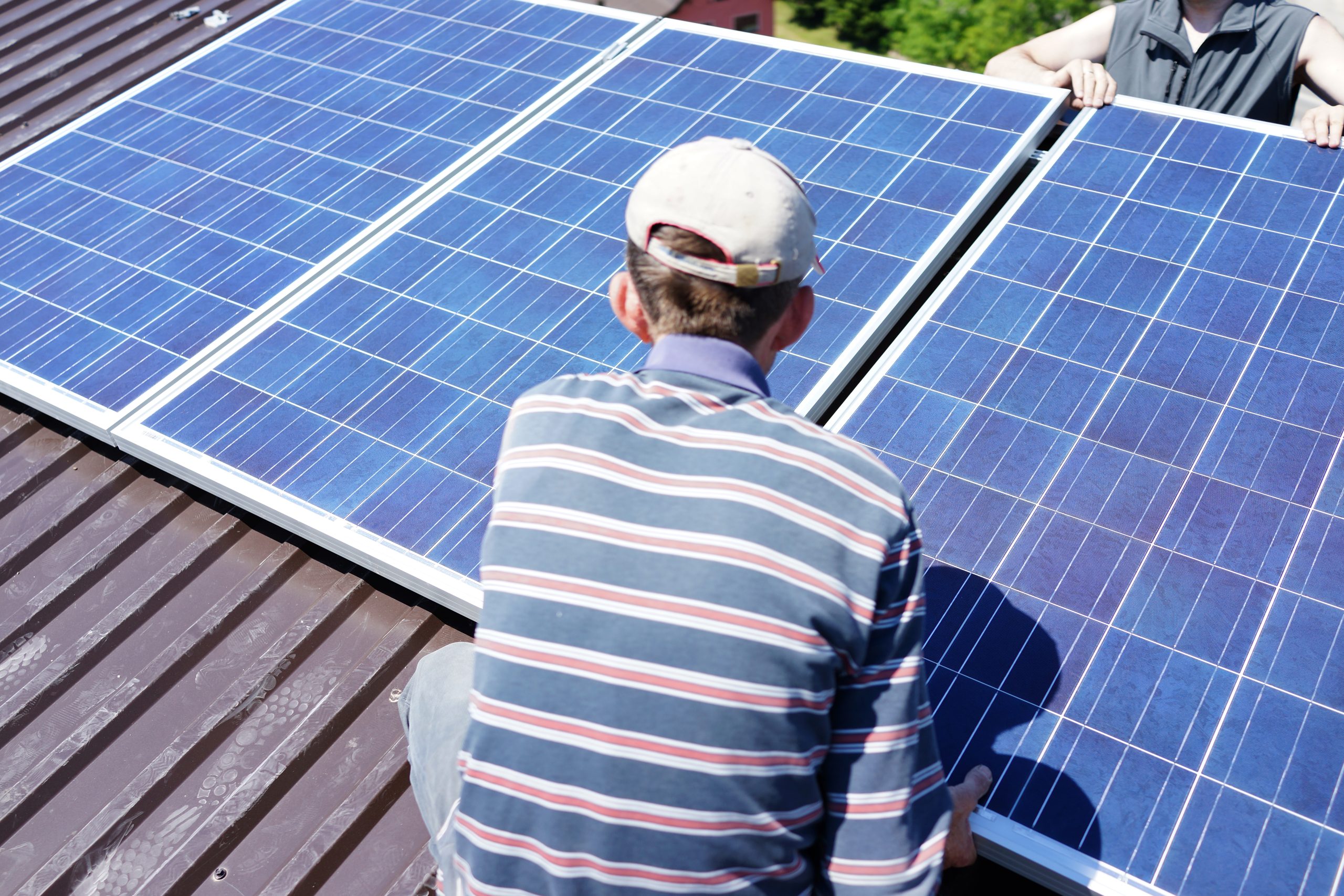
    For those who enjoy DIY projects or wish to save on installation costs, can I install my own solar panels? Technically yes! However, it’s crucial to understand local regulations and safety standards before diving into this project. Installing panels improperly can lead to inefficiency or even hazards. If you’re handy with tools and have a solid understanding of electrical work (or are willing to learn), there are numerous kits available that guide you through installation step-by-step.

    JM Industrial YAX 9824 scaled

    To truly appreciate the benefits of solar power, it helps to understand what renewable energy encompasses. At its core, renewable energy comes from sources that replenish naturally over time—sunlight being one of them! Other sources include wind, hydroelectricity, geothermal heat, and biomass. Unlike conventional fossil fuels like coal or oil that deplete finite resources while polluting our air and waterways, renewables aim for sustainability without long-lasting environmental damage.

    Finally, let’s tackle a common concern: how long does it take for my solar batteries to recharge? This largely depends on several factors including battery capacity and local weather conditions. On average though—if you’re using quality lithium-ion batteries—you can expect them to charge fully within 4-8 hours of direct sunlight exposure during optimal conditions.

    In conclusion, embracing solar power isn’t just a trend; it’s an opportunity to contribute positively towards environmental conservation while enjoying financial benefits in the long run. Whether you choose professional installation or a DIY approach—every bit counts in making your home more energy efficient! So why wait? Dive into the sunny side of sustainable living today!

  • Solar Power Revolution: Why You Should Make the Switch Today

    Solar Power Revolution: Why You Should Make the Switch Today

    In an age where energy consumption is at an all-time high and climate change looms over our planet, solar power emerges as a beacon of hope. But what exactly is solar power? At its core, solar energy harnesses sunlight, converting it into electricity through photovoltaic cells. This innovative technology not only promises to meet our energy needs but does so sustainably, paving the way for a cleaner future.

    One of the most compelling reasons to embrace solar power lies in its environmental impact. Traditional energy sources—like coal and natural gas—emit greenhouse gases that contribute significantly to global warming. In contrast, solar energy produces no emissions during operation. By adopting this renewable source, we can drastically reduce our carbon footprint. Imagine cities powered by the sun’s rays instead of fossil fuels; clean air, reduced pollution levels, and healthier ecosystems become attainable goals.

    a single wind turbine over a cloud filled blue sky BF0 uG 0Hj scaled

    Beyond its ecological advantages, making the switch to solar power makes sound economic sense. Initial installation costs may seem daunting; however, numerous studies indicate that homeowners can save thousands over time on their electricity bills. Many governments offer incentives such as tax credits or rebates for installing solar panels. Additionally, with rising energy prices and decreasing costs of solar technology, your return on investment (ROI) becomes increasingly favorable. In many regions, going solar is not just an eco-friendly choice—it’s a smart financial decision.

    The technological advancements in the realm of solar energy are nothing short of remarkable. Over the years, efficiency has seen significant improvements thanks to innovations like bifacial panels that capture sunlight from both sides and enhanced battery storage solutions allowing for greater energy retention for nighttime use or cloudy days. Smart grids equipped with AI are making it possible to optimize energy distribution in real-time while reducing waste—a game changer for renewable resources.

    mg i5a9842 scaled

    Despite these benefits, certain myths persist around solar power that can deter potential users from making the switch. One common misconception is that solar panels don’t work well in cloudy climates; however, they still generate electricity even on overcast days! Another myth suggests that maintaining panels is overly complicated or costly; in reality, minimal upkeep usually suffices to ensure they remain efficient for decades. Understanding these misconceptions is crucial for anyone considering this transition.

    So how do you get started with going solar? It’s simpler than you might think! First off, evaluate your home’s current energy usage by reviewing utility bills from previous months—this will give you insight into how much electricity you consume annually. Next up: research reputable local installers who can provide detailed assessments tailored specifically to your property’s unique needs and conditions.

    Once you’ve chosen a provider and received a system estimate based on your preferences and budgetary constraints—including any applicable incentives—you’ll be ready to sign contracts! After installation begins—usually taking only a few days—you’ll soon revel in watching those electric meters spin backward as your home becomes powered by sunshine!

    In conclusion, joining the Solar Power Revolution isn’t merely about accessing renewable energy; it’s about embracing sustainability while saving money in the long run—and perhaps more importantly—doing right by our planet’s future generations! The time has come to make this transformative switch today!

  • Going Green: The Financial and Environmental Benefits of Solar Power

    Going Green: The Financial and Environmental Benefits of Solar Power

    In recent years, solar power has surged in popularity, emerging as a beacon of hope for both environmentally conscious individuals and savvy homeowners looking to save money. But what exactly is the solar advantage? Understanding the fundamentals can illuminate just how transformative this energy source can be for your wallet and the planet.

    At its core, solar power harnesses sunlight through photovoltaic (PV) cells, converting it into usable electricity. This clean energy alternative reduces reliance on fossil fuels and offers an abundance of sunshine waiting to be tapped into. With technology advancing rapidly, solar panels have become more efficient and accessible than ever before. The prospect of generating your own electricity from a renewable source is not only appealing but increasingly practical.

    Now let’s talk numbers—specifically, how going solar can lighten your financial load. Many homeowners are surprised to discover that installing a solar energy system can lead to significant savings over time. Federal tax incentives, state rebates, and local programs often exist to encourage the switch to renewable energy sources. For instance, the federal solar tax credit allows you to deduct a substantial percentage of your installation costs from your federal taxes. In some cases, this incentive alone can offset thousands of dollars in expenses!

    Furthermore, reducing monthly electricity bills is another compelling reason to consider solar energy. Once installed, your system will generate free electricity for decades—typically 25 years or more! Imagine watching your utility bill shrink while contributing positively to the environment; it’s a win-win situation that many homeowners cherish.

    Speaking of environmental benefits—let’s delve into the eco-friendly impact of adopting solar power. Traditional energy generation methods contribute significantly to greenhouse gas emissions and climate change. By choosing solar, you’re actively participating in reducing carbon footprints and promoting cleaner air quality for future generations. Each kilowatt-hour generated by solar panels mitigates harmful emissions that would otherwise result from burning fossil fuels.

    Moreover, embracing solar energy can help preserve precious natural resources such as water—energy production often requires vast amounts of water for cooling processes in conventional plants. Transitioning to a sustainable model like solar drastically minimizes these needs, making it an essential component in fighting ecological degradation.

    So how does one embark on this green journey? Making the switch doesn’t have to be daunting; there are straightforward steps you can follow:

    1. **Research**: Start by gathering information about different types of systems available—grid-tied vs. off-grid—and their respective benefits.

    2. **Assess Your Home**: Evaluate your roof space and orientation toward sunlight exposure; south-facing roofs typically yield optimal results.

    3. **Find Reputable Installers**: Seek out qualified professionals with solid reviews or recommendations who understand local regulations and financing options.

    4. **Explore Financing Options**: Investigate loans or leasing programs if upfront costs pose a barrier; many companies offer flexible payment plans tailored to individual budgets.

    5. **Monitor Performance**: Once installed, keep track of your system’s output; this ensures everything functions correctly while allowing you to witness firsthand how much you’re saving.

    Transitioning to solar power is not just about capitalizing on immediate financial rewards; it’s a commitment toward sustainability that pays dividends for years ahead—both economically and ecologically! Embrace this opportunity today because every small step counts when we strive toward greener living together!

    mg i5a9842 1 scaled

  • Solar Power Myths Debunked: What You Really Need to Know

    Solar Power Myths Debunked: What You Really Need to Know

    Solar power is rapidly gaining traction as a viable energy solution, but many people are still clouded by misconceptions. Let’s peel back the layers on solar energy and uncover what you truly need to know.

    *Understanding the Basics: What is Solar Power?**

    At its core, solar power harnesses sunlight and converts it into electricity or heat. This transformation occurs through photovoltaic cells in solar panels that capture photons from sunlight. These energetic particles excite electrons, creating an electric current. Simple, right? As the technology has evolved, so has our ability to tap into this abundant resource efficiently and economically.

    *Myth vs. Reality: Common Misconceptions About Solar Energy**

    Despite its growing popularity, several myths linger around solar energy. One common misconception is that solar panels only work in sunny climates. While it’s true that sunnier locations yield better results, modern panels are designed to capture light even on cloudy days. Another myth suggests solar systems require extensive maintenance; however, most installations need little more than occasional cleaning and a routine inspection every few years.

    People often believe that installing solar panels will significantly increase their home insurance costs. In reality, many homeowners experience minimal changes in their premiums once they install a system—if any at all! Additionally, some think going solar means being completely off the grid; while that’s an option for some, most residential systems are tied to the utility grid for added reliability.

    *The Financial Perspective: Are Solar Panels Really Worth the Investment?**

    The financial implications of choosing solar can be daunting yet rewarding in the long run. Upfront costs may seem high; however, numerous incentives exist—federal tax credits and state rebates reduce initial expenses significantly. Furthermore, many homeowners see a decrease in their monthly utility bills after installation.

    Return on investment (ROI) varies depending on location, panel efficiency, and energy consumption habits but generally falls between five to seven years for most households. The long-term savings often outweigh initial costs when you consider rising electricity rates over time!

    *Environmental Impact: How Solar Power Contributes to a Greener Planet**

    Switching to solar power isn’t just about saving money; it’s also about making a positive impact on our planet! Utilizing renewable energy reduces dependency on fossil fuels and decreases greenhouse gas emissions significantly. According to research studies, one average-sized home going solar can eliminate approximately 100 tons of carbon dioxide over its lifetime—that’s like planting more than two acres of trees!

    Adopting clean energy sources helps combat climate change while promoting sustainable living practices that benefit future generations.

    *Installation and Maintenance: What to Expect When Going Solar**

    Navigating the transition to solar can feel overwhelming initially—but it doesn’t have to be! The process typically begins with a consultation where professionals assess your property’s suitability for solar installation based on factors like roof orientation and shading.

    Once you proceed with installation—which usually takes just one or two days—you’ll soon enjoy your new system’s benefits! Maintenance is minimal—most manufacturers recommend inspections every few years alongside regular cleaning if necessary due to dust or debris accumulation.

    *The Future of Solar Energy: Innovations and Trends to Watch**

    As we look ahead into the realm of renewable energy, exciting innovations abound! Bifacial panels that harvest sunlight from both sides show promising potential for increased efficiency while floating solar farms leverage unused water bodies as sites for installations.

    JM Industrial DSC00737 scaled

    Furthermore, battery storage technology continues evolving—allowing homeowners greater control over their power supply during outages or peak demand periods without relying solely on grid access.

    In conclusion, understanding these aspects of solar power not only dispels myths but also empowers informed decisions toward adopting cleaner energy solutions—a step forward towards sustainability!

  • Solar Installation Costs Explained Simply

    Solar Installation Costs Explained Simply

    Understanding the Costs of Solar Panels

    Initial Investment and Equipment Costs

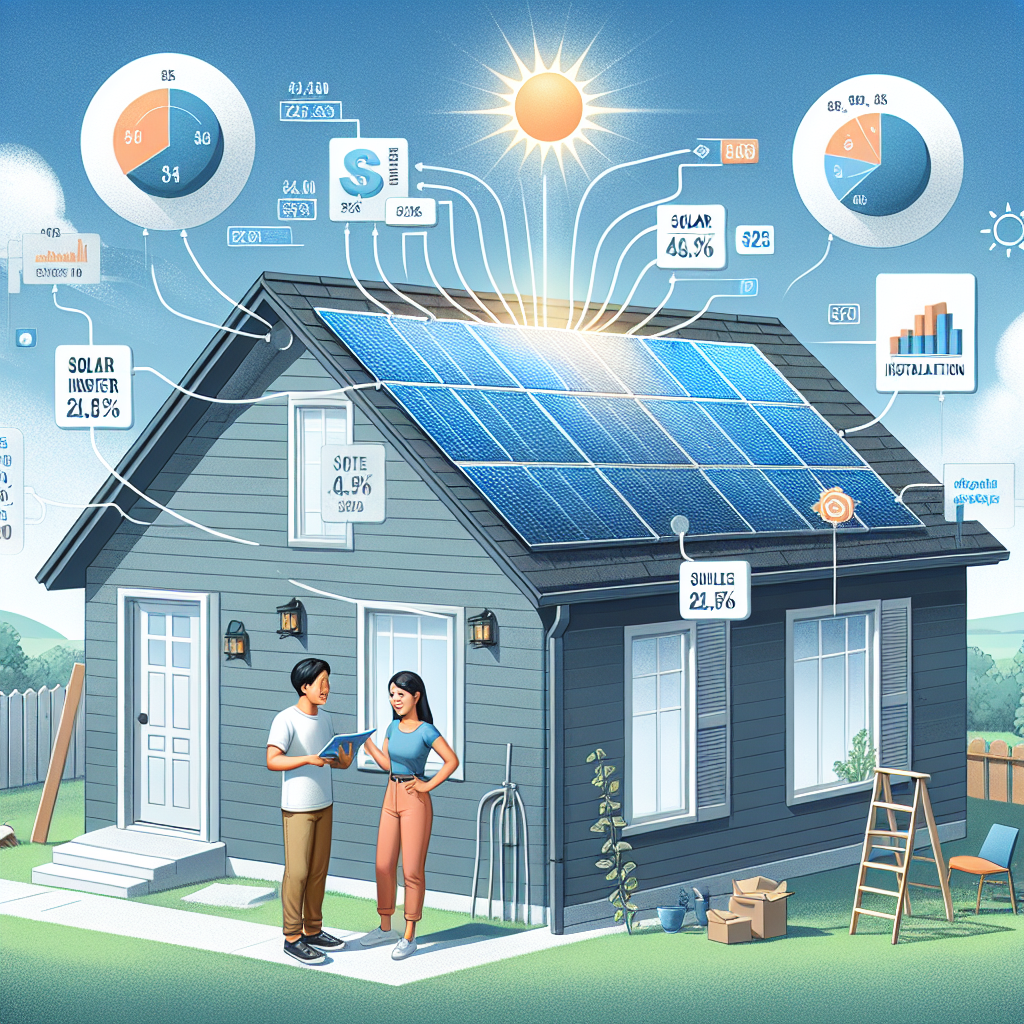
    First off, let’s tackle the big elephant in the room: the upfront costs. Solar panels aren’t exactly pocket change. When I first considered going solar, I was hit with the initial investment number, and honestly, it can be a bit intimidating. Prices can vary based on the type and brand of panels, inverters, and other necessary equipment.

    But here’s the kicker: while that initial investment might sting a little, I realized that this is a long-term play. It’s about how much I’d save on my electricity bills over time. A little upfront cost often leads to significant savings in the long run, trust me.

    On top of the panels, don’t forget to factor in the costs for mounting, wiring, and installation labor. You’ll want to get a solid quote from a reputable installer, so you know what you’re in for from the get-go.

    Incentives and Rebates

    Now, let’s chat about the silver lining: government incentives and rebates. When I was diving into my research, I discovered a whole slew of financial incentives that dramatically changed the game for me. Depending on where you live, there could be state and federal tax credits that can wipe thousands off the total cost.

    For instance, the Federal Solar Tax Credit allows homeowners to deduct a significant percentage of their solar installation costs from their federal taxes. This was a huge boost for my budget and made solar a no-brainer.

    And don’t overlook state and local programs. Some areas even have additional rebates or low-interest financing options to help make solar accessible to more folks. Definitely take the time to explore what’s available in your local area!

    Long-term Financial Benefits

    Let’s talk about ROI—return on investment. After my solar panels were installed, I quickly understood why so many people rave about them. The most thrilling part was watching my electricity bills shrink. I mean, who doesn’t love saving money?

    Surprisingly, some studies suggest that you can actually increase the market value of your home with solar panels. Buyers are becoming increasingly eco-conscious, and having solar power can be a selling point. It’s a smart financial move, and honestly, it also feels good to contribute to a more sustainable future.

    Over the years, as energy prices continue to rise, the savings just pile up. I look forward to years of lower energy bills and the peace of mind that comes with it. That’s what I call a win-win!

    Installation Costs: Breaking It Down

    Finding the Right Installer

    Choosing the right installer is majorly important. I mean, this isn’t something you want to skimp on. When I began my search, I made sure to browse through reviews, talk to friends, and get recommendations. Seriously, do your homework here! The quality of the installation can impact your system’s efficiency and lifespan.

    Don’t hesitate to reach out to multiple companies for quotes. I learned that prices can vary quite a bit and it’s always wise to compare what different companies are offering. Plus, sometimes installers will offer seasonal discounts, and it pays to ask!

    During the selection process, remember to ask your installer about their experience, warranties, and any certifications they have. It’s reassuring to know you’re getting work done by professionals who know their stuff. It really makes a difference!

    Permits and Inspection Fees

    Another area where costs can sneak in is permits and inspection fees. Now, I didn’t think about this much at first, but these costs can add up quickly. Depending on where you live, there might be various regulations and paperwork to tackle.

    After getting my panels installed, I was informed of the necessary inspections to ensure everything was up to code. This was a relief knowing that my system was compliant and safe, but it did add a little extra to the budget that I hadn’t anticipated.

    Before diving in, I recommend checking with your installer about the process in your area. They can usually help guide you through the necessary steps, which is helpful to avoid unnecessary costs and delays!

    Ongoing Maintenance and Repairs

    Let’s not forget about maintenance down the road! While solar panels are generally low-maintenance, there are still some considerations to keep in mind. I didn’t realize it at first, but keeping an eye on my panels is crucial. I learned that regular cleaning and inspections can boost efficiency and longevity.

    If something does go wrong—though it’s rare—it’s essential to have a plan for repairs. I recommend setting aside a little budget for ongoing maintenance. I’ve found that having a service plan can be super beneficial to cover any unexpected issues.

    Just remember, even though maintenance costs are an additional consideration, the overall savings and benefits of solar often outweigh these expenses. It’s all part of the journey toward greater savings and sustainability!

    Conclusion: Is Solar Worth It?

    This leads us to the ultimate question: Is going solar worth it? In my experience, absolutely! After diving into the costs and benefits, I can confidently say that solar installations have been one of my best investments. It’s not just about the dollars saved; it’s about contributing to a cleaner, more sustainable future.

    Don’t let the initial costs deter you. Once you break down the numbers and consider the long-term savings, the value becomes crystal clear. For me, switching to solar has been a rewarding experience that I encourage others to consider—whether for financial reasons or environmental ones.

    At the end of the day, do your homework, understand what you’re getting into, and take the leap if you can. You might just find it’s one of the best decisions you ever make.

    Frequently Asked Questions

    1. What is the average cost of installing solar panels?

    The average cost can vary widely based on location, size of the system, and type of panels, but it usually falls between $15,000 to $25,000 before incentives.

    2. Are solar panel installations eligible for tax credits?

    Yes! In the U.S., there is a federal tax credit available for solar installations, which can significantly reduce the costs.

    3. How long does a solar installation take?

    The installation process typically takes one to three days, depending on the size and complexity of the system.

    4. Do solar panels require a lot of maintenance?

    Not really! They’re quite low-maintenance, but it’s a good idea to have them inspected and cleaned periodically.

    5. Will solar panels increase my home’s value?

    Absolutely! Many studies show that homes with solar installations tend to sell for higher values than similar homes without them.

  • DIY vs Professional Solar Installation

    DIY vs Professional Solar Installation

    Cost Comparison

    Initial Expenses

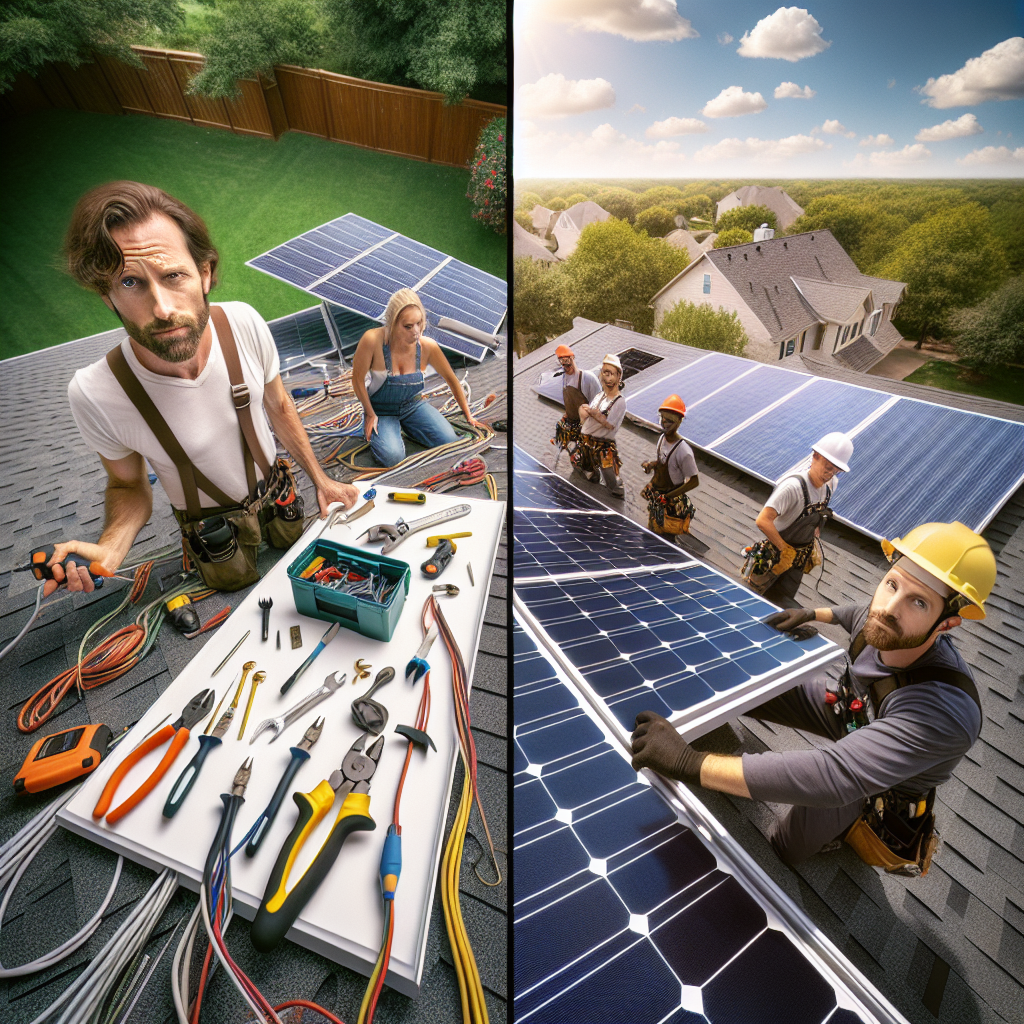
    When I first dove into the world of solar, cost was a major concern for me. If you’re considering a solar installation, the upfront costs for professional installations can be pretty steep. You’re looking at spending anywhere from $15,000 to $30,000, depending on your home’s size and location. On the flip side, DIY kits can start as low as a few thousand bucks. That’s quite a tempting difference!

    However, remember that cheap doesn’t always mean cheerful. DIY kits might save you cash initially, but they can come with hidden costs, especially if you’re not as handy as you’d like to think. Unexpected repairs or mistakes can add to your final bill, and trust me, those costs pile up faster than you can say “solar panel!”

    So, while the numbers might look better for a DIY approach, weigh in all aspects before making a decision. Sometimes it’s better to spend more upfront for peace of mind in the long run.

    Long-Term Savings

    Let’s chat about savings over time. With a professional solar installation, you’ll typically see a better return on investment (ROI) due to higher efficiency and access to better technology. I mean, imagine saving hundreds, if not thousands, on your electricity bill every year! That’s a no-brainer right there.

    On the other hand, DIY systems can pay off too. But they might require more maintenance than you’d be willing to tackle. It’s crucial to keep your panels clean, functioning, and updated, which I found out the hard way. If you let things slide, those savings can quickly dwindle.

    Ultimately, it’s about what works best for your financial situation. Look at your electricity costs, and calculate how long it would take before your solar panels start generating true savings for you.

    Financing Options

    Financing can be a game-changer. Many homeowners are surprised to find that professional installers often have great financing plans. You could pay in installments, reducing the burden of a huge one-time payment. I remember searching for the right company and finding one that had terms I could definitely work with!

    Conversely, DIY systems typically don’t offer financing options. Most people pay upfront for their kits, which can be a challenge if you’re caught off guard by the total cost. It’s like going out for dinner and forgetting your wallet – awkward, right?

    When you’re weighing these options, also think about how long you plan to stay in your home. Sometimes a professional install, with reliable features and goodwill if things go awry, can be worth the investment in the long haul.

    Installation Ease

    Skill Level Required

    This is where I had my personal revelations. Trust me, I thought I was tech-savvy until I tried to install my own solar panel system. If you’re someone who loves DIY projects and has a reasonable amount of electrical knowledge, you might find a DIY install manageable. But don’t underestimate the complexity involved!

    For the majority of folks, professional installation is the way to go. Technicians come with experience, knowledge, and the right tools. I’ve watched them work, and they make it look effortless. Their understanding of local codes and regulations is simply something I didn’t want to gamble with on my own.

    At the end of the day, ask yourself: do you want to spend your weekend wrestling with installation and potential mistakes, or sipping a cold drink while someone else takes care of it? Choice is yours!

    Time Commitment

    Let me tell ya, solar installation takes time, whether you’re going DIY or professional. The DIY route could stretch over multiple weekends, especially for people who have other commitments. I thought I could knock mine out in a weekend, but I underestimated how involved the process could be.

    On the professional side, installation can often be done in just a day or two! I remember being amazed watching a crew work together, efficiently navigating the installation with an expert’s touch. I couldn’t help but feel a little jealous of their skill!

    If you’re eager to enjoy the benefits of solar power sooner rather than later, a professional service may save you a significant chunk of time. Sometimes the quicker, simpler decision is the best one.

    Permits and Regulations

    Here’s a little nugget I picked up – permits can be a hassle. Going the DIY route means you’ll need to dive into local regulations and get the proper permits yourself. It’s like a treasure hunt but the prize is some headache you didn’t bargain for!

    With professional installers, they typically handle permits for you. It’s all part of their service. I found this to be a sweet deal because the last thing I wanted was to deal with bureaucracy on top of everything else.

    Make sure to check regulations in your area, whether you’re going DIY or professional. Ensuring everything is compliant can save you from potential fines down the line.

    System Performance

    Efficiency of Installation

    Let’s dive right into something super important – efficiency. Professional installs often guarantee performance metrics and might even give you a warranty! I have to say, that peace of mind is worth its weight in gold after going through the troubles of a DIY installation.

    In contrast, DIY systems may not perform at the same level, especially if incorrectly installed. You could be left with sad, underperforming panels that don’t give you the electricity you need. I’ve seen it happen, and trust me; it’s not fun discovering nearly half the output you were expecting.

    Efficiency also ties into how well the installation was carried out, which is another tick mark in the professional column. Many companies also offer ongoing support to ensure optimal performance. Double win!

    Long-Term Maintenance

    Maintenance can be a drag. With professional installs, maintenance can often be included or offered at a discount. I can’t express how nice it is to sit back, relax, and have professionals take care of things. They know the systems inside and out, and they can catch little issues before they become big headaches!

    With DIY, however, it’s all on you, and I quickly discovered that regular maintenance wasn’t as easy as I thought. From cleaning panels to minor fixes, the ongoing responsibility can be daunting. Plus, if you miss something, you could be losing efficiency without even realizing it!

    Weigh that maintenance commitment carefully. If you’re not keen on the upkeep, a professional install can save time and headache in the long run.

    Technology Updates

    Technology in solar is always evolving! The latest panels can significantly outperform older models. When you go professional, installers often have access to cutting-edge technology and will stay updated with the latest innovations.

    If you’re going DIY, it’s tough to keep up! You’re stuck with whatever you purchase and could miss out on future efficiencies that could save you more energy and cash. I mean, I love gadgets, but keeping track of all this could be a full-time job!

    Updating a system can also be more complicated with a DIY setup. Professional companies can guide you on how to upgrade or integrate new tech down the line, making this a significant advantage.

    Warranty and Support

    Extent of Warranties

    Warranties are a crucial factor when considering solar. Most professional installations come with extensive warranties, which are a huge relief. I learned that if something goes wrong, you’re covered!

    Diving into DIY, you might find minimal warranties on parts. Often, the responsibility falls back on you if something breaks. That’s a risk I wasn’t willing to take after my learning curve with my own setup.

    Warranties might be daunting, but understanding them can make a significant difference in protecting your investment, ensuring you’re not left high and dry!

    Access to Customer Support

    With professionals, you usually have access to customer support if things hit a snag. I’ve found that knowing there’s someone I can call when things go awry is priceless. They have the expertise and experience to troubleshoot issues fast.

    For DIY enthusiasts, you’re pretty much on your own unless you’ve got a neighbor who knows about solar setups. That can be pretty isolating! If things go wrong, it could take longer to get your system back online.

    Deciding on professional installations can make a difference in receiving quick and effective support. When the sun is shining, you want your panels to be working, not stuck in a troubleshooting maze!

    Service After Installation

    Finally, let’s talk about follow-up service. Professional installers often check on your system after installation to ensure everything’s running smoothly. It’s like having a solar buddy who’s always looking out for you!

    As for DIY, well, I found that checking on my system became less frequent over time, and naturally, that led to hiccups. It’s easy to forget when life gets busy!

    Going with a reliable installer means they’ll usually do follow-ups and maintenance checks, which keeps you motivated to ensure everything continues running smoothly.

    Conclusion

    Ultimately, choosing between DIY and professional solar installation boils down to your circumstances and what fits into your life better. Each has its distinct pros and cons, so weigh them all carefully! Good luck with your journey into solar; I’m sure whichever path you choose, you’ll learn loads and feel great about contributing to a more sustainable future!

    FAQs

    1. Is DIY solar installation cheaper than professional installation?

    Generally, yes, DIY systems can be cheaper at first glance. However, consider potential hidden costs and maintenance that might arise.

    2. How much technical knowledge do I need for DIY solar installation?

    A fair amount! You should be familiar with electrical work and local building codes to avoid issues down the line.

    3. Can I upgrade a DIY solar system easily?

    Upgrading a DIY solar system can be trickier without professional guidance. It’s essential to research options before committing.

    4. What kind of warranty can I expect from professional installations?

    Most professionals offer warranties ranging from 10 to 25 years, covering equipment and workmanship, which provides peace of mind.

    5. How do I choose between DIY and professional services?

    Consider your budget, skill level, and the complexity of doing it yourself versus the peace of mind that comes with professional help.
  • Solar Installation Permits Guide

    Solar Installation Permits Guide

    Understanding Local Regulations

    Identifying Your Local Authority Having Jurisdiction (AHJ)

    When I decided to go solar, the first thing I learned was that every area has its own set of rules about solar installation. Seriously, before you dive in, find out who your local authority is. This could be a city or county department. Understanding this helps in knowing exactly what permits you’ll need to apply for.

    Every AHJ has its own quirks. Some are super streamlined, while others can throw a wrench in things if you’re not prepared. I found it useful to reach out to them directly, either via phone or email. They can provide a wealth of information about what documents are required and how the whole process goes down.

    If you’re unsure where to start looking for your AHJ, a quick Google search with your city’s name followed by “permitting office” usually does the trick! Trust me, it’s good to have this checked off your list early.

    Researching Local Building Codes

    Next up is mastering the local building codes. These codes are like a playbook for your solar installation; they outline minimum safety standards that everyone must follow. I spent hours reading them, learning what I could about requirements for roof load, electrical wiring, and more.

    When I went through the codes, I made notes of anything particularly relevant to solar panels. This included how much weight my roof could support and what types of materials I was allowed to use. Spoiler alert: it can vary quite a bit depending on your area!

    If you find yourself getting overwhelmed, don’t hesitate to reach out to a local contractor who specializes in solar. They’ve usually got the rundown of what’s needed and can help navigate the codes more easily.

    Obtaining Required Permits

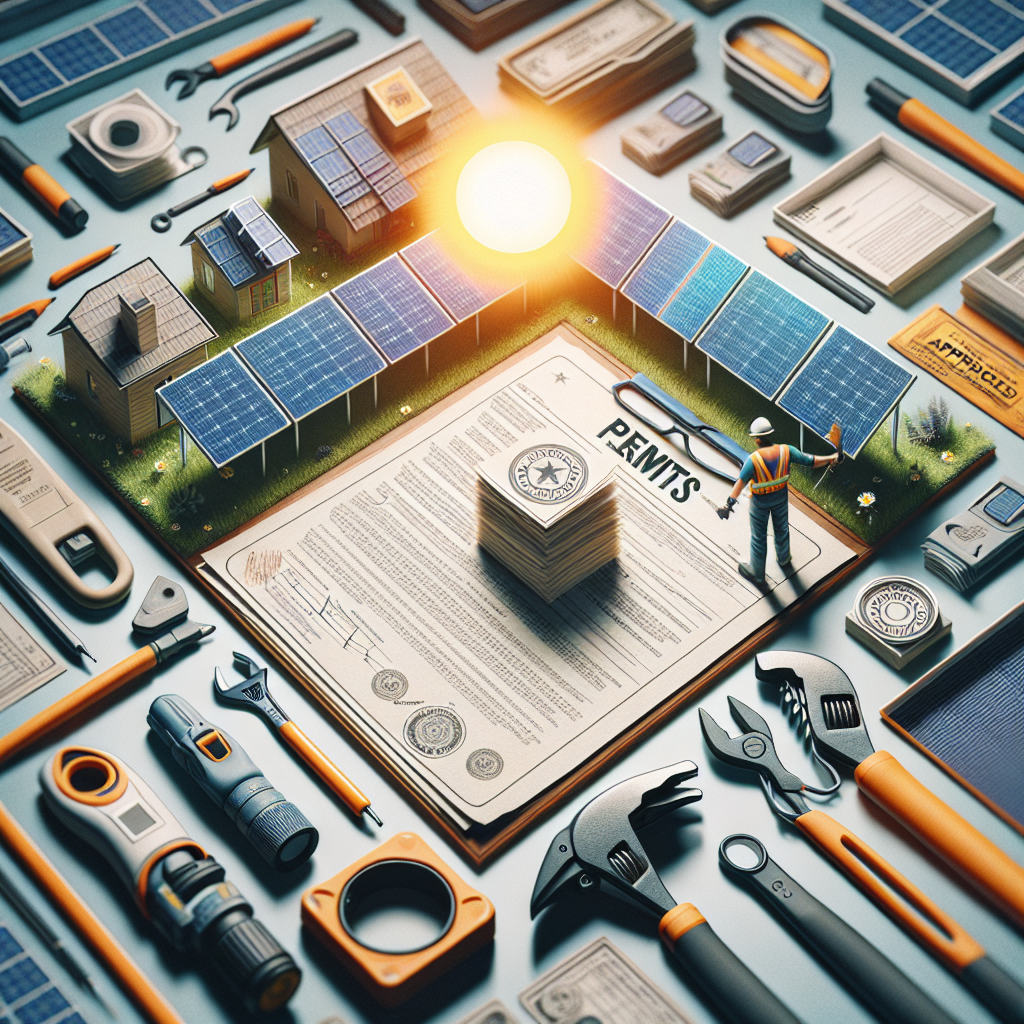
    Once I had a grasp of the local regulations and building codes, it was time to apply for permits. This step can feel daunting, but breaking it down into smaller tasks made it manageable. I found a checklist online that listed every permit I would need, which made it a lot less intimidating!

    Gathering all the required documents for the permits took some time. I had to submit plans of my installation and sometimes even technical specs of the solar panels I was using. This part of the process can take a while, so be patient and check in with your local authority for updates.

    After submitting everything, I made sure to keep copies of all my paperwork. One of my friends skipped this step and had to scramble to find everything later! Staying organized can save you a headache down the road.

    Working with a Solar Installer

    Selecting the Right Installer

    I can’t stress enough how important it is to choose a reputable solar installer. I went through a few reviews, asked for recommendations, and even checked their credentials. It’s like picking a contractor for any other home project; you want to make sure they know their stuff!

    When I found potential installers, I set up meetings to discuss my project and get estimates. This not only helped in understanding costs but also gave me a feel for how they operated. I recommended asking specific questions about their experience with local permits as well.

    Remember, a solid installer will know their way around the permitting process, so don’t hesitate to lean on their expertise.

    Collaborating on Permit Applications

    Your chosen installer is going to be a significant player in getting permits. In my case, my installer took the lead on this, which was a huge relief! They had a thorough understanding of what was needed, and they pretty much handled all the paperwork.

    However, it’s essential to stay in the loop. I made it a point to check in with my installer often to understand what they were doing regarding the permits. Having a good communication line ensures everything stays on track and makes the whole process smoother.

    Don’t hesitate to voice any concerns or ask questions as they prepare the applications. Transparency is crucial in this partnership!

    Managing Expectations

    There may be bumps in the road during the permitting process — delays, unexpected requirements, you name it. I learned to manage my expectations early on by being realistic about timelines. I also kept in mind that each locality handles things differently; some might have longer approval times than others.

    Keeping my energy positive during this waiting game helped immensely. I would remind myself that all the paperwork and patience would be worth it once my solar panels were installed!

    I also encouraged my friends and family who were considering solar to have their expectation in check. This advice can prevent frustration and disappointment down the line.

    Understanding the Inspection Process

    Preparing for Inspections

    After securing the necessary permits, it’s time for inspections. This was a new and somewhat intimidating stage for me, but proper preparation helped ease my anxiety. I made sure my installer was ready, too; they typically handle the logistics!

    One thing I didn’t realize was how crucial it is to have all documentation on hand — permits, plans, everything! A quick checklist can make this process less stressful, ensuring nothing gets overlooked. I even printed copies of my application, just in case!

    I also took the initiative to learn what inspectors typically look for. That way, I was able to address any concerns beforehand, potentially speeding up the process.

    Understanding What Inspectors Look For

    During the inspection, I discovered that inspectors aren’t just there to approve or reject; they’re also educators. They check for safety, code compliance, and the overall quality of the installation. Understanding their criteria helped me feel more confident.

    They often evaluate the system installation, electrical connections, and sometimes even overall aesthetics. I stood nearby during the inspection, allowing me to ask questions and understand their findings firsthand. It was eye-opening!

    This was also a great time to build rapport with the inspector! Friendly interactions can sometimes lead to smoother processes in the future, whether for you or the installer.

    Finalizing the Installation

    Once the inspection was completed and everything was up to snuff, it was time for the final touches on my solar installation. I was buzzing with excitement! I learned that this step often includes filling out final paperwork and getting everything in place for activation.

    Don’t forget to celebrate this achievement! After navigating through permits and inspections, I got together with friends and had a little solar-themed gathering. We even had a cake with a solar panel design on it – it was a fun way to mark the occasion!

    Once the installation was finalized, I was able to enjoy the benefits of my solar energy. I’ve learned that this whole journey, while challenging, is part of an exciting transition to renewable energy. It feels fantastic to know that I’m doing my part for the planet!

    FAQs

    What are the main permits required for a solar installation?
    The permits typically include building permits, electrical permits, and sometimes zoning permits. You’ll want to check with your local AHJ for specifics.
    How long does the permitting process for solar install typically take?
    It varies by location, but expect anywhere from a few weeks to a couple of months due to local regulations and approval times.
    Can I handle the permitting process myself?
    Yes, it’s possible to handle the permits yourself, but it’s often much easier to work with a qualified solar installer who knows the ropes.
    What happens during the inspection phase?
    Inspectors will review your installation to ensure it meets safety codes and local regulations. They’ll check the setup, electrical connections, and overall compliance.
    Should I be present during inspections?
    While it’s not mandatory, being present can be beneficial. It gives you a chance to ask questions and understand any issues that may arise.