### Introduction to Solar Energy: What You Need to Know
Solar energy has emerged as a powerful solution for those seeking sustainable and renewable power sources. As the sun beams down on Earth, it offers an abundant resource that can be harnessed for electricity generation, heating, and even transportation. With recent advancements in technology and a growing awareness of climate change, many homeowners are considering making the switch to solar. But where do you start?
### How Solar Energy Works: The Science Behind the Sun
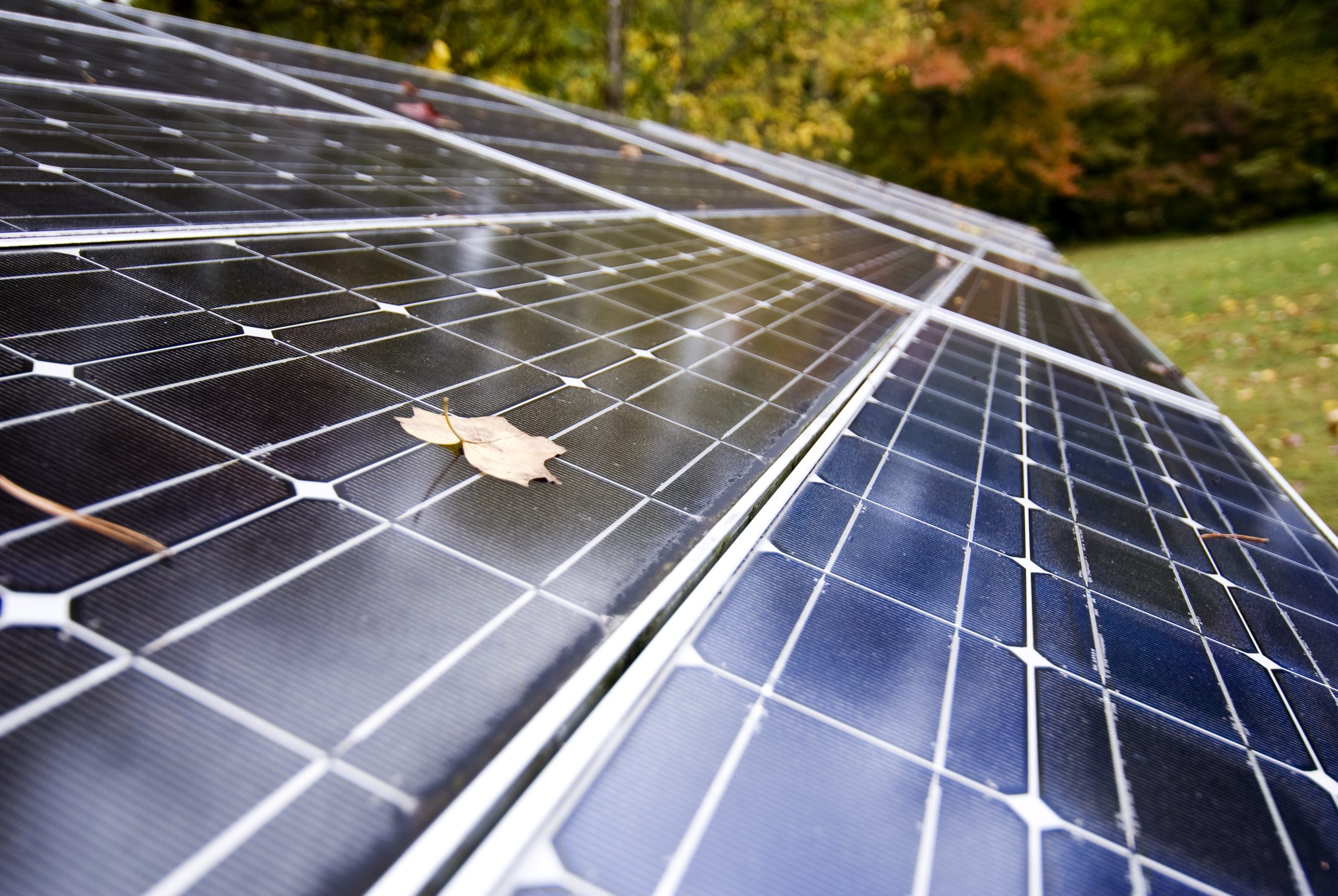
At its core, solar energy conversion relies on photovoltaic (PV) cells found in solar panels. These cells absorb sunlight and convert it into direct current (DC) electricity through the photovoltaic effect. This DC power is then transformed into alternating current (AC) electricity by an inverter, making it usable for your home appliances. It’s fascinating how something as simple as sunlight can generate power—an innovation rooted in scientific brilliance!
### Types of Solar Panels: Which One Is Right for You
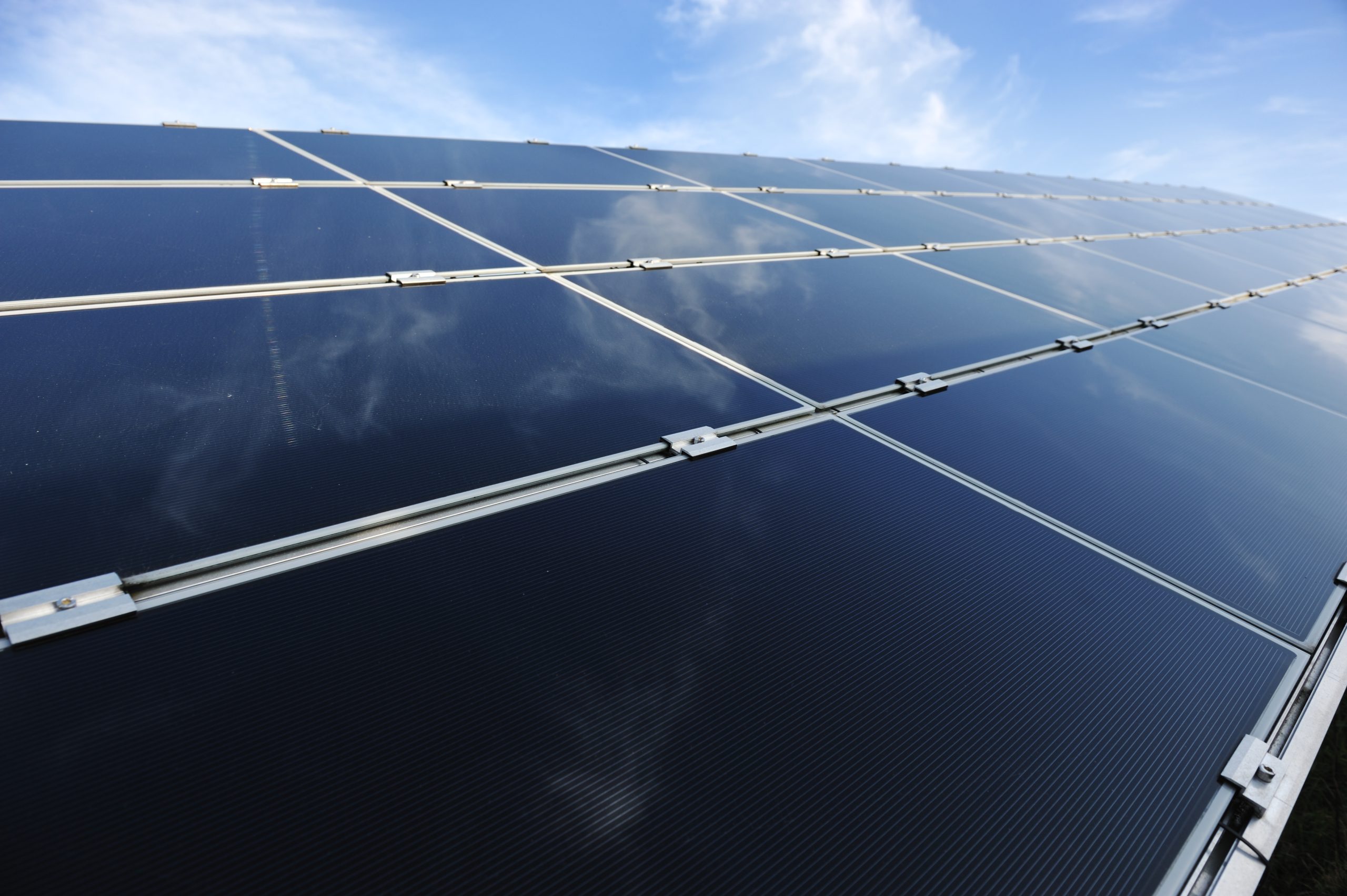
There are several types of solar panels available today, each with distinct advantages. Monocrystalline panels are known for their efficiency and sleek appearance but tend to come with a higher price tag. Polycrystalline panels are generally more affordable yet slightly less efficient. Thin-film panels offer flexibility and lightweight options but may require more space due to lower efficiency rates. Evaluating your specific needs—be it budget constraints or space limitations—will help determine which panel type is best suited for your situation.
### Benefits of Solar Energy: Why Go Solar
The benefits of adopting solar energy extend beyond just reducing your electric bill. By going solar, you contribute to lowering greenhouse gas emissions, thus playing a vital role in combating climate change. Additionally, many regions offer substantial financial incentives that make installation more accessible than ever before—think tax credits and rebates! Plus, with rising energy costs being a concern globally, producing your own power provides both security and independence.
### Understanding Solar Incentives and Rebates
Navigating the world of solar incentives can be daunting yet rewarding! Various federal programs exist that provide tax credits (like the Federal Investment Tax Credit), while many states also offer their own rebates or performance-based incentives. Researching what’s available in your area could save you thousands on initial installation costs.
### How to Evaluate Your Home for Solar Suitability
Before jumping headfirst into solar installation, assess your property’s suitability. Key factors include roof orientation (south-facing roofs generally capture more sunlight), shading from trees or buildings, and available roof space. Don’t forget about local zoning laws or homeowner association regulations that might affect installation!
### Financing Your Solar System: Options and Considerations
When it comes to financing your solar system, you have several options at hand. Upfront payments provide instant ownership benefits but may not be feasible for everyone. Alternatively, loans or leases can spread out costs over time while still allowing access to savings on energy bills. Researching various financing methods will ensure you find one that aligns with your financial goals.
### The Installation Process: What to Expect
Installation typically takes one to three days depending on system size and complexity—but expect some noise! A trusted installer will handle everything from paperwork through final inspections so you can sit back while they work their magic.
### Maintenance and Upkeep of Solar Panels
Maintaining your solar panels is relatively straightforward! Regular cleaning can help maximize efficiency; however, most systems require minimal upkeep once installed properly. Monitoring production levels via apps is another excellent way to ensure everything is running smoothly.
### Common Misconceptions About Solar Energy
Despite its growing popularity, misconceptions about solar abound—from concerns about effectiveness in cloudy weather to doubts regarding high maintenance costs! In reality, modern systems are designed with durability in mind and perform well under various conditions.
### The Future of Solar: Trends and Innovations
As we look forward toward an increasingly green future, innovations such as bifacial panels—capable of capturing light from both sides—and improvements in battery storage technology promise even greater efficiency rates ahead!
### Conclusion: Taking the Leap into Solar Energy
Switching to solar energy represents not only an investment in your home but also a commitment towards sustainability and environmental responsibility. With ample resources at our disposal today—from educational guides like this one to financial incentives—there’s never been a better time than now to explore what going solar could mean for you! Embrace the sun’s potential; take that leap into clean energy today!