Tag: solar myths

  • Breaking Down Solar Myths: What You Really Need to Know About Solar Power

    Breaking Down Solar Myths: What You Really Need to Know About Solar Power

    In recent years, solar power has surged in popularity as a viable alternative to traditional energy sources. However, despite its growing presence, many myths still cloud public perception. Let’s illuminate the truth behind some of the most common misconceptions surrounding solar energy.

    wind energy zkRk9V5d scaled

    *Is Solar Power Really Helpful to the Environment?**

    Absolutely! Solar power is often lauded for its environmental benefits. By harnessing sunlight, we reduce reliance on fossil fuels, which are notorious for emitting greenhouse gases and contributing to climate change. The process of generating electricity through solar panels emits zero emissions. Furthermore, solar installations can lead to less air pollution and reduced water consumption compared to conventional energy methods. While there is an environmental footprint associated with manufacturing solar panels, the overall life cycle impacts are significantly lower than those of coal or natural gas.

    *How Expensive Is Solar Power?**

    The cost of solar power has decreased dramatically over the past decade. Initially viewed as a luxury investment, today’s prices make it more accessible for average homeowners. While installation costs can vary depending on location and system size—averaging between $15,000 and $25,000 before incentives—the long-term savings often outweigh these upfront expenses. Tax credits and rebates can further reduce costs. Additionally, with rising utility rates, many find that their monthly bills decline after switching to solar.

    *What Is the Best Solar Power Generator?**

    Choosing the best solar generator depends largely on your specific needs—whether you’re looking for portability or a solution for home backup power during outages. Brands like Goal Zero offer compact options perfect for camping trips or small appliances while companies like Jackery provide larger systems suitable for home use. When selecting a generator, consider factors such as battery capacity, output wattage, and charging time to ensure it aligns with your lifestyle requirements.

    *Can I Install My Own Solar Panels?**

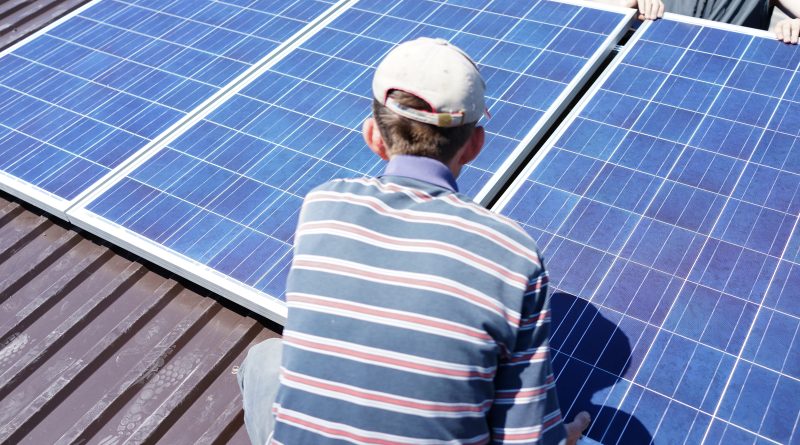
    While DIY enthusiasts may be tempted to take on this project themselves, installing solar panels is generally best left to professionals. Although it’s possible to install your own system—especially small off-grid solutions—there are numerous challenges involved including local regulations and permitting processes that must be navigated carefully. Professional installers not only ensure compliance but also optimize panel placement for maximum efficiency based on geographic location.

    *What Is Renewable Energy?**

    Renewable energy refers to energy derived from resources that replenish naturally over short periods of time: think sunlight (solar), wind (wind turbines), rain (hydropower), geothermal heat from the Earth’s core, and biomass from organic materials. These sources stand in stark contrast to finite resources like coal or oil which deplete over time and contribute heavily to environmental degradation.

    *How Long Does It Take For My Solar Batteries To Recharge?**

    The recharging time for solar batteries varies depending on several factors including battery type (lithium-ion vs lead-acid), capacity size, and available sunlight during charging hours. Generally speaking, most modern lithium-ion batteries can recharge fully within 4-8 hours under ideal conditions when connected directly to a properly sized solar panel array. Lead-acid batteries may require longer periods due to their chemical makeup but remain effective options in many applications.

    In conclusion, embracing solar power offers both financial savings and environmental benefits while dispelling common myths helps clarify its role in our sustainable future. As technology advances further into renewable solutions like this one, we can all play our part in creating a cleaner planet!

  • Solar Myths Debunked: What You Really Need to Know

    Solar Myths Debunked: What You Really Need to Know

    In recent years, solar energy has emerged as a powerful alternative to traditional fossil fuels, igniting conversations about sustainability and innovation. However, with its rise in popularity comes an array of misconceptions that can cloud the truth. Let’s shine a light on the realities of solar energy, debunk some common myths, and explore what you truly need to understand about this renewable resource.

    *Understanding the Basics: What Solar Energy Really Is**

    At its core, solar energy harnesses sunlight to generate electricity or heat. This is accomplished primarily through photovoltaic (PV) cells found in solar panels. These cells convert sunlight directly into electricity, while solar thermal systems utilize the sun’s heat for applications such as heating water or spaces. The beauty of solar energy lies in its abundance; it’s clean, inexhaustible, and available almost everywhere on Earth.

    AS6 3700 299 1 scaled

    *Common Misconceptions: Myths vs. Facts about Solar Panels**

    Let’s tackle some pervasive myths head-on.

    One prevalent myth suggests that solar panels are ineffective in cloudy regions or during winter months. In reality, while sunny days do maximize efficiency, panels can still generate power under overcast conditions! They capture ambient light and can function effectively year-round.

    Another misconception is that installing solar panels is too complicated and requires extensive maintenance. On the contrary, modern systems are designed for durability with minimal upkeep needed—just occasional cleaning to remove dust or debris will suffice!

    Additionally, many believe that only homeowners can benefit from solar energy. Not true! Businesses and renters have options too; community solar programs allow individuals without roof access to invest in shared solar projects.

    *The Financial Truth: Cost, Savings, and Incentives Explained**

    Let’s discuss money matters—the most crucial aspect for many potential adopters. It’s a common belief that solar installations are prohibitively expensive. While initial costs might seem daunting—averaging between $15,000-$25,000 before incentives—the long-term savings on utility bills often outweigh these upfront expenses.

    Moreover, tax credits and rebates significantly reduce overall costs—thanks to federal initiatives offering up to 26% off installation costs until 2023! Many states also provide additional incentives specific to local regulations that further ease financial burdens.

    But wait—there’s more! With net metering policies available in several areas, homeowners can sell excess power back to the grid—a fantastic way to earn credit against future utility bills!

    *Going Green: The Environmental Impact of Solar Energy**

    Transitioning to solar energy isn’t just a savvy financial move; it’s also an environmental game-changer. By opting for renewable sources like sunlight rather than fossil fuels, we drastically reduce greenhouse gas emissions responsible for climate change.

    Solar systems require significantly less water compared to conventional power plants; they produce no air pollutants during operation. Moreover, advancements in technology continue making production processes more sustainable as manufacturers focus on reducing waste associated with panel creation.

    Investing in solar not only empowers individuals but contributes to healthier ecosystems worldwide by promoting cleaner air quality and conserving precious natural resources.

    In conclusion, dispelling these myths sheds light on the tremendous benefits of embracing solar energy—not just for personal gain but for our planet’s future as well. With clearer facts at your disposal about how this technology works financially and environmentally alike—you now hold the knowledge necessary to make informed decisions about going green!

    electricity generating solar energy panels BFZCTa6Ns 3 scaled

  • Solar Power Myths Debunked: What You Really Need to Know

    Solar Power Myths Debunked: What You Really Need to Know

    Solar power is rapidly gaining traction as a viable energy solution, but many people are still clouded by misconceptions. Let’s peel back the layers on solar energy and uncover what you truly need to know.

    *Understanding the Basics: What is Solar Power?**

    At its core, solar power harnesses sunlight and converts it into electricity or heat. This transformation occurs through photovoltaic cells in solar panels that capture photons from sunlight. These energetic particles excite electrons, creating an electric current. Simple, right? As the technology has evolved, so has our ability to tap into this abundant resource efficiently and economically.

    *Myth vs. Reality: Common Misconceptions About Solar Energy**

    Despite its growing popularity, several myths linger around solar energy. One common misconception is that solar panels only work in sunny climates. While it’s true that sunnier locations yield better results, modern panels are designed to capture light even on cloudy days. Another myth suggests solar systems require extensive maintenance; however, most installations need little more than occasional cleaning and a routine inspection every few years.

    People often believe that installing solar panels will significantly increase their home insurance costs. In reality, many homeowners experience minimal changes in their premiums once they install a system—if any at all! Additionally, some think going solar means being completely off the grid; while that’s an option for some, most residential systems are tied to the utility grid for added reliability.

    *The Financial Perspective: Are Solar Panels Really Worth the Investment?**

    The financial implications of choosing solar can be daunting yet rewarding in the long run. Upfront costs may seem high; however, numerous incentives exist—federal tax credits and state rebates reduce initial expenses significantly. Furthermore, many homeowners see a decrease in their monthly utility bills after installation.

    Return on investment (ROI) varies depending on location, panel efficiency, and energy consumption habits but generally falls between five to seven years for most households. The long-term savings often outweigh initial costs when you consider rising electricity rates over time!

    *Environmental Impact: How Solar Power Contributes to a Greener Planet**

    Switching to solar power isn’t just about saving money; it’s also about making a positive impact on our planet! Utilizing renewable energy reduces dependency on fossil fuels and decreases greenhouse gas emissions significantly. According to research studies, one average-sized home going solar can eliminate approximately 100 tons of carbon dioxide over its lifetime—that’s like planting more than two acres of trees!

    Adopting clean energy sources helps combat climate change while promoting sustainable living practices that benefit future generations.

    *Installation and Maintenance: What to Expect When Going Solar**

    Navigating the transition to solar can feel overwhelming initially—but it doesn’t have to be! The process typically begins with a consultation where professionals assess your property’s suitability for solar installation based on factors like roof orientation and shading.

    Once you proceed with installation—which usually takes just one or two days—you’ll soon enjoy your new system’s benefits! Maintenance is minimal—most manufacturers recommend inspections every few years alongside regular cleaning if necessary due to dust or debris accumulation.

    *The Future of Solar Energy: Innovations and Trends to Watch**

    As we look ahead into the realm of renewable energy, exciting innovations abound! Bifacial panels that harvest sunlight from both sides show promising potential for increased efficiency while floating solar farms leverage unused water bodies as sites for installations.

    JM Industrial DSC00737 scaled

    Furthermore, battery storage technology continues evolving—allowing homeowners greater control over their power supply during outages or peak demand periods without relying solely on grid access.

    In conclusion, understanding these aspects of solar power not only dispels myths but also empowers informed decisions toward adopting cleaner energy solutions—a step forward towards sustainability!