Tag: solar panel

  • Solar Panel Angle Guide: Maximize Performance

    Solar Panel Angle Guide: Maximize Performance

    Understanding Solar Panel Orientation

    What Does Orientation Mean?

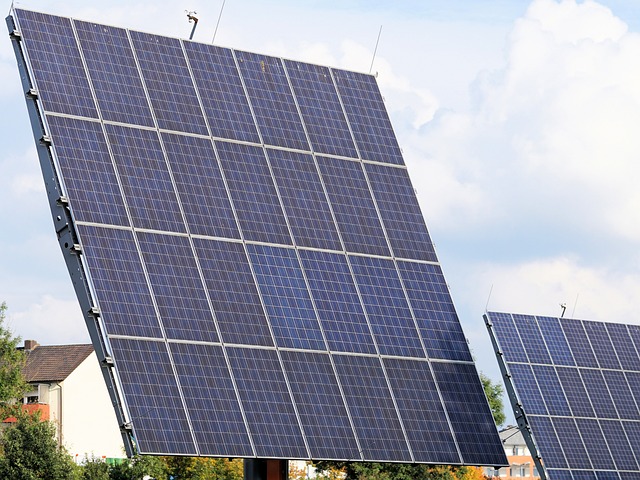
    Alright folks, let’s kick things off by talking about orientation. When we refer to the orientation of solar panels, we’re essentially talking about the direction those panels are facing. Believe me, this is a crucial component to get right if you want to crank up that energy production.

    In most places, the ideal direction for solar panels is south-facing. This isn’t just some random rule; it’s backed by science. A south orientation ensures that your panels catch the most sunlight throughout the day, which boosts their efficiency. However, don’t fret if south isn’t an option for you; east or west can still do the job, just with a little less oomph.

    Another thing you should know is that landscaping can play a huge role here. Trees, buildings, or anything that might cast shadows can impact your panel’s performance. Always consider your surroundings when planning your setup.

    Finding the Perfect Tilt Angle

    Why Tilt Matters

    Now let’s dive into tilt, which is the angle at which your solar panels are mounted. Trust me when I say that getting this angle right can majorly impact how much energy your system produces. If the panels are too flat or too steep, they might not receive optimal sunlight exposure.

    The general rule of thumb for the tilt angle is to match it with your latitude. For instance, if you live at a latitude of 30 degrees, then setting your panels at around that angle works wonders. This helps maximize sunlight absorption during different seasons, especially in winter when the sun is lower in the sky.

    However, there’s no one-size-fits-all solution. If you live in a region where summers are extremely hot or where you experience significant snow accumulation, you might need to adjust your tilt angle accordingly. Playing with the tilt can make a big difference!

    Seasonal Adjustments

    Do You Really Need to Adjust Seasonally?

    This one’s a hot topic among solar enthusiasts. Some folks swear by seasonal adjustments, while others find it unnecessary. In my experience, adjusting your panels for the seasons can yield better energy production, especially if you want to squeeze out every last ounce of performance from your system.

    In the winter, you want a steeper angle to catch those low rays, while in the summer, a shallower angle works better. If you can adjust your panels every few months, you’ll notice a significant improvement in output. It’s a little extra effort but can be totally worth it if you’re aiming for peak performance.

    Just keep in mind that if you don’t want to fiddle with it too often, setting your panels at a year-round tilt close to your latitude may suffice. It all comes down to how much energy you’re hoping to generate and your willingness to make those changes.

    Local Climate Considerations

    How Weather Affects Performance

    Living in different climates can really change how effective your solar panels are. If you’re in a place that gets a ton of sun, like California, you might be in for some great energy production. On the other hand, if you find yourself facing constant cloudy skies, like in the Pacific Northwest, your panels might struggle a bit.

    Understanding your local weather patterns is key. If you know it rains a lot, you might want to look into panels that perform better in low light conditions. Similarly, if you live in a particularly windy area, proper installation to withstand those gusts of wind becomes essential.

    There’s also the possibility of incorporating battery storage in your solar setup. This means even if you have a stretch of cloudy days, the energy you’ve stored can be used during those times. Definitely something to think about!

    Maintenance is Key

    Regular Check-Ups

    You’ve done all the hard work getting your solar panels set up just right. Now, let’s not mess it up with neglect! Regular maintenance is essential to keep things running smoothly. Think of it like taking your car in for an oil change—your solar panels need some TLC too!

    I recommend checking your panels at least a couple of times a year. Keeping them clean and ensuring that there are no obstructions can help maintain their efficiency. You’ll be surprised at how much dust and grime can accumulate and block sunlight.

    If applicable, you might also want to schedule professional maintenance. They can give your system a thorough inspection and ensure that everything’s functioning optimally. It’s a small investment that can go a long way in keeping your energy production high.

    FAQ

    1. What is the best direction for solar panels?

    The best direction for solar panels is typically south-facing, as this orientation maximizes exposure to sunlight throughout the day.

    2. Does the tilt angle affect solar panel efficiency?

    Yes, the tilt angle plays a significant role in the efficiency of solar panels. Ideally, it should match your latitude to optimize sun exposure.

    3. How often should I adjust my solar panels for the seasons?

    It’s ideal to adjust your solar panels seasonally, but if that’s too much hassle, setting them at a year-round angle close to your latitude can be effective.

    4. What local climate factors should I consider?

    Consider weather patterns like sunlight hours, rainfall, and wind when evaluating your solar panel setup, as these can all impact performance.

    5. Why is maintenance important for my solar panels?

    Regular maintenance ensures that your solar panels remain efficient. Cleaning and inspecting them can prevent performance issues and extend their lifespan.

  • Solar Panel Warranty Guide: What to Know

    Solar Panel Warranty Guide: What to Know

    Understanding the Types of Warranties

    Equipment Warranty

    When I first jumped into the world of solar energy, one of the first things I learned was about the equipment warranty. This warranty typically covers the actual solar panels and other hardware used in your system. Think of it as your safety net for those unexpected issues that pop up. If you buy panels that are supposed to last for 25 years, you want that warranty to back it up.

    Most manufacturers offer these warranties for different durations, and they’re a crucial piece of the puzzle when making your decision. If something happens to the panels due to manufacturing defects, you want to ensure you’re protected. A strong warranty will give you peace of mind knowing that you won’t be left high and dry!

    It’s also worth noting that conditions often apply, like regular system maintenance or installation by certified professionals. So, always read the fine print. Trust me, you’ll be glad you did.

    Performance Warranty

    Now, onto the performance warranty! This is where things get a little more interesting. This warranty guarantees a certain level of performance over time—usually a percentage of efficiency. So, if your solar panels don’t meet those performance levels, you might be entitled to a repair or even a replacement.

    The catch? Some manufacturers might specify performance drops over the years. For instance, they might promise that panels will still operate at 80% efficiency after 25 years. Understanding these nuances helps when evaluating which panels are worth your hard-earned cash.

    Performance warranties can be your best friend, but just like the equipment warranty, make sure you know the terms. It’s like the fine print on a loan agreement; it could save you in the long run.

    What to Look For in a Warranty

    So, you’re wondering what to actually look for in a good warranty? I’ve been there! I remember sifting through all the options, trying to figure out which ones offered the best protection. A good tip is to look for warranties that offer long coverage periods—ideally, 25 years for both equipment and performance.

    Additionally, pay attention to the customer support side of things. Do they have a good reputation for honoring claims? Good customer service can make all the difference if you ever need to file a claim. You want a company that’s not going to leave you hanging!

    Last but not least, compare warranties from different manufacturers. This might take a little time, but it’s totally worth it for your peace of mind. Remember, you’re making an investment, so it’s important to cover all the bases.

    Navigating Warranty Claims

    Filing a Claim

    When my first solar panel broke down—yeah, it was an experience—I learned quickly about the process of filing a claim. The first thing you’ll want to do is gather all necessary documents, including proof of purchase and the warranty itself. This makes things way easier when you’re talking to customer service.

    Next, it’s crucial to follow the manufacturer’s claim process to the letter. Different companies have their own procedures, so be sure to check what they require. Some might ask for photographs of the issue, while others could want a formal written claim.

    Don’t get discouraged if it feels tedious. Just stay organized, and you’ll increase your chances of a smooth process. Once I got the hang of it, I realized it wasn’t so bad!

    Common Pitfalls to Avoid

    While filing a warranty claim, there are some pitfalls you’ll want to avoid. One massive mistake I made was not keeping receipts and installation documents. I can’t stress enough how important it is to keep those organized and easy to find!

    Another common issue is not reading the warranty details carefully. As I mentioned earlier, there are often stipulations that can trip you up. You might miss something that could void the warranty if you’re not careful.

    And finally, don’t wait too long to file a claim. There are usually time limits on how long you can wait after noticing an issue. If you catch a problem, get on it right away. You’ll thank yourself later!

    Getting Support

    After I filed my claim, I realized the importance of good customer service. It makes such a difference to know that you have someone on your side who understands the ins and outs of the warranty process. If you aren’t getting the support you need, don’t be afraid to escalate the situation!

    Consider joining forums or local solar groups where you can share experiences. Often, others have been in your shoes and can provide valuable insights on what works best when dealing with specific companies.

    Ultimately, having a solid support system while navigating warranty claims makes the whole process smoother and much less stressful.

    Best Practices for Keeping Your Warranty Valid

    Routine Maintenance

    A big tip I’ve picked up over the years is the importance of routine maintenance. Keeping your system clean and well-maintained can prevent a lot of issues down the line. You’ll want to regularly check for dirt or debris that might block sunlight or affect performance.

    If you’re not comfortable doing maintenance yourself, hiring a professional can be a smart move. Trust me; the small investment can save you from costly repairs or even invalidating your warranty!

    Documentation is key here, too. Keep a log of maintenance tasks, as some warranties may require proof for coverage. It’s like keeping notes for a school project—keep it organized, and it’ll help you out later on.

    Documentation and Record Keeping

    As I mentioned earlier, having your paperwork organized is essential. This includes your purchase receipt, installation documents, and any maintenance records you keep. A well-kept folder makes it super easy to whip out documents when you need them!

    Go digital if you can! Scanning documents or storing them in the cloud can make retrieval a breeze. I can’t tell you how many times I’ve lost physical paperwork just when I needed it most, so I prefer keeping things in my email or cloud storage now.

    Remember, the more information you have readily available, the less stressful your warranty claims will be. You’ll be more prepared for anything that comes your way.

    Understanding Conditions

    Finally, understanding the conditions attached to your warranty is crucial to keeping it valid. Things like installation requirements, maintenance schedules, and usage policies often come into play. If you’re unsure about anything, don’t hesitate to ask questions before finalizing your purchase!

    Also, make it a habit to review your warranty regularly. This can help you stay informed about what is covered and ensure you’re meeting all necessary conditions. I keep a sticky note on my fridge as a reminder to check it quarterly.

    It sounds a bit tedious, but trust me, it pays to be proactive. Being informed will make you feel more in control and less likely to encounter surprises when issues arise.

    Choosing the Right Manufacturer

    Researching Manufacturer Reputation

    Choosing the right manufacturer is a game changer for your solar panel investment. I spent a lot of time digging into reviews and experiences shared by other customers. It’s like researching a movie before deciding to watch it; you need to know if it’s worth your time and money!

    Websites that review solar companies are great resources. They’ll often break down factors like warranty offerings, customer service experiences, and product quality. This helped me a ton when I was trying to narrow my options.

    Don’t overlook word of mouth, either. Friends, family, or even neighbors who’ve installed solar can give insight that you simply won’t find online. Everyone has a unique story, and a personal recommendation can go a long way!

    Comparing Warranty Offerings

    Once you’ve whittled down your choices, it’s time to compare warranty offerings. I like to make a pros and cons list for each manufacturer. That way, I can easily compare what I’m getting with each option.

    Pay special attention to the length of both equipment and performance warranties. Some companies might offer a longer warranty on one but not the other. Knowing the fine details helps you make a more informed decision.

    Also, don’t hesitate to ask manufacturers directly about their warranties. A company that is upfront and transparent about their policies will likely treat you well in the long run if issues arise—a good sign!

    Final Thoughts and Recommendations

    At the end of the day, taking the time to choose a manufacturer with solid warranty offerings can save you a headache later. It’s an investment, and you should be able to enjoy the benefits without worrying about your warranty coverage!

    Talk to other solar owners, attend local solar expos, or join community groups. These interactions can provide invaluable insight into what to expect from specific manufacturers.

    And remember, always trust your gut! If something feels off or rules seem too good to be true, it might be worth digging a little deeper. You’ll thank yourself later.

    Frequently Asked Questions

    What types of warranties should I look for when buying solar panels?

    When purchasing solar panels, look for two main types of warranties: equipment warranties that cover defects in materials and workmanship, and performance warranties that guarantee a certain level of efficiency over time.

    How long do solar panel warranties typically last?

    Most solar panel manufacturers offer warranties that last anywhere from 10 to 25 years. It’s essential to carefully review the terms to ensure you’re covered for the lifespan of your investment.

    What should I do if I need to file a warranty claim?

    Start by gathering all necessary documentation, such as your purchase receipt and warranty details. Carefully follow the manufacturer’s specified claim process to ensure a smooth claim experience.

    How can I keep my solar panel warranty valid?

    To keep your warranty valid, perform routine maintenance on your panels, keep detailed records of any maintenance performed, and thoroughly understand the warranty conditions to meet all requirements.

    Is it worth getting solar panels with a longer warranty?

    Yes! A longer warranty generally reflects the manufacturer’s confidence in their product. It can provide you with peace of mind knowing that your investment is protected for an extended period.

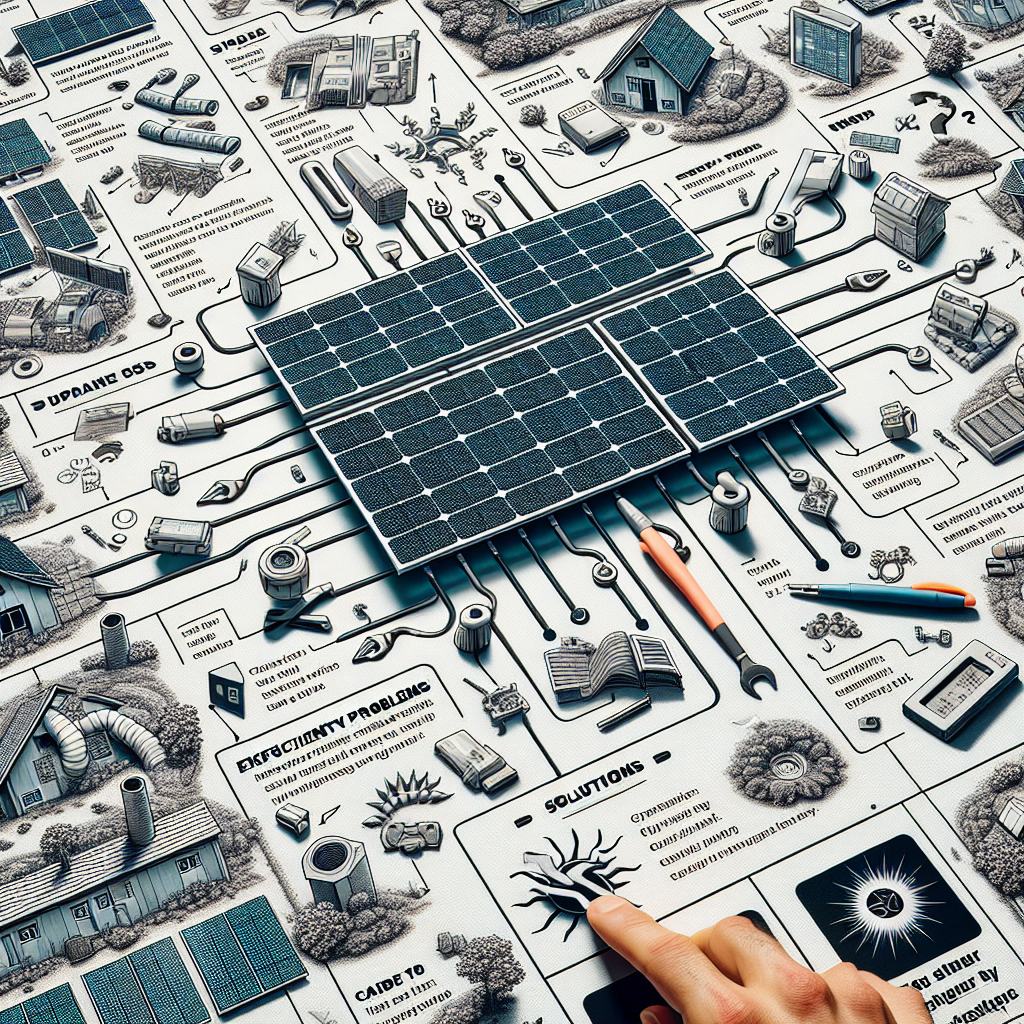
  • Solar Panel Problems and Solutions Guide

    Solar Panel Problems and Solutions Guide

    Understanding Solar Panel Efficiency Issues

    Common Causes of Reduced Efficiency

    When I first installed my solar panels, I was thrilled by the idea of generating my own electricity. However, I quickly learned that various factors could affect their efficiency. One major issue is shading. Even a small shadow over a panel can drastically reduce its output. Remember that trees, buildings, and dirt can become unexpected culprits in siphoning off your solar energy.

    Another drag on performance is dirt and debris accumulation. The last time I checked my panels, I was shocked at how dusty they had become. This stuff doesn’t just sit there; it can block sunlight and lead to significant energy losses. Taking the time to clean your panels can make a world of difference.

    Temperature also plays a critical role. It might sound counterintuitive, but solar panels can lose efficiency if they get too hot. I learned this the hard way, only to find out later that certain types of panels are designed to be more resilient to heat. It’s crucial to choose the right type based on your climate.

    Diagnosing the Problem

    After noticing reduced output, the next step is diagnosing what’s going wrong. A quick visual inspection can tell you a lot. If you see leaves or dirt, that’s an easy fix. For more complex issues, it’s best to consult your inverter’s performance data. That little gadget is like the brain of the operation, letting you know if your panels are performing below average.

    If you suspect deeper issues, it might be worth calling in an expert. That’s what I did after failing to see any significant increase in efficiency. They checked the wiring and connections to ensure everything was in tip-top shape. It’s super comforting to get a professional opinion when you’re unsure.

    Finally, keep track of your energy bills. If they haven’t changed significantly since your installation, even after maintenance, that could indicate a system flaw. Jotting down the numbers can provide useful insights into how your system is performing over time.

    Solutions for Improving Efficiency

    To bring your solar system back to life, start with regular cleaning. I made a simple schedule to wipe down my panels every season. It’s surprisingly easy and rewarding! In winter, a little snow can act as insulation, but come spring, make it a point to clear everything.

    Consider investing in solar panel optimizers or microinverters. They help tackle shading issues by maximizing output per panel. That’s something I wish I had done earlier; it completely transformed my solar experience.

    Finally, if you live in an area with extreme temperatures, think about upgrading your panels. There are specific models that perform better in hot weather. Selecting the right panel can save you time, money, and lots of headache in the long run!

    Troubleshooting Electrical Problems

    Identifying Electrical Issues

    If your solar panels seem to be operating inefficiently, there might be electrical issues at play. I had one instance where the inverter was not functioning properly. It’s essential to check whether the inverter display is on and showing optimal output. Trust me, it’s the first thing I look for now.

    Sometimes, your solar system can experience voltage issues. A sudden drop in energy production can indicate this. If you notice fluctuations, switch off the system and inspect the connections. I got into this habit after having one too many surprises.

    Lastly, don’t ignore your circuit breaker. I learned this nugget of wisdom after facing a power outage related to my solar setup. If it trips, it could mean the load is too high or there’s a fault in your system. Always keep this in check!

    Fixing Electrical Problems

    Once you’ve diagnosed your electricity issues, the next step is fixing them. If it’s just the inverter, replacing it isn’t as daunting as it sounds. I managed to install a new inverter myself with a bit of research. Besides, it feels great to learn something new!

    For voltage issues, confirm that you have the right gauge wiring. If you’re unsure, consult with a professional or get some advice from your solar provider. In my experience, they appreciate when you ask questions and want to understand your setup better.

    With circuit breaker issues, the solution often lies in resetting it. If it continues to trip, that’s a sign that you need to call in an electrician to check for any faults or overloading problems. Don’t be shy about reaching for that phone; safety first!

    Using Monitoring Systems

    Investing in a solar monitoring system has been one of my best decisions. It allows you to keep tabs on energy production and consumption from anywhere. The app on my phone lets me see performance in real-time, and it gives me peace of mind knowing I can catch issues before they escalate.

    Some systems even provide alerts when something’s off. I love receiving notifications if energy production suddenly drops. It keeps me in the loop and allows me to address any problems promptly.

    Finally, regularly updating your monitoring software can lead to better performance and troubleshooting tools. Many manufacturers improve their systems over time, and staying updated ensures you maximize your solar investment.

    Addressing Performance Drops Due to Weather

    Impact of Weather on Solar Panels

    Weather conditions are significant players in solar panel performance. I noticed a marked drop in power output during cloudy days, which is pretty standard. It’s essential to account for your panel’s expected performance based on regional weather patterns. I did my homework, and knowing what to expect has made a difference.

    Then, there are snow and winter conditions. Surprisingly, I discovered that panels can perform rather well with snow on them, as long as they’re installed at a good angle. The sunlight can still reflect, and you might get more output than you think! But I learned to keep an eye on them so they don’t get buried.

    Moreover, heatwaves can hinder performance, too. I’ve felt the stifling heat myself, and I saw it reflected in my monthly output. Understanding how different weather conditions affect production can help set realistic expectations.

    Preparing for Seasonal Changes

    Being proactive about my solar setup has always served me well. Before the winter months hit, I schedule a thorough check-up to ensure everything is clean and functional. A little effort goes a long way, and it beats facing surprises later!

    For summer heat, I also keep track of cooling techniques for my panels. Adding shade or simply adjusting the installation angle can significantly enhance performance. I experimented with a few changes that helped keep my panels cooler.

    Lastly, prepare for storms. In wind-prone areas, using heavy-duty materials for mounting can prevent damage. I’ve learned that investing a little more upfront saves a whole lot of hassle later on.

    Long-term Effects of Weather on Solar Systems

    Over time, weather can have a more lasting impact on solar panels, too. For instance, intense UV exposure can degrade some components. My solar provider recommended regular maintenance to prolong their life, and I couldn’t agree more. Keeping everything in excellent condition is paramount.

    I’ve also learned about hail resistance ratings. Investing in panels that can withstand storms gives me peace of mind every time the weather turns wild. It’s better to be safe than sorry!

    Finally, educate yourself on warranties. Knowing what’s covered can save you from unexpected costs down the line. As I’ve gone deeper into the solar world, I’ve realized that understanding warranties can be just as crucial as knowing how the panels operate!

    Maximizing Long-term Performance

    Regular Maintenance Checks

    Establishing a routine for maintenance checks has been key to my solar panel’s longevity. I set a reminder every six months to inspect and clean my panels. It’s become part of my home routine, and I recommend it to anyone considering solar energy.

    During these checks, I ensure all connections are tight and there’s no damage. Simple visual inspections can save you lots of money in repairs. I learned firsthand that a little diligence can prevent big issues!

    Also, don’t hesitate to reach out to your solar provider for any recommended maintenance practices or tips. They often have valuable knowledge gleaned from years of experience that they love to share with customers.

    Updating System Components

    As technology develops, I found it beneficial to periodically evaluate whether my solar components need upgrades. Solar panels can become outdated, and newer models often boast better efficiency. I wouldn’t miss the chance to improve my setup if it could save me money in the long run!

    Inverter technology also evolves. If you find that your inverter isn’t keeping up with your energy needs, it might be time for a swap. I’ve seen immediate impacts in my energy production after upgrading mine!

    Lastly, always stay in touch with what’s happening in the solar industry. Innovations and new guidelines can change what you think you know about your system – I try to keep my ear to the ground!

    Financial Incentives for Maintenance

    Don’t sleep on the financial benefits of maintaining efficiency! In some areas, rebates and improvements can significantly offset costs. I’ve recouped some of my maintenance expenses through local incentives.

    Additionally, a well-maintained system often pays itself off much quicker. By concentrating on getting the most from your panels, you expedite that return on investment everyone’s raving about.

    Lastly, consider the increased property value. Studies have shown homes with solar installations can sell for more, especially if they’re in good working order. It’s a win-win staying on top of maintenance!

    FAQ Section

    What can cause solar panels to become less efficient?

    Shading, dirt accumulation, and temperature extremes are common culprits that can reduce solar panel efficiency. Ensuring they’re clean and positioned correctly is crucial!

    How do I know if my inverter is working properly?

    Checking the inverter’s display for optimal output is the first step. If you notice any drops in performance, it may be time for a closer inspection or even a replacement.

    What should I do about snow on my solar panels?

    Snow can actually benefit solar panels since they’re more efficient when cooler. However, keeping them clear can boost production if accumulation inhibits sunlight.

    How can I prolong the life of my solar panels?

    Routine maintenance checks, cleaning, and updating system components when needed are the top ways to ensure your system remains efficient and has longevity.

    Are there financial incentives for maintaining solar panels?

    Yes! Many homeowners can access local rebates or incentives for maintaining and upgrading their systems, resulting in financial return from their investments.

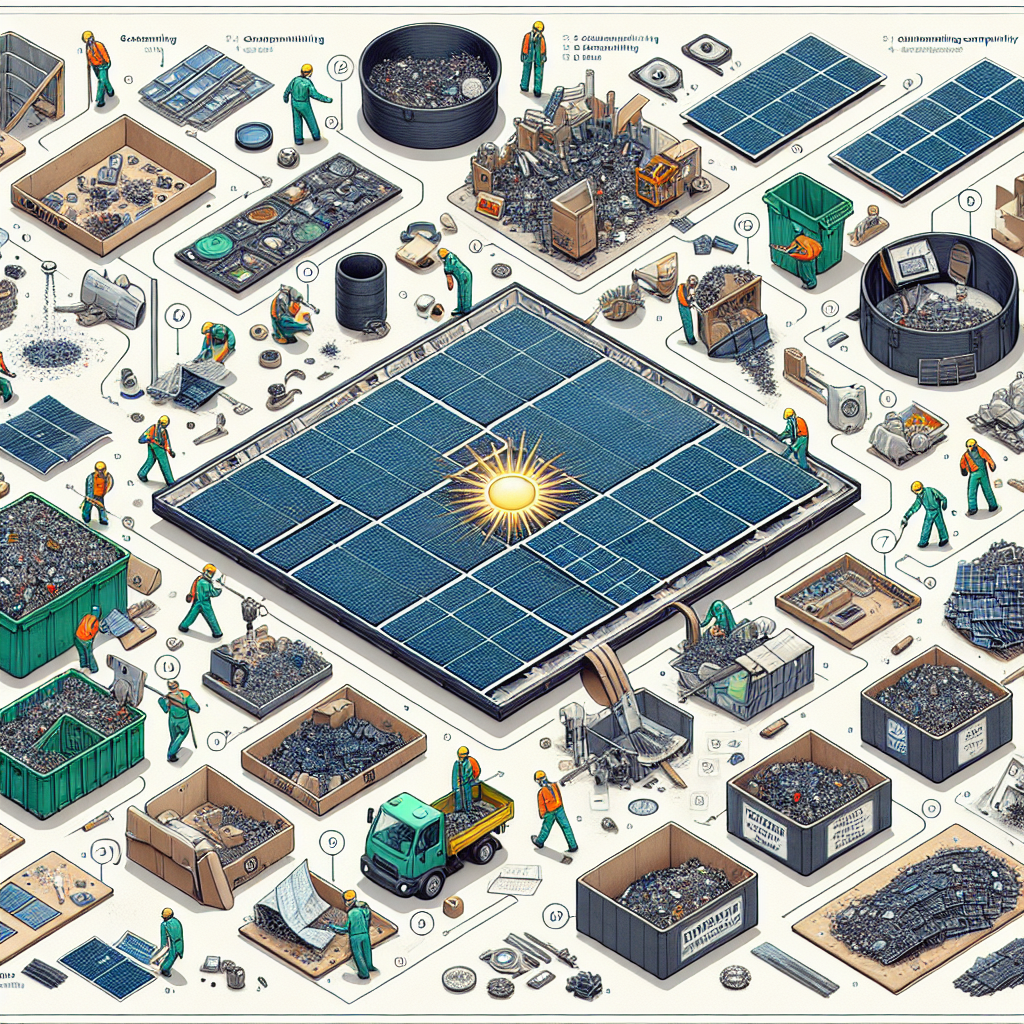
  • Solar Panel Recycling: Complete Guide

    Solar Panel Recycling: Complete Guide

    Understanding Solar Panel Composition

    Materials Used in Solar Panels

    Solar panels, as you might know, are made primarily from silicon, glass, and metals. Silicon is the heart of these panels, where the magic of converting sunlight into electricity happens. Glass, on the other hand, is crucial for protection against the elements. And then you have metals like aluminum and silver, which are used for the frame and wiring respectively.

    Knowing the breakdown of materials helps in understanding why recycling solar panels is so vital. Each material not only has significant value but can be ecologically harmful if not disposed of properly. We’ve got to take care of our planet, right?

    I always encourage folks to think of solar panels not as waste but as a source of valuable materials. By recycling, we’re giving a second life to resources and keeping the cycle of consumption sustainable.

    Types of Solar Panels and Their Lifespan

    There are mainly three types of solar panels: monocrystalline, polycrystalline, and thin-film. Monocrystalline panels tend to have the longest lifespan (up to 25 years), which is great for long-term investments. Polycrystalline panels are a tad less efficient, but they often come at a lower cost.

    Thin-film panels might be the least durable but can be lightweight and flexible, making them ideal for specific applications. Understanding these details is essential when it comes to the recycling process—various types may need different handling strategies.

    Your choice in solar panels affects how and when you’ll recycle them. So it’s a good idea to do some research before committing to a specific type based on your needs and how you envision the future of your energy systems.

    Environmental Impact of Solar Panels

    While solar energy is a clean alternative to fossil fuels, the environmental footprint of production and disposal of solar panels needs attention. Some panels contain hazardous materials like cadmium and lead, and improper disposal can lead to leaching of these substances into soil and water.

    I think it’s super crucial to weigh both the benefits and the challenges of solar energy. By recycling, we not only reduce waste but also minimize the chance of harmful materials making their way into ecosystems.

    Taking a proactive approach by supporting solar panel recycling initiatives can help raise awareness and make a significant difference in reducing our collective environmental impact.

    Why Recycling Solar Panels Matters

    Conserving Resources

    Recycling solar panels helps conserve valuable resources. By recapturing materials like silicon, aluminum, and glass, we’re decreasing the need for new raw materials, which often involves extraction processes that can be very damaging to the environment.

    I remember participating in a local recycling drive and feeling proud when I learned how many tons of material we were able to recuperate. It’s an eye-opening experience seeing those numbers in action—definitely motivates you to recycle more!

    Sustainability is key. By embracing recycling, we can significantly contribute to a circular economy, where waste is minimized, and materials are reused as much as possible. It feels good to be part of something bigger.

    Reducing Waste in Landfills

    When solar panels reach the end of their life cycle, the last place we want them to end up is in a landfill. This only contributes to the growing waste crisis we are facing globally. By recycling, we divert these materials from landfills and ensure they are properly managed.

    There’s something so satisfying about not just throwing things away mindlessly. I think if everyone had a recycling habit, we could save tons of waste from entering landfills.

    It’s not just the environment that benefits; it’s also our communities. Local businesses can thrive with recycling programs, and supporting them can forge stronger community ties. Let’s save our Earth and our towns at the same time!

    Promoting Innovation

    Finally, recycling promotes innovation within the sector. As the demand for solar panels increases, so does the need for more efficient recycling processes. Companies are investing in technologies that allow for better recovery of materials, which can lead to new business models.

    I’ve seen some exciting developments in this space! Recyclers are finding ingenious ways to extract precious materials while lowering the environmental costs—an absolute win-win!

    When we support recycling, we encourage businesses to think creatively about how to address both waste and energy challenges. It’s an empowering narrative, turning problems into solutions!

    How to Recycle Solar Panels Effectively

    Finding a Certified Recycler

    The first step in recycling your solar panels is to do a bit of homework. Look for certified recyclers in your area—these folks are trained to handle solar panels safely and are familiar with the regulations. You want to ensure your panels are disposed of responsibly!

    I recommend checking out reviews and asking around. Often local solar installers or environmental groups will be able to point you in the right direction. It’s all about building a community around sustainability.

    Once you find a recycler, do not hesitate to ask questions about their process. Transparency is key to feeling confident that your panels will be managed responsibly.

    Preparation for Recycling

    Before dropping off your panels, it’s important to prepare them properly. Disconnect any wiring and components, and clean them if necessary. This helps the recycling process go smoothly and ensures that recyclable materials are not contaminated.

    It might seem like a bit of a hassle, but trust me, the long-term benefits of taking these small steps totally outweigh any inconvenience. Besides, it’s kind of satisfying to know you did everything right.

    You might also want to document your disposal process—photos or receipts can be handy for tracking purposes or in case you need to reference it in the future. Being organized is always a good thing!

    Engaging Your Local Community

    Recycling doesn’t stop with just you; it’s a community effort! Organize local workshops that teach others about the importance of solar panel recycling. Sharing knowledge brings people together and amplifies the impact of recycling in your area.

    I’ve found that collaborating with local businesses or schools can draw in more participants—it’s awesome seeing collective action around something so vital!

    Encouragement is key. Even a small cleanup or recycling drive can inspire others to rethink their habits. Together, we can make waves in our quest to create a more sustainable tomorrow!

    Future of Solar Panel Recycling

    Research and Development

    Looking ahead, the future of solar panel recycling is bright, thanks to ongoing research and development. Companies are innovating ways to improve the recycling processes, making it easier to recover and reuse materials more effectively. How cool is that?!

    I think it’s vital for us to keep an eye on these advancements, as they may spur wider adoption of recycling practices across the industry. The more efficient the processes become, the more cost-effective and commonplace recycling solar panels will be!

    By promoting R&D in recycling, we continue to push the envelope on what’s possible for our planet, reinforcing the importance of sustainability in the solar energy sector.

    Policy and Regulation

    Policies play a huge role in the future of solar panel recycling. Advocating for stronger regulations can ensure that companies are held accountable for their waste and recycling practices. It’s essential for consumer protection and the health of our planet.

    I often join discussions or forums that center around these topics. Engaging with lawmakers and activists increases awareness and can directly influence positive changes in legislation. Your voice matters!

    Plus, when recycling is mandated by law, it sets a standard for the entire industry, leading to better practices and a greater emphasis on sustainability.

    Public Awareness Campaigns

    Finally, public awareness campaigns are crucial in fostering a culture of recycling. Creating educational content and sharing success stories can motivate individuals and communities to embrace solar panel recycling wholeheartedly.

    As someone who has participated in several campaigns, I can tell you—the more people know, the more likely they are to take action. Sharing personal stories and testimonials can be a powerful means to inspire others!

    Together, we can create a movement centered around sustainability, making solar panel recycling not just necessary, but also mainstream. The future looks promising!

    Frequently Asked Questions

    1. How long do solar panels typically last?

    Most solar panels last between 25 to 30 years. However, their efficiency might degrade over time, which is why it’s essential to consider recycling them once they’ve reached the end of their life cycle.

    2. What materials can be recycled from solar panels?

    Solar panels can be recycled for several materials, including silicon, glass, aluminum, and other metals. Recycling helps recover these valuable resources while preventing environmental pollution.

    3. Can I recycle solar panels on my own?

    While you might want to recycle solar panels yourself, it’s best to work with certified recyclers. They have the necessary machinery and expertise to recycle the panels safely and efficiently.

    4. Are there any costs associated with recycling solar panels?

    Some recyclers may charge fees for their services, while others may offer free recycling options depending on local policies or programs. It’s always good to check in advance!

    5. How can I spread awareness about solar panel recycling in my community?

    You can start by organizing educational workshops, sharing information on social media, and collaborating with local businesses to promote recycling programs. Every effort counts!

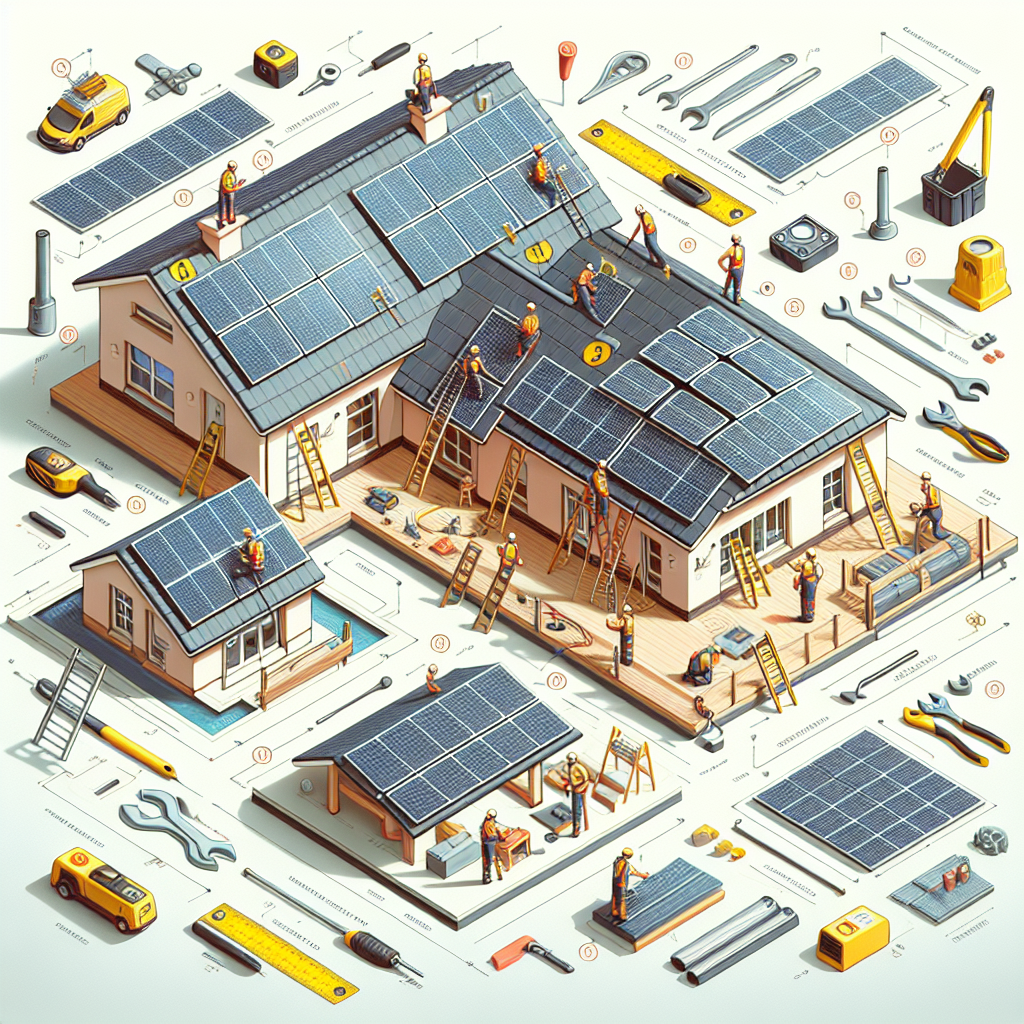
  • Solar Panel Mounting Guide: All Roof Types

    Solar Panel Mounting Guide: All Roof Types

    Hey there! If you’ve been thinking about going solar, you’re not alone. Many of us are making the shift towards renewable energy, and it’s pretty exciting. One of the most important aspects of getting solar panels installed is understanding how to mount them effectively on different roof types. Today, I’ll share my insights into this topic and break it down into five major areas that I wish I had known when I started. Let’s dive right in!

    Selecting Your Mounting System

    Understand Your Roof Type

    First things first, you need to figure out what type of roof you have. Is it flat, sloped, tiled, or metal? Knowing this is key. Each roof type has its own set of requirements and best practices. For example, a flat roof allows for a different mounting strategy than a pitched roof.

    Once you identify your roof style, you can research specific mounting systems tailored for that type. Each system will have its own pros and cons, which I learned often through trial and error or by chatting with experts. Talk about a learning curve!

    In my case, I was amazed at how much my roof type affected the installation process. So, get ready to do a bit of homework. Trust me, it’s worth it!

    Choosing the Right Mounting Equipment

    Now, onto equipment. You need to choose what kind of mounts you’ll be using. Railing mounts, ballast systems, and even pole mounts are all options. I found that companies like IronRidge and Unirac offer solid systems. Just make sure to select ones that come with a good warranty, because let’s face it, you don’t want to be replacing these things anytime soon.

    Don’t skimp on quality here! I once tried to save a few bucks by opting for a cheaper mount, and my panels didn’t sit right. It wasn’t pretty! Investing in good quality gear now can save you headaches down the line.

    Also, remember that local building codes often dictate what type of mounting hardware you can use. Always check those before making a purchase. Don’t get caught off-guard, believe me, I’ve been there!

    Tools You’ll Need

    Before you start the installation, let’s talk tools. You’ll typically need a drill, a wrench, a level, and potentially a saw if adjustments are necessary. The right tools make all the difference!

    When I first took on a DIY solar project, I didn’t have all the tools I needed and ended up making extra trips to the store. Ugh, frustrating! So it’s definitely worth it to double-check your tool inventory before diving in.

    If you’re feeling unsure or overwhelmed, it might also be worth hiring a professional for the installation. Sometimes investing in their expertise pays off!

    Preparing Your Roof for Installation

    Cleaning and Inspection

    Before you can get into the nitty-gritty of installation, your roof needs a good cleaning. Any debris like leaves, branches, or even moss can cause problems down the line. Plus, a clean surface is essential for securing the mounts properly.

    After cleaning, inspect your roof thoroughly. Look for any damage, missing shingles, or weak spots. I’ll never forget the time I overlooked a small leak, which turned into a bigger issue later on. Take the time now to avoid future headaches!

    If you find any damage, it’s wise to fix that before installing solar. You want a solid foundation for those panels, not something that’s going to cave under pressure.

    Planning Your Layout

    Next comes planning your panel layout. This isn’t just about aesthetics; it’s also about optimal energy collection. The angles and direction matter a lot! I learned that you want your panels facing true south (in the Northern Hemisphere) for maximum efficiency.

    Don’t forget about potential shading from trees or nearby buildings. I made the mistake of assuming I could get away with placing panels under some branches, and boy was I wrong!

    Use online tools like Google SketchUp to visualize your layout before you start drilling. It can save a ton of time and ensure you’re making the best use of available sunlight.

    Permits and Regulations

    Alright, let’s not forget about the legal side of things. Before you start nailing anything down, it’s crucial to check local codes and obtain the necessary permits. Each town or city can have different requirements. I personally made a call to my local office to clarify, and I’m so glad I did!

    Failing to secure the right permits can lead to fines or even having to remove your panels. Trust me, you don’t want to deal with that kind of hassle. I’ve watched friends go through that nightmare.

    Once you have all the paperwork sorted, you’re one step closer to having those panels up and running!

    Installing the Mounting Hardware

    Secure the Mounts

    With everything prepped, it’s installation time! Start by securing the mounts according to the layout you planned. Make sure to follow the instructions that come with your equipment closely. The last thing you want is to have to redo work because something is off.

    I can’t stress enough how important it is to use a level during this part. I had one panel that needed a second chance because it wasn’t level, and it drove me up the wall!

    Also, ensure that you’re tightening those mounts adequately. A loose mount can wiggle and cause damage, so don’t cut corners!

    Install the Panels

    Next step: it’s time to install your solar panels on those mounts! I was a bit anxious during my first installation, but it was mostly straightforward. If you’ve done your homework and have help, you should be good to go.

    Use care when lifting them; panels can be fragile. I recommend having a buddy help out to avoid any accidents. Plus, it makes the whole experience way more enjoyable.

    After placing them, double-check all connections and mounts. Better safe than sorry here!

    Connect to the Electrical System

    I know, I know—this is the part where things can get technical! Connecting your solar system to your home’s electrical system is essential for actually using the power generated.

    At this point, I suggest consulting a professional electrician if you’re not comfortable working with electricity. There’s no shame in it! The last thing you want is an electrical mishap that puts you or your home at risk.

    For those who are confident, be sure to follow local wiring codes. Once connected, you’re almost there! Just wait for the joy of seeing your energy meter run backward!

    Finalizing Your Installation

    Inspection and Testing

    After everything is installed, it’s important to do a thorough inspection. Check all your connections and mounts once more. I caught a few minor issues during this phase that could have escalated later!

    Next comes testing! Turn on the system and make sure everything is functioning as intended. There’s nothing quite like that first moment when you see your power meter start spinning backwards.

    If anything looks off, don’t hesitate to reach out to a professional to make sure everything is in line. Better safe than sorry—right?

    Maintenance Plans

    Once you’re up and running, establish a maintenance routine. Clean your panels a couple of times a year or anytime they look dirty. A little upkeep goes a long way in ensuring optimum efficiency!

    Don’t forget to monitor your system’s performance regularly. Most systems come with monitoring tools that will help you stay on top of how much energy you’re producing.

    And if you notice any issues, address them quickly. I once let a small issue linger, and it cost me some energy production—not cool!

    Linking with Net Metering

    The final step in this journey is often net metering, which lets you take advantage of the energy your system generates. It can be a bit of a game-changer when it comes to your energy bills.

    You’ll need to work with your energy provider to ensure they recognize and support your system. This can be an easy process, or it can take some effort to get everything aligned—so stay patient!

    Once it’s all set, you’ll be ready to enjoy the benefits of solar energy—and that’s a great feeling!

    FAQs about the Solar Panel Mounting Guide

    1. What should I consider when selecting a mounting system for solar panels?

    When selecting a mounting system, consider your roof type, the quality of the mounts, and local building codes. Each roof type necessitates different approaches, so it’s crucial to match the hardware accordingly.

    2. How do I prepare my roof before installing solar panels?

    First, you need to clean your roof and do a thorough inspection for any damage. After that, plan your layout and ensure you have the necessary permits to proceed with the installation.

    3. Can I install solar panels myself, or should I hire a professional?

    If you’re handy and confident in your abilities, a DIY installation is possible. However, if electrical work or roof access makes you nervous, hiring a professional is a smart choice to avoid any risks.

    4. How often should I inspect and maintain my solar panels?

    You should inspect and clean your solar panels at least a couple of times a year. Regular maintenance ensures they operate efficiently and any potential issues are spotted early.

    5. What is net metering and how does it work?

    Net metering allows you to receive credit for the excess energy your solar panels generate. When your system produces more energy than you consume, the surplus is sent back to the grid, offsetting costs on your future electricity bills.

    I hope this guide helps you on your solar journey! Remember, every roof is unique, and so is each installation process. Take your time, do your research, and you’ll be enjoying the benefits of clean energy in no time!

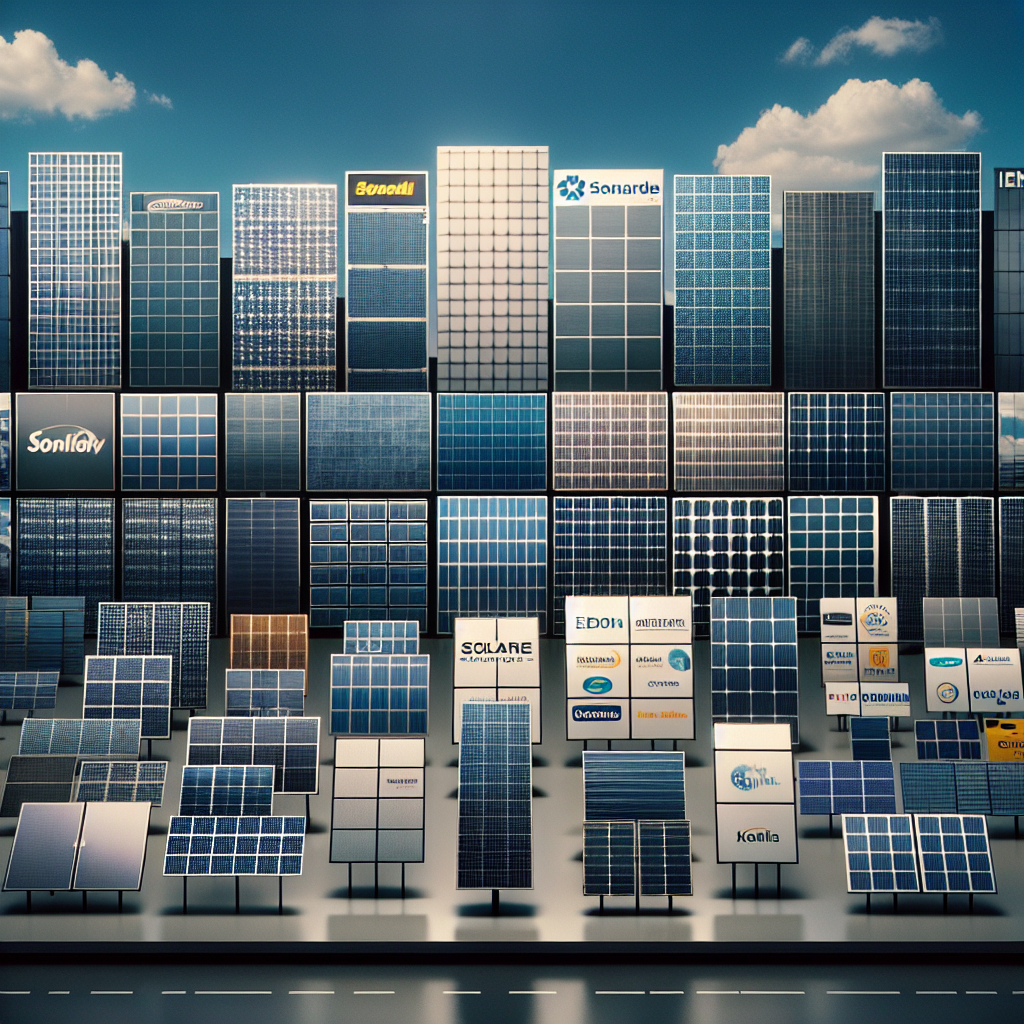
  • Solar Panel Brands Compared

    Solar Panel Brands Compared

    Brand Durability

    Understanding Material Quality

    When I first started in the solar energy game, I quickly realized that the durability of solar panels is crucial. You’re investing in a system that’s supposed to last for decades, right? So, how can we tell how long they’ll really hold up? The secret often lies in the materials used. Brands that use high-quality silicon and robust frames usually tend to outperform their competitors in longevity. That said, it’s always wise to check for warranties indicating confidence in their product.

    Durability isn’t just a buzzword; it’s about real-world performance. For instance, some brands feature panels with protective coatings that resist weathering and corrosion. This detail can make all the difference in environments with extreme weather. Trust me, you don’t want to be replacing panels because they couldn’t take the heat—literally!

    Also, keep an eye on customer feedback. After all, firsthand experiences often reveal the truth behind those shiny marketing claims. Look for reviews from people who have used the panels for several years; their insights can guide your decisions significantly.

    Environmental Resistance

    One thing I’ve learned is that not all solar panels are created equal when it comes to environmental resistance. Some brands have models specifically designed to withstand hail, heavy rain, or salty air. If you live near the coast, find a panel that can handle those salty breezes without corroding. It’s not just about initial performance but what will happen years down the line.

    Brands that prioritize extensive testing for different environments tend to rise above the rest. For example, I once compared a couple of popular models where one claimed high durability. Post-purchase, I found that it cracked after a hailstorm. Lesson learned: detailed specifications and third-party testing can really set some brands apart.

    So, don’t hesitate to do a little digging into the tests the company claims they’ve run. This research pays off when you’re looking for panels that will endure whatever Mother Nature throws their way.

    Long-Term Performance

    Now let’s chat about how well these panels perform over time. After all, it’s one thing to start strong, but what about a decade in? I remember researching a few brands and found significant differences in long-term performance metrics. Some panels lost efficiency faster than others, while certain brands excelled in maintaining their output even after years of wear and tear.

    Look for brands that provide performance guarantees. Some panels will promise more than just durability; they’ll put their money where their mouth is by offering assurances on efficiency loss rates over twenty years or more. This transparency builds trust and often signifies a brand that’s confident in its product.

    In my experience, asking for the data behind efficiency loss is beneficial. If a manufacturer can back up their claims with performance statistics, they’re more likely to be a trustworthy option in the long run.

    Cost Efficiency

    The Initial Investment

    Ah, the dollar signs! When I first stepped into the solar panel world, I was hit with a flood of numbers. It’s essential to sort through them to find out which brands give you the best bang for your buck. Typically, you want to balance the initial cost with the panel’s performance and durability. Sometimes, spending a little more upfront can save you in the long run due to higher efficiency and less maintenance.

    When I first priced out panels, I made the mistake of only looking at the cheapest options. It turns out, many of these also meant sacrificing quality. High-end brands might seem intimidating price-wise, but their longevity and performance can offset the cost over time!

    Also, I realized that local incentives or tax credits can sometimes lower your effective cost nicely. Don’t forget to check any financial aid or rebates because, believe me, you don’t want to miss out on those savings!

    Installation Costs

    Let’s be real, the cost of solar panel installation can vary dramatically depending on which brand you choose. When I was comparing brands, I didn’t consider that installation could eat up a significant chunk of my budget. Some brands will have more straightforward installation processes that can lead to reduced labor costs.

    Moreover, it dawned on me that some companies offer package deals, including installation, which can be more cost-effective than piecing everything together. So, weigh your quotes carefully! It pays to shop around and not take the first price you see.

    Always ask potential installers about their experiences with various brands too. A knowledgeable installer can give you insights on not only the cost but also the reliability of particular solar systems after installation.

    Long-Term Savings

    Once the initial costs are behind you, the potential for long-term savings shines brightly. In my personal journey, I tracked all my solar energy savings for a few years. The results were eye-opening—the savings from reduced energy bills really added up! Choose brands with a steeper efficiency rate; they can help you save even more in the long haul.

    Also, listen to discussions about renewable energy credits. Some states offer incentives based on how much energy your panels produce. This aspect can make a colossal difference in your savings, transforming what first seemed like a daunting expense into an empowering investment.

    So, don’t just focus on the price tag at the initial stage. Look ahead to how much you anticipate saving over time and calculate whether the investment is worth it. It’s liberating to see that significant long-term benefit!

    Technology and Innovation

    Recent Advancements

    Technology in solar panels is evolving at lightning speed! When I first started, many panels were good, but they had limitations. Now, we have options like bifacial panels, which capture sunlight from both sides. I was skeptical at first, thinking it all sounded too good to be true. However, once I saw the performance reports validating the increased efficiency, I was convinced!

    Brands that are keeping up with technological advancements often stand out. The introduction of smart panels that can optimize output based on real-time conditions is a game-changer. If you’re looking for efficiency, consider how technology can help enhance your system’s performance.

    Also, keep an eye on how actively brands are innovating. Companies that invest in R&D are likely to create more efficient and cutting-edge solutions that can benefit you as a customer in the long run.

    Smart Features

    Another aspect of technology that absolutely fascinates me is smart features in solar panels. Have you ever heard of solar inverters that communicate with your smartphone? Well, they exist! This advancement allows you to monitor energy production and consumption in real time. It makes going green not just practical but also pretty stylish and engaging.

    These smart features can provide insights into how much energy you’re using and suggest ways to optimize your consumption. I found that having this data helped me make better decisions for my household energy use. It’s empowering to feel in control of my energy consumption.

    So when researching brands, don’t overlook the tech aspects. Making sure your panels are equipped with smart capabilities can significantly enhance your experience and savings!

    Adaptability

    Lastly, as we advance into the future, a brand’s adaptability can make or break its success. Consider how a brand manages to incorporate new technologies or respond to consumer feedback. If they can modify their systems to handle various energy demands or performance busts, they’re likely a brand to reckon with.

    In my quest, I found some brands were steadfast in their designs and didn’t evolve, while others quickly integrated new solutions. This flexibility often leads to enhancements that ultimately benefit users, like improved efficiency and greater energy independence.

    Keep an eye out for how brands position themselves to adapt with the changing energy landscape. Their readiness to innovate can give you peace of mind and signal that your investment will remain relevant for years to come.

    Customer Support and Service

    Responsive Teams

    Alright, real talk: good customer support is a lifesaver, especially when something isn’t going as planned. In my experience shopping around for solar panels, companies vary greatly in how well they support their customers. Some brands offer fantastic technical support that can guide you through installation and troubleshooting; others can be a nightmare to get ahold of.

    When exploring brands, take the time to read reviews about their support systems. User experiences matter, and a company’s responsiveness often speaks volumes about their commitment to customer satisfaction. I regretted going cheap once when customer support was nonexistent!

    Also, checking whether they provide thorough attention to after-sale services is crucial. Any decent solar company should guide you through the maintenance process and offer preventative tips to keep your panels performing at peak efficiency.

    Warranty and Guarantees

    A solid warranty can be the difference between a smooth experience and a costly headache down the line. I learned this lesson the hard way. A few brands stood out to me because they not only provided extensive warranties but also honored them consistently. Their guarantees really make a statement about their confidence in their products!

    Pay attention to the details of their warranties. Not all warranties are created equally, and you want one that covers both the product and its performance over time. This should reassure you that you’re making a secure investment, knowing that if there’s a problem, you’ll have support.

    When evaluating brands, don’t shy away from asking about warranty details—it’s your right as a consumer to know what you’re getting into!

    User Resources

    Lastly, I’ve found that brands that offer comprehensive resources—like installation guides, usage FAQs, and instructional videos—make a big difference. This added support can be invaluable as you’re navigating the solar world. I can’t stress enough how helpful it is when companies go the extra mile to ensure their customers are informed.

    Look for brands that build a community or forum for users. Engaging often leads to better troubleshooting and a sense of connection—plus, it’s always nice to share experiences with fellow solar enthusiasts!

    Resources reflecting a commitment to customer education can enhance your ownership experience. Make sure to select a brand that prioritizes their customers’ understanding and confidence in their systems!

    Conclusion

    In wrapping up my exploration of solar panel brands, I’ve learned that evaluating these brands is more than a matter of cost. It involves layers of considerations, from durability to smart innovations and customer service. Each aspect contributes to the big picture of finding the right solar panel for your needs.

    Ultimately, I encourage you to take your time to research, ask questions, and compare your options. Looking at warranties, support systems, and the technology being used can steer you toward making a well-informed decision. It’s an exciting journey, and I hope you enjoy the ride as much as I have!

    Frequently Asked Questions

    • What should I consider most when selecting a solar panel brand?

      Prioritize durability, efficiency, customer support, and warranty offers. Each factor plays a vital role in long-term satisfaction.

    • Are more expensive solar panels always better?

      Not necessarily. Higher upfront costs may indicate better quality or technology, but it’s essential to research the specific brand and model.

    • How long do solar panels typically last?

      Most panels come with warranties lasting 20 to 25 years, and many can last even longer with proper care and maintenance.

    • What is the importance of customer support?

      Good customer support helps you troubleshoot issues and guides you through installation and maintenance, providing peace of mind.

    • How can I find out if a brand is trustworthy?

      Look for customer reviews, warranty details, and industry reputation. An informed consumer is always ahead in this game!

  • Solar Panel Output Guide

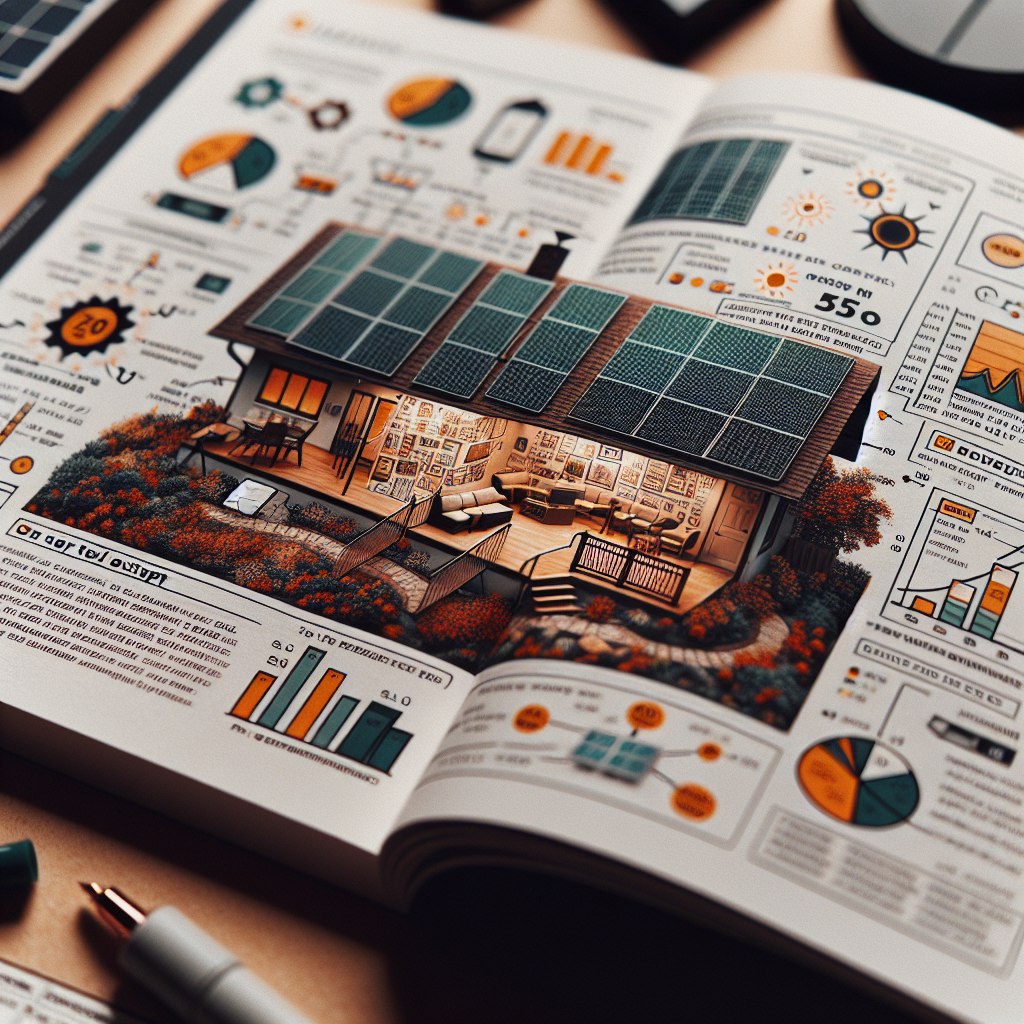
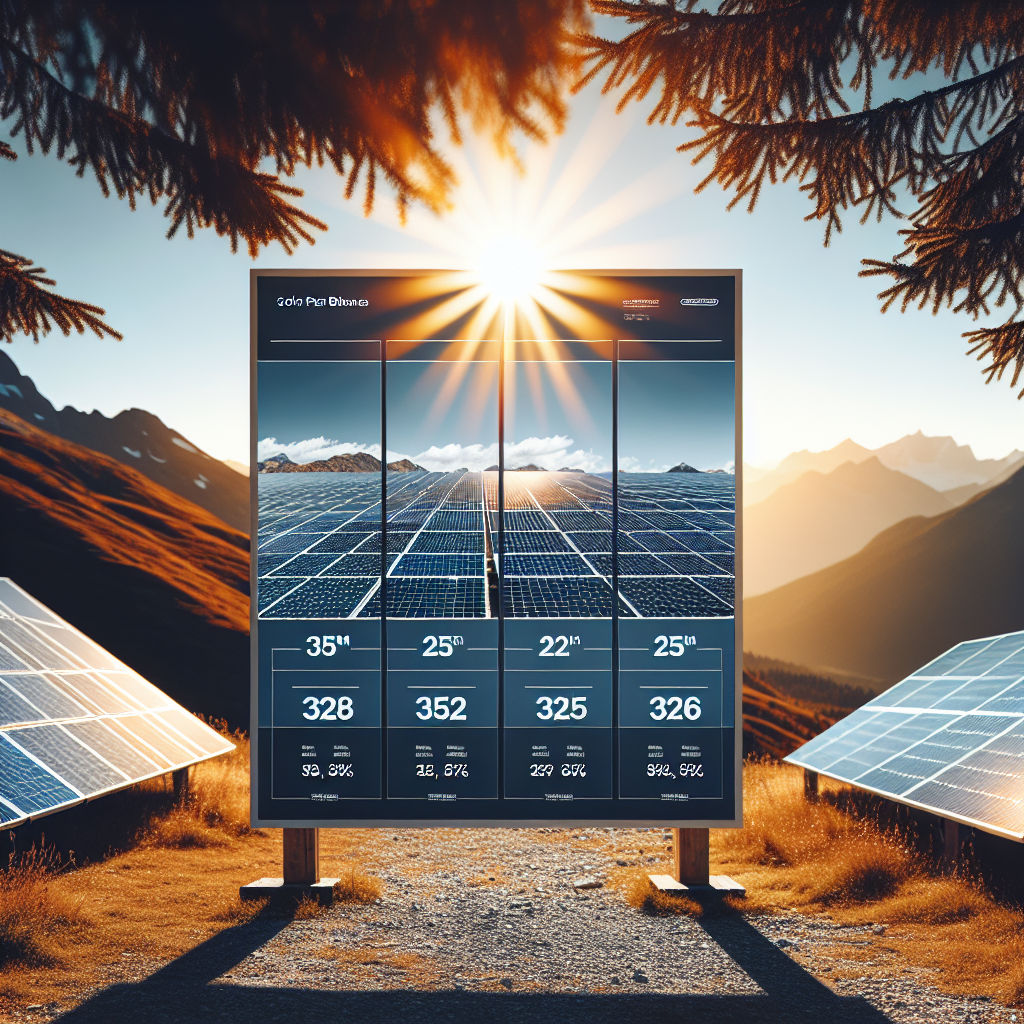
    Solar Panel Output Guide

    Understanding Solar Panel Output

    What is Solar Panel Output?

    You might have heard the term “solar panel output” thrown around, but what does it actually mean? Well, simply put, solar panel output refers to the amount of electricity a solar panel can generate under specific conditions. It’s measured in watts, and this can vary based on a few factors, like the panel’s efficiency and the amount of sunlight it receives. Getting a grasp on this concept is super important if you’re considering solar energy for your home or business.

    In my experience, knowing how to evaluate solar panel output can save you a ton of time and money down the road. Once you know what you’re working with in terms of output, you can make more informed decisions about which panels to invest in, what your energy needs look like, and how much you can potentially save on your electricity bill.

    To put it simply, solar panel output is all about efficiency – how effectively the solar cells convert sunlight into usable energy. The better the output, the more bang you’re getting for your buck when it comes to your investment in solar energy.

    Factors Influencing Output

    The Role of Sunlight

    Alright, let’s dive into one of the biggest players in the game: sunlight. Not all sunlight is created equal, and the intensity and duration of sunlight can greatly impact how much power your solar panel produces. So if you’re thinking about installing solar panels, checking your local weather patterns is a smart first move.

    In my neck of the woods, sunny days are plentiful, which makes solar energy super attractive. However, I know folks who live in cloudy regions and may not get the same benefits. It’s essential to assess your local climate and understand how that sunlight plays into your output expectations. Sunlight quality matters!

    Don’t forget seasonal changes, either. In winter months, for instance, the angle of the sun shifts, and that can affect how much sunlight your panels get, even if there is a clear sky. Knowing all this helps paint a clearer picture of what kind of output to realistically expect from your setup.

    Choosing the Right Solar Panels

    Comparing Different Solar Technologies

    When it comes to choosing solar panels, it can feel a bit overwhelming, right? There are several types of solar technologies out there – mainly monocrystalline, polycrystalline, and thin-film. Each comes with its own pros and cons, so let’s break it down.

    Personally, I’ve had great luck with monocrystalline panels. They tend to be the most efficient and take up less space, which is fantastic if you’re dealing with a smaller roof. On the flip side, polycrystalline panels are generally more affordable but are a bit less efficient. It’s about finding that sweet spot between budget and output that fits your needs!

    Thin-film panels might appeal to those looking for flexibility and portability, but do keep in mind they often have lower efficiency rates. It’s all about understanding what you’re after in your solar panel setup. Once you make the right choice, it can significantly boost your energy output and efficiency.

    Installation Impact on Performance

    The Importance of Professional Installation

    So, here’s the deal: you can have the best solar panels in the world, but if they’re not installed correctly, you won’t get the output you’re counting on. I can’t stress enough how crucial it is to use a qualified professional for your installation. It’s one of those things where you really do get what you pay for.

    During my installation process, I opted for a reputable company with reviews that spoke to their efficiency and craftsmanship. Having experienced individuals handle the tricky bits meant I didn’t have to worry about potential mistakes or misalignments that could cost me in energy efficiency.

    Don’t skimp out on installation communication, either! Make sure the installers explain the placement of the panels to capture the most sunlight. You want to optimize your output, and a little misalignment could lead to significant energy losses over time.

    Monitoring and Maintenance

    Keeping an Eye on Performance

    Last but definitely not least, we need to talk about monitoring and maintaining your solar panels. Just like a car needs regular oil changes and check-ups, your solar panels need a little love, too! Keeping an eye on their performance is key to ensuring they’re operating at their best.

    I have a monitoring system installed that tracks my energy usage in real time. This allows me to notice any dips in production right away, so I can call a professional if something seems off. Getting that proactive approach can save you money and stress in the long run.

    Also, don’t forget about cleaning your panels! Dust and debris can build up and reduce their efficiency. A good rinse from a garden hose or a gentle brush can make a world of difference. Regular maintenance means better performance – it’s a win-win situation!

    Frequently Asked Questions

    1. How much energy can I expect my solar panels to generate?

    The energy output of your solar panels depends on various factors such as location, weather, and the type of panels you choose. On average, a typical solar system can generate between 250 to 400 watts per panel.

    2. Do solar panels work in cloudy weather?

    Yes! Solar panels can still generate electricity on cloudy days, although at a reduced output compared to sunny days. They are designed to capture diffuse sunlight, so you’ll still benefit from solar energy.

    3. How long do solar panels last?

    Most solar panels have a lifespan of about 25-30 years. With proper maintenance and monitoring, they can continue to produce significant amounts of energy even beyond that timeframe.

    4. What happens if my solar panels don’t produce enough energy?

    If your panels aren’t producing enough energy, it’s essential to troubleshoot the issue. Check for obstructions, ensure they are clean, and monitor performance through your system’s tracking app. If issues persist, calling a professional for an inspection is a smart move.

    5. How much maintenance do solar panels require?

    Solar panels are fairly low-maintenance, but it’s important to clean them regularly and have them inspected by professionals every few years to ensure optimal performance.

  • The Importance of Proper Solar Panel Installation

    The Importance of Proper Solar Panel Installation

    Understanding the Basics of Solar Panel Installation

    What are Solar Panels?

    Let’s kick things off by understanding what solar panels really are. In the simplest terms, solar panels are devices that convert sunlight into electricity. Sounds cool, right? I mean, who wouldn’t want to harness the power of the sun? These bad boys can save you a boatload on your energy bills while also being super eco-friendly.

    When I first got into solar, I had no idea how pivotal they were to renewable energy. Basically, they’re made up of many smaller units called solar cells, which are often made from silicon. Each cell uses the photovoltaic effect to produce energy. When the sun shines, these cells absorb sunlight and create electricity! Pretty nifty, if you ask me.

    But here’s the catch – just because you buy a solar panel doesn’t mean it’s all smooth sailing. The way you install them can make or break your whole solar experience. And trust me, going the DIY route without understanding the basics can lead to some serious mess-ups.

    Choosing the Right Installer

    The Importance of Credentials

    Alright, now let’s talk about choosing the right guy (or gal) to install those panels. Finding an experienced installer is crucial. You wouldn’t want a rookie to do brain surgery, right? Similar principle applies here. Look for certifications that show they know their stuff.

    There are tons of solar installation companies out there. My advice? Check reviews and ask for references. I found my installer through word-of-mouth recommendations, and boy, did it pay off! They had all the proper credentials, which gave me peace of mind.

    Also, it’s a good idea to see if they’re part of any local or national solar organizations. Those affiliations mean they’re serious about their work and likely stay updated with the latest technologies and regulations. Trust the pros!

    Assessing Your Property

    Roof Condition and Orientation

    Before you even think about slapping those panels onto your roof, you’ve got to ensure your roof is in great shape. Seriously, if your roof is on its last legs, that’s a recipe for disaster. An experienced installer will inspect for any potential damage or weaknesses.

    And don’t forget about orientation! In the past, I didn’t realize how much the direction of my roof mattered. South-facing roofs are typically the best for solar installations since they receive direct sunlight for most of the day. If your roof doesn’t quite face the right direction, there may still be options, but it’s worth discussing with your installer first.

    Plus, sometimes trees or nearby buildings can create shade and limit the sun exposure your panels get. So, consider doing some landscaping or trimming branches if necessary. You’ll want those solar panels soaking up as much sun as they can!

    Following Local Regulations and Permits

    Navigating the Red Tape

    Okay, can we just agree that dealing with permits and regulations is like trying to navigate a maze blindfolded? But here’s the thing – getting the legal stuff right is super important. Installation without the necessary permits can lead to fines or even the removal of your panels.

    Your installer should be well-versed in local regulations. They’ll know exactly what you need to get the green light for installation. For example, some areas have regulations on the type of panels you can use or require inspections. It’s a bit of a hassle, but ask them about how they’ll handle this for you.

    Honestly, it might seem tedious, but think of it as laying the groundwork for a successful solar setup. You wouldn’t build a house without a solid foundation, right? Same goes for your solar panel installation!

    Maintenance and Monitoring

    Keeping Your System Running Smoothly

    Let’s chat about maintenance. I remember when I first laid down my solar system, I thought, “This is it! All done!” But I quickly learned that just like any major home investment, regular check-ups are key. Ensuring your panels are clean and operational will keep them running efficiently.

    Most installers will provide a monitoring system that lets you keep an eye on how your panels are performing. Make sure you ask about monitoring options! I adore being able to check how much energy my system is generating daily. It’s like having a live dashboard on my energy production!

    And if you notice anything off, don’t hesitate to call your installer. Whether it’s dirt, debris, or a connection issue, addressing these problems quickly could prevent more serious issues down the line. Regular maintenance is a lifesaver!

    Frequently Asked Questions

    1. Why is proper installation so important for solar panels?

    Proper installation ensures that your solar panels operate efficiently and effectively. A bad installation can lead to energy loss, costly repairs, or even damage to your property.

    2. What should I look for in a solar panel installer?

    Look for experience, certifications, and positive reviews. It’s important to choose someone who is knowledgeable about local regulations and has a good track record.

    3. How does my roof impact solar panel installation?

    Your roof’s condition and orientation can significantly affect how much sunlight your panels receive. A south-facing and structurally sound roof is generally considered ideal.

    4. Are permits necessary for solar panel installation?

    Yes, most areas require permits to ensure installation meets local regulations. Skipping this step can lead to fines or the removal of your panels!

    5. How often should I maintain my solar panels?

    A good rule of thumb is to inspect your panels at least twice a year. Regular monitoring will help catch any performance issues before they become serious problems.

  • Top 5 Solar Panel Brands Compared for 2024

    Top 5 Solar Panel Brands Compared for 2024

    1. SunPower: Efficiency at Its Best

    Exceptional Efficiency Ratings

    SunPower has been a pioneer in the solar industry, and it shows in their efficiency ratings. Their panels consistently score at the top tier, often reaching up to 22-23%. This means you’re getting more power for every square foot, which is crucial if you have limited roof space. When I was choosing my panels, the efficiency was a big deal for me—higher efficiency translates to more energy savings over time.

    Moreover, their technology is cutting-edge. With their Maxeon cells, they allow for better performance in low-light conditions, which means less sun doesn’t necessarily kill your energy production.

    Apart from performance, I found SunPower’s reliability impressive. Their long warranty period reassured me that I was making a solid investment, and customer reviews generally validate this sense of security.

    Strong Warranty Offerings

    One thing that really stood out to me with SunPower was their warranty. They offer a 25-year comprehensive warranty covering both product and performance. This is significant. I mean, who doesn’t want peace of mind when investing in something like solar panels?

    In my research, I noticed that many competitors offer decent warranties, but SunPower’s commitment stands out. It covers pretty much everything you can think of—material defects and performance issues—making it hard to overlook.

    This level of assurance demonstrates their confidence in their product. If a brand can back its claims with such a substantial warranty, it speaks volumes, doesn’t it?

    Customer Support and Service

    Getting reliable support post-purchase is also essential. My experience with SunPower’s customer service has been pleasant. They have a helpful team that’s easy to reach if issues arise. When I called to ask questions during my installation, they were patient and knowledgeable, which is always a relief!

    Also, they provide ample resources and installation support materials, making the transition to solar power smoother. Not everyone’s an expert in solar tech, but with SunPower, I didn’t feel lost.

    Plus, their online portal keeps track of energy production, which I found helpful to monitor my system’s performance regularly. It’s almost like having a personal trainer for your solar system!

    2. LG: Innovation Meets Design

    Top-tier Technology

    When I think about LG, two things come to mind: innovation and sleek design. Their solar panels boast impressive technology that rivals some of the best in the market. LG’s NeON series, for example, provides high-efficiency ratings and a durable design that can withstand all sorts of weather conditions, which I greatly appreciated when considering where I live.

    Moreover, they integrate smart features that help increase performance, such as their anti-reflective coating, which means better energy absorption. Little things like this can make a significant difference in your overall energy production!

    I was particularly impressed by their performance in shaded conditions. If your roof has some trees nearby or other obstructions, LG might be an excellent option for you as I’ve seen many users report better performance even in partial shading.

    Durability and Design

    Looks aren’t everything, but they certainly help! LG panels are not only efficient but also aesthetically pleasing. Their sleek, modern appearance means they fit seamlessly on roofs without being an eyesore, something I was concerned about.

    In terms of durability, their panels come with a solid warranty and have been tested for extreme weather conditions. Knowing that my investment was built to last under harsh conditions made me feel more secure in my decision.

    On top of that, the longevity they promise lets me think about the future. With so many environmental changes happening, I appreciated the extra assurance that my panels can endure whatever might come their way!

    Reputation and Reliability

    LG’s reputation preceded itself during my research, and it’s well-deserved. They’ve been in the game for years, mastering the art of electronics and extending that expertise into solar energy.

    Most reviews I stumbled upon were overwhelmingly positive, highlighting everything from energy efficiency to great customer service. They seem to have built a community of loyal customers, which I found reassuring when making my choice.

    Ultimately, I valued their reliability and established reputation. Investing in solar panels is a long-term commitment, and I wanted a brand I could trust to uphold their end of the bargain.

    3. Canadian Solar: Value for Money

    Affordability and Financing Options

    If you’re looking for a budget-friendly option, Canadian Solar is often discussed as a top contender. They provide a decent balance between cost and quality, which was exactly what I was after when I started my solar shopping journey.

    Let’s be real here, though—solar can get pricey. I appreciated the financing options they offer. It made the leap into solar feel a lot less daunting. After comparing quotes, I recognized that Canadian Solar had one of the more competitive pricing structures.

    However, affordability doesn’t necessarily mean cheap! The quality of their panels is solid, and for a mid-range investment, they pack a lot of value.

    Performance Insights

    While Canadian Solar might not boast the highest efficiency ratings, their panels maintain respectable performance. I found that their panels perform admirably, especially under direct sunlight, which is a big plus for most homeowners. In my neighborhood, several friends opted for Canadian Solar and had no complaints about energy generation.

    Moreover, their temperature coefficients are commendable. This means that they lose less efficiency even in hotter conditions. Coming from a place where summer days could blister, this feature was essential for me.

    With good reviews on performance consistency, it’s hard to overlook Canadian Solar as an option if you’re conscious about your investment.

    Usability and Community Feedback

    A standout feature of Canadian Solar is the wealth of information available from the community. I found tons of reviews online discussing user experiences. It helped me make an informed decision based on the lived experiences of others.

    They’re also known for great customer service. During my research phase, I observed several positive experiences, with users often praising their support when needed. It’s always comforting to hear of others getting help without hassle!

    For someone like me venturing into solar for the first time, knowing there’s a supportive community made my experience feel less overwhelming.

    4. JinkoSolar: Rising Star

    Quality and Affordability

    Moving on, JinkoSolar had been steadily gaining popularity. Their panels are often touted as a sweet spot in the market because they combine quality with affordability. I found their panels to be budget-friendly while still delivering impressive performance metrics—a perfect combo for someone who’s extra cautious with spending!

    Additionally, JinkoSolar offers a variety of different panels, giving consumers many options based on their needs. During my gazing through available products, I was amazed at the wide range of choices without breaking the bank.

    This flexibility made it easier for me to find a solution tailored to my own consumption habits without sacrificing quality. A sure win in my book!

    Global Presence and Reliability

    They may be a newer player compared to others, but JinkoSolar’s reputation is rapidly growing on a global scale. They’ve become one of the largest manufacturers globally, which adds a lot of trustworthiness to the brand. It’s comforting knowing they have a solid footing in the market.

    Their panels come with extensive warranties, and while they may not carry the same prestige as SunPower or LG, they have garnered a lot of positive feedback. This kind of reliability made me weigh them heavily in my comparisons.

    Many users reported satisfaction with performance and customer service! Those personal endorsements really weigh on decisions, don’t they?

    Positive Customer Feedback

    What stood out to me was the overwhelming positive feedback from users. I took the time to read through reviews and could easily find numerous individuals sharing their satisfaction with both performance and longevity. Reports from real customers can tell you way more than lab results!

    Also, many noted how quick and efficient the installation process was, which I completely understood from my experience. That streamlined process made my transition to solar energy feel way less daunting.

    With multiple people echoing similar sentiments about JinkoSolar, it reinforced my decision to consider them a strong contender.

    5. Trina Solar: Eco-Friendly Alternative

    Environmental Commitment

    As someone who cares about the environment, I naturally veered towards Trina Solar after learning about their commitment to sustainability. They prioritize eco-friendly manufacturing processes, which aligns with my values. It felt right to support a company that takes steps to reduce its carbon footprint while providing products that can help me do the same!

    Beyond just the product, it’s their overall philosophy. I was inspired to find that Trina is invested in the research and development of new technologies aimed at sustainability. This innovation is essential as we face ongoing environmental challenges.

    When I made my purchase, I was happy knowing my investment also supported greener practices. It felt good knowing I was contributing to a movement for a better planet!

    Innovative Technology

    Trina Solar is known for their innovative approaches. Their panels utilize advanced materials and technologies that can help maximize energy yield under various conditions. For instance, they’ve adopted half-cell technology, which enhances performance through reduced resistance—something any eco-conscious consumer can appreciate!

    I’ve also read many accounts of their technology performing exceptionally well in real-world applications, confirming my suspicions that these panels pack a punch!

    No doubt, if you’re considering solar for your home, Trina has technology designed to help you harness the power of the sun effectively.

    Overall Value and Performance

    Trina Solar panels offer excellent value for the investment. They might not be the absolute top in efficiency, but when balanced with cost and durability, they’re hard to pass up. I went through the specs and saw how they measure against competitors—they consistently hold their own.

    Notably, their warranty terms are competitive. They offer a spectrum of warranties to reassure consumers, which made me feel more comfortable in my decision.

    Overall, I would say Trina is an impressive player in the market for anyone looking to enter the solar game without compromising on their values.

    Frequently Asked Questions

    1. What factors should I consider when choosing a solar panel brand?

    When selecting a solar panel brand, look at efficiency ratings, warranty terms, cost, and customer reviews. It’s essential to weigh these factors based on what’s most important to you—whether it’s saving money, maximizing efficiency, or warranty coverage.

    2. Are expensive solar panels always better?

    Not necessarily! While pricier panels often come with better efficiency and warranty coverage, it’s crucial to assess your needs and budget. Sometimes a mid-range panel may fit your situation perfectly without sacrificing performance.

    3. How long do solar panels typically last?

    Most solar panels come with a warranty lasting 25 years or more. However, many panels can continue to produce energy for 30 years or longer, albeit at a diminished efficiency as they age.

    4. Do I need to worry about maintenance for my solar panels?

    Generally, solar panels require minimal maintenance! Regular cleaning is often sufficient. Depending on your environment, you might want to have them professionally cleaned or inspected once every few years to ensure they’re operating at their best.

    5. Can I install solar panels myself?

    While some DIY enthusiasts may be able to install solar panels, it’s typically recommended to hire a professional. They ensure everything is done correctly and safely, plus they can often navigate permits and incentives more efficiently.

  • Making The World Just A Little Brighter: The Importance Of Solar Power

    Making The World Just A Little Brighter: The Importance Of Solar Power

    Solar power works to capture the sun’s power, reduce the harm done to the environment and lower your energy costs all at the same time. This is true of anyone who owns a home or business. If you want to learn more about solar energy and how to select the ideal solar energy system, you should go over this article.

    Starting small is key to beginning with solar power. Choose a few lights to put in your front yard until you realize the benefits of solar energy. You can find them at various home improvements stores and large retailers. They are very easy to install.

    Be smart and choose a type of solar energy system that can store energy for use when the sun is not bright. Many modern solar panels will allow you to store some energy so that you can use it at any time. This can help if you use power during the night.

    Start small when starting with solar energy. Pick up some inexpensive outdoor lights to get your feet wet. Many different stores carry these, such as Walmart and Lowe’s. They are very easy to install.

    TIP! When it comes to your efforts to rely on solar energy, take it one step at a time. Choose a few lights to put in your front yard until you realize the benefits of solar energy.

    Heating your water using a solar energy water heater is one way to help protect the environment. Solar water heating systems include tankless designs as well as tank designs. You will only have to install a couple of panels on your roof or front lawn.

    Be sure the solar energy system you choose can efficiently and reliably store the energy it produces. You should invest in a high-capacity battery, that will store for extended periods. You could also explore options for selling your excess energy to the electric company.

    Even if you live in a colder climate, you can reap the benefits of solar energy. Sunlight is not a prerequisite for solar panel effectiveness. In fact, people often report that they produce more energy on overcast days.

    A solar heating system for your water is very helpful to the environment. Many different water heating systems exist, including tankless solar powered systems. These can be installed in a sunny location or on top of your roof.

    TIP! You can help the environment by heating your water with solar energy. You can find solar systems in both tankless and standard water heaters.

    You can cut down on costs by using grants and rebates. Start-up costs for a solar power system can be high, but help is typically available. Look for state or federal grants that will reward your renewable energy usage. This can substantially decrease your costs. Under certain circumstances, you may be eligible for tax credits.

    Numerous governmental authorities offer tax credits for solar energy installations. Your government could offer around 30% of your system’s costs as a rebate. A quick online search should turn up information on these programs.

    Maintaining your solar power system, such as checking the inverter regularly, is an essential part of getting the most from it. You should see a solid green light. When the light blinks or is turned off, call for help. Don’t make the mistake of thinking that you can do all of the maintenance on your solar system by yourself. If your panels come with a warranty of 25 years, a house call from a service technician should not cost you anything.

    You need to find a reliable way to store your energy after it is produced by your solar energy system. Buy an efficient battery which will allow you to power your home at night, or sell the power back to the grid.

    TIP! Storage is just as important as the energy that a solar power system produces. Buy a good quality battery which can store a large amount of power over a long period or contemplate selling the produced energy to the principal power grid in order to keep getting power from it.

    Although the concept of solar-powered cars has not yet been perfected, they would significantly cut down on carbon-based pollutants. Having said that, small power machines that run on solar energy are available. You can find solar powered generators to help combat long-term power outages.

    Solar Powered

    A solar powered fan for your attic is a good choice if switching completely to solar power is not feasible. A solar powered attic fan turns on automatically when it becomes too warm. This will lower the amount of energy necessary to cool your home by removing excess heat. Also because it’s run by solar energy, you won’t have to pay for the electricity it creates.

    making the world just a little brighter the importance of solar power

    You should have a backup energy source in the event that your solar panels malfunction. Remaining connected to the main power grid is your best option but you could invest in a generator. If you purchase a generator, be sure you regularly test it, and you may wish to have more than one unit.

    TIP! If you install solar panels, be sure to have a backup system in place in case they malfunction. You can retain a connection to your local power grid or install an generator.

    Solar outdoor lighting is an inexpensive way to introduce yourself to the technology. Throughout the day, the lights absorb direct sunlight. When night falls, these lights use the sun’s energy to shine through the night. It is simple to install then and make outdoor spaces charming.

    Before installing your solar energy system, you should check out your local and state regulations. Some places make you have a certain permit. You do not want to install a system, only to have to remove it at a later time.

    Solar Energy

    Even if your area is cloudy and cold, you can still use solar energy. Sunlight is not a prerequisite for solar panel effectiveness. A cold and sunny place can receive more sun that a hot but shady one.

    TIP! You do not need to live in a very sunny area to reap the benefits of solar energy. Direct sunlight or specific temperatures are not necessary for solar energy to still be of benefit.

    Regardless of the solar energy system you choose, it’s important that the panels always face towards the sun. You get the energy from the sun, so it’s important for the panels to be located in an area where they can get all the solar energy possible.

    Treat your solar panel installation like any home improvement project. Spend time learning about your options for manufacturers, suppliers and installers. Read reviews, compare prices and ask for references. Read any contracts carefully and if you need to, ask a legal specialist to look at it and make sure you get the most from your money.

    If you are unable to afford a complete solar-powered system, solar water heaters are a more affordable option. Approximately thirty-five percent of home energy usage can be attributed to the heating of water. It will cost you less to install a solar heater for water than to install a whole-house solar energy system.

    Learn about grants and rebates available to you. The costs to get a solar energy system up and running can be daunting, however you can often find help. Seek out information on local, state and federal grants that will help you pay for renewable energy choices. Such incentives can reduce your initial costs greatly. You might have the ability to take an expense deduction at tax time.

    TIP! When looking for a solar panel system, try to find discounts. The initial cost of getting a solar power system set up can be overwhelming, but you can frequently find financial help.

    Remember that investing in solar power could actually save you money. Whether you go solar at home or at your place of business, your investment will soon pay for itself and may even begin to generate money. If you have too much electricity, you have the option to sell it to the utility company for credit.

    You might be able to get your solar energy equipment installed for a huge discount or perhaps even free. The United States government often provides grants to offset the cost of installing solar energy systems.

    Many people around the world use the sun to their advantage. Solar power is widening in acceptance lately, and you too can benefit. This decision saves money and helps protect our planet and all beings upon it. Use the solar energy tips here to help you navigate the challenges.

    Staying connected to the main power grid is an option once you switch to solar power. The solar power system provides your home with all the electricity it needs; therefore, you do not have to worry about losing power whenever your city does. Also, you will be done with paying power bills during the year.

    TIP! You can be free of the power grid when you generate your own solar power. You can be off it, operating independently.