Tag: solar panel

  • The Best DIY Solar Panel Kits for Beginners in 2024

    The Best DIY Solar Panel Kits for Beginners in 2024

    Understanding Solar Energy and Its Benefits

    What is Solar Energy?

    So let’s kick things off with the basics: solar energy is basically the energy we capture from the sun. It’s clean, renewable, and comes straight from our favorite giant ball of light in the sky. By using solar panels, we can convert that sunlight into electricity for our homes.

    This isn’t just some techy mumbo-jumbo; I’ve experienced first-hand how harnessing the sun can reduce my power bills. Imagine slashing your electric bill while simultaneously doing your bit for Mother Earth. It’s a win-win!

    Plus, with all the advancements in solar technology, it’s becoming easier than ever for folks like us (who may not have a PhD in engineering) to tap into this amazing resource.

    Benefits of DIY Solar Panels

    Diving into DIY solar panels is super rewarding. One major plus is cost savings. Instead of shelling out thousands for professionally installed systems, DIY kits let you snag a deal while learning something cool along the way.

    Then there’s the bragging rights. Seriously, when you tell your friends you built your own solar panel, their jaws drop. You’ll feel like a renewable energy rockstar!

    Lastly, you get to pick the components that suit your specific needs. No one-size-fits-all nonsense. You design it your way, tailored to your energy goals and lifestyle. It’s your project, after all!

    Environmental Impact

    Let’s not forget about the green side of things. Using renewable energy reduces your carbon footprint, contributing to a healthier planet. Solar energy doesn’t emit harmful pollutants – it’s got that clean reputation!

    By going solar, you’re supporting the shift away from fossil fuels. And let’s be real, we all want to leave a better world for future generations. Plus, with every installation, you’re joining a community of eco-warriors aiming for a sustainable future.

    It’s a great feeling knowing that your DIY venture not only makes financial sense but also benefits our environment. That’s something to feel proud of!

    Choosing the Right DIY Solar Panel Kit

    Assessing Your Energy Needs

    The first step while choosing your kit is figuring out your energy needs. How much electricity does your household use? It’s a good idea to track your energy consumption over a month or so to get an accurate picture.

    Once you have a baseline, you can do some math to decide what kind of solar panel kit will work for you. This part might seem tricky, but it’s super important to ensure you get something that will cover your needs without going overboard.

    If this feels daunting, don’t sweat it. Many online calculators can help you assess your energy needs quickly, so you can focus more on picking the right kit!

    Comparing Different Kits

    After you know what you need, it’s time to shop around. Not all solar kits are created equal. Some come with more panels or better technology. I remember looking through the options, feeling overwhelmed by the choices.

    Check reviews and compare specifications carefully. Features like efficiency ratings, warranties, and customer support can really make a difference in your satisfaction down the road.

    Online communities, like DIY forums or local solar groups, can be goldmines of information. Don’t hesitate to ask for opinions on what others recommend and their personal experiences with different kits.

    Budget Considerations

    Alright, so money talk. When you’re choosing a DIY solar panel kit, it’s super important to stick to your budget. Trust me, costs can add up quickly, especially if you start adding fancy features.

    But don’t just automatically go for the cheapest option. Sometimes you get what you pay for, and I’ve learned the hard way that trying to save bucks upfront might lead to more expenses down the line if things go wrong.

    Set a budget that allows for a quality product while still keeping some funds aside for installation or any additional equipment you might need, like inverters and wiring. It’s all about balancing what you want with what you can afford!

    Installation Process for DIY Solar Panel Kits

    Preparation and Tools Needed

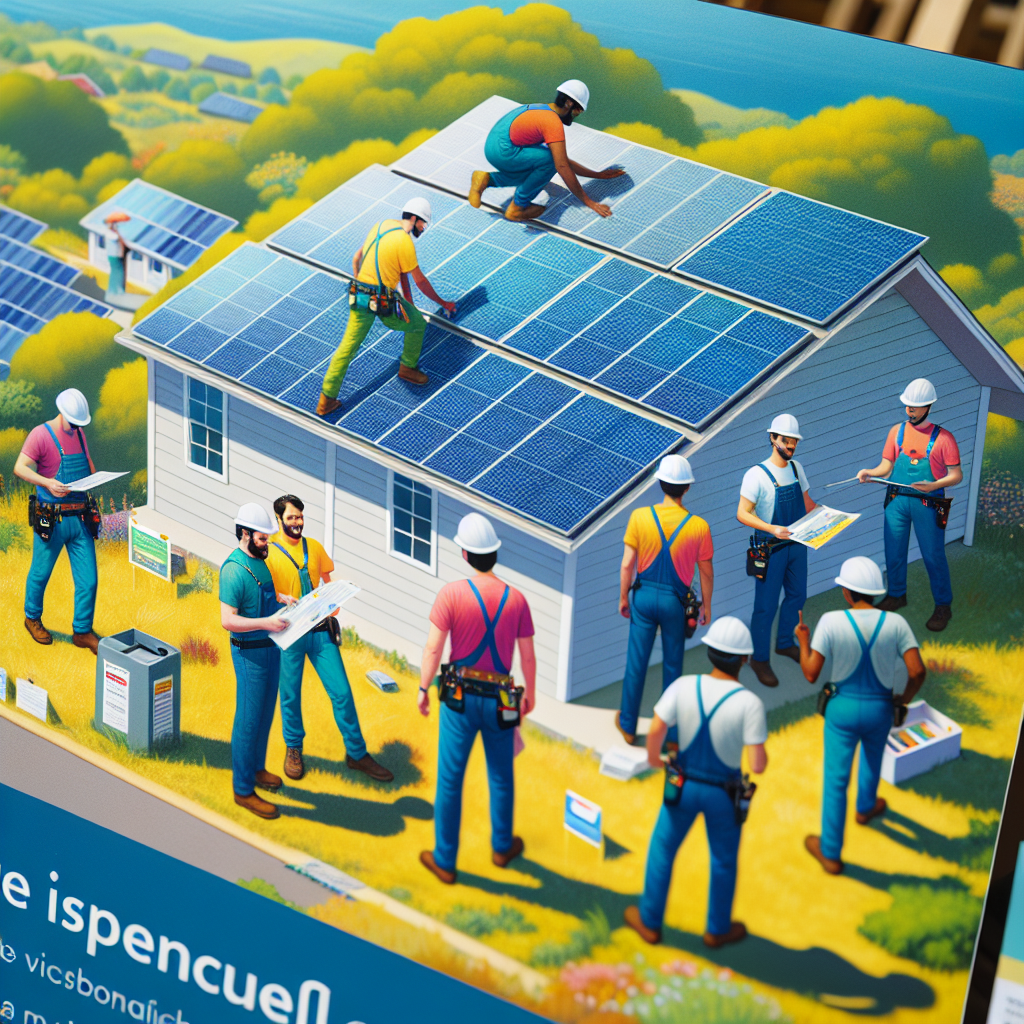
    Once you’ve got your kit, it’s time for the fun part – installation! But first things first: prepare your workspace and gather all the necessary tools. I can’t stress enough how helpful this step is.

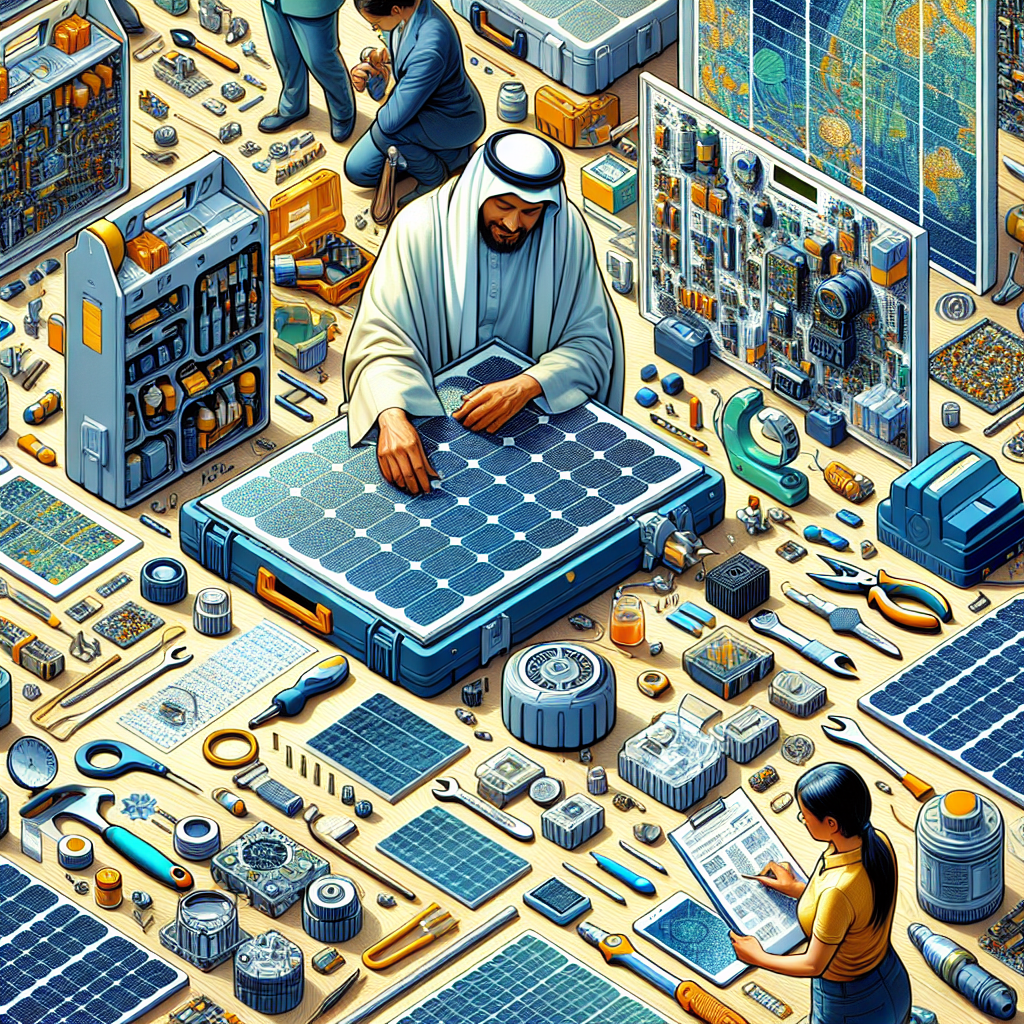
    You’ll need basic things like screwdrivers, pliers, and maybe a drill. Make sure to read through your kit’s instructions carefully; they will usually have a handy list of tools you’ll need. Don’t be that person who has to make three trips to the hardware store!

    Also, check the weather before starting. You don’t want to be up on your roof in a downpour – trust me, that’s just a recipe for disaster.

    Following the Instructions

    When it comes to putting it all together, consistency is key. Follow the instructions step by step. I usually find it helpful to lay out all components before starting so I can visualize how it all fits together.

    As you go, take your time with each phase. If something doesn’t make sense, don’t hesitate to reach out to online communities or check YouTube for visual guides; there’s a ton of resources out there that can help clear things up.

    This part is where the magic happens – assembling the parts into a working unit is super satisfying. Patience is a virtue, so enjoy the process!

    Testing and Final Adjustments

    After you’ve assembled everything, it’s time for the big test. Switch it on and see if it’s generating power! If all goes well, you should see those voltages rising and feel that surge of accomplishment.

    If not, don’t panic. Check every connection and ensure everything is in order. Sometimes it might just need a little tweaking. I found myself needing to adjust my wiring a couple of times during my first install.

    Once you’ve made sure it’s working perfectly, take a step back and admire your handiwork. You’ve just turned sunlight into electricity! That’s pretty rad, isn’t it?

    Maintenance and Troubleshooting

    Regular Maintenance Tips

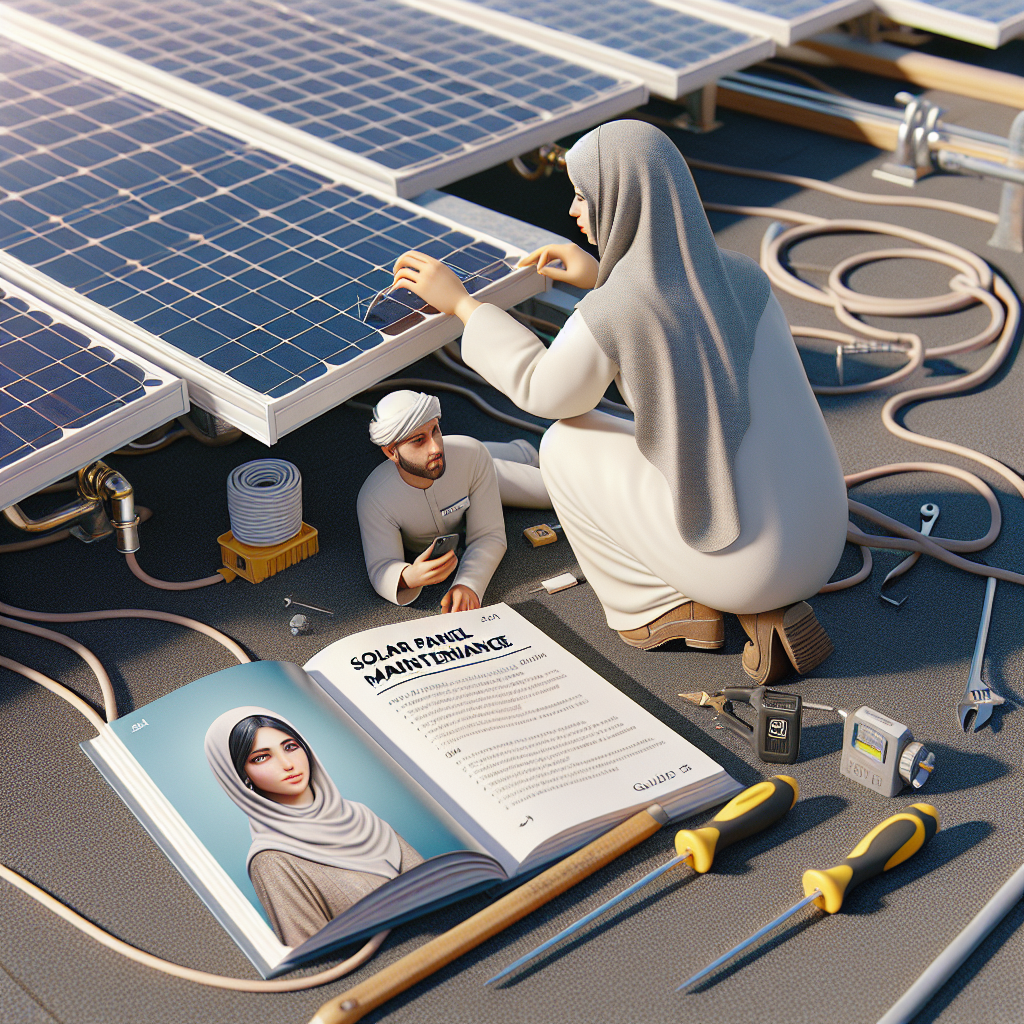
    All right, now that your DIY solar panels are up and running, let’s talk maintenance. Just like a car, you’ve got to keep an eye on things to ensure it runs smoothly. Cleaning the panels is essential; dirt and dust can block sunlight and reduce effectiveness.

    I typically keep an eye on my panels seasonally. A gentle rinse with water is often all they need, but if you’ve got a lot of grime, a soft sponge and mild detergent can work wonders.

    Also, periodically check for overhanging branches or debris that might cast shadows. Your goal is to get as much sun as possible, after all!

    Common Issues and Solutions

    Even the best laid plans can go awry sometimes, right? If you start noticing a drop in performance, it may be time to do some troubleshooting. Check for obstructions, and recheck your connections and inverter performance.

    Sometimes, especially after a storm, my panels needed some adjustments. Being proactive about common issues like shading, cable damage, or inverter failure can save you headaches later on.

    If things get tricky, don’t hesitate to refer to your kit’s manual or search for specific solutions online. The DIY solar community is super helpful and can often provide insights you might not have thought of!

    Upgrades and Future Expansion

    Finally, let’s talk about future-proofing your setup. As your energy needs grow, or if you start getting the fever for even more solar power, think about potential upgrades or expansions.

    You may want to add more panels or incorporate battery storage to save energy for those not-so-sunny days. Planning for growth means you can customize your setup as your life changes, and who doesn’t love flexibility?

    Plus, don’t forget to keep abreast of the latest in solar tech; new innovations pop up regularly. Who knows, in a couple of years, there might be even more efficient panels or systems that catch your eye!

    FAQs

    1. Can I install a DIY solar panel kit by myself?

    Absolutely! Many DIY solar panel kits are designed with beginners in mind. With some basic tools and a little patience, you can successfully install your kit.

    2. How long does the installation process typically take?

    The installation duration can vary based on your experience and the kit. Generally, it takes anywhere from a few hours to a couple of days. Just take your time and follow the instructions carefully!

    3. What maintenance do solar panels require?

    Maintaining solar panels includes regular cleaning, checking for damage, and ensuring that they aren’t obstructed by debris or overhanging branches. A little attention goes a long way!

    4. Can I expand my solar panel system later on?

    Yes, many systems are designed to be modular, meaning you can add more panels or equipment over time as your energy needs change. Just keep that in mind during your initial setup!

    5. Are there any financial incentives for installing solar panels?

    Yes! Many places offer tax credits, rebates, or other financial incentives for installing solar panels. It’s definitely worth checking out local policies when considering your installation!

  • The Best Solar Panel Kits for Small Projects in 2024

    The Best Solar Panel Kits for Small Projects in 2024

    Choosing the Right Kit for Your Needs

    Assessing Your Energy Requirements

    Before diving into the wonderful world of solar panels, it’s so important to take a moment to assess your energy needs. Do you want to power small devices or are you looking to run larger appliances? This will guide your decision on what kind of solar panel kit will work best for you. Taking stock of the wattage consumption of your devices can give you a clear picture of what you really need.

    For example, if you’re just aiming to charge a few battery packs for camping gear or lights, a smaller kit might suffice. On the other hand, powering a mini fridge or a few electronics will definitely require more robust solutions. So, jot down your gadgets’ power requirements and set some realistic expectations!

    Ultimately, understanding how much energy you need will not only help you select the right kit but will also ensure you don’t end up overspending on a system that’s way over the top for your actual usage.

    Understanding the Components of Solar Panel Kits

    Next up, let’s break down the typical components found in solar panel kits. Most kits will come with solar panels, a charge controller, batteries, and sometimes inverters. Each component plays a vital role in making sure you harness that sweet, sweet solar energy effectively.

    Solar panels are the star of the show – they convert sunlight into usable electricity. The charge controller ensures that your batteries are charged correctly and protects them from overcharging, which is crucial for longevity. And don’t forget about the batteries: they store the energy for when you need it. If your kit includes an inverter, it converts DC power into AC power, which is what most of your devices use.

    Understanding this setup helps demystify how these systems work together, making it easier to troubleshoot any issues you might run into down the line. Knowledge is power, and trust me, knowing your stuff can save some serious headaches!

    Setting Your Budget

    Let’s talk money – or rather, let’s talk budget. Solar projects can vary widely in cost depending on the quality and scale of the kit you choose. It’s vital to set a budget that not only fits your pocket but also aligns with your energy needs.

    When budgeting, don’t forget to factor in any additional costs such as installation (if you’re not going the DIY route), extra wires, or mounting hardware. I’ve learned the hard way that little costs can add up quickly! By planning comprehensively, you can avoid nasty surprises.

    Remember, while it’s great to snag a deal, don’t skimp on quality. Investing a bit more upfront in a reliable kit can save you money and hassle in the long run. Trust me, you won’t regret it!

    Top Picks for Small Solar Panel Kits in 2024

    Renogy 100 Watt 12 Volt Monocrystalline Solar Starter Kit

    This kit has been my go-to for small projects. It’s versatile, reliable, and easy to set up, which is perfect if you’re just starting out. The 100 watts provide enough juice to power small devices without overwhelming your setup.

    The monocrystalline panels are known for their efficiency and space-saving design. Renogy also includes a charge controller, which makes checking battery levels a breeze. It’s just plug-and-play, and who doesn’t love that?

    If you’re looking for a kit that offers solid performance without breaking the bank, I highly recommend this one. It’s perfect for backyard projects, RVs, and off-grid use!

    <h3 Goal Zero Yeti 400 Portable Power Station

    Now, this isn’t just a solar panel kit, but it’s a game-changer for small projects! The Goal Zero Yeti 400 is like the Swiss Army knife of power solutions. With various output options, it can juice up everything from phones to small refrigerators.

    Pairing it with solar panels is as simple as it gets. Just hook it up to any compatible solar panel, and you have a portable power solution that can be used anywhere. It’s lightweight and ideal for camping, tailgating, or emergency backup.

    I’ve used this system during power outages, and it really saves the day. It’s one of those tools you’ll find yourself using more than you thought you would!

    WindyNation 400 Watt Solar Panel Kit

    If you’re looking for more power, the WindyNation kit might just be your thing. It’s slightly bigger than the other kits on this list and offers great flexibility with its solar panel options. Imagine powering multiple devices at once – the dream, right?

    The installation guide is super friendly too, so even if you’re no Bob the Builder, you can get it up and running without too much fuss. It’s also great for home backup systems, which is a big perk if you’ve got frequent power cuts.

    The value for money is incredible, and you get a lot for what you pay. It’s a solid investment if you’re a hobbyist looking to dip your toes into solar energy a bit deeper!

    Utilizing Your Solar Kit Effectively

    Installation Tips

    Installing your solar panel kit can be intimidating, but trust me, it’s all part of the fun. Start by choosing the right location where your panels can soak up the sun – generally, south-facing spots are best if you’re in the Northern Hemisphere.

    Make sure there are no trees or buildings obstructing the sun’s rays. It’s always a good idea to double-check the manufacturer’s instructions during installation. If all else fails, there are tons of YouTube tutorials out there to save the day!

    Lastly, don’t forget to secure your panels firmly. Winds and severe weather can be a concern, and you don’t want your investment flying away on you. Take your time here; it will pay off.

    Maintenance for Longevity

    Now, just because solar panels are pretty low-maintenance doesn’t mean they don’t need a little love every now and then. Regularly check your panels for dirt or debris that can block sunlight – just like cleaning your car, it’s a must-do!

    Keeping an eye on the wiring and connections is equally important. Loose connections can lead to performance issues, so take a few minutes periodically to check everything is snug and secure.

    Lastly, if you live in an area with heavy snowfall, be sure to brush off the snow after a storm to minimize loss of sunlight. Your panels work hard for you; a bit of basic care goes a long way in keeping them efficient!

    Getting the Most Out of Your Generated Power

    Using the power you generate wisely can stretch your setup even further. Prioritize energy-efficient devices that consume less power, maximizing what your solar kit can do. It’s a simple change that can lead to significant savings over time.

    Consider using timers for appliances to avoid using power during peak times of the day when solar is available. It’s about creating a routine that works for you while leveraging that sweet solar energy.

    And hey, if you find yourself in a position where you have excess power, think about charging up batteries for later use. It’s like having your cake and eating it too! Store what you don’t use for cloudy days or times of high demand.

    Conclusion: The Solar Future is Bright!

    As we wrap up, I hope this guide on the best solar panel kits for small projects in 2024 has got you excited about the possibilities. Whether you’re looking to power up that camper, run some lights in the garden, or just dabble in renewable energy, there’s a kit out there that’ll fit your needs perfectly.

    Take the plunge; trust me, once you go solar, you won’t look back! For me, it’s all about gaining independence from the grid and enjoying the freedom that comes with solar energy. If you’ve got any questions or need more tips, feel free to reach out.

    FAQs

    1. How do I determine the size of the solar panel kit I need?
    Assess your energy requirements first by noting down the wattage consumption of the devices you want to power.

    2. What components are essential in a solar panel kit?
    A basic kit should include solar panels, a charge controller, batteries, and optionally an inverter for AC power.

    3. How do I install a solar panel kit?
    Choose a sunny location, follow the manufacturer’s instructions, and ensure all connections are secure.

    4. What maintenance do solar panels require?
    Regularly clean panels, check connections, and remove any snow accumulation if applicable.

    5. Can I use solar power efficiently when I have a kit?
    Yes! Use energy-efficient appliances and consider using timers to reduce consumption during peak hours.

  • How to Compare Solar Panel Warranties Before Buying

    How to Compare Solar Panel Warranties Before Buying

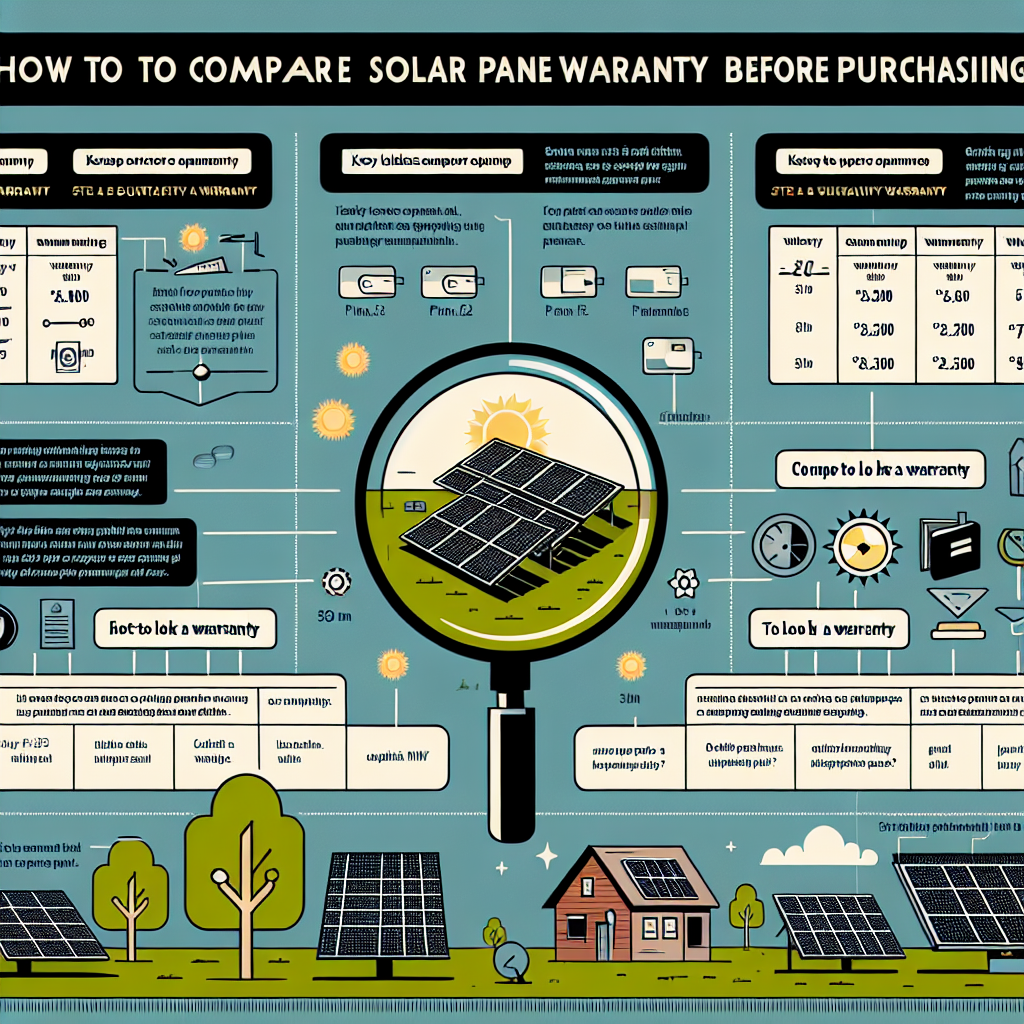
    Hey there! If you’re diving into the world of solar panels, you’re probably already aware of the myriad benefits they can provide for your home and the environment. One vital aspect that can easily slip under the radar is the warranty that comes with your solar panels. In my experience, understanding these warranties is just as important—if not more so—than the panels themselves! So let’s break down how to effectively compare solar panel warranties.

    1. Understanding Warranty Types

    Product Warranty

    First off, let’s chat about the product warranty. This warranty covers the solar panels themselves, protecting you against defects in material or workmanship. Typically, these warranties last between 10 to 25 years, depending on the manufacturer. When I was shopping for my solar panels, I made sure to check the product warranty length because fewer headaches down the road is always a plus!

    It’s important to read the fine print, though. Not all manufacturers are equal. Some might offer a long warranty but have exclusions that could end up biting you if something goes wrong. Check what specific defects are covered and how the claims process works!

    Another thing you might want to consider is how the warranty of a product compares to the longevity of the panel itself. Sometimes, you might find panels that are rated to last over 30 years! If the warranty is only 10 years, that might raise some flags.

    Performance Warranty

    Now, let’s dive into performance warranties. These warranties ensure that your solar panels will continue producing a certain amount of energy over time. Usually, performance warranties last around 25 years and guarantee that your panels will maintain a minimum output percentage throughout that period. I found this assurance incredibly helpful when I was making my decision.

    Understanding the specifics of what is guaranteed is crucial. For instance, look for things like degradation rates. Most panels degrade at a rate of about 0.5%-1% per year, so a warranty may state that after 25 years, your panels will still produce at least 80% of their original output. Knowing these details can save you money in the long run.

    Lastly, if a performance warranty seems too generous, it might be worth digging deeper. Ask yourself, why can they afford to offer such an impressive guarantee? The answer may not always be in your favor, so weigh your options carefully.

    Labor Warranty

    Don’t forget to toss in the labor warranty too! This aspect covers the cost of installation. If you’re like me and thought about tackling the installation yourself, you may want to reconsider. It’s often worth having professionals do it so this warranty kicks in and protects your investment.

    Labor warranties can vary widely in length and coverage. When I was shopping around, some installers offered labor coverage for only a year, while others went up to 10 years. A longer labor warranty can be a lifesaver should issues arise after installation.

    Also, keep in mind what the labor warranty covers. If it’s just for repairs and not issues stemming from improper installation, you could find yourself in a sticky situation. It’s always good to clarify everything before signing any contracts!

    2. Evaluating Manufacturer Reputation

    Researching Manufacturers

    As you might’ve guessed, the reputation of the manufacturer plays a massive role in the warranties they offer. I can’t stress enough how important it is to do thorough research. Look for manufacturers that have been around for a while and have a solid track record. Those newer companies might be tempting with great warranties, but history often tells a different story!

    Check out reviews from other consumers, as well as expert opinions. I found several review websites that provided insight into customer experiences. This gave me a clearer picture of how companies handled warranty claims in real-life situations.

    You could also dig into their financial stability. Companies that are financially sound are more likely to be around when your warranty issue arises, whereas a shaky startup might fold before you can even file a claim. Always do your homework!

    Customer Service

    Another aspect of reputation to consider is customer service. It might seem trivial, but good customer service can be a lifesaver when you’re trying to get answers about your warranty. I had a few manufacturers I reached out to with simple questions, and surprisingly, the way they handled my queries made a huge impression!

    Make sure to read reviews specifically discussing customer service. Are they responsive? Do they put the customer first? Knowing how a company treats its customers can provide insight into how they’ll handle warranty claims down the road.

    Don’t be afraid to reach out to them, either! A quick call can often give you a feel for how they operate. It’s always better to know upfront rather than being stuck in a bind later on!

    Durability and Reliability of Products

    The durability and reliability of the solar panels themselves are equally crucial. As I was comparing different products, I came across various tests and ratings that evaluated performance under different conditions. Look for panels that have passed rigorous testing to ensure they can withstand extreme weather conditions, like hail or high winds.

    Also, consider third-party certifications, which can often provide additional peace of mind. Panels that meet these standards have proven their reliability and performance metrics—definitely a good sign!

    Finally, it might be worth checking the long-term performance of different models through real-world monitoring. Some websites track the production of solar panels over time and could give you insight into how well various brands perform over the years.

    3. Comparing Coverage Details

    Key Exclusions and Limitations

    As we break down coverage details, keep an eye out for any key exclusions in the warranty. Trust me, it’s in the fine print where manufacturers can really spring surprises. When I finally read through several warranty documents, it blew my mind how many exclusions each had! Be sure to look for things like acts of God, improper maintenance, and unauthorized repairs!

    Another consideration is the geographical limitations. Some warranties might not cover specific regions. So, ensure that you’re within the coverage area for your warranty if you live in extreme climates.

    Get specific about the claims process as well. Knowing how long you have to file a claim, what documentation is required, and who’s responsible during this process can often save you from stress later on.

    Transferability of Warranties

    One aspect I overlooked until later was the transferability of the warranty. If you ever decide to sell your home, you’ll want to know if the warranty is transferable to the new owner. Some manufacturers don’t allow this, which could decrease your home’s value.

    I recommend asking about the process involved in transferring the warranty. Some companies might just require a simple form, while others may need you to jump through hoops. Knowing this can save you time when selling your property down the line.

    Having a transferable warranty can also be appealing to potential buyers. It gives them further peace of mind and can ultimately make your home more marketable!

    How Claims Are Handled

    Understanding how a company handles warranty claims is super important in determining if a warranty is worth your while. I took time to really assess what the claims process looked like for the warranties I was considering. Some had streamlined processes while others were bogged down with red tape.

    Look for companies that provide clear contact information and have a dedicated team for warranty claims. Knowing there’s an expert ready to assist you in your time of need makes all the difference.

    Reading through online reviews can also provide insights into what others have experienced when it comes to claims. It got me thinking: if there are many complaints about a company and their warranty claims process, I’d definitely steer clear.

    4. Analyzing Warranty Lengths

    Standard Warranty Timeframes

    When it comes to solar panel warranties, the lengths can really vary. As I started to dig into this, I realized that most products are sold with the same basic structures: the product warranty generally lasts 10 to 25 years, while performance warrants often stretch out to 25 years.

    While a longer warranty can often feel reassuring, be cautious! Sometimes, a longer warranty might mean that the company is not fully confident in their product. In my experience, a balance of reasonable warranty lengths and solid product performance history is what you should be after.

    Also, remember to look for any prorated terms. Often, warranties start off covering 100% of product failure but may offer limited coverage later on. Make sure you know what you’re signing up for!

    Importance of Long-Term Security

    One lesson I learned is that long-term security is key. Warranties are essentially promises from manufacturers that their products will stand the test of time. So, when a warranty covers a long period, it’s an indicator of confidence. For my panels, knowing I’m covered for an extended period without worry makes investing in solar worth it.

    A strong warranty can also indicate quality. When a company believes in their product enough to back it up with solid coverage, it’s usually a sign that they’ve put in the research and development to create something reliable.

    Consider also how your system’s performance ties into property value! Warranties that offer long-term coverage can be an attractive feature for potential homeowners in the future, and they’ll appreciate knowing they’re secure with lasting equipment.

    Navigating Common Pitfalls

    As exciting as it is to score a lengthy warranty, it’s essential to navigate common pitfalls. Some warranties are laden with limitations that might not become evident until you face an issue. I remember narrowly avoiding a sticky situation through my cautious evaluation! The last thing you want is to assume everything’s covered only to find out it’s not when you need it.

    Pay special attention to clauses around maintenance and upkeep. Certain warranties have strict guidelines, and if you happen to miss a mark, you could void your entire warranty. The key here is to know what your responsibilities are!

    In the end, take your time with warranty lengths. Understand what they truly represent, and don’t get lured in by surface-level allure. You’ll thank yourself later!

    5. Making a Confident Decision

    Summarizing Your Options

    At this point, you probably have a pretty good idea of the warranties you’re preparing to sift through. I found it extremely helpful to create a comparison table that summarized my options side-by-side! You can jot down the key details for product, performance, labor warranties, as well as any exclusions—that way, you can see everything at a glance.

    Using visual tools can simplify your decision-making process immensely. I often find that seeing things laid out visually can clarify aspects that might otherwise feel overwhelming. Don’t forget to include manufacturer names and years of industry reputation too!

    Once you get this summary together, it forces you to think critically about what features matter most to you and your situation. Everyone’s needs differ—make sure yours are priorities in your comparisons!

    Trust Your Instincts

    After you’ve done all the necessary homework, trust your instincts! I’ve learned over time that listening to that little voice can occasionally lead to the best outcomes. Sure, data and metrics are key, but if something doesn’t feel right, it’s okay to keep digging or look elsewhere!

    Always consider how well the options align with your goals and values. I’ve had experiences where savings weren’t the only consideration. I wanted to support reputable companies that share my values on sustainability. Make sure to factor in your own values!

    In the end, remember that this decision will affect you for years to come; trust yourself and base your choice on what feels right in your gut!

    Don’t Rush the Process

    Last but not least, take your time! I know firsthand that in a world where everything feels like it needs to be done ASAP, it can feel tempting to rush the selection process. But trust me, it’s better to slow down and get it right than to regret a hasty decision later.

    Spend as much time as needed to gather all information, compare, contrast, and even sleep on it for a night if you need to. By doing so, you’ll ensure that you’re making a sound decision—one that you can stand by for years to come.

    If you’re patient, the right choice will come. Take your time, research, and rest easy knowing you’ve made an informed decision regarding your solar panel warranty!

    Frequently Asked Questions

    1. What should I look for in a solar panel warranty?

    When assessing a solar panel warranty, focus on the product warranty, performance warranty, and labor warranty. Look at their lengths, coverage details, exclusions, and the manufacturer’s reputation to ensure you have robust protection.

    2. How can I check the reputation of a solar panel manufacturer?

    You can research via online reviews, ratings, and customer testimonials. Look for manufacturers with a proven track record over the years. Sometimes, reaching out to previous customers can give you additional insight!

    3. What does a performance warranty guarantee?

    A performance warranty ensures that your solar panels will produce a certain amount of energy over time, often spanning 25 years. It specifies the minimum output percentage your panels must maintain throughout this period, which can be a big deal for future energy savings.

    4. Is a longer warranty always better?

    Not necessarily! While longer warranties can offer reassurance, they can sometimes come with more exclusions. It’s crucial to assess the details and ensure that longer terms are reflective of a quality product and not just a marketing gimmick.

    5. Can I transfer my solar panel warranty to a new owner?

    That depends on the warranty terms. Some manufacturers offer transferable warranties, while others do not. If you plan to sell your home in the future, it’s a good idea to understand the transferability before committing to a solar panel purchase.

  • How to Understand Solar Panel Wattage and Efficiency

    How to Understand Solar Panel Wattage and Efficiency

    The Basics of Solar Panel Wattage

    What Does Wattage Mean?

    When I first dove into the world of solar panels, the term “wattage” was a bit perplexing. In essence, wattage measures the power output of a solar panel during peak sunlight conditions. A higher wattage means that the panel can produce more energy. This was key for me to grasp because it directly impacts how much energy I could potentially harness.

    Think of it like a water hose: a wider hose (or a hose with greater wattage) can deliver more water (or energy) at one time. Understanding this concept really shifted my perspective on how to assess different solar products.

    You also need to keep in mind that wattage is often associated with the size of the panel. Bigger panels typically offer more wattage, but they also come with their own set of considerations in terms of installation space and costs.

    Why Wattage Matters

    Wattage isn’t just a number; it directly influences how efficient your solar system is in converting sunlight into usable energy. The higher the wattage, the more energy you’ll be able to gather, which is especially important if you’re looking to power a larger home or multiple appliances. I found that comparing the wattage across various brands really helped me hone in on the best options for my needs.

    Knowing my wattage needs also allowed me to effectively calculate how many panels I would need for my home. For example, if I wanted to generate around 5 kilowatts, having panels with a wattage of 300 meant I would need approximately 17 panels. It’s simple math, but understanding it made the decision-making process so much smoother.

    Pondering on wattage can actually steer you toward better financing options as well. Some solar financing plans are based on how much energy your system can produce, so being wattage-savvy helps in negotiating those terms.

    How to Choose the Right Wattage

    This one’s pivotal! To select the right wattage for your needs, first assess your energy consumption. I started by keeping track of my electricity bills over a few months and identifying my average monthly energy use in kilowatt-hours (kWh). This would ultimately guide me in selecting panels that align with my consumption.

    Next, consider the space you have available for installation. If you’re tight on roof space, investing in higher wattage panels might be the best move to make every inch count. I had to determine how many panels I could fit in my designated area without sacrificing aesthetic appeal.

    Lastly, don’t forget about local solar incentives and rebates! Some places encourage solar adoption by offering financial incentives based on the wattage you install. I made sure to do my homework on what was available in my area to maximize savings while finding the right wattage for my lifestyle.

    Understanding Solar Panel Efficiency

    Defining Efficiency in Solar Panels

    Now let’s chat about efficiency. Solar panel efficiency measures how well a panel converts sunlight into usable electricity. If you’ve got an efficient panel, it means you can generate more electricity from the same amount of sunlight compared to less efficient models. For example, my first set of panels had an efficiency rating of around 15%, and I quickly learned that every little bit counts!

    Generally, panels have efficiency ratings ranging from around 15% to upwards of 20% or more. The more efficient the panel is, the less space you need to achieve your energy goals. I remember feeling high-fived by my roof when I realized I could fit fewer high-efficiency panels and still meet my energy needs.

    Efficiency ties back to wattage—it’s not just about having higher wattage but also ensuring it’s from an efficient panel. This right balance is what I aimed for when I was shopping around, and it made a world of difference in my energy output.

    Why Efficiency is Key

    So, why should you care about efficiency? I can tell you from personal experience that more efficient panels save you space and money in the long run. If your roof only has so much room, you’ll want to maximize energy output with the panels you install.

    Plus, choosing high-efficiency panels can have a positive impact on your home’s value. Real estate agents have shared that homes equipped with efficient solar technology are more attractive to buyers, and I’m here for that resale value.

    Lastly, during the installation process, my efficiency considerations helped me communicate better with my installer. We discussed how a little investment in high-efficiency panels would save me a lot more on energy costs in the future, and boy, were they right!

    Calculating Efficiency for Your Needs

    Understanding how to calculate efficiency can be your little secret weapon. It’s straightforward: divide the maximum power output (in watts) by the total area the panel occupies (in square meters). You’ll find that having this knowledge gives you a clearer picture of which panels will work best on your home.

    I also kept a close eye on the energy production estimates given by manufacturers. Many provide detailed breakdowns of expected performance over time, influenced by efficiency levels. That helped me set realistic expectations from the get-go!

    Finally, remember to consider warranties. Most reputable panels come with performance warranties that guarantee a certain level of efficiency for years to come, giving you extra peace of mind about your investment.

    The Relationship Between Wattage and Efficiency

    How They Work Together

    Wattage and efficiency are like peanut butter and jelly; they just go hand in hand. You can have a high-wattage panel, but if its efficiency is low, you might not be harnessing as much energy as you think. It’s been crucial for me to understand this relationship because it plays a significant role in overall performance.

    When I researched different brands and models, I focused on those that balanced both wattage and efficiency. For instance, selecting a high-efficiency panel with slightly lower wattage could potentially yield better energy production in limited sunlight conditions, like during overcast days.

    In short, comparing wattage and efficiency can help you make wiser decisions about your solar investment. Each plays a vital role in ensuring you get the most out of your solar system, which has been a game-changer for my household bills.

    Making Informed Choices

    Every person’s situation is unique, so it’s essential to weigh your options wisely. For me, it meant creating a comparison spreadsheet of different panels based on wattage, efficiency, and price. This made it easier to visualize and choose the right fit for my needs while ensuring I was maximizing energy output.

    I also chatted with solar professionals who could provide insights not just from a technical standpoint but from their experience with customers. This well-rounded approach allowed me to make informed choices without feeling lost in the sea of information.

    Lastly, don’t forget to check third-party testing and certifications for panels. Remembering to include this aspect in my decision process proved invaluable, ensuring I invested in reliable products that delivered on their promises.

    The Future of Solar Technology

    As solar technology continues to evolve, Wattage and efficiency are becoming more intertwined. Emerging technologies, like bifacial panels that use both sides for energy capture, promise to change the landscape for solar energy production. Keeping an eye on such developments means you can stay ahead of the game.

    I often find my fellow solar enthusiasts discussing the future of solar energy during meetups, and it only fuels our passion even more. We share stories, insights, and sometimes even friendly debates about the newest solar tech hitting the market, always focused on maximizing output with innovative approaches.

    For anyone serious about their solar journey, staying informed on trends and technological advances can lead to even better investments as newer panels become available, all while being mindful of both wattage and efficiency. It’s an exciting time to be part of the solar community!

    FAQs about Wattage and Efficiency in Solar Panels

    1. What is the difference between wattage and efficiency?

    Wattage refers to the amount of power a solar panel produces at peak output, while efficiency is the measure of how effectively a panel converts sunlight into energy. Both factors play a crucial role in determining a solar panel’s overall performance.

    2. How do I calculate the wattage I need for my home?

    To calculate the wattage you need, first find your monthly energy usage in kilowatt-hours (kWh). Then, divide this number by the average sunlight hours you receive in a day to calculate the required wattage for your solar setup.

    3. Is higher efficiency better?

    Generally, yes! Higher efficiency means more energy output from the same amount of sunlight, which can be beneficial if you have limited roof space. Higher efficiency panels can also lead to savings on energy costs over time.

    4. Can I mix different wattage panels in a solar system?

    While it’s technically possible, it’s not the best practice. Mixing different wattage panels can lead to a decline in overall system performance, as the lower wattage panels will limit the output. It’s best to stick with similar wattage panels for optimal performance.

    5. How often do I need to check the performance of my solar panels?

    It’s a good idea to check the performance of your solar panels regularly, ideally once or twice a month. This ensures everything is functioning correctly and helps identify any potential issues before they escalate.

  • How to Evaluate the ROI of Your Solar Panel Investment

    How to Evaluate the ROI of Your Solar Panel Investment

    Hey there! So, you’ve got some solar panels on your roof or maybe you’re thinking about diving into the solar world. Either way, I’m here to help you figure out the return on investment (ROI) for that sun-powered beauty. I’ve been down this road myself, and I’ve learned quite a bit along the way, which is why I’m excited to share my insights with you!

    Understand Your Initial Investment

    What Costs Are Involved?

    Alright, before we even think about profits, let’s talk about how much this bad boy is going to cost you. When I first started, I didn’t realize the amount of money I had to fork out just for installation and equipment. You’ve got the cost of the panels, inverters, and, of course, that installation fee which can add up in a hurry. Keep track of all of these because they’re the foundation of your ROI calculation!

    Don’t forget about any permits or inspections you might need! They may seem small but can take a significant bite out of your budget. Each step adds up, and trust me, it is crucial to know what you’re committing to financially before you jump in.

    Lastly, consider any financing options. I had a loan for my panels, and the interest rates impacted my overall costs. Make sure to add up any potential financing costs to see the full picture. Don’t want any surprises down the line, right?

    Incentives and Rebates

    Now let’s put a positive spin on that investment! Many states offer fantastic incentives that can actually reduce the cost of your installation. I remember the day I found out about the tax credits and local rebates—it felt like finding a treasure map! Always search for state and federal incentives. You might be surprised at how much you can save.

    Each rebate and incentive can significantly lower your initial costs. Tools like the DSIRE database make this research much easier. Check this out as it’s a goldmine for uncovering programs specific to your area.

    Just keep in mind that these incentives are often time-sensitive. Jump on them while they’re hot! The sooner you figure this out, the better, because it could impact your total investment and, you guessed it, your ROI.

    Calculating Total Costs

    So now that we’ve gathered all those pesky costs, let’s wrap them all up in a neat little package. I found it helpful to create a simple spreadsheet to track everything. Take your initial investment from above, subtract any incentives you’ve learned about, and voilà! You have your adjusted total investment.

    But don’t stop there! Include potential maintenance costs. I learned the hard way that keeping those panels clean and maintained is key to performance, and it doesn’t always come free. It may not seem like a big deal, but these costs can stack up over the years.

    All this will give you your clear starting point for calculating ROI. By knowing exactly what you’ve laid down in dollars, you can better appreciate how much you’ll gain in the long run!

    Assess Energy Savings

    Estimating Your Energy Production

    Okay, so now we’ve got the costs down. Next, it’s time to talk about how much energy your panels will actually produce. I began by examining my electricity usage to get a feel for what to expect. This is usually expressed in kilowatt-hours.

    Most installers provide you with an estimate of how much energy your system will produce. You can also consult online calculators or local solar providers for assistance. For me, understanding this was a game-changer—it painted a clear picture of my future savings. Knowledge is power, folks!

    For some real-world experience: after installation, keep monitoring your energy production—it can change with seasons and weather patterns. Make adjustments based on what you observe; this helps refine your savings estimates even more.

    Calculating Monetary Savings

    Once you’ve got a handle on how much energy your panels will produce, now we can translate that into actual money saved. Just take those kilowatt-hours and multiply them by your local electricity rate. Bam! You have your annual savings!

    Don’t forget to include any fluctuations in electricity rates! I mean, they can creep up every year, and as they rise, your savings will feel even bigger. Being informed about this developing trend can make a huge difference in planning for the future.

    Also, calculate how long your panels will last. Most solar panels come with warranties of 20-25 years. Keep this length in mind when you’re determining the long-term savings. You might be amazed at the total savings this will yield over the life of your investment!

    Account for Net Metering

    If your state offers net metering, paaaarty! This means you can sell back excess power your system generates. Seriously, this was one of the biggest surprises for me. If I wasn’t using all that energy, I could actually put it back into the grid and receive credits on my utility bill.

    Make sure to find out whether your solar provider supports this. It can significantly boost your overall energy savings. Examine your utility company’s policies, which can vary widely by region. It may feel like doing copious amounts of homework but trust me; it pays off.

    When you account for net metering, you’ll have a more complete picture of your energy savings. It’s a step I overlooked at first, but once I got it down, it made a world of difference!

    Evaluate Increased Property Value

    Solar’s Impact on Home Resale

    Let’s chat about property value. One of the best parts about having solar panels is the boost in your property’s value. When I was looking at homes, you bet I got excited when I saw solar on the roof! Studies show that homes with solar sell faster and at a higher price than those without.

    Research shows that buyers are more willing than ever to pay a premium for homes with added energy efficiency. I even talked to a real estate friend who mentioned a percentage increase in homes with solar. That kind of news absolutely thrilled me.

    Always keep your local market in mind. The value added can vary, and it’s essential to work with an experienced realtor who understands solar’s impact in your area. Trust me, it’s definitely worth it to know what to expect!

    Long-term Financial Benefit

    Over time, those solar panels aren’t just slashing your bills; they’re contributing to your wealth as well. Even if you’re not planning to sell anytime soon, think about how they affect your net worth. I considered my solar system as part of my investment portfolio once I realized how much value it’s going to add over the years.

    When I looked at the overall picture—savings, increased home value, and long-term benefits—I was blown away by the impact. You’ll find this understanding of value tremendously helps in recognizing the overall ROI of your solar panels.

    Make sure to periodically reassess this value and how it fits into your future plans. This helps you maintain full awareness of the economic benefits from your solar investment.

    Market Trends

    Finally, keep an eye on how solar trends affect property values. I always stay updated on local and national solar policies, which helps me keep a pulse on property values. With the moves toward sustainable energy, I suspect this trend will continue to rise.

    There are even blossoming local solar co-ops where you can engage with like-minded folks! By keeping inside that loop, I often hear about developments that can raise my home’s value even more.

    Take the time to research and stay informed. This knowledge not only helps you understand your current investment but also impacts any future investments in solar.

    Perform the ROI Calculation

    Bringing It All Together

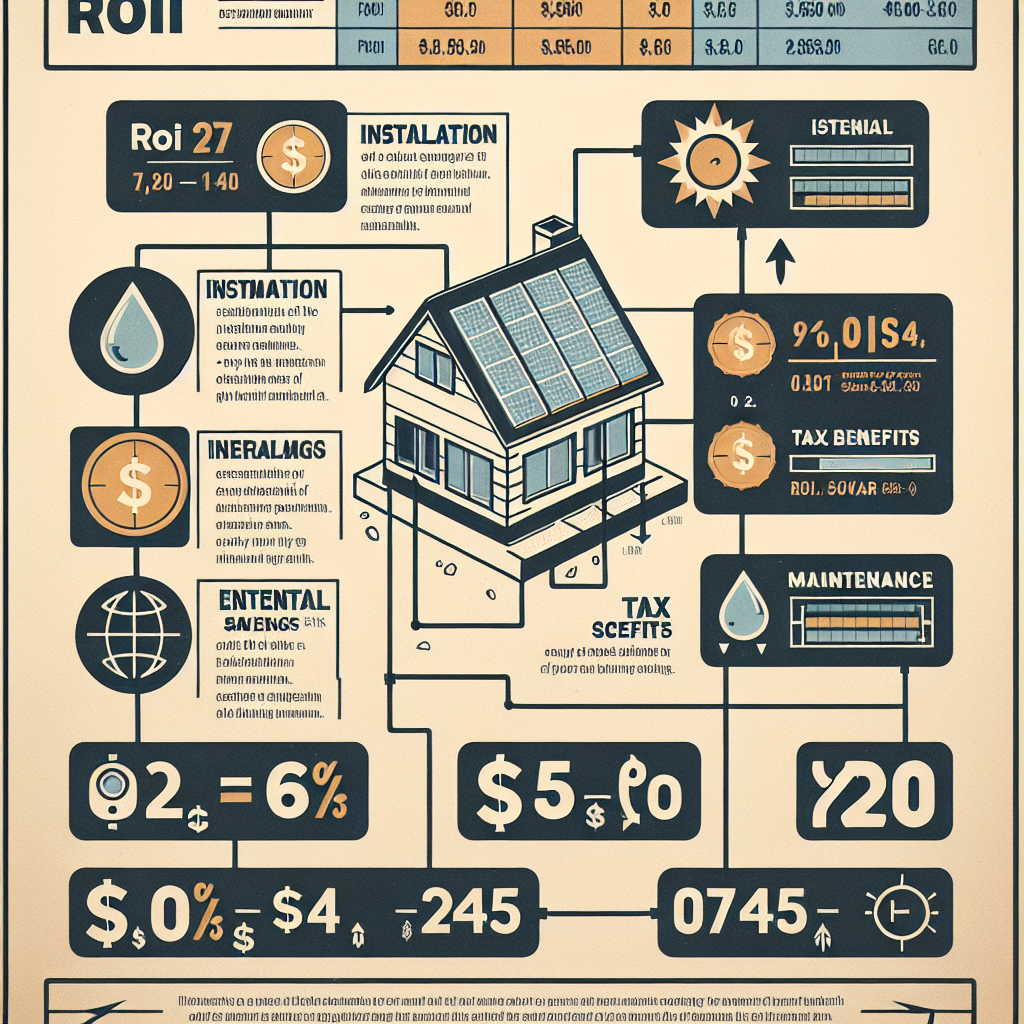
    Now we’ve got all these glamorous numbers, but let’s get down to the nitty-gritty of calculating your actual ROI. Here’s a simple formula you can use: ROI = (Net Profit / Total Cost) x 100%. Easy peasy, right? This’ll give you the percentage of your return.

    Your net profit is the total savings and any added property value compared to the total cost we put together earlier. For me, seeing that percentage was the icing on the cake—it made all my efforts worth it!

    If you’re not quite hitting the numbers you expected, remember: ROI can fluctuate over time based on energy costs and system performance. Regularly revisit and reassess your numbers to make sure you’re always informed about your ROI.

    Monitoring Your System

    Remember, your solar panels aren’t a “set it and forget it” type of investment. I learned to consistently monitor my energy output and overall savings. This helps you stay engaged and can be a fun project if you’re into that kind of thing!

    Many apps and platforms can help you monitor your system performance. I’ve used a few, and the data is usually pretty fascinating. Paying attention to how they’re performing gives you deeper insight into your investment.

    Also, don’t shy away from reaching out to your solar company if you notice discrepancies. They should provide maintenance and tips to ensure your panels are functioning at full capacity.

    Setting Future Goals

    Lastly, always look ahead. Consider what you want for your energy future, including whether you’ll expand your system or incorporate battery storage down the road. Those choices heavily influence future ROI calculations.

    Setting benchmarks based on your current ROI can help you identify milestones for performance and savings, guiding any future investments. Charting growth allows you to spot trends easily and helps you adjust for the best possible outcomes.

    Remember, investing in solar isn’t just about today; it’s about making informed choices for your future. Keep dreaming big and let those sunshine dollars roll in!

    Frequently Asked Questions

    1. What is the average ROI for solar panels?

    The ROI for solar panels can vary, but many homeowners see a return of 10-20% over the lifespan of the system, depending on energy savings, local incentives, and property value increases!

    2. How long do solar panels typically last?

    Most solar panels come with warranties of 20-25 years, but with proper maintenance, they can last even longer than that, often producing power for 30+ years!

    3. Are there financing options available for solar installation?

    Absolutely! Many solar companies offer financing options such as loans, leases, or power purchase agreements. It’s worth exploring to find a plan that suits your budget.

    4. What incentives are available for solar panel installation?

    Incentives can include federal tax credits, state rebates, and even local utility programs that encourage renewable energy. Check resources like the DSIRE database to find specific programs in your area.

    5. How often should I evaluate my solar investment?

    It’s a good idea to evaluate your solar investment annually or whenever significant changes occur, such as updated energy rates or home modifications. Keeping tabs helps maximize your ROI!

  • What You Should Know About Solar Panel Installation Costs

    What You Should Know About Solar Panel Installation Costs

    Understanding Solar Panel Pricing

    The Basics of Solar Panel Costs

    So, let’s kick it off by breaking down the basics. When you consider installing solar panels, the first thing that might pop into your head is the price tag. It’s important to know that the cost of solar panels varies widely depending on several factors—like the type of panel, the size, and even your location. The more you learn, the more you can make an informed decision!

    Generally, solar panels can cost anywhere from $15,000 to $30,000 for a standard home installation. But hang on! This doesn’t mean you should just shy away. There are federal and state incentives that can knock off a huge chunk of that cost, which ultimately makes it much more affordable.

    Plus, consider the long-term savings. After installation, your electric bill could shrink dramatically, giving you back more money over time than you spent on the panels in the first place!

    Costs Beyond the Panels

    Now, let’s talk about the costs that don’t involve the panels themselves. You may not realize that the installation process can also have quite a few expenses attached to it. From labor costs to permits, these can add up more than you might think. It’s crucial to budget for these hidden costs.

    Labor costs can vary greatly depending on the company you hire. Some companies may charge what seems like a fortune, while others have competitive rates. It’s all about shopping around, getting quotes, and factoring in the quality of work they promise.

    Don’t forget about permits! In many areas, you’ll need a permit to install solar panels, and that’ll come with its own fee. Each jurisdiction has different rules, so it’s a bit of a treasure hunt figuring that part out.

    Financing Options

    Financing is a huge piece of the puzzle, and trust me, it can change how you view those upfront costs. There are plenty of ways to make solar more accessible financially. You can choose to purchase your panels outright or opt for financing options like solar loans or leases.

    Solar loans typically have lower interest rates than personal loans, and they allow you to own the system outright after a few years, which can be quite a game changer. Plus, owning the system means you’ll benefit from those electric bill savings directly!

    Leasing, on the other hand, means you’ll pay a monthly fee to use the panels without ever owning them outright, which can lower your initial costs significantly. Just know you’ll miss out on some incentives, as the leasing company usually takes those benefits.

    Comparing Installation Companies

    <h3;Choosing the Right Installer

    Honestly, this one might just be my favorite part—picking the team that’ll install your panels! This decision impacts your overall experience and cost. Research is crucial; I can’t stress that enough. Look at reviews, ask around, and don’t hesitate to ask for quotes from multiple companies.

    When you compare, it’s not just about the lowest price—though that’s tempting! Look at experience, guarantees, and what they offer in terms of maintenance. You want to ensure you’re getting quality work that’s going to last you for years.

    And remember: the cheapest isn’t always the best. Sometimes, spending a little extra upfront can save you a ton in repairs down the line. It’s a relationship that should feel solid, because you’re trusting them with your investment.

    <h3;Checking Credentials

    Along with comparing prices, double-check credentials! Ensure your installer is licensed and insured; otherwise, you might find yourself in a pretty sticky situation if something goes wrong. The last thing you want is to have someone installing equipment on your roof who isn’t properly qualified.

    Check for accreditations from trusted organizations, such as the North American Board of Certified Energy Practitioners (NABCEP). This shows they’ve met certain standards in the field. Basically, you want someone who knows what they’re doing up there!

    And don’t be shy about asking for references. A trustworthy company will have happy customers willing to sing their praises. It’s nice to hear from someone that’s walked a mile (or ten) in those shoes before you.

    <h3;Warranty and Service

    Make sure to thoroughly discuss warranty options. A long and comprehensive warranty on both the panels and the workmanship is a great indication of the quality of the install. You don’t want to install solar panels, only to find out a year in that they’re faulty or something is amiss.

    Most panels come with warranties that last from 25 years to lifetime, but the installation warranty can vary significantly. Ensure you clearly understand what’s covered, for how long, and what steps to take if an issue arises.

    Customer service matters too! If something goes wrong, you’ll want a responsive team ready to fix whatever needs fixing. That peace of mind is worth its weight in gold!

    Tax Incentives and Rebates

    <h3;Understanding Your Tax Credits

    Alright, here’s where things get exciting! Tax incentives can significantly offset the cost of installation and help make solar power a reality for many people. The federal solar tax credit, for example, allows you to deduct a large percentage of your solar installation costs from your federal taxes, which can lead to substantial savings at tax time.

    Each year the percentage fluctuates, so staying informed on what’s available means you won’t miss out. It’s always smart to consult with a tax professional to maximize those benefits based on your situation.

    And trust me, navigating these tax credits can feel like dodging obstacles in a video game; it pays to be careful and stay sharp!

    <h3;State and Local Incentives

    Don’t forget that many states and even local utilities offer additional rebates and incentives for solar panel installation. Some states have their own tax credits, while others might provide cash rebates based on the size of the system you install.

    In some cases, you might even find programs that offer performance payments, where you get paid for the energy your solar system produces for a certain period. Getting paid to save the planet? I mean, yes, please!

    Researching these state and local options will take some time, but the potential savings can really pay off—pun totally intended!

    <h3;Financing and Grants

    If tax incentives aren’t enough to make the leap, there are green financing options available too. Some banks and credit unions have specific loans for renewable energy projects that come with lower interest rates or special terms tailored for solar installations.

    Additionally, you might find grant opportunities depending on where you live. Some non-profits and government programs provide funding specifically for solar energy installations, which can cut down upfront costs significantly.

    Just remember: always read the fine print! Terms can vary, and you want to ensure you fully understand any obligations or restrictions tied to these options.

    Calculating Your Return on Investment

    <h3;Long-term Savings

    When it comes to solar, calculating your return on investment (ROI) might seem daunting, but it’s totally doable! The most significant savings come from reduced electricity bills—after all, you’re generating your own power.

    Many homeowners start seeing a return on their investment within five to seven years. The savings really add up over the lifetime of your panels, often providing dramatic financial relief in years to come. I can’t stress enough how awesome it is to watch your energy bills shrink!

    Plus, as energy rates continue to rise, you’ll be shielded from those hikes, leading to even more savings over time. It’s like being on a financial rollercoaster, but in a good way!

    <h3;Home Value Increase

    Another fantastic perk to consider is how solar installations can directly impact your home’s value. Numerous studies have shown that homes with solar panels can sell for more than those without—sometimes upwards of $15,000 more on average. That’s a nice cushion if you ever plan to sell!

    Potential buyers are increasingly considering the costs of utilities when house hunting, and if they see that you have solar panels, they might find that a huge selling point. In today’s market, being eco-friendly can be a cherry on top of a great home sale.

    Plus, who wouldn’t want to market their home as green? It’s a win-win all around!

    <h3;Assessment Tools

    Finally, utilize assessment tools and programs available online to estimate your potential savings. There are platforms that calculate how much you’ll save based on your location, energy usage, and even panel production. These tools can offer you projections, which are invaluable when forecasting your finances.

    Remember, these estimates will also consider the costs associated with installation, local incentives, and even future energy rates. It’s like having your solar-powered crystal ball!

    By understanding how all these factors interplay, you can make smarter decisions that benefit both your wallet and the environment.

    Conclusion

    In wrapping this up, I hope you have a well-rounded view of all the costs associated with solar panel installation. From understanding pricing to maximizing incentives, it’s a journey worth taking. The savings and benefits of investing in solar power are immense, and each decision brings you a step closer to a sustainable lifestyle. So what are you waiting for? Dive into the solar world and start exploring!

    FAQs about Solar Panel Installation Costs

    1. How much can I expect to pay for solar panel installation?

    The cost can vary significantly but generally falls within the range of $15,000 to $30,000 for a standard home installation. It’s essential to account for hidden expenses like permits and labor.

    2. Are there any financing options available for solar installations?

    Absolutely! You can purchase panels outright or choose financing options like loans or leases. Many banks offer loans specifically for solar installations.

    3. What incentives should I be aware of when considering solar panels?

    Common incentives include the federal solar tax credit, state tax credits, and various local rebates. These can significantly reduce your upfront costs and improve ROI.

    4. How long does it generally take to see a return on investment with solar panels?

    Most homeowners notice a return on their investment within five to seven years, thanks to lower electricity bills and potential home value increases.

    5. What should I look for when choosing a solar installer?

    Look for credentials, customer reviews, warranties on work and panels, and most importantly, compare quotes from multiple companies to ensure you’re getting a fair deal.

  • The Latest Trends in Solar Panel Technology for 2024

    The Latest Trends in Solar Panel Technology for 2024

    1. Enhanced Efficiency Rates

    Understanding Efficiency Ratings

    When talking about solar panel efficiency, it’s pretty fascinating how much this has come along. In past years, standard panels hovered around the 15-20% efficiency range, but that’s all changing. New technologies are pushing efficiencies into the upper 20% range or more! So, what does this mean for you? Well, it allows you to generate more energy from the same amount of sunlight.

    For someone looking to install solar panels, better efficiency means fewer panels needed to produce the same energy, which can translate into a lower installed cost and more roof space left for other needs. I remember when I first learned about this; it completely shifted how I viewed solar energy. Imagine being able to power your entire home with fewer panels!

    Additionally, advancements in materials science are continuously improving efficiency, with multi-junction solar cells capturing a broader spectrum of sunlight. Thinking about the solar technology landscape, these advancements are game-changers, especially for those in regions with less sunlight.

    Innovative Panel Designs

    Design is not just about aesthetics—these days, innovative panel designs are leading to higher performance. Companies are now creating solar panels that are bifacial, which means they can capture sunlight from both sides. This feature can significantly increase the total energy output, especially in areas with reflective surfaces like water or snow.

    I’ve seen some installations where bifacial panels are placed on rooftops with a steep pitch. The angle helps capture sunlight more effectively, and honestly, the visual appeal isn’t half bad either! In your quest for greener energy, it’s worth considering these designs to maximize your energy generation.

    Moreover, the integration of solar shingles—solar cells embedded in traditional roofing materials—has become a chic and effective option for homeowners looking for a more seamless integration. They may be slightly less efficient than traditional panels, but they make up for it in style and versatility.

    Investing in Future Technologies

    The efficiency race doesn’t stop here; there is continuous investment in technological advancements like perovskite solar cells. These next-gen cells have shown promise in lab settings, achieving efficiencies that can rival and even surpass traditional silicon-based panels.

    I can’t emphasize enough how staying updated on these investments could lead to a future where solar installations are even quicker to pay for themselves. As more companies enter this space and generate competition, costs are likely to drop further, which is a win-win for all of us aiming to go solar!

    So, keep an eye out for companies experimenting with these materials. Who knows? Your next solar panel system may be powered by the very latest and greatest in solar tech!

    2. Smart Solar Technology

    The Rise of Smart Inverters

    If you haven’t yet heard about smart inverters, you’re in for a treat. These nifty devices allow solar systems to communicate with the grid, adjust their output for optimal energy production, and even help prevent outages. I remember installing my first “dumb” inverter and wishing it could do more; smart inverters make the grid more resilient and efficient.

    Smart inverters also allow homeowners to monitor their solar electricity generation through simple apps on their smartphones. It’s super convenient to check how much energy you’re producing while you sip your morning coffee. It feels like I’m living in the future every time I check those stats!

    The beauty of smart technology doesn’t just end there; they can aid in better energy management through features like demand response. This helps you save money when electricity prices spike, which is something we can all relate to—my bill went down after I made the switch!

    Integration with Smart Home Devices

    Speaking of smart technology, integrating solar panels with other smart home devices is becoming a trend that’s too good to ignore. With devices like smart thermostats, you can use solar energy more efficiently, ensuring you don’t waste electricity when you don’t need it.

    For instance, once I got a smart thermostat, I was amazed at how seamlessly it worked with my solar setup. It automatically adjusted my home’s temperature based on my solar energy production, maximizing my efficiency without me even thinking about it!

    Integrating your solar system with smart appliances and energy storage solutions allows for even greater energy independence. I could charge my electric vehicle when the sun was shining bright without a second thought. This is where we’re heading, and it feels empowering.

    Optimizing Performance with AI

    Artificial Intelligence (AI) is becoming another game-changer in solar panel tech. With AI algorithms, we can predict energy production and consumption patterns, enabling homeowners and businesses to optimize their usage effectively. Honestly, my solar energy management has improved drastically since I learned to incorporate AI-driven tools into my setup.

    These tools analyze data from weather patterns, energy consumption habits, and even historical data to forecast energy needs. By leveraging AI, we’re not just relying on guesswork anymore; real-time data is driving our decisions, and that’s a big deal.

    Moreover, AI can help identify maintenance issues by analyzing performance data over time, suggesting repairs before major problems arise. This is an area where I’ve saved time and money, avoiding costly repairs due to monitoring my system more intelligently.

    3. Energy Storage Innovations

    The Future of Solar Batteries

    Energy storage has seen some cool developments lately. Solar batteries are becoming increasingly efficient and affordable, which is crucial for maximizing the potential of solar energy. I remember when solar batteries were almost prohibitively expensive, but recent advancements are changing the game!

    The new lithium-ion batteries are now common, featuring higher capacities and better longevity, making them perfect for home solar setups. After all, who doesn’t love the idea of being able to store solar energy for use at night or during cloudy periods? It’s like having your cake and eating it too!

    Additionally, emerging technologies like flow batteries are attracting attention. They promise longer lifespan and sustainability, which is music to my ears! It’s exciting to witness a future where I can store vast amounts of energy without worrying about degradation over time.

    Hybrid Systems Take Center Stage

    Hybrid solar systems are becoming increasingly popular. These systems combine different energy sources, like solar and battery storage, allowing for a more comprehensive approach to managing energy needs. Trust me; this combination has worked wonders for my energy security.

    For example, my hybrid system enables me to draw energy from my solar panels while simultaneously charging my battery from the grid during low-cost hours. It’s like having a backup plan that kicks in when the conditions aren’t perfect. Knowing I can rely on this setup gives me peace of mind!

    The adaptability of hybrid systems is great for addressing regional energy challenges. Whether you live in an area prone to outages or have varying solar potential, hybrid systems can be tailored to fit your needs perfectly.

    Emerging Technologies in Energy Storage

    As technology evolves, new energy storage advancements are bubbling up. Innovations such as solid-state batteries and other novel storage technologies are on the horizon. I often think about the way my energy storage capacity could skyrocket in the next few years—it’s just around the corner!

    Like I mentioned before, solid-state batteries are appealing because they have the potential for higher energy density and improved safety compared to traditional lithium-ion batteries. I can’t wait for these advancements to become commercially viable—they’re just tantalizingly close!

    These game-changing technologies mean residents can soon enjoy more efficient and effective energy storage solutions, turning solar energy into a seamless part of our daily lives.

    4. Sustainability Practices

    The Shift Towards Eco-Friendly Materials

    There’s a noticeable shift in the solar industry toward sustainability, from manufacturing processes to recycling old systems. I’ve seen firsthand how manufacturers are now focusing on eco-friendly materials in their panels. Recycled materials are helping to reduce the environmental impact—something I appreciate as a concerned citizen.

    These eco-friendly practices not only benefit the environment but also resonate well with consumers. I feel like I’m making a responsible choice every time I see a product that emphasizes sustainability. Many solar companies are embracing circular economy concepts and producing panels that can be fully recycled.

    If you’re looking into solar panels for your home, consider companies that prioritize sustainable practices; it’ll feel good knowing you’re supporting a greener future!

    Recycling Solar Panels

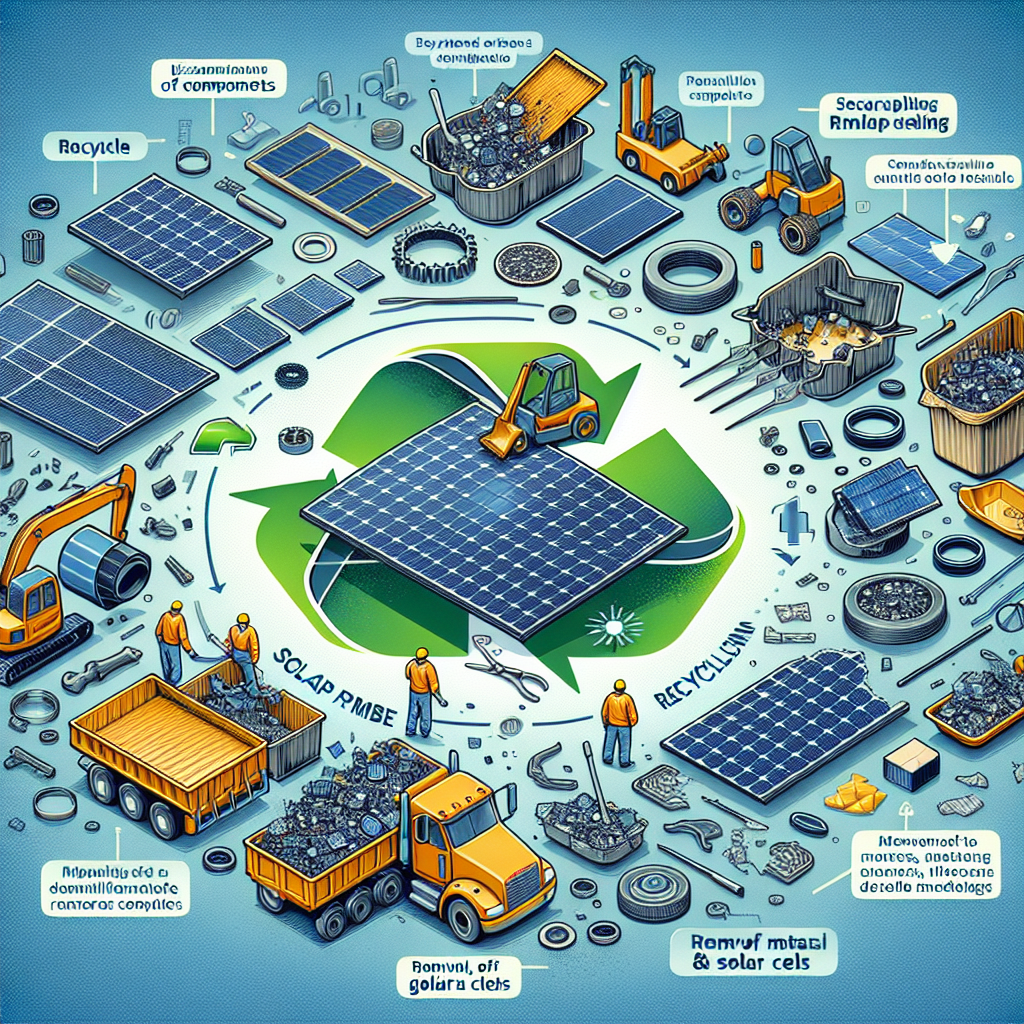
    Speaking of sustainability, the recycling of old solar panels is gaining momentum. With the first wave of solar panels reaching the end of their lifespan, this issue is becoming critical. In fact, I recently learned how valuable the materials in these panels can be, making recycling a smart choice.

    These panels often contain valuable components like silver, silicon, and glass—materials that can be reused in the production of new panels! Programs that facilitate this recycling process should become a priority for all of us who cherish solar energy.

    Being proactive about recycling not only helps conserve resources but also protects the environment by ensuring hazardous materials don’t end up in landfills. It’s about embracing the future of energy while being responsible stewards of our planet.

    Community Solar Initiatives

    Community solar programs are becoming another trend worth noting. These initiatives allow groups of people to invest in a shared solar project, enabling those who might not have suitable roofs to benefit from solar energy. It warms my heart to see communities come together like this.

    It’s a fantastic way to bring people together for a common cause while gaining access to renewable energy. I love how these programs not only help cut energy costs but also foster a sense of community pride and environmental consciousness.

    If you’re interested, check to see if such programs exist in your area—getting involved can be both rewarding and environmentally impactful!

    5. Government Policies and Incentives

    Understanding Tax Credits and Rebates

    Alright, let’s chat about something that can really sweeten the deal for those going solar: government incentives! Tax credits have been an absolute lifesaver for many homeowners, making solar energy more affordable. Each year, I look forward to the renewal of these tax incentives because it proves how serious we are about embracing renewables.

    In the U.S., the federal solar tax credit, which currently allows homeowners to deduct a percentage of their solar system costs from their federal taxes, has been a great motivator for many to go solar. Seriously, you could save thousands—what’s not to love about that?

    But it doesn’t stop there; various states and local governments have their own incentives as well, from grants to rebates. Staying updated on these programs is beneficial for anyone considering solar energy. They can really have a significant impact on your return on investment!

    Legislative Support for Renewable Energy

    Another exciting aspect is the growing political support for renewable energy. Increasingly, legislation is being passed to back solar initiatives, which can result in improved facilities and infrastructure for solar installations. It’s monumental how these movements can shape our energy future.

    Having seen the legislative landscape evolve, I can’t help but feel optimistic, especially as more lawmakers recognize the importance of clean energy. Community solar, net metering, and initiatives supporting energy storage are all part of this blossoming support.

    Getting involved in local advocacy can make a huge difference. By supporting legislation that promotes solar technology, we can all contribute to a shift toward a greener, more sustainable world.

    Future Prospects for Solar Energy Policies

    Looking forward, it’s amazing to think about how much impact policy changes will have on solar technologies. With countries and cities setting ambitious goals for carbon neutrality and renewable integration, the future is bright (pun intended!). It’s encouraging to see various programs roll out to protect and incentivize solar power usage.

    I often remind myself that each step we take today shapes the solar landscape of tomorrow—especially when policies are putting solar at the forefront of energy discussions. Being aware of these trends can help homeowners navigate the landscape more effectively when considering solar options.

    Ultimately, collective efforts will cultivate a thriving market for solar technologies, and I’m excited to be a part of this movement!

    Frequently Asked Questions

    1. What are the main trends in solar technology for 2024?
    The main trends include enhanced efficiency rates, smart solar technology, energy storage innovations, sustainability practices, and supportive government policies and incentives.
    2. How do smart inverters improve solar energy systems?
    Smart inverters allow solar systems to communicate with the grid, optimize energy output, and enable homeowners to monitor their energy production in real-time through apps.
    3. What is the significance of recycling solar panels?
    Recycling solar panels helps conserve resources by reusing valuable materials, reduces waste, and prevents potentially hazardous materials from ending up in landfills.
    4. How can I take advantage of government incentives for solar energy?
    Stay informed about federal, state, and local tax credits, rebates, and grants. These incentives can significantly reduce the cost of your solar panel installation.
    5. What role do community solar initiatives play?
    Community solar programs allow groups of individuals to share the benefits of a solar project, offering access to solar energy for those who cannot install panels on their own properties.
  • The Best Solar Panel Brands for Harsh Weather Conditions

    The Best Solar Panel Brands for Harsh Weather Conditions

    Hey there! If you’ve ever thought about going solar, you might have had concerns about how your panels would hold up in extreme weather. Trust me, I’ve been there! While most solar panels can handle typical weather, not all of them are built for the big league—like hailstorms, heavy snow, or scorching heat. In this article, I’m going to share my insights into the best solar panel brands that can weather the storm—literally! Let’s break this down into sections that will help you choose the right panels for your needs.

    Durability Under Extreme Conditions

    Understanding Weather Resistance Ratings

    When I first started researching solar panels, I came across a term called “weather resistance ratings.” These ratings are essential; they determine how well a solar panel can withstand extreme conditions. I learned that these ratings cover everything from strong winds to heavy snowfall. A panel with high ratings can take a beating!

    One key rating I always check is the hail impact resistance. The panels should be tested against hailstones of a certain size and speed. For instance, a panel that can withstand hailstones up to 1 inch without even a scratch is worth your investment!

    Keep an eye on certifications like IEC 61215 and IEC 61730; they speak volumes about the panel’s durability. Trust me—these ratings are not just numbers; they’re your peace of mind when the weather gets rough.

    Materials Matter

    Next up, let’s talk materials! The choice of materials can make or break a solar panel’s durability. In my experience, panels made with tempered glass are usually tougher against debris and hail since they are designed to withstand high impact.

    I also found that aluminum frames are common in better quality panels. They resist rust and corrosion, which is crucial for longevity, especially in humid or coastal areas. Ultimately, investing in the right materials can save you a headache down the line!

    So, when choosing solar panels, don’t ignore the kind of materials used. They play an integral role in ensuring your panels stand tall against the elements.

    Warranty Considerations

    Oh, the warranty! This is your safety net and something I definitely wouldn’t overlook. I always check how long the warranty lasts—most quality panels come with 25-year warranties. It’s like a promise from the manufacturer that they believe in their product’s durability.

    What I find particularly helpful are warranties that cover weather-related issues specifically. This shows the company stands behind its panels not just for performance but also for resilience in harsh conditions.

    In short, a robust warranty often reflects the quality of the solar panel. It’s worth digging into this aspect when considering your options!

    Efficiency in Variable Climates

    The Role of Temperature Coefficients

    So, here’s a fun fact: solar panels can lose efficiency as temperatures rise. I didn’t realize this at first, but the temperature coefficient is an important detail. It essentially tells you how much efficiency drops per degree Celsius increase.

    If you live in a particularly hot area, look for panels with a low temperature coefficient. Trust me, they’re worth the search. I’ve learned that these panels perform much better in scorching heat than their counterparts. Saves you time and money!

    In contrast, if you’re situated in a colder climate, panels that maintain efficiency even in low temperatures are a blessing. I’ve seen some exceptional brands that tackle all extremes effectively.

    Pmax Ratings and Real-World Performance

    The Pmax rating is another area I always check. It indicates the maximum power a panel can produce under standard test conditions (STC). However, real-world conditions vary, so the actual performance can differ.

    I usually recommend looking at real-world tests and consumer reviews to get a feel for how a panel actually performs under different weather conditions. Sometimes even the top-rated panels don’t shine in specific climates!

    This is where doing your homework pays off. Choose a panel with a solid reputation for maintaining power output across varying climates, and you won’t regret it.

    Adaptability to Local Conditions

    I can’t stress enough how local weather patterns can affect your solar panel performance. For instance, a brand that works wonders in a sunny desert might not be suitable for an area that experiences heavy snowfall.

    During my exploration, I discovered that some brands actually design panels with local weather conditions in mind. This means they’re built to handle what your region dishes out, and that’s a huge plus!

    So, consider not just the brand’s reputation but how well they adapt to local climates. This consideration makes all the difference.

    Top Brands to Consider

    Renowned Manufacturers

    Here’s the fun part! After digging through tons of data and personal experiences, I’ve found a few brands that truly stand out. For example, LG is known for their stellar performance under various weather conditions, from blistering heat to frigid cold.

    Then there’s Canadian Solar, which has a fantastic track record for durability. Their panels are rigorously tested for extreme conditions, making them a go-to choice for many homeowners in tough climates.

    Don’t forget about Q CELLS! I’ve heard many users rave about their efficient performance even in less-than-ideal weather. They maximize power generation and are built to last—what’s not to love?

    User Reviews and Community Feedback

    Diving into user reviews can be eye-opening. In my quest for the best, I turned to various solar forums and communities. Hearing from others who’ve lived with these brands during harsh conditions was invaluable.

    Many users shared their panels’ performance against storms or heavy snow, and this kind of real-life data can help guide your decision. I always advise checking these forums to get a sense of what to expect!

    Community feedback often reflects the brand’s actual reliability. Take a moment to gather real info from folks who have firsthand experiences.

    Cost vs. Performance Analysis

    Finally, let’s talk about cost. In my experience, balancing cost and performance is essential. Cheaper panels might have a poor reputation for durability, and when the big storms hit, you might end up paying more in repairs or replacements.

    I always suggest analyzing the long-term benefits versus the upfront costs. Sometimes paying slightly more for a reliable, tough panel pays off in the long run!

    On the flip side, it doesn’t hurt to be mindful of budget options. Some brands provide great value without skimping on durability, so keep your eyes peeled!

    Installation Quality

    Choosing the Right Installer

    Here’s something I’ve learned the hard way: the installation process is just as important as the panels themselves. It can be a game-changer in determining how well your system performs under harsh conditions.

    Finding a qualified installer in your area can make a huge difference. I always suggest checking their credentials, past projects, and customer reviews. A reputable installer knows how to adapt to unpredictable weather conditions, ensuring a tight fit and secure setup.

    Trust me; going with an experienced installer could save you headaches later. Make sure you choose someone who respects the intricacies of your location’s climate!

    Post-Installation Care

    Let’s talk maintenance! After installation, it’s crucial to keep an eye on your panels. Regular checks can help catch any issues before they become costly problems. Personally, I opted for a maintenance plan that includes routine inspections, and I’m so glad I did!

    If your panels collect debris or snow, a simple cleaning can enhance efficiency. It’s something I’ve implemented, and the results were significant! Investing in maintenance ensures the longevity and effectiveness of your solar system.

    So, don’t just set it and forget it. Being proactive about care can keep your panels in top shape, ready to take on whatever Mother Nature throws your way.

    Regular Performance Monitoring

    Lastly, I encourage performance monitoring. This could mean using smart monitoring systems that alert you if something’s amiss. I can’t tell you how beneficial mine has been; catching dips in performance early made a world of difference!

    Monitoring lets you easily track how your panels handle various weather conditions and helps in making informed decisions about maintenance or upgrades.

    In short, invest in tools that help you stay on top of your system. They can save you time, money, and a lot of stress!

    FAQ

    What is the best solar panel brand for harsh weather?

    While many brands excel, I’ve found that LG, Canadian Solar, and Q CELLS stand out for their durability and efficiency under extreme conditions.

    How do I know if a solar panel is weather-resistant?

    Check for weather resistance ratings, look for certifications like IEC 61215 and IEC 61730, and read user reviews specific to harsh weather performance.

    What maintenance do solar panels require in harsh weather?

    Regular inspections and cleanings are essential. Keeping them free from debris and snow can significantly enhance their performance.

    How do temperature coefficients affect solar panel performance?

    A lower temperature coefficient means the solar panel will lose less efficiency in hot weather, making it suitable for warmer climates.

    Are there warranties specific to weather-related damage?

    Yes! Many reputable brands offer warranties that cover weather-related issues, reflecting their confidence in their product’s durability.

  • What You Need to Know About Solar Panel Recycling

    What You Need to Know About Solar Panel Recycling

    Understanding Solar Panels and Their Components

    What Are Solar Panels Made Of?

    So, let’s start with the basics. Solar panels are primarily made of silicon, which is a key ingredient in many electronic devices. This means that when you decide to go solar, you’re not just embracing renewable energy; you’re also dealing with materials that need special handling when they’ve outlived their usefulness.

    Along with silicon, solar panels contain various metals like silver and aluminum, as well as glass and plastics. Each of these materials has its own story when it comes to recycling, so it’s vital to understand what pieces are in your solar setup before disposing of them.

    In addition to the silicon and metals, you also have other components like the encapsulant and backing materials that can complicate the recycling process. The more you know about what your panel is made of, the better equipped you are to handle it at the end of its life.

    How Solar Panels Work

    Understanding how solar panels function sheds light on why recycling them matters. They convert sunlight into electricity through photovoltaic cells, which then power everything from your lights to your appliances.

    But when solar panels reach the end of their operational lifespan—usually around 25-30 years—they’re not just useless junk. Through effective recycling processes, the materials can be recovered and reused, reducing the demand for new raw materials.

    This process not only mitigates waste but also helps to lower overall environmental impact. The electricity generated during their life is clean and sustainable, and their recycling can ensure that impact continues in a different way.

    The Importance of Responsible Disposal

    Responsible disposal of solar panels is crucial. When improperly discarded, solar panels can contribute to e-waste issues that are already a global concern. They can leach harmful substances into the environment, affecting soil and water.

    Moreover, recycling solar panels promotes a circular economy. By recovering valuable materials, we can reduce mining and manufacturing of new resources, which often entails significant environmental costs.

    In short, thinking ahead about how we’re going to dispose of our solar panels can make a big difference in our sustainability efforts. It’s about more than just recycling; it’s about ensuring everything you invested in keeps giving back to the planet.

    Recycling Processes for Solar Panels

    Step-by-Step: How Solar Panel Recycling Works

    So, how does the recycling process really work? It typically starts with the collection of the solar panels, where they are transported to a dedicated recycling facility. Here, they’re assessed for their materials and condition.

    Next up is the dismantling process. This is where the panels are broken down into their components, including glass, metals like silicon and silver, and various plastics. Each material is then prepared for its own recycling stream.

    Finally, each component is processed in a way that allows it to be reused in new products. It’s a fascinating process that helps us make the most out of what we have, turning the end of a solar panel’s life into new beginnings.

    Different Methods of Recycling

    There are different methods utilized in recycling solar panels. One common approach is mechanical recycling, where panels are physically broken down into their components. Each material is separated out for processing, which is efficient but can produce waste.

    Another method is thermal recycling, which uses high temperatures to melt and separate the materials. This can be more effective for certain substances but also requires a lot of energy.

    Some facilities even use chemical processes to recover materials, ensuring a more complete extraction of useful substances. Each method comes with its own pros and cons, and it’s interesting to see how evolving technologies are making recycling even more effective.

    Challenges in Solar Panel Recycling

    While the recycling of solar panels is essential, it’s not without its challenges. One of the biggest hurdles is the limited infrastructure for recycling, especially as more panels reach the end of their life cycle.

    Additionally, the processes involved can be quite technical and may not be accessible to every recycling facility. This lack of accessibility can lead to panels ending up in landfills instead, which totally goes against the whole reason we went solar in the first place.

    Understanding these challenges can inspire us to advocate for better recycling solutions and policies that prioritize sustainable practices in the solar industry. Ultimately, the more clouds we clear in terms of logistics, the brighter the future for solar recycling looks!

    The Role of Legislation and Policy

    Current Regulations Surrounding Solar Panel Disposal

    Legislation plays a crucial role in shaping the practices around solar panel recycling. In many areas, laws are being introduced that require manufacturers to take responsibility for their products at the end of their life.

    For instance, some countries have already implemented producer responsibility programs, where companies are obligated to manage the disposal and recycling of their solar products. This pushes for a much-needed shift in how we think about the lifecycle of solar panels.

    It’s vital to keep up with local and national regulations that pertain to solar recycling. Not only does this help hobbyists and manufacturers comply, but it also promotes broader environmental goals that benefit all of us.

    Future Legislation Trends in Solar Recycling

    As the solar market continues to grow, I foresee future regulations evolving to reflect that shift. We might see stricter standards for recyclability built into design requirements for new solar technologies.

    Additionally, incentives for using recycled materials in new products could become more common. This would further encourage manufacturers and consumers to think about sustainability as part of their energy solutions.

    Keeping an eye on these potential trends helps us stay proactive rather than reactive when it comes to the environment and energy solutions. It’s an exciting time for innovation!

    Advocacy for Improved Solar Recycling Policies

    Working together as a community to push for policies that enhance solar panel recycling can significantly influence the landscape of renewable energy. Advocating for better recycling practices can mean engaging with local governments and participating in discussions around sustainability.

    We can educate our networks about the importance of responsible disposal and the impact it has on the industry’s sustainability efforts. The more voices we have, the more likely we are to see changes in policies and practices.

    So join the conversation! Whether it’s through social media, local events, or community forums, being an advocate for proper solar panel recycling can foster change that echoes well beyond just our rooftops.

    Your Responsibilities as a Solar Panel Owner

    Knowing When to Recycle

    As a solar panel owner, it’s essential to know when it’s time to recycle your panels. Generally, if your panels are nearing or have exceeded their lifespan and are significantly underperforming, it’s time to consider your options.

    But not just performance is a trigger; if you notice any physical damage, such as cracks, or if they’ve been exposed to extreme weather conditions over time, that’s another sign they may need to be recycled.

    Staying informed about your system’s performance and efficient maintenance can extend the life of your panels, but eventually, everything reaches its end, and being prepared for that moment is crucial.

    Finding a Recycling Facility

    Once you’ve decided it’s time to recycle, the next step is finding a facility that can help you do that. Many local recycling centers are beginning to offer specialized services for solar panels, but it’s important to ensure they’re equipped to handle the unique materials involved.

    Doing a bit of research ahead of time can save a lot of hassle. Look for facilities that have certifications or partnerships with well-known recyclers. These indicators often demonstrate a commitment to environmentally responsible practices.

    Sometimes manufacturers of solar panels also provide take-back programs, so checking with your provider before deciding where to take your panels is a wise move. They may have specific solutions tailored to their products!

    Educating Yourself and Your Community

    Finally, the more you educate yourself about solar panel recycling, the better equipped you’ll be to share that knowledge with your community! Hosting a workshop or writing a blog post can help others understand why recycling is crucial.

    As the saying goes, sharing is caring! The more we spread the word, the larger the community we build around sustainable practices. Together, we can create a culture where recycling solar panels is the norm, not the exception.

    Let’s uplift each other and the planet by ensuring that our investments in solar energy don’t end up as waste. It’s about making a difference, one recycled panel at a time!

    Frequently Asked Questions

    1. Why is it important to recycle solar panels?

    Recycling solar panels is crucial to preventing e-waste, recovering valuable materials, and minimizing environmental impact. It helps support a sustainable lifecycle for the materials involved in generating solar power.

    2. What materials are recovered from solar panels during recycling?

    During the recycling process, valuable materials such as silicon, silver, glass, and aluminum are recovered. These materials can then be reused in new products, reducing the need for mining and new raw materials.

    3. How can I tell if my solar panels need recycling?

    Indications that you may need to recycle your solar panels include significant performance drops, physical damage, or if the panels are approaching the end of their lifespan (usually 25-30 years).

    4. Are there local facilities that recycle solar panels?

    Yes! Many local recycling centers are beginning to offer solar panel recycling services. It’s best to do a bit of research to find certified facilities that handle the recycling of solar materials.

    5. What can I do to advocate for better solar panel recycling practices?

    You can get involved by educating yourself and your community about solar recycling, attending local forums and workshops, and advocating for policies that support improved recycling initiatives. Every voice counts in the push for sustainability!

  • Solar Panel Maintenance: Essential Care Guide

    Solar Panel Maintenance: Essential Care Guide

    Regular Inspection

    Why Inspections Matter

    Picture this: you’ve invested in solar panels, and they’re just sitting up there soaking up the sun. It’s easy to forget about them, right? But that’s where regular inspections come in. Trust me, giving those panels a good look over every now and then can save you lots of headaches later. You want to catch any potential issues before they turn into costly repairs.

    Regular inspections not only help to ensure that your panels are working at their best but also extend their lifespan. Think of it as taking your car in for a routine check-up. You’re keeping things in top shape and spotting any minor issues before they blow up into major problems. A good habit to get into!

    I often set a calendar reminder to inspect my panels every six months. That way, I know I’m being consistent, and it keeps my panels happy and productive.

    Signs of Damage to Look For

    When you’re up there checking out your solar panels, there are a few things to keep an eye on. Look for any cracks or chips in the glass. These can allow moisture in, which can wreak havoc on the inner workings of your system. If you notice any discoloration or dullness, it could mean dirt buildup or, worse, permanent damage.

    Also, check the wiring. If you see any frayed wires or loose connections, it’s time to act! Small issues can turn into big problems if they’re not addressed. Trust me, preventative maintenance is the key to a smooth operation.

    Finally, watch out for any signs of pest activity. Birds or squirrels sometimes find solar panels to be cozy real estate. I’ve seen nests start to form, which isn’t just messy; it can block sunlight and hinder energy production.

    Frequency of Inspections

    How often should you inspect your solar panels? Well, that can depend on a few factors. If you live in an area with a lot of storms or dust, you might want to check them more often—think every few months. However, for most folks, a biannual inspection is just fine.

    Also, after big weather events, like hail or heavy snow, it’s smart to give them a once-over. I’ve learned that paying attention to the weather can be just as important as the actual inspection! If you know a storm is coming, check those panels before it hits.

    Remember, it’s all about keeping your system running smoothly and efficiently. Keeping a log of your inspections can be helpful too, so you can track what’s been done and when.

    Cleaning Methods

    When and How to Clean

    Your solar panels love it when they’re clean. A good wash helps maximize their efficiency. But how do you know when it’s time to clean? If your panels look dirty, or you notice a drop in energy production, it’s time to break out the hose!

    I like to clean my panels early in the morning or late in the afternoon when they’re cooler. This prevents any possible damage from sudden temperature changes and helps to avoid getting burned while up on the roof. Safety first, am I right?

    You can use a simple soap solution and a soft brush to scrub them down. Just don’t use anything abrasive—no one likes scratches! Rinse it off with a hose, and voila, they’re shiny and ready for some sun!

    Professional vs. DIY Cleaning

    This is a big debate among solar panel owners. Do you go the DIY route or hire a professional? Personally, I think it depends on your comfort level. If you’re handy and don’t mind getting your hands dirty, then cleaning them yourself can be quite rewarding; you save some bucks, and you know exactly what’s going on with your panels.

    However, if you’re hesitant about climbing up on the roof, or if the panels are particularly large or hard to reach, it might be worth calling in the pros. They have the right tools and know-how to avoid potential damage.

    Some companies even offer maintenance packages that include cleaning, inspections, and repairs. This can be a wise investment if you want peace of mind and a hassle-free experience.

    Tips for Effective Cleaning

    When it comes to cleaning, there are a few tricks I’ve picked up along the way. First off, don’t skimp on the inspect-and-clean combo. Always check your panels for debris or damage before cleaning. You don’t want to make a bad situation worse!

    Be mindful of your cleaning tools. Use a soft-bristle brush, a bucket of water, and a gentle soap mixture. If you have a ladder, use that safe and sturdy for reaching high spots, and never attempt to clean icy panels. Safety is paramount!

    And finally, if you’re on the roof, make sure you’re secure. A harness can be a lifesaver. Slipping off the roof while trying to clean seriously isn’t the best way to start a sunny day.

    Monitoring Performance

    Understanding Energy Production

    Monitoring your solar panel performance is crucial. It lets you know just how well they’re doing. Most systems have a monitoring feature that tracks energy production. You’ll be able to see how much energy is being generated daily, which helps you catch any dips in efficiency.

    When I first set up my solar panels, I was amazed at how much information I could get just from my smartphone. It made me feel in control of my investment! Keeping tabs on energy production helps you understand when the right time is to inspect or clean your panels.

    Having this data at my fingertips also provides some satisfaction and motivation to keep everything shipshape. You can see firsthand how all that sunshine translates into energy savings for your home.

    Identifying Performance Issues

    If you notice a significant drop in production, don’t panic. Instead, take a closer look. It could be as simple as dirt buildup or a nearby tree casting new shade. I recall experiencing a dip in energy in the winter and discovered that a tree limb had grown enough to partially block sunlight.

    In more serious cases, check for blown fuses or checking your inverter’s performance. Any abnormal behavior there could signal that something needs your attention. Keeping a checklist for common issues can save you a lot of troubleshooting time.

    Every once in a while, it’s advisable to have a professional technician come and inspect the inverter and connections. I do this annually just to keep the system running smoothly.

    Using Monitoring Tools

    As I mentioned earlier, many solar systems come with built-in monitoring tools, but there are also third-party options available. These tools can provide real-time updates on your panel’s performance from any smart device.

    Using dedicated solar monitoring apps has made managing my solar system so much easier. These apps often analyze trends and provide insights into how to optimize energy production, which allows me to adjust my settings and usage accordingly.

    Don’t ignore these tools—they’re like your solar panel’s best friend. Having the right data helps you make informed decisions on when to clean and inspect your panels, directly impacting your energy efficiency and savings.

    Safety Tips for Maintenance

    Proper Equipment

    When it comes to maintaining your solar panels, safety should always be your number one concern. You want to make sure you’ve got the right equipment before heading up on the roof. I always start by checking my ladder, making sure it’s sturdy and placed on a flat surface. Trust me, you don’t want to be slipping and sliding while trying to clean!

    Wear non-slip shoes for better grip, and if you’re working with water or cleaning solutions, consider using rubber soled boots. It can make a big difference in keeping your footing secure. And don’t forget safety goggles if you’re up close with cleaning solutions.

    If you feel unsure about any part of the process, it’s worth it to hire a pro. A trained technician knows how to work safely around your panels without risking injury.

    Working with Electricity

    Remember, solar panels are connected to your home’s electrical system. This means there’s electricity involved, and you want to keep that in mind during maintenance. Always turn off the inverter before doing any work, especially when you’re inspecting wiring.

    It’s wise to check for any visible signs of wear on the electrical components. I also make a habit of keeping an eye on my system’s output and ensure that everything runs smoothly. If anything looks odd, I don’t hesitate to call in a professional.

    Staying cautious and informed about the electrical aspects can prevent accidents and keep you safe while ensuring the solar panels remain functional.

    Preventing Accidents

    Safety shouldn’t just be a checklist item; it’s something you incorporate into your entire maintenance routine. Always keep the roof clear of any debris or loose materials before climbing up. You’d be surprised how many accidents happen from something slipping out of hand.

    When in doubt about any maintenance task, whether it’s cleaning or inspecting, trust your gut. Don’t put yourself in a risky situation. It’s always better to be safe than sorry!

    Finally, have a buddy system in place when working on the roof. Having someone with you is a great way to enhance safety and provide backup if you need assistance.

    Understanding Warranties and Support

    Your Warranty Coverage

    When I first invested in solar panels, understanding warranties was a bit overwhelming. However, knowing your coverage can save you a lot of money and stress down the line. Most manufacturers offer warranties ranging from 10 to 25 years for solar panels, but these often cover specific components.

    Check to see what’s included in your warranty—does it cover the performance or just the materials? Knowing these details can be crucial when it comes time to file a claim if something goes wrong.

    Always keep a copy of your warranty documentation handy. I recommend storing it in a safe spot, so you have quick access when needed. This proactive approach helped me immensely when I had to call a manufacturer regarding a performance issue.

    Manufacturer Support

    Most solar panel manufacturers have customer support teams ready to assist with any questions or concerns. Don’t hesitate to reach out if you notice any performance issues or if you have questions about your warranty. They can provide essential guidance and often help troubleshoot problems over the phone.

    Also, check online forums or community groups; these can be treasure troves of information. Fellow solar panel owners often share their experiences and solutions—sometimes even faster than waiting for a direct response from the manufacturer.

    And remember, no question is too small. The more informed you are, the better equipped you’ll be to maintain your system effectively.

    Professional Help and Routine Maintenance

    Sometimes DIY just isn’t enough, and that’s okay! Knowing when to call in the pros is a massive part of maintaining your solar system. I’ve developed a routine where I schedule a professional inspection at least once a year. This not only keeps my panels in prime condition, but it also gives me peace of mind knowing that experts are handling the details.

    Always keep a list of reputable service providers handy. Ask for recommendations from friends or check online reviews to ensure you’re choosing a reliable team. And once you’ve found a trustworthy maintenance service, build a relationship with them.

    Many of them offer package deals for maintenance services, including inspections, cleaning, or even minor repairs. These services can help extend the life of your panels, making them well worth the investment.

    FAQ

    1. How often should I inspect my solar panels?

    It’s generally recommended to inspect your solar panels at least twice a year, but more frequent checks might be necessary if you live in a dusty or storm-prone area.

    2. Can I clean my solar panels myself?

    Absolutely! Cleaning your solar panels yourself can save money, but make sure you follow safety precautions, and don’t hesitate to call professionals if you’re not comfortable.

    3. What are common signs that my solar panels need maintenance?

    Look out for decreased energy production, visible dirt buildup, damage to the panels, or issues with wiring. If anything seems off, it’s a good idea to inspect or call a pro.

    4. Is professional maintenance necessary?

    While it’s not mandatory, having a professional maintenance check annually can pay off by catching problems early and ensuring your system runs efficiently.

    5. How do I understand my warranty coverage for solar panels?

    Check your warranty document for specifics on what components are covered and for how long. Manufacturers usually have clear policies that detail what is included, so keep this information handy.